 Skip to content
This Kenya Wildlife Safari Guide is designed for travelers who want more than a simple list of national parks. It explains where to go, what wildlife you can expect to encounter, when to travel, how many days to spend on safari, how to choose accommodation, what to pack and how to combine different destinations into one rewarding journey.
Kenya is one of Africa’s legendary wildlife destinations, a country where vast savannahs, dramatic escarpments, acacia woodlands, wetlands, mountains and semi-arid wilderness support an extraordinary variety of animals. Lions resting beneath acacia trees, elephants crossing dusty plains, giraffes feeding above thorn bushes, cheetahs scanning open grasslands and thousands of wildebeest moving through the Maasai Mara are all part of the classic Kenyan safari experience.
Whether you are planning your first African safari, a family wildlife holiday, a honeymoon, a private photographic expedition or a longer East African adventure, Kenya offers remarkable flexibility.
From the world-famous Maasai Mara National Reserve to Amboseli National Park, Tsavo, Samburu, Lake Nakuru and the wildlife conservancies of Laikipia, every region provides a different perspective on the natural diversity of East Africa.
Why Kenya Is One of Africa’s Great Wildlife Safari Destinations
Few countries are as closely associated with the word safari as Kenya.
The country’s appeal comes from the combination of wildlife diversity and landscape variety. A single journey can take you from Nairobi to rhino country in the central highlands, north into the dry landscapes of Samburu, south to elephants beneath Mount Kilimanjaro and west toward the rolling grasslands of the Maasai Mara.
Kenya is home to the celebrated African Big Five: lion, leopard, elephant, buffalo and rhinoceros. But concentrating exclusively on these five animals means missing much of what makes a Kenya safari fascinating.
Travelers can also encounter cheetahs, spotted hyenas, giraffes, hippos, crocodiles, zebras, wildebeest, warthogs, gazelles, antelopes, jackals, baboons and hundreds of bird species.
Northern Kenya adds another dimension. Samburu and neighboring ecosystems are associated with distinctive wildlife such as Grevy’s zebra, reticulated giraffe, gerenuk, Beisa oryx and Somali ostrich.
Kenya is therefore not simply about checking animals off a list. Its greatest strength is the diversity of ecosystems and safari experiences available within one country.
Kenya Wildlife Safari Guide to the Best National Parks and Reserves
Choosing the right parks is one of the most important parts of planning a Kenya safari.
Trying to visit too many destinations in a short period can result in long transfers and limited time watching wildlife. A carefully planned itinerary usually produces a better experience than simply adding as many parks as possible.
The following destinations deserve serious consideration.
Maasai Mara National Reserve: Kenya’s Most Famous Safari Destination
For many international travelers, the Maasai Mara represents the classic image of an African safari.
Located in southwestern Kenya, the reserve forms part of the wider Serengeti-Mara ecosystem extending across the Kenya-Tanzania border.
Its rolling grasslands and open plains provide excellent habitat for grazing animals and predators. Lions, elephants, buffaloes, giraffes, zebras, wildebeest, cheetahs and numerous antelope species can all be encountered.
Leopards are present as well, although sightings require patience and good guiding.
One of the major advantages of the Maasai Mara is visibility. Open grassland makes wildlife easier to observe than in heavily wooded ecosystems.
Predator sightings are among the main attractions. Lions frequently occupy territories throughout the ecosystem, while cheetahs benefit from open areas where their exceptional speed becomes an advantage.
The Mara is also closely associated with the Great Migration.
Great Migration Safaris in the Maasai Mara
The Great Migration is one of the world’s most famous wildlife movements.
Huge herds of wildebeest, accompanied by zebras and other herbivores, move through the wider Serengeti-Mara ecosystem in response to rainfall, grazing and water availability.
During part of the year, large concentrations reach the Kenyan side of the ecosystem.
July through October is commonly associated with migration viewing in the Maasai Mara, although nature does not operate according to a fixed calendar. Rainfall can influence the exact timing and location of the herds.
Mara River crossings receive enormous attention because of their drama. Wildebeest may gather near the river before attempting to cross while crocodiles wait in the water and predators patrol surrounding areas.
However, travelers should understand an important point: no ethical safari operator can guarantee a river crossing.
Animals decide when and where they move.
Instead of planning an entire safari around one specific crossing, allow several nights in the Mara and appreciate the complete ecosystem.
Migration season can also be busy. Travelers seeking quieter experiences may consider conservancies surrounding the national reserve or travel during another season.
How Long Should You Stay in the Maasai Mara?
Three nights is a useful starting point.
Four nights can provide a more relaxed experience, particularly during migration season or for serious photographers.
Spending several days in one wildlife area is often more rewarding than rushing through multiple parks because every game drive is different.
Morning weather changes, predators move, elephants travel between feeding areas and different species gather near water.
Patience is one of the most valuable ingredients of a successful wildlife safari.
Amboseli National Park: Elephants and Mount Kilimanjaro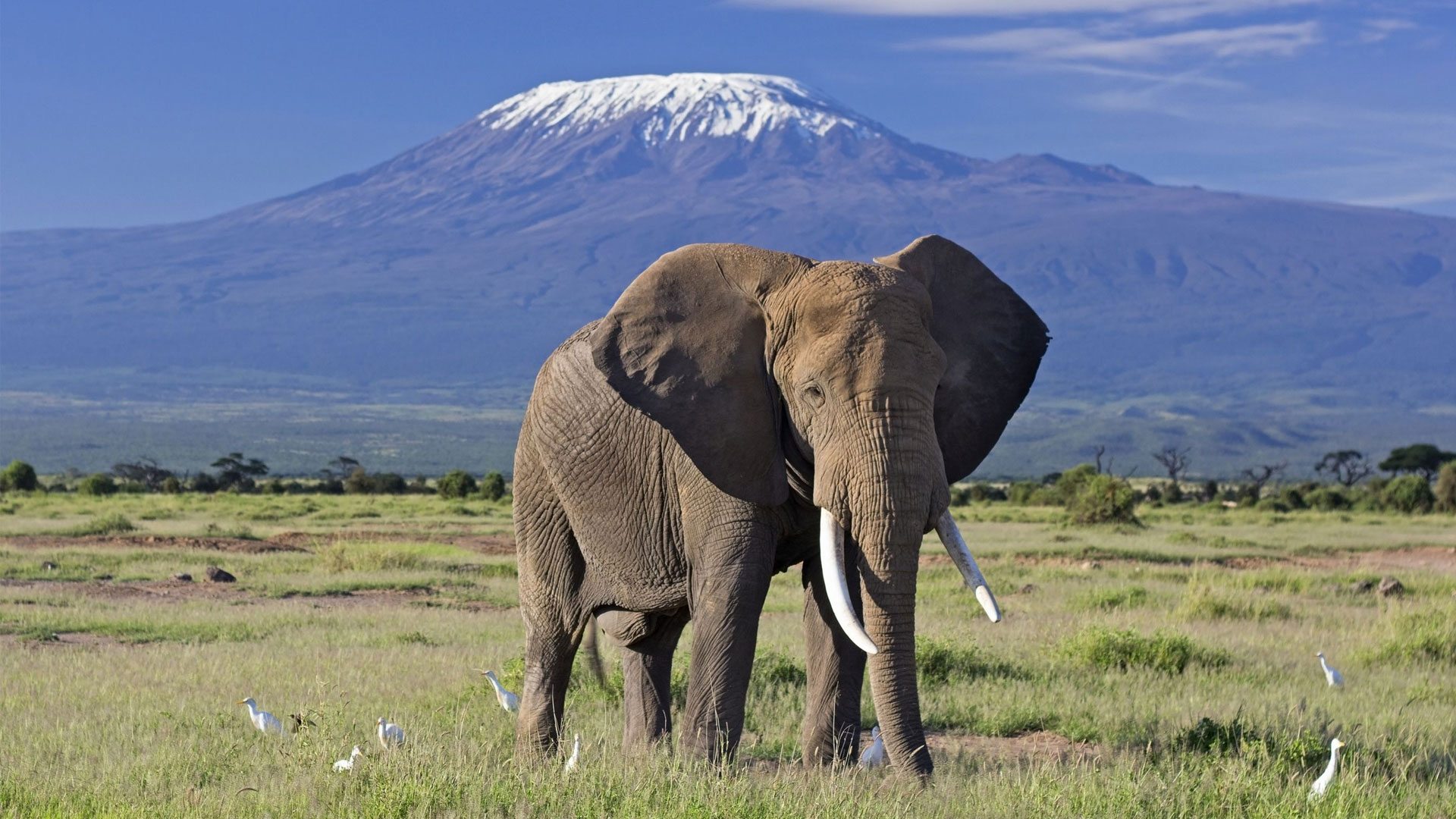
Amboseli provides one of East Africa’s most recognizable landscapes.
Large elephant herds crossing open plains with Mount Kilimanjaro in the distance have created some of the most famous images of African wildlife.
Kilimanjaro itself lies across the border in Tanzania, but Kenya’s Amboseli region provides celebrated views of the mountain when weather conditions are clear.
Elephants are the major attraction.
Amboseli’s mixture of plains, swamps and wetlands creates productive wildlife habitat, particularly during dry periods when water becomes increasingly important.
Travelers may encounter elephants, buffaloes, zebras, wildebeest, giraffes, hippos, lions, hyenas and numerous antelope species.
Birdlife can also be excellent.
Amboseli for Wildlife Photography
Amboseli is particularly attractive for photographers.
The relatively open terrain creates opportunities for environmental photographs showing animals within the broader landscape rather than tightly cropped portraits.
Early mornings can be especially rewarding.
Soft light, cooler temperatures and the possibility of clearer mountain views create excellent conditions.
A good photographic safari should never become a race from one animal to another. Sometimes spending thirty minutes watching a herd of elephants approach a wetland produces far stronger photographs than trying to photograph ten different species in the same period.
Tsavo East National Park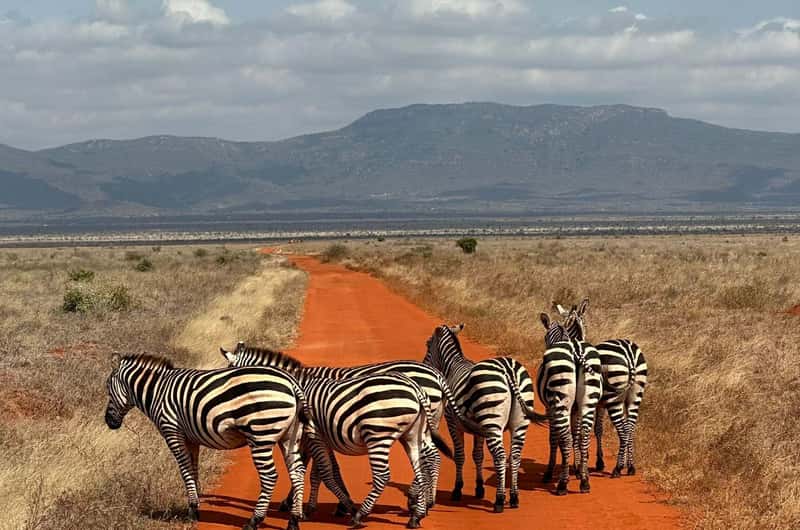
Tsavo offers a very different atmosphere.
Together, the Tsavo ecosystem covers an enormous area and is famous for broad wilderness landscapes.
Tsavo East is often associated with open country, red earth and elephants whose bodies become coated with the region’s distinctive soil.
The scale of the landscape is part of the attraction.
Wildlife may be more dispersed than in some smaller reserves, but that makes sightings feel especially rewarding.
Elephants are among the stars, alongside lions, buffaloes, giraffes, zebras, antelopes and numerous birds.
Tsavo works particularly well for travelers entering or leaving Kenya through the coast because it can be combined with destinations around Mombasa, Diani and Watamu.
Tsavo West National Park
Tsavo West offers contrasting scenery with volcanic landscapes, hills, woodland and water sources.
Travelers frequently combine Tsavo East and Tsavo West rather than choosing only one.
The result is a safari featuring two different landscapes within the same broader ecosystem.
A Tsavo circuit can also be linked with Amboseli, creating an excellent southern Kenya safari.
For travelers who want wildlife followed by relaxation on the Indian Ocean coast, this region provides an attractive route.
Samburu National Reserve
Samburu introduces travelers to the drier landscapes of northern Kenya.
The scenery feels noticeably different from the Maasai Mara.
Semi-arid terrain, rocky hills, riverine vegetation and distinctive wildlife give the region its own character.
The Ewaso Ng’iro River is particularly important because wildlife gathers around reliable water.
Elephants are frequently encountered, while predators can include lions and leopards.
Samburu is especially famous for species adapted to northern Kenya.
The Samburu Special Five
Travelers often hear guides referring to the Samburu Special Five.
These are:
Grevy’s zebra, reticulated giraffe, gerenuk, Beisa oryx and Somali ostrich.
Seeing these species adds variety to a Kenya safari because they differ from the wildlife commonly associated with southern safari circuits.
Grevy’s zebra, for example, has narrower stripes and a different appearance from the more widespread plains zebra.
Reticulated giraffes are equally distinctive, with sharply defined geometric patterns.
The gerenuk is another memorable animal. Its elongated neck and ability to stand on its hind legs while feeding create an unusual silhouette.
For wildlife enthusiasts who have already completed a traditional East African safari, Samburu can be one of Kenya’s most rewarding additions.
Lake Nakuru National Park
Lake Nakuru offers a convenient contrast to the open savannah environments of the Maasai Mara.
The park is widely associated with rhinoceros conservation and can therefore be particularly valuable for travelers hoping to see rhinos during their Kenya wildlife safari.
Both black and white rhinoceros can be encountered in Kenya, although sightings always depend on wildlife movement and conditions.
Lake Nakuru is also known for birdlife.
Flamingo numbers can vary depending on environmental and water conditions, so travelers should avoid assuming that historical photographs showing enormous pink concentrations will exactly represent what they will see.
Other animals can include buffaloes, giraffes, zebras, baboons and various antelope species.
Lake Nakuru fits conveniently into itineraries connecting Nairobi with the Maasai Mara and the central regions of Kenya.
Ol Pejeta Conservancy
Ol Pejeta is one of Kenya’s important conservation destinations.
Located in Laikipia, the conservancy is particularly associated with rhinoceros conservation.
It provides travelers with an opportunity to combine conventional game viewing with a deeper understanding of wildlife protection.
This makes Ol Pejeta particularly suitable for families, educational trips and travelers who want conservation to form a meaningful part of their safari.
It can be combined with Mount Kenya, Samburu and other destinations across the central and northern circuit.
Lake Naivasha
Lake Naivasha is different from Kenya’s classic big-game reserves.
Its freshwater environment provides excellent birdlife and opportunities for boat excursions.
Hippos inhabit the lake, while the surrounding region supports additional wildlife.
Naivasha is often used as a comfortable stop between safari areas rather than the central focus of a long wildlife itinerary.
Its location makes it useful for breaking up journeys and adding variety.
Nairobi National Park
One of Kenya’s most unusual wildlife experiences sits almost beside the capital.
Nairobi National Park allows travelers to go on safari without traveling deep into the countryside.
The juxtaposition of wildlife and the distant city skyline makes the park particularly interesting.
It can be useful for travelers with limited time, business visitors adding a safari day or guests waiting before an international flight.
For a first-time visitor with several days available, Nairobi National Park generally works best as an introduction or additional experience rather than a replacement for destinations such as the Maasai Mara or Amboseli.
Laikipia: Conservation, Wilderness and Private Safari Experiences
The Laikipia Plateau has become an important part of Kenya’s conservation landscape.
Private and community conservancies can offer experiences that differ from conventional national-park safaris.
Depending on the property and conservancy regulations, travelers may have opportunities for activities such as guided walking, night drives and specialized conservation experiences.
The region is also important for rhino conservation and provides habitat for numerous other animals.
Laikipia works particularly well for travelers looking for privacy, conservation-focused tourism or a slower safari experience.
Understanding the Big Five on a Kenya Safari
The Big Five remain among the most searched-for animals on African safari holidays.
They are:
Lion
Leopard
African elephant
African buffalo
Rhinoceros
The expression originated historically in hunting terminology and referred to animals considered particularly difficult and dangerous to hunt on foot. Modern photographic safaris have transformed the term into a wildlife-viewing checklist.
Fortunately, today’s responsible safari experience is about observing and protecting wildlife rather than hunting it.
Lions in Kenya
Lions are among Kenya’s most impressive predators.
The Maasai Mara is particularly famous for lion sightings, although lions also inhabit Amboseli, Tsavo, Samburu and other protected areas.
Early morning and late afternoon are often productive times because lions may be more active during cooler periods.
Watching a pride provides far more insight than simply taking a photograph and driving away.
Visitors may observe cubs playing, adults resting, social greetings, territorial behavior or coordinated hunting.
Leopards
Leopards are considerably more secretive.
They are masters of camouflage and often spend daylight hours hidden in vegetation or resting in trees.
A good guide looks for indirect evidence: alarm calls from prey species, tracks, territorial markings or the behavior of other animals.
Finding a leopard therefore illustrates the value of experienced safari guiding.
African Elephants
Elephants can be observed in several Kenyan ecosystems.
Amboseli is particularly celebrated for elephant viewing, while Tsavo and Samburu also support important populations.
Watching elephants interact is one of the great pleasures of safari.
Family groups are usually led by experienced females, and patient observation may reveal complex communication and social behavior.
African Buffalo
Buffalo occur in many Kenyan wildlife areas.
Large herds can create impressive scenes, while older bulls are sometimes encountered separately.
Although buffalo may appear calm, they are powerful wild animals and should always be treated with appropriate distance and respect.
Rhinoceros
Rhinos require more targeted planning.
Travelers particularly interested in rhino sightings should consider destinations with established conservation populations such as Lake Nakuru and Ol Pejeta.
Kenya’s rhino conservation story also demonstrates why protected areas and responsible tourism remain so important.
Beyond the Big Five: Animals to Look for in Kenya
A safari becomes far more rewarding once travelers stop concentrating only on five species.
Cheetahs are among the most sought-after predators, particularly in open grasslands where they can scan the landscape.
Spotted hyenas are equally fascinating. Their complex social structures and powerful hunting abilities make them far more than the scavengers they are sometimes portrayed to be.
Giraffes occur across multiple ecosystems, with different species and subspecies adding interest to regional itineraries.
Zebras are another common but photogenic safari animal.
The plains zebra is widespread, while northern regions offer opportunities to encounter Grevy’s zebra.
Hippos spend much of the day in water and become increasingly active on land during cooler periods.
Crocodiles inhabit rivers and wetlands and become particularly visible in public imagination during migration crossings.
Other animals to watch for include eland, topi, impala, gazelles, waterbuck, hartebeest, dik-dik, warthogs, jackals, mongooses and numerous primates.
Every game drive offers something different.
Kenya Wildlife Safari Guide to the Great Migration
The Great Migration deserves its own section because it influences so many Kenya safari plans.
Rather than being a single annual event, the migration is a continuous movement through the Serengeti-Mara ecosystem.
Rainfall and grass growth influence the animals’ movements.
The Kenyan chapter is most closely associated with the period when large herds reach the Maasai Mara.
Travelers often target approximately July through October for this reason.
But exact timing changes.
That uncertainty is part of genuine wildlife travel.
Are Mara River Crossings Guaranteed?
No.
This is one of the most important expectations to establish before booking a migration safari.
Even when thousands of wildebeest are gathered near a river, they may wait for hours or move somewhere else entirely.
A crossing can begin unexpectedly.
Rather than scheduling one short game drive and expecting the spectacle to happen on demand, travelers interested in the migration should consider several nights in the Mara.
More time means more opportunities while also allowing visitors to enjoy lions, elephants, cheetahs, giraffes and the rest of the ecosystem.
Best Time for a Kenya Wildlife Safari
Kenya can be visited throughout the year.
The ideal month depends on what you want to experience.
January and February
These months can provide excellent wildlife viewing in many destinations.
Conditions are often relatively dry, and wildlife may be easier to locate around water sources.
They are attractive months for travelers whose priority is general wildlife rather than the Maasai Mara migration.
March to May
The long-rain period transforms landscapes.
Grass becomes greener, skies can become dramatic and many destinations receive fewer tourists.
Travelers should be prepared for rainfall and changing road conditions.
For photographers, green landscapes and atmospheric skies can create beautiful images.
June to October
This is one of Kenya’s major safari periods.
Drier conditions can concentrate animals around water, while the Maasai Mara may host major concentrations associated with the Great Migration during part of this period.
Demand can be high, especially in popular destinations.
Early booking becomes important for sought-after camps and lodges.
November and December
Short rains can refresh the landscape.
Wildlife viewing remains rewarding, while green scenery can be especially attractive for photography.
Seasonal patterns vary between regions and from year to year, so safari planning should consider specific destinations rather than treating Kenya as having one identical climate everywhere.
Dry Season Versus Green Season Safari
Neither season is automatically better.
Dry-season travel generally provides easier wildlife visibility because vegetation may be thinner and animals frequently concentrate near water.
Green-season travel offers its own advantages.
Landscapes become lush, visitor numbers may decrease in certain areas and photography can be excellent.
Travelers who want famous migration scenes may prefer the relevant migration months, while those who prioritize landscapes, birding or quieter travel may enjoy another period.
A well-designed safari should match the season to the traveler’s priorities.
How Many Days Do You Need for a Kenya Safari?
A Kenya wildlife safari can range from one day to several weeks.
For most international travelers, approximately seven to ten days creates a comfortable balance.
3-Day Kenya Safari
A three-day safari works when time is limited.
The Maasai Mara is a popular choice, although transfer times need to be considered carefully.
Amboseli can also work well for a short safari from Nairobi.
5-Day Kenya Safari
Five days allows two complementary destinations.
Possible combinations include Amboseli and Tsavo or Lake Nakuru and the Maasai Mara.
The key is avoiding excessive driving.
7-Day Kenya Wildlife Safari
Seven days provides much more flexibility.
A classic itinerary might combine Amboseli, Lake Nakuru and the Maasai Mara.
Another possibility is Ol Pejeta, Samburu and a central Kenya destination.
10-Day Kenya Safari
Ten days allows travelers to slow down.
Rather than spending one night everywhere, you can stay multiple nights in important wildlife areas.
A ten-day safari can include several ecosystems without making the journey feel rushed.
14-Day Kenya Safari
Two weeks opens the door to a comprehensive experience.
Travelers can combine northern and southern safari circuits or finish with several days on the Indian Ocean coast.
A longer trip can also be extended into Tanzania, Uganda or Rwanda.
Sample 7-Day Kenya Wildlife Safari Itinerary
A well-balanced first safari could follow this structure.
Day 1: Nairobi to Amboseli National Park
Meet your professional safari driver-guide and travel toward Amboseli. After checking into your lodge or tented camp, enjoy an afternoon game drive.
Day 2: Full-Day Amboseli Safari
Explore the park during morning and afternoon game drives. Search for elephants, buffaloes, lions, giraffes, zebras and other wildlife while enjoying views toward Mount Kilimanjaro when conditions allow.
Day 3: Amboseli to Lake Nakuru
Travel toward the Great Rift Valley and Lake Nakuru region. Depending on arrival time, enjoy an afternoon wildlife drive.
Day 4: Lake Nakuru to Maasai Mara
Begin with additional wildlife viewing before continuing toward the Maasai Mara.
Enter the ecosystem and enjoy your first Mara game drive.
Day 5: Maasai Mara
Spend a full day exploring the reserve.
Look for lions, elephants, buffaloes, giraffes, cheetahs, hyenas, zebras and numerous antelope species.
During migration season, your guide can use current wildlife information to help determine where large herds are moving.
Day 6: Maasai Mara
Enjoy another complete day in the Mara.
Having a second full day dramatically improves the safari pace because you are not forced to rush from sighting to sighting.
Day 7: Maasai Mara to Nairobi
Take a final morning drive where practical before returning to Nairobi or connecting with your onward travel arrangements.
Kenya Safari Costs: What Determines the Price?
There is no universal Kenya safari price.
The cost depends on several interconnected factors.
Accommodation is one of the biggest.
Budget camps, comfortable midrange lodges and exclusive luxury tented camps operate at very different price levels.
Season matters as well.
Migration months and major holiday periods can carry significantly higher accommodation rates.
Private safaris generally cost more per person for solo travelers or couples because vehicle and guide costs are shared between fewer people. As group size increases, per-person transport costs may decrease.
Park and conservancy fees also form an important component.
Internal flights, specialized activities, private conservancies and premium accommodation can increase the final cost.
When comparing safari quotations, look beyond the headline price.
Check whether the package includes park fees, accommodation, meals, airport transfers, private transportation, guide services, drinking water and activities.
The cheapest quotation is not necessarily the best value if important expenses have been excluded.
Budget Kenya Safaris
Budget safari travel usually relies on simpler accommodation, camping or shared services.
It can still provide excellent wildlife viewing because animals do not distinguish between guests staying at budget camps and luxury lodges.
The biggest difference is usually comfort, service level, location and exclusivity.
Travelers prioritizing wildlife over accommodation can therefore experience an excellent Kenya safari without choosing the most expensive properties.
Midrange Kenya Wildlife Safaris
Midrange safaris provide a strong balance between comfort and price.
Accommodation usually includes private rooms or permanent safari tents, ensuite bathrooms, restaurant facilities and convenient access to wildlife areas.
For many travelers, this category offers excellent overall value.
Luxury Kenya Safaris
Luxury safaris focus on privacy, personalized service, premium locations and highly comfortable accommodation.
Some luxury camps operate in private conservancies where visitor numbers can be more controlled.
Depending on the conservancy, additional activities may be available.
Luxury should not simply mean expensive furniture.
On safari, true luxury often means location, excellent guiding, fewer vehicles, flexibility and time.
Private Safari Versus Group Safari in Kenya
Private safaris give travelers their own vehicle and driver-guide.
This creates significant flexibility.
Photographers can spend longer at sightings. Families can adapt the pace to children. Couples can decide when they want to return to camp.
Group safaris reduce costs by sharing transportation with other travelers.
They can be a practical choice for solo travelers and guests working with tighter budgets.
However, participants must generally follow a shared schedule.
Neither style is universally superior. The right option depends on budget, travel style and priorities.
Road Safari Versus Fly-In Safari
Kenya’s safari destinations can be reached by road or domestic flights.
Road travel allows visitors to observe changing landscapes and often costs less.
It can also involve long driving days.
Fly-in safaris reduce transfer time dramatically and are particularly attractive for luxury travelers or short holidays.
Small aircraft connect Nairobi with many important safari regions.
A combination can work particularly well: drive through one section of the country and fly back from the final reserve.
Choosing a Safari Vehicle
A proper safari vehicle significantly affects comfort and wildlife viewing.
Vehicles should provide good visibility, reliable suspension and enough room for passengers and luggage.
For private overland safaris, 4×4 vehicles are often preferred because road conditions can change significantly between destinations and seasons.
A pop-up roof can provide excellent viewing during game drives.
However, the driver-guide remains more important than the vehicle’s appearance.
A skilled guide understands animal behavior, knows the terrain and respects wildlife-viewing etiquette.
The Importance of a Professional Safari Guide
Excellent guiding can transform a Kenya safari.
A knowledgeable guide does much more than drive.
They read tracks, recognize alarm calls, understand animal behavior and know where particular species are likely to appear.
They also interpret what you are seeing.
Instead of simply saying, “There is an elephant,” a good guide can explain family structure, feeding behavior, communication and the ecological importance of elephants.
Professional guides also understand appropriate viewing distance and park regulations.
Responsible guiding should always take priority over obtaining a dramatic photograph.
Kenya Safari Accommodation: Lodge or Tented Camp?
Safari lodges provide permanent buildings and facilities.
They can range from straightforward midrange properties to extremely luxurious resorts.
Tented camps create a stronger sense of connection with the wilderness.
A safari tent is not necessarily similar to ordinary camping. Many permanent tented camps feature full beds, private bathrooms, electricity and comfortable furnishings.
The difference is atmosphere.
At night, guests may hear hyenas calling or lions roaring in the distance while remaining safely within camp.
Choosing between lodge and tented accommodation therefore comes down largely to personal preference.
Kenya Wildlife Safari for Families
Kenya can be an excellent family safari destination.
Wildlife viewing is naturally engaging for children, particularly when guides know how to make the experience educational.
Families should avoid overly ambitious itineraries.
Long daily transfers followed by long game drives can exhaust younger travelers.
A better approach is to spend several nights in each destination.
Swimming pools and family-friendly lodges can also make downtime more enjoyable.
Parents should discuss children’s ages with their safari operator because some properties and activities have age restrictions.
Private vehicles are particularly useful for families because game-drive schedules can be adjusted.
Kenya Safari for Couples and Honeymooners
Kenya combines wildlife, scenery and romantic accommodation exceptionally well.
Private tented camps, sundowners overlooking the savannah and intimate bush dinners can make the safari itself feel special.
A popular honeymoon structure combines several nights of safari with relaxation on the Indian Ocean coast.
Diani Beach, for example, can provide a dramatic contrast after dusty game drives.
Couples with more time can also continue to Zanzibar in Tanzania.
Kenya Wildlife Photography Safaris
Photography-focused safaris require different planning from conventional sightseeing.
Vehicle position, lighting and patience matter enormously.
Photographers should consider private vehicles whenever the budget allows because this provides control over how long to remain at a sighting.
Morning and late-afternoon light tends to produce attractive conditions.
Bring enough memory cards and backup storage.
Dust protection is also important.
A telephoto lens is useful for distant wildlife, while a wider lens helps capture elephants, giraffes and other animals within the landscape.
Do not spend the entire safari looking through a viewfinder.
Some encounters are worth experiencing without a camera.
Birdwatching Safaris in Kenya
Kenya’s appeal extends far beyond large mammals.
Its varied ecosystems support an extraordinary diversity of birds.
Rift Valley lakes, wetlands, savannahs, forests, mountains and northern drylands all produce different birding opportunities.
Dedicated birdwatchers should tell their tour operator before traveling.
This allows the company to assign a guide with stronger ornithological knowledge and design an itinerary around bird-rich habitats.
Birding also makes every game drive interesting because even when large mammals are quiet, there is almost always something to observe.
Walking Safaris and Conservancy Experiences
Traditional Kenyan safari holidays revolve around vehicle-based game drives.
However, selected conservancies and camps may offer guided walks.
Walking changes your perspective completely.
Instead of searching primarily for large animals, you begin noticing tracks, insects, plants, dung, smaller creatures and relationships within the ecosystem.
Walking should only be undertaken where permitted and with properly trained guides.
Never leave a safari vehicle independently inside wildlife areas.
Cultural Experiences During a Kenya Safari
Wildlife is only one part of Kenya.
The country has diverse communities, languages and cultural traditions.
Cultural visits can add meaningful depth when conducted respectfully.
Avoid experiences designed merely to stage people as tourist attractions.
Responsible cultural tourism should benefit local communities, respect privacy and allow genuine exchange.
Ask your safari operator how community visits are organized and how fees contribute locally.
Responsible Wildlife Tourism in Kenya
Responsible safari behavior helps protect both animals and ecosystems.
Never pressure a driver to approach wildlife too closely.
Do not block an animal’s path.
Keep noise levels reasonable.
Never feed wild animals.
Follow ranger and guide instructions.
Avoid littering.
Respect park rules and remain inside the vehicle unless your guide confirms that leaving is permitted.
Wildlife photography should never take priority over animal welfare.
A lion changing its behavior because several vehicles are surrounding it is a sign that the viewing situation needs more space.
Travelers have influence. Supporting responsible operators and conservation-minded accommodation helps make wildlife tourism more sustainable.
What to Pack for a Kenya Wildlife Safari
Safari packing should emphasize comfort and practicality.
Lightweight clothing in neutral colors works well during game drives.
Temperatures can change significantly between early morning and midday, so layers are extremely useful.
A light jacket or fleece can make sunrise departures much more comfortable.
Comfortable closed shoes are suitable for most general safari itineraries.
Sun protection is important, including a hat, sunglasses and sunscreen.
Bring insect repellent and any personal medication.
Binoculars can dramatically improve wildlife viewing.
Even when animals are relatively close, binoculars reveal details that the naked eye misses.
A camera, charging equipment, spare batteries, memory cards and a power bank are useful for photographers.
Pack important medication and essential valuables in hand luggage rather than checked baggage.
For fly-in safaris using small aircraft, always confirm luggage limits in advance because restrictions can be considerably tighter than on international flights.
What to Wear on a Kenya Safari
You do not need a movie-style safari wardrobe.
Comfortable, breathable clothes are more useful than elaborate outfits.
Earth tones such as beige, brown, olive and grey work well.
Long trousers and long-sleeved shirts can provide protection from sun, insects and vegetation.
Bring a warm layer for early morning drives.
Temperatures can feel surprisingly cool when traveling in an open or raised-roof vehicle before sunrise.
Comfort should always come before fashion.
Health and Safety on a Kenya Safari
Most safari visits are carefully organized, but travelers should still prepare responsibly.
Speak with an appropriate healthcare professional before international travel regarding vaccinations, malaria considerations and personal medical needs.
Travel insurance is strongly recommended.
A good policy should reflect the activities included in your trip and provide suitable medical and evacuation coverage.
During safari, listen to your guide.
Wild animals may appear calm but remain unpredictable.
Never walk around unfenced wildlife areas without guidance, particularly after dark.
Many safari camps provide escorts between tents and common areas at night.
Use them.
Traveling to Kenya
Nairobi is the principal gateway for many international safari travelers.
Jomo Kenyatta International Airport connects Kenya with numerous international and African destinations.
Some travelers also enter through the coast.
Your ideal arrival airport depends on the itinerary.
A Maasai Mara, Lake Nakuru or northern circuit commonly begins around Nairobi, while a Tsavo and beach itinerary may be structured differently.
Always verify current immigration and entry requirements from official sources before departure because regulations can change.
Combining a Kenya Safari With the Beach
One of Kenya’s great strengths is the ability to combine wildlife with the Indian Ocean.
After early mornings, dusty roads and long game drives, several days beside the sea can be an ideal ending.
Diani Beach is among the country’s most famous coastal destinations.
Mombasa and Watamu provide additional options.
Safari-and-beach combinations work especially well for honeymooners and families because they balance adventure with relaxation.
Kenya and Tanzania Safari Combination
Kenya and Tanzania form one of Africa’s great multi-country safari combinations.
A journey might connect the Maasai Mara with the Serengeti before continuing toward Ngorongoro, Tarangire or other Tanzanian destinations.
This approach allows travelers to experience different sections of the wider East African ecosystem.
Border crossings and vehicle arrangements need careful coordination, making advance planning particularly important.
Kenya Safari and Rwanda Gorilla Trekking
Travelers wanting an even more diverse African adventure can combine a Kenya wildlife safari with mountain gorilla trekking in Rwanda.
The experiences complement each other beautifully.
Kenya delivers classic savannah wildlife: lions, elephants, giraffes, rhinos, cheetahs and large herds.
Rwanda adds an intimate primate encounter in the forests of Volcanoes National Park.
A traveler might spend seven days exploring Kenya before flying to Kigali and continuing to Volcanoes National Park for gorilla trekking.
This creates a journey combining the Big Five with mountain gorillas.
Universal Ventures Rwanda can help arrange Rwanda safari extensions, gorilla trekking, airport transfers and customized East African travel programs.
Kenya Safari and Uganda Gorilla Trekking
Uganda provides another option for travelers wanting to add primates.
Bwindi Impenetrable National Park and Mgahinga Gorilla National Park offer mountain gorilla trekking, while Kibale Forest is renowned for chimpanzee experiences.
Combining Kenya with Uganda can therefore create a wildlife itinerary spanning open savannah and tropical forest.
First-Time Kenya Safari Planning Tips
First-time travelers often make one major mistake: trying to see everything.
Kenya rewards slower travel.
Instead of visiting five parks in six days, choose two or three destinations that complement each other.
Spend enough time in each location.
Prioritize guiding quality.
Choose accommodation according to location as well as comfort.
Understand exactly what is included in your quotation.
And leave some room for nature to surprise you.
A safari is not a theme park.
Animals move freely, weather changes and sightings cannot be scheduled.
That unpredictability is precisely what makes the experience authentic.
Is Kenya Good for a First African Safari?
Yes.
Kenya combines iconic wildlife, established safari infrastructure and an impressive variety of destinations.
The Maasai Mara provides classic big-game viewing.
Amboseli offers elephants and dramatic landscapes.
Lake Nakuru and Ol Pejeta strengthen opportunities for rhino encounters.
Samburu introduces specialized northern wildlife.
Tsavo provides enormous wilderness.
The coast adds a relaxing finish.
Few destinations offer so many different safari styles within one country.
Is Kenya Good for Solo Travelers?
Yes.
Solo travelers can join scheduled group safaris to reduce costs or choose a private safari for maximum flexibility.
Group departures can also provide social interaction with other travelers.
Private travel costs more because transport expenses are not shared, but it provides complete control over the itinerary.
Solo travelers should ask operators specifically about single-room supplements because accommodation pricing can affect the total substantially.
Is Kenya Suitable for Senior Travelers?
Kenya can work extremely well for older travelers when the itinerary is designed appropriately.
Choose comfortable vehicles, minimize unnecessary hotel changes and avoid excessively long road transfers.
Fly-in safaris can reduce driving time.
Lodges should be selected according to accessibility requirements where necessary.
Private safaris provide additional flexibility because game drives can be shortened or adjusted.
Age itself should not determine the itinerary; mobility, comfort and personal interests are much more useful planning factors.
Kenya Wildlife Safari Guide to Booking Your Trip
Start planning several months ahead whenever possible, particularly for migration-season travel.
First decide approximately how many days you have.
Then identify your main interests.
Do you want Big Five wildlife?
Elephants and landscapes?
Great Migration viewing?
Photography?
Birding?
Family activities?
Luxury camps?
Conservation?
Beach relaxation?
Once priorities are clear, choosing destinations becomes much easier.
For example, a traveler interested primarily in elephants and photography might prioritize Amboseli.
Someone focused on predators and migration may spend more time in the Maasai Mara.
A traveler passionate about rare northern species may prefer Samburu.
Rhino enthusiasts can incorporate Ol Pejeta or Lake Nakuru.
The strongest itinerary is the one designed around your interests rather than a generic checklist.
Why a Customized Kenya Wildlife Safari Can Be Better
Fixed packages are convenient, but customized safaris offer flexibility.
Travel dates, accommodation level, activities, number of nights and transport style can all be adjusted.
This is particularly useful for families, photographers, honeymooners and travelers combining Kenya with another East African destination.
A tailor-made itinerary also helps manage the budget.
Instead of paying luxury rates throughout the journey, for example, travelers might choose premium accommodation in one key destination and comfortable midrange lodges elsewhere.
The goal should be allocating money toward experiences that genuinely matter to you.
Frequently Asked Questions About Kenya Wildlife Safaris
What is the best month for a Kenya wildlife safari?
There is no single best month for everyone. June through October is popular for dry-season wildlife viewing, and part of this period overlaps with the season commonly associated with large migration herds in the Maasai Mara. January and February can also provide excellent safari conditions.
When can I see the Great Migration in Kenya?
Large migration herds are commonly associated with the Maasai Mara from approximately July through October, but exact timing varies because animal movements depend heavily on rainfall and grazing conditions.
Can I see the Big Five in Kenya?
Kenya provides opportunities to encounter lion, leopard, elephant, buffalo and rhino. Combining wildlife-rich areas such as the Maasai Mara with a strong rhino destination such as Lake Nakuru or Ol Pejeta can improve the diversity of sightings.
Which Kenya park is best for elephants?
Amboseli is especially famous for elephant viewing and photographs of elephants within landscapes dominated by Mount Kilimanjaro.
Which Kenya safari park is best for first-time visitors?
The Maasai Mara is an excellent starting point because of its wildlife diversity and classic savannah scenery. Many first-time visitors combine it with Amboseli and Lake Nakuru.
How many days should I spend on safari in Kenya?
Seven to ten days is an excellent range for many travelers. Shorter safaris are possible, while ten to fourteen days allows a slower itinerary covering several ecosystems.
Is a Kenya safari expensive?
It can range from relatively affordable group travel to high-end luxury experiences. Accommodation, season, transport style, group size, park fees and itinerary length all influence the total.
Should I choose a private or group safari?
Choose a private safari if flexibility, photography, privacy or a personalized schedule matters most. Group safaris can reduce costs and are particularly useful for budget-conscious and solo travelers.
Do I need binoculars?
They are highly recommended. Binoculars make distant wildlife and birdwatching much more rewarding.
Can children go on safari in Kenya?
Yes. Kenya can be an excellent family destination, although individual lodges and activities may have age restrictions.
Can I combine Kenya with gorilla trekking?
Yes. Kenya can be combined with Rwanda or Uganda to create a safari featuring both savannah wildlife and mountain gorillas.
Final Thoughts: Planning the Perfect Kenya Wildlife Safari
A Kenya safari is not defined by how many animals you photograph or how many parks you visit.
Its greatest moments often arrive unexpectedly.
It may be the silence before sunrise as the first light reaches the savannah.
It may be watching a herd of elephants move slowly toward water.
It may be a cheetah standing on a termite mound, scanning the grasslands.
It may be giraffes crossing the horizon at sunset.
Or it may simply be sitting quietly while your guide explains how an ecosystem that initially appeared empty is filled with tracks, sounds and relationships.
That is the real value of a well-planned Kenya Wildlife Safari Guide: not simply telling you where animals live, but helping you build enough time into your journey to actually experience the wilderness.
Kenya offers an extraordinary range of possibilities. The Maasai Mara delivers celebrated predator viewing and seasonal migration drama. Amboseli combines elephants with magnificent landscapes. Samburu introduces wildlife adapted to northern Kenya. Lake Nakuru and Ol Pejeta strengthen conservation-focused itineraries. Tsavo provides scale and wilderness, while the Indian Ocean coast creates an ideal ending to a longer adventure.
Whether you have three days or three weeks, the secret is not trying to include everything.
Choose destinations that complement one another. Allow enough time in each area. Travel with a knowledgeable guide. Respect wildlife. Keep your schedule flexible enough for unexpected encounters.
Do that, and Kenya becomes much more than another holiday destination.
It becomes a genuine African wildlife journey.
Plan Your Kenya and East Africa Safari With Universal Ventures Rwanda
Universal Ventures Rwanda creates customized safari experiences across East Africa, including wildlife adventures, private 4×4 journeys, gorilla trekking extensions and multi-country itineraries.
Travelers planning a Kenya wildlife safari can also combine their journey with Rwanda’s mountain gorillas, Akagera National Park, Nyungwe Forest, Lake Kivu or neighboring Uganda.
Our team can help design an itinerary according to your preferred travel dates, group size, accommodation level, wildlife interests and overall budget.
Universal Ventures Rwanda
Phone / WhatsApp: +250 781 441 853
Email: info@universalventuresrwanda.com
Address: KK 15 Road, opposite IPRC Main Entrance, BGRD Building, Kigali, Rwanda
Website: Universal Ventures Rwanda


