Skip to content
A Big Five Safari in Kenya Guide should begin with one simple fact: Kenya remains one of Africa’s greatest wildlife destinations and one of the best countries for travelers hoping to see lions, leopards, elephants, buffaloes, and rhinoceroses during a single safari holiday.
From the endless grasslands of the Masai Mara to the elephant country of Amboseli, the rhino conservation landscapes of Ol Pejeta and Lake Nakuru, and the vast wilderness of Tsavo, Kenya offers an extraordinary variety of habitats and wildlife experiences.
Seeing all five animals is possible, but a successful Big Five safari should not be planned as a simple checklist.
Wildlife is unpredictable.
Lions may spend hours sleeping in long grass. Leopards can disappear into riverine woodland. Rhinos may be concentrated in certain protected areas, while elephant herds can move considerable distances in search of water and food.
The smartest strategy is therefore to design an itinerary around several complementary safari destinations.
A well-planned Kenya safari can combine:
- Lions and leopards in the Masai Mara
- Elephants in Amboseli
- Rhinos at Lake Nakuru or Ol Pejeta
- Buffaloes across several major parks
- Great Migration wildlife
- Cheetahs
- Giraffes
- Zebras
- Hippos
- Crocodiles
- Hyenas
- Antelopes
- Hundreds of bird species
- Cultural experiences
- Luxury safari lodges
- Tented camps
- Private conservancies
- Scenic road trips
- Indian Ocean beach extensions
This complete Big Five Safari in Kenya Guide explains what the Big Five are, where to find them, the best national parks and conservancies, when to travel, recommended itineraries, accommodation options, safari costs, photography, family travel, honeymoon safaris, and how to combine Kenya with Rwanda gorilla trekking.
What Is a Big Five Safari in Kenya?
A Big Five safari is a wildlife journey focused partly on finding five famous African mammals:
Lion
Leopard
African elephant
African buffalo
Rhinoceros
The term “Big Five” originated during the era of big-game hunting and referred to animals considered particularly dangerous to hunt on foot.
Today, the meaning has changed completely.
For modern safari travelers, the Big Five represents wildlife observation, photography, conservation, and one of the classic goals of an African safari.
Kenya provides excellent opportunities to see all five.
However, seeing every species requires patience and good planning.
Why Choose Kenya for a Big Five Safari?
Kenya has been synonymous with African safari travel for generations.
Its greatest strength is variety.
Within one country, travelers can explore:
- Savannah
- Mountains
- Lakes
- Semi-arid landscapes
- Forest
- Wetlands
- River ecosystems
- Indian Ocean coastline
Each ecosystem supports different wildlife.
This makes Kenya especially suitable for multi-park safari itineraries.
Rather than spending an entire safari in one reserve, travelers can experience several completely different landscapes.
Why a Big Five Safari in Kenya Guide Should Include Several Parks
One of the biggest mistakes when planning a Kenya safari is assuming one park will reliably produce every major wildlife sighting.
It may happen.
But it should never be guaranteed.
A better approach is combining destinations according to their wildlife strengths.
For example:
or
Masai Mara + Ol Pejeta
provides a strong foundation for travelers who want a realistic opportunity to see all five.
Amboseli can then be added for exceptional elephant viewing and Mount Kilimanjaro landscapes.
Current safari specialists similarly emphasize combining the Mara with a rhino-focused destination rather than depending on a single reserve for every species.
The Big Five Animals in Kenya
Understanding each animal helps travelers appreciate why certain destinations are more appropriate than others.
Lion – King of the Kenya Safari
Lions are among the most iconic animals on an African safari.
Kenya provides excellent lion-viewing opportunities.
The Masai Mara is particularly famous for its predators.
Lions spend a significant portion of the day resting, especially during hot weather.
Early mornings and late afternoons can therefore be excellent times to search for activity.
Travelers may encounter:
- Adult males
- Lionesses
- Cubs
- Large prides
- Solitary animals
Interesting behavior can include:
- Hunting
- Feeding
- Territorial marking
- Social interaction
- Resting
- Playing
During the Great Migration, the presence of enormous wildebeest and zebra herds creates additional opportunities for predator activity.
Best Places to See Lions in Kenya
Strong lion destinations include:
Masai Mara National Reserve
Perhaps Kenya’s most famous predator destination.
Amboseli National Park
Provides opportunities to see lions alongside elephants and spectacular landscapes.
Tsavo
Known historically for lions and vast wilderness.
Samburu
Another excellent predator destination in northern Kenya.
Private Mara Conservancies
Often provide excellent predator viewing combined with lower vehicle densities and additional safari activities.
Leopard – The Most Elusive Member of the Big Five
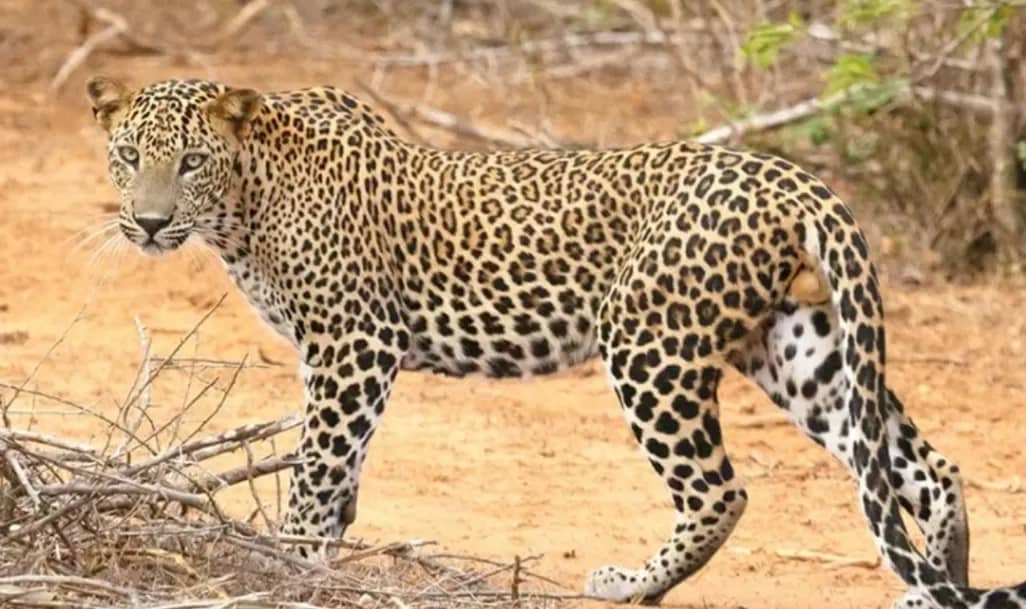
For many safari travelers, leopard is the hardest member of the Big Five to find.
Leopards are naturally secretive.
They are solitary and often prefer:
- Riverine forests
- Rocky areas
- Woodlands
- Dense vegetation
They may spend daylight hours resting in trees or hidden vegetation.
An experienced guide can improve your chances by looking for:
- Tracks
- Alarm calls
- Known territories
- Fresh kills
- Other animal behavior
But no ethical safari company should guarantee a leopard sighting.
Best Places to See Leopards in Kenya
Some of Kenya’s stronger leopard destinations include:
- Masai Mara
- Samburu
- Laikipia
- Tsavo
- Private conservancies
Safari specialists frequently identify leopard as one of the more difficult Big Five species to find, which is why longer itineraries improve your overall chances.
African Elephant – Kenya’s Gentle Giant
Few African animals are as impressive as an adult elephant.
Kenya provides some outstanding elephant-viewing destinations.
Elephants are highly social and intelligent.
Visitors may observe:
- Family groups
- Mothers with calves
- Large bulls
- Feeding
- Bathing
- Dust bathing
- Social interaction
Although elephants occur in several Kenyan parks, one destination stands above the others for iconic elephant scenery.
Amboseli – Kenya’s Famous Elephant Destination
Amboseli National Park is internationally famous for elephants.
Large herds move through the park’s open landscapes, wetlands, and plains.
When conditions are clear, Mount Kilimanjaro rises beyond the park across the border in Tanzania.
This creates one of Africa’s most recognizable wildlife scenes:
elephants walking beneath Mount Kilimanjaro.
Mountain visibility is weather-dependent and should never be guaranteed.
Early morning can provide excellent opportunities before cloud develops around the summit.
African Buffalo – Powerful and Impressive
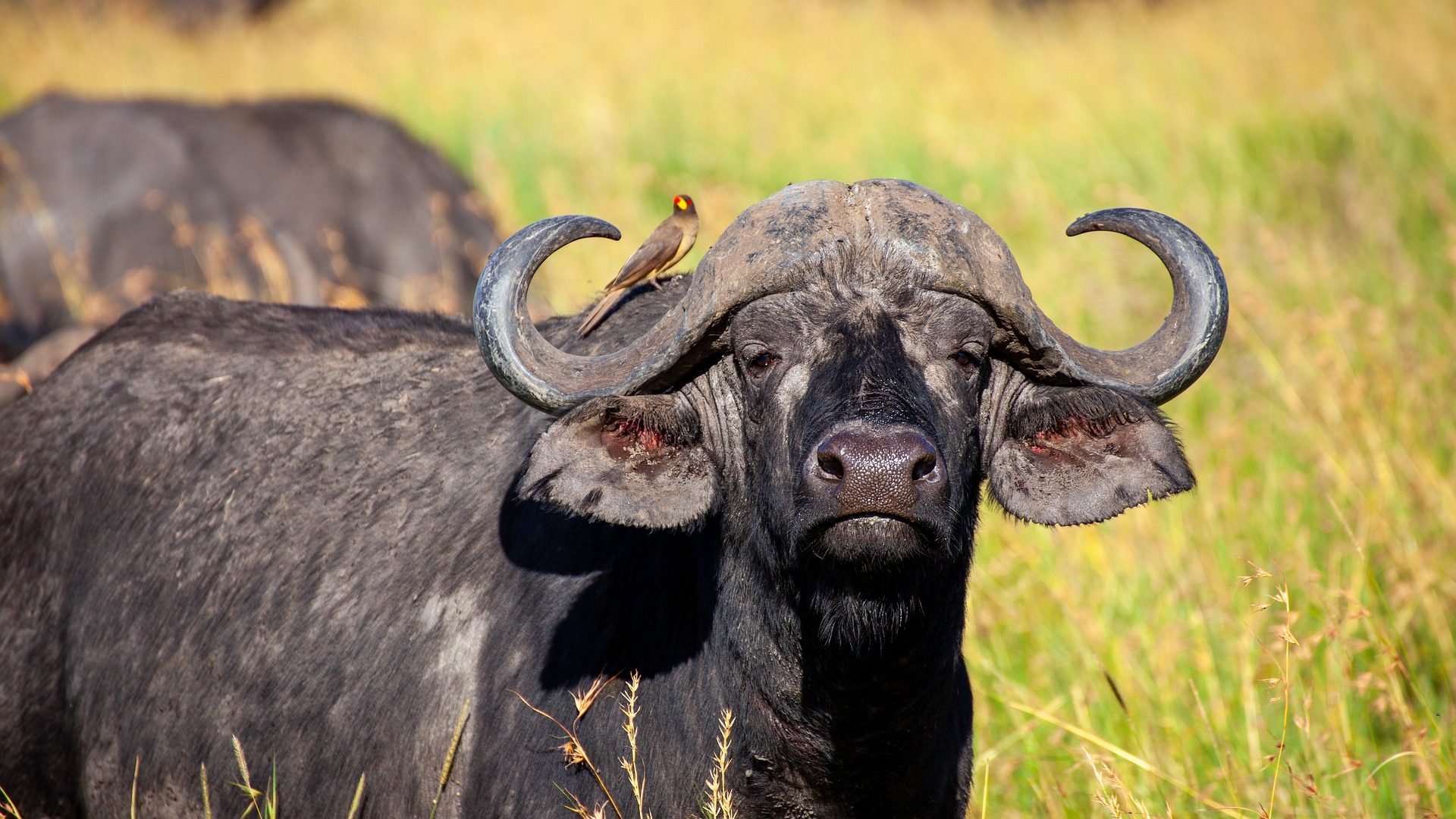
African buffaloes are widespread across many Kenyan safari areas.
They can be encountered in:
- Masai Mara
- Amboseli
- Lake Nakuru
- Tsavo
- Samburu
- Other reserves and conservancies
Buffaloes may travel in large herds or smaller groups.
Older males are sometimes seen separately.
Although they may not receive the same attention as lions or elephants, buffaloes are powerful animals and an important component of Kenya’s ecosystems.
Rhinoceros – Conservation Icon of Kenya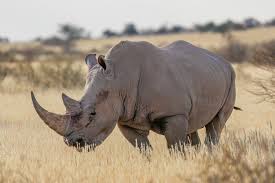
Rhinos are one of the most important species to consider when planning a Big Five Safari in Kenya Guide itinerary.
Kenya supports both black and white rhinos.
Because rhinos suffered severe declines from poaching historically, conservation programs and protected areas play an essential role in their survival.
Travelers primarily interested in completing the Big Five should deliberately include a strong rhino destination rather than hoping to encounter one by chance.
Best Places to See Rhinos in Kenya
Important rhino destinations include:
- Ol Pejeta Conservancy
- Lake Nakuru National Park
- Lewa Wildlife Conservancy
- Nairobi National Park
- Selected other protected areas
This is why routes pairing the Masai Mara with Lake Nakuru or Ol Pejeta are frequently recommended for Big Five-focused travelers.
Best Parks for a Big Five Safari in Kenya
Kenya has dozens of wildlife areas, but several stand out.
Masai Mara National Reserve
The Masai Mara is Kenya’s most famous safari destination.
It is renowned for:
- Lions
- Leopards
- Cheetahs
- Elephants
- Buffaloes
- Wildebeest
- Zebras
- Giraffes
- Hippos
- Crocodiles
It also forms the northern part of the wider Serengeti–Mara ecosystem.
During migration season, enormous herds of wildebeest and zebra may enter the Mara from Tanzania.
This can create extraordinary wildlife encounters.
Why the Masai Mara Is Essential for a Kenya Big Five Safari
For many travelers, the Mara provides the strongest overall wildlife component.
Its predator population is a major attraction.
The reserve also supports abundant herbivores.
Even outside the migration season, resident wildlife can provide excellent safari experiences.
This makes the Masai Mara a year-round destination rather than a park that should only be visited during wildebeest migration.
Masai Mara Great Migration
The Great Migration is one of the world’s greatest wildlife spectacles.
Millions of wildebeest, zebras, and other herbivores move across the Serengeti–Mara ecosystem throughout the year in response to rainfall and grazing conditions.
The Kenya section of the migration is generally associated with July through October.
August and September are particularly popular for travelers hoping to witness Mara River crossings.
But migration timing varies every year.
Rainfall can shift herd movements.
River crossings cannot be scheduled.
Travelers should stay several nights rather than expecting to arrive for a guaranteed crossing on a specific day.
Amboseli National Park
Amboseli is one of the best destinations to combine with the Masai Mara.
Its main attractions include:
- Large elephant herds
- Mount Kilimanjaro views
- Lions
- Buffaloes
- Hippos
- Giraffes
- Zebras
- Birds
- Wetlands
The landscape is very different from the Mara.
This creates diversity within the safari.
Lake Nakuru National Park
Lake Nakuru is particularly valuable on a Big Five itinerary because of its rhino population.
Travelers may also see:
- Buffaloes
- Giraffes
- Lions
- Leopards
- Baboons
- Waterbucks
- Numerous birds
Lake Nakuru’s location makes it convenient for itineraries connecting Nairobi with the Masai Mara.
Ol Pejeta Conservancy
Ol Pejeta is one of Kenya’s most important wildlife and conservation destinations.
It is particularly well known for rhino conservation.
The conservancy is a strong addition for travelers whose main objective is seeing the complete Big Five.
It can also introduce a different safari experience from the national parks.
Private conservancies often emphasize:
- Conservation
- Community partnerships
- Lower visitor density
- Specialized wildlife experiences
- Personalized guiding
Samburu National Reserve
Samburu offers a striking contrast to southern Kenya.
The environment is drier and more rugged.
Wildlife adapted to northern Kenya adds additional interest beyond the Big Five.
The region can produce sightings of:
- Elephants
- Lions
- Leopards
- Giraffes
- Antelopes
- Numerous birds
Samburu is particularly attractive to repeat safari travelers who want to explore beyond the standard Mara–Amboseli circuit.
Tsavo East and Tsavo West
Tsavo forms one of Kenya’s largest wilderness regions.
The parks are famous for:
- Elephants
- Lions
- Buffaloes
- Giraffes
- Dramatic landscapes
Tsavo East is associated with vast open landscapes and red-colored soils.
Elephants often appear reddish after dust bathing in the soil.
Tsavo West provides different scenery including hills, volcanic landscapes, and springs.
The Tsavo parks combine particularly well with Kenya’s coast.
A safari can finish with a beach holiday around:
- Diani Beach
- Mombasa
- Watamu
Nairobi National Park
Nairobi National Park gives travelers the unusual opportunity to enjoy wildlife close to a major African capital.
Potential sightings include:
- Lions
- Rhinos
- Buffaloes
- Giraffes
- Antelopes
- Numerous birds
The Nairobi skyline can sometimes be seen behind the wildlife.
This makes the park useful for:
- Stopover safaris
- Business travelers
- Travelers with limited time
- First-day activities
- Final-day game drives
Lewa Wildlife Conservancy
Lewa is another important conservation landscape in Kenya.
The area is particularly respected for rhino conservation and high-quality safari experiences.
Luxury travelers may combine Lewa with:
- Masai Mara
- Samburu
- Laikipia
- Nairobi
This creates an exclusive northern Kenya safari circuit.
Which Kenya Park Is Best for All Big Five?
Travelers often ask whether one park is enough.
The answer is that relying on a single destination is unnecessary and can reduce your chances.
No wildlife safari guarantees every species.
A stronger route uses complementary destinations.
Recommended Combination
or
Masai Mara + Ol Pejeta
Add Amboseli if elephants and Kilimanjaro photography are important.
This approach is also reflected in current Big Five planning guides, which emphasize multi-park itineraries to increase the likelihood of finding all five species.
Best Time for a Big Five Safari in Kenya
Kenya is a year-round wildlife destination.
However, certain months make general game viewing easier.
June to October – Peak Dry-Season Safari
For most visitors, June through October is the strongest overall period.
Advantages include:
- Drier weather
- Less dense vegetation
- Wildlife concentrations near water
- Good road conditions
- Great Migration opportunities
- Excellent photography
July, August, and September are especially popular.
The disadvantage is higher demand and prices.
January and February – Excellent Alternative
January and February can also provide excellent wildlife viewing.
Advantages include:
- Warm conditions
- Relatively dry weather
- Good resident wildlife
- Fewer migration-season crowds
- Strong photographic conditions
Travelers who are not primarily interested in wildebeest migration should consider these months seriously.
November to March – Green Season
The green season has several advantages.
Rain refreshes vegetation.
Birding can be excellent.
Visitor numbers may decline.
Photographers can benefit from:
- Dramatic skies
- Green backgrounds
- Better color
- Lower dust
Resident wildlife remains present.
April and May – Long Rains
April and May generally experience more rain.
Road conditions can be difficult in some safari areas.
Some seasonal properties may close.
However, travelers willing to accept unpredictable conditions may find:
- Very few visitors
- Beautiful scenery
- Lower seasonal rates
- Excellent photography
For first-time safari travelers, the drier periods are generally easier.
Best Time for the Great Migration in Kenya
Travelers hoping to combine a Big Five Safari in Kenya Guide itinerary with the Great Migration should focus broadly on July through October.
August and September are especially popular.
The exact migration schedule depends on rainfall.
There is no guaranteed date for:
- Arrival in Kenya
- River crossing
- Departure toward Tanzania
Nature decides the schedule.
Best Time for Big Cat Viewing
Kenya provides outstanding opportunities for predators year-round.
The Masai Mara is particularly famous for:
- Lions
- Leopards
- Cheetahs
Early morning and late afternoon are often productive because temperatures are cooler.
Predators may hunt or move more actively around these periods.
During the hottest part of the day, lions frequently sleep.
Big Five Safari in Kenya for First-Time Visitors
Kenya is one of the world’s best destinations for a first African safari.
A first-time traveler should prioritize:
- Good guide
- Realistic itinerary
- At least two parks
- Comfortable vehicle
- Enough nights in each destination
- Appropriate accommodation
Avoid trying to visit five parks in five days.
A slower itinerary produces better wildlife experiences.
5-Day Big Five Safari in Kenya
A compact five-day itinerary might include:
Day 1 – Nairobi to Lake Nakuru
Drive to Lake Nakuru.
Search for rhinos and other wildlife.
Day 2 – Lake Nakuru to Masai Mara
Continue toward the Masai Mara.
Enjoy an afternoon game drive.
Day 3 – Masai Mara
Full-day safari.
Search for lions, leopards, elephants, buffaloes, and other wildlife.
Day 4 – Masai Mara
Second full-day game drive.
A longer stay improves your opportunities for wildlife behavior and photography.
Day 5 – Return to Nairobi
Return by road or domestic flight depending on the selected package.
7-Day Big Five Safari in Kenya
A seven-day itinerary allows more variety.
Day 1 – Nairobi
Arrival.
Day 2 – Nairobi to Amboseli
Travel toward Amboseli.
Afternoon safari.
Day 3 – Amboseli
Full-day game viewing.
Focus on elephants and Kilimanjaro landscapes.
Day 4 – Amboseli to Lake Nakuru
Travel toward the Rift Valley.
Day 5 – Lake Nakuru to Masai Mara
Enjoy morning wildlife before continuing to the Mara.
Day 6 – Masai Mara
Full-day safari.
Day 7 – Masai Mara to Nairobi
Final game drive depending on timing and return to Nairobi.
8-Day Kenya Big Five Safari
An eight-day circuit provides even greater flexibility.
A strong route can include:
Nairobi → Masai Mara → Lake Nakuru → Amboseli → Tsavo
A current Kenya safari itinerary following a similar circuit uses Masai Mara, Lake Nakuru, Amboseli, Tsavo West, and Tsavo East, illustrating how several complementary parks can be combined within a longer overland safari.
10-Day Big Five Safari in Kenya
Ten days is excellent for travelers who want a comprehensive safari without rushing.
Day 1 – Nairobi Arrival
Airport pickup and hotel.
Day 2 – Nairobi to Ol Pejeta
Begin your safari toward central Kenya.
Day 3 – Ol Pejeta
Focus on wildlife and rhino conservation.
Day 4 – Lake Nakuru
Continue toward the Rift Valley.
Day 5 – Masai Mara
Travel to Kenya’s most famous reserve.
Day 6 – Masai Mara
Full-day safari.
Day 7 – Masai Mara
Second full-day wildlife experience.
Day 8 – Amboseli
Transfer or fly toward Amboseli depending on itinerary design.
Day 9 – Amboseli
Full-day elephant safari.
Day 10 – Nairobi
Return for departure.
This route gives travelers several opportunities rather than depending on luck within one location.
Luxury Big Five Safari in Kenya
Kenya is one of Africa’s premier luxury safari destinations.
Luxury can include:
- Boutique tented camps
- Private conservancies
- Private vehicles
- Fly-in transfers
- Fine dining
- Spa facilities
- Private plunge pools
- Exclusive-use villas
- Specialist guides
- Bush breakfasts
- Sundowners
- Hot-air balloon safaris
Luxury should not simply mean an expensive room.
The greatest benefit is usually privacy and personalization.
Private Conservancies vs National Parks
Private conservancies can offer a different experience from national parks and reserves.
Potential advantages include:
- Fewer vehicles
- More exclusive wildlife encounters
- Night drives where permitted
- Guided walks where available
- Community partnerships
- Personalized experiences
The exact activities vary according to each conservancy.
Combining a famous reserve with a private conservancy can provide the best of both worlds.
Kenya Big Five Safari for Honeymooners
Kenya is an exceptional honeymoon destination.
Couples can combine wildlife with romance and privacy.
Possible experiences include:
- Luxury tented camp
- Private game drive
- Bush breakfast
- Sundowner
- Hot-air balloon safari
- Private dining
- Spa
- Beach extension
A popular honeymoon concept is:
Masai Mara + Amboseli + Diani Beach
Travelers seeking an even more distinctive experience can combine Kenya wildlife with Rwanda gorilla trekking.
Big Five Safari in Kenya for Families
Kenya works very well for family safaris.
Children often enjoy:
- Elephants
- Lions
- Giraffes
- Zebras
- Hippos
- Boat experiences
- Cultural activities
Family planning should consider:
- Driving distances
- Child-friendly accommodation
- Family rooms
- Swimming pools
- Meal flexibility
- Private vehicles
A private safari vehicle is particularly useful because the family controls the daily pace.
Big Five Safari for Senior Travelers
Senior travelers can enjoy Kenya comfortably.
Planning should emphasize:
- Comfortable transfers
- Suitable vehicles
- Accessible rooms
- Reasonable driving times
- Rest periods
- Medical requirements
Fly-in safaris can reduce long road journeys for guests who prioritize comfort.
Solo Big Five Safari in Kenya
Solo travelers can choose between:
- Private safari
- Small-group safari
- Scheduled departure
- Fly-in safari
Private travel provides maximum flexibility but usually costs more per person because vehicle and guiding expenses are not shared.
Small groups can reduce costs while retaining much of the safari experience.
Kenya Big Five Photography Safari
Kenya is one of the world’s great wildlife photography destinations.
Subjects can include:
- Lions
- Leopards
- Elephants
- Rhinos
- Buffaloes
- Cheetahs
- Wildebeest
- Giraffes
- Zebras
- Birds
- Kilimanjaro
- Savannah landscapes
Private vehicles are especially useful for photographers.
They allow more freedom to:
- Wait at sightings
- Position the vehicle
- Follow specific animals
- Prioritize lighting
- Spend time on behavior
Hot-Air Balloon Safari in the Masai Mara
A hot-air balloon flight can be a memorable addition to a luxury Kenya safari.
Flights generally take place early in the morning.
From the air, travelers may see:
- Rivers
- Savannah
- Wildlife
- Herds
- Sunrise landscapes
Availability, weather, age restrictions, and operational conditions should be confirmed before booking.
Cultural Experiences on a Kenya Safari
Wildlife does not need to be the only focus.
Kenya has extraordinary cultural diversity.
Responsible cultural visits can provide opportunities to learn about:
- Local traditions
- Pastoral life
- Crafts
- Music
- Food
- Community conservation
These experiences should be organized respectfully and avoid treating communities as entertainment.
Birdwatching During a Big Five Safari
Birds add enormous value to every Kenya safari.
Even travelers arriving solely for the Big Five often become interested in birdlife after only a few game drives.
Kenya’s varied ecosystems support:
- Raptors
- Kingfishers
- Storks
- Flamingos
- Herons
- Eagles
- Vultures
- Bee-eaters
- Hornbills
- Waterbirds
November through April can be especially rewarding when migrants supplement resident species.
What to Pack for a Big Five Safari in Kenya
Pack practically.
Recommended items include:
- Lightweight safari clothing
- Neutral-colored shirts
- Long trousers
- Light jacket
- Warm fleece
- Hat
- Sunglasses
- Sunscreen
- Insect repellent
- Comfortable closed shoes
- Binoculars
- Camera
- Spare batteries
- Memory cards
- Power bank
- Reusable water bottle
- Personal medication
- Passport and travel documents
Early morning drives can be surprisingly cold, particularly in open vehicles.
Bring layers.
Kenya Safari Vehicle Options
Transport significantly affects safari quality.
Private safaris may use:
- Safari Land Cruiser
- Safari van
- Fly-in camp vehicles
A 4×4 Land Cruiser is particularly suitable for:
- Rough park roads
- Photography
- Long itineraries
- Rainy conditions
A quality vehicle should provide good visibility and enough space for travelers and luggage.
Road Safari vs Fly-In Safari
Road Safari
Advantages:
- See more countryside
- Lower cost in many cases
- Flexible stops
- Private guide throughout
Disadvantages:
- Longer transfers
- More time driving
Fly-In Safari
Advantages:
- Saves travel time
- Excellent for luxury travelers
- Reduces road fatigue
Disadvantages:
- More expensive
- Luggage restrictions may apply
- Less countryside interaction
Many premium travelers combine both.
How Much Does a Big Five Safari in Kenya Cost?
Kenya safari prices vary considerably.
Major factors include:
- Accommodation level
- Number of travelers
- Travel season
- Private vs group safari
- Vehicle type
- Domestic flights
- Number of parks
- Park and conservancy fees
- Meal plans
- Activities
Budget categories generally include:
Budget Safari
Basic camps, group transport, and simpler logistics.
Midrange Safari
Comfortable lodges and tented camps with professional guiding.
Luxury Safari
High-end camps, private vehicles, premium service, and more exclusive locations.
Ultra-Luxury Safari
Exclusive camps or villas, fly-in transfers, private guides, and highly personalized services.
Always compare what is included rather than comparing headline prices alone.
What Is Usually Included?
A Kenya safari package may include:
- Airport transfers
- Safari vehicle
- Professional guide
- Accommodation
- Meals as specified
- Game drives
- Park fees
- Drinking water
Premium packages may additionally include:
- Domestic flights
- Drinks
- Laundry
- Conservancy activities
- Selected premium experiences
Always verify exact inclusions.
What Is Usually Excluded?
Potential exclusions include:
- International airfare
- Visa costs
- Travel insurance
- Tips
- Personal expenses
- Premium drinks
- Optional activities
- Hot-air balloon safari
- Additional hotel nights
Never assume an activity is included simply because it appears in an itinerary description.
How Many Days Do You Need for a Big Five Safari?
3 Days
Enough for one major safari destination, but not ideal for reliably targeting all five.
5 Days
Good for two complementary parks.
7 Days
Excellent for a classic multi-park Big Five itinerary.
10 Days
Ideal for travelers wanting variety and a relaxed pace.
14 Days
Excellent for combining northern and southern Kenya or adding the coast.
For international travelers, seven to ten days is often a very strong duration.
Can You See the Big Five in One Day?
Technically, it is possible.
Realistically, you should never plan on it.
Wildlife sightings are unpredictable.
A safari should not become stressful because travelers are rushing from one animal to another.
Spending more time provides:
- Better sightings
- More behavior
- Improved photography
- Less pressure
- Greater appreciation of the landscape
The best safari is not always the one with the longest species checklist.
Big Five Safari in Kenya vs Tanzania
Both Kenya and Tanzania are outstanding safari destinations.
Kenya offers:
- Masai Mara
- Amboseli
- Samburu
- Ol Pejeta
- Lake Nakuru
- Tsavo
Tanzania offers:
- Serengeti
- Ngorongoro
- Tarangire
- Nyerere
- Ruaha
Travelers can combine both countries for an exceptional East African safari.
Big Five Safari in Kenya vs Rwanda
Kenya and Rwanda provide very different safari experiences.
Kenya is famous for:
- Open savannah
- Big Five wildlife
- Great Migration
- Cheetahs
- Large predator populations
Rwanda is famous for:
- Mountain gorillas
- Chimpanzees
- Akagera Big Five
- Volcanoes
- Rainforest
- Lake Kivu
Combining the two creates one of Africa’s most diverse wildlife holidays.
Kenya Big Five Safari and Rwanda Gorilla Trekking
A Kenya and Rwanda safari is one of the best options for travelers wanting both classic wildlife and primates.
A sample itinerary could include:
Day 1: Nairobi
Day 2: Amboseli
Day 3: Amboseli Safari
Day 4: Masai Mara
Day 5: Masai Mara
Day 6: Masai Mara
Day 7: Fly toward Kigali
Day 8: Kigali to Volcanoes National Park
Day 9: Mountain Gorilla Trekking
Day 10: Return to Kigali
The contrast is extraordinary.
One day you may be watching lions on an open Kenyan plain.
A few days later, you are trekking through mountain forest toward a gorilla family.
Kenya Big Five Safari and Zanzibar
Travelers seeking a safari-and-beach holiday can combine Kenya with Zanzibar.
A typical route could be:
Nairobi → Masai Mara → Amboseli → Zanzibar
This works especially well for:
- Honeymoons
- Couples
- Families
- Luxury travelers
It combines wildlife adventure with Indian Ocean relaxation.
Kenya Safari and Diani Beach
Travelers do not need to leave Kenya for a beach extension.
Diani Beach is one of the country’s leading coastal destinations.
Safari itineraries can finish at the coast after:
- Amboseli
- Tsavo
- Masai Mara
- Nairobi
Tsavo is particularly convenient geographically for Kenya safari-and-beach itineraries.
Is Kenya Safe for Safari?
Millions of travelers have experienced safaris in Kenya, but appropriate travel precautions remain important.
Visitors should:
- Use reputable safari operators
- Follow guide instructions
- Avoid leaving vehicles in unauthorized areas
- Never feed wildlife
- Respect park regulations
- Secure valuables
- Follow current travel advice
- Use appropriate health precautions
Wild animals should always be treated as wild animals.
Never approach them without professional guidance.
Responsible Big Five Safari Travel
Modern safari tourism should support conservation rather than simply consume wildlife experiences.
Responsible travelers can:
- Respect viewing distances
- Avoid pressuring guides to approach wildlife too closely
- Never encourage off-road driving where prohibited
- Reduce plastic waste
- Support conservation programs
- Choose responsible lodges
- Respect local communities
- Follow national park rules
Photography should never come before animal welfare.
Big Five Safari in Kenya Guide: Frequently Asked Questions
What Are the Big Five Animals in Kenya?
Lion, leopard, elephant, buffalo, and rhinoceros.
Can You See All Big Five in Kenya?
Yes. Kenya supports all five species, although sightings can never be guaranteed.
What Is the Best Park for Big Five in Kenya?
The Masai Mara is one of the strongest overall wildlife destinations, but combining it with a rhino-focused destination such as Lake Nakuru or Ol Pejeta provides a stronger strategy for travelers targeting all five.
What Is the Best Time for a Big Five Safari in Kenya?
June through October is generally the strongest overall period for dry-season game viewing.
January and February can also be excellent.
Where Is the Best Place to See Lions?
The Masai Mara is one of Kenya’s strongest lion destinations.
Where Is the Best Place to See Elephants?
Amboseli is internationally renowned for elephant viewing.
Where Can I See Rhinos?
Ol Pejeta, Lake Nakuru, Lewa, and Nairobi National Park are important options.
Where Can I See Leopards?
Masai Mara and Samburu are among the destinations where travelers may encounter leopards.
Are Big Five Sightings Guaranteed?
No.
Wildlife sightings should never be guaranteed.
How Long Should a Big Five Safari Be?
Five to ten days is a strong range, depending on the number of parks.
Is Kenya Good for First-Time Safari Travelers?
Yes. Kenya is one of Africa’s classic safari destinations.
Can I Take Children?
Yes. Family-friendly safari itineraries are widely available.
Is a Private Safari Better?
Private safaris provide additional flexibility and are especially useful for families, couples, and photographers.
Can I Combine Kenya with Rwanda?
Yes. Kenya Big Five wildlife combines exceptionally well with mountain gorilla trekking in Rwanda.
Can I Add a Beach Holiday?
Yes. Diani Beach, Watamu, Mombasa, Lamu, or Zanzibar can be added.
When Should I Book?
Peak-season trips, especially July through October, should generally be planned well ahead.
Book a Kenya and Rwanda Safari with Universal Ventures Rwanda
Travelers who want to take their African wildlife journey beyond a traditional Kenya safari can combine Kenya’s Big Five destinations with Rwanda’s mountain gorillas.
Universal Ventures Rwanda specializes in customized Rwanda safaris and East African safari combinations.
A personalized itinerary can combine:
- Kenya Big Five safaris
- Masai Mara
- Amboseli
- Great Migration
- Rwanda gorilla trekking
- Volcanoes National Park
- Golden Monkey trekking
- Akagera National Park
- Chimpanzee trekking
- Nyungwe National Park
- Lake Kivu
- Kigali
- Private East Africa transportation
- Luxury safari accommodation
Universal Ventures Rwanda Contact Information
Universal Ventures Rwanda
Email: info@universalventuresrwanda.com
Phone / WhatsApp: +250 781 441 853
Address: Kigali, Rwanda
Contact Universal Ventures Rwanda with your preferred travel dates, number of travelers, desired safari destinations, accommodation category, and activities to discuss a customized East Africa safari itinerary.