 Skip to content
Planning your first African safari can feel exciting and overwhelming at the same time. Kenya offers famous wildlife reserves, spectacular landscapes, diverse cultures and an enormous range of safari experiences. Understanding the most important Kenya Safari Travel Tips before you arrive can help you spend less time worrying about logistics and more time enjoying the journey.
Kenya is home to some of Africa’s best-known safari destinations. The Maasai Mara is famous for open plains, predators and seasonal migration activity. Amboseli offers outstanding elephant viewing with Mount Kilimanjaro providing an iconic backdrop. Lake Nakuru is known for birdlife and rhino conservation, while Samburu introduces travelers to the drier landscapes and distinctive wildlife of northern Kenya. Tsavo offers enormous wilderness areas, and Nairobi National Park provides a safari experience remarkably close to the capital.
However, a successful safari involves more than choosing a national park.
You need to consider the season, safari vehicle, accommodation, luggage, clothing, photography equipment, travel documents, health preparations, tipping, money and the amount of time you spend in each destination.
These Kenya Safari Travel Tips cover the practical information first-time and returning visitors should know before planning a Kenya wildlife adventure.
Kenya Safari Travel Tips for First-Time Visitors
One of the most important lessons for first-time travelers is to avoid trying to see the entire country in one short holiday.
Kenya is large.
Distances that look manageable on a map can involve several hours of driving.
A safari becomes exhausting when every morning begins with packing bags and every afternoon involves another long transfer.
For a seven-day trip, concentrate on a few complementary destinations rather than five or six parks.
For example, Nairobi, Amboseli, Lake Naivasha, Lake Nakuru and the Maasai Mara can create a strong safari route when carefully scheduled.
Travelers with more time can add Samburu, Tsavo, Mount Kenya or the coast.
Good safari planning is about quality of experience rather than the number of destinations you can list afterward.
Kenya Safari Travel Tips for Choosing the Best Time to Visit
Kenya can be visited throughout the year, but conditions vary by region and season.
Drier periods generally provide easier road conditions and concentrated wildlife viewing around water sources. Wetter months can bring green landscapes, fewer visitors in some areas and excellent photography conditions.
Travelers interested specifically in migration activity in the Maasai Mara should remember that wildlife movements depend on rainfall and natural conditions.
Nature does not follow a guaranteed tourism calendar.
Instead of planning a safari around one predicted river-crossing date, consider the broader wildlife experience available throughout the reserve.
Kenya offers excellent resident wildlife regardless of whether you witness a dramatic migration crossing.
Kenya Safari Travel Tips for the Maasai Mara
The Maasai Mara is usually near the top of a first-time Kenya safari list.
Allow enough time.
A rushed one-night visit means a significant portion of your experience can be consumed by driving to and from the reserve.
Two or three nights provide considerably more opportunity for game drives.
Early mornings and late afternoons can be particularly rewarding because temperatures are cooler and many animals are active.
Listen to your guide.
Experienced safari guides understand animal behavior, local road networks and recent wildlife movements.
Do not pressure the driver to race between sightings.
A slower safari often produces better encounters.
Kenya Safari Travel Tips for Amboseli National Park
Amboseli is famous for elephants and views toward Mount Kilimanjaro.
The mountain is not visible all day every day.
Clouds frequently cover it, particularly as the day progresses.
Early mornings can offer better opportunities for clear views, although nothing is guaranteed.
Bring binoculars even if you have a good camera.
Safari is not only about photography.
Watching elephants, birds and distant wildlife through binoculars can be one of the most enjoyable parts of the experience.
Amboseli can work particularly well in an itinerary combining Nairobi with other southern Kenya destinations.
Kenya Safari Travel Tips for Lake Nakuru
Lake Nakuru National Park can add a different experience to a Kenya safari.
The park is well known for rhinos and birdlife.
Because it is smaller than enormous ecosystems such as Tsavo, game viewing can feel more concentrated.
Lake Nakuru also fits conveniently into itineraries connecting Nairobi, Naivasha and the Maasai Mara.
Do not visit expecting the lake to look exactly like an old photograph or documentary.
Wildlife numbers and water conditions change naturally.
Approach the park for its complete ecosystem rather than one specific species or photographic expectation.
Kenya Safari Travel Tips for Samburu
Samburu offers a different landscape from southern Kenya.
The environment is drier and more rugged, and travelers can encounter species associated with northern Kenya.
Because Samburu lies farther from Nairobi than destinations such as Naivasha, allow sufficient travel time.
Combining Samburu with destinations around Mount Kenya can make the route more efficient.
The dry landscapes can also create strong photographic opportunities.
Carry plenty of drinking water and prepare for warmer daytime conditions.
Kenya Safari Travel Tips for Tsavo
Tsavo East and Tsavo West together cover an enormous wilderness.
Travelers should not expect the same game-viewing style they experience in smaller parks.
Wildlife may be spread across large areas.
That scale is part of Tsavo’s attraction.
A good guide becomes particularly valuable because finding animals in vast landscapes requires patience and local knowledge.
Tsavo also works naturally for travelers combining safari with Kenya’s coast.
Instead of returning to Nairobi, some itineraries can continue toward Mombasa and the Indian Ocean.
Kenya Safari Travel Tips for Nairobi National Park
Do not automatically overlook Nairobi National Park because it sits close to the capital.
It can be an excellent introduction to Kenya’s wildlife.
The park is particularly useful for travelers with limited time or an additional day in Nairobi before an international flight.
A morning game drive can be combined with other Nairobi experiences later in the day.
However, treat Nairobi National Park like a genuine wildlife area rather than a city attraction.
Wild animals remain wild regardless of how close the skyline appears.
Kenya Safari Travel Tips for Planning Your Itinerary
Build your itinerary around realistic driving times.
Do not simply look at kilometers.
Road surfaces, traffic and park conditions influence travel time.
A journey of 200 kilometers can take much longer than visitors accustomed to European or North American highways might expect.
Include rest time.
If you have just completed an eight-hour international flight, immediately beginning a full day of road travel may not be the best introduction to Kenya.
An overnight in Nairobi can provide time to rest before starting your safari the following morning.
Kenya Safari Travel Tips for a 5-Day Safari
Five days is enough for a focused safari, but you need to be selective.
Choose two major wildlife areas rather than attempting to cover half the country.
For example, Amboseli and Maasai Mara can provide very different environments.
Another option is Lake Nakuru combined with the Maasai Mara.
Travelers particularly interested in the Mara can simply spend most of the trip there.
More destinations do not automatically create a better safari.
Kenya Safari Travel Tips for a 7-Day Safari
Seven days provides more flexibility.
You can combine three or four destinations without turning every day into a transfer.
A classic route might connect Nairobi, Amboseli, Lake Naivasha or Nakuru and Maasai Mara.
Another itinerary might focus on Samburu, Mount Kenya and the Maasai Mara.
Choose according to your wildlife interests.
Elephant lovers may prioritize Amboseli.
Birders may want more time around lakes and wetlands.
Photographers may prefer fewer parks and longer stays.
Kenya Safari Travel Tips for a 10-Day Safari
Ten days allows a more relaxed itinerary.
You can spend multiple nights in major parks rather than constantly changing accommodation.
This improves game viewing because you have several morning and afternoon drives in each ecosystem.
A longer safari also reduces the pressure to see every animal immediately.
If you do not find a leopard on the first afternoon, you still have additional opportunities.
This slower rhythm is one of the best Kenya Safari Travel Tips for anyone who genuinely wants to experience wildlife rather than simply collect photographs.
Kenya Safari Travel Tips for Choosing Safari Accommodation
Kenya offers everything from basic campsites to some of Africa’s most luxurious safari lodges.
Your accommodation choice should reflect your budget and travel style.
Luxury does not necessarily produce better wildlife sightings.
A comfortable midrange tented camp with an excellent location and experienced guides can provide an outstanding safari.
Location matters.
A cheaper lodge requiring a long daily drive to reach the wildlife area can reduce your actual game-viewing time.
Compare the entire safari experience rather than the room price alone.
Kenya Safari Travel Tips for Lodges vs Tented Camps
A safari tented camp is very different from an ordinary camping tent.
Many permanent tented camps provide proper beds, private bathrooms, hot showers and restaurant facilities.
The canvas walls simply create a stronger connection with the surrounding environment.
Lodges generally use permanent buildings and may offer additional facilities such as swimming pools, larger restaurants and extensive communal areas.
Both can be excellent.
Choose based on location, budget and atmosphere rather than assuming that a lodge is automatically superior.
Kenya Safari Travel Tips for Safari Vehicles
Your vehicle is one of the most important parts of the safari because you may spend several hours inside it each day.
Common Kenya safari vehicles include customized Toyota Land Cruisers and safari vans.
Land Cruisers generally provide strong ground clearance and off-road capability.
Safari vans can offer good value on established routes.
For private safaris, ask whether each traveler will have reasonable access to a window.
A crowded vehicle can significantly affect photography and comfort.
For long itineraries, seat comfort and luggage capacity also matter.
Kenya Safari Travel Tips for Private Safaris
A private safari gives you control over the schedule.
If you love birds, you can spend longer watching them.
If you are interested in photography, you can wait for better light instead of leaving because another traveler is impatient.
Families also benefit from private vehicles because schedules can be adjusted around children.
Private safaris cost more than joining a group, but the difference can become reasonable when several travelers share one vehicle.
Compare prices per person rather than only the total vehicle price.
Kenya Safari Travel Tips for Group Safaris
Group safaris are attractive for solo travelers and people with smaller budgets.
You share transportation and guiding costs with other travelers.
The trade-off is flexibility.
Departure times, stops and game-drive decisions need to work for the entire group.
Ask how many passengers will share the vehicle.
A cheap group safari becomes less appealing if everyone struggles for a clear view of wildlife.
Kenya Safari Travel Tips for Self-Drive Safaris
Self-driving provides independence, but it requires more preparation.
Choose an appropriate vehicle for your route.
A normal city car should not automatically be treated as a safari vehicle.
A high-clearance SUV or 4×4 becomes valuable in many wildlife areas, particularly when roads become wet.
Understand park rules and opening times.
Carry sufficient water.
Monitor fuel.
Avoid unnecessary night driving.
If you have limited African driving experience, consider whether the money saved by self-driving outweighs the convenience and wildlife knowledge provided by an experienced safari guide.
Kenya Safari Travel Tips for Packing
Safari packing should be practical.
Neutral-colored clothing works well because it is easy to combine and does not draw unnecessary attention.
Pack lightweight clothes for warm afternoons and warmer layers for early morning drives.
Kenyan mornings can feel surprisingly cool, particularly in highland regions and open safari vehicles.
Bring comfortable closed shoes, sunglasses, a hat and sunscreen.
Insect repellent is useful.
A light waterproof jacket is sensible even when traveling outside the main rainy periods.
Avoid overpacking.
Safari vehicles have limited luggage space, especially when several passengers travel together.
Kenya Safari Travel Tips for Safari Clothing
You do not need to dress like a movie explorer.
Comfort matters more than fashion.
Lightweight trousers, breathable shirts and comfortable shoes work well.
Earth tones such as beige, brown, olive and grey are practical, but buying an entirely new safari wardrobe is unnecessary.
Bring something warm.
Morning game drives may begin around sunrise when temperatures are considerably cooler.
Layering works better than one heavy jacket because you can remove clothing as the day becomes warmer.
Kenya Safari Travel Tips for Luggage
Soft-sided bags are usually more practical than enormous hard-shell suitcases.
They fit more easily into safari vehicles and small aircraft.
If your itinerary includes domestic flights to safari destinations, check the airline’s current baggage allowance before packing.
Small aircraft may have stricter luggage requirements than your international airline.
Do not assume that because your international flight accepts a large suitcase, the same bag will be accepted on every domestic safari flight.
Kenya Safari Travel Tips for Photography
Bring a camera you already know how to use.
A safari is not the ideal place to begin learning a complicated new camera system.
For wildlife photography, a telephoto lens is extremely useful.
However, do not forget wider photographs.
Kenya’s landscapes are part of the safari story.
Bring spare batteries and memory cards.
Dust can be a problem, so avoid unnecessary lens changes during game drives.
A beanbag can sometimes provide useful support when photographing from a safari vehicle.
Most importantly, put the camera down occasionally.
Not every wildlife encounter needs to be experienced through a viewfinder.
Kenya Safari Travel Tips for Smartphone Photography
Modern smartphones can produce excellent safari photographs, particularly when animals are reasonably close.
Clean your camera lens frequently because safari dust can quickly reduce image quality.
Avoid excessive digital zoom.
Take wider environmental photographs instead.
Use video for elephants, giraffes and other animals whose movement adds to the experience.
Bring a power bank because photography, navigation and video can drain your phone battery quickly.
Kenya Safari Travel Tips for Binoculars
Binoculars are one of the most underrated safari accessories.
Not every animal will be beside the road.
Leopards may rest in distant trees.
Birds may be high in the canopy.
Lions may be visible across open plains.
A good pair of binoculars allows you to appreciate these sightings even when photography is difficult.
If you are traveling as a couple, having one pair each can prevent constant sharing.
Kenya Safari Travel Tips for Wildlife Viewing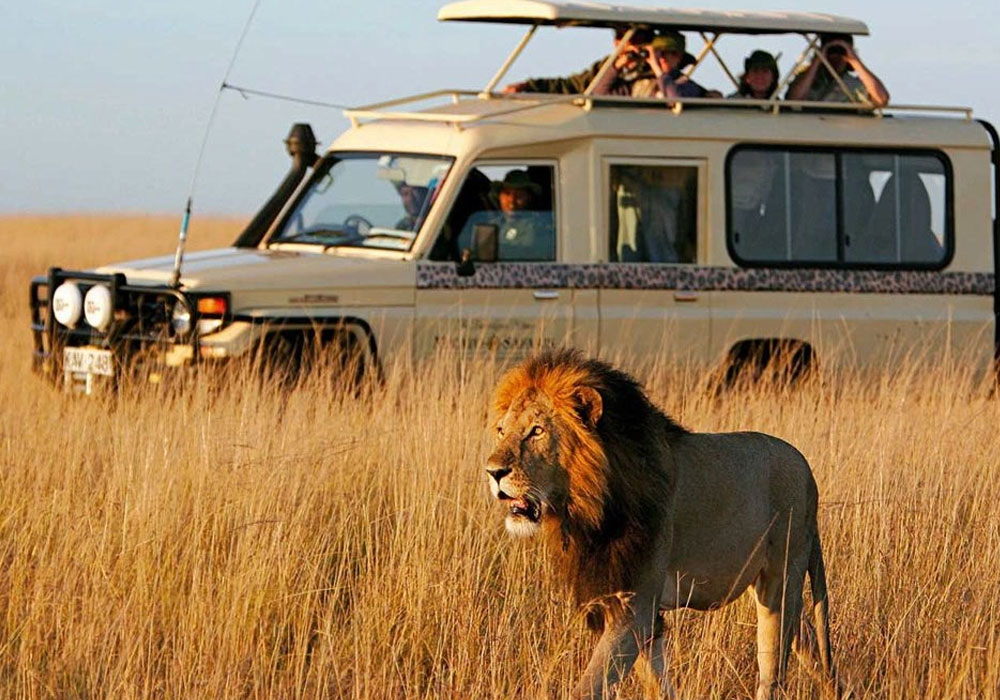
Patience is one of the most important safari skills.
Wildlife does not perform according to a timetable.
You may drive for an hour without seeing a predator and then suddenly encounter an extraordinary scene.
Avoid judging the quality of a game drive only by the number of Big Five species you photograph.
Watch animal behavior.
Spend time with elephants interacting as a family.
Observe giraffes feeding.
Listen to birds.
Notice how antelope react when predators are nearby.
The more you understand the ecosystem, the more interesting every game drive becomes.
Kenya Safari Travel Tips for Responsible Wildlife Viewing
Give animals space.
Do not pressure your guide to drive dangerously close to wildlife.
Never encourage off-road driving where it is prohibited.
Do not shout to make an animal look toward your camera.
Never feed wildlife.
Keep noise low.
Respecting wildlife often produces better encounters because relaxed animals behave naturally.
A safari should not interfere with the animals you have traveled so far to see.
Kenya Safari Travel Tips for Lions, Elephants and Other Wildlife
Remember that every animal is wild.
An elephant that appears calm can become defensive if a vehicle blocks its route.
A lion sleeping beside the road is still a powerful predator.
Follow your guide’s instructions.
Do not leave the vehicle except in designated areas.
Keep arms and bodies inside where required.
Avoid sudden noises.
Give animals the right of way.
The goal is observation, not interaction.
Kenya Safari Travel Tips for Families
Kenya can be an excellent family destination.
Private safaris work particularly well because parents can adjust the schedule.
Do not make game drives too long for young children.
Adults may happily spend six hours searching for a leopard; a child may not.
Choose accommodation with family rooms or interconnected rooms where needed.
Swimming pools can provide useful downtime between game drives.
Bring familiar snacks, sun protection and entertainment for long transfers.
Kenya Safari Travel Tips for Senior Travelers
Safari does not necessarily require strenuous physical activity.
Most wildlife viewing takes place from vehicles.
However, getting into high-clearance Land Cruisers can be difficult for travelers with limited mobility.
Ask the operator about vehicle access before booking.
Choose itineraries with fewer long road transfers.
Consider flying between distant destinations when budget allows.
Accommodation location also matters.
A camp requiring long walks over uneven terrain may not suit everyone.
Communicate mobility requirements before the safari rather than after arrival.
Kenya Safari Travel Tips for Solo Travelers
Solo travelers have several options.
Joining a small group safari can reduce costs and provide companionship.
A private safari provides more flexibility but means one traveler carries most of the vehicle and guide cost.
Another approach is to join scheduled departures for part of the journey and travel independently in Nairobi or at the coast.
When comparing prices, check whether accommodation has a single supplement.
This can significantly affect the total safari cost.
Kenya Safari Travel Tips for Couples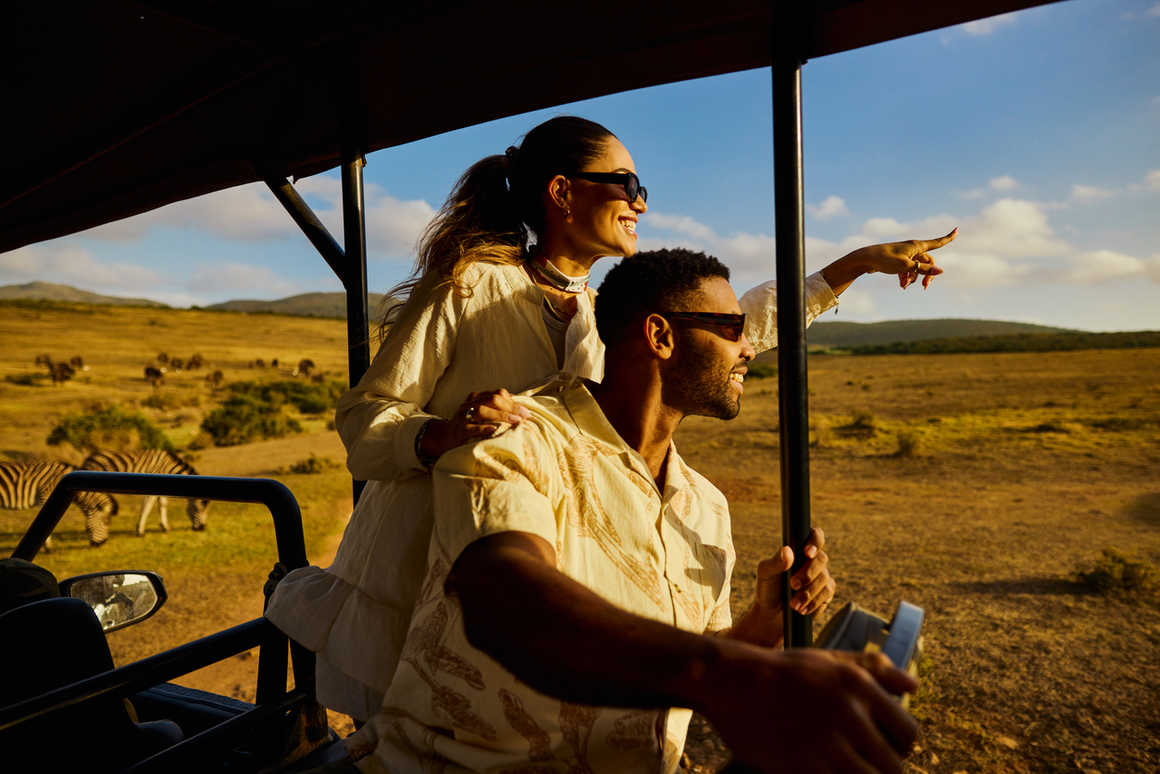
Couples often have more flexibility when choosing accommodation and private safari arrangements.
A private 4×4 can create a relaxed experience without needing to coordinate with other travelers.
For honeymoons and anniversaries, consider combining safari with several nights at the coast.
Avoid scheduling every minute.
Leaving one slower afternoon at a lodge or camp can make the trip feel like a holiday rather than an expedition.
Kenya Safari Travel Tips for Safari Safety
Follow your guide and park authorities.
Remain inside the safari vehicle unless you are told that it is safe to leave.
Do not approach wildlife on foot without authorized guidance.
Keep your hotel or camp tent properly closed.
Avoid leaving food around accommodation because it can attract animals.
In Nairobi and other urban areas, use the same sensible precautions you would use in any major international city.
Keep valuables secure and use reputable transportation.
Travel insurance is strongly recommended, particularly for itineraries involving remote areas.
Kenya Safari Travel Tips for Travel Insurance
Buy appropriate travel insurance before departure.
A comprehensive policy should be suitable for the activities included in your itinerary.
Medical coverage is particularly important.
Safari destinations can be several hours from major hospitals.
Consider whether your policy includes emergency evacuation.
Also check trip cancellation and interruption coverage.
Do not simply choose the cheapest policy without understanding its exclusions.
Keep your policy details accessible while traveling.
Kenya Safari Travel Tips for Entry Requirements
Check Kenya’s current immigration requirements before purchasing non-refundable travel arrangements.
Many international visitors require an approved Electronic Travel Authorisation before travel, although exemptions apply to certain travelers.
Requirements can change, so use Kenya’s official immigration channels rather than relying on an old travel blog.
Your passport should meet the requirements applicable to your nationality and journey.
Keep digital and physical copies of important travel documents.
Kenya Safari Travel Tips for Money and Payments
Carry more than one payment method.
Cards are widely useful in Nairobi and many established tourism businesses, but cash remains valuable for smaller purchases, tips and remote areas.
Do not carry your entire travel budget in cash.
Use ATMs in secure locations such as banks, shopping centers or established hotels.
Inform your bank about international travel if required.
Keep emergency funds separate from your main wallet.
Kenya Safari Travel Tips for Tipping
Tipping is common in Kenya’s safari industry, particularly for guides and hospitality staff, but the amount depends on service, group size and the nature of your trip.
Ask your safari company for current tipping guidance before departure.
This makes budgeting easier.
Carry smaller denominations for tips.
Where a camp provides a general staff tip box, it can be a convenient way to recognize the wider team working behind the scenes.
Kenya Safari Travel Tips for Food and Drinking Water
Stay hydrated.
Game drives can be long and Kenya’s warmer regions can become hot during the day.
Carry safe drinking water in the vehicle.
Safari lodges and established camps generally provide meals designed for international travelers, but inform them about dietary requirements in advance.
Do not wait until arrival to mention serious allergies.
When buying food independently, use sensible hygiene precautions.
Kenya Safari Travel Tips for Early Morning Game Drives
Early mornings are one of the highlights of safari.
Prepare the night before.
Charge your camera batteries.
Lay out warm clothing.
Pack binoculars.
Have your day bag ready.
This prevents unnecessary delays while everyone else waits in the vehicle.
Morning temperatures can be cold, so start with layers.
As the sun rises, you can gradually remove them.
Kenya Safari Travel Tips for Afternoon Game Drives
Afternoon drives often begin after lunch and continue toward sunset.
Bring water and sun protection.
The light becomes increasingly attractive for photography as the afternoon progresses.
Do not become discouraged if the first hour is quiet.
Wildlife activity often changes as temperatures cool.
Your guide may also use information from other guides to locate interesting sightings.
Kenya Safari Travel Tips for Park Rules
National parks and reserves have rules designed to protect visitors and wildlife.
Follow speed limits.
Stay on authorized roads.
Do not feed animals.
Keep a respectful distance.
Do not litter.
Only leave vehicles in designated areas.
Follow gate opening and closing times.
These rules are not inconveniences.
They protect ecosystems and reduce dangerous encounters between people and wildlife.
Kenya Safari Travel Tips for Avoiding Common Mistakes
The most common mistake is rushing.
Another is packing too much.
Some travelers also focus so intensely on the Big Five that they ignore dozens of fascinating species around them.
Do not spend the entire safari looking at your phone.
Do not expect wildlife sightings to match social-media videos.
Do not choose accommodation purely because it is cheaper without checking its location.
Do not underestimate transfer times.
And never pressure a guide to break park rules for a photograph.
Kenya Safari Travel Tips for Choosing a Safari Company
Look beyond price.
Ask what vehicle is included.
Check whether the safari is private or shared.
Confirm the accommodation.
Understand the meal plan.
Ask which park fees and activities are included.
Find out whether airport transfers are part of the package.
Read the cancellation conditions.
A professional safari operator should provide a clear itinerary and explain what is included and excluded.
The cheapest quotation is not necessarily the best value.
Kenya Safari Travel Tips for Budget Safaris
A limited budget does not mean you cannot have a rewarding Kenya safari.
Reduce costs by choosing comfortable midrange accommodation instead of luxury lodges.
Join a small group departure if private transportation is too expensive.
Travel outside the busiest periods when appropriate.
Focus on fewer parks to reduce transportation costs.
Consider road transfers instead of domestic flights.
Spend money where it matters most: a reliable vehicle, a knowledgeable guide and enough time in the wildlife areas.
Kenya Safari Travel Tips for Luxury Safaris
Luxury safari planning should focus on experience rather than simply expensive rooms.
Location is crucial.
A beautifully designed lodge far from productive game-viewing areas may not suit a wildlife-focused traveler.
Private vehicles can dramatically improve flexibility.
Fly-in safaris can reduce long road transfers.
Private conservancies may offer experiences that differ from national reserves.
Discuss your priorities with the operator so the itinerary reflects what luxury means to you.
For some travelers it means exceptional accommodation. For others it means privacy, time and flexibility.
Kenya Safari Travel Tips for Combining Safari and Beach
Kenya is particularly attractive because wildlife and Indian Ocean beaches can be combined in one holiday.
After several early mornings on safari, a few relaxed days on the coast can provide an excellent finish.
Popular coastal destinations include Diani, Watamu and areas around Mombasa.
Depending on your safari route, you can travel by road, domestic flight or train for parts of the journey.
Place the beach portion after the safari if relaxation is your priority.
Kenya Safari Travel Tips for Combining Kenya and Rwanda
Travelers interested in both classic savannah wildlife and mountain gorillas can combine Kenya with Rwanda.
Kenya provides destinations such as Maasai Mara, Amboseli and Lake Nakuru, while Rwanda adds mountain gorilla trekking in Volcanoes National Park.
This combination creates two very different wildlife experiences.
Allow enough travel time between countries and avoid scheduling an important activity immediately after a tight international connection.
Gorilla permits should normally be secured well in advance because availability is limited.
Kenya Safari Travel Tips for Combining Kenya and Uganda
Kenya can also be combined with Uganda for gorilla and chimpanzee trekking.
A multi-country itinerary requires more planning because travel distances become longer.
Decide whether flying or traveling overland makes sense for your available time.
Travelers with only a week should usually concentrate on one country.
Those with two or three weeks have much more freedom to create a balanced East African itinerary.
Kenya Safari Travel Tips FAQs
What is the best time to visit Kenya for safari?
Kenya offers safari experiences throughout the year. The best period depends on your preferred parks, weather, budget and wildlife interests.
How many days do I need for a Kenya safari?
Around five to seven days can provide a strong first safari. Ten days or more allows a slower itinerary and additional destinations.
What should I wear on safari in Kenya?
Wear comfortable lightweight clothing and bring warm layers for early mornings. A hat, sunglasses and comfortable shoes are useful.
Do I need binoculars?
They are strongly recommended. Binoculars make distant wildlife and birdwatching considerably more enjoyable.
Should I take a Land Cruiser or safari van?
Both can work. Land Cruisers generally provide stronger off-road capability, while safari vans can be more economical. The best option depends on your route and budget.
Is Kenya good for a first African safari?
Yes. Kenya offers a broad selection of wildlife areas, accommodation levels and established safari routes.
Is a private safari worth it?
Private safaris provide greater flexibility with departure times, sightings and daily schedules. They are particularly useful for photographers, families and couples.
Can I self-drive on safari in Kenya?
Self-driving is possible in appropriate areas, but travelers should understand park rules, road conditions and vehicle requirements before deciding.
What animals can I see in Kenya?
Depending on the destination, travelers may encounter lions, elephants, buffalo, rhinos, leopards, giraffes, zebras, cheetahs, hippos, antelopes, primates and extensive birdlife.
Is safari safe for children?
Family safaris are common, but itineraries should be designed according to children’s ages, attention spans and accommodation requirements.
How much luggage should I take?
Travel light and use soft-sided bags where possible, particularly when domestic safari flights are included.
Do I need travel insurance?
Travel insurance is strongly recommended, particularly when visiting remote wildlife destinations.
Do I need an eTA for Kenya?
Requirements depend on nationality and exemption status. Check Kenya’s official immigration information before traveling.
Can Kenya be combined with Rwanda?
Yes. Kenya’s savannah safaris combine particularly well with mountain gorilla trekking in Rwanda.
Can Kenya be combined with a beach holiday?
Yes. Kenya’s Indian Ocean coast makes safari-and-beach itineraries straightforward to arrange.
Final Kenya Safari Travel Tips Before You Book
The best safari is rarely the itinerary with the greatest number of destinations.
Give yourself time.
Choose a reliable safari vehicle.
Stay long enough in each wildlife area to experience more than one game drive.
Pack lightly.
Bring binoculars.
Listen to your guide.
Respect wildlife and park regulations.
Keep realistic expectations about animal sightings because nothing in the wild is guaranteed.
Most importantly, remember that safari is about more than photographing lions, elephants and leopards.
The landscapes, birds, sunrises, local communities, quiet moments and unpredictability of the wilderness are all part of the experience.
Following these Kenya Safari Travel Tips will help you arrive better prepared and spend more of your holiday appreciating what makes Kenya such a remarkable safari destination.
Plan Your Safari with These Kenya Safari Travel Tips
Universal Ventures Rwanda assists travelers planning customized East African journeys combining wildlife safaris, private transportation, gorilla trekking and cultural experiences.
Travelers can create multi-country itineraries combining Kenya’s famous wildlife destinations with Rwanda’s Volcanoes National Park, Akagera National Park, Lake Kivu and other East African experiences.
For customized safari planning and East African travel arrangements, contact:
Universal Ventures Rwanda
Email: info@universalventuresrwanda.com
Phone / WhatsApp: +250 781 441 853
Address: Kigali, Rwanda


