 Skip to content
This Kenya Safari Booking Guide answers those questions in one place.
A safari in Kenya is not simply another holiday. It is a journey through some of Africa’s most celebrated wildlife landscapes, from the rolling plains of the Maasai Mara to the elephant country of Amboseli, the rugged wilderness of Samburu, the enormous landscapes of Tsavo and the lakes of the Great Rift Valley.
But before you watch a lion walking through golden grass or see elephants beneath the distant outline of Mount Kilimanjaro, there are important decisions to make.
When should you travel? How many days do you need? Which parks should you visit? Should you book a private safari or join a group? Is a road safari better than a fly-in safari? How much should you budget? And perhaps most importantly, how do you choose a reliable safari company?
It is designed for first-time safari travelers, couples, families, photographers, honeymooners, solo travelers and returning visitors who want to understand how to book a Kenya safari confidently.
Kenya has an exceptionally mature safari industry, but the huge number of available parks, camps, lodges and itineraries means that planning can quickly become complicated. Current Kenya safari planning resources consistently emphasize that your choice of season, parks, accommodation, transport and operator can significantly shape the experience.
A successful safari therefore begins long before you enter a national park.
It begins with good planning.
Kenya Safari Booking Guide: Start With the Experience You Want
One of the most common mistakes travelers make is starting their safari search by asking:
“How much does a Kenya safari cost?”
Cost certainly matters, but it should not be the first question.
The better question is:
What kind of Kenya safari do I want?
Kenya offers very different safari experiences.
You could spend several days photographing predators in the Maasai Mara, watch large elephant herds in Amboseli, explore the semi-arid landscapes of Samburu, search for rhinos around conservation areas, combine wildlife viewing with Rift Valley lakes or finish your safari beside the Indian Ocean.
Your preferred experience determines the destinations, number of days, accommodation, vehicle and ultimately the price.
Someone primarily interested in the Great Migration may devote most of the trip to the Maasai Mara.
A photographer may prefer longer stays in fewer parks rather than changing accommodation every night.
A family may want shorter drives and lodges with swimming pools and family rooms.
Honeymooners might choose small tented camps and private conservancies.
Travelers who dislike long road journeys may prefer scheduled domestic flights.
This is why customized safari planning is often more effective than simply selecting the cheapest advertised package.
Why Book a Kenya Safari?
Kenya has been associated with African safari travel for generations, and its appeal remains remarkably strong.
The country combines accessible wildlife areas with varied landscapes, experienced guides, an established accommodation network and good connections through Nairobi.
Most importantly, Kenya offers enormous wildlife diversity.
Travelers can encounter lions, elephants, leopards, buffaloes, rhinos, cheetahs, giraffes, zebras, wildebeest, hippos, crocodiles, hyenas, antelopes and hundreds of bird species.
But Kenya’s appeal goes beyond a checklist of animals.
Each region feels different.
The Maasai Mara is characterized by sweeping grasslands and exceptional predator viewing.
Amboseli is famous for elephants and views toward Mount Kilimanjaro.
Samburu introduces travelers to the dry landscapes and distinctive wildlife of northern Kenya.
Tsavo provides an enormous sense of wilderness.
Lake Nakuru and other Rift Valley destinations introduce lakes, escarpments and different ecosystems.
This diversity makes Kenya especially suitable for multi-park itineraries.
Kenya Safari Booking Guide to the Best Safari Destinations
Choosing the right destinations is one of the most important stages of safari planning.
Trying to visit every famous park during a short trip is rarely the best approach. Kenya’s major wildlife destinations lie in different directions, and an itinerary that looks attractive on a map can involve much more driving than expected. Current itinerary guidance therefore emphasizes choosing complementary parks rather than simply adding as many destinations as possible.
Understanding what each destination offers makes the decision much easier.
Maasai Mara National Reserve
The Maasai Mara is the destination most international travelers associate with a Kenya wildlife safari.
Its rolling savannah forms part of the greater Mara-Serengeti ecosystem.
The region is particularly famous for big cats, including lions, cheetahs and leopards, as well as elephants, giraffes, buffaloes, zebras, wildebeest and many antelope species.
During the seasonal Great Migration period, enormous numbers of wildebeest and zebras move through the wider ecosystem.
River crossings can occur when migrating herds attempt to cross rivers such as the Mara.
However, travelers should understand an important point:
No safari operator can guarantee a river crossing.
Wildlife movements are natural and unpredictable.
A good safari should therefore be designed around the entire Maasai Mara ecosystem rather than promising one specific wildlife event.
How Long Should You Spend in the Maasai Mara?
Three nights is a useful starting point.
Four nights can be even better for travelers whose main priority is wildlife photography, predators or migration-season game viewing.
Spending several nights in one region allows you to explore different areas without constantly packing and moving.
Amboseli National Park
Amboseli provides one of the most recognizable landscapes in African safari photography.
Large elephants frequently move across open plains while Mount Kilimanjaro can appear dramatically in the distance when weather conditions are clear.
Amboseli is especially attractive for travelers interested in elephants and photography.
The park also supports lions, buffaloes, giraffes, zebras, wildebeest, hippos, hyenas and extensive birdlife.
Amboseli combines particularly well with Nairobi and can form part of a southern Kenya safari circuit.
Two nights can provide a worthwhile visit, while three nights offers a more relaxed experience.
Samburu National Reserve
Samburu offers a completely different visual experience from the Maasai Mara.
The landscape is drier, more rugged and distinctly northern Kenyan.
It is especially interesting because travelers can search for species associated with northern Kenya, including Grevy’s zebra, reticulated giraffe and gerenuk.
For repeat visitors to Africa—or travelers who want something beyond the classic Mara itinerary—Samburu can add considerable diversity.
Three nights usually provides a comfortable introduction to the region.
Lake Nakuru National Park
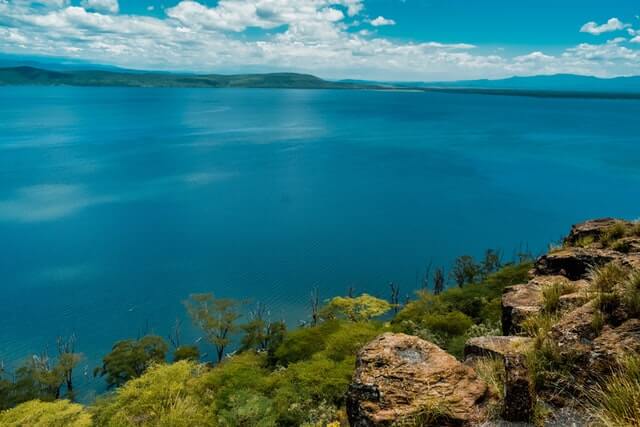
Lake Nakuru is conveniently positioned for many Rift Valley itineraries.
The area is particularly well known for birdlife and rhino conservation.
Its combination of lake scenery, woodland and grassland creates a noticeably different environment from the open plains of the Mara.
Lake Nakuru is frequently included between Nairobi and the Maasai Mara.
A one-night stay can work well within a longer road safari.
Lake Naivasha
Lake Naivasha offers a relaxing contrast to intensive game-drive destinations.
Boat excursions provide opportunities to observe hippos and birdlife, while the surrounding Rift Valley landscape makes the destination attractive as a stop between major safari areas.
Naivasha can also work well for travelers who want a slower day between longer game-drive sections.
Tsavo East National Park
Tsavo East is known for its enormous landscapes and famous red-dust elephants.
The scale of the ecosystem creates a different safari atmosphere from the comparatively compact wildlife viewing areas elsewhere in Kenya.
Travelers who value wilderness and expansive scenery may find Tsavo particularly appealing.
It also works well geographically for travelers continuing toward Kenya’s coast.
Tsavo West National Park
Tsavo West introduces volcanic landscapes, hills, springs and dramatic scenery.
Combining Tsavo East and Tsavo West provides an interesting safari for travelers traveling between Nairobi and the coast.
The Tsavo region can be especially appealing to travelers who have already visited the Maasai Mara or want a less conventional Kenyan safari route.
Nairobi National Park
Few capitals offer wildlife viewing as close to the city as Nairobi.
Nairobi National Park makes it possible to begin or finish a Kenya safari with a game drive without immediately traveling deep into the countryside.
It can be particularly useful for travelers with limited time.
A Nairobi stay can also help travelers recover after a long international flight before starting a longer safari.
Ol Pejeta and Laikipia
Central Kenya and the Laikipia region add another dimension to Kenya safari planning.
Conservation areas here can offer excellent rhino viewing and a combination of traditional game drives with additional activities depending on the property and conservancy.
Travelers seeking smaller camps, conservation-focused experiences and a different style of safari should consider including this region.
Kenya Safari Booking Guide to the Best Time to Visit
There is no single perfect month for every traveler.
The best time depends on your priorities.
Do you want migration activity?
Lower prices?
Green scenery?
Photography?
Birding?
Fewer vehicles?
Understanding Kenya’s seasonal differences helps you choose intelligently.
June to October
The generally drier middle part of the year is one of Kenya’s most popular safari periods.
Vegetation can become less dense and wildlife often concentrates around water sources.
This period also overlaps with migration activity in the Mara ecosystem.
Demand can therefore be very high.
Popular camps may sell out well ahead of arrival, especially during the busiest months.
If your safari falls within peak season, early booking is strongly recommended.
Current booking guides commonly recommend planning several months ahead and often considerably earlier for peak migration dates.
January and February
January and February can also be excellent months for a Kenya safari.
Conditions are often relatively dry, wildlife viewing can be rewarding and the landscape may retain more color than later in the dry season.
These months can appeal to travelers who want excellent wildlife opportunities without focusing exclusively on migration season.
March to May
This period generally corresponds with Kenya’s wetter season.
Rain can affect road conditions and some camps may operate differently during the lowest-demand weeks.
However, the green season has advantages.
Landscapes can be lush and photogenic.
Birdlife can be exceptional.
There may be fewer safari vehicles.
Some properties offer attractive seasonal rates.
For travelers who are flexible and comfortable with occasional rain, this can be an interesting period.
November and December
The shorter rains typically influence parts of this period, although weather patterns vary.
The countryside can become greener and wildlife remains present throughout Kenya’s major ecosystems.
Travelers should avoid assuming that rain means continuous rainfall every day.
Weather in East Africa can be localized and variable.
When Should You Book a Kenya Safari?
This is one of the most important questions in any Kenya Safari Booking Guide.
The simple answer is:
Book as early as practical if your dates are fixed.
For peak-season travel, planning roughly six to twelve months ahead can provide a stronger selection of camps, rooms and guides. Some highly demanded properties or special travel periods may justify booking even earlier.
Outside peak periods, travelers often have more flexibility.
Early booking becomes especially important when you need:
family rooms,
specific luxury camps,
private villas,
multiple rooms for groups,
specialized photographic vehicles,
particular guides,
or domestic flights at preferred times.
Waiting does not necessarily produce a cheaper safari.
In popular wildlife regions, waiting may simply reduce your accommodation choices.
How Many Days Do You Need for a Kenya Safari?
A Kenya safari can technically be as short as one day, but the ideal duration depends on the experience you want.
3–4 Days
A short safari usually focuses on one principal destination.
For example:
Nairobi → Maasai Mara → Nairobi.
This works for travelers with limited vacation time, although driving can consume a meaningful part of the itinerary.
Flying can maximize safari time.
5–7 Days
This is a very practical duration for first-time visitors.
It allows two or sometimes three destinations without turning the trip into a race.
Possible combinations include:
Amboseli + Maasai Mara
Lake Nakuru + Maasai Mara
Amboseli + Lake Naivasha + Maasai Mara
8–10 Days
Eight to ten days allows a more complete Kenya safari.
Travelers can spend longer in key wildlife areas and introduce greater ecosystem diversity.
A possible itinerary could combine:
Nairobi
Amboseli
Lake Naivasha or Nakuru
Maasai Mara
Alternatively, northern Kenya could be incorporated.
11–14 Days
Travelers with two weeks can experience Kenya at a much more relaxed pace.
A longer trip could combine Samburu or Laikipia with the Rift Valley, Maasai Mara and Amboseli.
Another possibility is combining a week or more of wildlife safari with several nights at the Kenyan coast.
The important principle is not to measure safari quality by the number of parks visited.
More parks do not automatically create a better safari.
Time spent observing wildlife is generally more valuable than repeatedly checking into hotels.
Sample 7-Day Kenya Safari Itinerary
A well-balanced first-time itinerary could look like this:
Day 1: Arrival in Nairobi
Arrive at Jomo Kenyatta International Airport and meet your safari representative.
Transfer to your Nairobi hotel.
Use the evening to rest after your international journey.
Day 2: Nairobi to Amboseli
After breakfast, travel toward Amboseli National Park.
Enjoy your first game drive depending on arrival time.
Overnight near or inside the Amboseli ecosystem.
Day 3: Amboseli Safari
Spend the day exploring Amboseli.
Look for elephants, lions, buffaloes, giraffes, zebras and other wildlife.
Early morning can offer attractive photographic conditions and, when skies cooperate, views toward Kilimanjaro.
Day 4: Amboseli to Nairobi or Connecting Destination
Continue the journey toward the next stage of your itinerary.
Depending on your transport arrangement, this may involve road travel or a flight connection.
Day 5: Maasai Mara
Enter the Mara ecosystem and begin exploring its grasslands.
Wildlife possibilities include lions, elephants, cheetahs, buffaloes, giraffes and large herbivore herds.
Day 6: Full-Day Maasai Mara Safari
Spend a full day searching for wildlife.
Your guide can adjust the day’s route according to recent animal movements and conditions.
Day 7: Maasai Mara to Nairobi
Enjoy a final morning activity where timing permits before returning to Nairobi by road or air.
The itinerary can be extended by adding extra Mara nights, Lake Nakuru, Naivasha, Samburu or the coast.
Kenya Safari Booking Guide to Safari Costs
There is no universal price for a Kenya safari.
The total depends on several interconnected variables:
travel season,
number of travelers,
number of days,
park combination,
accommodation standard,
vehicle type,
private versus shared safari,
road versus domestic flights,
park and conservancy fees,
included meals,
and optional activities.
This explains why two seven-day itineraries can have dramatically different prices.
Instead of comparing only the final amount, compare exactly what each quote includes.
Budget Kenya Safari
Budget safaris normally use simpler accommodation and may involve shared transport.
They can provide excellent wildlife viewing because animals do not care whether you sleep in a basic camp or an expensive luxury lodge.
The compromises generally concern privacy, comfort, location, meals and flexibility rather than wildlife itself.
Budget travelers should pay particular attention to group size and vehicle seating.
A very inexpensive safari becomes less attractive if eight travelers are competing for window space.
Midrange Kenya Safari
Midrange safaris provide a popular balance between price and comfort.
Accommodation may include comfortable tented camps and lodges with private bathrooms, good meals and attractive locations.
Private midrange safaris can be particularly appealing because travelers retain control over the pace of their game drives without paying top luxury rates.
For many first-time visitors, this category provides excellent overall value.
Luxury Kenya Safari
Luxury safaris focus on privacy, location, personalized service and often smaller properties.
They may include spacious suites, premium tented camps, gourmet dining, private vehicles, fly-in connections and highly personalized guiding.
Some are located within private conservancies where additional activities may be possible according to local regulations.
Luxury is therefore not simply about a more elaborate room.
It can fundamentally change the logistics and pace of the safari.
Private Safari vs Group Safari
This decision can significantly influence your trip.
Private Kenya Safari
A private safari gives your party its own vehicle and driver-guide.
That means you have much greater control over departure times, stops and wildlife interests.
If you love birds, you can spend more time birding.
If you are photographing lions, you may choose to remain at the sighting longer.
If children need a break, the schedule can be adjusted.
Private safaris are particularly suitable for couples, families, photographers and small groups.
Shared Group Safari
Shared departures can reduce the per-person cost.
They can also be sociable.
However, the itinerary must accommodate multiple travelers.
One person may want to photograph birds while another wants to move immediately to the next lion sighting.
Travelers considering group safaris should confirm the maximum number of passengers in the vehicle and whether everyone has appropriate viewing access.
Safari Land Cruiser vs Safari Van
Vehicle type matters more than many first-time travelers expect.
A purpose-built safari Land Cruiser is widely used for Kenya safaris because of its suitability for rough roads and wildlife viewing.
Pop-up roofs can allow passengers to stand while observing or photographing wildlife where regulations permit.
Safari vans are also used, particularly on more economical itineraries.
When comparing quotations, ask exactly which vehicle is included.
Do not assume that two packages using different vehicle types are equivalent simply because the itineraries look similar.
Road Safari vs Fly-In Kenya Safari
Both options have advantages.
Road Safari
Driving allows you to watch the landscape change gradually.
It can also be economical for couples, families and groups.
A private vehicle remains with you throughout much of the itinerary, providing flexibility.
However, Kenya’s safari destinations are spread across different parts of the country, so road journeys can be lengthy.
Fly-In Safari
Domestic flights can dramatically reduce transfer time.
Instead of spending many hours traveling between regions, you can arrive at an airstrip closer to your camp.
Fly-in safaris are particularly attractive for travelers with limited time or those combining distant destinations.
The trade-off is usually higher cost and luggage restrictions on small aircraft.
A hybrid itinerary can often work extremely well: drive some sections and fly the longest route.
Understanding Safari Lodges and Tented Camps
The phrase “tented camp” sometimes confuses first-time visitors.
It does not necessarily mean basic camping.
Many permanent safari tents have proper beds, private bathrooms, electricity, verandas and high levels of comfort.
At the luxury end, a tented suite can be more sophisticated than a conventional hotel room.
The real question is not:
“Is it a tent?”
Ask instead:
Where is it located?
What is the room configuration?
Does it have an ensuite bathroom?
What meals are included?
How far is it from the main wildlife-viewing areas?
Is it inside the reserve, outside it or in a conservancy?
Location can matter enormously.
Saving money on a lodge far from your principal game-viewing area can mean spending extra time commuting each day.
Maasai Mara Reserve vs Private Conservancy
This distinction deserves careful attention.
The Maasai Mara National Reserve provides access to some of Kenya’s most celebrated wildlife areas.
Private and community conservancies around the wider ecosystem can offer a different style of safari.
Depending on the conservancy and camp, activities may include walking safaris, night drives and more restricted vehicle densities.
Current Kenya safari guides frequently identify reserve-versus-conservancy selection as one of the major decisions affecting a Mara safari.
Neither option should automatically replace the other.
Some travelers combine them.
For example, you might spend part of your trip in a conservancy and part closer to the central reserve.
This creates variety while increasing access to different experiences.
How to Choose a Kenya Safari Company
Selecting the safari operator is one of the most important booking decisions.
The company does much more than reserve hotels.
It coordinates accommodation, vehicles, guides, transfers, park logistics, flights and unexpected changes.
Before paying, look carefully at the operator’s communication and transparency.
A professional quotation should clearly identify:
the itinerary,
accommodation,
meal plan,
transport,
activities,
park fees,
included services,
excluded services,
payment schedule,
and cancellation conditions.
Current operator-selection guides also recommend looking beyond marketing language and examining guide quality, vehicle standards, route knowledge and transparent pricing.
Ask for an Itemized Safari Itinerary
Avoid paying for a package described only as:
“7-Day Kenya Luxury Safari.”
That description tells you very little.
You should know where you will sleep each night and what you will do each day.
Ask for the actual lodge or camp names whenever possible.
If accommodation is listed as “or similar,” ask what alternative properties might be used.
Also check the meal plan.
Common terms include:
BB — Bed and Breakfast
HBASE — Half Board
FB — Full Board
AI — All Inclusive
Definitions can vary between properties, particularly regarding beverages, so confirm the details rather than relying solely on abbreviations.
What Should a Kenya Safari Package Include?
A properly presented safari package commonly specifies transportation, driver-guide services, accommodation, meals according to the stated plan and the listed game drives or activities.
Park entrance fees may be included, but never assume they are.
Similarly, domestic flights, drinks, tips, visas, travel insurance and optional activities may or may not be included.
Your quotation should explicitly separate inclusions from exclusions.
This makes comparison much easier.
Hidden Costs to Check Before Booking
A surprisingly inexpensive quotation deserves careful examination.
Ask whether the price includes all applicable park or conservancy access charges stated in the itinerary.
Check whether airport transfers are included.
Confirm whether bottled drinking water is supplied in the safari vehicle.
Ask about one-way domestic flight charges if applicable.
Check whether special activities carry additional costs.
Confirm whether quoted prices depend on a minimum number of participants.
Also ask whether the quotation could change if government taxes, park fees or conservation charges change before travel.
Transparency is far more important than simply choosing the lowest advertised number.
Kenya Safari Deposits and Final Payments
Safari operators commonly require a deposit to secure accommodation and other services.
The exact percentage varies according to the company, properties and itinerary.
Peak-season camps may impose stricter payment conditions.
Domestic flights can also have separate ticketing rules.
Before transferring money, request written booking conditions.
Understand:
how much deposit is required,
when the balance is due,
which payments are refundable,
what cancellation charges apply,
and what happens if you change your dates.
Never assume cancellation terms.
Read them before paying.
Paying for Your Kenya Safari Safely
For an international safari, payment security matters.
Use the official payment instructions supplied by the company.
Confirm that bank details or payment links correspond with the business you are dealing with.
Be particularly cautious if payment instructions suddenly change by email.
If that happens, verify the change through another established communication channel before transferring money.
Keep payment receipts and written confirmations.
After payment, request acknowledgment showing what has been received and what balance remains.
Kenya Safari Cancellation Policies
Cancellation policies can vary significantly.
Some safari services become non-refundable once booked.
Others use escalating cancellation charges as the arrival date approaches.
High-season accommodations may have stricter conditions.
This is one reason travel insurance is important.
A comprehensive policy may provide protection for eligible unexpected circumstances, depending on its terms.
Read both the safari company’s cancellation policy and your insurer’s conditions carefully.
Booking the Great Migration Safari
Travelers often build their entire Kenya holiday around the Great Migration.
That can be spectacular, but expectations should remain realistic.
The migration is a natural ecological movement.
Exact timing changes according to rainfall, grazing conditions and animal movement.
Historical seasonal patterns can guide planning, but they cannot provide a guaranteed appointment with a river crossing.
A well-designed migration safari should therefore provide enough time in the Mara ecosystem to enjoy its broader wildlife.
Even without a dramatic river crossing, the Mara can deliver exceptional predator and plains-game viewing.
Kenya Safari for Families
Kenya can be an excellent family destination.
Children can experience wildlife in its natural environment while learning about ecology, conservation and local cultures.
However, family safari planning should consider more than wildlife.
Long drives can be tiring for young travelers.
Choose an itinerary with sensible transfer times and enough downtime.
Family-friendly accommodation may provide swimming pools, larger rooms, connecting rooms and flexible meals.
Some camps or activities have minimum-age restrictions, so confirm these before booking.
A private safari is particularly useful for families because the daily schedule can be adapted more easily.
Kenya Safari for Couples and Honeymooners
Kenya is exceptionally well suited to romantic travel.
Small tented camps, private dinners, scenic sundowners and remote landscapes create a natural honeymoon atmosphere.
Couples can also combine safari with the coast.
A typical honeymoon might include several nights in the Maasai Mara followed by time at Diani Beach or another Indian Ocean destination.
Tell your safari planner if you are celebrating a honeymoon or anniversary.
Properties sometimes provide special arrangements, although these should never be assumed unless confirmed.
Kenya Safari for Solo Travelers
Solo travel offers enormous freedom but can be more expensive because many safari prices are calculated around two guests sharing accommodation and transport.
Solo travelers have several options.
Joining a scheduled group can reduce costs.
Alternatively, a private safari provides maximum flexibility at a higher per-person price.
Solo travelers should ask specifically about single-room supplements and whether any advertised price assumes double occupancy.
Kenya Safari for Photographers
Photography changes the way an itinerary should be designed.
Photographers usually benefit from:
fewer passengers per vehicle,
more time at sightings,
excellent guide positioning,
longer stays in wildlife-rich areas,
and early starts.
A private vehicle is particularly valuable.
Instead of following a rigid group schedule, photographers can wait for behavior to develop.
If photography is a major priority, mention your equipment to the safari company.
Long telephoto lenses require sufficient vehicle space.
Beanbags and charging facilities can also matter.
What to Pack for a Kenya Safari
Packing should prioritize comfort and practicality.
Neutral-colored lightweight clothing works well for most game drives.
Morning temperatures can feel cool, particularly in open vehicles or higher-elevation regions, while afternoons can become warm.
Layering is therefore useful.
A light fleece or jacket can make early departures much more comfortable.
Comfortable walking shoes are useful around camps and during activities that involve walking.
Sun protection is essential.
Bring sunglasses, a hat and suitable sunscreen.
Binoculars significantly improve wildlife viewing.
Even when an animal is visible with the naked eye, binoculars reveal details that completely change the experience.
Camera users should bring enough batteries, memory cards and appropriate charging equipment.
Luggage for Fly-In Safaris
Travelers using small aircraft should check baggage rules carefully.
Bush flights may impose lower weight limits than international airlines and may prefer soft-sided luggage.
Do not arrive with large hard-shell suitcases assuming they will automatically be accepted.
Ask your safari planner for the current luggage rules applying to your specific flights.
Health Preparation for a Kenya Safari
Travel health requirements depend on your route, personal circumstances and countries visited before or after Kenya.
Consult an appropriate medical professional or travel-health service well before departure.
Do not wait until the final week to investigate vaccination or medication requirements.
Travelers should also check official health guidance relevant to their nationality and itinerary.
Travel Insurance for Kenya
Comprehensive travel insurance should be arranged as soon as practical after confirming your safari.
Consider coverage for:
trip cancellation,
medical treatment,
emergency evacuation,
delayed baggage,
lost luggage,
flight disruption,
and safari activities included in your itinerary.
Coverage varies considerably between policies.
Read the policy wording rather than assuming every safari-related event is covered.
Kenya Entry Requirements
Entry rules can change.
Travelers should verify the latest requirements through official Kenyan government channels before departure.
Check passport validity, entry authorization requirements and any documentation relevant to your nationality.
Do not rely entirely on an old blog article for immigration rules.
Your safari company can provide practical guidance, but travelers remain responsible for meeting official entry requirements.
Nairobi: Where Most Kenya Safaris Begin
Nairobi is the logistical center of most Kenyan safari itineraries.
International travelers commonly arrive through Jomo Kenyatta International Airport.
Depending on arrival time, it may be sensible to spend the first night in Nairobi.
This avoids beginning a long road journey immediately after an overnight international flight.
Nairobi can also become part of the experience itself.
Travelers with sufficient time can explore local attractions or include Nairobi National Park before continuing into the countryside.
Combining Kenya Safari and Beach
One of Kenya’s greatest advantages is the ability to combine wildlife with the Indian Ocean coast.
After several days of early morning game drives, a beach stay can provide an excellent change of pace.
Diani is among the best-known choices, while other coastal areas provide different styles of accommodation and atmosphere.
Safari-and-beach itineraries are particularly popular with honeymooners and families.
The most efficient transport combination depends on your final safari destination and selected beach resort.
Combining Kenya and Tanzania
Kenya and Tanzania create one of Africa’s great multi-country safari combinations.
A longer itinerary can connect Kenya’s Maasai Mara with Tanzania’s Serengeti, Ngorongoro region and other northern destinations.
However, border logistics must be planned properly.
A route that looks short geographically may involve immigration procedures and vehicle changes.
This is where working with an experienced East African safari planner becomes especially useful.
Combining Kenya With Rwanda or Uganda
Travelers interested in primates can combine Kenya’s classic savannah wildlife with gorilla trekking in Rwanda or Uganda.
This creates a particularly diverse East African journey.
A traveler might first experience lions, elephants and cheetahs in Kenya before flying to Kigali or Entebbe for a mountain gorilla adventure.
For wildlife enthusiasts, combining a Kenya safari with Rwanda or Uganda creates two very different experiences:
the open savannah ecosystem and the mountain rainforest.
Common Kenya Safari Booking Mistakes
A safari is a significant investment, and a few planning mistakes can reduce its value.
The first is trying to visit too many parks.
Constant transfers reduce wildlife-viewing time.
The second is choosing purely by price.
A lower quote may involve a different vehicle, distant accommodation, fewer included fees or larger group size.
The third is underestimating road distances.
Safari roads and traffic conditions can make journeys considerably longer than the distance appears on a map.
The fourth is booking migration season too late.
The fifth is assuming every wildlife sighting can be guaranteed.
Wild animals move freely.
A professional safari company can put you in excellent wildlife habitat with an experienced guide, but nature determines the sightings.
Why the Safari Guide Matters So Much
Travelers often spend hours comparing hotels and surprisingly little time considering the person who will guide them.
That is backwards.
Your guide can shape the entire safari.
A skilled guide reads tracks, understands animal behavior, communicates with other guides, positions the vehicle responsibly and explains the ecosystem.
The guide also determines the pace and atmosphere of long game-drive days.
When comparing safari companies, ask about their guiding standards.
The cheapest lodge with an outstanding guide can produce a better wildlife experience than an expensive lodge combined with weak guiding.
Responsible Safari Travel in Kenya
Wildlife tourism depends on healthy ecosystems.
Responsible safari behavior therefore matters.
Follow park regulations.
Listen to your guide.
Do not pressure a driver to approach wildlife irresponsibly.
Avoid shouting at animals to force them to move or look toward a camera.
Never feed wildlife.
Respect local communities and ask permission before photographing people.
Support accommodation and safari businesses that demonstrate meaningful conservation and community involvement.
A memorable photograph should never come at the expense of animal welfare.
Kenya Safari Booking Guide for First-Time Travelers
If you have never visited Africa before, simplify the process.
Start by deciding:
your travel month,
number of days,
number of travelers,
approximate accommodation level,
and main wildlife interests.
Then ask an experienced safari planner to build a route around those priorities.
For example, you might say:
“We have eight days in Kenya, are traveling in September, prefer comfortable midrange lodges, want a private vehicle and are especially interested in elephants and big cats.”
That information is far more useful than simply asking:
“Please send your Kenya packages.”
It allows the safari company to design something relevant to you.
How to Compare Two Kenya Safari Quotes
Suppose Company A offers a seven-day safari for considerably less than Company B.
Do not immediately assume Company A provides better value.
Place the itineraries side by side.
Compare:
the exact hotels,
room category,
meal plan,
vehicle,
private or shared status,
park fees,
game drives,
airport transfers,
domestic flights,
guide arrangement,
and taxes.
You may discover that the cheaper package excludes hundreds of dollars in fees.
Or perhaps both are genuinely comparable.
The only way to know is to compare the details.
Questions to Ask Before Paying a Safari Deposit
Before confirming your safari, make sure you understand the fundamentals.
Ask what exact accommodation has been reserved.
Ask whether your safari is private.
Confirm the vehicle type.
Confirm which park and conservancy fees are included.
Check the meal plan.
Ask about drinks.
Confirm airport transfers.
Check domestic flights.
Understand cancellation conditions.
Ask when the final balance is due.
Confirm what happens if one of the proposed lodges becomes unavailable.
A reliable safari planner should be able to answer these questions clearly.
Step-by-Step Kenya Safari Booking Process
This Kenya Safari Booking Guide can be reduced to a straightforward booking sequence.
Step 1: Choose Your Travel Period
Identify your preferred dates or at least your month of travel.
Step 2: Decide the Trip Length
Determine how many nights you can realistically spend in Kenya.
Step 3: Define Your Priorities
Think about wildlife, photography, migration, elephants, culture, relaxation or beach time.
Step 4: Establish Your Comfort Level
Choose between budget, midrange, luxury or a mixture.
Step 5: Request a Customized Itinerary
Ask for a day-by-day route with named accommodation.
Step 6: Review Inclusions and Exclusions
Look beyond the final price.
Step 7: Confirm Availability
Safari availability can change quickly, particularly during peak season.
Step 8: Review Booking Conditions
Understand deposits, cancellation terms and balance deadlines.
Step 9: Pay Through the Agreed Secure Method
Retain payment confirmation.
Step 10: Receive Booking Confirmation
Request confirmation of the main booked services.
Step 11: Arrange Flights, Insurance and Entry Documentation
Complete the practical travel requirements.
Step 12: Prepare for Safari
Pack appropriately and provide any requested arrival information.
Then the planning stage is largely complete.
Frequently Asked Questions About Booking a Kenya Safari
How far in advance should I book a Kenya safari?
For high-demand periods, booking approximately six to twelve months ahead can provide better accommodation and itinerary choices. Very popular camps or group travel may require even earlier planning. Outside peak periods, shorter lead times may be possible.
How many days are enough for a Kenya safari?
Five to seven days can provide an excellent introduction. Eight to ten days allows more variety and a more relaxed itinerary.
Is the Maasai Mara worth visiting outside migration season?
Yes. The Mara is a year-round wildlife ecosystem and is particularly known for predators and resident wildlife. Migration activity adds another dimension but is not the only reason to visit.
Should I choose Maasai Mara or Amboseli?
They provide different experiences. The Mara is particularly associated with predators and expansive savannah wildlife, while Amboseli is famous for elephants and Kilimanjaro scenery. Combining them can work extremely well.
Is a private safari worth the extra cost?
For travelers who value flexibility, photography, family convenience or control over game-drive timing, a private safari can provide substantial advantages.
Can children go on safari in Kenya?
Yes. Kenya offers many family-friendly safari options, although individual camps and activities may impose age restrictions.
Can I combine Kenya with a beach holiday?
Absolutely. Safari-and-beach combinations are one of Kenya’s major strengths.
Can Kenya be combined with gorilla trekking?
Yes. International and regional air connections make it possible to combine a Kenya wildlife safari with gorilla trekking in Rwanda or Uganda.
Can I see the Big Five in Kenya?
Kenya contains lion, leopard, elephant, buffalo and rhino populations, although sightings are never guaranteed.
Is Kenya suitable for first-time safari travelers?
Yes. Its extensive tourism infrastructure, diverse parks and wide range of accommodation make Kenya one of Africa’s most established safari destinations.
Planning a Kenya Safari That Fits You
There is no universal “perfect” Kenya itinerary.
A seven-day safari for a wildlife photographer should not necessarily look like a seven-day safari for a family with young children.
A honeymoon itinerary should not automatically resemble a budget group departure.
This is why the strongest safari planning begins with the traveler rather than the package.
Consider how you like to travel.
Do you enjoy long days outdoors?
Would you rather fly than drive?
Do you prefer small intimate camps or larger lodges?
Is wildlife photography your main objective?
Are you comfortable changing hotels frequently?
Would you prefer three parks quickly or two parks slowly?
These answers determine the right safari.
Final Kenya Safari Booking Guide Advice
Booking a Kenya safari becomes much easier once you understand the decisions that actually matter.
Choose your season according to the experience you want rather than simply following the busiest month.
Select parks that complement one another.
Allow enough time in each destination.
Compare safari quotations based on what they include, not just their final price.
Pay attention to vehicle quality and guide experience.
Book early when traveling during high-demand periods.
Read payment and cancellation conditions before sending a deposit.
And above all, leave enough flexibility for nature.
A safari is not a scheduled wildlife performance.
Its magic comes from uncertainty.
You may leave camp expecting to photograph elephants and unexpectedly spend an hour watching cheetahs.
You may search for a leopard all morning and find one resting in a tree just before sunset.
You may spend an afternoon watching a herd of elephants interact at a waterhole and realize that this quiet moment—not the animal you originally hoped to find—has become the highlight of your journey.
That is the essence of safari.
With thoughtful planning and an experienced local safari team, Kenya offers extraordinary opportunities to experience East Africa’s wildlife, landscapes and cultures.
Book Your Kenya Safari With Universal Ventures Rwanda
Universal Ventures Rwanda organizes customized East African safari experiences for travelers seeking private and carefully planned journeys across the region.
Whether you are considering a classic Kenya wildlife safari, a Kenya and Rwanda combination, gorilla trekking, a family safari, honeymoon, photographic safari or a longer East African itinerary, our team can help create a journey around your dates, budget and travel preferences.
Tell us your expected travel dates, number of travelers, number of safari days and preferred accommodation level, and we can help you plan an itinerary suited to your journey.
Universal Ventures Rwanda
Website: universalventuresrwanda.com
Email: info@universalventuresrwanda.com
Phone / WhatsApp: +250 781 441 853
Address: Kigali, Rwanda
Serving travelers across Rwanda, Kenya, Uganda and East Africa.


