Skip to content
This Uganda Safari Itinerary 7 Days combines three of the country’s greatest wildlife experiences: chimpanzee tracking in Kibale National Park, a classic savannah safari in Queen Elizabeth National Park, and mountain gorilla trekking in Bwindi Impenetrable National Park. It then ends with a relaxing wildlife experience in Lake Mburo National Park before returning to Entebbe.
Although seven days cannot cover every national park in Uganda, it is enough time to explore a carefully selected southwestern circuit. The route avoids unnecessary backtracking and provides a rewarding balance of primates, game drives, boat safaris, scenic landscapes, and cultural encounters.
During this 7-day Uganda safari, travelers have opportunities to see mountain gorillas, chimpanzees, elephants, buffaloes, lions, hippos, crocodiles, zebras, giraffes, antelopes, monkeys, and numerous bird species. Wildlife sightings always depend on natural conditions, but every park offers something memorable.
The safari can begin and end in Entebbe, or it can be modified to finish in Kigali, Rwanda. It is suitable for couples, solo travelers, families with older children, photographers, small groups, and anyone planning a first Uganda safari.
Uganda Safari Itinerary 7 Days at a Glance
| Day | Route | Main activities | Overnight area |
|---|---|---|---|
| Day 1 | Entebbe or Kampala to Kibale | Scenic transfer and crater-lake views | Kibale |
| Day 2 | Kibale National Park | Chimpanzee tracking and Bigodi Wetland walk | Kibale |
| Day 3 | Kibale to Queen Elizabeth | Crater-lake drive and Kazinga Channel cruise | Queen Elizabeth |
| Day 4 | Queen Elizabeth to Bwindi | Morning game drive and Ishasha route | Bwindi |
| Day 5 | Bwindi Impenetrable National Park | Mountain gorilla trekking and community experience | Bwindi |
| Day 6 | Bwindi to Lake Mburo | Scenic transfer and evening game drive | Lake Mburo |
| Day 7 | Lake Mburo to Entebbe | Nature activity, Equator stop and departure | Entebbe |
Highlights of This 7-Day Uganda Safari
This safari offers a broad introduction to Uganda’s natural attractions within a realistic seven-day route.
Highlights include:
- Chimpanzee tracking in Kibale National Park
- Mountain gorilla trekking in Bwindi Impenetrable National Park
- Game drives in Queen Elizabeth National Park
- A boat cruise on the Kazinga Channel
- A wildlife drive through the Ishasha sector
- Opportunities to search for tree-climbing lions
- Crater lakes and views of the Rwenzori Mountains
- A game drive or guided nature walk in Lake Mburo National Park
- Cultural and community experiences
- Photography and birdwatching opportunities
- A stop at the Equator
- Private transportation in a suitable safari vehicle
- Professional support from an English-speaking driver-guide
Why Choose This Uganda Safari Itinerary for 7 Days?
Uganda has ten national parks, several wildlife reserves, extensive wetlands, tropical forests, mountain ranges, and large freshwater lakes. Visiting all of them in seven days would be impossible. Therefore, a successful itinerary must prioritize quality rather than quantity.
This route concentrates on southwestern Uganda, where several major safari destinations can be linked logically. Kibale, Queen Elizabeth, Bwindi, and Lake Mburo create a varied circuit without requiring domestic flights.
Each destination adds a different experience:
- Kibale National Park provides rainforest exploration and chimpanzee tracking.
- Queen Elizabeth National Park offers game drives, savannah landscapes, crater lakes, and boat safaris.
- Bwindi Impenetrable National Park protects mountain gorillas and exceptional forest biodiversity.
- Lake Mburo National Park introduces zebras, giraffes, impalas, elands, and guided nature activities.
Uganda Wildlife Authority manages ten national parks, including the four featured in this itinerary. The country also supports remarkable primate and bird diversity. Uganda Wildlife Authority
This combination makes the itinerary ideal for travelers who want more than a traditional Big Game safari. It brings together forest primates, open savannah, wetlands, rural scenery, and community tourism.
Detailed Uganda Safari Itinerary 7 Days
Day 1: Entebbe or Kampala to Kibale National Park
Your Uganda Safari Itinerary 7 Days begins with pickup from Entebbe International Airport, an Entebbe hotel, or an agreed location in Kampala. After meeting your professional driver-guide, you will receive a briefing about the route, activities, accommodation, and expected travel conditions.
You will then travel west toward Fort Portal and Kibale National Park. The journey passes through towns, farming communities, tea-growing areas, and green countryside. Depending on your starting point, traffic, and chosen route, the transfer normally occupies much of the day.
A lunch stop will be arranged along the way. Your guide can also include safe photography or rest stops without making the transfer unnecessarily long.
Fort Portal lies near the foothills of the Rwenzori Mountains and serves as an important tourism center for western Uganda. The wider region is known for tea estates, forest views, wetlands, and crater lakes formed by ancient volcanic activity.
If time permits, you may enjoy a short scenic drive around the crater-lake region before continuing to your lodge near Kibale National Park. The exact activity depends on your arrival time and lodge location.
After check-in, relax and prepare for the following morning’s chimpanzee-tracking adventure. Your guide will confirm the reporting time, required clothing, and items to carry.
Main activities:
- Meet your Uganda safari driver-guide
- Scenic journey through western Uganda
- Lunch during the transfer
- Optional crater-lake views
- Safari briefing and chimpanzee-trek preparation
Estimated travel time: Approximately 5–7 hours, depending on the starting point, traffic, stops, and road conditions.
Meals: Lunch and dinner, depending on the agreed package and pickup time.
Accommodation: Budget, midrange, or luxury lodge near Kibale National Park.
What to Expect on the First Day
This is primarily a transfer day. However, the drive introduces travelers to Uganda’s changing landscapes and rural communities.
Avoid scheduling a major forest activity on the same afternoon unless you arrive in the region early. International flights, traffic, and road conditions can affect arrival time. A relaxed first day provides better preparation for chimpanzee tracking.
Day 2: Chimpanzee Tracking in Kibale National Park
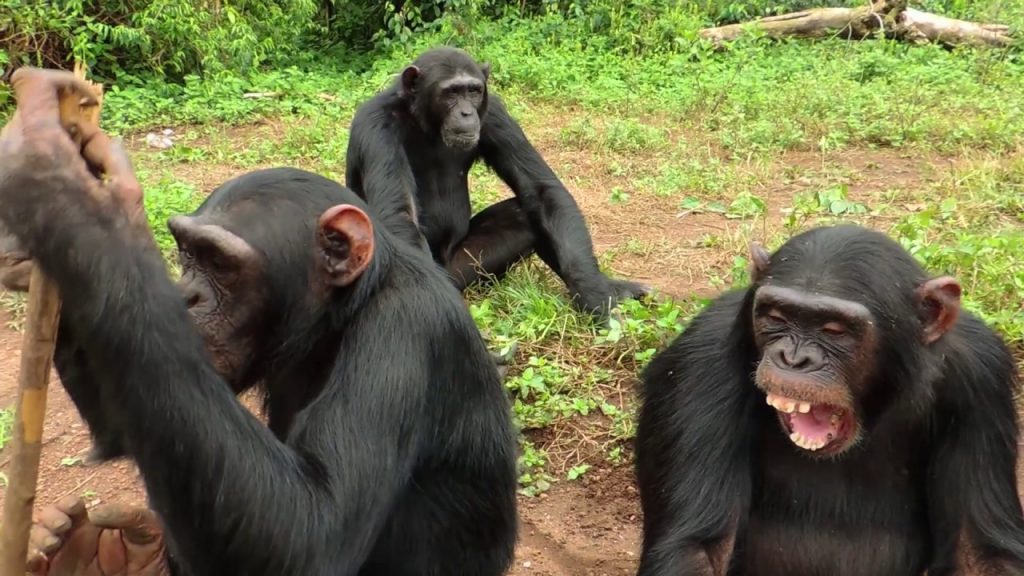
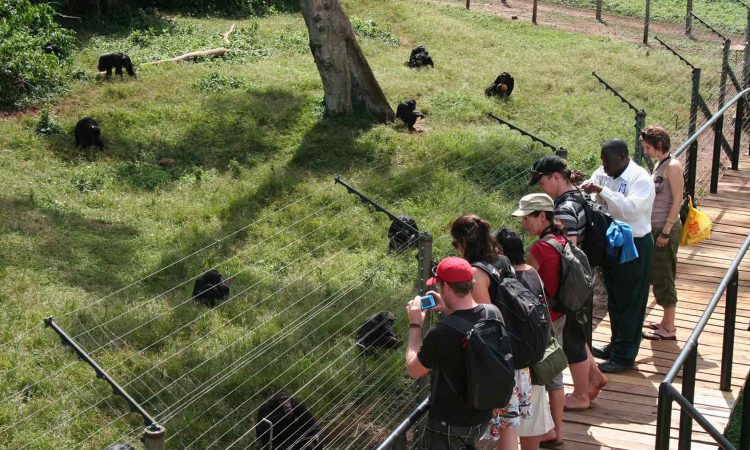
After an early breakfast, transfer to the designated visitor center for registration and a ranger briefing. The briefing explains forest safety, chimpanzee behavior, photography rules, and the importance of protecting the animals and their habitat.
You will then enter Kibale Forest with trained ranger-guides. The search may take two or more hours because chimpanzees move through the forest according to food availability, weather, and social behavior.
Kibale National Park is widely recognized as one of Africa’s leading chimpanzee-tracking destinations. Uganda Wildlife Authority currently schedules guided chimpanzee walks from Kanyanchu Visitor Centre at different times during the day. The organization notes that treks generally take two to five hours, depending on chimpanzee movement and forest conditions. Kibale National Park
During the forest walk, you may also encounter other primates, birds, butterflies, and distinctive tropical vegetation. Possible primate sightings include red-tailed monkeys, black-and-white colobus monkeys, blue monkeys, grey-cheeked mangabeys, and olive baboons.
Once the chimpanzees are found, standard tracking permits generally provide a regulated viewing period. Follow the ranger’s instructions concerning distance, movement, photography, food, noise, and health precautions.
Return to the lodge or a nearby restaurant for lunch after the trek.
Optional Afternoon Bigodi Wetland Walk
In the afternoon, you can visit the Bigodi Wetland Sanctuary for a guided community-based nature walk.
The wetland is known for birds, monkeys, butterflies, and village scenery. Local guides explain the area’s plants, wildlife, traditional uses, and conservation initiatives. This experience can help tourism income reach families and community projects outside the national park.
Travelers who prefer a slower afternoon can remain at the lodge, enjoy the gardens, or take a shorter nature experience.
Main activities:
- Chimpanzee-tracking briefing
- Guided trek through Kibale Forest
- Primate and bird observation
- Bigodi Wetland Sanctuary walk
- Community and conservation experience
Meals: Breakfast, lunch, and dinner.
Accommodation: Lodge near Kibale National Park.
What to Wear for Chimpanzee Tracking
Wear:
- Closed walking or hiking shoes
- Long trousers
- Long-sleeved shirt
- Rain jacket
- Long socks
- Neutral-colored clothing
- Gardening or trekking gloves if desired
Carry drinking water, insect repellent, a camera without flash, and waterproof protection for electronics.
Chimpanzee Tracking Versus Chimpanzee Habituation
Chimpanzee tracking normally provides a shorter forest experience and a regulated viewing period after locating a habituated community.
A chimpanzee habituation experience may involve more time in the forest while visitors accompany researchers and habituation teams. It usually costs more and requires an earlier start.
Because this itinerary is limited to seven days, standard chimpanzee tracking provides a good balance. However, the program can be customized for travelers who want a longer primate experience.
Day 3: Kibale to Queen Elizabeth National Park and Kazinga Channel Boat Cruise
After breakfast, leave Kibale and travel south toward Queen Elizabeth National Park.
Depending on the route and weather, the journey may include scenic views of crater lakes, tea plantations, small farms, and the distant Rwenzori Mountains. Your guide may stop at a safe viewpoint for photography.
You will enter Queen Elizabeth National Park and continue toward the Mweya or Kasenyi area. Wildlife may appear even during the transfer, so keep binoculars and cameras accessible.
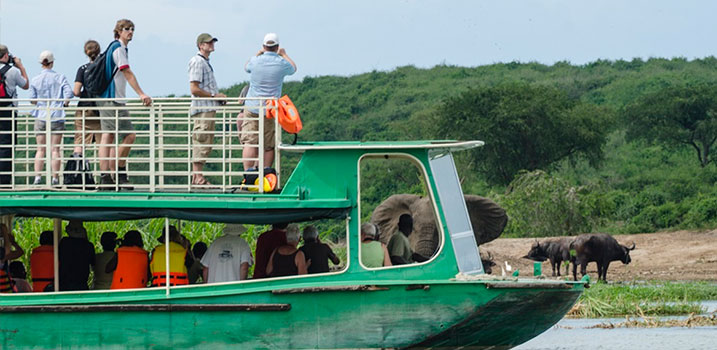
After lunch, join a scheduled boat cruise on the Kazinga Channel.
Kazinga Channel Boat Safari
The Kazinga Channel is a natural waterway linking Lake George and Lake Edward. Uganda Wildlife Authority describes it as an important wildlife area where travelers may observe hippos, crocodiles, elephants, buffaloes, and numerous waterbirds. Queen Elizabeth National Park
A boat safari offers a different perspective from a game drive. Animals often gather along the water to drink, cool down, feed, or rest. Depending on natural conditions, possible sightings include:
- Hippopotamuses
- Nile crocodiles
- African elephants
- Cape buffaloes
- Uganda kobs
- Waterbucks
- Monitor lizards
- Pied kingfishers
- African fish eagles
- Pelicans
- Cormorants
- Herons
- Egrets
- Storks
The boat crew and guide help identify species and explain the channel’s ecosystem. Keep your camera protected from water and direct sunlight.
After the cruise, enjoy an optional short evening game drive as you travel toward the lodge. The activity depends on park-entry times, daylight, and lodge location.
Main activities:
- Transfer from Kibale to Queen Elizabeth National Park
- Crater-lake and Rwenzori scenery
- Kazinga Channel boat cruise
- Wildlife and bird photography
- Optional evening game viewing
Estimated transfer time: Approximately 2–4 hours, excluding stops and activities.
Meals: Breakfast, lunch, and dinner.
Accommodation: Budget, midrange, or luxury lodge in or near Queen Elizabeth National Park.
Why the Kazinga Channel Is Essential
A common mistake when planning a Uganda wildlife safari is including only vehicle-based activities. The Kazinga Channel adds close views of water-associated wildlife and excellent birdwatching.
Even when predators remain hidden during a game drive, the channel is often active with hippos, birds, buffaloes, and other animals. It therefore strengthens the overall safari experience.
Day 4: Queen Elizabeth Game Drive, Ishasha Sector and Transfer to Bwindi
Wake up early for a game drive in the Kasenyi Plains or another suitable wildlife-viewing area.
The cooler morning hours are often productive because many animals are more active before the day becomes hot. Your guide will search for recent tracks, listen for animal calls, and communicate with other authorized guides when appropriate.
Possible sightings include:
- Lions
- Elephants
- Cape buffaloes
- Uganda kobs
- Warthogs
- Waterbucks
- Bushbucks
- Hyenas
- Leopards
- Baboons
- Vervet monkeys
- Various eagles and savannah birds
Leopards and some other species are naturally elusive. No responsible operator can guarantee a particular sighting.
After the game drive, continue south through the Ishasha sector of Queen Elizabeth National Park.
Searching for Tree-Climbing Lions in Ishasha
Ishasha is famous for lions that are sometimes seen resting in large fig trees. Researchers and guides have offered several possible explanations for this behavior, including cooler air, avoiding insects, and gaining a better view of the surroundings.
However, the lions do not remain in trees all day. Sightings depend on their movement, weather, hunting patterns, and the time available.
The Ishasha route also offers opportunities to see topi, elephants, buffaloes, Uganda kobs, and other wildlife.
Stop for lunch or carry a packed lunch, depending on the day’s program. You will then leave Queen Elizabeth National Park and continue through changing landscapes toward Bwindi Impenetrable National Park.
The road becomes increasingly mountainous and scenic as you approach the gorilla region. Villages, terraced hills, cultivated valleys, and forest views make this a memorable transfer.
Arrive at your lodge, check in, and prepare your equipment for the next morning.
Main activities:
- Early morning game drive
- Search for lions and other wildlife
- Drive through the Ishasha sector
- Search for tree-climbing lions
- Transfer to Bwindi Impenetrable National Park
- Gorilla-trekking briefing at the lodge
Estimated total travel and activity time: Much of the day, depending on the Bwindi sector, wildlife sightings, stops, and road conditions.
Meals: Breakfast, lunch, and dinner.
Accommodation: Lodge near the correct Bwindi trekking sector.
Why the Correct Bwindi Sector Matters
Bwindi has several gorilla-trekking sectors, including Buhoma, Ruhija, Rushaga, and Nkuringo. The lodge must be matched with the sector shown on your permit.
A property described as “near Bwindi” may still be several hours from the correct briefing point. Universal Ventures Rwanda coordinates the permit, lodge, vehicle, and route to reduce this risk.
Day 5: Mountain Gorilla Trekking in Bwindi Impenetrable National Park
Today is the highlight of this Uganda Safari Itinerary 7 Days.
After an early breakfast, carry your packed lunch and transfer to the appropriate park headquarters. Complete registration and attend the mandatory briefing.
Park staff will explain:
- How trekking groups are organized
- How to behave in the forest
- The required distance from gorillas
- What to do if a gorilla approaches
- Photography rules
- Health and hygiene requirements
- The regulated viewing period
- Forest safety procedures
You will then enter Bwindi with ranger-guides and trackers.
The Gorilla Trekking Experience
Trek duration varies. A gorilla family may be found relatively close to the starting point, or the search may continue for several hours.
The terrain can include steep slopes, mud, roots, streams, and thick vegetation. Weather can also change quickly. Travelers should therefore prepare for a moderate or demanding walk rather than expecting a fixed experience.
Once the gorillas are found, visitors receive a controlled viewing period under standard trekking regulations. Watching a gorilla family feed, rest, groom, play, and communicate in its forest habitat is one of Africa’s most remarkable wildlife experiences.
Remain calm and follow every ranger instruction. Flash photography is prohibited. Avoid loud voices, sudden movement, eating near the gorillas, or attempting to touch them.
The gorillas are wild animals, even though the groups visited by tourists have undergone a careful habituation process.
Hiring a Porter
Hiring a porter is recommended. A porter can carry your backpack and help you across difficult sections.
The service also supports employment in communities surrounding the park. Even active travelers often appreciate the assistance, especially when the forest is wet.
After the trek, return to the park headquarters and meet your driver-guide. Depending on the sector and current procedure, participants may receive recognition for completing the experience.
Return to the lodge for a shower, meal, and rest.
Optional Community Experience
If the trek ends early and you still have energy, an optional guided community experience may be arranged.
Possible activities include:
- A village walk
- Local craft demonstrations
- Traditional dance or storytelling
- Coffee-growing experiences
- Visits to community tourism projects
- Learning about conservation and local livelihoods
Choose experiences developed with community participation. Visitors should always ask permission before photographing people.
Main activities:
- Gorilla-trekking registration and briefing
- Guided trek through Bwindi Forest
- Regulated mountain gorilla encounter
- Optional community experience
- Relaxation at the lodge
Meals: Breakfast, packed lunch, and dinner.
Accommodation: Lodge near Bwindi Impenetrable National Park.
Preparing for Gorilla Trekking
Gorilla trekking is manageable for many travelers, but preparation improves comfort.
Pack the following:
- Water-resistant hiking boots with good grip
- Long lightweight trousers
- Long-sleeved shirt
- Rain jacket or poncho
- Long socks
- Small daypack
- Drinking water
- Packed lunch
- Insect repellent
- Sunscreen
- Hat
- Camera without flash
- Spare camera battery
- Waterproof bag for electronics
- Personal medication
- Gardening gloves if desired
Start taking regular walks before the safari. If possible, practice on hills or uneven ground. Travelers with health or mobility concerns should consult an appropriate professional and inform the tour operator before booking.
Gorilla trekking minimum-age rules apply. Families must provide the ages of all children before permits are requested.
Day 6: Bwindi to Lake Mburo National Park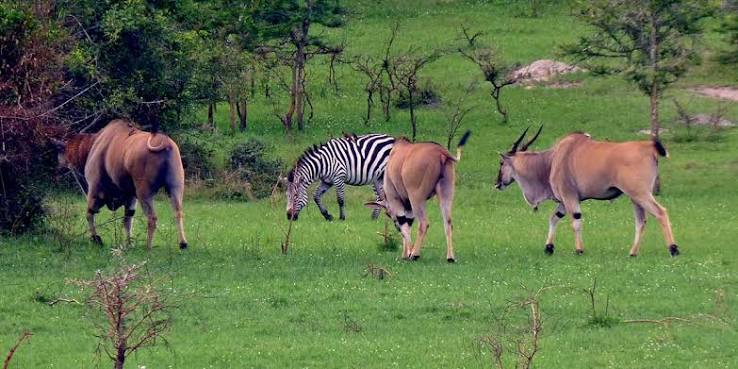
After breakfast, leave the forested mountains of Bwindi and travel toward Lake Mburo National Park.
The road passes through farms, trading centers, rolling hills, and cattle-keeping areas. Lunch will be arranged during the journey.
Lake Mburo is one of Uganda’s smaller national parks, making it practical for a short final safari stop. Its landscapes include open grassland, woodland, wetlands, rocky outcrops, and lakes.
The park is known for species that may be difficult to see elsewhere along this itinerary, including:
- Plains zebras
- Impalas
- Elands
- Topi
- Giraffes
- Warthogs
- Buffaloes
- Waterbucks
- Bushbucks
- Baboons
- Numerous birds
After arriving, enter the park for an evening game drive. The timing and route will depend on daylight, wildlife movement, and the location of your lodge.
Lake Mburo provides a peaceful contrast to the dense forests of Bwindi. Its open landscapes can be particularly attractive in the evening light.
After the drive, continue to the lodge for dinner and overnight.
Main activities:
- Scenic transfer from Bwindi
- Rural landscapes and photography stops
- Lake Mburo National Park entry
- Evening game drive
- Zebra, giraffe, and antelope viewing
Estimated transfer time: Approximately 5–7 hours, depending on the Bwindi sector, route, stops, and road conditions.
Meals: Breakfast, lunch, and dinner.
Accommodation: Budget, midrange, or luxury lodge in or near Lake Mburo National Park.
Alternative Day 6 Arrangement
Travelers who prefer not to include Lake Mburo can spend an additional night in Bwindi, visit Lake Bunyonyi, or travel toward Entebbe with an overnight stop.
Lake Bunyonyi is known for scenic hills and islands, but it is not a traditional Big Game destination. It is better suited to relaxation, boat excursions, and landscape photography.
Day 7: Lake Mburo Activity, Equator Stop and Return to Entebbe
Wake up early for your final wildlife activity.
Depending on your interests, budget, park conditions, and advance arrangements, choose one of the following:
Option 1: Morning Game Drive
A game drive offers another opportunity to search for zebras, giraffes, impalas, elands, buffaloes, warthogs, and birds.
Early morning light is good for photography, while cooler temperatures may encourage wildlife activity.
Option 2: Guided Nature Walk
Lake Mburo is one of the Ugandan parks where authorized guided walking experiences may be available. A nature walk allows visitors to observe tracks, plants, smaller animals, birds, and landscapes from a different perspective.
Walks must be conducted with an authorized guide. Never leave the lodge or safari vehicle alone inside a wildlife area.
Option 3: Boat Safari
A boat activity may offer views of hippos, crocodiles, waterbirds, and animals approaching the lakeshore. Availability and timing should be confirmed in advance.
After the activity, return for breakfast or continue with a packed meal, depending on the program.
Leave Lake Mburo and travel toward Kampala and Entebbe. Stop near the Equator for photographs, refreshments, craft shopping, or lunch.
Continue to Entebbe International Airport or your chosen hotel.
A departure flight should be scheduled late enough to allow for traffic and possible road delays. If your international flight leaves early, book an additional night in Entebbe and travel the following day.
Main activities:
- Morning game drive, walk, or boat trip
- Transfer toward Entebbe
- Equator stop
- Airport or hotel drop-off
Estimated travel time: Approximately 4–6 hours, depending on traffic, stops, and the final destination.
Meals: Breakfast and lunch, depending on departure arrangements.
Accommodation: Not included unless an additional night is requested.
Uganda Safari Itinerary 7 Days Inclusions
A standard private package may include:
- Airport or hotel pickup and drop-off
- Private safari transportation
- Professional English-speaking driver-guide
- Fuel for the complete itinerary
- Six nights of accommodation
- Meals specified in the final program
- Uganda gorilla trekking permit
- Kibale chimpanzee-tracking permit
- National park entrance fees
- Scheduled game drives
- Kazinga Channel boat cruise
- Lake Mburo activity specified in the quotation
- Drinking water in the safari vehicle
- Driver-guide accommodation and meals
- Applicable activity coordination
- Emergency assistance during the safari
Every quotation should list its inclusions individually. Do not assume that a service is included unless it appears in writing.
Uganda Safari Itinerary 7 Days Exclusions
The package normally excludes:
- International and domestic flights
- Uganda visa fees
- Travel and medical insurance
- Vaccinations and personal health costs
- Premium beverages
- Optional activities not listed
- Personal laundry
- Telephone and internet charges
- Souvenirs
- Tips and gratuities
- Porter services
- Additional accommodation before or after the safari
- Costs caused by personal itinerary changes
- Items of a personal nature
Uganda Safari Itinerary 7 Days Price
The price of a 7-day Uganda safari depends on several factors:
- Number of travelers
- Travel season
- Accommodation category
- Room arrangement
- Private or shared transportation
- Gorilla and chimpanzee permit rates
- Vehicle type
- Starting and ending location
- Optional activities
- Domestic flights
- Extra nights
- Residency category where officially applicable
Permit and conservation tariffs can change. Uganda Wildlife Authority publishes official tariff information and should be consulted for the rates applicable to the intended travel period. Current UWA tariff information
Budget Safari
Budget packages use clean, simple accommodation with private facilities where available. The safari activities and permits remain the same, but rooms, menus, views, and lodge facilities are more modest.
Midrange Safari
Midrange accommodation usually offers more comfortable rooms, stronger service, attractive settings, and convenient access to parks. This category is popular with couples, families, and first-time safari travelers.
Luxury Safari
Luxury packages focus on premium accommodation, personalized service, excellent locations, spacious rooms, fine dining, and additional amenities. Luxury does not change how long visitors may remain with gorillas under standard trekking rules.
Why Group Size Changes the Price
Gorilla permits, chimpanzee permits, accommodation, and most meals are charged per traveler. However, vehicle, fuel, and driver-guide costs can be divided among several passengers.
Therefore, the price per person usually decreases when two or more people travel together.
Solo travelers can still book a private Uganda safari, although the vehicle cost is not shared.
Best Time for a 7-Day Uganda Safari
Uganda can be visited throughout the year. However, weather affects forest trails, road conditions, vegetation, photography, and demand.
Drier Travel Periods
Drier months are often popular because:
- Gorilla trails may be less slippery
- Road conditions may be easier
- Wildlife can be easier to observe in thinner vegetation
- Outdoor activities may feel more comfortable
Because demand is higher, permits and preferred lodges may sell out early.
Rainier Travel Periods
Rainier months can provide:
- Lush green scenery
- Dramatic skies
- Strong landscape photography
- Excellent birding
- Fewer visitors in some locations
- Potential accommodation offers
Rain can occur at any time in Uganda, especially in forests and mountain areas. Always carry rain protection regardless of the travel month.
The wet season is not automatically a bad time to visit. Travelers simply need the correct clothing, a suitable vehicle, and flexible expectations.
Where to Stay During a Uganda Safari Itinerary for 7 Days
The route offers budget, midrange, and luxury accommodation.
Kibale Accommodation
Select a lodge within reasonable reach of Kanyanchu Visitor Centre or the assigned chimpanzee-tracking location.
Useful features include:
- Early breakfast
- Packed lunch service
- Hot water
- Rainforest or crater views
- Electricity for charging equipment
- Dietary flexibility
Queen Elizabeth Accommodation
Lodges may be inside the park, near Kasenyi, near the Kazinga Channel, or outside the boundary.
Location affects transfer time for game drives and boat cruises.
Bwindi Accommodation
The lodge must match the gorilla permit sector. This is more important than choosing a lodge based solely on price or photographs.
Lake Mburo Accommodation
Choose a property with practical access to the park and the final route toward Entebbe. Lodges may be located inside the conservation area, near a gate, or on surrounding ranchland.
Transportation for a 7-Day Uganda Safari
A maintained 4×4 safari vehicle is recommended for this itinerary.
Useful vehicle features include:
- Pop-up roof for game viewing
- Comfortable passenger seats
- Seat belts
- Sufficient luggage space
- Drinking-water storage
- First-aid equipment
- Charging facilities where available
- Air conditioning where offered
- Communication and emergency support
The driver-guide is central to the safari. An experienced guide coordinates transfer times, park procedures, lodge arrivals, permit reporting, wildlife viewing, and route changes.
Travelers should not choose a safari solely according to the cheapest available vehicle.
Can This Uganda Safari Begin in Kigali?
Yes. A 7-day Uganda safari can begin in Kigali, Rwanda.
Kigali offers convenient access to Bwindi and Mgahinga in southwestern Uganda. A Kigali-based route may reverse the itinerary:
- Day 1: Kigali to Bwindi
- Day 2: Gorilla trekking
- Day 3: Bwindi to Queen Elizabeth through Ishasha
- Day 4: Game drive and Kazinga Channel cruise
- Day 5: Queen Elizabeth to Kibale
- Day 6: Chimpanzee tracking
- Day 7: Return to Kigali or continue to Entebbe
The best route depends on permit availability, flight arrangements, border requirements, and accommodation.
Travelers combining Rwanda and Uganda should allow sufficient time for immigration formalities. Visa and entry regulations can change.
Uganda’s East African Tourist Visa may permit tourism travel among Uganda, Rwanda, and Kenya when its conditions are met. The issuing country should be the traveler’s first entry point, and eligibility should be verified before applying. Uganda Immigration—East African Tourist Visa
Uganda Visa and Entry Information
Travelers should check the latest requirements according to nationality and travel history.
Uganda’s official immigration service states that visa-prone travelers should use the online application system and obtain authorization before travel. A single-entry tourist visa may be granted for tourism for up to three months, subject to the applicable conditions. Uganda Immigration tourist visa
Travelers should confirm:
- Passport validity
- Blank passport pages
- Visa requirements
- Online application procedure
- Yellow fever documentation
- Travel authorization
- Transit rules
- Requirements for children
- East African Tourist Visa eligibility
Use only official government portals or trusted assistance. Be cautious of unofficial visa websites charging excessive fees.
What to Pack for a Uganda Safari Itinerary 7 Days
Pack light, practical clothing suitable for forests, savannah, rain, dust, and cool mornings.
Recommended items include: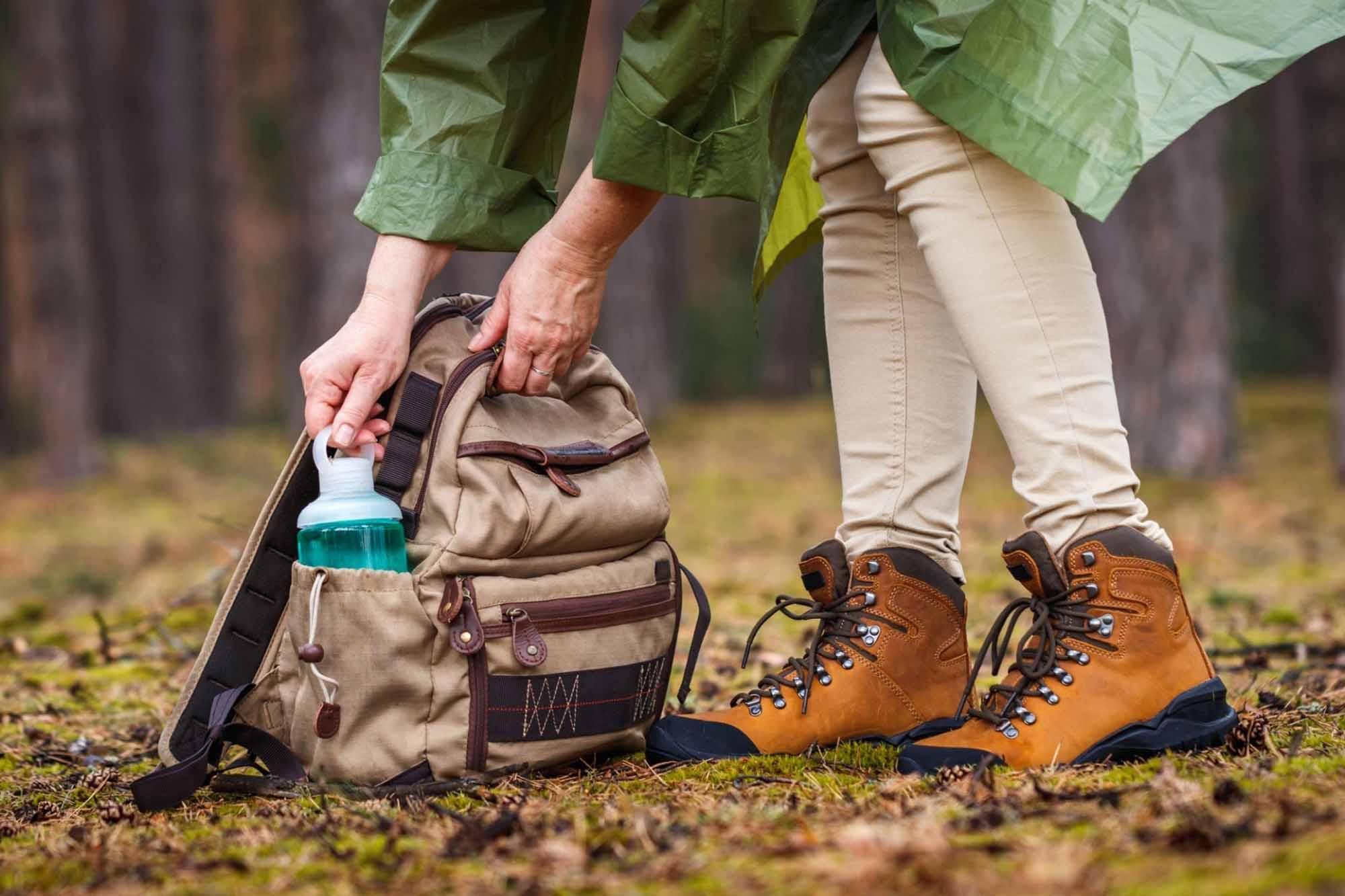
- Lightweight long trousers
- Long-sleeved shirts
- Neutral safari clothing
- Warm fleece or light sweater
- Waterproof jacket
- Hiking boots
- Comfortable walking shoes
- Sandals for the lodge
- Long socks
- Sun hat
- Sunglasses
- Sunscreen
- Insect repellent
- Small daypack
- Personal medication
- Basic first-aid items
- Camera and spare batteries
- Binoculars
- Memory cards
- Power bank
- Universal travel adapter
- Waterproof bags
- Reusable water bottle where practical
- Passport and travel documents
- Small denominations for personal expenses and tips
Soft-sided luggage is easier to fit in a safari vehicle than large hard-shell suitcases.
Health and Safety for a Uganda Safari
Consult a qualified travel-health professional before departure. Health advice depends on personal circumstances, itinerary, nationality, and current guidance.
Travelers should consider:
- Appropriate vaccinations
- Yellow fever documentation
- Mosquito-bite prevention
- Personal medication
- Safe drinking water
- Food allergies
- Sun protection
- Comprehensive travel insurance
- Medical evacuation coverage
- Trekking activity coverage
Carry essential medication in hand luggage rather than checked baggage.
Follow guides and rangers during every wildlife activity. Never leave a safari vehicle or walk around an unfenced lodge without permission.
Responsible Travel During Your Uganda Safari
Responsible tourism protects Uganda’s wildlife and supports communities.
Travelers should:
- Follow ranger instructions
- Maintain the required distance from wildlife
- Never feed animals
- Avoid flash photography around gorillas
- Remain on authorized roads and trails
- Carry litter out of protected areas
- Ask before photographing people
- Use porters and local guides where appropriate
- Purchase crafts from responsible community enterprises
- Avoid products made from protected wildlife
- Respect local customs
- Reduce unnecessary plastic waste
- Choose ethical wildlife encounters
- Keep noise low during game drives
Mountain gorillas and chimpanzees can be vulnerable to human illnesses. Inform the relevant authorities if you become unwell before a primate activity.
Uganda Safari Itinerary 7 Days FAQs
Is seven days enough for a Uganda safari?
Yes. Seven days are enough to combine Kibale, Queen Elizabeth, Bwindi, and Lake Mburo when the route is planned carefully. It is not enough to visit every major Ugandan national park without rushing.
What is the best 7-day Uganda safari route?
A strong route is Entebbe–Kibale–Queen Elizabeth–Bwindi–Lake Mburo–Entebbe. It combines chimpanzees, gorillas, game drives, boat safaris, and scenic landscapes.
Does the itinerary include a gorilla permit?
A complete package can include a gorilla permit, but this must be stated in the written quotation. Never assume the permit is included based only on the itinerary title.
Does a 7-day Uganda safari include chimpanzee tracking?
This itinerary includes chimpanzee tracking in Kibale National Park. The permit should be reserved in advance.
Can I remove chimpanzee tracking?
Yes. Kibale can be replaced with an additional night in Queen Elizabeth, Bwindi, Lake Bunyonyi, Murchison Falls, or another preferred destination. However, replacing Kibale may change the entire route.
Can the safari start in Kigali and end in Entebbe?
Yes. An open-jaw route can begin in Kigali and end in Entebbe, or operate in reverse. This can reduce backtracking, but travelers must meet border and visa requirements.
Is gorilla trekking guaranteed?
Permits secure a place on the trekking activity, but wildlife encounters depend on natural and operational conditions. Gorilla tracking with habituated families generally has a strong success rate, although no wildlife encounter should be described as absolutely guaranteed.
How difficult is gorilla trekking?
Difficulty varies according to gorilla movement, terrain, weather, altitude, and the visitor’s fitness. The trek may be relatively short or continue for several hours.
Do I need to hire a porter?
A porter is not normally compulsory, but hiring one is strongly recommended. Porters carry daypacks, assist on difficult terrain, and receive direct income from tourism.
Can older travelers join this safari?
Yes, depending on health, mobility, and activity choice. Travelers should discuss physical limitations before permits and accommodation are booked.
Is this Uganda safari suitable for children?
The general safari can be suitable for families, but minimum-age rules apply to gorilla and chimpanzee tracking. Provide every child’s age before booking.
Is this a private safari?
It can be organized as a private safari with a dedicated vehicle and driver-guide. Shared departures may be offered separately when dates and availability match.
What animals can I see?
Possible wildlife includes mountain gorillas, chimpanzees, elephants, lions, buffaloes, hippos, crocodiles, zebras, giraffes, impalas, Uganda kobs, topi, monkeys, warthogs, and many birds.
Wildlife sightings are never guaranteed.
Can I see tree-climbing lions?
The itinerary passes through the Ishasha sector, where tree-climbing lions may be observed. However, the lions do not remain in trees permanently, so sightings depend on natural conditions.
What type of vehicle is used?
A private 4×4 safari vehicle with a pop-up roof is recommended. The exact vehicle depends on group size, budget, availability, and route conditions.
Are all meals included?
Most guided packages use full-board accommodation during the safari. The final quotation must specify each included meal.
Can vegetarian or special meals be arranged?
Most lodges can prepare vegetarian and other special meals with advance notice. Serious allergies should be disclosed in writing before travel.
Is Uganda safe for solo travelers?
Many solo travelers visit Uganda successfully with organized transportation and a professional guide. Normal travel precautions and current official advice should be followed.
When should I book?
Book as early as possible when gorilla trekking is the main priority. Permit and lodge availability may become limited during popular travel periods.
Can I add gorilla habituation?
A gorilla habituation experience may be available under separate permits and conditions. It costs more and may require adjustments to the Bwindi sector and accommodation.
Can I add a domestic flight?
Yes. A scheduled or charter flight can replace a long road transfer. Flight schedules, baggage limits, airstrip location, and additional road connections must be considered.
Is Lake Mburo necessary?
Lake Mburo is valuable because it breaks the long drive from Bwindi to Entebbe and adds zebras, impalas, giraffes, and walking opportunities. It can be removed if travelers prefer more time elsewhere.
Should I carry cash?
Carry a reasonable amount for tips, souvenirs, porters, drinks, and small expenses. Cards may not work reliably in every remote location.
Is Wi-Fi available?
Many lodges offer Wi-Fi in rooms or common areas, but the connection may be slow or unavailable. Download essential travel documents before leaving Entebbe or Kampala.
Can the itinerary be customized?
Yes. Accommodation, route direction, activities, meal plans, and extensions can be adjusted to suit your interests, travel dates, and budget.
Optional Extensions After the 7-Day Uganda Safari
Travelers with additional time can extend the safari to include:
Murchison Falls National Park
Add game drives, a Nile boat cruise, waterfall views, and more wildlife-viewing opportunities.
Jinja and the Source of the Nile
Add a relaxed visit to Jinja for Nile scenery, boat excursions, cultural activities, and adventure experiences suitable for the traveler.
Lake Bunyonyi
Add one or two nights for relaxation, landscape photography, canoe excursions with an authorized guide, and island views.
Mgahinga Gorilla National Park
Add golden monkey tracking, gorilla trekking subject to permits, or guided hiking experiences.
Rwanda Extension
Continue to Kigali, Volcanoes National Park, Akagera National Park, or Lake Kivu.
Kenya or Tanzania Extension
Combine Uganda’s primate experiences with classic savannah destinations in Kenya or Tanzania. This works particularly well for travelers wanting both gorillas and a longer Big Game safari.
Why Book Your Uganda Safari With Universal Ventures Rwanda?
Universal Ventures Rwanda plans customized safaris across Rwanda and Uganda. Our team coordinates the practical details that can make a major difference to a seven-day itinerary.
We can assist with:
- Uganda gorilla permit reservations
- Chimpanzee permit arrangements
- Customized safari itineraries
- Private 4×4 transportation
- Professional driver-guides
- Budget, midrange, and luxury accommodation
- Airport transfers
- Kigali–Bwindi safaris
- Rwanda–Uganda cross-border tours
- Family safaris
- Solo traveler arrangements
- Group safaris
- Gorilla and wildlife combinations
- Lake Kivu, Akagera, and Volcanoes extensions
- Kenya and Tanzania connections
Every final program is adjusted according to confirmed permit availability, current park tariffs, lodge space, road conditions, and the traveler’s interests.
Final Thoughts About This Uganda Safari Itinerary 7 Days
A well-designed Uganda Safari Itinerary 7 Days can deliver an impressive variety of experiences without making the journey feel rushed.
Kibale introduces travelers to the sounds and movement of a tropical primate forest. Queen Elizabeth adds savannah wildlife, crater landscapes, and the Kazinga Channel. Bwindi provides the unforgettable opportunity to track mountain gorillas. Finally, Lake Mburo adds zebras, giraffes, antelopes, and a relaxing conclusion to the journey.
The key to a successful safari is coordination. Gorilla and chimpanzee permits should be reserved before they sell out. Accommodation must match the correct activity locations. Transfer times must be realistic, and the vehicle should be suitable for rural roads and national parks.
This itinerary can be adjusted for budget, midrange, or luxury travelers. It can also begin in Kigali, end in Entebbe, include domestic flights, or connect with another East African destination.
With careful planning, seven days are enough to experience Uganda’s primates, wildlife, landscapes, waterways, and welcoming communities in one memorable safari.
Contact Universal Ventures Rwanda
Start planning your private Uganda Safari Itinerary 7 Days with Universal Ventures Rwanda.
Universal Ventures Rwanda
Email: info@universalventuresrwanda.com
Telephone/WhatsApp: +250 781 441 853
Address: Kigali, Rwanda
Website: www.universalventuresrwanda.com