Skip to content
Uganda Safari vs Tanzania Safari: Which African Safari Destination Is Best?
Choosing between Uganda safari vs Tanzania safari can be difficult. Both countries offer superb wildlife, beautiful scenery, friendly people, and memorable outdoor adventures. However, they provide very different safari experiences.
Tanzania is famous for the Serengeti, the Great Wildebeest Migration, Ngorongoro Crater, and vast savannah landscapes. Uganda, meanwhile, combines traditional game viewing with mountain gorilla trekking, chimpanzee tracking, river cruises, rainforest walks, and mountain adventures.
Therefore, the right choice depends on what you want to see and how you prefer to travel. Tanzania often suits travelers who dream of large animal herds, open plains, and classic Big Five game drives. Uganda is usually better for travelers who want primates, greener scenery, fewer vehicles, and a more varied adventure.
This detailed Uganda Safari vs Tanzania Safari guide compares wildlife, national parks, gorilla trekking, the Great Migration, costs, accommodation, road conditions, family travel, photography, weather, and sample itineraries. It will help you choose the best destination for your East African safari.
Uganda Safari vs Tanzania Safari at a Glance
Uganda and Tanzania both offer excellent safaris. Nevertheless, each destination has a clear character.
| Safari feature | Uganda | Tanzania |
|---|---|---|
| Best known for | Mountain gorillas and chimpanzees | Serengeti and Great Migration |
| Classic game viewing | Excellent but more spread out | Outstanding |
| Big Five safaris | Possible across several parks | Strong in the northern circuit |
| Gorilla trekking | Available in Bwindi and Mgahinga | Not available |
| Chimpanzee tracking | Excellent, especially in Kibale | Available in western Tanzania |
| Great Migration | Not available | Major attraction |
| Landscapes | Rainforests, lakes, rivers, mountains and savannah | Open plains, volcanic highlands and Indian Ocean coast |
| Crowd levels | Usually lower | Higher in famous parks during peak months |
| Beach extension | Limited inland beach options | Zanzibar and Indian Ocean islands |
| Best trip length | 7–14 days | 7–14 days |
| Safari style | Active, varied and adventurous | Classic, wildlife-rich and scenic |
| Best for first safari | Good for travelers seeking variety | Excellent for a traditional first safari |
| Best for primates | Uganda | Tanzania for remote chimpanzee experiences |
| Best for large herds | Limited | Tanzania |
| Driving distances | Often long on full-country circuits | Often shorter within the northern circuit |
| Budget character | Flexible, although permits raise costs | Park and concession fees can increase costs |
Understanding the Uganda Safari Experience
Uganda calls itself the Pearl of Africa, and the description fits its varied scenery. The country contains tropical forests, volcanic mountains, open savannah, crater lakes, wetlands, and part of Lake Victoria. In addition, the Nile flows through several important tourism areas.
A Uganda safari is rarely limited to watching animals from a vehicle. One day may involve a game drive in Queen Elizabeth National Park. The next could include a boat trip along the Kazinga Channel. Later, travelers may hike through Bwindi Impenetrable Forest to find mountain gorillas.
As a result, Uganda offers one of Africa’s most diverse wildlife journeys. It is especially attractive to travelers who enjoy active adventures and close encounters with primates.
Uganda’s leading safari destinations include Bwindi Impenetrable National Park, Kibale National Park, Queen Elizabeth National Park, Murchison Falls National Park, Kidepo Valley National Park, Lake Mburo National Park, and Mgahinga Gorilla National Park.
What Makes Uganda Safaris Special?
Mountain gorillas provide Uganda’s greatest tourism attraction. Travelers can track habituated gorilla families in Bwindi Impenetrable National Park and Mgahinga Gorilla National Park. These guided forest experiences differ completely from an ordinary game drive.
Uganda also offers some of Africa’s best chimpanzee tracking. Kibale National Park is the leading destination, while other options include Budongo Forest, Kyambura Gorge, and Kalinzu Forest.
However, Uganda is not only a primate destination. Murchison Falls supports elephants, lions, giraffes, buffaloes, leopards, and many antelope species. Queen Elizabeth National Park offers varied habitats, productive game drives, and boat safaris. Kidepo Valley provides wild scenery and a remote safari atmosphere.
Therefore, Uganda works well for visitors who want several different experiences within one holiday.
Understanding the Tanzania Safari Experience
Tanzania represents the classic image of an African safari. Its northern safari circuit combines Serengeti National Park, Ngorongoro Conservation Area, Tarangire National Park, and Lake Manyara National Park.
These destinations contain broad plains, volcanic landscapes, acacia woodland, and large wildlife populations. Visitors can often watch animals for hours without leaving their safari vehicle.
The Serengeti supports one of the world’s greatest wildlife spectacles. Huge numbers of wildebeest, zebras, and gazelles move through the Serengeti–Mara ecosystem in search of water and fresh grass. Predators follow these herds, creating exciting game-viewing opportunities.
Tanzania also offers excellent southern and western safari circuits. Nyerere National Park and Ruaha National Park provide less crowded wildlife experiences. Farther west, Mahale Mountains and Gombe Stream offer chimpanzee tracking in remote settings.
In addition, Tanzania makes it easy to combine a safari with Zanzibar. Travelers can spend several days watching wildlife before relaxing beside the Indian Ocean.
What Makes Tanzania Safaris Special?
Tanzania’s main strength is the scale of its wildlife. Large herds can spread across the Serengeti plains, while predators remain active throughout the ecosystem. Ngorongoro Crater also places many species within a relatively compact area.
Furthermore, Tanzania has several established safari routes. The northern circuit is especially suitable for first-time visitors because its major attractions can be connected in one journey.
Tanzania also provides a wide choice of accommodation. Options range from public campsites and simple tented camps to luxury lodges and exclusive mobile camps. Consequently, travelers can select a style that suits their budget and expectations.
Uganda Safari vs Tanzania Safari for Wildlife Viewing
Wildlife is central to any safari comparison. However, the number of animals is not the only factor. Habitat, crowd levels, activities, and species variety also shape the experience.
Tanzania normally wins for the volume of traditional plains wildlife. The Serengeti alone supports exceptional numbers of wildebeest, zebras, gazelles, lions, cheetahs, hyenas, and other animals. Tarangire is also famous for elephants, while Ngorongoro offers reliable year-round game viewing.
Uganda has fewer large herds. Nevertheless, it offers a broader mix of habitats. Travelers can search for lions on open plains, watch elephants beside the Nile, track chimpanzees in tropical forest, and trek mountain gorillas in the same holiday.
Therefore, Tanzania provides stronger classic game viewing. Uganda offers greater activity and habitat diversity.
The Big Five in Uganda and Tanzania
The Big Five are lions, leopards, elephants, buffaloes, and rhinoceroses. Seeing all five remains a goal for many safari travelers.
Tanzania offers a strong chance of seeing the Big Five, especially on a well-planned northern circuit. Lions, elephants, and buffaloes are common in several parks. Leopards require more patience, although the Serengeti has healthy populations. Black rhinoceroses are protected in the Ngorongoro ecosystem and selected parts of the Serengeti.
Uganda also supports four of the Big Five in its national parks. Lions, leopards, elephants, and buffaloes occur in places such as Murchison Falls, Queen Elizabeth, and Kidepo Valley. Rhinos currently live under protection at Ziwa Rhino Sanctuary rather than within Uganda’s main savannah national parks.
Consequently, a Uganda Big Five itinerary usually includes a stop at Ziwa. In Tanzania, travelers may search for all five within the main safari circuit.
Predator Viewing
Tanzania is one of Africa’s strongest destinations for large predators. The Serengeti supports lions, leopards, cheetahs, hyenas, jackals, and smaller carnivores. Moreover, the migration provides a large food base for predators.
The Ngorongoro Crater also has a notable lion population. Because the crater floor is relatively open, visitors can sometimes watch predators from a clear distance.
Uganda offers rewarding predator sightings, although animals may be more widely scattered. Queen Elizabeth National Park is known for its lions, including individuals that rest in fig trees in the Ishasha sector. Murchison Falls and Kidepo Valley also support lions and leopards.
If predators are your main interest, Tanzania usually provides more frequent sightings. Still, Uganda can deliver excellent encounters with fewer vehicles around them.
Elephant Viewing
Both countries offer good elephant safaris. Tarangire National Park is one of Tanzania’s finest elephant destinations. During dry periods, elephants gather around reliable water and may appear in large family groups.
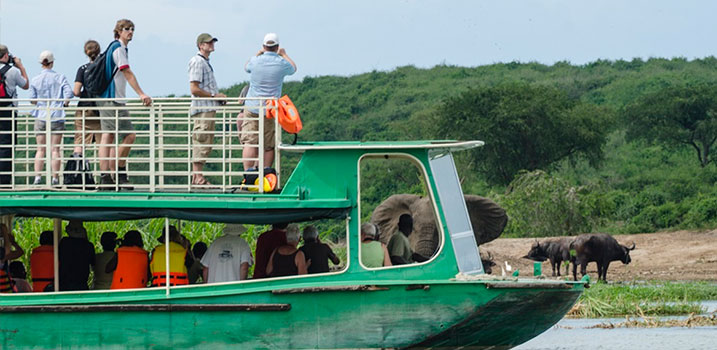
Uganda’s Murchison Falls and Queen Elizabeth national parks also support elephants. Boat cruises provide a different viewpoint because elephants often approach rivers and channels to drink.
Therefore, Tanzania is generally better for large elephant gatherings. Uganda, however, combines vehicle and boat-based sightings.
Gorilla Trekking in Uganda vs Tanzania
Gorilla trekking creates one of the clearest differences in the Uganda Safari vs Tanzania Safari debate. Wild mountain gorilla trekking is available in Uganda, but not in Tanzania.
Uganda protects mountain gorillas in Bwindi Impenetrable National Park and Mgahinga Gorilla National Park. A standard trek begins with a morning briefing. Visitors then enter the forest with trained guides and trackers. The hike may be short, or it may last several hours, depending on the gorillas’ location.
Once the group reaches a habituated gorilla family, visitors normally receive a controlled observation period. This quiet forest experience allows travelers to watch the gorillas communicate, feed, rest, and move through their habitat.
For foreign non-residents, a standard Ugandan gorilla permit is listed at US$800 in 2026. Occasional seasonal discounts may apply, so travelers should confirm the rate for their dates before paying. Permit availability is limited and advance booking is important. Uganda Wildlife Authority conservation tariff, 2026 permit information
Tanzania has no mountain gorillas. Travelers who choose Tanzania but still want a gorilla trek must add Uganda or Rwanda to their itinerary. Direct regional flights and overland arrangements can make this combination possible.
Bwindi Impenetrable National Park
Bwindi is Uganda’s leading gorilla trekking destination. The forest lies in the country’s southwest and contains several trekking sectors. These include Buhoma, Ruhija, Rushaga, and Nkuringo.
Each sector has its own accommodation, access roads, scenery, and gorilla groups. Therefore, the trekking permit and lodge must match the assigned sector. Poor planning can create a long and difficult transfer on the morning of the trek.
Bwindi also offers forest walks, birdwatching, waterfalls, community visits, and cultural experiences. It suits travelers who want to spend more than one night in the area.
Mgahinga Gorilla National Park
Mgahinga is smaller than Bwindi. However, it has beautiful volcanic scenery and a quieter atmosphere. Travelers can combine gorilla trekking with golden monkey tracking, birding, cultural activities, or guided volcano hikes.
The park contains more than 76 recorded mammal species and over 180 bird species, according to the Uganda Wildlife Authority. Uganda Wildlife Authority
Mgahinga is also close to Rwanda, which makes it useful for cross-border itineraries starting or ending in Kigali.
Chimpanzee Tracking in Uganda vs Tanzania
Uganda and Tanzania both offer wild chimpanzee experiences. Yet the accessibility and style are different.
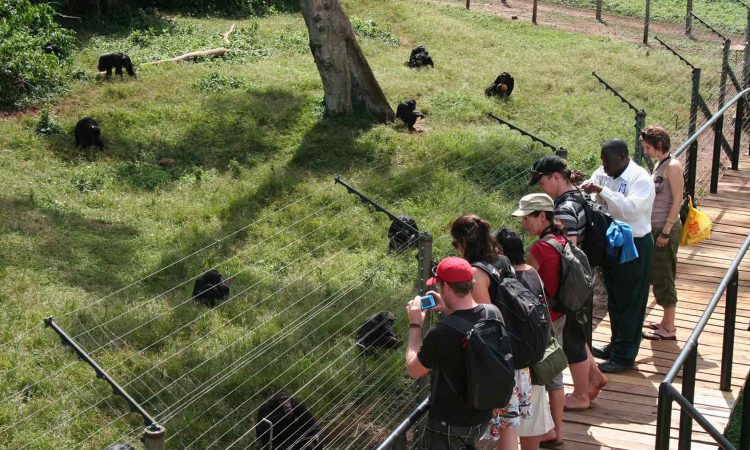
Uganda’s Kibale National Park is one of Africa’s most established chimpanzee tracking areas. Visitors usually join a guided forest walk to locate a habituated chimpanzee community. The forest also supports many other primates, birds, butterflies, and plant species.
Kibale can be included in a standard western Uganda circuit. It connects well with Queen Elizabeth National Park, Bwindi, and the crater lake region. This makes chimpanzee tracking relatively easy to add to a longer Uganda safari.
Tanzania offers chimpanzee tracking in places such as Mahale Mountains National Park and Gombe Stream National Park. These remote western parks provide beautiful scenery beside Lake Tanganyika. However, reaching them may require additional flights and boat transfers.
Tanzania’s chimpanzee experiences can feel exceptionally wild and exclusive. Nevertheless, they require more time and a higher travel budget.
For most travelers, Uganda is the more convenient chimpanzee destination. For remote wilderness and Lake Tanganyika scenery, western Tanzania offers something special.
Great Migration Safari in Tanzania
The Great Wildebeest Migration is Tanzania’s strongest advantage. Uganda does not have a comparable mass movement of plains animals.
Wildebeest, zebras, and gazelles move through the Serengeti–Mara ecosystem throughout the year. Their route changes in response to rainfall, grazing conditions, and water availability. Therefore, there is no single migration location that works in every month.
From roughly December through March, many herds gather in the southern Serengeti and Ndutu area. This period often overlaps with the calving season. Later, the animals move through central and western areas. During parts of the dry season, large numbers may reach the northern Serengeti.
However, nature does not follow a fixed calendar. Rain can arrive early or late. Herds may also split into different groups. For this reason, travelers should select accommodation based on the season rather than booking one permanent location for every migration trip.
Is the River Crossing Guaranteed?
No migration river crossing is guaranteed. The animals may wait near a river for hours or days. They may also cross before visitors arrive or choose another point.
A successful migration safari should therefore focus on the complete ecosystem. Even without a crossing, travelers can see large herds, predators, birdlife, and impressive scenery.
This approach creates realistic expectations and often leads to a more satisfying experience.
National Parks in Uganda
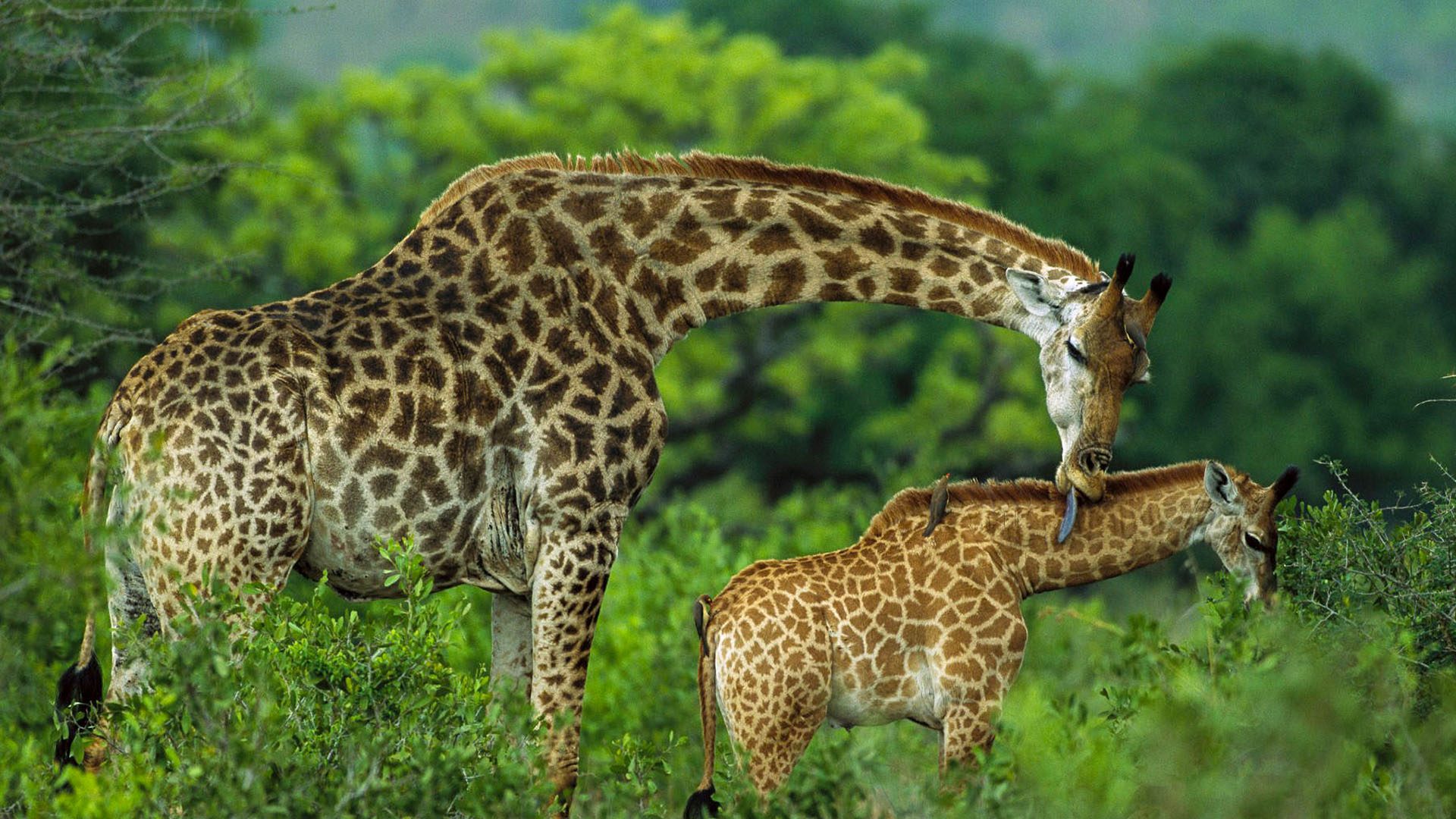
Uganda has ten national parks, each offering a different environment. A complete itinerary usually combines two or more parks.
Bwindi Impenetrable National Park
Bwindi is best known for mountain gorillas. However, it also protects rich forest habitat, birds, butterflies, and other primates. The landscape is steep, green, and dramatic.
Queen Elizabeth National Park
Queen Elizabeth National Park offers game drives, boat cruises, wetlands, crater scenery, and forested gorges. The Kazinga Channel is particularly productive for buffaloes, hippos, elephants, crocodiles, and waterbirds.
The Ishasha sector in the south is known for lions that sometimes rest in trees. However, wildlife behavior cannot be guaranteed.
Murchison Falls National Park
Murchison Falls is Uganda’s largest national park. Here, the Nile passes through a narrow rocky gap before continuing through the savannah.
Visitors can take game drives on the northern side of the river and boat trips toward the falls. Common sightings may include giraffes, elephants, buffaloes, antelopes, hippos, crocodiles, and numerous birds.
Kibale National Park
Kibale is Uganda’s main chimpanzee destination. Its forest also supports several monkey species. Visitors can combine chimpanzee tracking with a community-guided walk through Bigodi Wetland Sanctuary.
Kidepo Valley National Park
Kidepo lies in northeastern Uganda. It requires more travel time, but it rewards visitors with broad landscapes and a remote atmosphere. The park is ideal for travelers who want to move beyond the standard tourism route.
Lake Mburo National Park
Lake Mburo is a convenient stop between Kampala or Entebbe and southwestern Uganda. It is known for zebras, impalas, elands, birds, and scenic lakes.
Depending on current park rules and local conditions, visitors may enjoy game drives, boat trips, guided walks, or cycling activities.
Mgahinga Gorilla National Park
Mgahinga protects part of the Virunga Mountains. It offers gorilla trekking, golden monkey tracking, birding, mountain scenery, and guided hikes.
National Parks in Tanzania
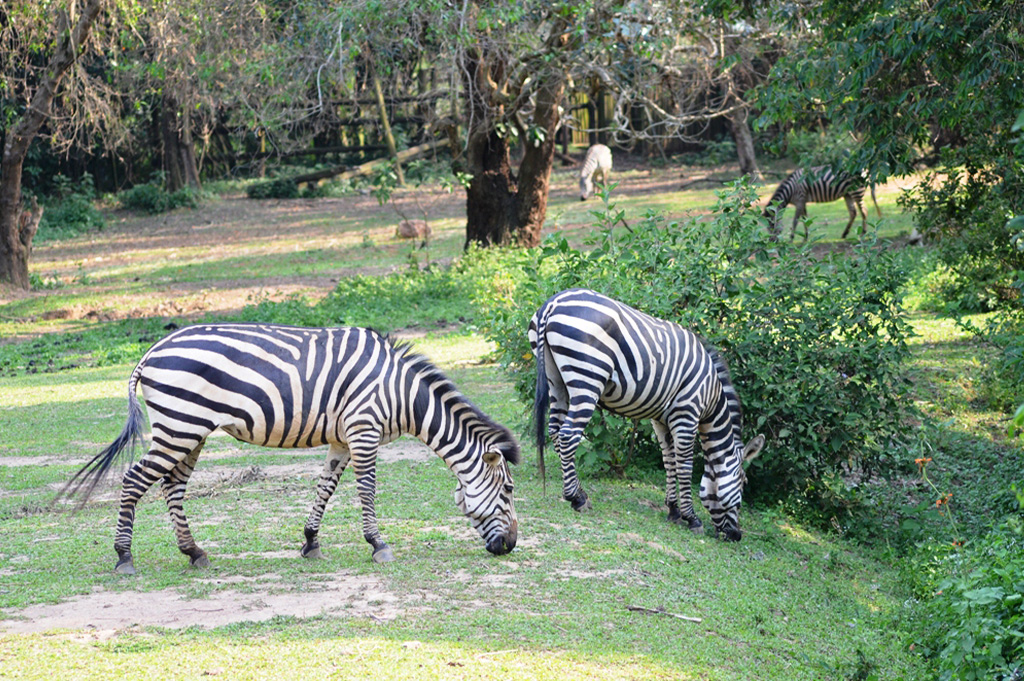
Tanzania has a large and varied protected-area network. Most first-time visitors choose the northern circuit, although the southern and western circuits are also outstanding.
Serengeti National Park
The Serengeti is Tanzania’s best-known park. It offers open plains, rocky kopjes, river valleys, woodland, and seasonal wildlife movements.
Game viewing remains strong throughout the year. However, the ideal area depends on seasonal rainfall and the visitor’s interests.
Ngorongoro Conservation Area
Ngorongoro Crater is a vast volcanic caldera with grassland, woodland, wetlands, and a seasonal lake. Wildlife lives across the crater floor, which allows visitors to see many species during one game drive.
The crater can become busy, especially during peak periods. Even so, its scenery and wildlife density make it a major Tanzania safari highlight.
Tarangire National Park
Tarangire is famous for elephants, baobab trees, and dry-season wildlife gatherings. It often receives less attention than the Serengeti, yet many experienced safari travelers consider it essential.
The park’s river provides an important water source during dry months. As a result, animals may gather within productive viewing areas.
Lake Manyara National Park
Lake Manyara lies below the Rift Valley escarpment. Its habitats include forest, woodland, wetland, and open areas around the lake.
The park can be visited between Arusha, Tarangire, and Ngorongoro. It is particularly useful on a compact northern Tanzania itinerary.
Nyerere National Park
Nyerere is a major southern Tanzania destination. It offers game drives, boating, and other guided activities, depending on the location and season.
The park generally receives fewer visitors than the Serengeti. Therefore, it suits travelers seeking a quieter safari.
Ruaha National Park
Ruaha combines rugged scenery, seasonal rivers, baobab woodland, and strong predator populations. Its remote location supports a genuine wilderness atmosphere.
Mahale Mountains National Park
Mahale lies beside Lake Tanganyika. The park combines forested mountains, clear water, beaches, and chimpanzee tracking.
Reaching Mahale requires careful planning. Still, the journey can be rewarding for travelers who value remote destinations.
Gombe Stream National Park
Gombe is another western Tanzania chimpanzee destination. It is small, forested, and located beside Lake Tanganyika. Access generally involves travel through Kigoma followed by a boat journey.
Uganda Safari vs Tanzania Safari Costs
Safari prices depend on the season, group size, accommodation, vehicle, park fees, permits, internal flights, and included activities. Therefore, no single daily price applies to every trip.
Uganda can offer good value for standard wildlife circuits. Midrange lodges are available around major parks, and groups can share the cost of a safari vehicle. However, gorilla and chimpanzee permits add substantial fixed costs.
Tanzania has a broad accommodation range. Nevertheless, park entry charges, concession fees, crater charges, and long-distance transfers can increase the total. Serengeti itineraries may become especially expensive when they include luxury camps or scheduled flights.
Official tariffs also change. Travelers should request a detailed quotation and confirm which fees are included. TANAPA manages Tanzania’s national parks, while the Ngorongoro Conservation Area has its own tariffs. Tanzania National Parks, Ngorongoro Conservation Area Authority
What Usually Affects Safari Prices?
The travel season has a major effect. Accommodation often costs more during popular dry months and festive periods. Migration camps may also charge premium rates when the herds enter their area.
Group size matters because two travelers must divide the vehicle and guide costs between themselves. Four or six travelers can share these expenses, although larger groups may need a bigger vehicle.
Accommodation level creates another major difference. Budget camps provide essential comfort, while luxury properties may offer private decks, larger rooms, premium locations, and more personalized service.
Finally, internal flights can save time but raise the price. They are especially useful for remote Tanzanian parks or journeys linking distant parts of Uganda.
Is Uganda or Tanzania Cheaper?
Uganda may be cheaper for a traditional road safari of similar length. However, adding an US$800 gorilla permit and a chimpanzee permit changes the calculation.
Tanzania can also be affordable when travelers use simple lodges, public campsites, or group departures. Yet premium park fees and accommodation inside famous areas may push up the price.
Therefore, travelers should compare complete packages rather than daily lodge rates. A proper quotation should explain accommodation, meals, transportation, permits, park fees, guide services, and taxes.
Best Time to Visit Uganda
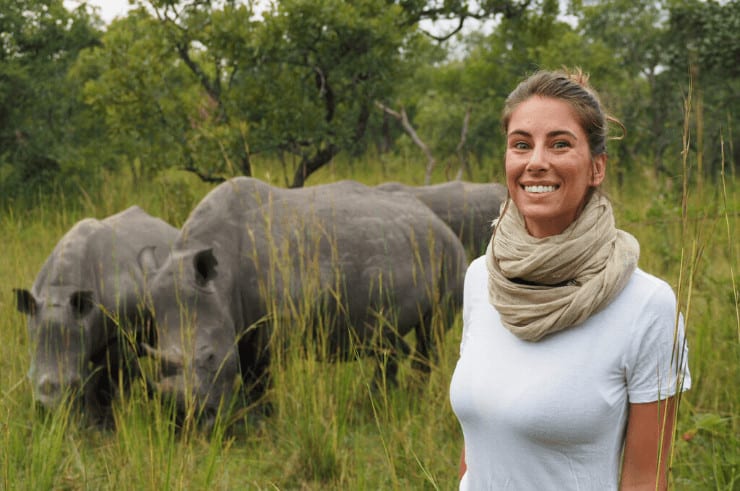
Uganda is a year-round destination. However, the drier periods often provide easier road travel and forest trekking.
The main dry seasons usually fall from June to August and from December to February. These months are popular for gorilla trekking, chimpanzee tracking, and wildlife safaris.
March to May and September to November are generally wetter. Rain may make forest trails muddy, while some unpaved roads become slower. On the positive side, the scenery becomes green, birding can be excellent, and visitor numbers may fall.
Uganda’s weather also varies by altitude and region. Bwindi’s mountain environment can receive rain at any time. Visitors should always carry rain protection, even during a normally dry month.
Uganda Safari During the Green Season
Green-season safaris can provide strong value. Landscapes look fresh, lodges may offer lower rates, and parks can feel quiet.
Nevertheless, travelers should allow flexible driving times. They should also pack suitable walking shoes and light waterproof clothing.
Gorilla trekking continues during rainy periods. The gorillas do not leave the forest because of rain. However, the hiking conditions may become more demanding.
Best Time to Visit Tanzania
Tanzania also works throughout the year. The best period depends on the chosen parks and safari goals.
June through October is generally dry across many safari regions. Animals often gather near water, vegetation becomes thinner, and game viewing can be productive. These months are also popular, so lodges and well-positioned camps may fill early.
The period from roughly December to March attracts travelers interested in the southern Serengeti and Ndutu region. Many migration herds are often found in this broader area, depending on rainfall.
April and May are wetter in many regions. Some camps close, and selected roads may become difficult. However, the parks are greener and often quieter.
When to See the Great Migration
The migration remains active all year. However, different stages occur in different regions.
Travelers interested in the calving period often consider January through March in the southern ecosystem. Those hoping to visit the western corridor may travel later. Northern Serengeti visits are often planned during parts of July through October.
These periods are general guides. Actual wildlife movements depend on rainfall, so an experienced safari planner should recommend the best area for specific travel dates.
Uganda Safari vs Tanzania Safari for Crowds
Uganda’s safari parks generally receive fewer vehicles than Tanzania’s most famous northern destinations. Even popular Ugandan parks can feel relaxed outside major holiday periods.
Gorilla trekking is strictly controlled through permits and group limits. Therefore, the forest experience does not involve a crowd of safari vehicles. Visitors join a small trekking group under official guidance.
Tanzania can feel busy in the central Serengeti, Ngorongoro Crater, and river-crossing areas during popular months. Several vehicles may gather around a notable animal sighting.
However, Tanzania is enormous. Travelers can avoid many crowds by visiting Ruaha, Nyerere, or quieter parts of the Serengeti. Private concessions and remote camps may also provide more exclusive experiences.
Uganda wins for naturally lower visitor density on many common itineraries. Tanzania wins for the choice of both famous and remote safari regions.
Landscape and Scenery Comparison
Uganda is green, mountainous, and rich in water. Its landscapes include Bwindi’s thick forest, the Virunga volcanoes, the Rwenzori Mountains, the Nile, Lake Victoria, crater lakes, and open savannah.
Road journeys often pass farms, villages, tea plantations, banana fields, and rolling hills. Consequently, transfers become part of the travel experience.
Tanzania feels broader and more open. The Serengeti’s plains seem to stretch toward the horizon. Ngorongoro provides dramatic volcanic scenery, while Tarangire adds baobabs and river valleys.
Tanzania also has Kilimanjaro and the Indian Ocean coast. Therefore, it offers an especially strong combination of safari, mountain, and beach landscapes.
Choose Uganda for deep green forests and varied highland scenery. Choose Tanzania for huge skies, volcanic landforms, and open savannah.
Uganda vs Tanzania for Birdwatching
Both countries are excellent birding destinations.
Uganda packs a remarkable range of habitats into a relatively small area. Birders can explore wetlands, forests, mountains, savannah, and lake shores. Popular targets include the shoebill and several Albertine Rift species.
Mabamba Wetland is a well-known area for searching for shoebills. Bwindi and Mgahinga attract forest birders, while Queen Elizabeth and Murchison Falls offer large bird lists.
Tanzania also supports outstanding birdlife. Flamingos may occur in suitable lake environments, while Serengeti, Tarangire, Lake Manyara, and the southern parks contain many raptors, waterbirds, and savannah species.
Uganda may suit birders who want many habitats within one itinerary. Tanzania is ideal for combining birding with large-mammal photography.
Boat Safaris in Uganda and Tanzania
Uganda has a clear advantage for travelers who want boat safaris within a standard itinerary.
The Kazinga Channel cruise in Queen Elizabeth National Park provides close views of hippos, buffaloes, crocodiles, elephants, and waterbirds. Murchison Falls boat trips follow the Nile toward the base of the falls. Lake Mburo also offers boat activities.
These trips provide a welcome break from long game drives. They also allow photographers to work from a lower angle near the water.
Tanzania offers boating in selected areas, especially in the southern circuit. Nyerere is known for water-based safari activities in suitable locations. However, boating is not a central feature of the standard Serengeti–Ngorongoro route.
Walking Safaris and Active Adventures
Uganda is well suited to active travelers. Gorilla trekking, chimpanzee tracking, forest walks, mountain hikes, community walks, and birding excursions can all form part of one itinerary.
The Rwenzori Mountains provide challenging multi-day hiking. Mgahinga offers volcano hikes, while smaller parks may allow guided walks under approved conditions.
Tanzania also offers walking safaris in selected parks, concessions, and private areas. In addition, travelers can climb Mount Kilimanjaro or Mount Meru.
However, most northern circuit trips remain centered on vehicle-based game drives. Travelers who want a more active Tanzania holiday should request walking and hiking activities when planning.
Uganda Safari vs Tanzania Safari Accommodation
Both destinations have budget, midrange, luxury, and high-end safari accommodation.
Uganda’s lodges are often smaller and closely connected to the surrounding landscape. Around Bwindi, many properties face forested hills or valleys. In savannah parks, travelers can choose lodges, tented camps, and simple cottages.
Some remote Uganda properties have limited internet, electricity schedules, or simple road access. However, standards continue to improve, and many lodges provide warm service and comfortable rooms.
Tanzania has one of Africa’s most developed safari accommodation industries. The Serengeti offers permanent lodges, seasonal migration camps, mobile tented camps, and luxury properties.
Seasonal camps move or operate in locations chosen for wildlife patterns. This can place guests closer to migration areas. Nevertheless, their rates may be high during the most popular months.
Tanzania provides more overall variety. Uganda offers intimate properties and good access to primate regions.
Road Conditions and Travel Times
Uganda road safaris may involve long transfers. Entebbe to Murchison Falls, Kibale to Bwindi, or Bwindi back to Entebbe can take much of a day. Road conditions can also change during rainy weather.
Still, the countryside is attractive. Planned stops can include markets, viewpoints, community experiences, and local restaurants.
Starting a southwestern Uganda safari in Kigali can reduce driving time to Bwindi or Mgahinga. However, international border procedures, visa requirements, vehicle documents, and current entry rules must be checked.
Tanzania’s northern circuit is relatively efficient. Arusha, Tarangire, Lake Manyara, and Ngorongoro connect well by road. Reaching the central or northern Serengeti takes longer, but the route passes through scenic areas.
Southern and western Tanzania require more complex logistics. Flights may be the most practical option for Ruaha, Nyerere, Mahale, or Katavi.
Uganda vs Tanzania for Family Safaris
Tanzania is often the easier destination for a first family safari. The northern circuit offers reliable wildlife, comfortable lodges, and straightforward game drives.
Children can enjoy elephants, giraffes, zebras, and lions without completing difficult forest hikes. Some lodges also provide family rooms and child-friendly programs.
Uganda can also work well for families. Boat cruises, game drives, cultural visits, and short nature walks provide variety. However, gorilla and chimpanzee activities have official minimum-age requirements. Families should confirm current restrictions before booking.
Furthermore, Uganda’s long drives may be tiring for young children. A slower itinerary with two-night stays will be more comfortable.
For teenagers who meet activity rules and enjoy hiking, Uganda can be exceptionally rewarding. For younger families, Tanzania may provide a smoother introduction to safari travel.
Uganda vs Tanzania for Honeymoon Safaris
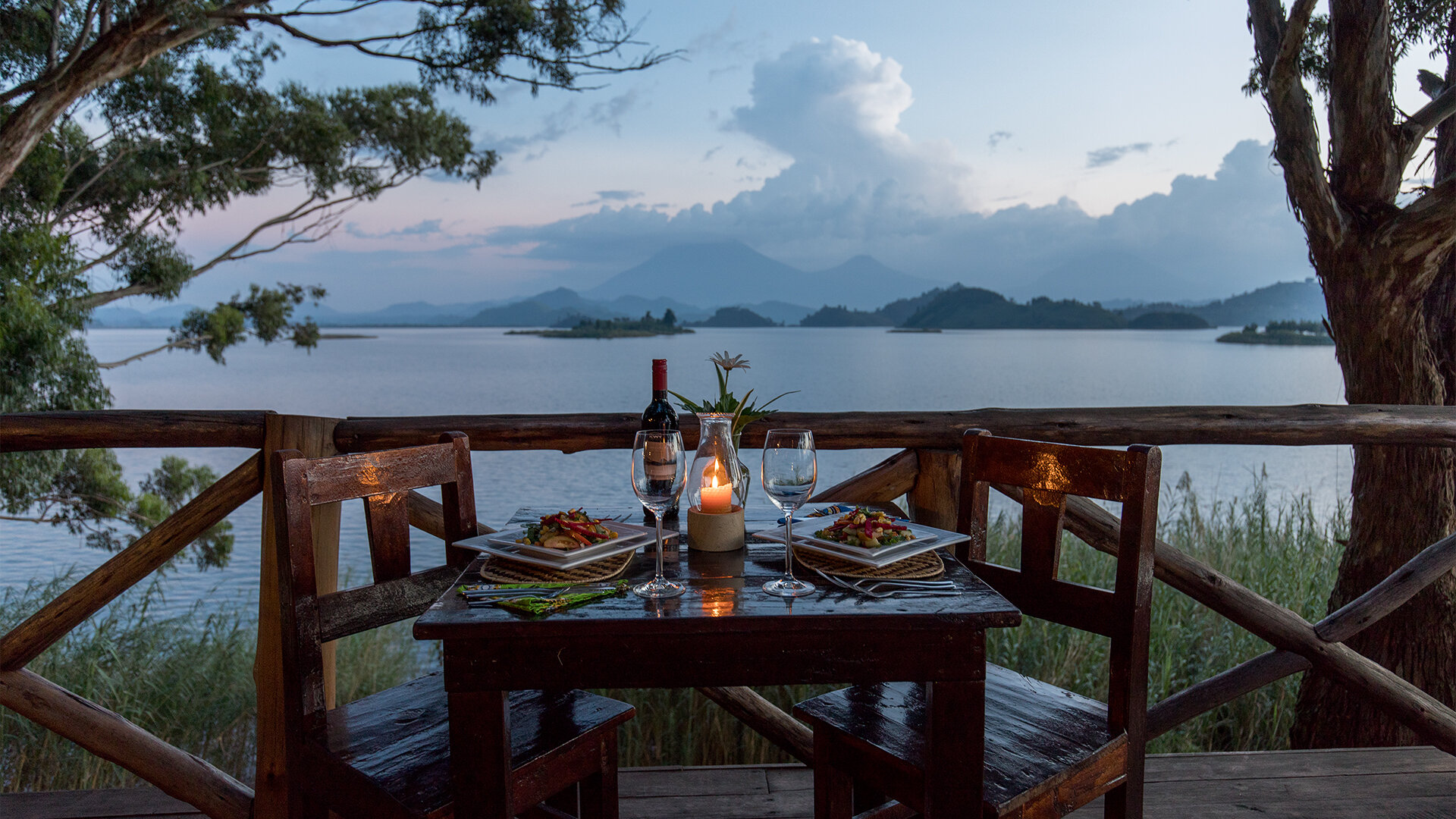
Both destinations can provide private, scenic, and luxurious honeymoon experiences.
Tanzania has a strong advantage for safari-and-beach combinations. Couples can visit the Serengeti and Ngorongoro before flying to Zanzibar, Pemba, or another coastal destination.
Private dining, luxury tented camps, balloon safaris, and beach resorts can create a varied itinerary. Therefore, Tanzania is a popular option for classic African honeymoons.
Uganda offers a more adventurous experience. Couples can trek gorillas, stay near an ancient forest, enjoy private game drives, and take scenic boat cruises.
Travelers can also combine Uganda with Rwanda or finish at Lake Bunyonyi. Uganda is ideal for couples who value nature, activity, and quieter destinations.
Uganda vs Tanzania for Photography
Tanzania often provides easier conditions for traditional wildlife photography. Open landscapes, large herds, and long sight lines help photographers compose clear images.
The Serengeti is particularly strong for predators and animal behavior. Tarangire provides elephants and baobabs, while Ngorongoro adds dramatic landscapes.
Uganda presents more varied photographic challenges. Forest light can be low during gorilla and chimpanzee tracking. Vegetation may also block clear views. However, the emotional power of a primate encounter can make the effort worthwhile.
Uganda’s boat cruises provide good opportunities for birds and animals near water. Its green hills, forests, and rural landscapes also support strong travel photography.
Choose Tanzania for open-space wildlife images. Choose Uganda for primates, birds, landscapes, and visual variety.
Cultural Experiences
A good safari should include more than national parks. Uganda and Tanzania both have rich cultural traditions, languages, food, music, and local knowledge.
In Uganda, travelers may visit community tourism projects near Bwindi, Kibale, or Queen Elizabeth National Park. Experiences can include village walks, craft workshops, food preparation, storytelling, and performances.
Responsible visits should benefit local hosts. They should also present communities as active partners rather than tourist displays.
Tanzania offers cultural activities around Arusha, Lake Manyara, Ngorongoro, and other tourism regions. Travelers may learn about pastoral traditions, farming, crafts, food, and local conservation work.
The quality of a cultural visit depends less on the country and more on the organizer. Small, respectful, community-led experiences usually provide greater value than rushed commercial stops.
Tanzania Safari and Zanzibar Beach Holiday
Tanzania is the stronger option for travelers who want an easy safari-and-beach combination.
Flights connect safari areas and major gateways with Zanzibar. After dusty game drives, visitors can spend several days beside the ocean. Activities may include historical tours, spice-farm visits, snorkeling, diving, or simple beach relaxation.
Travelers should select the right part of Zanzibar for their interests. Some beaches experience larger tidal changes, while others suit swimming throughout more of the day.
Uganda is landlocked. It offers attractive lake destinations such as Lake Bunyonyi and the Ssese Islands, but they are not Indian Ocean beach alternatives.
Therefore, Tanzania clearly wins this category.
Food and Dining on Safari
Safari lodges in both countries commonly provide breakfast, lunch, and dinner. On transfer or game-drive days, travelers may receive packed meals.
Ugandan menus often combine international dishes with local foods such as matooke, vegetables, rice, potatoes, fruit, fish, chicken, and sauces. Lodges can usually manage common dietary needs with advance notice.
Tanzanian lodges also provide varied international and regional menus. Coastal extensions introduce more seafood, spices, coconut-based dishes, and Swahili flavors.
Travelers with allergies or strict dietary needs should provide clear information before arrival. Remote camps have fewer nearby suppliers, so early notice is essential.
Safety and Health Planning
Both Uganda and Tanzania welcome large numbers of international travelers. Nevertheless, visitors should use a licensed operator, follow park instructions, protect valuables, and monitor current travel advice.
Health planning may include routine vaccinations, yellow fever documentation, malaria prevention, travel insurance, and personal medication. Requirements can change, so travelers should consult a qualified health professional and official entry sources.
Travel insurance should cover medical treatment, evacuation, trip interruption, and planned activities. Gorilla trekking, high-altitude hiking, and other specialist activities should be declared to the insurer.
Travelers should also avoid approaching wildlife, leaving vehicles without permission, or feeding animals. Guides and rangers understand local conditions and should always lead safety decisions.
Sample 8-Day Uganda Safari Itinerary
Day 1: Arrival in Entebbe
Arrive at Entebbe International Airport and meet your guide. Transfer to a nearby hotel and rest before the safari.
Day 2: Entebbe to Kibale
Drive west toward Kibale. Enjoy views of towns, farms, tea-growing areas, and crater landscapes. Stay near the forest.
Day 3: Chimpanzee Tracking and Bigodi
Join a guided chimpanzee trek in Kibale National Park. Later, visit Bigodi Wetland Sanctuary for birds, monkeys, and community tourism.
Day 4: Kibale to Queen Elizabeth National Park
Travel to Queen Elizabeth National Park. Depending on arrival time, take an afternoon game drive.
Day 5: Game Drive and Kazinga Channel Cruise
Search for lions, elephants, buffaloes, antelopes, and other wildlife. In the afternoon, cruise along the Kazinga Channel.
Day 6: Queen Elizabeth to Bwindi
Drive through the southern part of the park and continue toward Bwindi. Arrive at a forest lodge and prepare for trekking.
Day 7: Gorilla Trekking
Attend the park briefing before entering the forest with rangers. After the trek, return to the lodge and relax.
Day 8: Return to Entebbe or Kigali
Drive to Entebbe or cross into Rwanda and continue to Kigali, depending on the final travel plan.
Sample 8-Day Tanzania Safari Itinerary
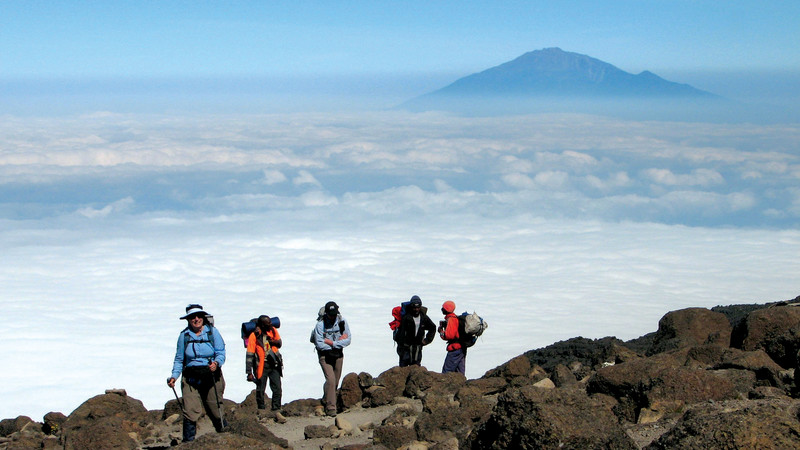
Day 1: Arrival in Arusha
Arrive at Kilimanjaro International Airport and transfer to Arusha.
Day 2: Tarangire National Park
Drive to Tarangire for a game drive among baobabs, elephants, and savannah wildlife.
Day 3: Tarangire to Ngorongoro Highlands
Enjoy another wildlife drive before continuing toward the Ngorongoro highlands.
Day 4: Ngorongoro Crater
Descend to the crater floor for a full game-viewing experience. Later, continue toward the Serengeti.
Day 5: Central Serengeti
Spend the day exploring the central Serengeti. Search for lions, leopards, cheetahs, elephants, and large grazing herds.
Day 6: Serengeti Wildlife Safari
Continue game viewing in the most suitable region for the season. The exact route should reflect wildlife movements.
Day 7: Serengeti to Arusha
Take a scheduled flight or begin the road journey back toward Arusha.
Day 8: Departure or Zanzibar Extension
Transfer to the airport for departure. Alternatively, fly to Zanzibar for a beach extension.
Combining Uganda and Tanzania
Travelers do not always need to choose one destination. A combined Uganda and Tanzania safari can deliver both primate trekking and classic savannah wildlife.
A practical itinerary may begin with gorilla trekking in Bwindi. Travelers can then fly through Entebbe or Kigali to northern Tanzania. The second part can include Serengeti, Ngorongoro, and Tarangire.
A combined trip normally needs at least 12 to 14 days. Longer journeys allow better pacing and fewer rushed transfers.
Flights increase the cost, but they save valuable time. Travelers should also check visa, vaccination, baggage, and entry requirements for both countries.
Sample 14-Day Uganda and Tanzania Safari
A balanced trip could follow this structure:
- Day 1: Arrive in Entebbe or Kigali
- Day 2: Transfer to Bwindi
- Day 3: Gorilla trekking
- Day 4: Transfer toward Queen Elizabeth National Park
- Day 5: Game drive and Kazinga Channel boat cruise
- Day 6: Transfer to Kibale
- Day 7: Chimpanzee tracking
- Day 8: Fly to Tanzania
- Day 9: Tarangire National Park
- Day 10: Ngorongoro Crater
- Days 11–13: Serengeti National Park
- Day 14: Fly to Arusha or continue to Zanzibar
This combination provides Uganda’s forests and primates alongside Tanzania’s plains and large herds.
Packing for Uganda and Tanzania
Packing needs vary according to the itinerary. Lightweight, neutral-colored clothing works well for game drives. A warm layer is useful for early mornings and highland areas.
For Uganda gorilla trekking, travelers should bring strong walking shoes, long trousers, long socks, gloves, rain protection, and a small daypack. Trails can be muddy, steep, or covered by thick plants.
For Tanzania, sun protection is essential. A hat, sunglasses, sunscreen, and reusable water bottle will improve comfort during long game drives.
Binoculars are useful in both countries. Photographers should bring extra batteries and memory cards. A soft-sided bag may be required for small internal aircraft.
Avoid overpacking. Laundry services are available at many lodges, although same-day service may not be possible everywhere.
Responsible Safari Travel
Responsible tourism protects wildlife and supports the people who live near conservation areas.
Travelers should keep a safe distance from animals, avoid loud behavior, and follow ranger instructions. During primate trekking, health and distance rules are especially important because gorillas and chimpanzees can be affected by human illness.
Visitors should never leave litter in a park. Refillable water bottles and reusable bags can also reduce waste.
When buying crafts, choose locally made products and pay a fair price. Community-owned tours, local guides, and responsible lodges can direct more tourism income into nearby areas.
Finally, avoid activities that disturb animals merely to produce a photograph. Patient observation creates better experiences and supports ethical wildlife tourism.
Uganda Safari vs Tanzania Safari: Which Is Better for First-Time Visitors?
Tanzania is often the easiest choice for a first traditional safari. Its northern circuit contains famous parks, dense wildlife, reliable game drives, and a strong range of lodges.
Visitors can see large herds and several predator species without adding specialist trekking activities. Furthermore, the safari can connect easily with Zanzibar.
Uganda is better for first-time visitors who already know that gorillas are their main priority. It also suits travelers who want a more active and varied holiday rather than continuous vehicle-based wildlife viewing.
Neither destination is universally better. The answer depends on the experience the traveler values most.
Who Should Choose Uganda?
Choose Uganda if you want:
- Mountain gorilla trekking
- Accessible chimpanzee tracking
- Rainforests and green highlands
- Boat safaris on the Nile or Kazinga Channel
- Fewer vehicles in many wildlife areas
- A mixture of hiking, wildlife, birds, and culture
- A safari combining Rwanda and Uganda
- A varied journey rather than only game drives
Uganda works particularly well for repeat Africa travelers, primate lovers, birders, active couples, photographers, and adventurous families with older children.
Who Should Choose Tanzania?
Choose Tanzania if you want:
- The Serengeti and Great Migration
- Large herds of plains animals
- Strong predator viewing
- A classic Big Five safari
- Ngorongoro Crater
- A broad selection of safari camps
- A safari combined with Zanzibar
- Easier planning for a first traditional safari
Tanzania is especially suitable for first-time safari travelers, honeymooners, wildlife photographers, families, and travelers focused on open-plains game viewing.
Frequently Asked Questions About Uganda Safari vs Tanzania Safari
Is Uganda or Tanzania better for safari?
Tanzania is generally better for classic savannah wildlife, large herds, predators, and the Great Migration. Uganda is better for mountain gorillas, chimpanzees, boat safaris, forest experiences, and varied landscapes.
Is Tanzania more expensive than Uganda?
Tanzania can cost more because of park fees, concession charges, premium camps, and internal flights. However, Uganda becomes more expensive when gorilla and chimpanzee permits are added. The final price depends on the full itinerary.
Can I see the Big Five in Uganda?
Yes, but the experience normally involves several locations. Lions, leopards, elephants, and buffaloes occur in Uganda’s parks. Travelers usually visit Ziwa Rhino Sanctuary to see protected rhinos.
Can I see gorillas in Tanzania?
No. Tanzania does not offer mountain gorilla trekking. Travelers must visit Uganda or Rwanda for this experience.
Which country is better for the Great Migration?
Tanzania is the clear choice. The Serengeti forms a major part of the migration ecosystem.
Which safari is better for families?
Tanzania is often easier for families with younger children because the main attractions involve game drives. Uganda is excellent for families with older children who meet the age rules for primate trekking.
How many days do I need for a Uganda safari?
Allow at least seven or eight days for a journey combining gorillas, chimpanzees, and savannah wildlife. Ten to fourteen days provides a more comfortable pace.
How many days do I need for Tanzania?
Seven or eight days works well for Tarangire, Ngorongoro, and the Serengeti. Add three to five days for Zanzibar.
Can I combine Uganda and Tanzania in one trip?
Yes. A 12-to-16-day journey can combine gorilla trekking in Uganda with the Serengeti and Ngorongoro in Tanzania.
Which country has fewer safari crowds?
Uganda generally has fewer safari vehicles. Tanzania’s remote southern and western parks can also offer quiet experiences.
Is Uganda good for a honeymoon?
Yes. Uganda suits couples who want gorilla trekking, scenic lodges, private drives, forest adventures, and quieter routes.
Is Tanzania good for a honeymoon?
Yes. Tanzania is particularly strong for luxury safaris followed by a Zanzibar beach holiday.
Final Verdict: Uganda Safari vs Tanzania Safari
The final Uganda Safari vs Tanzania Safari decision depends on your main travel dream.
Choose Tanzania if you imagine open plains filled with wildebeest, zebras, elephants, lions, and cheetahs. It offers one of Africa’s strongest traditional safari experiences. The Serengeti, Ngorongoro Crater, and Tarangire create an excellent wildlife circuit, while Zanzibar provides an easy beach extension.
Choose Uganda if your dream involves mountain gorillas, chimpanzees, tropical forests, rivers, mountains, and quieter parks. Uganda delivers more than a standard driving safari. It combines close primate encounters with savannah wildlife, boat trips, cultural activities, and beautiful green scenery.
For many travelers, the perfect solution is to combine both. Uganda supplies the intimate forest adventure, while Tanzania provides the scale of the open plains. Together, they create one of the most complete wildlife journeys in East Africa.
Plan Your Uganda or Tanzania Safari with Universal Ventures Rwanda
Choosing between Uganda and Tanzania can feel difficult. However, Universal Ventures Rwanda can help you build the right East African safari. The team plans private tours, family holidays, gorilla trekking trips, wildlife safaris, and combined Rwanda–Uganda–Tanzania journeys.
Your trip can include Bwindi gorilla trekking, Kibale chimpanzee tracking, Serengeti game drives, Ngorongoro Crater, or a Zanzibar beach extension. Moreover, each itinerary can match your dates, budget, group size, and preferred comfort level.
Contact Universal Ventures Rwanda
Address: KN 15 Road, opposite the IPRC entrance, 1st Floor, Sangwa Plaza, Kigali, Rwanda
Phone and WhatsApp: +250 781 441 853
Email: info@universalventuresrwanda.com
Website: www.universalventuresrwanda.com