Skip to content
This Uganda Eco Tourism Guide explains how to explore the country responsibly. It covers gorilla trekking, chimpanzee tracking, national parks, community tourism, sustainable accommodation, low-impact transport, ethical wildlife encounters and practical ways to reduce your environmental footprint.
Uganda is one of Africa’s most rewarding destinations for travelers interested in nature, wildlife and community-based tourism. Its landscapes range from mountain rainforests and tropical wetlands to open savannah, volcanic highlands and the snow-capped Rwenzori Mountains.
The country protects mountain gorillas, chimpanzees, elephants, lions, giraffes, hippos and more than a thousand recorded bird species. However, Uganda’s appeal goes beyond the number of animals visitors can photograph. Its most meaningful tourism experiences connect wildlife conservation with local employment, environmental education and community development.
Ecotourism does not mean avoiding comfort or adventure. It means making informed choices about where you stay, how long you remain in a destination, which activities you support and how your presence affects wildlife and local residents.
A carefully planned Uganda eco safari can support park protection, provide work for guides and porters, create markets for local products and encourage communities to preserve the natural environments surrounding them.
What Is Ecotourism?
Ecotourism is responsible travel to natural areas that helps protect the environment and benefits local people. It should also provide visitors with education and a deeper understanding of the destination.
A genuine ecotourism experience normally includes several principles:
- Protection of wildlife and natural habitats
- Low-impact visitor behavior
- Respect for local culture
- Economic benefit for nearby communities
- Environmental education
- Responsible waste management
- Efficient use of water and energy
- Ethical employment
- Transparent conservation claims
- Long-term destination stewardship
Simply staying in a lodge surrounded by trees does not automatically make a holiday sustainable. A property should be evaluated according to how it uses resources, treats employees, manages waste and contributes to conservation.
The same applies to tours. A wildlife activity is not ethical merely because it involves animals. Responsible experiences maintain distance, follow park rules and avoid feeding, touching or disturbing wildlife.
Why Uganda Is an Important Ecotourism Destination
Uganda sits within several ecologically significant regions. The country includes part of the Albertine Rift, the Lake Victoria basin, the upper Nile system and mountain forests shared with neighboring countries.
Its protected areas preserve habitats that support rare and threatened species.
Uganda’s principal natural attractions include:
- Bwindi Impenetrable National Park
- Mgahinga Gorilla National Park
- Kibale National Park
- Queen Elizabeth National Park
- Murchison Falls National Park
- Lake Mburo National Park
- Kidepo Valley National Park
- Rwenzori Mountains National Park
- Mount Elgon National Park
- Semuliki National Park
The Uganda Wildlife Authority’s stated approach combines wildlife protection with community participation, revenue sharing, conservation education and collaborative management. Uganda Wildlife Authority
This relationship between tourism, protected areas and neighboring communities is central to responsible travel in Uganda.
Extraordinary biodiversity
Uganda’s location brings together forest, savannah, wetland and mountain ecosystems. Travelers can experience several environments within one country.
A single itinerary may include:
- Mountain gorillas in Bwindi
- Chimpanzees in Kibale
- Lions in Queen Elizabeth National Park
- Giraffes in Murchison Falls
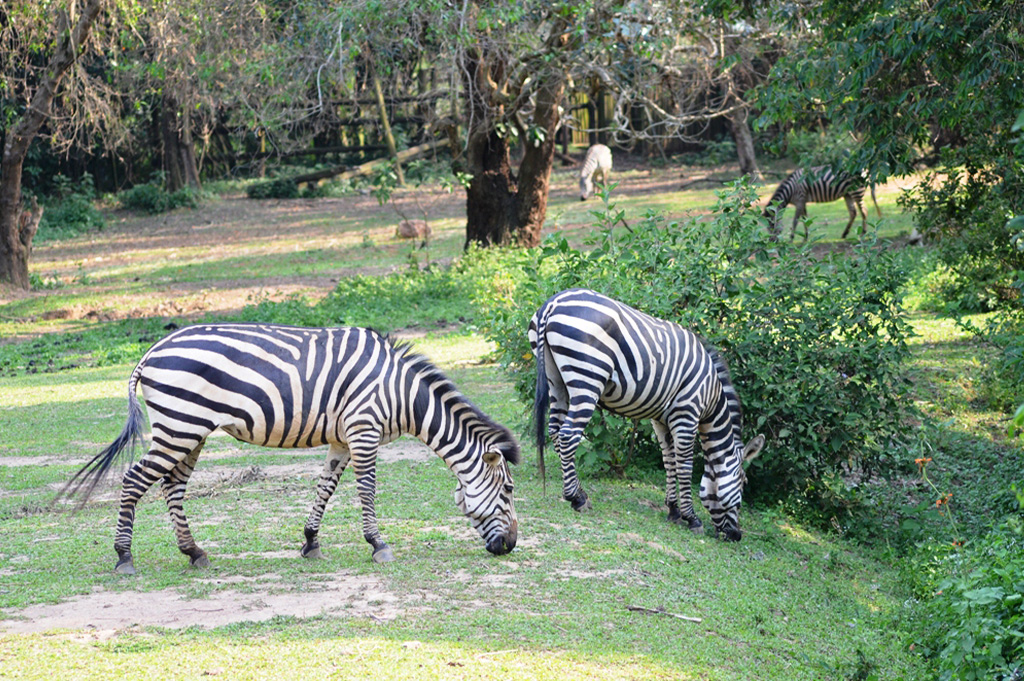
- Zebras in Lake Mburo
- Shoebills in wetlands
- Alpine vegetation in the Rwenzori Mountains
This biodiversity makes Uganda suitable for wildlife enthusiasts, birdwatchers, photographers, researchers and conservation-minded travelers.
Tourism revenue and conservation
Park fees, permits, lodge stays and local services generate revenue connected to protected areas.
The Uganda Wildlife Authority states that 20% of park entry fees is shared with local governments around protected areas for community-related development. UWA revenue-sharing information
Responsible tourism also supports:
- Rangers
- Wildlife monitors
- Guides
- Porters
- Drivers
- Lodge employees
- Farmers
- Craft cooperatives
- Community enterprises
- Conservation educators
The distribution of benefits is not always perfect. Travelers should therefore choose businesses that can explain how they work with local residents.
Uganda Eco Tourism Guide to National Parks
Uganda’s national parks offer different forms of nature-based travel. The best itinerary does not necessarily visit the greatest number of parks. It selects a manageable route and allows enough time to understand each environment.
Bwindi Impenetrable National Park
Bwindi is Uganda’s leading gorilla trekking destination and one of its most important forest ecosystems. The park’s steep ridges and valleys support mountain gorillas, primates, forest birds, butterflies and diverse plant life.
The Uganda Wildlife Authority reports that Bwindi protects approximately 459 mountain gorillas. Tourism began with the habituation of the Mubare gorilla group in the early 1990s. Uganda Wildlife Authority: Bwindi
Gorilla trekking as ecotourism
Gorilla tourism is carefully regulated because uncontrolled access would place unacceptable pressure on the animals.
A standard permit allows one visitor to join a small trekking group, enter the forest with trained rangers and spend a regulated period with a habituated gorilla family after it is located.
The experience supports conservation by:
- Limiting daily visitor numbers
- Funding park management
- Supporting ranger operations
- Creating local employment
- Increasing the economic value of intact forest
- Financing community-benefit programs
- Building international support for gorilla protection
Visitors also have responsibilities. They must follow health rules, maintain the required distance, avoid trekking when affected by a contagious illness and never attempt to touch the gorillas.
Bwindi’s trekking sectors
Bwindi has four principal tourism sectors:
- Buhoma
- Ruhija
- Rushaga
- Nkuringo
Each sector has its own trailheads, accommodation and gorilla families. Travelers should stay near the sector shown on the permit.
Driving between sectors can take several hours, particularly on mountain roads. Choosing the correct lodge reduces fuel use, unnecessary travel and the risk of missing the morning briefing.
Activities beyond gorilla trekking
Bwindi also offers:
- Guided forest walks
- Birdwatching
- Waterfall trails
- Community experiences
- Cultural activities
- Craft visits
- Conservation education
- Landscape photography
Spending several nights rather than arriving for one trek and immediately leaving distributes visitor spending more widely.
Mgahinga Gorilla National Park
Mgahinga is Uganda’s section of the Virunga Mountains. Although it is the country’s smallest national park, it protects an important transboundary landscape connected with Rwanda’s Volcanoes National Park and Virunga National Park in the Democratic Republic of the Congo.
The park is home to:
- Mountain gorillas
- Golden monkeys
- Forest birds
- Buffaloes
- Volcanic vegetation
- Several Albertine Rift species
Sustainable activities in Mgahinga
Visitors may participate in:
- Gorilla tracking
- Golden monkey tracking
- Guided nature walks
- Birdwatching
- Volcano hikes
- Conservation education
- Approved cultural experiences
Activity availability, fitness requirements and minimum ages should be confirmed before booking.
Why Mgahinga matters
Mgahinga demonstrates the importance of cross-border conservation. Wildlife does not recognize national boundaries, so gorilla and habitat protection require cooperation across the wider Virunga landscape.
The park also illustrates the complex relationship between protected areas and communities that historically depended on forest resources. Responsible tourism should engage respectfully with that history and avoid presenting local people as tourist exhibits.
Kibale National Park
Kibale is one of Uganda’s most important primate destinations. Its forest supports chimpanzees, red colobus monkeys, black-and-white colobus monkeys, grey-cheeked mangabeys and other species.
The Uganda Wildlife Authority estimates that Uganda has around 5,000 chimpanzees, including a significant population in Kibale. Uganda Wildlife Authority
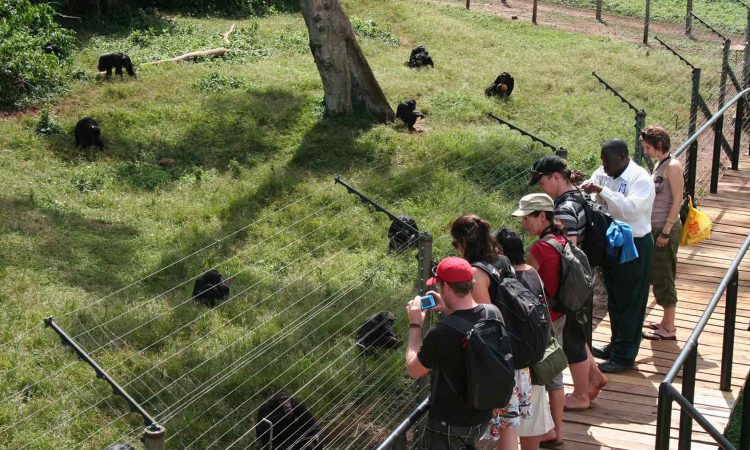
Chimpanzee tracking
Chimpanzee tracking begins at scheduled times with registration and a ranger briefing.
Visitors walk through the forest while guides listen for calls and examine signs of chimpanzee movement. Once the chimpanzees are found, standard viewing time is regulated.
Chimpanzees may move rapidly through the canopy or remain on the forest floor. The experience is usually more active and unpredictable than gorilla trekking.
Responsible behavior includes:
- Keeping the required distance
- Following ranger instructions
- Avoiding flash photography
- Remaining quiet
- Not eating near chimpanzees
- Staying away when ill
- Avoiding litter
- Respecting the viewing-time limit
Chimpanzee habituation experiences
Specialized habituation experiences may provide more time with researchers and chimpanzees that are becoming accustomed to controlled human observation.
These activities have limited availability and specific rules. They should not be presented as unrestricted access to wildlife.
Bigodi and community-based tourism
The Bigodi area near Kibale is known for wetland and community tourism. Guided experiences can support local guides and conservation-related enterprises while introducing visitors to birds, primates, plants and rural life.
Before booking, ask:
- Who manages the experience?
- How are fees distributed?
- Are guides locally employed?
- Is the group size controlled?
- Are wildlife and residents treated respectfully?
- Is photography permission requested?
Queen Elizabeth National Park
Queen Elizabeth National Park contains savannah, wetlands, forests, crater landscapes and the Kazinga Channel. Uganda Wildlife Authority describes it as one of the country’s most biodiverse safari destinations, with more than 95 mammal species and over 600 recorded bird species. Uganda Wildlife Authority: Queen Elizabeth National Park
Low-impact game drives
Game drives allow visitors to observe wildlife without leaving designated routes.
Responsible guides should:
- Follow speed limits
- Remain on authorized tracks
- Avoid surrounding animals
- Keep an appropriate distance
- Reduce engine idling
- Avoid crowding sightings
- Never encourage animals with food or sound
- Follow instructions from park authorities
Visitors should not pressure a guide to drive off-road or move dangerously close to wildlife for a photograph.
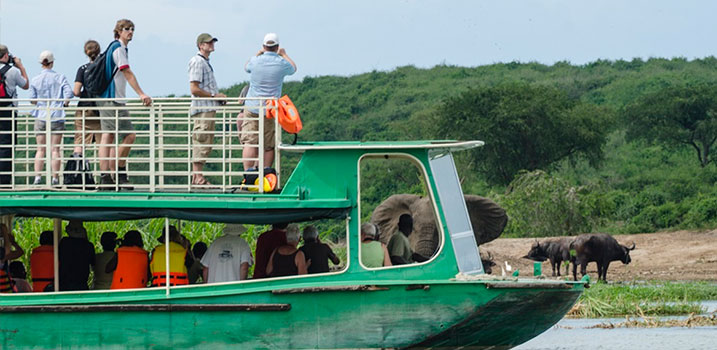
Kazinga Channel boat safari
The Kazinga Channel connects Lake George and Lake Edward. Boat safaris provide opportunities to see hippos, crocodiles, buffaloes, elephants and waterbirds.
A responsible boat operator should:
- Maintain appropriate distance
- Avoid excessive noise
- Follow approved routes
- Provide safety equipment
- Manage waste properly
- Avoid disturbing nesting areas
- Employ trained crew
Ishasha tree-climbing lions
The Ishasha sector is known for lions that may rest in fig trees. Sightings are never guaranteed.
Vehicles should not crowd a tree, block animal movement or leave established tracks without authorization.
Community tourism near Queen Elizabeth
Communities around the park offer cultural, agricultural and conservation-related experiences.
Good community tourism should involve:
- Local decision-making
- Fair payment
- Respectful group sizes
- Permission for photography
- Honest cultural interpretation
- No staged humiliation or exploitation
- Clear local benefit
Murchison Falls National Park
Murchison Falls National Park protects savannah, woodland, wetlands and sections of the River Nile. It is Uganda’s largest national park.
Wildlife includes:
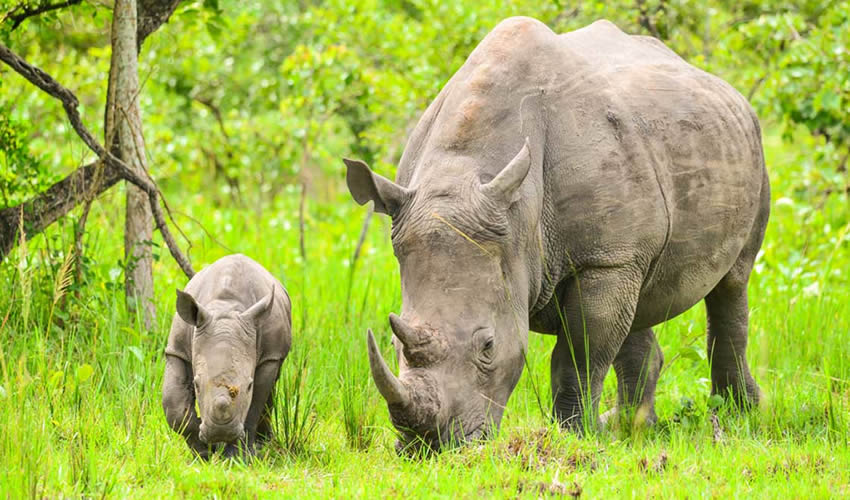
- Elephants
- Giraffes
- Buffaloes
- Lions
- Leopards
- Uganda kobs
- Hartebeests
- Hippos
- Crocodiles
- Numerous birds
River Nile boat safaris
Boat trips along the Nile offer a different perspective from game drives. Visitors can observe riverbanks, aquatic wildlife and birdlife while traveling toward the falls area.
Choose licensed operators that provide:
- Life jackets
- Trained boat crew
- Responsible wildlife distance
- Controlled passenger numbers
- Waste-management procedures
- Clear safety instructions
Visiting Murchison Falls responsibly
The falls are the result of the Nile passing through a narrow gorge before dropping forcefully downstream.
Visitors should remain on designated paths and observation areas. Cliffs, wet surfaces and strong currents require strict compliance with local instructions.
Supporting conservation in Murchison
Longer stays help local lodges, guides and tourism employees benefit from each visitor. A three-night visit is generally more sustainable and enjoyable than rushing through the park in a single day.
Lake Mburo National Park
Lake Mburo is conveniently located along the southwestern tourism circuit. It is one of the smallest savannah parks and provides a useful stop between Entebbe or Kampala and Bwindi.
Wildlife includes:
- Zebras
- Impalas
- Elands
- Giraffes
- Buffaloes
- Warthogs
- Hippos
- Birds
Uganda Wildlife Authority notes that giraffes were reintroduced to Lake Mburo partly for ecological and ecotourism reasons. UWA giraffe conservation information
Eco-friendly activities
Depending on current rules and guide availability, Lake Mburo offers:
- Game drives
- Guided nature walks
- Boat safaris
- Birdwatching
- Cycling experiences
- Horseback wildlife viewing
Walking, cycling and horse activities should only be undertaken with authorized providers and trained guides.
Why Lake Mburo suits slow travel
The park’s location makes it valuable for breaking up a long drive. Instead of traveling directly from Entebbe to Bwindi in one exhausting day, visitors can stay at Lake Mburo and support another conservation area.
Kidepo Valley National Park
Kidepo lies in northeastern Uganda near the borders with Kenya and South Sudan. Its remote savannah, mountains and seasonal rivers create one of Uganda’s most dramatic landscapes.
The park appeals to travelers seeking:
- Remote wilderness
- Wildlife viewing
- Birdwatching
- Landscape photography
- Cultural learning
- Longer, slower journeys
Environmental considerations
Reaching Kidepo overland requires substantial fuel and time. Travelers with limited schedules may use a domestic flight, although flying also has an environmental footprint.
A longer stay makes the journey more meaningful and supports park-region enterprises.
Cultural experiences
The northeastern region has distinctive cultural traditions. Experiences should be organized with respect, community consent and fair compensation.
Avoid tours that reduce communities to costumes, photographs or stereotypes.
Rwenzori Mountains National Park
The Rwenzori Mountains offer multi-day trekking, alpine vegetation, rivers and dramatic high-altitude landscapes.
They are suitable for experienced hikers and travelers prepared for demanding conditions.
Responsible mountain trekking
A sustainable Rwenzori journey should include:
- Licensed guides
- Trained porters
- Fair porter treatment
- Proper waste removal
- Small trekking groups
- Designated camps
- Appropriate sanitation
- No removal of plants or rocks
- Suitable safety preparation
Travelers should ask operators about porter equipment, weight limits, meals and sleeping arrangements.
Climate and conservation
Mountain ecosystems are vulnerable to climate change and visitor pressure. Staying on approved routes and limiting waste are essential.
Mount Elgon National Park
Mount Elgon is an ancient volcanic landscape shared by Uganda and Kenya. It offers waterfalls, caves, forest, hiking and mountain scenery.
The area can provide a quieter alternative to more famous trekking regions.
Responsible travel includes:
- Using registered guides
- Remaining on official trails
- Avoiding unnecessary fires
- Carrying out waste
- Supporting local accommodation
- Respecting farms and communities
- Following weather advice
Sipi Falls, near Mount Elgon, is another popular nature destination. Visitors can combine waterfall walks with coffee-related experiences and community guiding.
Semuliki National Park
Semuliki protects lowland forest associated with the Congo Basin ecosystem. It is known for birdlife, primates, forest scenery and hot springs.
It appeals particularly to:
- Birdwatchers
- Botanists
- Repeat Uganda visitors
- Travelers interested in less-visited ecosystems
- Nature photographers
Sensitive habitats require controlled group sizes and strict adherence to trails.
Wetlands and Birding Destinations
Uganda’s wetlands provide habitat for birds, fish, reptiles and mammals. They also support communities through water, agriculture and other ecosystem services.
Birdwatching can be a low-impact activity when it is conducted responsibly.
Ethical birdwatching
Birders should:
- Keep noise low
- Avoid disturbing nests
- Limit playback
- Follow guide instructions
- Remain on trails
- Avoid cutting vegetation
- Respect private land
- Keep groups manageable
- Report sightings responsibly
Excessive use of recorded bird calls can disturb territorial and breeding behavior. Specialist guides should use playback sparingly.
Shoebill tourism
The shoebill is one of Uganda’s most sought-after birds. Wetland excursions may offer opportunities to see it.
Responsible operators should avoid crowding, chasing or blocking the bird. The quality of the habitat matters more than obtaining a close photograph.
Uganda Eco Tourism Guide to Gorilla Trekking
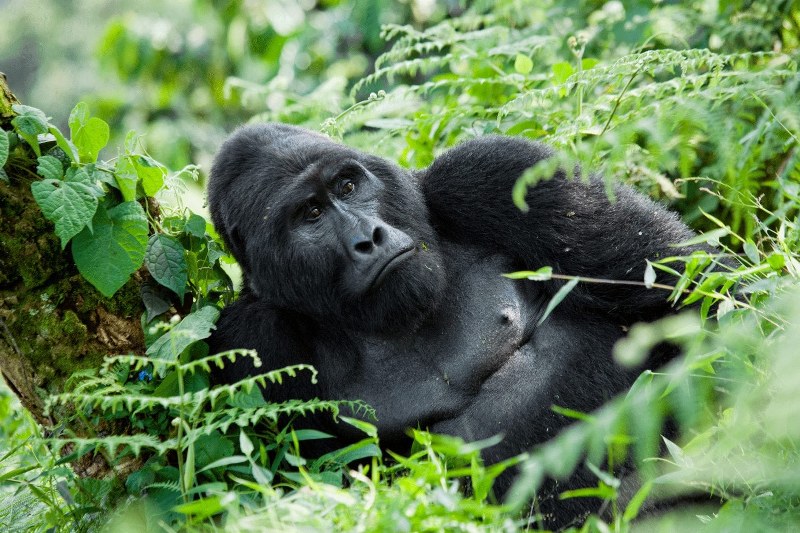
Gorilla trekking is Uganda’s most recognized ecotourism activity. It also illustrates the responsibilities that accompany wildlife tourism.
Gorilla permits
Every trekker requires an official permit. The standard Uganda gorilla permit for a foreign non-resident is currently USD 800 per person under the applicable tariff.
Permits should be secured before the rest of the itinerary is finalized.
Minimum age
The minimum age for gorilla tracking is 15.
This rule protects both visitors and wildlife and applies even when a younger traveler appears physically capable.
Group size
A maximum of eight visitors is normally allocated to one habituated gorilla family for standard tracking.
Large private parties will be divided among different families.
Viewing time
Standard gorilla tracking permits one regulated hour after the gorillas are located.
The time limit helps reduce pressure on the animals and habitat.
Health rules
Do not trek when affected by a cold, flu or another contagious illness.
Mountain gorillas can be vulnerable to human respiratory diseases. Concealing symptoms is irresponsible and may put wildlife at risk.
Distance and behavior
Visitors must follow the distance required by the park authority. Gorillas may sometimes move closer, but visitors should never approach or touch them.
If a gorilla comes near, remain calm and follow the ranger’s instructions.
Photography
Flash photography is not permitted. Avoid moving away from the group, making noises for attention or blocking another visitor.
Uganda Eco Tourism Guide to Chimpanzee Tracking
Chimpanzee tracking takes place in destinations including Kibale National Park and other approved forest areas.
The experience differs from gorilla trekking because chimpanzees move rapidly and may spend considerable time in the canopy.
What to expect
Visitors normally:
- Register at the visitor center.
- Attend a park briefing.
- Join a ranger-led group.
- Enter the forest.
- Listen and look for chimpanzee signs.
- Observe the chimpanzees after they are located.
- Return along designated trails.
Responsible chimpanzee tourism
Follow these principles:
- Keep the official distance
- Do not imitate calls without ranger approval
- Avoid flash
- Do not eat near chimpanzees
- Stay home when ill
- Keep voices low
- Do not block animal movement
- Follow the regulated viewing time
Choosing between standard tracking and habituation
Standard tracking is suitable for most visitors. A habituation experience may be appropriate for researchers, photographers and dedicated primate enthusiasts who want a longer forest experience.
It does not provide permission to touch, feed or interfere with chimpanzees.
Community-Based Tourism in Uganda
Community tourism can distribute income beyond lodges and national park authorities. However, it must be designed with local ownership and dignity.
Examples of community tourism
Responsible activities may include:
- Village walks
- Coffee tours
- Farm visits
- Craft workshops
- Guided wetland walks
- Music and dance
- Cooking experiences
- Storytelling
- Conservation projects
- Community-run accommodation
Questions to ask
Before booking, ask:
- Is the experience community-owned?
- Who receives the entrance fee?
- Are guides paid fairly?
- Can residents decline photographs?
- Is participation voluntary?
- Are children protected from exploitation?
- Does the activity preserve or distort local culture?
- Are visitor numbers controlled?
Photography etiquette
Always ask permission before photographing people, homes or ceremonies.
Do not photograph children merely because they appear curious or welcoming. Consent and dignity remain important.
Buying crafts
Purchasing locally made crafts can support artisans. Ask where products were made and whether prices are set by the creators.
Avoid excessive bargaining over small amounts when paying a fair price can make a meaningful difference.
Choosing a Sustainable Safari Lodge
The term “eco-lodge” is not protected by one universal standard. Travelers must look for evidence.
Energy
A responsible lodge may use:
- Solar power
- Energy-efficient lighting
- Natural ventilation
- Timed generators
- Solar water heating
- Staff energy training
Water
Good water management can include:
- Rainwater collection
- Low-flow fixtures
- Careful laundry policies
- Wastewater treatment
- Leak monitoring
- Guest education
- Avoiding unnecessary pool heating
Visitors can help by reusing towels and taking reasonable showers.
Waste
Look for:
- Reduced single-use plastic
- Refillable water systems
- Waste separation
- Composting
- Safe disposal
- Reusable containers
- Local sourcing
- No open dumping
Food
Locally sourced food can reduce transport and support farmers. However, “local” should not mean taking wildlife or forest resources illegally.
A responsible kitchen should also:
- Reduce food waste
- Accommodate dietary needs
- Avoid threatened species
- Use seasonal produce
- Manage cooking fuel responsibly
Employment
Ask whether the lodge:
- Employs nearby residents
- Provides training
- Offers fair contracts
- Promotes local staff
- Supports workplace safety
- Employs women in varied roles
- Purchases from local businesses
Construction and design
An eco-lodge should minimize habitat disturbance. Design choices may include:
- Small building footprint
- Locally appropriate materials
- Natural ventilation
- Limited light pollution
- Wildlife-sensitive placement
- Existing vegetation protection
A lodge does not become sustainable merely by using rustic decoration.
How to Recognize Greenwashing
Greenwashing occurs when a business uses environmental language without meaningful action.
Warning signs include:
- Vague claims without examples
- No explanation of waste disposal
- Uncontrolled wildlife interactions
- Heavy use of single-use plastic
- Captive animals presented as conservation without evidence
- Community visits with unclear benefits
- “Eco” branding based only on location
- Excessive water use in a water-stressed area
- No local staff development
- Encouraging guests to break park rules
Ask specific questions. A responsible business should be able to explain its practices honestly, including areas where improvement is still needed.
Ethical Wildlife Encounters
Responsible wildlife tourism observes animals without controlling or exploiting them.
Avoid experiences that encourage:
- Touching wild animals
- Feeding wildlife
- Holding wild animals for photographs
- Chasing animals
- Provoking behavior
- Blocking movement
- Excessive crowding
- Removing animals from habitats
- Unlicensed wildlife possession
An ethical operator does not guarantee a specific sighting. Wildlife moves naturally, and sightings are never completely predictable.
Eco-Friendly Safari Transportation
Transportation is one of the largest sources of emissions in a Uganda safari.
Travelers cannot eliminate all impact, but they can reduce unnecessary travel.
Plan a logical route
A good western circuit might follow:
Entebbe → Murchison Falls → Kibale → Queen Elizabeth → Bwindi → Lake Mburo → Entebbe.
This avoids repeatedly returning to Kampala between parks.
Stay longer
Spending three nights in a destination is often more sustainable than visiting a different park every day.
Longer stays reduce packing, transfers and fuel consumption while increasing local spending.
Share transportation
Couples, families and compatible small groups can share one well-maintained safari vehicle.
The vehicle should remain comfortable and appropriate for luggage.
Choose maintained vehicles
Proper maintenance improves fuel efficiency and reduces breakdown risk.
Domestic flights
Flights save time but add environmental impact. They may still be practical for remote destinations or travelers with limited mobility.
Use them thoughtfully rather than automatically.
Reducing Plastic and Waste
Visitors can reduce waste by carrying:
- Refillable water bottle
- Reusable shopping bag
- Reusable toiletry containers
- Rechargeable batteries
- Durable rain protection
- Refillable personal-care products
Do not dispose of batteries or electronic waste at a remote lodge unless it has a proper recycling system.
Carry difficult waste back to a suitable urban disposal point when practical.
Responsible Water Use
Water availability differs across Uganda.
Travelers should:
- Take reasonable showers
- Report leaks
- Reuse towels
- Avoid unnecessary laundry
- Use refill stations
- Follow lodge guidance
- Avoid contaminating natural water
- Never use soap directly in lakes or rivers
Swimming should occur only where the lodge or qualified guide confirms it is appropriate. Lakes and rivers may have currents, wildlife or health risks.
Respecting Local Culture
Uganda has many languages, traditions and communities. Visitors should not treat the country as culturally uniform.
Respectful behavior includes:
- Greeting people politely
- Dressing appropriately for the setting
- Asking before entering homes
- Asking before taking photographs
- Listening to local guides
- Avoiding stereotypes
- Learning a few local words
- Following community instructions
- Paying agreed fees
- Respecting religious places
Cultural tourism should be an exchange, not a performance demanded solely for photographs.
Sustainable Food and Souvenir Choices
Choose locally produced goods when quality and authenticity are clear.
Suitable purchases may include:
- Baskets
- Textiles
- Art
- Coffee
- Tea
- Pottery
- Jewelry
- Wood products from legal sources
Avoid purchasing:
- Wildlife products
- Feathers
- Ivory
- Animal skins
- Coral
- Unverified rare hardwood
- Plants removed from protected areas
- Items made from threatened species
Ask the tour operator if you are uncertain about legality or sustainability.
Best Time for an Eco Safari in Uganda
Uganda can be visited throughout the year.
June to September
This popular drier period often provides manageable road and trekking conditions. Demand for permits and lodges can be high.
December to February
Another relatively dry period suitable for wildlife safaris and trekking.
March to May
The wetter period creates green landscapes and can bring lower lodge demand.
Trails and roads may be muddy, but photographers and repeat visitors may appreciate the dramatic scenery.
October and November
These months can also receive substantial rain.
Why green-season travel can support sustainability
Traveling outside peak months can:
- Spread tourism income across the year
- Support permanent employment
- Reduce extreme seasonal crowding
- Improve lodge availability
- Provide a quieter experience
However, lower-season travel is not sustainable if it involves driving irresponsibly on damaged tracks or pressuring guides to operate in unsafe conditions.
What affects the price?
- Group size
- Vehicle
- Accommodation
- Season
- Permits
- Park entry
- Domestic flights
- Specialist guides
- Activities
- Meals
- Room category
- Trip duration
What should be included?
A professional quotation should identify:
- Accommodation
- Meal plan
- Private or shared vehicle
- Fuel
- Driver-guide
- Park fees
- Permits
- Activities
- Airport transfers
- Drinking water
- Taxes
- Emergency support
The exclusions should also be clear.
Sample 7-Day Uganda Eco Safari
Day 1: Arrive in Entebbe
Meet your guide and transfer to a locally responsible hotel.
Rest after the flight and receive a safari briefing.
Day 2: Entebbe to Lake Mburo
Travel southwest with planned stops. Check into an eco-conscious lodge and take a short afternoon game drive.
Day 3: Lake Mburo
Choose a guided nature activity, boat safari or game drive. Spend the afternoon learning about the lodge’s conservation practices.
Day 4: Lake Mburo to Bwindi
Continue to the correct Bwindi trekking sector. Stop at local businesses and scenic viewpoints without creating an excessively long day.
Day 5: Gorilla trekking
Attend the park briefing and trek with ranger guides.
Hire a porter, follow all health rules and return to the lodge for a quiet afternoon.
Day 6: Community and forest experiences
Choose an approved forest walk, birding excursion or community-owned activity.
Day 7: Departure
Return to Kigali or Entebbe according to the most efficient route.
Sample 10-Day Uganda Eco Tourism Itinerary
Days 1–2: Entebbe
Recover from the international flight and visit a conservation or botanical attraction.
Days 3–4: Murchison Falls
Take responsible game drives and a licensed Nile boat safari.
Days 5–6: Kibale
Travel to the Kibale region. Complete chimpanzee tracking and a community-managed wetland experience.
Days 7–8: Queen Elizabeth National Park
Explore the savannah and take a Kazinga Channel boat safari.
Days 9–10: Lake Mburo and departure
Break the return journey at Lake Mburo before continuing to Entebbe.
This route can be extended to Bwindi when gorilla trekking is a priority.
Sample 14-Day Sustainable Uganda Safari
A two-week journey provides a better pace and spreads tourism spending across several areas.
Suggested route:
- Entebbe
- Murchison Falls
- Kibale
- Queen Elizabeth
- Bwindi
- Lake Bunyonyi
- Lake Mburo
- Entebbe
The itinerary can include:
- Game drives
- Boat safaris
- Chimpanzee tracking
- Gorilla trekking
- Birdwatching
- Community tourism
- Wetland walks
- Coffee experiences
- Lodge relaxation
Avoid adding every possible activity. A sustainable journey leaves enough time for rest and meaningful engagement.
Uganda Eco Tourism Guide for Families
Uganda can be a rewarding family destination, but activities must reflect the children’s ages.
Gorilla tracking has a minimum age of 15. Chimpanzee and specialist activities have their own restrictions.
Family-friendly experiences may include:
- Short game drives
- Boat safaris
- Birdwatching
- Conservation education
- Lake Mburo
- Cultural experiences
- Lodge nature activities
Choose a private vehicle and avoid long driving days.
Parents must supervise children around unfenced lodges, pools, rivers and wildlife areas.
Uganda Eco Tourism Guide for Photographers
Wildlife photographers have an additional responsibility because the desire for an image can create pressure on animals and guides.
Responsible photographers should:
- Use appropriate lenses
- Avoid flash where prohibited
- Keep distance
- Never ask guides to chase wildlife
- Avoid blocking animal movement
- Respect group members
- Limit noise
- Avoid disturbing nests
- Follow drone laws
- Obtain permission before photographing people
A longer stay often produces better photography than aggressive pursuit of sightings.
Birdwatching and Specialist Eco Tours
Uganda is an outstanding destination for specialist tours.
Possible themes include:

- Albertine Rift birds
- Primates
- Butterflies
- Botany
- Wetlands
- Conservation research
- Mountain ecosystems
- Community forestry
- Photography
Specialist tours should use qualified local guides and remain small enough to avoid habitat disturbance.
Volunteering and Conservation Tourism
Short-term volunteering must be approached carefully.
A project should not use unqualified visitors to perform work that requires trained local professionals.
Before volunteering, ask:
- Is the project locally requested?
- Are visitors replacing paid workers?
- What qualifications are required?
- How are children and vulnerable people protected?
- How is data used?
- Is wildlife handled?
- What happens after volunteers leave?
- Are results publicly explained?
Avoid direct wildlife handling unless it is part of a properly authorized professional program for which you are qualified.
Donating to a credible project or paying for an educational visit may create more value than unskilled short-term participation.
How to Choose a Responsible Uganda Tour Operator
Ask potential operators:
- Is the company registered?
- Does it use licensed guides?
- How are guides and drivers treated?
- Does it work with locally owned lodges?
- How does it reduce plastic?
- How are community experiences selected?
- Does it follow wildlife-viewing rules?
- Are permits purchased through official systems?
- How does it handle waste during camping?
- Does it support conservation or community programs?
- Can it explain its claims with specific examples?
- Does it provide emergency support?
A responsible operator should not promise guaranteed wildlife behavior or encourage rule-breaking.
Common Ecotourism Mistakes
Trying to visit too many parks
Constant travel increases fuel use and reduces local engagement.
Treating “eco” as a luxury label
Check practical environmental and employment policies.
Demanding close wildlife encounters
Distance protects animals and visitors.
Photographing people without permission
Cultural respect is part of responsible tourism.
Giving money or sweets directly to children
Unstructured giving can create dependency and safeguarding concerns. Support established community programs instead.
Bringing single-use products
Carry reusable alternatives where practical.
Ignoring illness before primate tracking
Human disease can threaten gorillas and chimpanzees.
Bargaining aggressively
Paying a fair price supports artisans and guides.
Using unlicensed operators
Low prices may hide poor labor, safety or environmental standards.
Expecting wildlife guarantees
Nature is unpredictable. Ethical tourism accepts that uncertainty.
Frequently Asked Questions
What is ecotourism in Uganda?
Ecotourism is responsible travel that protects natural areas, supports local communities and educates visitors.
Why is Uganda good for ecotourism?
Uganda has rainforests, savannah, wetlands, mountains, gorillas, chimpanzees and exceptional birdlife.
What are Uganda’s best ecotourism destinations?
Leading destinations include Bwindi, Mgahinga, Kibale, Queen Elizabeth, Murchison Falls, Lake Mburo, Kidepo, Rwenzori, Mount Elgon and Semuliki.
Is gorilla trekking sustainable?
It can support conservation when visitor numbers are controlled, permits fund protection and visitors follow health and distance rules.
How much is a Uganda gorilla permit?
The standard foreign non-resident permit is currently USD 800 per person under the applicable tariff. Confirm the current price before booking.
What is the minimum age for gorilla trekking?
The minimum age is 15.
Can visitors touch gorillas?
No. Visitors must maintain the required distance and follow ranger instructions.
What is community tourism?
Community tourism involves experiences owned, managed or meaningfully benefiting local residents.
How can I tell whether an eco-lodge is genuine?
Ask about energy, water, waste, food sourcing, employment and conservation contributions.
Are game drives environmentally friendly?
They have an impact, but responsible driving, limited vehicles, maintained tracks and longer stays can reduce unnecessary pressure.
Is birdwatching sustainable?
Birdwatching can be low impact when visitors avoid disturbing nests, limit playback and remain on trails.
Should I avoid domestic flights?
Flights have an environmental footprint, but they may be useful for remote destinations. Compare them with long private road transfers and overall trip design.
Can families take an eco safari?
Yes. Choose age-appropriate activities, private transport and family-suitable lodges.
Is Uganda suitable for solo travelers?
Yes. Solo travelers can use private guides or join small-group departures.
What should I pack?
Bring reusable water equipment, practical safari clothing, rain protection, walking shoes, personal medication, binoculars and minimal single-use products.
When is the best time to visit?
Uganda is a year-round destination. June to September and December to February are popular drier periods, while green seasons may offer quieter travel.
How long should an eco safari last?
Seven days is suitable for two or three areas. Ten to fourteen days provide a more relaxed circuit.
Are wildlife sightings guaranteed?
No. Wild animals move naturally.
How does tourism help local communities?
Tourism creates employment, supports enterprises and contributes to revenue-sharing arrangements around protected areas.
Should I visit a local community?
Yes, when the experience is consensual, respectful and provides transparent local benefits.
Is giving gifts to children responsible?
It is generally better to support an established school, health or community program than to distribute items directly.
Can I volunteer with wildlife?
Only use credible, authorized programs. Do not handle wildlife without the necessary qualifications and permissions.
What souvenirs should I avoid?
Avoid ivory, animal skins, feathers, wildlife products, illegally sourced wood and protected plants.
Can Uganda be combined with Rwanda?
Yes. Cross-border itineraries can connect Uganda’s Bwindi or Mgahinga with Rwanda’s Volcanoes National Park, Akagera or Kigali.
How do I book a sustainable Uganda safari?
Use a registered regional operator, request a detailed itinerary and ask specific questions about lodges, guides, transport and community activities.
Plan Your Sustainable Uganda Safari
This Uganda Eco Tourism Guide shows that responsible travel involves more than selecting a lodge with an environmental label. It requires thoughtful decisions throughout the journey.
Travelers can reduce their impact by staying longer, using logical routes, following wildlife rules, supporting local guides and choosing businesses with credible environmental practices.
Uganda rewards this slower approach. A traveler who spends several nights in Bwindi can combine gorilla trekking with birding, forest walks and community tourism. A longer stay in Queen Elizabeth creates time for game drives, the Kazinga Channel and conservation learning without racing between parks.
Universal Ventures Rwanda organizes customized Uganda and Rwanda eco safaris for individuals, couples, families, photographers and small groups.
Services include:
- Uganda gorilla trekking safaris
- Chimpanzee tracking
- Community-based tourism
- Birdwatching tours
- Queen Elizabeth National Park
- Murchison Falls safaris
- Lake Mburo tours
- Bwindi and Mgahinga packages
- Rwanda–Uganda cross-border safaris
- Private 4×4 transportation
- Professional local guides
- Budget, midrange and luxury eco-lodges
- Tailor-made sustainable itineraries
Contact Universal Ventures Rwanda
Universal Ventures Rwanda
Address: Kigali, Rwanda
Telephone/WhatsApp: +250 781 441 853
Email: info@universalventuresrwanda.com
Website: www.universalventuresrwanda.com