Skip to content
Uganda Safari from Kigali Guide: Routes, Costs, Gorilla Trekking and Itineraries
This Uganda Safari from Kigali Guide explains how to plan the journey correctly. It covers border crossings, visas, gorilla permits, Bwindi trekking sectors, accommodation, road transfers, safari costs, packing, recommended destinations and sample itineraries. Permit rates, visa procedures and wildlife-authority tariffs can change, so travelers should obtain current information before making nonrefundable payments.
Kigali is one of the most convenient starting points for exploring southwestern Uganda. Although Entebbe International Airport is Uganda’s principal international gateway, Kigali is geographically closer to Bwindi Impenetrable National Park, Mgahinga Gorilla National Park, Lake Bunyonyi and the Kisoro highlands. Travelers interested in gorilla trekking can therefore reduce their road time by landing in Rwanda and entering Uganda through a nearby land border.
A Uganda safari beginning in Kigali can be as short as three days or form part of a longer East African journey. Short itineraries normally focus on gorilla trekking in Bwindi or Mgahinga, while longer tours can include Queen Elizabeth National Park, Kibale National Park, Lake Mburo and Entebbe. Travelers may also combine Rwanda’s Volcanoes National Park with Uganda’s mountain gorillas, golden monkeys, chimpanzees and savannah wildlife.
Why Start a Uganda Safari From Kigali?
The main reason to start a Uganda safari in Kigali is convenience. Rwanda’s capital is much closer to the gorilla destinations of southwestern Uganda than Entebbe. A road journey from Entebbe to Bwindi can take most of the day, whereas travelers starting in Kigali can normally reach Mgahinga, Kisoro or southern Bwindi within one well-planned transfer day.
Kigali International Airport also has useful regional and international connections. Visitors can land in Rwanda, spend a night in Kigali and begin the overland journey the following morning. This schedule provides time to recover from the flight, organize luggage and address any visa or travel questions before crossing the border.
Starting in Kigali is particularly useful for travelers with limited time. A visitor who wants only gorilla trekking may not need to travel through Kampala or Entebbe. Instead, the itinerary can concentrate on southwestern Uganda and return to Kigali after the trek. This reduces unnecessary driving and makes a three- or four-day Uganda gorilla safari possible.
The route also creates an opportunity to visit two countries during one holiday. Travelers can explore Kigali, Volcanoes National Park or Lake Kivu before continuing into Uganda. However, the itinerary should remain realistic. Adding too many places can turn a scenic cross-border safari into a series of exhausting transfers.
How to Travel From Kigali to Uganda
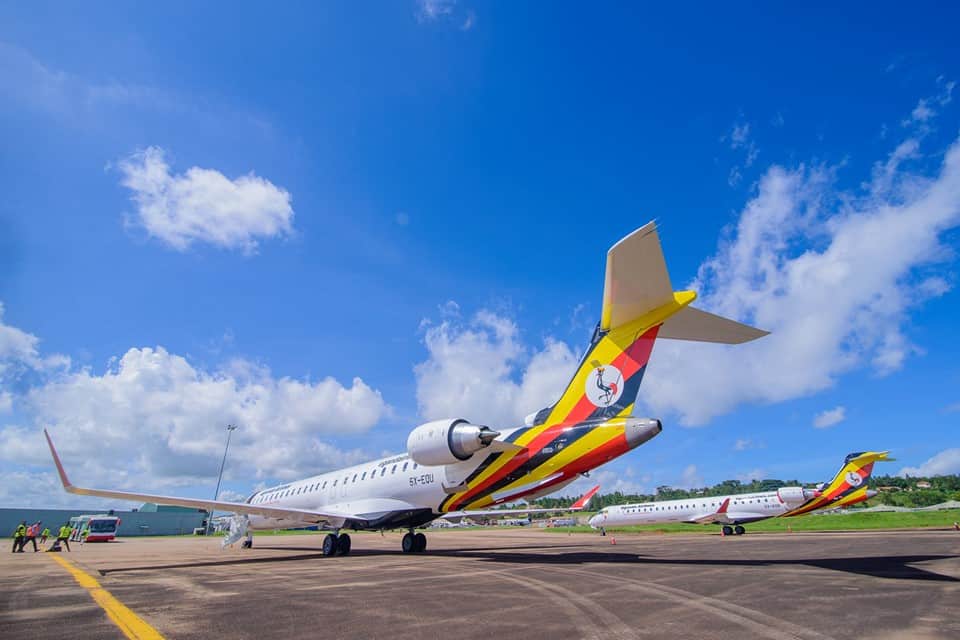
Travelers starting in Kigali normally enter Uganda by road. The two commonly used crossings are Cyanika, near Kisoro, and Katuna/Gatuna, near Kabale. The correct border depends on the Bwindi sector, accommodation, road conditions and next destination.
A private four-wheel-drive vehicle with an experienced driver-guide is the most practical choice. Public transport may be cheaper, but it rarely offers the flexibility required for gorilla permits, remote lodges and early park briefings. A private safari arrangement can also include immigration assistance, luggage handling, accommodation transfers and support when road conditions change.
Some tour operators use one vehicle throughout Rwanda and Uganda. Others arrange for a Rwandan vehicle to meet a Ugandan vehicle at the border. Both systems can work, but the arrangement should be explained before the safari begins. Travelers should know who will meet them, whether luggage must change vehicles and which company will provide support inside Uganda.
Crossing Through Cyanika
The Cyanika border lies between Rwanda’s Musanze area and Uganda’s Kisoro District. It is often the most convenient crossing for Mgahinga Gorilla National Park, Kisoro, Lake Mutanda, Rushaga and Nkuringo.
This route works especially well when travelers first visit Volcanoes National Park in Rwanda. After completing a Rwanda activity, the safari can continue through the northern highlands, cross at Cyanika and proceed toward Kisoro or southern Bwindi.
The scenery around this route includes volcanoes, farmland, mountain communities and lakes. Despite the relatively short geographical distance, travelers should still allow sufficient time for immigration and road conditions.
Crossing Through Katuna/Gatuna
The Katuna/Gatuna border connects Rwanda with Uganda’s Kabale District. The crossing is known as Gatuna in Rwanda and Katuna in Uganda.
It is commonly used for Lake Bunyonyi, Kabale, Ruhija and some routes toward Buhoma or Queen Elizabeth National Park. The route can also be practical for travelers returning from Uganda to Kigali through the Kabale area.
The choice between Katuna and Cyanika should be based on the complete itinerary rather than personal preference. A crossing that appears closer on a map may create more driving if it does not align with the confirmed Bwindi sector.
What to Expect at the Border
At the border, travelers complete Rwanda exit procedures before presenting their documents for entry into Uganda. A passport, visa approval and other required travel documents should remain easily accessible.
The process may be relatively quick, but delays are possible. Immigration systems, vehicle formalities, queues and document checks can affect the crossing time. A responsible safari itinerary therefore includes a border allowance and does not schedule a gorilla trek or fixed boat departure immediately after crossing.
Travelers should keep passports, visa approvals, insurance documents and vaccination records in hand luggage. They should not pack these documents deep inside a suitcase.
Visa Requirements for a Uganda Safari From Kigali
Visa requirements depend on nationality, passport type and the countries included in the itinerary. Travelers should check official immigration information rather than relying on old travel articles or comments on social media.
People who require a Ugandan tourist visa should generally apply through Uganda’s official electronic immigration system. Uganda’s immigration authority advises visa-prone travelers to obtain online approval before traveling. Visitors should not assume that a visa will automatically be issued at the land border.
The application may require passport information, a photograph, travel details, accommodation information and other supporting documents. Travelers should use the official government portal and avoid unofficial websites that imitate immigration services.
Using the East Africa Tourist Visa
The East Africa Tourist Visa can be convenient for travelers visiting Rwanda, Uganda and Kenya. It is intended for tourism, is valid for 90 days and allows multiple entries while the holder remains within the participating countries.
The issuing country should normally be the traveler’s first point of entry. Someone landing first at Kigali International Airport should therefore generally obtain the East Africa Tourist Visa through Rwanda. A traveler entering the region first through Entebbe should generally apply through Uganda.
The visa covers Rwanda, Uganda and Kenya only. It does not include Tanzania, Zanzibar, Burundi, South Sudan or the Democratic Republic of Congo. Travelers planning a wider East African itinerary should review how leaving the participating area may affect the visa.
An East Africa Tourist Visa may be especially useful when a traveler lands in Kigali, enters Uganda and later returns to Rwanda for an international flight. However, it may not be necessary for everyone. Some nationalities qualify for visa-free entry into Rwanda, and travelers finishing in Entebbe may need only a single-entry Uganda visa.
Passport Requirements
A passport should normally remain valid for at least six months from the intended travel date. It should contain sufficient blank pages and be in good physical condition.
The traveler’s name should be consistent across the passport, visa application, gorilla permit, chimpanzee permit and domestic flight bookings. Permit corrections can be difficult after payment, so all details should be reviewed before confirmation.
Best Places to Visit on a Uganda Safari From Kigali
Southwestern Uganda contains the most accessible destinations from Kigali. Bwindi and Mgahinga are the leading choices for gorilla trekking, while Lake Bunyonyi and Lake Mutanda provide scenic relaxation. Queen Elizabeth National Park adds savannah wildlife, and longer journeys can continue to Kibale, Lake Mburo or Entebbe.
Bwindi Impenetrable National Park
Bwindi Impenetrable National Park is Uganda’s most famous mountain gorilla destination. The ancient rainforest protects exceptional biodiversity and several habituated gorilla families available for controlled tourism.
The park is divided into separate trekking sectors. The main sectors are Buhoma, Ruhija, Rushaga and Nkuringo. This division is one of the most important details in the Uganda Safari from Kigali Guide because accommodation must match the permit location.
Bwindi is not one small entrance area. Driving between sectors can require several hours on mountain roads. A lodge advertised as being near Bwindi may still be too far from the correct morning briefing point.
Rushaga Sector
Rushaga is one of the most convenient Bwindi sectors for travelers entering Uganda from Kigali. The route commonly crosses through Cyanika and continues through Kisoro toward southern Bwindi.
The sector offers standard gorilla trekking and has also been associated with Uganda’s separate Gorilla Habituation Experience. Availability changes, so travelers must confirm the required permit before selecting accommodation.
Rushaga works well for a short three-day gorilla safari from Kigali. Visitors can travel from Kigali on the first day, trek on the second day and return to Rwanda on the third day. A fourth day can be added for Lake Mutanda, Lake Bunyonyi or a community-led experience.
Nkuringo Sector
Nkuringo is another southern Bwindi sector accessible through Kisoro. It is known for impressive highland scenery and steep landscapes.
Trekking difficulty depends on the gorilla family’s location, rainfall and the day’s route. Some visitors find the terrain demanding, but hiring a porter and preparing with regular walking can make the experience more manageable.
Nkuringo combines well with Lake Mutanda, Rushaga and selected Lake Bunyonyi routes. Accommodation should be chosen according to road access and the exact park briefing point.
Ruhija Sector
Ruhija lies on the eastern side of Bwindi and can be reached through the Kabale area. The Katuna/Gatuna border may be appropriate for some Kigali-to-Ruhija itineraries.
The area is elevated and offers attractive forest scenery. Ruhija can also fit into itineraries continuing toward Queen Elizabeth National Park.
The drive from Kigali is longer than the journey to Mgahinga or some southern Bwindi properties. Travelers should arrive at least one day before trekking.
Buhoma Sector
Buhoma is one of Bwindi’s longest-established tourism areas. It has a broad range of accommodation and community activities.
The sector connects naturally with the Ishasha region of Queen Elizabeth National Park. This makes it a strong choice for travelers combining gorillas with savannah wildlife.
Buhoma is farther from Kigali than Rushaga or Nkuringo. A properly planned transfer can still be completed, but visitors should expect a longer road journey.
Choosing the Correct Bwindi Sector
The gorilla permit should be confirmed before the lodge. Once the sector is known, the operator can select suitable accommodation.
Travelers should request written confirmation of the permit date, trekking sector, lodge name and estimated morning transfer. If the quotation mentions only “Bwindi accommodation,” ask for the specific location.
Mgahinga Gorilla National Park

Mgahinga Gorilla National Park lies near Kisoro and the Cyanika border. It protects Uganda’s portion of the Virunga Mountains and is the country’s smallest national park.
The park offers mountain gorilla trekking, golden monkey tracking, birding and selected guided mountain activities. Its volcanic scenery distinguishes it from the denser rainforest environment of Bwindi.
Mgahinga is particularly suitable for short safaris from Kigali. Travelers can leave Kigali, cross through Cyanika and reach a lodge serving the park within one transfer day.
Gorilla Trekking in Mgahinga
Mgahinga has fewer gorilla trekking places than Bwindi, making early availability checks essential.
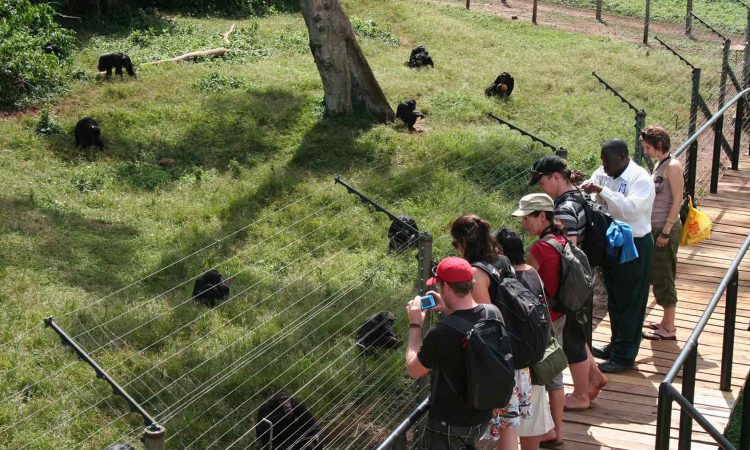
The trekking experience follows the official wildlife-authority system. Visitors attend an early briefing, enter the forest with rangers and trackers, and spend the permitted viewing period with the gorilla family after it is located.
The trek can be short or demanding. Gorillas move naturally, and no tour operator can guarantee their location or the length of the walk.
Golden Monkey Tracking
Golden monkey tracking is an excellent addition to a Mgahinga itinerary. The monkeys inhabit bamboo forest and are active, fast-moving primates.
A traveler can complete gorilla trekking on one day and golden monkey tracking on another. These activities should not be compressed into the same morning.
Visitors should consider their fitness before scheduling two consecutive forest treks. A recovery afternoon after gorilla trekking is usually advisable.
Lake Bunyonyi
Lake Bunyonyi lies near Kabale and is one of southwestern Uganda’s most scenic destinations. Its hills, islands and calm atmosphere make it a popular place to rest after gorilla trekking.
A visit can include a guided boat excursion, birdwatching, community experiences or time at a lakeside lodge. Activities should be arranged through established providers with appropriate safety measures.
Lake Bunyonyi combines especially well with Ruhija and routes entering or leaving Uganda through Katuna. It can also be included after southern Bwindi, although the driving time should be checked.
The lake should add relaxation rather than unnecessary travel. If an itinerary already includes long transfers, staying an extra night near the gorilla park may be more comfortable.
Lake Mutanda
Lake Mutanda lies near Kisoro and offers views toward the Virunga volcanoes. It is geographically convenient for Mgahinga, Rushaga and Nkuringo.
Travelers can stay near the lake before or after trekking. Depending on the lodge and weather, activities may include boat trips, birdwatching and scenic relaxation.
Lake Mutanda is particularly useful for travelers crossing through Cyanika. It creates a gentler transition between the border, gorilla parks and Kisoro.
Queen Elizabeth National Park
Queen Elizabeth National Park is one of Uganda’s most diverse safari areas. Its habitats include savannah, wetlands, crater landscapes, woodland and the Kazinga Channel.
The park can be reached after Bwindi or Mgahinga. A Uganda safari from Kigali combining gorillas and Queen Elizabeth National Park normally requires at least five or six days.
Ishasha Sector
Ishasha lies in the southern part of Queen Elizabeth National Park. It is known for lions that are sometimes seen resting in fig trees.
Sightings cannot be guaranteed, but the area remains an attractive game-viewing destination. It is also a logical connection between Buhoma and the northern sections of Queen Elizabeth National Park.
A game drive in Ishasha may reveal elephants, buffaloes, antelopes, birds and other wildlife. The experience depends on time, route and seasonal conditions.
Kasenyi Plains and Northern Game Drives
The Kasenyi plains and neighboring tracks offer opportunities to observe lions, elephants, buffaloes, Uganda kobs, warthogs, hyenas and other wildlife.
Early morning and late afternoon are generally productive game-drive periods. Wildlife remains unpredictable, so the guide selects routes according to recent information and park conditions.
Kazinga Channel Boat Safari
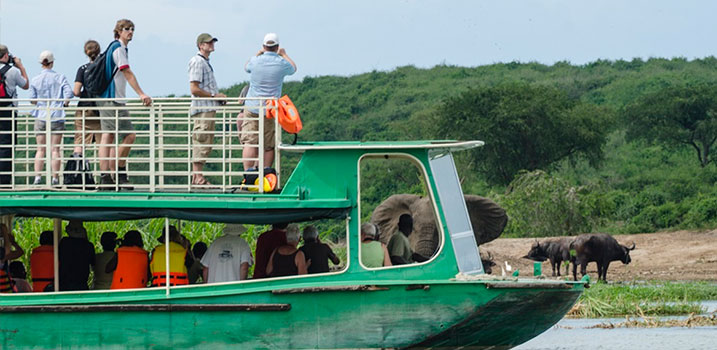
The Kazinga Channel connects Lake George and Lake Edward. A boat excursion provides opportunities to see hippos, crocodiles, elephants, buffaloes and numerous waterbirds.
The boat safari complements a road game drive. It allows visitors to observe wildlife along the shore while enjoying a slower activity after several days of driving and trekking.
Kyambura Gorge
Kyambura Gorge provides a forest environment within the wider Queen Elizabeth ecosystem. Chimpanzee tracking may be available through the official permit system.
The activity offers a different setting from Kibale. However, chimpanzees move widely, and sightings can be less predictable. Permit availability, park charges and current operating conditions should be confirmed before inclusion.
Kibale National Park
Kibale National Park is Uganda’s most established chimpanzee tracking destination. It fits best into a longer journey starting in Kigali and finishing in Entebbe.
A logical route can travel from Kigali to Bwindi, continue to Queen Elizabeth National Park and then proceed to Kibale. This sequence creates a varied safari featuring mountain gorillas, savannah wildlife and chimpanzees.
Chimpanzee Tracking in Kibale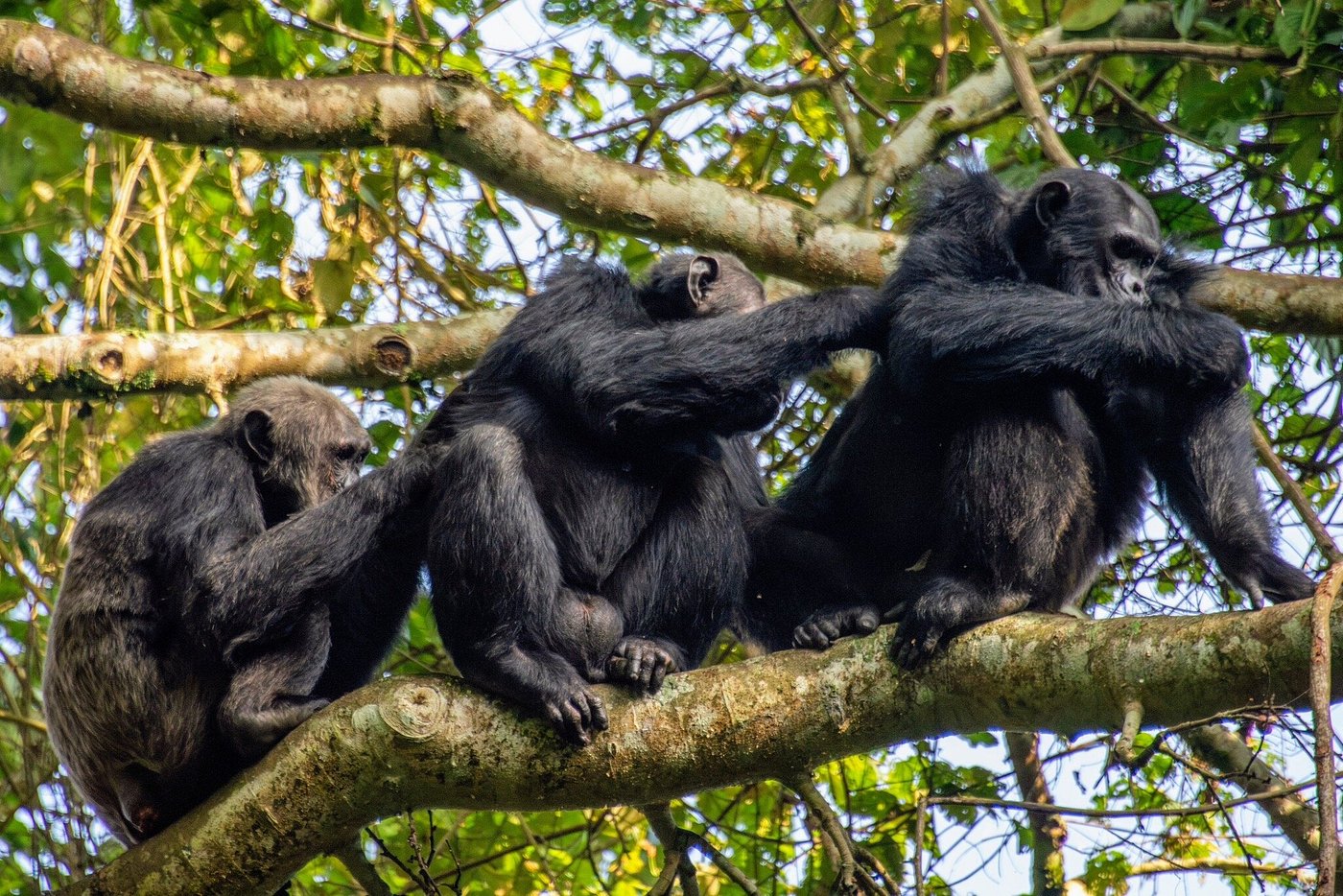
Chimpanzee tracking begins with a briefing followed by a guided forest walk. Chimpanzees may travel quickly and spend time high in the trees, so the experience differs from gorilla trekking.
Visitors should wear suitable hiking footwear, follow ranger instructions and prepare for uneven ground. The official chimpanzee permit price must be checked for the intended travel date because Uganda Wildlife Authority tariffs change periodically.
Bigodi Wetland Sanctuary
Bigodi Wetland Sanctuary is a community-based experience near Kibale. Guided walks may reveal monkeys, birds, butterflies and local plant species.
The activity helps distribute tourism income beyond the national park and works well as a lighter complement to chimpanzee tracking.
Lake Mburo National Park
Lake Mburo National Park can break the road journey between southwestern Uganda and Entebbe. It is particularly useful for travelers starting in Kigali but finishing at Entebbe International Airport.
The park is known for zebras, impalas, elands, giraffes, buffaloes, warthogs, hippos and birdlife. Depending on official availability, experiences may include game drives, boat trips and guided nature activities.
Lake Mburo should be positioned according to flight timing. A night near the park can reduce the distance to Entebbe, but travelers still need a generous airport buffer.
Murchison Falls National Park
Murchison Falls National Park is Uganda’s largest protected area and lies much farther north. It is not practical for a short safari from Kigali, but it can be included in an extended itinerary of ten days or longer.
The park combines savannah wildlife with the Nile and the dramatic Murchison Falls. Game drives may reveal elephants, giraffes, buffaloes, antelopes and predators, while boat excursions explore the river environment.
A long Uganda itinerary can begin in Kigali, visit Bwindi, Queen Elizabeth and Kibale, continue to Murchison Falls and finish in Entebbe. This route avoids returning to Rwanda and provides a broad overview of Uganda.
Gorilla Trekking From Kigali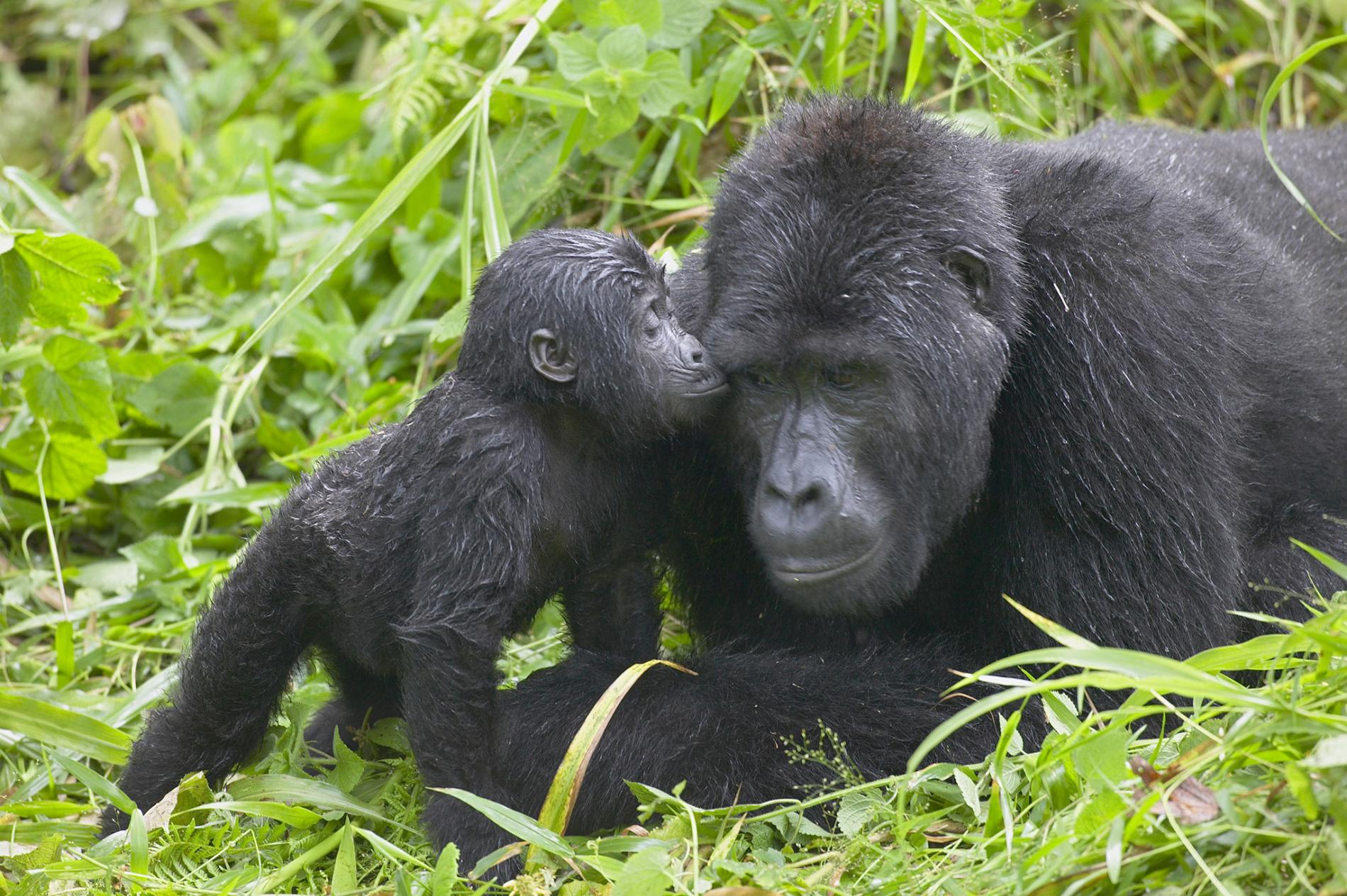
Gorilla trekking is the main reason many visitors choose to begin their Uganda safari in Rwanda.
Uganda’s mountain gorillas are protected in Bwindi Impenetrable National Park and Mgahinga Gorilla National Park. Each visitor needs a permit for a specific date and trekking area.
Uganda Gorilla Permit Price
Uganda Wildlife Authority’s July 2024–June 2026 tariff listed a standard gorilla trekking permit at USD 800 for foreign nonresidents. The authority’s official rates page subsequently referenced tariff changes for 2026–2027.
Travelers should therefore request the current price covering their exact trekking date. Old travel articles may display a fee that is no longer valid.
Different permit categories may apply to eligible foreign residents, residents of other African countries and East African citizens. Travelers must provide the required proof before receiving a discounted category.
What the Gorilla Permit Covers
The previous official tariff stated that a gorilla permit included the guided tracking activity, park access for the day and a community-development contribution.
A permit does not normally cover private transportation from Kigali, accommodation, visas, porter services, tips, personal equipment or additional activities.
A safari quotation should clearly distinguish the permit from the other trip services.
Gorilla Permit Availability
Only a limited number of people can trek each gorilla family per day. Popular dates can sell out months ahead.
Travelers planning June through September, Christmas, New Year or other high-demand periods should check availability before purchasing fixed flights.
The operator will usually request passport details to secure the permit. Names and passport numbers should be reviewed carefully before payment.
Minimum Age for Gorilla Trekking
The usual minimum age for gorilla trekking in Uganda is 15.
Families traveling with younger children need an alternative plan while eligible family members trek. Child supervision should be arranged directly with the lodge or tour operator before arrival.
Duration and Difficulty
The gorilla trek may take a few hours or occupy most of the day. Its duration depends on the family’s location, weather, terrain and group pace.
The standard viewing period is normally limited to one hour after the family is found. The return walk can still be long, so visitors should preserve water and energy.
No operator can guarantee an easy trek. Travelers with mobility concerns should provide accurate information before booking. Park staff may consider the concern during allocation, but gorillas move freely.
Gorilla Trekking Rules
Visitors must maintain the distance instructed by rangers, avoid touching the gorillas and keep voices low. Flash photography, eating and drinking near the animals are prohibited.
Anyone with a contagious respiratory illness must report it honestly. Mountain gorillas are vulnerable to human infections, and a sick traveler may be prevented from participating.
If a gorilla approaches, visitors should not run or reach toward it. They should remain calm and follow the ranger’s direction.
Why Hiring a Porter Is Recommended
A porter carries the daypack and assists on steep, muddy or slippery terrain. Even physically fit travelers benefit from this support.
Porter employment also provides direct income to people living near the park. Travelers should use the official porter arrangement and ask the guide about current fees and appropriate gratuities.
Gorilla Habituation Experience From Kigali
The Gorilla Habituation Experience is different from standard gorilla trekking. It uses a separate permit and has its own operating procedures.
The experience may involve more time in the field with a gorilla family undergoing the professional habituation process. However, it does not provide unrestricted access, guaranteed photography or permission to touch the animals.
It may suit dedicated photographers, repeat gorilla travelers and visitors with a strong interest in primate behavior. Participants should be prepared for a potentially long and demanding forest day.
Permit availability is limited, and the price is higher than a standard gorilla permit. Current details must be confirmed before booking a lodge.
Best Time for a Uganda Safari From Kigali
Uganda can be visited throughout the year. The best travel period depends on gorilla trekking, wildlife interests, budget and personal schedule.
June to September
June through September is one of the most popular travel periods. Conditions may be relatively drier, and these months fit common international holidays.
Demand for gorilla permits and well-located lodges can be strong. Early booking is important.
Drier conditions do not guarantee dry trails. Bwindi and Mgahinga are forest environments, and rain can occur in any month.
December to February
December through February is another popular period for gorilla trekking and game viewing.
Christmas and New Year dates can sell out well in advance. Travelers should secure permits before confirming fixed flights.
March to May
March through May often brings heavier rainfall. Forest scenery becomes exceptionally green, and some lodges may offer seasonal value.
Trails can be muddy, road transfers may take longer and waterproof equipment becomes especially important.
October and November
Rainfall may increase during October and November, although weather patterns vary.
These months can still provide excellent gorilla encounters. Travelers should prepare for wet conditions rather than expecting a specific forecast.
How Much Does a Uganda Safari From Kigali Cost?
The final price depends on permit fees, itinerary length, accommodation, transport and group size.
A complete safari quotation may include Kigali airport pickup, a private four-wheel-drive vehicle, a professional driver-guide, fuel, border transfers, accommodation, meals, drinking water, park fees, gorilla permits, game drives and boat excursions.
International flights, visas, travel insurance, porter services, tips and personal expenses are commonly excluded.
Transport Costs
Private transport is one of the largest shared expenses. A solo traveler generally pays more per person because the vehicle and driver-guide costs are not divided.
Couples and small groups can achieve better per-person value. The quotation should state whether the vehicle is private and whether fuel, border arrangements and the driver’s expenses are included.
Accommodation Costs
Budget accommodation provides essential comfort and a practical location. Midrange lodges usually offer private bathrooms, reliable meals, comfortable rooms and personalized service.
Luxury properties may include exceptional views, premium dining, spa treatments and highly individualized service.
The lodge category does not change wildlife rules. Every visitor follows the same permit system and official viewing limit.
Permit and Activity Costs
The operator should identify every permit and park activity included in the quotation.
Travelers should ask for current prices for gorilla trekking, gorilla habituation, chimpanzee tracking, golden monkeys, park entry and boat safaris.
Visa and Personal Expenses
Visa fees are generally excluded because eligibility depends on nationality.
Visitors should also budget for porters, tips, souvenirs, premium drinks, laundry and optional activities.
What to Pack for a Uganda Safari From Kigali
A Uganda safari from Kigali may include mountain forest, savannah, lakes and border travel. Clothing should therefore be practical and adaptable.
Gorilla Trekking Clothing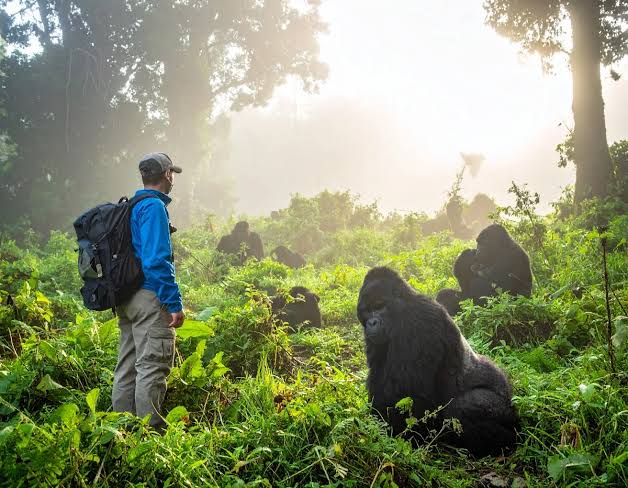
Waterproof hiking boots with strong grip are essential. The boots should be broken in before travel.
Wear long trousers, a long-sleeved shirt and long socks. Lightweight gardening or trekking gloves protect the hands when holding vegetation.
Carry a waterproof jacket inside the daypack regardless of the morning weather. Gaiters can help keep mud and insects away from the lower legs.
Safari Clothing
For game drives, lightweight neutral clothing is suitable. Mornings can be cool, while afternoons may become warm.
A light fleece, hat, sunglasses and sunscreen are useful. Closed shoes provide better protection than open sandals during activities.
Documents and Electronics
Keep the passport, visa approval, insurance, permit information and emergency contacts easily accessible.
Camera equipment should include spare batteries, memory cards, a rain cover and charging cables. Flash must be disabled during gorilla and chimpanzee trekking.
Domestic flights may have strict luggage limits and may require soft-sided bags. Travelers should confirm the applicable allowance before packing.
Recommended Uganda Safari Lengths From Kigali
A three-day safari is the practical minimum for gorilla trekking. The first day is used for the transfer from Kigali, the second for the trek and the third for the return.
Four days allow an additional experience such as golden monkey tracking, Lake Mutanda, Lake Bunyonyi or a community activity.
Five or six days can combine gorilla trekking with Queen Elizabeth National Park. This creates enough time for a game drive and Kazinga Channel boat safari.
Seven or eight days can include gorillas, Queen Elizabeth and Kibale chimpanzees. Such a route is usually more efficient when it starts in Kigali and ends in Entebbe.
Ten days or longer allow Lake Mburo, Murchison Falls or additional rest days to be included.
Sample Uganda Safari From Kigali Itineraries
Three-Day Uganda Gorilla Safari From Kigali
Day One: Kigali to Bwindi
The driver-guide collects the traveler from a Kigali hotel or Kigali International Airport. The journey continues through the appropriate Rwanda–Uganda border and toward the confirmed Bwindi trekking sector.
After immigration procedures, the safari proceeds to the lodge. The remainder of the day is used for check-in, dinner and trekking preparation.
Day Two: Gorilla Trekking
After an early breakfast, the traveler transfers to the park briefing point. Rangers explain the rules and organize participants into trekking groups.
The forest walk continues until the gorilla family is located. Visitors then receive the regulated viewing period before returning to the trailhead.
The afternoon is left free for lunch, a shower and rest.
Day Three: Bwindi to Kigali
After breakfast, the safari returns to Rwanda. Travelers complete border formalities and continue to Kigali.
An evening international flight should be booked only when there is a generous time allowance.
Four-Day Mgahinga Gorilla and Golden Monkey Safari
Day One: Kigali to Mgahinga
The journey travels through northern Rwanda and crosses at Cyanika. After entering Uganda, the safari continues to accommodation serving Mgahinga Gorilla National Park.
Day Two: Gorilla Trekking
The traveler attends the morning briefing and completes the gorilla trek. The afternoon remains flexible.
Day Three: Golden Monkey Tracking
The visitor returns to Mgahinga for golden monkey tracking in the bamboo forest. The afternoon can be spent near Kisoro or Lake Mutanda.
Day Four: Return to Kigali
The safari crosses back into Rwanda and finishes at a Kigali hotel or airport.
Four-Day Bwindi and Lake Bunyonyi Safari
Day One: Kigali to Bwindi
Travel from Kigali to the confirmed trekking sector and spend the night near the park.
Day Two: Gorilla Trekking
Complete the ranger-led trek and rest at the lodge afterward.
Day Three: Bwindi to Lake Bunyonyi
Travel toward Lake Bunyonyi and enjoy a guided lake activity or scenic relaxation.
Day Four: Lake Bunyonyi to Kigali
Drive through Kabale, cross the Katuna/Gatuna border and continue to Kigali.
Five-Day Gorilla and Queen Elizabeth Safari
Day One: Kigali to Bwindi
Cross into Uganda and continue to a lodge serving the confirmed sector.
Day Two: Gorilla Trekking
Complete the trek and spend a second night near Bwindi.
Day Three: Bwindi to Queen Elizabeth National Park
Travel toward Queen Elizabeth National Park, using the Ishasha route when suitable.
Day Four: Game Drive and Boat Safari
Begin with an early game drive and later join a Kazinga Channel boat excursion.
Day Five: Departure Route
Return toward Kigali or begin the journey toward Entebbe. An extra overnight stop may be needed for comfortable timing.
Seven-Day Gorilla, Wildlife and Chimpanzee Safari
Days One and Two: Kigali and Bwindi
Travel from Kigali to Bwindi on the first day and complete gorilla trekking on the second.
Days Three and Four: Queen Elizabeth National Park
Continue to Queen Elizabeth National Park, then enjoy a game drive and Kazinga Channel boat safari.
Days Five and Six: Kibale National Park
Travel to Kibale and complete chimpanzee tracking. A community wetland walk can be added when time permits.
Day Seven: Entebbe
Travel to Entebbe for an overnight stay or international departure.
Choosing Accommodation
Location should be the first consideration when choosing a lodge.
For Bwindi, confirm the sector before paying. Ask how long the morning drive to the briefing point takes and whether the road remains accessible during wet weather.
The lodge should also provide an early breakfast and packed lunch for trekking. Travelers with dietary restrictions should communicate them in advance because remote properties may need time to obtain suitable ingredients.
Other useful questions concern hot water, electricity, charging, Wi-Fi, laundry and boot cleaning. Friends should confirm twin beds, while couples should verify that the room contains one double bed.
Road Travel and Safari Vehicles
A four-wheel-drive vehicle is recommended for mountain roads and remote lodge access.
Driving times are estimates rather than guarantees. Rain, road repairs, traffic, border queues and photography stops can affect the schedule.
The vehicle should have sufficient luggage space, working seat belts and suitable ventilation. A pop-up roof is valuable for game drives in Queen Elizabeth and other savannah parks.
Travelers should not accept itineraries that depend on dangerous speed. A realistic overnight stop is safer than rushing to meet a flight or park activity.
Health, Insurance and Safety
Travelers should consult an appropriate health professional before visiting Uganda. Advice depends on medical history, nationality and itinerary.
Personal medication should remain in original packaging, and enough should be carried for possible delays.
Travel insurance should cover emergency treatment, evacuation, cancellation, interruption, relevant trekking activities and missed connections. Travelers should confirm whether nonrefundable wildlife permits are covered under qualifying circumstances.
Official gorilla trekking is highly regulated and led by trained rangers. Visitors must still prepare for uneven terrain and follow every instruction.
During road travel, seat belts should be worn where available. Passports and valuables should remain secure, and travelers should use established accommodation and reputable transport providers.
Responsible Uganda Safari Travel
Responsible tourism begins with following wildlife rules. Visitors should never request closer access, additional viewing time, flash photography or off-road driving where it is prohibited.
Hiring a porter creates direct employment while making the trek safer and more comfortable. Community guides and locally operated activities can also help distribute tourism income.
Travelers should ask permission before photographing people. Giving money or sweets directly to children is discouraged because it can create harmful expectations. Support should be directed through established community organizations.
All waste must be removed from forests and protected areas. Reusable items and safe refill systems can reduce unnecessary plastic.
Cultural activities should be selected carefully. A good experience is developed with community participation and presents local traditions respectfully.
Common Planning Mistakes
One of the most serious mistakes is booking a Bwindi lodge before confirming the trekking sector. The permit and accommodation must correspond.
Another common mistake is assuming that border procedures will take only a few minutes. An itinerary should include enough time for immigration and vehicle formalities.
Travelers also make mistakes by using outdated permit prices. Uganda Wildlife Authority tariffs apply to stated periods and can change. The current rate must be verified for the travel date.
Trying to trek on the same day as the Kigali transfer is also risky. The border, roads and early park briefing make this arrangement unreliable.
Visitors should avoid returning to Kigali immediately after a demanding trek unless the route and timing are carefully assessed. Trek completion cannot be predicted.
Finally, the cheapest quotation is not necessarily the best value. A reliable proposal should explain permits, accommodation, transport, meals, activities and exclusions.
Frequently Asked Questions
Is Kigali the Best Airport for Bwindi?
Kigali is often the most convenient gateway for Rushaga, Nkuringo and Mgahinga. Entebbe may be better for a longer Uganda circuit or when domestic flights are used.
How Many Days Are Needed?
Three days are recommended for a simple gorilla safari. Four days allow an additional activity, while five to seven days can include Queen Elizabeth or Kibale.
Can Travelers Trek on the Day They Leave Kigali?
This is not recommended. Gorilla trekking begins early, and border procedures make same-day arrival unreliable.
Is Uganda Cheaper Than Rwanda for Gorilla Trekking?
Uganda has generally had a lower standard international permit price. However, travelers should compare total trip costs, including transport, accommodation, visas and additional nights.
Can a Uganda Safari Finish in Entebbe?
Yes. Starting in Kigali and ending in Entebbe is often the most efficient structure for a longer safari.
Can Rwanda and Uganda Be Combined?
Yes. A combined itinerary can include Kigali, Volcanoes National Park, Mgahinga, Bwindi and Queen Elizabeth National Park.
Is Gorilla Trekking Safe?
Gorilla trekking is conducted through official park systems with trained rangers and trackers. Visitors must follow instructions and prepare for natural forest terrain.
Should Travelers Hire a Porter?
Yes. A porter helps on difficult ground and receives direct income from tourism.
Can Solo Travelers Book the Safari?
Yes. Solo travelers can use a private vehicle or join a compatible group departure. Private solo travel usually has a higher per-person cost.
Book Your Uganda Safari From Kigali
Universal Ventures Rwanda organizes private and tailor-made Uganda safaris beginning in Kigali. Services can include gorilla permit reservations, private four-wheel-drive transportation, Rwanda–Uganda border transfers, accommodation, driver-guide services, airport pickup and customized itineraries.
The company can arrange short Bwindi or Mgahinga gorilla tours as well as longer journeys combining Queen Elizabeth National Park, Kibale, Lake Bunyonyi and Entebbe.
Contact Universal Ventures Rwanda
Universal Ventures Rwanda can be contacted by email at info@universalventuresrwanda.com or by telephone and WhatsApp at +250 781 441 853.
The office is located at KN 15 Road, opposite IPRC Main Entrance, 1st Floor, Sangwa Plaza, Kigali, Rwanda.
Travelers can also visit www.universalventuresrwanda.com to review safari information and request a customized proposal.
When requesting a quotation, provide the intended travel dates, number of travelers, preferred accommodation category, passport nationality and desired activities. This information allows the reservations team to check permit availability and prepare an accurate route.
Conclusion
A Uganda safari from Kigali provides efficient access to some of East Africa’s most important wildlife destinations. Mgahinga, Rushaga, Nkuringo, Lake Mutanda and Lake Bunyonyi are all more accessible from Kigali than from Uganda’s main international airport.
A short three-day itinerary can focus on gorilla trekking, while four days allow golden monkeys or a lake extension. Five or six days create enough time for Queen Elizabeth National Park, and a longer route can continue to Kibale, Lake Mburo, Murchison Falls and Entebbe.
The key to successful planning is arranging the details in the correct order. Gorilla permit availability should be checked first. The lodge must then match the trekking sector, after which the border route and transport can be finalized.
Visa requirements must also reflect the first country of entry and the complete travel route. Travelers using the East Africa Tourist Visa should apply through the appropriate issuing country and remember that it covers Rwanda, Uganda and Kenya only.
This Uganda Safari from Kigali Guide provides the foundation for designing a realistic journey. With the correct permit, suitable accommodation, an experienced driver-guide and enough travel time, visitors can combine mountain gorillas, tropical forest, volcanic scenery, lakes and savannah wildlife in one memorable East African safari.