Skip to content
This Uganda Adventure Travel Guide brings those experiences together in one practical resource. It explains where to go, what to do, when to travel and how to plan a safe and rewarding Uganda safari. It also covers accommodation, transportation, permits, health preparation, packing and sample itineraries.
Uganda offers one of Africa’s most varied adventure travel experiences. Within a single journey, visitors can trek through a mountain rainforest, meet endangered mountain gorillas, follow chimpanzees through tropical woodland, raft on the Nile and search for lions across open savannah. Travelers can also hike volcanic slopes, explore crater lakes, cruise beneath Murchison Falls and spend time with local communities.
Uganda suits many types of travelers. Wildlife lovers can visit national parks filled with elephants, buffaloes, lions, giraffes and hippos. Hikers can explore the Rwenzori Mountains, Mount Elgon and the Virunga volcanoes. Meanwhile, birdwatchers can search for hundreds of species across forests, wetlands and savannah landscapes.
Adventure in Uganda does not always require extreme physical effort. Some experiences, such as gorilla trekking and mountain climbing, demand reasonable fitness. However, boat cruises, cultural visits, game drives and nature walks are available to travelers who prefer a slower pace.
The country’s greatest strength is variety. Uganda Wildlife Authority describes the destination as offering gorilla trekking, wildlife safaris, multi-day mountain treks and white-water rafting. Therefore, travelers can build a holiday around one major adventure or combine several experiences in one complete itinerary. Uganda Wildlife Authority
Why Choose Uganda for an African Adventure?
Uganda is often called the Pearl of Africa because of its fertile landscapes, wildlife diversity and remarkable natural beauty. The country lies across the equator and contains tropical forests, high mountains, volcanic lakes, savannah plains and sections of the River Nile.
Few African destinations offer this range within a relatively compact area. A traveler can begin with a wildlife safari in Murchison Falls National Park, continue to Kibale for chimpanzee trekking and finish with mountain gorillas in Bwindi. Another visitor may focus on hiking, rafting, cycling and community tourism.
Uganda is also a strong choice for travelers who want a more personal safari. Many parks receive fewer visitors than some of Africa’s most famous wildlife destinations. As a result, game drives can feel peaceful, while remote hiking routes provide a genuine sense of exploration.
Moreover, Uganda can be combined easily with Rwanda. Travelers may fly into Entebbe and depart from Kigali, or complete the journey in the opposite direction. This arrangement reduces repeated driving and creates opportunities to experience two countries.
A well-planned Uganda adventure can include:
- Mountain gorilla trekking
- Gorilla habituation experiences
- Chimpanzee tracking
- Big Five wildlife safaris
- White-water rafting
- Mountain climbing
- Volcano hiking
- Canoeing and kayaking
- Boat safaris
- Birdwatching
- Cycling tours
- Community and cultural experiences
- Nature walks
- Camping and overland travel
Uganda Adventure Travel Guide to the Best Destinations
Uganda has ten national parks as well as wildlife reserves, forest reserves, lakes and community tourism areas. Each destination offers a different style of adventure. Therefore, the best itinerary should reflect the traveler’s interests rather than trying to include every park.
Gorilla Trekking in Bwindi Impenetrable National Park
Bwindi Impenetrable National Park is Uganda’s leading adventure destination. Its ancient rainforest protects mountain gorillas, forest birds, primates, butterflies and diverse plant life. The landscape consists of steep green ridges, deep valleys and dense forest.
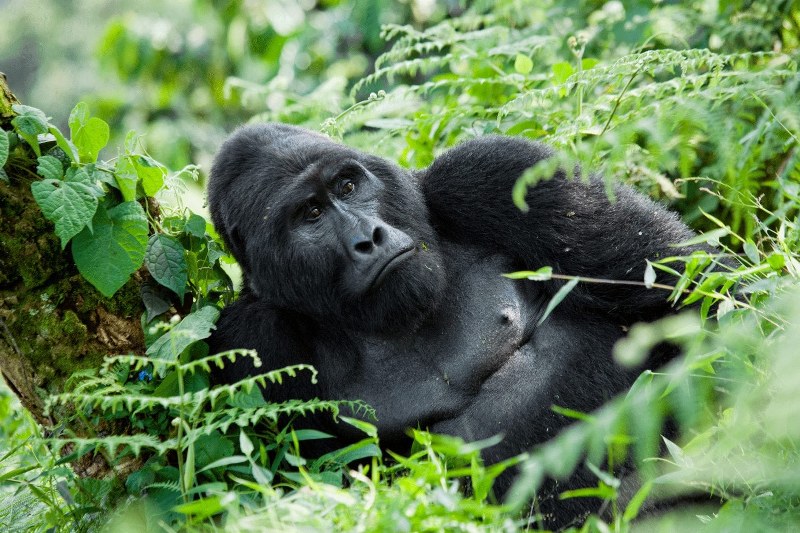
Uganda Wildlife Authority states that Bwindi protects approximately 459 mountain gorillas, representing almost half of the remaining global population. The forest is one of the world’s leading places for observing habituated mountain gorillas in their natural environment. Bwindi Impenetrable National Park
Gorilla trekking begins early in the morning with registration and a briefing. Rangers explain the forest rules, expected conditions and correct behavior around gorillas. Visitors then enter the forest in small groups, accompanied by trained guides and trackers.
The trek may last from a few hours to most of the day. Its length depends on the gorillas’ location, the selected trail, the weather and the pace of the group. Once visitors reach the assigned gorilla family, standard trekking permits normally allow one regulated hour of observation.
During that time, trekkers may watch gorillas feeding, resting, grooming and interacting. The experience can feel quiet and deeply moving. However, visitors must follow every ranger instruction to protect both people and gorillas.
Bwindi Gorilla Trekking Sectors
Bwindi has four main gorilla trekking areas:
- Buhoma
- Ruhija
- Rushaga
- Nkuringo
Buhoma lies in northern Bwindi and has a long history of gorilla tourism. It provides several accommodation choices and community experiences. Ruhija, in the east, offers high forest views and excellent birdwatching. Rushaga and Nkuringo lie in the south and work particularly well for road transfers from Kigali.
The permit indicates a specific trekking sector. Therefore, travelers should book accommodation near the correct starting point. Staying in the wrong area can create a very long and difficult early-morning transfer.
Gorilla Trekking Fitness
Uganda Wildlife Authority advises that gorilla treks require moderate fitness and may last between two and seven hours. The terrain can include steep slopes, slippery ground and thick vegetation. Gorilla Tracking
Travelers do not need to be professional hikers. Nevertheless, regular walking before the trip can improve comfort. Hiking boots, long trousers, gloves and a lightweight waterproof jacket are useful.
Porters are available at the trekking centers. A porter can carry a daypack and provide balance on difficult sections. Hiring one also supports local livelihoods around the park.
Gorilla Trekking Rules
Visitors should remain quiet and follow the distance set by the ranger. Eating, drinking and smoking are not permitted near the gorillas. Flash photography should remain switched off.
Anyone who feels unwell should inform the guide before entering the forest. Gorillas can catch human illnesses, so protecting their health remains a central part of responsible tourism.
Age requirements and tracking rules may change. Consequently, families should verify the current minimum age before paying for permits.
Gorilla Trekking in Mgahinga Gorilla National Park
Mgahinga Gorilla National Park lies in southwestern Uganda within the Virunga Mountains. Although it is Uganda’s smallest national park, it offers a powerful combination of gorilla trekking, golden monkey tracking, volcano hiking and Batwa cultural experiences.
The park protects forest on the slopes of Mount Muhabura, Mount Gahinga and Mount Sabyinyo. Its landscape feels different from Bwindi because volcanic peaks rise above bamboo and montane forest.
Uganda Wildlife Authority reports that Mgahinga has a habituated transboundary gorilla group. Visitors can also join a Batwa-guided experience and learn how the Batwa traditionally used the forest. Mgahinga Gorilla National Park
Mgahinga suits travelers who want to combine primate trekking with hiking. Kisoro provides the main service center, while Kigali can serve as a convenient international arrival point for some itineraries.
Gorilla Habituation Experience in Uganda
The gorilla habituation experience offers more time in the forest than standard gorilla trekking. Participants accompany researchers, trackers and habituation teams as they work with a gorilla family that is becoming accustomed to carefully managed human presence.
This activity is not simply an extended photo session. It introduces visitors to the gradual process used to prepare gorilla families for tourism and research. The experience can involve longer forest walks and more uncertain gorilla behavior.
Permits are limited and should be reserved well in advance. Travelers also need appropriate fitness, clothing and patience. Because arrangements and tariffs can change, request current information from Uganda Wildlife Authority or a licensed tour operator.
Chimpanzee Trekking in Kibale National Park
Kibale National Park is one of Africa’s leading primate destinations. Its forests support chimpanzees, red colobus monkeys, black-and-white colobus monkeys, red-tailed monkeys and several other primates.
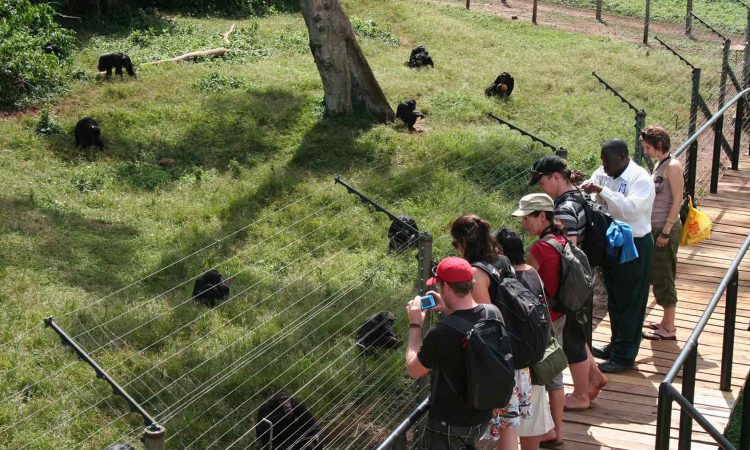
Guided chimpanzee tracking walks normally start from Kanyanchu Visitor Centre. Uganda Wildlife Authority currently lists daily tracking sessions at 8:00 a.m., 11:00 a.m. and 2:00 p.m. It notes that treks commonly last between two and five hours, depending on chimpanzee movement, weather and terrain. Visitors usually receive one regulated hour with the chimpanzees after finding them. Kibale National Park
Chimpanzee trekking differs from gorilla trekking. Chimpanzees move quickly through the canopy and communicate through loud calls. A group may suddenly cross the trail, climb into trees or disappear into dense vegetation.
The forest walk also offers opportunities to notice birds, butterflies and smaller primates. Rangers interpret tracks, plants and animal behavior throughout the trek.
Chimpanzee Habituation Experience
A chimpanzee habituation experience allows visitors to spend a longer period with researchers and trackers. Participants may enter the forest early and observe how chimpanzees feed, travel and interact throughout part of the day.
The activity can require more walking than a standard tracking session. It is ideal for primate enthusiasts, photographers and travelers interested in animal behavior.
Bigodi Wetland Sanctuary
Bigodi Wetland Sanctuary provides an excellent community-based activity near Kibale. Guided walks pass through forest, wetland, farmland and village landscapes. Visitors can see monkeys, birds and local plant species.
The sanctuary complements chimpanzee trekking because it introduces travelers to the wider ecosystem and nearby community. Tourism income also supports local development and conservation initiatives.
Queen Elizabeth National Park Adventure Safaris
Queen Elizabeth National Park is one of Uganda’s most diverse safari areas. It contains open plains, crater lakes, woodland, wetlands and the Kazinga Channel. Visitors can enjoy game drives, boat cruises, birdwatching and scenic road trips.
Common wildlife sightings include elephants, buffaloes, Uganda kobs, waterbucks, warthogs and hippos. Lions live in several parts of the park, while leopards may appear during early or late game drives.
The park works particularly well in a Uganda primate and wildlife itinerary because it lies between Kibale and Bwindi. Travelers can track chimpanzees, explore Queen Elizabeth and continue south for gorilla trekking.
Kazinga Channel Boat Safari
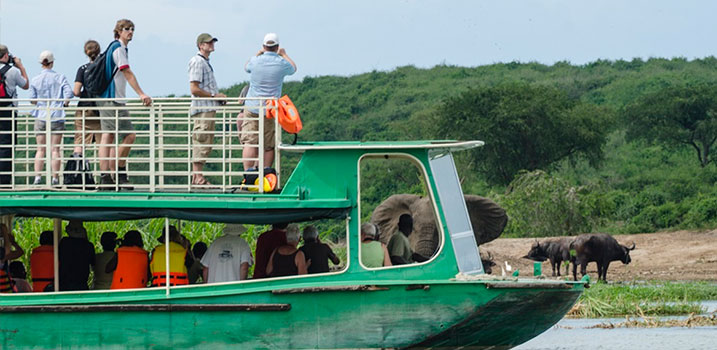
The Kazinga Channel connects Lake George and Lake Edward. A boat safari provides close views of hippos, crocodiles, buffaloes and waterbirds. Elephants and antelopes may also approach the shoreline to drink.
Unlike a road-based game drive, the cruise offers uninterrupted views across the water. It is especially valuable for bird photographers and families who want a relaxing activity between longer drives.
Ishasha Tree-Climbing Lions
The Ishasha sector lies in southern Queen Elizabeth National Park. It is famous for lions that sometimes rest in fig trees. However, tree-climbing behavior cannot be guaranteed on every game drive.
Ishasha also offers a beautiful landscape of open grassland, woodland and riverine vegetation. Elephants, buffaloes, topis and Uganda kobs may be seen while traveling between Queen Elizabeth and Bwindi.
Murchison Falls National Park Adventure
Murchison Falls National Park combines savannah wildlife with one of the Nile’s most dramatic natural features. The river passes through a narrow rocky channel before dropping with tremendous force.
A complete Murchison Falls safari normally includes a game drive, boat cruise and visit to a viewpoint overlooking the falls. Some itineraries also include birdwatching, fishing or a Nile Delta cruise.
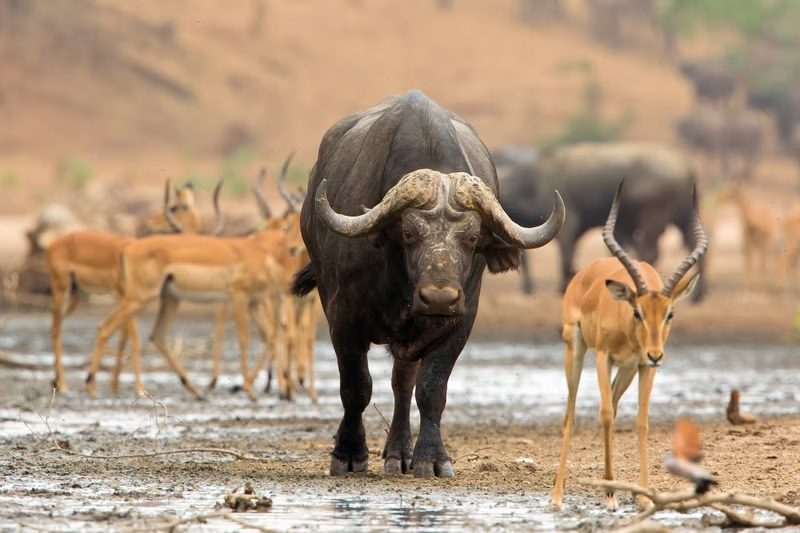
The northern savannah supports elephants, giraffes, buffaloes, lions, hartebeests, Uganda kobs and other wildlife. Because the landscape is relatively open, game viewing can be rewarding.
Nile Boat Cruise to Murchison Falls
A boat journey travels along the Nile toward the base of the falls. Hippos and crocodiles are common, while elephants, buffaloes and antelopes may gather near the river.
Birdlife is rich. Visitors can watch kingfishers, fish eagles, herons and other water-associated species. The final approach reveals the power of the river as it rushes through the gorge.
Hiking Around Murchison Falls
Where authorized and operational, guided walks may provide a closer view of the falls and surrounding landscape. Visitors must follow current park instructions because trail access and activity arrangements can change.
The area can be hot, so carry drinking water, sun protection and suitable footwear. Travelers should never enter restricted areas or climb beyond marked viewpoints.
Ziwa Rhino Sanctuary and a Big Five Uganda Safari
Travelers often combine Murchison Falls with rhino tracking at Ziwa Rhino Sanctuary. This combination can make it possible to see all members of the African Big Five during a broader Uganda safari.
Rhino tracking takes place under the supervision of trained guides. Visitors must maintain the required distance and follow safety instructions. The experience should always be booked through an authorized operator or directly with the sanctuary.
A typical route begins in Kampala or Entebbe, stops at Ziwa and then continues toward Murchison Falls. Because road and activity arrangements change, confirm current operating conditions before including the sanctuary in a fixed itinerary.
Kidepo Valley National Park
Kidepo Valley National Park lies in northeastern Uganda. Its remote location, broad valleys and rugged mountains create one of the country’s strongest wilderness experiences.
The park suits travelers who want fewer vehicles, wide landscapes and a longer overland journey. Wildlife may include elephants, buffaloes, lions, giraffes, zebras and several species associated with drier northeastern ecosystems.
Reaching Kidepo by road requires time. Therefore, visitors should allow several days rather than treating it as a quick addition. Domestic flights may also be available, depending on the schedule and season.
Community visits can complement game drives, but they should be arranged respectfully. A well-managed cultural experience allows local hosts to decide how their traditions and daily life are presented.
Lake Mburo National Park
Lake Mburo National Park is a compact savannah destination located between Kampala and southwestern Uganda. It is useful as a stop between Entebbe and Bwindi, yet it also deserves time as an adventure destination.
The park is known for zebras, impalas, elands, buffaloes and diverse birdlife. Activities can include game drives, guided nature walks, boat trips, cycling and horse-riding experiences where available.
Lake Mburo contains no free-ranging lions in the main tourism areas. Therefore, authorized walking and cycling experiences can operate under controlled conditions. Visitors must still use trained guides because buffaloes and other large animals require caution.
The park works well for families, first-time safari travelers and visitors who prefer active experiences over long hours in a vehicle.
Rwenzori Mountains Adventure Trekking
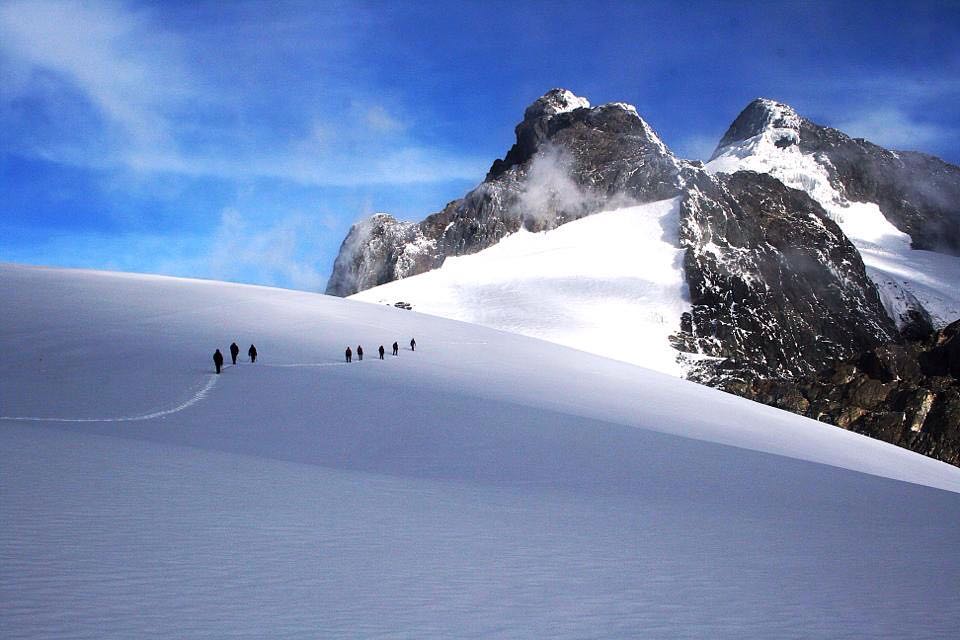
The Rwenzori Mountains form one of Africa’s most challenging hiking destinations. Often called the Mountains of the Moon, the range contains glaciers, high peaks, valleys, giant lobelias and unusual Afro-alpine vegetation.
Mount Stanley’s Margherita Peak rises to 5,109 meters. Reaching the summit requires technical preparation, acclimatization, appropriate equipment and experienced guides. It is not a casual day hike.
However, travelers do not need to attempt the highest summit to enjoy the Rwenzoris. Shorter community walks and multi-day lower-altitude treks reveal waterfalls, forests and mountain scenery.
Central Circuit and Kilembe Routes
The Rwenzori offers different trekking approaches. The Central Circuit traditionally begins near Nyakalengija, while the Kilembe route approaches the mountains from another direction.
Route conditions, operator arrangements and technical requirements vary. Therefore, trekkers should choose an authorized company with experienced guides, emergency procedures and suitable equipment.
Preparing for a Rwenzori Trek
Physical preparation should begin several months before a major expedition. Long walks, hill training and controlled endurance work help the body adapt to consecutive trekking days.
Altitude presents a separate challenge. Even a fit traveler can develop altitude-related symptoms. A responsible itinerary should allow gradual ascent and include plans for an early descent when necessary.
Weather changes quickly in the mountains. Waterproof clothing, warm layers, gloves, trekking poles and durable boots are essential. Travelers should also check what technical gear the operator supplies.
Mount Elgon Hiking and Sipi Falls
Mount Elgon lies along the Uganda–Kenya border. It is an ancient volcanic mountain with forests, waterfalls, caves and a broad caldera.
Hiking routes range from short nature walks to multi-day treks. The mountain often receives fewer trekkers than more famous East African peaks, creating a quieter experience.
Nearby Sipi Falls consists of dramatic waterfalls descending from the Mount Elgon region. Visitors can take guided hikes to viewpoints, join coffee tours and explore local communities.
Sipi Falls Hiking
A typical Sipi Falls hike visits one or more waterfalls. Trails may pass through farmland, rocky paths and steep slopes. Conditions become slippery after rain, so shoes with good grip are important.
Local guides explain the landscape and help visitors select a route that suits their fitness. Travelers should not approach exposed cliff edges or attempt unregulated adventure activities.
Coffee Experiences Around Sipi
The slopes of Mount Elgon support Arabica coffee farming. Community coffee tours may explain cultivation, harvesting, drying, roasting and preparation.
These visits add cultural and economic value to a hiking itinerary. They also allow travelers to understand how altitude, soil and climate influence coffee production.
Volcano Hiking in Mgahinga
Mgahinga Gorilla National Park provides access to three Virunga volcanoes: Mount Muhabura, Mount Gahinga and Mount Sabyinyo.
Mount Sabyinyo Hike
Mount Sabyinyo is known for its rugged outline and demanding route. The trail may involve steep sections and ladders. At the summit area, the borders of Uganda, Rwanda and the Democratic Republic of the Congo meet.
Conditions and route availability should be verified before travel. This is a guided park activity and should not be attempted independently.
Mount Muhabura Hike
Mount Muhabura rises above the surrounding landscape and offers a steep day hike. Clear weather may provide broad views across the Virunga region.
The climb requires good fitness and an early start. Rain gear, water, food and proper hiking boots are necessary.
Mount Gahinga Hike
Mount Gahinga provides another volcanic adventure in the park. Its bamboo and montane vegetation can create a rewarding forest experience.
Although it may be less demanding than some neighboring peaks, hikers still need guides and suitable preparation.
White-Water Rafting on the Nile
The Nile near Jinja has long been associated with white-water rafting and river adventure. Professional operators offer trips designed for different comfort and experience levels.
River conditions, operating sections and minimum age rules can change. Travelers should choose a licensed operator that provides helmets, life jackets, safety briefings, rescue support and qualified guides.
Participants should be comfortable in water and disclose relevant medical conditions to the operator. Anyone who does not meet the operator’s safety requirements should select a calmer river activity.
Kayaking and River Activities
Jinja also offers guided kayaking and gentler water experiences. Beginners should receive instruction in controlled conditions before entering stronger currents.
Other activities may include boat cruises, tubing in approved areas and visits to riverside communities. Safety standards should remain the first consideration when comparing prices.
Source of the Nile and Jinja Adventure Travel
Jinja is widely known as Uganda’s adventure capital. It can be visited as a day trip from Kampala, although two or more nights allow travelers to enjoy the river at a relaxed pace.
In addition to rafting, visitors may take boat trips, cycle through surrounding communities, visit local markets or relax beside the Nile.
Jinja also works well at the beginning or end of a longer Uganda safari. Travelers can recover from an international flight before heading toward national parks, or finish a wildlife tour with a river-based experience.
Canoeing on Lake Bunyonyi
Lake Bunyonyi lies in southwestern Uganda near Kabale. Green terraced hills surround its many islands, creating one of the country’s most scenic landscapes.
Canoeing offers a quiet way to explore parts of the lake. Travelers should use a stable craft, wear appropriate safety equipment and follow local guidance. Weather and water conditions must be considered before departure.
Lake Bunyonyi is often added after gorilla trekking. Its relaxed atmosphere gives travelers time to rest after a demanding forest hike.
Other activities may include birdwatching, village walks and island visits. Community experiences should be booked with responsible local guides.
Semuliki National Park and the Albertine Rift
Semuliki National Park protects lowland tropical forest in western Uganda. Its ecosystem differs from Uganda’s highland forests and supports species associated with the Congo Basin.
Birdwatching is a major attraction. Visitors can also take guided forest walks and visit the Sempaya hot springs.
The hot springs are natural geothermal features. Travelers should remain on designated paths and obey safety barriers because water temperatures can be dangerous.
Semuliki can be combined with Fort Portal, Kibale and the crater lakes. However, it requires extra road time, so the itinerary should allow at least one dedicated day.
Fort Portal and Uganda’s Crater Lakes
Fort Portal provides a useful base for exploring Kibale, crater lakes, tea estates and community attractions. The surrounding landscape contains volcanic lakes set among steep green hills.
Guided crater-lake walks range from gentle village routes to steeper viewpoints. The region also supports cycling and cultural experiences.
Swimming should only take place where local authorities and qualified guides confirm that conditions are suitable. Some crater lakes may have steep banks, deep water or other hazards.
Birdwatching Adventures in Uganda
Uganda is one of Africa’s outstanding birdwatching destinations. Its location brings together East African, Central African and highland habitats.
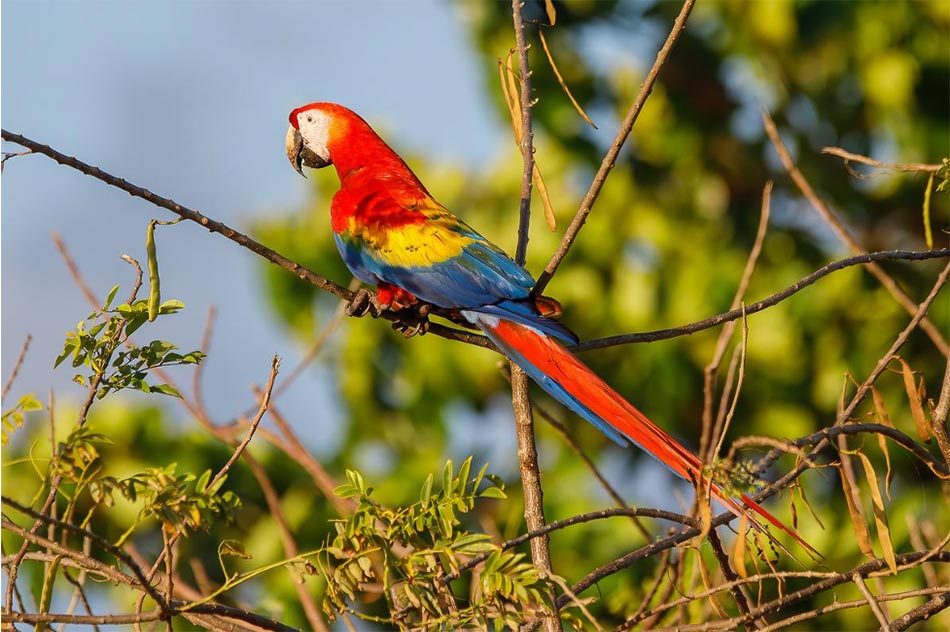
Birding areas include:
- Mabamba Wetland
- Bwindi Impenetrable National Park
- Kibale National Park
- Queen Elizabeth National Park
- Murchison Falls National Park
- Semuliki National Park
- Mgahinga Gorilla National Park
- Lake Mburo National Park
- Kidepo Valley National Park
- Budongo Forest
- The Rwenzori Mountains
A specialist bird guide can identify calls, habitats and seasonal movements. Birders should bring binoculars, a field guide and suitable camera equipment.
Mabamba Wetland near Lake Victoria is known for guided canoe searches for the shoebill. Sightings remain dependent on nature, so no ethical operator should guarantee one.
Cultural Adventures and Community Tourism
A complete Uganda Adventure Travel Guide should include people as well as landscapes. Uganda has many ethnic communities, languages and traditions. Responsible cultural tourism creates opportunities for visitors to learn while supporting local hosts.
Community experiences may include food preparation, farming visits, music, dance, storytelling, craft demonstrations and guided village walks.
The best tours avoid turning daily life into a staged display. Hosts should control how their culture is shared and receive fair payment for their time and knowledge.
Batwa Cultural Experiences
Batwa-led experiences operate near Bwindi and Mgahinga. Guides may explain traditional forest knowledge, medicinal plants and historical ways of life.
Visitors should approach the experience with respect. The Batwa are contemporary communities, not attractions from the past. Responsible programs should support community priorities and allow Batwa guides to tell their own stories.
Karamoja Cultural Experiences
Karamoja lies in northeastern Uganda near Kidepo Valley. Community visits can introduce travelers to pastoral traditions, architecture, music and local livelihoods.
These activities work best when arranged through established community organizations. Always ask before photographing people, homes or ceremonies.
Best Time to Use This Uganda Adventure Travel Guide
Uganda can be visited throughout the year. However, rainfall influences trekking conditions, road access and wildlife movement.
June to September
The long dry season is popular for gorilla trekking, game drives and mountain activities. Roads are often easier to navigate, while vegetation may be less dense in savannah parks.
Demand for permits and accommodation can be high. Early booking is essential, especially for Bwindi.
December to February
The shorter dry season is another strong period for wildlife safaris and trekking. Warm weather and lower rainfall can support outdoor activities, although rain remains possible.
March to May
The long rainy season creates green landscapes and excellent photography conditions. Fewer visitors may travel during parts of this period.
However, forest trails become muddy and some roads become more difficult. A four-wheel-drive vehicle is recommended for many safari routes.
October and November
Short rains can refresh the countryside and support birdwatching. Travelers should pack waterproof clothing and keep flexibility in their schedule.
Uganda Wildlife Authority introduced revised tariffs and low-season permit arrangements for parts of 2026–2027. Since tariff periods and eligible dates can change, travelers should check the current UWA rate notice before budgeting. Current UWA tariffs
How Long Should a Uganda Adventure Safari Be?
A short trip of three or four days can focus on one destination. For example, travelers can visit Bwindi from Kigali or take a Murchison Falls safari from Kampala.
Seven days allow a stronger combination. A one-week route might include Kibale, Queen Elizabeth and Bwindi.
Ten to fourteen days provide enough time for primates, wildlife and several landscapes without rushing. More than two weeks can include remote parks such as Kidepo, mountain trekking or an extension into Rwanda.
Suggested 10-Day Uganda Adventure Itinerary
Day 1: Arrival in Entebbe
Arrive at Entebbe International Airport and transfer to your hotel. Rest after the flight and meet your safari representative for a trip briefing.
Day 2: Entebbe to Murchison Falls
Drive toward Murchison Falls National Park. Depending on confirmed operating arrangements, include a stop for a wildlife or conservation experience along the route.
Day 3: Game Drive and Nile Boat Safari
Begin with an early game drive across the northern savannah. Later, take a Nile boat cruise toward Murchison Falls.
Day 4: Transfer to Kibale
Travel south toward Fort Portal and Kibale. Enjoy the changing scenery as savannah gives way to farms, tea estates and forest.
Day 5: Chimpanzee Trekking and Bigodi
Track chimpanzees in Kibale National Park. In the afternoon, join a guided walk at Bigodi Wetland Sanctuary.
Day 6: Queen Elizabeth National Park
Transfer to Queen Elizabeth National Park. Complete an afternoon game drive or Kazinga Channel cruise, depending on timing.
Day 7: Ishasha and Bwindi
Drive through the Ishasha sector while searching for wildlife. Continue to the correct Bwindi trekking sector.
Day 8: Gorilla Trekking
Attend the morning briefing and enter Bwindi with the ranger team. After the trek, return to the lodge and rest.
Day 9: Lake Bunyonyi
Travel to Lake Bunyonyi for a relaxed afternoon. Optional activities include canoeing, birdwatching or a guided community walk.
Day 10: Departure Through Kigali
Cross into Rwanda and continue to Kigali International Airport, subject to flight timing and border requirements.
Suggested 14-Day Uganda Adventure Travel Itinerary
A two-week itinerary can include Jinja, Murchison Falls, Kibale, Queen Elizabeth, Bwindi, Mgahinga and Lake Bunyonyi.
Begin with two nights near Jinja for Nile activities. Continue to Murchison Falls for game drives and a boat safari. From there, travel to Kibale for chimpanzees and then Queen Elizabeth for the Kazinga Channel and Ishasha.
Spend two nights near Bwindi for gorilla trekking and a community experience. Continue to Mgahinga for golden monkeys or a volcano hike. Finish beside Lake Bunyonyi before departing through Kigali or returning to Entebbe.
Road distances remain significant. Therefore, avoid including major activities every morning and long transfers every afternoon. Rest periods improve the overall experience.
Transportation Around Uganda
Most adventure itineraries use a private four-wheel-drive safari vehicle. A Toyota Land Cruiser provides high ground clearance and ample luggage space. Smaller four-wheel-drive vehicles can suit couples on selected routes.
A professional driver-guide reduces the stress of navigation and allows travelers to focus on scenery and wildlife. Self-drive rental is possible, although drivers need appropriate documents, insurance and experience on rough roads.
Domestic flights can reduce travel time between distant parks. However, baggage limits may be lower than those on international flights.
Road Conditions
Major roads connect Kampala with regional towns, but national park approaches may include gravel, mud and rough sections. Rain can change conditions quickly.
Travel times should be treated as estimates rather than exact promises. Traffic, roadworks, weather and wildlife can create delays.
Accommodation for Uganda Adventure Travel
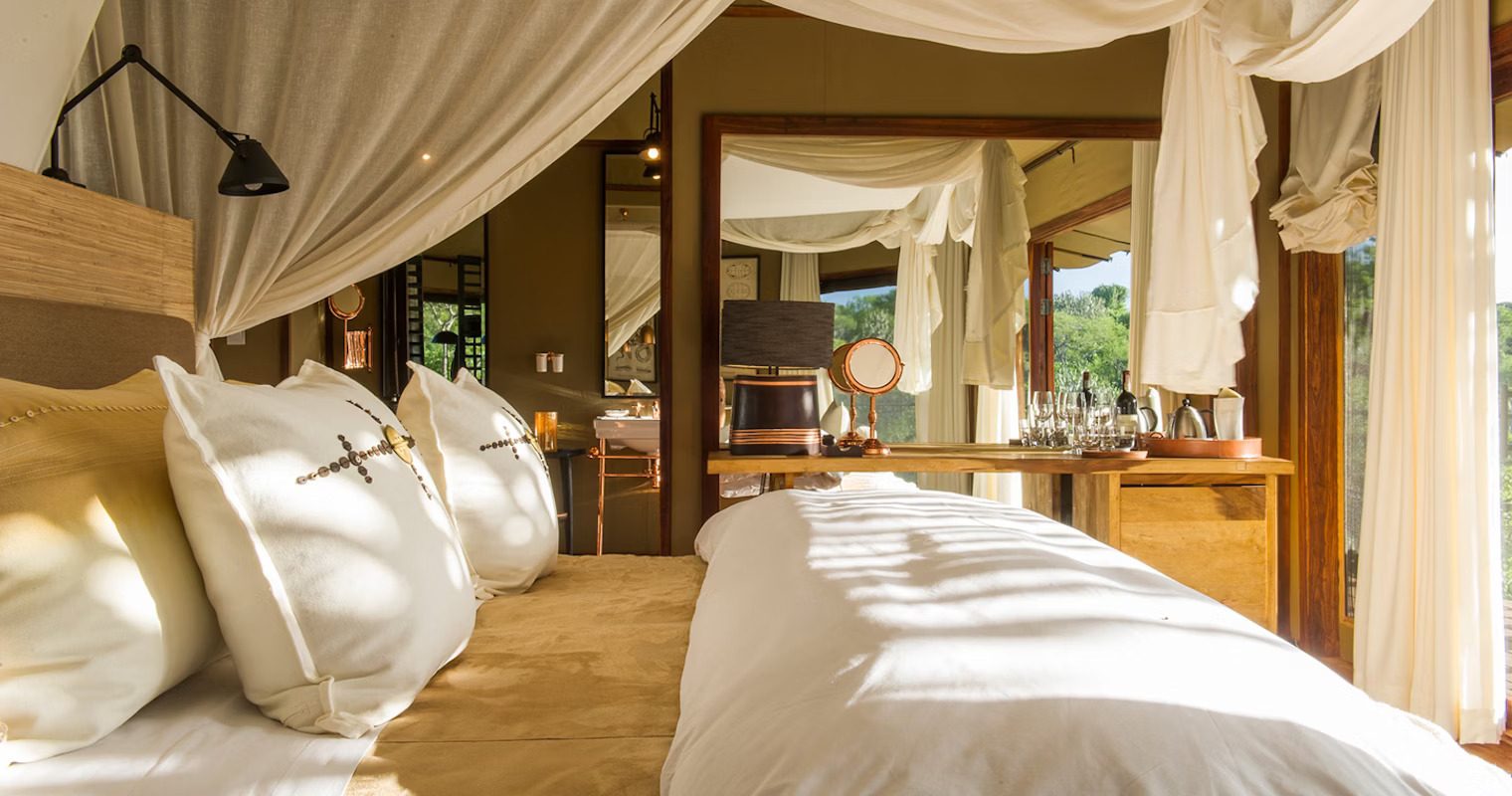
Uganda offers campsites, guesthouses, budget lodges, midrange safari lodges and luxury camps.
Budget accommodation normally provides essential comfort and a convenient location. Midrange lodges may offer private bathrooms, restaurants and attractive views. Luxury properties often provide spacious rooms, fine dining and highly personalized service.
Location matters more than decorative luxury during trekking trips. A simple lodge near the correct gorilla briefing point can be more practical than an expensive property several hours away.
Camping and roof-tent travel suit adventurous visitors. Nevertheless, camping is permitted only in approved areas, and travelers must follow wildlife and waste-management rules.
Uganda Adventure Travel Costs
The total price depends on permits, accommodation, transportation, activities and group size. Gorilla permits often form the largest single expense.
A private safari costs more for one traveler because vehicle and guide expenses are not shared. As the group grows, the per-person transport cost usually falls.
Request an itemized quotation that explains:
- Accommodation and meal plan
- Gorilla and chimpanzee permits
- Park entrance fees
- Vehicle and fuel
- Driver-guide services
- Boat cruises
- Community activities
- Airport transfers
- Drinking water
- Taxes
- Excluded meals and personal expenses
Never rely on an old permit price. UWA tariffs are subject to change, and its official rate page now refers to tariff adjustments for 2026–2027.
Uganda Visa and Entry Planning
Travelers should check whether their nationality requires a visa. Visa-prone visitors must use Uganda’s official online application system and obtain approval before travel. Uganda’s immigration authority warns that visas are not issued on arrival to travelers who were required to apply online. Uganda Immigration
The official tourist-visa requirements include a passport bio-data copy with at least six months’ validity, a travel plan, itinerary or booking, a recent photograph and accommodation information. Requirements can change, so confirm them directly before applying. Uganda tourist visa
Travelers combining Uganda, Rwanda and Kenya may consider the East African Tourist Visa when eligible. Uganda Immigration currently lists it at USD 100 and requires passport information, a photograph, a yellow-fever vaccination certificate, a return ticket and an itinerary. Apply through the country that will serve as the first entry point. East African Tourist Visa
Only use official government portals. Avoid unofficial websites that imitate immigration services or charge unnecessary processing fees.
Health and Safety Preparation
Visit a qualified travel-health professional before departure. Advice may depend on your nationality, route, medical history and recent travel.
Carry personal medication in its original packaging. Bring insect repellent, sun protection, a basic first-aid kit and any documents required for prescription medicines.
Drink safe water and follow food-hygiene guidance. On long drives, take sensible breaks and remain hydrated.
Travel insurance should cover medical care, evacuation and planned activities. Mountain climbing, rafting and high-altitude trekking may require additional coverage.
What to Pack for Uganda Adventure Travel
Pack light, quick-drying clothing in neutral colors. Long sleeves and trousers protect against sun, insects and vegetation.
For gorilla and chimpanzee trekking, bring:
- Waterproof hiking boots
- Long trousers
- Long-sleeved shirt
- Rain jacket
- Gardening or trekking gloves
- Small daypack
- Drinking water
- Packed lunch
- Camera without flash
- Walking stick, when supplied
- Gaiters for muddy conditions
For general safari travel, add a hat, sunglasses, binoculars, charging equipment and a warm layer for early mornings.
Soft travel bags fit safari vehicles better than large hard-shell suitcases. Protect electronics in waterproof cases.
Responsible Uganda Adventure Travel
Responsible tourism protects ecosystems and strengthens local communities. Follow park rules, remain on authorized trails and never feed wildlife.
Use refillable bottles where safe filling stations are available. Reduce plastic waste and remove all litter from natural areas.
Ask before photographing people. Buy crafts directly from producers or transparent community projects. Use local guides and locally owned services where practical.
During primate trekking, follow health and distance rules. Tourism should never place gorillas or chimpanzees at unnecessary risk.
Uganda Adventure Travel Guide for Families
Uganda can be an excellent family destination, but age limits apply to some primate activities and adventure sports. Confirm every requirement before purchasing permits or flights.
Families can enjoy game drives, boat cruises, cultural visits and selected nature walks. Lake Mburo and Queen Elizabeth work particularly well because they provide varied activities without continuous strenuous trekking.
Choose family rooms, allow regular breaks and avoid overly long driving days. A private vehicle provides flexibility for comfort stops and schedule changes.
Uganda Adventure Travel Guide for Solo Travelers
Solo travelers can book private safaris or join selected group departures. A group departure reduces the cost of transport and creates a social experience.
Private travel provides more control over photography, accommodation and daily pacing. It also costs more because the traveler covers the vehicle and guide.
Choose licensed operators, share the itinerary with a trusted contact and keep copies of essential documents. Avoid unplanned travel after dark.
Uganda Adventure Travel Guide for Couples
Couples can combine adventure with comfortable lodges and scenic private experiences. Popular choices include gorilla trekking, a Kazinga Channel boat cruise, Lake Bunyonyi and a private game drive.
A balanced itinerary should include rest after physically demanding activities. For example, follow gorilla trekking with a relaxed lakeside stay rather than another long hike.
Frequently Asked Questions
Is Uganda good for adventure travel?
Yes. Uganda offers gorilla trekking, chimpanzee tracking, wildlife safaris, rafting, mountain hiking, volcano climbing, cycling, birdwatching and cultural tours.
Is Uganda suitable for a first African safari?
Yes. A professional driver-guide can manage transportation and park logistics while introducing first-time visitors to wildlife and local culture.
How many days do I need in Uganda?
Seven to ten days provide a strong introduction. Twelve to fourteen days allow a more relaxed combination of primates, wildlife and outdoor adventure.
Where does gorilla trekking take place?
Gorilla trekking takes place in Bwindi Impenetrable National Park and Mgahinga Gorilla National Park.
When should I book gorilla permits?
Book as early as possible, especially when traveling during dry seasons or popular holiday dates. Permits are limited.
Can I combine Uganda and Rwanda?
Yes. Southwestern Uganda connects well with Kigali. An open-jaw itinerary can begin in Entebbe and finish in Kigali or operate in reverse.
Is Uganda only for physically fit travelers?
No. Some activities demand fitness, but game drives, boat safaris, cultural visits and relaxed nature experiences suit a wide range of travelers.
What is the best time for Uganda adventure travel?
June to September and December to February often provide favorable conditions. However, Uganda remains a year-round destination.
Can wildlife sightings be guaranteed?
No. Animals move freely in natural habitats. Experienced guides can improve the chances of sightings, but responsible operators never guarantee every species.
Plan Your Uganda Adventure with Universal Ventures Rwanda
This Uganda Adventure Travel Guide shows that the country offers far more than a traditional wildlife safari. Visitors can meet mountain gorillas, listen to chimpanzees in Kibale, cruise along the Nile, hike volcanic peaks and explore remote savannah landscapes.
However, a successful journey requires careful planning. Gorilla and chimpanzee permits must match the correct dates and locations. Accommodation should suit the route, while realistic travel times prevent exhausting schedules. In addition, a suitable four-wheel-drive vehicle and experienced guide make remote journeys more comfortable.
Universal Ventures Rwanda arranges customized Uganda and Rwanda adventure safaris. Services can include airport transfers, four-wheel-drive transport, English-speaking driver-guides, accommodation, park activities, gorilla permits and cross-border itineraries.
Universal Ventures Rwanda
Address: KK 15 Road, Kigali, Rwanda
Phone/WhatsApp: +250 781 441 853
Email: info@universalventuresrwanda.com
Website: www.universalventuresrwanda.com