Skip to content
Planning an African safari usually begins with one important question: how much does a Kenya safari cost per day? The answer depends on much more than the price of a hotel room. Safari accommodation, national park fees, vehicle hire, fuel, professional guiding, meals, transfers, season, destination and the number of people traveling all contribute to the final price.
As a general benchmark, travelers can find Kenya safaris starting at around USD 200 per person per day for budget group arrangements. Comfortable midrange safaris commonly start around USD 300 per person per day, while private luxury safaris frequently begin at around USD 550–650 per person per day and can rise well above USD 1,000 for premium camps, private conservancies and fly-in experiences. Current SafariBookings benchmarks place average group budget safaris near USD 200 per person per day, midrange trips near USD 300 and luxury trips around USD 550, with private trips generally costing more.
However, these figures should only be used as a starting point. A three-day group safari from Nairobi to the Masai Mara cannot be compared directly with a private ten-day Kenya safari staying in high-end tented camps. Both are Kenya safaris, but the experience, level of service and final cost are completely different.
Understanding Kenya Safari Cost Per Day therefore requires looking at what you receive for your money rather than focusing only on the headline price.
Kenya remains one of Africa’s most diverse safari destinations. Travelers can watch lions hunting across the open plains of the Masai Mara, see large elephant herds beneath Mount Kilimanjaro in Amboseli, explore the rugged landscapes of Samburu, search for rhinos around Lake Nakuru and experience the enormous wilderness of Tsavo. Because Kenya has such a developed tourism industry, visitors can find everything from affordable group camping safaris to exclusive private journeys costing several thousand dollars per day.
This complete guide explains what a Kenya safari costs, why prices vary, what is normally included, how park fees affect your budget, how much you should expect to spend for different trip lengths and how to get the best possible value from your safari.
What Is the Average Kenya Safari Cost Per Day?
The average Kenya Safari Cost Per Day varies according to travel style. Travelers looking for a simple group safari can often begin planning around USD 200 per person per day. Private budget safaris tend to cost a little more because the vehicle and guide are not shared with a large group.
For a comfortable midrange safari, approximately USD 300 to USD 500 per person per day is a more realistic starting point. At this level, visitors can usually expect comfortable lodges or permanent tented camps, good meals, professional guiding and either private or small-group game drives.
Luxury Kenya safaris commonly begin from approximately USD 550 to USD 700 per person per day. Prices of USD 800, USD 1,000 or even USD 1,500 per person per day are not unusual when travelers select exclusive camps, private conservancies, domestic flights and highly personalized service. SafariBookings currently places Kenya’s private luxury benchmark around USD 650 per person per day, while premium luxury-plus trips can rise beyond USD 1,100.
At the very top end of the market, there is effectively no fixed limit. Private villas, charter aircraft, exclusive-use safari vehicles and some of East Africa’s most prestigious camps can push daily costs well beyond these figures.
The important point is that the daily price is not simply the cost of sleeping in a lodge. A professionally organized Kenya safari generally brings together accommodation, transportation, guiding, game drives, fuel, meals and sometimes conservation fees into one package.
That is why comparing a safari price with the nightly cost of an ordinary hotel can be misleading.
What Determines Kenya Safari Cost Per Day?
Several factors determine the final Kenya Safari Cost Per Day, and understanding them makes it much easier to compare safari quotations.
Accommodation is one of the largest variables. Kenya offers simple camps, comfortable lodges, luxury tented camps and ultra-exclusive safari properties. A basic room outside a national park may cost a fraction of the price of an elegant tent located directly in a prime wildlife area.
The travel season is equally important. Prices normally rise during the most popular safari periods, particularly around the Great Migration season in the Masai Mara. Christmas, New Year and other peak holiday periods can also attract supplements.
The number of travelers has a major effect on cost. When one person books a private safari, that traveler effectively pays the full vehicle and guide expenses. When four or five guests travel together, those same costs can be divided among the group.
The parks you visit also matter. Conservation fees differ between protected areas, and some destinations have considerably higher entrance charges than others.
Transport is another important factor. Traveling between destinations by road is generally more affordable than flying between safari airstrips. However, domestic flights can dramatically reduce travel time.
Finally, privacy changes the price. Shared departures are less expensive because several travelers divide the cost of the vehicle, fuel and guide. A private safari costs more but allows much greater flexibility.
Budget Kenya Safari Cost Per Day
Budget travelers can experience excellent wildlife in Kenya without staying in expensive luxury camps.
A realistic budget safari may start at approximately USD 180 to USD 250 per person per day when travelers join a scheduled group departure. Some basic camping tours can occasionally be found below this level, while better budget lodges and private transportation can push the price toward USD 300 or more.
SafariBookings notes that simple Kenya camping safaris can begin around USD 150 to USD 200 per person per day, while its broader budget benchmark is approximately USD 200 for a group safari and USD 250 for a private one.
Budget safari packages normally reduce costs by using simpler accommodation and shared transportation.
Guests might sleep in permanent tents with basic facilities or inexpensive safari lodges located outside national park boundaries. Meals are generally simple but adequate, and the emphasis remains on wildlife rather than luxury.
Group travel makes the biggest difference. Instead of paying for an entire safari vehicle yourself, you purchase a seat while other travelers share the remaining vehicle cost.
For students, backpackers, young travelers and visitors whose main priority is seeing wildlife, this can be an excellent way to experience Kenya.
However, visitors should be cautious when comparing extremely cheap safari advertisements. Some headline prices do not include national park entrance fees, which can add substantially to the final cost.
Always ask what is included before making a deposit.
Midrange Kenya Safari Cost Per Day
Midrange travel is one of the most popular safari categories because it provides a strong combination of comfort, privacy and value.
A midrange Kenya Safari Cost Per Day typically begins around USD 300 per person and can rise to approximately USD 500 or USD 600 depending on season, route and accommodation.
At this level, travelers can generally expect permanent tented camps or safari lodges with private bathrooms, proper beds, quality meals and comfortable common areas.
Many midrange packages also provide a private 4×4 safari vehicle when two or more people travel together.
Private transportation is especially useful because it gives travelers much more control over the experience. Your guide can stay longer at an interesting wildlife sighting, adjust departure times and focus on the animals you are most interested in seeing.
Imagine finding a leopard resting in an acacia tree late in the afternoon. On a shared tour, the group may need to leave because other passengers want to return to the lodge. On a private safari, you can often stay longer and watch what happens.
That kind of flexibility can be more valuable than staying in an expensive hotel.
For many couples, families and first-time visitors to East Africa, a private midrange safari offers the strongest overall balance.
Luxury Kenya Safari Cost Per Day
Travelers looking for luxury should normally budget from approximately USD 600 per person per day upward.
Depending on the camp and season, a luxury safari might cost USD 700, USD 900, USD 1,200 or significantly more per person each day.
Luxury Kenya safari pricing is not simply about sleeping in a beautiful room.
Location often explains much of the price difference.
Premium camps may sit in exceptional wildlife areas where game viewing begins almost immediately after leaving the property. Some occupy private conservancies that provide experiences beyond ordinary daytime game drives.
Depending on location and property rules, guests may enjoy guided bush walks, night drives, sundowners, bush breakfasts and other exclusive activities.
Luxury camps also tend to have fewer rooms, which creates greater privacy.
Large safari tents may include spacious bathrooms, private verandas, plunge pools and carefully designed interiors. Service is more personalized, meals are more elaborate and guest-to-staff ratios are usually lower.
Domestic flights are also common in luxury itineraries.
Instead of spending five or six hours driving between Nairobi and a reserve, guests might take a short scheduled flight and land close to their camp.
For travelers with limited vacation time, this can be extremely valuable.
Ultra-Luxury Kenya Safaris
At the highest level, Kenya offers safari experiences comparable with the finest luxury travel anywhere in the world.
Private villas, exclusive-use safari houses, chartered aircraft and dedicated guides can push prices beyond USD 1,500 or USD 2,000 per person per day.
The appeal is often privacy rather than simply luxury.
A family might book an entire safari house with private dining, its own safari vehicle and a dedicated guide. Honeymooners might stay in an intimate camp containing only a small number of suites. Professional photographers may reserve an entire vehicle so they can position themselves properly without considering the preferences of other passengers.
Some travelers may consider these rates extraordinary, while others value the exclusivity.
This broad range explains why searching online for Kenya Safari Cost Per Day produces so many different answers.
A USD 200 group safari and a USD 2,000 private safari may operate in exactly the same ecosystem but deliver completely different levels of comfort, privacy and service.
Kenya Safari Cost Per Person
Kenya safari quotations are usually calculated on a per-person basis, but some costs are actually shared.
Accommodation and park fees are generally charged per traveler.
Transport is different.
A safari vehicle, professional driver-guide and fuel represent a largely fixed expense. Whether two people or five people sit inside the vehicle, the operating cost may remain relatively similar.
This is why groups frequently receive a lower safari price per person.
Suppose a vehicle and guide cost a certain amount for a week. A solo traveler covers nearly the entire transport expense. Two travelers divide it between themselves. Four travelers divide it again, making the per-person share considerably lower.
This pricing structure explains why tour operators always need to know the number of travelers before preparing an accurate quotation.
The dates alone are not enough.
Kenya Safari Cost for Two People
A private Kenya safari for two people is one of the most common arrangements.
Couples can generally plan around approximately USD 300 to USD 600 per person per day for a comfortable private midrange safari, depending on the parks, accommodation and season.
This means a seven-day private safari could broadly cost around USD 2,100 to USD 4,200 per person before international airfare.
Traveling during peak migration months, selecting premium lodges or adding domestic flights can increase the cost substantially.
On the other hand, visiting during a quieter period and using carefully selected midrange accommodation can reduce the price.
Couples should pay attention to the phrase “per person sharing.” It means the advertised price assumes two guests occupy the same double or twin room.
Someone requesting a private room will usually pay more.
Kenya Safari Cost for Solo Travelers
Solo travelers are welcome throughout Kenya’s safari destinations, but private safari costs are generally higher per person.
Accommodation frequently includes a single-room supplement because lodge pricing is designed around two guests sharing a room.
Transport creates an even larger difference.
A traveler booking a private vehicle alone must absorb nearly the entire cost of the guide, vehicle and fuel.
The easiest way for solo visitors to reduce costs is to join a scheduled group safari.
Shared departures are particularly common on routes connecting Nairobi, the Masai Mara, Lake Nakuru and Amboseli.
Solo travelers who prioritize photography or complete flexibility may still choose a private safari despite the higher price.
The important thing is to understand why the rate differs from a couple’s price.
Kenya Safari Cost for Families
Families can often obtain surprisingly good value because vehicle expenses are distributed across several travelers.
A family of four might require one private safari vehicle, just as a couple does. The transport component can therefore become significantly cheaper per person.
Accommodation pricing depends on children’s ages and room arrangements.
Some lodges offer family rooms, while others provide interconnected rooms or large tents that can accommodate parents and children.
Children may also receive discounted park fees and accommodation rates depending on age and property policies.
A private vehicle is particularly beneficial for families.
Children may become tired during long game drives, and parents may need additional comfort stops. Having a dedicated guide allows the day’s schedule to be adjusted more easily.
Families generally benefit from slower itineraries as well.
Rather than attempting five parks in seven days, it is often better to visit two or three destinations and stay longer in each.
That reduces travel fatigue and creates more meaningful wildlife experiences.
Kenya Safari Cost and National Park Fees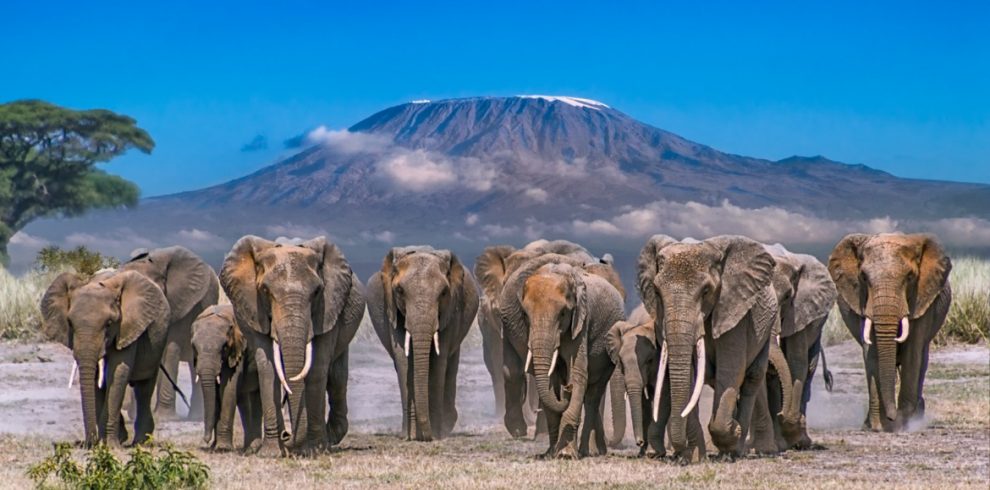
National park fees form an important part of safari pricing.
For international visitors, conservation charges can represent a significant portion of the daily budget, particularly when spending several days inside premium wildlife areas.
Kenya Wildlife Service currently lists Amboseli National Park at USD 90 per non-resident adult, with USD 45 for a non-resident child.
Lake Nakuru also falls within KWS’s premium park pricing structure.
Visitors should remember that government park fees can change. For this reason, a safari quotation prepared for travel many months in the future may need to account for possible conservation-fee adjustments.
Always ask whether park fees are included in the quoted safari price.
A package that appears cheaper because fees are excluded can ultimately cost more than an initially higher all-inclusive quotation.
Why Park Fees Matter
National parks require significant resources to operate.
Rangers, conservation programs, roads, visitor facilities and wildlife protection all depend partly on tourism revenue.
For this reason, conservation fees should be treated as a core safari expense rather than an optional extra.
Travelers occasionally find extremely cheap Kenya safari packages online and wonder how operators can offer them.
Sometimes the explanation is simple: conservation fees are not included.
Before comparing prices, check whether each quotation covers exactly the same services.
Masai Mara Safari Cost
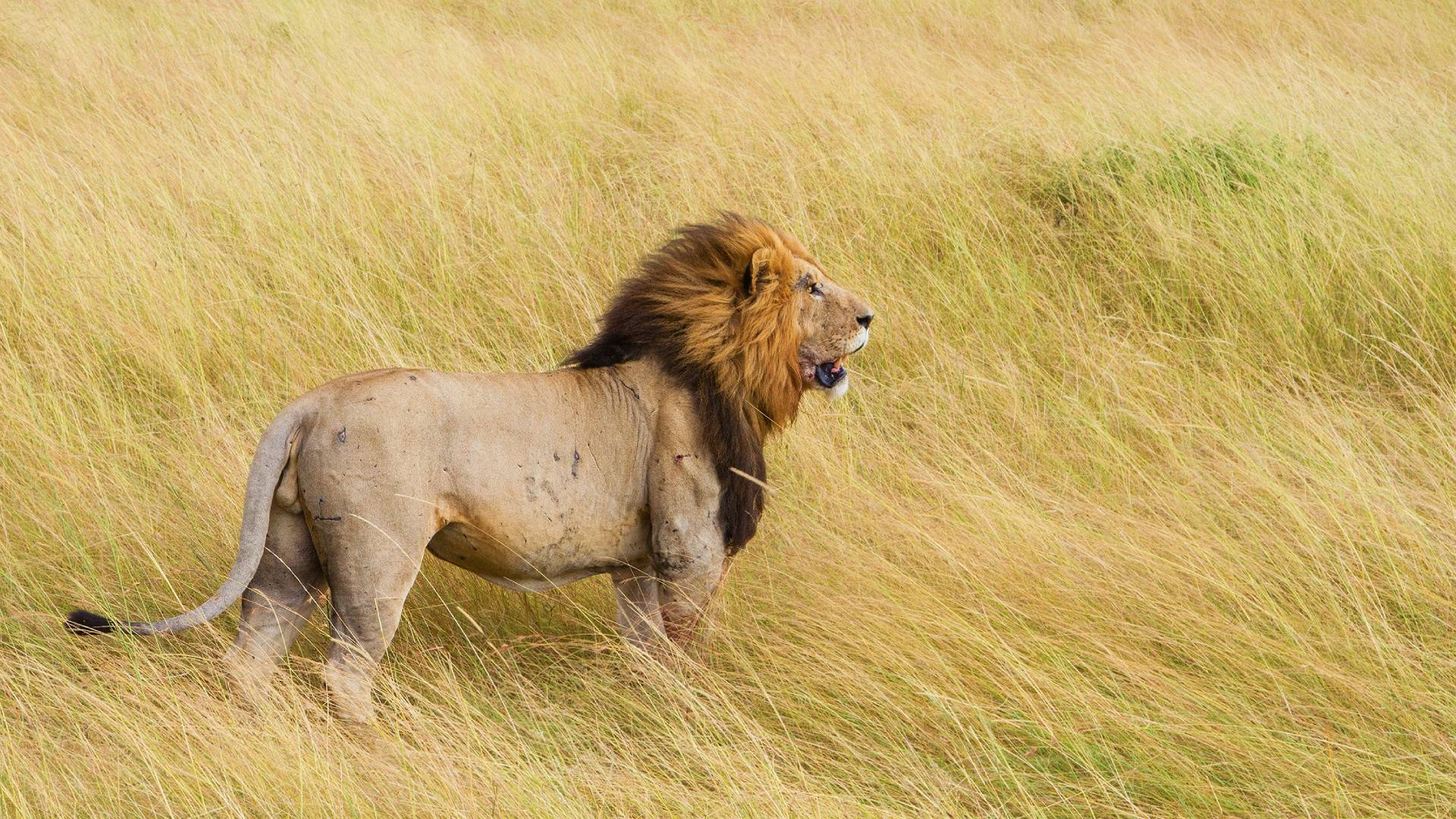
The Masai Mara is one of Kenya’s best-known wildlife destinations and often represents the largest expense in a classic Kenya safari.
Accommodation ranges from straightforward tented camps to some of Africa’s most prestigious safari properties.
The final Masai Mara safari cost depends on season, location, transport, accommodation category and whether travelers stay within the main reserve or surrounding conservancies.
Road safaris from Nairobi are generally more affordable than flying.
Travelers using a group departure can reduce costs further because transportation is shared.
Private midrange safaris offer greater flexibility and are popular with couples and families.
Luxury travelers may choose fly-in camps and private conservancies, where prices can rise considerably.
The Mara is particularly busy during the period associated with the Great Migration, and accommodation demand can drive prices higher.
Visitors planning July, August, September or October should generally book earlier than travelers visiting during quieter months.
Kenya Safari Cost During the Great Migration
The Great Migration is one of the most famous natural wildlife movements on earth.
Large numbers of wildebeest and zebra move through the Serengeti-Mara ecosystem as part of a continuous annual cycle determined by rainfall and grazing conditions.
When herds reach the wider Masai Mara ecosystem, traveler demand rises dramatically.
Popular camps can sell out months in advance.
Because wildlife movement is natural, nobody can guarantee a river crossing on a particular date. Nevertheless, many travelers choose July through October in hopes of witnessing dramatic migration activity.
This demand increases accommodation costs.
Travelers whose main goal is seeing Kenya’s general wildlife rather than a particular migration event can often save substantial money by traveling in other months.
The Masai Mara remains rich in wildlife throughout the year.
Resident lions, elephants, giraffes, buffaloes, hippos, antelopes and other species do not disappear when the migrating herds move elsewhere.
This makes the Mara an excellent year-round destination.
Amboseli Safari Cost
Amboseli National Park is one of Kenya’s classic safari destinations.
It is particularly famous for large elephant herds and spectacular views toward Mount Kilimanjaro when weather conditions are clear.
The park works well in both short and extended itineraries because it can be reached by road from Nairobi.
As noted above, KWS currently lists the non-resident adult conservation fee for Amboseli at USD 90.
Visitors also need to budget for accommodation, transportation, guiding and meals.
Properties range from modest camps outside the park to luxury lodges and tented camps in prime locations.
Two nights normally provide a much better experience than attempting an extremely rushed visit.
One afternoon and one full day allow guests to experience wildlife during different periods of activity and provide more opportunities to see Kilimanjaro if clouds obscure the mountain initially.
Lake Nakuru Safari Cost
Lake Nakuru National Park is often incorporated into routes between Nairobi and the Masai Mara.
Its relatively compact size allows visitors to explore a substantial portion of the park without driving enormous distances.
The destination is well known for birdlife and rhino conservation.
Accommodation around Nakuru is available across several price levels, allowing the destination to work within both budget and midrange itineraries.
A typical itinerary spends one night around Lake Nakuru before continuing toward the Mara.
Travelers who have more time may stay longer and combine the area with nearby Lake Naivasha.
Samburu Safari Cost
Samburu offers a striking contrast to southern Kenya’s better-known safari destinations.
The landscape is drier and more rugged, with dramatic mountains, riverine habitats and wildlife adapted to northern Kenya.
Visitors may encounter species such as Grevy’s zebra, reticulated giraffe, gerenuk and Somali ostrich in addition to elephants, lions and leopards.
Samburu is farther from Nairobi than several southern parks, so transportation can add to the cost.
Travelers can reach the area by road or scheduled flight.
Road travel keeps costs lower but requires more time.
Flying is faster and works especially well for luxury safari itineraries.
Because Samburu offers such a different ecosystem, it can be worth adding when travelers have seven to ten days or more.
Tsavo Safari Cost
Tsavo East and Tsavo West together form one of Kenya’s largest wilderness regions.
The landscape differs greatly from the Masai Mara, with red soil, volcanic formations, dramatic hills and huge stretches of relatively wild country.
Tsavo works particularly well for travelers combining safari with a beach holiday in Mombasa, Diani, Watamu or another coastal destination.
Instead of returning to Nairobi after safari, visitors can continue toward the Indian Ocean.
This creates an efficient safari-and-beach itinerary.
Accommodation ranges from simple camps to beautiful luxury properties.
Because distances within the Tsavo ecosystem are large, travelers should avoid rushing the experience.
Several nights provide much better value than constantly transferring between destinations.
Nairobi National Park Safari Cost
Nairobi National Park offers one of Africa’s most unusual wildlife experiences.
Visitors can encounter wild animals with Nairobi’s skyline sometimes visible in the distance.
KWS currently lists the non-resident adult conservation fee at USD 80.
Because the park sits beside Kenya’s capital, travelers do not necessarily need overnight safari accommodation.
Someone with a long layover or one free day in Nairobi can arrange a morning or full-day game drive and return to the city afterward.
This makes Nairobi National Park particularly useful for travelers with limited time.
It can also serve as an introduction before a longer safari begins.
Kenya Safari Cost by Number of Days
Trip duration obviously affects total price, but longer safaris are not always proportionally more expensive.
Some costs remain fixed whether a traveler spends three days or ten days in Kenya.
Airport transfers, for example, do not multiply simply because the itinerary becomes longer.
Vehicle expenses continue daily, but longer trips also allow operators to design more efficient routes.
A short safari may therefore have a surprisingly high daily average.
3-Day Kenya Safari Cost Per Day
Three days is enough for a short introduction to Kenya’s wildlife.
One of the most popular options is a road safari from Nairobi to the Masai Mara.
The first day typically involves significant driving followed by an afternoon game drive.
The second day offers the main wildlife experience.
The final day often begins with an early activity before returning toward Nairobi.
Although three days sounds inexpensive, transport costs are spread across a very short itinerary.
As a result, the Kenya Safari Cost Per Day can remain relatively high.
Budget group departures provide the best value for short trips.
Travelers seeking a private experience should consider whether adding an additional night would produce better value, particularly because so much time is otherwise spent driving.
5-Day Kenya Safari Cost Per Day
Five days provide much more flexibility.
Travelers can combine two destinations without making the itinerary excessively rushed.
A popular route might include Lake Nakuru and the Masai Mara.
Another option combines Amboseli with Tsavo.
A comfortable midrange safari costing approximately USD 300 to USD 500 per person per day would create an initial planning budget of around USD 1,500 to USD 2,500 per person.
Peak-season pricing, private vehicles, premium camps and domestic flights can push the total higher.
For many travelers, five days represents a good compromise between available vacation time and meaningful safari experience.
7-Day Kenya Safari Cost Per Day
Seven days is one of the strongest durations for a first Kenya safari.
A week allows travelers to experience several different ecosystems without spending every day moving.
An itinerary could begin in Amboseli, continue through the Great Rift Valley and finish in the Masai Mara.
Another route could explore Samburu, Ol Pejeta and the Mara.
With seven days available, visitors can spend at least two nights in major destinations.
This dramatically improves game viewing because wildlife is unpredictable.
A comfortable private midrange safari might require a planning budget of approximately USD 2,100 to USD 4,200 per person depending on season and accommodation.
Budget group safaris can cost less, while luxury itineraries may cost several times more.
10-Day Kenya Safari Cost Per Day
Ten days provide enough time for a deeper exploration of Kenya.
Instead of simply checking famous destinations off a list, travelers can slow down.
Three nights in the Masai Mara, two nights in Amboseli and multiple nights elsewhere create a much richer wildlife experience than constantly changing hotels.
A midrange ten-day safari might broadly require USD 3,000 to USD 6,000 per person depending on itinerary.
Travelers can also use the additional time to visit northern Kenya or include a beach extension.
Ten days are particularly suitable for photographers, wildlife enthusiasts and travelers making their first major journey to East Africa.
14-Day Kenya Safari Cost
Two weeks allow Kenya to be explored at a genuinely relaxed pace.
Travelers can combine major parks, private conservancies and coastal relaxation without rushing.
A longer itinerary could include Samburu, Ol Pejeta, Lake Nakuru, Masai Mara, Amboseli and the coast.
However, more destinations are not automatically better.
Even with fourteen days, travelers should avoid changing accommodation every night.
Safari quality depends heavily on time spent observing wildlife.
Staying three nights in one strong wildlife area often produces better experiences than staying one night each in three separate parks.
Accommodation and Kenya Safari Cost Per Day
Accommodation has one of the biggest influences on the Kenya Safari Cost Per Day.
Kenya’s safari lodging ranges from public campsites and simple guesthouses to private tented suites costing thousands of dollars per night.
Budget camps focus on essentials.
Rooms or permanent tents may be simple, but travelers still have access to comfortable sleeping arrangements, meals and proximity to safari destinations.
Midrange properties add greater comfort.
Guests can expect private bathrooms, comfortable beds, restaurant service and often facilities such as swimming pools, bars and landscaped grounds.
Luxury properties emphasize location, privacy and service.
A luxury safari tent is very different from an ordinary camping tent.
It may include a king-size bed, full bathroom, lounge area, electricity, elegant furniture and a large private veranda.
Some suites also include private plunge pools.
The word “tent” should therefore never automatically be associated with budget travel in East Africa.
Staying Inside or Outside National Parks
Location can change both safari price and safari quality.
Accommodation outside a park is often cheaper.
However, travelers may need to drive to the entrance gate every morning before wildlife viewing begins.
That can mean waking earlier and losing valuable safari time.
Properties inside a reserve or extremely close to prime wildlife areas generally cost more, but guests can often begin game drives much sooner.
When comparing two hotels, therefore, do not look only at photographs and star ratings.
Check the actual location.
A beautifully decorated lodge situated far from your preferred wildlife area may provide less value than a simpler camp located where you want to explore.
Road Safari Versus Fly-In Safari Cost
Road transportation remains one of the most popular ways to explore Kenya.
Guests leave Nairobi in a safari vehicle and travel from park to park.
The same driver-guide can remain with the group for the entire journey.
This provides continuity and usually costs less than flying.
Road safaris also allow travelers to see Kenya beyond the national parks.
Small towns, highlands, farmland and rural landscapes become part of the journey.
The disadvantage is time.
Kenya is a large country, and certain road transfers can take several hours.
Fly-in safaris solve this problem.
Scheduled light aircraft connect Nairobi with major safari regions, allowing guests to land close to their camps.
A journey that might occupy most of the morning by road can sometimes be completed much faster by air.
Flights increase the cost but can make sense for travelers with limited vacation time.
Luxury safaris frequently use a combination of scheduled flights and lodge vehicles.
Safari Van Versus 4×4 Land Cruiser Cost
The type of safari vehicle affects pricing.
Safari vans are commonly used on budget and some midrange trips.
They are less expensive to operate and can work well on many established Kenya safari routes.
Customized 4×4 Land Cruisers are normally more expensive.
However, they provide stronger performance on rough roads, muddy tracks and challenging terrain.
For serious safari travel, particularly during wet periods, four-wheel-drive capability can be extremely valuable.
Land Cruisers are also popular with photographers because their design can provide good visibility and camera support.
Vehicle type is not the only factor to consider, though.
Ask how many guests will be inside.
A Land Cruiser carrying seven passengers may feel less comfortable than a safari van carrying only four.
Space matters during long game drives.
Private Kenya Safari Cost
A private safari means the vehicle, driver-guide and daily schedule are dedicated to your booking.
This is more expensive than joining strangers, but the difference in experience can be significant.
Private safaris allow travelers to decide when to leave the lodge, how long to remain at sightings and when to take breaks.
Photographers particularly benefit from this freedom.
Imagine encountering a leopard just before sunset.
A private vehicle can often remain while the animal is active, subject to park rules and closing times.
A group departure might need to move because several passengers have different priorities.
Couples, honeymooners, families, photographers and travelers celebrating special occasions commonly prefer private safaris for exactly this reason.
Group Kenya Safari Cost
Group safaris provide one of the best ways to reduce costs.
Several guests join the same departure and share the safari vehicle.
The guide, fuel and transportation expenses are spread across the group.
This can make major destinations accessible to travelers who would otherwise find a private safari too expensive.
The trade-off is flexibility.
Departure times must work for everybody.
Game-drive decisions also need to accommodate several preferences.
For travelers focused mainly on seeing Kenya’s wildlife while keeping costs low, however, group departures can provide excellent value.
Kenya Safari Cost During Peak Season
Peak season is normally the most expensive time to visit Kenya.
The Masai Mara receives especially strong demand during the Great Migration period.
High-quality camps may sell out far in advance.
When cheaper accommodation disappears, travelers booking late may have no option except more expensive properties.
Christmas and New Year can also create strong demand.
Families planning to travel during school holidays should book particularly early.
Peak-season prices do not necessarily mean wildlife viewing will always be better.
They reflect demand as much as safari quality.
Travelers whose schedules are flexible may find excellent wildlife and substantially better prices outside the busiest months.
Kenya Safari Cost During Low Season
Low and green seasons can offer some of the best safari value in Kenya.
Accommodation demand decreases, and some lodges introduce lower seasonal rates.
Wildlife remains present, while landscapes often become greener and more dramatic.
There may also be fewer safari vehicles around popular sightings.
Rain is the main consideration.
Roads can become more difficult, particularly in remote areas.
However, rain does not necessarily mean continuous bad weather throughout the entire trip.
Photographers sometimes deliberately choose green-season travel because fresh vegetation, dramatic skies and young animals produce beautiful images.
For travelers who care about value more than migration-season dates, changing the month of travel can save more money than downgrading every hotel.
Kenya Safari Cost for Honeymoons
Kenya works extremely well for honeymoons because wildlife and beach experiences can be combined in a single trip.
Couples might spend several nights in the Masai Mara before flying to Kenya’s Indian Ocean coast.
Diani Beach, Watamu and other coastal destinations provide a completely different atmosphere after safari.
Honeymoon travelers often spend more on accommodation because privacy and atmosphere become important.
A strong midrange-to-luxury honeymoon safari might begin around USD 400 to USD 800 per person per day during the safari section.
Higher-end camps can push the rate well above this.
Instead of trying to visit every national park, honeymooners often receive better value by choosing two exceptional destinations and spending several nights in each.
Kenya Safari Cost for Photographers
Photography safaris require a different budgeting approach.
A private vehicle may matter more than luxury accommodation.
Serious photographers often travel with multiple cameras, long lenses and support equipment.
They need space.
Sharing a vehicle with six other guests can make positioning difficult.
Photographers also tend to remain at wildlife sightings longer.
While an ordinary safari group may watch a lion for twenty minutes and move on, a photographer may stay for hours waiting for interaction, hunting behavior or better light.
For this reason, allocating additional budget to a private vehicle and experienced guide can produce far greater value than upgrading the hotel.
Excellent safari photography depends heavily on time and patience.
Kenya Safari Cost for Senior Travelers
Senior travelers can enjoy Kenya comfortably, but itinerary design becomes especially important.
Long road transfers can be tiring.
Instead of moving between parks every day, senior guests often benefit from spending several nights in fewer destinations.
Domestic flights may also be worth the extra cost.
A one-hour flight can replace a long day on the road and leave more energy for game viewing.
Travelers with limited mobility should discuss their requirements before booking.
Ask about steps, vehicle access, distance between rooms and restaurants, and whether accommodation has suitable facilities.
A slightly more expensive itinerary designed around comfort can provide far better value than a cheaper but exhausting schedule.
Kenya Safari and Beach Holiday Cost
Combining safari and beach is one of Kenya’s greatest advantages.
A traveler can spend a week viewing wildlife and then relax for several days on the Indian Ocean.
Safari days usually cost more because they include specialized transport, professional guiding and conservation fees.
Beach days can be considerably cheaper, particularly when travelers choose comfortable midrange resorts.
This creates an opportunity to balance the total vacation budget.
For example, guests might invest more heavily in three or four excellent safari nights, then use moderately priced coastal accommodation afterward.
Domestic flights make these combinations particularly convenient.
Kenya and Tanzania Safari Cost
Kenya and Tanzania are frequently combined because the two countries contain some of Africa’s most famous wildlife destinations.
A cross-border itinerary might include the Masai Mara, Serengeti, Ngorongoro Crater and other parks.
However, two-country itineraries generally cost more.
Different park systems, border arrangements and transportation logistics increase expenses.
Travelers may also need to change vehicles or guides depending on the route.
For guests with only six or seven safari days, focusing on either Kenya or Tanzania can produce a more relaxed experience.
With ten days or more, combining the two becomes considerably more practical.
Kenya Safari and Rwanda Gorilla Trekking Cost
Travelers seeking a more diverse East African adventure can combine Kenya’s savannah wildlife with mountain gorilla trekking in Rwanda.
The experiences complement each other beautifully.
Kenya provides open plains, big cats, elephants, giraffes, rhinos and classic game drives.
Rwanda provides intimate encounters with mountain gorillas in the forests of Volcanoes National Park.
Visitors can complete a Kenya safari, fly from Nairobi to Kigali and continue north toward the gorilla trekking region.
This combination costs more than a Kenya-only safari because gorilla permits and additional transportation must be included.
However, travelers making a major journey to East Africa may find it worthwhile to combine the destinations into one trip rather than flying from another continent twice.
Universal Ventures Rwanda can assist travelers planning Kenya and Rwanda combination safaris as well as customized journeys throughout the region.
Hidden Costs When Calculating Kenya Safari Cost Per Day
A good safari quotation should make costs clear before the traveler makes payment.
Nevertheless, certain expenses are sometimes overlooked.
Park fees are the first.
Always confirm whether conservation charges are included.
Single-room supplements are another important expense, particularly for solo travelers.
Optional activities can also increase the total.
Hot-air balloon safaris, cultural experiences, premium drinks, private dinners, spa treatments and similar services may not be part of the original package.
Tips for guides and lodge staff are normally discretionary and therefore not included.
International airfare is also usually separate.
Travel insurance should be budgeted independently.
Some payment methods may involve bank or card-processing charges as well.
The best way to avoid surprises is to request a complete inclusion and exclusion list before confirming the safari.
Is a Cheap Kenya Safari Worth Booking?
A cheap Kenya safari can provide excellent wildlife experiences.
Animals do not care whether you paid USD 200 or USD 1,500 per day.
A lion sighting is not automatically better because somebody sleeps in an expensive lodge afterward.
However, travelers should distinguish good-value budget travel from unrealistic pricing.
Saving money by using simpler accommodation makes sense.
Sharing a safari vehicle makes sense.
Traveling during a quieter season also makes sense.
Saving money by reducing park time, using unreliable vehicles or creating excessively rushed itineraries does not.
The goal should not be to book the cheapest safari possible.
The goal should be to obtain the strongest safari experience your budget can comfortably support.
How to Reduce Kenya Safari Cost Per Day
There are several intelligent ways to reduce Kenya Safari Cost Per Day without damaging the overall experience.
Traveling outside the busiest months can make a significant difference.
Accommodation becomes more affordable, and visitors often encounter fewer safari vehicles.
Sharing transportation is another effective strategy.
Two couples or a small group of friends can arrange a private safari together and divide the vehicle cost.
Road transportation is generally less expensive than domestic flights.
Visitors can also reduce expenses by selecting fewer parks.
Every long transfer requires fuel and time.
Spending three nights in two carefully selected destinations may cost less and deliver better wildlife viewing than racing through four different parks.
Accommodation is another area where smart choices matter.
A comfortable midrange lodge in a good location can provide much better safari value than an expensive luxury property far from the best wildlife areas.
Finally, provide your tour operator with a realistic budget.
An experienced safari planner can determine where money should be spent and where costs can be reduced.
When Spending More on a Kenya Safari Is Worth It
Some upgrades genuinely improve the safari.
A private vehicle is often one of them.
For photographers, families and travelers with specific wildlife interests, schedule flexibility can transform the experience.
Location is another area where spending more may be worthwhile.
Accommodation near prime wildlife areas can increase actual game-viewing time.
A highly experienced guide can also be worth a higher price.
Good guides understand animal behavior, tracks, habitats and seasonal movement.
They know when to remain patient at a sighting and when to search elsewhere.
Domestic flights may also justify the additional cost when vacation time is limited.
On the other hand, travelers who spend almost the entire day outside their room may receive little practical benefit from upgrading to an enormous private suite.
Spend money where it improves your safari experience rather than where it simply increases the star rating.
How Far in Advance Should You Book a Kenya Safari?
Booking early gives travelers more choices.
For ordinary periods, several months may be sufficient.
For the Masai Mara during peak Migration months, Christmas, New Year and highly sought-after luxury camps, earlier reservations are strongly advisable.
Large groups should also book well ahead.
Finding one room is relatively easy.
Finding eight rooms at the same lodge during peak season can be considerably more difficult.
Families requiring interconnected rooms or specific configurations face similar challenges.
Last-minute Kenya safaris are certainly possible, but travelers may need to accept whichever lodges remain available.
Booking earlier gives you more control over both location and price.
How to Compare Kenya Safari Prices Properly
Never compare safari packages using the final price alone.
Begin with accommodation.
Are the lodges actually comparable?
One package might use camps outside the reserve while another includes prime accommodation in a better location.
Next, compare vehicles.
Is transportation private or shared?
Is the trip operated using a safari van or 4×4 Land Cruiser?
Check park fees carefully.
An apparently expensive quotation that includes every conservation charge may ultimately cost less than a cheap advertisement where fees must be added later.
Compare meals as well.
Full board can make a substantial difference on a week-long safari.
Airport transfers should also be checked.
Finally, compare game-drive arrangements.
A safari should be judged by the amount and quality of wildlife time it provides, not simply by the number of hotel nights.
Sample 3-Day Kenya Safari Budget
A three-day Masai Mara safari normally begins with departure from Nairobi.
Guests travel toward the reserve and usually enjoy their first wildlife experience after arrival.
The second day provides the strongest game-viewing opportunity because travelers have the entire day available.
The final morning may include another drive before departure toward Nairobi.
Budget group departures can sometimes fall around USD 200 to USD 300 per person per day depending on season and inclusions.
Private arrangements are more expensive.
Although three days can work for travelers with limited time, four days often provide better value because the substantial Nairobi-Mara transfer is spread over a longer experience.
Sample 5-Day Kenya Safari Budget
Five days allow travelers to combine two destinations effectively.
A route might begin at Lake Nakuru before continuing toward the Masai Mara.
Another option might combine Amboseli and Tsavo.
A midrange safari could require an initial budget of roughly USD 1,500 to USD 3,000 per person depending on season, accommodation and whether the vehicle is private.
Luxury camps can increase the total considerably.
The advantage of five days is that travelers begin to experience safari at a more relaxed pace.
Sample 7-Day Kenya Safari Budget
Seven days work extremely well for a first safari.
A classic itinerary might combine Amboseli, Lake Naivasha or Lake Nakuru and the Masai Mara.
Each destination offers different landscapes and wildlife.
For a comfortable private safari, travelers might begin planning around USD 2,100 to USD 4,200 per person.
This figure can be lower for group arrangements and much higher for luxury travel.
The strongest seven-day itineraries avoid unnecessary hotel changes and dedicate at least two nights to important wildlife areas.
Sample 10-Day Kenya Safari Budget
Ten days allow greater depth.
Travelers can explore northern or southern Kenya without turning the holiday into a continuous road trip.
A midrange 10-day itinerary might broadly cost around USD 3,000 to USD 6,000 per person depending on season and accommodation.
Luxury travel can exceed this range significantly.
Longer safaris also make it easier to include specialist activities, conservancies or slower photography-focused days.
For visitors traveling to Africa from North America, Europe, Asia or Australia, spending additional days can make sense because long-haul airfare represents a substantial investment.
Why Kenya Safari Quotes Change
Travelers sometimes see one price online and receive a different figure after making an inquiry.
There are several reasons.
Published safari rates frequently begin with the word “from.”
The advertised figure may assume low-season travel, two people sharing a room and several guests sharing a vehicle.
Changing any of those conditions changes the calculation.
Travel dates may fall into a higher accommodation season.
A solo guest requires a single room.
A couple requesting private transportation will divide vehicle expenses between only two travelers.
Hotel availability also affects pricing.
If the property used for the advertised package is already full, the operator may need to use another lodge with a different rate.
This is why an exact safari quotation requires exact dates, traveler numbers and room arrangements.
Why Larger Groups Can Pay Less Per Person
Groups often benefit from safari economics.
Consider the vehicle.
The cost of operating a private Land Cruiser does not necessarily double because four people sit inside instead of two.
When more guests share the vehicle, each person contributes a smaller portion toward transportation.
Accommodation and park fees remain individual, but the reduction in transport costs can still be substantial.
This makes small-group private safari travel an excellent option for extended families and groups of friends.
A party of four to six travelers can often achieve an impressive balance between privacy and price.
Is Kenya Expensive for Safari?
Kenya can be expensive, but it is also one of Africa’s most flexible safari destinations.
Travelers can choose simple group camping safaris, comfortable private tours or ultra-luxury fly-in experiences.
Safari prices initially appear high because they bundle several expensive services together.
Imagine calculating the cost of an ordinary holiday.
You would need a hotel room, meals, rental vehicle, fuel, professional guide, attraction entrance fees and daily activities.
On safari, many of these expenses are combined into one package.
Therefore, comparing a USD 350 safari day with a USD 120 hotel room is not meaningful.
The better question is what the USD 350 includes.
Is Kenya Safari Cheaper Than Tanzania?
Neither destination is automatically cheaper.
Both Kenya and Tanzania offer budget, midrange and luxury safaris.
Prices depend on parks, season, accommodation and itinerary.
Kenya benefits from a very developed network of road safaris and group departures.
Tanzania has different conservation-fee structures and enormous safari areas such as Serengeti and Ngorongoro.
Rather than choosing a destination based on a general statement about price, compare two actual itineraries for the same number of days and similar accommodation.
Wildlife interests should also influence the decision.
How Much Spending Money Should You Carry?
Travelers with fully inclusive safari packages generally do not need large amounts of daily spending money.
Accommodation, meals, transport and game drives may already be paid.
Additional expenses normally involve drinks, souvenirs, tips and optional activities.
Premium camps may include selected drinks, while budget and midrange lodges often charge separately.
Travelers should carry some appropriate cash while also using cards where accepted.
Ask your safari company which expenses will need to be settled locally.
That makes budgeting much easier.
What Currency Are Kenya Safaris Priced In?
Many Kenya safari companies quote international travelers in US dollars.
Safari camps and tourism services frequently publish non-resident rates in USD.
Local purchases are commonly made in Kenyan shillings.
Exchange rates move constantly.
For this reason, travelers comparing prices in euros, pounds or other currencies should check the exchange rate close to the time of payment rather than relying on an old conversion.
Banks and credit-card companies may also charge international transaction fees.
How Many Days Are Best for a Kenya Safari?
Three days provide a short introduction.
Five days allow one or two major wildlife destinations.
Seven days are excellent for a classic Kenya safari.
Ten days offer a deeper and more relaxed experience.
Two weeks allow travelers to combine different regions or add a beach holiday.
For most first-time travelers, seven to ten days provides a strong balance.
The itinerary should still avoid excessive movement.
Wildlife cannot be scheduled.
Spending additional time in fewer parks increases your chances of seeing interesting behavior.
Best Time to Visit Kenya for Safari Value
There is no single month that suits every traveler.
Visitors primarily interested in migration activity may prioritize July through October.
Travelers seeking lower prices and fewer vehicles can consider quieter periods.
Green seasons provide beautiful landscapes and interesting photography.
Families often need to travel around school calendars.
The best time therefore depends on priorities.
If keeping the Kenya Safari Cost Per Day under control is the main objective, avoiding the most expensive peak periods can make a major difference.
Travelers with flexible dates should request quotations for two or three different periods.
The savings can be substantial.
Booking a Kenya Safari From Nairobi
Nairobi is Kenya’s principal gateway and the starting point for many safaris.
International flights generally arrive at Jomo Kenyatta International Airport.
Many small domestic safari flights depart from Wilson Airport.
Road safaris can collect guests from Nairobi hotels or airports and continue toward national parks.
Travelers arriving after a long international flight may benefit from spending one night in Nairobi before starting safari.
Although this adds a hotel night, it makes the first safari day far more comfortable.
Landing after an overnight flight and immediately driving for several hours can be exhausting.
Kenya Safari From Mombasa or Diani Beach
Travelers already staying on Kenya’s coast can organize safari departures without returning to Nairobi.
Tsavo East and Tsavo West are particularly practical from the coast.
Longer itineraries can also include Amboseli.
This works well for travelers who want to begin with a beach holiday and finish with safari, or do the reverse.
The route can be structured so that travel between the coast and Nairobi becomes part of the safari rather than simply a transfer.
This can save both time and unnecessary flights.
Are Kenya Safari Packages All-Inclusive?
The word “all-inclusive” should always be examined carefully.
In safari travel it may mean accommodation, meals, game drives, transport, guide services and park fees.
However, another operator may use the term while excluding premium drinks, optional activities or certain conservation charges.
Never rely on the label alone.
Request written inclusions.
A clear quotation should explain exactly which accommodation, meals, park fees, vehicles, transfers and activities are covered.
It should also state what remains payable by the traveler.
Questions to Ask Before Booking
Before confirming any safari, make sure you understand the itinerary completely.
Ask which accommodation is confirmed and where it is located.
Confirm whether game drives are private or shared.
Request the maximum number of passengers expected in your vehicle.
Check whether park entrance fees are included.
Confirm the vehicle type.
Ask whether meals and drinking water are provided.
Review cancellation and payment conditions carefully.
Good safari planning should remove uncertainty before the journey begins.
Kenya Safari Cost Per Day: Final Advice
The Kenya Safari Cost Per Day can vary from around USD 200 per person for a straightforward group experience to well above USD 1,000 per person for luxury travel. Exclusive private arrangements can cost considerably more.
The price depends on travel season, number of travelers, accommodation, national parks, transportation and desired level of privacy.
Budget travelers should focus on group departures, carefully selected accommodation and favorable travel seasons.
Couples looking for privacy can obtain excellent value from midrange private safaris.
Families can reduce per-person costs by sharing the same safari vehicle.
Luxury travelers should prioritize excellent locations, strong guiding and efficient transportation instead of selecting accommodation based on appearance alone.
Most importantly, do not select your safari solely because it has the lowest advertised price.
Look at what is actually included.
A USD 350 safari including a private 4×4 vehicle, professional guide, meals, accommodation and conservation fees may represent considerably better value than a USD 250 package requiring several large additional payments.
Safari is ultimately about time in nature.
A knowledgeable guide, well-designed route and enough time in the parks can matter far more than expensive furniture inside your room.
Frequently Asked Questions About Kenya Safari Cost Per Day
How much does a Kenya safari cost per day?
A budget Kenya safari commonly begins around USD 200 per person per day for group travel. Midrange trips often start around USD 300, while luxury safaris commonly begin around USD 550 to USD 650 per person per day and can rise above USD 1,000. Current SafariBookings pricing benchmarks support these broad ranges.
What is the cheapest Kenya safari?
Simple shared camping and budget lodge safaris normally provide the lowest prices. Some basic departures begin around USD 150 to USD 200 per person per day, although inclusions vary.
How much is a 7-day Kenya safari?
A comfortable midrange seven-day safari can broadly cost between approximately USD 2,100 and USD 4,200 per person. Group budget safaris may cost less, while luxury trips can cost considerably more.
How much is a luxury Kenya safari?
Luxury trips commonly begin from approximately USD 550 to USD 650 per person per day. Premium accommodation, private conservancies, domestic flights and exclusive services can push prices beyond USD 1,000 per person per day.
Is Kenya expensive for tourists?
Kenya can accommodate many different travel budgets. Safari days are usually more expensive than normal city travel because accommodation, transportation, guiding, game drives and conservation fees are often combined.
Are national park fees included?
They may or may not be included. Always check the safari quotation before booking.
Is a private safari better than a group safari?
Private safaris offer more flexibility, while group safaris cost less. The better choice depends on budget and travel style.
How can I reduce Kenya Safari Cost Per Day?
Travel outside the most expensive periods, share transportation, use road transfers, choose comfortable midrange accommodation and avoid visiting too many parks in a short itinerary.
How much does an Amboseli safari cost?
The total depends on accommodation and transportation. Kenya Wildlife Service currently lists the non-resident adult conservation fee for Amboseli at USD 90 before accommodation, transport and guiding are added.
Is Kenya good for first-time safari travelers?
Yes. Kenya has extensive tourism infrastructure, experienced guides and a wide variety of national parks, accommodation and safari styles. It remains one of Africa’s most established wildlife destinations.
How much does a Kenya safari cost for two people?
A private midrange safari for two people can broadly cost around USD 300 to USD 600 per person per day depending on season, accommodation and route.
Is a 3-day Kenya safari enough?
Three days provide a useful introduction, particularly in the Masai Mara or Amboseli. However, five to seven days provide a more relaxed experience.
What is the ideal Kenya safari length?
Seven to ten days works particularly well for first-time visitors because it allows several ecosystems to be explored without excessive driving.
Are Kenya safari prices per person or per vehicle?
Packages are usually quoted per person, but part of the total comes from shared vehicle and guide expenses. This is why the per-person cost normally decreases as group size increases.
Is Kenya cheaper outside the Great Migration season?
It can be considerably cheaper because accommodation demand is lower during certain periods. Exact seasonal pricing varies between properties.
Plan Your Kenya and East Africa Safari With Universal Ventures Rwanda
Understanding Kenya Safari Cost Per Day is the first step toward building the right East African holiday. The cheapest safari is not always the best value, and the most expensive safari is not automatically the best experience.
A well-designed journey should match your available budget with the right destinations, accommodation, vehicle, guiding and number of safari days.
Universal Ventures Rwanda can help arrange customized East African safari experiences, including Kenya wildlife safaris and combination journeys linking Kenya with Rwanda.
Travelers can combine the Masai Mara, Amboseli or other Kenyan wildlife destinations with mountain gorilla trekking in Volcanoes National Park, Akagera National Park, Lake Kivu, Nyungwe National Park and other Rwanda experiences.
Whether you are planning a private couple’s safari, family holiday, honeymoon, small-group adventure, luxury East African safari or Kenya and Rwanda combination, the itinerary can be customized around your preferred travel dates, comfort level and budget.
Universal Ventures Rwanda
Email: info@universalventuresrwanda.com
Telephone / WhatsApp: +250 781 441 853
Address: KK 15 Road, opposite IPRC Main Entrance, BGRD Building, Kigali, Rwanda
Website: universalventuresrwanda.com