 Skip to content
This Kenya Safari Transport Guide explains the complete transport picture. It covers Kenya safari vehicles, private 4×4 Land Cruisers, safari vans, airport transfers, road conditions, domestic bush flights, safari airstrips, road travel times, luggage restrictions, game-drive vehicles, family transport, photography vehicles, self-drive travel and connections between Kenya and neighboring East African countries
A Kenya safari begins long before the first lion appears beside your vehicle. It starts at the airport, continues along highways, crosses the Great Rift Valley, follows dusty tracks into national parks and may eventually end beside the Indian Ocean. Every stage depends on transportation, yet safari travelers often spend more time comparing lodges than thinking about how they will actually move between them.
Good safari transport does more than move you from Nairobi to a national park. Your vehicle becomes your observation platform for lions, elephants, giraffes, cheetahs and countless other animals. Your driver often becomes your safari guide. Route planning determines whether you spend the afternoon watching wildlife or sitting on a highway. A well-positioned airstrip can save hours, while choosing accommodation in the wrong part of a large reserve can add unnecessary driving to every game drive.
Kenya offers unusually flexible safari transportation. Travelers can complete an entire itinerary by private road safari, fly between remote wildlife regions, use the train for selected coastal connections or combine driving and flying into one carefully planned journey.
The best choice depends on where you want to go, how long you have, your budget and how much comfort you expect.
Kenya Safari Transport Guide: Why Transportation Can Shape Your Entire Safari
Accommodation receives much of the attention when people plan Kenya safari tours. However, travelers often spend six, eight or even ten hours inside a safari vehicle on active wildlife days. Vehicle quality therefore affects comfort almost as much as the lodge.
The right safari vehicle gives every traveler room to watch wildlife. A pop-up roof opens the landscape above you. Large windows create clear photography angles. Good suspension makes rough tracks easier on the body. Reliable four-wheel drive helps the guide handle mud, sand and heavily rutted roads.
Route planning matters just as much. A beautiful lodge loses some of its appeal when every game drive requires an hour-long transfer to the wildlife area you actually want to explore.
An experienced safari planner looks at the complete geography before selecting accommodation. Which gate will you use? Which airstrip serves the lodge? How far is the camp from the main game-viewing areas? Will you drive or fly to the next destination? How much daylight will remain after the transfer?
Those questions turn transportation from an afterthought into a central part of the safari design.
Kenya Safari Transport Guide to the Main Types of Safari Vehicles
Kenya uses several vehicle styles, but most travelers encounter three main categories: enclosed 4×4 Land Cruisers with pop-up roofs, modified safari vans and open-sided game-drive vehicles.
A customized Toyota Land Cruiser works particularly well for private road safaris. It combines an enclosed cabin for highway travel with a roof that opens during game drives. This makes the same vehicle suitable for both long-distance transfers and wildlife viewing.
Modified safari vans remain popular with budget safaris and group departures. They normally feature large windows and a lifting roof. They can provide excellent viewing during dry conditions, particularly on established circuits.
Open-sided vehicles offer a different experience. Luxury camps and private conservancies commonly use them for local game drives. Their open design gives photographers wide shooting angles and creates an immersive feeling, although they are generally less suitable for long highway transfers.
Choosing between these vehicles should depend on terrain, season, group size and safari style rather than appearance alone.
Kenya Safari Transport Guide: Why the 4×4 Land Cruiser Is So Popular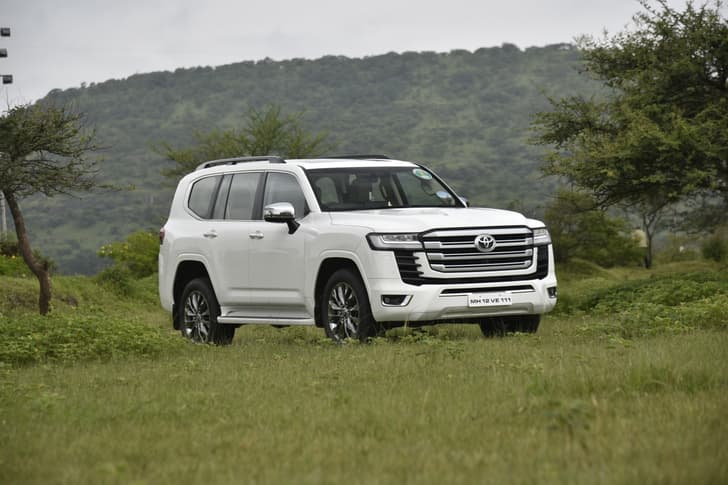
The Toyota Land Cruiser has become one of the most recognizable safari vehicles in East Africa for practical reasons. High ground clearance, strong suspension and genuine four-wheel-drive capability make it suitable for conditions that vary from paved highways to deeply rutted bush tracks.
A typical Kenya safari Land Cruiser differs considerably from an ordinary SUV.
Safari vehicle builders often extend or modify the body, install multiple passenger rows, enlarge the side windows and add a roof that can rise during game drives. Many vehicles also include charging points, a cooler, radio communication and extra storage.
The enclosed cabin helps during transfers between Nairobi and safari regions. Once the vehicle reaches a national park or reserve, the driver can lift the roof so passengers can stand and observe wildlife.
Current Kenya safari vehicle guides consistently emphasize the Land Cruiser’s strength on rough tracks and during wet weather. Masai Mara
That does not mean every Land Cruiser offers equal quality. Maintenance, tires, suspension, seat design, cleanliness and the driver’s skill all matter. A well-maintained safari van can provide a better journey than a neglected 4×4 carrying a prestigious badge.
Kenya Safari Transport Guide to Pop-Up Roof Safari Vehicles
A pop-up roof looks like a relatively simple feature, yet it can transform wildlife viewing.
During highway transfers, the roof remains lowered. Passengers sit normally and enjoy greater protection from wind, sun, rain and road dust. Once the game drive begins, the guide raises the central roof panel.
Passengers can then stand while remaining inside the vehicle.
That higher viewing position helps when grass obscures animals at ground level. It also makes it easier to scan a broad area for wildlife and provides photographers with cleaner angles.
Instead of photographing everything through a glass window, guests can rest a camera or bean bag against the roof edge.
Families also benefit because several travelers can watch the same wildlife sighting without constantly changing seats.
When requesting a safari quotation, confirm that “4×4 transport” actually means a safari-modified vehicle with a suitable viewing roof. A normal SUV and a purpose-built safari Land Cruiser do not provide the same experience.
Kenya Safari Transport Guide: Safari Van Versus Land Cruiser
The choice between a safari van and a 4×4 Land Cruiser often comes down to price, terrain and travel season.
Safari vans generally cost less to operate. That lower operating cost helps tour operators create affordable Kenya safari packages, particularly for group departures.
On paved roads and established dry-season tracks, a properly maintained safari van can perform perfectly well. Its pop-up roof still provides the elevated viewing position that travelers expect from a Kenyan safari.
The differences become clearer on demanding terrain.
Most traditional safari vans offer less ground clearance and less off-road capability than a genuine 4×4 Land Cruiser. Deep mud, rough tracks, sand and severe corrugations favor the Land Cruiser.
Current vehicle comparisons similarly describe vans as useful budget choices while highlighting the Land Cruiser for rougher routes, wet conditions and photography-oriented safaris. Kenya Luxury Safaris
Travelers should therefore avoid asking only, “Which vehicle is cheaper?”
A better question is, “Which vehicle suits the places and season in my itinerary?”
Kenya Safari Transport Guide to Open-Sided Safari Vehicles
Open-sided safari vehicles provide some of the best wildlife visibility available.
Instead of conventional closed doors and windows, many use open viewing sections protected by a roof. Passengers sit in raised rows, which create excellent sightlines across other occupants.
Private conservancies and luxury safari camps often use these vehicles for game drives.
Photographers particularly appreciate the open sides because they can follow moving animals without working around narrow windows. Lower shooting angles may also be possible, depending on the vehicle design.
However, open vehicles have disadvantages during long-distance travel.
Wind exposure becomes tiring at highway speeds. Dust enters easily. Rain creates additional complications, and early mornings can feel surprisingly cold.
For that reason, travelers on fly-in safaris may land at an airstrip and transfer directly into an open camp vehicle, while travelers completing a multi-park road safari usually use enclosed Land Cruisers with lifting roofs.
Neither format wins in every situation. Each serves a different transport role.
Kenya Safari Transport Guide: Choosing the Right Number of Passengers per Vehicle
Vehicle capacity and comfortable capacity are not always the same.
A safari Land Cruiser may technically carry six or seven guests, but filling every seat can affect photography and personal space. This becomes particularly noticeable during full-day game drives.
Couples booking a private safari gain considerable freedom. They can move from one side of the vehicle to the other as animals change position.
A family of four usually has enough room for cameras, binoculars, backpacks and jackets without crowding the cabin.
Larger groups need to decide whether reducing the number of vehicles is worth the tighter seating arrangement.
For serious wildlife photographers, fewer travelers per vehicle usually produces better results. Large camera lenses take space, and photographers often need to reposition quickly when a leopard walks behind the vehicle or an elephant approaches from the opposite side.
When comparing Kenya safari prices, ask how many passengers the operator plans to place in each vehicle, not simply how many seats the vehicle contains.
Kenya Safari Transport Guide to Private Safari Vehicles
Private safari transport means the vehicle operates exclusively for your booking rather than combining unrelated travelers.
That privacy changes the rhythm of the safari.
Imagine finding a leopard resting in an acacia tree. A shared group may include one traveler who wants to remain for an hour and another who wants to move immediately in search of lions.
With a private vehicle, only your party needs to agree.
You can leave earlier, stay later, focus on birds, spend extra time photographing elephants or return to the lodge when children become tired.
Private vehicles also work particularly well for honeymooners and multigenerational families.
The additional cost can be modest when several relatives or friends share the vehicle.
For solo travelers, group safaris still provide an important advantage because they spread transport costs among several guests.
Private is therefore not automatically “better.” It offers flexibility. Shared transport offers economy and a more social experience.
Kenya Safari Transport Guide to Kenya Road Safaris
Road travel remains one of the most rewarding ways to experience Kenya.
Flying moves travelers quickly between famous destinations. Driving reveals what lies between them.
Leaving Nairobi toward the Great Rift Valley, the landscape changes dramatically as the road reaches the escarpment. Routes toward northern Kenya pass fertile highlands before entering the dry country surrounding Isiolo and Samburu. Travel toward Amboseli crosses open landscapes with Mount Kilimanjaro appearing in the distance when conditions are clear.
A road safari allows spontaneous stops that flights cannot offer.
Travelers might stop at a viewpoint, stretch their legs over coffee or pause for photographs of an unexpected landscape.
The same driver-guide can also stay with guests across several parks. That continuity matters. By the third day, a good guide understands whether guests care most about birds, big cats, photography, culture or simply enjoying a relaxed pace.
Road safaris usually make the strongest sense when destinations connect naturally rather than requiring repeated backtracking.
Kenya Safari Transport Guide: Understanding Kenyan Road Conditions
The word “road” can describe very different surfaces on a Kenya safari.
Major highways may offer smooth paved driving. Secondary roads can contain potholes, construction zones or heavy truck traffic. Approaches to safari areas may shift to gravel, while park tracks can consist of soil, rock, sand or heavily corrugated surfaces.
Conditions change with weather.
Dry-season tracks produce dust. Rain can turn some soils into slippery mud. A route that takes a predictable amount of time in January may require a different approach after strong rains.
Travelers should therefore treat drive times as realistic ranges rather than promises to the minute.
Safari guides also drive more slowly inside wildlife areas because animals can enter the road without warning. Kenya Wildlife Service guidance for its protected areas tells visitors to stay on established roads, remain in vehicles except at designated places and observe a maximum speed of 40 km/h. KWS
Slow travel inside a park is not lost time. It is the safari.
Kenya Safari Transport Guide to Nairobi Airport Transfers
For most international travelers, Kenya transportation begins at Jomo Kenyatta International Airport.
A pre-arranged airport transfer provides a straightforward arrival after a long flight. The driver meets the travelers, assists with luggage and takes them to their hotel or onward safari departure point.
Some visitors can begin their safari immediately.
Others benefit from spending their first night in Nairobi, especially after an evening arrival.
Starting a long road journey directly after an overnight international flight may save one hotel night, but it can make the opening day unnecessarily tiring.
Departure planning requires equal care.
Nairobi traffic changes throughout the day. The transfer time from a hotel to JKIA should include a generous margin, especially when an international flight follows several days in remote safari areas.
Professional safari planning works backward from flight departure time rather than hoping traffic behaves perfectly.
Kenya Safari Transport Guide: JKIA Versus Wilson Airport
Understanding Nairobi’s two important airports prevents one of the most common transport mistakes.
Jomo Kenyatta International Airport, or JKIA, handles most international arrivals and major commercial flights.
Wilson Airport handles many scheduled safari flights.
They are separate airports in different parts of Nairobi.
Travelers who land internationally and then take a bush flight may therefore need to collect baggage, clear immigration, leave JKIA, drive across Nairobi and check in again at Wilson.
Traffic can make a short-looking map distance take much longer than expected.
AirKenya currently operates scheduled safari services from its passenger terminal at Wilson Airport to destinations that include the Maasai Mara, Amboseli, Samburu, Lewa, Nanyuki and other regional points. AirKenya
When building a same-day connection, leave enough time for immigration, baggage delays and road traffic.
An overnight in Nairobi can be the smarter option when international arrival timing creates a tight connection.
Kenya Safari Transport Guide: Nairobi to Masai Mara by Road
The Nairobi to Masai Mara journey is one of Kenya’s best-known safari transfers.
Current route guides place the journey at roughly 5.5 to 6.5 hours for many Mara locations, although the exact time depends on traffic, weather, stops and which gate or conservancy you need to reach. MaasaiMara.com
That final detail matters enormously.
“Masai Mara” describes a large ecosystem rather than one hotel district. A camp near an eastern access area and a camp near the western Mara Triangle can require very different transfer times.
Road travelers usually pass through the Great Rift Valley and continue toward Narok before reaching the Mara region.
The journey offers scenery that flying skips. It also allows guests to keep the same private Land Cruiser for subsequent game drives.
A morning Nairobi departure can therefore become part of the safari rather than merely a transfer.
Avoid scheduling an international flight immediately after driving out of a distant Mara camp. Traffic and road conditions can create delays that no safari operator can control completely.
Kenya Safari Transport Guide: Nairobi to Masai Mara by Air
Flying turns a substantial road journey into a short safari-aircraft connection.
Safarilink currently publishes several daily Wilson Airport services to the Masai Mara and says its Mara flights can stop at eight major airstrips according to passenger requirements. Safarilink
That network matters because the Maasai Mara contains numerous camps spread across a vast area.
Selecting the correct airstrip can save considerable ground-transfer time after landing.
Your camp should normally advise which airstrip serves it best.
A safari flight also creates an enjoyable transition. Small aircraft travel at lower altitudes than international jets, allowing passengers to see changing landscapes below.
After landing on a bush airstrip, the camp vehicle usually meets arriving guests.
In many cases, the transfer to camp becomes the first game drive.
Flying works particularly well for short luxury safaris, honeymoons and travelers combining the Mara with distant regions such as Samburu.
Kenya Safari Transport Guide: Nairobi to Amboseli
Amboseli sits close enough to Nairobi to work extremely well as a road-safari destination.
Current 2026 route reports generally place the drive at around four to five hours depending on traffic, route and park gate. Amboseli Safari
This makes Amboseli practical for the beginning or end of a Kenya safari.
Travelers can leave Nairobi after an early breakfast and normally reach the region with enough time to settle into their lodge before an afternoon activity.
The road journey also works naturally with longer southern circuits toward Tsavo.
Visitors with limited time can fly instead.
Either option can work well. Driving delivers better value for many couples and small groups, while flying protects safari time during a short luxury itinerary.
Whichever option you choose, try to stay at least two nights when possible. Spending eight or nine hours driving from Nairobi and back simply for a few hours inside Amboseli rarely provides the relaxed safari experience most travelers imagine.
Kenya Safari Transport Guide: Nairobi to Lake Naivasha
Lake Naivasha gives travelers one of the easiest escapes from Nairobi.
Current 2026 route information places the journey around 90 kilometers and roughly 1.5 to 2 hours in normal conditions, although traffic can extend the drive. Trunk Trails Safaris
That short distance makes Naivasha valuable in itinerary design.
Instead of spending an entire day transferring between Nairobi and the western safari circuit, travelers can use Naivasha as an intermediate stop.
The area also breaks up consecutive vehicle-based wildlife days.
A boat excursion, nature walk or visit to nearby attractions provides variety after hours spent inside a 4×4.
From an SEO perspective, travelers frequently search for Nairobi to Naivasha transport, Lake Naivasha safari, Great Rift Valley safari and Kenya road safari, making this an important topic within a comprehensive transport guide.
Kenya Safari Transport Guide: Nairobi to Lake Nakuru
Lake Nakuru lies farther along the Rift Valley corridor.
Although the distance is roughly 160 kilometers, current road construction and traffic conditions can make travel times considerably longer than older guides suggest. Recent 2026 reports place real-world journeys around 3.5 to 4.5 hours during affected periods, even though travel can be faster when traffic and construction allow. SafariPure
This demonstrates why safari websites should avoid presenting road times as permanent facts.
Road construction changes. Traffic patterns change. Weather changes.
Lake Nakuru works particularly well when combined with Naivasha and the Masai Mara.
Rather than repeatedly returning to Nairobi, a well-designed road safari moves geographically through the Rift Valley.
Logical routing saves fuel, reduces fatigue and gives travelers more time for actual wildlife experiences.
Kenya Safari Transport Guide: Nairobi to Samburu
Samburu takes travelers into a dramatically different part of Kenya.
The road north passes the central highlands and continues through areas around Nanyuki and Isiolo before entering drier northern landscapes.
Current route information generally places Nairobi to Samburu at around six to seven hours, depending on the exact starting point, reserve gate, stops and traffic. Visit Samburu
For travelers with sufficient time, that road journey can become a fascinating part of the holiday because the environment changes so visibly.
Visitors with shorter itineraries may prefer to fly.
This is especially true when Samburu appears in the same safari as the Maasai Mara.
Driving Samburu–Nairobi–Mara uses valuable vacation time. Scheduled safari flights can connect the northern circuit with Nairobi and onward safari destinations.
A mixed approach often works best: enjoy one scenic overland sector, then use a flight to avoid repeating a long journey.
Kenya Safari Transport Guide: Tsavo East and Tsavo West
Tsavo deserves special attention because scale affects every transport decision.
Tsavo East and Tsavo West together cover an enormous area, and travelers should never treat “Tsavo” as a single small stop on an itinerary.
Lodge position, gate selection and onward destination matter.
Current safari route information places Nairobi to the Mtito Andei area of Tsavo West at around four hours and Nairobi to the Voi area of Tsavo East at roughly five hours under typical conditions. Coastal connections can be much shorter. Sun and Safari
This geography makes Tsavo particularly attractive for travelers combining a safari with Mombasa or Kenya’s beaches.
Instead of finishing in a remote park and returning to Nairobi, guests can continue toward the Indian Ocean.
That creates a natural bush-and-beach itinerary.
Kenya Wildlife Service also advises drivers in Tsavo to remain on established roads and respect the park speed limit, reinforcing why distances inside the park take longer than equivalent highway distances. KWS
Kenya Safari Transport Guide to Domestic Safari Flights
Small aircraft make Kenya’s distant safari regions surprisingly accessible.
Scheduled safari airlines connect Wilson Airport with the Maasai Mara, Amboseli, Samburu and numerous other wildlife regions.
AirKenya currently lists destinations that include the Maasai Mara, Amboseli, Samburu, Lewa, Tsavo and cross-border safari connections. AirKenya
Safarilink operates another extensive safari network.
These flights do not feel like ordinary commercial aviation.
Aircraft are smaller. Airstrips may consist of simple runways in wildlife areas. A single flight may make several stops to drop travelers at different camps.
That routing can extend total journey time beyond the advertised direct flying time, but the experience remains far faster than many long road transfers.
Guests should therefore think in terms of door-to-door time rather than flight duration alone.
You still need hotel pickup, Wilson Airport check-in, boarding, the flight, possible intermediate stops and an airstrip transfer at the destination.
Kenya Safari Transport Guide to Bush Airstrips
A safari airstrip is not the same as a conventional airport.
Many consist of a runway, a windsock and a modest waiting area. Camp vehicles arrive according to the flight schedule and collect guests directly beside the aircraft.
The simplicity forms part of the charm.
However, travelers need to select the right airstrip.
The Maasai Mara alone has several major airstrips serving different areas. Safarilink advises travelers who do not know which one to book to identify the airstrip serving their specific camp or request assistance before purchasing the ticket. Safarilink
Booking the wrong airstrip can transform a short flight into a long ground transfer.
Lodge and flight arrangements should therefore be coordinated together.
This is especially important for luxury fly-in safaris, where convenience represents a major part of the value.
Kenya Safari Transport Guide: Safari Flight Baggage Rules
Bush-flight luggage deserves attention before travelers pack for Africa.
Safarilink currently limits baggage on standard safari routes to 15 kilograms per passenger, including hand baggage, while certain coastal and regional destinations receive a 20-kilogram allowance. The airline also asks travelers on its safari routes to use soft bags because small aircraft have irregular and limited luggage compartments. Safarilink
That is very different from a long-haul international flight allowing a large checked suitcase.
A rigid suitcase may therefore become a problem even when its weight falls within an international airline’s limit.
Soft duffel bags work much better.
Travelers carrying heavy photographic equipment need additional planning because camera bodies, long lenses and batteries can use a substantial portion of the allowance.
Always check the rules printed on your confirmed ticket. Airline policies can change, and another carrier may apply different weight or bag-size restrictions.
Packing for the smallest aircraft in your itinerary prevents unpleasant surprises.
Kenya Safari Transport Guide: Road Safari Versus Fly-In Safari
Neither transport style automatically delivers the better safari.
A road safari gives travelers continuity.
The same driver-guide can meet you in Nairobi, travel through several parks and remain with you throughout the journey. Your large luggage stays in the vehicle, departure times remain flexible and there is no repeated airport check-in.
Road travel also reveals Kenya beyond its reserves.
A fly-in safari protects time.
A six-hour transfer becomes a short flight. Travelers can wake at one camp and enjoy an afternoon game drive hundreds of kilometers away.
The best choice depends on the itinerary.
For a twelve-day safari with several naturally connected destinations, road transport can be relaxing and rewarding.
For a five-night luxury trip combining Samburu and the Maasai Mara, flying may make far more sense.
Hybrid itineraries often provide the ideal compromise.
Drive the scenic sectors. Fly the repetitive or extremely long ones.
Kenya Safari Transport Guide: When Flying Is Worth the Extra Cost
Safari flights make the most financial sense when they save meaningful time.
Replacing a pleasant two-hour road transfer with a flight may create little benefit after airport check-in and ground transfers.
Replacing a six- or seven-hour drive can fundamentally improve a short itinerary.
Consider what happens with the hours you save.
Can you enjoy another game drive?
Will you arrive early enough for lunch rather than after sunset?
Does the flight eliminate an exhausting travel day before an international departure?
Those gains can justify the additional cost.
Flights also become attractive for older travelers, honeymooners and families with young children who want to minimize long, bumpy transfers.
The decision should therefore focus on value rather than simply comparing the airfare with fuel and vehicle costs.
Kenya Safari Transport Guide: When Driving Gives Better Value
Road transportation has its own powerful advantages.
For several travelers sharing one private vehicle, the per-person cost may become very attractive.
A family of four can use the same Land Cruiser for the transfer and all game drives instead of buying four airline tickets and then paying separately for camp activities.
Road travel also avoids strict bush-flight baggage limits.
Photographers with several camera bodies, large lenses and equipment cases may appreciate that freedom.
Travelers who enjoy observing local landscapes and everyday life gain another benefit.
A safari should not always rush between famous wildlife locations. The journey through Kenya can reveal just as much about the country as the lodges do.
When the route makes geographical sense, driving remains one of the finest ways to experience East Africa.
Kenya Safari Transport Guide to the Safari Driver-Guide
Vehicle quality matters, but the person behind the steering wheel can matter even more.
A professional safari driver-guide does several jobs simultaneously.
They navigate, interpret wildlife, judge road conditions, manage the day’s timing and position the vehicle for viewing.
Experienced guides notice details first-time visitors miss.
A group of impala staring continuously toward one bush can suggest the presence of a predator. Circling vultures can indicate activity elsewhere. Alarm calls may reveal a leopard long before anyone sees it.
Photography requires another skill.
A good guide thinks about sunlight, background, animal movement and vehicle position.
Instead of simply driving as close as possible, the guide may wait where an animal is likely to move into a cleaner scene.
This combination of guiding and driving is why choosing a reputable Kenya safari operator matters far more than simply renting a vehicle with four-wheel drive.
Kenya Safari Transport Guide to Wildlife Safety
Safari transportation takes place inside the animals’ environment.
Travelers should treat every wildlife encounter with respect.
Kenya Wildlife Service guidance for national parks tells visitors to remain in vehicles except in designated locations, keep to established roads and trails, observe a maximum speed of 40 km/h and view animals from an appropriate distance. KWS currently recommends a minimum distance of 20 meters in its general park guidance. KWS
These rules protect animals and travelers.
A driver should never chase wildlife simply because a guest wants a photograph.
Elephants, buffaloes and predators need space.
Responsible guides read the behavior of animals and move away when necessary.
Great safari photographs come from patience, timing and knowledge—not from creating stress for wildlife.
The transport experience should always support conservation rather than work against it.
Kenya Safari Transport Guide: Dry-Season Travel
Dry weather usually makes safari roads easier, but it does not eliminate transport challenges.
Dust becomes the most obvious issue.
Fine particles enter through open viewing roofs and windows, covering cameras, binoculars and clothing.
Safari vehicles traveling behind one another can create large dust clouds on busy tracks.
Keeping valuable electronics inside a protective bag when not in use helps considerably.
Corrugated roads can also become uncomfortable after months without rain.
Repeated traffic creates a washboard surface that tests suspension systems and passengers alike.
A well-maintained vehicle therefore matters in dry weather just as much as it does during rain.
Travelers should also carry accessible drinking water and light sun protection during long days.
Kenya Safari Transport Guide: Wet-Season Travel
Rain changes the transport experience quickly.
A dry track can become slippery within hours.
Certain soils hold water and develop deep ruts after repeated vehicle traffic.
Four-wheel drive becomes much more valuable under these conditions.
Guides may also change routes based on local information rather than following the exact path shown on a map.
That flexibility represents good judgment.
Travelers should avoid building itineraries with zero margin between transfers, flights and important activities during changeable weather.
Wet-season travel has major rewards. Landscapes turn green, skies become dramatic and some safari regions become quieter.
The transport strategy simply needs to reflect seasonal conditions.
A capable 4×4 and an experienced guide allow visitors to enjoy those advantages without treating every muddy road as an emergency.
Kenya Safari Transport Guide for Great Migration Safaris
The Great Migration creates particular transport considerations in the Maasai Mara.
Huge wildebeest and zebra herds move according to rainfall and grazing conditions rather than tourism schedules.
River crossings can never be guaranteed for a specific morning.
Transport planning can still improve the chances of productive wildlife time.
Choose accommodation within sensible reach of the part of the ecosystem you most want to explore.
A cheaper camp on the opposite side of the Mara can become expensive in time if guests spend several hours every day driving toward their preferred wildlife area.
Private vehicles also provide an advantage during migration-focused safaris.
Guests can leave early, remain out longer and respond to information about herd movement without negotiating with unrelated travelers.
Photography groups may choose lower vehicle occupancy because major sightings can become busy.
Mobility within the ecosystem matters just as much as the lodge.
Kenya Safari Transport Guide for Wildlife Photography
Photographers should design transportation differently from casual travelers.
A camera phone and one pair of binoculars require very little space.
Two camera bodies, a long telephoto lens, wide-angle equipment, bean bags, spare batteries and a large backpack can occupy an entire seat.
Vehicle occupancy therefore matters.
A private Land Cruiser carrying two or three photographers offers far more freedom than the same vehicle filled to maximum capacity.
Roof openings provide excellent high viewpoints, while large side windows create lower perspectives.
Some specialized photography vehicles include modified sides or dedicated camera supports.
The guide also becomes part of the photographic equipment.
Positioning a vehicle ten meters differently can completely change the background behind a lion or determine whether morning light reaches an elephant’s face.
Serious photographers should therefore ask about both the vehicle configuration and the guide’s experience with photography.
Kenya Safari Transport Guide for Families With Children
Children often love Kenya’s wildlife, but transport can determine how much they enjoy the overall safari.
A seven-hour game drive may fascinate an adult wildlife enthusiast while exhausting a young child.
Private transport solves many of these problems.
Parents can shorten the morning game drive, return to the lodge for a swim and venture out again later.
Bathroom stops and meal timing become easier to manage.
Families should also avoid building an itinerary with a long road transfer every second day.
Staying several nights in fewer parks usually produces a more enjoyable holiday than rushing children through a checklist of destinations.
Tell the safari operator the ages of every child.
That information helps planners recommend suitable driving times, room arrangements and activities.
A family safari works best when the pace fits the family rather than forcing everyone into an adult expedition schedule.
Kenya Safari Transport Guide for Older Travelers
Age alone does not prevent anyone from enjoying a Kenya safari.
Pacing matters much more.
Travelers who dislike long rough-road journeys can replace selected sectors with flights.
Safari Land Cruisers also sit relatively high above the ground, so entering and leaving the vehicle may require a larger step than an ordinary car.
Anyone with mobility limitations should mention them before booking.
Operators may be able to provide a portable step, additional assistance or a vehicle configuration that makes access easier.
Accessible safari operators in Kenya also use adapted Land Cruisers with different boarding arrangements for guests with mobility requirements. Accessible Travel Kenya
Comfort planning should happen before arrival, not after the first difficult transfer.
A carefully designed itinerary can give older travelers outstanding wildlife access while avoiding unnecessary physical strain.
Kenya Safari Transport Guide for Honeymoon Safaris
Honeymooners usually benefit from privacy and fewer logistical interruptions.
A private safari vehicle lets couples shape each wildlife day around their own interests.
They can remain at a quiet elephant sighting instead of moving because another passenger wants to leave.
Fly-in transportation can also make sense when the trip is short.
Replacing a full transfer day with a flight leaves additional time for a private lunch, game drive or relaxed afternoon at camp.
However, flying every sector does not automatically create a more romantic holiday.
Some road journeys reveal beautiful scenery and give couples a sense of moving through the country rather than jumping between isolated resorts.
A strong honeymoon itinerary combines both according to the route.
Luxury should reduce friction, not remove every authentic journey.
Kenya Safari Transport Guide for Group Safaris
Groups can achieve excellent transportation value by sharing vehicles.
The main mistake is maximizing occupancy solely to lower cost.
Eight friends squeezed into one vehicle may save money but could spend the next week competing for viewing positions.
Splitting a larger group between multiple Land Cruisers often gives everyone a better experience.
Guides can communicate by radio and coordinate major sightings while allowing each vehicle to explore independently.
Friends can rotate between vehicles on different days if they want to experience another guide’s style.
Luggage also matters.
Eight hard-shell suitcases occupy enormous space.
Soft safari bags stack more efficiently and reduce frustration during repeated hotel transfers.
Group organizers should settle the vehicle plan before arrival so nobody discovers their seating arrangement on the first morning.
Kenya Safari Transport Guide to Self-Drive Safaris
Independent driving appeals to travelers who value complete freedom.
Kenya does permit self-drive tourism, and experienced overland travelers can create memorable adventures.
The responsibility is considerably greater than hiring an ordinary rental car for a city holiday.
Drivers need to understand park regulations, road conditions, navigation, fuel range and vehicle recovery.
A breakdown in Nairobi feels very different from a mechanical problem in a remote wildlife area.
Finding animals also requires skill.
A professional guide understands local habitats, animal behavior and current movement patterns. A self-driver may spend several hours following tracks and still miss a leopard that experienced guides know has been using a particular area.
For travelers who enjoy the driving challenge itself, self-drive can become part of the adventure.
First-time safari visitors who primarily want wildlife encounters often gain more from a guided 4×4.
Kenya Safari Transport Guide: Chauffeur-Driven Safari Versus Self-Drive
The difference extends beyond who holds the steering wheel.
With a professional driver-guide, travelers can watch the landscape, photograph roadside scenes and ask questions throughout the journey.
The guide manages fuel, navigation, gates, driving conditions and mechanical concerns.
Self-drive visitors gain independence but accept those responsibilities themselves.
They also need to study rental restrictions carefully.
A rental company may prohibit certain tracks or require specific insurance conditions for park travel.
Travelers should never assume that a vehicle advertised as an SUV automatically carries permission or equipment for remote safari use.
For most international visitors on their first Kenya wildlife safari, a chauffeur-driven Land Cruiser offers the easier and more productive option.
Kenya Safari Transport Guide to Safari Vehicle Features
A good safari vehicle should do more than move.
Large windows improve viewing. A lifting roof allows passengers to stand. Comfortable seats reduce fatigue. Functional seat belts support safety during highway sections.
Charging points help keep phones and cameras alive.
A cooler keeps drinking water available during long game drives.
Reliable tires and spare wheels matter in remote regions.
Storage should separate luggage from the passenger cabin as much as possible.
Air conditioning can improve comfort during highway transfers, although game-drive passengers often open windows and raise the roof once they enter a wildlife area.
Do not hesitate to ask what the vehicle includes.
Travelers routinely ask detailed questions about lodge rooms while assuming every safari vehicle offers the same features.
It does not.
Kenya Safari Transport Guide: Air Conditioning and Safari Comfort
Kenya’s climate varies sharply by region and elevation.
Nairobi mornings can feel cool. Samburu may become very hot. Early game drives in open vehicles can require jackets, while midday sun creates completely different conditions.
Air conditioning helps during enclosed highway transfers.
Inside parks, however, passengers usually want windows open and the pop-up roof raised.
Fresh air and unobstructed wildlife views become more important than maintaining a perfectly controlled cabin temperature.
Travelers sensitive to heat or dust should still discuss vehicle specifications with the operator before booking.
Comfort needs vary.
A safari should challenge the senses with natural sights, smells and sounds, but nobody gains from spending an entire holiday physically uncomfortable.
Kenya Safari Transport Guide to Charging Cameras and Phones
Wildlife travel now depends heavily on electronics.
Phones serve as cameras, maps, notebooks and communication tools.
Dedicated photographers may carry multiple battery-hungry camera bodies.
Many modern safari Land Cruisers include USB or 12-volt charging points.
Still, travelers should not make the vehicle their only power source.
Charge batteries overnight at the lodge and carry backups during full-day game drives.
A power bank provides useful insurance.
Photographers flying on light aircraft also need to follow airline rules for batteries and hand luggage.
Prepare this before arriving at the airport.
Watching a cheetah begin a hunt while your final battery flashes empty is an avoidable safari frustration.
Kenya Safari Transport Guide: What to Carry Inside the Vehicle
Keep the passenger cabin simple.
Water should remain easy to reach.
Binoculars transform wildlife viewing because many memorable animals will not stand beside the road.
A light jacket helps on cool dawn departures, while sunscreen and a hat become valuable as the day warms.
Cameras need protection from dust, especially during dry-season safaris.
A small daypack works better than repeatedly opening the main luggage compartment.
Travelers who experience motion sickness should prepare before entering heavily corrugated roads.
The goal is to have everything needed for the day without turning the safari cabin into a storage room.
Kenya Safari Transport Guide to Park Driving Rules
Protected areas set rules because both visitors and animals need predictable behavior.
Kenya Wildlife Service currently states that visitors in its national parks should follow designated roads and trails, remain in their vehicles except in designated areas, observe a 40 km/h maximum speed and respect wildlife’s right of way. It also notes that many park gates operate from 6:00 a.m. to 6:00 p.m. for day visitors. KWS
The same guidance identifies KWS-managed national parks as plastic-free areas where single-use plastic is prohibited. KWS
Specific reserves and conservancies can operate under different local rules, so travelers should always follow their guide and the regulations of the protected area they are visiting.
Responsible driving protects habitat and reduces disturbance.
Going off route merely to approach an animal more closely is not a sign of a premium safari.
Respect is.
Kenya Safari Transport Guide to Game Drives
Game drives differ from ordinary transfers.
A road transfer has a destination and approximate arrival time.
A game drive intentionally has uncertainty.
The guide may turn because another driver reports a leopard. An elephant herd can block the road. Guests may choose to remain with hunting lions for an hour.
Morning drives often begin around sunrise when temperatures remain cooler.
Afternoon drives take advantage of changing light and renewed wildlife activity as the day cools.
Full-day drives allow travelers to reach distant parts of large ecosystems without returning to the lodge for lunch.
Vehicle comfort therefore grows increasingly important as game-drive duration increases.
People planning full-day photography safaris should prioritize seat space and viewing access more strongly than travelers doing two short drives.
Kenya Safari Transport Guide: Planning Realistic Transfer Days
One of the easiest ways to damage an excellent safari is to schedule too much movement.
Packing, checking out, driving, arriving, checking in and unpacking all consume time.
Repeat that every morning and even a luxury holiday begins to feel like logistics work.
Two or three nights in important safari regions usually creates a better rhythm.
Wildlife also rewards patience.
A traveler who spends three nights in the Maasai Mara gets several opportunities to find predators, witness different weather and explore more than one area.
Someone arriving late one afternoon and departing the next morning depends almost entirely on luck.
Transport planning should therefore protect time at the destination rather than simply making it possible to claim another park on the itinerary.
Kenya Safari Transport Guide to Kenya Safari Costs
Transportation can represent a substantial part of a Kenya safari cost.
A purpose-built 4×4 consumes more fuel than a small passenger car.
Long distances increase operating costs further.
Operators also need to account for vehicle maintenance, insurance, driver-guide services and sometimes guide accommodation.
This explains why a private Land Cruiser safari usually costs more than a shared safari van package.
Bush flights add another cost structure.
A couple pays two airline tickets, while a family of five pays five. In contrast, the cost of one private road vehicle can often be shared across the whole family.
Price comparisons should therefore compare equivalent services.
A group safari in a van and a tailor-made private safari in a Land Cruiser are not the same product simply because both visit Amboseli and the Maasai Mara.
Kenya Safari Transport Guide: Why the Cheapest Quote Can Mislead
Low prices deserve examination rather than automatic rejection or automatic acceptance.
Ask what vehicle the price includes.
Is transport private?
How many passengers will share the vehicle?
Will the same vehicle handle transfers and game drives?
Does the quote include fuel?
Will the driver-guide remain with you throughout the safari?
What happens if the vehicle develops a serious mechanical problem?
Reliable safari vehicles require continuous maintenance because rough roads place heavy demands on tires, suspension and mechanical systems.
That maintenance costs money.
A transparent mid-range quote can therefore offer far better value than an unusually cheap package that leaves important details undefined.
Safari value means receiving the right service for the price—not simply finding the smallest number.
Kenya Safari Transport Guide to Vehicle Breakdowns
Mechanical problems can occur even with responsible maintenance.
Safari vehicles work hard.
They travel long highway distances and then spend hours on dust, rock, mud and corrugated tracks.
Minor issues such as punctures may be repaired quickly by the driver-guide.
A serious failure requires a stronger support system.
Professional operators should have contacts, mechanics and replacement plans that allow them to respond when a vehicle cannot continue.
Travelers should judge an operator less by promises that “nothing ever goes wrong” and more by evidence that the company knows what to do when something does.
Good logistics are often invisible precisely because problems get solved before they become major disruptions.
Kenya Safari Transport Guide to Safari and Beach Holidays
Kenya makes it easy to combine wildlife with the Indian Ocean.
The transport strategy depends on where the safari ends.
Travelers finishing around Tsavo can continue overland toward Mombasa or the wider coast.
Guests ending in the Maasai Mara may prefer to fly toward the coast, depending on available schedules.
This creates one of East Africa’s strongest holiday combinations.
Several active safari days come first. Then the itinerary shifts completely toward beaches, swimming and relaxation.
Planning the beach extension at the same time as the safari avoids unnecessary backtracking through Nairobi.
Transport should create a continuous journey across Kenya rather than two unrelated holidays awkwardly joined together.
Kenya Safari Transport Guide to Kenya and Tanzania Safaris
Kenya and Tanzania form a natural safari combination.
The Maasai Mara and Serengeti belong to the same larger wildlife ecosystem, yet international borders mean travelers cannot simply drive across whichever track looks shortest on a map.
Immigration rules, legal border crossings and flight routing determine the journey.
Regional airlines increasingly make these combinations easier.
AirKenya currently promotes regional connections from Kenya into Tanzania and launched scheduled Wilson–Arusha service in 2026, giving travelers another route into Tanzania’s northern safari circuit. AirKenya
Ground transfers can also work well when planned around appropriate border crossings.
The key is building both countries as one itinerary.
Booking an independent Kenya tour and an independent Tanzania tour first and trying to connect them afterward can create inconvenient gaps.
Kenya Safari Transport Guide to Kenya and Uganda Safaris
Uganda creates a different safari contrast.
Travelers can enjoy big-cat and plains wildlife in Kenya before continuing toward chimpanzee or mountain-gorilla experiences.
Regional aviation can reduce the distance between these experiences.
AirKenya currently lists East African connections that include Uganda through its wider regional network. AirKenya
Another option involves routing through major international airports and continuing by road within Uganda.
The most efficient choice depends on the final Kenyan safari location and the first Ugandan destination.
A journey from the Maasai Mara to a gorilla trek requires different logistics from Nairobi to Entebbe.
Cross-border safari planning should therefore work from the full itinerary rather than country by country.
Kenya Safari Transport Guide to Kenya and Rwanda Safaris
Kenya and Rwanda offer one of East Africa’s most compelling safari combinations.
Kenya provides enormous savannah landscapes and classic Big Five game viewing.
Rwanda adds mountain gorillas, golden monkeys, rainforest experiences and another highly developed safari destination.
Travelers commonly connect through Kigali and Nairobi by air, then use private road transport within each country.
This pairing suits visitors who want very different wildlife experiences within one East African holiday.
A journey might begin with the Maasai Mara, continue by air through Nairobi to Kigali and then travel by private 4×4 toward Volcanoes National Park.
Alternatively, travelers can begin with gorilla trekking before flying onward for a Kenya wildlife safari.
Universal Ventures Rwanda can coordinate Rwanda and wider East Africa safari arrangements so that airport transfers, accommodation, activities and inter-country transport operate as one itinerary.
Kenya Safari Transport Guide: Choosing the Right Safari Route
Start with experiences rather than map pins.
If seeing elephants below Mount Kilimanjaro matters most, Amboseli deserves meaningful time.
If predator viewing and expansive savannah rank highest, the Maasai Mara should receive several nights.
Travelers interested in northern species can add Samburu.
Then connect those destinations logically.
Avoid unnecessary returns to Nairobi.
If two safari regions sit far apart, investigate a flight.
If the road between them passes attractive places you already want to visit, driving may create the better journey.
This method produces a more natural Kenya safari itinerary than selecting five famous parks first and trying to force them into a fixed number of days.
Kenya Safari Transport Guide: Example Classic Road Safari
A traditional Kenya road safari can begin in Nairobi and continue toward Amboseli.
After two or three nights, travelers can move northwest toward the Great Rift Valley, perhaps staying around Naivasha.
The journey then continues to the Maasai Mara for several nights before returning to Nairobi.
Each stage introduces a different environment.
Amboseli brings open plains, wetlands and famous elephant viewing.
Naivasha provides lakeside scenery and a slower pace.
The Mara delivers vast savannah and outstanding predator encounters.
A single private Land Cruiser can complete much of this circuit.
That continuity simplifies luggage, guiding and departure times while letting travelers experience how Kenya’s landscapes connect.
Kenya Safari Transport Guide: Example Luxury Fly-In Safari
A shorter luxury safari may use a very different structure.
Guests arrive in Nairobi and rest overnight.
The following morning, a private transfer brings them to Wilson Airport.
A scheduled aircraft flies north to Samburu or a Laikipia conservancy.
After several nights, another safari flight connects toward the Maasai Mara.
Camp vehicles handle game drives at each destination.
The final flight can return to Nairobi or connect toward another region.
This itinerary minimizes road time and works particularly well for travelers with fewer than eight nights.
The trade-off comes in higher airfare and stricter baggage rules.
For guests prioritizing time, comfort and remote camps, those compromises can be worthwhile.
Kenya Safari Transport Guide: Example Bush and Beach Safari
A bush-and-beach itinerary can flow south and east.
Begin in Nairobi and travel to Amboseli.
Continue through Tsavo West or Tsavo East.
Then drive toward Mombasa or connect onward to Diani.
This routing allows travelers to move geographically toward the coast rather than reversing direction.
Another approach places the Maasai Mara first and uses air connections to reach the coast.
The best version depends on trip length and budget.
Either way, the holiday finishes with a satisfying contrast: early morning game drives give way to warm ocean water and a slower beach schedule.
Kenya Safari Transport Guide: How Many Parks Should You Visit?
More parks do not automatically create a better safari.
Every destination change consumes hours.
Travelers frequently underestimate how tiring repeated packing and road transfers become.
A seven-day safari visiting two or three ecosystems can provide deeper experiences than seven days trying to visit five.
Longer stays also improve wildlife viewing.
Animals move constantly.
A leopard missed on the first afternoon might appear the next morning.
Weather changes.
Light changes.
The same waterhole can feel completely different on two consecutive days.
Transportation should therefore serve the safari rather than dominate it.
When half the itinerary consists of transfer days, remove something.
The trip will often improve immediately.
Kenya Safari Transport Guide: Sustainable Route Planning
Efficient routing also reduces unnecessary fuel consumption.
A poorly organized itinerary may drive through the same corridor several times because destinations were selected without considering geography.
A circular or progressive route avoids much of that repetition.
Staying longer in fewer destinations can reduce transport while increasing meaningful wildlife time.
Flying also carries an environmental impact, so using aircraft selectively rather than automatically makes sense.
Sustainable safari travel involves many factors, but logical transportation represents one practical place to start.
The most rewarding trip often requires fewer rushed movements rather than more.
Kenya Safari Transport Guide: Questions to Ask Your Tour Operator
Before paying a safari deposit, make sure you understand the transportation arrangement.
Confirm the exact vehicle category, whether the safari is private or shared, how many travelers will occupy the vehicle and whether everyone receives a suitable viewing position.
Ask whether a pop-up roof is included.
Find out whether the same vehicle handles long transfers and game drives.
For flight sectors, confirm the airport, departure time, baggage limit and destination airstrip.
Discuss realistic transfer times rather than relying exclusively on Google Maps.
For cross-border safaris, ask how immigration and vehicle changes work.
A professional safari company should answer these questions clearly.
Vague transport arrangements at the quotation stage can create uncomfortable surprises after arrival.
Kenya Safari Transport Guide: Common Planning Mistakes
The most common mistake involves trying to fit too many destinations into too little time.
Another involves choosing accommodation before understanding where it sits in relation to gates, airstrips and wildlife areas.
Travelers also underestimate the difference between JKIA and Wilson Airport.
Heavy luggage creates problems when a road safari suddenly includes a 15-kilogram bush-flight allowance.
Groups sometimes accept maximum vehicle occupancy to save money, only to discover that photography becomes difficult.
Others schedule a long road transfer immediately before an international departure.
Every one of these problems can be prevented during planning.
Transportation deserves attention at the same time as lodges, park fees and activities.
Kenya Safari Transport Guide: Frequently Asked Questions
What is the best safari vehicle in Kenya?
A customized 4×4 Toyota Land Cruiser with a pop-up roof offers one of the strongest combinations of off-road ability, comfort and wildlife visibility. Safari vans remain useful for budget trips and many dry-season routes.
Is a Land Cruiser necessary for a Kenya safari?
Not for every road, but a genuine 4×4 offers advantages on rough park tracks, during rainy conditions and on itineraries that venture into remote areas.
How long does Nairobi to Masai Mara take by road?
Current 2026 route information generally suggests around 5.5 to 6.5 hours for many Mara destinations, although lodge location, weather, stops and traffic can extend the journey. MaasaiMara.com
Can I fly from Nairobi to the Maasai Mara?
Yes. Scheduled safari flights operate from Wilson Airport to several Mara airstrips. Safarilink currently publishes multiple departures each day. Safarilink
Does my international flight use Wilson Airport?
Most major international flights use Jomo Kenyatta International Airport. Many safari aircraft use Wilson Airport, so travelers may need a road transfer between the two.
How much luggage can I take on a Kenya bush flight?
Policies vary by airline and route. Safarilink currently allows 15 kilograms including hand baggage on standard safari routes and requests soft-sided luggage. Selected coastal and regional services have a 20-kilogram allowance. Safarilink
Is a private safari vehicle worth the money?
It can be particularly valuable for photographers, families, honeymooners and travelers who want complete control over game-drive timing.
Can families travel comfortably by road in Kenya?
Yes. Private transport allows families to stop when necessary and shorten game drives for younger children.
Is self-driving possible in Kenya?
Yes, but travelers should understand local road conditions, insurance, park regulations, navigation and vehicle requirements. First-time safari travelers often find a professional driver-guide easier.
Do safari vehicles have air conditioning?
Some do. During game drives, however, guests normally raise the roof and open windows for wildlife viewing, so air conditioning matters more during highway transfers.
Can I combine Kenya with Rwanda?
Yes. Kenya wildlife safaris combine particularly well with Rwanda gorilla trekking through flights connecting Nairobi and Kigali, followed by private safari transfers within Rwanda.
Can I combine Kenya with Uganda?
Yes. Air and road combinations can connect a Kenya wildlife safari with Uganda gorilla and chimpanzee experiences.
Can I finish my Kenya safari at the beach?
Yes. Tsavo connects particularly naturally with the coast, while flights can link other safari regions with coastal destinations depending on schedules.
Kenya Safari Transport Guide: Final Advice for Planning the Journey
The best Kenya safari transport plan should feel almost invisible once the holiday begins.
The vehicle arrives when expected. The luggage fits comfortably. Transfer days flow in a logical direction. Flights connect with the correct airstrips. The guide understands the route. Enough time remains for wildlife.
That smoothness requires careful planning behind the scenes.
Choose the vehicle according to terrain and season. Use road travel when the journey adds value. Use flights when they save a meaningful amount of time. Avoid changing lodges every night. Give major wildlife destinations enough time.
Most importantly, do not view transportation merely as the space between attractions.
Some of the most memorable safari moments happen from the vehicle: seeing giraffes silhouetted on the horizon, watching elephants cross the track, hearing lions call before sunrise or observing the landscape change as you descend into the Great Rift Valley.
A well-designed Kenya Safari Transport Guide should therefore answer more than “How do I get there?”
It should help travelers understand how to move through Kenya comfortably, efficiently and responsibly while making the journey itself part of the safari.
Kenya Safari Transport Guide: Plan Your East Africa Safari With Universal Ventures Rwanda
Universal Ventures Rwanda creates tailor-made safari journeys across Rwanda and the wider East African region. Travelers can combine Kenya wildlife experiences with Rwanda gorilla trekking, Uganda primate safaris, private 4×4 transportation, airport transfers and customized multi-country itineraries.
Whether you want a private Kenya safari, a Kenya and Rwanda combination, gorilla trekking after the Maasai Mara, a family East Africa safari or a tailor-made wildlife and primate journey, the itinerary can be designed around your dates, accommodation style, group size and budget.
Universal Ventures Rwanda
Email: info@universalventuresrwanda.com
Phone / WhatsApp: +250 781 441 853
Address: KK 15 Road, Opposite IPRC Main Entrance, BGRD Building, Kigali, Rwanda
Website: universalventuresrwanda.com


