Skip to content
Understanding the most common Uganda safari mistakes to avoid can protect your budget, improve your comfort, and help you enjoy every destination without unnecessary stress.
Uganda is one of Africa’s most rewarding safari destinations. Its landscapes range from open savannah and tropical rainforest to crater lakes, snow-capped mountains, wetlands, and the powerful River Nile. Visitors can track mountain gorillas in Bwindi Impenetrable National Park, observe chimpanzees in Kibale National Park, search for tree-climbing lions in Queen Elizabeth National Park, cruise below Murchison Falls, and enjoy quiet game drives in Lake Mburo National Park.
However, a successful Uganda safari requires more preparation than simply choosing a park and booking a flight. Long driving distances, limited trekking permits, changing weather, remote lodges, park regulations, and different accommodation standards can surprise travelers who have not planned carefully.
Some mistakes happen before travelers arrive. Others occur during gorilla trekking, game drives, cultural visits, or border crossings. A poorly designed itinerary can leave you spending most of your holiday inside a vehicle. Booking a gorilla lodge in the wrong sector can add several hours of difficult travel. Packing the wrong footwear can make a rainforest trek far more demanding than necessary.
This guide explains what can go wrong, why it happens, and how to prevent it. Whether you are planning a luxury Uganda safari, a family holiday, a solo adventure, a gorilla trekking tour, or a combined Rwanda and Uganda safari, the following advice will help you make informed decisions.
Why Uganda Safari Planning Requires Special Attention
Uganda is often called the Pearl of Africa because of its remarkable concentration of wildlife, green landscapes, lakes, forests, and welcoming communities. It is also a geographically diverse country where conditions can change significantly between destinations.
A traveler may begin a morning on the dry savannah of Murchison Falls National Park and later continue into a humid forest area. The roads near Kampala can be busy, while routes inside rural districts may be quiet but slow. A distance that appears short on a map can take longer than expected because of traffic, mountainous terrain, road construction, ferry schedules, or park regulations.
Uganda Wildlife Authority manages ten national parks, including Bwindi, Mgahinga, Kibale, Queen Elizabeth, Murchison Falls, Kidepo Valley, Lake Mburo, Semuliki, Mount Elgon, and the Rwenzori Mountains. Each park offers a different experience and requires different preparation. Uganda Wildlife Authority
Gorilla trekking requires advance permits, appropriate physical preparation, and a lodge close to the correct trekking sector. A wildlife safari in Murchison Falls requires enough time for both a game drive and a Nile boat cruise. Kidepo Valley rewards visitors with remote wilderness, but reaching the park by road demands additional travel time.
The solution is not to avoid adventure. It is to understand the destination and organize the journey around realistic conditions.
Quick Overview of the Biggest Uganda Safari Mistakes to Avoid
| Safari mistake | Possible consequence | Better approach |
|---|---|---|
| Booking gorilla permits too late | No availability on preferred dates | Reserve permits before confirming non-refundable arrangements |
| Choosing the wrong Bwindi sector | Long, tiring transfer before trekking | Match the lodge to the permit sector |
| Planning too many parks | More driving than wildlife viewing | Prioritize fewer destinations and stay longer |
| Underestimating road travel | Late arrivals and missed activities | Use realistic transfer times and rest stops |
| Packing unsuitable clothing | Discomfort during treks and game drives | Pack layers, rain protection, boots, and neutral clothing |
| Ignoring the rainy season | Difficult roads and wet activities | Prepare for rain throughout the year |
| Selecting a vehicle only by price | Poor comfort or reliability | Use a maintained safari vehicle with an experienced driver-guide |
| Forgetting permit conditions | Lost fees or missed trekking | Check dates, names, age rules, and cancellation conditions |
| Ignoring health preparation | Preventable illness or travel disruption | Consult a qualified travel-health professional |
| Carrying only one payment method | Difficulty paying in remote areas | Carry suitable cash and backup payment options |
| Expecting guaranteed wildlife sightings | Unnecessary disappointment | Treat sightings as natural encounters, not scheduled performances |
| Disrespecting wildlife rules | Safety risks and park penalties | Follow ranger and guide instructions |
| Leaving no flexibility | Stress after delays or weather changes | Add recovery time and alternative activities |
| Booking through an unverified company | Financial and operational risks | Confirm licensing, reviews, contacts, and payment procedures |
Uganda Safari Mistakes to Avoid Before Booking
The quality of a Uganda safari is often determined months before arrival. Choosing suitable dates, securing permits, checking routes, and working with a reliable tour operator are more important than many travelers realize.
1. Trying to Visit Too Many Destinations
One of the biggest Uganda safari mistakes to avoid is treating the country like a short checklist. Travelers sometimes attempt to combine Murchison Falls, Kibale, Queen Elizabeth, Bwindi, Lake Bunyonyi, Lake Mburo, Jinja, and Kidepo Valley in a single week.
The itinerary may look exciting on paper, but it can become exhausting in practice. Uganda is not a small theme park where every attraction is close to the next. Several major destinations require half-day or full-day road transfers.
An overloaded itinerary creates several problems:
- Early departures on most mornings
- Repeated packing and unpacking
- Late arrivals at lodges
- Limited time for game drives
- Less opportunity to enjoy lodge facilities
- Greater exposure to traffic or road delays
- Tired travelers during major activities
- Little flexibility if the weather changes
A well-designed safari creates a balance between movement and experience. For example, a seven-day Uganda itinerary may focus on Kibale, Queen Elizabeth, and Bwindi. A longer trip could add Murchison Falls or Lake Mburo. Kidepo Valley is usually better included in a longer itinerary or reached by domestic flight.
Spending two nights in an important destination is often more rewarding than rushing through two parks in the same period. The purpose of a safari is not simply to enter a national park. It is to give yourself enough time to observe its landscapes, wildlife, and atmosphere.
2. Choosing the Cheapest Uganda Safari Without Comparing Inclusions
Budget is important, but the lowest advertised price does not always represent the best value. Two Uganda safari packages with similar titles can include very different services.
One quotation may include:
- Gorilla trekking permits
- Chimpanzee tracking permits
- National park entrance fees
- Private safari transportation
- An English-speaking driver-guide
- Game drives
- Boat cruises
- Full-board accommodation
- Bottled drinking water
- Airport transfers
Another may exclude several of these items. A lower price can quickly become expensive when permits, park fees, meals, boat trips, or vehicle costs are added later.
Ask for a detailed list of inclusions and exclusions. Confirm whether the accommodation price is based on a single, double, twin, triple, or family room. Solo travelers should ask whether a single-room supplement applies.
Travelers should also confirm whether the safari is private or shared. A private safari normally provides more flexibility, while a group safari may reduce costs. Neither option is automatically better; the correct choice depends on budget and travel style.
Avoid comparing quotations based only on the final total. Compare the itinerary, vehicle, guide, accommodation level, activities, permit inclusion, meals, and support offered by each company.
3. Booking International Flights Before Checking Gorilla Permit Availability
Gorilla trekking is one of the most popular activities in Uganda, and the number of visitors allowed to see each habituated gorilla family is controlled. Permits can sell out during popular travel periods.
A common mistake is purchasing non-refundable flights and confirming a lodge before checking whether permits are available for the intended trekking date.
The safer order is:
- Choose approximate travel dates.
- Ask an established safari operator to check permit availability.
- Hold or purchase the necessary permit.
- Match accommodation to the trekking location.
- Confirm the complete itinerary.
- Purchase flights after the core arrangements are secured.
Uganda offers mountain gorilla trekking in Bwindi Impenetrable National Park and Mgahinga Gorilla National Park. Bwindi is divided into different trekking areas, so permit availability must be connected to the correct sector and accommodation location. Uganda Wildlife Authority describes Buhoma, Ruhija, Rushaga, and Nkuringo as Bwindi’s principal trekking sectors. Official gorilla-tracking information
Permits, prices, and booking conditions can change. Travelers should always request the current official rate and cancellation terms before making payment.
4. Failing to Confirm the Exact Gorilla Trekking Sector
This is one of the most expensive logistical mistakes on a Uganda gorilla safari.
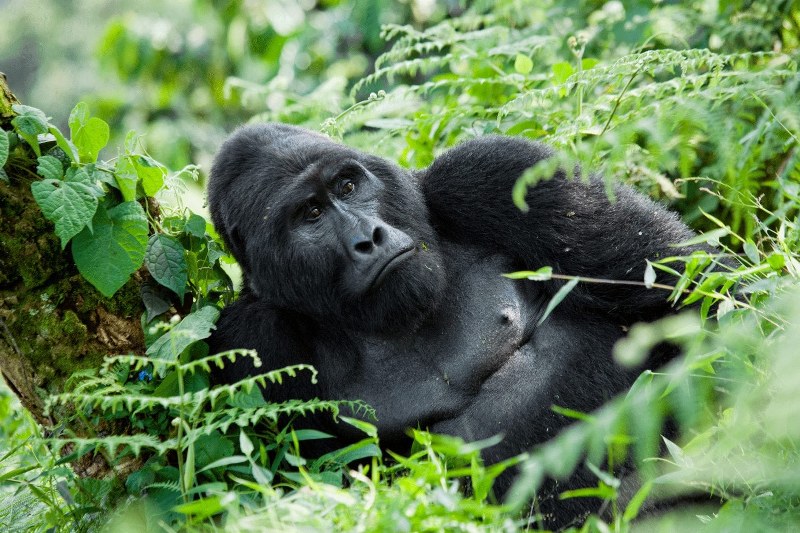
Bwindi Impenetrable National Park has several trekking sectors. A lodge near Buhoma may not be convenient for a permit assigned to Rushaga or Nkuringo. These areas are separated by forest, hills, and winding roads. A property described as being “near Bwindi” is not necessarily near your starting point.
Booking in the wrong area can result in:
- A very early departure
- Several hours of additional driving
- Arrival after the scheduled briefing
- Extra vehicle costs
- A tiring transfer before a demanding trek
- The need to change accommodation
Before paying for a lodge, confirm the name of the trekking sector shown on the gorilla permit. Then select accommodation within practical reach of that sector.
A knowledgeable tour operator should coordinate the permit, lodge, route, and transport as one package. Travelers arranging a self-drive safari must pay especially close attention to this detail.
5. Ignoring Permit Terms and Identification Requirements
Gorilla and chimpanzee permits are controlled tourism documents. Travelers should not treat them like flexible entrance tickets.
Before confirming a permit, check:
- The traveler’s name
- Passport details
- Trekking date
- Park and sector
- Residency category, where applicable
- Minimum age requirement
- Rescheduling conditions
- Cancellation policy
- Payment deadline
Carry the same passport used during booking unless your operator or the relevant authority has confirmed an acceptable alternative. If a passport changes before travel, notify the tour operator immediately.
Uganda Wildlife Authority has advised travelers to follow official purchasing procedures for gorilla and chimpanzee permits. Using an established operator and keeping written payment records reduces the risk of fraud or booking errors. UWA permit advisory
6. Booking Through an Unverified Safari Operator
Uganda has many professional safari companies, but travelers should still verify a business before sending a large deposit.
A trustworthy operator should provide:
- A registered company name
- A working website and business email
- Clear telephone or WhatsApp contacts
- A detailed itinerary
- Written inclusions and exclusions
- Transparent payment instructions
- Permit-booking procedures
- Accommodation information
- Cancellation conditions
- Evidence of previous operations
- Prompt and professional communication
Be careful when payment instructions suddenly change. Confirm any new bank account using the company’s established contact channels. Avoid sending money solely because a person is creating urgency through social media.
A reliable operator should also explain the itinerary honestly. It should not promise guaranteed wild-animal sightings or unrealistic transfer times.
7. Ignoring Seasonal Conditions
Uganda is a year-round safari destination, but seasonal conditions affect roads, vegetation, trekking difficulty, photography, and comfort.
The drier periods are often preferred for gorilla trekking and wildlife viewing because trails may be less slippery and animals can be easier to locate around water sources. However, dry-season dates are also popular, so permits and lodges can book early.
Rain can occur at any time, particularly in forest and highland areas. The rainy season can bring:
- Muddy trekking trails
- Slippery slopes
- More difficult road conditions
- Greater humidity
- Occasional activity changes
- Green scenery
- Dramatic skies
- Good birding and photography opportunities
- Lower visitor numbers in some areas
The mistake is not traveling during the rainy season. The mistake is arriving without appropriate expectations or equipment.
Travelers visiting during wetter months should build flexibility into the itinerary and use a suitable vehicle. Waterproof footwear, a rain jacket, dry bags, and luggage protection become especially important.
8. Assuming Peak Season Bookings Can Wait
Gorilla permits, chimpanzee permits, family rooms, specialist guides, and highly rated lodges have limited capacity.
Booking late can force travelers to:
- Change their dates
- Accept a different trekking sector
- Stay far from the activity
- Upgrade to a more expensive lodge
- Downgrade accommodation
- remove an important experience
- Use a complicated route
Booking early is especially important for travel during popular holiday periods, summer months, and year-end vacations. Groups require even more preparation because several permits and rooms must be available on the same dates.
Early booking does not mean rushing into payment. It means beginning the planning process early enough to check availability, compare options, and make an informed decision.
Uganda Safari Itinerary Mistakes to Avoid
A good itinerary follows Uganda’s geography. A poor itinerary fights against it.
9. Underestimating Driving Distances
Travel apps can produce misleading estimates for rural Uganda. They may not fully account for traffic, road surfaces, mountain routes, park gates, security checks, photography stops, or meal breaks.
Transfers between safari destinations are part of the experience, but they should be scheduled realistically. Uganda’s countryside offers beautiful views, roadside markets, farms, lakes, tea plantations, and changing landscapes. However, a long transfer becomes uncomfortable when travelers expect to arrive several hours earlier.
Your safari operator should provide approximate driving times while explaining that conditions can change. It is also sensible to avoid scheduling a major paid activity immediately after a long road transfer.
For example, a same-day journey to a distant lodge followed by a rushed afternoon activity creates unnecessary pressure. An overnight stop or morning activity the following day may produce a better experience.
10. Scheduling Gorilla Trekking Immediately After a Late Arrival
Travelers arriving on a late international flight sometimes try to reach southwestern Uganda and trek the next morning. This can be risky, especially if the itinerary begins in Entebbe.
Flight delays, baggage problems, traffic, fatigue, and long road transfers can all interfere with the plan. Gorilla trekking begins with a scheduled morning briefing, and the group cannot simply wait indefinitely for a late guest.
A better itinerary includes enough time to reach the gorilla region before trekking day. Depending on the route, travelers may stay in Entebbe, Kampala, Lake Mburo, Queen Elizabeth, Kibale, Lake Bunyonyi, or another practical stop.
Travelers entering Uganda from Kigali may have a shorter route to parts of Bwindi and Mgahinga. However, they must still allow enough time for the border crossing and road journey.
11. Planning a Long Road Transfer After Gorilla Trekking
Gorilla trekking duration is unpredictable. A group may locate the gorillas relatively quickly, or the trek may take several hours across steep or muddy terrain.
Planning a long transfer immediately after the trek creates pressure. Travelers may finish tired, wet, and ready for a shower and meal. A long drive can reduce enjoyment and create a late-night arrival.
When possible, spend another night near Bwindi or schedule only a manageable transfer. If a same-day departure is necessary, discuss the possible trekking duration and alternative plans with your operator.
The same principle applies to chimpanzee tracking and mountain hiking. Nature determines the pace of these activities.
12. Leaving No Time for Rest
Safari excitement can encourage travelers to fill every hour. However, repeated early mornings and long travel days can reduce energy and attention.
Rest does not have to mean wasting a day. A relaxed afternoon can include:
- Enjoying views from the lodge
- Watching birds around the property
- Taking a gentle community walk
- Reading on a terrace
- Reviewing photographs
- Having an unhurried meal
- Taking a short nature walk with a guide
- Visiting a craft center
Including occasional downtime is particularly important for families, older travelers, photographers, and guests continuing to another East African country.
13. Treating Every National Park as the Same Experience
Each Ugandan national park has a different character.
Murchison Falls combines savannah wildlife, the River Nile, dramatic waterfalls, and boat safaris. Queen Elizabeth offers diverse habitats, crater landscapes, the Kazinga Channel, and the Ishasha sector. Kibale is famous for chimpanzees and forest biodiversity. Bwindi is a mountain-gorilla destination with dense rainforest and community experiences. Lake Mburo is compact and convenient for walking, cycling, and game viewing. Kidepo Valley offers remote landscapes and a strong wilderness atmosphere.
A common mistake is booking similar activities in every park without considering what each destination does best.
An effective itinerary might include:
- Game drives and a Nile cruise in Murchison Falls
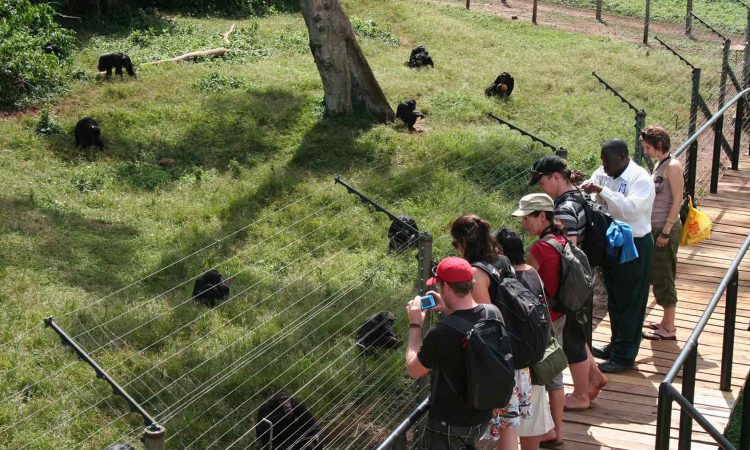
- Chimpanzee tracking in Kibale
- A Kazinga Channel boat cruise in Queen Elizabeth
- Gorilla trekking in Bwindi
- A nature walk or cycling experience in Lake Mburo
This approach creates variety and makes each stop memorable.
14. Forgetting Travel Time Between Entebbe Airport and Kampala
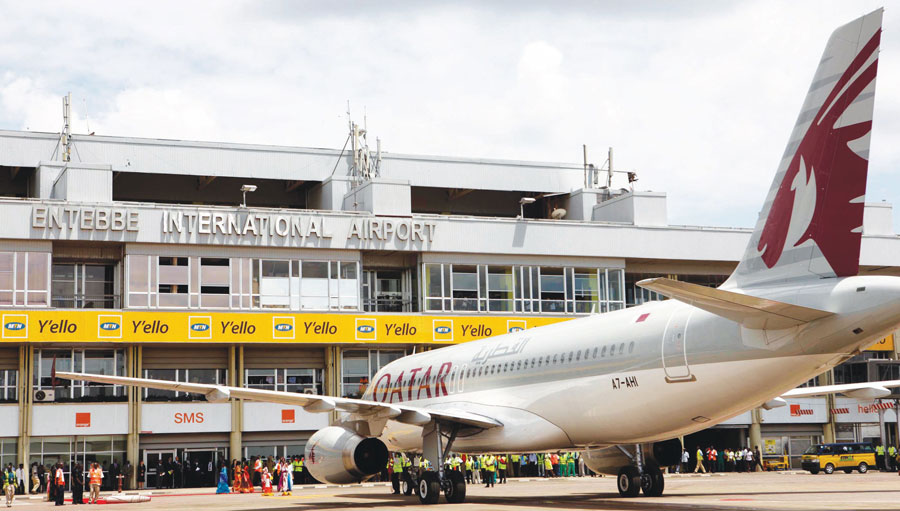
Entebbe International Airport is in Entebbe, not central Kampala. Traffic between the two can vary considerably.
Travelers booking an early flight should not assume they can leave Kampala at the last possible moment. Likewise, a Kampala hotel may not be the best choice after a very late arrival if the next day’s route begins west of Entebbe.
Discuss the first and final night with your tour operator. In many cases, staying in Entebbe provides a quieter and more convenient arrival or departure.
15. Forgetting Border-Crossing Time on Rwanda–Uganda Safaris
Combining Rwanda and Uganda can create an excellent primate safari. Travelers may fly into Kigali, cross into Uganda for gorilla trekking, and return to Rwanda. Alternatively, they may travel through Uganda before ending in Kigali.
However, international borders require time. Immigration queues, visa checks, luggage inspection, vehicle documentation, and traffic can affect the schedule.
Travelers should verify:
- Passport validity
- Visa requirements
- Entry eligibility
- Yellow fever documentation requirements
- Vehicle and driver arrangements
- Border operating conditions
- Rules for children traveling with one parent
- Whether their nationality qualifies for any regional visa arrangement
Entry requirements can change, so confirm them with the relevant immigration authorities or embassies before travel.
Never schedule a border crossing with an unrealistically tight connection to an international flight.
Gorilla Trekking Uganda Safari Mistakes to Avoid
For many visitors, gorilla trekking is the emotional center of the journey. Proper preparation allows travelers to concentrate on the experience rather than their equipment or logistics.
16. Arriving Without Suitable Trekking Boots
Ordinary trainers may be comfortable on dry, flat ground but can perform poorly on wet forest trails. Gorilla habitats are mountainous and can be muddy, uneven, or slippery.
Choose closed, water-resistant hiking shoes or boots with reliable grip. Wear them before the safari to ensure they fit correctly. Brand-new boots can cause discomfort if used for the first time on trekking day.
Long socks can help keep trouser legs secure. Gaiters may also be useful during wet conditions.
Avoid open sandals during forest trekking. They do not provide adequate protection or stability.
17. Wearing Shorts in the Rainforest
Shorts may feel comfortable at the lodge, but long trousers are more suitable in dense forest. Vegetation, insects, mud, and uneven terrain make coverage practical.
Lightweight trekking trousers are generally better than heavy denim. Choose material that dries quickly and allows comfortable movement.
A long-sleeved shirt provides similar protection for the upper body. Neutral colors such as green, brown, grey, or beige are practical for most safari activities.
18. Forgetting Rain Protection
Bwindi means “a place of darkness,” reflecting the density of the forest. Rainfall contributes to this rich ecosystem, and showers can occur even when the wider region is experiencing a drier period.
Pack a lightweight waterproof jacket or poncho in your daypack. Protect cameras, phones, passports, and other valuables with waterproof covers or sealed bags.
A small waterproof cover for your backpack can be useful. However, it should not replace individually protecting important electronics and documents.
19. Carrying Too Much During the Trek
Some travelers pack as if they will spend several days in the forest. A heavy backpack creates unnecessary strain.
Carry only the essentials:
- Drinking water
- Packed lunch or snacks snacks supplied by the lodge
- Rain jacket
- Camera or phone
- Spare battery
- Small personal medical items
- Sunscreen
- Insect repellent
- Required identification
- Lightweight gloves, if desired
Porters are available at many trekking points and can help carry a backpack while assisting on difficult terrain. Hiring a porter can improve comfort and directly support the local economy.
20. Refusing a Porter to Save a Small Amount of Money
Travelers sometimes assume they will not need help because they exercise regularly. Gorilla trekking, however, is not a predictable gym session. Mud, altitude, roots, steep sections, humidity, and trek length can change the difficulty.
A porter can carry your daypack and offer a steady hand on challenging sections. Even physically fit travelers may appreciate this support.
Hiring a porter also creates local employment connected to conservation tourism. It can therefore have value beyond personal convenience.
21. Ignoring the Ranger’s Briefing
The pre-trek briefing explains how to behave around gorillas and how to move safely through the forest. This is essential information, not a ceremonial introduction.
Travelers should listen carefully and follow all instructions concerning:
- Minimum viewing distance
- Group movement
- Photography
- Noise levels
- Food and drinks
- Sudden gorilla movement
- Flash photography
- Health precautions
- Waste disposal
- The permitted viewing period
The gorillas are wild animals in their natural habitat. Rangers understand the forest and the behavior of the habituated groups. Their instructions take priority over a visitor’s desire for a photograph.
22. Using Flash Photography
Flash can disturb wildlife and is not suitable during a gorilla encounter. Check your camera settings before reaching the gorillas.
Automatic camera modes may activate the flash without warning. Learn how to disable it in advance. Test your equipment at the lodge so that you do not spend valuable viewing time searching through menus.
Higher ISO settings and a lens suitable for forest light can help, although travelers do not need professional equipment to enjoy the experience.
23. Focusing Only on Photographs
A gorilla encounter is visually extraordinary, and taking photographs is understandable. However, spending the entire viewing period behind a screen can make the experience feel distant.
Take a selection of photographs, then lower the camera and observe. Notice the forest sounds, family interactions, movement, feeding behavior, and expressions.
Professional photography equipment is optional. Patience, attention, and respect are more important than having the most expensive camera.
24. Trekking When Unwell Without Informing the Guides
Gorillas are genetically close to humans and can be vulnerable to human illnesses. Travelers should take health rules seriously.
If you feel unwell, inform your tour operator and the park authorities. Do not hide symptoms simply because the permit was expensive. The applicable wildlife authority and medical professionals should guide the next step.
This protects the gorillas, staff, fellow travelers, and the long-term future of gorilla tourism.
25. Expecting Every Gorilla Trek to Be Easy
No operator can honestly guarantee the length or difficulty of a gorilla trek. Gorilla families move within their habitat, and terrain differs between locations.
Travelers can communicate their mobility and fitness level during the briefing. Park staff may consider this information when organizing groups, but an easy trek cannot be promised.
Prepare with regular walking before travel. Practice on hills where possible and discuss health or mobility concerns with a qualified professional.
The goal is not athletic performance. It is being ready for a variable outdoor activity.
Game Drive Mistakes on a Uganda Wildlife Safari
26. Expecting Guaranteed Big Cat Sightings
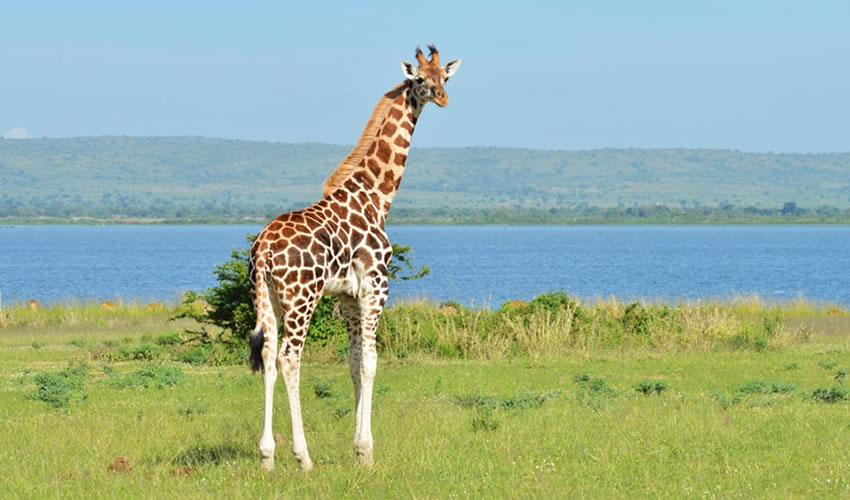
Uganda’s national parks contain lions, leopards, elephants, buffaloes, giraffes, antelopes, hippos, crocodiles, primates, and hundreds of bird species. However, wildlife sightings are never guaranteed.
Animals move according to water, food, weather, territory, breeding patterns, and human activity. A leopard may remain hidden. Lions may rest in long grass. Elephants may move away from the main tracks.
A skilled guide improves the chances of finding wildlife by interpreting tracks, sounds, recent sightings, and animal behavior. Still, a safari is not a scheduled performance.
Enjoy the complete ecosystem rather than measuring success only by a short list of famous animals.
27. Making Too Much Noise
Loud conversations, music, shouting, and sudden movements can disturb wildlife and affect other visitors.
Quiet observation often produces better encounters. Animals may remain relaxed, allowing more time for photography and natural behavior.
Listen to your guide. Sometimes a distant alarm call, branch movement, or bird sound can reveal the presence of an animal that would otherwise be missed.
28. Asking the Driver to Go Off-Road Where It Is Prohibited
Some travelers pressure guides to leave designated tracks for a closer photograph. This can damage vegetation, disturb animals, create erosion, or violate park regulations.
Follow the established rules for each park and activity. Uganda Wildlife Authority guidance emphasizes staying on permitted routes, avoiding litter, not feeding animals, and observing park driving restrictions. UWA park guidance
A responsible safari operator protects wildlife even when a client requests otherwise.
29. Feeding Wild Animals
Feeding wildlife is harmful. It can alter natural behavior, create dependence, increase aggression, spread illness, and bring animals into conflict with people.
Do not offer food to monkeys, baboons, birds, or other wildlife. Keep vehicle windows and lodge doors secure where advised. Do not leave snacks unattended.
An animal approaching people does not mean feeding it is safe or acceptable.
30. Standing Up at the Wrong Time
Pop-up roofs are excellent for wildlife viewing, but travelers should follow the guide’s instructions. Sudden movement can startle animals or create risk near elephants, buffaloes, and predators.
Remain inside the vehicle unless the guide confirms that it is safe to exit. Never leave the vehicle in a national park simply to take a better photograph.
31. Ignoring the Best Game-Viewing Hours
Wildlife is often more active during the cooler early morning and late afternoon. Sleeping late every day can reduce the quality of game drives.
Early starts are a normal part of safari travel. Prepare clothing and camera equipment the evening before to make mornings easier.
Midday drives can still be rewarding, especially around water or during seasonal changes. Nevertheless, your guide will normally recommend activity times based on local conditions.
32. Skipping Boat Safaris
Travelers sometimes focus only on traditional vehicle-based game drives. This can mean missing one of Uganda’s greatest safari experiences.
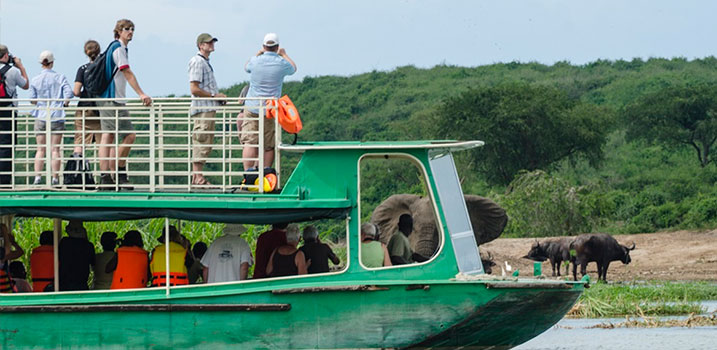
Boat cruises offer a different perspective. The Kazinga Channel in Queen Elizabeth National Park is known for abundant water-associated wildlife and birds. A Nile cruise in Murchison Falls National Park can reveal hippos, crocodiles, elephants, and the dramatic approach to the falls.
Boat activities complement game drives rather than repeating them.
Uganda Safari Packing Mistakes to Avoid
Packing well does not mean carrying a huge suitcase. It means selecting versatile items for Uganda’s changing environments.
33. Packing Only for Hot Weather
Uganda lies near the equator, but not every destination is hot. Elevation affects temperature, particularly in Bwindi, Mgahinga, the Rwenzori region, and other highland areas.
Mornings and evenings can feel cool. Open-roof game drives may also be chilly before sunrise.
Use layers:
- A light base layer
- A long-sleeved shirt
- A fleece or warm top
- A light waterproof jacket
- Comfortable trousers
Layers allow you to adjust throughout the day.
34. Bringing Bright or Impractical Clothing
Neutral clothing is usually the most practical choice for game drives and nature walks. Bright white garments show dust and mud quickly, while very dark clothing can become hot in direct sunlight.
Comfort and function matter more than creating a different outfit for every day. Most safari lodges offer laundry services, although turnaround time and restrictions may vary.
Avoid camouflage-pattern clothing because its use may be restricted or associated with military personnel in some countries.
35. Forgetting Sun Protection
Cloudy or cool conditions do not eliminate sun exposure.
Pack:
- Broad-spectrum sunscreen
- A wide-brimmed hat
- Sunglasses
- A reusable water bottle where practical
- Light long-sleeved clothing
Reapply sunscreen as directed, especially during boat trips and open-vehicle activities.
36. Not Packing Insect Repellent
Mosquitoes and other insects are present in many tropical environments. Carry an effective insect repellent and follow the product instructions.
Long sleeves and trousers can provide additional protection during evenings. Use mosquito nets where supplied and keep doors or screens closed according to lodge guidance.
Health-related prevention should be discussed with a qualified travel-health professional before departure.
37. Carrying Expensive Jewelry
A safari is an outdoor holiday. Valuable jewelry can be lost during transfers, trekking, or repeated hotel changes. It may also attract unnecessary attention in busy urban areas.
Leave items that are not essential at home. Store important belongings in a lodge safe where available, but keep passports and money managed carefully.
38. Packing Excessive Luggage
Large suitcases are difficult to fit inside safari vehicles, especially when several passengers are traveling together. Domestic flights may also impose stricter baggage limitations than international airlines.
Soft-sided bags are often easier to load than hard-shell suitcases. Confirm weight and size restrictions before travel, particularly if your safari includes a scheduled or charter flight.
Pack light and use lodge laundry services where suitable.
39. Forgetting Spare Batteries and Memory Cards
Wildlife photography consumes battery power quickly. Remote lodges may use solar power or generators, and charging may be available only during certain hours.
Bring:
- Spare camera batteries
- Additional memory cards
- Charging cables
- A suitable power bank
- A universal travel adapter
- Protective storage for equipment
Do not rely entirely on cloud backup because internet access may be limited.
40. Failing to Protect Electronics From Dust and Rain
A safari exposes electronics to dust, humidity, rain, and repeated movement.
Use padded camera storage and simple waterproof protection. Keep a lens cloth and air blower available. Avoid changing lenses unnecessarily in dusty conditions.
Back up important photographs whenever possible.
Uganda Safari Accommodation Mistakes to Avoid
41. Assuming “Luxury,” “Midrange,” and “Budget” Mean the Same Everywhere
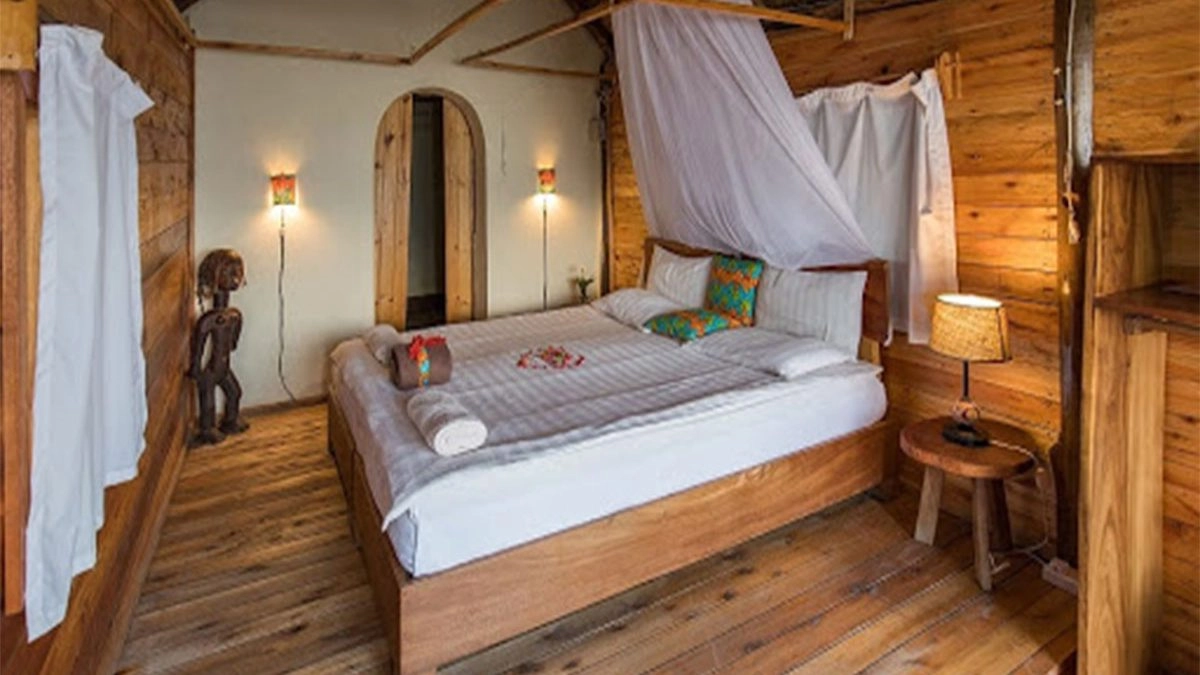
Safari accommodation categories are not globally standardized. A midrange lodge in a remote park may provide a very different experience from a city hotel in the same price category.
Ask about:
- Room type
- Private bathroom
- Hot water
- Electricity schedule
- Charging facilities
- Wi-Fi
- Mosquito nets
- Meal plan
- Road access
- Distance from park gates
- View and room location
- Family-room configuration
- Accessibility
Remote accommodation may offer exceptional service and atmosphere without twenty-four-hour electricity or high-speed internet. Understanding this in advance prevents disappointment.
42. Choosing a Lodge Based Only on Photographs
Beautiful photographs do not reveal driving time. A lodge may look perfect but be poorly placed for the next day’s activity.
Location is especially important near Bwindi, Queen Elizabeth, Murchison Falls, and Kibale. Consider the correct park entrance, trekking sector, activity starting point, and next-day route.
Ask how long it normally takes to travel from the lodge to the briefing point or park gate.
43. Ignoring the Meal Plan
Some remote safari lodges have few nearby restaurants. Booking room-only accommodation can create inconvenience or additional costs.
Full-board arrangements usually include breakfast, lunch, and dinner. However, drinks, premium beverages, packed meals, and special dietary requests may be handled separately.
Confirm what is included. Inform the operator about dietary requirements before arrival so lodges have time to prepare.
44. Expecting Strong Wi-Fi Everywhere
Internet connectivity can be limited in forests, remote valleys, and national parks. Even lodges advertising Wi-Fi may provide it only in reception or common areas.
Download essential documents before leaving the city. Keep offline copies of:
- Passport information
- Visa confirmation
- Travel insurance
- Flight details
- Tour-operator contacts
- Accommodation details
- Emergency contacts
A Uganda safari can be an excellent opportunity to disconnect, but important information should remain accessible offline.
45. Not Checking Accessibility
Some lodges are built on hillsides, forest edges, or raised platforms. Rooms may involve stairs, uneven paths, or long walks from reception.
Travelers with limited mobility should request detailed information. Ask about room access, bathroom design, vehicle entry, distance to dining areas, and activity requirements.
An operator cannot plan appropriately if important mobility needs are disclosed only after arrival.
Money and Budget Uganda Safari Mistakes to Avoid
46. Budgeting Only for the Package Price
Even an inclusive Uganda safari may not cover every personal expense.
Possible additional costs include:
- Visa charges
- Travel insurance
- Vaccinations or health consultations
- International flights
- Tips
- Porter fees
- Premium drinks
- Laundry
- Souvenirs
- Optional activities
- Personal snacks
- Telephone or data services
- Additional hotel nights
- Excess baggage
- Bank or card fees
Ask for the exclusions before booking. Then create an emergency allowance for unexpected changes.
47. Carrying Only Large US-Dollar Notes
US dollars are commonly used in tourism, but damaged, heavily marked, or older notes may be refused or exchanged at a poor rate. Large notes can also be inconvenient for small purchases.
Carry a sensible combination of accepted foreign currency and Ugandan shillings. Keep smaller denominations for tips and minor expenses.
Currency acceptance changes between businesses, so ask your operator for current guidance shortly before departure.
48. Depending Completely on Credit Cards
Cards are accepted at many city hotels and established lodges, but they may not work everywhere. Network interruptions and payment-terminal failures can occur.
Carry backup funds securely. Inform your bank about international travel where necessary and understand any transaction fees.
Do not carry all cash and cards in one place. Use secure storage and maintain a reasonable emergency reserve.
49. Exchanging Money With Unofficial Street Dealers
An apparently favorable exchange rate is not worth the risk of fraud, incorrect counting, or counterfeit currency.
Use banks, recognized foreign-exchange bureaus, or other reputable providers. Count the money carefully and keep receipts where appropriate.
50. Forgetting to Discuss Tipping
Tipping is generally discretionary, but it is appreciated for good service. Travelers often arrive without knowing how to manage tips for driver-guides, lodge teams, trackers, rangers, boat crews, and porters.
Ask the tour operator for general guidance. Consider the length of service, group size, and quality of the experience.
Keep tips voluntary and connected to genuine service rather than pressure.
Health and Safety Uganda Safari Mistakes to Avoid
51. Waiting Until the Last Minute for Health Advice
Travel-health preparation should begin well before departure. Requirements and recommendations can depend on nationality, recent travel history, age, medical history, and itinerary.
Consult a qualified healthcare or travel-medicine professional. Discuss mosquito-borne illness prevention, routine vaccinations, yellow fever documentation, food and water precautions, and any personal medical needs.
Do not rely exclusively on a blog for medical decisions. Official health and immigration requirements can change.
52. Traveling Without Comprehensive Insurance
A safari may involve remote areas, trekking, boat trips, long transfers, and domestic flights. Comprehensive travel insurance can provide valuable protection.
Check whether the policy covers:
- Medical treatment
- Emergency evacuation
- Trip cancellation
- Trip interruption
- Delayed baggage
- Missed connections
- Lost belongings
- Trekking activities
- Safari activities
- Pre-existing conditions, where applicable
Read the exclusions. A policy is useful only if it covers the activities in your itinerary.
53. Drinking Unsafe Water
Use bottled, filtered, or otherwise safely treated water supplied by reputable providers. Do not assume tap water is suitable for drinking.
Stay hydrated, particularly during trekking and hot game drives. Your safari operator should supply drinking water in the vehicle, but confirm this before travel.
54. Ignoring Food Allergies Until Arrival
Remote lodges need advance notice to source suitable ingredients. Inform the operator about serious allergies and dietary requirements in writing.
Carry any medically advised emergency items and keep them accessible. Do not place essential medication in checked luggage.
55. Leaving Essential Medication in Checked Baggage
Checked luggage can be delayed. Keep essential medication, prescriptions, and necessary documentation in your hand luggage.
Bring enough for the trip plus a reasonable reserve, following medical advice. Store medicine according to its instructions and ask in advance if refrigeration is required.
56. Walking Alone at Night in Unfamiliar Areas
Uganda is known for hospitality, but normal travel precautions remain important.
Use arranged transportation after dark, particularly in unfamiliar towns. Ask hotel staff or your guide about the local area. Avoid displaying valuables and keep awareness in crowded places.
Inside wildlife areas, never walk away from the lodge without permission. Animals may move through unfenced properties.
57. Ignoring Safety Briefings on Boats and Walks
Wear a life jacket when instructed and follow the boat crew’s guidance. During walking safaris, remain with the authorized guide.
Do not move closer to wildlife independently. Safety depends on distance, behavior, terrain, and the guide’s understanding of the animal.
Cultural Uganda Safari Mistakes to Avoid
58. Photographing People Without Permission
A person is not a tourist attraction. Always ask before taking a close photograph of an individual, child, vendor, guide, or community member.
Some people may decline. Respect that answer. Others may expect payment, particularly in organized tourism settings. Ask your guide how photography should be managed.
Thoughtful photography creates better interactions than pointing a camera without communication.
59. Treating Community Visits as Performances
Community tourism can provide meaningful cultural exchange, but travelers should approach it respectfully.
Listen, ask considerate questions, and avoid comparing traditions in a dismissive way. Understand that communities are living, changing societies—not displays frozen in the past.
Choose experiences that benefit local people transparently and avoid activities that exploit children or create uncomfortable staged interactions.
60. Giving Money or Sweets Directly to Children
Unplanned gifts can encourage begging, create conflict, affect school attendance, and distribute support unfairly.
If you wish to contribute, ask a responsible local organization, lodge, guide, or community leader about appropriate methods. School supplies or donations should be coordinated according to actual needs, not handed out casually.
Meaningful support is organized, respectful, and community-led.
61. Ignoring Local Etiquette
Polite greetings are important in Uganda. Taking time to greet someone before asking a question is appreciated.
Dress respectfully in towns, villages, and places of worship. Public behavior that seems normal at home may be viewed differently in another culture.
Your guide can explain local expectations without making the experience uncomfortable.
62. Bargaining Aggressively
Negotiation may be normal in some markets, but extreme bargaining over a small amount can become disrespectful.
Agree on a fair price that recognizes the maker’s time and skill. Purchasing locally made crafts can support households and preserve artistic traditions.
Uganda Self-Drive Safari Mistakes to Avoid
A self-drive safari offers independence, but it requires stronger preparation than a guided tour.
63. Renting an Unsuitable Vehicle
A small city car may not be appropriate for remote park roads, mountain routes, or wet-season travel.
The right vehicle depends on the itinerary. Consider:
- Ground clearance
- Four-wheel-drive capability
- Tire condition
- Spare tires
- Recovery equipment
- Luggage space
- Fuel range
- Mechanical reliability
- Insurance
- Emergency support
A cheaper vehicle becomes expensive if it cannot complete the route safely.
64. Driving at Night
Night driving increases exposure to poor visibility, pedestrians, motorcycles, livestock, unmarked hazards, and difficulty obtaining assistance.
Plan to arrive before dark. This is especially important on unfamiliar rural roads and near protected areas.
National parks also have operating hours and driving regulations. Confirm gate-closing times before setting out.
65. Trusting Online Maps Without Local Advice
Digital maps are useful but may recommend roads that are seasonal, poorly maintained, private, or unsuitable for the vehicle.
Ask the rental company, lodge, park authority, or local operator about the current route. Download offline maps, but do not rely on them as the only source of information.
66. Failing to Refuel Early
Fuel stations can be far apart in remote areas. Do not wait until the tank is nearly empty.
Refuel in established towns and ask about availability on the next route. Keep the vehicle above a sensible fuel level, particularly when visiting Kidepo, remote sectors of Queen Elizabeth, or southwestern mountain areas.
67. Not Checking the Vehicle Before Departure
Inspect the vehicle with the rental representative. Check: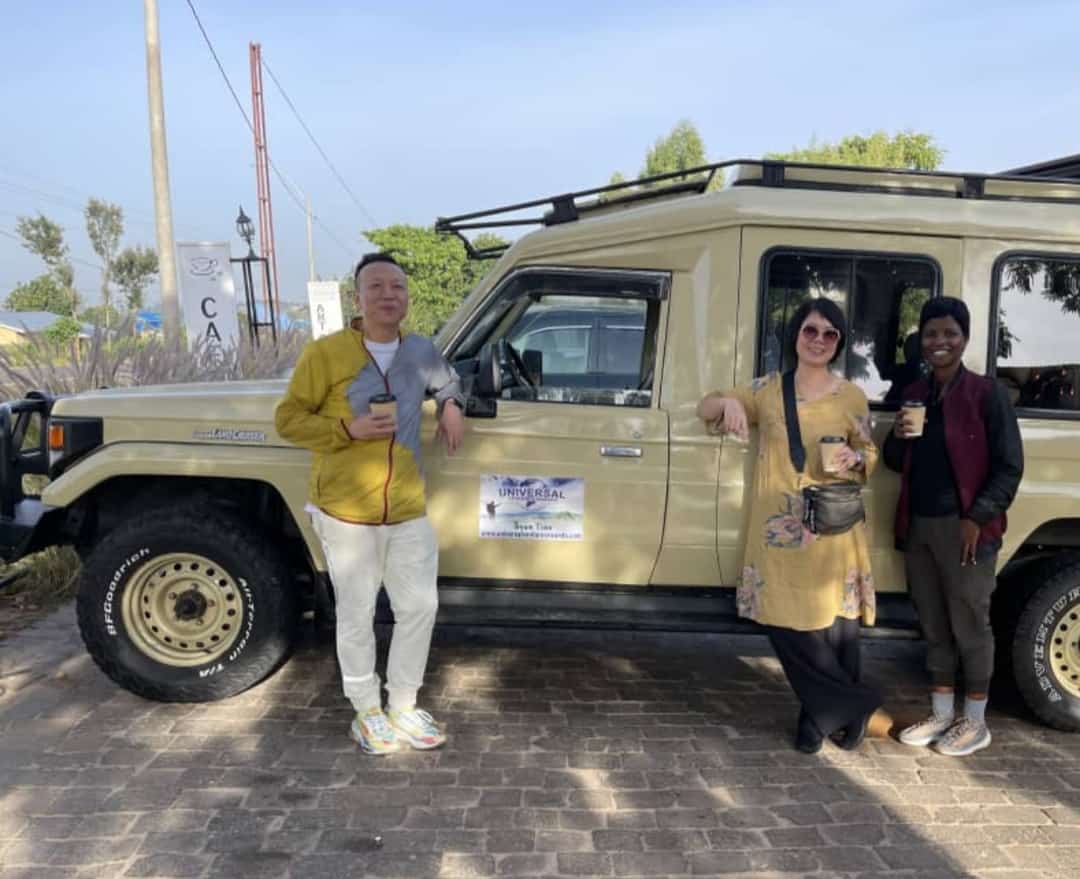
- Tires and spare tires
- Jack and wheel tools
- Lights
- Brakes
- Wipers
- Seat belts
- Fuel level
- Warning lights
- Windscreen condition
- Recovery equipment
- Emergency contact procedures
- Existing damage
Take agreed photographs during handover and understand what the insurance covers.
68. Driving Too Fast Inside National Parks
Speeding endangers wildlife, visitors, and the vehicle. It also reduces the chance of noticing animals.
Follow park speed limits and guide instructions. Uganda Wildlife Authority has published guidance emphasizing designated speed limits, permitted routes, and restrictions against feeding or disturbing animals. Official park guidelines
A safari should be slow enough to observe tracks, movement, landscapes, and smaller species.
Photography Mistakes on a Uganda Safari
69. Bringing Equipment You Do Not Know How to Use
A complicated camera is not helpful if you spend the sighting searching for settings.
Practice before travel. Learn how to:
- Disable flash
- Adjust ISO
- Change shutter speed
- Use continuous focus
- Control exposure
- Switch between still images and video
- Replace batteries quickly
A smartphone used confidently can produce better memories than unfamiliar professional equipment.
70. Forgetting the Importance of Binoculars
Binoculars improve birdwatching, primate observation, and distant wildlife viewing. They are especially valuable when animals cannot be approached closely.
Some safari vehicles provide shared binoculars, but a personal pair ensures they are always available.
71. Taking Only Close-Up Wildlife Pictures
Uganda’s landscapes are part of the story. Photograph forests, crater lakes, rivers, lodges, roads, boats, and wide savannah scenes.
A complete safari collection should communicate a sense of place, not simply contain tight animal portraits.
72. Ignoring Camera Etiquette
Do not block another traveler’s view for a long period. Avoid leaning across people without asking. Keep movements controlled when animals are close.
On group safaris, communicate and rotate positions so everyone has an opportunity to see and photograph.
Family Uganda Safari Mistakes to Avoid
73. Not Checking Minimum Ages
Age restrictions apply to certain wildlife activities. Gorilla trekking and chimpanzee tracking have minimum-age rules, and these requirements are enforced for safety and conservation.
For example, Uganda Wildlife Authority currently states that Kibale chimpanzee tracking participants must be at least 16 years old. Activities, age rules, and tariffs should always be reconfirmed before booking. Kibale National Park information
Families should provide every child’s age at the beginning of the planning process.
74. Scheduling Long Transfers on Consecutive Days
Children may become tired during repeated road journeys. Build in shorter activities, rest periods, swimming where safe and available, and comfortable accommodation.
A private vehicle can provide flexibility for breaks. Bring suitable snacks, games, books, and offline entertainment, but also encourage children to observe the landscapes.
75. Selecting Adult-Focused Lodges Without Checking Family Facilities
Not every safari lodge accepts young children or provides family rooms. Some properties have open water, steep paths, unfenced grounds, or wildlife passing nearby.
Confirm:
- Child policy
- Family-room availability
- Extra-bed arrangements
- Meal flexibility
- Pool supervision
- Babysitting, if offered
- Age restrictions on activities
- Distance between rooms
- Safety procedures
Families should never assume that two rooms will be beside each other unless this is confirmed.
Responsible Tourism Mistakes to Avoid in Uganda
76. Littering or Leaving Waste
Carry all waste until it can be disposed of properly. Do not leave tissues, food wrappers, bottles, or other items on trekking trails or game-drive routes.
Reduce single-use plastic where practical and refill water containers through safe systems offered by the operator.
77. Buying Products Made From Wildlife
Do not purchase items made from protected animal parts, plants, or materials that may be illegal to export.
Choose crafts made from sustainable, clearly identified materials. When uncertain, ask a reputable guide.
78. Supporting Unethical Wildlife Encounters
Be cautious of attractions offering unnecessary handling, feeding, or close physical interaction with wild animals.
Ethical tourism maintains appropriate distance and prioritizes animal welfare. A photograph is never more important than conservation.
79. Damaging Vegetation for a Better View
Do not pull branches, pick plants, or alter the environment for photography. Rangers and guides may safely manage movement when necessary, but visitors should not modify habitat.
80. Overlooking Community-Based Tourism
Responsible community experiences can distribute tourism income beyond parks and lodges. Village walks, cultural programs, craft purchases, local guides, and community-owned activities can add depth to an itinerary.
Select experiences that are transparent, respectful, and developed with local participation.
More Uganda Safari Mistakes to Avoid During the Trip
81. Complaining About Conditions Without Understanding the Setting
Remote safari lodges operate under different conditions from urban hotels. Electricity may come from solar power, food supplies may travel long distances, and internet access may be limited.
This does not mean travelers should accept poor hygiene or unsafe service. It means expectations should reflect the destination.
Ask questions before booking. An informed traveler can appreciate a remote lodge’s creativity and hospitality without expecting every city convenience.
82. Spending the Entire Safari on Your Phone
Internet access can be useful, but constant phone use distracts from wildlife, landscapes, and conversation with guides.
Use the journey to observe. A driver-guide may share knowledge about ecology, history, farming, culture, and daily life that no short online post can replace.
83. Not Asking Questions
A safari guide is not merely a driver. Experienced guides interpret animal behavior, identify birds, explain landscapes, coordinate logistics, and share cultural context.
Ask questions respectfully. Let the guide know your interests, whether they include birds, photography, primates, plants, culture, or conservation.
84. Ignoring Small Wildlife
Travelers focused exclusively on lions, gorillas, and elephants can miss much of Uganda’s biodiversity.
Observe:
- Colorful birds
- Butterflies
- Monkeys
- Reptiles
- Antelopes
- Insects
- Trees and medicinal plants
- Tracks and signs
- Wetland species
Smaller discoveries often become some of the most memorable safari moments.
85. Expecting the Itinerary to Operate Like a Train Schedule
Safari travel includes natural and logistical variables. Wildlife movement, weather, road conditions, park procedures, and border formalities can change timing.
A good operator should communicate changes clearly and preserve the main purpose of the trip. Travelers should distinguish between poor organization and reasonable adaptation to conditions beyond anyone’s control.
Flexibility is one of the most valuable things to bring on safari.
86. Not Confirming the Final Itinerary Before Arrival
Several weeks before travel, request the latest itinerary and confirm:
- Arrival flight
- Departure flight
- Passenger names
- Dietary requirements
- Permit dates
- Accommodation
- Room types
- Airport pickup
- Emergency contacts
- Included activities
- Final payment status
Review the documents carefully. A small correction is easier to manage before arrival than during the safari.
How to Avoid Common Uganda Safari Planning Errors
The best way to prevent problems is to use a clear planning process.
Step 1: Decide What Matters Most
Choose your priority experiences. These may include: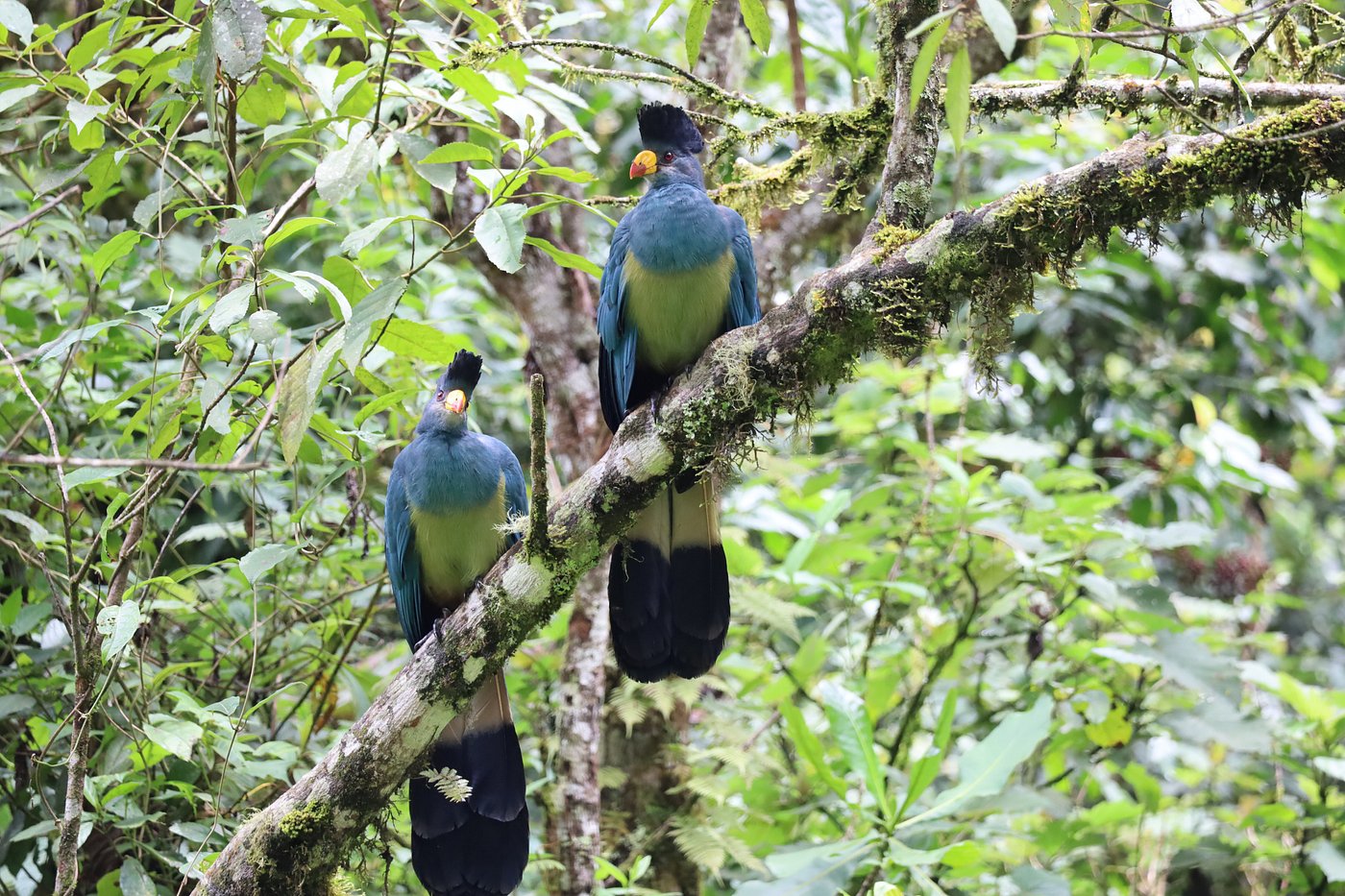
- Mountain gorilla trekking
- Chimpanzee tracking
- Big-game viewing
- Birdwatching
- Boat safaris
- Cultural activities
- Hiking
- Photography
- Relaxation
- A Rwanda–Uganda combination
The itinerary should be built around these priorities.
Step 2: Choose a Realistic Number of Days
Allow enough time for travel between destinations. If you have only a few days, concentrate on one region rather than trying to cross the entire country.
Step 3: Check Permit Availability
Gorilla and chimpanzee permits should be checked before non-refundable accommodation and flights are finalized.
Step 4: Match Accommodation to Activities
Select lodges based on the correct trekking sector, park gate, or activity starting point—not only photographs.
Step 5: Confirm the Vehicle and Guide
Ask about vehicle type, luggage space, pop-up roof, air conditioning where offered, charging options, and whether the tour is private or shared.
Step 6: Review Inclusions and Exclusions
Ensure permits, park fees, boat trips, meals, accommodation, water, airport transfers, and guide services are clearly listed.
Step 7: Prepare Health and Insurance Documents
Consult qualified professionals, obtain appropriate insurance, and keep documents available offline.
Step 8: Pack for Multiple Environments
Prepare for sun, rain, dust, cool mornings, humid forests, and outdoor activities.
Step 9: Confirm the Trip Again Before Departure
Recheck flights, entry requirements, permit dates, pickup details, emergency contacts, and luggage restrictions.
Step 10: Arrive With Realistic Expectations
Wildlife is unpredictable, weather can change, and remote travel requires flexibility. Approach the safari with curiosity and patience.
Recommended Uganda Safari Routes
Seven-Day Uganda Gorilla and Wildlife Safari
A balanced seven-day itinerary may include:
- Arrival in Entebbe
- Transfer to Kibale National Park
- Chimpanzee tracking
- Queen Elizabeth National Park
- Kazinga Channel boat cruise
- Ishasha wildlife viewing
- Bwindi Impenetrable National Park
- Gorilla trekking
- Return through Lake Mburo or continue to Kigali
This route combines primates, savannah wildlife, forests, and boat activities without attempting to cover the entire country.
Ten-Day Uganda Safari
A ten-day journey can include:
- Entebbe
- Murchison Falls National Park
- Kibale National Park
- Queen Elizabeth National Park
- Bwindi Impenetrable National Park
- Lake Mburo National Park
- Return to Entebbe
This remains active, but it allows more time than a compressed one-week circuit.
Uganda Safari From Kigali
Kigali provides convenient access to parts of southwestern Uganda. A short itinerary may combine:
- Kigali city experience
- Transfer across the Rwanda–Uganda border
- Bwindi or Mgahinga
- Gorilla trekking
- Lake Bunyonyi
- Return to Kigali
A longer route could continue through Queen Elizabeth and Kibale before ending in Entebbe or returning to Rwanda.
Border formalities and visa requirements must be verified before travel.
Frequently Asked Questions About Uganda Safari Mistakes to Avoid
What is the biggest mistake when planning a Uganda safari?
The biggest mistake is creating an unrealistic itinerary. Trying to visit too many destinations leads to long transfers, late arrivals, and limited time inside the parks. Prioritize the activities that matter most and allow enough time between them.
How early should I book a Uganda gorilla safari?
Book as early as practical, particularly if traveling during a popular season or with a group. Gorilla permits and suitable lodges have limited availability. Check permits before finalizing non-refundable flights.
Can I book a Bwindi lodge before receiving my gorilla permit?
It is better to confirm the trekking sector first. Bwindi has several sectors, and booking accommodation in the wrong one can result in a long and difficult transfer.
Is Uganda suitable for first-time safari travelers?
Yes. Uganda is suitable for first-time visitors when the itinerary is professionally designed. A knowledgeable driver-guide can manage park procedures, routes, accommodation, and activity schedules.
Is a Uganda safari physically difficult?
Game drives and boat cruises require limited physical effort. Gorilla trekking, chimpanzee tracking, and mountain hiking can be more demanding. Difficulty depends on terrain, weather, wildlife location, and personal mobility.
What should I wear for gorilla trekking in Uganda?
Wear long trousers, a long-sleeved shirt, sturdy water-resistant hiking shoes, long socks, and a rain jacket. Carry light layers because temperatures and weather can change.
Do I need a 4×4 vehicle in Uganda?
A four-wheel-drive safari vehicle is strongly recommended for many park and rural routes, particularly during wet conditions. The exact vehicle should match the itinerary, season, group size, and luggage requirements.
Can I see the Big Five in Uganda?
Uganda offers sightings of lions, leopards, elephants, buffaloes, and rhinos, although rhino viewing may require a separate conservation-area visit depending on current wildlife distribution and operating conditions. No wild-animal sighting is guaranteed.
Are Uganda safaris safe?
Professionally organized Uganda safaris are enjoyed by many international travelers. Visitors should follow current travel advice, use reputable operators, respect park rules, avoid unnecessary night travel, and follow guide instructions.
Is Uganda good for solo travelers?
Yes. A private guided safari is a convenient choice for solo travelers because transport, accommodation, activities, and permits can be coordinated in advance. Joining a group departure may reduce costs, but dates and itinerary flexibility may be limited.
Are Uganda safaris suitable for children?
Uganda offers family-friendly wildlife experiences, but age restrictions apply to gorilla trekking, chimpanzee tracking, and certain other activities. Families should confirm child policies for every lodge and activity.
Can I combine Uganda and Rwanda in one safari?
Yes. Rwanda and Uganda can be combined for gorilla trekking, chimpanzee tracking, wildlife viewing, and cultural activities. Allow sufficient time for border procedures and verify immigration requirements.
Should I tip my Uganda safari guide?
Tipping is generally voluntary and based on service quality. Ask your tour operator for guidance about driver-guides, lodge staff, rangers, trackers, porters, and boat crews.
Can I use credit cards during a Uganda safari?
Cards are accepted at many established properties, but they should not be your only payment method. Carry suitable backup cash because network and payment-terminal problems can occur.
Is Wi-Fi available in Uganda safari lodges?
Many lodges offer Wi-Fi, but speed and availability vary. In remote areas, it may work only in a common area or during certain hours. Download important documents before leaving Entebbe or Kampala.
Is the rainy season a bad time for a Uganda safari?
Not necessarily. Rainy periods offer green scenery, good photography, and fewer visitors in some locations. Travelers should prepare for muddy trails, variable roads, and occasional schedule changes.
Should I hire a porter for gorilla trekking?
Hiring a porter is recommended. A porter can carry your backpack and provide support on difficult sections. The service also creates direct local employment.
How much luggage should I bring?
Bring a manageable soft-sided bag, especially if using a safari vehicle or domestic flight. Pack versatile clothing and use laundry services where available.
Are gorilla sightings guaranteed?
Gorilla trekking with habituated groups has a strong success rate, but nature cannot be guaranteed. Weather, gorilla movement, health rules, or extraordinary conditions may affect an activity.
Why should I use a local East African safari operator?
A knowledgeable regional operator understands driving times, border routes, permit procedures, lodge locations, park regulations, and seasonal conditions. This local knowledge can prevent many of the most common safari-planning mistakes.
Final Thoughts on Uganda Safari Mistakes to Avoid
Uganda rewards travelers who prepare carefully and remain flexible. Its greatest experiences happen in natural environments where wildlife, weather, terrain, and distance influence each day.
The most important Uganda safari mistakes to avoid include booking permits too late, choosing accommodation in the wrong gorilla sector, attempting to visit too many parks, underestimating road travel, packing unsuitable clothing, and failing to understand what a safari quotation includes.
Good planning does not remove the adventure. It removes avoidable stress.
Reserve important permits early. Match lodges to activity locations. Choose a reliable safari vehicle and professional driver-guide. Pack for both rain and sunshine. Respect park regulations, wildlife, and local communities. Most importantly, give each destination enough time.
When these principles are followed, a Uganda safari can combine intimate primate encounters, exceptional wildlife viewing, powerful landscapes, warm hospitality, and meaningful cultural experiences in one unforgettable journey.
Universal Ventures Rwanda can design private and customized Uganda safaris, Rwanda–Uganda gorilla tours, chimpanzee-tracking holidays, wildlife safaris, family trips, and cross-border East African itineraries. Each journey can be adjusted to suit your dates, interests, preferred accommodation level, and budget.
Plan Your Uganda Safari With Universal Ventures Rwanda
Universal Ventures Rwanda
Email: info@universalventuresrwanda.com
Telephone/WhatsApp: +250 781 441 853
Address: Kigali, Rwanda
Website: www.universalventuresrwanda.com