Skip to content
Uganda Cultural Tours Guide
Introduction
Uganda is widely celebrated for its incredible wildlife, mountain gorillas, breathtaking landscapes, and diverse national parks. However, beyond the famous safaris lies another remarkable treasure waiting to be explored—its rich and vibrant cultural heritage. This Uganda Cultural Tours Guide takes you beyond the game parks and into the heart of the country’s traditions, communities, and centuries-old customs. With more than fifty ethnic groups, several traditional kingdoms, unique indigenous communities, and countless cultural experiences, Uganda offers one of the richest cultural tourism destinations in Africa.
Every journey through Uganda introduces travelers to welcoming communities, colorful ceremonies, traditional music, fascinating architecture, and delicious local cuisine. Whether you are walking through a royal palace, learning ancient forest survival skills from the Batwa people, sharing meals with local families, or watching energetic dance performances beneath the African sky, every cultural encounter adds meaning to your safari experience.
Unlike many destinations where culture is offered as an optional activity, Uganda’s heritage is deeply woven into everyday life. Visitors quickly discover that the country’s greatest strength is not only its wildlife but also its people. Hospitality, generosity, and pride in cultural identity are evident wherever you travel. These authentic experiences create unforgettable memories while directly supporting local communities and preserving traditions for future generations.
A Uganda Cultural Tours Guide is therefore ideal for travelers seeking meaningful travel experiences. It allows visitors to understand Uganda’s history, appreciate its diversity, and connect with local people in ways that wildlife viewing alone cannot provide.
Why Choose Uganda Cultural Tours?
Uganda Cultural Tours Guide for Authentic African Experiences
Many visitors initially travel to Uganda for gorilla trekking or wildlife safaris. However, they often discover that meeting local communities becomes one of the most memorable parts of their journey. Uganda’s remarkable cultural diversity offers experiences that are authentic, educational, and deeply rewarding.
Choosing a Uganda Cultural Tours Guide allows travelers to experience Africa beyond the safari vehicle. Instead of simply observing wildlife, visitors actively participate in local traditions, ceremonies, farming activities, cooking lessons, craft making, and storytelling sessions.
Cultural tours also create positive social impact. Revenue generated through community tourism supports education, healthcare, conservation, women’s cooperatives, youth employment, and cultural preservation. Travelers enjoy unforgettable experiences while helping local families improve their livelihoods.
Another reason Uganda stands out is the diversity found within relatively short travel distances. In a single itinerary, visitors can experience royal kingdoms, indigenous forest communities, cattle-herding cultures, agricultural villages, bustling urban markets, and historical monuments.
Whether you are a solo traveler, honeymoon couple, family, photographer, or student, Uganda offers cultural experiences suitable for every interest and travel style.
Uganda’s Extraordinary Cultural Diversity
Discover More Than Fifty Unique Ethnic Communities
One of the greatest strengths highlighted in this Uganda Cultural Tours Guide is Uganda’s remarkable cultural diversity.
The country is home to more than fifty indigenous ethnic groups, each maintaining distinct languages, customs, beliefs, architecture, ceremonies, music, clothing, and traditional occupations. Although English and Swahili serve as official languages, dozens of local languages continue to thrive across different regions.
Some of Uganda’s major cultural groups include:
- Baganda
- Banyankole
- Bakiga
- Banyoro
- Batoro
- Basoga
- Bagisu
- Acholi
- Langi
- Alur
- Iteso
- Karamojong
- Batwa
- Lugbara
- Sebei
Each community contributes to Uganda’s national identity while preserving its own cultural traditions. Travelers quickly notice how customs, greetings, architecture, music, and cuisine change from one region to another.
This diversity makes every journey across Uganda feel like visiting several different countries within one destination.
Uganda’s Traditional Kingdoms
Living Monarchies That Preserve History
Unlike many African countries where traditional kingdoms disappeared during colonial periods, Uganda still recognizes several cultural kingdoms that continue to play important roles in preserving heritage and promoting community unity.
These kingdoms are cultural rather than political institutions, but they remain highly respected by local communities.
The officially recognized traditional kingdoms include:
- Buganda Kingdom
- Bunyoro Kingdom
- Toro Kingdom
- Busoga Kingdom
- Rwenzururu Kingdom
- Alur Kingdom
Each kingdom has its own royal family, cultural ceremonies, symbols, traditional dress, music, and historical sites.
Visitors interested in African history often include palace visits and royal museums in their itinerary to better understand Uganda’s fascinating past.
Buganda Kingdom
The Cultural Heart of Central Uganda
The Buganda Kingdom is Uganda’s largest and most influential traditional kingdom. Its history stretches back several centuries and continues to shape modern Ugandan identity.
Located around Kampala, Buganda offers numerous historical attractions for cultural travelers.
Popular sites include:
- Kabaka’s Palace
- Bulange Parliament
- Kasubi Royal Tombs
- Naggalabi Coronation Site
- Kabaka’s Lake
The Kasubi Royal Tombs, recognized as a UNESCO World Heritage Site, represent one of Africa’s finest examples of traditional architecture. Constructed primarily from natural materials such as reeds, grass, wood, and bark cloth, the complex preserves the burial site of Buganda kings while showcasing extraordinary craftsmanship.
Guided tours explain the history of the Buganda monarchy, royal succession, traditional governance, and spiritual beliefs.
Bunyoro Kingdom
A Legacy of Powerful Kings
Western Uganda is home to the historic Bunyoro Kingdom, once among East Africa’s most powerful pre-colonial states.
The kingdom became famous for:
- Ancient royal traditions
- Rich oral history
- Traditional ceremonies
- Sacred cultural sites
- Historical architecture
Visitors interested in Uganda’s political history often combine Bunyoro heritage tours with nearby wildlife experiences at Murchison Falls National Park.
Toro Kingdom
Tradition Meets Natural Beauty
The Toro Kingdom surrounds the beautiful foothills of the Rwenzori Mountains.
The kingdom is known for: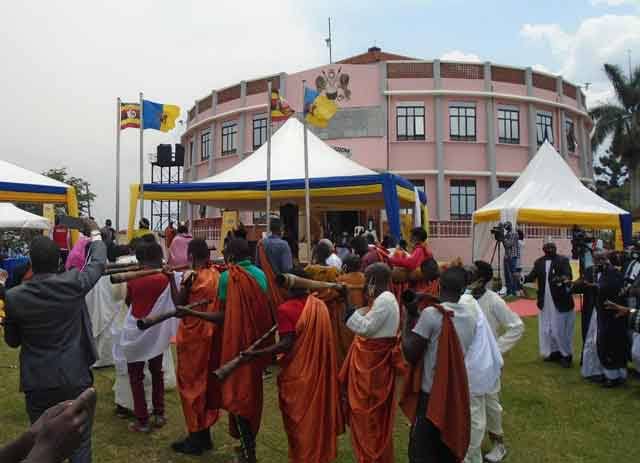
- Karuzika Royal Palace
- Traditional ceremonies
- Beautiful mountain scenery
- Cultural dance performances
- Hospitality
Travelers visiting Kibale National Park for chimpanzee trekking frequently include Toro cultural experiences before or after their forest adventure.
Indigenous Communities
Meet Uganda’s First Forest People
A Uganda Cultural Tours Guide would not be complete without introducing the Batwa people.
The Batwa are among Africa’s oldest indigenous communities.
For thousands of years, they lived as hunter-gatherers inside the forests that now form Bwindi Impenetrable National Park and Mgahinga Gorilla National Park.
Their lives revolved around:
- Forest hunting
- Gathering wild fruits
- Herbal medicine
- Spiritual ceremonies
- Traditional music
- Storytelling
- Nature conservation
Although conservation policies eventually required relocation outside protected forests, many Batwa communities now welcome visitors through responsible cultural tourism programs.
The Batwa Cultural Experience
Learn Ancient Forest Survival Skills
One of the most rewarding activities in this Uganda Cultural Tours Guide is participating in the Batwa Cultural Experience.
Guided by Batwa elders, visitors discover traditional forest life through interactive demonstrations.
Activities include: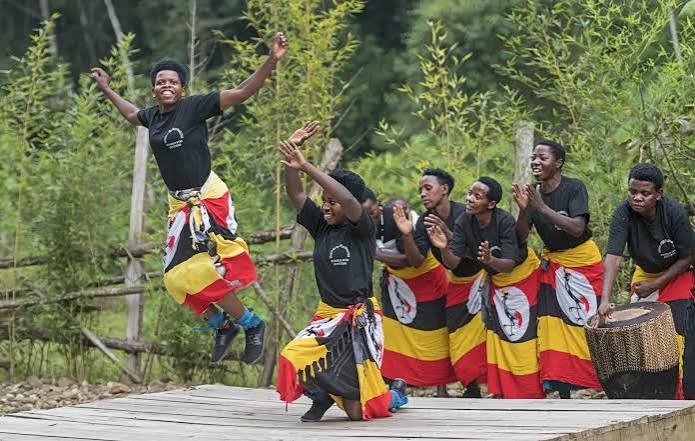
- Fire making without matches
- Traditional hunting techniques
- Medicinal plant identification
- Honey harvesting
- Cave exploration
- Traditional songs
- Dance performances
- Storytelling
- Archery demonstrations
Rather than simply watching performances, travelers actively participate in these experiences while learning directly from community members.
Revenue generated through tourism supports education, healthcare, and cultural preservation initiatives.
Traditional Architecture
Building with Nature
Uganda’s traditional architecture reflects centuries of adaptation to local climates and natural resources.
Across different regions, visitors can admire homes constructed from:
- Clay
- Timber
- Bamboo
- Elephant grass
- Palm leaves
- Reeds
- Bark cloth
Each ethnic community has developed distinctive architectural styles suited to its environment.
Royal palaces, traditional huts, granaries, cattle enclosures, and community meeting spaces all demonstrate remarkable craftsmanship using sustainable local materials.
Uganda’s Oral Traditions
Stories That Preserve History
Long before written history became widespread, Ugandan communities preserved knowledge through oral storytelling.
Even today, elders gather younger generations to share stories about:
- Ancient kings
- Creation myths
- Moral lessons
- Family history
- Wildlife
- Spiritual beliefs
- Heroes
- Community traditions
Visitors often enjoy evening storytelling sessions accompanied by traditional music around village fires.
These stories provide fascinating insights into African philosophy, values, and history.
The Role of Music and Dance
Music forms the heartbeat of Ugandan culture.
Every celebration includes singing, dancing, and drumming.
Traditional performances accompany:
- Weddings
- Coronations
- Harvest festivals
- Religious ceremonies
- Community celebrations
- Birth ceremonies
Different communities perform unique dances using colorful costumes and handmade musical instruments.
Visitors are encouraged to join performances, making these experiences highly interactive and memorable.
Why Cultural Tourism Matters
Cultural tourism creates benefits that extend far beyond the visitor experience.
Choosing community-based tourism helps:
- Preserve traditional knowledge.
- Protect endangered languages.
- Create employment.
- Support schools.
- Empower women.
- Encourage youth participation.
- Reduce rural poverty.
- Strengthen wildlife conservation through alternative livelihoods.
Every traveler who participates in authentic cultural experiences contributes to protecting Uganda’s remarkable heritage.
Begin Your Uganda Cultural Journey
The first step in any Uganda Cultural Tours Guide is discovering the extraordinary diversity that makes Uganda one of Africa’s richest cultural destinations. From ancient kingdoms and UNESCO heritage sites to indigenous Batwa communities and vibrant village traditions, Uganda offers authentic experiences that transform an ordinary holiday into a meaningful journey of discovery.
Whether combined with gorilla trekking, wildlife safaris, or scenic adventures, cultural tourism allows visitors to experience the true spirit of the Pearl of Africa while creating lasting memories and supporting local communities.
Explore Uganda’s Living Traditions, Local Communities, Festivals, Cuisine, and Cultural Experiences
One of the greatest strengths of a Uganda Cultural Tours Guide is its ability to connect travelers with the country’s living heritage. Every region offers unique customs, languages, ceremonies, and traditions that have been preserved for generations. From vibrant royal kingdoms to remote mountain villages, Uganda provides authentic experiences that allow visitors to engage with local people while supporting sustainable tourism.
Unlike many destinations where cultural attractions are limited to museums, Uganda’s culture is alive in daily life. Visitors can join traditional dances, taste homemade cuisine, learn ancient farming techniques, visit colorful markets, and participate in community-led activities that reveal the true spirit of the Pearl of Africa.
Cultural Experiences by Region
Central Uganda – Discover the Buganda Kingdom
Central Uganda is the cultural heart of the country and home to the historic Buganda Kingdom. This region combines modern city life with centuries-old traditions that continue to influence Ugandan society.
A cultural tour in central Uganda often includes visits to: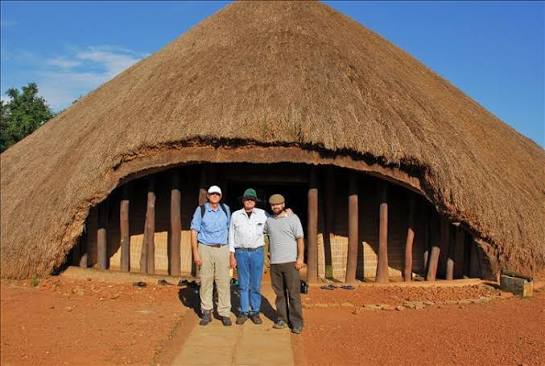
- Kabaka’s Palace
- Kasubi Royal Tombs
- Bulange Parliament
- Kabaka’s Lake
- Local craft centers
- Traditional dance performances
Travelers also enjoy exploring Kampala’s vibrant neighborhoods, where traditional markets stand alongside modern shopping centers, art galleries, and cultural museums.
The Buganda people are renowned for their hospitality, storytelling, music, and colorful ceremonies. Their traditional bark cloth, made from the Mutuba tree, remains one of Uganda’s most treasured cultural products.
Western Uganda – Kingdoms, Mountains, and Community Tourism
Western Uganda combines spectacular scenery with rich cultural traditions. Home to the Bunyoro, Toro, Bakiga, Banyankole, and Batwa communities, the region offers remarkable opportunities to experience authentic rural life.
Popular activities include:
- Royal palace visits
- Traditional cattle farming experiences
- Batwa cultural encounters
- Coffee plantation tours
- Village walks
- Local dance performances
- Basket weaving workshops
Many travelers combine these experiences with gorilla trekking in Bwindi Impenetrable National Park or chimpanzee tracking in Kibale National Park.
Eastern Uganda – Coffee, Mountains, and Bagisu Traditions
Eastern Uganda is famous for Mount Elgon, fertile coffee-growing regions, and the cultural heritage of the Bagisu people.
Visitors can experience:
- Arabica coffee farm tours
- Traditional coffee roasting
- Cultural dance ceremonies
- Mountain village walks
- Handicraft workshops
The Bagisu community is particularly known for its rich agricultural traditions and vibrant cultural festivals.
Northern Uganda – The Acholi and Langi Heritage
Northern Uganda has experienced remarkable cultural revival in recent years.
Travelers visiting this region discover:
- Traditional Acholi homesteads
- Local storytelling
- Community music performances
- Traditional cuisine
- Handcrafted musical instruments
- Rural village experiences
The Acholi people are famous for their energetic dances, community celebrations, and deep respect for oral history.
Northeastern Uganda – The Karamojong Experience
Among the most unique highlights of this Uganda Cultural Tours Guide is meeting the Karamojong people.
Living near Kidepo Valley National Park, the Karamojong maintain a semi-nomadic pastoral lifestyle centered around cattle.
Visitors may learn about:
- Traditional cattle keeping
- Warrior traditions
- Local architecture
- Jewelry making
- Beadwork
- Community ceremonies
- Indigenous survival skills
These cultural experiences offer fascinating insight into one of East Africa’s most distinctive communities.
Traditional Festivals in Uganda
Celebrate Uganda’s Cultural Calendar
Uganda hosts numerous festivals throughout the year that celebrate music, dance, religion, agriculture, and community traditions.
Popular festivals include:
Nyege Nyege Festival
Although internationally recognized for contemporary music, Nyege Nyege also showcases traditional performances, local cuisine, and Ugandan arts.
Imbalu Circumcision Ceremony
Among the Bagisu people, the Imbalu ceremony is one of Uganda’s most famous cultural traditions.
Young men participate in public initiation ceremonies accompanied by:
- Traditional music
- Dancing
- Community celebrations
- Colorful costumes
The event attracts visitors from across Uganda and beyond.
Royal Celebrations
Traditional kingdoms regularly organize cultural events celebrating royal anniversaries, coronations, and community gatherings.
These ceremonies often include:
- Traditional drumming
- Storytelling
- Royal processions
- Cultural exhibitions
Traditional Ugandan Music
The Soundtrack of Ugandan Culture
Music is central to every Uganda Cultural Tours Guide because it accompanies nearly every celebration, ceremony, and community gathering.
Traditional music varies across ethnic communities but commonly includes drums, string instruments, flutes, and singing.
Popular traditional instruments include:
- Engalabi drum
- Adungu harp
- Endongo lyre
- Endingidi fiddle
- Akogo thumb piano
- Amadinda xylophone
Professional cultural groups perform throughout Uganda, and visitors are often invited to dance alongside local performers.
Traditional Dance Performances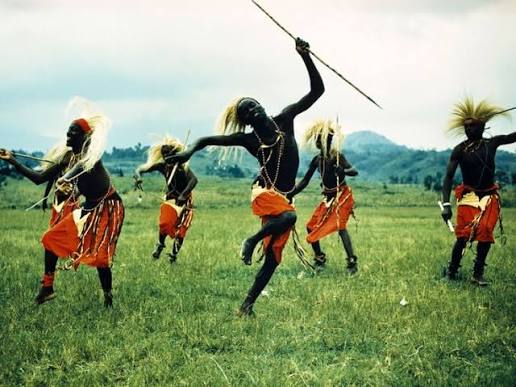
Dance tells stories of history, harvests, weddings, victories, and everyday life.
Some of Uganda’s best-known dances include:
Bakisimba Dance
Originating from Buganda, this energetic dance celebrates community joy and royal ceremonies.
Runyege Dance
Performed by the Batoro and Banyoro communities, Runyege features rhythmic footwork and colorful costumes.
Ekitaguriro Dance
The Banyankole celebrate important community occasions through graceful dance movements that symbolize cattle culture and family unity.
Bwola Dance
The Acholi people perform the Bwola dance during major cultural celebrations using elaborate costumes and synchronized drumming.
These performances create unforgettable memories for cultural travelers.
Ugandan Cuisine
Taste the Flavors of Uganda
No Uganda Cultural Tours Guide would be complete without exploring local cuisine.
Ugandan food reflects the country’s agricultural richness and regional diversity.
Popular dishes include:
- Matoke
- Luwombo
- Posho
- Groundnut stew
- Millet bread
- Cassava
- Sweet potatoes
- Fresh tilapia
- Roasted goat
- Beans
- Chapati
- Rolex (rolled chapati with eggs and vegetables)
Many community tours include cooking lessons where visitors prepare traditional meals using local ingredients.
These experiences allow travelers to understand daily life while enjoying authentic flavors.
Coffee and Tea Experiences
Uganda is internationally recognized for producing excellent Arabica and Robusta coffee.
Visitors can participate in:
- Coffee harvesting
- Bean sorting
- Traditional roasting
- Grinding
- Coffee tasting
- Sustainable farming demonstrations
Tea plantations in western Uganda offer equally beautiful experiences with panoramic views across rolling hills.
These agricultural tours support local farmers while educating visitors about Uganda’s export industries.
Local Markets
Experience Everyday Ugandan Life
Markets provide some of the most authentic cultural experiences in Uganda.
Popular markets include:
- Owino Market
- Nakasero Market
- Kalerwe Market
- Local village markets
Visitors can browse:
- Fresh produce
- Handmade crafts
- Traditional fabrics
- Jewelry
- Wood carvings
- Basketry
- Musical instruments
- Local spices
Walking through these lively markets introduces travelers to Uganda’s entrepreneurial spirit and daily routines.
Handicrafts and Artisan Workshops
Uganda’s artisans preserve generations of traditional craftsmanship.
Visitors often participate in workshops where they learn:
- Basket weaving
- Pottery
- Bark cloth making
- Wood carving
- Jewelry production
- Textile weaving
- Drum making
Purchasing directly from artisans ensures tourism benefits remain within local communities.
Community-Based Tourism
One of the fastest-growing sectors highlighted in this Uganda Cultural Tours Guide is community tourism.
Community tourism allows local residents to organize experiences that generate sustainable income while protecting cultural heritage.
Examples include:
- Village walks
- Homestays
- Women’s craft cooperatives
- Agricultural experiences
- Local guiding
- Community restaurants
- Youth cultural groups
Travelers enjoy genuine interactions while helping families improve their livelihoods.
Responsible Cultural Tourism
Respect is the foundation of every successful cultural experience.
Visitors are encouraged to:
- Ask permission before taking photographs.
- Dress respectfully.
- Support locally owned businesses.
- Learn a few local greetings.
- Purchase authentic handmade products.
- Respect religious customs.
- Listen carefully to local guides.
Responsible tourism ensures that Uganda’s cultural heritage continues to thrive for future generations.
Why Combine Wildlife and Culture?
Many visitors arrive in Uganda for gorilla trekking or wildlife safaris but leave with unforgettable memories of the people they met along the way.
Combining wildlife with culture creates a richer travel experience. A morning spent tracking mountain gorillas can be followed by an afternoon learning traditional Batwa forest skills. A game drive through Queen Elizabeth National Park pairs perfectly with a visit to nearby fishing communities or salt-mining villages. Coffee tours, village walks, and traditional performances deepen your understanding of Uganda beyond its landscapes and wildlife.
This combination is what makes a Uganda Cultural Tours Guide truly unique. It offers not only extraordinary wildlife encounters but also meaningful human connections that reveal the country’s warmth, diversity, and enduring traditions.