Skip to content
This Uganda Safari Itinerary 10 Days combines the country’s most important wildlife experiences without losing the sense of discovery that makes an African safari special. The route introduces you to Murchison Falls National Park, Kibale National Park, Queen Elizabeth National Park, Bwindi Impenetrable National Park and Lake Mburo National Park.
Uganda is one of Africa’s most rewarding destinations for travelers who want more than a traditional wildlife holiday. Within one carefully planned journey, you can walk through an ancient rainforest in search of mountain gorillas, track wild chimpanzees, watch elephants beside the River Nile, cruise past hippos on the Kazinga Channel and photograph lions on the open savannah.
It is an excellent itinerary for first-time visitors, wildlife photographers, honeymooners, families with older children and experienced African travelers looking for a more active adventure. Instead of concentrating only on game drives, the tour combines road travel, boat safaris, forest walks, primate encounters and cultural experiences.
Uganda is often called the Pearl of Africa because of its extraordinary variety. Snow-capped mountains rise above tropical forests. Savannah plains meet crater lakes and wetlands. The River Nile cuts through one of the continent’s most powerful waterfalls. More importantly, Uganda protects both mountain gorillas and chimpanzees, allowing visitors to experience two of humanity’s closest relatives during one journey.
This article explains the complete itinerary, expected wildlife, accommodation choices, transport arrangements, approximate costs, permit requirements, packing advice and the best time to travel. It will also help you customize the safari according to your budget, fitness level and preferred pace.
Why Choose a Uganda Safari Itinerary 10 Days?
Ten days provide enough time to experience Uganda’s leading national parks without turning every day into a race between destinations. Uganda is compact compared with some African safari countries, but its parks are spread across different regions. Driving distances can be considerable, especially when combining Murchison Falls in the northwest with Bwindi in the southwest.
A shorter itinerary normally requires travelers to choose between primate trekking and the northern wildlife circuit. With ten days, you can enjoy both. You can see savannah animals in Murchison Falls and Queen Elizabeth National Parks, track chimpanzees in Kibale Forest and complete a gorilla trek in Bwindi.
The journey also reveals how dramatically Uganda’s scenery changes. The road north passes through farmland and woodland before reaching the Nile. Western Uganda introduces tea plantations, crater lakes and the foothills of the Rwenzori Mountains. Farther south, the landscape becomes greener and hillier as you approach Bwindi’s ancient rainforest.
Another advantage is the variety of activities. Long game drives are balanced with boat cruises and guided walks. This creates a more engaging experience than a safari built entirely around vehicle-based wildlife viewing.
A well-organized Uganda Safari Itinerary 10 Days usually includes:
| Day | Destination | Main experience |
|---|---|---|
| 1 | Entebbe or Kampala | Arrival and safari briefing |
| 2 | Murchison Falls | Rhino tracking and transfer |
| 3 | Murchison Falls | Game drive and Nile boat safari |
| 4 | Kibale region | Transfer through western Uganda |
| 5 | Kibale National Park | Chimpanzee tracking and wetland walk |
| 6 | Queen Elizabeth National Park | Crater scenery and evening game drive |
| 7 | Ishasha and Bwindi | Kazinga Channel cruise and tree-climbing lion search |
| 8 | Bwindi Impenetrable National Park | Gorilla trekking |
| 9 | Lake Mburo National Park | Scenic transfer and game viewing |
| 10 | Lake Mburo and Entebbe | Nature walk and departure |
The order may change according to permit availability, flight schedules, road conditions and the location of your assigned gorilla trekking sector.
Highlights of This 10-Day Uganda Safari
The greatest strength of this itinerary is its wildlife diversity. A traveler may see rhinos, lions, elephants, giraffes, buffaloes, hippos, zebras, mountain gorillas and chimpanzees during the same holiday. No wildlife sighting can be guaranteed, but the route covers habitats where experienced guides have excellent opportunities to locate many of Uganda’s signature species.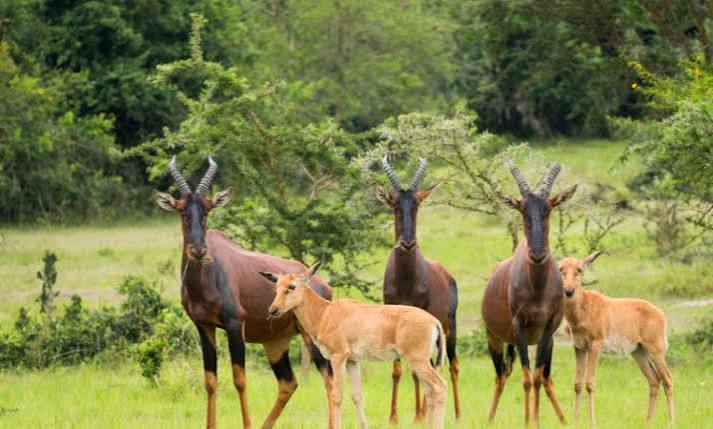
The safari’s defining moments often include the first sight of Murchison Falls, where the Nile is compressed through a narrow rocky gorge; hearing chimpanzees calling through Kibale Forest; watching elephants drink along the Kazinga Channel; searching fig trees for lions in Ishasha; and sitting quietly a few meters from a mountain gorilla family.
Birdlife is another major attraction. Uganda records an exceptional number of bird species because several ecological zones meet within the country. Even guests who do not consider themselves birdwatchers often become interested after seeing colorful species such as great blue turacos, African fish eagles, grey crowned cranes, bee-eaters, kingfishers and hornbills.
The trip also creates opportunities to engage with local communities. Depending on the selected program, visits can include a village walk near Bwindi, a Bigodi community experience, a traditional farm visit or a cultural performance. Responsible community tourism can provide income while giving visitors a more complete understanding of life around Uganda’s protected areas.
Detailed Uganda Safari Itinerary 10 Days
Day 1: Arrival at Entebbe International Airport
Your adventure begins at Entebbe International Airport, Uganda’s main international gateway. A professional representative welcomes you after immigration and baggage collection. You then transfer to your hotel in Entebbe or Kampala.
Entebbe is usually the better choice for a relaxed arrival. It sits on the shore of Lake Victoria and is generally quieter than central Kampala. Staying in Entebbe also reduces exposure to city traffic when starting the journey north the following morning.
The drive from the airport to an Entebbe hotel may take between 10 and 30 minutes, depending on the property. A transfer to Kampala can take one hour or considerably longer during heavy traffic.
After checking in, you meet your driver-guide for a safari briefing. The guide explains the route, expected driving times, national park regulations and the preparation required for gorilla and chimpanzee trekking. This is also a useful time to confirm dietary restrictions, room preferences and any special interests such as birdwatching or photography.
Guests arriving early can add a gentle activity. Possible choices include the Entebbe Botanical Gardens, a Lake Victoria sunset cruise or a visit to a local craft market. However, travelers arriving after a long international flight may prefer to rest.
Your first evening should remain flexible. International flights can be delayed, and a demanding activity immediately after arrival may create unnecessary pressure. A comfortable dinner and an early night prepare you for the road journey ahead.
Accommodation: Budget, midrange or luxury hotel in Entebbe
Meals: Depending on arrival time and booked package
Driving time: Approximately 15–90 minutes
Day 2: Entebbe to Ziwa Rhino Sanctuary and Murchison Falls National Park
After breakfast, you leave Entebbe and travel north toward Murchison Falls National Park. The journey passes Kampala’s outskirts before continuing through the districts of central and northwestern Uganda.
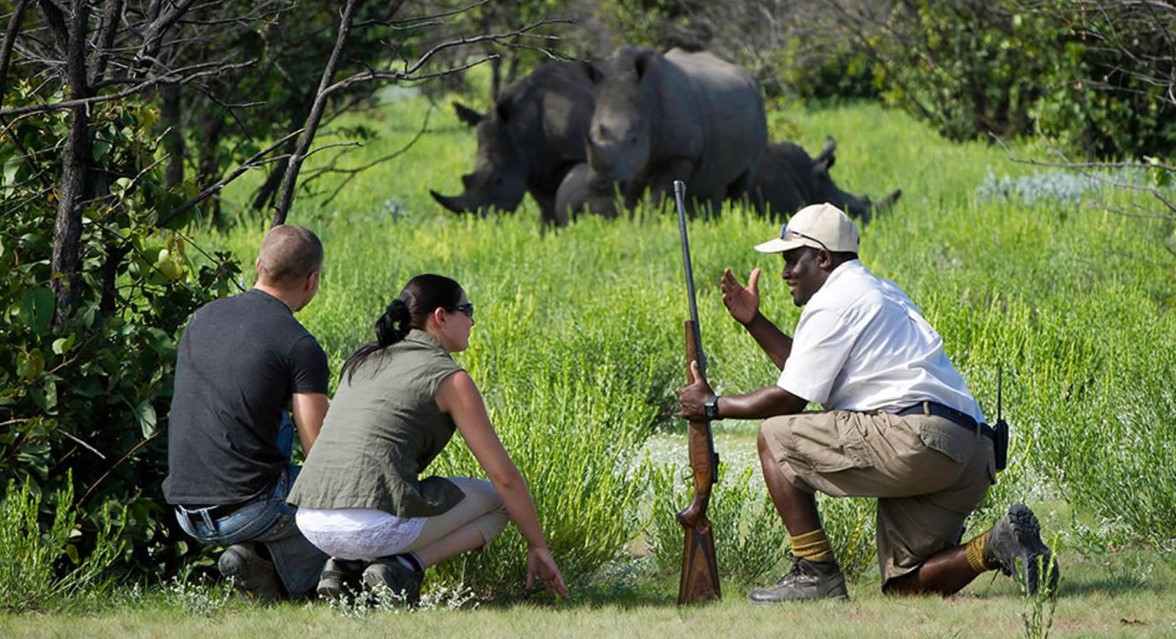
The main activity along the route is guided rhino tracking at Ziwa Rhino Sanctuary. Rhinos became extinct in Uganda’s national parks during a period of instability and poaching. Ziwa has played a significant role in the country’s rhino conservation efforts.
Rhino tracking is normally completed on foot with a trained ranger. After a safety briefing, you enter the sanctuary and follow the ranger across bush and grassland. The walking distance depends on where the rhinos are located. The ranger interprets tracks, behavior and conservation challenges while ensuring visitors maintain a safe distance.
This encounter complements the wildlife seen later in the national parks. Uganda’s savannah parks protect lions, leopards, elephants and buffaloes, while Ziwa provides the rhino component of a broader Big Five experience.
After tracking, you have lunch and continue toward Murchison Falls National Park. Depending on timing, you may visit the top of the falls on arrival or schedule it for the following day.
At the top of Murchison Falls, the Nile is forced through a gorge only a few meters wide before plunging into a turbulent pool. The Uganda Wildlife Authority describes Murchison Falls as the country’s oldest and largest national park and identifies the waterfall as a 45-meter drop through an approximately eight-meter-wide gorge. Uganda Wildlife Authority
The sound, spray and power of the river make this one of Uganda’s most dramatic natural attractions. Safe viewpoints allow visitors to observe the water before it continues toward Lake Albert.
You then transfer to your lodge for dinner and an overnight stay. Lodges may be located north or south of the Nile. The selected location affects ferry crossings, game-drive departure times and overall logistics, so accommodation should be chosen as part of the complete route rather than in isolation.
Accommodation: Lodge in or near Murchison Falls National Park
Meals: Breakfast, lunch and dinner
Driving time: Approximately 6–8 hours, including stops
Day 3: Murchison Falls Game Drive and Nile Boat Safari
Today introduces you to Uganda’s classic savannah wildlife. An early breakfast is followed by a morning game drive, usually across the open plains north of the Nile.
The cooler hours after sunrise are productive for wildlife viewing. Lions and other predators may still be active, while giraffes, buffaloes, Uganda kobs, hartebeests and elephants move through the grasslands. Your guide searches for fresh tracks, watches the behavior of other animals and communicates with fellow guides when appropriate.
Murchison Falls is especially known for Rothschild’s giraffes, also called Nubian giraffes. Their height makes them easy to notice as they move between acacia trees. Large herds of buffaloes are common, and elephants may be seen crossing the plains or feeding near woodland.
Uganda kobs often gather in open areas. These attractive antelopes are closely associated with the country and form an important part of the ecosystem. Oribis, warthogs, waterbucks and Jackson’s hartebeests may also appear.
Predator sightings require patience. Lions use grass, bushes and drainage lines for cover. Leopards are more secretive and may rest in trees or dense vegetation. A knowledgeable guide studies alarm calls and the nervous behavior of prey species to improve the chance of locating them.
After the game drive, you return to the lodge or stop at a suitable location for lunch. The afternoon activity is a boat safari on the Nile toward the base of Murchison Falls.
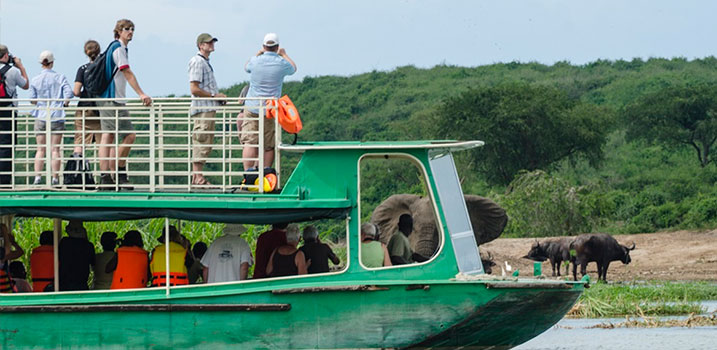
The river cruise offers a completely different perspective. Hippos rest in the water, crocodiles occupy sandy banks and elephants frequently approach the river to drink. Buffaloes, antelopes and waterbirds gather along the shoreline. African fish eagles watch from high branches while kingfishers and bee-eaters add color to the scenery.
As the boat approaches the falls, the current becomes stronger and the distant wall of white water becomes visible. Boats remain at a safe viewing point below the falls. Depending on water levels and park arrangements, active travelers may be able to leave the boat for a guided hike toward the top, although this must be confirmed when booking.
A private boat can be arranged for travelers who want more space, flexibility or photography time. Shared cruises are more economical and still provide excellent wildlife viewing.
You return to the lodge in the late afternoon. If time allows, a short evening game drive may be added. Otherwise, enjoy the sunset and listen to the sounds of the park.
Accommodation: Lodge in or near Murchison Falls National Park
Meals: Breakfast, lunch and dinner
Activities: Game drive, boat cruise and optional waterfall hike
Day 4: Murchison Falls to Kibale National Park
After breakfast, you begin the long transfer south toward Kibale National Park. This is one of the longest road journeys in the itinerary, but it reveals landscapes that travelers miss when flying between parks.
The route passes rural villages, farms and sections of western Uganda’s green countryside. Depending on the road used, lunch may be arranged in Hoima, Fort Portal or another suitable town.
Fort Portal is the main urban center near Kibale. It lies in a fertile region known for tea plantations, crater lakes and views toward the Rwenzori Mountains. On clear days, the mountain range forms an impressive western horizon.
Kibale National Park is one of Africa’s leading primate destinations. The Uganda Wildlife Authority reports that the forest supports 13 primate species and highlights chimpanzee tracking at Kanyanchu as its signature experience. Uganda Wildlife Authority
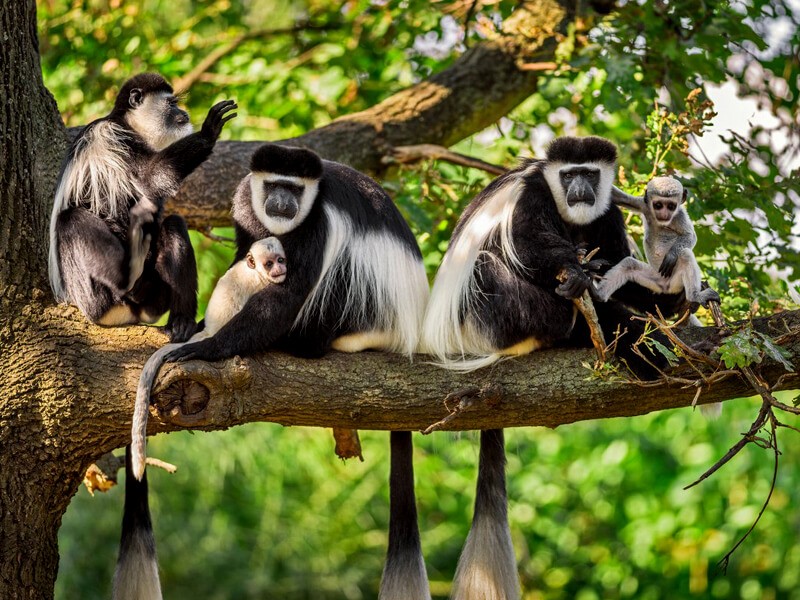
The forest is also home to red colobus monkeys, black-and-white colobus monkeys, red-tailed monkeys, grey-cheeked mangabeys, blue monkeys and olive baboons. Some species are easier to see than others, and sightings vary with season, weather and forest conditions.
You arrive at your lodge in the late afternoon or early evening. After checking in, enjoy dinner and prepare your trekking equipment for the next morning.
Your guide will advise whether your chimpanzee activity starts in the morning or afternoon. Morning tracking usually fits this itinerary more comfortably because it leaves time for a community or wetland walk later in the day.
Accommodation: Forest lodge near Kibale National Park
Meals: Breakfast, lunch and dinner
Driving time: Approximately 7–9 hours
Day 5: Chimpanzee Tracking in Kibale Forest and Bigodi Wetland Walk
After an early breakfast, you transfer to the Kibale National Park briefing point. Rangers explain forest regulations, expected trekking conditions and appropriate behavior around chimpanzees.
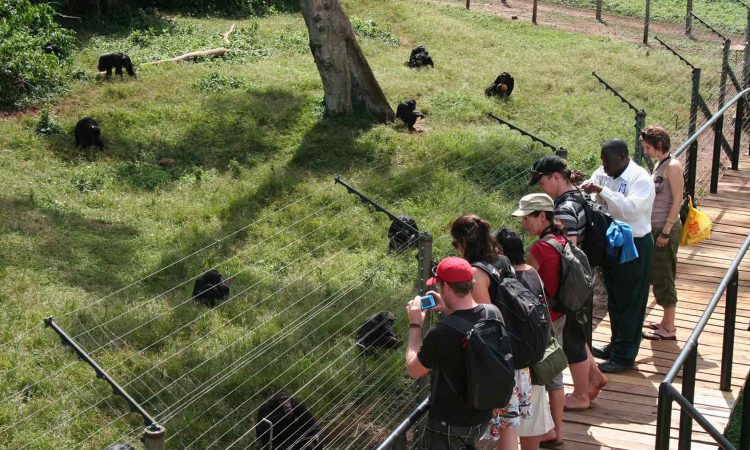
Visitors are placed into groups and assigned a ranger-guide. The trek begins along forest trails, but the final approach may involve leaving the main path. Chimpanzees move through large territories, so the duration varies.
Their presence may first be announced by sound. Pant-hoots travel through the trees, leaves move in the canopy and branches break as individuals change position. Sometimes chimpanzees remain high above the forest floor. On other occasions, they descend to feed, travel or rest at ground level.
Once the chimpanzees are located, visitors normally spend a regulated period observing them, subject to the activity purchased and current park rules. Your ranger helps identify individuals and explains grooming, feeding, dominance and communication.
Chimpanzees are highly intelligent and socially complex. Unlike the quiet atmosphere often associated with gorilla trekking, chimpanzee encounters can be fast, noisy and energetic. Individuals may call loudly, chase through vegetation or travel rapidly between trees.
Wear long trousers, a long-sleeved shirt and sturdy walking shoes. The forest can be humid, and rain is possible throughout the year. Insect repellent and a small waterproof cover are useful.
After tracking, return to the lodge for lunch. In the afternoon, consider a guided walk through the Bigodi Wetland Sanctuary. This community-supported conservation area provides opportunities to see monkeys, birds, butterflies and rural life outside the national park.
The Bigodi experience is not simply an extension of the morning trek. The landscape is more open, and guides often discuss local plants, agriculture and community conservation. Visitors may see great blue turacos, hornbills, weavers and several primate species.
Travelers who prefer a slower afternoon can visit a local farm, tour a tea-growing area or relax at the lodge. A private Uganda Safari Itinerary 10 Days should allow this type of flexibility, especially after a physically active morning.
Accommodation: Forest lodge near Kibale National Park
Meals: Breakfast, lunch and dinner
Activities: Chimpanzee tracking and optional Bigodi walk
Why Chimpanzee Tracking Belongs in a Uganda Safari Itinerary 10 Days
Gorilla trekking receives much of the international attention, but chimpanzee tracking provides a distinctly different primate experience. Including both activities gives travelers a broader understanding of great ape behavior.
Mountain gorillas generally live in relatively stable family groups led by a dominant silverback. Chimpanzees live in larger communities whose members separate and reunite throughout the day. This social pattern creates active encounters and fascinating interactions.
Kibale is also valuable because it protects an entire forest ecosystem. During a trek, visitors may notice medicinal plants, butterflies, forest birds and smaller primates. The experience demonstrates why conserving a flagship species can protect many other forms of life.
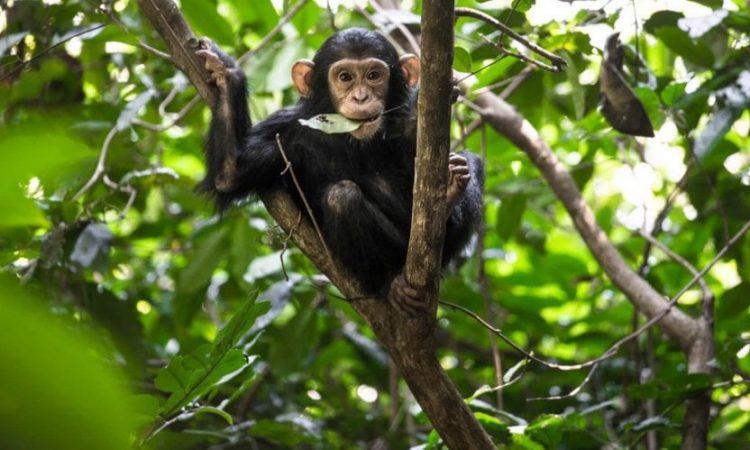
Chimpanzee permits are limited and should be reserved early. Permit prices, session times and activity conditions can change. Therefore, confirm current information through a licensed operator or directly with the Uganda Wildlife Authority before making non-refundable arrangements.
Day 6: Kibale to Queen Elizabeth National Park
Following breakfast, you leave Kibale and continue toward Queen Elizabeth National Park. The drive is shorter than the previous day and passes through an attractive region of crater lakes, farms and distant mountain scenery.
Depending on your interests and the day’s schedule, you may stop at a crater lake viewpoint. Western Uganda contains numerous volcanic features created by ancient geological activity. Some craters are filled with freshwater, while others contain salt deposits or support wetlands and vegetation.
Queen Elizabeth National Park is one of Uganda’s most varied wildlife areas. It includes savannah, wetlands, lakes, woodland and forested gorges. The park lies against the backdrop of the Rwenzori Mountains and is divided by the Kazinga Channel, which connects Lake George and Lake Edward.
According to the Uganda Wildlife Authority, Queen Elizabeth National Park supports more than 95 mammal species and over 600 bird species. Its varied habitats provide opportunities to see elephants, buffaloes, Uganda kobs, waterbucks, hippos, lions, leopards and numerous smaller animals. Uganda Wildlife Authority
After lunch and check-in, you begin an afternoon or evening game drive, often in the Kasenyi Plains. This area is known for Uganda kobs, which attract lions and other predators.
The evening light creates favorable conditions for photography. Elephants may cross the tracks, buffaloes gather near water and warthogs feed in open areas. Your guide selects the route according to recent wildlife movements and track conditions.
Queen Elizabeth National Park has scenic value beyond its large animals. The combination of lakes, volcanic craters, grasslands and mountains makes it one of Uganda’s most photogenic regions.
As darkness approaches, you return to the lodge for dinner. Some properties overlook the Kazinga Channel or surrounding savannah. Hippos may graze near certain unfenced lodges at night, so guests must follow staff instructions when moving between rooms and common areas.
Accommodation: Lodge in Queen Elizabeth National Park
Meals: Breakfast, lunch and dinner
Driving time: Approximately 3–4 hours
Day 7: Kazinga Channel Boat Cruise, Ishasha and Transfer to Bwindi
Day seven combines one of Uganda’s best boat safaris with a journey through the Ishasha sector toward Bwindi Impenetrable National Park.
Depending on the confirmed cruise schedule, you may begin with a short morning game drive before boarding a boat on the Kazinga Channel. Alternatively, an early cruise can be arranged when available.
The channel links Lake George with Lake Edward and supports an impressive concentration of wildlife. Large groups of hippos are commonly seen in the water. Crocodiles rest along the banks, while buffaloes and elephants frequently approach the shoreline.
Birdwatching is excellent. African fish eagles, pied kingfishers, African skimmers, pelicans, herons, egrets, cormorants and storks may all be encountered. The boat’s slow movement creates good opportunities for observation and photography.
Unlike a road game drive, the cruise allows close but controlled viewing of animals that gather at the water. During the dry season, the channel becomes particularly important as wildlife visits to drink and cool down.
After the cruise, continue south through Queen Elizabeth National Park toward Ishasha. This remote sector is known for lions that sometimes rest in the branches of large fig trees. Tree-climbing is not guaranteed, and the lions may be hidden in grass or moving elsewhere in their range. Nevertheless, searching for them is an exciting part of the journey.
Scientists and guides have proposed several reasons for this behavior. The branches may provide cooler resting positions, relief from insects or a better view of prey. Whatever the explanation, seeing a lion stretched across a tree is memorable.
Ishasha also supports elephants, buffaloes, topis, Uganda kobs and other savannah species. The game drive therefore remains rewarding even when the lions are not visible.
You then leave the park and travel into the highlands around Bwindi. The road becomes more winding as it passes villages, farms and forested hills. Arrival time depends on the assigned trekking sector.
Bwindi has four main gorilla trekking sectors: Buhoma, Ruhija, Rushaga and Nkuringo. Your accommodation must be booked near the sector printed on your permit. Staying in the wrong sector can create an extremely long and sometimes impractical early-morning transfer.
After checking into the lodge, your guide reviews the next day’s preparations. Pack your rain jacket, drinking water, camera, gloves and lunch. Get enough rest because the duration and difficulty of the trek cannot be predicted in advance.
Accommodation: Lodge near your assigned Bwindi trekking sector
Meals: Breakfast, lunch and dinner
Driving time: Approximately 4–7 hours, including game viewing
Day 8: Gorilla Trekking in Bwindi Impenetrable National Park
Gorilla trekking is the emotional centerpiece of this Uganda Safari Itinerary 10 Days. After an early breakfast, you travel to the sector headquarters with your passport, permit details, packed lunch and trekking equipment.
The morning begins with registration and a ranger briefing. Park staff explain how to behave in the forest, what to do if a gorilla approaches and how the viewing period is managed.
Trekkers are divided into small groups and assigned to habituated gorilla families. Allocation can consider age, fitness and mobility, although the final decision belongs to park authorities and depends on the location of gorilla groups.
You then enter the forest with rangers, trackers and optional porters. Some treks follow established paths for much of the journey. Others involve steep slopes, thick undergrowth, slippery ground and stream crossings.
The duration is unpredictable because gorillas move freely. A group may be found relatively quickly, or reaching them may take several hours. This uncertainty is part of the experience.
When trackers locate the gorillas, the atmosphere changes. Bags and walking sticks are normally left with porters or support staff before the final approach. Your ranger guides you into a safe viewing position.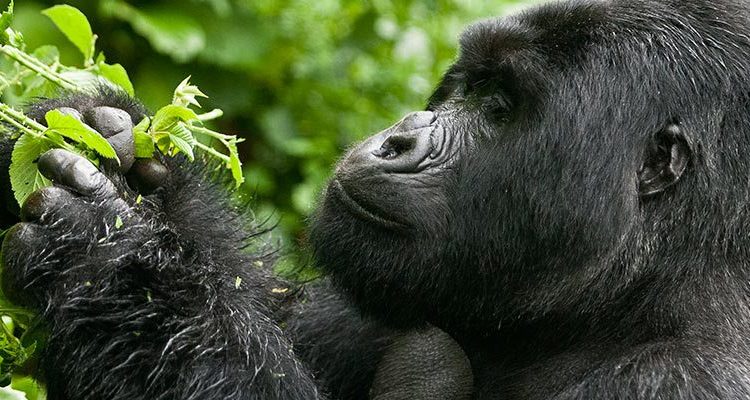
The first clear view can be extraordinary: a silverback resting among leaves, a female feeding or a young gorilla climbing through branches. Because gorillas are habituated rather than domesticated, they remain wild animals living naturally in their forest territory.
Visitors typically receive one regulated hour with a gorilla family during standard trekking, subject to official rules and exceptional circumstances. Listen carefully to your ranger and avoid sudden movement. Flash photography is not allowed.
The silverback is often the most imposing member of the group. His size is impressive, but his role is not based only on strength. He protects the family, responds to threats, leads movement and helps maintain social stability.
Young gorillas may play, roll through vegetation or approach out of curiosity. Visitors must not touch them, even if an animal moves closer than the recommended distance. Rangers provide instructions according to the situation.
After the viewing period, you leave the gorillas and return through the forest. At the end of the trek, participants may receive a certificate recognizing the experience.
Hiring a porter is strongly recommended. A porter can carry your bag, provide support on steep sections and help you cross difficult ground. Porter fees also create direct economic benefits for people living near the park.
Travelers should not attempt the trek when suffering from an infectious illness. Mountain gorillas are vulnerable to human diseases. Inform your guide if you feel unwell so that the appropriate procedure can be followed.
The Uganda Wildlife Authority identifies Bwindi as one of Africa’s oldest and most biologically diverse forests and one of the world’s principal mountain gorilla habitats. Uganda Wildlife Authority
After returning to the lodge, spend the afternoon resting. If the trek ends early and you still have energy, an optional community experience can be arranged.
A respectful village visit may introduce local crafts, farming, food preparation, music or community projects. The activity should be organized through established community guides so that local participants benefit fairly.
Dinner at the lodge provides time to reflect on the day. Many travelers describe gorilla trekking as one of the most powerful wildlife experiences of their lives.
Accommodation: Lodge near Bwindi Impenetrable National Park
Meals: Breakfast, packed lunch and dinner
Activity: Mountain gorilla trekking
Gorilla Trekking Preparation for Your Uganda Safari Itinerary 10 Days
Good preparation makes the gorilla experience safer and more comfortable. You do not need to be a professional athlete, but a reasonable level of fitness is valuable. Walk regularly before traveling, particularly on hills or stairs if possible.
Waterproof hiking boots with good ankle support are more suitable than ordinary sports shoes. The forest floor may be muddy, and vegetation can be dense. Long trousers protect your legs, while a lightweight long-sleeved shirt provides protection from insects and plants.
Gardening gloves are surprisingly useful. They allow you to hold branches or place a hand on the ground without touching sharp vegetation. Gaiters can keep mud and insects away from your socks.
Carry a lightweight waterproof jacket even if the morning begins with sunshine. Bwindi is a rainforest, and rain can arrive unexpectedly. A small dry bag or waterproof camera cover helps protect electronics.
Bring at least one to two liters of water, depending on your needs, and carry the packed lunch supplied by your lodge. Your guide can help you decide what should remain in the vehicle.
Photography equipment should be practical. Large professional systems can become difficult to carry on steep ground. A medium-range zoom lens is often more useful than a fixed long lens because gorillas may be encountered at varying distances.
Do not use flash. Increase the camera’s ISO when necessary and stabilize yourself before taking a photograph. Spend part of the viewing period observing without a screen. The hour can pass quickly.
Day 9: Bwindi to Lake Mburo National Park
After breakfast, you leave the forested highlands and travel toward Lake Mburo National Park. The landscape gradually changes from steep green hills to cattle country, woodland and open savannah.
Lake Mburo is smaller than Murchison Falls and Queen Elizabeth National Parks, but it offers wildlife experiences that complement the rest of the itinerary. It is known for zebras, impalas, elands, topis, buffaloes and a variety of birds.
The park’s compact size makes it suitable for a short stay near the end of the safari. It also breaks the journey between Bwindi and Entebbe, avoiding an excessively long final transfer.
Depending on arrival time, you may enjoy an afternoon game drive. Zebras are among the most visible animals, often feeding in open grasslands. Impalas are particularly associated with Lake Mburo because they are not widely distributed across Uganda’s other parks.
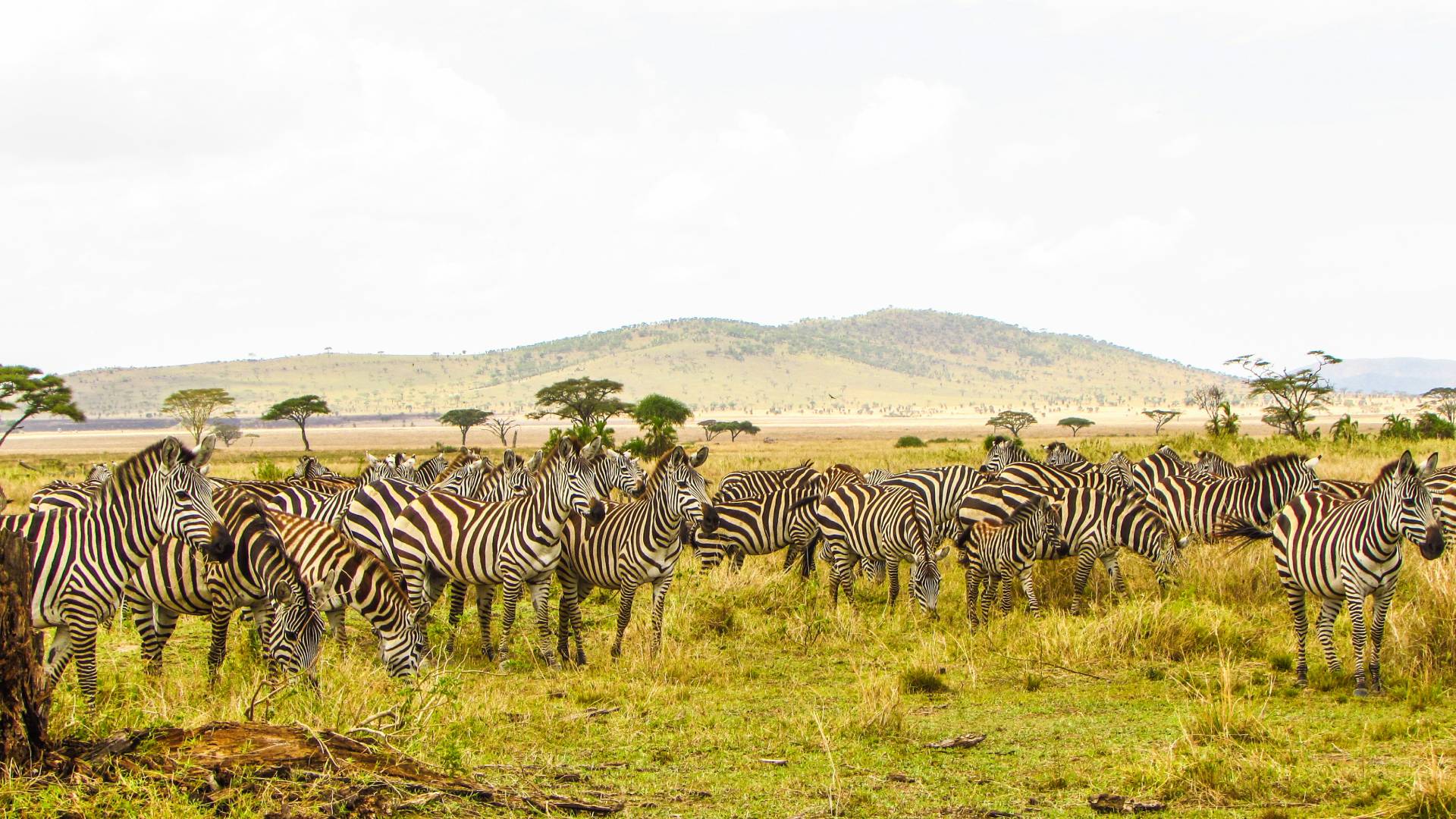
Elands, the world’s largest antelope, may appear in more distant areas. They are shy and can blend into the landscape despite their size. Topis, warthogs, waterbucks and buffaloes may also be seen.
Giraffes have been introduced to the park and can sometimes be observed in suitable areas. Leopards and hyenas are present but are more difficult to find.
An alternative activity is a boat ride on Lake Mburo. The lake supports hippos, crocodiles and waterbirds. The cruise is peaceful and works well for travelers who want a slower afternoon after several road journeys.
Horseback safaris may be available through specific operators outside or near the park. Riding can provide a distinctive way to experience the landscape because some plains animals respond differently to horses than to vehicles. This activity requires advance booking and should match the rider’s experience.
Return to the lodge for your final safari dinner. Many properties around Lake Mburo have attractive views over hills, woodland or water. The smaller scale of the park creates a relaxed conclusion to an active journey.
Accommodation: Lodge in or near Lake Mburo National Park
Meals: Breakfast, lunch and dinner
Driving time: Approximately 5–7 hours
Day 10: Guided Nature Walk and Return to Entebbe
The final morning begins with a guided nature walk or short game drive. Lake Mburo is one of Uganda’s most suitable savannah parks for ranger-led walking experiences.
Walking changes your perspective. Instead of moving quickly between large animals, you notice tracks, plants, insects and smaller details. A ranger explains animal signs and maintains safe distances from wildlife.
Zebras, impalas, giraffes and antelopes may be encountered during a guided walk, depending on the selected area. The activity takes place under official supervision, and instructions must be followed carefully.
After breakfast or an early lunch, you leave Lake Mburo and drive toward Entebbe. A popular stop along the route is the equator crossing near Kayabwe. Visitors can take photographs, browse craft shops and have refreshments.
The equator stop is commercial, but it provides a convenient break during the drive. It also marks the transition back toward Uganda’s capital region.
Continue to Entebbe International Airport for your departure flight. The exact departure time from Lake Mburo must be planned carefully because traffic around Kampala and Entebbe can be unpredictable.
For an evening international flight, the schedule usually works comfortably. Travelers with morning or early-afternoon flights should spend an additional night in Entebbe rather than risk a missed departure.
Your driver-guide assists with luggage and says goodbye at the airport. The journey ends after ten days of forests, savannahs, lakes, rivers and exceptional wildlife encounters.
Meals: Breakfast and lunch, depending on the departure schedule
Driving time: Approximately 4–6 hours
Activities: Nature walk, equator stop and airport transfer
Alternative Route for a Uganda Safari Itinerary 10 Days
The itinerary above is comprehensive, but it is not the only possible route. Every safari should reflect the traveler’s priorities.
Guests mainly interested in primates may remove Murchison Falls and add a second gorilla trek, golden monkey tracking in Mgahinga or a chimpanzee habituation experience in Kibale.
Travelers who dislike long drives can use scheduled domestic flights between Entebbe, Murchison Falls, Kasese and Kihihi. Flying reduces travel time but increases the cost and may impose baggage limits.
Visitors entering from Rwanda can begin in Kigali and cross into southwestern Uganda. Kigali is relatively close to Bwindi and Mgahinga, making it a practical gateway for gorilla-focused itineraries. The journey can then continue north through Queen Elizabeth and Kibale before ending in Entebbe.
A safari beginning in Kigali and ending in Entebbe avoids returning over the same route. It also creates an opportunity to combine Rwanda and Uganda in one East African holiday.
Travelers who prioritize remote wilderness may choose Kidepo Valley National Park. However, Kidepo is far from the southwest primate circuit. Including it in ten days generally requires domestic flights and the removal of one or more parks.
Best Time for a 10-Day Uganda Safari
Uganda can be visited throughout the year. Its equatorial position and varied elevation create moderate temperatures in many safari regions, although conditions differ between lowland savannah and mountain forest.
The drier periods from approximately June to September and December to February are generally popular. Forest trails may be less muddy, and animals often gather around reliable water sources. These months also coincide with high demand for gorilla permits and accommodation.
The wetter periods typically occur around March to May and October to November, although weather patterns are becoming less predictable. Rain usually comes in showers rather than falling continuously every day.
Wet-season travel has advantages. Landscapes are green, bird activity can be excellent and some lodges offer lower rates. There may also be fewer safari vehicles in certain areas.
Gorilla and chimpanzee trekking continue in wet weather. Rain can make forest trails slippery, so suitable boots, gaiters and waterproof clothing become more important.
The best month depends on your priorities. Wildlife photographers may appreciate green scenery and dramatic skies. Travelers who want easier road conditions may prefer the drier months. Birders may select dates according to resident and migratory species.
School holidays, Christmas, New Year and the northern hemisphere summer can be busy. Reserve permits and preferred lodges well in advance if traveling during these periods.
Uganda Gorilla Permit and Chimpanzee Permit Planning
Gorilla and chimpanzee permits are essential components of this itinerary. Availability should be checked before confirming flights and non-refundable accommodation.
Uganda gorilla trekking takes place in Bwindi Impenetrable National Park and Mgahinga Gorilla National Park. Bwindi contains several trekking sectors, while Mgahinga provides a Virunga Mountain setting. Uganda Wildlife Authority’s gorilla-tracking information identifies Buhoma, Ruhija, Rushaga and Nkuringo as Bwindi’s four main sectors. Uganda Wildlife Authority
The location printed on a Bwindi permit determines where the visitor must report. Therefore, the lodge and road route should be planned only after the sector is confirmed.
Gorilla permits are not ordinary entrance tickets. They control visitor numbers, support protection and contribute to the management of the trekking program. A portion of tourism revenue also supports projects in communities around protected areas.
Uganda’s standard gorilla trekking permit has commonly been priced at USD 800 for a foreign non-resident, but fees and policies may change. Always request the official rate applicable to your travel dates before paying.
Chimpanzee permits are also date-specific. Kibale generally offers morning and afternoon tracking sessions. The selected session must fit the larger itinerary, particularly when transferring to Queen Elizabeth National Park.
Permits require personal details and normally must be paid for in advance. They are limited, and reservation policies can be strict. Changes, cancellations and refunds are governed by official conditions.
Book through a licensed safari company or follow official Uganda Wildlife Authority purchase procedures. UWA has issued public guidance encouraging travelers to use authorized channels when purchasing gorilla and chimpanzee permits. Uganda Wildlife Authority permit advisory
How Much Does a Uganda Safari Itinerary 10 Days Cost?
The cost depends on accommodation, group size, travel season, vehicle type, permit rates and whether the journey uses road or air transfers.
A private safari is generally priced per person, but some expenses are shared. Vehicle hire, fuel and guide costs are divided among the travelers. Therefore, the per-person price is usually higher for one guest than for four people traveling together.
Budget accommodation may include simple guesthouses, permanent tents and locally operated lodges outside park boundaries. These properties usually provide private rooms and essential facilities without extensive luxury services.
Midrange accommodation offers greater comfort, attractive locations and reliable meals. This category is popular for travelers who want a comfortable holiday while keeping the overall cost reasonable.
Luxury safaris use premium lodges, larger rooms, personalized service and often exceptional locations. Some high-end properties include spa facilities, private plunge pools, fine dining and complimentary services.
As a broad planning estimate, a private 10-day Uganda safari may range from approximately USD 4,500 to more than USD 10,000 per person, depending on the travel style and number of guests. Ultra-luxury lodges and domestic flights can raise the price substantially.
This estimate should not be treated as a fixed quotation. Gorilla permit fees, accommodation contracts, park charges, fuel prices and exchange rates can change.
A standard package commonly covers airport transfers, a private safari vehicle, an English-speaking driver-guide, fuel, accommodation, meals during the safari, park entrance fees, scheduled game drives, boat cruises and the permits specifically listed in the quotation.
International flights, visas, travel insurance, alcoholic drinks, personal purchases, gratuities and optional activities are often excluded. Every quotation should clearly identify inclusions and exclusions.
Budget Uganda Safari
A budget safari keeps the main wildlife experiences while using simpler accommodation. Guests still travel with a professional guide and enter the same national parks.
Savings should come from accommodation style and carefully managed logistics, not from removing safety standards or using unreliable vehicles. A well-maintained four-wheel-drive safari vehicle is important, especially during rainy periods.
Budget travelers may stay outside park boundaries. This can increase morning transfer times, but it often reduces accommodation costs.
Midrange Uganda Safari
Midrange is the most balanced option for many travelers. Lodges generally have private bathrooms, comfortable beds, good meals and attractive settings.
The itinerary can remain private, allowing guests to stop for wildlife, photography and rest. Midrange tours often provide a strong experience without the premium cost of luxury properties.
Luxury Uganda Safari
A luxury version focuses on exclusive locations, highly personalized service and reduced travel fatigue. Domestic flights may replace some long drives, although short road transfers are still necessary.
Private boat cruises, premium rooms and specialized guides can be added. However, the gorilla trekking experience itself follows park regulations for all visitors, regardless of accommodation category.
Choosing the Right Safari Vehicle
Road conditions vary considerably. Major highways are paved, but tracks inside national parks and roads near Bwindi may be rough or muddy.
A customized four-wheel-drive Land Cruiser is usually the preferred vehicle for a private safari. It should have comfortable seats, large windows and a raised or opening roof for wildlife viewing.
A safari van may cost less and can work on some routes during good weather. Nevertheless, four-wheel drive offers greater reliability in difficult conditions.
Ask whether the vehicle includes charging points, a refrigerator or cooler, drinking water and sufficient luggage space. These details matter on a long road trip.
The driver-guide is equally important. A skilled guide manages time, understands animal behavior, recognizes birds, handles border or park procedures and responds to changing road conditions. The cheapest vehicle quotation may not provide the best overall experience.
Accommodation Selection
Selecting accommodation requires more than comparing room photographs. Location has a direct impact on your daily schedule.
In Murchison Falls, consider which side of the Nile provides easier access to the planned game-drive area. In Queen Elizabeth, a lodge near the Kazinga Channel may be convenient for boat cruises, while a property farther south may reduce the following day’s transfer.
In Bwindi, the trekking sector is the decisive factor. A beautiful lodge in Buhoma is not suitable for a permit requiring an early report in Nkuringo unless a safe and realistic transfer has been specifically confirmed.
At Lake Mburo, staying inside or near the park allows an early morning walk without a long transfer.
Accommodation standards may differ from similarly named categories in Europe, Asia or North America. Review the actual facilities, room configuration, electricity schedule and internet availability rather than relying only on labels such as “three-star” or “luxury.”
Travelers needing twin beds, family rooms, accessible accommodation or adjoining rooms should make the request before confirmation. Such arrangements are limited in remote safari areas.
What Wildlife Can You See?
This route passes through forests, wetlands, rivers, lakes, woodland and open grassland. The resulting wildlife list is extensive.
Murchison Falls provides opportunities to see elephants, lions, giraffes, buffaloes, Uganda kobs, hartebeests, hippos, crocodiles and numerous birds.
Kibale is dominated by primates. Chimpanzees are the main attraction, but red colobus, black-and-white colobus, red-tailed monkeys, L’Hoest’s monkeys and grey-cheeked mangabeys may also be present.
Queen Elizabeth protects elephants, lions, leopards, buffaloes, hippos, Uganda kobs, waterbucks, warthogs and hyenas. Ishasha is famous for its tree-climbing lions, although sightings are never guaranteed.
Bwindi’s mountain gorillas are the highlight, but the forest contains many other mammals and birds. Most visitors concentrate on gorillas because dense vegetation makes other forest wildlife harder to observe.
Lake Mburo adds zebras, impalas, elands, topis and giraffes. Its birdlife and walking opportunities make it a valuable final destination.
Rhino tracking at Ziwa allows the itinerary to include all of the traditional Big Five categories. However, a safari should never be treated as a checklist. Patient observation often produces the most rewarding moments.
Birdwatching on a 10-Day Uganda Safari
Uganda is one of Africa’s outstanding birding destinations. The country’s location allows East African savannah species, Central African forest birds and Albertine Rift endemics to occur within a relatively compact area.
Murchison Falls may produce sightings of Abyssinian ground hornbills, northern carmine bee-eaters, African fish eagles and many waterbirds. Shoebills occur in suitable wetland habitats, but they are not guaranteed on the standard waterfall cruise.
Kibale and Bigodi are excellent for forest birds. Great blue turacos are among the most visually striking, while experienced birders can search for smaller and more difficult species.
Queen Elizabeth National Park offers a broad range of raptors, waterbirds, grassland species and migrants. The Kazinga Channel is particularly productive because birds gather along the banks and islands.
Bwindi is internationally important for Albertine Rift species. Dedicated birding in Bwindi requires additional time and a specialist guide. A standard gorilla itinerary offers only a brief introduction.
Lake Mburo is known for woodland and savannah birds. A walking safari allows guests to listen for calls that may be missed from a vehicle.
Travelers with a serious birding interest should tell the tour operator before booking. The itinerary can then use specialist guides, slower game drives and accommodation near productive habitats.
Packing List for Uganda
Packing should be practical because the trip includes both hot savannah and cool, wet forest conditions. Lightweight layers work better than one heavy outfit.
Bring neutral-colored safari clothing, long trekking trousers, long-sleeved shirts, comfortable closed shoes, waterproof hiking boots, a rain jacket, a warm layer for cool mornings and a sun hat.
For gorilla trekking, add gardening gloves, gaiters, thick socks and a small waterproof backpack. A walking pole can be helpful, although locally made sticks may be available near the briefing point.
Sun protection is necessary even on cloudy days. Pack sunscreen, sunglasses and lip balm. Insect repellent is important around forests, wetlands and lodges.
Bring personal medication and a basic travel health kit. Remote lodges may not have the brands or prescriptions you use at home.
Binoculars improve game drives, boat cruises and birdwatching. An 8×42 or 10×42 pair is a practical choice for general safari use.
Camera users should pack spare batteries, memory cards, chargers and dust protection. Electricity may be supplied by solar power or generators at scheduled times.
Use soft-sided luggage when possible, especially if domestic flights are included. Small aircraft apply strict baggage restrictions that differ from international airline allowances.
Avoid over-packing. Most lodges provide laundry services, although underwear may need to be washed personally for cultural or operational reasons.
Health and Safety
Consult a qualified travel health professional before departure. Vaccination requirements and health recommendations can change according to your travel history and country of origin.
Yellow fever certification may be required under Uganda’s entry rules. Malaria is present, so discuss preventive medication and mosquito protection with a medical professional.
Travel insurance should cover medical treatment, evacuation, trip interruption, lost baggage and the activities included in your safari. Confirm that gorilla trekking and other guided walks are not excluded by the policy.
Drink bottled or properly treated water. Reliable safari operators provide drinking water in the vehicle. Avoid drinking untreated tap or surface water.
Food at established lodges is generally prepared for international visitors. Inform the operator of allergies or dietary needs before travel, particularly in remote areas where replacement ingredients may be difficult to obtain.
Follow ranger instructions around wildlife. Never leave the vehicle unless the guide confirms that it is safe and permitted. Do not walk alone around unfenced lodges at night.
Uganda is widely visited by international travelers, but normal precautions remain important. Keep valuables secure, avoid displaying large amounts of cash and use professional transportation.
Road travel deserves particular attention. Choose an operator with well-maintained vehicles, experienced guides and realistic schedules. Avoid itineraries that depend on excessive night driving.
Uganda Visa and Entry Planning
Entry regulations can change, so travelers should confirm current requirements through official Ugandan immigration or diplomatic channels before departure.
Many international visitors need an electronic visa approval before traveling. Your passport should have sufficient validity and blank pages.
Travelers combining Uganda, Rwanda and Kenya may consider the East Africa Tourist Visa when eligible. However, its conditions depend on the first country of entry and participating-country regulations.
Carry digital and printed copies of important documents, including your passport, visa approval, travel insurance, flight information and permit confirmations.
The name supplied for gorilla and chimpanzee permits should match your passport details. Tell your operator immediately if a passport is renewed after the booking.
Responsible and Sustainable Safari Travel
Uganda’s wildlife depends on protected habitats, trained rangers and cooperation with communities living near national parks. Travelers influence this system through the companies, lodges and activities they choose.
Book with licensed operators that follow park regulations and pay the required fees. Avoid companies offering suspiciously cheap permits or activities outside official systems.
Hire local porters during gorilla trekking. In addition to making the trek easier, porter employment provides direct income in communities around the forest.
Respect minimum viewing distances and health regulations. Do not pressure guides to drive off designated tracks, crowd animals or extend a wildlife encounter beyond official limits.
Never feed wildlife. Feeding changes natural behavior and can create dangerous interactions.
Choose community experiences that are organized respectfully and compensate participants fairly. Cultural visits should be exchanges rather than performances designed solely around stereotypes.
Reduce disposable plastic when possible. Carry a refillable bottle if your operator provides safe drinking-water refills.
Photography should also be respectful. Ask permission before photographing people, particularly children. A person’s home or workplace is not automatically a tourist attraction.
Tourism can support conservation when it creates value for wildlife and surrounding communities. Uganda Wildlife Authority states that revenue sharing directs tourism-related funds toward agreed community projects around protected areas. Uganda Wildlife Authority
Is This Safari Suitable for Families?
The safari can work well for families, but the children’s ages must be considered. Gorilla trekking has a minimum participation age, normally 15 years under current regulations. Chimpanzee tracking and other activities may also have age restrictions.
Families with younger children can customize the route by replacing primate treks with nature walks, community activities or additional game drives. Some lodges offer family cottages and child-friendly programs.
Driving distances are another factor. Children who are comfortable with road trips may enjoy the changing scenery, but younger travelers may find the longest transfer days tiring.
A private vehicle gives families more flexibility for rest stops and meal timing. It also allows guides to adapt explanations to the children’s interests.
Parents should request family rooms or adjoining accommodation early. Remote lodges may have only one or two suitable family units.
Is the Itinerary Suitable for Senior Travelers?
Age alone does not prevent visitors from enjoying Uganda. Many active senior travelers complete gorilla and chimpanzee treks successfully.
The more important considerations are mobility, balance, cardiovascular health and comfort on uneven ground. Discuss relevant conditions honestly with the operator.
At Bwindi, park staff may be able to assign guests to a gorilla family expected to be more accessible, but no easy trek can be guaranteed because the gorillas move.
Porters provide valuable assistance. In some circumstances, sedan-chair support may be arranged for visitors with limited mobility, subject to availability and advance planning.
The itinerary can also be slowed down by adding one or two nights. An extra night after the long Murchison-to-Kibale transfer or before gorilla trekking can significantly improve comfort.
Domestic flights can replace some road journeys. However, passengers still need to enter small aircraft and travel by road between airstrips and lodges.
Photography Advice
Uganda provides challenging but rewarding conditions for photographers. Savannah animals may appear in bright sunlight, while forest primates are often encountered in deep shade.
A camera with strong low-light performance is useful for gorilla and chimpanzee trekking. A lens covering approximately 70–200mm offers flexibility, although equipment choice depends on the camera system.
Longer lenses are helpful for birds and distant predators. A beanbag can stabilize the camera on the vehicle, while a monopod may be easier than a tripod in the forest.
Protect equipment from dust and rain. Avoid changing lenses unnecessarily during dry game drives. Keep a waterproof cover accessible during forest activities.
Ask your guide before positioning equipment outside the vehicle. Wildlife can move unexpectedly, and park rules must always come before the photograph.
Private vehicles provide more control over seating and timing. Serious photographers may reserve an entire row or request a vehicle configured for camera equipment.
Communicate your priorities clearly. A guide who knows you want behavioral images may wait longer at one sighting instead of rushing toward every reported animal.
Food and Dietary Requirements
Safari lodges generally serve a combination of international and local dishes. Breakfast may include fruit, eggs, bread, coffee and tea. Lunch is often served at the lodge or packed for travel days. Dinner commonly includes a starter, main course and dessert.
Ugandan ingredients may include matoke, sweet potatoes, cassava, beans, groundnut sauce, fresh vegetables, fish and meat. Trying local dishes adds another dimension to the journey.
Vegetarian meals are widely available with advance notice. Vegan, gluten-free and allergy-sensitive menus require more planning, especially in remote areas.
Tell the operator about dietary requirements during booking, not after arrival. Clear information allows lodges to purchase suitable ingredients.
Travelers with severe allergies should carry translated instructions and necessary medication. They should also confirm how kitchens manage cross-contamination.
Private Safari Versus Group Tour
A private safari provides a dedicated vehicle and guide. Departure times, rest stops and wildlife-viewing decisions can be adjusted within park regulations.
Private travel is particularly valuable for photographers, families, honeymooners and guests with specific interests. It also simplifies accommodation and permit coordination.
A group tour can reduce costs because vehicle expenses are shared. It may also appeal to solo travelers who enjoy meeting other people.
However, fixed group departures usually have less flexibility. Participants must follow agreed schedules, and room categories or trekking sectors may already be determined.
When comparing prices, check the maximum number of guests per vehicle. A low-priced group tour may become uncomfortable if every seat is occupied and guests have limited access to windows.
Road Safari Versus Flying Safari
Road travel is an important part of discovering Uganda. You see villages, farms, towns and changing landscapes while developing a better sense of the country’s geography.
It is also economical for couples, families and small groups. A private vehicle remains with you throughout the journey, so luggage and daily logistics are straightforward.
The disadvantage is time. Some transfers take most of the day, and road conditions can slow progress.
Domestic flights save time and can make the itinerary more comfortable. Flights operate between Entebbe and selected airstrips serving major safari areas, although schedules and routes vary.
Flying is more expensive and usually includes strict luggage limits. It also does not eliminate road travel completely because airstrips are rarely beside the lodge.
A combined approach may work best. For example, travelers can drive through Murchison Falls, Kibale and Queen Elizabeth before flying from Kihihi near Bwindi to Entebbe.
Extending the Safari
Although ten days cover Uganda’s essential attractions, additional time creates new possibilities.
A second gorilla trek allows visitors to meet another habituated family. Each group has a different composition, territory and social character.
Mgahinga Gorilla National Park can add golden monkey tracking, volcanic scenery and another possible gorilla trekking location. UWA describes Mgahinga as Uganda’s smallest national park and an important habitat for both mountain gorillas and endangered golden monkeys. Uganda Wildlife Authority
A Rwenzori extension suits active travelers interested in mountain trekking. Options range from short foothill walks to challenging multi-day expeditions.
Jinja can be added for the Nile, rafting and adventure activities. This extension works particularly well after returning to Entebbe or Kampala.
Visitors interested in remote wilderness can fly to Kidepo Valley National Park. Its location makes it difficult to add by road without extending the safari significantly.
A Rwanda extension is convenient from southwestern Uganda. Travelers can cross the border, explore Kigali, visit Volcanoes National Park or continue toward Lake Kivu and Nyungwe.
Frequently Asked Questions About a Uganda Safari Itinerary 10 Days
Is 10 days enough for a Uganda safari?
Yes. Ten days are enough to combine mountain gorillas, chimpanzees, savannah game drives, boat cruises and several national parks. The journey includes some long transfers, but it provides a broad introduction to Uganda.
Travelers wanting a slower pace should add two or three days. Extra time can be used in Kibale, Bwindi or Queen Elizabeth National Park.
What is the best 10-day Uganda safari route?
For first-time visitors, one of the best routes connects Entebbe, Murchison Falls, Kibale, Queen Elizabeth, Bwindi and Lake Mburo. This circuit combines Uganda’s leading primate and savannah experiences.
The exact order depends on permit availability and whether the safari starts in Entebbe or Kigali.
Can I see the Big Five in Uganda?
Uganda protects lions, leopards, elephants and buffaloes in its national parks. Rhinos can be tracked at Ziwa Rhino Sanctuary. Combining Ziwa with Murchison Falls or Queen Elizabeth creates an opportunity to encounter all five categories, although wildlife sightings are never guaranteed.
Are gorilla sightings guaranteed?
Gorilla trekking has a very high success rate because trackers monitor habituated families. Nevertheless, these are wild animals in a natural forest, so no responsible operator should offer an absolute guarantee.
How difficult is gorilla trekking?
The difficulty varies. A trek may be short and relatively gentle or may involve several hours on steep, muddy slopes. Weather, terrain and the gorillas’ location all influence the experience.
Improving fitness, hiring a porter and bringing suitable boots make the trek more manageable.
What is the minimum age for gorilla trekking?
The standard minimum age is generally 15 years. Confirm the rule applicable to your travel dates when booking.
Should I trek gorillas in Bwindi or Mgahinga?
Bwindi offers several trekking sectors and multiple habituated gorilla families. Mgahinga provides dramatic Virunga scenery and a smaller-park atmosphere.
The best choice depends on permit availability, the wider route, accommodation preferences and whether you also want golden monkey tracking.
What is the difference between gorilla trekking and gorilla habituation?
Standard trekking normally provides a regulated one-hour viewing period after the gorillas are located. The gorilla habituation experience offers longer observation with a group undergoing a gradual familiarization process, subject to the official program.
Habituation permits cost more and are more limited. The activity may also involve a longer day in the forest.
Do I need a porter?
A porter is not always mandatory, but hiring one is strongly recommended. Porters carry bags, help on steep ground and provide valuable local employment.
Even fit visitors appreciate the assistance because forest conditions can change quickly.
Can I take photographs of gorillas?
Yes, but flash photography is prohibited. Follow ranger guidance and avoid sudden movement. Bring equipment that performs well in low light.
Is Uganda safe for tourists?
Uganda receives many international visitors, and established safari routes are commonly traveled with professional guides. As in any destination, conditions can change. Follow current official travel advice, use reputable operators and take normal precautions.
What type of vehicle is used?
Private safaris typically use a customized four-wheel-drive Land Cruiser or safari vehicle with an opening roof. The exact model depends on group size, budget and operator fleet.
Is Wi-Fi available?
Many lodges offer Wi-Fi in common areas, but connections can be slow or unavailable in remote parks. Mobile coverage also varies.
Treat internet access as a convenience rather than a guarantee. Download important documents before leaving Entebbe.
What currency should I bring?
Uganda’s currency is the Uganda shilling. US dollars are commonly used for tourism payments, but notes may need to meet specific age and condition requirements.
Cards are accepted at some hotels and lodges, though fees may apply. Carry some local currency for small purchases and gratuities.
How much should I tip?
Tipping is appreciated but should remain voluntary. Travelers often tip driver-guides, trekking rangers, porters and lodge staff according to service quality.
Ask your tour operator for current tipping guidance because expectations vary by activity and group size.
Can dietary requirements be accommodated?
Most established lodges can handle vegetarian and common dietary requirements with advance notice. More complex allergies or strict vegan diets need early planning.
Can this safari begin in Kigali?
Yes. Kigali provides convenient access to southwestern Uganda. A Kigali-start itinerary may visit Bwindi first, then continue through Queen Elizabeth and Kibale before ending in Entebbe.
Border-crossing requirements and vehicle permissions must be organized in advance.
Can solo travelers book this itinerary?
Yes. A private solo safari provides maximum flexibility but costs more per person because vehicle and guide expenses are not shared.
Solo travelers can ask about scheduled group departures or room-sharing arrangements if they want to reduce costs.
Is this itinerary suitable for a honeymoon?
Yes. The combination of private wildlife experiences, forest lodges and scenic landscapes works well for honeymoons. Luxury accommodation and domestic flights can increase privacy and comfort.
What happens if it rains during gorilla trekking?
Trekking usually continues in rain. Rangers may adjust the approach according to safety and forest conditions. Waterproof clothing and strong footwear are essential.
When should I book?
For popular travel months, booking 6–12 months in advance is sensible. Gorilla permits and preferred lodges may sell out earlier than ordinary safari accommodation.
Last-minute safaris are possible when permits remain available, but choices may be limited.
Booking Your Uganda Safari Itinerary 10 Days
A successful safari depends on careful coordination. Permits, accommodation, transport, park activities and flight times must work together.
Begin by confirming your intended travel dates, number of guests and accommodation level. Next, check gorilla and chimpanzee permit availability. The remaining route can then be designed around the confirmed permits.
Share your international flight details before finalizing the first and last days. A late arrival may require an Entebbe overnight, while an early departure may require returning from Lake Mburo one day sooner.
Tell your safari planner about your interests. Birdwatchers, photographers, families and honeymooners often need different pacing even when visiting the same parks.
You should also disclose important mobility, health or dietary needs. This information allows the operator to select appropriate lodges, arrange porters and avoid unrealistic schedules.
Before making payment, request a written itinerary that states the dates, destinations, accommodation, room type, meal plan, vehicle arrangement, included permits, activities and exclusions.
Confirm the cancellation and amendment conditions. Gorilla and chimpanzee permits may have stricter terms than hotel rooms.
Keep proof of payment and obtain written confirmation after each major booking stage.
Why Travel With Universal Ventures Rwanda?
Universal Ventures Rwanda organizes personalized safaris across Rwanda and Uganda. Our team understands the logistics involved in combining gorilla trekking, chimpanzee tracking and savannah national parks within a realistic itinerary.
We can arrange private transportation, professional driver-guides, accommodation, gorilla permits, chimpanzee permits, park activities and cross-border travel.
Every itinerary can be customized. You may select budget, midrange, luxury or mixed accommodation. We can also adjust the route for families, senior travelers, photographers, honeymooners and solo guests.
Travelers arriving through Kigali can begin the safari in Rwanda and cross into Uganda. Guests flying into Entebbe can follow the traditional western circuit and add Rwanda at the end.
Permit availability is checked before final confirmation. We also ensure that your Bwindi accommodation corresponds with the correct gorilla trekking sector.
Final Thoughts on the Uganda Safari Itinerary 10 Days
Uganda rewards travelers who want to participate in nature rather than simply observe it from a distance. The country’s best journeys involve walking through forests, listening for primate calls, following wildlife tracks, traveling across changing landscapes and spending time beside rivers and lakes.
This Uganda Safari Itinerary 10 Days captures that variety. Murchison Falls introduces the power of the Nile and the wildlife of northern Uganda. Kibale offers an energetic chimpanzee encounter. Queen Elizabeth brings together savannah, wetlands and the Kazinga Channel. Bwindi delivers an intimate meeting with mountain gorillas. Lake Mburo concludes the journey with zebras, antelopes and guided walking.
The itinerary is active, but it remains adaptable. You can upgrade accommodation, add flights, include another gorilla trek or extend the journey into Rwanda. You can also slow down the route by adding rest nights.
Above all, the safari should be planned around confirmed permits and realistic driving times. When these essential details are handled correctly, ten days provide an unforgettable introduction to the Pearl of Africa.
For a private quotation or a customized Uganda Safari Itinerary 10 Days, contact Universal Ventures Rwanda.
Contact Universal Ventures Rwanda
Universal Ventures Rwanda
Telephone/WhatsApp: +250 781 441 853
Email: info@universalventuresrwanda.com
Address: Kigali, Rwanda
Website: www.universalventuresrwanda.com