Skip to content
Traveling alone through Uganda can be one of the most rewarding ways to explore East Africa. You can choose your own travel pace, focus on the wildlife that interests you, and spend more time in the destinations you enjoy most.
Uganda also offers beautiful lakes, tropical forests, welcoming communities, volcanic mountains, wetlands, and rich cultural experiences. Therefore, it is an excellent destination for travelers who want wildlife, adventure, nature, and meaningful local connections in one journey.
Traveling alone does not mean managing every part of the safari without help. You can book a private safari with a professional driver-guide, confirmed accommodation, airport transfers, and wildlife permits. This arrangement gives you independence while ensuring that the journey remains comfortable and well organized.
This complete guide explains how to plan a Uganda safari for solo travelers, including the best destinations, costs, safety advice, accommodation options, transport, packing tips, sample itineraries, and important booking information.
Why Choose a Uganda Safari for Solo Travelers?
Uganda is a good destination for solo travelers because it offers many different experiences within one country. You do not have to choose between gorilla trekking and a classic wildlife safari. Instead, you can combine both experiences in one itinerary.
For example, a western Uganda safari can include Lake Mburo National Park, Bwindi Impenetrable National Park, Queen Elizabeth National Park, and Kibale National Park. If you have more time, you can also visit Murchison Falls National Park, Jinja, or Kidepo Valley National Park.
Uganda offers several travel styles. You can book a private safari vehicle and guide for a flexible journey. Alternatively, you can join a small-group safari and share transportation expenses with other travelers.
Accommodation options range from affordable guesthouses to comfortable midrange lodges and exclusive luxury safari camps. Therefore, Uganda can accommodate different travel budgets.
Wildlife activities also create opportunities to meet other people. Gorilla trekking, chimpanzee tracking, boat cruises, nature walks, and community tours are usually conducted in groups. You can enjoy the company of other travelers during activities while maintaining your own private room and personal travel plan.
Freedom to Choose Your Experiences
One of the greatest benefits of a Uganda safari for solo travelers is flexibility. You can design the itinerary around your interests.
If you enjoy photography, your guide can allow more time at good wildlife sightings. If you love birds, you can include destinations such as Mabamba Wetland, Bigodi Wetland, Semuliki National Park, and Bwindi Forest.
Travelers interested in primates can spend more time in Bwindi, Mgahinga, and Kibale. Meanwhile, those who enjoy scenery can explore Lake Bunyonyi, the Rwenzori Mountains, crater lakes, the River Nile, and the highlands of southwestern Uganda.
A private safari also makes daily adjustments easier. If you feel tired after gorilla trekking, you can enjoy a relaxed afternoon at the lodge. If you enjoy a destination, the guide may be able to spend more time there, provided the main itinerary and permit arrangements allow it.
Wildlife and Cultural Experiences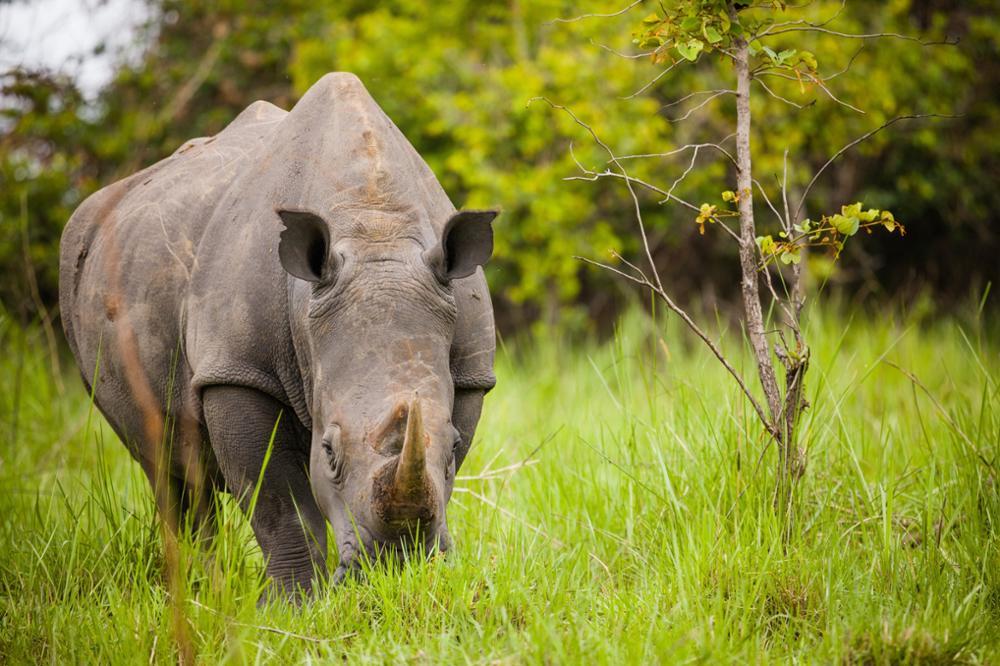
Uganda is often called the Pearl of Africa because it has rainforests, savannas, lakes, wetlands, rivers, mountains, and volcanic landscapes.
The country protects mountain gorillas, chimpanzees, elephants, lions, leopards, buffaloes, giraffes, zebras, hippos, crocodiles, antelopes, monkeys, and hundreds of bird species.
However, wildlife is only one part of the experience. Solo travelers can also join community walks, cultural performances, village visits, food experiences, craft workshops, and storytelling activities.
Responsible cultural tours should respect local people and directly support the host communities. Your tour operator should help you choose genuine experiences instead of visits that treat local communities as tourist displays.
Welcoming Safari Lodges
Many safari lodges in Uganda are small and friendly. Staff members often learn the names of their guests and help them prepare for the following day’s activities.
This personal service can make solo travelers feel comfortable and welcome. Lodges may also have shared dining areas, gardens, fireplaces, terraces, or lounges where guests can meet other travelers.
However, you should ask whether the lodge charges a single-room supplement. Some properties calculate prices per person, while others charge for the whole room. This difference can greatly affect the total cost of a solo safari in Uganda.
Is Uganda Good for Solo Travel?
Yes, Uganda can be an excellent destination for solo travel when the journey is properly organized.
For most first-time visitors, the easiest option is a private guided safari. This arrangement normally includes a professional driver-guide, a suitable safari vehicle, accommodation, airport transfers, park activities, and confirmed permits.
A guided safari removes the challenge of navigating unfamiliar roads and coordinating remote lodges. It also allows the traveler to concentrate on wildlife and scenery.
Road conditions vary across Uganda. Some roads are smooth and paved, while others may be rough, muddy, steep, or affected by weather. Safari lodges can also be located far from towns and main roads.
Therefore, arranging transportation in advance is very important. You should not depend on finding a vehicle at the last minute when you are staying near a remote national park.
Solo Female Travel in Uganda
Many women travel alone in Uganda and enjoy safe, memorable journeys. However, careful planning is still important.
Choose established accommodation, arrange airport transfers in advance, and use a reputable tour operator. Before arrival, request the name and telephone number of the driver who will meet you.
Share your complete itinerary with a trusted friend or family member. You can also send regular updates when internet or mobile coverage is available.
In towns, keep valuables discreet and avoid walking alone through isolated areas after dark. Ask your hotel to arrange reliable transportation when you want to visit a restaurant, shopping center, or attraction.
During wildlife activities, listen carefully to rangers and guides. Do not leave the safari vehicle without permission, and never approach wild animals.
Women traveling alone may also ask the lodge about room location, security staff, outside lighting, and emergency contacts. These are reasonable questions, and a professional lodge should answer them clearly.
First-Time Solo Safari Travelers
If this is your first African safari, consider booking a journey of seven to ten days. This gives you enough time to experience gorilla trekking, chimpanzee tracking, and a savanna wildlife park without rushing.
If your international flight arrives late, spend your first night in Entebbe. You can rest before starting a long road transfer the following morning.
Avoid placing too many destinations in a short itinerary. Uganda may look small on a map, but road journeys can take longer than expected. Traffic, weather, road conditions, town centers, and photography stops can affect travel time.
A good itinerary should include realistic driving hours, rest stops, lunch breaks, and enough time at each destination.
Best Places for a Uganda Safari for Solo Travelers
Uganda has ten national parks, and each one offers a different experience. However, you do not need to visit all of them during one trip.
Three or four well-selected parks usually create a better safari than a rushed itinerary covering many destinations.
Bwindi Impenetrable National Park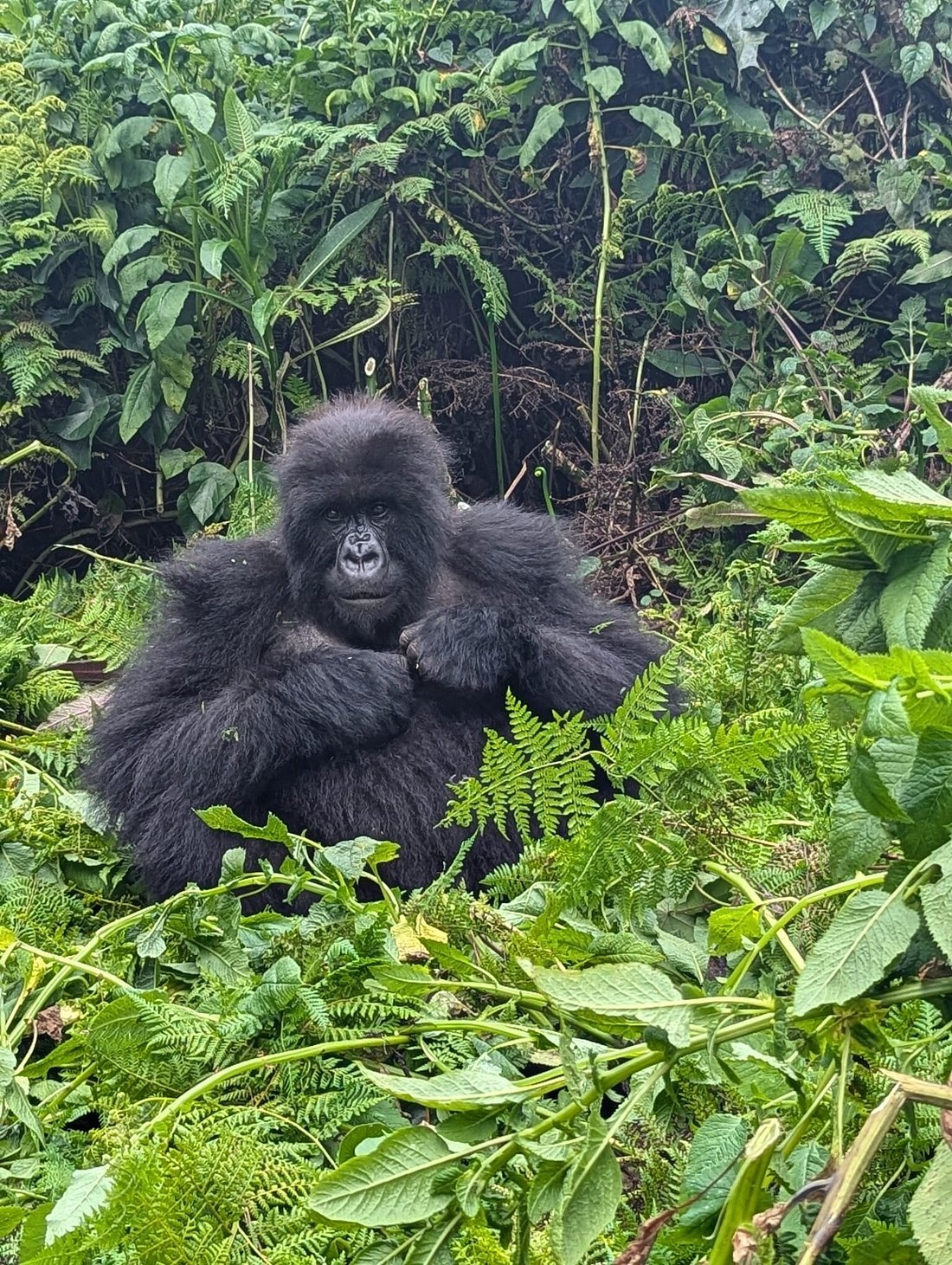
Bwindi Impenetrable National Park is the main destination for gorilla trekking in Uganda. The ancient rainforest lies in southwestern Uganda and protects mountain gorillas, monkeys, forest birds, butterflies, and hundreds of plant species.
Gorilla trekking begins with a morning briefing at the park office. Visitors are then placed in small groups and guided into the forest by trained rangers.
The walk may take a short time or several hours. The length depends on the location of the gorilla family, the terrain, and the weather.
Once the group finds the gorillas, visitors spend the time allowed under the current Uganda Wildlife Authority regulations observing and photographing them.
For a solo traveler, gorilla trekking is a wonderful shared experience. You join other visitors during the activity, but you can still enjoy a private safari before and after the trek.
Choosing the Correct Bwindi Trekking Sector
Bwindi has four main gorilla trekking sectors:
- Buhoma
- Ruhija
- Rushaga
- Nkuringo
Your gorilla permit is connected to a specific trekking sector. Therefore, you must book accommodation near the correct park entrance.
Staying in the wrong sector can result in a long and difficult transfer early in the morning. In some cases, reaching the briefing point in time may not be practical.
Buhoma has a long history of tourism and offers many accommodation choices. Ruhija is popular with forest and birding travelers. Rushaga has several habituated gorilla groups and numerous lodges. Nkuringo offers beautiful mountain scenery but has steep surroundings.
The best sector depends on gorilla permit availability, accommodation preference, your wider itinerary, and your walking ability.
Always ask your tour operator to confirm the trekking sector before choosing a lodge.
Uganda Gorilla Permits
Gorilla permits are limited and can sell out during popular travel periods. Therefore, you should reserve your permit before confirming non-refundable accommodation or flights connected to the trek.
Uganda Wildlife Authority may change conservation fees and permit prices. Always confirm the official rate that applies to your travel dates.
Your tour operator will normally require your passport details, nationality, preferred date, and payment before purchasing the permit.
You should also understand the cancellation, rescheduling, and transfer conditions. Gorilla permits normally have stricter rules than hotel bookings.
Preparing for Gorilla Trekking
Gorilla trekking takes place in a tropical mountain forest. Trails can be wet, muddy, steep, and covered by vegetation.
You should bring:
- Strong hiking boots with good grip
- Long trousers
- A long-sleeved shirt
- A waterproof jacket
- Gardening gloves
- Drinking water
- A packed lunch
- A small waterproof backpack
- Insect repellent
- A camera without flash
Porters are available at the trekking centers. A porter can carry your backpack and help you across difficult sections of the trail. Hiring one also supports local employment.
Tell the rangers if you have concerns about your walking ability. They cannot guarantee an easy trek, but the information may help them organize the trekking groups.
Mgahinga Gorilla National Park
Mgahinga Gorilla National Park is located near Kisoro in southwestern Uganda. Although it is Uganda’s smallest national park, it offers several excellent activities.
Visitors can enjoy gorilla trekking, golden monkey tracking, birdwatching, cultural activities, and volcanic scenery.
Mgahinga is particularly convenient for travelers beginning their Uganda safari in Kigali. The park can be reached through the Rwanda–Uganda border, subject to current immigration requirements.
The park feels peaceful and less crowded than some larger destinations. Therefore, it can be a good choice for solo travelers who want a quiet primate and mountain experience.
Golden Monkey Tracking
Golden monkey tracking is an exciting activity in the bamboo forests of Mgahinga. The monkeys are active and can move quickly between trees and bamboo plants.
The experience is excellent for wildlife photographers, although taking clear photographs can be challenging because of the monkeys’ movement.
Golden monkey tracking can be completed on a different day from gorilla trekking. This creates a rewarding two-day primate program.
Volcano Hiking
Mgahinga is surrounded by the Virunga volcanoes. Guided hikes offer beautiful views, but some routes are physically demanding.
The trails can be steep, wet, and slippery. Therefore, travelers should discuss their fitness and hiking experience honestly before adding a volcano climb to the safari.
Queen Elizabeth National Park
Queen Elizabeth National Park is one of Uganda’s most popular wildlife destinations. It includes open plains, wetlands, crater lakes, woodland, and the Kazinga Channel.
The park protects elephants, buffaloes, hippos, crocodiles, antelopes, warthogs, lions, leopards, monkeys, and many birds.
Queen Elizabeth National Park is located between Bwindi and Kibale. Therefore, it fits naturally into a western Uganda safari itinerary.
Game Drives in Queen Elizabeth National Park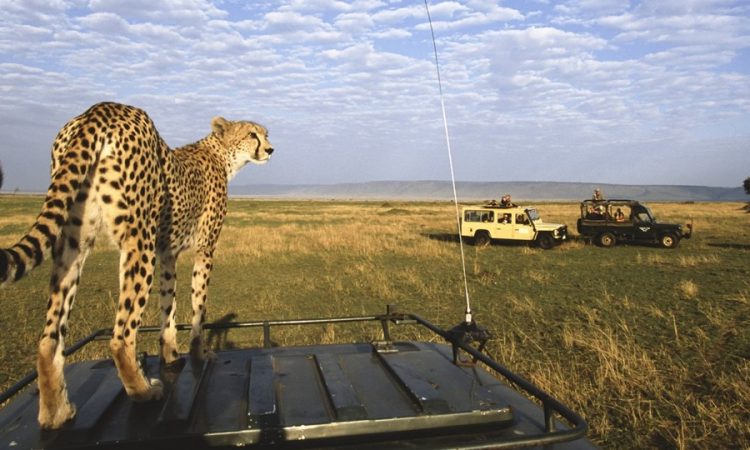
Morning game drives often explore the Kasenyi Plains. The open landscape provides opportunities to see grazing animals and predators.
Your guide will search for tracks, listen to ranger updates, and study wildlife movement. However, animals live freely in the park, so no sighting can be guaranteed.
A private safari vehicle is very useful for a solo photographer. You can change seats, use more space for camera equipment, and ask the guide to wait longer when appropriate.
Responsible guides remain on approved tracks and avoid crowding animals.
Kazinga Channel Boat Safari
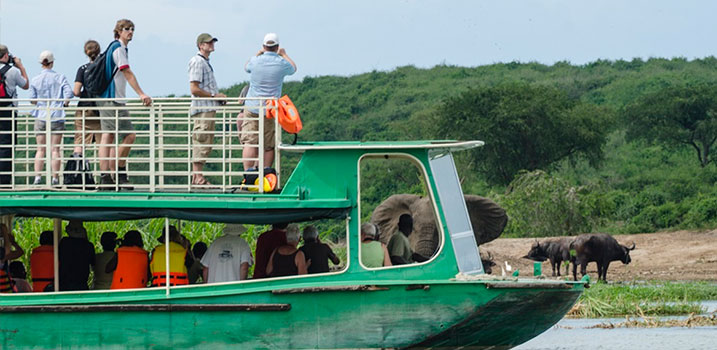
A boat safari on the Kazinga Channel is one of the main attractions in Queen Elizabeth National Park.
The channel connects Lake George and Lake Edward. Visitors may see hippos, crocodiles, elephants, buffaloes, and many waterbirds along the banks.
Scheduled boat cruises are shared with other visitors. Therefore, they provide an affordable and social experience for someone traveling alone.
Bring sunscreen, a hat, drinking water, binoculars, and a camera with a secure strap.
Ishasha Tree-Climbing Lions
The Ishasha sector is located in the southern part of Queen Elizabeth National Park. It is famous for lions that sometimes rest in large fig trees.
However, the lions are wild animals and may not appear during every visit. Ethical tour operators should never guarantee a sighting.
Ishasha can be visited while traveling between Queen Elizabeth and Bwindi. You can take a game drive during the transfer or stay overnight for more exploration time.
Kibale National Park
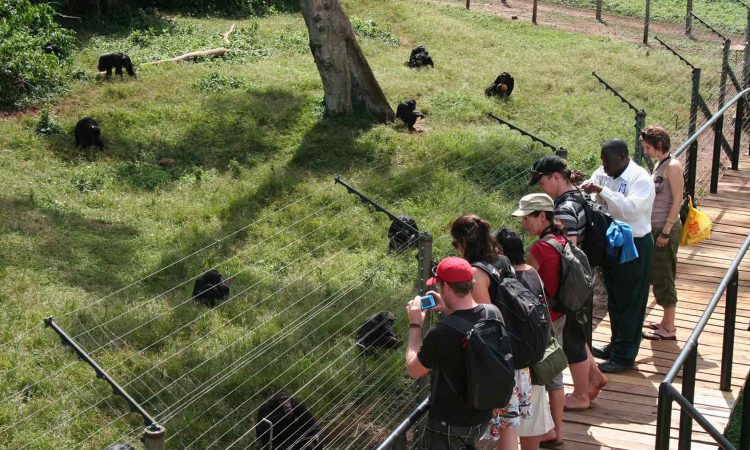
Kibale National Park is Uganda’s best-known chimpanzee tracking destination. The forest protects chimpanzees and many other primates.
Chimpanzee tracking is different from gorilla trekking. Chimpanzees are active, vocal, and often move quickly through the trees. Visitors may hear their calls before seeing them.
Kibale is located near Fort Portal and can be combined with Queen Elizabeth National Park. The surrounding region has tea plantations, crater lakes, wetlands, and beautiful countryside.
Two nights are normally required for a basic chimpanzee experience. However, three nights allow a more comfortable pace and time for additional activities.
Chimpanzee Tracking for Solo Travelers
Solo guests join a ranger-guided group during chimpanzee tracking. Therefore, it is another good activity for meeting other travelers.
Chimpanzee permits should be reserved in advance. The exact price and session arrangements must be confirmed for your travel dates.
The forest can be humid and muddy. Wear long trousers, suitable walking shoes, and rain protection.
Bigodi Wetland Sanctuary
Bigodi Wetland Sanctuary is a community-based tourism project near Kibale.
Guided walks offer opportunities to see monkeys, birds, butterflies, plants, and local community life. Tourism income also supports conservation and community development.
The activity works well after chimpanzee tracking or on a separate day. Solo travelers can join a shared walk or book a private guide.
Murchison Falls National Park
Murchison Falls National Park is Uganda’s oldest and largest national park. The River Nile passes through the park and is forced through a narrow gorge, creating the powerful Murchison Falls.
The park has savanna, woodland, riverine forest, and wetland habitats. Wildlife may include elephants, giraffes, buffaloes, lions, leopards, antelopes, warthogs, hippos, crocodiles, and many birds.
A complete visit normally combines game drives, a Nile boat cruise, and a visit to the falls.
Murchison Falls Game Drives
Morning game drives provide good opportunities to see wildlife in the open savanna.
Because the park is large, staying for at least two or three nights creates a better experience. A rushed one-night visit may involve too much driving and too little wildlife viewing.
Murchison Falls is a strong choice for first-time visitors who want a classic African safari. However, combining it with Bwindi and Kibale can create long road transfers. Domestic flights can save time if your budget allows.
Nile Boat Safari
The boat safari follows the Nile toward Murchison Falls. Along the journey, travelers may see hippos, crocodiles, elephants, buffaloes, and waterbirds.
The cruise also provides impressive views as the boat approaches the falls.
Protect yourself from the sun and keep your camera secure while moving around the boat.
Kidepo Valley National Park
Kidepo Valley National Park is located in northeastern Uganda near Kenya and South Sudan. It is remote, wild, and less visited than Uganda’s western national parks.
The park offers broad valleys, mountains, seasonal rivers, open savanna, and a strong feeling of wilderness.
Kidepo is best for travelers with enough time or a budget for domestic flights. The journey by road is long and should not be added to a short itinerary.
Because the area is remote, accommodation, transfers, fuel, and park activities should be arranged in advance.
Lake Mburo National Park
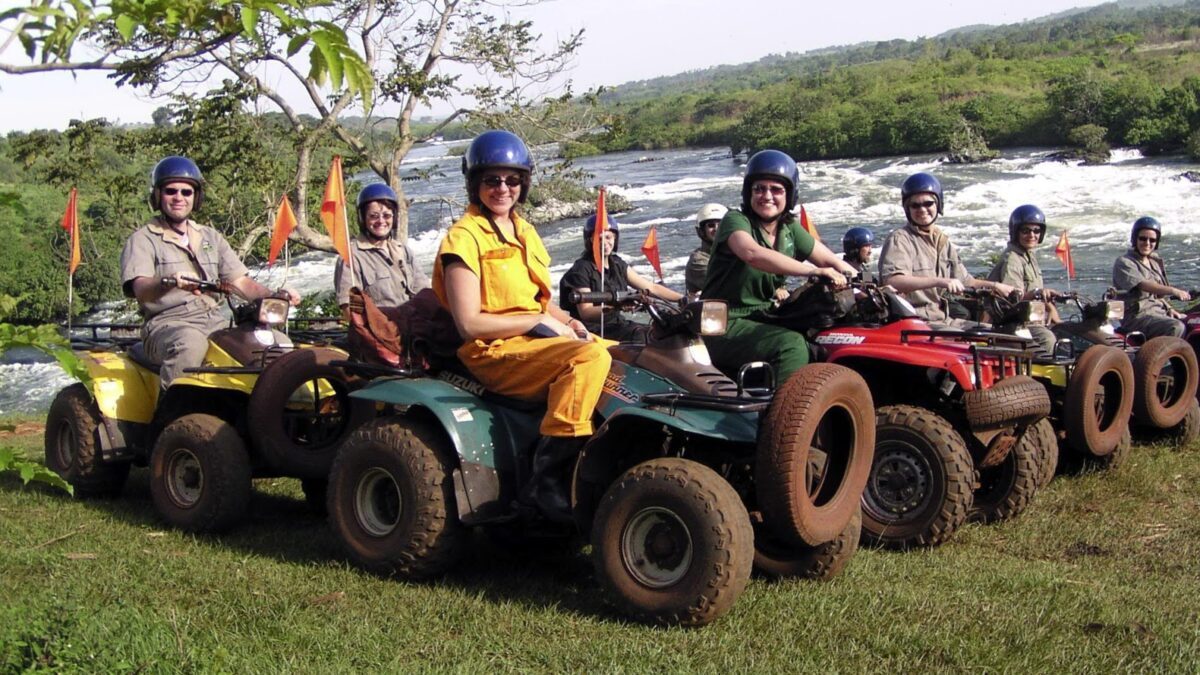
Lake Mburo National Park is conveniently located between Entebbe and southwestern Uganda.
The park is known for zebras, impalas, elands, buffaloes, warthogs, giraffes, and many birds. It can be included at the beginning or end of a Bwindi safari.
Lake Mburo helps divide the long road journey between Entebbe and Bwindi. Visitors can enjoy game drives, boat trips, and guided activities, depending on current park conditions.
One night is enough for a short visit. However, two nights provide a more relaxed experience.
Jinja and the River Nile
Jinja is a good destination before or after a wildlife safari. It offers Nile boat excursions, cultural activities, restaurants, cafes, and riverside accommodation.
A quiet boat ride or riverside stay can help a solo traveler relax after a long safari circuit.
Some adventure activities have physical risks. Therefore, travelers should use licensed operators and choose experiences suited to their abilities.
Entebbe
Entebbe is the main international gateway to Uganda. It is quieter than Kampala and works well for the first or last night of a safari.
Travelers can visit botanical gardens, craft shops, lakeside restaurants, or nearby wetlands.
Mabamba Wetland is known for shoebill birding excursions. However, wildlife sightings are never guaranteed. Arrange the road transfer and boat with a responsible local company.
Best Time for a Uganda Solo Safari
Uganda can be visited throughout the year. However, weather influences trekking conditions, roads, wildlife viewing, and accommodation prices.
Drier Travel Seasons
Drier periods are popular for gorilla trekking and game drives. Forest trails may be less muddy, while animals may gather near permanent water sources.
Because these months attract more visitors, gorilla permits and popular lodges can sell out early.
Rain can still fall during a dry season, especially in tropical forests. Therefore, you should always carry waterproof clothing.
Wetter and Greener Seasons
Wetter months bring green landscapes, dramatic skies, excellent scenery, and fewer visitors in some places.
Forest trails may become muddy, and some road journeys can take longer. However, travelers who are comfortable with rain can still enjoy an excellent safari.
Some lodges offer better prices during lower-demand months. This can help reduce the cost of a Uganda safari for solo travelers.
Choosing Your Travel Dates
Start by identifying your most important activity.
If gorilla trekking is your priority, check permit availability before confirming your travel dates. If birdwatching is your main interest, choose the season based on resident and migratory birds.
Photographers should consider vegetation, rainfall, light, wildlife movement, and visitor numbers.
How Many Days Do You Need?
Four to Five Days
A short safari should focus on one region.
From Kigali, you can visit Mgahinga or southern Bwindi. From Entebbe, you may take a road or flying safari to Bwindi. Another option is a focused visit to Murchison Falls.
Do not attempt to combine gorillas, chimpanzees, and several savanna parks within five days.
Seven to Eight Days
One week can combine Bwindi with Queen Elizabeth and Lake Mburo. Another route can combine Bwindi and Kibale.
This is a practical duration for a first Uganda safari for solo travelers.
Ten to Twelve Days
Ten days allow a complete western Uganda circuit. You can visit Lake Mburo, Bwindi, Queen Elizabeth, and Kibale without rushing.
You may also include cultural experiences, community walks, crater lakes, or a rest day.
Fourteen Days or More
A two-week trip can include Murchison Falls or Jinja in addition to the western circuit.
Kidepo Valley is possible when you have more time or use domestic flights. Longer trips are also suitable for birding, hiking, and photography.
Sample 7-Day Uganda Safari for Solo Travelers
Day 1: Arrival in Entebbe
Meet your driver at Entebbe International Airport and transfer to your hotel. Rest after the flight.
If you arrive early, you can enjoy a gentle tour around Entebbe.
Day 2: Entebbe to Lake Mburo National Park
Travel southwest toward Lake Mburo. Enjoy an afternoon game drive or another confirmed park activity.
Spend the night near the park.
Day 3: Lake Mburo to Bwindi
Enjoy a morning wildlife experience before continuing to Bwindi.
Check in at a lodge close to your confirmed gorilla trekking sector. Your guide will explain the following morning’s arrangements.
Day 4: Gorilla Trekking
Attend the morning briefing and enter the forest with rangers.
After meeting the gorillas, return to the lodge and relax. Only add another activity if you have enough time and energy.
Day 5: Bwindi to Queen Elizabeth National Park
Travel toward Queen Elizabeth National Park. When road conditions and timing allow, explore the Ishasha sector.
Continue to your lodge for dinner and overnight.
Day 6: Game Drive and Kazinga Channel Cruise
Start with an early morning game drive. Later, enjoy a boat cruise on the Kazinga Channel.
Spend another night near the park.
Day 7: Return to Entebbe
Drive back to Entebbe with planned rest and lunch stops.
Because this is a long transfer, avoid booking an international flight without a generous time allowance. An additional night in Entebbe may be safer.
Sample 10-Day Uganda Primate and Wildlife Safari
Day 1: Arrival in Entebbe
Airport pickup, hotel transfer, and safari briefing.
Day 2: Entebbe to Lake Mburo
Drive to Lake Mburo and enjoy an afternoon wildlife activity.
Day 3: Lake Mburo to Bwindi
Complete a morning activity before traveling to Bwindi.
Day 4: Gorilla Trekking
Enter Bwindi Forest with rangers and spend the rest of the day relaxing after the trek.
Day 5: Bwindi Cultural or Forest Experience
Enjoy a responsible community tour, birding walk, forest activity, or rest day.
Day 6: Bwindi to Queen Elizabeth
Travel through the Ishasha region and continue to your lodge.
Day 7: Queen Elizabeth National Park
Enjoy a morning game drive and an afternoon Kazinga Channel boat cruise.
Day 8: Queen Elizabeth to Kibale
Travel toward Kibale through crater lakes and tea-growing countryside.
Day 9: Chimpanzee Tracking and Bigodi
Join a guided chimpanzee tracking session. Later, you may visit Bigodi Wetland Sanctuary.
Day 10: Return to Entebbe
Drive to Entebbe for an overnight stay or a properly timed international flight.
How Much Does a Uganda Solo Safari Cost?
The cost depends on the itinerary, number of days, accommodation category, vehicle, fuel, permits, park fees, and domestic flights.
Single-Room Supplements
Many lodges calculate their standard prices based on two people sharing one room.
A solo traveler may have to pay a single-room supplement. However, this does not always mean paying twice the normal rate.
Some lodges offer fair single-occupancy prices, while others charge close to the full room cost. Ask your operator to select properties with reasonable solo rates.
Private Vehicle Costs
A private safari vehicle has operating expenses whether it carries one traveler or several people.
The quotation must cover fuel, vehicle maintenance, the professional driver-guide, park vehicle fees, and long-distance transfers. Therefore, transportation represents a larger part of the price for a solo guest.
However, a private vehicle provides flexibility, personal attention, photography space, and control over the safari pace.
Joining a Group Safari
Joining a scheduled group safari can reduce transportation expenses.
Before booking, ask about:
- Maximum group size
- Window seats
- Room arrangements
- Single supplement
- Age range
- Luggage limits
- Included permits
- Guaranteed departure status
- Language used by the guide
Group safaris cost less, but they offer less flexibility. The vehicle follows a shared schedule, and travelers must consider the needs of the whole group.
Budget Safari
Budget safaris use simple lodges, guesthouses, or permanent tents. Some rooms may have basic facilities.
Always ask whether the room has a private bathroom, hot water, electricity, mosquito protection, and included meals.
Midrange Safari
Midrange lodges normally offer private bathrooms, comfortable rooms, good meals, and attractive locations.
This category provides the best balance of comfort and price for many solo travelers.
Luxury Safari
Luxury lodges may provide premium rooms, excellent food, beautiful locations, and highly personal service.
Some include laundry, drinks, or selected lodge activities. However, inclusions differ between properties, so always request full details.
How to Reduce the Cost of a Solo Safari
Travel during a lower-demand season when some lodges offer better rates.
Choose a logical itinerary that avoids unnecessary long transfers. For example, combining Lake Mburo, Bwindi, Queen Elizabeth, and Kibale creates an efficient western route.
Select comfortable midrange lodges with fair single-room prices. Join shared activities such as boat cruises and guided forest walks.
You can also ask your operator about a small-group departure. However, do not delay purchasing an important gorilla permit while waiting for another traveler to join.
A shorter, well-designed itinerary is often better than a cheap, exhausting safari covering too many destinations.
Private Safari or Group Safari?
A private safari is best for travelers who want flexibility, quiet, photography time, and personal service.
You can ask questions freely, change seats, stop for scenery, and focus on the animals that interest you.
A group safari is better for travelers who want companionship and lower transportation costs.
Neither option is automatically better. Your choice should depend on your personality, budget, and travel goals.
Transportation in Uganda

Private Safari Vehicle
A private four-wheel-drive vehicle with a professional driver-guide is the easiest option for a multi-park safari.
Ask whether the vehicle provides seat belts, drinking water, charging points, opening windows, and a roof suitable for wildlife viewing.
Domestic Flights
Domestic flights can connect Entebbe with selected safari regions. They reduce driving time but increase the total cost.
Small aircraft may have strict luggage limits. Airstrip transfers must also be booked in advance.
Public Transportation
Buses and shared taxis connect major towns. However, they do not usually provide direct access to remote lodges, park gates, or trekking centers.
Public transportation may suit experienced independent travelers moving between cities. It is less practical for a permit-based wildlife itinerary.
Self-Drive Safari
Self-driving offers freedom, but it also creates more responsibility.
You must manage traffic, navigation, park rules, road conditions, breakdowns, fuel, and long driving hours.
Avoid driving at night because visibility is limited and road hazards are harder to identify.
For most first-time solo travelers, a guided safari is more comfortable and reliable.
Safety Tips for Solo Travelers
Choose a reputable tour operator and confirm the company’s contact details, itinerary, payment terms, and cancellation policy.
Keep copies of your passport, visa approval, permits, travel insurance, and emergency contacts. Save digital copies and carry a separate paper copy.
Arrange airport pickup before arrival. Confirm the driver’s name, number, and vehicle information.
Keep money and valuable equipment discreet. Use room safes or secure storage where available.
Ask lodge staff before walking outside the property, especially in wildlife areas.
Never approach or feed animals. Do not leave the vehicle without your guide’s permission.
Follow all ranger instructions during gorilla trekking, chimpanzee tracking, game drives, boat trips, and nature walks.
Health and Travel Insurance
Speak with a qualified travel-health professional before your journey.
Health recommendations depend on your nationality, route, medical history, and current regulations. Discuss yellow fever documentation, malaria prevention, routine vaccinations, food safety, and personal medication.
Carry medicine in its original packaging. Bring enough for the whole journey and additional supplies in case of delays.
Comprehensive travel insurance is strongly recommended. It should cover medical treatment, emergency evacuation, cancellation, travel delays, lost luggage, and safari activities.
Read the exclusions carefully. Some basic insurance policies may not cover remote medical evacuation or specialised hiking activities.
Uganda Visa and Entry Requirements
Visa requirements depend on nationality and may change.
Travelers who require a visa should apply through Uganda’s official online immigration system before travel. The application may require a passport with sufficient validity, a recent passport photograph, an itinerary, and accommodation information.
Travelers visiting Uganda, Rwanda, and Kenya may qualify for the East African Tourist Visa. Eligibility and conditions depend on the traveler’s nationality and route.
Apply through the country where you will first enter the region. Confirm that the visa remains valid for every planned border crossing.
Use official government websites and avoid unofficial pages that imitate government visa platforms.
What to Pack for Uganda
Bring lightweight and practical clothing that can be layered.
Recommended items include:
- Neutral-colored shirts
- Long trousers
- Warm sweater or fleece
- Waterproof jacket
- Hiking boots
- Comfortable lodge shoes
- Hat and sunglasses
- Gardening gloves
- Small daypack
- Reusable water bottle
- Sunscreen
- Insect repellent
- Binoculars
- Camera
- Power bank
- Charging cables
- Universal travel adapter
- Personal medication
- Travel documents
Higher areas around Bwindi and Mgahinga can feel cold during the morning and evening.
Use broken-in hiking boots. New shoes can cause discomfort during gorilla trekking.
If you are using domestic flights, choose a soft-sided travel bag and confirm the airline’s luggage restrictions.
Responsible Solo Travel
Book regulated wildlife activities and use professional guides.
Do not accept offers that avoid official permits or park regulations.
Choose operators and lodges that employ local people, reduce unnecessary waste, protect water, and support community programs.
Buy crafts from local artists or community shops. Always ask permission before photographing people.
Do not casually give sweets or money to children. If you want to support a school or community project, work through a responsible organization.
Never pressure your guide to drive off approved tracks, crowd animals, or break wildlife rules for a photograph.
Food and Dining

Safari lodges usually provide breakfast, lunch, and dinner according to the confirmed meal plan.
Tell your tour operator about allergies, vegetarian preferences, religious dietary requirements, or medical needs before arrival.
Ugandan dishes may include matoke, rice, beans, vegetables, groundnut sauce, sweet potatoes, cassava, fish, chicken, and fresh fruit.
Many lodges also offer international meals.
If you enjoy meeting people, ask for communal dining. If you prefer quiet time, request a private table.
Common Solo Safari Mistakes
Do not book accommodation before confirming your gorilla permit and trekking sector.
Avoid itineraries with unrealistic driving times.
Make sure the price is based on single occupancy rather than two guests sharing.
Do not schedule an international flight too close to a long road transfer.
Avoid carrying a large hard suitcase when using safari vehicles or domestic aircraft.
Do not depend on outdated permit prices, visa information, or park fees.
Finally, do not choose a safari company based only on the lowest price. A very cheap offer may exclude permits, park fees, meals, or important transportation services.
How to Choose a Uganda Safari Company
Choose a company that communicates clearly and provides a detailed proposal.
The itinerary should include:
- Confirmed travel dates
- Daily destinations
- Realistic transfer times
- Lodge names
- Room category
- Meal plan
- Vehicle type
- Included activities
- Permit arrangements
- Total price
- Payment schedule
- Cancellation conditions
- Excluded expenses
Ask whether the company is registered and has experience arranging Uganda safaris.
Read recent reviews, but also pay attention to how the company answers questions.
A reliable operator should not guarantee wild animal sightings or promise permit availability before checking the official system.
Frequently Asked Questions
Is Uganda suitable for a first solo safari?
Yes. A guided private or small-group safari can be suitable for first-time solo travelers.
Will I trek gorillas alone?
No. You will join an official ranger-led trekking group, even if the rest of your safari is private.
Is a private solo safari expensive?
It costs more per person because transportation expenses are not shared. However, careful routing and reasonably priced lodges can reduce the cost.
Can I join a group safari?
Yes. Some companies offer scheduled group departures or match travelers with similar dates.
How early should I book?
Book as soon as your dates are confirmed, especially when gorilla trekking is important. Permits and small lodges may sell out months in advance.
How many days should I spend in Uganda?
Seven to ten days are suitable for a first safari. Two weeks allow a broader and more relaxed circuit.
Can the safari begin in Kigali?
Yes. Kigali is a practical starting point for Mgahinga and southern Bwindi. Border documents and visa requirements must be confirmed in advance.
What wildlife can I see?
Depending on your itinerary, you may see gorillas, chimpanzees, elephants, buffaloes, lions, leopards, giraffes, zebras, hippos, crocodiles, monkeys, antelopes, and many birds.
Do I need to be very fit for gorilla trekking?
A reasonable level of fitness is helpful. Trekking time and terrain vary. Hiring a porter can make the experience easier.
Is Wi-Fi available?
Many lodges offer Wi-Fi, but the connection may be slow or unavailable in remote areas.
Can lodges accommodate dietary requirements?
Many lodges can prepare special meals when they receive clear information in advance.
Final Thoughts
A Uganda safari for solo travelers offers freedom, wildlife, adventure, and meaningful personal experiences.
You can walk through an ancient rainforest in search of mountain gorillas, listen to chimpanzees calling in Kibale, watch elephants beside the Kazinga Channel, and follow the Nile through Murchison Falls National Park.
Good planning makes the journey safer and more comfortable. Secure important permits early, select lodges in the correct locations, use realistic driving times, purchase suitable insurance, and work with an experienced safari operator.
The best Uganda safari is not necessarily the one with the most destinations. It is the journey that gives you enough time to enjoy each place.
With a carefully prepared itinerary, a Uganda safari for solo travelers can become one of the most memorable adventures in Africa.
Plan Your Uganda Safari with Universal Ventures Rwanda
Universal Ventures Rwanda organizes private and customized Uganda safaris for solo travelers. Your journey can begin in Kigali or Entebbe and include Bwindi Impenetrable National Park, Mgahinga Gorilla National Park, Queen Elizabeth National Park, Kibale National Park, Lake Mburo National Park, Murchison Falls National Park, or Kidepo Valley National Park.
Every itinerary can be adjusted according to your travel dates, budget, preferred accommodation, walking ability, wildlife interests, and available permits. Whether you want a short gorilla trekking safari from Kigali or a complete Uganda primate and wildlife circuit, our team can prepare a personalized safari proposal.
Universal Ventures Rwanda
- Address: KK 15 Rd, Kigali, Rwanda
- Telephone/WhatsApp: +250 781441853
- Email: info@universalventuresrwanda.com
- Website: www.universalventuresrwanda.com