Skip to content
Uganda Safari for Families: Complete Family Safari Planning Guide
An Uganda Safari for Families offers an exciting mix of wildlife, nature, culture, and shared adventure. Parents and children can watch elephants beside a river, search for lions during a game drive, cruise past hippos, walk through a tropical forest, and learn how local communities live. Families with older teenagers can also add gorilla or chimpanzee trekking when everyone meets the official age requirements.
Uganda suits family holidays because it offers many different experiences in one destination. The country has open savannahs, mountain forests, tropical lakes, rivers, waterfalls, wetlands, and welcoming towns. Its national parks protect mountain gorillas, chimpanzees, elephants, giraffes, buffaloes, lions, leopards, zebras, rhinos, hippos, crocodiles, and hundreds of bird species.
However, a successful family safari needs thoughtful planning. Long drives, early departures, hot afternoons, and unfamiliar food can affect younger travellers. Therefore, the best family itinerary uses comfortable vehicles, carefully selected lodges, realistic travel times, flexible meal arrangements, and activities that suit each child’s age.
This detailed guide explains the best family safari destinations in Uganda, age limits for primate trekking, suggested itineraries, accommodation choices, costs, packing advice, health preparation, and ways to make the journey enjoyable for every family member.
Why Choose an Uganda Safari for Families?
An Uganda Safari for Families combines education with adventure. Children can learn about animals in their natural habitats instead of seeing them only in books or on screens. A knowledgeable safari guide explains how elephants communicate, why zebras have stripes, how lions hunt, and why wetlands matter to birds and people.
Uganda also offers varied activities. A family does not have to spend every day inside a safari vehicle. Depending on age and interest, the trip can include boat cruises, guided nature walks, community visits, birdwatching, cycling, canoe trips, rhino tracking, waterfall visits, and primate experiences.
Moreover, Uganda can provide excellent value compared with some other East African destinations. Families can choose budget, midrange, luxury, or mixed accommodation. They can also combine Uganda with Rwanda, especially when travelling to Bwindi Impenetrable National Park or Mgahinga Gorilla National Park from Kigali.
The country works particularly well for families with curious children and teenagers. Wildlife sightings make each day different, while cultural encounters add a human connection to the journey. As a result, the safari becomes more than a holiday. It becomes a shared learning experience that families often remember for many years.
Is Uganda a Good Family Safari Destination?
Uganda can be an excellent family safari destination when parents choose the correct itinerary. Its national parks provide classic African game drives, but they also offer boat safaris and forest experiences. This variety helps prevent younger travellers from becoming tired of doing the same activity each day.
Murchison Falls National Park combines wildlife drives with a Nile River boat cruise and dramatic waterfall scenery. Queen Elizabeth National Park offers game drives, the Kazinga Channel boat cruise, crater landscapes, and possible tree-climbing lion sightings in Ishasha. Lake Mburo National Park provides a shorter journey from Kampala or Entebbe and can include zebras, giraffes, antelopes, boat trips, and guided activities.
Families with older children can add Kibale National Park for chimpanzee trekking. Those travelling with teenagers aged 15 or older may also include gorilla trekking in Bwindi or Mgahinga.
However, Uganda is a large country. Driving between parks can take several hours. Therefore, parents should avoid an itinerary that visits too many distant destinations in too few days. Two or three well-chosen parks often produce a better family holiday than a rushed tour covering the whole country.
Best Places for an Uganda Safari for Families
The right destination depends on the children’s ages, the family’s interests, available time, and budget. Some parks suit first-time family visitors, while others work better for experienced travellers or families with older teenagers.
Murchison Falls National Park Family Safari
Murchison Falls National Park is one of the strongest choices for a first Uganda Safari for Families. It combines game drives, river wildlife, impressive scenery, and a famous waterfall within one protected area.
During a family game drive, visitors may see giraffes, elephants, buffaloes, lions, Uganda kobs, hartebeests, oribis, warthogs, baboons, and many bird species. Because much of the landscape is open, children can often spot animals more easily than they would in a thick forest.
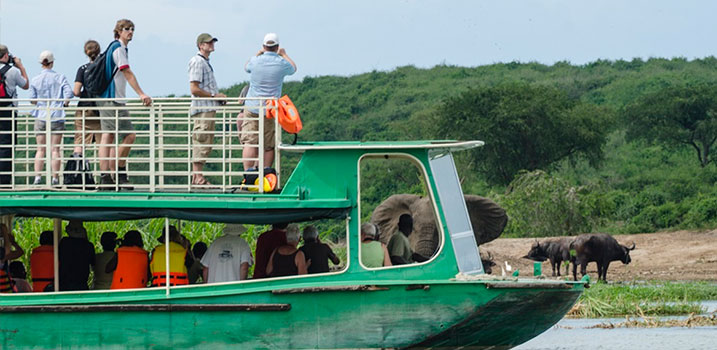
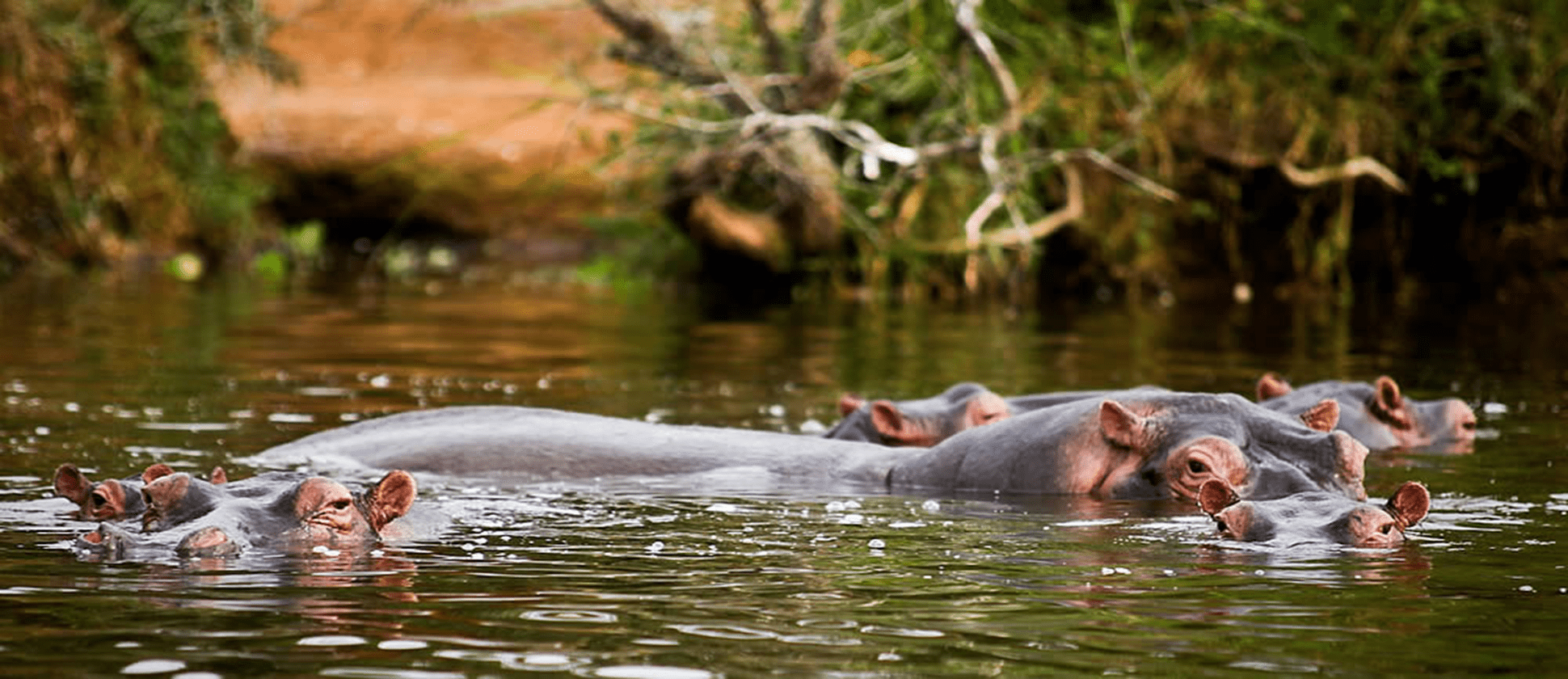
A boat safari on the Nile provides a useful change from road travel. Families can watch hippos in the water, crocodiles resting near the banks, and elephants coming to drink. Kingfishers, fish eagles, herons, and other water birds add colour to the journey.
The boat usually approaches the base of Murchison Falls, where the Nile passes through a narrow rocky section. The powerful water and surrounding cliffs create a memorable sight. Nevertheless, parents should supervise children carefully around boats, viewpoints, and riverbanks.
Families can also visit the top of the falls by vehicle. The viewing area provides a closer look at the river as it moves through the gorge. Visitors should remain inside designated areas and follow local safety instructions.
A Murchison Falls family safari usually needs at least two or three nights. This allows time for a game drive, boat cruise, waterfall visit, and travel without making every day feel rushed.
Ziwa Rhino Sanctuary with Children
Ziwa Rhino Sanctuary lies along the road between Kampala and Murchison Falls National Park. Therefore, many family itineraries include it as a stop.
The sanctuary protects rhinos in a managed conservation area. Guided rhino tracking gives families an opportunity to learn about conservation, animal behaviour, habitat protection, and Uganda’s efforts to restore rhino populations.
Participation rules may depend on the child’s age, height, behaviour, and the sanctuary’s current policies. Families should confirm the latest requirements before arrival. Parents must also decide whether each child can walk quietly and follow the guide’s instructions.
For families that cannot join rhino tracking, the sanctuary may offer other nature or birdwatching experiences, subject to availability. A tour operator can confirm the best option for the group.
Combining Ziwa with Murchison can create a wildlife-rich road trip. However, it is important to leave Kampala or Entebbe early enough to avoid reaching the national park after dark.
Queen Elizabeth National Park for Families
Queen Elizabeth National Park is another excellent family safari destination. It offers open plains, crater landscapes, lakes, wetlands, woodland, and the famous Kazinga Channel.
Game drives commonly focus on areas such as Kasenyi Plains. Families may see elephants, buffaloes, Uganda kobs, warthogs, baboons, and various antelopes. Lions and leopards are present, although sightings depend on luck, timing, and local conditions.
The Kazinga Channel boat cruise is one of the park’s most family-friendly activities. The channel connects Lake George and Lake Edward. During the cruise, visitors can often watch hippos, crocodiles, buffaloes, elephants, and many water birds.
Boat safaris can work particularly well for children because the boat moves at a steady pace and provides frequent wildlife sightings. Nevertheless, families should follow crew instructions and keep younger children supervised throughout the trip.
The Ishasha sector in southern Queen Elizabeth National Park is known for lions that sometimes rest in large fig trees. However, tree-climbing lion sightings are never guaranteed. Even without lions, Ishasha offers attractive savannah landscapes and a quieter safari atmosphere.
Uganda Wildlife Authority describes Queen Elizabeth National Park as one of the country’s most biodiverse safari destinations and notes its game viewing, Kazinga Channel, cultural experiences, and exceptional birdlife. Uganda Wildlife Authority
Lake Mburo National Park Family Safari
Lake Mburo National Park lies relatively close to Kampala and Entebbe. Its location makes it useful for short family safaris or as the first or final park on a longer Uganda itinerary.
The park protects zebras, giraffes, impalas, elands, buffaloes, warthogs, topis, and other wildlife. Leopards and hyenas also live in the area, although they are more difficult to find.
Game drives in Lake Mburo can feel manageable for children because travel distances within the park are often shorter than in larger destinations. Families may also book a boat trip to look for hippos, crocodiles, and water birds.
Depending on age restrictions and current operating rules, other options may include guided nature walks, cycling, or horseback safaris. Parents should confirm participation requirements and choose activities suited to each family member.
Two nights in Lake Mburo allow a relaxed visit. One-night stays are possible, but they provide less flexibility if arrival is late or the weather changes.
Kibale National Park for Families
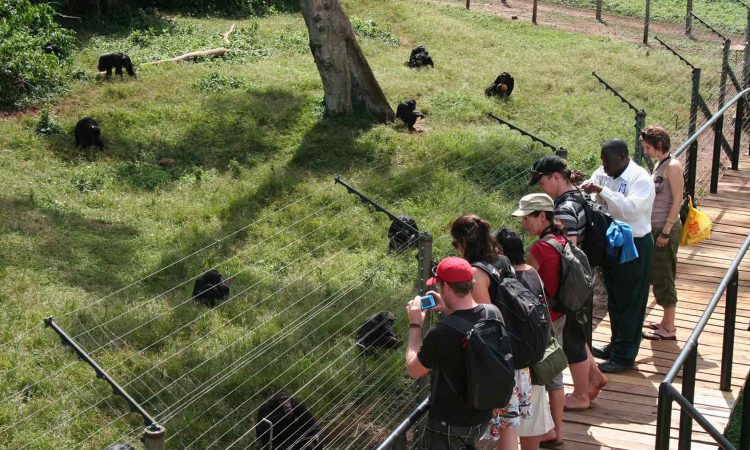
Kibale National Park protects one of Uganda’s most important primate habitats. It is especially famous for chimpanzee trekking, but the wider region also offers birdwatching, forest walks, community experiences, and wetland excursions.
Official Uganda Wildlife Authority guidance sets the minimum age for chimpanzee tracking at 12 years. Therefore, families with younger children need a separate plan for the trekking period. Uganda Wildlife Authority’s current tracking guidelines confirm a minimum age of 12 for chimpanzee tracking and 15 for gorilla tracking.
Parents and eligible teenagers should prepare for uneven forest terrain. Chimpanzees move actively through the forest, so the walk can change according to their location. Visitors may hear calls before seeing the animals.
Families who cannot all join chimpanzee trekking can explore age-appropriate alternatives around the Kibale region. Bigodi Wetland Sanctuary is a popular community-based destination with birdlife, monkeys, plants, and local guides. However, parents should confirm walk lengths and suitability for younger children.
A well-designed family program avoids separating parents and children without a clear childcare arrangement. If one adult treks while another remains with younger children, the lodge and guide should understand the plan before arrival.
Gorilla Trekking on an Uganda Safari for Families
Gorilla trekking can become the highlight of an Uganda Safari for Families with teenagers. Uganda offers gorilla trekking in Bwindi Impenetrable National Park and Mgahinga Gorilla National Park.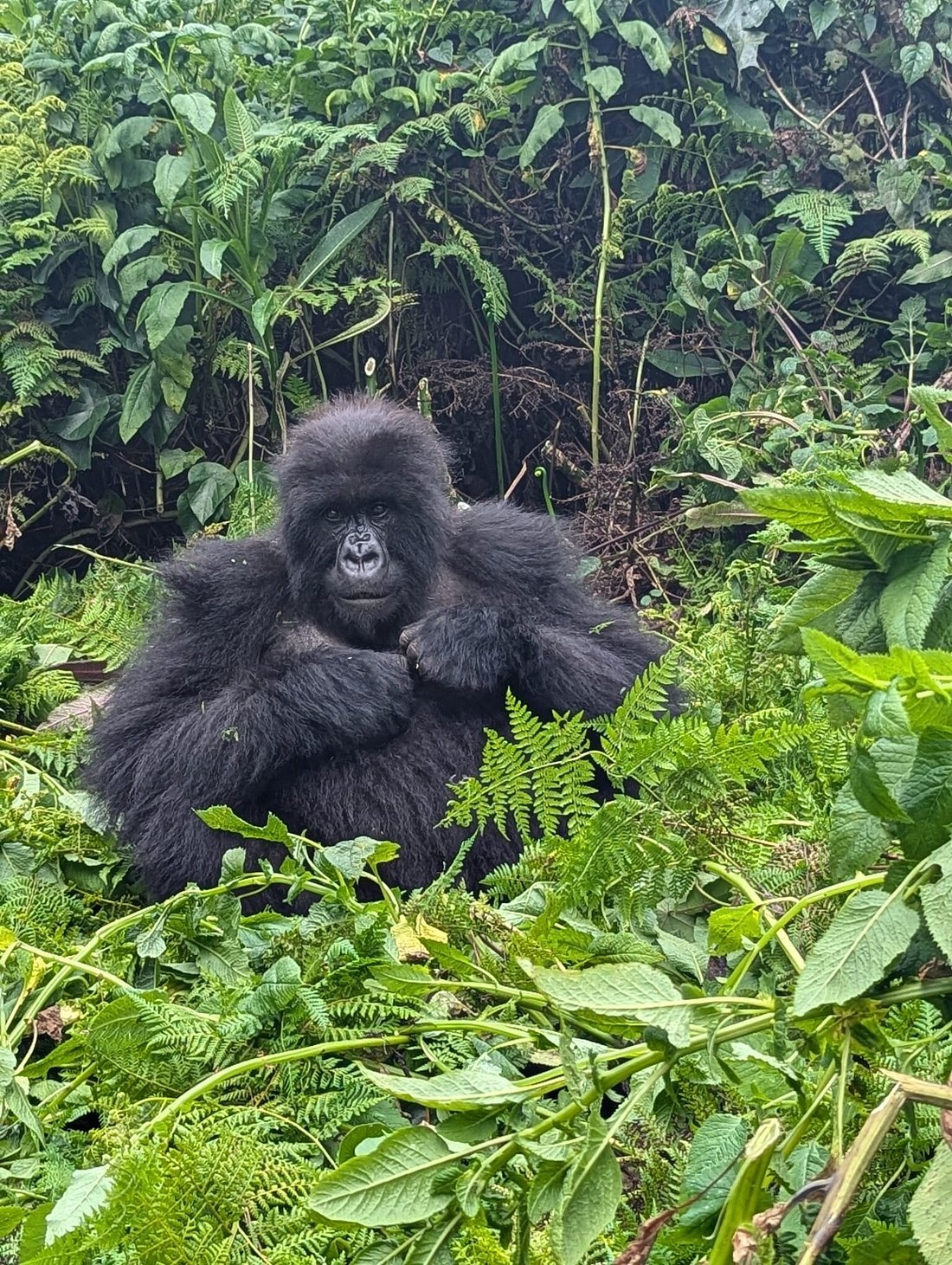
Uganda Wildlife Authority sets the minimum gorilla-tracking age at 15 years. The rule protects children, other visitors, and the gorillas. Forest conditions can be physically demanding, while visitors must remain calm and follow strict instructions during the encounter.
Families should never assume that a younger child will receive permission. They should use the official minimum age when planning and avoid buying non-refundable services based on an expected exception.
A gorilla permit is required for each eligible visitor. Permits have limited availability, especially during popular travel seasons. Therefore, families should reserve them early through the approved booking system or a licensed tour operator.
The trek can last from a short period to several hours. Duration depends on the gorillas’ location, forest conditions, weather, and the group’s pace. Once visitors reach the assigned gorilla family, they receive a regulated viewing period under ranger supervision.
Teenagers joining the trek should wear hiking boots, long trousers, a long-sleeved shirt, and waterproof clothing. Porters can carry daypacks and offer practical assistance on difficult sections.
Bwindi Impenetrable National Park with Teenagers
Bwindi is Uganda’s most famous gorilla destination. The ancient mountain forest contains four main trekking sectors: Buhoma, Ruhija, Rushaga, and Nkuringo.
Families must choose accommodation near the sector shown on their gorilla permits. Driving between sectors can take several hours, especially on mountain roads. Booking a beautiful lodge on the wrong side of the forest can lead to a very early and stressful departure.
Buhoma has a long tourism history and a wide range of accommodation. Ruhija provides access to eastern Bwindi, while Rushaga and Nkuringo serve southern sections of the forest. Southern Bwindi is also convenient for families arriving through Kigali and crossing into Uganda near Kisoro.
Besides gorilla trekking, the Bwindi region offers birdwatching, forest walks, cultural programs, craft visits, and community experiences. Activities depend on the selected sector and current availability.
Uganda Wildlife Authority describes Bwindi as a highly diverse rainforest with mountain gorillas, more than 120 mammal species, extensive birdlife, and cultural opportunities involving nearby Batwa and Bakiga communities. Uganda Wildlife Authority
Mgahinga Gorilla National Park for Families
Mgahinga Gorilla National Park lies near Kisoro and the borders with Rwanda and the Democratic Republic of Congo. It protects part of the Virunga mountain ecosystem.
Families with eligible teenagers can book gorilla trekking in Mgahinga. The park also offers golden monkey trekking, birding, guided hikes, and cultural experiences, subject to age rules and availability.
Mgahinga can be a practical choice for a family safari starting in Kigali. The drive through northern Rwanda and the Cyanika border is shorter than travelling from Entebbe to southwestern Uganda.
The nearby Kisoro and Lake Mutanda areas offer several accommodation categories. Lake Mutanda can add a quiet boat or canoe experience, while the volcanic scenery creates excellent photography opportunities.
However, families should not pack too many physical activities into consecutive days. Gorilla trekking followed immediately by golden monkey trekking may feel tiring. A relaxed lake day between demanding forest activities can improve the itinerary.
Family Safari in Kidepo Valley National Park
Kidepo Valley National Park offers one of Uganda’s most remote safari experiences. Its wide valleys, mountain views, and open landscapes appeal to families seeking a quieter wilderness journey.
Wildlife may include elephants, buffaloes, lions, giraffes, zebras, and antelopes. The park also supports Uganda’s wild ostrich population and extensive birdlife. Uganda Wildlife Authority highlights Kidepo’s scenery, lions, buffaloes, elephants, ostriches, birdwatching, and cultural encounters.
However, Kidepo lies far from Kampala and Uganda’s southwestern safari circuit. A road journey requires substantial time, so flying can be more comfortable for families with younger children.
Families with enough time can include Kidepo in a longer northern Uganda safari. A rushed itinerary that combines Kidepo, Murchison Falls, Kibale, Queen Elizabeth, and Bwindi by road may involve too many long travel days.
Three nights usually provide a better experience than a short visit. This gives the family time for game drives, rest, and possible cultural activities.
Jinja Activities for Families
Jinja lies near the source region of the Nile and can provide a relaxed beginning or end to an Uganda family holiday.
Family-friendly options may include a boat excursion, craft shopping, community visits, nature walks, or quiet time beside the river. Activity providers may offer additional adventures, but parents should check age limits, safety standards, and suitability before booking.
Not every family needs to include high-energy activities. A scenic boat ride and a calm lodge afternoon may work better after several days of road travel.
Jinja can also help families adjust after an international flight before beginning a longer safari. However, it lies east of Kampala, while many major safari parks lie west or north. Therefore, including Jinja adds driving time to the overall route.
Entebbe Family Activities
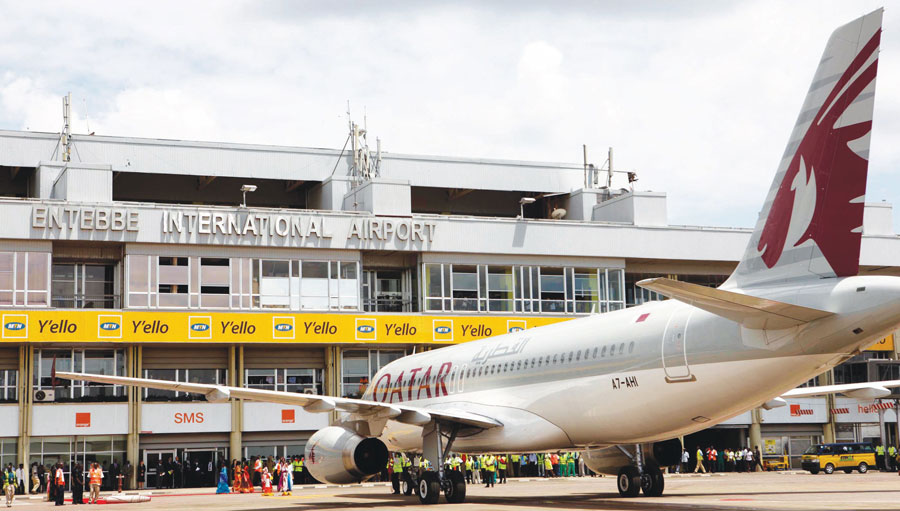
Entebbe is often the first and final stop on an Uganda safari. It lies close to the international airport and offers several easy activities.
Families can visit botanical gardens, wildlife education facilities, craft shops, or lakeside areas. A guided excursion to Mabamba Wetland may provide an opportunity to search for the shoebill and other birds.
An overnight stay in Entebbe after arrival is usually a good choice. Children and adults can rest before beginning a long road journey. Likewise, spending the last night near the airport reduces the risk of missing a flight because of traffic or road delays.
Choose a hotel with family rooms, reliable meals, airport transfers, and secure grounds. If arrival takes place late at night, confirm the driver’s name and contact details in advance.
Best Age for an Uganda Family Safari
There is no single perfect age for every safari. The answer depends on the itinerary, child’s interests, ability to follow instructions, comfort with travel, and the parents’ expectations.
Young children may enjoy short game drives, swimming pools, lodge gardens, boat trips, and watching large animals. However, long drives and early starts can become difficult. Families should keep these trips simple and include regular rest periods.
Children of primary-school age can usually engage more deeply with wildlife information. A guide can use animal tracks, birds, maps, and conservation stories to make the journey educational.
Teenagers often manage longer drives and early mornings more comfortably. Eligible teenagers can also join chimpanzee or gorilla trekking once they meet the official age limits.
Parents should explain that wildlife sightings cannot be guaranteed. Animals move freely, and every safari day is different. Teaching children to appreciate birds, insects, plants, and landscapes can make quiet periods more interesting.
Planning Around Gorilla and Chimpanzee Age Limits
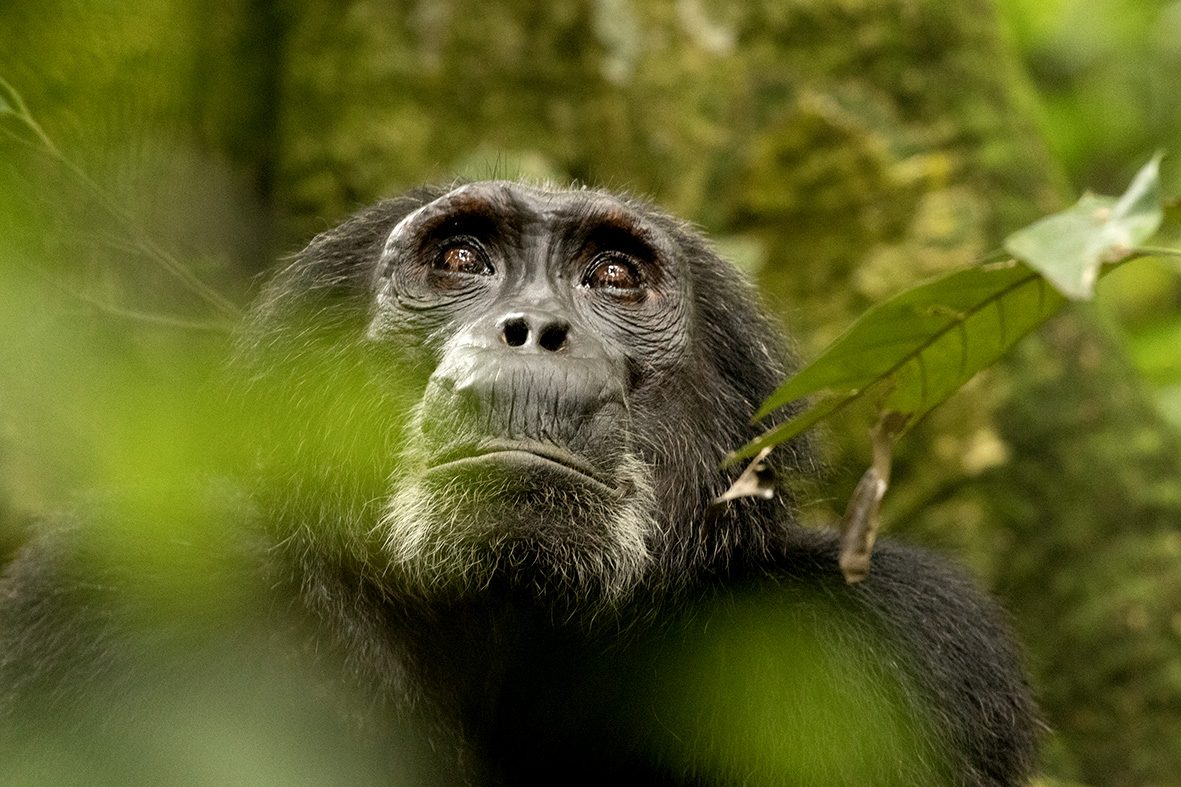
Age rules play a major role when building an Uganda Safari for Families.
The official minimum age for gorilla tracking is 15 years. Meanwhile, the minimum age for chimpanzee tracking is 12 years. Families should verify these rules again at the time of booking because park policies can change.
If some family members do not qualify, arrange an alternative program. One parent may trek while another joins the younger children for a village walk, craft activity, lodge nature experience, or another suitable excursion.
Never leave children alone at a lodge without a confirmed and responsible supervision arrangement. Discuss the plan with the tour operator and property before completing the reservation.
Where possible, schedule the family activity after the trek. Everyone can then share an afternoon boat trip, community visit, or relaxed meal.
Recommended 7-Day Uganda Safari for Families
A seven-day itinerary can combine wildlife, a boat safari, primates, and comfortable travel. The following plan works well for families with children old enough for the selected activities.
Day 1: Arrival in Entebbe
Meet the safari guide at Entebbe International Airport and transfer to the hotel. After check-in, rest from the flight.
If arrival is early, take a gentle walk through the hotel grounds or visit a nearby attraction. Avoid a long road transfer immediately after an overnight journey.
Day 2: Entebbe to Kibale National Park
After breakfast, drive west toward the Kibale region. Stop for lunch and short breaks along the way.
Arrive at the lodge in the afternoon. Families with enough energy may take a short guided nature or community walk.
Day 3: Chimpanzee Trekking or Family Nature Experience
Eligible family members aged 12 or older can join chimpanzee trekking. Younger children follow a pre-arranged alternative activity with an adult and suitable supervision.
Later, the family reunites for lunch and a relaxed afternoon. Depending on energy levels, add a guided wetland walk or cultural experience.
Day 4: Kibale to Queen Elizabeth National Park
Drive to Queen Elizabeth National Park. The journey passes through attractive countryside and may provide views of the Rwenzori Mountains in clear weather.
After lunch, take a game drive or relax at the lodge. Keep the afternoon flexible after the transfer.
Day 5: Game Drive and Kazinga Channel Boat Cruise
Start with a morning game drive in search of elephants, buffaloes, Uganda kobs, warthogs, lions, and other animals.
Return for lunch and rest. Later, join the Kazinga Channel boat cruise to see hippos, crocodiles, water birds, and animals along the shore.
Day 6: Queen Elizabeth to Lake Mburo
Drive toward Lake Mburo National Park. Stop for lunch and photography along the route.
After arrival, enjoy a short evening game drive if time allows. Look for zebras, giraffes, impalas, and other wildlife.
Day 7: Lake Mburo to Entebbe
Take a final morning safari activity before driving back to Entebbe. Stop at the equator for photographs, refreshments, and craft shopping.
Continue to the airport or an Entebbe hotel, depending on the flight schedule.
Recommended 10-Day Uganda Gorilla Safari for Families
This itinerary suits families with teenagers eligible for gorilla trekking.
Day 1: Arrival in Entebbe
Meet the guide and transfer to the hotel. Rest and receive a safari briefing.
Day 2: Entebbe to Murchison Falls National Park
Drive north and visit Ziwa Rhino Sanctuary if participation rules suit the family. Continue to Murchison Falls.
Day 3: Murchison Game Drive and Nile Cruise
Take a morning game drive followed by an afternoon boat safari. Return to the lodge before dark.
Day 4: Murchison Falls to Kibale
Travel south toward Kibale. This is a long driving day, so include meal and rest stops.
Day 5: Chimpanzee Trekking and Bigodi
Eligible family members join chimpanzee tracking. Others take a suitable alternative excursion. In the afternoon, visit Bigodi or relax at the lodge.
Day 6: Kibale to Queen Elizabeth National Park
Drive to Queen Elizabeth National Park and take an evening game drive if energy and time allow.
Day 7: Game Drive and Kazinga Channel Cruise
Spend the morning searching for wildlife. Later, enjoy a boat safari on the Kazinga Channel.
Day 8: Queen Elizabeth to Bwindi
Travel through Ishasha toward Bwindi. Search for tree-climbing lions from the vehicle, although sightings cannot be promised.
Day 9: Gorilla Trekking or Alternative Family Activity
Family members aged 15 or older join gorilla trekking. Younger travellers follow a planned lodge or community activity with an adult.
Day 10: Bwindi to Kigali or Entebbe
For a shorter final transfer, cross into Rwanda and finish in Kigali. Alternatively, continue the Uganda road journey with an additional night between Bwindi and Entebbe.
Recommended 12-Day Uganda Safari for Families
A 12-day itinerary provides more rest and reduces pressure on travel days.
Days 1–2: Entebbe
Arrive, rest, and explore a family-friendly local attraction.
Days 3–5: Murchison Falls
Travel through Ziwa, complete game drives, take a Nile cruise, and visit the waterfall viewpoint.
Days 6–7: Kibale
Drive to Kibale, join age-appropriate primate activities, and explore Bigodi Wetland Sanctuary.
Days 8–9: Queen Elizabeth National Park
Enjoy game drives, the Kazinga Channel cruise, and lodge relaxation.
Days 10–11: Bwindi
Travel through Ishasha, complete gorilla trekking for eligible family members, and arrange an alternative program for younger children.
Day 12: Kigali Departure
Cross into Rwanda and continue to Kigali International Airport or a Kigali hotel.
How Long Should a Family Safari Be?
The ideal length depends on the family’s budget, children’s ages, and number of destinations.
A three- or four-day safari can cover one nearby park. Lake Mburo is suitable for a short trip from Entebbe, while a fly-in itinerary can reach a more distant destination.
Seven days allow two or three areas. This period works well for Lake Mburo, Queen Elizabeth, and Kibale or for Murchison Falls combined with another park.
Ten to fourteen days offer the best balance for a full Uganda wildlife safari. Families can include rest days and avoid daily transfers.
Longer trips should still maintain a comfortable pace. More days do not mean that every morning needs a 5:30 a.m. wake-up. Rest, swimming, reading, and unplanned family time can become valuable parts of the holiday.
Choosing a Family Safari Vehicle
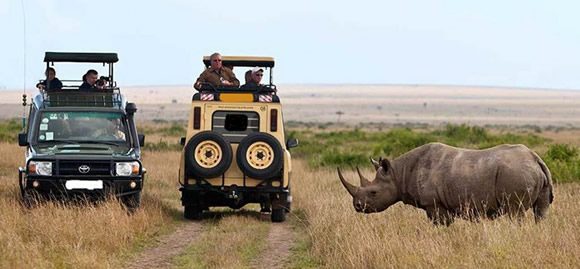
A private four-wheel-drive safari vehicle provides the greatest comfort and flexibility. Families can stop for toilets, snacks, photographs, or rest without delaying other travellers.
The vehicle should have working seat belts, comfortable seating, good ventilation, and enough luggage space. An opening roof improves wildlife viewing during authorised game drives.
Air conditioning can make long road transfers more comfortable. However, the roof often remains open during wildlife drives, so the air conditioning may not operate effectively at that time.
Ask how many window seats the vehicle provides. A small vehicle may feel crowded when every passenger carries a camera, water bottle, binoculars, and daypack.
The guide’s experience with families also matters. A patient guide can explain wildlife in simple language, read the children’s energy levels, and adjust stops when practical.
Family-Friendly Accommodation in Uganda
Family accommodation ranges from simple safari camps to luxury lodges. The right property should provide safety, comfort, suitable meals, and enough space.
Family rooms or interconnected rooms help parents stay close to children. Some lodges offer cottages that sleep several people, while others place an extra bed inside a large room.
Ask whether the property has open grounds where wild animals may pass. In many safari lodges, guests must walk with a staff member after dark. Children should understand and follow this rule.
A swimming pool can help during long afternoons. However, parents must supervise children because many remote lodges do not provide a permanent lifeguard.
Check whether the lodge can prepare early breakfasts, packed lunches, and child-friendly meals. Inform the property about allergies or dietary requirements well before arrival.
Electricity may run only during certain hours in remote areas. Families should charge devices when power is available and carry a suitable power bank.
Food on an Uganda Family Safari
Ugandan safari lodges normally offer a mix of local and international dishes. Common meals may include rice, potatoes, pasta, vegetables, soups, chicken, fish, beef, fruit, and bread.
Parents of selective eaters should discuss meal options with the operator. Simple dishes can often be arranged with advance notice.
Carry a small supply of familiar snacks for long drives. Choose products that travel well and comply with customs rules. Avoid packing items that melt easily or require refrigeration.
Safe drinking water should remain available throughout the safari. Refillable bottles reduce plastic waste and help every family member stay hydrated.
During early activities, lodges may provide packed breakfasts or lunches. Check the contents before departure, especially when allergies are involved.
How Much Does an Uganda Safari for Families Cost?
The cost of an Uganda Safari for Families depends on the season, itinerary length, number of travellers, accommodation category, vehicle type, park fees, permits, and selected activities.
Budget safaris use simple lodges and camps. They may reduce accommodation costs, but families should still confirm private bathrooms, room layout, meal standards, and location.
Midrange safaris usually offer comfortable rooms, private facilities, good meals, and attractive settings. This category suits many families because it balances price and convenience.
Luxury safaris may include premium lodges, larger family suites, private dining, fly-in transfers, swimming pools, and high levels of personal service.
Gorilla and chimpanzee permits increase the total cost. Each eligible family member needs an individual permit. Prices and rules can change, so request a current itemised quotation.
Private vehicle costs remain similar whether three or four people travel. Therefore, the price per person may decrease as more family members share transport and guide expenses.
What Should a Family Safari Package Include?
A well-designed Uganda family safari package may include:
- Airport transfers
- Private four-wheel-drive vehicle
- Professional English-speaking driver-guide
- Fuel for the itinerary
- Accommodation
- Meals listed in the program
- Park entrance fees
- Scheduled game drives
- Boat cruises listed in the itinerary
- Gorilla or chimpanzee permits when specified
- Bottled drinking water
- Border assistance for Rwanda combinations
Common exclusions include international flights, visas, travel insurance, tips, optional activities, personal purchases, and drinks not covered by the meal plan.
The quotation should state whether prices apply per person or to the whole family. It should also show room arrangements and children’s rates clearly.
Best Time for an Uganda Safari for Families
Uganda welcomes visitors throughout the year. However, school holidays, rainfall, road conditions, and wildlife interests can affect the best travel period.
June to September
The longer dry season often provides easier road and trail conditions. Wildlife may gather near water sources, while forest paths can be less muddy. Demand is high, so early booking is important.
December to February
The shorter dry season can also suit family travel. Late December is popular, which may raise accommodation demand and prices.
March to May
The main rainy season brings green scenery and fewer tourists. Some lodges may offer attractive rates. However, heavy rain can affect rural roads and forest trails.
October and November
Short seasonal rains often occur. Families should carry waterproof clothing and allow flexibility in the daily schedule.
Uganda has varied landscapes and local climates. Rain can occur during a dry-season safari, especially in forest areas.
Packing List for an Uganda Safari for Families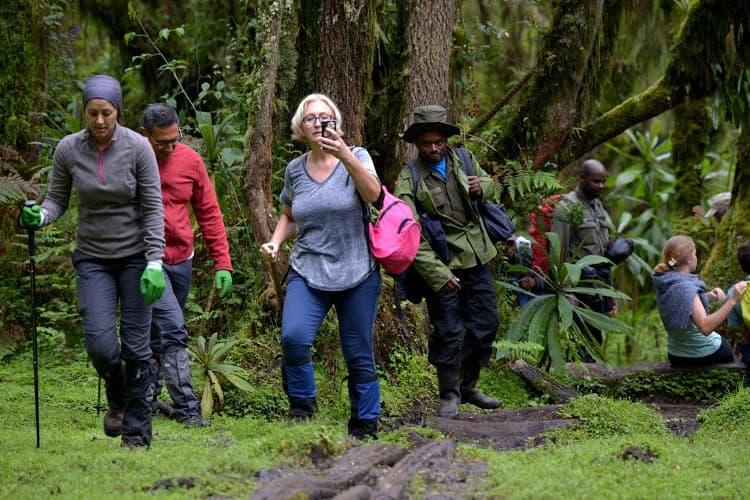
Each family member should pack light, comfortable clothing in neutral colours. Long trousers and lightweight long-sleeved shirts provide protection from sun, plants, and insects.
Include a warm layer because early mornings can feel cool. A waterproof jacket is useful throughout the year.
Comfortable closed shoes work well for general travel. Hiking boots are necessary for demanding forest walks and gorilla trekking.
Other useful items include hats, sunscreen, insect repellent, reusable water bottles, binoculars, cameras, charging equipment, travel adapters, and personal medication.
Pack a small day bag for each traveller or share a few family bags. Keep passports, permits, insurance information, and essential medicine in adult-controlled hand luggage.
Avoid bringing too many toys or devices. Binoculars, wildlife checklists, notebooks, and pencils can help children engage with the safari environment.
Keeping Children Interested During Game Drives
Game drives include exciting moments and quiet periods. Parents can prepare children for both.
A wildlife checklist turns sightings into a simple learning activity. Children can record mammals, birds, tracks, and landscapes without treating the safari as a competition.
Ask the guide age-appropriate questions. Children may enjoy learning how to identify animal footprints, the difference between antelopes, or the meaning of bird calls.
Short photography projects can also help. One child might photograph animal patterns, while another records trees, birds, or safari colours.
However, allow children to rest. They do not need to stay alert every minute. A flexible private safari makes it easier to return to the lodge when the group becomes tired.
Travel Health and Preparation
Families should seek professional travel-health advice well before departure. Requirements and recommendations depend on age, medical history, countries visited, and travel dates.
Parents should carry regular medication in original packaging, together with copies of prescriptions when appropriate. Pack enough for the full trip plus a small extra supply in case of delays.
Travel insurance should cover every family member, the planned activities, medical care, evacuation, cancellation, and luggage.
During the safari, drink safe water, use sun protection, and follow professional advice about insect-bite prevention. Wash or sanitise hands before meals.
If anyone becomes unwell before gorilla or chimpanzee tracking, inform the guide. Primates can catch some human illnesses, so park health rules must be respected.
Safety During an Uganda Safari for Families
A professionally arranged Uganda family safari follows established routes and park procedures. Families can improve safety by listening to the guide and respecting lodge rules.
Children should never leave the vehicle during a game drive unless the guide confirms that it is safe and permitted. They should also avoid standing with hands or arms outside while the vehicle moves.
Wild animals may enter unfenced lodge grounds. Therefore, families must use an escort after dark when the lodge requires one.
Do not feed wildlife. Even animals that appear calm can behave unpredictably. Food can also change their natural behaviour.
During boat cruises, follow the crew’s instructions and supervise younger travellers. Around pools, lakes, rivers, and viewpoints, adult supervision remains essential.
Road journeys may take longer than expected. Families should use seat belts, avoid unnecessary night driving, and build extra time into the itinerary.
Cultural Experiences for Families
Community visits can help children understand Uganda beyond wildlife. Responsible cultural programs may include storytelling, music, dance, farming, craft making, cooking demonstrations, or guided village walks.
Choose experiences developed with local community participation. These programs should respect residents and provide clear benefits to the people involved.
Ask permission before photographing individuals. Parents should teach children that communities are not displays but real places where people live and work.
A good guide explains local customs before the visit. Simple greetings and respectful questions can create warm interactions.
Families can also buy locally made crafts. However, they should avoid wildlife products or items that may break conservation and customs laws.
Sustainable Family Safaris in Uganda
Family travel provides an opportunity to teach responsible tourism. Use refillable water bottles, reduce unnecessary plastic, and carry rubbish until it can be disposed of correctly.
Stay on approved roads and trails. Off-road driving can damage vegetation and disturb animals.
Keep voices low near wildlife. Loud noise may change animal behaviour and reduce the quality of the sighting for other visitors.
Support community guides, porters, local accommodation, and responsibly managed cultural projects. Tourism income can encourage conservation when nearby communities receive meaningful benefits.
Avoid touching plants, collecting feathers, or removing natural objects from protected areas. The best souvenirs are photographs, knowledge, and shared memories.
Frequently Asked Questions About Uganda Family Safaris
Is Uganda suitable for young children?
Yes, when the itinerary uses short drives, family-friendly accommodation, rest periods, and age-appropriate activities. Young children cannot join every primate experience.
What is the minimum age for gorilla trekking in Uganda?
The official minimum age is 15 years.
What is the minimum age for chimpanzee trekking?
The official minimum age is 12 years.
Which Uganda park is best for a first family safari?
Murchison Falls, Queen Elizabeth, and Lake Mburo are strong choices because they offer game drives and boat-based activities.
How many days does a family need?
Seven days can cover two or three destinations. Ten to fourteen days provide a more relaxed full safari.
Can we combine Uganda with Rwanda?
Yes. Families can arrive in Kigali, visit southwestern Uganda, and return to Rwanda. The route is especially useful for Bwindi and Mgahinga.
Are family rooms available?
Many lodges offer family cottages, larger rooms, or interconnected units. Availability should be confirmed early.
Will children become bored on game drives?
Some may become tired during long drives. Short activities, wildlife checklists, good guides, snacks, rest periods, and a private vehicle can help.
Are wildlife sightings guaranteed?
No. Animals move freely through natural habitats. Experienced guides improve the chances of sightings, but nature determines each encounter.
Do we need a private vehicle?
A private vehicle is strongly recommended for families because it offers flexibility for stops, meals, photography, and changing energy levels.
Book an Uganda Safari for Families
An Uganda Safari for Families can become an unforgettable shared adventure when the itinerary respects each traveller’s age, interests, and energy. Uganda’s combination of wildlife, primates, rivers, lakes, forests, and communities creates many opportunities for learning and discovery.
Families can watch elephants in Murchison Falls, cruise among hippos on the Kazinga Channel, search for zebras in Lake Mburo, explore Kibale’s forest region, and trek mountain gorillas in Bwindi or Mgahinga when teenagers meet the age requirement.
However, quality matters more than the number of parks visited. A balanced itinerary should include rest, manageable drives, comfortable accommodation, suitable meals, and flexible activities. With careful planning, children and adults can enjoy the journey together.
For a customised family safari, family-friendly accommodation, private transport, current permit information, and Rwanda–Uganda combinations, contact:
Universal Ventures Rwanda
KK 15 Rd, Kigali, Rwanda
Phone/WhatsApp: +250 781 441 853
Email: info@universalventuresrwanda.com
Website: www.universalventuresrwanda.com