Skip to content
Uganda Visa Guide for Tourists: Requirements, Costs and Online Application Steps
This Uganda Visa Guide for Tourists explains how to apply for a Uganda tourist visa online. It covers visa fees, required documents, processing times and passport rules. You will also learn about the East Africa Tourist Visa, yellow fever requirements and visa-free entry.
Uganda welcomes visitors with remarkable wildlife, friendly communities and diverse landscapes. Mountain gorillas live in the misty forests of Bwindi and Mgahinga. Lions, elephants and hippos roam the country’s famous national parks. Meanwhile, the River Nile creates excellent opportunities for boat trips and adventure activities. Before enjoying these experiences, however, international visitors must meet Uganda’s entry requirements.
Most visa-prone travellers must obtain online approval before starting their journey. Uganda does not advise eligible applicants to depend on receiving a visa after arrival. Instead, tourists should apply through the official electronic visa portal and wait for an approval letter.
Immigration policies may change without much notice. For that reason, always confirm the latest information through the Uganda Directorate of Citizenship and Immigration Control before travelling.
Uganda Visa Guide for Tourists: Quick Overview
A Uganda tourist visa allows eligible foreign nationals to visit the country for a holiday, safari, family visit or another approved short-term purpose. Most leisure travellers use the ordinary single-entry visa.
At the time of writing, the standard single-entry tourist visa costs USD 50. Approval can allow a visit of up to three months. However, the immigration officer decides the final period granted to each visitor.
Tourists who want to visit Uganda, Rwanda and Kenya during one journey can consider the East Africa Tourist Visa. This joint visa costs USD 100 and remains valid for 90 days. It allows multiple journeys between the three participating countries while the traveller stays within the region.
A valid passport is essential. In most cases, it should remain valid for at least six months. Applicants also need a recent photograph, an itinerary, accommodation information and a yellow fever vaccination certificate.
Uganda uses an online application system. Therefore, visa-prone visitors should apply before departure and carry a printed approval letter when travelling.
What Is a Uganda Tourist Visa?
A Uganda tourist visa is an official authorization that allows a foreign visitor to enter Uganda temporarily. It is mainly intended for holidays, wildlife safaris, family visits and some short medical visits.
Although the visa allows tourism, it does not permit paid employment. Visitors who plan to work, study or remain in Uganda for another long-term purpose must apply for the correct pass or permit.
An ordinary tourist visa usually allows one entry. Once the traveller leaves Uganda, that single-entry authorization normally ends. Consequently, visitors planning to leave and return should study their route before choosing a visa.
For example, someone may enter Uganda through Entebbe, visit Murchison Falls and continue to Rwanda. If the same traveller later wants to return to Uganda, another visa may be needed. A suitable multiple-entry visa or East Africa Tourist Visa may offer a better solution.
How the Uganda Electronic Visa Works
Uganda operates an electronic visa and permit application system. Applicants enter their personal information, upload supporting documents and pay the required fee online.
After submission, an immigration officer reviews the application. Additional information may be requested when documents are missing, unclear or inconsistent.
Successful applicants receive a travel authorization or approval letter by email. They should download the document and carry a printed copy during their journey.
Receiving approval does not create an unconditional right to enter Uganda. Immigration officers at Entebbe International Airport and official land borders make the final entry decision. Still, travellers who submit accurate information and carry the correct documents should find the arrival process straightforward.
Use the official Uganda Electronic Visa and Permit Application System. Commercial visa websites may charge extra fees or publish outdated information.
Who Needs a Visa to Enter Uganda?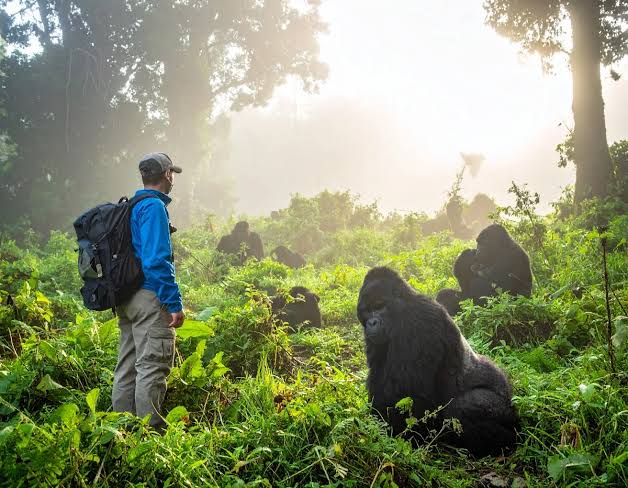
Whether a traveller needs a visa depends on nationality, passport type and travel purpose. Citizens of many countries must obtain approval before visiting Uganda. In contrast, nationals of certain countries and territories enjoy visa-free access.
Holding a residence permit in another country does not usually change the requirement. Nationality and the passport presented at immigration remain the main factors.
For instance, a Rwandan citizen living in Europe can normally use the visa exemption granted to Rwandan nationals. However, a European citizen living in Rwanda must follow the rule connected to their European passport.
Official, diplomatic and ordinary passports may also receive different treatment. Travellers should check the requirement that applies to their exact passport type.
Countries That Currently Have Visa-Free Entry
Uganda Immigration currently lists nationals of several countries and territories as visa-exempt. These include Antigua and Barbuda, The Bahamas, Barbados, Belize, Botswana, Burundi, Comoros, Cyprus, the Democratic Republic of the Congo, Eritrea, Fiji, The Gambia, Ghana, Grenada, Ireland, Jamaica, Kenya, Lesotho, Madagascar, Malawi, Malaysia and Malta.
Other countries on the official list include Mauritius, Mozambique, Rwanda, Seychelles, Sierra Leone, Singapore, Solomon Islands, South Sudan, Saint Vincent and the Grenadines, Eswatini, Tonga, Trinidad and Tobago, Tanzania, the United Arab Emirates, Vanuatu, Zambia and Zimbabwe. Hong Kong SAR also appears on the current list.
Visa-free travellers must still meet Uganda’s other entry conditions. A valid travel document, accommodation details, onward travel arrangements and yellow fever documentation may be checked.
Since bilateral agreements can change, consult the official Uganda visa-exempt countries page before departure.
Do American Citizens Need a Uganda Visa?
United States citizens travelling with ordinary passports generally need a visa. They should complete the electronic application and obtain approval before boarding their flight.
American visitors usually choose the single-entry visa when travelling only to Uganda. Those combining Uganda with Rwanda and Kenya may prefer the East Africa Tourist Visa.
Do British Citizens Need a Uganda Visa?
British citizens normally require a visa for Uganda. Applications should be completed online before travel.
A British passport should have at least six months of validity. Applicants should also prepare a clear passport copy, recent photograph, accommodation confirmation, itinerary and yellow fever certificate.
Do Canadian and Australian Citizens Need Visas?
Canadian and Australian tourists generally require advance visa approval. The standard single-entry visa is suitable for most holidays.
Nevertheless, travellers should check the official immigration portal before applying. Entry rules can change, while individual circumstances may affect the documents requested.
Do European Citizens Need a Uganda Visa?
Most European passport holders need a visa. However, Uganda currently lists Ireland, Cyprus and Malta among its visa-exempt countries.
Citizens of Germany, France, Spain, Italy, Belgium, the Netherlands and many other European countries generally require electronic approval. Each person should verify the current rule for their nationality.
Do East African Citizens Need a Visa?
Nationals of Rwanda, Kenya, Tanzania, Burundi and South Sudan appear on Uganda’s visa-exempt list. Regional travellers must still carry acceptable identification or travel documents.
Foreign nationals who live in an East African country do not automatically receive the same benefit. Residence and citizenship are different for immigration purposes.
Uganda Visa Guide for Tourists: Main Visa Categories
Selecting the correct visa category can prevent delays and extra costs. The best option depends on the countries in the itinerary, the number of intended entries and the reason for travel.
Most safari visitors use a single-entry tourist visa. Frequent travellers may need a multiple-entry visa, while visitors exploring Uganda, Rwanda and Kenya can consider the East Africa Tourist Visa. A transit visa is also available for certain short journeys through Uganda.
Uganda Single-Entry Tourist Visa
The ordinary Uganda tourist visa suits travellers entering the country once for a safari, holiday or family visit. It may allow a stay of up to three months.
According to Uganda Immigration, the approval authorization remains valid for 90 days from its issue date. Visitors should therefore enter Uganda before that approval expires.
The official fee is USD 50. Applicants normally pay online during the electronic application.
A single-entry visa works well for a complete Uganda safari starting at Entebbe and ending at the same airport. It can also support an overland trip that enters Uganda once and later finishes in Rwanda or Kenya.
However, this visa may not suit an itinerary with repeated border crossings. Leaving Uganda generally ends the single-entry permission, even if the original stay period has not passed.
East Africa Tourist Visa
The East Africa Tourist Visa covers Uganda, Rwanda and Kenya. It allows eligible tourists to move several times between these three countries during the approved period.
This visa costs USD 100 and remains valid for 90 days. It only permits tourism and does not authorize employment.
Importantly, the issuing country should be the traveller’s first entry point. Someone landing at Entebbe International Airport should apply through Uganda. In contrast, a visitor landing in Kigali should apply through Rwanda. Travellers starting in Nairobi should use Kenya’s appropriate application system.
The East Africa Tourist Visa does not include Tanzania, Burundi, South Sudan or the Democratic Republic of the Congo. Once the holder leaves the Uganda–Rwanda–Kenya area, the joint visa may lose its validity.
Furthermore, this visa cannot be renewed. Visitors who need more time must contact the relevant immigration authority and consider another lawful option.
Is the East Africa Tourist Visa Worth Buying?
Value depends on the complete itinerary. The joint visa can reduce paperwork when a visitor plans to enter all three participating countries. It may also save money when several separate visas would otherwise be required.
However, travellers visiting only Uganda may spend less with the USD 50 single-entry visa. A Uganda–Rwanda holiday may also cost less with separate entry arrangements, depending on the traveller’s nationality and Rwanda’s current rules.
Before choosing, write down every country in travel order. Next, check the entry requirement for each destination. Finally, compare the total cost and number of border crossings.
A tour operator can help review the route. Still, the visitor remains responsible for holding valid immigration documents.
Uganda Multiple-Entry Visa
Uganda offers multiple-entry visas to people who visit frequently. Available durations may include six months, 12 months or longer periods, subject to approval.
This category usually requires more evidence than an ordinary tourist visa. Immigration may request proof of previous visits, recommendation letters, police clearance or a clear reason for frequent entry.
First-time holidaymakers should not choose this category only because it seems more flexible. The application must reflect a genuine pattern of repeated travel.
Even with a multiple-entry visa, visitors cannot work without proper authorization. Immigration may also control the length of each individual stay.
Uganda Transit Visa
A transit visa serves eligible passengers passing through Uganda on their way to another country. The published government fee is USD 50.
Requirements depend on the traveller’s nationality and movements. Someone remaining inside an international transit area may face different rules from a passenger collecting luggage or leaving the airport.
Overland travellers crossing Uganda to reach another destination may also need transit permission. Therefore, confirm the correct category with Uganda Immigration before travelling.
Uganda Tourist Visa Fees
The standard single-entry tourist visa currently costs USD 50. Meanwhile, the East Africa Tourist Visa costs USD 100.
Uganda’s published fee information has listed the transit visa at USD 50. Multiple-entry fees may vary according to the approved duration.
Always pay the amount displayed on the official government portal. Changes can occur, and third-party visa companies often add service charges.
Government application fees are generally non-refundable. A traveller should not expect repayment when an application is rejected, withdrawn or submitted under the wrong category.
Using the official portal helps visitors avoid unnecessary costs. It also reduces the risk of sharing passport and payment information with an unreliable website.
Documents Required for a Uganda Tourist Visa
Document requirements can vary by visa type and nationality. Still, most tourists need a valid passport, recent photograph, travel plan, accommodation confirmation and yellow fever certificate.
Clear documents support faster review. Blurred pages, conflicting dates or missing information can lead to delays.
Valid Passport
The passport should normally remain valid for at least six months. A clear copy of its biographical page must be uploaded with the application.
Make sure the image shows every corner of the page. Names, dates and passport numbers should remain easy to read. Glare from a camera flash can hide important details, so use good natural light when taking the image.
Travellers must use the same passport for their visa application and journey. Anyone who obtains a replacement passport after approval should contact Uganda Immigration for guidance.
At least one or two blank pages are also helpful. Border officers may need space for entry and exit stamps.
Recent Passport-Size Photograph
Applicants usually need a recent colour photograph. Choose a clear image with a plain background and even lighting.
The face should remain fully visible. Avoid sunglasses, strong shadows, group pictures or heavily edited photographs.
A suitable picture makes identity checks easier. It should also resemble the person who will arrive at the border.
Travel Itinerary or Tour Plan
Uganda Immigration asks tourism applicants for a travel plan or itinerary. This document helps officials understand where the visitor intends to go.
Include arrival and departure dates, national parks, hotels and main activities. When a tour operator has arranged the safari, its confirmation can support the application.
A useful itinerary might show Entebbe, Murchison Falls National Park, Kibale Forest, Queen Elizabeth National Park and Bwindi. Dates in the itinerary should match those entered on the visa form.
Accommodation Confirmation

Visitors should provide hotel, lodge or other accommodation information. A reservation document can show the property’s name, location and booking dates.
Travellers staying with friends or relatives may need to provide the host’s address and contact details. Immigration could also request an invitation letter.
Safari clients do not always need a separate confirmation for every lodge. A detailed tour confirmation showing the planned accommodation may be accepted, depending on the application.
Return or Onward Travel Details
Immigration may request proof that the visitor plans to leave Uganda. A return flight, onward ticket or cross-border itinerary can provide this evidence.
Overland visitors should explain their intended exit point and next destination. Once again, dates must remain consistent across all documents.
Yellow Fever Vaccination Certificate
A valid yellow fever vaccination certificate is an important entry document for Uganda. Tourists should carry the original certificate with their passports.
People receiving their first yellow fever vaccination should generally get it at least 10 days before travel. That period allows the certificate to become valid and the body to develop protection.
Current international health guidance treats one approved dose as providing lifelong protection for most people. Nevertheless, travellers should consult an authorized health professional about their personal circumstances.
Anyone who cannot receive the vaccine for medical reasons should ask a qualified doctor about an official waiver. Border-health authorities decide whether to accept that document.
Invitation or Supporting Letter
Some applicants may need a supporting letter from a tour operator, hotel, host or Ugandan contact. It should clearly explain the visit’s purpose and planned dates.
When a safari company provides the letter, it may also include the itinerary, accommodation and local contact information.
Never submit altered reservations or false invitation letters. Incorrect information can cause rejection and affect future travel.
How to Apply for a Uganda Tourist Visa Online
The online process is simple when applicants prepare their documents in advance. Follow each step carefully and review the information before submission.
Step 1: Visit the Official Visa Website
Open the Uganda Electronic Visa and Permit Application System. Confirm the address before entering passport information.
Search engines may display sponsored commercial services above the official result. Although some companies offer legitimate assistance, their fees can be much higher.
Step 2: Start a New Application
Select the option for a new application and read the instructions. The portal will ask for the application type, visa category and subcategory.
Ordinary holidaymakers should choose the relevant tourist or single-entry option. Those visiting Uganda, Rwanda and Kenya should review the East Africa Tourist Visa category.
Step 3: Enter Your Personal Details
Complete every field exactly as it appears in the passport. Include the correct spelling of all names, birth date, nationality and passport number.
Avoid using nicknames or shortening official names. Similarly, check whether a passport character is a letter or number.
An incorrect email address can also create problems because immigration sends updates and approval information electronically.
Step 4: Add Your Travel Information
Enter the expected arrival date, departure date and purpose of travel. Choose tourism when visiting Uganda for a holiday or safari.
Provide the first hotel, lodge, host or tour operator as the Ugandan contact when requested. All details should match the supporting documents.
Step 5: Upload Clear Documents
Attach the passport page, recent photograph, itinerary, accommodation confirmation and yellow fever certificate. Additional documents may be required for certain nationalities or categories.
Follow the portal’s accepted file type and size rules. After uploading, open each file to ensure that it remains readable.
Step 6: Review and Submit the Form
Read every answer again before submitting. Focus on the passport number, nationality, birth date, email address and travel dates.
Once the form has been submitted, save the application reference number. You may need it to check the status or contact immigration.
Step 7: Pay the Visa Fee
Complete payment using an accepted method shown by the portal. Visa and Mastercard have appeared in Uganda Immigration’s published application instructions.
Keep the payment receipt. If the transaction fails, check with the bank before making repeated attempts.
Some financial institutions block unfamiliar international payments for security reasons. A quick call to the card provider may solve the problem.
Step 8: Track the Application
Use the portal’s application-management function to monitor progress. Immigration may request a clearer document or more information.
Check the email inbox regularly. Since automated messages sometimes enter spam folders, review that folder as well.
Respond quickly to official requests. Delayed answers may extend the processing time.
Step 9: Download the Approval Letter
Successful applicants receive a travel authorization or approval letter. Download it and check the information carefully.
Print at least one copy. In addition, save a digital version on a phone or secure online account.
A paper copy remains valuable when a device loses power or airport internet is unavailable.
Step 10: Carry the Original Travel Documents
Pack the passport, approval letter, yellow fever certificate and itinerary in hand luggage. Airline staff may inspect them before boarding.
Upon arrival, present the requested documents to immigration. Answer questions clearly and honestly.
Uganda Visa Processing Time
Uganda Immigration has published an estimated decision period of about two to three working days for straightforward applications. However, some cases take longer.
Missing attachments can slow the review. Unclear passport copies may also lead to additional questions. Moreover, public holidays, busy travel seasons and technical issues sometimes extend the process.
For a comfortable timeline, many tourists apply two to four weeks before entry. This period leaves time to correct problems while remaining within the approval’s 90-day validity.
Applying during the final 48 hours creates unnecessary risk. Airlines may refuse boarding when a visa-prone passenger cannot show valid approval.
At the same time, avoid applying too early. An authorization issued more than 90 days before the journey could expire before arrival.
Uganda Visa Guide for Tourists: Validity and Length of Stay
Visa validity and length of stay do not mean the same thing. Understanding the difference helps visitors avoid accidental immigration problems.
The approval authorization remains valid for 90 days from its approval date. In other words, the traveller must use it to enter Uganda within that period.
Length of stay refers to how long the visitor can remain after arrival. Although a tourist visa may be granted for up to three months, immigration can authorize a shorter visit.
Check the entry stamp after passing through immigration. If anything appears unclear, ask the officer before leaving the desk.
Can Tourists Extend a Uganda Visa?
Visitors who need additional time should contact Uganda Immigration before their permitted stay expires. An extension is not automatic.
Applicants may need to provide their passport, current address, financial information and a valid reason. Requirements can vary according to the circumstances.
Waiting until after the authorized stay ends can create serious problems. Overstaying may lead to fines and difficulties during future travel.
The East Africa Tourist Visa cannot be renewed. Holders needing more time should request guidance from the relevant immigration authority.
Entering Uganda Through Entebbe Airport
Entebbe International Airport is Uganda’s main international gateway. Most safari travellers begin and end their journeys there.
After leaving the aircraft, passengers proceed to health and immigration controls. Keep the passport, approval letter and yellow fever certificate within easy reach.
An officer may ask about the visit’s purpose, duration, accommodation and onward journey. Providing clear answers usually makes the process easier.
Once immigration is complete, collect the luggage and continue through customs. Restricted or controlled items must be declared when required.
Before leaving the terminal, verify the guide or driver’s identity. A professional tour operator normally provides meeting details in advance.
Entering Uganda Through a Land Border
Overland travel is common between Uganda and neighbouring countries. Visitors may enter through crossings connected to Rwanda, Kenya or Tanzania.
Popular routes include Gatuna–Katuna and Cyanika on the Rwanda border. Busia and Malaba connect Uganda with Kenya, while Mutukula serves travel between Uganda and Tanzania.
Opening hours and entry services can change. Therefore, confirm that the chosen crossing is operating before starting the journey.
Not every border point provides exactly the same services. Visa-prone travellers should carry prior electronic approval instead of expecting to complete the full application at the crossing.
Uganda Visa Guide for Tourists Arriving From Rwanda
Combining Rwanda and Uganda creates an excellent primate safari. Visitors can explore Kigali, cross the border and continue to Bwindi or Mgahinga for gorilla trekking.
Travellers entering Uganda once may use an ordinary single-entry visa when required by their nationality. Rwanda’s entry conditions must also be met separately.
An East Africa Tourist Visa may offer better value when the route also includes Kenya or several journeys between participating countries. Since the first destination determines where to apply, someone landing in Kigali should normally obtain the joint visa through Rwanda.
The number of nights spent in each country does not decide the issuing authority. First entry remains the key factor.
Travelling From Kigali to Bwindi
Kigali offers convenient road access to southwestern Uganda. Gatuna and Cyanika are the two common crossings, although the best route depends on the trekking sector.
Rushaga and Nkuringo often connect well with routes from Rwanda. Mgahinga is also close to the Cyanika border. Meanwhile, Buhoma and Ruhija may require longer road transfers.
Before departure, travellers should carry their passports, visa approvals, yellow fever certificates and safari documents. Gorilla permits should also remain available for inspection.
A gorilla permit does not replace a visa. Each document serves a different purpose.
Combining Uganda and Kenya
Uganda and Kenya work well together for visitors seeking varied wildlife experiences. A traveller might explore the Maasai Mara before flying to Entebbe for chimpanzee and gorilla trekking.
When Nairobi is the first entry point, an East Africa Tourist Visa should normally be obtained through Kenya. Entebbe arrivals should apply through Uganda.
Separate entry documents may sometimes cost less. For that reason, compare the rules attached to your nationality before selecting the joint visa.
Kenya maintains its own electronic entry system. Approval from Uganda’s ordinary visa portal does not grant entry into Kenya.
Combining Uganda and Tanzania
Tanzania does not participate in the East Africa Tourist Visa. Travellers combining the two countries must meet their entry requirements separately.
A typical itinerary may include gorilla trekking in Uganda followed by the Serengeti and Zanzibar. In that case, the visitor may require a Uganda visa and a separate Tanzanian visa.
Anyone planning to return to Uganda after Tanzania should avoid relying on an ordinary single-entry authorization. A suitable multiple-entry arrangement or second visa may be required.
Yellow Fever Requirements for Uganda
Yellow fever is a mosquito-borne illness found in parts of Africa. Uganda is considered a risk country, so vaccination forms an important part of travel preparation.
International tourists should consult an authorized travel clinic. The health professional can review age, medical history and the full itinerary.
First-time recipients should usually receive the vaccine at least 10 days before arrival. Carry the original International Certificate of Vaccination or Prophylaxis during the journey.
A photograph or digital copy provides a useful backup. However, border-health officials may still request the original certificate.
Travellers who lose their yellow card should contact the clinic that administered the vaccine. If the clinic retains the record, it may issue a replacement.
Medical exemptions require professional advice and proper documentation. Acceptance remains at the discretion of public-health and border authorities.
Visa Requirements for Children
Children may need their own passports and visa applications. Their nationality determines whether they require entry authorization.
Parents should check document rules for every child. Common requirements include a passport, photograph, yellow fever certificate and accommodation information.
A birth certificate or parental consent letter may also be necessary. Such documents become especially important when a child travels with one parent, a relative, a school group or another adult.
Airlines and transit countries may impose additional conditions. Consequently, families should check the complete journey instead of focusing only on Uganda.
Common Uganda Visa Application Mistakes
Even minor errors can cause delays. Careful preparation reduces the chance of problems.
Using an Unofficial Application Website
Commercial websites sometimes appear at the top of online search results. Their charges may be much higher than the official government fee.
Before entering passport details, confirm that the website belongs to Uganda Immigration. The safest starting point is the government immigration website.
Selecting the Wrong Category
A single-entry visa may not work for repeated trips across the border. Conversely, a traveller visiting only Uganda may not need the more expensive East Africa Tourist Visa.
Review the complete route before selecting a category. Include every country and border crossing.
Uploading Blurred Images
Dark photographs, missing page corners and camera glare can make passport information difficult to read. Use clear scans or high-quality photographs.
Check each attachment after uploading it. Heavy file compression can reduce quality.
Entering Inconsistent Dates
Application dates should agree with flight, hotel and safari documents. Conflicting details may cause immigration to request an explanation.
When plans change after submission, ask immigration whether the application needs an update.
Making a Passport Number Error
Passport numbers often combine letters and digits. Take special care with similar characters such as O and zero.
Compare the completed form directly with the passport before submitting it.
Applying Too Late
Processing estimates do not guarantee approval by a certain date. Leave enough time for immigration to request additional information.
Booking a flight does not speed up the application automatically.
Applying Too Early
Approval remains valid for 90 days. Therefore, an authorization issued too far ahead could expire before the journey begins.
Choose an application date that allows enough processing time without exceeding the validity window.
Forgetting the Printed Approval
A phone copy may help, but airline or border staff could request a printed document. Place one copy inside the hand luggage.
Keeping another copy in a separate bag offers extra protection.
What to Do When an Application Remains Pending
Start by tracking the file through the official portal. Next, inspect both the email inbox and spam folder for messages from immigration.
When an officer requests another document, provide it through the approved channel. Avoid submitting several new applications for the same journey unless instructed to do so.
If the departure date is approaching, contact Uganda Immigration. Include the application reference and essential identification details in private communication.
A tour operator can supply a corrected itinerary or accommodation confirmation. Only immigration authorities, however, can approve the visa.
What to Do After a Visa Refusal
Read the refusal notice carefully. The message may identify missing evidence, an unsuitable category or another eligibility issue.
Applicants should not submit false documents to overcome a refusal. Instead, contact immigration and ask whether a corrected application is allowed.
The original processing fee may not be refunded. A new application could therefore require another payment.
Travel insurance can help with certain financial losses, depending on the policy. Always review exclusions before purchasing coverage.
Is a Uganda Visa the Same as a Gorilla Permit?

A Uganda visa and a gorilla permit are separate documents. The visa allows an eligible traveller to enter the country. In comparison, a gorilla permit reserves a place in a guided trekking group.
Visa-prone visitors need valid immigration approval in addition to their trekking permits. Holding a gorilla permit alone does not authorize border entry.
Uganda’s standard gorilla trekking permit for foreign non-residents currently costs USD 800. Wildlife authorities may revise this price, so tourists should confirm it before booking.
Permits are issued for a specific date and trekking area. Bwindi Impenetrable National Park includes Buhoma, Ruhija, Rushaga and Nkuringo. Mgahinga Gorilla National Park offers another rewarding trekking option.
Availability can become limited during popular travel periods. Therefore, secure the permit before finalizing the safari itinerary used for the visa application.
Planning a Safari After Visa Approval
Once immigration approval arrives, visitors can focus on Uganda’s wildlife and landscapes. A well-planned route reduces long drives and creates more time for activities.
Gorilla Trekking in Bwindi
Bwindi protects almost half of the world’s remaining mountain gorillas. Dense forest, steep hills and rich biodiversity make each trek memorable.
Visitors should sleep near their assigned trekking sector. Morning briefings begin early, so travelling from Kampala on the same day is not possible.
Porters can help carry bags and provide support on difficult sections. Hiring one also benefits people living near the park.
Gorilla Trekking in Mgahinga
Mgahinga lies in southwestern Uganda near Rwanda. Its beautiful setting includes forests and Virunga volcanoes.
Besides gorilla trekking, visitors can track golden monkeys or enjoy volcanic hikes. The park fits particularly well into a Rwanda–Uganda itinerary.
Chimpanzee Tracking in Kibale
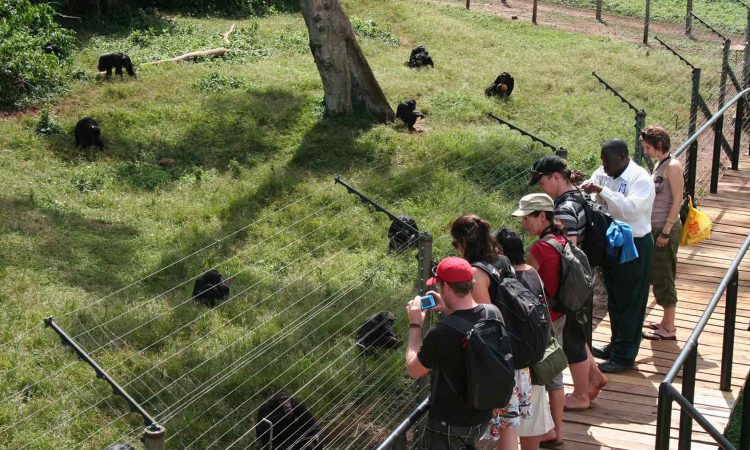
Kibale National Park is Uganda’s leading chimpanzee destination. Guided forest walks allow visitors to search for habituated chimpanzee communities.
The park combines easily with Queen Elizabeth National Park. Many western Uganda safaris continue from Kibale through Queen Elizabeth and onward to Bwindi.
Chimpanzee permits remain separate from the tourist visa. Reserve them early when travelling during busy months.
Queen Elizabeth National Park
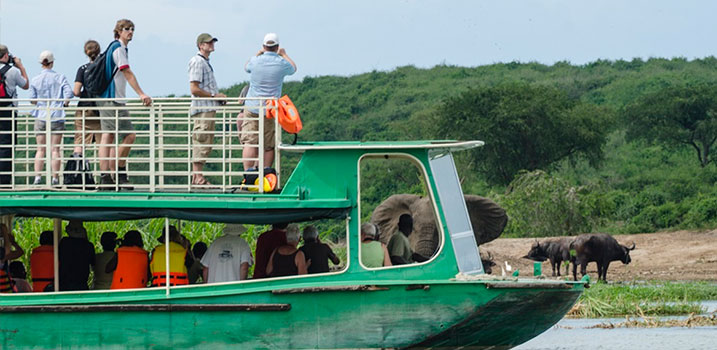
Queen Elizabeth National Park offers game drives, crater scenery and boat safaris on the Kazinga Channel. Visitors may see elephants, buffaloes, hippos and many bird species.
The Ishasha sector is known for tree-climbing lions. Its location also makes it a useful stop between the main park area and Bwindi.
Murchison Falls National Park
Murchison Falls combines Nile scenery with classic wildlife viewing. A boat trip approaches the base of the falls, while game drives explore the northern savannah.
Two nights provide a basic visit. However, three nights allow a more relaxed safari.
Lake Mburo National Park
Lake Mburo lies along the road between Entebbe and southwestern Uganda. Its convenient position makes it a useful first or final safari stop.
Visitors can enjoy game drives, boat trips, walking safaris and other approved activities. The park is also known for zebras and impalas.
Jinja and the River Nile
Jinja is famous for the source of the Nile and river-based adventures. Travellers can include a day trip or spend several nights in the area.
The town sits east of Kampala. Journey times depend on traffic, so flexible planning helps.
Best Time to Apply for a Uganda Visa
Begin preparing documents about four to six weeks before travel. This early preparation gives applicants time to renew passports, arrange vaccination and confirm accommodation.
Submitting the application two to four weeks before entry often provides a practical balance. It allows time for processing while remaining inside the 90-day approval window.
Complex routes may require more preparation. Families travelling with children should also allow time for consent documents and health appointments.
Never leave the application until the final days. A missing document or payment problem can easily disrupt the journey.
Best Time to Visit Uganda
Uganda welcomes travellers throughout the year. Nevertheless, weather affects hiking conditions, wildlife viewing and road travel.
Drier months often occur from June to September and December to February. These periods are popular for gorilla trekking because forest trails may be less muddy.
Rain can still fall at any time in Bwindi, Mgahinga and Kibale. A waterproof jacket and strong walking shoes remain essential.
Wetter months bring green scenery and excellent birding. Visitor numbers may also be lower. On the other hand, some roads and trekking trails become more challenging.
Visa requirements do not usually change by season. Processing demand may rise before popular holiday periods, so early preparation is useful.
Uganda Visa Guide for Tourists: Frequently Asked Questions
Can Tourists Obtain a Uganda Visa on Arrival?
Visa-prone travellers should apply online and receive authorization before departure. Old information about obtaining a visa after landing should not guide current travel plans.
How Much Does a Uganda Tourist Visa Cost?
The standard single-entry visa currently costs USD 50. Always verify the amount shown on the official portal before payment.
How Long Does the Application Take?
Straightforward applications may receive a decision within two or three working days. Delays remain possible, so apply well before travelling.
How Long Can a Tourist Stay in Uganda?
A tourist visa may allow a visit of up to three months. Immigration officers determine the actual period granted.
Does the Uganda Visa Cover Rwanda?
An ordinary Uganda visa covers Uganda only. The East Africa Tourist Visa can include Uganda, Rwanda and Kenya.
Does the East Africa Tourist Visa Cover Tanzania?
No. Tanzania does not participate in this joint visa arrangement.
Can Visitors Work With a Tourist Visa?
No. A tourist visa does not permit employment. Anyone planning to work must obtain the correct authorization.
Is a Yellow Fever Certificate Required?
Travellers should carry a valid yellow fever certificate and check current public-health rules before departure.
Can a Safari Company Complete the Application?
A safari company can help prepare itineraries and booking confirmations. Nevertheless, travellers should review all information submitted in their names.
Do Children Require Separate Visas?
Visa-prone children generally require individual authorization. Parents should verify passport and supporting-document rules for each child.
Can a Single-Entry Visa Be Used Twice?
Normally, a single-entry visa ends when the holder leaves Uganda. Another authorization may be required for re-entry.
What Happens When Approval Expires?
An unused approval authorization becomes invalid after 90 days. The traveller may need to submit and pay for a new application.
Does Approval Guarantee Admission?
No. Immigration officers make the final entry decision after checking the traveller’s documents and circumstances.
Final Uganda Visa Checklist
Before leaving home, confirm that your passport remains valid for at least six months. Check the visa approval carefully and print a copy.
Keep the yellow fever certificate beside the passport. Accommodation confirmations, tour details and onward travel documents should also remain easy to access.
Families need to verify every child’s documents. Travellers crossing land borders should confirm the operating status of their intended entry point.
Finally, save electronic copies of important documents. Secure backups can help when an original is lost, although copies do not always replace official documents.
Conclusion: Uganda Visa Guide for Tourists
Applying for a Uganda tourist visa becomes much easier with careful preparation. Most visa-prone holidaymakers need a USD 50 single-entry authorization. Visitors combining Uganda, Rwanda and Kenya may instead benefit from the USD 100 East Africa Tourist Visa.
Accurate information is essential. Use the same names and passport details across every document. In addition, upload clear copies and choose the category that matches the complete itinerary.
This Uganda Visa Guide for Tourists also highlights the importance of applying at the right time. Waiting until the final days creates risk, while applying more than 90 days ahead can cause the approval to expire before entry.
Before travelling, verify the latest rules through the official Uganda Immigration website. Applications should be submitted using the official Uganda electronic visa portal.
Once the correct documents are ready, visitors can concentrate on the experience ahead. Uganda rewards travellers with mountain gorillas, chimpanzees, national parks, Nile adventures and warm hospitality across the Pearl of Africa.
Plan Your Uganda Safari With Universal Ventures Rwanda
Universal Ventures Rwanda helps tourists plan smooth and memorable journeys across Uganda and Rwanda. Our services include visa guidance, customized safari itineraries, gorilla permit arrangements, accommodation bookings, airport transfers and cross-border transport. We can organize gorilla trekking in Bwindi, chimpanzee tracking in Kibale, wildlife safaris and combined Rwanda–Uganda tours.
For professional support with your Uganda safari, contact us:
Universal Ventures Rwanda
📍 Address: KK 15 Rd, Kigali, Rwanda
📞 Phone/WhatsApp: +250 781 441 853
📧 Email: info@universalventuresrwanda.com
🌍 Website: www.universalventuresrwanda.com