Skip to content
Uganda Safari vs Kenya Safari: Which African Safari Destination Is Best?
Choosing between a Uganda safari vs Kenya safari can feel difficult. Both countries offer remarkable wildlife, beautiful landscapes, welcoming cultures, and a wide choice of safari lodges. However, they provide very different travel experiences.
Kenya is famous for wide savannah plains, large animal herds, the Big Five, and the Great Wildebeest Migration. Uganda, meanwhile, combines traditional game drives with mountain gorilla trekking, chimpanzee tracking, river safaris, rainforest walks, birdwatching, and mountain adventures.
Therefore, the right destination depends on what you want to see, how much time you have, and the type of safari you enjoy. Kenya often suits first-time visitors seeking classic African wildlife scenes. Uganda is usually better for travelers who want primates, varied landscapes, smaller crowds, and a more active journey.
This detailed Uganda Safari vs Kenya Safari guide compares wildlife, national parks, gorilla trekking, the Great Migration, costs, accommodation, travel conditions, family experiences, photography, and the best time to visit. It will help you choose the ideal destination for your next East African safari.
Uganda Safari vs Kenya Safari: Quick Overview
Uganda and Kenya sit in East Africa, yet their geography creates two distinct safari styles.
Kenya has large areas of open grassland. Its famous safari circuit includes the Maasai Mara, Amboseli, Lake Nakuru, Samburu, Tsavo East, and Tsavo West. These destinations are excellent for vehicle-based wildlife viewing. Because the land is often open, visitors can watch animals from a distance and photograph them against broad horizons.
Uganda has a greener and more varied landscape. Its protected areas include tropical rainforests, volcanic mountains, wetlands, lakes, rivers, woodland, and savannah. The Uganda Wildlife Authority manages ten national parks, including Bwindi, Kibale, Murchison Falls, Queen Elizabeth, Kidepo Valley, Lake Mburo, and Mgahinga Gorilla National Park. Uganda Wildlife Authority
A Kenya safari mainly focuses on classic game drives, although visitors can also enjoy walking safaris, cultural visits, birdwatching, balloon flights, and beach holidays. In contrast, a Uganda wildlife safari can include gorilla trekking, chimpanzee tracking, boat cruises, nature walks, mountain climbing, community experiences, and traditional game drives.
Consequently, Kenya provides a strong classic safari experience, while Uganda offers a broader mix of wildlife and adventure.
| Safari feature | Uganda | Kenya |
|---|---|---|
| Best-known experience | Gorilla trekking | Great Wildebeest Migration |
| Main safari landscape | Forest, lakes, rivers and savannah | Open savannah and dry wilderness |
| Big Five viewing | Possible with a combined itinerary | Excellent in several reserves |
| Gorilla trekking | Available | Not available |
| Chimpanzee tracking | Outstanding | Limited |
| Large animal herds | Good | Excellent |
| Safari crowds | Usually lower | Often higher in famous reserves |
| Birdwatching | Exceptional | Excellent |
| Beach extension | Limited domestic beach options | Excellent Indian Ocean coast |
| Typical safari style | Active and varied | Classic vehicle-based safari |
| Best for | Primates and mixed adventures | Big cats, herds and open plains |
What Makes a Uganda Safari Special?
Uganda is often called the Pearl of Africa because of its fertile land, warm climate, lakes, forests, mountains, and rich wildlife. A journey across the country can move from Lake Victoria and the River Nile to tropical forests and high volcanic ranges. As a result, each region feels different.
The greatest advantage of a Uganda safari is variety. During one trip, travelers can search for lions and elephants in the morning, cruise past hippos in the afternoon, and enter a rainforest to track primates the following day.
Uganda also tends to feel more intimate than Africa’s busiest safari destinations. Popular parks still receive visitors, but traffic around wildlife sightings is generally lighter than in the most famous parts of Kenya during peak season. Therefore, Uganda appeals to travelers who value quiet surroundings, flexible itineraries, and personal encounters with nature.
Gorilla Trekking in Uganda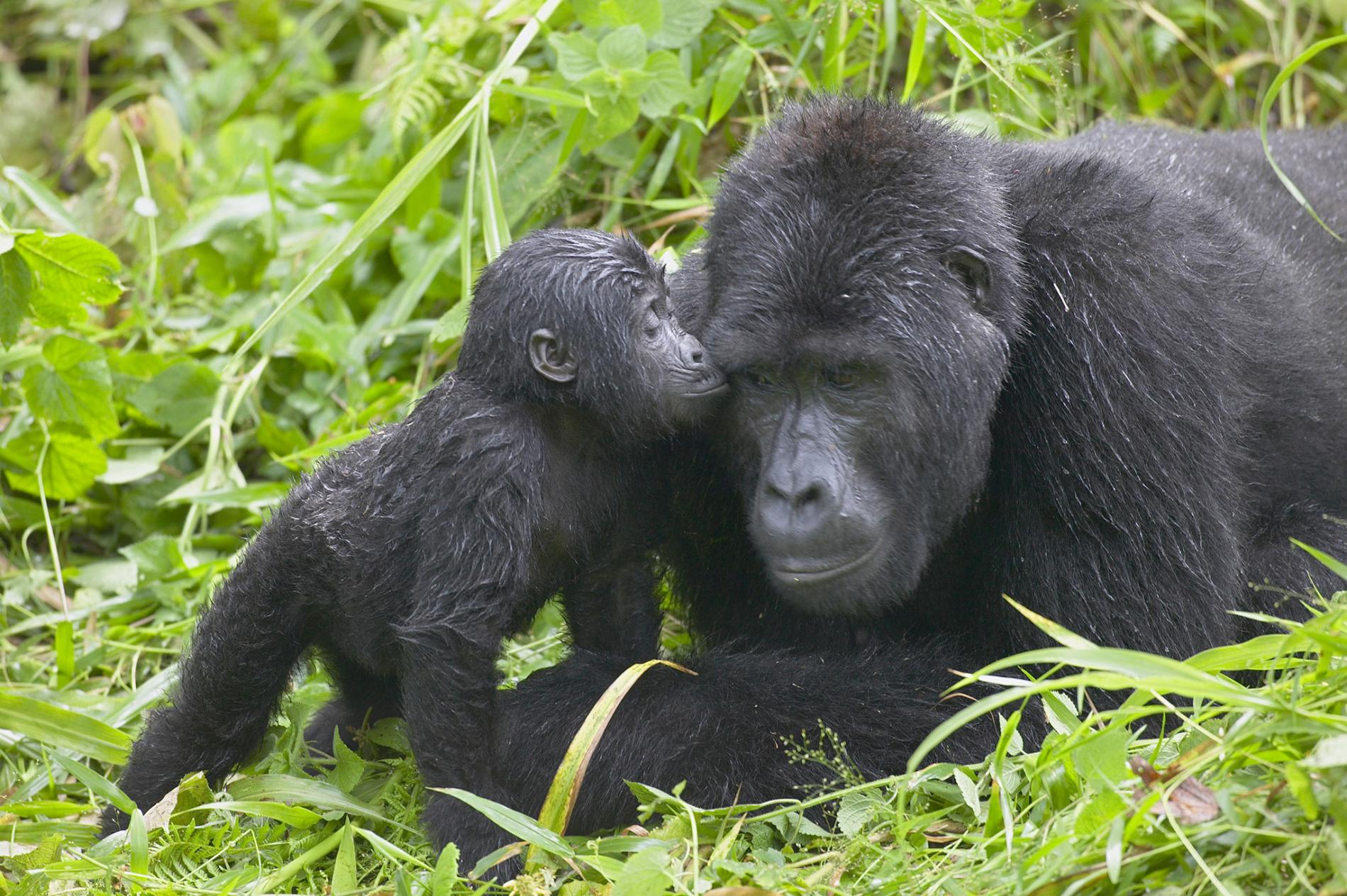
Mountain gorilla trekking is the main reason many travelers choose Uganda. The experience takes place in Bwindi Impenetrable National Park and Mgahinga Gorilla National Park.
Bwindi protects a remarkable rainforest in southwestern Uganda. The park contains several trekking sectors, including Buhoma, Ruhija, Rushaga, and Nkuringo. Each sector has its own gorilla families, lodges, trails, and scenery. Uganda Wildlife Authority describes Bwindi as one of the world’s leading mountain gorilla trekking destinations. Bwindi Impenetrable National Park
A normal trekking day begins with registration and a ranger briefing. Visitors then enter the forest with trained guides and trackers. The walk may be short or may take several hours, depending on the gorillas’ location and the terrain.
Once the group finds the assigned gorilla family, visitors receive a controlled viewing period. This quiet encounter is very different from watching wildlife from a vehicle. Travelers stand inside the gorillas’ forest habitat and observe their natural social behaviour at a respectful distance.
Mgahinga offers another option. It lies within the Virunga Mountains near Rwanda and the Democratic Republic of Congo. The park combines gorilla trekking with golden monkey tracking, volcano hiking, birdwatching, and cultural activities. Uganda Wildlife Authority’s gorilla-tracking information
Kenya does not have wild mountain gorilla trekking. Therefore, Uganda is the clear winner for travelers who place gorillas at the top of their African safari list.
Chimpanzee Tracking in Uganda
Uganda is also one of Africa’s strongest chimpanzee-tracking destinations. Kibale National Park offers the country’s best-known experience. The forest protects a rich primate population and supports guided chimpanzee tracking under established conservation rules.
Visitors walk through the forest while listening for calls, movement in the canopy, and signs identified by experienced trackers. Unlike gorillas, chimpanzees often move quickly. Therefore, the experience can feel energetic and unpredictable.
Kibale combines well with Bigodi Wetland Sanctuary, Queen Elizabeth National Park, and the crater lakes around Fort Portal. This makes it easy to add chimpanzee tracking to a longer Uganda safari itinerary. Advance booking is important because tracking places are limited. Kibale National Park
Other chimpanzee experiences are available in Budongo Forest, Kyambura Gorge, and Kalinzu Forest. Consequently, Uganda gives primate lovers several route options.
Uganda’s Varied Safari Landscapes
Uganda’s changing scenery is another major advantage. Bwindi has thick mountain rainforest. Queen Elizabeth National Park combines open plains, volcanic crater areas, wetlands, and the Kazinga Channel. Murchison Falls includes savannah, woodland, riverbanks, and the powerful Nile waterfall.
Farther north, Kidepo Valley National Park has dry plains, rugged mountains, and a remote wilderness atmosphere. Lake Mburo offers rolling hills, lakes, woodland, and open areas where zebras and antelopes are common.
Because of this variety, road travel becomes part of the experience. Visitors pass farms, villages, tea estates, banana plantations, crater lakes, and busy towns between national parks. A Uganda road safari therefore provides a close view of the country rather than only its protected areas.
What Makes a Kenya Safari Special?
Kenya helped shape the image of the classic African safari. Its open grasslands, acacia trees, large animal herds, and experienced tourism industry attract visitors from around the world.
The country has a broad network of national parks, national reserves, private conservancies, safari camps, and airstrips. Travelers can choose a short safari from Nairobi or create a longer journey connecting several ecosystems.
Kenya is particularly strong for big cats. Lions, cheetahs, and leopards live in several leading wildlife areas. The open terrain often makes sightings easier, while experienced guides understand where predators tend to hunt, rest, and move.
Moreover, Kenya combines wildlife safaris with the Indian Ocean coast. After visiting the Maasai Mara or Amboseli, travelers can fly to Diani Beach, Watamu, Malindi, or Lamu. This convenient bush-and-beach combination is one of Kenya’s greatest strengths.
The Maasai Mara and Great Migration
The Maasai Mara National Reserve is Kenya’s most famous wildlife destination. It forms part of the wider Mara–Serengeti ecosystem and supports lions, elephants, buffaloes, giraffes, zebras, antelopes, cheetahs, leopards, and many other species.
The reserve becomes especially popular during the Great Wildebeest Migration. The migration is a continuous movement through the Serengeti–Mara ecosystem rather than a single event on fixed dates. However, large herds commonly enter the Kenyan side during the middle and later parts of the year when conditions are favourable.
Kenya’s official tourism platform explains that the most famous Mara phase generally occurs from July through October. Nature still controls the exact timing, so no operator can guarantee a river crossing on a particular day. Magical Kenya’s Great Migration guide
Outside migration season, the Maasai Mara remains an excellent safari destination. Its resident wildlife does not disappear when the migrating herds move south. In fact, quieter months may provide lower rates, greener scenery, fewer vehicles, and rewarding predator sightings.
Amboseli and Its Elephant Herds
Amboseli National Park is known for close views of elephants and open scenery near Mount Kilimanjaro. On clear days, the mountain forms an impressive background for wildlife photography.
Wetlands fed by underground water support animals during dry periods. As a result, elephants, buffaloes, zebras, wildebeest, and many bird species gather around productive areas.
Kenya Wildlife Service identifies Amboseli as one of Africa’s leading destinations for seeing large elephant herds. Amboseli National Park
Amboseli is also relatively accessible from Nairobi. Therefore, it can form part of a shorter Kenya safari or combine with Tsavo and the coast.
Kenya’s Strong Safari Infrastructure
Kenya has hosted international safari travelers for decades. It offers everything from simple tented camps to private villas and high-end conservancy lodges.
Many popular parks have scheduled flights from Nairobi. This network allows visitors to reduce long driving days and spend more time viewing wildlife. Moreover, fly-in safaris are useful for travelers with limited time.
Private conservancies around the Maasai Mara, Laikipia, and other regions offer another advantage. Depending on the property and local rules, activities may include guided walks, night drives, off-road viewing, horseback safaris, and private bush meals.
However, premium locations can be expensive. Migration-season camps and private conservancies may charge considerably more than standard lodges. Travelers should therefore compare what each rate includes.
Uganda Safari vs Kenya Safari for Wildlife Viewing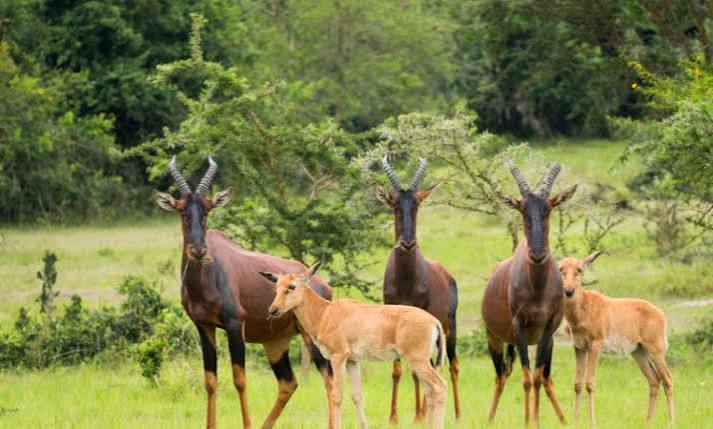
Wildlife is central to any Uganda Safari vs Kenya Safari comparison. Both countries offer excellent sightings, but each destination has a different strength.
Kenya usually provides higher numbers of visible plains animals. Large herds of wildebeest, zebra, gazelle, and buffalo occupy open ecosystems. The country is also particularly reliable for lions and cheetahs.
Uganda has rich wildlife, but some parks contain thicker vegetation. Therefore, animals may require more patience to find. Nevertheless, Uganda rewards visitors with greater habitat diversity and the chance to combine savannah mammals with forest primates.
Big Five Safaris in Uganda and Kenya
The Big Five are the lion, leopard, elephant, buffalo, and rhinoceros. The term originally came from hunting history, but today it is mainly used in wildlife tourism.
Kenya offers a strong chance of seeing all five during a well-planned safari. Maasai Mara is famous for lions, leopards, elephants, and buffaloes. Rhinos can be seen in destinations such as Lake Nakuru and several protected conservancies. Therefore, a multi-park Kenya safari can provide excellent Big Five viewing.
Uganda also offers a possible Big Five journey. Lions, leopards, elephants, and buffaloes occur in parks such as Murchison Falls, Queen Elizabeth, and Kidepo Valley. Rhinos are normally added through a separate visit to a protected rhino conservation area.
However, Uganda’s strongest wildlife itinerary should not focus only on checking five animals from a list. Its real advantage comes from combining large mammals with gorillas, chimpanzees, monkeys, birds, reptiles, and river wildlife.
Kenya wins if your main goal is to maximize traditional Big Five sightings. Uganda wins if you want to combine the Big Five concept with exceptional primate experiences.
Big Cats
Kenya is one of the best choices for travelers interested in big cats. The Maasai Mara supports a strong predator population, while Samburu, Tsavo, Amboseli, and Laikipia also provide valuable sightings.
The open plains make it easier to watch lions moving or resting. Cheetahs also benefit from wide spaces where they can scan the landscape. Leopards remain more secretive, although skilled guides often identify their preferred areas.
Uganda has lions and leopards, but sightings may require more time. Queen Elizabeth National Park is famous for lions associated with the Ishasha region. Murchison Falls and Kidepo Valley are also important predator destinations.
Still, travelers whose safari revolves around lions, leopards, and cheetahs will generally find Kenya more suitable.
Elephants, Buffaloes and Giraffes
Both destinations offer elephants and buffaloes. Kenya’s Amboseli is especially celebrated for elephant viewing, while Tsavo protects an enormous wilderness used by significant elephant populations.
In Uganda, elephants occur in Murchison Falls, Queen Elizabeth, and Kidepo Valley. Boat cruises can provide a different perspective as elephants approach rivers or channels to drink.
Kenya has several giraffe species and subspecies across different regions. Uganda also offers excellent giraffe sightings, especially in Murchison Falls and Kidepo Valley. The northern part of Murchison Falls National Park is often particularly rewarding.
Primates
Uganda wins this category by a wide margin. Mountain gorillas and chimpanzees are the headline species, but the country also protects golden monkeys, black-and-white colobus monkeys, red-tailed monkeys, blue monkeys, L’Hoest’s monkeys, grey-cheeked mangabeys, and several nocturnal primates.
Kenya has monkeys and baboons, yet primate trekking is not the central focus of its safari circuit. Therefore, travelers interested in human evolutionary relatives and forest ecosystems should choose Uganda.
Uganda Safari vs Kenya Safari National Parks
A successful itinerary depends on choosing parks that match the traveler’s interests. Trying to visit too many distant destinations can create tiring driving days. Therefore, quality matters more than the number of parks.
Best National Parks for a Uganda Safari
Bwindi Impenetrable National Park
Bwindi is Uganda’s leading gorilla trekking destination. Its steep hills, thick vegetation, streams, and high biological diversity make it much more than a place to see gorillas.
Visitors can also enjoy forest walks, birdwatching, community activities, and cultural visits. However, the correct trekking sector must be matched with the accommodation. Booking a lodge far from the assigned trailhead can create a difficult early-morning transfer.
Murchison Falls National Park
Murchison Falls is Uganda’s largest national park and one of its strongest all-round safari destinations. The Victoria Nile passes through the protected area before forcing its way through a narrow rocky section.
Visitors can take game drives on the savannah and a boat journey along the Nile. Common sightings may include elephants, giraffes, buffaloes, hippos, crocodiles, antelopes, and many birds. Lions and leopards are also present, although every sighting depends on natural movement.
The park’s combination of wildlife, water, and dramatic scenery makes it ideal for first-time visitors. Murchison Falls National Park
Queen Elizabeth National Park
Queen Elizabeth National Park sits between the Rwenzori Mountains and a network of lakes, channels, and crater landscapes. It is one of Uganda’s most diverse and accessible safari areas.
Game drives explore the Kasenyi Plains and other wildlife zones. Meanwhile, a Kazinga Channel cruise can reveal hippos, buffaloes, elephants, crocodiles, and waterbirds.
The Ishasha region in the south is associated with tree-climbing lions. However, visitors should remember that these are wild animals. They may rest in trees, remain in tall grass, or move far from the main tracks. No sighting can be guaranteed. Queen Elizabeth National Park
Kibale National Park
Kibale is Uganda’s leading chimpanzee destination. It fits naturally between Murchison Falls, Queen Elizabeth National Park, and Bwindi.
The surrounding region also offers crater-lake scenery, tea farms, wetlands, and community tourism. Therefore, many travelers spend at least two nights in the area rather than rushing through it.
Kidepo Valley National Park
Kidepo lies in Uganda’s remote northeast. Its distance from the main southern safari circuit protects its quiet atmosphere.
The park has open valleys, mountain scenery, seasonal rivers, and wildlife adapted to a drier environment. It is ideal for repeat visitors, photographers, and travelers seeking a less crowded wilderness.
However, reaching Kidepo by road requires time. A domestic flight can make the journey easier, although it increases the total safari cost.
Lake Mburo National Park
Lake Mburo is smaller than Uganda’s major parks, but it has a convenient location between Kampala or Entebbe and the southwest.
The park is known for zebras, impalas, elands, buffaloes, hippos, and birdlife. Depending on current rules and conditions, guided walks, cycling experiences, horseback activities, game drives, and boat trips may be possible.
Its smaller scale makes Lake Mburo suitable for short safaris and relaxed final nights before returning to Entebbe.
Best National Parks and Reserves for a Kenya Safari
Maasai Mara National Reserve
The Maasai Mara is the centrepiece of many Kenya safari packages. It offers year-round resident wildlife, wide views, and famous predator populations.
During peak migration months, demand increases sharply. Therefore, visitors should reserve accommodation early. Those who prefer quieter experiences may choose a nearby private conservancy or travel during the green season.
Amboseli National Park
Amboseli is ideal for elephants, wetlands, birdlife, and possible views of Mount Kilimanjaro. It combines well with Nairobi, Tsavo, and the coast.
Mornings often provide the clearest mountain views. However, clouds can cover Kilimanjaro at any time, so photography always depends on weather conditions.
Lake Nakuru National Park
Lake Nakuru offers a compact safari experience in the Great Rift Valley. It is known for rhino conservation, birdlife, woodland, grassland, and lake scenery.
The park can be included between Nairobi and the Maasai Mara. It is particularly useful in itineraries designed around Big Five viewing because it may improve the chance of seeing rhinos.
Samburu National Reserve
Samburu lies in Kenya’s drier north. Its landscapes and wildlife differ from those in the southern safari circuit.
Travelers may search for species associated with northern Kenya, including reticulated giraffes, Grevy’s zebras, gerenuks, and Beisa oryx. Elephants and big cats also occur in the ecosystem.
Samburu is an excellent choice for visitors who have already seen the Maasai Mara or who want greater variety.
Tsavo East and Tsavo West
Together, Tsavo East and Tsavo West form one of Kenya’s largest wilderness regions. Their location between Nairobi and the coast makes them useful for driving itineraries that finish near Mombasa or Diani.
Tsavo East offers broad landscapes and wildlife around important water sources. Tsavo West has volcanic scenery, springs, hills, and denser vegetation.
Wildlife can be more spread out than in compact reserves. Nevertheless, the parks reward patient travelers with space, scenery, and a strong wilderness feeling.
Uganda Safari vs Kenya Safari for Scenery
Uganda is generally greener. The country contains mountain forests, tropical lowlands, lakes, crater fields, savannah, wetlands, waterfalls, and high peaks. Consequently, a Uganda safari changes character every few days.
The southwest is especially scenic. Roads curve through cultivated hills and valleys near Bwindi and Mgahinga. Around Fort Portal, crater lakes and tea estates add colour to the landscape. In the west, the Rwenzori Mountains rise behind several protected areas.
Kenya’s scenery is more strongly linked to the classic image of Africa. Open plains stretch toward distant hills. Acacia trees stand against broad skies, while the Great Rift Valley creates lakes, cliffs, and volcanic landforms.
Amboseli may provide views of Mount Kilimanjaro. Samburu presents dry, rugged beauty. Tsavo offers red earth, lava formations, and vast wilderness. Meanwhile, the Maasai Mara creates striking sunrise and sunset scenes.
Uganda is better for travelers who want constant landscape variety. Kenya is better for those who dream of open savannah, dramatic horizons, and traditional safari photography.
Uganda Safari vs Kenya Safari for Birdwatching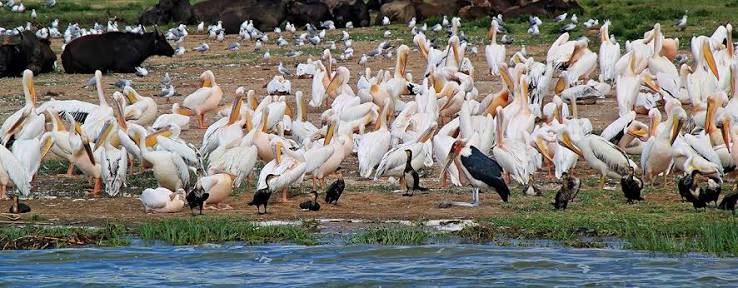
Both countries are outstanding birdwatching destinations. However, Uganda’s compact size and position between several ecological regions create exceptional diversity.
Uganda Wildlife Authority reports more than 1,060 recorded bird species across the country. Forest, savannah, wetland, mountain, and water habitats can all be included in one journey. Uganda Wildlife Authority
Important Uganda birding areas include Bwindi, Mabamba Wetland, Murchison Falls, Queen Elizabeth, Kibale, Semuliki, Lake Mburo, and Kidepo Valley. Specialist tours often search for the shoebill as well as Albertine Rift endemics.
Kenya also has a remarkable bird list. Its Rift Valley lakes, forests, dry northern country, coast, highlands, and savannah parks support extensive diversity. Amboseli, Samburu, Lake Nakuru, Kakamega Forest, Arabuko Sokoke, and the Maasai Mara are among the leading locations.
Uganda may have a slight advantage for travelers who want forest species and primates during the same journey. Kenya may suit birders who want to connect Rift Valley, savannah, dry-country, and coastal habitats.
Which Is Better: Uganda or Kenya Safari?
There is no single winner in the Uganda Safari vs Kenya Safari debate. The best destination depends on your priorities.
Choose Uganda if gorilla trekking is essential. It is also the stronger choice for chimpanzees, forest walks, river safaris, green scenery, and mixed wildlife adventures.
Choose Kenya if you want large herds, open grasslands, reliable big-cat viewing, the Great Migration, luxury conservancies, or a safari followed by an Indian Ocean beach holiday.
For an even broader experience, combine both countries. A cross-border journey can include Uganda’s gorillas and chimpanzees before continuing to Kenya’s Maasai Mara or Amboseli. Although this option costs more, it brings together East Africa’s leading primate and savannah experiences.
Uganda Safari Costs
A Uganda safari budget normally includes a private 4×4 vehicle, an English-speaking driver-guide, accommodation, meals, park entrance fees, boat cruises, and activity permits.
Gorilla trekking is often the largest single expense. Chimpanzee tracking also requires a separate permit. Moreover, park entrance fees are usually independent of special activities. Travelers should confirm all current charges before making payments because the Uganda Wildlife Authority can revise its conservation tariffs. Uganda Wildlife Authority tariffs
A private Uganda safari can still provide good value. The same vehicle and guide normally remain with the travelers throughout the trip. In addition, midrange lodges outside the parks often offer comfortable rooms, good meals, and personal service without luxury prices.
Traveling as a couple or small group can reduce the cost per person. This happens because participants share the vehicle, fuel, guide, and transfer expenses.
Kenya Safari Costs
Kenya offers a broad range of safari prices. Budget travelers can join scheduled group departures. Midrange visitors can use traditional lodges and tented camps, while luxury travelers can stay in private conservancies and fly between destinations.
The Maasai Mara can become expensive during the Great Migration season. Accommodation demand rises, and many camps apply peak-season rates. Private conservancy properties may also include conservation fees, premium activities, and transfers in their packages.
Nevertheless, Kenya has more group safari choices than Uganda. Therefore, solo travelers may find affordable shared departures from Nairobi. Short safaris to destinations such as Amboseli, Lake Nakuru, or the Maasai Mara can also reduce the total cost.
Kenya’s domestic flight network provides convenience, but flights, baggage restrictions, and airstrip transfers add to the budget. A driving safari costs less in many cases, although it requires more travel time.
Which Country Offers Better Safari Value?
Uganda often offers better value for travelers who want many different experiences during one trip. One itinerary can include gorilla trekking, chimpanzee tracking, game drives, a Nile cruise, community activities, and birdwatching.
Kenya provides strong value for visitors focused on open-plains wildlife. Even a short itinerary can deliver excellent sightings of lions, elephants, giraffes, zebras, buffaloes, and antelopes.
The best approach is to compare complete packages rather than daily prices. A cheaper quotation may exclude park fees, permits, meals, airport transfers, or important activities. Therefore, always request a clear list of inclusions and exclusions.
Uganda Safari vs Kenya Safari Accommodation
Both Uganda and Kenya provide accommodation for different budgets. Travelers can choose from simple guesthouses, comfortable safari lodges, tented camps, boutique properties, and exclusive luxury retreats.
Safari Lodges in Uganda
Uganda’s safari lodges often occupy green hills, forest edges, riverbanks, or locations overlooking the savannah. Many properties have a small number of rooms. As a result, the atmosphere feels quiet and personal.
Around Bwindi, lodges are spread across separate trekking sectors. Travelers must book accommodation near the correct trailhead. For example, a lodge in Buhoma may not be practical for an early trek that starts in Nkuringo or Rushaga.
Murchison Falls has lodges on different sides of the Nile. Their locations can affect game-drive routes and transfer times. Similarly, Queen Elizabeth National Park offers accommodation near Kasenyi, Mweya, Kyambura, and Ishasha.
Budget lodges usually provide clean rooms and basic facilities. Midrange options offer more space, private bathrooms, good meals, and attractive views. Luxury properties may include private cottages, fireplaces, personal service, spa treatments, and premium dining.
Safari Camps in Kenya
Kenya has one of Africa’s most developed safari accommodation networks. The Maasai Mara alone offers a large selection of lodges, seasonal camps, permanent tented camps, and luxury properties.
Traditional lodges often have many rooms and shared facilities. They work well for families, groups, and travelers who prefer a full range of services.
Small tented camps provide a closer connection to the wilderness. Their tents usually have proper beds, private bathrooms, hot water, and furnished verandas. Therefore, “tented” does not always mean basic camping.
Private conservancies offer some of Kenya’s most exclusive accommodation. These properties may provide fewer vehicles at sightings, flexible activities, and highly personalized guiding. However, rates are usually higher.
Which Destination Has Better Accommodation?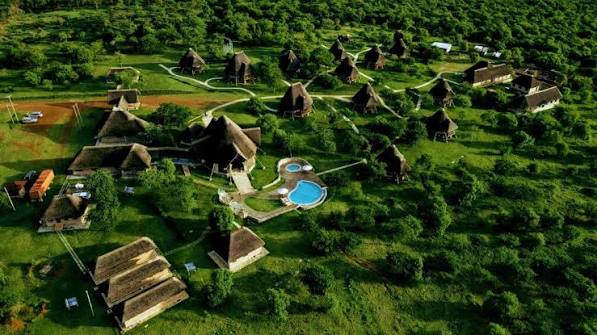
Kenya wins for overall variety. It has more luxury camps, fly-in options, private conservancies, and large safari lodges.
Uganda performs strongly in the midrange market. Its smaller lodges often provide friendly service and beautiful natural locations. Moreover, Uganda’s best forest lodges create a memorable setting before and after gorilla trekking.
Travelers should choose a lodge based on location and activity access rather than photographs alone. A beautiful property may create difficult transfers if it sits far from the planned park entrance.
Best Time for a Uganda Safari vs Kenya Safari
Uganda and Kenya are year-round destinations. However, weather conditions influence roads, wildlife movement, vegetation, prices, and visitor numbers.
Best Time to Visit Uganda
Uganda’s drier periods generally fall between June and September and from December to February. These months are popular for gorilla trekking, chimpanzee tracking, game drives, and hiking.
Forest trails may feel firmer during dry conditions. Meanwhile, animals in savannah parks often gather near reliable water sources. However, tropical rain can occur during any month, especially in Bwindi and Kibale.
The wetter seasons usually occur around March to May and October to November. During these periods, vegetation becomes green, birding can be excellent, and some lodges offer lower prices.
Rain does not normally continue throughout every day. A shower may be followed by clear weather. Nevertheless, forest paths can become muddy, and some rural roads may require more time.
Travelers who want gorilla permits during popular months should book well in advance. Permit availability can shape the entire safari route.
Best Time to Visit Kenya
Kenya’s main dry seasons generally run from June to October and from January to February. Wildlife can be easier to observe because animals gather around water and vegetation becomes thinner.
The Maasai Mara receives its greatest migration interest between about July and October. However, herd movement and river crossings depend on rainfall and grazing conditions. Therefore, exact dates cannot be guaranteed. Magical Kenya Great Migration
Kenya’s wetter periods can provide green landscapes, dramatic skies, fewer visitors, and excellent photography. Young animals and migrant birds can also add interest.
Some properties reduce their prices during quieter months. As a result, the green season may suit travelers who want a more affordable Kenya safari without peak-season crowds.
When Should You Book?
Reserve early if you plan to travel during July, August, September, Christmas, or New Year. You should also book early when your itinerary includes gorilla permits or a popular Maasai Mara migration camp.
A lead time of six to twelve months is helpful for high-demand trips. However, shorter-notice safaris may still be possible when accommodation and permits remain available.
Uganda Safari vs Kenya Safari for Families
Both destinations can provide rewarding family holidays. However, the children’s ages and interests should guide the final decision.
Kenya is often easier for families with younger children. Many lodges have family rooms, swimming pools, child-friendly meals, and shorter game-viewing programs. The open landscape also helps children see animals more easily.
Some Kenya camps offer junior ranger programs, guided nature activities, and cultural visits. A beach extension can provide relaxation after several days of game drives.
Uganda works well for families with older children and teenagers who enjoy active adventures. The journey may include forest walks, boat cruises, village visits, and wildlife drives. However, official age restrictions apply to gorilla and chimpanzee activities, so families must confirm eligibility before booking.
Parents should avoid overloading the itinerary. Long drives followed by early starts can become tiring. Therefore, a family safari should include enough rest, flexible meal times, and two-night stays where possible.
Uganda Safari vs Kenya Safari for Couples
Uganda offers forest lodges, private cottages, lake views, and quiet natural settings. Gorilla trekking can become the central experience of a special journey. Couples can also include Lake Bunyonyi, the crater lakes, or the River Nile.
Kenya offers romantic tented camps, private conservancies, bush breakfasts, sunset drives, and balloon safaris. In addition, couples can finish their holiday at Diani Beach, Watamu, or Lamu.
Kenya may be better for couples seeking luxury, open landscapes, and an easy safari-and-beach combination. Uganda may be better for those who want adventure, primates, green scenery, and fewer vehicles.
Uganda Safari vs Kenya Safari for Solo Travelers
Solo travel is possible in both countries. Kenya has more scheduled group safaris, especially from Nairobi. Joining a group can lower transport and guide costs. It may also create a social atmosphere.
Uganda has fewer regular group departures. However, a private safari gives the solo traveler greater control over the pace, activities, and photography stops. It can also provide a close working relationship with the driver-guide.
Solo visitors should use licensed operators, confirm airport transfers, and check what emergency support the package provides. They should also avoid choosing a company based only on the lowest price.
Uganda Safari vs Kenya Safari for Photography
Kenya often provides easier conditions for traditional wildlife photography. Open grassland creates clear backgrounds, while large herds and big cats offer many subjects.
The Maasai Mara is ideal for action, predator, and landscape photography. Amboseli is known for elephants and possible Kilimanjaro backgrounds. Samburu adds dry-country scenery and distinctive wildlife.
Uganda requires a more flexible photography style. Forests have lower light, thick vegetation, and quickly moving primates. However, these challenges can produce intimate and powerful images.
Uganda also offers river scenes, waterfalls, crater landscapes, birds, gorillas, chimpanzees, and savannah mammals. Therefore, it provides a wider visual story within one journey.
For gorilla photography, carry equipment that works well in low light. Flash photography is not allowed during primate trekking. Travelers should also protect cameras from rain and humidity.
Sample Seven-Day Uganda Safari Itinerary
Day 1: Arrival in Entebbe
Meet your driver-guide at Entebbe International Airport and transfer to your hotel. Depending on the arrival time, you can rest or explore the Lake Victoria area.
Day 2: Entebbe to Kibale National Park
Travel west toward Fort Portal and Kibale. The drive passes towns, farms, tea-growing regions, and green countryside. Arrive at the lodge for dinner and overnight.
Day 3: Chimpanzee Tracking and Bigodi Wetland
Enter Kibale Forest for guided chimpanzee tracking. Later, visit Bigodi Wetland Sanctuary for birds, monkeys, community encounters, and a gentle nature walk.
Day 4: Kibale to Queen Elizabeth National Park
Drive toward Queen Elizabeth National Park. Enjoy an afternoon game drive or relax at the lodge while viewing the surrounding landscape.
Day 5: Game Drive and Kazinga Channel Cruise
Begin with a morning game drive in search of lions, elephants, buffaloes, antelopes, and other animals. In the afternoon, take a boat cruise on the Kazinga Channel.
Day 6: Queen Elizabeth to Bwindi
Travel through the Ishasha region toward Bwindi Impenetrable National Park. Look for wildlife along the route before continuing to the forest lodge.
Day 7: Gorilla Trekking
Attend the morning briefing and enter Bwindi with rangers and trackers. After finding the assigned gorilla family, enjoy the permitted viewing period before returning to the lodge.
An extra day is recommended for the transfer back to Entebbe or Kigali. Travelers can also extend the itinerary to Murchison Falls, Lake Mburo, Lake Bunyonyi, or Mgahinga.
Sample Seven-Day Kenya Safari Itinerary
Day 1: Arrival in Nairobi
Meet your guide at Jomo Kenyatta International Airport and transfer to your hotel. If time permits, add a short Nairobi activity.
Day 2: Nairobi to Amboseli
Drive to Amboseli National Park. Enjoy an afternoon game drive with opportunities to see elephants, zebras, wildebeest, giraffes, and birds.
Day 3: Full-Day Amboseli Safari
Explore the park during morning and afternoon game drives. Clear weather may reveal Mount Kilimanjaro behind the plains.
Day 4: Amboseli to Lake Nakuru
Travel through Nairobi toward the Great Rift Valley. Continue to Lake Nakuru for an afternoon game drive.
Day 5: Lake Nakuru to Maasai Mara
Drive to the Maasai Mara National Reserve. Enter the reserve for your first game drive before reaching the camp.
Day 6: Full-Day Maasai Mara Safari
Spend the day searching for lions, elephants, buffaloes, giraffes, cheetahs, leopards, and plains animals. During the migration season, your guide may also search for large wildebeest and zebra herds.
Day 7: Return to Nairobi
Enjoy a final morning wildlife experience if time permits. After breakfast, return to Nairobi for your flight or continue to the Kenyan coast.
Combining Uganda and Kenya in One Safari
Travelers do not always need to choose one destination. A combined Uganda and Kenya safari connects Uganda’s primates with Kenya’s open-plains wildlife.
The most practical itinerary often begins with gorilla trekking in Uganda. Travelers can enter through Entebbe or Kigali, depending on the route and available flights. After Bwindi, they can continue to Kibale for chimpanzees or fly onward to Nairobi.
The Kenya section can include the Maasai Mara, Amboseli, or a private conservancy. A beach stay can then complete the holiday.
A combined safari usually requires at least ten to fourteen days. Shorter trips can feel rushed because airport transfers and international flights consume valuable time.
Suggested 12-Day Uganda and Kenya Safari
A balanced journey could follow this structure:
- Days 1–2: Arrival and transfer toward Kibale
- Day 3: Chimpanzee tracking
- Days 4–5: Queen Elizabeth National Park
- Days 6–7: Bwindi and gorilla trekking
- Day 8: Transfer or flight connection to Nairobi
- Days 9–11: Maasai Mara safari
- Day 12: Return to Nairobi or continue to the coast
This route provides primates, savannah wildlife, boat activities, scenic drives, and big-cat viewing. It also gives each destination enough time to show its strongest features.
Responsible Safari Travel in Uganda and Kenya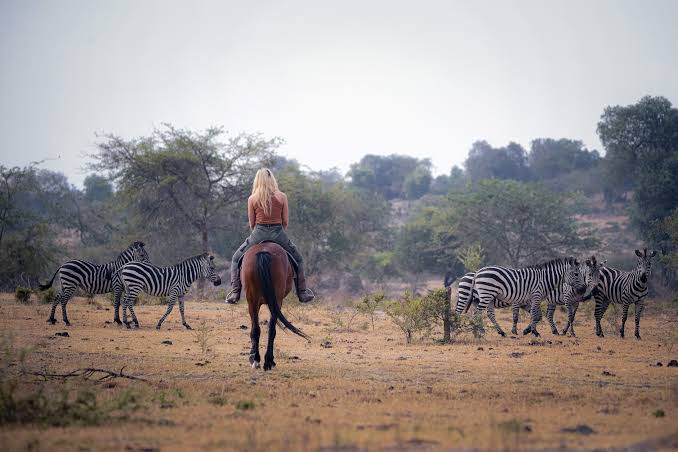
Responsible travel protects wildlife and supports communities around national parks.
Always follow ranger instructions during game drives, forest walks, and primate trekking. Keep the required distance from animals and never feed wildlife. Moreover, avoid shouting or making sudden movements near sensitive species.
Travelers should not pressure guides to drive off designated tracks where local rules prohibit it. They should also avoid blocking animals or surrounding a sighting with too many vehicles.
Choose lodges and operators that employ local staff, reduce waste, support conservation, and work respectfully with nearby communities. When visiting villages or cultural centres, ask before taking photographs.
Gorilla and chimpanzee rules also protect human health and primate welfare. Visitors who feel unwell should inform their operator or ranger team. Following health guidance may be disappointing in the short term, but it helps protect vulnerable animals.
Frequently Asked Questions About Uganda Safari vs Kenya Safari
Is Uganda or Kenya better for a first African safari?
Kenya is often easier for a first safari because its open plains provide frequent wildlife sightings. It also has a developed tourism network and many itinerary options.
However, Uganda may be the better first choice if gorilla trekking is your main dream. It combines primates with traditional wildlife and scenic road travel.
Is Uganda cheaper than Kenya for a safari?
Uganda can offer good midrange value, but gorilla and chimpanzee permits increase the price. Kenya has affordable group safaris, although premium Maasai Mara camps can be expensive.
The answer depends on the season, lodging level, number of travelers, and included activities.
Does Uganda have the Big Five?
Uganda can provide a Big Five itinerary by combining its major savannah parks with a protected rhino conservation experience. However, Kenya usually offers an easier classic Big Five safari.
Can I see gorillas in Kenya?
Kenya does not offer wild mountain gorilla trekking. For mountain gorillas, travelers should visit Uganda or Rwanda.
Is Kenya better for the Great Migration?
Yes. The Maasai Mara forms part of the wider Serengeti–Mara migration ecosystem. Large herds often move into Kenya during the middle and later parts of the year, although nature controls the timing.
Which destination has fewer tourists?
Uganda generally receives fewer safari vehicles than Kenya’s busiest reserves. However, gorilla trailheads and popular activities still require advance booking.
In Kenya, private conservancies can provide a quieter alternative to busy parts of the Maasai Mara.
Which country is better for birdwatching?
Both countries are excellent. Uganda is particularly strong for forest birds, Albertine Rift species, wetland birds, and a compact combination of habitats. Kenya is outstanding for savannah, Rift Valley, dry-country, highland, and coastal species.
How many days do I need for Uganda?
A seven-day itinerary can combine gorilla trekking with one or two additional destinations. However, ten to fourteen days provide a more complete experience with chimpanzees, savannah wildlife, and boat activities.
How many days do I need for Kenya?
Five to seven days can cover two or three main wildlife areas. Ten days allow a slower safari or the addition of Samburu, Tsavo, a conservancy, or the coast.
Can I combine Uganda and Kenya?
Yes. A combined journey works especially well for travelers who want gorilla trekking, chimpanzees, the Maasai Mara, and big-cat viewing. Plan at least ten days, although twelve to fourteen days will feel more comfortable.
Which country is better for a safari and beach holiday?
Kenya is the stronger choice. Its safari regions connect well with Diani, Mombasa, Watamu, Malindi, and Lamu.
Uganda has lakes, islands, and attractive waterside retreats, but it does not have an Indian Ocean coastline.
Is Uganda or Kenya better for gorilla trekking?
Uganda wins because Kenya has no mountain gorilla trekking. Uganda offers trekking in Bwindi Impenetrable and Mgahinga Gorilla national parks.
Which safari is best for seeing big cats?
Kenya generally offers better big-cat viewing. The Maasai Mara is particularly famous for lions, leopards, and cheetahs. Uganda also has lions and leopards, but sightings may require more patience.
Final Verdict: Uganda Safari vs Kenya Safari
The final Uganda Safari vs Kenya Safari choice depends on the experience you value most.
Choose Uganda for mountain gorillas, chimpanzees, rainforests, river cruises, green landscapes, active adventures, and quieter safari routes. Uganda is especially suitable for travelers who want to explore several ecosystems during one holiday.
Choose Kenya for large animal herds, open savannah, big cats, the Great Migration, private conservancies, luxury tented camps, and easy beach extensions. Kenya delivers the classic African safari scenes that many travelers first imagine.
Families seeking simple wildlife viewing may prefer Kenya. Active couples, photographers, birders, and primate enthusiasts may find Uganda more rewarding. Repeat visitors can also combine both destinations for a complete East African experience.
Ultimately, the best safari is not always the one with the longest wildlife list. It is the journey that matches your interests, budget, pace, and available time. A knowledgeable regional tour operator can help arrange the right permits, lodges, transport, and activities.
Plan Your Uganda or Kenya Safari with Universal Ventures Rwanda
Universal Ventures Rwanda creates tailor-made safaris in Rwanda, Uganda, Kenya, and across East Africa. The company can arrange gorilla permits, chimpanzee experiences, wildlife game drives, accommodation, airport transfers, professional driver-guides, and cross-border itineraries.
Whether you prefer a Uganda gorilla safari, a Kenya wildlife tour, or a combined Uganda and Kenya adventure, the team can design the journey around your dates, budget, and travel interests.
Universal Ventures Rwanda
- Address: KN 15 Road, opposite IPRC Entrance, 1st Floor, SANGWA PLAZA, Kigali, Rwanda
- Telephone and WhatsApp: +250 781 441 853
- Email: info@universalventuresrwanda.com
- Website: www.universalventuresrwanda.com
Contact Universal Ventures Rwanda to request a personalized Uganda Safari vs Kenya Safari itinerary and quotation.