Skip to content
This comprehensive Uganda Wildlife Guide explains the country’s major animals, national parks, safari activities, seasons, suggested itineraries, accommodation choices and practical travel requirements. It is designed for first-time visitors, experienced safari travelers, photographers, birdwatchers, families, solo travelers and anyone planning a Uganda wildlife safari.
Uganda offers one of Africa’s most varied wildlife experiences. Within a single journey, visitors can track mountain gorillas through a misty rainforest, watch lions resting in savannah grasslands, follow chimpanzees beneath a tropical forest canopy and cruise past elephants, hippos and Nile crocodiles. Few destinations combine primate trekking, traditional game viewing, birdwatching and scenic adventure so naturally.
Uganda is often called the Pearl of Africa because of its green landscapes, warm climate, fertile highlands, expansive lakes and extraordinary biodiversity. The country lies where East African savannah meets Central African rainforest. This location creates habitats for mountain gorillas, chimpanzees, elephants, lions, leopards, buffaloes, giraffes, zebras, hippos, antelopes and an impressive variety of birds.
Uganda’s strongest advantage is diversity rather than enormous animal concentrations. Kenya and Tanzania are famous for vast plains and large migrating herds, while Uganda combines classic savannah wildlife with intimate forest encounters. Travelers can experience both styles during one Uganda safari itinerary.
The Uganda Wildlife Authority manages ten national parks, along with wildlife reserves, sanctuaries and community wildlife areas. These protected destinations range from Bwindi’s ancient rainforest to Kidepo’s remote wilderness and the powerful Nile landscapes of Murchison Falls National Park. Uganda Wildlife Authority
Why Uganda Is One of Africa’s Best Wildlife Destinations
Uganda deserves a leading position among the best safari destinations in Africa. Its appeal comes from the number of different ecosystems and wildlife activities that visitors can enjoy within a relatively compact country.
The southwest contains rainforest, volcanic mountains and crater lakes. Western Uganda combines forests, wetlands and savannah parks. Northern Uganda opens into remote plains and semi-arid landscapes, while the Nile and Lake Victoria create rich aquatic habitats.
A complete Uganda wildlife safari may include gorilla trekking in Bwindi Impenetrable National Park, chimpanzee tracking in Kibale Forest, a Kazinga Channel boat cruise, game drives in Queen Elizabeth National Park and rhino tracking. Longer journeys can extend north to Murchison Falls or Kidepo Valley.
Uganda is particularly attractive to travelers who want active participation. Wildlife viewing does not take place only from a safari vehicle. Visitors can walk through forests, track primates with trained rangers, explore wetlands by canoe, take boat safaris, hike mountain trails and join guided nature walks.
The country also offers several practical advantages. English is widely used in tourism, experienced safari guides operate throughout the major destinations and accommodation ranges from simple guesthouses to exclusive wilderness lodges. Uganda can also combine easily with Rwanda, Kenya or Tanzania.
What the Top Uganda Wildlife Guide Competitors Cover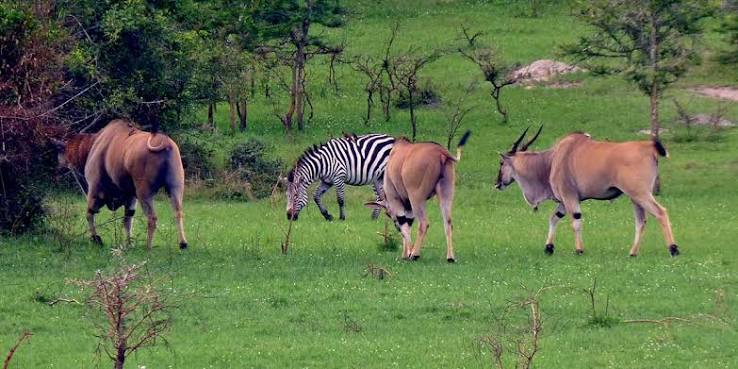
An analysis of leading pages currently ranking for Uganda wildlife and safari-related searches reveals several recurring themes. The strongest competitors discuss Uganda’s primates, major national parks, Big Five animals, birdlife, weather and suggested safari experiences.
Pages from Responsible Travel and Natural Habitat Adventures emphasize the country’s range of primates, mammals and birds. AfricanMecca focuses on detailed park information and trip planning. Uganda Wildlife Authority provides the official overview of protected areas. Other competitive travel pages concentrate on the best season for gorilla trekking and general game viewing.
However, many competing guides separate wildlife information from practical safari planning. Some provide animal lists but little guidance about routes, transportation or costs. Others discuss national parks without explaining how to combine them efficiently.
This Uganda Wildlife Guide brings those elements together. It covers wildlife, habitats, parks, travel seasons, photography, accommodation, responsible tourism, costs and recommended itineraries in one resource.
Uganda Wildlife Guide to the Country’s Main Ecosystems
Uganda’s wildlife diversity becomes easier to understand when you examine its ecosystems. Each habitat supports a different combination of animals and safari experiences.
Tropical rainforests
Bwindi Impenetrable National Park, Kibale National Park, Budongo Forest and parts of Semuliki protect valuable tropical forest. These habitats support mountain gorillas, chimpanzees, red colobus monkeys, black-and-white colobus monkeys, forest elephants, forest antelopes, butterflies and numerous birds.
Forest safaris feel completely different from open-plain game drives. Visitors move on foot with trained trackers, listen for calls and search for fresh signs such as broken vegetation, nests or footprints. Visibility can be limited, but close encounters often feel exceptionally personal.
Savannah grasslands
Murchison Falls, Queen Elizabeth, Kidepo Valley and Lake Mburo contain open grasslands, woodland and acacia savannah. These areas support lions, leopards, elephants, buffaloes, giraffes, zebras, warthogs, hyenas and several antelope species.
Game drives usually operate early in the morning and late in the afternoon. Animals become more active during cooler hours, while the soft light improves wildlife photography.
Wetlands, lakes and rivers
Uganda contains a remarkable network of freshwater habitats. The Nile, Kazinga Channel, Lake Victoria, Lake Albert, Lake Edward and numerous swamps attract hippos, Nile crocodiles, elephants, buffaloes, waterbirds and the famous shoebill.
Boat safaris provide a peaceful way to observe animals. They also create excellent photographic opportunities because wildlife often gathers close to the water.
Mountain and Afro-alpine habitats
The Rwenzori Mountains, Mount Elgon and the Virunga ranges protect montane forest, bamboo zones, heathland and Afro-alpine vegetation. These landscapes support specialized birds, small mammals and unique plant species.
Mountain expeditions focus more on scenery, hiking and ecological diversity than classic big-game sightings. Nevertheless, they add an adventurous dimension to a Uganda wildlife holiday.
Semi-arid wilderness
Kidepo Valley National Park and the wider Karamoja region have a drier climate than western Uganda. Their grasslands, rocky hills and seasonal rivers support animals adapted to open and semi-arid environments.
Kidepo is especially valuable for travelers seeking remote wilderness, uncrowded game drives and wildlife species that are uncommon elsewhere in Uganda.
Mountain Gorillas in Uganda
Mountain gorillas are Uganda’s most celebrated wildlife attraction. Seeing a gorilla family in its natural environment can become the defining moment of an African journey.
Uganda’s mountain gorillas live in Bwindi Impenetrable National Park and Mgahinga Gorilla National Park. Bwindi protects several trekking sectors, including Buhoma, Ruhija, Rushaga and Nkuringo. The sector allocated to a traveler determines the starting point, accommodation area and trekking logistics.
A typical gorilla trekking day begins early. Visitors report to the park office for registration and a ranger briefing before being assigned to a habituated gorilla family. Group assignments may consider age, fitness and trekking preferences, although the final decision belongs to the park authorities.
The walk may last from a short period to several hours. Gorilla families move freely through the forest, so their location changes daily. Terrain can include steep hills, thick vegetation, muddy paths and stream crossings.
Once the trackers locate the gorillas, visitors usually receive a strictly controlled viewing period. Rangers explain gorilla behavior while ensuring that guests respect the required distance and safety rules.
A silverback may sit quietly while younger gorillas climb branches, play or follow their mothers. The experience feels calm and powerful rather than theatrical. Gorillas are habituated to carefully managed human visits, but they remain wild animals.
Travelers should wear strong waterproof hiking boots, long trousers, a long-sleeved shirt and gardening gloves. A light rain jacket, drinking water, packed lunch and a small backpack are also useful. Hiring a porter supports the local community and makes the trek more comfortable.
Gorilla permits are limited and should be secured well in advance, particularly for travel during June, July, August, September, December and January. Permit prices and regulations can change, so visitors should confirm current conditions before making non-refundable arrangements.
Travelers who have flu-like symptoms or another infectious illness may not be allowed to approach the gorillas. This rule protects the animals because gorillas can contract certain human diseases.
Chimpanzee Tracking in Uganda
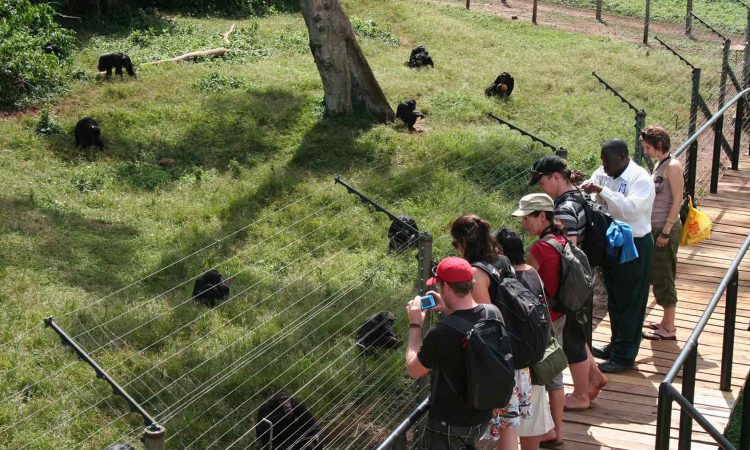
Chimpanzee tracking is another essential part of a complete Uganda Wildlife Guide. Uganda protects several important chimpanzee populations, with Kibale National Park offering the country’s best-known tracking experience.
Kibale contains a rich primate community. In addition to chimpanzees, visitors may encounter black-and-white colobus monkeys, red-tailed monkeys, blue monkeys, olive baboons and grey-cheeked mangabeys.
Chimpanzees are more active and vocal than mountain gorillas. A group may move quickly through the canopy, call loudly, feed on fruit or travel across the forest floor. Tracking them may require steady walking and attention to instructions from the ranger.
Standard chimpanzee tracking normally provides a limited viewing period after the community has been located. A chimpanzee habituation experience offers more time with researchers and trackers, depending on the program and permit availability.
Other chimpanzee destinations include Budongo Forest near Murchison Falls, Kyambura Gorge in Queen Elizabeth National Park and Kalinzu Forest Reserve. Each location has a different landscape and tracking atmosphere.
Kibale combines particularly well with Queen Elizabeth National Park. This route allows travelers to move from forest primates to savannah wildlife without an excessively long transfer.
Uganda’s Other Primates
Uganda’s primate diversity extends far beyond gorillas and chimpanzees. Depending on the park and habitat, travelers may see golden monkeys, L’Hoest’s monkeys, red-tailed monkeys, blue monkeys, vervet monkeys, De Brazza’s monkeys, patas monkeys, olive baboons and several colobus species.
Golden monkey tracking takes place in Mgahinga Gorilla National Park. These energetic primates inhabit bamboo forest along the slopes of the Virunga volcanoes. Their bright facial features and rapid movement make them exciting but challenging photography subjects.
Black-and-white colobus monkeys are recognizable by their contrasting coats and long tails. They often move gracefully through the upper canopy. Red colobus monkeys have a more restricted distribution and remain an important target for dedicated primate enthusiasts.
Patas monkeys prefer open and drier habitats. They occur most notably in northern Uganda, including the Kidepo region. Their long limbs and ground-based behavior distinguish them from forest-dwelling monkeys.
A specialized Uganda primate safari can combine Entebbe, Kibale, Queen Elizabeth, Bwindi and Mgahinga. This route offers one of Africa’s richest selections of ape and monkey encounters.
The Big Five Animals in Uganda
The traditional Big Five are the lion, leopard, elephant, buffalo and rhinoceros. Uganda historically offered four of these animals in free-ranging national park populations, while visitors tracked rhinos separately at Ziwa Rhino Sanctuary.
Uganda reached an important conservation milestone in March 2026 when southern white rhinos were reintroduced into a protected sanctuary within Kidepo Valley National Park after being absent from the country’s national parks for decades. Because access, movements and visitor arrangements can evolve during a reintroduction program, travelers should verify current viewing conditions directly before planning a rhino-focused trip. Associated Press
Lions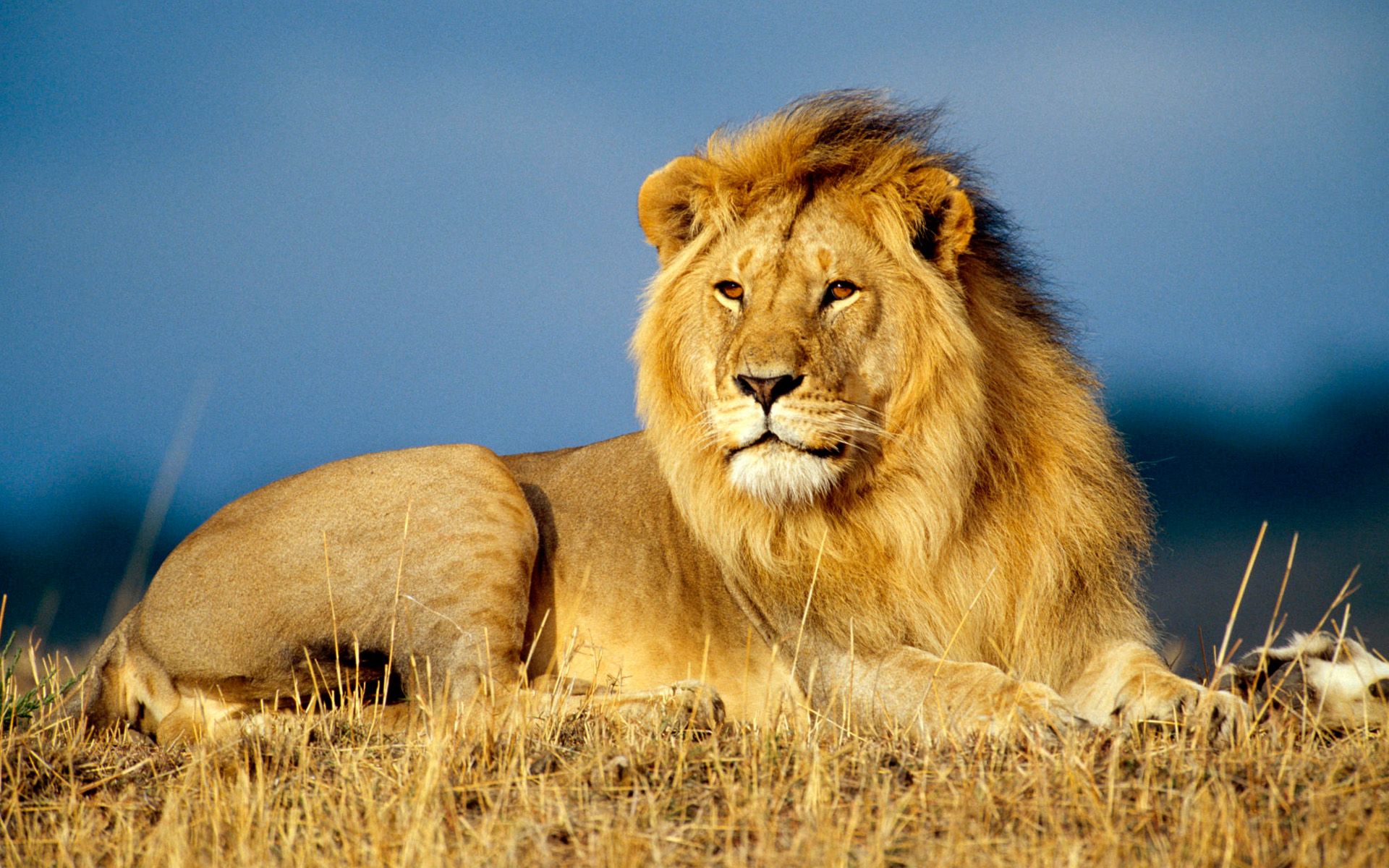
Lions inhabit Queen Elizabeth, Murchison Falls and Kidepo Valley national parks. Queen Elizabeth National Park is famous for the tree-climbing lions of the Ishasha sector.
The reason lions climb trees remains the subject of discussion. They may seek cooler air, avoid insects, obtain a better view or simply follow learned behavior within particular prides. Whatever the explanation, seeing lions stretched across fig-tree branches is an unforgettable sight.
Lions also roam the Kasenyi Plains of Queen Elizabeth National Park. Their presence often follows large concentrations of Uganda kob, an important prey species.
Leopards
Leopards occur in several protected areas but remain difficult to find. Lake Mburo, Queen Elizabeth, Murchison Falls and Kidepo offer possible sightings.
These solitary cats often rest during the day and become more active around dusk. An experienced guide searches for alarm calls, tracks, fresh kills and the reactions of antelopes or monkeys.
No safari company can guarantee a leopard sighting. Patience, multiple game drives and time in suitable habitat improve the chances.
African elephants
Savannah elephants live in Murchison Falls, Queen Elizabeth and Kidepo Valley. Visitors frequently see them during game drives and boat cruises.
Elephants near the Nile and Kazinga Channel may drink, bathe or feed along the shoreline. Observing family groups from a respectful distance reveals strong social relationships between mothers, calves and other herd members.
Forest elephants also inhabit some forested areas, although sightings are much less predictable.
African buffaloes
African buffaloes occur in several Ugandan parks and may gather in large herds. They often remain near water, particularly during dry periods.
Older males sometimes leave the main herd and form small bachelor groups. Buffaloes deserve caution because they can respond aggressively when surprised or threatened. Visitors should never approach them without qualified guidance.
White rhinoceroses
Rhinos were driven to extinction in Uganda during a period of widespread poaching and political instability. Conservation programs later established a breeding population at Ziwa Rhino Sanctuary.
The 2026 Kidepo reintroduction represents a new stage in Uganda’s rhino recovery. It also demonstrates why wildlife information should be checked close to the date of travel; conservation developments can change where particular species occur and how tourists may view them.
Other Mammals to See on a Uganda Wildlife Safari
Uganda supports an extensive collection of mammals beyond primates and the Big Five. Many of these species create the everyday richness of a game drive.
Giraffes
Rothschild’s giraffes, also called Nubian giraffes in some taxonomic references, are among Uganda’s most striking animals. Visitors commonly encounter giraffes in Murchison Falls and Kidepo Valley, while conservation translocations have expanded their presence to other suitable areas.
Giraffes feed on leaves that other herbivores cannot easily reach. Their long necks, patterned coats and graceful movements make them popular with photographers.
Hippopotamuses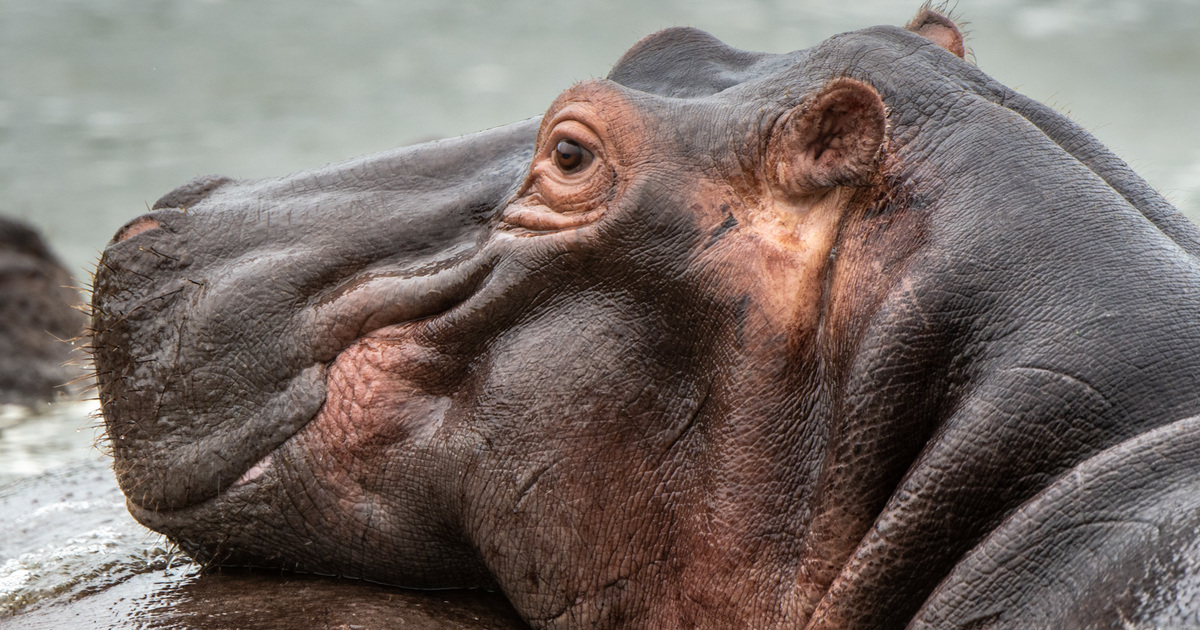
Hippos are common along the Kazinga Channel, Nile River and several lakes. They spend much of the day in water and emerge to feed after dark.
Despite their rounded appearance, hippos are powerful and potentially dangerous. Travelers must never stand between a hippo and the water or leave a designated area without guidance.
Boat cruises offer a safe and rewarding way to observe hippo pods. Visitors may see adults yawning, calves resting beside their mothers or territorial males displaying in the water.
Zebras
Plains zebras occur most famously in Lake Mburo National Park and Kidepo Valley. Their bold patterns photograph beautifully against green grasslands and acacia woodland.
Lake Mburo is often the most convenient zebra destination for visitors traveling between Kampala or Entebbe and southwestern Uganda.
Antelopes
Uganda’s antelope species include Uganda kob, topi, eland, waterbuck, bushbuck, Jackson’s hartebeest, oribi, impala, duiker and sitatunga.
Uganda kob dominate sections of Queen Elizabeth and Murchison Falls. Males gather in breeding territories known as leks, where females select mates.
Sitatunga live in swampy environments and have adaptations that help them move through wet vegetation. They are difficult to observe but may appear in specialized wetland destinations.
Lake Mburo supports impalas, while Kidepo offers opportunities to see dry-country antelopes and large herds in open landscapes.
Warthogs
Warthogs are widespread across Uganda’s savannah parks. They often kneel on their front legs while feeding and run with their tails held upright.
Although common, warthogs make entertaining wildlife subjects. Their behavior provides excellent opportunities for families and first-time safari visitors to learn about animal adaptation.
Spotted hyenas
Spotted hyenas occur in Queen Elizabeth, Murchison Falls and Kidepo. Contrary to their reputation as simple scavengers, they are skilled hunters with complex social systems.
Hyenas communicate through calls, body language and scent. Their famous “laugh” is only one part of a much wider vocal range.
Cheetahs
Cheetahs are rare and have a limited distribution in Uganda. Kidepo Valley and the wider northeastern region provide the country’s strongest possibilities.
Travelers should treat a cheetah sighting as a special bonus rather than an expected part of every Uganda safari.
Uganda Wildlife Guide to the Best National Parks
Choosing the right parks determines the character of a Uganda wildlife safari. No single park contains every important animal, so most successful itineraries combine forests, grasslands and waterways.
Murchison Falls National Park
Murchison Falls National Park is Uganda’s largest national park and one of its most complete safari destinations. The Nile divides the park before forcing its way through a narrow rocky gorge and continuing toward Lake Albert.
Game drives explore grassland and woodland habitats inhabited by lions, elephants, buffaloes, giraffes, hartebeests, Uganda kob, oribi and warthogs. Leopards and hyenas are present but less predictable.
A boat cruise toward the base of Murchison Falls is a major highlight. Hippos, Nile crocodiles and waterbirds gather along the river, while elephants and buffaloes often approach the banks.
The falls add dramatic scenery to the wildlife experience. Travelers can view the Nile from selected viewpoints and appreciate the extraordinary force of the river.
Murchison Falls combines naturally with Ziwa Rhino Sanctuary and Budongo Forest. This makes the northern circuit suitable for travelers interested in rhinos, chimpanzees, big game and boat safaris.
Allow at least two or three nights if traveling by road from Entebbe or Kampala. A rushed visit may provide only one game drive and limited time on the Nile.
Queen Elizabeth National Park
Queen Elizabeth National Park remains one of Uganda’s most popular safari destinations. Its varied landscape includes open plains, crater lakes, wetlands, woodland, the Kazinga Channel and the forested Kyambura Gorge.
The Kasenyi Plains offer game drives focused on Uganda kob, lions, buffaloes, elephants and other savannah species. Leopards may appear, particularly during early or late drives.
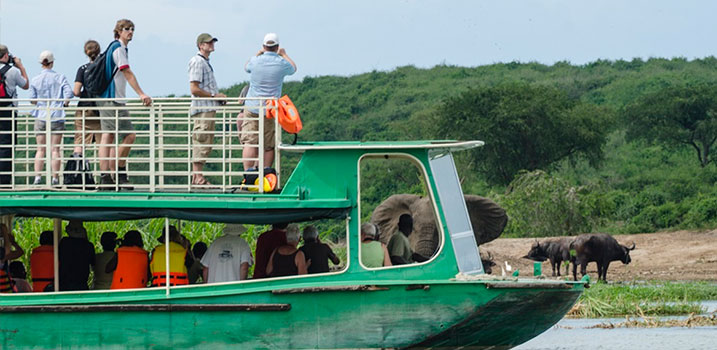
The Kazinga Channel boat cruise is one of the park’s most reliable wildlife activities. Hippos, crocodiles, elephants, buffaloes and abundant waterbirds gather along the banks.
In the southern Ishasha sector, visitors search for tree-climbing lions. A successful sighting may reveal lions sleeping along broad branches above the grassland.
Kyambura Gorge offers chimpanzee tracking in an atmospheric forest below the surrounding savannah. Sightings can be less predictable than in Kibale, but the landscape itself is memorable.
Queen Elizabeth combines easily with Kibale to the north and Bwindi to the south. It therefore occupies a central position in many seven-day, ten-day and fourteen-day Uganda safari itineraries.
Bwindi Impenetrable National Park
Bwindi is a UNESCO-listed rainforest and Uganda’s leading mountain gorilla destination. The park contains extraordinary biological diversity, including primates, forest birds, butterflies and rare plants.
Most travelers visit Bwindi specifically for gorilla trekking. However, guided forest walks, birding activities and community experiences can add depth to the stay.
The four major trekking areas are separated by difficult terrain and winding roads. Travelers should book accommodation near the sector named on their permit. Staying in the wrong sector can create an extremely long early-morning transfer.
Buhoma has a long tourism history and a broad selection of lodges. Ruhija offers high-altitude scenery and excellent birding. Rushaga and Nkuringo provide access to southern gorilla families and combine conveniently with routes from Rwanda.
Bwindi’s terrain can be challenging. Visitors should prepare for rain, mud and steep climbs at any time of year.
Kibale National Park
Kibale National Park is often described as Uganda’s primate capital. It protects one of East Africa’s richest forest ecosystems and offers a high-quality chimpanzee tracking experience.
Tracking normally begins from a designated visitor center following a briefing. Rangers lead small groups through the forest while listening for calls and searching for feeding areas.
The surrounding region also contains crater lakes, tea plantations and community tourism projects. Bigodi Wetland Sanctuary is a popular addition for birding, monkey sightings and community-guided walks.
Two nights in the Kibale area provide a comfortable schedule. Travelers can track chimpanzees on one day and explore Bigodi, crater lakes or another forest activity without rushing.
Kidepo Valley National Park
Kidepo Valley is Uganda’s great remote wilderness. It lies in the northeast near the borders with South Sudan and Kenya, far from the busier western circuit.
The park’s scenery includes broad valleys, mountain ranges, rocky outcrops and seasonal riverbeds. Wildlife may include lions, elephants, buffaloes, giraffes, zebras, hartebeests, ostriches, cheetahs and other dry-country species.
Kidepo’s isolation creates both its appeal and its challenge. Reaching the park by road requires time, while scheduled or charter flights can increase the trip’s cost.
Travelers who make the journey receive expansive landscapes, low visitor numbers and an authentic sense of wilderness.
Following Uganda’s 2026 rhino reintroduction, Kidepo has gained additional conservation importance. Visitors must confirm whether rhino viewing is available and what restrictions apply during their intended travel dates.
Lake Mburo National Park
Lake Mburo is smaller than Uganda’s major savannah parks, but its location and activities make it extremely useful in an itinerary.
The park is home to zebras, impalas, buffaloes, elands, waterbucks, warthogs, hippos and leopards. Giraffes also occur in the wider protected landscape.
Visitors can enjoy game drives, boat cruises, guided nature walks, cycling and, where offered by authorized operators, horseback safaris. These active experiences distinguish Lake Mburo from parks where guests usually remain inside vehicles.
Its position between Entebbe and Bwindi makes Lake Mburo a convenient first or final safari stop. One or two nights can break a long overland journey.
Mgahinga Gorilla National Park
Mgahinga is Uganda’s smallest national park, but it protects an important section of the Virunga conservation landscape. The park borders Rwanda and the Democratic Republic of Congo.
Mountain gorilla trekking and golden monkey tracking are the main wildlife attractions. Visitors can also hike volcanic peaks and explore bamboo and montane forest.
Mgahinga generally feels quieter than Bwindi. Travelers interested in scenery, hiking and primates may find it especially rewarding.
Gorilla family availability and trekking arrangements should be checked while planning. A reliable safari operator can coordinate permits, transport and suitable accommodation.
Semuliki National Park
Semuliki protects a lowland forest ecosystem associated with the Congo Basin. Its birdlife and ecological character differ from Uganda’s better-known montane forests.
The park attracts serious birdwatchers searching for Central African species near the eastern edge of their ranges. Visitors can also explore the Sempaya hot springs and surrounding forest trails.
Semuliki works best for travelers with specialized interests and sufficient time. It may be combined with Kibale, the Rwenzori region and other western Uganda destinations.
Rwenzori Mountains National Park
The Rwenzori Mountains offer dramatic high-altitude trekking rather than conventional game drives. Glacial landscapes, giant lobelias, heathers and Afro-alpine vegetation create an almost otherworldly environment.
Multi-day expeditions require fitness, suitable equipment and experienced mountain guides. Shorter foothill walks can introduce visitors to the landscape without the demands of a summit attempt.
The Rwenzoris are ideal for adventurous travelers who want to combine wildlife with hiking and landscape photography.
Mount Elgon National Park
Mount Elgon lies along Uganda’s eastern border with Kenya. The mountain offers hiking, waterfalls, caves, birding and scenic exploration.
Trails are often quieter than those on more famous East African mountains. The wider region also includes Sipi Falls, coffee-growing communities and cultural experiences.
Mount Elgon does not replace a classic wildlife park, but it can complement a longer Uganda adventure.
Birdwatching in Uganda
No Uganda Wildlife Guide would be complete without birding. Uganda is widely regarded as one of Africa’s outstanding birdwatching destinations because tropical forest, savannah, wetlands, mountains and lakes occur within a relatively small area.
The shoebill is Uganda’s most famous birding target. This large wetland bird has a prehistoric appearance, massive bill and patient hunting technique. Mabamba Swamp near Entebbe is one of the most accessible places to search for it.
Other important birding locations include Bwindi, Kibale, Queen Elizabeth, Murchison Falls, Lake Mburo, Semuliki, Budongo Forest and Kidepo Valley.
Travelers may encounter great blue turacos, African fish eagles, grey crowned cranes, saddle-billed storks, hornbills, kingfishers, bee-eaters, sunbirds, weavers and numerous raptors.
A general safari guide can identify common birds, but serious birders should request a specialist guide. Expert knowledge of calls, habitat and seasonal movement significantly increases the number of species recorded.
Birdwatching remains rewarding throughout the year. Migratory species add interest during particular months, while wetter periods bring fresh vegetation and active breeding behavior for many resident birds.
Best Time for a Uganda Wildlife Safari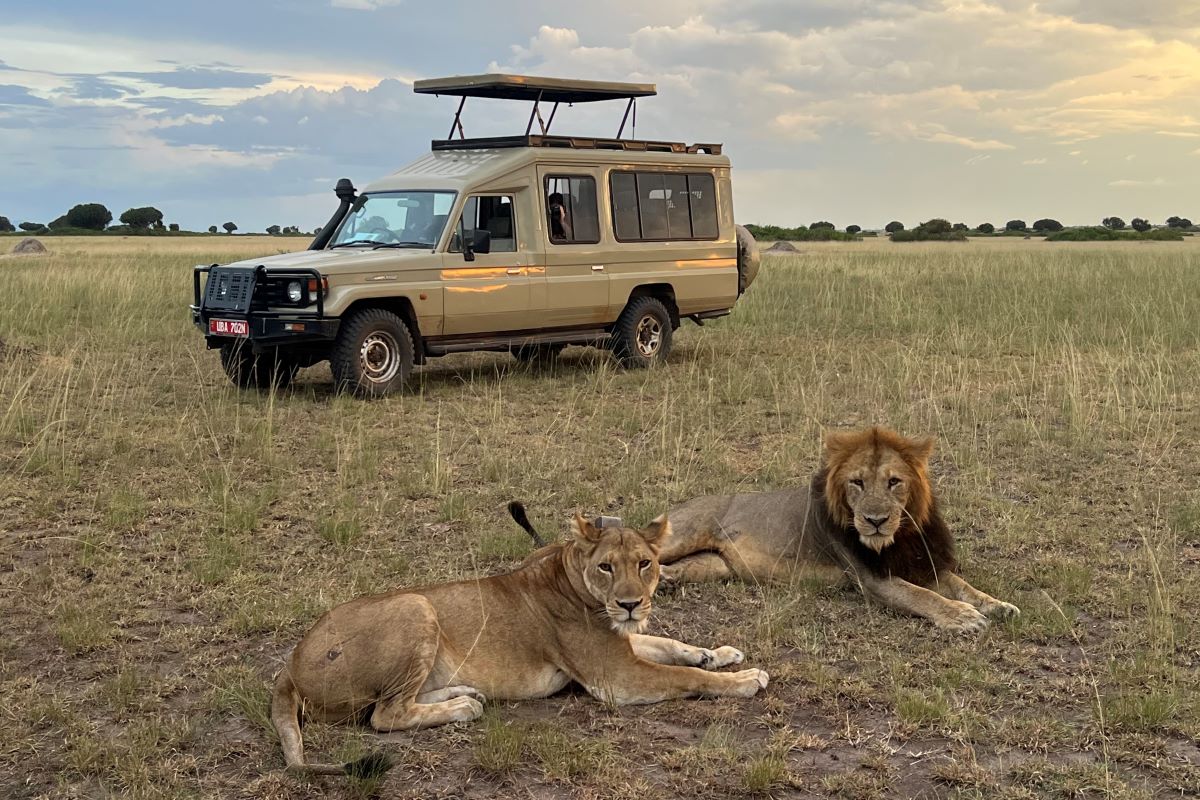
Uganda is a year-round destination, but the best month depends on the traveler’s priorities.
The country generally experiences drier conditions from June to August or September and again from December to February. These periods often provide easier forest trails and favorable road conditions. Wildlife may also gather near permanent water sources.
The wetter seasons commonly occur from March to May and from around September or October into November, although weather patterns vary by location and year. Rain may arrive as an intense shower rather than continue throughout the entire day.
Dry-season travel attracts greater demand. Gorilla permits, popular lodges and experienced guides may sell out, especially during school holidays and the northern hemisphere’s summer vacation period.
The green season has several advantages. Landscapes become lush, skies can create dramatic photographs and some properties offer better value. Visitor numbers may also decrease outside major holiday periods.
Gorilla and chimpanzee trekking operate throughout the year. Rainforest weather remains unpredictable even during a nominally dry month, so trekkers should always carry waterproof protection.
For conventional game viewing, June through September and December through February are widely recommended. Still, travelers should avoid treating seasonal descriptions as guarantees. Climate patterns are increasingly variable, and Uganda’s different regions do not always experience identical conditions. Go2Africa
Month-by-Month Uganda Safari Planning
January and February often bring relatively dry conditions. These months can work well for gorilla trekking, chimpanzee tracking and savannah game drives. Daytime temperatures may feel warmer in northern parks.
March usually marks the beginning of a wetter period in many areas. Forest trails can become slippery, although primate trekking continues.
April and May are generally among the wetter months. Travelers should expect muddy roads, rain showers and slower transfers. The rewards may include green landscapes, lower demand and fewer safari vehicles.
June begins a popular travel period. Conditions often become drier, and international visitors arrive for summer holidays.
July and August are peak safari months. Early booking is important for gorilla permits, chimpanzee permits, flights and preferred lodges.
September can remain attractive for wildlife viewing, although rainfall patterns may begin to change.
October and November often bring wetter conditions to several regions. Birding, photography and green landscapes can be excellent, but road journeys require flexibility.
December enters another popular season, particularly around Christmas and New Year. Travelers should secure all important services well in advance.
Uganda Wildlife Safari Activities
Uganda offers more than standard game drives. Combining several activity types creates a richer itinerary.
Game drives
Morning game drives usually begin near sunrise. Predators may still be active, temperatures remain comfortable and the light favors photography.
Afternoon drives begin after the hottest part of the day. Animals gradually become more active as the sun drops.
Private safari vehicles provide greater flexibility than shared drives. Guests can spend more time at particular sightings and adjust the schedule around their interests.
Boat safaris
The Kazinga Channel and Nile River provide Uganda’s best-known boat safari experiences. Boats approach wildlife without creating the same movement or dust as vehicles.
Passengers can see hippos, crocodiles, elephants, buffaloes, antelopes and many waterbirds. A zoom lens and binoculars improve the experience.
Lake Mburo also offers boat activities, while specialized excursions explore wetlands and smaller waterways.
Gorilla trekking
Gorilla trekking requires a permit, advance preparation and compliance with health and safety regulations. The experience takes place entirely on foot with ranger supervision.
Chimpanzee tracking
Chimpanzee tracking combines forest hiking with listening, observation and rapid movement. Visitors should prepare for uneven ground and changing distances.
Guided nature walks
Lake Mburo, forest reserves and selected park zones allow guided walking activities. Walking reveals tracks, plants, insects, birds and animal behavior that visitors may miss from a vehicle.
Never walk independently in wildlife areas. Qualified guides understand animal behavior, park regulations and safe routes.
Birding excursions
Birding can form part of a general safari or become the main purpose of an itinerary. Early starts are common because birds become highly active around sunrise.
Community and cultural experiences
Responsible community visits help travelers understand life around Uganda’s protected areas. Activities may include guided village walks, craft demonstrations, coffee experiences, cultural performances and conservation discussions.
Choose respectful programs that provide clear benefits to residents and avoid turning community members into staged attractions.
How Many Days Do You Need for a Uganda Wildlife Safari?
A short three-day safari can visit Murchison Falls, Queen Elizabeth, Bwindi or Lake Mburo, depending on the starting location. However, long road transfers may consume much of the available time.
Five days allow a focused route such as Kibale and Queen Elizabeth or Lake Mburo and Bwindi. Travelers can combine one major primate activity with savannah game viewing.
Seven days provide a strong introduction to western Uganda. A common route combines Kibale, Queen Elizabeth and Bwindi.
Ten days allow a more comfortable journey with several nights in each region. Murchison Falls can be added to the western circuit, or Mgahinga and Lake Mburo can expand the southwestern route.
Twelve to fourteen days provide the best balance for a comprehensive Uganda wildlife safari. Travelers can include Murchison Falls, Kibale, Queen Elizabeth, Bwindi and Lake Mburo without moving every morning.
Kidepo requires extra time or a domestic flight. A full itinerary that includes Kidepo and western Uganda may need two weeks or longer.
Suggested Seven-Day Uganda Wildlife Itinerary
Day one begins with arrival at Entebbe International Airport and a transfer to the hotel. Depending on the arrival time, visitors can explore the botanical gardens or rest before the safari.
On day two, travel toward Kibale National Park. The journey passes through attractive countryside, towns, farms and tea-growing regions.
Day three features chimpanzee tracking in Kibale Forest. An afternoon community walk or Bigodi Wetland excursion adds birding and monkey sightings.
Day four continues to Queen Elizabeth National Park. An afternoon Kazinga Channel cruise offers close views of hippos, crocodiles, elephants and waterbirds.
Day five begins with a morning game drive before traveling through the Ishasha sector toward Bwindi. The route may provide an opportunity to search for tree-climbing lions.
Day six is dedicated to mountain gorilla trekking in Bwindi Impenetrable National Park.
Day seven returns to Entebbe or continues across the border to Kigali, depending on flight schedules and current border arrangements.
This itinerary is possible, but the schedule remains active. Adding one or two days creates more time for game drives, cultural experiences and rest.
Suggested Ten-Day Uganda Wildlife Itinerary
A ten-day itinerary may begin with Entebbe before continuing north to Murchison Falls National Park. Travelers can stop for rhino-related activities where officially available and appropriate for the chosen route.
Two nights at Murchison provide time for a morning game drive, a Nile boat cruise and views of the falls.
The journey then continues toward Kibale National Park for chimpanzee tracking and a guided wetland walk.
Queen Elizabeth National Park follows, with game drives, the Kazinga Channel boat cruise and an optional visit to the Ishasha sector.
The final major destination is Bwindi for gorilla trekking. Lake Mburo can be added before returning to Entebbe if road and flight schedules permit.
This route brings together primates, Big Five species, aquatic wildlife and Uganda’s most important western landscapes.
Uganda Safari Accommodation
Uganda offers budget, midrange, luxury and high-end safari accommodation. The right category depends on comfort expectations, location and budget.
Budget accommodation normally provides a private or shared room with essential facilities. Some properties sit outside park boundaries, increasing transfer times.
Midrange lodges often provide comfortable en-suite rooms, attractive views and full-board meals. This category gives many travelers the best balance between cost and convenience.
Luxury lodges may offer spacious cottages, refined dining, fireplaces, private decks, spa services and carefully designed public spaces. Their locations often reduce driving time or improve access to wildlife areas.
High-end properties focus on privacy, personalized service and distinctive architecture. However, an expensive room cannot guarantee better wildlife sightings. Location, guide quality and itinerary design remain equally important.
In Bwindi, accommodation must match the gorilla trekking sector. In Queen Elizabeth and Murchison Falls, travelers should consider the distance between the lodge and the planned game-drive area.
Safari prices often use a per-person-sharing basis. Solo travelers may pay a single-room supplement because they occupy the entire room while many transport and staffing costs remain unchanged.
Uganda Wildlife Safari Costs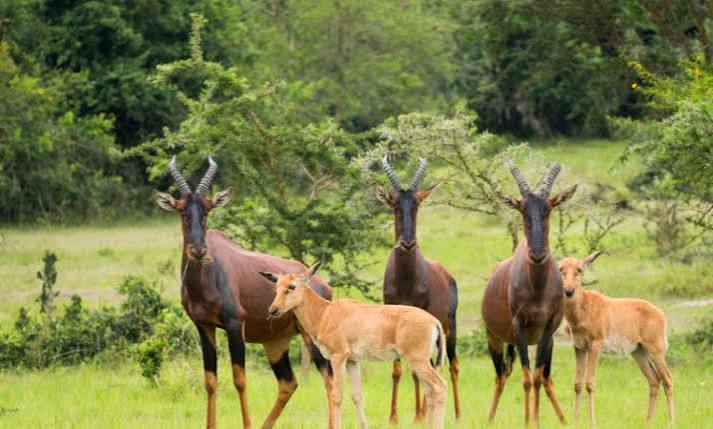
The cost of a Uganda safari depends on the number of travelers, trip length, accommodation category, permit requirements, vehicle type and season.
Gorilla and chimpanzee permits create major fixed expenses. Because permit rates can change, travelers should obtain the current official cost before confirming the tour.
Private transportation is another important component. A customized safari normally includes a four-wheel-drive vehicle, fuel and a professional driver-guide. Smaller groups pay more per person because fewer travelers share these costs.
Park entrance fees, ranger activities, boat cruises, domestic flights and community experiences also influence the final price.
Budget safaris may use simple lodges and reduce optional activities. Midrange tours provide greater comfort without reaching premium-lodge prices. Luxury itineraries include higher-end accommodation, private services and sometimes domestic flights.
A transparent quotation should clearly identify what is included. Typical inclusions are airport transfers, private vehicle use, fuel, driver-guide services, accommodation, specified meals, permits, park fees and bottled drinking water.
International flights, visas, travel insurance, personal purchases, tips and premium drinks often remain excluded unless the proposal states otherwise.
Travelers should avoid comparing quotations only by the final price. Check whether gorilla permits, chimpanzee permits, boat cruises, park entries, meals and airport transfers appear in every offer.
Traveling Around Uganda
Most wildlife circuits use private four-wheel-drive vehicles. Road travel allows guests to observe landscapes, farming communities and small towns between parks.
Distances may appear short on a map, but road conditions, traffic, construction and mountain terrain can increase travel time. A realistic itinerary should not schedule too many long transfers on consecutive days.
Domestic flights connect Entebbe with selected safari regions. Flying saves time but costs more and may impose luggage limits.
Kigali provides an alternative gateway for southwestern Uganda. Travelers can reach parts of Bwindi or Mgahinga from Rwanda, subject to current immigration requirements, border operating conditions and transportation arrangements.
Cross-border itineraries require careful planning. Every traveler should confirm passport validity, visa requirements, vaccination rules and entry conditions before departure.
What to Pack for a Uganda Wildlife Safari
Clothing should be comfortable, lightweight and suitable for layering. Neutral colors such as olive, brown, beige and grey work well in wildlife areas.
Gorilla and chimpanzee trekking require durable hiking boots with good grip. Long trousers help protect the legs from vegetation, insects and mud. A long-sleeved shirt provides additional coverage.
A waterproof jacket remains essential throughout the year. Rain can fall unexpectedly in Uganda’s forests.
Travelers should bring a sun hat, sunglasses, sunscreen, insect repellent, personal medication and a reusable water bottle where practical.
Binoculars greatly improve game viewing and birdwatching. Even travelers who do not consider themselves birders appreciate seeing distant animals more clearly.
Photography equipment may include a camera body, telephoto lens, spare batteries, memory cards, rain protection and a dust-resistant bag. Gorilla photography often takes place in low light, making a fast lens or capable modern camera useful.
A small daypack should hold water, lunch, rain protection and camera equipment during trekking. Keep the bag light enough for several hours of walking.
Uganda Wildlife Photography Tips
Wildlife photography depends more on observation and patience than expensive equipment.
Morning and late-afternoon light creates warm colors and softer shadows. Midday light can be harsh, although dramatic behavior may occur at any time.
Use a fast shutter speed for birds, running antelopes, moving primates and playful young animals. Slower subjects allow more flexibility.
Focus on the animal’s eyes whenever possible. A sharp eye creates a stronger emotional connection.
Do not photograph only close portraits. Environmental images showing an elephant beside the Nile, a gorilla within thick foliage or giraffes beneath an open sky communicate the character of Uganda.
During gorilla trekking, flash photography is prohibited. Prepare your camera settings before approaching the gorilla family.
Boat cruises create movement, so a fast shutter speed helps compensate for vibration. Protect equipment from spray and sudden rain.
Respect other visitors at sightings. Avoid standing in front of someone’s lens or pressuring a guide to approach wildlife too closely.
Family Safaris in Uganda
Uganda can be an excellent family destination, but age restrictions affect certain activities. Gorilla and chimpanzee tracking programs have minimum-age requirements that must be confirmed before booking.
Families with younger children can enjoy game drives, boat cruises, nature walks where permitted and cultural activities. Lake Mburo is particularly attractive because it offers varied experiences within a manageable area.
Long road transfers may be tiring for children. A family itinerary should include rest periods, shorter driving days and lodges with comfortable outdoor spaces.
Parents should discuss dietary requirements, sleeping arrangements and medical needs before travel. Private tours provide greater flexibility for meal stops and daily schedules.
Uganda Safaris for Solo Travelers
Solo travelers can join scheduled departures or book private safaris. A private trip provides full control over the itinerary but usually costs more because vehicle and guide expenses are not shared.
Uganda’s established tourism circuit makes solo travel practical when organized through a reputable operator. A professional driver-guide provides transportation, wildlife interpretation and local support.
Solo travelers should choose accommodation with welcoming public areas and communicate their interests clearly. Birding, photography, culture and hiking can all be incorporated into a personalized itinerary.
Safety precautions remain similar to those used elsewhere. Keep valuables secure, follow local advice and avoid walking alone in unfamiliar areas after dark.
Accessibility and Fitness Considerations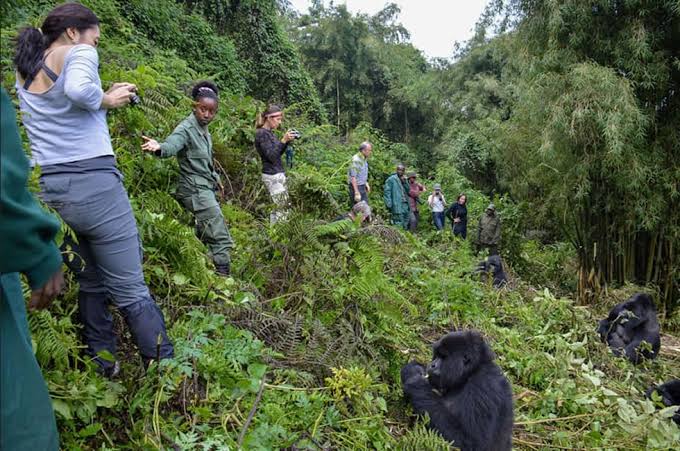
Safari vehicles and boat cruises require relatively little physical effort, although rough roads may be uncomfortable for travelers with back or mobility problems.
Gorilla trekking can range from moderate to very demanding. The gorillas’ movement, terrain and weather make it impossible to predict the exact difficulty.
Travelers should describe mobility limitations honestly when booking. Park staff may consider trekking preferences when assigning groups, although an easy trek can never be guaranteed.
A porter can carry a backpack and offer steady support on difficult sections. Sedan-style walking sticks are less useful than sturdy trekking poles or locally provided hiking sticks.
Chimpanzee tracking also requires walking on uneven forest paths. Travelers who cannot participate may consider game drives, boat safaris, community activities or scenic lodge stays.
Health and Safety for Uganda Wildlife Travel
Visitors should consult a qualified travel-health professional well before departure. Recommendations vary according to personal medical history, itinerary and current public-health guidance.
Travel insurance should cover medical treatment, evacuation, trip interruption and the safari activities included in the itinerary. Standard policies may exclude trekking or remote-area evacuation.
Malaria prevention is an important consideration. Travelers should discuss appropriate medication and use insect repellent, long clothing and mosquito nets where provided.
Drink safe water and follow the advice of the guide regarding food hygiene.
Never leave the vehicle in a wildlife area unless a ranger or guide confirms that it is safe. Do not feed animals or call them closer.
Keep a respectful distance from all wildlife. An animal that appears calm may react quickly if it feels blocked, surprised or threatened.
Responsible Uganda Wildlife Tourism
Wildlife tourism can support conservation when it follows strong ethical standards.
Permit revenue, park fees and tourism employment help finance protected-area management and create economic reasons to conserve wildlife. However, tourism must remain carefully controlled.
Follow ranger instructions during primate encounters. Maintain the required distance, keep voices low and never attempt to touch an animal.
Do not travel when seriously ill before a gorilla or chimpanzee trek. Respiratory disease transmission presents a genuine risk to great apes.
Choose operators that employ trained local staff, respect park rules and provide honest information. The cheapest tour may rely on unrealistic schedules, poorly maintained vehicles or underpaid guides.
Reduce unnecessary plastic use, carry reusable items and dispose of waste responsibly.
Buy crafts from genuine community businesses and request permission before photographing people.
Responsible travel also requires realistic expectations. Wildlife sightings are never guaranteed. Guides should interpret nature rather than chase, surround or disturb animals merely to produce a photograph.
Combining Uganda and Rwanda
Uganda and Rwanda create a powerful two-country safari combination. Uganda offers broad wildlife circuits, chimpanzee tracking, savannah parks and multiple gorilla trekking sectors. Rwanda provides efficient travel distances, Volcanoes National Park, Nyungwe Forest, Akagera National Park and Kigali’s cultural attractions.
A combined itinerary may start in Entebbe, travel through Kibale, Queen Elizabeth and Bwindi, then cross into Rwanda and finish in Kigali.
Another route begins in Kigali, travels to Bwindi for gorilla trekking and continues through Queen Elizabeth and Kibale before ending in Entebbe.
Travelers should compare permit costs, trekking sectors, border arrangements, road times and flight schedules before choosing the route.
A well-designed Rwanda and Uganda safari can include gorillas, chimpanzees, golden monkeys, lions, elephants, hippos and abundant birdlife.
Uganda Wildlife Guide FAQs
What wildlife is Uganda famous for?
Uganda is best known for mountain gorillas, chimpanzees, tree-climbing lions, elephants, buffaloes, hippos, Nile crocodiles, shoebills and diverse primates. It also supports leopards, giraffes, zebras, hyenas and many antelopes.
Where can I see gorillas in Uganda?
Mountain gorilla trekking takes place in Bwindi Impenetrable National Park and Mgahinga Gorilla National Park.
Where is the best place for chimpanzee tracking?
Kibale National Park is Uganda’s leading chimpanzee destination. Budongo Forest, Kyambura Gorge and Kalinzu Forest also offer chimpanzee experiences.
Can I see the Big Five in Uganda?
Uganda has lions, leopards, elephants and buffaloes in its savannah parks. Rhinos have historically been viewed at Ziwa Rhino Sanctuary, and Uganda began reintroducing white rhinos into Kidepo Valley National Park in 2026. Confirm current rhino-viewing arrangements before travel.
Which Ugandan park has tree-climbing lions?
The Ishasha sector of Queen Elizabeth National Park is famous for tree-climbing lions.
What is Uganda’s best national park for a first safari?
Queen Elizabeth National Park offers an excellent combination of game drives, boat safaris, landscapes and varied wildlife. Murchison Falls is another strong choice, especially for travelers interested in the Nile and giraffes.
Is Uganda good for birdwatching?
Yes. Uganda’s combination of forest, wetland, savannah and mountain habitats makes it one of Africa’s richest birding destinations. The shoebill is among its most sought-after species.
When should I book gorilla permits?
Book as early as possible once your dates are confirmed. Demand becomes particularly high during dry seasons and international holiday periods.
Is Uganda safe for safari travelers?
Established safari circuits are generally visited with professional guides and regulated park staff. Travelers should follow current government travel advice, use a reputable operator and take normal personal-security and health precautions.
How long should a Uganda safari last?
Seven to ten days can combine gorilla trekking, chimpanzees and savannah wildlife. Twelve to fourteen days allow a more relaxed and comprehensive itinerary.
Can I start a Uganda safari from Kigali?
Yes. Kigali is a practical gateway for parts of southwestern Uganda, including routes toward Bwindi and Mgahinga. Border requirements and travel conditions must be verified before departure.
Are wildlife sightings guaranteed?
No. Uganda’s animals move freely through natural habitats. Experienced guides improve the chances of sightings, but no responsible operator can guarantee every species.
Final Thoughts on Planning a Uganda Wildlife Safari
Uganda rewards travelers who want more than a conventional game drive. Its forests invite visitors to follow chimpanzee calls and mountain gorilla trails. Its savannahs reveal lions, elephants, buffaloes and graceful antelopes. Its rivers and channels support hippos, crocodiles and extraordinary birdlife.
The most successful itinerary combines several ecosystems without rushing between them. Kibale contributes chimpanzees and forest primates. Queen Elizabeth adds game drives, boat safaris and tree-climbing lions. Bwindi provides the mountain gorilla experience, while Murchison Falls combines the Nile with classic African wildlife. Lake Mburo creates active adventures, and Kidepo offers remote wilderness.
This Uganda Wildlife Guide can provide the foundation for a short primate journey, an extended Uganda safari or a combined Rwanda and Uganda wildlife holiday. The next step is to select travel dates, trip length, preferred accommodation level and priority wildlife experiences.
With realistic planning, qualified guides and responsible travel practices, Uganda offers one of Africa’s most complete and memorable wildlife adventures.
Plan Your Uganda Wildlife Safari with Universal Ventures Rwanda
Universal Ventures Rwanda organizes customized Uganda wildlife safaris, Rwanda gorilla tours and combined Rwanda–Uganda safari packages. Services can include private transportation, professional driver-guides, accommodation, gorilla and chimpanzee permit coordination, national park activities, airport transfers and cross-border travel logistics.
Universal Ventures Rwanda
Address: Kigali, Rwanda
Telephone/WhatsApp: +250 781 441 853
Email: info@universalventuresrwanda.com
Website: www.universalventuresrwanda.com