Skip to content
This guide to Uganda Safari Reviews & Experiences explains what travelers genuinely enjoy, what sometimes surprises them and how to interpret online feedback before booking. Rather than presenting only perfect photographs and promotional descriptions, it examines the complete experience—from airport arrival and safari vehicles to gorilla trekking, wildlife sightings, accommodation, food, guides, roads and cultural encounters.
Uganda is one of Africa’s most varied safari destinations. Within a single journey, travelers can trek through a rainforest to meet mountain gorillas, follow chimpanzees beneath the canopy, photograph lions on open plains, cruise past hippos on the Nile and search for the prehistoric-looking shoebill in a papyrus wetland.
Yet planning a Uganda safari can feel challenging. Online reviews often describe the country as life-changing, beautiful, welcoming and unexpectedly diverse. At the same time, some travelers mention long drives, rough roads, early mornings, unpredictable weather and physically demanding forest treks.
Both perspectives can be true.
Most Uganda safari reviews share several positive themes. Travelers frequently praise the emotional impact of meeting mountain gorillas, the knowledge and friendliness of guides, the country’s green landscapes and the variety of wildlife experiences available within one itinerary. Independent accounts also regularly mention that the longer road transfers and rainforest conditions require realistic preparation.
A Uganda safari is not an identical copy of a Kenya or Tanzania safari. It combines classic wildlife viewing with active forest adventures, dramatic landscapes and meaningful encounters with local communities. For travelers who appreciate variety and are willing to accept a little unpredictability, Uganda can provide one of Africa’s richest journeys.
Why Uganda Safari Reviews Matter
Safari marketing naturally highlights spectacular moments: a silverback emerging from the forest, a lion resting in a tree or elephants gathering beside the water. Reviews provide additional context.
A thoughtful review can explain whether a guide communicated clearly, whether the itinerary felt rushed, how long transfers actually took and whether the accommodation matched its description. It may also reveal how an operator responded when weather, road conditions or wildlife movements disrupted the original plan.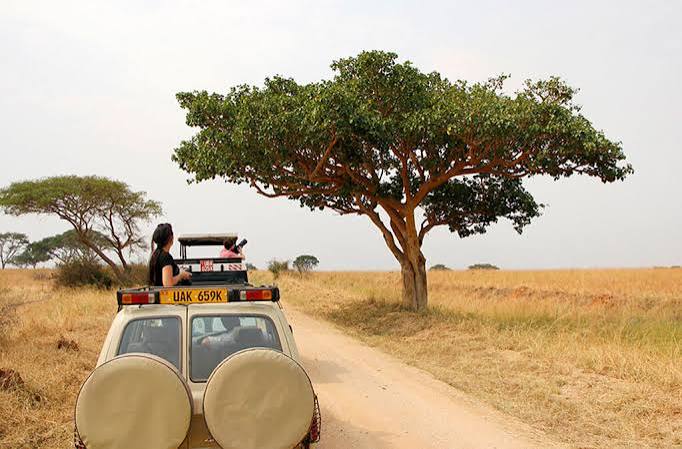
However, individual reviews must be interpreted carefully. One traveler may consider a five-hour drive fascinating because it passes villages, tea plantations and crater lakes. Another may describe the same journey as exhausting.
Similarly, one visitor may find a gorilla trek comfortably moderate because the animals were close to the forest boundary. Another may trek for several hours on steep, muddy terrain. Neither account guarantees what the next visitor will experience because gorillas move freely.
The best way to use reviews is to identify patterns. Repeated praise for guide knowledge, communication and organization is more meaningful than one short statement. Likewise, repeated concerns about vehicle maintenance, unexpected charges or permit handling deserve attention.
Reviews should inform your decision, but they should not replace a written itinerary, clear booking conditions and direct communication with the safari company.
Uganda Safari Reviews & Experiences: What Travelers Praise Most
Visitors often return from Uganda talking about much more than the animals. They remember the people, scenery, forest sounds, roadside life and the relationship they developed with their guide.
Mountain Gorilla Encounters
Gorilla trekking is the experience most frequently described as unforgettable or life-changing.
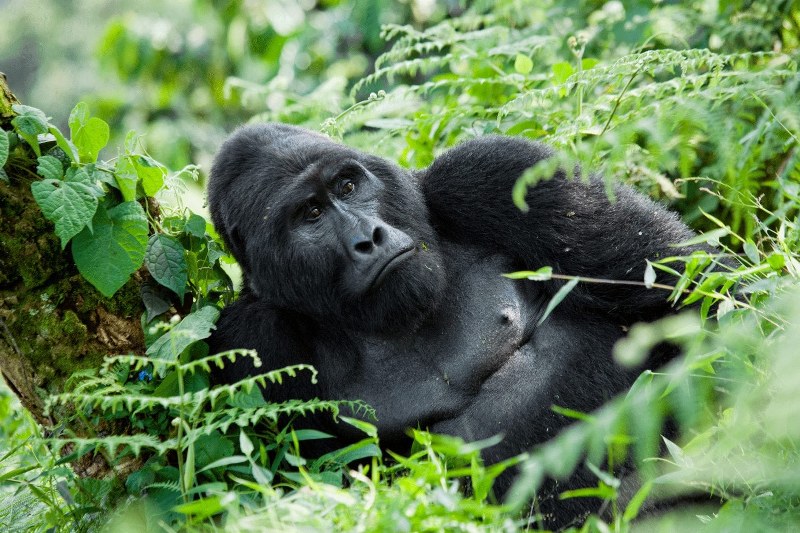
After walking through Bwindi Impenetrable National Park or Mgahinga Gorilla National Park, trekkers spend a regulated period observing a habituated gorilla family. The encounter may include a silverback resting only a short distance away, young gorillas playing or a mother caring for her infant.
What affects travelers is not simply the physical proximity. It is the familiarity of the gorillas’ expressions, gestures and relationships. Reviews often describe the encounter as calm, emotional and surprisingly intimate.
Uganda’s gorilla tourism also supports conservation and surrounding communities. Tourism revenue has contributed to the recovery of mountain gorillas and local conservation incentives. Associated Press reporting on Uganda’s gorilla conservation
Variety Within One Safari
Travelers consistently appreciate Uganda’s diversity. A journey may begin beside Lake Victoria, continue through the savannah of Murchison Falls, enter Kibale’s primate forest, cross the crater-lake region and finish in the misty mountains of Bwindi.
This variety prevents longer itineraries from feeling repetitive. Game drives, boat safaris, forest walks and cultural visits create different rhythms.
One day may be spent quietly observing elephants from a vehicle. The next may involve following the calls of chimpanzees through dense forest. Later, travelers can relax beside Lake Bunyonyi or watch the Nile flow through Murchison Falls National Park.
Knowledgeable Driver-Guides
The driver-guide has an enormous influence on the safari experience. Positive Uganda safari reviews frequently mention guides who are patient, knowledgeable and flexible.
A good guide does more than drive. They interpret animal behavior, identify birds, manage activity times, coordinate lodges and explain local culture. They also respond to unexpected situations, from road delays to changes in weather.
Because private Uganda safaris involve many hours together, personality matters. Travelers value guides who understand when to share information and when to allow quiet observation.
Warm Hospitality
Ugandans are often described as welcoming, friendly and eager to share their country. Lodge staff, rangers, porters, community guides and drivers all contribute to this impression.
Hospitality may appear in small gestures: an early breakfast before trekking, help cleaning muddy boots, a warm drink after rain or a conversation about daily life.
Travelers should engage respectfully rather than treating every interaction as a tourism performance. Learning a few greetings and asking permission before photographing people can lead to more natural encounters.
Green and Dramatic Landscapes
Uganda’s reputation as the Pearl of Africa becomes easier to understand while traveling through the country.
Visitors encounter volcanic mountains, tropical forests, crater lakes, tea estates, wetlands, savannah, waterfalls and the Nile. Even transfer days can become scenic experiences.
Reviews often note that Uganda appears greener and more mountainous than first-time visitors expected. This is particularly true in the southwest, where terraced hills and forested valleys dominate the landscape.
What Is a Uganda Safari Really Like?
A Uganda safari is active, varied and sometimes unpredictable. Although certain days resemble a traditional vehicle-based African safari, others involve hiking, boating or walking.
Most journeys begin in Entebbe. A representative meets travelers at the airport and transfers them to a hotel. Depending on flight time, the safari may start the following morning.
Road safaris usually use a four-wheel-drive vehicle with a pop-up roof. Travelers drive between national parks with their guide, stopping for meals, viewpoints, wildlife or cultural visits.
Days often begin early. Morning game drives take advantage of cooler temperatures and animal activity. Gorilla and chimpanzee briefings also take place early.
Lunch may be served at the lodge or provided as a packed meal. Afternoon activities can include boat cruises, community walks or another game drive.
Dinner is normally served at the lodge. The guide discusses the following day’s plan before travelers prepare for another early start.
The pace depends on itinerary design. A carefully planned safari includes two-night stays in major destinations. A rushed itinerary changes accommodation daily and spends too much time on the road.
Uganda Gorilla Trekking Reviews and Experiences
Gorilla trekking takes place in Bwindi Impenetrable National Park and Mgahinga Gorilla National Park.
Bwindi has several trekking sectors, including Buhoma, Ruhija, Rushaga and Nkuringo. The sector shown on the permit determines the appropriate accommodation and briefing location.
On trekking morning, visitors attend a ranger briefing before being assigned to a gorilla family. Porters are available and strongly recommended.
The trek begins through farmland or forest-edge vegetation before entering denser habitat. Trackers move ahead to locate the gorillas and communicate with the ranger team.
Trekking time varies enormously. The gorillas may be relatively close, or they may have moved deep into difficult terrain. Weather also influences the experience.
What Travelers Love About Gorilla Trekking
The encounter itself receives extraordinary praise. Travelers describe watching silverbacks, juveniles and infants as one of their greatest wildlife experiences.
Many also appreciate the work of rangers and trackers. Learning how teams monitor gorilla families gives the experience greater meaning.
The forest journey creates anticipation. After hearing distant calls or receiving an update from the trackers, every movement in the vegetation feels significant.
What Travelers Find Difficult
Some visitors underestimate the physical demands. Bwindi can be steep, muddy and densely vegetated. Even fit travelers may struggle with slippery descents.
Humidity, rain and altitude can add to the challenge. The trek may also last longer than expected.
Correct footwear, gloves, long trousers and rain protection make a major difference. Hiring a porter reduces fatigue and provides local employment.
Is Uganda Gorilla Trekking Worth It?
For most travelers who understand the conditions and cost, the answer is yes.
The permit represents a significant investment, but it provides access to a highly regulated wildlife experience and supports conservation. Uganda’s gorilla permit has generally been priced below Rwanda’s permit, which makes Uganda attractive to budget-conscious travelers and visitors seeking longer East African itineraries.
No ethical operator can promise a particular photographic moment. However, the combination of conservation, forest adventure and close observation makes the trek deeply rewarding.
Standard Trekking Versus Gorilla Habituation
Standard gorilla trekking and the gorilla habituation experience are different activities.
A standard trek provides the regular regulated viewing period after reaching a fully habituated group. The habituation experience involves a longer period with a gorilla group undergoing the gradual habituation process, subject to park rules and availability.
The habituation experience can appeal to photographers and travelers who want more time in the forest. However, it can also be more physically demanding and expensive.
Travelers should confirm current permit prices, availability, viewing rules and minimum ages before booking.
Chimpanzee Trekking Reviews in Uganda
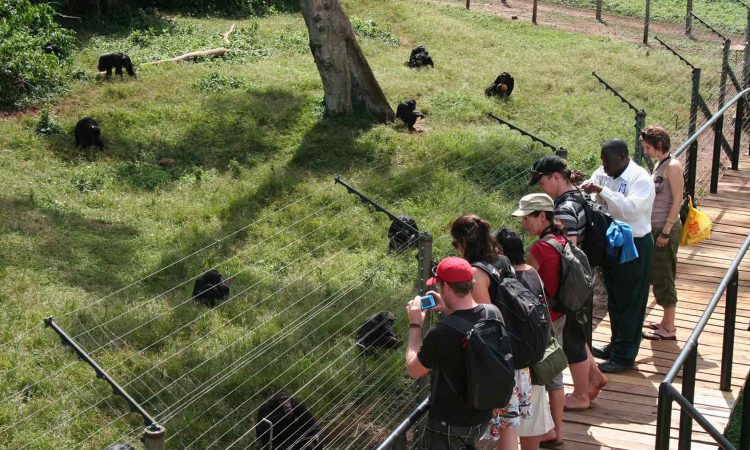
Uganda is one of Africa’s leading chimpanzee destinations. Kibale National Park is the most famous location, while other opportunities may be available in Budongo Forest, Kyambura Gorge and Kalinzu Forest.
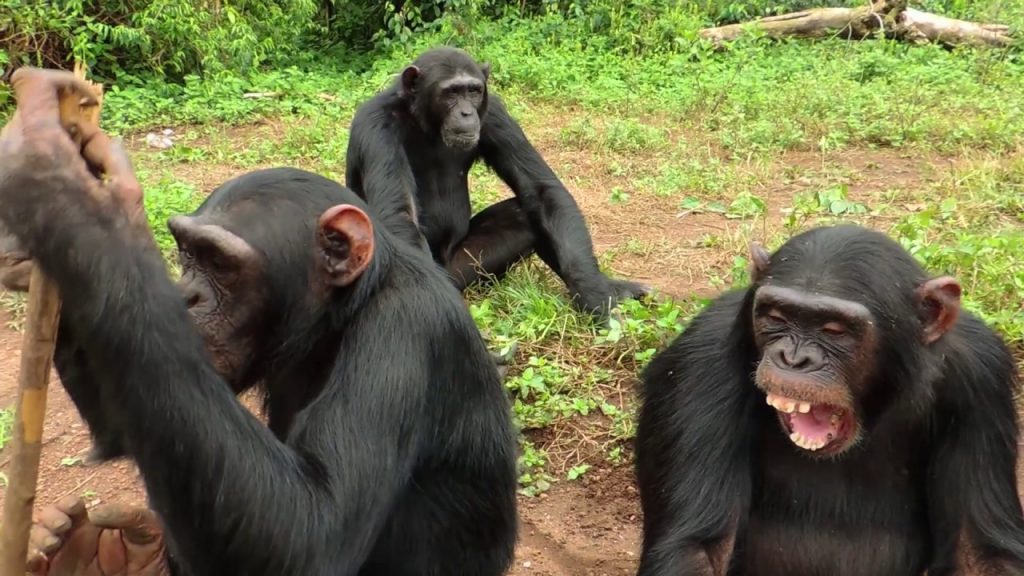
Chimpanzee trekking feels different from gorilla trekking. Gorillas often remain on or near the ground, whereas chimpanzees can move quickly through the canopy.
The forest may suddenly fill with calls. Branches shake overhead, and a chimpanzee may descend before moving rapidly through the undergrowth. Visitors sometimes need to follow at a brisk pace.
Why Travelers Enjoy Kibale
Kibale offers a rich primate environment. In addition to chimpanzees, visitors may observe several monkey species, forest birds and distinctive plant life.
The ranger’s interpretation helps explain chimpanzee behavior, social structure and vocal communication.
Travelers frequently combine Kibale with the Bigodi Wetland Sanctuary. This community-based walk provides additional birding, primate sightings and local engagement.
Common Chimpanzee Trekking Surprises
Chimpanzee photography can be difficult. The forest is dark, the animals move quickly, and branches may obstruct the view.
Some visitors expect the same quiet intimacy as gorilla trekking. Instead, chimpanzee encounters may feel energetic, loud and unpredictable.
Travelers should also take health rules seriously. Great apes are vulnerable to diseases transmitted by humans, making masks, distance requirements and responsible behavior important. Research has highlighted the danger of respiratory disease transmission to Uganda’s chimpanzees. Great ape health reporting
Murchison Falls Safari Reviews & Experiences
Murchison Falls National Park combines wildlife, the Nile and one of Uganda’s most powerful natural landmarks.
Visitors typically enjoy a morning game drive, a boat cruise and a visit to the falls. Longer stays can include additional wildlife drives, birding or a trip toward the Nile Delta.
Game Drives in Murchison Falls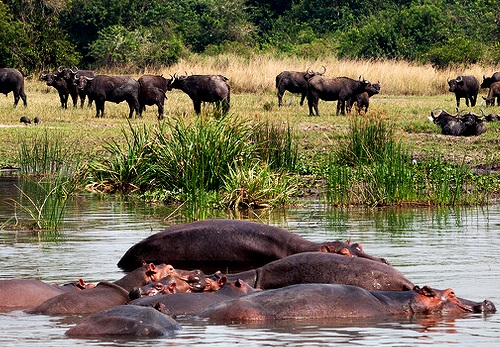
The northern savannah supports giraffes, elephants, buffaloes, Uganda kob, hartebeest, lions and many bird species. Leopards may also be seen, although they remain unpredictable.
Travelers appreciate the open landscapes because wildlife can be easier to spot than in forested parks. Giraffes are a particular highlight.
A skilled guide looks for tracks, listens to information from other guides and understands where animals may move according to temperature and water availability.
Boat Safari on the Nile
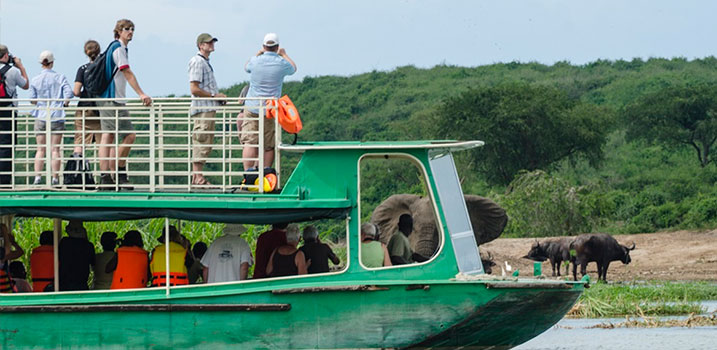
The Nile cruise is frequently one of the best-reviewed Uganda safari activities. Boats pass hippos, crocodiles, waterbirds and animals coming to drink.
As the boat approaches the falls, the river narrows and the landscape becomes more dramatic. Depending on water level and operating arrangements, visitors view the powerful section of the falls from an appropriate distance.
The boat provides a different photographic perspective from a game drive. Travelers should bring sun protection, water and a secure camera strap.
Visiting the Top of Murchison Falls
At the falls, the Nile is forced through a narrow rocky channel before dropping with tremendous force. The sound, spray and movement create an impressive experience.
Paths can be wet and slippery, so visitors should use suitable footwear. Follow the guide’s safety instructions and remain within designated viewing areas.
Common Murchison Falls Criticisms
The main concern is driving distance. Reaching Murchison from Entebbe or Kampala requires a long road journey, often combined with a stop at Ziwa Rhino Sanctuary.
The park is also large, and accommodation location affects game-drive efficiency. Staying on the wrong side of the river for a particular plan may add transfer time.
These issues can be managed through sensible itinerary design and careful lodge selection.
Queen Elizabeth National Park Safari Reviews
Queen Elizabeth National Park offers game drives, the Kazinga Channel, crater landscapes, Kyambura Gorge and the Ishasha sector.
Reviews are often strongest for the park’s scenery and boat safari. Wildlife viewing can be rewarding, although expectations should remain realistic.
Kasenyi Plains Game Drives
The Kasenyi Plains are known for Uganda kob and predators. Lions are among the principal attractions, while elephants, buffaloes and other species move through the wider park.
Sightings depend on weather, vegetation and animal movement. Some travelers enjoy excellent predator encounters; others see fewer cats but appreciate birds, antelopes and scenery.
Kazinga Channel Boat Cruise
The Kazinga Channel cruise is one of Uganda’s most reliable wildlife-viewing activities.
Hippos are commonly observed, while buffaloes, elephants, crocodiles and waterbirds may gather near the banks. The channel can provide excellent photography because the boat approaches wildlife from a stable, low perspective.
Travelers often describe the concentration of animals and birds as a highlight of Queen Elizabeth National Park.
Ishasha Tree-Climbing Lions
Ishasha is famous for lions that sometimes rest in fig trees. Seeing them is memorable, but it is never guaranteed.
A common planning mistake is rushing through Ishasha during a transfer to Bwindi. Spending a night in the sector creates opportunities for an afternoon and morning game drive.
Even without lions in the trees, Ishasha offers a peaceful landscape and the chance to see elephants, buffaloes and antelopes with fewer vehicles.
What Some Visitors Find Disappointing
Travelers sometimes compare Queen Elizabeth with the Serengeti or Masai Mara and expect equally large concentrations of plains game. Uganda offers a different type of safari.
The park’s strength lies in the combination of wildlife, water, crater scenery, forests and its position within a broader primate itinerary.
Approaching it on its own terms leads to a more satisfying experience.
Kidepo Valley National Park Reviews
Kidepo Valley National Park is frequently praised for remoteness, scenery and a strong sense of wilderness.
Located in northeastern Uganda, the park requires a long road journey or a domestic flight. This limits visitor numbers and helps preserve its uncrowded atmosphere.
Travelers describe broad valleys, mountain backdrops and expansive savannah. Wildlife may include lions, elephants, buffaloes, giraffes, zebras and species less commonly seen elsewhere in Uganda.
Why Kidepo Receives Strong Reviews
Kidepo appeals to experienced safari travelers who value solitude. Game drives may take place with few other vehicles in sight.
The landscape itself is a major attraction. Even when wildlife is dispersed, the scale and isolation remain impressive.
Cultural experiences with communities in the broader Karamoja region can add depth when conducted respectfully.
Why Kidepo Is Not Included in Every Safari
Distance is the principal limitation. Adding Kidepo to a road itinerary requires several extra days.
Flights reduce travel time but increase the budget and depend on schedules and passenger demand.
First-time visitors with seven or eight days may gain more variety from the western circuit. Travelers with additional time can use Kidepo to create a more complete Uganda safari.
Lake Mburo National Park Experiences
Lake Mburo National Park is smaller than Uganda’s major wildlife parks but offers an appealing introduction or conclusion to a safari.
The park is known for zebras, impalas, elands, buffaloes and birdlife. It also supports activities such as guided walks, game drives, cycling and, through certain operators, horseback safaris.
What Travelers Enjoy
Lake Mburo provides active experiences unavailable in many larger parks. Walking in a landscape inhabited by zebras and antelopes feels very different from observing them through a vehicle roof.
Its location between Entebbe or Kampala and southwestern Uganda makes it useful for breaking a long journey.
Several lodges offer attractive views and quiet settings, making the park suitable for a final night before returning to the airport.
What to Expect
Lake Mburo is not the best destination for travelers whose only goal is to see large predators. Its value comes from scenery, smaller wildlife, activities and convenience.
One or two nights are adequate for most itineraries.
Ziwa Rhino Sanctuary Reviews
Ziwa Rhino Sanctuary is commonly visited en route to Murchison Falls. Guided tracking allows visitors to observe southern white rhinos on foot under ranger supervision.
For many travelers, this completes the opportunity to see the traditional Big Five during a Uganda journey, since wild rhinos are not currently part of the main national-park game-drive circuit.
Reviews often praise the closeness of the experience and the knowledge of the sanctuary guides.
The walk takes place in natural terrain, so closed shoes, water and sun protection are recommended.
Visitors should follow ranger instructions precisely. Rhinos are powerful wild animals, and the activity is carefully managed for safety.
Lake Bunyonyi Reviews and Experiences
Lake Bunyonyi is a peaceful highland lake surrounded by terraced hills. It is commonly added after gorilla trekking.
Travelers appreciate the opportunity to rest, take a canoe trip, visit islands or enjoy views from a lodge veranda.
The lake provides a slower rhythm after early starts and physically demanding forest activities.
However, “near Bwindi” can be misleading. Driving time depends on the trekking sector. Travelers should not automatically use a Lake Bunyonyi lodge on the night before an early gorilla trek.
As a post-trek retreat, the lake works exceptionally well.
Jinja and Nile Adventure Reviews
Jinja offers a different type of Uganda experience. It is associated with the source of the Nile and adventure activities such as white-water rafting, kayaking, cycling and boat trips.
Travelers often add one or two nights before or after a wildlife safari.
Rafting receives enthusiastic reviews from adventurous visitors, but activity intensity and river conditions vary. Choose a reputable provider with qualified guides and appropriate safety standards.
Those who prefer a quieter stay can select a riverside lodge, take a sunset cruise or explore Jinja’s cafés and craft shops.
Jinja is particularly useful for mixed-interest groups because active and relaxed experiences can be arranged in the same area.
Uganda Birding Safari Experiences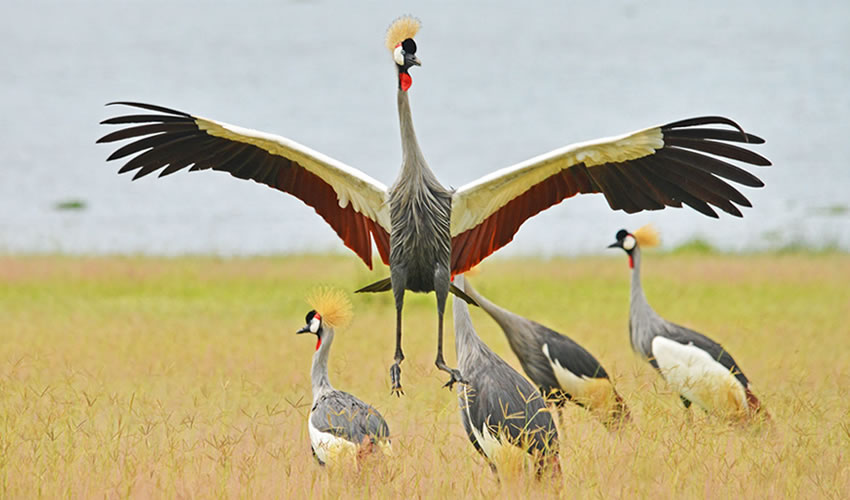
Uganda is one of Africa’s outstanding birding destinations. Its habitats range from papyrus wetlands and forests to savannah and high-altitude mountains.
Specialist travelers may search for the shoebill, green-breasted pitta, great blue turaco, African finfoot, Rwenzori endemics and many other species.
Birding reviews often praise Uganda’s diversity and the skills of specialist guides. A knowledgeable bird guide recognizes calls, understands habitat and allows enough time for careful observation.
Shoebill Experiences
Mabamba Wetland near Entebbe is one of the best-known shoebill destinations. Visitors travel by small boat or canoe through papyrus channels with a local guide.
The experience is convenient at the beginning or end of a safari. An early visit may provide favorable conditions.
Shoebills can also be sought in other wetland areas, including parts of Murchison Falls. As with all wildlife, sightings cannot be guaranteed.
Birding Versus General Wildlife Safaris
Dedicated birders prefer slower itineraries and may spend several hours in one habitat. General safari travelers often enjoy birdlife as part of game drives and boat cruises.
Tell the operator how serious your birding interest is. This determines the guide, pace, destinations and amount of time allocated.
Cultural Experiences in Uganda Safari Reviews
Uganda’s wildlife receives the greatest attention, but cultural experiences can become equally memorable when they are respectful and well organized.
Travelers may visit coffee growers, community tourism projects, craft groups, cattle-keeping communities or villages near protected areas.
The strongest experiences involve conversation, learning and fair economic benefit. Weak experiences can feel rushed or staged.
Ask how the activity was developed, who receives the fees and whether photography is welcomed.
Batwa Cultural Experiences
Batwa communities have deep historical connections with southwestern Uganda’s forests. Their displacement and modern challenges require sensitive interpretation.
A responsible visit should allow community members to tell their own story and should provide transparent local benefit.
Avoid treating the experience as entertainment alone. Listen to the historical context and ask respectful questions.
Community Walks
Community walks around Bwindi, Kibale and other tourism regions may include farms, craft workshops, schools or traditional practices.
These activities can show how conservation and tourism interact with everyday life.
Do not hand out sweets, cash or gifts randomly. If you wish to contribute, ask the guide about an appropriate community organization or established project.
Uganda Safari Guide Reviews: Why the Guide Matters
A safari guide is often the most important service provider during the journey.
The guide drives long distances, identifies wildlife, communicates with lodges, manages the itinerary and helps travelers understand the country.
Strong reviews commonly describe guides as knowledgeable, punctual, patient, humorous and flexible.
Wildlife Knowledge
A professional guide should identify major species and explain behavior without inventing facts. They should understand habitats, tracks and seasonal movements.
Birding expertise varies. If birds are a priority, request a guide with specialist knowledge.
Driving Skill
Uganda’s roads range from smooth highways to muddy forest tracks. Safe, calm driving is essential.
A guide should respect speed limits, avoid dangerous overtaking and adapt to weather conditions.
Travelers should never pressure a driver to speed because the itinerary was poorly planned.
Communication
The guide should explain departure times, planned activities and any changes. Travelers should feel comfortable asking questions.
Language fluency and personality should be matched to the group where possible. Families may benefit from a patient guide who enjoys working with children.
Flexibility
Wildlife travel rarely unfolds with perfect precision. A good guide adjusts meal times, stops and routes without losing the itinerary’s essential activities.
Flexibility has limits. Permit times, park rules and long distances cannot always be changed.
The best guides balance responsiveness with honest explanations.
Uganda Safari Vehicle Reviews
Most private Uganda safaris use a four-wheel-drive Toyota Land Cruiser or safari van. The vehicle may have a pop-up roof for game viewing.
Land Cruisers generally provide stronger performance on difficult roads and greater ground clearance. Safari vans can offer good value on standard routes but may feel less robust in rough terrain.
The exact vehicle matters more than a general category. Ask about seating configuration, window access, air conditioning or ventilation, charging ports and luggage capacity.
What Travelers Like
A private vehicle allows flexibility. You can spend longer at an interesting sighting, request photography stops and adjust the pace within operational limits.
A window seat for each traveler improves comfort. The pop-up roof creates excellent visibility during game drives.
Common Vehicle Complaints
Long drives can become tiring, especially when vehicles are crowded. Rear seats may feel less comfortable on rough roads.
Dust can enter when roads are dry, while mud may slow progress during rain.
Mechanical problems are possible in any safari environment. The operator’s maintenance program and response are more important than pretending breakdowns never occur.
A reliable company should communicate openly and provide assistance or a replacement when necessary.
Uganda Road Trip Experiences
Road travel is both a challenge and an attraction.
Driving allows visitors to see towns, farms, markets, landscapes and daily life between national parks. It creates a broader understanding of Uganda than flying directly between lodges.
However, distances are substantial. Entebbe to Murchison, Murchison to Kibale and Queen Elizabeth to Bwindi can each occupy much of a day.
Road quality varies, and construction or weather can alter travel times.
How to Make Transfer Days More Enjoyable
Use a comfortable private vehicle and avoid an overcrowded itinerary. Stop at viewpoints, local restaurants or relevant attractions.
Carry water, a neck pillow and accessible personal items. Wear comfortable clothing and keep cameras protected from dust.
Two-night stays reduce the feeling of constant movement.
Travelers who dislike long drives can combine road transfers with domestic flights. This increases the price but conserves time and energy.
Uganda Safari Lodge Reviews
Uganda has accommodation ranging from community camps to luxury forest retreats.
Positive reviews often mention beautiful settings, personal service, good meals and staff who respond warmly after muddy trekking days.
Negative feedback frequently concerns inconsistent hot water, limited Wi-Fi, electricity schedules or differences between room categories.
Understanding Remote Lodge Standards
A safari lodge inside or near a national park operates under different conditions from a city hotel.
Supplies may travel long distances. Electricity may come from solar power or generators. Internet can depend on a weak mobile signal.
Luxury in this context may mean an exceptional location, attentive staff, privacy and excellent food rather than every conventional urban facility.
Reading Lodge Reviews Correctly
Check the date of the review. Management, ownership and room condition can change.
Look for the exact room category. A lodge may offer luxury cottages and basic tents on the same property.
Consider the reviewer’s expectations. One person may love an open-air shower, while another considers it insufficiently private.
Repeated comments are more useful than isolated complaints.
Uganda Safari Food Reviews
Most safari packages use full-board accommodation because restaurants are limited near remote parks.
Breakfast may include eggs, fruit, bread, cereal, tea and coffee. Lunch is served at the lodge or packed for the day. Dinner commonly includes a starter, main course and dessert.
Travelers often praise the ability of remote lodges to produce varied meals. Fresh fruit, vegetables and local ingredients may feature strongly.
Dietary Requirements
Vegetarian meals are widely available when requested in advance. Vegan, gluten-free, halal and allergy-sensitive diets require clearer communication.
Remote kitchens cannot source every specialist product at short notice. Provide dietary information during booking and remind the guide on arrival.
Travelers with severe allergies should carry appropriate medication and explain cross-contamination requirements.
Packed Lunches
Packed lunches are practical for gorilla trekking and full-day game drives, but quality varies.
They may contain sandwiches, fruit, snacks, eggs or another easy-to-carry meal.
If you have dietary preferences, ask about the packed lunch before the activity.
Uganda Safari Reviews & Experiences by Travel Style
Different travelers judge the same safari according to different priorities.
Luxury Safari Reviews
Luxury travelers value seamless logistics, excellent guides, private vehicles, attractive lodges and personalized service.
A luxury Uganda safari may include fly-in transfers, exclusive forest lodges, premium rooms and additional rest time.
The best luxury itineraries avoid rushing. Expensive accommodation provides poor value if guests arrive after dinner and leave before sunrise.
Midrange Safari Reviews
Midrange safaris receive strong feedback when they combine comfortable private rooms with quality guiding and sensible routing.
Travelers often find that midrange lodges provide everything needed after a day outdoors: hot water, good meals, clean beds and attractive views.
This category allows more budget for permits and extra activities.
Budget Safari Reviews
Budget travelers appreciate Uganda’s ability to deliver major wildlife experiences without requiring luxury accommodation.
Positive experiences depend on clear expectations. Rooms may be simple, meals less varied and electricity limited.
A low price should not compromise vehicle safety, permits, professional guiding or honest communication.
Ask which services were reduced to create the budget. Accommodation can be simplified safely; essential logistics should not be.
Private Safari Reviews
Private safaris offer flexibility and personalized guiding. They suit couples, families, photographers and travelers with specific interests.
The cost per person is higher for solo travelers or couples because vehicle expenses are shared among fewer people.
Larger groups reduce the price per person but need enough vehicle space.
Group Safari Reviews
Small-group safaris can be sociable and affordable. They work best when participants have similar interests and expectations.
Fixed departure times and group decisions reduce flexibility. One person’s delay affects everyone.
Confirm the maximum group size, vehicle configuration and room-sharing policy.
Uganda Safari Experiences for Solo Travelers
Uganda can be rewarding for solo travelers, including solo women, when arrangements are made through a reputable operator.
A private guide provides continuity and practical support. Lodge staff are accustomed to international guests, and shared dining areas can offer social interaction.
Solo travelers should verify airport pickup details, emergency contacts and accommodation security.
The main disadvantage is price. Vehicle and room costs are not shared, resulting in supplements.
Joining a small group or selected departure can reduce costs. However, confirm that the itinerary contains the experiences you value.
Uganda Safari Reviews from Couples and Honeymooners
Couples often praise Uganda for combining adventure with intimate lodges and dramatic scenery.
Gorilla trekking creates a shared milestone, while Lake Bunyonyi, Lake Mutanda and crater-lake properties provide time to relax.
A honeymoon itinerary should include at least a few two-night or three-night stays. Constant transfers undermine the romantic atmosphere.
Inform the operator that the journey is a honeymoon. Lodges may offer special dinners or room arrangements, although these should be requested rather than assumed.
Private vehicles give couples control over game-drive pace and stops.
Family Uganda Safari Experiences
Uganda can suit families, but the children’s ages determine the itinerary.
Gorilla and chimpanzee activities have minimum-age rules. Families with younger children need alternative arrangements.
Game drives, boat cruises, nature walks and cultural experiences can be suitable depending on park regulations and the child’s interests.
Family rooms are limited at some lodges, so early booking is important.
A good family guide explains wildlife clearly, includes breaks and understands that children cannot maintain an adult schedule every day.
Parents should avoid an itinerary with excessively long drives on consecutive days.
Senior Traveler Reviews
Active senior travelers regularly enjoy Uganda safaris and gorilla treks.
The main considerations are vehicle comfort, lodge access, trekking difficulty and itinerary pace.
Some forest lodges have many steps or steep pathways. Request detailed accessibility information before booking.
Porters are highly recommended for trekking. Sedan chairs and teams of carriers may be arranged for travelers with mobility limitations, subject to local availability and conditions.
A private safari allows departure times and rest stops to be adapted more easily than a fixed group tour.
Photography Safari Reviews
Uganda provides excellent photography, but conditions differ by habitat.
Savannah parks offer open views and natural light. Boat cruises bring photographers closer to wildlife at water level.
Forests are darker and more technically demanding. Fast lenses, higher ISO settings and image stabilization can help with gorilla and chimpanzee photography.
Flash photography is prohibited around gorillas. Travelers should understand camera settings before the trek.
A beanbag can stabilize long lenses inside a vehicle. Bring spare batteries, memory cards, rain protection and lens-cleaning materials.
Photography-focused travelers need a private vehicle or small group. They should also communicate their priorities to the guide.
Uganda Safari Reviews & Experiences During Different Seasons
Uganda can be visited throughout the year, but conditions influence traveler feedback.
Drier Months
June to September and December to February are commonly considered drier travel periods.
Roads and forest trails may be easier, although rain remains possible. These months are popular, so permits and lodges can fill early.
Wildlife may gather near water during drier conditions, while vegetation can be less dense in some savannah areas.
Wetter Months
March to May and October to November commonly receive more rain.
The landscape becomes exceptionally green, and birding can be rewarding. Some lodges offer lower seasonal rates.
Forest trails may be muddy, and road transfers can take longer. Waterproof clothing and flexible expectations become important.
Rain does not normally continue every minute of every day. However, itineraries should include time for delays.
Which Season Receives the Best Reviews?
There is no single perfect month. Travelers who prioritize easier trekking often prefer drier periods. Photographers may appreciate green scenery and dramatic skies during wetter months.
Review satisfaction depends more on preparation than on a completely rain-free forecast.
What Travelers Sometimes Dislike About Uganda Safaris
Honest planning requires acknowledging the less glamorous elements.
Long Driving Days
Uganda’s attractions are spread across the country. A poorly paced itinerary can feel dominated by transfers.
The solution is not to remove every destination. Instead, allow enough days, use two-night stays and consider flights where appropriate.
Rough Roads
Some park and rural roads become dusty or muddy. Travelers who expect smooth highways throughout may feel uncomfortable.
Use an appropriate vehicle and pack lightly enough to keep the passenger area uncluttered.
Early Mornings
Wildlife activities often begin early. Consecutive dawn departures can become tiring.
Include a relaxed afternoon or rest day after demanding activities.
Unpredictable Wildlife
Animals are not positioned for visitors. A leopard may disappear into vegetation, lions may move away from the road and gorillas may require a long trek.
No responsible operator can guarantee specific sightings.
Changing Weather
Equatorial weather can change quickly. Rain may arrive during a month described as dry.
Pack rain protection and quick-drying clothing.
Internet and Electricity Limitations
Remote lodges may have limited connectivity or scheduled power.
Travelers who need continuous internet should discuss this before selecting accommodation.
Unexpected Expenses
Drinks, tips, optional activities, visas and premium room upgrades may not be included.
Request a detailed inclusion and exclusion list before paying.
How to Evaluate Uganda Safari Operator Reviews
Choosing an operator involves more than selecting the company with the highest star rating.
Look Across Multiple Platforms
Compare reviews on independent safari marketplaces, Google, Tripadvisor or other established platforms where available.
The existence of a few critical reviews is not automatically negative. A company’s response can reveal professionalism.
Read Detailed Reviews
A useful review identifies destinations, guide performance, vehicle condition, communication and travel dates.
A one-sentence review provides less evidence than a balanced account.
Check Recency
Recent reviews reflect current staff, vehicles and operations more accurately than comments written many years ago.
Identify Repeated Guide Names
Repeated praise for guides can indicate a strong operations team. However, a company should not depend entirely on one individual.
Examine Negative Patterns
One delayed lunch is minor. Repeated complaints about permits, last-minute lodge changes or unexpected payments deserve attention.
Distinguish Operator Responsibility from Nature
An operator controls communication, permits, vehicle preparation and itinerary design. It cannot control rain or whether a leopard appears.
Fair reviews separate service performance from wildlife unpredictability.
Ask for References When Necessary
For an expensive customized safari, you may request references from previous travelers. Respect their privacy and communicate only through arrangements approved by the company.
Warning Signs When Reading Safari Reviews
Be cautious if every review uses identical language or appears within an unusually short period.
Reviews that describe destinations not included in the company’s tours may be irrelevant or unreliable.
A company that becomes aggressive when responding to reasonable criticism may create concern.
Be wary of operators that rely on reviews but refuse to provide a detailed written itinerary, permit evidence or payment terms.
Very low quotations deserve careful examination. Confirm whether the price includes permits, park fees, fuel, accommodation and meals.
Do not send money solely because a social media page has attractive comments. Verify the company’s identity, website, contact details and payment account.
Questions to Ask Before Booking
Ask which vehicle will be used and how many passengers it seats.
Confirm whether the safari is private or shared. Request the exact lodges, room types and meal plans.
Verify gorilla and chimpanzee permit arrangements. Ask when permits will be purchased and what confirmation will be provided.
Review inclusions and exclusions line by line. Clarify drinks, tips, visas, porter fees and optional activities.
Request realistic driving times. Ask whether any days involve more than six or seven hours on the road.
Read the deposit, cancellation, rescheduling and refund conditions before paying.
Finally, explain your priorities. A birding enthusiast, honeymoon couple and family with teenagers should not receive identical itineraries.
How to Improve Your Uganda Safari Experience
A successful safari begins with realistic expectations.
Allow enough days. Seven days can cover selected highlights, but ten to fourteen days creates a more relaxed western Uganda circuit.
Use a porter during gorilla trekking. This conserves energy and supports a local household.
Pack appropriate clothing. Long trousers, hiking boots, gloves and rain protection improve forest experiences.
Stay at least two nights in major destinations. This reduces packing and provides more than one activity opportunity.
Communicate dietary, medical and mobility needs early.
Keep an open mind. A roadside market, unexpected bird sighting or conversation with lodge staff may become as memorable as a scheduled activity.
A Balanced Sample Uganda Safari Experience
A ten-day journey might begin with arrival in Entebbe and a quiet overnight stay.
The safari continues to Murchison Falls with a stop for rhino tracking at Ziwa. Two nights allow a game drive, Nile cruise and falls visit.
Travelers then transfer to Kibale for two nights, completing chimpanzee trekking and the Bigodi Wetland walk.
Queen Elizabeth National Park follows, with a game drive and Kazinga Channel cruise. An Ishasha game drive can be included while traveling south.
Two or three nights near the correct Bwindi sector provide time for gorilla trekking and recovery.
The journey can finish beside Lake Bunyonyi or at Lake Mburo before returning to Entebbe.
This itinerary combines primates, savannah wildlife, water activities and scenery without attempting to visit every park.
Frequently Asked Questions About Uganda Safari Reviews & Experiences
Is Uganda good for a safari?
Yes. Uganda is especially strong for travelers who want gorillas, chimpanzees, wildlife, birding, boat safaris and varied landscapes in one journey.
Are Uganda safaris worth the money?
For travelers who value primates and diverse experiences, Uganda offers excellent value. The final cost depends on permits, accommodation, vehicle type and itinerary length.
Is gorilla trekking worth it?
Most travelers consider it the highlight of their trip. However, you should be prepared for the permit cost and potentially demanding hike.
Are gorilla sightings guaranteed?
Park teams have strong knowledge of habituated groups, and sightings are highly reliable, but wildlife encounters can never be guaranteed absolutely.
How difficult is gorilla trekking?
Difficulty varies according to the gorillas’ location, weather, terrain and traveler fitness. A trek may be short or continue for several hours.
Which is better: Bwindi or Mgahinga?
Bwindi has more trekking sectors and accommodation choices. Mgahinga offers a beautiful Virunga setting and additional volcano or golden monkey activities. The better choice depends on permits and itinerary design.
How does Uganda compare with Kenya and Tanzania?
Kenya and Tanzania are famous for large savannah ecosystems and major wildlife concentrations. Uganda stands out for mountain gorillas, chimpanzees, forests, the Nile and compact habitat diversity.
Can I see the Big Five in Uganda?
Visitors can see lions, leopards, elephants and buffaloes in national parks. Rhinos are usually experienced at Ziwa Rhino Sanctuary rather than on a conventional national-park game drive.
Which Uganda park is best for wildlife?
Murchison Falls offers excellent general wildlife viewing and Nile activities. Queen Elizabeth combines wildlife with the Kazinga Channel and diverse landscapes. Kidepo provides remoteness and wilderness.
Is Queen Elizabeth National Park worth visiting?
Yes, particularly when combined with the Kazinga Channel boat cruise, Kasenyi game drives and enough time to appreciate the park’s varied landscapes.
Is Murchison Falls worth the long drive?
Most visitors consider it worthwhile because it combines open-country wildlife, giraffes, the Nile and the falls. A well-paced itinerary makes the journey more manageable.
Is chimpanzee trekking worth it after seeing gorillas?
Yes. Chimpanzee behavior is faster, louder and more energetic. The experience complements rather than duplicates gorilla trekking.
Are Uganda safari roads bad?
Road quality varies. Main highways may be good, while park tracks and mountain roads can become rough, dusty or muddy.
Are Uganda safaris safe?
Safaris arranged through reputable operators are generally well managed. Travelers should follow current travel advice, park rules, guide instructions and normal personal-security precautions.
Is Uganda suitable for solo women?
Many solo women travel successfully with private guides or established groups. Verify the operator, transfer arrangements and emergency contacts.
Can older travelers trek gorillas?
Many do. Fitness, mobility, footwear, porter support and honest advance planning are important.
Are children allowed on Uganda safaris?
Children can participate in many game drives and boat trips. Gorilla and chimpanzee trekking have minimum-age restrictions that must be confirmed before booking.
What are Uganda safari lodges like?
Options range from simple camps to luxury forest lodges. Most midrange properties provide private bathrooms, hot water, meals and comfortable beds.
Is food good on a Uganda safari?
Travelers generally report good lodge meals, including fresh fruit, vegetables and international or local dishes. Dietary requirements should be communicated early.
Do Uganda safari lodges have Wi-Fi?
Many do, but service may be limited to common areas or affected by remote conditions.
How many days do I need?
Seven days can cover selected highlights. Ten to fourteen days is better for a varied western circuit with less rushing.
What is the best month for Uganda?
Uganda is a year-round destination. Drier periods may provide easier roads and trekking, while wetter periods offer green scenery and potentially lower demand.
Should I book a private or group safari?
Private safaris provide flexibility. Group safaris reduce cost and offer companionship. The best choice depends on budget and travel style.
Should I use a local safari operator?
A reputable local or regional operator can provide destination knowledge, direct support and customized planning. Verify reviews, credentials, payment terms and permit procedures.
How much should I trust safari reviews?
Use reviews to identify patterns, but confirm all essential details in writing. A previous traveler’s wildlife sightings and weather will not predict yours.
What makes a good Uganda safari guide?
Knowledge, safe driving, communication, patience, punctuality and respect for wildlife are essential.
Can a safari operator guarantee lions or leopards?
No. Responsible companies describe likely opportunities without guaranteeing wild-animal sightings.
Should I tip my guide?
Tipping is generally appreciated but discretionary. Ask your operator for current guidance and consider service quality.
What should I pack?
Bring neutral lightweight clothing, a fleece, rain jacket, hat, sunscreen, insect repellent and comfortable closed shoes. Gorilla trekking also requires hiking boots, long trousers and gloves.
Can I combine Uganda and Rwanda?
Yes. Combined journeys can include Bwindi, Kibale or Queen Elizabeth in Uganda with Kigali, Volcanoes National Park, Akagera or Lake Kivuivu in Rwanda.
Is Uganda appropriate for a honeymoon?
Yes. Private gorilla trekking safaris, intimate lodges and scenic lake stays create a strong honeymoon itinerary.
What is the greatest Uganda safari experience?
For many visitors, it is meeting mountain gorillas. Others remember the Nile, chimpanzees, guides, birds or quiet moments in the savannah most strongly.
Final Verdict on Uganda Safari Reviews & Experiences
Uganda earns enthusiastic reviews because it offers something few destinations can match: close primate encounters, classic wildlife viewing, river adventures, remarkable birding and beautiful highland scenery within one country.
It is not a destination for travelers who expect every road to be smooth, every animal to appear on command or every remote lodge to function like a city hotel.
It is ideal for curious travelers who enjoy variety, active experiences and genuine wilderness.
The strongest reviews come from people who prepared properly. They allowed enough time, selected the correct accommodations, understood the physical demands of trekking and chose an experienced guide.
Their memories usually extend beyond a checklist of animals. They remember the first chimpanzee call echoing through Kibale, the movement of papyrus around a shoebill, the force of the Nile at Murchison Falls and the moment a silverback looked calmly in their direction.
Those experiences explain why so many travelers describe Uganda as more than a safari destination. It becomes a journey that feels personal, adventurous and deeply connected to the landscape.
Plan Your Uganda Safari with Universal Ventures Rwanda
Universal Ventures Rwanda creates customized Uganda safaris for couples, families, honeymooners, private groups and solo travelers.
We arrange mountain gorilla permits, chimpanzee trekking permits, private four-wheel-drive vehicles, professional guides, airport transfers and carefully selected accommodation.
Our Uganda itineraries can include Bwindi Impenetrable National Park, Mgahinga Gorilla National Park, Kibale National Park, Queen Elizabeth National Park, Murchison Falls, Lake Mburo, Lake Bunyonyi, Kidepo Valley, Jinja and other destinations.
We also organize combined Rwanda and Uganda safaris beginning or ending in Kigali, Entebbe or Kampala.
Every itinerary is tailored to your dates, budget, preferred accommodation and interests. We clearly explain driving times, activity requirements, inclusions and permit arrangements before confirmation.
Contact us to plan an authentic, comfortable and professionally organized Uganda safari.
Universal Ventures Rwanda
Telephone and WhatsApp: +250 781 441 853
Email: info@universalventuresrwanda.com
Address: KN 15 Road, opposite IPRC Entrance, 1st Floor, SANGWA Plaza, Kigali, Rwanda
Website: www.universalventuresrwanda.com