Skip to content
This Uganda Safari vs Rwanda Safari guide provides an honest comparison of gorilla trekking, wildlife, national parks, costs, accommodation, transportation and travel styles.
Choosing between a Uganda safari and a Rwanda safari is not simply a question of deciding which country has better wildlife. The right destination depends on how much time you have, your budget, the animals you want to see and the level of comfort you expect.
Uganda offers a large and varied safari circuit. Travelers can trek mountain gorillas in Bwindi, follow chimpanzees through Kibale Forest, search for tree-climbing lions in Queen Elizabeth National Park and take a boat safari toward Murchison Falls. However, Uganda’s attractions are spread across long distances.
Rwanda provides a more compact experience. Volcanoes National Park is approximately two and a half hours from Kigali, while Akagera National Park and Nyungwe National Park can be incorporated into an organized national circuit. Rwanda is especially attractive to travelers who want efficient transportation, premium accommodation and a shorter itinerary.
The countries share more than a border. Both protect mountain gorillas in the Virunga region, offer chimpanzee trekking, contain outstanding birdlife and provide access to beautiful lakes and rural landscapes.
Nevertheless, the details differ significantly. A standard gorilla permit costs USD 1,500 in Rwanda and USD 800 in Uganda for an international foreign visitor. Uganda generally offers more safari destinations and lower permit costs. Rwanda offers shorter transfers and a highly organized tourism experience.
Rather than declaring one destination universally better, the guide will help you identify which country is better for your particular safari.
Uganda Safari vs Rwanda Safari at a Glance
| Safari factor | Uganda | Rwanda |
|---|---|---|
| Gorilla trekking parks | Bwindi and Mgahinga | Volcanoes National Park |
| Standard international gorilla permit | USD 800 | USD 1,500 |
| Main chimpanzee destination | Kibale National Park | Nyungwe National Park |
| Main savannah destinations | Murchison Falls, Queen Elizabeth, Kidepo and Lake Mburo | Akagera National Park |
| Big Five potential | Spread across different locations | All five present in Akagera |
| Main international airport | Entebbe | Kigali |
| Road journey to gorillas | Long from Entebbe; shorter from Kigali for southern Bwindi | Approximately 2.5 hours from Kigali |
| Typical complete itinerary | 8–14 days | 5–10 days |
| Accommodation range | Budget to ultra-luxury | Midrange to ultra-luxury, with strong premium focus |
| Best for | Longer, varied adventures | Efficient, compact safaris |
| Gorilla habituation | Available in Uganda | Not offered as the same tourism product |
| Adventure activities | Extensive | Good but more concentrated |
| General road experience | Longer and sometimes rougher | Shorter and generally efficient |
Prices and operating conditions can change. Confirm the applicable tariffs before booking.
Understanding the Main Difference
The simplest distinction is scale.
Uganda is larger and offers a broader selection of national parks. A complete trip may include gorillas, chimpanzees, savannah wildlife, the River Nile and mountain scenery. That variety requires longer road transfers.
Rwanda is smaller and easier to navigate. Travelers can move from Kigali to Volcanoes National Park, Akagera National Park or Lake Kivu within a few hours. Nyungwe requires a longer transfer but remains practical within a national circuit.
Uganda feels more expansive and adventurous. Rwanda feels more compact and streamlined.
Neither description means one country offers authentic nature while the other does not. Both protect wild ecosystems and conduct regulated primate tourism. The difference is mainly in geography, infrastructure, time and tourism positioning.
Uganda Safari vs Rwanda Safari for Gorilla Trekking
Gorilla trekking is the most common reason travelers compare Uganda and Rwanda.
Both countries protect mountain gorillas and offer controlled visits to habituated families. The core experience is similar: visitors trek with trained guides, locate a gorilla group and normally spend up to one hour observing it.
The surrounding landscapes, permit prices and travel logistics differ.
Gorilla Trekking in Uganda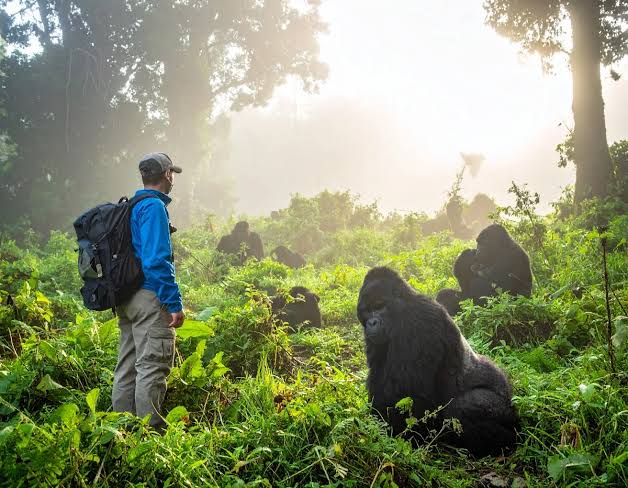
Uganda offers mountain gorilla trekking in Bwindi Impenetrable National Park and Mgahinga Gorilla National Park.
Bwindi is divided into several trekking sectors, including Buhoma, Ruhija, Rushaga and Nkuringo. Each sector has its own briefing point, gorilla families and nearby accommodation.
The forest is ancient, dense and mountainous. Treks can be steep, muddy and physically challenging, although difficulty varies according to the gorillas’ location.
Mgahinga protects Uganda’s part of the Virunga Massif. Its volcanic and bamboo landscapes resemble the wider mountain ecosystem shared with Rwanda.
Uganda’s standard permit costs USD 800 for a foreign non-resident under the current tariff. Uganda Wildlife Authority publishes the official rates and future tariff changes. Uganda Wildlife Authority
Gorilla Trekking in Rwanda
Rwanda’s gorilla trekking takes place in Volcanoes National Park.
The park is located near Musanze and Kinigi, around two and a half hours by road from Kigali.
Volcanoes National Park protects a mountainous landscape of bamboo forest and volcanic slopes. Trek difficulty varies because gorilla families move daily.
Rwanda’s standard foreign international permit costs USD 1,500 per person. The official Rwanda Development Board booking portal also publishes qualifying resident, citizen and promotional rates. Rwanda Development Board
Is Gorilla Trekking Better in Uganda or Rwanda?
The actual gorilla encounter can be equally powerful in either country.
Uganda is generally better for travelers whose primary concern is permit price or who want a longer, forest-focused adventure.
Rwanda is generally better for travelers with limited time, those seeking shorter transfers and visitors combining a gorilla trek with a business trip or brief East African holiday.
Some competitors describe Rwanda treks as easy and Uganda treks as difficult. That distinction is too simple. Gorilla families move, rain changes trails and group allocation affects the experience.
Rwanda’s trekking areas can also be steep, while some Uganda groups may be found relatively close to the briefing point.
Travelers with mobility concerns should request a more manageable allocation and hire a porter in either country. No operator can guarantee an easy trek.
Gorilla Permit Price Comparison
The permit difference is significant.
For two international visitors, Uganda’s standard permits total USD 1,600. Rwanda’s standard permits total USD 3,000.
For four travelers, Uganda’s permits total USD 3,200, while Rwanda’s cost USD 6,000.
However, the permit is only one component of the complete safari price.
Uganda may require a long road transfer from Entebbe, additional hotel nights or a domestic flight. Rwanda’s shorter distance from Kigali reduces transportation time and can make a two-day trip practical.
Therefore, Rwanda’s total premium may be smaller than the permit difference initially suggests on a very short trip. Uganda usually retains the cost advantage on longer journeys, especially with budget or midrange accommodation.
Gorilla Habituation in Uganda
Uganda offers a specialized gorilla habituation experience in designated areas.
This experience introduces visitors to the process through which researchers and trackers gradually accustom a wild gorilla family to controlled human observation.
Participants can receive a longer observation period once the gorillas are located, subject to the activity’s official rules.
The permit costs more than a standard Uganda trek, and spaces are limited.
Rwanda does not offer an equivalent public gorilla-habituation tourism product.
Therefore, Uganda is the clear choice for travelers specifically seeking the habituation experience.
Gorilla Trekking Accessibility
Rwanda offers easier logistical access.
A traveler can arrive at Kigali International Airport and reach the Volcanoes region in approximately two and a half hours. This allows a compact itinerary with one night before and one night after trekking.
Reaching Bwindi from Entebbe by road normally requires most of a day. Travelers can break the journey at Lake Mburo or fly to a regional airstrip.
Southern Bwindi and Mgahinga can also be reached from Kigali through a Rwanda-Uganda border crossing. This can shorten the road journey, depending on the assigned trekking sector.
Uganda’s geographical disadvantage becomes less important on an eight- to fourteen-day safari because the route can progress naturally through Kibale, Queen Elizabeth and Bwindi.
Uganda Safari vs Rwanda Safari for Wildlife
Uganda has more savannah parks and a larger traditional safari circuit.
Rwanda concentrates most of its classic wildlife viewing in Akagera National Park.
Wildlife Safaris in Uganda
Uganda’s primary wildlife parks include Murchison Falls, Queen Elizabeth, Kidepo Valley and Lake Mburo.
Together, these destinations support elephants, lions, leopards, buffaloes, giraffes, zebras, hippos, crocodiles and numerous antelope species.
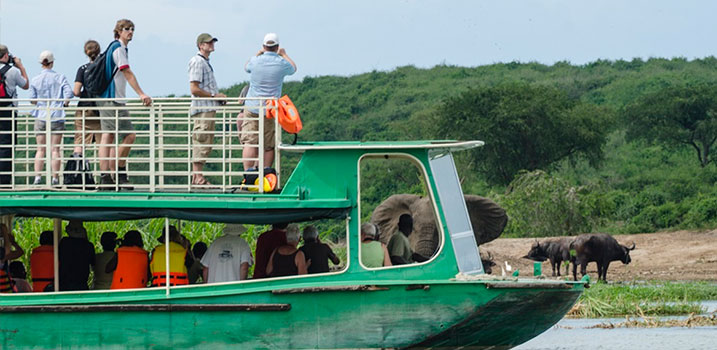
Murchison Falls combines game drives with a boat safari on the Nile.
Queen Elizabeth National Park provides game viewing on the Kasenyi Plains, Kazinga Channel cruises and the possibility of tree-climbing lions in Ishasha.
Kidepo Valley offers remote landscapes and a wilderness atmosphere.
Lake Mburo provides zebras, giraffes, antelopes and guided walking activities.
Wildlife Safaris in Rwanda
Akagera National Park is Rwanda’s only savannah national park and its Big Five destination.
The park contains lions, leopards, elephants, rhinoceroses and buffaloes, together with giraffes, zebras, hippos, crocodiles and antelopes.
Its landscapes combine rolling hills, grassland, woodland, lakes and extensive wetlands.
Akagera is approximately two and a half hours from Kigali, making it suitable for day trips and short overnight safaris.
Wildlife viewing is strongest when visitors stay at least two nights and combine a game drive with a Lake Ihema boat safari.
Akagera’s lion and rhino restoration has helped establish the park as a complete Big Five destination. The park protects both black and white rhinoceroses and has recorded almost 500 bird species. African Parks
Which Country Is Better for a Big Five Safari?
Rwanda offers the simpler Big Five proposition because all five species occur within Akagera National Park.
This does not mean every visitor will see every species. Leopards and rhinoceroses can be difficult to locate, and wildlife sightings are never guaranteed.
Uganda provides four of the Big Five across its principal savannah parks. Rhino tracking has traditionally been offered separately at Ziwa Rhino Sanctuary, subject to current operational arrangements.
For travelers wanting a compact gorilla and Big Five itinerary, Rwanda is highly convenient.
For those wanting several different savannah parks and a longer wildlife journey, Uganda provides greater variety.
Landscape Comparison
Rwanda is known as the Land of a Thousand Hills.
Its scenery includes cultivated hillsides, volcanic peaks, rainforest, savannah and large lakes. Road journeys are visually attractive and relatively compact.
Uganda has a broader range of large-scale landscapes. These include Lake Victoria, the Nile, the Rwenzori Mountains, tropical forests, crater lakes, savannah and the semi-arid valleys of Kidepo.
Rwanda often feels tidy, cultivated and intensely green.
Uganda often feels broader, wilder and more geographically varied.
Landscape preference is subjective. Travelers who enjoy long, changing road journeys may favor Uganda. Those who prefer shorter transfers through scenic hills may prefer Rwanda.
Uganda Safari vs Rwanda Safari for Chimpanzee Trekking
Both countries offer excellent chimpanzee experiences.
Chimpanzee Trekking in Uganda
Kibale National Park is Uganda’s leading chimpanzee destination.
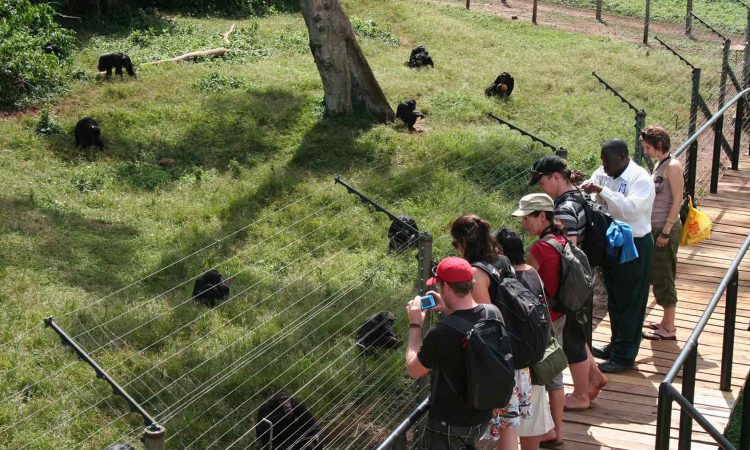
The forest supports a large primate population and offers standard chimpanzee trekking and a longer habituation experience.
Uganda also provides chimpanzee activities in Budongo Forest, Kalinzu Forest and Kyambura Gorge.
This range of options makes Uganda particularly attractive to primate enthusiasts.
Kibale combines naturally with Queen Elizabeth National Park and Bwindi, creating a strong gorilla, chimpanzee and savannah itinerary.
Chimpanzee Trekking in Rwanda
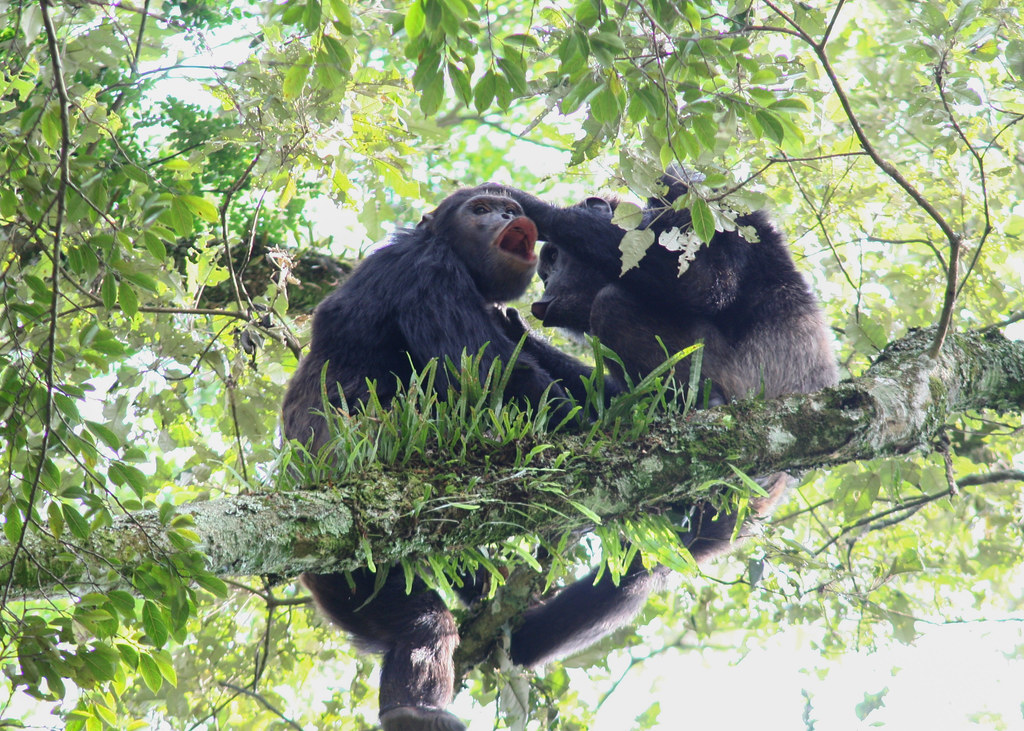
Nyungwe National Park is Rwanda’s main chimpanzee destination.
The park protects a large montane rainforest in southwestern Rwanda. It also offers colobus monkey tracking, birding, forest walks and a canopy experience.
Chimpanzee trekking generally begins early, requiring accommodation near the correct starting location.
Nyungwe combines well with Lake Kivu and a wider Rwanda circuit.
Which Country Is Better for Chimpanzees?
Uganda generally has the advantage for travelers primarily focused on chimpanzees.
Kibale is internationally established, offers strong primate diversity and fits naturally into the western safari route.
Rwanda remains an excellent choice when chimpanzee trekking is part of a complete national itinerary with Akagera and Volcanoes National Park.
Birdwatching Comparison
Uganda has recorded more than 1,000 bird species, giving it one of Africa’s most impressive national lists.
Its location allows species associated with East African savannah, Central African forest, the Albertine Rift, wetlands and mountains to occur within one country.
Important birding locations include Bwindi, Mgahinga, Kibale, Murchison Falls, Queen Elizabeth, Semuliki, Mabamba and Kidepo.
Rwanda has a smaller national list but remains an excellent birding destination. Its compact size allows birders to move efficiently among Albertine Rift forests, wetlands, savannah and highland habitats.
Nyungwe is important for Albertine Rift endemics, while Akagera supports almost 500 recorded species. Volcanoes National Park and Rugezi Marsh add further diversity.
Uganda is generally the stronger choice for a long, dedicated birding expedition.
Rwanda is excellent for birders who want significant diversity within a shorter trip.
Boat Safari Comparison
Both countries offer rewarding boat experiences.
Uganda Boat Safaris
Uganda has several major safari waterways.
The Kazinga Channel in Queen Elizabeth National Park is excellent for hippos, buffaloes, elephants, crocodiles and birds.
The Nile boat safari in Murchison Falls National Park combines wildlife viewing with the dramatic approach toward the falls.
Delta cruises in Murchison can provide opportunities to search for shoebills.
Lake Mburo offers quieter boat excursions with hippos and waterbirds.
Rwanda Boat Safaris
Akagera National Park offers scheduled boat safaris on Lake Ihema.
These trips focus on hippos, Nile crocodiles, waterbirds and lakeside wildlife.
Morning, afternoon and sunset departures are available. The official schedule normally includes trips at 7:30 a.m., 9:00 a.m., 3:00 p.m. and 4:30 p.m. Visit Akagera
Lake Kivu provides recreational boat trips, island visits and scenic experiences rather than classic predator-focused safaris.
Uganda offers greater variety of wildlife boat experiences. Rwanda provides an especially convenient and attractive lake safari in Akagera.
Adventure Activities
Uganda offers more extensive adventure tourism.
Jinja is famous for white-water rafting, kayaking and other activities on the Nile.
The Rwenzori Mountains support challenging multi-day expeditions.
Mount Elgon provides hiking, while Sipi Falls offers waterfall walks and coffee experiences.
Uganda also offers walking safaris, cycling, horseback riding and boat trips in selected regions.
Rwanda has strong hiking options in Volcanoes and Nyungwe national parks. Visitors can climb Mount Bisoke or Karisimbi, hike to the Diann Fossey tomb area and explore rainforest trails.
The Congo Nile Trail follows part of Lake Kivu and supports hiking and cycling.
Canopy experiences, community activities and kayaking add further options.
Uganda generally wins for the overall number and scale of adventure activities. Rwanda offers excellent adventures within a more compact route.
Cultural Experiences
Both countries contain diverse cultures and important historical sites.
Cultural Travel in Uganda
Uganda has many ethnic groups, kingdoms, languages and regional traditions.
Kampala attractions include the Kasubi Tombs, Uganda Museum, religious sites and markets.
Travelers can arrange community experiences around Bwindi, Queen Elizabeth, Kidepo and other destinations.
Jinja provides insight into Uganda’s relationship with the Nile and Lake Victoria.
Community experiences should be selected carefully. Choose programs that obtain consent, share revenue and allow genuine exchange.
Cultural Travel in Rwanda
Rwanda’s principal historical and cultural experiences include the Kigali Genocide Memorial, regional museums and community projects.
The country’s recent history is essential to understanding contemporary Rwanda. Genocide memorial visits should be approached respectfully and without rushed scheduling.
Near Volcanoes National Park, cultural experiences may introduce traditional music, dance, farming and crafts.
The Ellen DeGeneres Campus of the Diann Fossey Gorilla Fund presents modern gorilla-conservation work through exhibitions and educational spaces.
Rwanda is particularly strong for travelers interested in modern history, reconciliation and conservation.
Uganda provides broader cultural and regional diversity during a longer trip.
Kigali Versus Kampala
The capitals create very different impressions.
Kigali is compact, orderly and easy to include in a short itinerary. The airport lies within the city, and major hotels are generally reached without an extremely long transfer.
The city contains the Kigali Genocide Memorial, markets, galleries, restaurants and viewpoints.
Kampala is larger, busier and more energetic. It offers cultural institutions, religious sites, markets and nightlife.
Traffic can make city travel slow. Many international visitors choose to stay in Entebbe on the first or final night.
Kigali is usually easier for a short visit.
Kampala offers a more intense large-city experience and deeper exploration for travelers who allocate enough time.
Road and Transportation Comparison
Rwanda’s road network between major tourism destinations is relatively efficient. Distances are shorter, although winding hills still affect travel time.
Uganda requires longer drives. Roads range from smooth highways to rough rural tracks.
A journey from Entebbe to Bwindi can take most of a day. Domestic flights help reduce travel time but increase the price.
Rwanda is better for travelers who dislike long road journeys.
Uganda is rewarding for visitors who enjoy overland travel and have enough time to move slowly.
In both countries, a private four-wheel-drive vehicle with an experienced driver-guide provides the most convenient safari experience.
Uganda Safari vs Rwanda Safari Costs
Uganda is often described as cheaper, but the complete calculation requires several factors.
Permit Costs
Uganda’s standard international gorilla permit is USD 800.
Rwanda’s standard international gorilla permit is USD 1,500.
Uganda therefore offers a clear permit-price advantage.
Transportation Costs
Rwanda’s shorter distances can reduce fuel and driver costs on a short itinerary.
Uganda’s long transfers increase transportation expenses. Domestic flights add further cost.
For a two-day gorilla trip beginning in the capital, Rwanda’s efficient access partially offsets its higher permit price.
For an eight- or ten-day journey, Uganda often delivers more activities at a lower overall price.
Accommodation Costs
Uganda offers an extensive range of budget, midrange and luxury lodges.
Rwanda also has different categories, but its gorilla region contains a particularly strong selection of high-end and ultra-luxury properties.
Affordable accommodation exists in Rwanda, although the destination’s international image often emphasizes premium travel.
Park and Activity Fees
Compare what each package includes. A low tour price may exclude permits, park entrance, boat trips, meals or guide services.
Ask for an itemized or clearly described quotation.
Solo Travel Costs
Solo travelers pay more per person because private transportation is not shared.
Rwanda’s shorter distances can make it more manageable for a solo visitor with limited time.
Uganda may become more economical when the traveler joins a scheduled group or shares a vehicle.
Accommodation Comparison
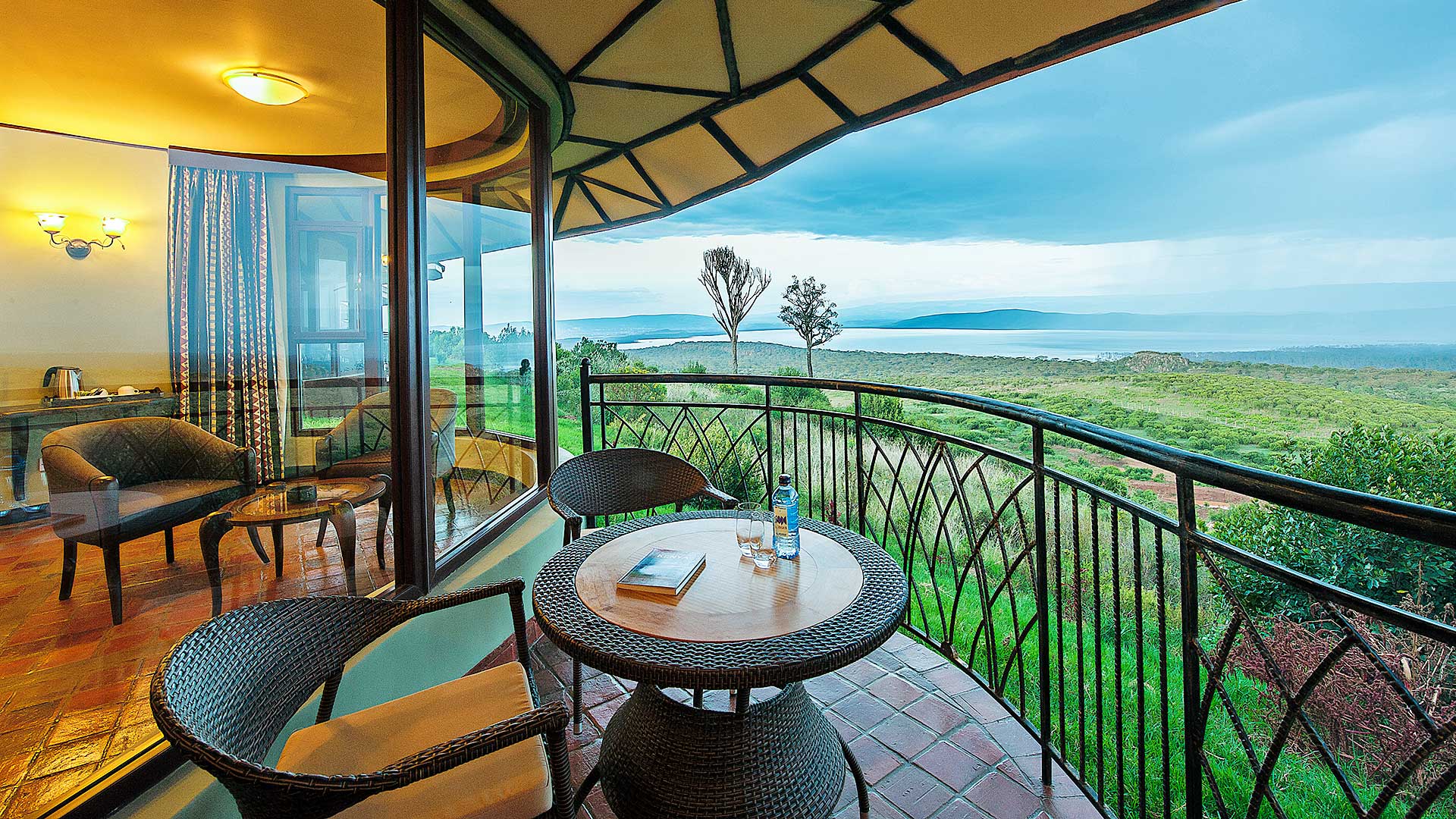
Uganda has a broad accommodation spectrum.
Budget guesthouses are available near most tourism regions, while midrange lodges provide comfortable rooms and meals. Luxury camps are found in Bwindi, Kibale, Murchison Falls, Queen Elizabeth and other destinations.
Rwanda is internationally known for some of Africa’s most luxurious gorilla lodges. These properties offer exceptional design, service and proximity to Volcanoes National Park.
Rwanda also has practical midrange options around Musanze, Akagera, Nyungwe and Kigali.
Uganda is generally better for travelers wanting a wide selection at moderate prices.
Rwanda is especially strong for premium short safaris and luxury gorilla travel.
Food and Dining
Both countries provide local and international cuisine.
Uganda’s common dishes include matoke, groundnut sauce, beans, cassava, sweet potatoes, grilled meats and the popular rolex made from eggs and chapati.
Rwandan meals may include beans, potatoes, cassava, plantain, vegetables, meat brochettes and regional specialties.
Safari lodges in both countries accommodate vegetarian and other diets with advance notice.
Rwanda’s premium lodges and Kigali restaurants often provide a highly polished dining experience.
Uganda offers considerable diversity across lodges, city restaurants and roadside food.
Drink treated, filtered or sealed water in both destinations.
Visa Comparison
Visa rules depend on nationality.
Uganda’s standard single-entry tourist visa costs USD 50 for travelers who require one. Applications are completed through the official immigration system.
Rwanda provides visa-free entry, visas on arrival or advance visas to different nationalities according to current regulations.
Travelers visiting Rwanda and Uganda may use the East Africa Tourist Visa when eligible.
The joint visa covers Rwanda, Uganda and Kenya, costs USD 100 and allows multiple movement within those countries during its 90-day validity.
Apply through the country you will enter first.
The visa does not cover Tanzania, Burundi or the Democratic Republic of Congo.
Yellow-Fever and Health Requirements
Uganda requires a valid yellow-fever vaccination certificate as part of its entry and visa procedures.
Rwanda’s yellow-fever requirement depends on the traveler’s origin and recent travel through risk countries.
A traveler crossing from Uganda into Rwanda should carry the certificate.
Malaria is present in both countries, although risk varies with elevation and region. Obtain personalized advice from a travel-health professional.
Visitors with respiratory or other contagious illness may be prevented from trekking gorillas or chimpanzees.
Travel insurance should cover medical treatment, evacuation and non-refundable safari services.
Uganda Safari vs Rwanda Safari for Families
Rwanda is often easier for families because transfers are shorter.
A family can combine Kigali, Akagera National Park and Volcanoes National Park without repeated full-day drives.
Akagera offers vehicle-based wildlife viewing and boat safaris suitable for different ages.
Uganda provides more destination variety, but parents must manage long road journeys carefully.
Lake Mburo, Queen Elizabeth and Murchison Falls can be highly rewarding for children.
Gorilla trekking has a standard minimum age of 15 in both countries. Younger children need supervised alternative activities.
A private vehicle is ideal for families because it allows breaks and schedule adjustments.
Uganda Safari vs Rwanda Safari for Senior Travelers
Rwanda’s shorter transfers make it attractive to senior visitors.
The Volcanoes region is reached quickly from Kigali, and Akagera is similarly accessible.
However, Rwanda’s volcanic gorilla terrain can still be physically demanding.
Uganda’s treks may involve dense and steep Bwindi forest. Yet senior travelers regularly complete them with suitable preparation, porter support and an appropriate group request.
The best choice depends on mobility, fitness and comfort with road travel.
For limited mobility and a short schedule, Rwanda often has the logistical advantage.
For active senior travelers with more time, Uganda provides exceptional variety.
Uganda Safari vs Rwanda Safari for Solo Travelers
Rwanda’s compact geography can reduce the total cost of private transportation.
A solo traveler can take a short gorilla safari, Akagera trip or Kigali excursion without committing to a long circuit.
Uganda offers scheduled departures and potential group joining opportunities, which can reduce per-person costs.
Solo travelers primarily interested in gorillas may compare the lower Uganda permit against the additional transport required to reach Bwindi.
Both countries can be suitable for solo women when trips use verified accommodation, operators and transfers.
Uganda Safari vs Rwanda Safari for Honeymoons
Rwanda is particularly strong for luxury honeymoons.
Premium lodges near Volcanoes National Park, private Akagera experiences and Lake Kivu stays create a compact and romantic itinerary.
Short driving times preserve more time for relaxation.
Uganda is ideal for adventurous honeymooners who want a longer journey.
A couple can combine gorillas, chimpanzees, wildlife, boat safaris and scenic lodges during a ten- or fourteen-day trip.
Uganda often provides more value at the midrange level. Rwanda has an advantage for ultra-luxury travel.
Uganda Safari vs Rwanda Safari for Photographers
Uganda provides more ecosystems and a broader wildlife portfolio.
Photographers can work with primates, savannah mammals, Nile landscapes, crater lakes and birds.
The tradeoff is longer travel and more equipment movement.
Rwanda allows efficient transitions between destinations. Akagera offers attractive hills, lakes and savannah, while Volcanoes National Park provides atmospheric gorilla landscapes.
A private vehicle is recommended in either country.
Gorilla photography rules are similar. Flash is prohibited, and visitors must follow current distance and mask instructions.
Uganda’s gorilla habituation experience can appeal to dedicated photographers because of the longer observation period, subject to permit availability and official conditions.
Uganda Safari vs Rwanda Safari for Birdwatchers
Uganda is generally the stronger choice for a dedicated birding expedition.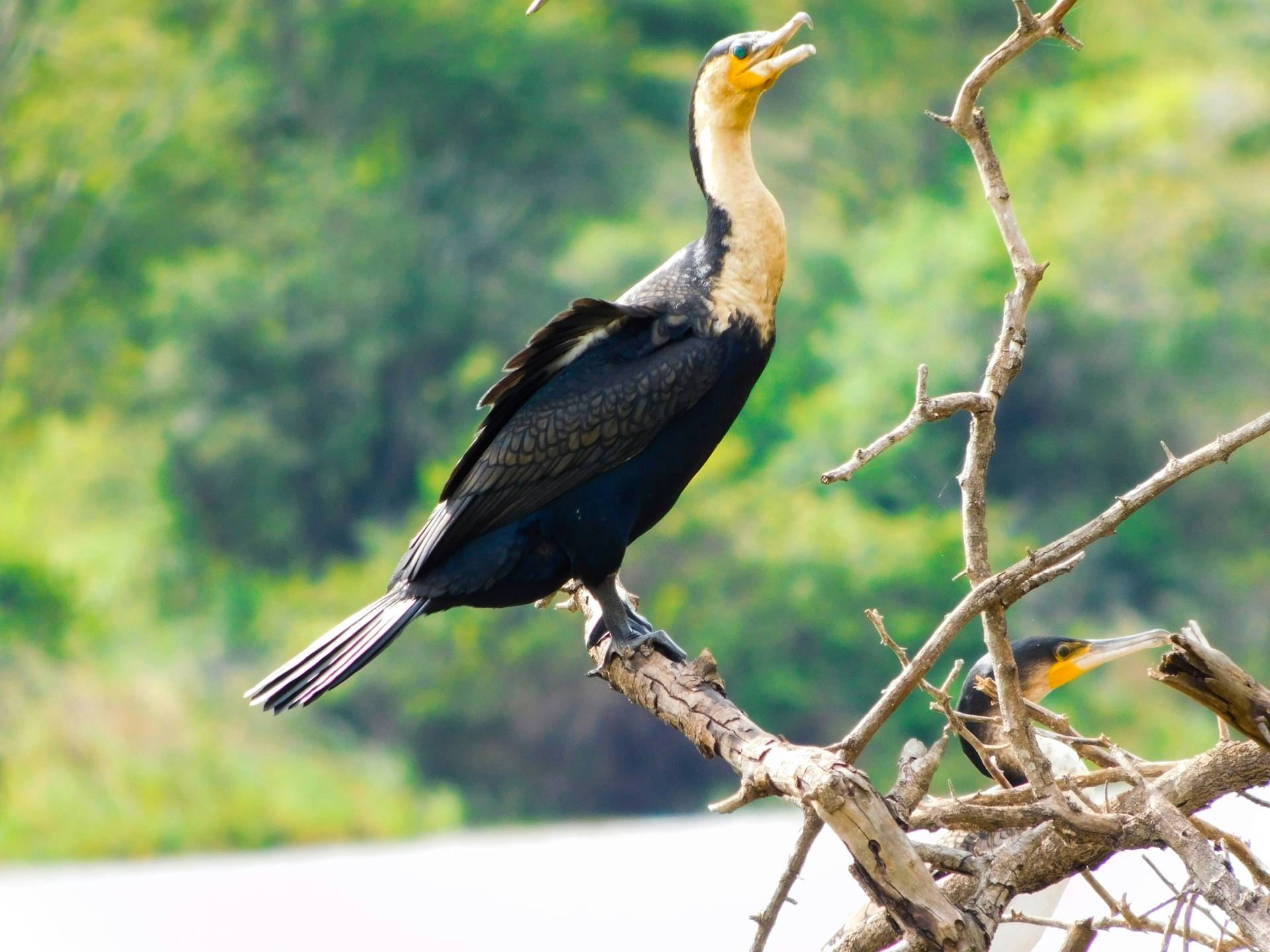
Its national list exceeds 1,000 species, and the country includes a remarkable combination of habitats.
Rwanda is excellent for a shorter birding trip. Its compact size allows travelers to combine Akagera, Nyungwe, Volcanoes and wetland sites efficiently.
Choose Uganda for the widest possible national list and a longer expedition.
Choose Rwanda for concentrated Albertine Rift, savannah and wetland birding within a shorter itinerary.
Uganda Safari vs Rwanda Safari for Luxury Travelers
Rwanda has developed a particularly strong premium tourism identity.
Volcanoes National Park contains several internationally recognized luxury lodges. Akagera and Nyungwe also offer high-end accommodation.
Transfers can be arranged by premium road vehicle or helicopter.
Uganda also has excellent luxury lodges and fly-in options. Its luxury experience often feels more adventurous because of the larger distances and wider landscapes.
Rwanda is usually the easier luxury trip.
Uganda is often the richer choice for travelers who want luxury combined with an extended expedition.
Uganda Safari vs Rwanda Safari for Budget Travelers
Uganda generally provides better options for budget-conscious visitors.
The gorilla permit costs less, and the country has a large selection of budget and midrange accommodation.
However, transportation remains a significant expense.
Traveling in a small group reduces the per-person cost by sharing a vehicle and guide.
Rwanda can still be visited at a moderate level, but the USD 1,500 permit creates a high minimum cost for gorilla trekking.
A budget traveler primarily interested in gorillas will usually choose Uganda.
A traveler with only two or three days may still find Rwanda’s shorter logistics worth the premium.
Safari Duration Comparison
Three to Four Days
Rwanda is generally better.
A short itinerary can include Kigali, Volcanoes National Park and one gorilla trek.
Akagera can also be visited on a separate day or overnight trip.
Uganda is possible from Kigali when trekking in Mgahinga or southern Bwindi, but border and road logistics require careful planning.
Five to Seven Days
Rwanda can offer a complete compact circuit with gorillas, Akagera and Kigali.
Uganda can combine gorillas with Queen Elizabeth National Park or Lake Mburo.
The choice depends on whether convenience or broader wilderness matters more.
Eight to Ten Days
Both countries work well.
Rwanda can combine Akagera, Volcanoes, Lake Kivu and Nyungwe.
Uganda can combine Kibale, Queen Elizabeth, Bwindi and Lake Mburo.
Uganda begins to show its main advantage at this duration because travelers have enough time to experience several ecosystems.
Twelve to Fourteen Days
Uganda is especially rewarding.
A two-week itinerary can include Murchison Falls, Kibale, Queen Elizabeth, Bwindi and Lake Mburo without reducing every stop to one night.
Rwanda can be explored thoroughly in less time, or combined with Uganda for a two-country safari.
Sample Seven-Day Rwanda Safari
Day one begins with arrival in Kigali and transfer to a city hotel.
Day two includes a Kigali city tour before traveling to Akagera National Park for a sunset boat safari.
Day three provides a full game drive through Akagera.
Day four begins with a final game drive before continuing toward Volcanoes National Park.
Day five is reserved for gorilla trekking.
Day six includes golden monkey trekking, the Ellen DeGeneres Campus or a cultural experience.
Day seven returns to Kigali for departure.
This itinerary delivers the Big Five, mountain gorillas and cultural context within one week.
Sample Seven-Day Uganda Safari
Day one begins with arrival in Entebbe.
Day two transfers to Kibale National Park.
Day three includes chimpanzee trekking and Bigodi Wetland.
Day four travels to Queen Elizabeth National Park for an afternoon boat safari.
Day five explores Ishasha and continues to the correct Bwindi sector.
Day six is reserved for gorilla trekking.
Day seven requires a flight or long road transfer toward Entebbe.
This route is possible but fast. Eight or nine days would create a more comfortable schedule.
Sample Ten-Day Uganda and Rwanda Safari
Day one begins in Entebbe or Kampala.
Days two and three explore Kibale National Park and include chimpanzee trekking.
Days four and five cover Queen Elizabeth National Park, the Kazinga Channel and Ishasha.
Days six and seven focus on Bwindi and Uganda gorilla trekking.
Day eight crosses into Rwanda and continues to Volcanoes National Park or Lake Kivu.
Day nine includes golden monkeys, a second gorilla trek or a conservation experience.
Day ten ends in Kigali with a city tour and airport transfer.
The itinerary can also run in reverse, beginning in Kigali and ending at Entebbe.
Should You Combine Uganda and Rwanda?
For many travelers, the best answer to Uganda Safari vs Rwanda Safari is to visit both.
A combined journey offers Uganda’s extensive wildlife circuit and Rwanda’s efficient infrastructure.
Travelers can trek gorillas in one country and choose complementary activities in the other.
For example, an itinerary may combine Uganda’s Kibale and Queen Elizabeth national parks with Rwanda’s Volcanoes and Akagera national parks.
Another option is to complete one gorilla trek in Uganda and a second in Rwanda. This allows visitors to compare Bwindi’s ancient rainforest with the volcanic environment of Volcanoes National Park.
The East Africa Tourist Visa can simplify movement when the traveler enters through the country that issued it and remains within Rwanda, Uganda and Kenya.
Allow a full day or appropriate travel period for the border crossing. Do not cross on the morning of a gorilla trek.
Ethical and Conservation Considerations
Both countries use permit-based gorilla tourism to limit visitor numbers and generate conservation revenue.
Visitors must follow health, distance and behavior rules.
Do not trek when experiencing a contagious illness.
Wear a mask when instructed.
Never touch a gorilla, even when one approaches.
Do not use flash.
Hire a porter. The service supports local livelihoods and improves your safety on difficult trails.
Choose community experiences that provide transparent local benefits.
Avoid sharing precise locations of sensitive animals such as rhinoceroses.
Responsible behavior matters more than which side of the border you choose.
Common Comparison Mistakes
The first mistake is comparing only gorilla-permit prices.
A complete safari includes transportation, accommodation, meals, visas and other activities.
The second is assuming Rwanda treks are always easy. Terrain and gorilla movement make every trek unpredictable.
The third is treating every Bwindi sector as the same location. Accommodation must match the permit sector.
Another mistake is underestimating Uganda’s driving times.
Some travelers also underestimate Rwanda’s wildlife diversity by assuming it only offers gorillas.
Finally, choosing a destination according to somebody else’s priorities can lead to disappointment. A luxury honeymooner and a budget birdwatcher need different recommendations.
Frequently Asked Questions
Is Uganda or Rwanda better for a safari?
Uganda is generally better for a longer safari with several wildlife parks. Rwanda is better for a compact itinerary with shorter transfers.
Which country is cheaper?
Uganda is generally cheaper, especially for gorilla permits and midrange accommodation.
How much is a Uganda gorilla permit?
The standard foreign non-resident permit costs USD 800 under the current tariff.
How much is a Rwanda gorilla permit?
The standard foreign international permit costs USD 1,500.
Is gorilla trekking better in Uganda or Rwanda?
Both offer exceptional encounters. Uganda suits budget-conscious and adventurous travelers, while Rwanda suits visitors prioritizing convenience and shorter travel time.
Which country has easier gorilla trekking?
Rwanda is often described as easier, but trek difficulty cannot be guaranteed in either country.
Which country has more gorillas?
Uganda protects more than half of the world’s remaining mountain gorillas, primarily in Bwindi.
Can I see the Big Five in Rwanda?
Yes. Lions, leopards, elephants, rhinoceroses and buffaloes occur in Akagera National Park.
Can I see the Big Five in Uganda?
Uganda’s savannah parks contain lions, leopards, elephants and buffaloes. Rhino experiences have traditionally been offered separately at Ziwa Rhino Sanctuary.
Which country is better for chimpanzees?
Uganda generally has the advantage because of Kibale National Park and its other chimpanzee locations.
Which country is better for birdwatching?
Uganda has the larger national bird list. Rwanda provides excellent birding within shorter distances.
Which is better for a one-week safari?
Rwanda offers the more comfortable compact circuit. Uganda can work but requires more selective planning.
Which is better for two weeks?
Uganda offers greater variety for a two-week national safari. A combined Rwanda-Uganda journey is also an excellent option.
Which is better for families?
Rwanda’s shorter transfers are convenient for families. Uganda offers more activities but requires careful pacing.
Which is better for senior travelers?
Rwanda generally has the logistical advantage. Active seniors may enjoy either country with porter support and suitable planning.
Which is better for honeymooners?
Rwanda is especially strong for compact luxury honeymoons. Uganda suits adventurous couples seeking a longer journey.
Which is better for photographers?
Uganda offers more varied ecosystems. Rwanda offers efficient access and strong premium guiding. Uganda also offers the specialized gorilla habituation experience.
Can I visit both countries on one visa?
Eligible travelers can use the East Africa Tourist Visa, which covers Rwanda, Uganda and Kenya.
Can I fly into Kigali for an Uganda safari?
Yes. Kigali can be a practical gateway for Mgahinga and southern Bwindi, subject to visa and border arrangements.
What is the minimum age for gorilla trekking?
The standard minimum age is 15 in both countries.
When is the best time to visit?
June through September and December through February generally offer convenient trekking and safari conditions. Both countries can be visited throughout the year.
Final Verdict: Uganda Safari vs Rwanda Safari
Choose Uganda when you want a longer, more varied safari and have enough time for road travel.
Uganda is particularly suitable for:
- Budget-conscious gorilla trekkers
- Chimpanzee enthusiasts
- Birdwatchers
- Adventure travelers
- Visitors with 10 to 14 days
- Travelers wanting several savannah parks
- People interested in gorilla habituation
Choose Rwanda when you want efficiency, short transfers and a compact premium experience.
Rwanda is particularly suitable for:
- Travelers with three to seven days
- Luxury visitors
- Business travelers adding a short safari
- Families wanting shorter road journeys
- Honeymooners
- Visitors combining gorillas with the Big Five
- Travelers who prefer streamlined logistics
Choose both countries when time and budget allow.
A combined safari provides Uganda’s extensive wildlife circuit together with Rwanda’s compact gorilla, conservation and cultural experiences.
The final decision should reflect your travel style rather than a simplistic claim that one destination is universally superior.
Plan Your Uganda or Rwanda Safari
Universal Ventures Rwanda organizes customized safaris in Rwanda and Uganda for solo travelers, couples, families, senior visitors, photographers and private groups.
Our team can help you compare both destinations, check gorilla-permit availability and select the itinerary that fits your time, budget and interests.
We arrange gorilla and chimpanzee permits, professional driver-guides, private four-wheel-drive transportation, accommodation, airport transfers and Rwanda-Uganda border logistics.
Our itineraries can include Volcanoes National Park, Akagera National Park, Nyungwe Forest, Lake Kivu, Bwindi Impenetrable National Park, Mgahinga, Kibale Forest and Queen Elizabeth National Park.
Contact us with your travel dates, group size, preferred accommodation level and main wildlife interests. We will recommend Rwanda, Uganda or a combined safari based on practical travel considerations.
Universal Ventures Rwanda
Address: KN 15 Road, opposite IPRC Entrance, 1st Floor, SANGWA Plaza, Kigali, Rwanda
Telephone and WhatsApp: +250 781 441 853
Email: info@universalventuresrwanda.com
Website: www.universalventuresrwanda.com