Skip to content
This Uganda Travel Guide 2026 explains how to plan a successful trip. It covers the best places to visit, gorilla and chimpanzee trekking, safari parks, seasons, entry requirements, costs, transportation, accommodation and suggested itineraries.
Uganda delivers one of Africa’s most diverse travel experiences within a single country. Visitors can trek through a misty rainforest to meet mountain gorillas, watch lions resting in trees, follow chimpanzees through tropical forest and cruise beneath the powerful Murchison Falls.
The country’s landscapes are equally varied. Snow-covered peaks rise above the Rwenzori Mountains, the Nile begins its long northward journey from Lake Victoria, and remote savannah plains stretch toward the borders of South Sudan and Kenya. In southwestern Uganda, crater lakes, cultivated hills and dense forests create some of East Africa’s most attractive scenery.
Winston Churchill famously described Uganda as the “Pearl of Africa.” More than a century later, the expression remains appropriate. Uganda combines primates, traditional wildlife safaris, birds, mountain adventures, community experiences and river activities without the visitor density found in some better-known African destinations.
The guide is suitable for first-time visitors, solo travelers, couples, families, photographers, birdwatchers and experienced safari travelers looking for a deeper East African journey.
Travel conditions, immigration regulations, wildlife tariffs and health advice can change. Always verify time-sensitive requirements with the relevant authorities before making final arrangements.
Why Visit Uganda in 2026?
Uganda’s greatest advantage is variety.
A traveler can observe mountain gorillas, chimpanzees, lions, elephants, giraffes, buffaloes, hippos and crocodiles during one well-designed itinerary. Few destinations offer such a broad combination of primate and savannah experiences.
Uganda protects more than half of the world’s remaining mountain gorillas, principally in Bwindi Impenetrable National Park. Gorilla trekking is therefore one of the country’s most important wildlife experiences.
However, Uganda should not be treated only as a gorilla destination. Kibale National Park is internationally known for chimpanzee trekking, while Murchison Falls and Queen Elizabeth national parks provide traditional game drives and boat safaris.
The country is also an outstanding birding destination. Uganda has recorded more than 1,000 bird species, including Albertine Rift endemics, wetland specialists and East African savannah birds.
Travelers who prefer active adventures can hike in the Rwenzori Mountains, climb Mount Elgon, raft the Nile near Jinja or walk through rainforest and community landscapes.
Uganda is especially rewarding for visitors who can dedicate at least ten days to the country. Distances between parks are significant, but the journeys reveal changing scenery, farming communities, towns and roadside life.
Uganda Travel Guide 2026: Essential Facts
Uganda is a landlocked East African country bordered by Rwanda, Kenya, Tanzania, South Sudan and the Democratic Republic of Congo.
Kampala is the capital and largest city. Entebbe, located beside Lake Victoria, contains the country’s main international airport.
English and Swahili are official languages, while Luganda and many other local languages are widely spoken. English is commonly used in tourism.
The currency is the Ugandan shilling, written as UGX. Many safari services are quoted in US dollars, although everyday purchases are normally made in local currency.
Uganda follows East Africa Time, which is UTC+3 throughout the year.
The international telephone code is +256.
The country drives on the left-hand side of the road.
Electrical sockets are usually the British-style three-rectangular-pin type. A universal adapter is useful.
Uganda has an equatorial position, but altitude produces significant regional differences. Kampala and Entebbe are generally warm, Bwindi mornings can be cool and the high Rwenzori Mountains can become extremely cold.
Top Places to Visit in Uganda
Uganda’s attractions are spread across the country. A complete safari requires realistic driving times and careful sequencing.
The following destinations form the foundation of most Uganda tours.
Bwindi Impenetrable National Park
Bwindi Impenetrable National Park is Uganda’s leading gorilla trekking destination and one of Africa’s most biologically important forests.
The park lies in southwestern Uganda near the borders with Rwanda and the Democratic Republic of Congo. Its steep hills, tangled vegetation and ancient forest support mountain gorillas, forest elephants, primates, butterflies and numerous bird species.
Bwindi is divided into several trekking sectors, including Buhoma, Ruhija, Rushaga and Nkuringo. These sectors are separated by mountain roads and should not be treated as neighboring entrances.
A permit for Rushaga requires accommodation with practical access to Rushaga. Booking a lodge near Buhoma can create several hours of additional driving and may lead to a missed trek.
Gorilla Trekking in Bwindi
Gorilla trekking begins early with registration and a ranger briefing. Visitors are assigned to a habituated gorilla family and enter the forest with guides, trackers and security personnel.
The trek can last from a few hours to most of the day. Its duration depends on the gorillas’ location, terrain and weather.
After finding the family, visitors normally receive up to one hour to observe the gorillas. Flash photography, touching, eating and loud behavior are prohibited.
The standard foreign non-resident gorilla permit has been priced at USD 800. Uganda Wildlife Authority periodically updates its conservation tariffs, so visitors should verify the rate applicable to their travel date. Uganda Wildlife Authority
Gorilla Habituation Experience
Uganda also offers a gorilla habituation experience in designated parts of Bwindi.
Unlike an ordinary trek to a fully habituated family, the experience introduces visitors to the careful process through which wild gorillas become accustomed to controlled human presence.
Participants may spend a longer period with the gorillas once located, but the experience has a separate permit and higher price.
Availability is limited, and the activity should be reserved far in advance.
Other Things to Do Around Bwindi
Bwindi is also an excellent birding destination. Visitors can search for Albertine Rift species with specialist guides.
Community walks introduce travelers to farming, traditional crafts and local enterprises. Batwa cultural experiences can provide insight into the history of forest communities when operated respectfully and with transparent community participation.
Nature walks, waterfalls and forest trails offer additional reasons to stay more than one night.
Mgahinga Gorilla National Park
Mgahinga Gorilla National Park is Uganda’s smaller mountain-gorilla destination.
The park protects the Ugandan section of the Virunga Massif and includes three prominent volcanoes: Mount Muhabura, Mount Gahinga and Mount Sabyinyo.
Mgahinga offers gorilla trekking, golden monkey tracking, birding and mountain hiking.
Its location near Kisoro and the Rwandan border makes it convenient for cross-border itineraries beginning in Kigali.
The park’s scenery is spectacular. Bamboo forest covers parts of the volcanic slopes, while higher elevations provide broad views over Uganda, Rwanda and the Democratic Republic of Congo.
Golden Monkey Tracking
Golden monkeys live in the bamboo forests of the Virunga region.
Tracking them is generally less physically demanding than a long gorilla trek, although trail conditions vary.
The monkeys move quickly through the vegetation and provide a lively photographic challenge.
Golden monkey tracking is an excellent second activity for travelers staying two or three nights near Mgahinga.
Volcano Hiking
Experienced hikers can climb one of Mgahinga’s volcanic peaks.
The hikes are physically demanding and require an early start, suitable clothing, sufficient water and professional guidance.
Mount Sabyinyo is particularly distinctive because its summit area lies near the meeting point of Uganda, Rwanda and the Democratic Republic of Congo.
Weather changes rapidly at higher elevations. Rain protection and warm layers are essential.
Queen Elizabeth National Park
Queen Elizabeth National Park is one of Uganda’s most popular and varied safari destinations.
The park lies between Lakes Edward and George beneath the Rwenzori Mountains. It contains savannah, wetlands, woodland, crater landscapes and the Kazinga Channel.
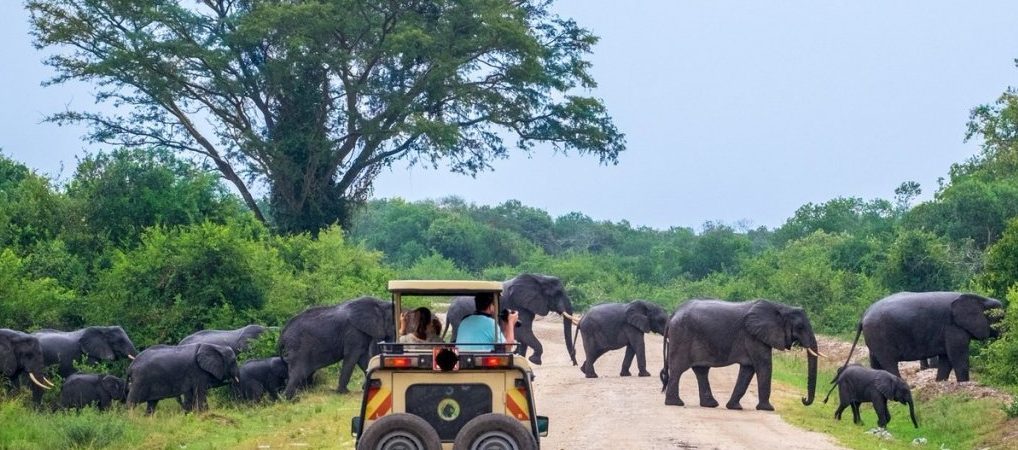
Wildlife includes elephants, buffaloes, hippos, lions, leopards, Uganda kobs, waterbucks, warthogs and numerous bird species.
Game Drives in the Kasenyi Plains
The Kasenyi Plains are known for Uganda kob herds and predator activity.
Morning drives provide the best opportunity to search for lions, hyenas and other wildlife before temperatures rise.
The open landscape allows broad views, although tall seasonal grass can conceal animals.
A knowledgeable guide understands recent wildlife movements and interprets tracks, alarm calls and animal behavior.
Kazinga Channel Boat Safari
The Kazinga Channel connects Lake George and Lake Edward.
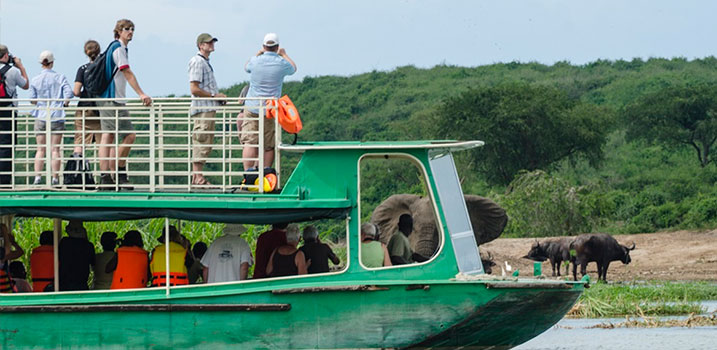
Boat safaris provide excellent views of hippos, crocodiles, buffaloes, elephants and waterbirds.
Animals often gather along the shoreline, creating close but controlled viewing opportunities from the vessel.
The cruise complements a game drive because it focuses on aquatic and lakeside wildlife.
Photography is particularly rewarding during afternoon departures when warm light reaches the shoreline.
Tree-Climbing Lions of Ishasha
The Ishasha sector in southern Queen Elizabeth National Park is famous for lions that sometimes rest in fig trees.
Tree-climbing behavior is not guaranteed. Lions may remain on the ground, move into inaccessible areas or be absent from the main game-viewing routes.
Ishasha is conveniently positioned between the central Queen Elizabeth region and Bwindi. It works well as part of a journey toward Buhoma, Rushaga or Nkuringo.
Travelers should allow enough time for a proper game drive rather than treating Ishasha as a short roadside stop.
Kyambura Gorge
Kyambura Gorge creates a forested corridor within the wider savannah landscape.
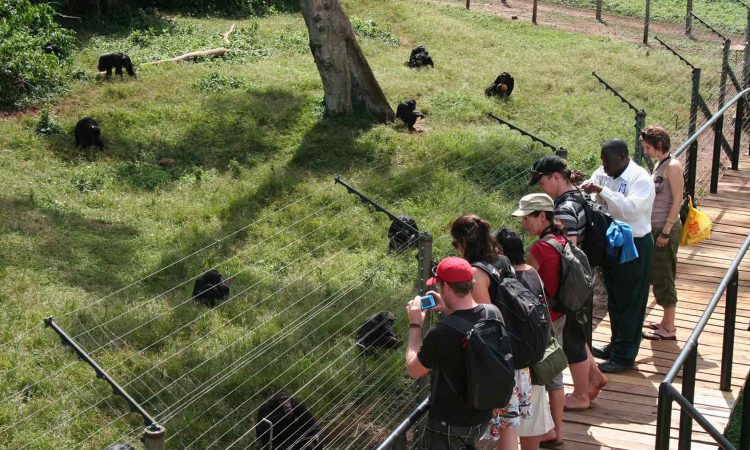
Chimpanzee tracking is possible, although sighting probabilities can be lower than in Kibale National Park.
The gorge remains worthwhile for scenery, forest walking and the contrast between dense vegetation and the surrounding plains.
Kibale National Park
Kibale National Park is Uganda’s leading chimpanzee trekking destination.
The tropical forest supports a high diversity of primates, including chimpanzees, red colobus monkeys, black-and-white colobus monkeys, red-tailed monkeys and grey-cheeked mangabeys.
The park lies near Fort Portal, a green and attractive part of western Uganda surrounded by tea plantations, crater lakes and farmland.
Chimpanzee Trekking
Chimpanzee trekking begins with a briefing before participants enter the forest with guides.
Chimpanzees are more mobile and vocal than gorillas. Visitors may hear distant calls before encountering the group.
Once located, the observation period follows the conditions of the selected permit.
The standard Kibale chimpanzee permit has been priced at approximately USD 250 for foreign non-residents under the preceding tariff. Confirm the rate applicable to 2026–2027 through the Uganda Wildlife Authority.
Chimpanzee Habituation Experience
The chimpanzee habituation experience allows participants to spend a longer period following a community that is becoming accustomed to human observation.
It usually begins early and can occupy much of the day.
The experience is suitable for primate enthusiasts, photographers and travelers interested in research and animal behavior.
A separate permit is required.
Bigodi Wetland Sanctuary
Bigodi Wetland Sanctuary is a community-managed nature destination near Kibale.
Guided walks offer opportunities to see monkeys, birds, butterflies and wetland vegetation.
Tourism revenue supports local conservation and community development.
Bigodi works well as an afternoon activity after a morning chimpanzee trek.
Murchison Falls National Park
Murchison Falls National Park is Uganda’s largest and one of its most dramatic protected areas.
The River Nile passes through the park before being forced through a narrow rocky gap at Murchison Falls. The resulting power, spray and sound create one of Uganda’s most impressive natural spectacles.
The park’s northern savannah supports giraffes, elephants, buffaloes, lions, leopards, hartebeests, oribis and Uganda kobs.
Murchison Falls Game Drives
Morning drives on the northern bank provide strong general wildlife viewing.
Rothschild’s giraffes are a characteristic sight, while elephants and buffaloes occur throughout suitable habitats.
Predator sightings require patience. Lions may rest in grass or shade during the heat of the day.
A private vehicle allows the guide to adjust the pace according to wildlife and photography interests.
Nile Boat Cruise to the Falls
The boat journey toward Murchison Falls is among Uganda’s essential safari activities.
The vessel travels along the Nile while passengers watch hippos, crocodiles, elephants, buffaloes and birds.
As the boat approaches the falls, the river becomes increasingly turbulent. Boats maintain a safe distance from the strongest water.
Travelers can also take a boat toward the Nile Delta, an important wetland area and possible location for shoebill sightings.
Top of Murchison Falls
The viewpoint above the falls reveals the Nile’s force from land.
Water surges through a narrow opening before dropping into the river below.
Paths can become slippery because of spray. Wear secure shoes and follow local safety instructions.
The experience is different from the boat cruise, and including both creates a better understanding of the falls.
Kidepo Valley National Park
Kidepo Valley National Park lies in Uganda’s remote northeast near South Sudan and Kenya.
Its isolation is part of its appeal. The park contains broad valleys, mountains, seasonal rivers and expansive savannah.
Wildlife includes lions, elephants, buffaloes, giraffes, zebras and several species that are uncommon or absent from southwestern Uganda.
Kidepo receives fewer visitors than Uganda’s western circuit. It offers a stronger sense of wilderness and excellent landscape photography.
The road journey from Kampala is long. Travelers should allow sufficient time or consider a scheduled or charter flight.
A proper Kidepo safari normally requires at least two or three nights.
Community experiences with neighboring Karamojong people should be arranged through responsible guides who respect dignity, consent and local benefit.
Lake Mburo National Park
Lake Mburo National Park is one of Uganda’s most accessible savannah parks.
It lies between Kampala and southwestern Uganda, making it a convenient stop on journeys toward Bwindi, Mgahinga or Queen Elizabeth National Park.
The park contains zebras, impalas, buffaloes, elands, giraffes, warthogs and hippos. Lions are not a regular feature, which allows a broader range of guided walking and cycling activities in approved areas.
Walking Safaris
Guided walks provide an opportunity to observe tracks, plants and smaller ecological details often missed from a vehicle.
Participants must follow the armed guide and maintain a safe distance from wildlife.
Closed shoes, neutral clothing and drinking water are essential.
Cycling and Horseback Safaris
Some areas near Lake Mburo offer cycling or horseback experiences.
These activities provide an unusual perspective on zebras, antelopes and open landscapes.
Advance booking is recommended, particularly for travelers needing specific horse-riding experience levels or equipment sizes.
Lake Mburo Boat Trip
Boat excursions offer opportunities to observe hippos, crocodiles and waterbirds.
The activity can be combined with a morning game drive or walking safari during a one-night stop.
Rwenzori Mountains National Park
The Rwenzori Mountains form one of Africa’s most challenging and beautiful high-altitude landscapes.
Often called the Mountains of the Moon, the range contains glaciers, alpine valleys, giant lobelias and unusual high-elevation vegetation.
Multi-day expeditions lead toward Margherita Peak on Mount Stanley, one of Africa’s highest summits.
Rwenzori trekking is technically and physically different from ordinary safari hiking. Travelers need proper equipment, guides, porters, acclimatization and realistic fitness.
Shorter foothill and lower-elevation hikes are available for visitors who do not want a full summit expedition.
Rain, mud and cold conditions can occur throughout the year. Specialized planning is essential.
Mount Elgon and Sipi Falls
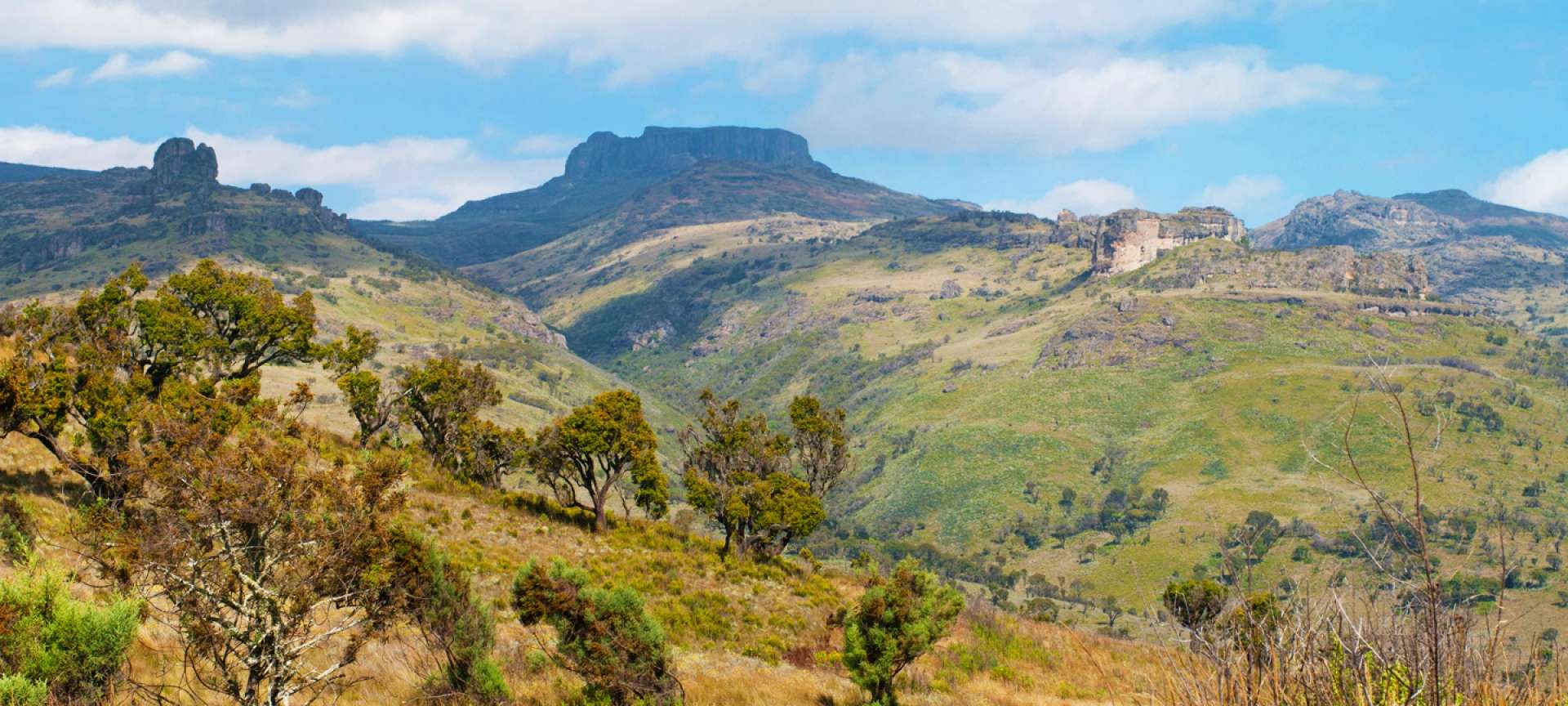
Mount Elgon lies along Uganda’s eastern border with Kenya.
The mountain is an ancient volcano with a large caldera, caves and several hiking routes.
Sipi Falls, located near the mountain, consists of a series of waterfalls surrounded by farmland and green hills.
Travelers can hike between viewpoints, visit coffee farms and learn about local cultivation and processing.
The area provides a quieter addition to a Uganda itinerary and pairs naturally with Jinja.
Jinja and the Source of the Nile
Jinja is Uganda’s principal adventure destination.
The town lies near the point where the Nile begins flowing northward from Lake Victoria.
Activities include white-water rafting, kayaking, boat trips, stand-up paddleboarding and riverside relaxation.
Rafting standards vary according to water conditions and selected route. Travelers should use a reputable operator with suitable safety equipment.
Jinja also appeals to visitors who prefer a peaceful stay beside the river. Lodges range from simple guesthouses to comfortable properties overlooking the Nile.
The road journey from Kampala can be affected by traffic. Allow more time than the distance suggests.
Entebbe
Entebbe is much more than an airport stop.
The town occupies a peninsula beside Lake Victoria and offers a quieter atmosphere than Kampala.
The Uganda Wildlife Education Centre, botanical gardens, lakeside restaurants and Mabamba Wetland excursions are among its attractions.
Staying in Entebbe on the first or final night reduces the risk of missing an international flight because of Kampala traffic.
Mabamba Swamp
Mabamba Wetland is one of Uganda’s best-known places to search for the shoebill.
Excursions use small local boats through papyrus channels.
Shoebill sightings are possible but never guaranteed. An experienced birding guide improves the chances.
Morning trips often provide favorable conditions and bird activity.
Kampala
Kampala is Uganda’s energetic capital.
The city spreads across hills and contains markets, religious sites, cultural institutions, restaurants and nightlife.
Traffic is a defining part of Kampala travel. A short distance can require significant time, particularly during busy periods.
Important attractions include the Uganda Museum, Kasubi Tombs, Gaddafi National Mosque, Namirembe Cathedral, Rubaga Cathedral and selected craft markets.
The Kasubi Tombs represent the royal heritage of the Buganda Kingdom and hold major cultural significance.
A guided city tour provides useful historical and social context. Visitors should dress respectfully at religious sites and request permission before photographing people.
Lake Bunyonyi
Lake Bunyonyi lies among steep, cultivated hills in southwestern Uganda.
The lake contains numerous islands and is known for peaceful scenery.
Travelers visit for canoeing, boat excursions, birdwatching and relaxation after gorilla trekking.
The area is cooler than Uganda’s lower-elevation regions, especially at night.
Lake Bunyonyi can be included between Bwindi or Mgahinga and a return journey toward Kigali or Kampala.
Travelers should only swim after receiving reliable local safety advice for the specific area.
Ssese Islands
The Ssese Islands form an archipelago in Lake Victoria.
They offer beaches, forest, fishing communities and a slower pace than Uganda’s safari circuit.
Access usually involves a ferry or boat connection. Schedules and weather should be confirmed in advance.
The islands are suitable for travelers with additional time rather than those attempting to cover the major national parks in a short itinerary.
Ziwa Rhino Sanctuary
Ziwa Rhino Sanctuary has traditionally provided opportunities for guided rhino tracking and has been an important stop between Kampala and Murchison Falls.
Operational status, access and rhino-tracking availability can change. Confirm current arrangements before including the sanctuary in an itinerary.
The activity should only be conducted with authorized guides.
When available, the visit helps travelers complete Uganda’s broader Big Five experience, as wild rhinos are not normally found in the country’s major savannah national parks.
Uganda Travel Guide 2026 to the Best Time to Visit
Uganda can be visited throughout the year, but weather influences trekking, road conditions and wildlife distribution.
June to September
June through September is one of the main dry periods and the most popular time for Uganda safaris.
Gorilla and chimpanzee trails may be less muddy, while savannah wildlife becomes easier to locate as vegetation dries and animals gather near water.
July and August receive strong international demand. Gorilla permits, chimpanzee permits and well-located lodges should be booked early.
Dry season does not mean rain-free conditions. Bwindi, Mgahinga, Kibale and the Rwenzori Mountains can receive rain at any time.
December to February
December through February is another relatively dry period.
It is a good season for gorilla trekking, game drives and birding. Warm temperatures are common in lower-elevation areas.
Christmas and New Year dates require advance reservations.
February can offer productive game viewing as water becomes less widely available in some savannah parks.
March to May
March through May is generally the longer rainy season.
Forest trails can become muddy and some unpaved roads become more difficult.
However, the landscapes are beautifully green, visitor numbers may be lower and some accommodation offers seasonal value.
Rain often falls in showers rather than continuously throughout every day.
Travelers need a reliable four-wheel-drive vehicle, waterproof luggage protection and flexible expectations.
October and November
October and November commonly bring shorter rains.
Birding can be excellent, vegetation is green and visitor numbers may be lower than in July or August.
Road and trekking conditions vary. A capable vehicle and tested waterproof boots are important.
Best Time for Gorilla Trekking
The drier periods from June through September and December through February are generally the most convenient for gorilla trekking.
Nevertheless, permits operate throughout the year, and rainforest weather remains unpredictable.
Travelers willing to accept muddier trails may enjoy a quieter wet-season experience.
Best Time for Wildlife Safaris
Savannah wildlife viewing is often strongest during drier periods when vegetation becomes shorter and animals concentrate near water.
Murchison Falls, Queen Elizabeth, Kidepo Valley and Lake Mburo remain rewarding throughout the year.
Best Time for Birdwatching
Uganda is a year-round birding destination.
Migratory species increase diversity during parts of the wetter season, while resident species are present throughout the year.
Specialist birders should plan according to target species and region rather than relying on a single nationwide recommendation.
Uganda Weather and Climate
Uganda’s equatorial location produces relatively consistent daylight throughout the year.
Temperatures are moderated by altitude. Entebbe and Kampala are warm, while southwestern highlands can be cool.
Savannah parks become hot during the day, particularly in the north.
Rainfall patterns differ by region. Mountain forests and the Rwenzori range receive substantial precipitation, while northeastern Uganda is generally drier.
Pack for several conditions even during a short safari. A single day may begin cool, become hot at midday and end with a rainstorm.
Uganda Visa Requirements in 2026
Visitors from visa-required countries should apply online before travel.
Uganda’s official immigration authority lists the standard single-entry tourist visa at USD 50. Applicants generally need a passport bio-data copy, recent photograph, itinerary and accommodation information. The passport should have at least six months of validity. Uganda Immigration
The visa authorization is normally valid for travel within 90 days of approval. Do not apply so early that the authorization expires before arrival.
Use the official government portal. Third-party sites may charge additional fees.
Print the approval and save a digital copy offline.
Immigration officers may request proof of accommodation, an onward ticket or additional documents.
Visa regulations depend on nationality and can change. Confirm your specific eligibility before departure.
East Africa Tourist Visa
The East Africa Tourist Visa covers Uganda, Rwanda and Kenya.
It costs USD 100, permits multiple movement within the participating countries and is valid for 90 days.
Apply through the country you will enter first.
If you land in Kigali before traveling to Uganda, apply through Rwanda. If Entebbe is your first regional arrival, apply through Uganda.
The visa does not cover Tanzania, Zanzibar, Burundi or the Democratic Republic of Congo.
Leaving the participating bloc may terminate its validity.
Uganda’s immigration authority lists a passport copy, recent photograph, yellow-fever certificate, return ticket and itinerary among the application requirements. East Africa Tourist Visa
Passport Requirements
Carry a passport valid for at least six months beyond arrival.
Ensure that it has sufficient blank pages.
The passport name must match visas, airline bookings and gorilla permits.
Keep the passport in hand luggage during flights and border crossings.
Store photocopies separately and retain an encrypted digital version.
A damaged passport may be refused even when the validity period is sufficient.
Yellow-Fever Vaccination
Uganda requires travelers to present a valid yellow-fever vaccination certificate in connection with entry and visa procedures.
The certificate becomes valid ten days after a traveler’s first yellow-fever vaccination.
Receive the vaccine from an authorized center and carry the original international certificate.
Travelers who cannot be vaccinated for medical reasons should consult an appropriate professional about exemption documentation. Acceptance remains subject to border authorities.
Yellow-fever rules can also affect onward travel. A destination may require proof because the traveler has recently been in Uganda.
Malaria and Travel Health
Malaria is present in Uganda.
Consult a travel-health professional regarding preventive medication and individual medical preparation.
Use insect repellent, wear long clothing in the evening and sleep beneath mosquito protection where provided.
Routine and destination-specific vaccines may also be recommended.
Carry essential medication in original packaging and keep it in hand luggage.
Travelers visiting gorillas or chimpanzees must report symptoms of contagious illness. Human respiratory disease can pose a serious risk to primates.
Current Health and Travel Advisories
Health and security advisories can change quickly.
Uganda declared the end of its 2026 Ebola outbreak on July 28 after completing the required monitoring period without additional cases. Reuters
Despite that declaration, some foreign governments may take time to revise their advice or screening arrangements. At the time of writing, the United States advisory remains at Level 4, citing crime, health, terrorism and unrest. Travelers should read the complete advisory, compare guidance from their own government and discuss insurance implications before booking. U.S. State Department
An advisory level does not automatically describe conditions in every tourism region, but it may affect insurance coverage and organizational travel policies.
Check again immediately before departure because the situation may have changed since publication.
Travel Insurance
Comprehensive travel insurance is strongly recommended.
The policy should cover medical treatment, evacuation, cancellation, interruption, delayed baggage and missed connections.
Gorilla permits and some lodges may be non-refundable. Confirm whether the policy covers these expenses under eligible circumstances.
Travelers hiking the Rwenzori Mountains or participating in rafting should confirm that the specific activity and altitude are included.
Declare pre-existing medical conditions when required.
Purchase insurance when making the first major non-refundable payment.
Getting to Uganda
Most international travelers arrive at Entebbe International Airport.
Direct and connecting flights link Entebbe with major African, Middle Eastern and European hubs.
Travelers from North America commonly connect through Europe, Addis Ababa, Nairobi, Doha, Dubai or another regional hub.
Kigali International Airport can be a practical alternative for travelers visiting Mgahinga or southern Bwindi.
An open-jaw itinerary may begin in Kigali and end in Entebbe, reducing unnecessary backtracking.
Compare the complete journey rather than only the international ticket price.
Getting Around Uganda
Private Safari Vehicle
A private vehicle with an experienced driver-guide is the most convenient way to explore Uganda’s national parks.
Four-wheel-drive vehicles are recommended for park roads and remote regions.
A customized safari vehicle may include a pop-up roof for wildlife viewing, charging points and a refrigerator or cooler.
The driver-guide manages navigation, park procedures and practical timing.
Domestic Flights
Scheduled and charter flights connect Entebbe with several safari regions.
Flying can reduce long road journeys to Bwindi, Kidepo or western Uganda.
Small aircraft have strict baggage limits. Soft-sided bags are generally preferable.
Weather and operational conditions can affect schedules, so avoid extremely tight international connections.
Self-Drive Travel
Self-driving provides independence but requires preparation.
Travelers must understand insurance, breakdown procedures, fuel availability, park navigation and road conditions.
A four-wheel-drive vehicle is essential for many routes during the rainy season.
Driving after dark is generally discouraged because of limited lighting, pedestrians, motorcycles, animals and road hazards.
Public Transportation
Buses and shared taxis connect towns but are not ideal for most safari itineraries.
National parks require separate vehicles, guides and activity arrangements.
Public transportation may suit experienced independent travelers with flexible schedules, but it does not replace safari logistics.
Motorcycle Taxis
Motorcycle taxis, commonly called boda-bodas, are widely used.
Traffic risk is significant. Visitors who choose to use one should insist on a suitable helmet and avoid unsafe or nighttime journeys.
For most airport and safari transfers, a private vehicle is the safer choice.
Uganda Safari Driving Times
Uganda looks compact on a map, but road journeys can be long.
Entebbe to Murchison Falls can occupy much of a day depending on traffic, route and stops.
Murchison Falls to Kibale also requires a substantial transfer.
Kibale to Queen Elizabeth is shorter and can include scenic stops.
Queen Elizabeth to Bwindi varies according to the selected sector and game-viewing plans in Ishasha.
Bwindi to Entebbe is a long full-day journey. Travelers may break it with a night in Lake Mburo or use a domestic flight.
Avoid designing an itinerary with daily relocations. Two-night stays provide more time to experience each destination.
Accommodation in Uganda
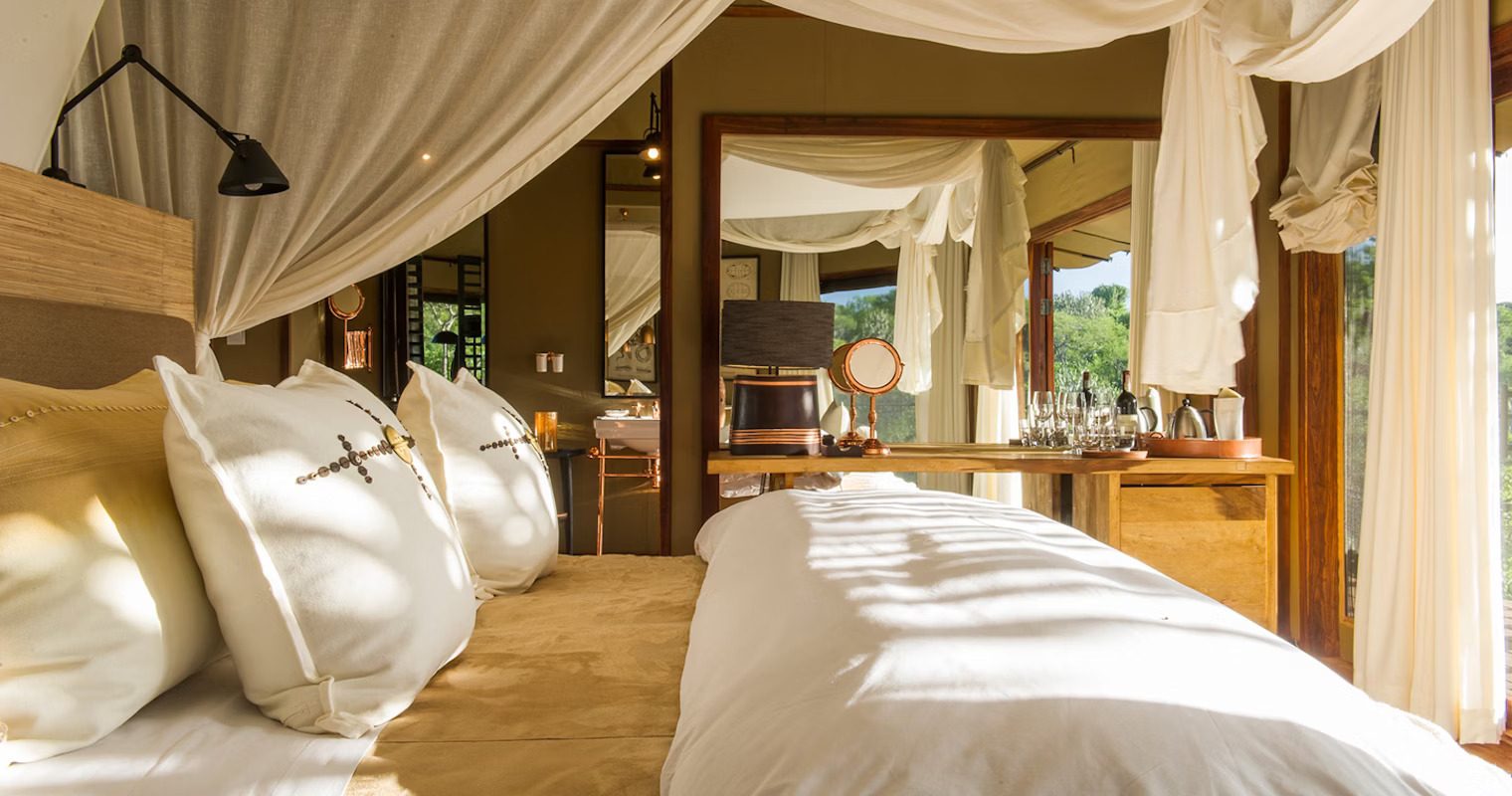
Uganda offers budget guesthouses, midrange safari lodges, tented camps and luxury properties.
Budget Accommodation
Budget properties provide simple rooms, meals and convenient locations.
Standards vary. Confirm private bathroom facilities, hot water, mosquito protection and electricity.
A low room price may not include meals.
Midrange Lodges
Midrange lodges provide comfortable accommodation without the premium price of luxury camps.
Many include private bathrooms, restaurant service and attractive views.
Full-board arrangements are common in remote areas.
Luxury Safari Lodges
Luxury properties may offer spacious suites, personalized service, fine dining and exceptional locations.
Some use solar energy and limit high-consumption equipment despite their luxury positioning.
Location remains important. An expensive lodge far from the correct Bwindi sector is not suitable for the trekking morning.
Camping
Camping is available in selected regions for travelers seeking a closer connection with nature.
Use designated sites and follow wildlife-safety procedures.
Wild camping without authorization is inappropriate in protected areas.
Uganda Safari Costs in 2026
Safari prices depend on duration, number of travelers, permit costs, accommodation and vehicle type.
A solo traveler pays more per person because transportation is not shared.
Budget tours use simpler accommodation and may include a standard vehicle.
Midrange safaris balance comfort and price.
Luxury journeys may use domestic flights, premium lodges and private specialist guides.
The main costs include gorilla and chimpanzee permits, park entrance, transportation, accommodation, meals, boat trips and guide services.
International flights, visas, travel insurance, tips and personal purchases are often excluded.
Always request a detailed inclusion list.
Gorilla Trekking Costs
The standard Uganda gorilla permit for a foreign non-resident has been USD 800.
That fee does not cover transportation, accommodation, meals, porter services or tips.
A complete short gorilla safari therefore costs more than the permit alone.
Travelers arriving through Kigali must also budget for cross-border transportation and visa arrangements.
Permit rates can change, particularly as Uganda Wildlife Authority introduces new tariffs. Confirm the rate for the exact date.
Chimpanzee Trekking Costs
Kibale’s standard chimpanzee permit has been approximately USD 250 for foreign non-residents under the preceding tariff.
The habituation experience costs more.
Other locations, including Budongo Forest, Kalinzu Forest and Kyambura Gorge, may offer chimpanzee activities under different pricing and management systems.
Compare sighting probabilities, travel routes and experience quality rather than choosing only by price.
Food in Uganda
Ugandan cuisine reflects the country’s agricultural diversity and regional cultures.
Matoke, a cooked green banana dish, is a widely recognized staple.
Other common foods include rice, cassava, sweet potatoes, beans, groundnut sauce, posho and grilled meat.
Luwombo consists of meat, fish or vegetables prepared in banana leaves.
The rolex is a popular street food made by rolling eggs and vegetables inside chapati. Its name comes from “rolled eggs,” not the watch brand.
Fresh tropical fruit can include pineapple, mango, passion fruit, papaya and banana.
Safari lodges usually serve a mixture of Ugandan and international dishes.
Travelers with dietary restrictions should notify the operator before arrival.
Drink treated, filtered or sealed bottled water rather than untreated tap water.
Money and Payments
The Ugandan shilling is used for everyday payments.
US dollars are common in the tourism industry, but notes may need to be recent, clean and undamaged.
Cards are accepted in many hotels and larger businesses. However, terminals can fail because of connectivity.
Carry a reasonable amount of local cash for tips, small purchases and remote areas.
alms are available in major towns. Withdrawal limits and bank charges apply.
Avoid exchanging money with unauthorized street dealers.
Do not display large amounts of cash in public.
Tipping in Uganda
Tipping is discretionary but customary within the safari industry.
Driver-guides, trek guides, trackers, porters and lodge staff may all be tipped when service is good.
Some lodges provide a communal tip box.
Ask your operator for current guidance and carry smaller denominations.
Porter charges and tips are separate unless the package states otherwise.
Tipping should reflect service quality and personal comfort rather than pressure.
Internet and Mobile Connectivity
Mobile coverage is good around major towns but less reliable in remote parks.
A local SIM or eSIM can provide data, subject to registration and coverage.
Download maps, itineraries, visas, permits and insurance documents before traveling.
Wi-Fi at safari lodges may be available only in common areas.
Electricity can also be limited. Bring a power bank and charge devices whenever possible.
Inform family members that communication may be delayed during long drives or treks.
Safety in Uganda
Travelers should take current government advisories seriously and make informed decisions.
Use a verified tour operator and experienced driver-guide.
Avoid walking alone at night in unfamiliar urban areas.
Keep valuables secure and minimize visible jewelry.
Do not photograph military facilities, border posts or security personnel.
Follow guide instructions near wildlife and during outdoor activities.
Allow extra caution around large public gatherings and demonstrations.
Travel conditions vary by region. Advice concerning a border area may not reflect a national park elsewhere, but regional distinctions do not remove the need to evaluate the complete advisory and insurance coverage.
Wildlife Safety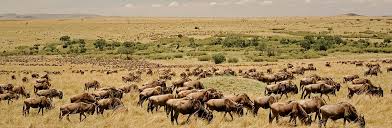
Remain inside the vehicle unless a guide identifies an authorized area.
Never feed wildlife.
Maintain distance from elephants, buffaloes, hippos and predators.
Do not walk between a hippo and water.
At unfenced lodges, request an escort after dark when instructed.
Keep food secure at campsites.
During boat trips, remain seated and follow the crew.
Wild animals can appear calm while remaining unpredictable.
Responsible and Sustainable Tourism
Choose operators and lodges that employ local people, follow park regulations and reduce environmental impact.
Hire porters during gorilla trekking. This provides practical support while directing income toward neighboring communities.
Do not buy products made from wildlife parts.
Ask permission before photographing people.
Use refillable water systems when safe and available.
Avoid single-use plastics where practical.
Respect cultural sites, religious customs and local dress expectations.
A responsible safari should support conservation while treating communities as partners rather than attractions.
Uganda Travel Guide 2026 for Gorilla Trekking
Book the permit before purchasing inflexible flights.
Confirm the exact Bwindi sector.
Stay near the correct briefing point on the previous night.
Train through regular walking and hill exercise.
Pack tested hiking boots, long trousers, gloves and rain protection.
Hire a porter even if you are physically fit.
Report respiratory illness honestly because gorillas can contract human diseases.
Follow the ranger’s required distance and mask instructions.
Flash photography and physical contact are prohibited.
Do not schedule a fixed afternoon flight or border crossing after the trek. The activity may take most of the day.
Uganda Travel Guide 2026 for Chimpanzee Trekking
Wear long trousers, closed shoes and rain protection.
Chimpanzees move quickly, so the experience can involve a faster pace than gorilla trekking.
Keep camera settings prepared for dark forest conditions.
Follow the guide and remain with the group.
Do not imitate chimpanzee calls unless the guide specifically directs an appropriate educational demonstration.
Avoid eating near the animals.
Allow additional time for Bigodi Wetland or Fort Portal’s crater-lake region.
Uganda Travel Guide 2026 for Families
Uganda can be an excellent family destination when the itinerary matches the children’s ages.
Gorilla trekking has a standard minimum age of 15.
Chimpanzee and other activities may have their own age restrictions.
Arrange supervision and alternative activities for younger children before travel.
Avoid consecutive full-day drives.
Choose lodges with family rooms, flexible meals and safe spaces.
A private vehicle allows parents to adjust the pace and schedule breaks.
Confirm malaria-prevention advice with an appropriate medical professional.
Uganda Travel Guide 2026 for Solo Travelers
Solo visitors can travel with a private guide or join a compatible scheduled safari.
A private journey offers flexibility but costs more because the vehicle is not shared.
Group departures may reduce expenses while limiting itinerary control.
Solo women should reserve verified airport transfers and accommodation in advance.
Share the itinerary with a trusted contact.
Confirm the driver’s name and telephone number before arrival.
Avoid informal arrangements made through unknown individuals.
Uganda Travel Guide 2026 for Senior Travelers
Senior travelers can enjoy Uganda successfully with thoughtful planning.
Choose a comfortable four-wheel-drive vehicle and limit extremely long driving days.
Request rooms with minimal steps where required.
Discuss mobility honestly before booking gorilla or chimpanzee activities.
Hire a porter and request a more manageable trek, while understanding that difficulty cannot be guaranteed.
Carry medication in hand luggage.
Include rest time after demanding activities.
Uganda Travel Guide 2026 for Photographers
A private vehicle gives photographers more control over timing and positioning.
Bring a telephoto lens for savannah wildlife and a faster medium zoom for primates.
Protect all equipment from dust and rain.
Flash is prohibited around gorillas and chimpanzees.
Bring spare batteries, memory cards and a power bank.
A beanbag is more practical than a tripod inside a safari vehicle.
Avoid pressuring guides to leave authorized roads or disturb an animal for a photograph.
Uganda Travel Guide 2026 for Birdwatchers
Uganda is one of Africa’s strongest birding destinations.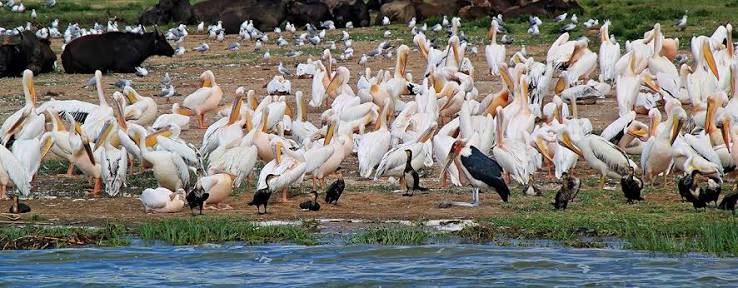
A dedicated birding guide provides substantially more value than a general guide for travelers with target species.
Important regions include Bwindi, Mgahinga, Kibale, Queen Elizabeth, Murchison Falls, Mabamba Wetland, Semuliki and Budongo Forest.
Allow more time in each location. Birding works poorly when every day is dominated by transfers.
Bring quality binoculars, an offline identification guide and appropriate camera equipment.
The shoebill is highly desired but never guaranteed.
What to Pack for Uganda
Pack light, breathable clothing for warm areas and warmer layers for mountain regions.
Neutral colors are practical on safari.
Bring a waterproof jacket, tested hiking boots, long trousers, long-sleeved shirts, gardening gloves and comfortable closed shoes.
A hat, sunglasses, sunscreen and insect repellent are essential.
Carry binoculars, a camera, spare batteries and waterproof storage.
Important documents, medication and one complete safari outfit should remain in hand luggage.
Domestic flights may impose strict baggage limits, so soft-sided luggage is preferable.
Common Uganda Travel Mistakes
The first major mistake is attempting too many parks in too little time.
Uganda’s destinations are spread across long distances. A rushed route produces more driving than wildlife viewing.
Another mistake is buying gorilla permits without checking the Bwindi sector.
Travelers also underestimate rain, even during dry periods.
Using outdated visa or permit information can create financial and legal problems.
Booking the cheapest vehicle may reduce comfort and reliability on difficult roads.
Finally, some visitors focus entirely on gorillas and overlook Uganda’s chimpanzees, boat safaris, birds and cultural experiences.
Seven-Day Uganda Safari Itinerary
A seven-day trip should concentrate on southwestern Uganda.
On day one, arrive at Entebbe and rest.
On day two, drive toward Kibale National Park, enjoying the changing landscape around Fort Portal.
On day three, complete chimpanzee trekking and visit Bigodi Wetland.
On day four, transfer to Queen Elizabeth National Park and take an afternoon game drive.
On day five, explore Ishasha while traveling toward the correct Bwindi sector.
On day six, complete gorilla trekking.
On day seven, return to Entebbe or fly from a regional airstrip.
A road return may require an additional night depending on international flight time.
Ten-Day Uganda Safari Itinerary
A ten-day itinerary provides a stronger balance.
Begin with one night in Entebbe.
Spend two nights at Murchison Falls for a game drive, Nile boat safari and falls viewpoint.
Continue to Kibale for two nights and a chimpanzee trek.
Spend two nights in Queen Elizabeth National Park for game drives and the Kazinga Channel.
Continue through Ishasha to Bwindi for two nights and gorilla trekking.
Return through Lake Mburo or fly to Entebbe.
Fourteen-Day Uganda Safari Itinerary
Two weeks allows visitors to experience Uganda without constant rushing.
Begin in Entebbe and travel to Murchison Falls.
Continue through the scenic western region to Kibale National Park.
Explore Queen Elizabeth National Park and Ishasha.
Spend two or three nights in Bwindi for gorilla trekking, birding and community experiences.
Continue to Mgahinga for golden monkeys or volcanic scenery.
Relax at Lake Bunyonyi before visiting Lake Mburo.
Return to Entebbe with sufficient time before departure.
Kidepo can replace part of the western circuit or be added by air when time and budget permit.
Combining Uganda and Rwanda
Rwanda and Uganda combine naturally, especially for gorilla and primate itineraries.
A traveler can arrive in Kigali, explore Volcanoes National Park, cross into Uganda and trek in Mgahinga or southern Bwindi.
The East Africa Tourist Visa can simplify entry when the itinerary remains within Rwanda, Uganda and Kenya.
Carry a valid yellow-fever certificate, passport and visa documentation.
Do not cross the border on the morning of a gorilla trek.
Allow time for immigration procedures and travel to the correct lodge.
An itinerary can begin in Kigali and finish in Entebbe, reducing backtracking.
Combining Uganda with Kenya
Uganda and Kenya provide complementary experiences.
Uganda specializes in primates, forests and Nile landscapes, while Kenya offers major savannah ecosystems and Indian Ocean beaches.
The East Africa Tourist Visa covers both countries together with Rwanda.
Flights connect Entebbe and Nairobi.
A two-country journey should allow at least two weeks to avoid excessive movement.
Combining Uganda with Tanzania
Uganda and Tanzania create an excellent gorilla and migration itinerary.
However, Tanzania is not included in the East Africa Tourist Visa.
Visitors need separate entry authorization.
Flights may connect Entebbe with Kilimanjaro, Dar es Salaam or Zanzibar through regional hubs.
Allow sufficient time for both destinations rather than reducing Uganda to a rushed gorilla stop.
Frequently Asked Questions About Uganda Travel
Is Uganda worth visiting in 2026?
Yes. Uganda offers gorilla trekking, chimpanzees, Big Five-related wildlife experiences, boat safaris, birdwatching and mountain adventures. Travelers should review current health and security advisories before booking.
What is Uganda famous for?
Uganda is famous for mountain gorillas, the source of the Nile, Murchison Falls, chimpanzees, the Rwenzori Mountains and diverse birdlife.
How many days do you need in Uganda?
Seven days can cover a concentrated southwestern route. Ten to fourteen days provide a more complete safari.
What is the best month to visit Uganda?
June through September and December through February generally provide convenient trekking and safari conditions. Uganda remains a year-round destination.
How much is a Uganda tourist visa?
The standard single-entry tourist visa currently costs USD 50 for travelers who require one.
How much is a gorilla permit?
The standard foreign non-resident Uganda gorilla permit has been USD 800. Confirm the tariff applicable to your travel date.
Is yellow-fever vaccination required?
Uganda includes a yellow-fever certificate among its visa and entry requirements.
Is malaria present?
Yes. Travelers should obtain professional advice about prevention and use bite-avoidance measures.
Is Uganda suitable for families?
Yes, but activity age restrictions and long driving distances require careful planning. Gorilla trekking has a minimum age of 15.
Can senior travelers trek gorillas?
Yes. Many senior visitors trek successfully with suitable preparation, porter support and realistic allocation requests.
Can I visit Uganda from Kigali?
Yes. Kigali is a practical gateway for Mgahinga and southern Bwindi, provided visas and border transportation are arranged.
Is self-driving possible?
Yes, but a reliable four-wheel-drive vehicle, suitable insurance and confidence with rural roads are necessary.
Are cards accepted?
Cards are accepted in many hotels and larger businesses, but travelers should carry local cash for remote areas and smaller expenses.
What language is spoken?
English and Swahili are official languages. Many local languages are spoken, including Luganda.
What currency does Uganda use?
Uganda uses the Ugandan shilling.
Can I see the Big Five?
Uganda’s major parks protect lions, leopards, elephants and buffaloes. Rhino tracking has traditionally been available at Ziwa Rhino Sanctuary, subject to current operations.
Where can I see chimpanzees?
Kibale National Park is the leading destination. Other options include Budongo Forest, Kalinzu Forest and Kyambura Gorge.
Where can I find shoebills?
Mabamba Wetland and the Murchison Falls Nile Delta are among the best-known locations. Sightings are never guaranteed.
Is tap water safe?
Visitors should use treated, filtered or sealed drinking water.
What type of power adapter is needed?
Uganda generally uses the British three-rectangular-pin plug.
Should I tip safari guides?
Tipping is discretionary but customary when service is good.
Final Thoughts on This Uganda Travel Guide 2026
Uganda rewards travelers who allow enough time to appreciate its variety.
Gorilla trekking may provide the original reason for visiting, but the complete experience extends far beyond Bwindi. Chimpanzees in Kibale, elephants beside the Kazinga Channel, giraffes at Murchison Falls and the remote landscapes of Kidepo all contribute to Uganda’s appeal.
The country is best explored through a realistic itinerary. Avoid moving to a new destination every day. Stay long enough to enjoy morning and afternoon activities without constantly packing.
Reserve gorilla and chimpanzee permits early. Confirm the correct Bwindi sector before choosing accommodation.
Use current official information for visas, health documentation and park tariffs.
Prepare for changing weather, long road journeys and limited connectivity in remote areas.
Most importantly, travel responsibly. Follow wildlife regulations, respect communities, hire local guides and avoid activities that exploit animals or people.
A carefully planned Uganda safari provides an extraordinary combination of primate encounters, traditional game viewing, river journeys, mountain landscapes and cultural discovery.
Plan Your Uganda Safari with Universal Ventures Rwanda
Universal Ventures Rwanda organizes private and customized Uganda safaris for solo travelers, couples, families, photographers, senior visitors and groups.
Our team can arrange Uganda gorilla permits, chimpanzee permits, private four-wheel-drive transportation, professional driver-guides, accommodation, airport transfers and cross-border logistics.
We design itineraries covering Bwindi Impenetrable National Park, Mgahinga, Queen Elizabeth National Park, Kibale Forest, Murchison Falls, Lake Mburo and other destinations.
We also organize combined Rwanda and Uganda journeys beginning or ending in Kigali. These can include Rwanda gorilla trekking, golden monkeys, Akagera National Park, Lake Kivu and Kigali city tours.
Contact us with your proposed dates, number of travelers, accommodation preference and main interests. We will design a realistic safari based on permit availability, travel time and budget.
Universal Ventures Rwanda
Address: KN 15 Road, opposite IPRC Entrance, 1st Floor, SANGWA Plaza, Kigali, Rwanda
Telephone and WhatsApp: +250 781 441 853
Email: info@universalventuresrwanda.com
Website: www.universalventuresrwanda.com