Skip to content
Uganda Photography Safari Guide
This Uganda Photography Safari Guide is designed for wildlife enthusiasts, professional photographers, content creators, and adventurous travelers who want to capture East Africa at its finest. Whether your goal is photographing endangered mountain gorillas, tree-climbing lions, colorful birdlife, or breathtaking landscapes, Uganda delivers remarkable scenes throughout the year.
Africa offers countless destinations for photographers. However, few countries combine such extraordinary diversity in one journey as Uganda. From mist-covered mountain forests and dramatic waterfalls to expansive savannahs and vibrant local communities, Uganda presents endless opportunities for unforgettable photography.
Known as the Pearl of Africa, Uganda is home to more than 1,000 bird species, the world’s largest population of mountain gorillas, thriving chimpanzee communities, spectacular waterfalls, crater lakes, and diverse ecosystems. Consequently, every day of your safari offers fresh photographic opportunities.
Unlike destinations where wildlife viewing is limited to open plains, Uganda combines rainforest, wetlands, mountains, rivers, lakes, and savannah within a relatively compact country. Therefore, photographers can build an impressive portfolio without spending weeks traveling between locations.
This Uganda Photography Safari Guide explains the best seasons to visit, top photography destinations, recommended camera equipment, wildlife photography techniques, travel planning tips, and the finest safari experiences available.
Whether you use a professional DSLR, a mirrorless camera, or a modern smartphone, Uganda rewards patience, creativity, and curiosity with extraordinary images.
Why Choose Uganda for a Photography Safari?
Uganda has quietly become one of Africa’s most rewarding photography destinations.
Unlike some safari countries that focus mainly on large mammals, Uganda offers exceptional variety. During one trip, photographers can capture rainforest primates, iconic African wildlife, dramatic rivers, volcanic mountains, and authentic cultural encounters.
This diversity allows you to return home with a collection of images that tells a complete story rather than focusing on a single subject.
Incredible Wildlife Diversity
Uganda protects more than ten national parks and numerous wildlife reserves.
These protected areas are home to:
- Mountain gorillas
- Chimpanzees
- African elephants
- Lions
- Leopards
- Cape buffalo
- Rothschild’s giraffes
- Hippos
- Nile crocodiles
- Zebras
- Uganda kob
- Topi
- Hyenas
- Giant forest hogs
- More than 1,000 bird species
As a result, every game drive offers new photographic opportunities.
Exceptional Landscapes
A great safari portfolio includes more than wildlife.
Uganda’s scenery is equally spectacular.
Photographers can capture:
- Mist-covered rainforests
- Rolling tea plantations
- Savannah grasslands
- Volcanic mountain ranges
- Crater lakes
- Waterfalls
- Wetlands
- Tropical rivers
- Scenic valleys
- Traditional villages
These changing landscapes create endless opportunities for wide-angle photography.
Rich Cultural Experiences
Uganda’s cultural diversity adds another exciting dimension to photography.
Many communities welcome visitors interested in learning about local traditions while respecting cultural values.
Photographic subjects include:
- Traditional dances
- Handmade crafts
- Colorful local markets
- Coffee farming
- Fishing communities
- Village life
- Traditional architecture
- Local musicians
- Artisan workshops
Always ask permission before photographing people, and respect local customs.
What Makes Uganda Different from Other Photography Destinations?
Many photographers begin with destinations such as Kenya or Tanzania.
However, Uganda offers several unique advantages.
Mountain Gorilla Photography
Perhaps nowhere else on Earth provides such an intimate opportunity to photograph endangered mountain gorillas in their natural habitat.
The experience is emotional and technically rewarding.
Soft forest light, expressive faces, and close viewing distances create extraordinary portrait opportunities.
Responsible photography practices help protect these remarkable animals while allowing photographers to capture unforgettable images.
Rainforest and Savannah in One Journey
Few countries combine rainforest and classic safari landscapes so successfully.
One morning you may photograph gorillas beneath towering trees.
The following day you could be capturing lions crossing open plains at sunrise.
This variety keeps every day exciting.
Fewer Tourist Vehicles
Uganda generally receives fewer safari visitors than many neighboring destinations.
Consequently, photographers often enjoy:
- Less crowded viewpoints
- Cleaner backgrounds
- More flexible positioning
- Longer wildlife observations
- Peaceful photography sessions
This creates better conditions for both amateur and professional photographers.
Best Time to Visit According to This Uganda Photography Safari Guide
Light is one of photography’s most valuable tools.
Choosing the right season can significantly improve your images.
Fortunately, Uganda offers excellent photography opportunities throughout the year.
Dry Season Photography
The dry seasons include:
- June
- July
- August
- September
- December
- January
- February
These months provide:
- Easier wildlife viewing
- Clear skies
- Comfortable temperatures
- Better road conditions
- Cleaner camera equipment
- Easier gorilla trekking
Animals also gather around water sources, increasing wildlife sightings.
Green Season Photography
The rainy months include:
- March
- April
- May
- October
- November
Although showers are more frequent, photographers enjoy unique benefits.
These include:
- Vibrant green vegetation
- Dramatic clouds
- Beautiful reflections
- Excellent bird activity
- Fewer tourists
- Softer lighting
Many professional photographers intentionally visit during these quieter months.
Golden Hour in Uganda
Golden hour transforms ordinary scenes into extraordinary photographs.
The best lighting generally occurs:
Morning
Approximately 6:30 AM to 8:30 AM
Perfect for:
- Game drives
- Bird photography
- Landscapes
- Portraits
Evening
Approximately 5:00 PM until sunset
Ideal for:
- Silhouettes
- Warm wildlife portraits
- River photography
- Scenic landscapes
- Sundowner images
Whenever possible, schedule game drives around these hours.
Essential Camera Equipment
This Uganda Photography Safari Guide recommends bringing equipment suited to both wildlife and landscape photography.
Fortunately, you do not need every camera accessory available.
Instead, choose reliable gear that matches your photography style.
Camera Bodies
Suitable options include:
- DSLR cameras
- Mirrorless cameras
- Advanced bridge cameras
- Premium smartphones
Professional wildlife photographers often carry two camera bodies to avoid changing lenses in dusty environments.
Recommended Lenses
Different subjects require different focal lengths.
Wide-Angle Lens (16–35mm)
Excellent for:
- Landscapes
- Lodges
- Waterfalls
- Night skies
- Cultural scenes
Standard Zoom (24–70mm)
Ideal for:
- General travel
- Portraits
- Villages
- Safari camps
- Environmental wildlife images
Telephoto Lens (100–400mm or 200–600mm)
Essential for:
- Lions
- Leopards
- Birds
- Elephants
- Distant wildlife
This lens is often the most frequently used during game drives.
Essential Photography Accessories
Do not overlook small accessories.
They often make a significant difference.
Recommended items include:
- Extra batteries
- Multiple memory cards
- Lens cleaning cloths
- Rain covers
- Camera backpack
- Bean bag for safari vehicles
- Portable hard drive
- Power bank
- Lens blower
- Protective filters
Packing duplicates of important accessories provides extra security during longer safaris.
Understanding Uganda’s Light
Light changes quickly throughout the day.
Learning to observe these changes improves your photography.
Early Morning
Produces:
- Soft shadows
- Warm colors
- Calm wildlife behavior
Midday
Creates:
- Strong contrast
- Harsh shadows
- Bright skies
Use this time for:
- Cultural photography
- Forest photography
- Lodge photography
- Close-up subjects
Late Afternoon
Offers:
- Rich colors
- Beautiful backlighting
- Active wildlife
- Excellent portrait opportunities
This is often the best time for dramatic safari photography.
Planning Your Photography Safari
A successful photography safari begins long before arrival.
Consider these planning tips:
- Decide which wildlife interests you most.
- Research seasonal animal behavior.
- Choose parks with diverse habitats.
- Allow enough time at each destination.
- Travel with experienced safari guides.
- Avoid overly rushed itineraries.
- Include rest days for reviewing and backing up images.
Thoughtful planning leads to stronger photography results.
Why Private Safaris Benefit Photographers
Private safaris provide greater flexibility than scheduled group tours.
Benefits include:
- More time with wildlife
- Flexible departure times
- Better vehicle positioning
- Personalized guidance
- Freedom to wait for perfect lighting
- Easier communication with your guide
For serious photographers, a private safari is often the best investment.
Preparing for Gorilla Photography
Mountain gorillas are among the most rewarding wildlife subjects.
However, photographing them requires preparation.
Remember to:
- Carry weather protection for your camera.
- Use quiet shooting modes when available.
- Avoid flash photography.
- Keep a respectful distance.
- Follow ranger instructions.
- Be ready for changing light conditions beneath the forest canopy.
Most importantly, spend time observing the animals rather than looking only through the viewfinder. Some of your greatest memories will come from simply experiencing the moment.
Why Every Photographer Should Visit Uganda
Uganda inspires creativity in countless ways.
The wildlife is extraordinary.
The landscapes are constantly changing.
The people are welcoming.
Moreover, the country’s diversity allows photographers to build a portfolio filled with unique subjects instead of repeating similar scenes.
Whether you are photographing a silverback gorilla in Bwindi, elephants along the Kazinga Channel, fishermen on Lake Bunyonyi, or the powerful Murchison Falls, every destination offers fresh inspiration.
That is why this Uganda Photography Safari Guide recommends Uganda as one of Africa’s finest photography destinations.
Best National Parks, Wildlife Photography, Birding & Luxury Photography Safaris
The first section of this Uganda Photography Safari Guide introduced Uganda as one of Africa’s most diverse photography destinations. In this part, we explore the country’s finest photography locations, iconic wildlife, and luxury safari experiences that help photographers capture extraordinary images.
Whether you are an experienced wildlife photographer or a passionate beginner, Uganda offers endless opportunities to photograph rare animals, dramatic landscapes, and authentic cultural scenes.
Best National Parks in the Uganda Photography Safari Guide
Uganda’s national parks each have a distinct character. Together, they provide an incredible variety of photographic subjects.
Bwindi Impenetrable National Park
The World’s Finest Destination for Gorilla Photography
For many photographers, Bwindi Impenetrable National Park is the reason to visit Uganda.
This UNESCO World Heritage Site protects nearly half of the world’s remaining mountain gorillas. Dense rainforest, mist-covered hills, and ancient trees create an unforgettable setting for wildlife photography.
Photographing a silverback gorilla making eye contact through the forest is one of Africa’s most emotional wildlife experiences.
What You Can Photograph
- Silverback gorillas
- Gorilla families
- Playful juveniles
- Mothers with infants
- Forest elephants (rare)
- Colorful butterflies
- Tropical plants
- Misty rainforest landscapes
Because lighting changes quickly beneath the forest canopy, photographers should be prepared to adjust camera settings frequently.
Gorilla Photography Tips
Successful gorilla photography requires patience and respect.
Keep these recommendations in mind:
- Avoid using flash.
- Keep your camera ready before reaching the gorillas.
- Increase ISO when light levels are low.
- Focus on the eyes whenever possible.
- Capture behavior instead of only portraits.
- Include the surrounding forest to tell a complete story.
- Listen carefully to your ranger’s instructions.
The best photographs often happen when you observe quietly and wait for natural moments.
Queen Elizabeth National Park
Uganda’s Classic Wildlife Photography Destination
Queen Elizabeth National Park is one of East Africa’s most rewarding safari destinations.
The park combines open savannah, crater lakes, wetlands, forests, and the famous Kazinga Channel.
This diversity allows photographers to capture a wide variety of subjects in a single day.
Wildlife Highlights
- African elephants
- Lions
- Leopards
- Buffalo
- Uganda kob
- Warthogs
- Hyenas
- Hippos
- Nile crocodiles
- Numerous antelope species
Morning and evening game drives provide the best lighting and wildlife activity.
Photographing Tree-Climbing Lions
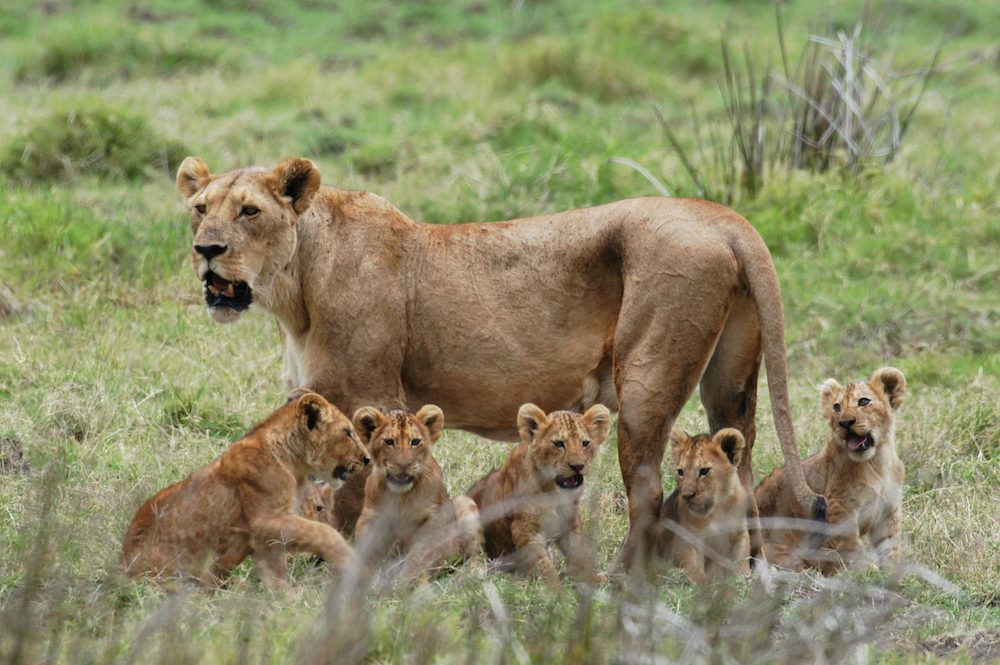
The Ishasha sector is internationally famous for its tree-climbing lions.
Unlike most lions, these remarkable cats frequently rest in large fig trees during the day.
Photographing this unusual behavior creates truly distinctive safari images.
To improve your chances:
- Visit during warm afternoons.
- Carry a telephoto lens.
- Watch surrounding trees carefully.
- Remain patient.
Tree-climbing lions remain one of Uganda’s most sought-after photography subjects.
Murchison Falls National Park
Dramatic Landscapes and Wildlife
Murchison Falls National Park offers one of Africa’s most diverse photography experiences.
Here, the Nile River squeezes through a narrow rock gorge before exploding into the spectacular Murchison Falls.
Photographers enjoy both dramatic landscapes and abundant wildlife.
Popular Subjects
- Murchison Falls
- Nile River
- African elephants
- Giraffes
- Lions
- Buffalo
- Crocodiles
- Hippos
- Waterbirds
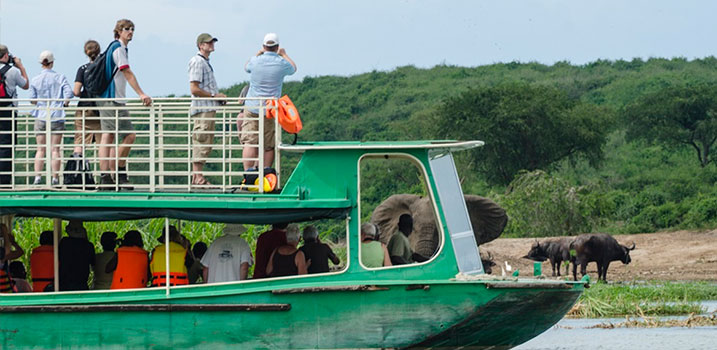
Boat cruises to the base of the falls create exceptional opportunities for low-angle wildlife photography.
Sunrise Photography
Early mornings in Murchison Falls National Park are magical.
Golden light spreads across the savannah while wildlife becomes increasingly active.
Excellent sunrise subjects include:
- Grazing giraffes
- Elephant families
- African fish eagles
- Mist rising from the river
- Silhouetted acacia trees
Soft morning light produces rich colors and gentle shadows.
Kibale National Park
Chimpanzee Photography
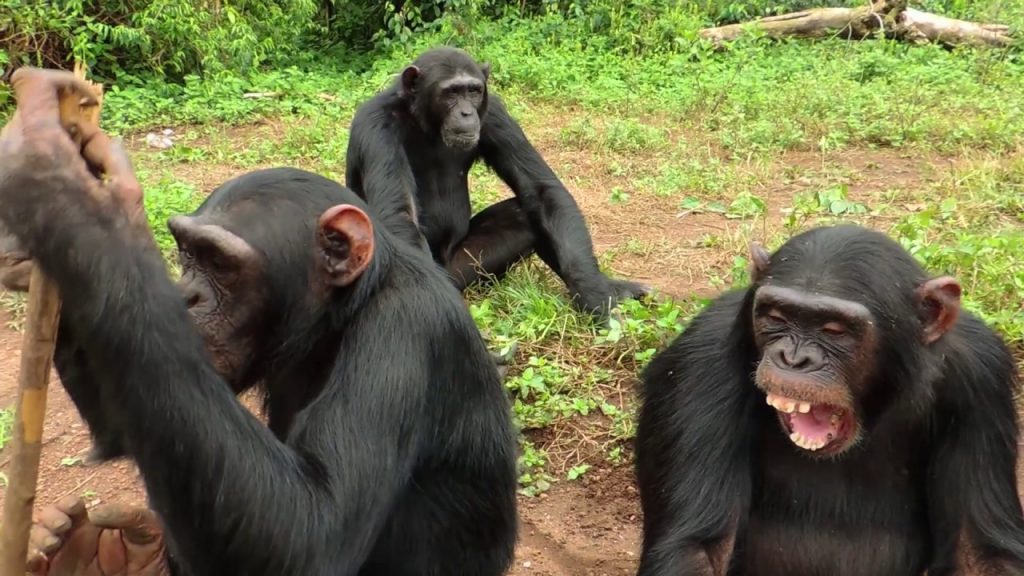
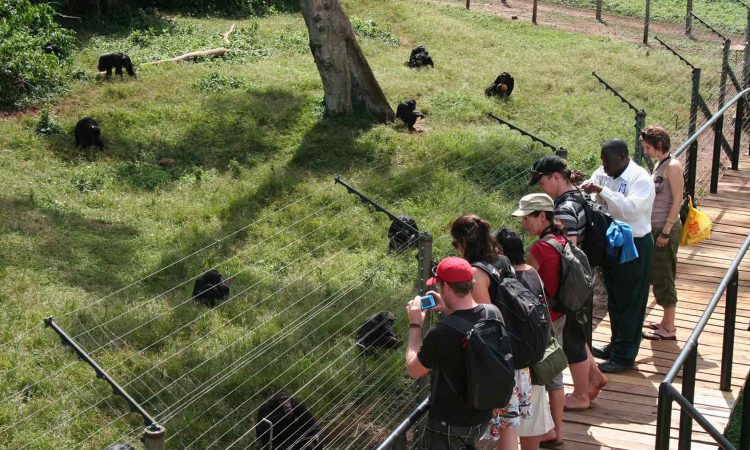
Chimpanzees are energetic, intelligent, and highly expressive.
Unlike gorillas, they spend much of their time moving quickly through the forest canopy.
This makes chimpanzee photography exciting but technically challenging.
Common photographic subjects include:
- Chimpanzees climbing trees
- Grooming behavior
- Feeding activities
- Forest landscapes
- Tropical birds
- Butterflies
- Ancient fig trees
Fast shutter speeds help freeze their rapid movements.
Lake Mburo National Park
Perfect for Close Wildlife Photography
Lake Mburo National Park offers intimate safari experiences and excellent opportunities for photographers.
Unlike larger parks, wildlife is often encountered at closer distances.
Common subjects include:
- Zebras
- Giraffes
- Impalas
- Elands
- Topi
- Hippos
- Crocodiles
- Waterbirds
Horseback safaris and guided walking safaris provide unique photographic perspectives unavailable in many other parks.
Bird Photography in Uganda
One of the greatest strengths of this Uganda Photography Safari Guide is Uganda’s incredible birdlife.
With more than 1,000 bird species, Uganda ranks among Africa’s premier bird photography destinations.
Bird enthusiasts travel from around the world to photograph both endemic and migratory species.
Top Bird Photography Locations
Excellent destinations include:
- Mabamba Swamp
- Bwindi Impenetrable National Park
- Kibale National Park
- Queen Elizabeth National Park
- Murchison Falls National Park
- Semuliki National Park
- Lake Mburo National Park
Each habitat supports different species, making every location unique.
Shoebill Photography
Perhaps Uganda’s most famous bird is the prehistoric-looking Shoebill.
This rare species attracts photographers from across the globe.
The best place to photograph Shoebills is Mabamba Swamp near Entebbe.
Early morning boat excursions offer the highest chances of success.
Because Shoebills often remain motionless for long periods, photographers have excellent opportunities to compose carefully.
Landscape Photography
Wildlife may be Uganda’s biggest attraction, but the country’s landscapes are equally impressive.
Some of the finest locations include:
- Lake Bunyonyi
- Virunga Volcanoes
- Crater Lakes
- Tea plantations
- Murchison Falls
- Rwenzori Mountains
- Nile River
- Fort Portal countryside
Wide-angle lenses help capture the scale and beauty of these landscapes.
Waterfall Photography
Uganda features several spectacular waterfalls.
Among the most photogenic are:
- Murchison Falls
- Sipi Falls
- Itanda Falls
To capture smooth water effects:
- Use a tripod where permitted.
- Photograph during soft morning light.
- Experiment with slower shutter speeds.
- Include surrounding vegetation for depth.
Always prioritize safety near fast-moving water.
Cultural Photography
Uganda’s people are as fascinating as its wildlife.
Photographing local culture adds emotion and authenticity to your travel portfolio.
Popular cultural subjects include:
- Traditional dancers
- Local markets
- Basket weaving
- Coffee harvesting
- Fishermen on Lake Victoria
- Village life
- Handmade crafts
- Colorful textiles
Always request permission before taking close-up portraits.
Respectful interaction often results in more natural and meaningful photographs.
Luxury Photography Safari Lodges
Accommodation plays an important role in every photography safari.
Many luxury lodges are carefully positioned in areas with spectacular views and excellent wildlife activity.
Photographers often capture beautiful images without leaving the property.
Luxury photography lodges typically offer:
- Panoramic viewing decks
- Private balconies
- Infinity pools
- Outdoor lounges
- Fire pits
- Scenic gardens
- Gourmet dining
- Sunrise viewpoints
These settings provide excellent opportunities for lifestyle and travel photography.
Private Photography Safaris
Serious photographers often benefit from dedicated photography safaris.
Advantages include:
- Flexible schedules
- Customized game drives
- Longer wildlife sightings
- Better vehicle positioning
- Photography-focused guides
- Smaller group sizes
- More opportunities during golden hour
Rather than following a fixed schedule, your guide can remain with an interesting subject until you capture the image you want.
Specialized Photography Vehicles
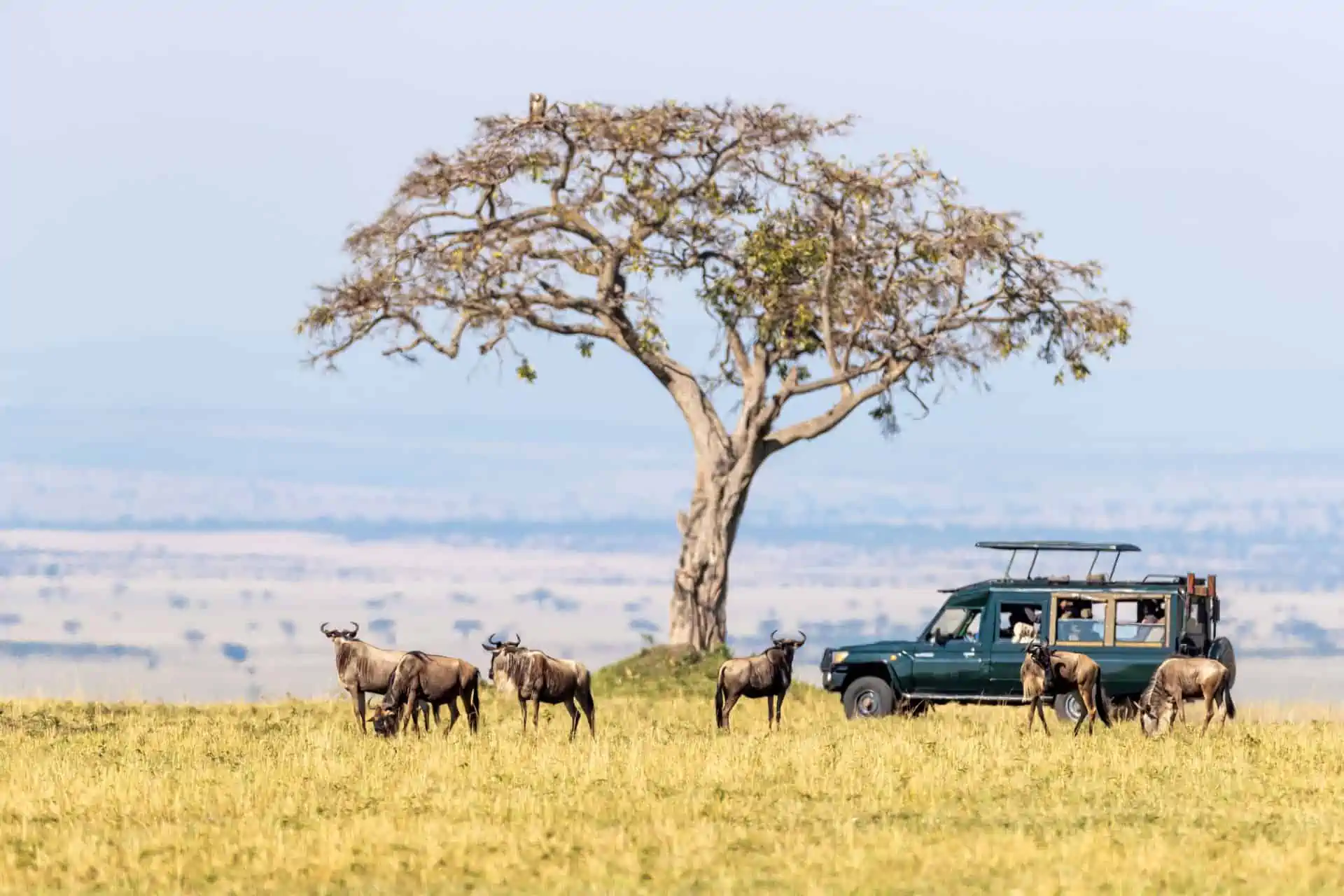
Photography vehicles differ slightly from standard safari vehicles.
Many include:
- Large sliding windows
- Pop-up roofs
- Charging ports
- Camera storage
- Bean bags
- Extra space for equipment
These features make photographing wildlife more comfortable throughout the safari.
Ethical Wildlife Photography
Responsible photography protects Uganda’s wildlife while ensuring future generations can enjoy the same experiences.
Follow these principles:
- Never disturb wildlife for a photograph.
- Avoid making loud noises.
- Do not feed animals.
- Respect park regulations.
- Keep recommended viewing distances.
- Never use flash during gorilla trekking.
- Follow your guide’s instructions at all times.
Ethical photography produces authentic images while supporting conservation.
Why Uganda Is a Photographer’s Dream Destination
Uganda combines remarkable wildlife, breathtaking scenery, welcoming communities, and incredible biodiversity.
Each region tells a different visual story.
One day you may photograph mountain gorillas in a misty rainforest.
The next, you might capture elephants crossing the savannah or a Shoebill standing silently in a wetland.
This remarkable diversity makes Uganda one of Africa’s most complete photography destinations.
Whether your passion is wildlife, landscapes, birds, or cultural photography, Uganda offers endless inspiration and opportunities to create a truly unforgettable portfolio.
Why Book Your Photography Safari with Universal Ventures Rwanda?
At Universal Ventures Rwanda, we design tailor-made photography safaris for photographers of all experience levels. We understand that capturing exceptional images requires patience, flexibility, and expert local knowledge.
Our photography safari services include:
- Customized photography itineraries
- Private 4×4 safari vehicles
- Experienced English-speaking safari driver-guides
- Gorilla permit reservation assistance
- Flexible game drive schedules
- Luxury, mid-range, and budget accommodation
- Cross-border Uganda and Rwanda photography tours
- Airport transfers and 24/7 travel support
Whether you are photographing gorillas, birds, landscapes, or East African culture, we will help you maximize every photographic opportunity.
Contact Universal Ventures Rwanda
Website: https://universalventuresrwanda.com
Email: info@universalventuresrwanda.com
Phone & WhatsApp: +250 781441853