Skip to content
Rwanda Eco-Tourism & Conservation Travel has become one of the most successful examples of sustainable tourism in Africa. Over the past two decades, Rwanda has transformed itself from a country rebuilding after tragedy into one of the world’s leading eco-tourism destinations. Today, visitors from around the globe travel to Rwanda to experience mountain gorilla trekking, wildlife safaris, birdwatching adventures, community-based tourism, and conservation projects that directly support local people and wildlife protection.
Unlike traditional tourism models that often place pressure on natural resources, Rwanda Eco-Tourism & Conservation Travel focuses on balancing visitor experiences with environmental protection and community development. As a result, travelers can enjoy extraordinary encounters with wildlife while contributing to conservation efforts that help preserve Rwanda’s unique ecosystems for future generations.
The country’s commitment to sustainable tourism can be seen throughout its national parks, conservation programs, and tourism policies. From Volcanoes National Park to Nyungwe Forest National Park and Akagera National Park, Rwanda has invested heavily in protecting biodiversity while creating economic opportunities for local communities. Consequently, tourism revenue supports schools, healthcare facilities, infrastructure development, and conservation initiatives that benefit both people and nature.
Why Rwanda Eco-Tourism & Conservation Travel Is Growing Rapidly
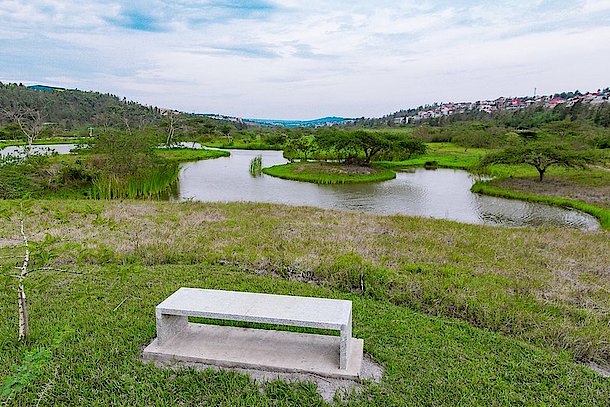
The increasing popularity of Rwanda Eco-Tourism & Conservation Travel is driven by changing traveler preferences. Modern tourists are increasingly looking for meaningful travel experiences that have a positive impact on destinations they visit. Instead of simply taking photographs and leaving, many travelers want their trips to support conservation projects, local communities, and sustainable development.
Rwanda offers exactly that opportunity. Every gorilla trekking permit sold contributes directly to conservation efforts and community development programs. Furthermore, tourism revenues help finance anti-poaching patrols, habitat restoration projects, wildlife monitoring initiatives, and educational programs that promote environmental awareness.
Additionally, Rwanda’s reputation for cleanliness, safety, and environmental responsibility makes it particularly attractive to eco-conscious travelers. The country’s nationwide ban on plastic bags and its famous monthly community clean-up initiative known as Umuganda demonstrate Rwanda’s dedication to environmental sustainability. Therefore, visitors often find Rwanda to be one of Africa’s most environmentally responsible destinations.
Rwanda Eco-Tourism & Conservation Travel and Gorilla Conservation Success
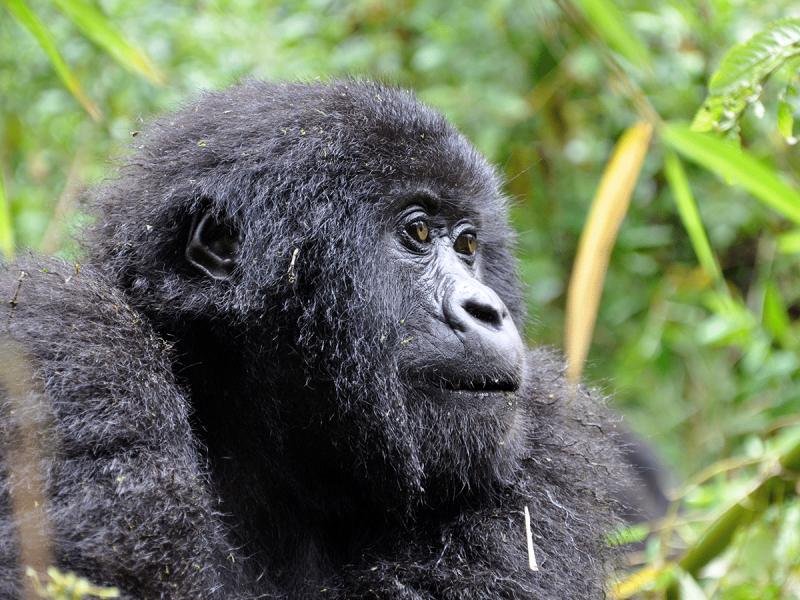
One of the greatest achievements of Rwanda Eco-Tourism & Conservation Travel is the successful conservation of mountain gorillas. These endangered primates live in the Virunga Mountains, where Rwanda shares habitat with Uganda and the Democratic Republic of Congo.
Several decades ago, mountain gorilla populations faced severe threats from poaching, habitat loss, and human encroachment. However, conservation initiatives supported by tourism revenue have helped reverse this trend. Today, mountain gorilla populations are increasing, making them one of the few great ape species experiencing population growth.
Gorilla trekking has become the flagship activity of Rwanda Eco-Tourism & Conservation Travel. Visitors participate in carefully managed trekking experiences that minimize environmental impact while generating significant conservation funding. Strict regulations limit visitor numbers, maintain safe distances from gorillas, and ensure responsible interactions with wildlife.
As a result, tourism has become a powerful conservation tool. Rather than viewing wildlife as a threat or resource to exploit, local communities increasingly recognize the economic value of protecting mountain gorillas and their habitat.
Volcanoes National Park and Rwanda Eco-Tourism & Conservation Travel
Volcanoes National Park represents the heart of Rwanda Eco-Tourism & Conservation Travel. Located in northwestern Rwanda, the park protects approximately 160 square kilometers of montane rainforest and volcanic landscapes. The park is famous worldwide for its mountain gorillas and its association with renowned primatologist Dian Fossey.
Visitors to Volcanoes National Park can experience much more than gorilla trekking. Golden monkey trekking offers another exciting wildlife encounter, while guided nature walks provide opportunities to learn about the region’s unique biodiversity. The park also features hiking trails leading to volcanic peaks and cultural experiences that showcase traditional Rwandan heritage.
Importantly, tourism activities within the park are carefully regulated to maintain ecological integrity. Visitor numbers are controlled, trained guides accompany all groups, and conservation education is integrated into every tourism experience. Consequently, Volcanoes National Park serves as a model for sustainable protected area management.
Community Tourism and Local Benefits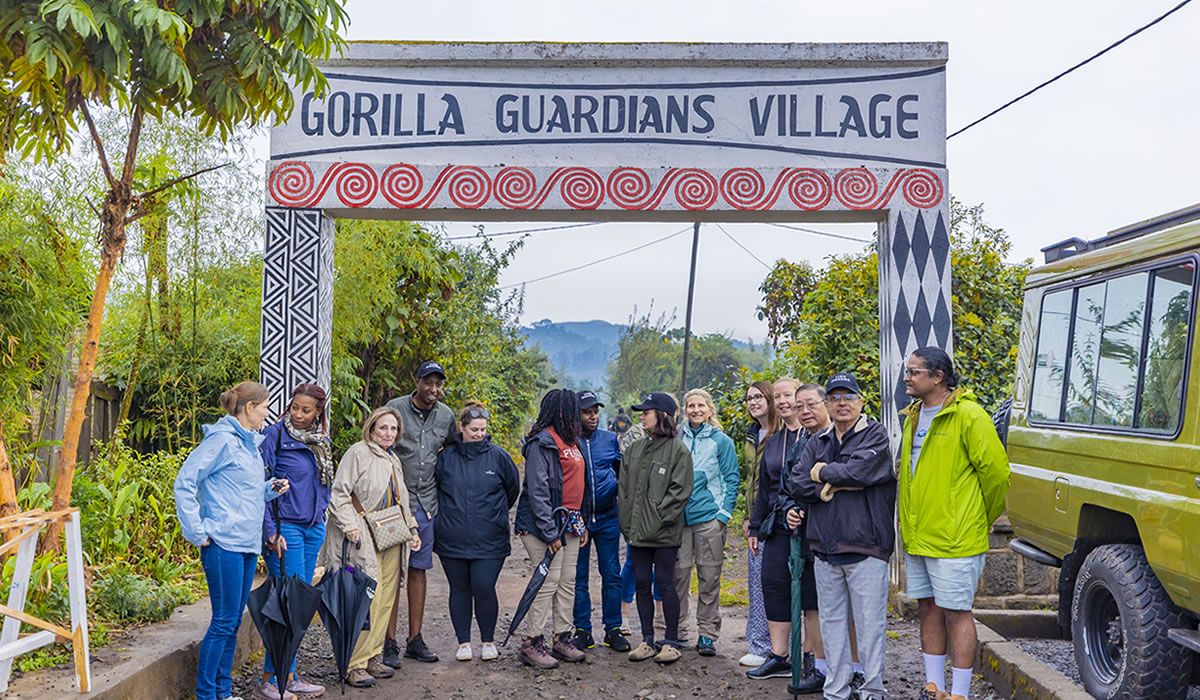
A defining characteristic of Rwanda Eco-Tourism & Conservation Travel is its emphasis on community involvement. Conservation efforts are most successful when local people receive direct benefits from tourism. Rwanda has embraced this principle through various community tourism initiatives.
Many villages near national parks participate in tourism activities that generate income while preserving cultural traditions. Visitors can engage in cultural performances, traditional craft workshops, agricultural tours, and community-based experiences that provide authentic insights into Rwandan life.
Revenue-sharing programs also ensure that a percentage of tourism income supports community development projects. Schools, healthcare centers, water systems, and road improvements have all benefited from conservation tourism. Therefore, local communities have strong incentives to support wildlife protection and environmental conservation.
Rwanda Eco-Tourism & Conservation Travel in Nyungwe Forest National Park
Nyungwe Forest National Park is another outstanding destination for Rwanda Eco-Tourism & Conservation Travel. This ancient rainforest is one of Africa’s oldest and most biologically diverse forests. The park protects hundreds of bird species, orchids, butterflies, and primates.
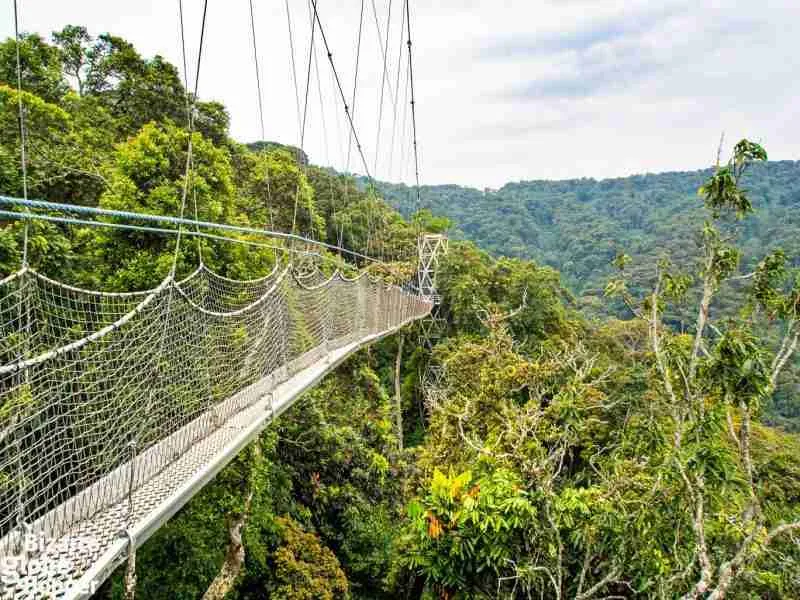
Chimpanzee trekking is among the park’s most popular activities. Visitors can also explore the famous canopy walkway, which offers spectacular views above the forest canopy. Birdwatchers are particularly attracted to Nyungwe due to its remarkable diversity of Albertine Rift endemic species.
The conservation importance of Nyungwe extends beyond tourism. The forest serves as a vital watershed, providing water resources for millions of people. Consequently, protecting Nyungwe contributes not only to biodiversity conservation but also to long-term environmental sustainability throughout the region.
Akagera National Park and Sustainable Wildlife Recovery
Akagera National Park demonstrates how Rwanda Eco-Tourism & Conservation Travel can support large-scale wildlife restoration. Once heavily impacted by poaching and habitat degradation, the park has undergone a remarkable transformation through conservation partnerships and sustainable tourism development.
Today, Akagera is home to the Big Five, including lions, elephants, leopards, buffaloes, and rhinoceroses. Wildlife populations continue to recover, attracting safari enthusiasts from around the world. At the same time, tourism revenues support ongoing conservation management, anti-poaching operations, and community outreach programs.
This success illustrates the powerful relationship between conservation and tourism. By generating economic value from wildlife protection, tourism creates sustainable incentives for long-term ecosystem preservation.
Sustainable Lodges Supporting Rwanda Eco-Tourism & Conservation Travel
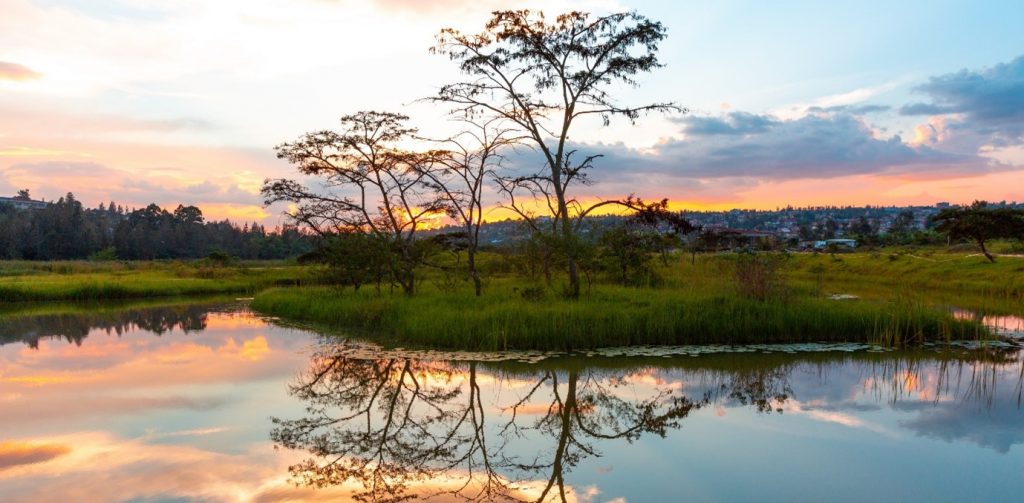
Accommodation plays an important role in Rwanda Eco-Tourism & Conservation Travel. Many lodges throughout Rwanda have adopted environmentally responsible practices designed to minimize their ecological footprint.
These sustainability initiatives often include renewable energy systems, water conservation measures, waste reduction programs, local sourcing of food and materials, and employment opportunities for nearby communities. Furthermore, many lodges actively participate in conservation projects and environmental education programs.
Travelers choosing eco-friendly accommodations can further enhance the positive impact of their visit while enjoying high-quality hospitality experiences that reflect Rwanda’s commitment to sustainability.
The Future of Rwanda Eco-Tourism & Conservation Travel
The future of Rwanda Eco-Tourism & Conservation Travel looks exceptionally promising. Continued investment in conservation, infrastructure, and sustainable tourism development is helping Rwanda strengthen its position as a leading eco-tourism destination in Africa.
Emerging opportunities include carbon-neutral tourism initiatives, expanded community tourism programs, enhanced wildlife monitoring technologies, and increased environmental education efforts. Furthermore, growing international interest in responsible travel is expected to support continued demand for sustainable tourism experiences.
As Rwanda continues to prioritize conservation and community development, eco-tourism will remain a vital tool for protecting biodiversity while creating economic opportunities. This balanced approach ensures that tourism benefits both present and future generations.
Conclusion
Rwanda Eco-Tourism & Conservation Travel represents one of Africa’s most inspiring success stories. Through innovative conservation programs, responsible tourism management, and meaningful community engagement, Rwanda has created a tourism model that protects wildlife while improving livelihoods.
Whether trekking with mountain gorillas, exploring ancient rainforests, enjoying wildlife safaris, or experiencing authentic cultural encounters, visitors become part of a larger conservation journey. Every tourism experience contributes to preserving Rwanda’s remarkable natural heritage while supporting sustainable development.
For travelers seeking meaningful adventures with lasting impact, Rwanda Eco-Tourism & Conservation Travel offers an unforgettable opportunity to explore one of Africa’s most beautiful and environmentally responsible destinations.
Contact Universal Ventures Rwanda
Universal Ventures Rwanda specializes in sustainable safaris, gorilla trekking experiences, wildlife adventures, conservation-focused travel, and tailor-made Rwanda tour packages.
📍 Address: KK 15 Rd, Kigali, Rwanda
📞 Phone/WhatsApp: +250 781 441 853
📧 Email: info@universalventuresrwanda.com
🌍 Website: Universal Ventures Rwanda