Skip to content
East Africa is one of the very few places on Earth where humans can encounter mountain gorillas in the wild. These gentle giants, critically endangered and profoundly intelligent, live only in the misty forests of the Virunga Massif and Bwindi ecosystem. Today, East African gorillas are protected through world-leading conservation models in Rwanda and Uganda, making these two countries the global heart of mountain gorilla trekking in East Africa.
This in-depth guide explores Gorillas in Rwanda, Gorillas in Uganda, where they live, how trekking works, and why Rwanda and Uganda together offer the most ethical, accessible, and unforgettable gorilla safaris on the planet.

Understanding East African Gorillas and Their Unique Habitat
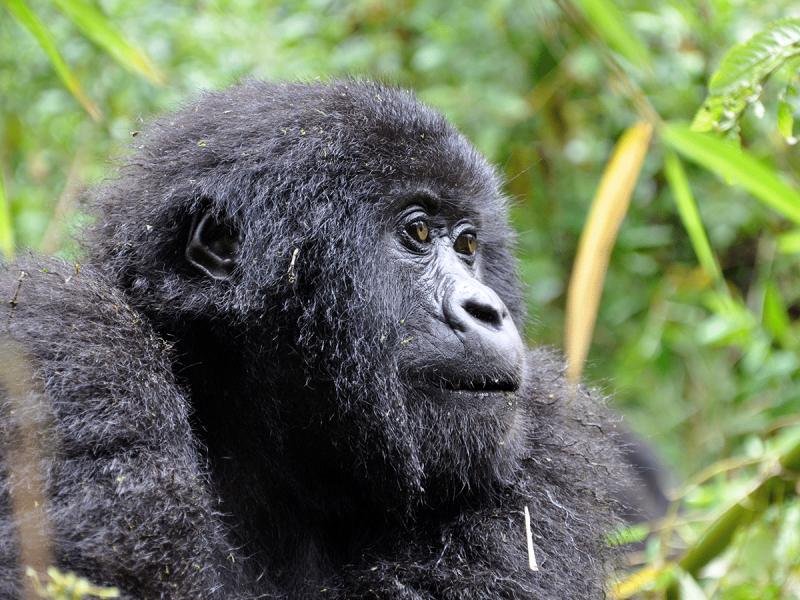
East African gorillas belong to the mountain gorilla subspecies (Gorilla beringei beringei). They inhabit high-altitude rainforests between 2,200 and 4,300 meters above sea level, thriving in cool, mist-covered environments rich in vegetation.
Unlike lowland gorillas, mountain gorillas live in family groups led by a dominant silverback. These groups are habituated for tourism under strict guidelines, allowing limited daily visits that support conservation and local communities.
Today, the only places where Rwanda and Uganda gorillas can be tracked are:
- Volcanoes National Park (Rwanda)
- Bwindi National Park (Uganda)
- Mgahinga Gorilla National Park (Uganda)
Gorillas in Rwanda: A Premium Gorilla Trekking Experience
Rwanda Gorillas in Volcanoes National Park
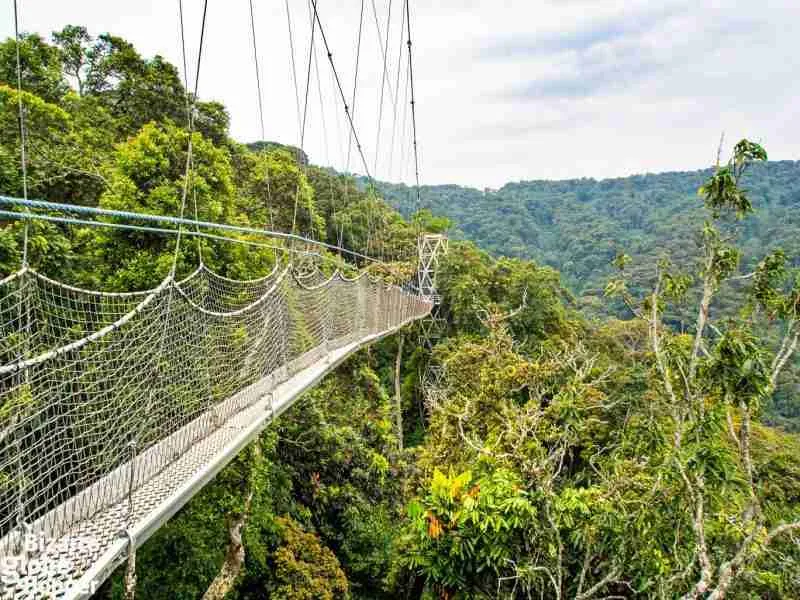
Gorillas in Rwanda live in the bamboo and afro-montane forests of Volcanoes National Park, part of the Virunga Mountains. This park is famous for its dramatic volcanic scenery, excellent infrastructure, and relatively short travel times from Kigali.
Rwanda gorillas are among the most accessible in Africa, making Rwanda Gorilla Trekking ideal for travelers with limited time or those seeking a more comfortable trekking experience.
Rwanda Gorilla Trekking: How It Works
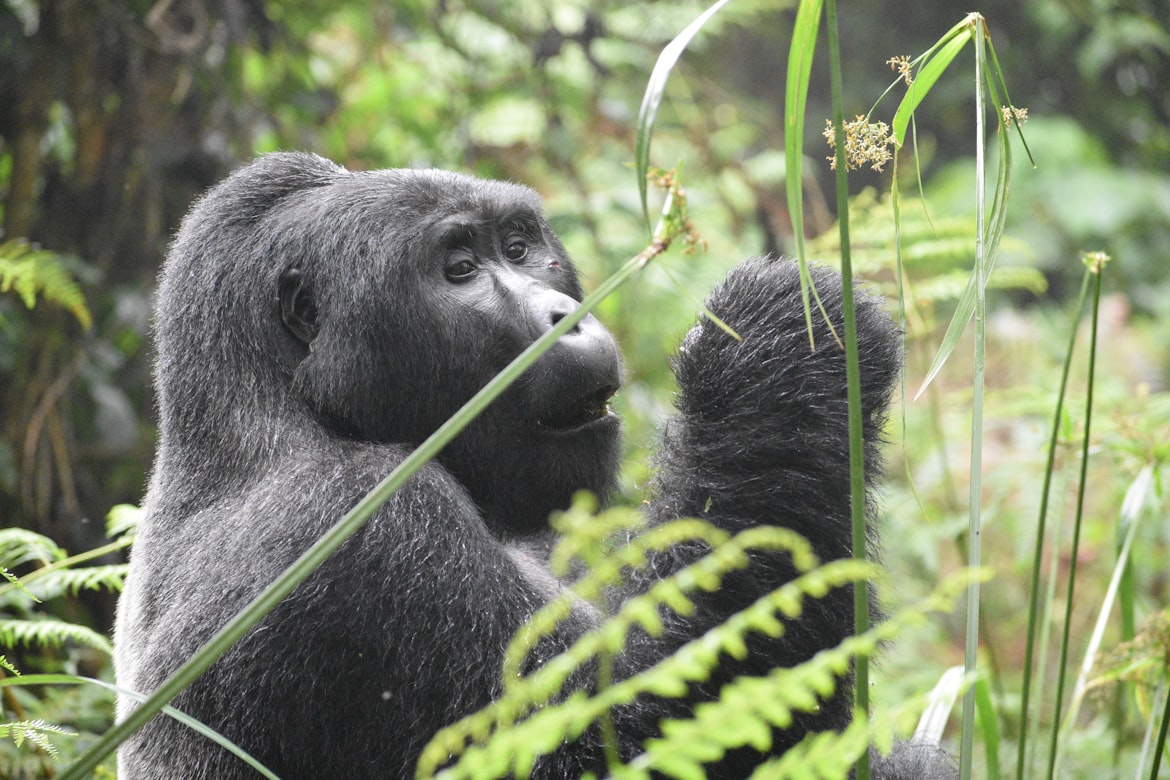
Once found, visitors spend exactly one hour observing the gorillas—watching them feed, groom, play, and interact naturally. This intimate hour is often described as one of the most emotional wildlife encounters in the world.
Gorilla Treks in Rwanda & Short Safaris
Rwanda is especially known for:
- 2 days gorilla trekking in Rwanda (ideal for tight schedules)
- Luxury and mid-range lodge options
- High conservation standards
- Short transfers (about 2.5–3 hours from Kigali)
Because of these advantages, Rwanda gorillas are often chosen by photographers, honeymooners, and senior travelers seeking efficiency and comfort.
Gorillas in Uganda: Raw Wilderness & Diverse Trekking Options
Gorillas in Bwindi National Park

Bwindi offers multiple trekking sectors, each with habituated gorilla families and varying terrain—ranging from moderate forest trails to more challenging climbs.
Mgahinga Gorilla National Park: Uganda’s Hidden Gem
Mgahinga Gorilla National Park is smaller and less visited but equally rewarding. Located in the Virunga Mountains, it is part of the same ecosystem as Volcanoes National Park in Rwanda.
Mgahinga offers a quieter alternative for travelers seeking solitude and dramatic volcanic landscapes while tracking Uganda gorillas.
Mountain Gorilla Trekking in East Africa: Rwanda vs Uganda
When planning mountain gorilla trekking in East Africa, the decision between Rwanda Gorilla Trekking and gorilla trekking in Uganda comes down to personal travel style, available time, budget, and how adventurous you want your experience to be. Both countries offer ethically managed, conservation-focused gorilla encounters, yet each delivers a distinctly different atmosphere and pace. Understanding these differences helps travelers choose the destination that best aligns with their expectations and overall safari plans.
Rwanda Gorilla Trekking is widely regarded as a refined and highly efficient gorilla experience. Treks in Rwanda are generally shorter on average due to well-developed trail systems and easier access to gorilla families within Volcanoes National Park. The country’s excellent road infrastructure and close proximity of the park to Kigali make it possible to enjoy a gorilla trek even on a tight schedule, including short luxury escapes. While permit costs are higher, the experience is premium—marked by smooth logistics, professional guiding, high-end lodge options, and a strong focus on comfort. For travelers seeking exclusivity, efficiency, and a seamless safari experience, Rwanda is an ideal choice.
In contrast, gorilla trekking in Uganda offers a more rugged and adventurous encounter with mountain gorillas. Uganda is home to a larger number of habituated gorilla families, providing greater availability and flexibility in trekking options. The terrain, particularly in Bwindi Impenetrable Forest, is more challenging and physically demanding, adding a strong sense of exploration and wilderness to the experience. Permit costs in Uganda are lower, making it attractive to budget-conscious travelers or those planning longer safaris. Gorilla trekking in Uganda pairs especially well with extended wildlife itineraries, allowing visitors to combine primate encounters with classic game viewing and cultural experiences across the country.
Ultimately, both Rwanda and Uganda deliver unforgettable encounters with mountain gorillas. Rwanda excels in accessibility, luxury, and efficiency, while Uganda stands out for its depth, affordability, and adventurous spirit. Whichever destination you choose, mountain gorilla trekking in East Africa remains one of the most powerful wildlife experiences in the world—defined by conservation, authenticity, and a profound connection with nature.
Many visitors combine gorilla safaris in Uganda and Rwanda to experience both ecosystems in one journey.
Gorilla Safaris in Uganda and Rwanda: The Ultimate Combination
Combining Rwanda and Uganda gorillas in a single itinerary offers unmatched depth. Travelers can compare landscapes, gorilla behavior, trekking styles, and conservation approaches.
A combined safari often includes:
- Gorilla trek in Rwanda’s Volcanoes National Park
- Gorilla trek in Bwindi National Park or Mgahinga
- Cultural experiences with local communities
- Scenic drives through East Africa’s highlands
These cross-border safaris are ideal for travelers seeking a comprehensive East African gorilla experience.
Conservation Success of East African Gorillas
The survival of East African gorillas is one of conservation’s greatest success stories. Through controlled tourism, community revenue sharing, and strict regulations, gorilla populations have steadily increased over the past decades.
Every permit purchased for Rwanda Gorilla Trekking or gorilla trekking in Uganda directly supports:
- Habitat protection
- Anti-poaching efforts
- Veterinary intervention
- Community development
Tourism has transformed gorillas from a threatened species into a symbol of sustainable conservation in East Africa.
Responsible Rules for Gorilla Trekking in East Africa
To protect Rwanda gorillas and gorillas in Uganda, strict rules apply:
- Maximum of 8 visitors per gorilla family per day
- One hour with gorillas only
- Minimum distance of 7 meters
- No trekking when sick
- No flash photography
These rules ensure that mountain gorilla trekking in East Africa remains ethical and sustainable.
Best Time to See Gorillas in Rwanda and Uganda
Gorilla trekking is possible year-round, but the best seasons are:
- Dry seasons: June–September & December–February
- Wet seasons: March–May & October–November (lush scenery, fewer crowds)
Both gorilla treks in Rwanda and gorilla trekking in Uganda are excellent in all months, with weather affecting trek difficulty rather than gorilla sightings.
Why East Africa Is the World’s Best Gorilla Trekking Destination
Nowhere else offers the same accessibility, conservation standards, and emotional impact as East African gorillas. The combination of Gorillas in Rwanda, Gorillas in Uganda, and protected habitats like Volcanoes National Park, Bwindi National Park, and Mgahinga Gorilla National Park makes East Africa unmatched.
Whether you choose 1 day gorilla trekking in Rwanda, a multi-day safari in Uganda, or a combined Rwanda–Uganda journey, the experience is deeply transformative.
Final Thought on East African Gorillas: Rwanda vs Uganda Gorilla Trekking Guide
Encountering East African gorillas is not just a safari—it is a powerful human-wildlife connection found nowhere else on Earth. From the misty slopes of Volcanoes National Park to the ancient forests of Bwindi National Park, gorillas in Rwanda and Uganda represent the very soul of African conservation and adventure.