
Congo Nile Trail – The Ultimate Guide to Rwanda’s Most Iconic Hiking Route
The Congo Nile Trail is Rwanda’s most celebrated long-distance hiking and cycling route, stretching along the scenic shores of Lake Kivu from the northern lakeside town of Rubavu to Kamembe in the south. Designed for hikers, cyclists, and adventure travelers, the trail follows the watershed divide between the Congo River Basin and the Nile River Basin—hence the name Congo Nile Trail. This journey is not just a hike; it is an immersive cultural, geographical, and emotional experience that reveals the soul of western Rwanda through rolling hills, terraced farms, fishing villages, coffee plantations, and breathtaking lake views.
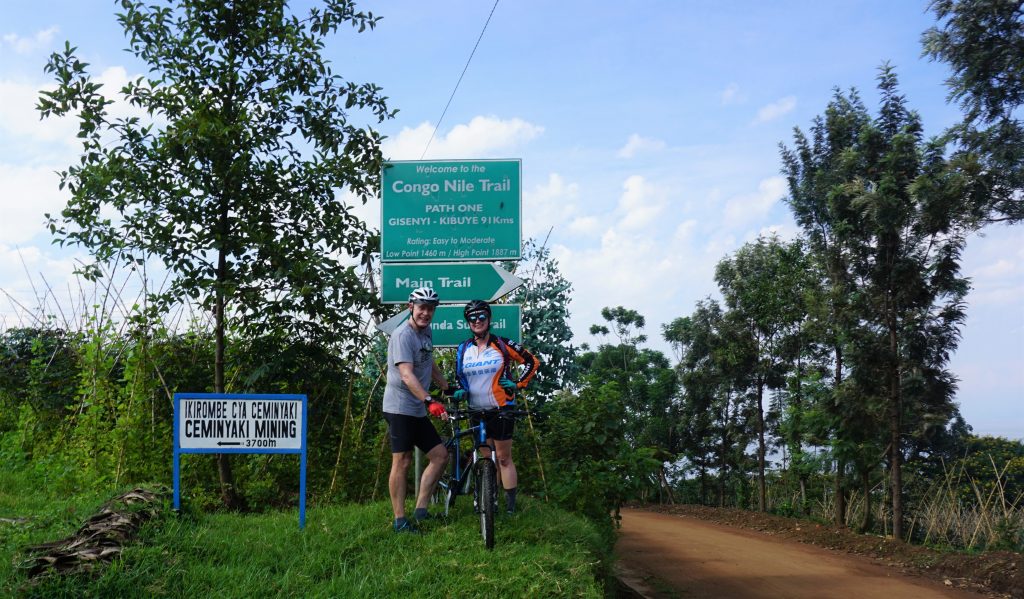 For travelers seeking authentic hiking Congo Nile Trail experiences, this route delivers unmatched variety. The trail can be completed in sections or as a full multi-day trek, with flexible pacing and community-based lodges along the way. What makes the Congo Nile Trail exceptional is its accessibility and depth: it welcomes first-time long-distance hikers while still rewarding seasoned trekkers with challenging climbs, panoramic viewpoints, and meaningful interaction with local communities. Across its length, the trails in Congo Nile Trail connect nature, people, and history in a way few African hiking routes can match.
Why the Congo Nile Trail Is Unique
The Congo Nile Trail stands apart from other African hiking routes because it blends adventure with everyday life. Unlike remote wilderness treks, this trail passes through living landscapes—villages, markets, schools, farms, and fishing docks—allowing hikers to witness Rwanda’s rhythms up close. Each step reveals how people coexist with Lake Kivu, cultivating crops on steep slopes, harvesting coffee and tea, and navigating the lake for trade and sustenance.
Another defining feature of hiking Congo Nile Trail routes is flexibility. Travelers can hike short sections as day walks, complete multi-day segments, or tackle the entire route from north to south. The trail is well-supported by local guesthouses, homestays, and community lodges, making it one of the most sustainable adventure tourism projects in East Africa. Revenue from the trail directly benefits local communities, reinforcing Rwanda’s leadership in responsible tourism.
Congo Nile Trail Route Overview (North to South)
The full Congo Nile Trail covers roughly 227 kilometers, typically completed over 8–10 hiking days. Below is a detailed breakdown of the main trails in Congo Nile Trail, starting from Rubavu, passing through Karongi’s Cyimbiri area, continuing to Shangi, and ending in Kamembe.
Rubavu to Rutsiro – Northern Congo Nile Trail Section
The journey begins in Rubavu, formerly Gisenyi, located on the northern shores of Lake Kivu near the border with the Democratic Republic of Congo. This section introduces hikers to the dramatic scenery that defines the Congo Nile Trail: volcanic soils, lakefront paths, and steep ascents into Rwanda’s green hills. The Rubavu–Rutsiro stretch is physically demanding, with long climbs and descents, but it rewards hikers with sweeping views of the lake and distant islands.
This northern section of the Congo Nile Trail is ideal for travelers seeking challenging terrain and dramatic landscapes. Trails wind through coffee-growing regions and rural settlements, offering insight into local livelihoods. For many hikers, this stage sets the tone for the entire journey—beautiful, demanding, and deeply immersive.
Rutsiro to Karongi (Cyimbiri) – Cultural Heart of the Trail
From Rutsiro, the hiking Congo Nile Trail route continues south toward Karongi District, passing through rolling hills and fertile farmland. This is one of the most culturally rich sections of the trail, where hikers encounter bustling villages, lakeside trading centers, and scenic viewpoints overlooking Lake Kivu’s inlets.
The Cyimbiri area, located near Karongi, is a key highlight of this section. Cyimbiri is known for its panoramic hilltops, traditional homesteads, and welcoming community lodges. Many hikers choose to rest here, enjoying sunsets over the lake and engaging in community activities such as coffee processing demonstrations and fishing experiences. Among all trails in Congo Nile Trail, the Karongi–Cyimbiri section is often described as the most balanced, combining physical challenge with cultural depth.
Karongi to Shangi – Scenic Ridges & Remote Paths
Leaving Karongi, the Congo Nile Trail enters a quieter, more remote phase as it heads toward Shangi in Nyamasheke District. This section features long ridge walks with uninterrupted views of Lake Kivu and the surrounding hills. The terrain alternates between narrow footpaths, dirt tracks, and village trails, offering constant variation underfoot.
Hiking this part of the Congo Nile Trail feels introspective and peaceful. Villages are smaller, and encounters with other hikers are rare, creating a sense of solitude and connection with the landscape. Shangi serves as an important stopover, with community lodges and local guides who support hikers navigating this less-traveled stretch of the trail.
Shangi to Kamembe – The Southern Finale
The final stretch of the Congo Nile Trail runs from Shangi to Kamembe, also known as Rusizi, near Rwanda’s southwestern border. This section gradually descends toward the Rusizi River outlet, where Lake Kivu flows south. The landscape opens up, with wider valleys, warmer temperatures, and expansive lake views.
Arriving in Kamembe marks the completion of one of Africa’s most meaningful long-distance hikes. For many travelers, finishing the hiking Congo Nile Trail is an emotional moment—celebrating endurance, cultural exchange, and deep appreciation for Rwanda’s landscapes and people. Kamembe’s lakeside setting provides a fitting conclusion, with opportunities to relax, reflect, and explore nearby attractions.
Trails in Congo Nile Trail – Hiking Options Explained
The Congo Nile Trail unfolds as a continuous and deeply immersive journey along the shores of Lake Kivu, linking a chain of scenic communities and landscapes from north to south. The adventure begins in Rubavu, where volcanic scenery and lakefront views introduce hikers to the dramatic character of western Rwanda, before the trail climbs steadily toward the panoramic hills of Cyimbiri, known for sweeping views over Lake Kivu and terraced farmland. From Cyimbiri, the route continues through Kinunu, an area famous for coffee plantations and community-based tourism initiatives, then on to Bumba, where quiet rural paths and lakeside vistas create a peaceful transition toward the historic town of Karongi, a central hub on the Congo Nile Trail and a popular resting point for hikers. Leaving Karongi, the trail heads south through Mugonero, passing cultural sites and gently rolling hills, before entering the more remote and less-traveled section through Karengera, where long ridge walks and uninterrupted lake views dominate the landscape. The journey then flows into Kumbya and Ishara, two tranquil stretches characterized by traditional villages, subsistence farming, and strong community interaction, offering hikers a deeper connection to everyday life along the lake. From Ishara, the Congo Nile Trail reaches Shangi, a key stopover known for its welcoming community lodges and scenic viewpoints, before the final descent toward Kamembe, where Lake Kivu meets the Rusizi River, marking the end of this iconic hiking route and providing a rewarding conclusion to one of Rwanda’s most meaningful long-distance trail experiences.
Best Time for Hiking Congo Nile Trail
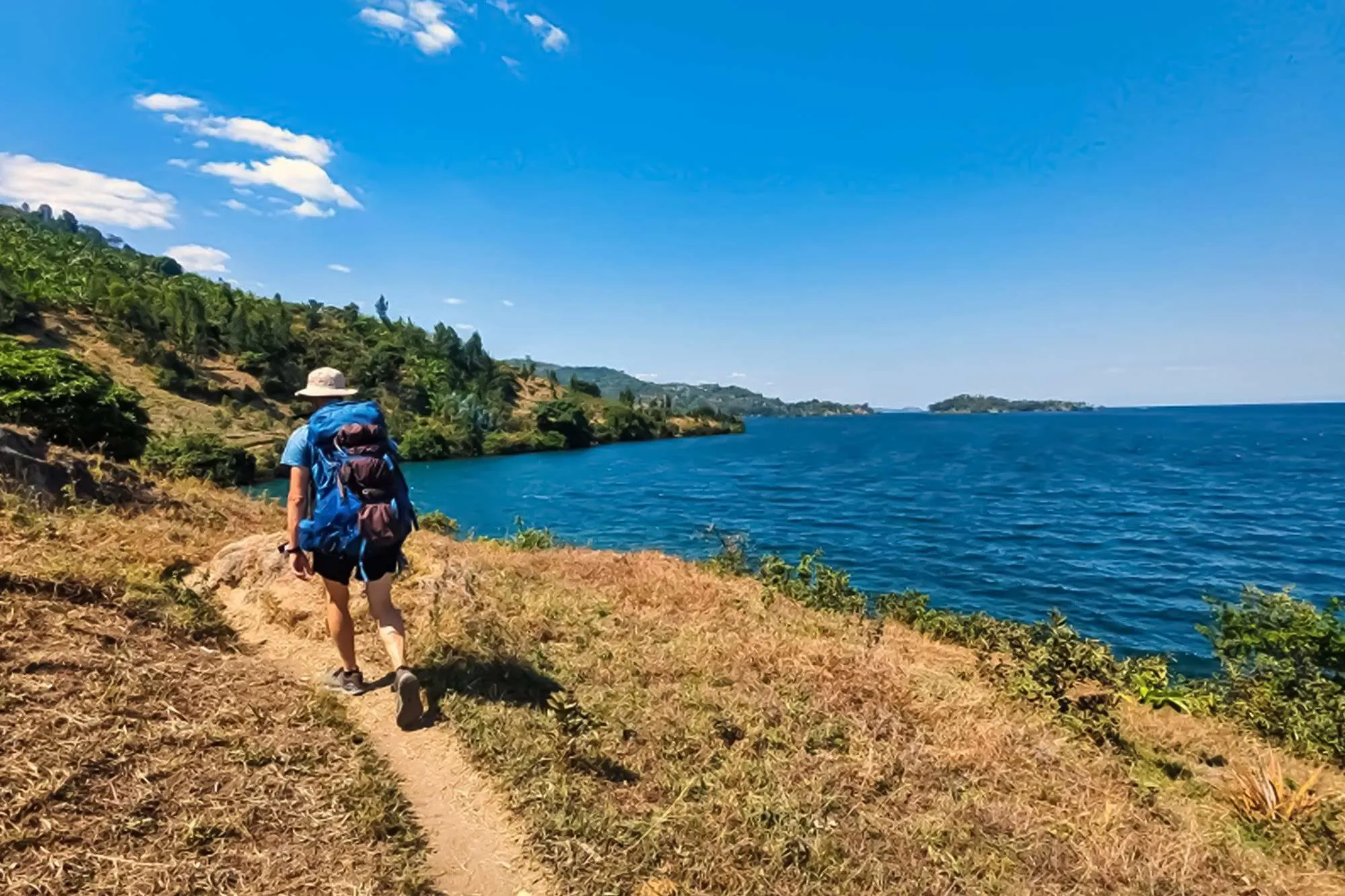
The best time for hiking Congo Nile Trail is during Rwanda’s dry seasons, from June to September and December to February. Trails are more manageable, views are clearer, and accommodation availability is better. The rainy seasons offer lush scenery but can make trails muddy and physically demanding.
Why the Congo Nile Trail Is a Must-Do
The Congo Nile Trail is more than a hiking route—it is a journey through Rwanda’s heartland, shaped by water, hills, and human resilience. From Rubavu through Karongi (Cyimbiri) and Shangi to Kamembe, the trail offers unmatched diversity in landscapes and experiences. Whether completed in sections or as a full expedition, hiking Congo Nile Trail routes deliver deep cultural connection, physical challenge, and lasting memories.
For travelers seeking meaningful adventure, responsible tourism, and unforgettable scenery, the Congo Nile Trail stands as one of Africa’s greatest hiking experiences.