Skip to content
The African wilderness is one of the last great natural frontiers on Earth—a vast, untamed realm where dense rainforests echo with primate calls, sweeping savannahs host the legendary Big Five, and ancient cultures continue to thrive in harmony with nature. From mist-covered volcanoes to endless plains and remote river systems, Africa offers a travel experience that is immersive, emotional, and deeply transformative.
This article explores the essence of African Wilderness: Primates, Big Five, Cultural Tourism and Wildlife Tours, revealing why Africa remains the world’s most compelling safari destination and how thoughtfully designed journeys connect travelers to wildlife, landscapes, and people in a responsible and meaningful way.

The True Meaning of African Wilderness
African wilderness is not defined by a single ecosystem or country—it is a living mosaic of rainforests, savannahs, wetlands, deserts, and highlands. What makes it exceptional is the coexistence of iconic wildlife, endangered primates, and indigenous cultures that have adapted to these environments over centuries.
Unlike mass tourism destinations, African wilderness travel is about space, silence, and authenticity. It is about waking up to the sound of birds instead of traffic, tracking wildlife on foot or by vehicle, and engaging with communities whose traditions remain deeply rooted in nature. Whether exploring the forests of Rwanda, the plains of Tanzania, or the remote reserves of Uganda, every journey reveals a different face of Africa’s wild soul.
Primates of Africa: Guardians of the Forest
Gorilla Trekking: A Life-Changing Encounter
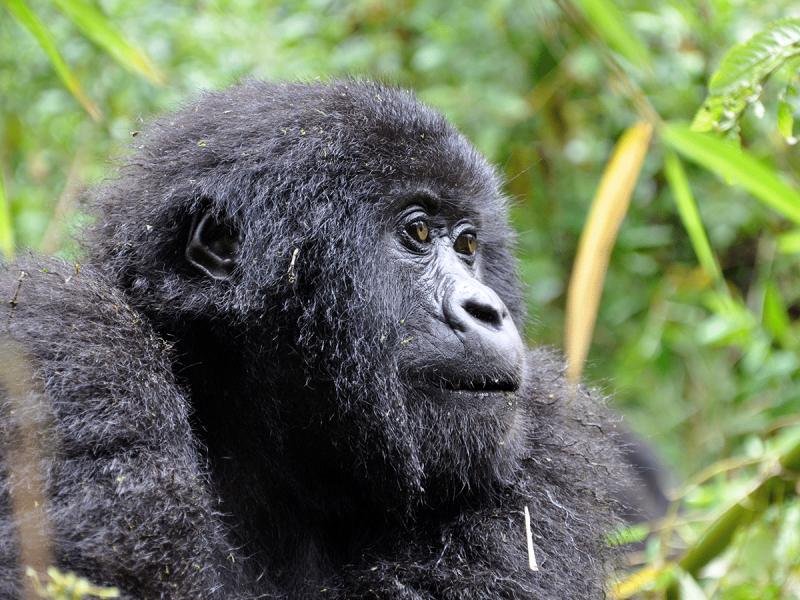
At the heart of African primate tourism lies mountain gorilla trekking, one of the most profound wildlife experiences on the planet. Deep in the volcanic forests of Volcanoes National Park, travelers hike through bamboo and rainforest terrain to spend precious moments with endangered mountain gorillas in their natural habitat.
Gorilla trekking is carefully regulated to protect these gentle giants, making it one of Africa’s most ethical wildlife encounters. Standing just meters away from a silverback or watching a mother nurture her infant creates a powerful emotional connection and fosters a deeper appreciation for conservation.
Chimpanzee Tracking and Forest Primates
Beyond gorillas, Africa’s forests are alive with other fascinating primates. Chimpanzee tracking in Nyungwe Forest National Park and Kibale Forest National Park offers dynamic encounters with our closest relatives, known for their intelligence, vocal communication, and complex social structures.
Golden monkeys, colobus monkeys, and other rare primates further enrich Africa’s primate safaris, making forest exploration an essential part of any African wilderness journey.
The Big Five: Icons of the African Safari
The Big Five—lion, leopard, elephant, buffalo, and rhinoceroes—**represent the pinnacle of African wildlife safaris. Originally coined by early hunters, today the term symbolizes conservation success and unforgettable safari experiences.
Savannah Safaris and Game Drives
The open plains of Serengeti National Park and the wildlife-rich landscapes of Akagera National Park provide exceptional opportunities to observe the Big Five in their natural environment. Morning and evening game drives reveal predators on the hunt, massive elephant herds migrating across grasslands, and elusive leopards resting in acacia trees.
Night Game Drives and Conservation Success
In select protected areas, night game drives uncover a hidden world of nocturnal wildlife—lions stalking under moonlight, hyenas calling across the plains, and smaller mammals rarely seen during the day. Successful reintroduction programs have restored lions and rhinos to parks like Akagera, demonstrating how conservation and tourism work hand in hand to protect Africa’s wilderness.
Cultural Tourism: The Human Heart of the Wilderness
African wilderness is inseparable from the people who call it home. Cultural tourism allows travelers to connect with indigenous communities, learn ancient traditions, and understand how culture and conservation intersect.
Indigenous Communities and Living Traditions
Across East Africa, cultural encounters range from visiting the Maasai communities of Kenya and Tanzania to engaging with the Batwa people near Rwanda’s forest parks. These experiences go beyond observation—they are interactive, respectful exchanges that include storytelling, traditional music, crafts, and daily life activities.
Responsible Cultural Tourism
Ethical cultural tourism empowers local communities, supports education and healthcare, and preserves traditions for future generations. When integrated thoughtfully, cultural visits enrich safari journeys by adding depth, perspective, and human connection to wildlife-focused travel.
Wildlife Tours Across East Africa
Rwanda: Conservation and Primate Excellence
Rwanda stands as a model for high-end, conservation-focused tourism. With short travel distances, pristine parks, and strong wildlife protection, Rwanda offers seamless transitions from gorilla trekking to savannah safaris and cultural experiences.
Uganda: The Pearl of Africa
Uganda’s diversity is unmatched—from primate-rich forests to the source of the Nile and expansive savannahs. It is a destination where chimpanzees, tree-climbing lions, and vibrant cultures coexist within a single itinerary.
Kenya and Tanzania: Classic Safari Landscapes
Kenya and Tanzania define the classic African safari, with vast ecosystems supporting the Great Migration, dense predator populations, and iconic scenery. These destinations remain essential for travelers seeking dramatic wildlife spectacles and timeless safari imagery.
Sustainable Travel and Conservation in the African Wilderness
Modern African safaris are deeply connected to sustainability and conservation. Park fees, permits, and community tourism initiatives fund wildlife protection, anti-poaching efforts, and habitat restoration. Travelers who choose responsible operators directly contribute to preserving Africa’s natural heritage.
Eco-lodges, low-impact tourism models, and community partnerships ensure that wildlife and cultures benefit from tourism, creating a positive cycle where conservation and economic development go hand in hand.
Why Choose African Wilderness Tours
African wilderness tours offer more than sightseeing—they provide connection, education, and inspiration. From intimate encounters with primates to thrilling Big Five game drives and meaningful cultural exchanges, every experience leaves a lasting impression.
Travelers return home not only with photographs, but with stories of resilience, conservation success, and a renewed respect for the natural world.
Conclusion: Africa’s Wilderness Awaits
African Wilderness: Primates, Big Five, Cultural Tourism and Wildlife Tours represents the ultimate travel experience for those seeking authenticity, adventure, and purpose. Africa’s forests, savannahs, and cultures invite travelers to slow down, observe deeply, and become part of a story that spans generations.
In a world increasingly disconnected from nature, the African wilderness remains a place where life unfolds as it has for millennia—wild, powerful, and profoundly beautiful.