Skip to content
An Amboseli National Park safari delivers one of the most recognizable wildlife experiences in Africa: elephants crossing open plains while Mount Kilimanjaro rises beyond the Kenyan landscape. Located in southern Kenya close to the Tanzanian border, Amboseli combines accessible game viewing, wetlands, open savannah, birdlife, Maasai country and extraordinary photographic opportunities in a relatively compact safari destination.
For travelers planning a first Kenya safari, a honeymoon, a photography journey, a family holiday or a longer East African adventure, Amboseli deserves serious consideration. It does not depend on being Kenya’s largest park to impress. Instead, its appeal comes from the contrast between dry plains and life-giving wetlands, the visibility offered by its open landscapes and, above all, its famous elephants.
This Amboseli National Park Safari Guide explains what to expect, when to travel, what animals you may see, how long to stay, how to reach the park, where to stay and how to combine Amboseli with other destinations in Kenya, Tanzania, Uganda and Rwanda.
Why Visit Amboseli National Park?
Travelers often arrive in Amboseli with one image in mind: an elephant standing beneath Mount Kilimanjaro. That scene has become one of the visual symbols of an African safari, but the destination offers much more than a single photograph.
Amboseli contains open plains, seasonal lake areas, acacia woodland and permanent wetlands. These different habitats support elephants, buffaloes, giraffes, zebras, wildebeest, hippos, antelopes, predators and abundant birdlife. During dry periods, the wetlands become especially important because animals gather around dependable water.
The park is also relatively compact compared with enormous ecosystems such as the Serengeti. This can work in a visitor’s favor. You may spend less time covering huge distances between wildlife areas and more time observing animals.
For travelers combining several Kenyan destinations, Amboseli also contrasts beautifully with the Masai Mara, Lake Nakuru and Tsavo. Rather than repeating the same safari landscape, each park adds something different.
Amboseli National Park Safari Guide: Where Is Amboseli?
Amboseli National Park lies in southern Kenya, close to the border with Tanzania. Mount Kilimanjaro itself is across the border in Tanzania, but its immense profile dominates the southern horizon from many parts of Amboseli when weather conditions are favorable.
The park covers approximately 392 square kilometres. Its manageable size and open terrain make it particularly attractive to travelers who want productive game drives without necessarily spending a week in one reserve.
Amboseli is commonly reached from Nairobi by road or light aircraft. It can also form part of an overland safari connecting Nairobi with Tsavo or a broader Kenya–Tanzania itinerary.
What Makes an Amboseli Safari Different?
Every major East African wildlife destination has a personality.
The Masai Mara is associated with predator-rich plains and the wider Mara–Serengeti ecosystem. Serengeti is famous for immense landscapes and the Great Migration. Ngorongoro is known for concentrated wildlife within its volcanic caldera. Akagera offers a compact Big Five experience that combines particularly well with Rwanda gorilla trekking.
Amboseli’s identity is different.
Here, elephants, wetlands, open horizons and Kilimanjaro define the safari. This is why an Amboseli National Park safari can complement rather than duplicate other parks on a multi-destination itinerary.
Elephants of Amboseli National Park
Elephants are the stars of Amboseli.
Large family groups frequently move between feeding areas, plains and swamps. Because much of the terrain is open, visitors can sometimes watch these movements from considerable distances before the animals approach closer areas.
Seeing elephants is impressive anywhere in Africa. In Amboseli, however, the surrounding landscape changes the experience. A herd crossing dusty ground beneath a huge East African sky can become even more dramatic when Kilimanjaro emerges from the clouds behind it.
The best elephant encounters are not necessarily the closest ones. Responsible safari guiding prioritizes animal behavior and space. Watching a herd interact naturally—young calves protected by adults, family members feeding together or elephants cooling themselves near wetland areas—often produces more meaningful memories than simply trying to position a vehicle as close as possible.
Elephant Photography in Amboseli
Amboseli is one of the classic destinations for elephant photography because its open plains can provide uncluttered backgrounds and wide compositions.
A telephoto lens is useful for portraits and behavioral details, but photographers should also carry a wider focal length. The landscape is part of the story. A wide frame containing elephants, plains, sky and Kilimanjaro can communicate Amboseli far more powerfully than a tightly cropped elephant portrait.
Morning light is especially valuable, while dust can add atmosphere during dry conditions.
Mount Kilimanjaro Views from Amboseli
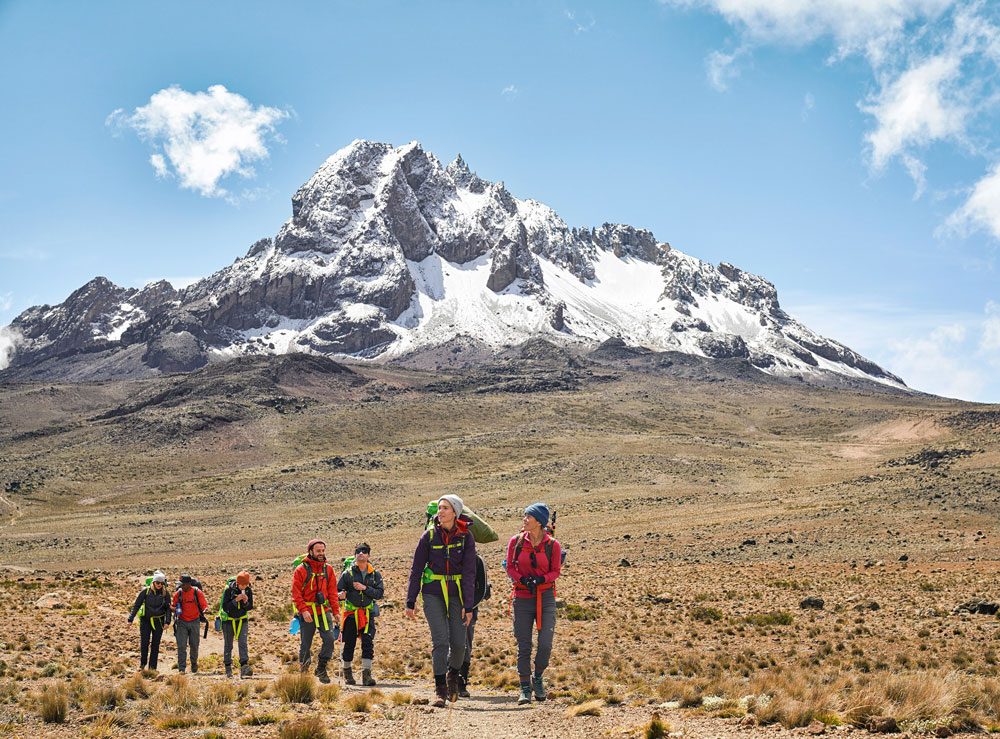
Mount Kilimanjaro is Africa’s highest mountain, reaching 5,895 meters. Although located in Tanzania, it forms the spectacular backdrop associated with Amboseli.
However, travelers should understand one important fact: Kilimanjaro is not guaranteed to be visible all day.
Cloud can cover the mountain even when conditions elsewhere appear sunny. Early morning often provides good opportunities before clouds build, while late afternoon or periods following rainfall may also produce dramatic visibility.
This is one reason staying at least two nights in the Amboseli area is preferable to rushing through on a short visit. More mornings mean more opportunities to see the mountain clearly.
Wildlife in Amboseli National Park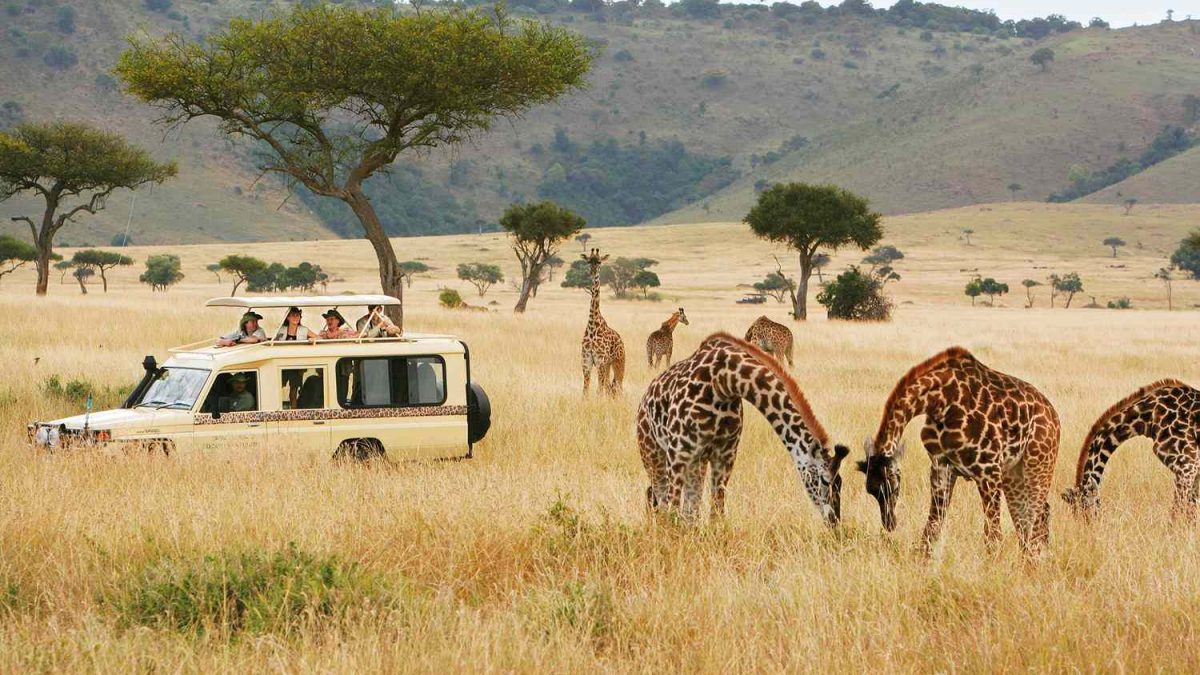
Although elephants receive most of the attention, an Amboseli safari offers diverse wildlife viewing.
Commonly sought species include elephants, African buffaloes, giraffes, zebras, wildebeest, hippos, impalas, gazelles and warthogs. Lions and spotted hyenas also occur, while cheetahs may sometimes be encountered in suitable open areas.
Birdlife adds another dimension. Wetlands attract water-associated species, while grasslands and woodland habitats support raptors, ground birds and many smaller species.
Importantly, travelers should not approach Amboseli as a checklist competition. Wildlife is wild, movements change daily, and no ethical safari operator should guarantee sightings of a particular free-ranging animal.
Is Amboseli a Big Five Safari Destination?
This is an important planning distinction.
Amboseli is exceptional for elephants and offers several iconic African mammals, but travelers whose main goal is checking all five members of the traditional Big Five should combine it with another suitable destination rather than choosing Amboseli for that reason alone.
Its strength is the quality of particular experiences—especially elephants, wetlands, landscapes and Kilimanjaro—rather than simply the length of a species checklist.
Best Time to Visit Amboseli National Park
Amboseli is accessible throughout much of the year, but seasons significantly affect scenery, roads, wildlife distribution, visitor numbers and photography.
The periods June to October and January to February are widely regarded as particularly strong for general wildlife viewing. During dry conditions, vegetation becomes thinner and wildlife tends to concentrate around dependable water.
That does not mean the wetter months should automatically be avoided. Green landscapes, dramatic skies, birdlife and fewer visitors can make the wetter season highly attractive to photographers and repeat safari travelers.
Amboseli Safari from June to October
June through October is the classic dry-season safari period.
Water becomes increasingly important to wildlife, which can create productive viewing around Amboseli’s wetlands. Vegetation is generally less dense, making animals easier to spot across open areas.
July, August and September are particularly popular months for East African safaris. This also means accommodation can be in greater demand and popular sightings may attract more safari vehicles.
Travelers planning during these months should reserve good accommodation well ahead of arrival.
Amboseli Safari in January and February
January and February provide another excellent window.
These months generally fall within a drier period and can offer strong wildlife viewing without always matching the visitor pressure of the July–October peak.
For travelers with flexible dates, January and February deserve serious consideration, especially when combining Amboseli with other Kenyan parks.
Amboseli During the Green Season
Rain changes Amboseli dramatically.
Dusty browns can become vivid greens, skies become more dramatic and bird activity can be excellent. Migratory birds are particularly relevant during portions of the wet season.
The trade-off is that rain can affect road conditions, wildlife may be more dispersed, and Kilimanjaro can spend longer behind cloud.
SafariBookings notes that the wet season can produce beautiful scenery and strong birdwatching, while the dry months generally offer easier wildlife viewing.
Best Time for Wildlife Photography in Amboseli
There is no single best month for every photographer.
If your priority is concentrated wildlife and easier vehicle movement, choose the dry season. If your priority is lush landscapes, dramatic skies and richer environmental color, consider greener months.
Morning game drives are particularly important for photography. Light is softer, wildlife may be active and Kilimanjaro sometimes has a better chance of appearing clearly.
A well-designed photography safari should therefore prioritize time in the field rather than rushing between multiple destinations.
Things to Do in Amboseli National Park
Game drives remain the central experience, but they can be approached in different ways depending on the traveler.
Morning Game Drives
Early morning is one of the most rewarding periods in Amboseli.
Temperatures are cooler, light is attractive for photography and predators or other wildlife may still be active after the night. The possibility of clearer Kilimanjaro views makes early starts even more worthwhile.
Leaving before the landscape becomes bright and hot can completely change the quality of a safari day.
Afternoon Game Drives
Afternoon drives provide another opportunity to explore different habitats and return to wildlife areas that may have been quiet earlier.
As temperatures decrease toward evening, animal activity can increase. Low-angle sunlight can also create beautiful photographic conditions.
Full-Day Amboseli Game Drives
Travelers who want maximum wildlife time may choose a full-day game drive.
This allows the guide to explore more areas without repeatedly returning to the lodge between morning and afternoon sessions. A picnic lunch may be incorporated depending on the program and permitted arrangements.
Full-day drives are particularly useful for photographers and travelers with limited nights who want to maximize their time inside the park.
Amboseli for Birdwatching
Birdwatchers should not treat Amboseli as merely an elephant destination.
Its wetlands, grasslands, scrub and woodland create varied habitats. Seasonal conditions can attract waterbirds and migrants in addition to resident species.
The wetter months can be especially interesting because water and vegetation transform the ecosystem. For dedicated birders, a private vehicle is strongly preferable because it allows more time to stop for smaller species rather than moving quickly between large mammals.
Amboseli National Park Safari for Photographers
Few Kenyan parks have a visual identity as immediately recognizable as Amboseli.
The combination of elephants, dust, wetlands, acacia trees, expansive sky and Kilimanjaro provides enormous creative potential.
Photography-focused travelers should consider booking a private vehicle. Sharing a vehicle can work perfectly for a conventional safari, but serious photographers often need more control over positioning and timing.
A private safari also allows the guide to wait for behavior rather than immediately leaving after the first photographs have been taken.
Photography Equipment for Amboseli
A flexible zoom covering medium to long telephoto ranges is extremely useful. A second camera body with a wider lens can save valuable time when an elephant suddenly approaches or when Kilimanjaro appears behind a herd.
Bring spare batteries, memory cards, lens-cleaning equipment and protection against dust. Beanbags can be useful for stabilizing cameras on vehicle openings.
Most importantly, do not spend the entire safari looking through a viewfinder. Some moments deserve to be experienced directly.
How Many Days Do You Need in Amboseli?
For most travelers, two to three nights works extremely well.
One night is possible but often feels rushed, particularly when driving from Nairobi. You may arrive after a long transfer, complete one afternoon drive, take a morning drive and then leave again.
Two nights usually provide a more satisfying rhythm: arrival and afternoon activity, a full safari day, another morning opportunity and departure.
Three nights are particularly worthwhile for photographers, birders, families who prefer a slower pace or travelers who strongly value Kilimanjaro views.
2-Day Amboseli Safari
A short two-day itinerary can work for travelers with limited time.
Day one normally involves travel from Nairobi followed by an afternoon game drive. Day two begins with an early safari before returning toward Nairobi or continuing elsewhere.
This option is efficient, but travelers should understand that weather can affect mountain visibility. With only one morning, there is less flexibility if Kilimanjaro remains hidden.
3-Day Amboseli Safari
For many visitors, a 3-day Amboseli safari offers the best balance.
Day one can include the transfer and afternoon game drive. Day two provides extensive wildlife viewing, while day three offers another sunrise or morning drive before departure.
This pace provides enough time to enjoy the destination without making the safari unnecessarily long.
4-Day Amboseli Safari
A four-day safari suits travelers who prefer slower travel or have specialized interests such as photography and birding.
Additional time allows you to revisit productive wildlife areas, wait for better light and enjoy the lodge rather than treating every hour as transit time.
How to Get to Amboseli National Park
Most international visitors begin in Nairobi.
Nairobi to Amboseli by Road
Road travel is popular because it is straightforward to incorporate into a private Kenya safari.
The journey usually takes several hours depending on traffic, road conditions, stops and the location of your accommodation.
A private safari vehicle offers the advantage of continuing directly into a multi-park itinerary.
Nairobi to Amboseli by Air
Travelers who prioritize comfort and time can fly from Nairobi to an airstrip serving the Amboseli area.
Light-aircraft flights significantly reduce transfer time and can be especially attractive for luxury safaris or shorter holidays.
Flying is more expensive than road travel, but the time saved can justify the cost for some travelers.
Amboseli National Park Entrance Fees
Park fees should always be checked against the current official tariff when booking because conservation fees can change.
The Kenya Wildlife Service tariff published for the relevant fee period lists Amboseli among its premium parks and distinguishes between East African citizens, Kenyan residents, non-residents and African citizens.
Travelers should therefore avoid relying on an old blog post for the final amount.
A professional safari quotation should clearly state whether park entrance fees are included. Ask this before paying a deposit, particularly when comparing packages from different operators.
Where to Stay in Amboseli
Accommodation around Amboseli ranges from practical safari lodges to tented camps and premium properties.
The right choice depends on budget, location, atmosphere and how much time you intend to spend on game drives.
Lodges Inside or Close to the Park
Staying inside or close to a park entrance can reduce transfer time and make early game drives easier.
This is particularly valuable for photographers because the first and last periods of daylight can be extremely productive.
Luxury Amboseli Safari Lodges
Luxury properties generally emphasize spacious accommodation, strong dining, attentive service and comfortable communal areas.
Some travelers mistakenly assume luxury means sacrificing wildlife time. It does not have to. A well-planned private luxury safari can combine excellent accommodation with intensive game drives.
Mid-Range Amboseli Lodges
Mid-range lodges often provide the best balance between comfort and cost.
For travelers spending most daylight hours on safari, paying a large premium for facilities they rarely use may not make sense. A comfortable room, good meals, convenient location and reliable service can be more important than elaborate extras.
Budget Amboseli Safari Options
Budget-conscious travelers can reduce costs through simpler accommodation and carefully selected travel dates.
However, price should not be the only consideration. Vehicle quality, guide experience, park fees, meal plans and the location of accommodation all affect the real value of a package.
What Does an Amboseli Safari Cost?
There is no meaningful single price for an Amboseli safari because costs depend on several variables.
These include travel season, number of travelers, accommodation category, number of nights, private versus shared vehicle, road versus air transfers and whether the quotation includes park fees and meals.
A private safari for two travelers naturally costs more per person than a larger group sharing the same vehicle because transport and guide costs are divided among fewer people.
Luxury accommodation can increase the total considerably, while mid-range camps can provide excellent value.
Rather than searching only for the cheapest advertised package, compare what is actually included.
What Should an Amboseli Safari Package Include?
A well-structured package commonly includes accommodation, safari transportation, professional driver-guide services, scheduled game drives and meals according to the lodge’s meal plan.
Depending on the quotation, it may also include park entry, airport transfers and drinking water during game drives.
International flights, visas, travel insurance, gratuities, premium drinks and personal expenses are commonly separate unless specifically stated.
Always request a clear inclusion and exclusion list.
Private vs Group Amboseli Safari
A private safari gives travelers their own vehicle and guide.
This provides greater control over departure times, photography stops, wildlife priorities and the overall pace.
Families, couples, photographers and small groups often find this flexibility valuable.
Shared safaris can reduce cost and provide a social experience, but participants must compromise because several travelers may have different priorities.
For travelers who have invested heavily in flights and accommodation, the additional cost of a private vehicle can sometimes produce disproportionately better value.
Amboseli Safari for Families
Amboseli can work extremely well for families.
Its recognizable elephants provide immediate excitement for children, and the park’s relatively compact nature can make game drives easier to manage than extremely long days covering vast distances.
Parents should choose drive lengths according to their children’s ages and attention spans.
A private vehicle is particularly useful because families can return to the lodge when necessary rather than following a fixed group schedule.
Amboseli Safari for Couples and Honeymooners
Amboseli is also an excellent honeymoon destination.
Sunrise landscapes, elephants, mountain views and atmospheric tented camps create a naturally romantic setting.
Couples can combine Amboseli with a beach holiday on the Kenyan coast, the Masai Mara, Tanzania or Rwanda gorilla trekking for a more diverse honeymoon.
A private safari provides additional privacy and allows the itinerary to move at a relaxed pace.
Amboseli for First-Time Safari Travelers
First-time visitors often worry about whether they will actually see wildlife.
No park can guarantee wild animals, but Amboseli’s open landscapes and concentration of wildlife around wetland areas can make it rewarding for beginners.
It is also visually easy to understand. Travelers can see the relationship between water, grassland, animals and the mountain landscape.
This makes Amboseli a strong introduction to East African safari travel.
Amboseli vs Masai Mara
Choosing between Amboseli and the Masai Mara depends on priorities.
Choose Amboseli if elephants, Kilimanjaro views and distinctive landscape photography are major goals.
Choose the Masai Mara if your priorities lean more heavily toward predator viewing, broad savannah ecosystems and the seasonal Great Migration experience.
For many travelers, the best answer is not one or the other. It is both.
Combining Amboseli and Masai Mara creates a more varied Kenyan safari than spending the entire trip in one ecosystem.
Amboseli vs Serengeti
Serengeti National Park is vastly larger and is internationally associated with the Great Migration.
Amboseli provides a more compact safari focused heavily on elephants, wetlands and views toward Kilimanjaro.
Travelers with enough time can combine both, usually through a Kenya–Tanzania itinerary.
The decision should be based on experience rather than park fame. A traveler with four days cannot reasonably experience East Africa in the same way as someone with two weeks.
Amboseli vs Tsavo
Amboseli and Tsavo combine naturally in a southern Kenya safari.
Amboseli feels compact and visually open, whereas Tsavo provides a much larger wilderness environment.
Travelers continuing toward Kenya’s coast may find the combination particularly practical.
A route linking Nairobi, Amboseli, Tsavo and the coast can produce a safari-and-beach holiday without unnecessary backtracking.
Amboseli and Masai Mara Safari
One of Kenya’s strongest itineraries combines Amboseli with the Masai Mara.
Amboseli supplies the elephants and Kilimanjaro landscapes. The Mara adds expansive plains, predators and, seasonally, migration activity.
A journey of roughly a week or longer allows these destinations to be combined more comfortably, especially if flights are used for some sectors.
Amboseli, Lake Nakuru and Masai Mara
Travelers wanting more diversity can include Lake Nakuru.
This introduces a Rift Valley ecosystem and additional wildlife opportunities between or alongside Kenya’s major safari regions.
A carefully paced itinerary is essential. Adding parks simply to increase the number of destinations can result in spending too much of the holiday in transit.
Amboseli and Tanzania Safari
Because Amboseli lies near Tanzania, travelers often assume crossing directly into the next park will always be simple.
International border logistics, vehicle regulations, routing and transfer arrangements need to be planned properly.
A professional multi-country operator can coordinate the Kenyan and Tanzanian sections so that guides, vehicles and border procedures fit together smoothly.
Popular Tanzania additions include the Serengeti, Ngorongoro Conservation Area, Tarangire and Lake Manyara.
Amboseli and Rwanda Gorilla Trekking
For travelers seeking one of the most diverse East African combinations, pair a Kenya wildlife safari with gorilla trekking in Rwanda.
Amboseli offers elephants, savannah and Kilimanjaro. Rwanda’s Volcanoes National Park provides a completely different environment: high-altitude forest and mountain gorilla trekking.
A traveler might begin in Nairobi, explore Amboseli and other Kenyan parks, fly to Kigali and continue to Volcanoes National Park.
This combination transforms the holiday from a conventional game-viewing safari into a broader East African wildlife journey.
Amboseli, Rwanda and Uganda
Travelers with more time can extend further.
Rwanda offers mountain gorilla trekking, Akagera wildlife safaris and Nyungwe primate experiences. Uganda adds destinations such as Bwindi Impenetrable National Park, Kibale Forest and Queen Elizabeth National Park.
A Kenya–Rwanda–Uganda itinerary is particularly attractive to wildlife enthusiasts interested in both savannah mammals and primates.
Amboseli, Kenya, Tanzania and Rwanda
A longer East Africa safari can combine Kenya, Tanzania and Rwanda.
An example route could include Nairobi, Amboseli, the Masai Mara, Serengeti, Ngorongoro and Volcanoes National Park.
Such an itinerary requires more time and budget but delivers extraordinary ecosystem diversity.
Instead of trying to see everything quickly, allocate enough nights to each region. East Africa rewards slower travel.
What to Pack for an Amboseli Safari
Pack lightweight, breathable clothing in neutral colors, but remember that early morning drives can feel surprisingly cool.
Bring a light jacket or fleece, comfortable closed shoes, sun protection, sunglasses, a hat and personal medication.
A camera, binoculars and spare batteries can dramatically improve the wildlife experience.
Dust protection is important during dry periods. Keep cameras and electronics protected when not in use.
During wetter months, add a lightweight waterproof layer.
Health and Travel Preparation
Travelers should consult appropriate official health and immigration sources before departure because requirements can depend on nationality, travel history and countries visited before or after Kenya.
Good travel insurance is strongly recommended.
Insurance should be suitable for the activities in your itinerary and should address medical emergencies, cancellations and other significant disruptions.
Responsible Safari Travel in Amboseli
Wildlife tourism works best when animals remain wild.
Visitors should avoid pressuring guides to drive too close, block animal movement or pursue wildlife aggressively for photographs.
Responsible guides maintain appropriate distances, follow park regulations and minimize disturbance.
Travelers can contribute simply by choosing ethical operators and accepting that a natural encounter is more valuable than a staged photograph.
Maasai Culture Around Amboseli
The wider Amboseli ecosystem is also Maasai country.
Cultural experiences can add important human context to a wildlife safari when they are organized respectfully and benefit participating communities.
Rather than treating a community visit as a quick photo stop, travelers should seek experiences that encourage meaningful interaction and fair economic participation.
This helps place wildlife conservation within the larger reality of landscapes shared by people and animals.
Why the Amboseli Ecosystem Matters
A national park boundary does not represent the complete ecological world of its wildlife.
Elephants and other animals use broader landscapes, and conservation therefore depends on maintaining movement routes and relationships between protected areas and surrounding communities.
Amboseli is a useful reminder that successful conservation involves habitat, water, wildlife and people together.
Is Amboseli Worth Visiting?
Yes—particularly if elephants, photography and dramatic landscapes rank highly on your safari wish list.
Amboseli is not a substitute for every other Kenyan park. Nor should it be.
Its value comes from being distinctive.
Travelers who combine it with the Masai Mara, Tsavo or another ecosystem receive a broader understanding of Kenya’s wildlife diversity.
Who Should Choose an Amboseli Safari?
Amboseli is particularly suitable for elephant lovers, photographers, first-time safari travelers, families, honeymooners and travelers wanting a shorter safari from Nairobi.
It also works extremely well as part of a longer Kenya or East Africa itinerary.
Dedicated Big Five checklist travelers should combine it with other wildlife destinations rather than expecting Amboseli alone to provide every classic safari species.
When Should You Book an Amboseli Safari?
For travel during popular dry-season months, booking several months ahead is sensible, especially if you want a particular lodge, private guide or specialized photography vehicle.
Christmas, New Year and other popular holiday periods can also require early planning.
Travelers with flexible dates may find better availability during shoulder periods.
Choosing an Amboseli Safari Operator
A safari company should do more than provide a vehicle.
Ask about the guide’s experience, vehicle type, park fees, accommodation, meal plan, game-drive schedule and emergency support.
For multi-country trips, experience with cross-border logistics becomes even more important.
A clear written itinerary should explain what is included rather than leaving travelers to discover unexpected charges during the trip.
Suggested 3-Day Amboseli National Park Safari
A three-day program is one of the easiest ways to experience Amboseli without rushing.
Day 1: Nairobi to Amboseli
Depart Nairobi in the morning and drive south toward Amboseli. Arrive around midday depending on road and traffic conditions, enjoy lunch and settle into your lodge or camp. Later, head out for an afternoon game drive across the plains and wetlands before returning for dinner.
Day 2: Full-Day Amboseli Safari
Begin early to maximize wildlife activity and your chance of seeing Kilimanjaro. Explore the park’s wetlands, plains and woodland areas while looking for elephants, buffaloes, giraffes, zebras, antelopes, hippos, predators and birds. Depending on your safari style, return to the lodge for lunch or continue with a picnic and full-day drive.
Day 3: Morning Safari and Return to Nairobi
Take another early game drive before breakfast or departure. This second morning is valuable if the mountain was hidden the previous day. Afterwards, travel back to Nairobi or continue to the next safari destination.
Suggested 7-Day Kenya Safari Including Amboseli
A longer itinerary can combine several contrasting ecosystems.
Days one and two can focus on Amboseli. The journey can then continue toward another Kenyan destination such as Lake Nakuru before finishing with several nights in the Masai Mara.
This structure gives travelers elephants and Kilimanjaro in Amboseli, Rift Valley scenery and additional wildlife opportunities around Nakuru, followed by the predator-rich plains of the Mara.
The itinerary becomes particularly attractive from roughly July through October for travelers hoping to combine Amboseli with seasonal migration experiences in the Mara, although wildlife viewing remains rewarding outside that period.
Amboseli Safari FAQs
What is Amboseli National Park famous for?
Amboseli is particularly famous for its elephants and spectacular views toward Mount Kilimanjaro.
How many days are enough for Amboseli?
Two to three nights are ideal for most visitors. Photographers and slower-paced travelers may prefer three or four nights.
Can you see Mount Kilimanjaro from Amboseli?
Yes. Kilimanjaro is located across the border in Tanzania but can dominate the view from Amboseli when clouds permit.
Is Kilimanjaro always visible?
No. Cloud can obscure the mountain. Early mornings frequently provide valuable viewing opportunities, but visibility can never be guaranteed.
Can I visit Amboseli from Nairobi?
Yes. Amboseli is commonly included in road safaris from Nairobi, and light-aircraft options are also available.
Is Amboseli good for elephants?
Yes. Elephants are one of the park’s signature attractions and a major reason travelers choose Amboseli.
What is the best time for an Amboseli safari?
June through October and January through February are generally excellent periods for wildlife viewing, while greener months can offer beautiful landscapes and birding.
Is Amboseli suitable for photography?
Absolutely. Elephants, open plains, wetlands, dust and Mount Kilimanjaro make it one of East Africa’s classic photographic safari settings.
Is a 2-day Amboseli safari worth it?
Yes, particularly for travelers with limited time, although two or three nights provide more opportunities for wildlife and mountain visibility.
Should I choose Amboseli or Masai Mara?
Choose according to your priorities. Amboseli is particularly strong for elephants and Kilimanjaro landscapes; the Masai Mara offers a different ecosystem with excellent predator viewing and seasonal migration opportunities. Combining both is ideal when time and budget permit.
Final Thoughts: Planning the Perfect Amboseli National Park Safari
An Amboseli National Park safari proves that a destination does not need to be enormous to create an extraordinary wildlife experience.
The park’s character comes from contrasts. Dry plains meet permanent wetlands. Large elephant herds move through landscapes framed by Africa’s highest mountain. Dusty dry-season scenes can transform into green landscapes after rain. Early mornings can begin beneath cloud and suddenly reveal Kilimanjaro towering above the horizon.
For first-time safari travelers, Amboseli offers an accessible introduction to Kenyan wildlife. For photographers, it provides some of Africa’s most recognizable compositions. For families and couples, its relatively compact geography makes it easy to incorporate into a comfortable itinerary. For experienced safari travelers, its elephant ecology and distinctive landscapes justify returning.
The strongest itinerary does not necessarily visit the greatest number of parks. It combines complementary experiences at a pace that allows travelers to appreciate them.
Amboseli can stand alone on a short Kenya safari, but it becomes even more rewarding when paired with destinations such as the Masai Mara, Tsavo, Tanzania’s northern circuit or Rwanda’s mountain gorillas.
Whether you are planning a 2-day Amboseli safari, a 3-day Amboseli National Park safari, a Kenya wildlife holiday or a multi-country East African adventure, the key is to match the season, accommodation, transport and number of nights to what you actually want to experience.
That is where thoughtful safari planning makes the difference between simply visiting Amboseli and truly experiencing it.
Plan Your Amboseli Safari with Universal Ventures Rwanda
Ready to experience the elephants, spectacular landscapes and iconic views of Mount Kilimanjaro? Universal Ventures Rwanda organizes private Amboseli safaris, Kenya wildlife tours and tailor-made East Africa safari packages. Contact our team to customize your Amboseli safari based on your travel dates, budget and preferred experiences.
Universal Ventures Rwanda
Email: info@universalventuresrwanda.com
Call / WhatsApp: +250 781 441 853
Address: KN 15 Road, Opposite IPRC Entrance, 1st Floor, SANGWA Plaza, Kigali, Rwanda