Skip to content
This comprehensive Kenya Safari Cost Breakdown explains where your money goes, how safari companies calculate their packages and what you should realistically budget for a wildlife holiday in Kenya. It covers affordable group tours, private midrange safaris, luxury fly-in journeys, park entrance fees, accommodation, transportation, flights, optional activities, gratuities and other expenses that are easily overlooked.
A Kenya safari can cost anywhere from approximately USD 180 to more than USD 1,500 per person per day. That broad range often makes planning confusing, especially when two itineraries that appear nearly identical carry very different prices. The explanation usually lies in the accommodation category, group size, season, parks visited, type of safari vehicle and number of services included.
For most international travelers, a properly organized Kenya safari costs approximately USD 200–300 per person per day for a budget group tour, USD 300–650 for a private midrange safari and USD 650–1,500 or more for a luxury experience. Highly exclusive camps, private villas and premium fly-in safaris can exceed USD 2,000 per person per night.
These figures should be treated as planning ranges rather than fixed rates. A five-day safari for six travelers sharing one vehicle costs considerably less per person than the same private itinerary arranged for a solo traveler. Similarly, a Maasai Mara safari during the Great Migration normally costs more than an equivalent journey in May or November.
This guide will help you compare quotations accurately and select a safari that provides the right balance of comfort, wildlife experiences and value.
Quick Kenya Safari Cost Breakdown
The following estimates cover the land portion of a safari. They generally include accommodation, meals while on safari, park entrance fees, transportation, game drives and the services of a professional driver-guide. International airfare is normally excluded.
| Safari style | Estimated cost per person per day | Seven-day estimate per person |
|---|---|---|
| Budget group safari | USD 180–300 | USD 1,260–2,100 |
| Private budget safari | USD 250–400 | USD 1,750–2,800 |
| Private midrange safari | USD 300–650 | USD 2,100–4,550 |
| Luxury safari | USD 650–1,500+ | USD 4,550–10,500+ |
| Premium fly-in safari | USD 900–2,000+ | USD 6,300–14,000+ |
| Ultra-luxury private safari | USD 1,500–3,500+ | USD 10,500–24,500+ |
Independent safari-marketplace estimates put an average budget Kenya safari at roughly USD 200 per person per day and an easily arranged midrange trip at approximately USD 300, although private vehicles, expensive reserves and premium accommodation raise the total.
These prices vary according to:
- Number of travelers
- Travel season
- Safari duration
- Accommodation level
- Private or shared vehicle
- Road or air transportation
- National parks and conservancies selected
- Room configuration
- Included activities
- Domestic and international flights
A quotation should therefore be evaluated by examining its inclusions, not simply its final total.
What the Leading Kenya Safari Cost Guides Cover
The leading search results for Kenya safari prices generally concentrate on four subjects: daily rates, accommodation categories, national park fees and seasonal differences. The strongest guides also discuss road versus fly-in safaris, private versus group tours and costs that may not appear in the initial quotation.
However, travelers still need clearer answers to several practical questions. These include how the number of guests affects the price, whether park fees are charged by calendar day or 24-hour period, why one-night stays can be inefficient, what happens when children travel and how to recognize a misleadingly inexpensive package.
This guide addresses those gaps while providing sample budgets for popular routes. Instead of presenting only a price range, it explains the financial decisions behind an itinerary. That makes the information useful whether you are planning a three-day Maasai Mara safari, a classic seven-day Kenya tour or a longer Kenya and Tanzania wildlife journey.
Why Does a Kenya Safari Cost So Much?
A safari is different from a conventional hotel holiday. Your package combines several services in remote locations where operating expenses are high. The price must cover the vehicle, fuel, professional guide, accommodation, food, park fees, vehicle entrance charges and logistical support.
Many safari lodges generate their own electricity, manage water systems, transport food over long distances and maintain staff accommodation. Camps in remote conservancies may also contribute to land leases, community employment, wildlife protection and anti-poaching programs.
Your safari vehicle is another substantial expense. A properly maintained four-wheel-drive Land Cruiser must cope with rough roads, dust, mud and long distances. The operator pays for fuel, tires, servicing, insurance, licenses, guide allowances and emergency support.
Park and reserve fees represent another significant portion of the package. The Maasai Mara, Amboseli, Lake Nakuru, Tsavo and private conservancies all have their own charging systems. These fees fund conservation, infrastructure, wildlife management and community initiatives.
The safari price is therefore not simply a hotel bill. It is the combined cost of accommodation, transportation, conservation and professional service in some of Africa’s most important ecosystems.
Kenya Safari Cost Breakdown by Travel Style
Budget Kenya Safari Cost Breakdown
A budget safari normally costs between USD 180 and USD 300 per person per day on a group-joining departure. These trips use affordable tented camps, simple lodges or public campsites. Transportation is usually provided in a shared safari minivan or Land Cruiser carrying up to six or seven guests.
Budget does not necessarily mean unsafe or unpleasant. Many permanent tented camps have private bathrooms, comfortable beds, electricity and hot showers. The difference is that facilities, menus and service tend to be simpler. The property may also be outside the reserve, requiring additional driving to reach the entrance gate.
Group safaris reduce the cost because travelers share the vehicle, guide, fuel and logistical expenses. They are particularly suitable for solo travelers and couples who are comfortable following a fixed itinerary.
A typical three-day Maasai Mara group safari may start at approximately USD 500–900 per person, depending on the season, vehicle and camp. Very cheap offers must be examined carefully because they may exclude reserve fees, drinks, airport transfers or the final day’s entrance fee.
Budget safari packages frequently include:
- Shared road transport from Nairobi
- Basic tented-camp accommodation
- Full-board meals during the safari
- Scheduled shared game drives
- Services of an English-speaking driver-guide
- Applicable park fees, if clearly stated
- Drinking water in the vehicle
They frequently exclude Nairobi accommodation, eTA fees, travel insurance, tips, alcoholic drinks, laundry, balloon safaris and personal purchases.
Private Budget Safari Cost
A private budget safari generally costs USD 250–400 per person per day. Travelers receive their own vehicle and guide but stay in modest accommodation.
This is a valuable middle ground for couples, families and photographers who want itinerary flexibility without paying for premium lodges. The vehicle leaves when you are ready, stops according to your interests and is not shared with strangers.
The price per person decreases as the group becomes larger. A private vehicle divided between six travelers is relatively economical. The same vehicle allocated to one traveler makes a solo safari substantially more expensive.
Private budget safaris work particularly well on road itineraries linking Nairobi, Amboseli, Lake Nakuru, Lake Naivasha and the Maasai Mara. They can also be arranged through Tsavo East and Tsavo West before ending on the Kenyan coast.
Midrange Kenya Safari Cost Breakdown
A private midrange Kenya safari generally costs approximately USD 300–650 per person per day. This is the most popular category for first-time visitors because it combines reliable accommodation, private transportation and good wildlife access.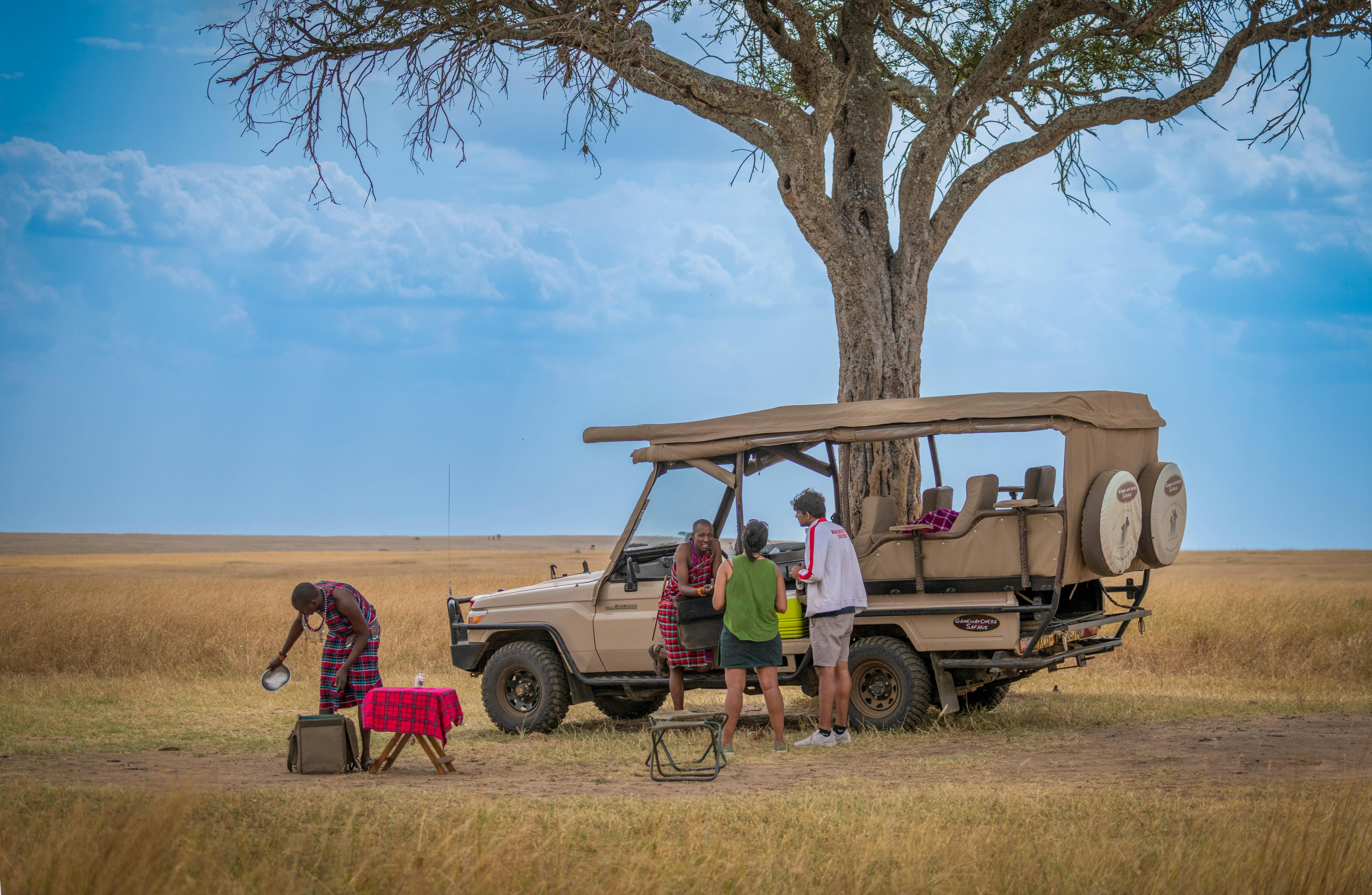
Midrange lodges and tented camps normally provide ensuite bathrooms, proper beds, electricity, hot water, restaurants, lounges and, in many cases, swimming pools. The properties may be inside a national park, near a gate or within a wildlife conservancy.
Location has a major effect on price and experience. A lodge inside the Maasai Mara can provide faster access to wildlife areas, while a cheaper camp outside the reserve may require more driving each morning. An attractively priced property is not always better value if its location reduces your game-viewing time.
A seven-day private midrange safari usually costs around USD 2,100–4,550 per person. The lower end may apply to four or more travelers visiting during a value season. The higher end is more realistic for two travelers during peak season, especially if the itinerary includes several days in the Maasai Mara.
A midrange package commonly includes:
- Private safari Land Cruiser or minivan
- Professional driver-guide
- Midrange lodges or permanent tented camps
- Breakfast, lunch and dinner on safari
- National park entrance fees
- Game drives listed in the itinerary
- Airport transfers
- Bottled drinking water
- Government taxes and operator support
The package may not include international flights, eTA, tips, premium drinks, optional cultural visits, balloon safaris and travel insurance.
Luxury Kenya Safari Cost Breakdown
A luxury Kenya safari usually costs USD 650–1,500 or more per person per day. At this level, travelers pay for a combination of excellent location, spacious accommodation, personalized service, fine dining and exclusive wildlife experiences.
Luxury camps tend to have fewer rooms, creating a more intimate atmosphere. Some include private verandas, plunge pools, outdoor showers, fireplaces, wine selections and highly personalized dining. Guides may have specialized training in photography, birding, tracking or conservation.
The package may include scheduled flights between destinations, shared open-sided game vehicles, guided walks, night drives, sundowners and community experiences. Activities vary by property, and some are available only in private conservancies.
Luxury is not defined only by room decoration. The strongest advantage is often location. A small camp within a productive conservancy may provide exceptional wildlife viewing away from crowds. Guests may be able to take guided walks, enjoy off-road sightings or participate in night game drives that are restricted inside some national reserves.
A seven-night luxury safari can range from USD 4,550 to more than USD 10,500 per person. Peak-season camps in the most desirable parts of the Maasai Mara can exceed these estimates.
Ultra-Luxury and Exclusive Safari Cost
An ultra-luxury safari may cost USD 1,500–3,500 or more per person per day. This category includes exclusive-use villas, private conservancy camps, personal guides, charter aircraft, premium suites and highly individualized service.
The price can include a private vehicle, butler, chef, private dining, spa treatments, specialized guides and exclusive activities. Some premium properties charge several thousand dollars per person per night before international airfare.
Ultra-luxury travelers are primarily paying for privacy, location and personalization. Wildlife sightings are never guaranteed at any price, but an exclusive vehicle and expert guide provide greater control over the daily program.
Detailed Kenya Safari Cost Breakdown
1. Kenya Safari Accommodation Prices
Accommodation is normally the largest variable in a safari quotation. Two itineraries can use the same route, vehicle and park fees yet differ by thousands of dollars because of their lodges.
Approximate rates per person per night are:
| Accommodation category | Low or value season | Peak season |
|---|---|---|
| Public camping | USD 30–100 | USD 40–120 |
| Budget tented camp | USD 60–150 | USD 90–220 |
| Midrange lodge or camp | USD 150–350 | USD 250–500 |
| Luxury camp | USD 400–900 | USD 700–1,500 |
| Ultra-luxury property | USD 1,000–3,500+ | USD 1,500–4,000+ |
These ranges depend on whether meals, activities, drinks, laundry, park fees or conservancy charges are included.
A property advertising USD 250 per night may eventually cost considerably more after adding meals, game drives and conservation fees. Conversely, an all-inclusive camp charging USD 700 may include most activities and drinks. Accurate comparison requires examining the entire package.
Inside-the-Park Versus Outside-the-Park Accommodation
Lodges inside parks or reserves are often more expensive because of their valuable location. Guests may begin viewing wildlife soon after leaving camp. They can also avoid queues at busy entrance gates.
Accommodation outside a park is usually more affordable and may provide access to nearby towns or local activities. However, additional transfer time can reduce the hours spent in prime wildlife areas.
In the Maasai Mara, a property’s exact location is especially important. The ecosystem is enormous, and staying far from the area you want to explore can result in long daily drives.
Single-Room Supplements
Most safari rates are calculated per person sharing a twin or double room. A traveler occupying a room alone usually pays a single supplement because the lodge earns revenue from only one guest.
The supplement can range from USD 30 per night at a budget property to several hundred dollars at a luxury camp. Some camps waive or reduce single supplements during quieter periods.
Solo travelers should ask whether the quotation contains:
- Single accommodation
- Private or shared vehicle
- Group-joining game drives
- Airport transfers
- Minimum-participant charges
Sharing game drives while keeping a private room can reduce the cost significantly.
Family Rooms and Children’s Rates
Many Kenyan lodges offer family rooms, interconnected rooms or tents accommodating parents and children. Discounts frequently apply to children sharing with adults, but the age categories differ among properties and parks.
Families should request a quotation showing each child’s age. This affects accommodation, park fees, meals, flight seats and activity eligibility. Some camps do not accept very young children, while others offer babysitting and family-oriented programs.
2. Kenya National Park and Reserve Fees
Park fees are essential to any accurate Kenya Safari Cost Breakdown. They are charged separately from accommodation unless a package explicitly states otherwise.
Kenya Wildlife Service manages destinations such as Amboseli, Lake Nakuru, Tsavo East, Tsavo West, Nairobi National Park, Meru, Aberdare and Hell’s Gate. County authorities and other institutions manage several reserves.
Current published KWS conservation fees list nonresident adult entry at USD 90 for Amboseli and Lake Nakuru, USD 80 for Nairobi National Park, USD 80 for Tsavo East and Tsavo West, and USD 70 for Meru, Kora and Aberdare. Travelers should confirm the applicable tariff when booking because government fees can change.
Approximate Nonresident Adult Conservation Fees
| Destination | Approximate adult fee |
|---|---|
| Maasai Mara, lower-fee period | Around USD 100 |
| Maasai Mara, peak period | Around USD 200 |
| Amboseli National Park | Around USD 90 |
| Lake Nakuru National Park | Around USD 90 |
| Nairobi National Park | Around USD 80 |
| Tsavo East National Park | Around USD 80 |
| Tsavo West National Park | Around USD 80 |
| Meru National Park | Around USD 70 |
| Aberdare National Park | Around USD 70 |
| Hell’s Gate National Park | Approximately USD 50 or less, subject to tariff |
These are planning figures and should not replace an official quotation. Your operator should verify current rates for the exact dates, ages and nationalities of all guests.
Maasai Mara Entrance Fees
The Maasai Mara is generally one of the most expensive destinations in a Kenya itinerary. Rates vary by season and can substantially influence the total.
A planning estimate for nonresident adults is approximately USD 100 per person during the lower-fee period and USD 200 during the higher-fee or peak period. At USD 200 per day, three charged days in the reserve represent USD 600 per adult before accommodation, vehicle and guide expenses.
The fee system may be based on specific entry windows or calendar rules. Therefore, the number of nights should not automatically be assumed to equal the number of charged days. Ask your operator to explain exactly how many entries are included.
Conservancy Fees
Private and community conservancies surrounding major wildlife areas charge conservation or bed-night fees. These often range from approximately USD 80 to USD 150 or more per person per night.
Conservancy fees support land leases, wildlife protection, community programs and controlled tourism. They also help create low-density safari areas.
Although conservancy accommodation can be more expensive, it may include activities not normally permitted in the main reserve, such as:
- Guided bush walks
- Night game drives
- Off-road viewing under controlled conditions
- Bush meals
- Sundowners
- More exclusive sightings
Always ask whether conservancy fees are included in the accommodation rate.
Vehicle Entrance and Other Charges
In addition to individual visitor fees, some parks charge for safari vehicles, camping, special activities and professional photography. These amounts are smaller than adult entrance charges but become significant across a long itinerary.
A complete quotation should account for all vehicle and conservation charges rather than asking travelers to settle unexpected fees at the gate.
3. Safari Vehicle and Road Transportation
Road transportation is one of the central components of a Kenya safari price. The cost includes vehicle hire, fuel, driver-guide services, maintenance, insurance, licenses and guide accommodation or allowances.
Safari Minivan Cost
A safari minivan is usually the most economical vehicle. It commonly has a raised roof for game viewing and can carry six or seven passengers.
Minivans perform well on many Kenyan routes, particularly during dry conditions. They are less expensive to operate than Land Cruisers and are widely used for budget and lower-midrange tours.
However, they may be less comfortable on very rough roads and less capable in deep mud. Travelers should confirm the maximum number of passengers and whether everyone receives a window seat.
Four-Wheel-Drive Land Cruiser Cost
A customized 4×4 Land Cruiser costs more but generally offers improved comfort, ground clearance and performance on rough roads. It is particularly valuable during the rainy season or on remote routes.
A private Land Cruiser can cost approximately USD 250–450 or more per vehicle per day, depending on the itinerary, fuel requirements, guide expenses and starting location. This amount is divided among the travelers.
For example, a USD 350 daily vehicle cost represents USD 175 per person when two guests travel but only about USD 58 per person when six guests share it. This is why group size has such a strong effect on private safari pricing.
Open-Sided Safari Vehicles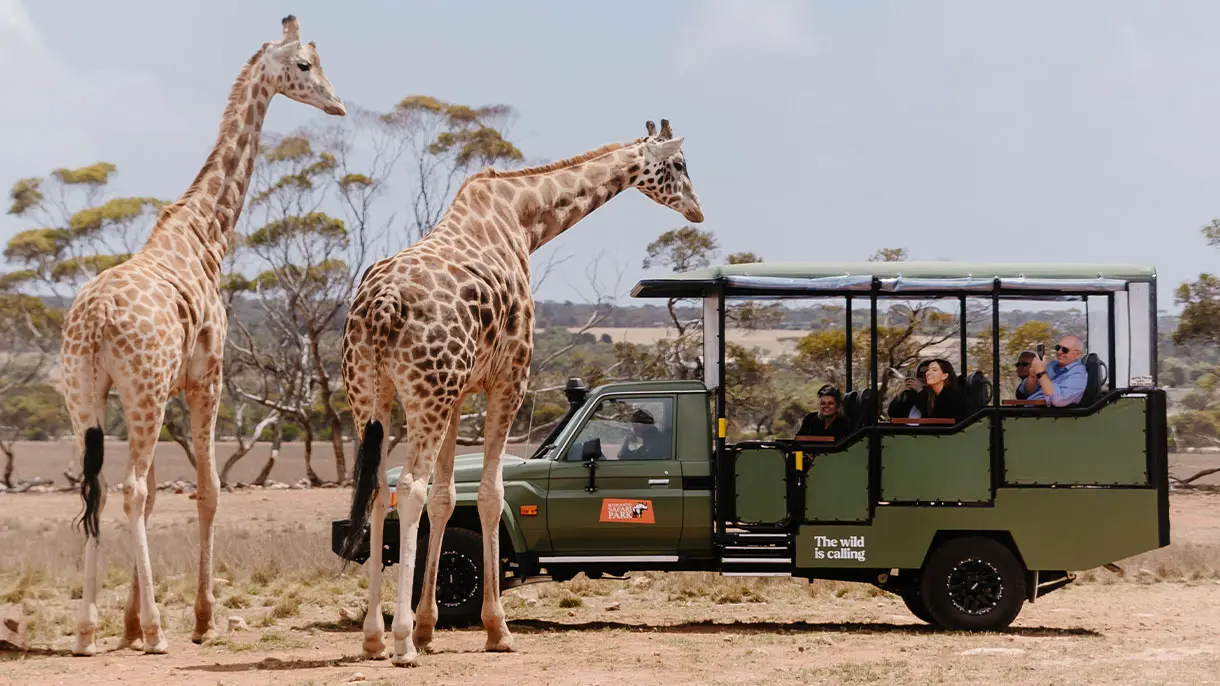
Open-sided vehicles are common at conservancy camps and luxury properties. They offer excellent visibility and photography conditions but may operate only within a defined wildlife area.
Travelers arriving by road may transfer into the camp’s shared open vehicle. If a private game-viewing vehicle is required, an additional charge may apply.
Fuel and Long-Distance Routes
Kenya is a large country. Routes that connect several distant parks require more fuel and driver time. A safari combining Samburu, the Maasai Mara, Amboseli and Tsavo will naturally cost more than one focused on two neighboring destinations.
Long drives can also reduce the quality of the trip. Adding more parks does not always create better value. Spending two or three nights in well-selected locations often produces a more rewarding experience than changing hotels every day.
4. Domestic Flights and Fly-In Safari Costs
Domestic flights save time and make remote areas more accessible. They also raise the package price.
Scheduled flights between Nairobi and destinations such as the Maasai Mara, Amboseli, Samburu and the coast generally cost approximately USD 180–450 per person each way, depending on the route, season and availability.
Some journeys require transfers between Nairobi’s Jomo Kenyatta International Airport and Wilson Airport, the main hub for many domestic safari flights. Transfer time and costs should be included in the travel plan.
A fly-in safari may include:
- Scheduled light-aircraft tickets
- Airstrip transfers
- Accommodation
- Shared game drives
- Meals
- Conservancy charges
- Selected drinks and activities
The aircraft ticket is only one part of the total. Once guests arrive, the lodge must provide transfers and game drives. A fly-in package can therefore be more expensive than a road safari even when the airfare appears reasonable.
Luggage Restrictions
Light aircraft generally enforce strict baggage limits and may require soft-sided luggage. Travelers carrying heavy camera equipment should confirm the allowance before booking.
If additional baggage capacity is required, it may be necessary to purchase an extra allowance, book a freight service or store luggage in Nairobi.
Private Charter Flights
Private charter flights provide maximum flexibility but can cost several thousand dollars per sector. They make the most sense for families or small groups that can divide the charter price, high-end travelers with strict schedules or itineraries involving remote destinations.
5. Professional Driver-Guide Costs
A qualified safari guide plays a major role in the quality of your trip. The guide drives, interprets animal behavior, identifies wildlife, communicates with other guides and manages daily logistics.
Guide costs are normally incorporated into a package rather than shown separately. The operator must cover wages, meals, accommodation, park access and allowances.
Specialist guides can increase the cost. These include professional photographic guides, birding experts, walking guides, multilingual guides and private tour leaders.
Choosing the lowest quotation can sometimes mean compromising on guiding quality. A beautiful lodge cannot replace a knowledgeable, patient and ethical guide. Travelers should ask about the guide’s experience, language ability, vehicle safety standards and familiarity with the selected parks.
6. Meals and Drinks
Most safari lodges operate on a full-board basis because alternative restaurants are rarely available. Full board normally means breakfast, lunch and dinner.
The first and last days may use different meal plans depending on arrival and departure times. A package could begin with lunch on the first day and end after breakfast on the final day.
Budget and midrange packages generally exclude alcoholic beverages and specialty drinks. Drinking water in the safari vehicle is commonly included, but travelers should confirm.
Luxury camps may include:
- Local beer and wine
- Selected spirits
- Soft drinks
- Tea and coffee
- Laundry
- Bush breakfasts
- Sundowner drinks
- In-room minibar
Premium champagne, cellar wines and imported spirits may remain chargeable even under an all-inclusive plan.
7. Optional Safari Activities
Optional activities can meaningfully change the final trip cost.
Maasai Mara Balloon Safari
A hot-air balloon safari generally costs approximately USD 450–600 per person. The experience normally includes an early transfer, a flight lasting around one hour and a bush breakfast.
Balloon flights depend on weather and have cancellation rules. Travelers should book early for the Great Migration season because spaces can sell out.
Maasai Village Visit
A cultural village experience may cost approximately USD 20–50 per person, depending on the location and arrangement. Some conservancy properties include a community visit in their package.
Travelers should choose responsible experiences that provide genuine benefits to residents and clearly explain photography, donations and craft-purchase expectations.
Guided Walking Safari
Walking-safari rates vary considerably. Some conservancy camps include short guided walks, while specialist experiences may cost USD 50–150 or more per person.
Walking is restricted in many national parks and should always be conducted with an authorized guide in an approved area.
Night Game Drive
Night drives are generally available in private conservancies rather than inside national parks and reserves. They may be included in a conservancy package or priced at approximately USD 50–150 per person.
The activity provides opportunities to observe nocturnal species that are rarely active during daytime drives.
Boat Safaris
Boat trips are available at destinations such as Lake Naivasha. A short excursion may cost approximately USD 30–80 per person, depending on duration and whether a private boat is used.
Cycling and Hiking
Hell’s Gate is known for cycling and hiking opportunities. Bicycle rental, guides and transfers may be charged separately from park entrance.
Rhino and Conservation Experiences
Destinations such as Ol Pejeta offer additional conservation experiences, some of which must be booked and paid for in advance. Prices vary from modest scheduled visits to expensive private activities.
8. Nairobi Accommodation and Transfers
Many Kenya safari packages begin and end in Nairobi but do not automatically include a city hotel.
Nairobi accommodation ranges from around USD 40–100 for a simple guesthouse to USD 120–300 for a comfortable international hotel. Luxury properties may cost USD 300–800 or more per night.
Airport transfers can range from approximately USD 30 to USD 100 or more per vehicle, depending on the location, time and vehicle type.
Travelers should allow sufficient time when transferring between Jomo Kenyatta International Airport and Wilson Airport. Nairobi traffic can be unpredictable, and tightly scheduled connections create unnecessary risk.
9. International Flight Costs
International airfare is generally excluded from Kenya safari quotations. The cost depends on origin, airline, routing, cabin class and booking period.
Approximate economy return-flight planning ranges are:
| Departure region | Estimated return airfare |
|---|---|
| Europe | USD 600–1,300 |
| United Kingdom | USD 650–1,300 |
| North America | USD 900–1,800 |
| Australia or New Zealand | USD 1,200–2,500 |
| Middle East | USD 400–1,000 |
| Southern Africa | USD 450–1,000 |
Peak travel periods such as July, August, Christmas and New Year often attract higher fares. Travelers should avoid purchasing restrictive flights until the safari availability has been checked.
10. Kenya Electronic Travel Authorization
Most eligible foreign visitors must obtain an approved electronic travel authorization before traveling. The standard Kenya eTA currently starts at USD 30, while expedited processing incurs an additional cost. Each traveler needs an authorization, including people applying as part of a group.
The official guidance states that applicants typically need a passport valid for at least six months, a passport-style photograph, itinerary information, accommodation confirmation and a payment method.
Travelers should use the official government platform and avoid unofficial websites charging unnecessary service fees.
11. Travel Insurance
Comprehensive travel insurance is essential and is normally excluded from the safari price. A policy can cost approximately 4–10% of the insured trip value, depending on age, residence, duration and coverage.
A suitable policy should address:
- Medical treatment
- Emergency evacuation
- Trip cancellation
- Trip interruption
- Delayed or lost baggage
- Missed connections
- Safari activities
- Pre-existing medical conditions, where applicable
Safari camps can be far from advanced medical facilities. Emergency evacuation coverage is therefore especially important.
Travelers should purchase insurance soon after paying a nonrefundable deposit because cancellation benefits may depend on the policy’s purchase date.
12. Vaccinations, Medication and Health Preparation
Medical expenses depend on the traveler’s health history and country of residence. Consultation fees, recommended vaccinations and malaria medication should be included in the pre-trip budget.
Entry requirements depend on where a traveler has recently visited, not only nationality. A yellow-fever vaccination certificate may be required when arriving from or transiting through certain countries.
Health regulations can change. Travelers should consult a qualified medical professional and review official government information before departure.
13. Gratuities
Tips are usually discretionary but customary when service has been good.
A reasonable planning guide is:
- Driver-guide: approximately USD 10–20 per traveler per day
- Camp or lodge staff: approximately USD 5–15 per traveler per day
- Specialist guides: according to the activity and service
- Porters and transfer staff: smaller discretionary amounts
For a seven-day trip, a traveler might budget USD 100–250 for gratuities. Private groups can combine tips and present them collectively.
Tips should never be represented as compulsory unless they are an official service charge stated before booking.
14. Souvenirs and Personal Expenses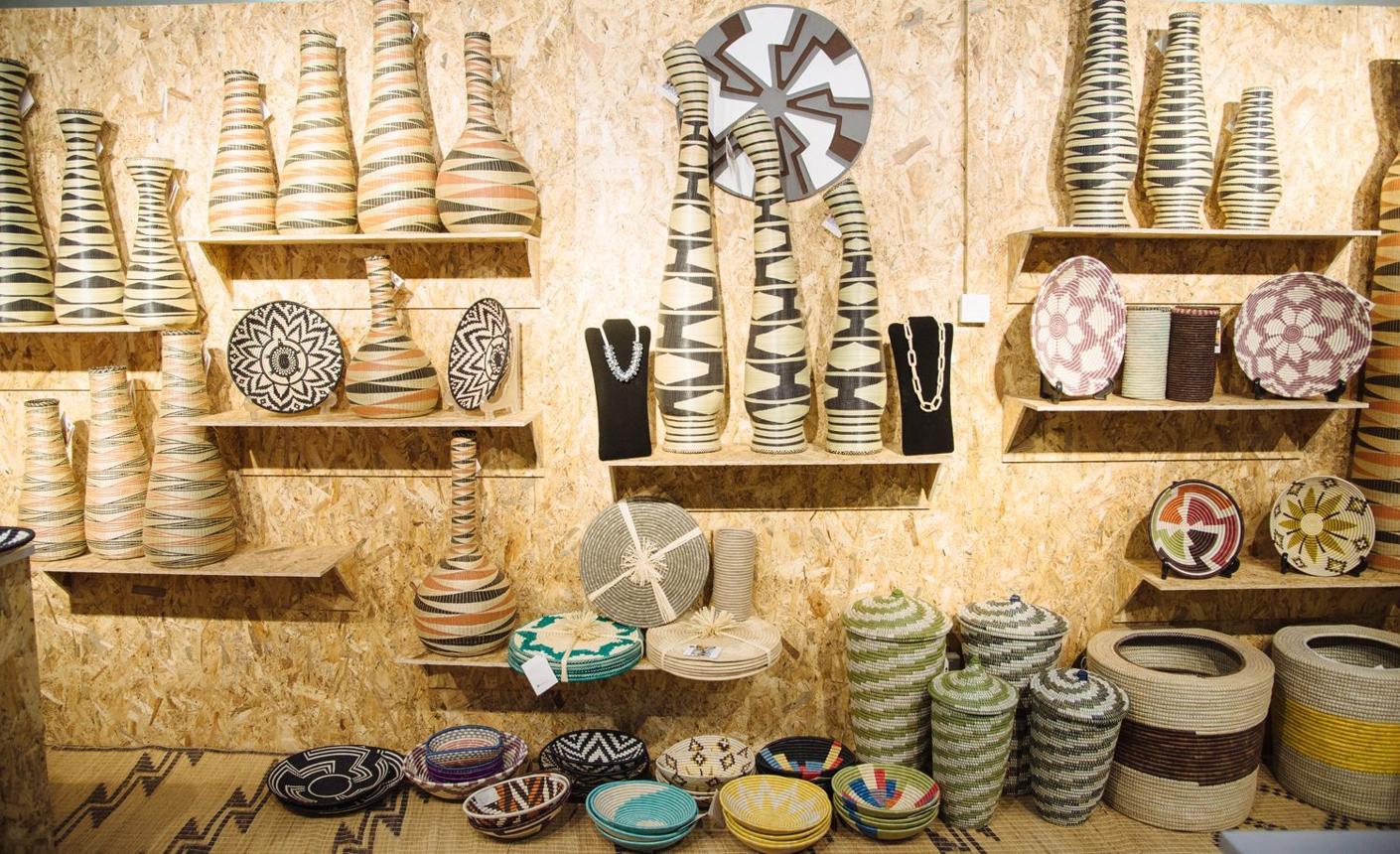
Additional spending may include crafts, clothing, coffee, artwork, snacks, premium beverages, spa treatments, laundry and personal shopping.
A budget of USD 100–300 may be sufficient for casual purchases, while serious art or jewelry purchases can cost substantially more.
When purchasing crafts, respectful bargaining is acceptable in many markets. However, travelers should remember that handmade work represents time, skill and local livelihoods.
How Season Changes the Kenya Safari Cost Breakdown
Peak Season: July to October
July through October is generally the most expensive safari period, particularly in the Maasai Mara. Demand rises because travelers hope to witness the Great Migration and possible river crossings.
Accommodation prices are high, park fees may be at their most expensive, and popular camps can sell out many months in advance.
River crossings cannot be scheduled or guaranteed. The herds move according to rainfall and grazing conditions. A longer stay provides a better chance of observing migration activity, but no operator can promise a specific crossing.
Travelers visiting during this period should book early and expect to pay premium rates.
Christmas and New Year
The festive season is another high-demand period. Many lodges apply peak rates, supplements or minimum-stay rules.
Kenya can provide excellent wildlife viewing at this time, but travelers seeking value should avoid the holiday weeks if their dates are flexible.
Shoulder Seasons
January to March and parts of November can offer a strong balance between wildlife, availability and price. Weather patterns vary, but these months may provide excellent game viewing and fewer vehicles than the migration peak.
January and February are particularly appealing for travelers interested in warm, generally dry conditions. Rates can still be high at premium camps, but they are often lower than in August.
Green Season: April to June
The rainy or green season is usually the most affordable period. Landscapes are lush, birdlife is impressive and many camps offer reduced rates.
The trade-offs include rainfall, muddy roads and occasional camp closures. Wildlife remains present, but dense vegetation can make some animals harder to spot.
Photographers often appreciate dramatic skies, green scenery and fewer vehicles. Travelers with flexible expectations may find exceptional value.
When Is the Cheapest Time for a Kenya Safari?
May is frequently among the most affordable months, followed by parts of April, June and November. Exact pricing depends on rainfall, camp operations and holiday dates.
The cheapest month is not automatically the best option for every route. Remote camps may close for maintenance, and certain roads can become challenging. A knowledgeable operator can recommend destinations that remain reliable during the rainy season.
How Group Size Changes Kenya Safari Prices
Group size has one of the largest effects on the per-person cost of a private safari.
Consider a vehicle and guide costing USD 350 per day:
| Number of guests | Approximate vehicle cost per person |
|---|---|
| 1 | USD 350 |
| 2 | USD 175 |
| 3 | USD 117 |
| 4 | USD 88 |
| 5 | USD 70 |
| 6 | USD 58 |
Accommodation and park fees remain individually charged, but transport becomes progressively more affordable as the vehicle cost is shared.
For couples, traveling with another couple can create considerable savings. Families and private groups of four to six often receive excellent value.
Seven passengers may technically fit in some vehicles, but six guests generally provide better comfort and easier access to windows. Photographers carrying large equipment may prefer a maximum of four people per vehicle.
Sample Kenya Safari Cost Breakdown by Trip Length
Three-Day Maasai Mara Safari Cost
A three-day Maasai Mara safari is one of the most popular short Kenya tours. It usually includes a road transfer from Nairobi, two nights near or inside the reserve and several game drives.
Approximate per-person prices are:
| Safari level | Estimated price |
|---|---|
| Group budget | USD 500–900 |
| Private budget | USD 750–1,300 |
| Private midrange | USD 1,000–1,900 |
| Luxury road safari | USD 1,800–3,500 |
| Luxury fly-in safari | USD 2,500–5,000+ |
The season has an especially strong effect because of Maasai Mara entry fees and accommodation rates.
A three-day itinerary involves substantial road travel compared with the time spent in the reserve. Travelers with the budget and available time should consider at least three nights.
Five-Day Kenya Safari Cost
A five-day itinerary might combine the Maasai Mara with Lake Nakuru or Lake Naivasha. Another option is Amboseli and Tsavo.
Approximate cost per person:
| Safari level | Estimated price |
|---|---|
| Budget group | USD 900–1,500 |
| Private budget | USD 1,250–2,000 |
| Private midrange | USD 1,600–3,200 |
| Luxury | USD 3,000–7,500+ |
This duration provides enough time for two destinations without creating an excessively rushed schedule.
Seven-Day Kenya Safari Cost
A classic seven-day itinerary can combine Amboseli, Lake Naivasha, Lake Nakuru and the Maasai Mara. Alternatively, travelers can slow the pace and concentrate on three areas.
Approximate cost per person:
| Safari level | Estimated price |
|---|---|
| Budget group | USD 1,260–2,100 |
| Private budget | USD 1,750–2,800 |
| Private midrange | USD 2,100–4,550 |
| Luxury | USD 4,550–10,500+ |
| Premium fly-in | USD 6,300–14,000+ |
For many first-time visitors, seven days provide the best balance between cost, variety and time in the wilderness.
Ten-Day Kenya Safari Cost
A ten-day safari can explore northern and southern Kenya without rushing. A possible route includes Samburu, Ol Pejeta, Lake Nakuru, Lake Naivasha and the Maasai Mara.
Approximate cost per person:
| Safari level | Estimated price |
|---|---|
| Budget | USD 1,800–3,000 |
| Private budget | USD 2,500–4,000 |
| Private midrange | USD 3,000–6,500 |
| Luxury | USD 6,500–15,000+ |
| Premium fly-in | USD 9,000–20,000+ |
The greater total should be considered alongside the improved daily value. Fixed costs such as airport transfers and international flights are spread across a longer experience.
Fourteen-Day Kenya Safari and Beach Holiday Cost
A two-week itinerary can combine a wildlife circuit with Diani Beach, Watamu, Malindi or Lamu.
Approximate land cost per person:
| Holiday style | Estimated price |
|---|---|
| Budget and midrange mixture | USD 3,000–5,500 |
| Comfortable private midrange | USD 4,500–8,500 |
| Luxury safari and beach | USD 9,000–20,000+ |
Flights to the coast, marine activities, premium beach resorts and festive-season supplements can raise the total.
Sample Seven-Day Midrange Kenya Safari Cost Breakdown
Suppose two adults book a private seven-day road safari visiting Amboseli, Lake Naivasha, Lake Nakuru and the Maasai Mara.
A realistic illustrative calculation per person might be:
| Cost component | Estimated amount per person |
|---|---|
| Six nights’ midrange accommodation and meals | USD 1,050 |
| Private Land Cruiser, fuel and guide | USD 950 |
| Park and reserve fees | USD 650 |
| Airport transfers | USD 75 |
| Boat trip or other activity | USD 50 |
| Drinking water and logistical support | USD 50 |
| Estimated package total | USD 2,825 |
| eTA | From USD 30 |
| Travel insurance | USD 150 |
| Tips | USD 150 |
| Personal expenses | USD 150 |
| Estimated land-trip budget | USD 3,305 |
| International airfare | Calculated separately |
During peak season, accommodation and Maasai Mara charges could increase this total considerably. For four travelers sharing the vehicle, the transport cost per person would decrease.
This example demonstrates why a headline daily rate never tells the whole story. A reliable Kenya Safari Cost Breakdown should show both the package price and the additional travel budget.
Cost of Popular Kenya Safari Destinations
Maasai Mara Safari Cost
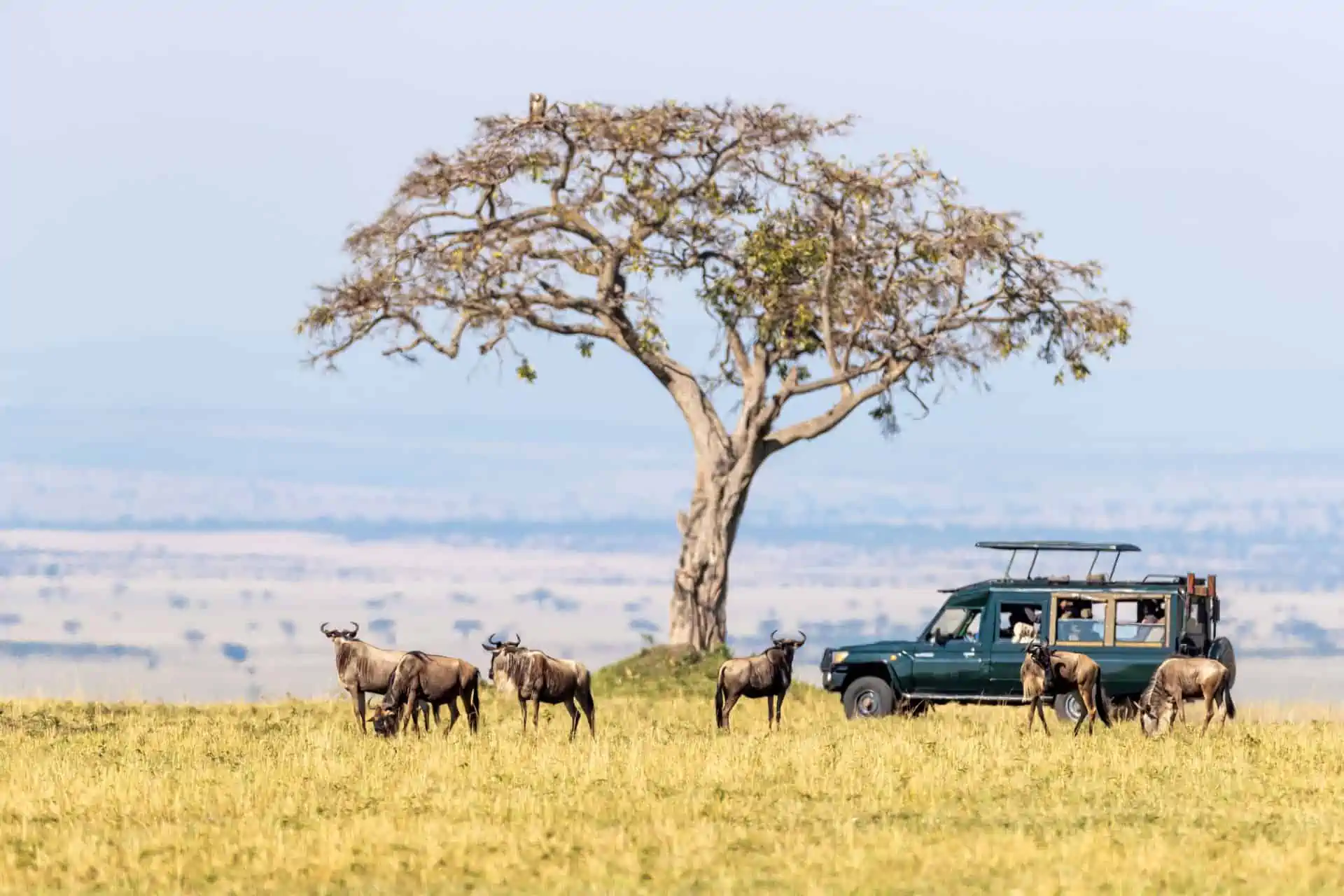
The Maasai Mara is Kenya’s best-known safari destination and often the most expensive section of an itinerary. Costs rise because of strong demand, premium reserve fees and high accommodation rates.
A midrange Maasai Mara safari can cost approximately USD 350–700 per person per day. Luxury conservancy stays can range from USD 700 to more than USD 2,000 per person per night.
The final amount depends on whether you stay inside the reserve, outside a gate or in a private conservancy. Each option offers a different balance of price, access, exclusivity and permitted activities.
Amboseli Safari Cost
Amboseli is renowned for elephants and views of Mount Kilimanjaro. It is accessible by road from Nairobi and combines well with Tsavo or the coast.
A midrange Amboseli safari generally costs around USD 300–550 per person per day. A short two-night private tour may cost more per day because vehicle and transfer expenses are spread across fewer nights.
The published nonresident adult conservation fee is USD 90 under the current KWS tariff.
Lake Nakuru Safari Cost
Lake Nakuru is often incorporated into an itinerary between Nairobi and the Maasai Mara. It is known for rhinos, birdlife and scenic landscapes.
A one-night stop in a midrange lodge can add approximately USD 250–500 per person to a private itinerary, including accommodation, transport allocation and park fees.
Travelers should not assume flamingo concentrations will always resemble historical photographs. Water levels and feeding conditions influence where the birds gather.
Samburu Safari Cost
Samburu is farther from Nairobi and therefore carries higher road-transfer or flight costs. It rewards travelers with striking scenery and species associated with northern Kenya.
A midrange Samburu safari may cost approximately USD 350–650 per person per day. Luxury fly-in experiences can exceed USD 1,000 per person per day.
Samburu works best with at least two or three nights because of the travel distance.
Tsavo East and Tsavo West Safari Cost
Tsavo offers vast landscapes, diverse habitats and a convenient connection between Nairobi and the coast. Accommodation ranges from affordable lodges to luxury camps.
A private midrange Tsavo safari may cost around USD 300–550 per person per day. Combining Tsavo East and Tsavo West usually provides more variety but requires careful route planning.
Under current published KWS charges, nonresident adults pay approximately USD 80 for entry to either Tsavo East or Tsavo West.
Ol Pejeta Conservancy Safari Cost
Ol Pejeta is known for rhino conservation and offers a strong wildlife experience within reach of Nairobi and Mount Kenya.
Midrange safaris generally cost USD 300–650 per person per day, while luxury conservancy stays cost more. Special conservation activities may be charged separately.
Nairobi National Park Safari Cost
Nairobi National Park makes it possible to enjoy a game drive without traveling far from the capital. It is ideal for passengers with an additional day before or after a longer safari.
A private half-day or full-day experience may cost approximately USD 150–400 per person, depending on group size, vehicle and included visits. The current published nonresident adult entrance fee is USD 80.
Kenya Safari and Beach Holiday Costs
Combining wildlife with the Kenyan coast is a popular way to create a balanced holiday. Diani Beach, Mombasa, Watamu, Malindi and Lamu offer different experiences.
A midrange beach hotel might cost USD 100–300 per room per night, while luxury resorts and boutique properties can cost USD 300–1,000 or more.
Travelers can reach the coast by road, train or domestic flight. Flying is fastest, while the Nairobi–Mombasa train can offer good value. Road transfers through Tsavo create an attractive safari-to-beach route.
Additional coastal expenses include:
- Airport or railway transfers
- Diving and snorkeling
- Marine park fees
- Dhow excursions
- Deep-sea fishing
- Spa services
- Drinks and restaurant meals
When comparing beach extensions, check whether the hotel uses bed-and-breakfast, half-board, full-board or all-inclusive pricing.
Kenya and Tanzania Safari Cost
A combined Kenya and Tanzania safari generally costs more than a Kenya-only itinerary because it involves border logistics, multiple park systems and sometimes vehicle changes.
A ten- to fourteen-day midrange combination may cost approximately USD 4,500–9,000 per person. Luxury programs frequently range from USD 9,000 to more than USD 20,000.
Common combinations include the Maasai Mara, Serengeti, Ngorongoro Crater, Lake Manyara and Tarangire. Although the Maasai Mara and Serengeti form one ecosystem, border arrangements do not always allow a single safari vehicle to operate freely across both countries.
Travelers may change vehicles and guides at a designated border point or use regional flights. These arrangements add cost but allow both destinations to be experienced properly.
Private Safari Versus Group Safari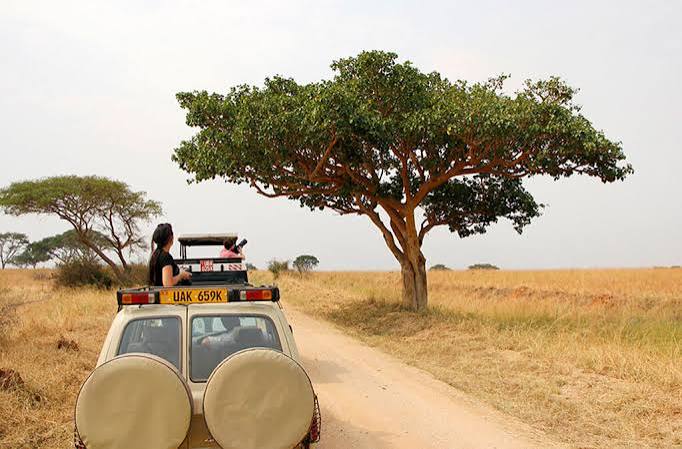
A group-joining safari is usually the cheapest choice. The vehicle follows a fixed departure schedule and carries travelers who may have different interests.
A private safari costs more but offers flexibility. Guests can decide when to depart, how long to remain at sightings and whether to focus on mammals, birds, scenery or photography.
For a solo traveler, joining a group can reduce the price dramatically. For four to six relatives or friends, a private safari may cost only slightly more per person than a shared tour.
Couples should compare both formats. A small additional investment in a private vehicle can substantially improve the experience, especially during a longer journey.
Road Safari Versus Fly-In Safari
Road safaris provide a sense of Kenya’s changing landscapes and are generally more affordable. They also allow travelers to visit attractions between major parks.
The disadvantage is travel time. Some roads are rough, and long transfers can become tiring.
Fly-in safaris save time and work particularly well for short luxury holidays. Guests can leave Nairobi in the morning and begin game viewing shortly after reaching the airstrip.
However, scheduled flights have baggage limits, fixed times and additional transfer requirements. Game drives are often shared unless a private vehicle is purchased.
A hybrid itinerary can provide the best balance. For example, travelers may drive through Amboseli and Lake Nakuru, continue to the Maasai Mara and fly back to Nairobi.
How to Save Money on a Kenya Safari
Travel Outside Peak Season
Selecting a value or shoulder season can reduce accommodation expenses considerably. March, May, June and November often provide better rates than August or Christmas.
The exact recommendation should depend on the chosen parks because weather conditions vary across the country.
Travel With More People
Sharing a private vehicle among four to six people reduces the per-person transport cost. Families and groups should ask for tiered quotations based on different participant numbers.
Choose Fewer Parks
Every additional destination adds fuel, driving time and sometimes another entrance fee. A focused itinerary with longer stays can cost less and provide better wildlife viewing.
Combine Road Travel With One Flight
Instead of flying every sector, travel by road through logically connected parks and use one flight to eliminate the longest return journey.
Select Well-Located Midrange Camps
A good midrange camp in a strong location may deliver better value than a luxury property far from prime wildlife areas.
Ask about actual driving time to the park gate and main game-viewing zones.
Avoid Unnecessary One-Night Stops
Frequent hotel changes consume time and can increase logistical expenses. Two- or three-night stays allow travelers to relax and explore an area properly.
Compare Complete Inclusions
A cheap quotation may become expensive after adding park fees, meals and game drives. Compare the final cost of receiving the same services.
Book Early for Peak Season
Booking early does not always mean receiving a discount, but it provides access to better-value rooms before they sell out. Late planners may be left with only premium accommodation.
Discuss Your Budget Honestly
A professional operator can modify the route, travel season, vehicle or lodge selection. Providing a realistic budget prevents time being spent on unsuitable options.
Hidden Costs to Check Before Booking
A low initial quotation can hide important exclusions. Ask whether the stated price includes:
- All national park and reserve fees
- Conservancy fees
- Vehicle entrance charges
- Accommodation taxes
- Full-board meals
- Drinking water
- Airport transfers
- Guide accommodation and allowances
- Domestic flights
- Airstrip transfers
- Nairobi hotel nights
- Optional activities
- Credit-card or online-payment fees
- Seasonal supplements
- Single-room supplements
- Christmas or Easter supplements
- eTA fees
- Tips
- Travel insurance
Also confirm the number of game drives. “Three days in the Maasai Mara” does not necessarily mean three full days of wildlife viewing. The first and last days may primarily involve transportation.
How to Compare Kenya Safari Quotations
Begin by placing each itinerary beside the others and comparing the same categories.
First, check the accommodation names and room types. “Luxury lodge” is a subjective label, whereas a named property can be researched and evaluated.
Second, compare the vehicle. Determine whether it is a minivan or Land Cruiser, private or shared, and how many guests it carries.
Third, inspect park fees. A quotation should specify whether all fees are included and how many charged entries have been calculated.
Fourth, compare meals and drinks. Full board is different from bed and breakfast, and all-inclusive is not always unlimited.
Fifth, examine the daily schedule. One itinerary may offer significantly more game-viewing time even if it visits the same parks.
Finally, evaluate the operator. Look for legal registration, communication quality, transparent terms, knowledgeable staff and verified reviews.
The cheapest option is poor value if it creates uncertainty, reduces park time or introduces unexpected charges.
Booking and Payment Terms
Safari operators usually require a deposit to secure accommodation, flights and other services. The balance is paid according to the company’s stated schedule.
Before paying, request:
- A detailed itinerary
- Complete price and currency
- Itemized inclusions and exclusions
- Accommodation names
- Room configuration
- Vehicle type
- Deposit amount
- Balance deadline
- Cancellation policy
- Amendment conditions
- Emergency contact details
Some payments are nonrefundable because lodges, airlines and conservation authorities impose their own conditions.
Credit-card and online-platform payments may carry processing charges. Bank transfers can also involve sending, intermediary and receiving fees. Confirm which party is responsible for these costs.
Is a Kenya Safari Worth the Cost?
For travelers who value wildlife, landscapes, photography and cultural discovery, Kenya offers exceptional safari variety. A single journey can include big cats in the Maasai Mara, elephants beneath Mount Kilimanjaro, rhinos at Ol Pejeta, rare northern species in Samburu and a relaxing beach stay on the Indian Ocean.
The value of a safari should not be measured only by the number of animals seen. It also includes the guide’s knowledge, time spent in nature, conservation contributions and quality of the overall journey.
A carefully planned midrange safari often provides the best return on investment. Travelers receive comfortable accommodation, private transportation and excellent access without paying for features they may not need.
Frequently Asked Questions About Kenya Safari Costs
How much does an average Kenya safari cost?
An average private midrange safari costs approximately USD 300–650 per person per day. A seven-day trip may therefore cost around USD 2,100–4,550 per person, excluding international airfare and personal expenses.
What is the cheapest Kenya safari?
Group-joining camping or basic tented-camp safaris are normally the least expensive. Prices may begin around USD 180–250 per person per day, although season and park fees can raise the cost.
How much is a three-day Maasai Mara safari?
A budget group safari may cost USD 500–900 per person. A private midrange trip can cost approximately USD 1,000–1,900, while luxury and fly-in packages cost substantially more.
How much money should I budget for seven days in Kenya?
For a seven-day midrange safari, budget approximately USD 2,500–5,000 per person for the land package and essential additional expenses. International airfare should be calculated separately.
Are park fees included in Kenya safari packages?
Reputable inclusive packages normally cover scheduled park fees, but this should never be assumed. Ask for written confirmation because park fees can represent a substantial portion of the total.
Is Kenya more expensive during the Great Migration?
Yes. July through October attracts strong demand in the Maasai Mara. Accommodation rates and applicable reserve fees are generally higher, and popular camps often sell out early.
Is a private Kenya safari expensive?
A private safari is more expensive for one or two guests because they carry the vehicle cost. It becomes more affordable per person when four to six travelers share the vehicle.
Is it cheaper to book a safari in Nairobi?
Last-minute offers can sometimes be found, but they may limit accommodation choice and create uncertainty about quality. Advance booking is recommended, especially during peak season.
How much does a luxury Kenya safari cost?
Luxury safaris commonly cost USD 650–1,500 per person per day. Premium fly-in and ultra-luxury experiences may exceed USD 2,000 per person per day.
How much should I tip my safari guide?
A common planning range is USD 10–20 per traveler per day for the driver-guide. Tips should reflect the quality of service and remain discretionary.
Are meals included on a Kenya safari?
Most safari lodges provide full board, but Nairobi and beach properties may use different meal plans. Review the written inclusions.
Do children receive safari discounts?
Many lodges and parks offer child rates, but age categories vary. Submit each child’s exact age when requesting a quotation.
Is a Land Cruiser worth the extra cost?
A Land Cruiser is usually worthwhile for rough roads, rainy-season travel and travelers prioritizing comfort. A minivan remains a practical budget option for many classic routes.
What currency are Kenya safaris quoted in?
International safari packages are commonly quoted in US dollars. Local expenses may be paid in Kenyan shillings, depending on the service provider.
Can I pay for a Kenya safari by credit card?
Many operators accept credit cards through secure online platforms. Processing charges may apply, so request the total payable amount before completing the transaction.
Final Kenya Safari Cost Breakdown
A realistic Kenya Safari Cost Breakdown should consider much more than accommodation. Park entrance fees, vehicle type, guide services, meals, domestic transportation, activities, travel season and group size all influence the final price.
Budget travelers should plan approximately USD 180–300 per person per day for a shared safari. Private midrange travelers should expect around USD 300–650, while luxury journeys generally begin near USD 650 and can exceed USD 1,500 per person per day.
For most first-time visitors, a seven-day private midrange safari offers an excellent balance. A sensible starting budget is USD 2,100–4,550 per person for the land package, followed by an allowance for international flights, insurance, eTA, gratuities and personal spending.
The cheapest safari is not necessarily the best value. A well-designed itinerary reduces unnecessary transfers, selects strategically located accommodation and allocates sufficient time to productive wildlife areas. Transparent pricing also protects travelers from unexpected park fees and optional charges.
By using this Kenya Safari Cost Breakdown, you can set a realistic budget, compare proposals confidently and choose a safari that matches your preferred level of comfort. Whether you select an affordable group departure, a private family journey or an exclusive fly-in adventure, Kenya offers wildlife experiences for a wide range of budgets.
Plan Your Kenya Safari With Universal Ventures Rwanda
Universal Ventures Rwanda organizes tailor-made East African holidays, including Kenya wildlife safaris, Rwanda gorilla trekking, Uganda primate tours and combined Kenya–Rwanda safari packages.
Contact the team for a personalized itinerary and an accurate quotation based on your dates, group size, accommodation preferences and preferred national parks.
Universal Ventures Rwanda
Email: info@universalventuresrwanda.com
Telephone/WhatsApp: +250 781 441 853
Address: Kigali, Rwanda
Website: www.universalventuresrwanda.com