Skip to content
This complete Maasai Mara Safari Guide explains the best time to travel, safari costs, accommodation choices, wildlife, activities and recommended itineraries. It also covers the differences between the main reserve and surrounding conservancies, helping you choose an experience that suits your interests and budget.
Few destinations represent the spirit of an African safari as powerfully as the Maasai Mara. Its golden grasslands, winding rivers, scattered acacia trees and remarkable wildlife have created some of the most recognizable safari scenes in the world.
Located in southwestern Kenya along the border with Tanzania, the Maasai Mara National Reserve forms the northern section of the greater Serengeti–Mara ecosystem. Wildlife moves freely across this vast landscape, following rainfall, water and fresh grazing.
The reserve is famous for the Great Wildebeest Migration, but its attraction extends far beyond this seasonal event. Lions, elephants, buffaloes, cheetahs, giraffes, hippos and many antelope species remain within the ecosystem throughout the year. Leopards patrol riverine forests, while spotted hyenas and jackals search the plains for hunting opportunities.
Whether you are organizing your first African safari, a family holiday, a honeymoon or a photographic expedition, careful planning will help you experience the Mara at its best.
Where Is the Maasai Mara?
The Maasai Mara lies in Narok County in southwestern Kenya. It shares an unfenced border with Tanzania’s Serengeti National Park, allowing wildlife to move naturally between the two countries.
The reserve takes its name from the Maasai people and the Mara River. In the Maa language, “Mara” is often interpreted as “spotted,” referring to the pattern created by trees, shrubs and shadows across the plains.
The Maasai Mara National Reserve covers the central protected area. However, the larger Mara ecosystem also includes the Mara Triangle and several private or community conservancies.
These surrounding conservancies protect important habitats and migration corridors. They also provide tourism income to Maasai landowners and communities.
Travelers usually reach the Mara from Nairobi by road or scheduled light-aircraft flight. Road travel commonly takes five to six hours, although traffic, road conditions, weather and the location of your camp can affect the journey.
Flights generally depart from Nairobi’s Wilson Airport and reach one of the Mara’s airstrips in about an hour. Some services make stops at other airstrips to collect or drop off passengers.
Why Visit the Maasai Mara?
The Maasai Mara offers one of Africa’s richest combinations of wildlife, landscapes and cultural heritage. It provides excellent opportunities for both first-time and experienced safari travelers.
The open plains make wildlife relatively easy to locate. Visitors may encounter lions, elephants, buffaloes, giraffes, zebras, wildebeest and different antelope species during a single game drive.
Big-cat sightings represent one of the Mara’s greatest strengths. Lions live throughout the ecosystem, while cheetahs often use open areas where they can scan for prey. Leopards prefer woodland, rocky terrain and riverine vegetation.
The Maasai Mara is also part of the annual Great Migration. Large numbers of wildebeest and zebras move into Kenya from the Serengeti when conditions favor northern grazing.
Beyond wildlife, the Mara offers balloon safaris, cultural encounters, photographic experiences, bush meals and, in selected conservancies, guided walks and night drives.
This variety makes the reserve suitable for short wildlife tours and longer Kenya safari packages.
Wildlife Covered in This Maasai Mara Safari Guide
The Maasai Mara supports a remarkable diversity of mammals, birds and smaller wildlife. Sightings change according to season, habitat, time of day and natural animal movement.
Lions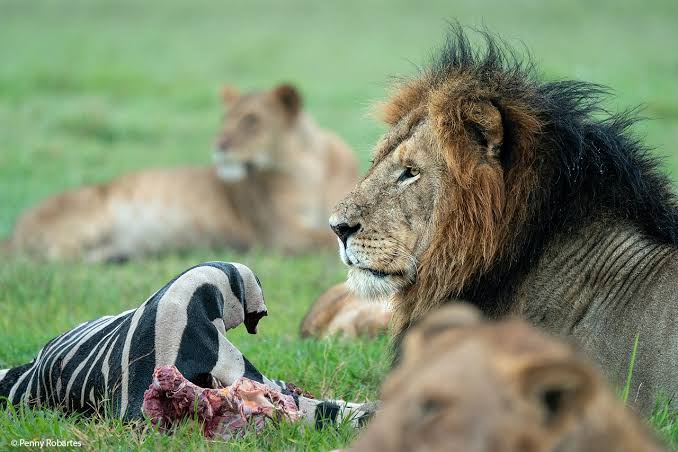
Lions are among the most frequently sought animals in the Mara. The ecosystem supports several established prides as well as nomadic males.
Visitors may see lions resting during the heat of the day, watching herds from a raised position or interacting with other pride members. Early morning and late afternoon often provide better chances of observing active behavior.
During migration season, the arrival of large prey herds creates additional hunting opportunities. However, lions remain in the ecosystem throughout the year.
A responsible guide keeps a respectful distance and avoids blocking the animals’ route. Guests should never pressure a guide to disturb wildlife for a closer photograph.
Leopards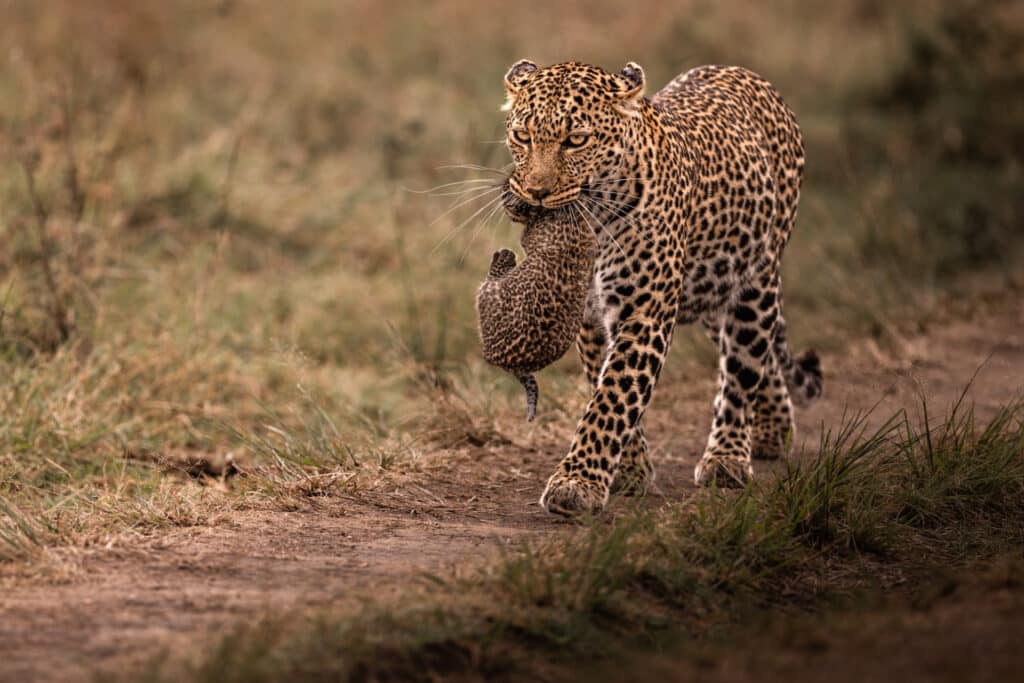
Leopards are more secretive than lions. They often rest in trees, hide within riverine woodland or move through thick vegetation.
Experienced guides look for tracks, alarm calls and the reactions of other animals. A leopard sighting may require patience, but that uncertainty makes the encounter especially rewarding.
The Talek and Mara rivers, wooded drainage lines and rocky areas provide suitable leopard habitat.
Cheetahs
The Mara’s open grasslands create ideal hunting conditions for cheetahs. Their slender bodies and exceptional speed allow them to pursue gazelles and other medium-sized prey.
Cheetahs often use termite mounds, fallen trees or safari vehicles as observation points. Guides should avoid surrounding them or interfering with a hunt.
Although visitors associate cheetahs with open plains, they may also rest in shaded grass or low vegetation during the hottest hours.
Elephants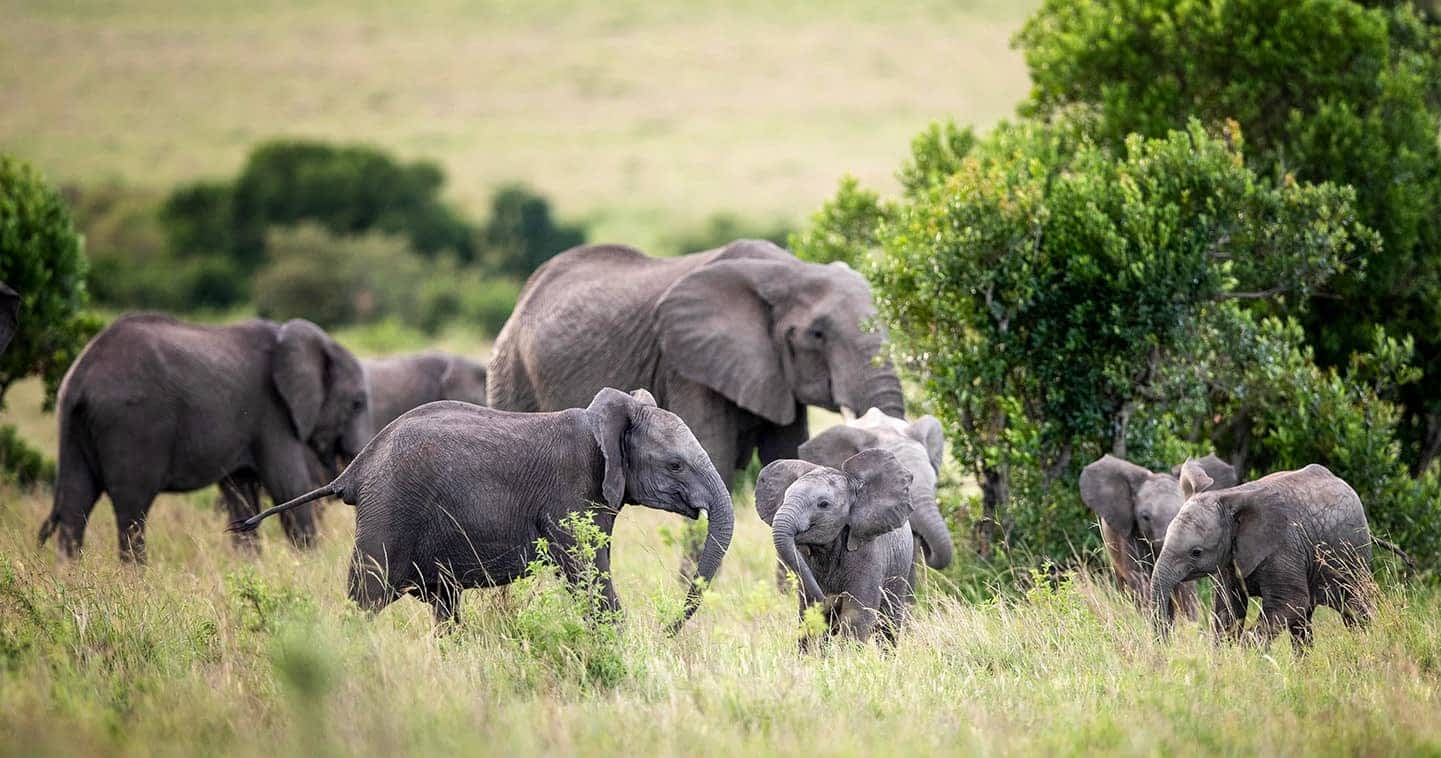
Elephants move through woodlands, grasslands and river systems across the wider ecosystem. Family herds normally consist of related females and young elephants led by an experienced matriarch.
Bull elephants may travel alone or form loose bachelor associations. Watching a family communicate, feed or protect its calves can become one of the most memorable moments of a safari.
Vehicles should give elephants plenty of space, especially when calves are present.
African Buffaloes
Buffaloes live in large herds and can often be seen near water, grassland and marshy areas. Older bulls sometimes form smaller groups away from the main herd.
They may appear calm while grazing, but guides treat them with great respect because buffaloes can be unpredictable.
Rhinos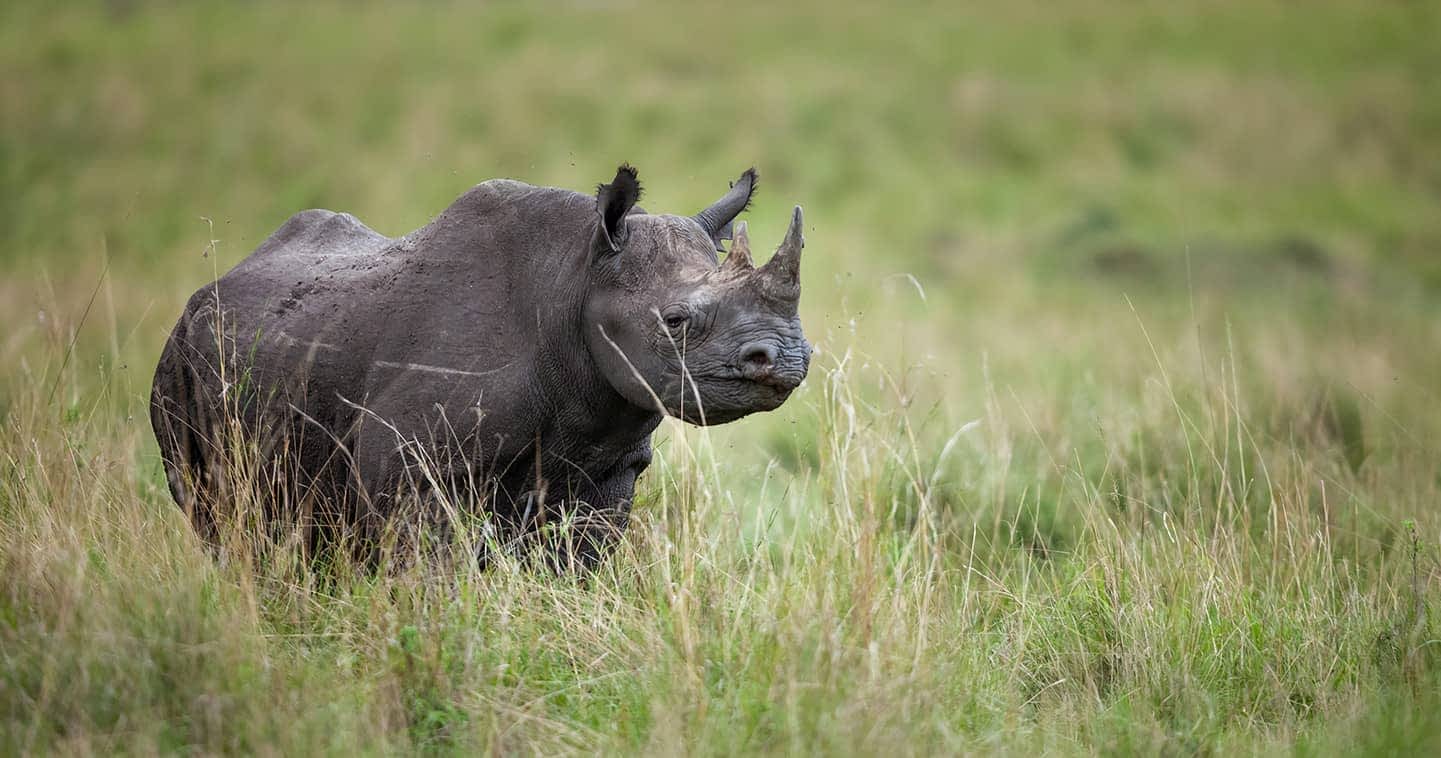
Black rhinos live within the greater Mara ecosystem, but sightings are less common than encounters with lions, elephants or buffaloes. Their exact locations receive careful protection because of the continuing threat of poaching.
Travelers who place rhino sightings high on their priority list can combine the Maasai Mara with Lake Nakuru National Park or Ol Pejeta Conservancy.
Wildebeest and Zebras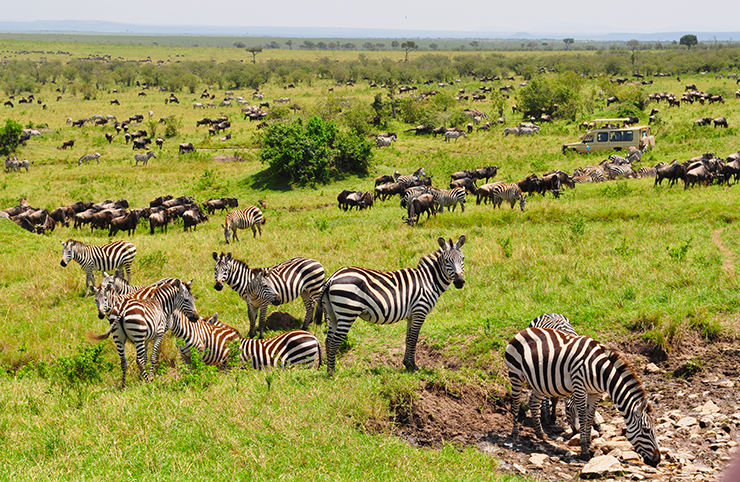
Resident wildebeest remain in the Mara throughout the year. During the migration period, much larger herds may arrive from the Serengeti.
Zebras frequently accompany wildebeest because the two species use grass in complementary ways. Thomson’s gazelles, topis and other herbivores may gather around the herds.
Giraffes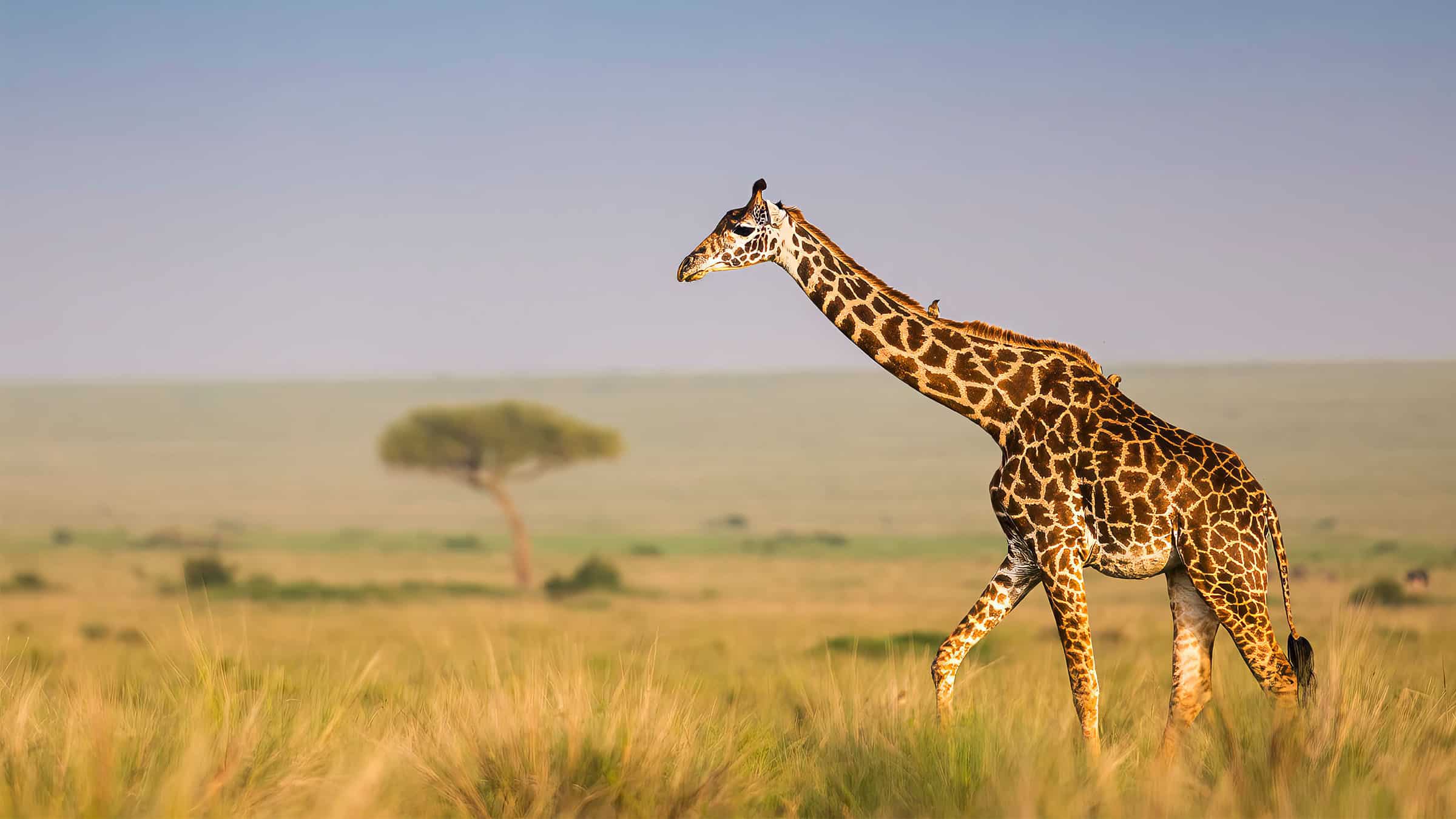
Maasai giraffes are distinguished by their irregular, leaf-like markings. They browse on acacias and other trees, moving between open plains and woodland.
Their height and calm movement make them excellent photographic subjects, especially at sunrise or sunset.
Hippos and Crocodiles
The Mara River supports large Nile crocodiles and hippos. Hippos generally remain in the water during the day and emerge after dark to graze.
During migration crossings, crocodiles may target exhausted or injured animals. These encounters form part of the natural ecosystem, even when they are difficult to watch.
Visitors must remain inside the vehicle or follow their guide’s instructions near rivers. Hippos can move quickly on land and should never be approached.
Other Animals in the Maasai Mara
The ecosystem also supports spotted hyenas, black-backed jackals, bat-eared foxes, warthogs, servals, mongooses and several smaller predators.
Antelope species include impalas, elands, topis, hartebeests, waterbucks and both Thomson’s and Grant’s gazelles.
Each species contributes to the ecological balance. A safari becomes more meaningful when travelers appreciate smaller animals rather than concentrating only on the Big Five.
Birds of the Maasai Mara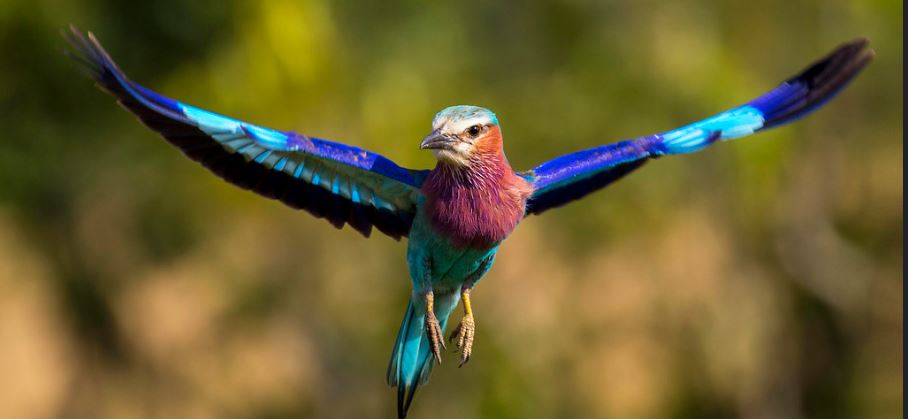
The Maasai Mara is an excellent birdwatching destination, with hundreds of recorded species.
Large birds include ostriches, secretary birds, southern ground hornbills and kori bustards. Raptors range from vultures and eagles to falcons and harriers.
Wetlands and rivers attract herons, egrets, kingfishers, storks and African fish eagles. Grassland areas support larks, pipits and widowbirds.
November through April can be especially rewarding because migratory birds join the resident species. However, productive birding remains possible throughout the year.
Dedicated birdwatchers should request a guide with specialist knowledge. A birding safari moves more slowly than a conventional Big Five game drive and may focus on specific habitats.
The Great Wildebeest Migration
The Great Migration is a continuous natural cycle across Tanzania and Kenya. Wildebeest, zebras and other grazing animals move through the Serengeti–Mara ecosystem in search of water and fresh grass.
It is not a single event that begins on a fixed date. Rainfall determines herd movements, which means the timing changes every year.
The migrating herds often enter the Maasai Mara between July and October. Kenya’s official tourism platform describes the migration as a year-round movement, with animals continually searching for fresh grazing and dependable water. Magical Kenya
Mara River Crossings
River crossings represent the migration’s most dramatic moments. Herds gather near the riverbank and may wait for hours or even days before crossing.
Sometimes one animal enters the water and thousands follow. At other times, the herd approaches the river and turns away without crossing.
No operator, camp or guide can guarantee a crossing. Claims that a crossing will happen on a particular day should be treated cautiously.
Travelers hoping to witness this event should spend at least three or four nights in the Mara. A longer stay gives guides more time to follow herd movements while still enjoying other wildlife.
Best Month for the Migration
July can bring the first large herds into the ecosystem, depending on rainfall. August and September often provide strong migration activity, while some herds may remain into October.
The exact timing is unpredictable. Climate, rainfall and grazing conditions may cause an early or late arrival.
Migration season also brings the highest visitor numbers and some of the year’s highest accommodation prices. Early booking is essential for well-positioned camps.
Is the Mara Worth Visiting Outside Migration Season?
Yes. The Maasai Mara supports rich resident wildlife throughout the year. Lions, leopards, cheetahs, elephants, buffaloes and many herbivores do not leave when the main migratory herds move south.
Outside peak season, travelers may enjoy fewer vehicles, greener scenery and lower accommodation rates. Photographers can benefit from dramatic skies and less dust.
The migration is extraordinary, but it should not be viewed as the only reason to visit the Mara.
Best Time to Visit the Maasai Mara
The best time depends on your interests, budget and tolerance for rain or crowds.
January and February
January and February are generally warm and comparatively dry. Wildlife viewing can be excellent, and predators remain active around resident prey.
Clear weather and shorter grass can create favorable conditions for photography. These months work well for travelers who want strong game viewing without peak migration crowds.
March to May
The long rains usually develop during this period, with April and May often receiving the heaviest rainfall.
Rain transforms the plains into a lush green landscape. Flowers appear, birdlife becomes active and dramatic clouds create beautiful photographic backgrounds.
Visitor numbers may fall, and some camps offer lower seasonal rates. However, muddy roads can make certain areas difficult to access. A reliable 4×4 vehicle becomes particularly important.
Some seasonal camps close during the wettest weeks, so accommodation choices may be more limited.
June
June is an attractive transition month. The landscape can remain green after the rains, while conditions often become progressively drier.
Wildlife viewing remains rewarding, and visitor numbers may be lower than during July and August. Migrating herds may begin approaching the greater ecosystem, although their exact location depends on weather patterns.
July to October
This is the peak safari season. Dry conditions often concentrate wildlife around rivers and other water sources. Migrating wildebeest and zebras may occupy the Mara’s plains.
July, August and September attract many visitors, particularly around river-crossing areas. Lodges, camps and flights can sell out well in advance.
Travelers should expect higher prices and more safari vehicles at major sightings. Choosing a private conservancy can provide a quieter base, although access to the main reserve may still be necessary for specific migration areas.
November
Short rains may begin in November, refreshing the plains after the dry season. The landscape becomes greener, and migratory birds start to arrive.
Rain often comes in short storms rather than lasting all day. However, weather patterns remain unpredictable.
November can offer good value and excellent resident wildlife viewing.
December
December generally provides green landscapes, plentiful resident wildlife and attractive birding. Demand increases during Christmas and New Year.
Families planning festive-season travel should reserve accommodation early. Some properties apply holiday supplements or require minimum stays.
Maasai Mara National Reserve or Private Conservancy?
Understanding this difference is essential when choosing accommodation.
Staying in the Main Reserve
The national reserve gives travelers direct access to important wildlife areas, including sections of the Mara and Talek rivers.
Camps inside the reserve can begin game drives without passing through an external entrance gate. This saves time and helps guests reach wildlife areas early.
The reserve follows rules designed to protect animals and habitats. Night drives and walking safaris are generally not part of the standard reserve experience.
Popular sightings can attract many vehicles, especially during migration season.
Staying in a Private Conservancy
Private and community conservancies lie around the reserve. They protect wildlife habitat while providing income to Maasai landowners.
Conservancies usually limit the number of camps and vehicles. This can produce a quieter, more exclusive experience.
Depending on the conservancy, guests may enjoy night drives, guided walks, off-road viewing and bush meals. These activities must follow the rules of the specific area.
Not every conservancy package automatically includes entry to the national reserve. Travelers should check whether reserve fees and full-day reserve excursions form part of the quotation.
Combining Both Experiences
A strong itinerary can combine the main reserve with a private conservancy. Travelers might spend two or three nights close to migration areas, followed by two nights in a conservancy for walks, night drives and less crowded sightings.
Another option is to stay in a conservancy camp that offers scheduled full-day excursions into the reserve.
The correct choice depends on the season, wildlife interests and available budget.
How to Get to the Maasai Mara
Traveling by Road from Nairobi
A road safari normally starts from a Nairobi hotel or Jomo Kenyatta International Airport.
The journey commonly takes around five to six hours, but it can take longer. Nairobi traffic, roadwork, weather, stops and the location of the chosen camp all affect travel time.
Road travel costs less than flying and allows visitors to see Kenya’s countryside. The same driver-guide usually remains with the guests throughout the safari.
A 4×4 Land Cruiser provides better performance on rough or muddy roads. Safari vans may be more affordable, but travelers should understand their limitations during difficult weather.
Flying from Nairobi
Scheduled flights usually depart from Wilson Airport. International travelers arriving at Jomo Kenyatta International Airport need a road transfer between the two airports.
The flight to the Mara takes approximately one hour, although the aircraft may stop at several airstrips.
Your chosen camp normally arranges transportation between the airstrip and the property. Depending on the location, this transfer may include wildlife viewing.
Fly-in packages save time and reduce fatigue. They work especially well for shorter trips, honeymoon safaris and luxury holidays.
Baggage Restrictions
Small aircraft impose stricter luggage limits than international airlines. Soft-sided bags are usually required because rigid suitcases may not fit into the aircraft’s storage compartment.
Allowances vary by airline and route. Confirm the exact limit before packing.
Travelers carrying heavy photographic equipment may need to purchase additional luggage capacity in advance.
How Many Days Do You Need?
A three-day, two-night safari provides an introduction to the Mara. However, one day may involve traveling from Nairobi, while the final day includes the return journey. This leaves limited time for game drives.
Four days and three nights offer a more balanced experience. Travelers gain at least two significant wildlife-viewing periods and greater flexibility.
Five days and four nights are ideal for migration travel, photography and relaxed exploration. This duration makes it possible to visit different areas without rushing.
Travelers staying in both the reserve and a conservancy should consider five or six days.
One-night stays are rarely worthwhile unless the traveler flies in and out at carefully planned times.
Maasai Mara Safari Costs
The cost of a safari depends on travel dates, accommodation, transport, group size and included activities.
A budget group safari may cost approximately USD 200–400 per person per day. Private midrange packages often range from around USD 400–750 per person per day. Luxury fly-in safaris may cost USD 800–1,500 or more per person per day.
These figures provide general planning guidance rather than confirmed quotations. Premium migration camps, private vehicles, charter flights and exclusive-use villas can cost considerably more.
Park Entrance Fees
Park fees can change, so travelers should verify the rate before booking. Published 2026 guidance lists nonresident adult fees of USD 100 per day from January through June and USD 200 per day from July onward. Child rates and age definitions differ. Confirm current charges with the relevant authority or your operator before payment. Maasai Mara fee guidance
A complete quotation should clearly state whether reserve or conservancy fees are included.
Accommodation Costs
Budget camps offer simple permanent tents or basic rooms. Midrange lodges add greater comfort, established dining facilities and private bathrooms.
Luxury camps may include spacious tented suites, premium meals, drinks, laundry, bush activities and personalized service.
Location strongly affects price. Camps inside prime wildlife areas or migration corridors usually cost more than properties outside the ecosystem.
Road Transportation Costs
Road-safari prices cover the vehicle, fuel and professional driver-guide. The per-person rate falls when more guests share the vehicle.
A solo traveler pays more because vehicle expenses cannot be divided among several passengers. Families and groups of four to six often receive better per-person value.
Fly-In Safari Costs
A fly-in package includes domestic flights, airstrip transfers and camp-based game drives. Private vehicles may require an additional payment.
Guests should determine whether camp game drives are shared with other visitors. A luxury room does not always include a private vehicle.
Seasonal Price Differences
July through October brings the highest demand. Accommodation can cost substantially more during the migration period.
Festive dates around Christmas and New Year may also carry supplements.
April, May and selected periods in November often produce lower prices. Some properties offer stay-pay deals or reduced green-season rates.
What Is Included in a Maasai Mara Safari Package?
A standard package generally includes transportation from Nairobi, accommodation, meals, park entrance fees, game drives and the services of a professional guide.
Road packages may include exclusive use of the safari vehicle. Fly-in packages commonly include shared game drives from the lodge or camp.
Bottled drinking water in the vehicle is usually provided. Some luxury properties include house drinks, laundry and selected activities.
Airport transfers may be included if specified in the itinerary.
Every inclusion should appear in writing. Do not assume that “all-inclusive” covers flights, premium drinks, optional activities or gratuities.
Common Safari Exclusions
International flights normally remain separate. Kenya’s electronic travel authorization, travel insurance, vaccinations and personal medical costs are also generally excluded.
Optional balloon safaris, cultural visits, guided walks and private bush meals may require additional payment.
Tips for guides, camp staff and porters are normally voluntary but expected when service has been good.
Personal purchases, spa services, telephone calls and premium beverages are usually separate.
Budget Maasai Mara Safaris
Budget safaris make the Mara accessible to more travelers. They often use group departures, safari vans and simple camps outside the reserve.
A low price does not always mean good value. Some inexpensive packages exclude park fees or provide very limited game-drive time.
Check the location of the accommodation. A distant camp can require a long drive to the reserve gate each morning.
Ask how many guests share the vehicle. Every traveler should have reasonable access to a window or viewing space.
Group tours work well for solo travelers who want to meet others, but participants must share decisions about stops and schedules.
Midrange Maasai Mara Safaris
Midrange packages provide comfortable accommodation without the cost of high-end luxury camps.
Permanent tented camps often create an authentic atmosphere while offering private bathrooms, hot showers, good beds and full-board meals.
A private midrange road safari is suitable for couples, families and small groups. Guests can decide how long to remain at a sighting and which animals to prioritize.
For many travelers, the quality of the guide and camp location matters more than expensive room decoration.
Luxury Maasai Mara Safaris
Luxury safaris emphasize privacy, location, personalized service and efficient transportation.
Guests may fly from Nairobi, stay in a small conservancy camp and reserve a private safari vehicle. Some packages include drinks, laundry, bush meals and specialist guiding.
Luxury tented camps preserve a strong connection with nature. Canvas walls allow guests to hear lions, hyenas and other animals during the night.
The best luxury safari should deliver more than an elaborate room. It should provide excellent guiding, ethical wildlife viewing and access to uncrowded areas.
Family Safaris in the Maasai Mara
The Mara can provide an extraordinary family holiday when the itinerary suits the children’s ages.
A private vehicle offers flexibility. Families can shorten a game drive, return to the camp for rest or spend more time with animals that interest the children.
Choose accommodation with family rooms, child-friendly meals and age-appropriate activities. A swimming pool can help children relax between drives.
Ask whether the camp is fenced. Unfenced properties usually require guests to walk with an escort after dark.
Some camps impose minimum ages for walking safaris, balloon flights or shared game drives. Confirm all policies before booking.
Avoid exhausting itineraries with long transfers and multiple one-night stays. Children usually enjoy a slower safari more than a rushed checklist.
Maasai Mara Honeymoon Safaris
The Maasai Mara is one of Kenya’s finest honeymoon destinations. Couples can combine wildlife, privacy and romantic tented accommodation.
A fly-in safari reduces travel time and creates a smoother experience. Private conservancy camps often offer quieter surroundings and personalized activities.
Possible honeymoon experiences include private dinners, sundowners, bush breakfasts and balloon safaris.
After the Mara, couples can continue to Diani Beach, Watamu or Lamu for several days beside the Indian Ocean.
Tell the operator that the trip is a honeymoon. Some properties may provide special room decorations, meals or complimentary extras.
Photographic Safaris
Photographers should reserve a private vehicle or join a specialist small-group departure.
A private vehicle gives guests control over position, timing and the duration of each sighting. It also provides more space for cameras and lenses.
Request a Land Cruiser with a pop-up roof, openable windows and charging facilities where possible. Beanbags provide stable support without taking up the space required by tripods.
A minimum four-night stay is recommended. Longer stays allow the guide to understand the photographer’s interests and return to promising territories.
Carry spare batteries, memory cards and dust protection. Keep essential equipment in hand luggage during international travel.
Activities in the Maasai Mara
Morning and Afternoon Game Drives
Game drives form the foundation of every safari. Early mornings provide cool temperatures, soft light and active wildlife.
Afternoon drives begin after the midday heat and continue toward sunset. Predators may become more active as temperatures fall.
Full-Day Game Drives
A full-day drive allows travelers to explore distant areas without returning to the camp for lunch.
The camp normally provides a picnic meal. This option works well during migration season, when herds may gather far from the lodge.
Full-day drives can be tiring, so families and older travelers should consider their comfort.
Hot-Air Balloon Safari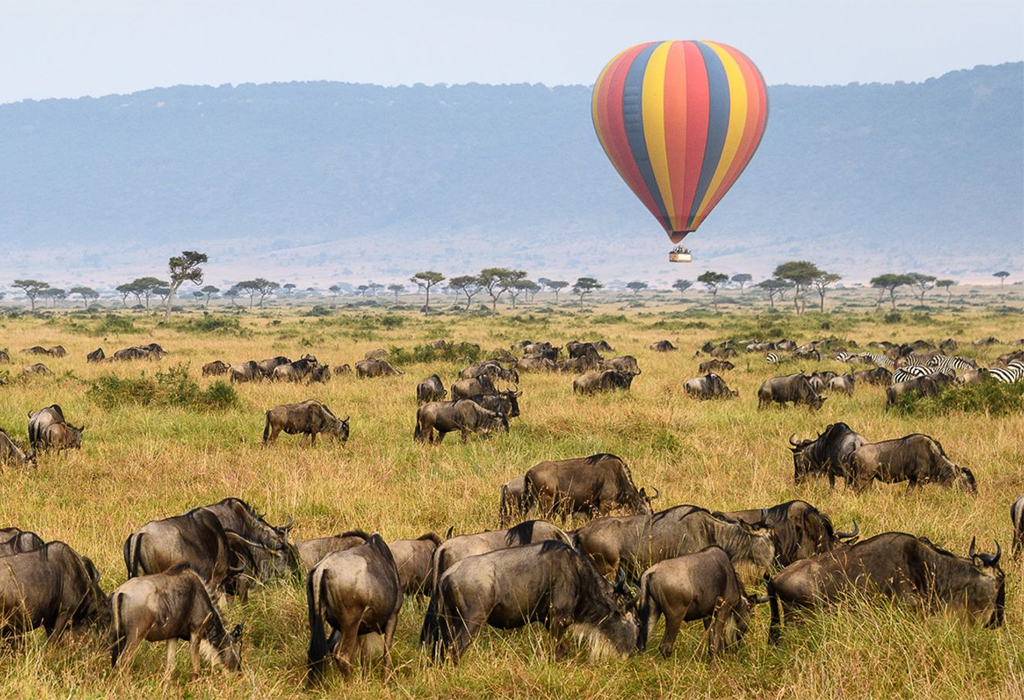
Balloon safaris begin before sunrise. Guests float above the plains before landing for a bush breakfast.
Flights depend on weather and availability. They usually cost extra and should be reserved in advance during peak season.
Ballooning offers a beautiful landscape experience, but it does not replace close wildlife viewing from a vehicle.
Guided Nature Walks
Walking safaris are offered mainly in conservancies and private areas. Qualified guides explain tracks, plants, insects and the relationships within the ecosystem.
Walks may focus more on smaller details than on approaching large wildlife.
Age and fitness restrictions can apply.
Night Game Drives
Night drives reveal nocturnal animals such as genets, bush babies, porcupines and hunting predators.
They are available in selected conservancies but generally not conducted as standard activities inside the main national reserve.
Maasai Cultural Experiences
A respectful community visit can introduce travelers to Maasai history, daily life and contemporary challenges.
The Maasai are a living community, not a performance created only for tourism. Visitors should ask permission before photographing people and respect local guidance.
Choose transparent experiences that benefit the participating community.
Bush Meals and Sundowners
Camps may arrange breakfast, lunch or dinner in a scenic outdoor location. Sundowners combine drinks with sunset views across the plains.
These experiences may be included at luxury properties or offered at an additional cost.
Recommended Three-Day Maasai Mara Itinerary
Day 1: Nairobi to Maasai Mara
Depart Nairobi early and drive through the Great Rift Valley toward the Maasai Mara. Stop at a viewpoint when conditions permit.
Arrive at the lodge or tented camp for lunch or a late meal. After checking in, enjoy an afternoon game drive.
Search for lions, elephants, giraffes, buffaloes and plains wildlife before returning for dinner.
Day 2: Full-Day Maasai Mara Safari
Leave after an early breakfast with a picnic lunch. Explore the reserve’s open grasslands, river systems and wooded areas.
During migration season, the guide will use current information to locate the herds. A river crossing cannot be guaranteed.
Return to the camp before or around sunset for dinner and overnight accommodation.
Day 3: Morning Safari and Return to Nairobi
Take an early game drive if the schedule and park-entry arrangement allow. Return for breakfast, check out and drive back to Nairobi.
Continue to your hotel or airport according to the onward itinerary.
Recommended Five-Day Maasai Mara Safari
A five-day itinerary suits photographers, honeymooners and migration travelers.
The first day covers the journey or flight from Nairobi. Days two and three provide extensive wildlife viewing within the main reserve.
On day four, guests may enjoy a balloon safari, visit another part of the ecosystem or explore a conservancy.
Day five includes a final morning activity before returning to Nairobi.
An alternative structure combines two nights in the reserve with two nights in a conservancy. This gives travelers access to both classic reserve drives and activities such as night drives or guided walks.
Combining the Maasai Mara with Other Destinations
Maasai Mara and Lake Nakuru
Lake Nakuru adds rhino-viewing opportunities, woodland habitat and Rift Valley scenery. This combination works well in a five- or six-day road safari.
Maasai Mara and Lake Naivasha
Naivasha offers boat excursions, birdwatching, Crescent Island walks and access to Hell’s Gate National Park.
It creates a good break between Nairobi and the Mara.
Maasai Mara and Amboseli
This combination connects predator-rich plains with large elephant herds and views of Mount Kilimanjaro.
Road travel between the two areas is long. An additional night or flight connection creates a more comfortable itinerary.
Maasai Mara and Samburu
Samburu contributes arid landscapes and northern wildlife species, including Grevy’s zebras and reticulated giraffes.
Flying between Samburu and the Mara saves considerable travel time.
Maasai Mara and Diani Beach
After several early safari mornings, Diani provides a relaxing finish beside the Indian Ocean.
Travelers can fly toward the coast or build a longer road journey through Amboseli and Tsavo.
Maasai Mara and Serengeti
The Mara and Serengeti share the same ecosystem, but international borders and reserve regulations create logistical considerations.
Road transfers usually use the Isebania border and require a change of vehicles and guides. Flying may involve connections through Nairobi or regional airstrips.
Travelers need the correct entry documents for both Kenya and Tanzania.
Maasai Mara and Rwanda Gorilla Trekking
Combining a Kenya safari with Rwanda gorilla trekking creates one of East Africa’s most diverse wildlife journeys.
The Mara provides lions, elephants, cheetahs and migration herds. Rwanda’s Volcanoes National Park offers a close forest encounter with mountain gorillas.
Flights connect Nairobi with Kigali. A practical itinerary can include four or five nights in the Mara followed by two or three nights in Rwanda.
Gorilla permits are limited, so travelers should confirm trekking availability before finalizing flights and accommodation.
What to Pack for a Maasai Mara Safari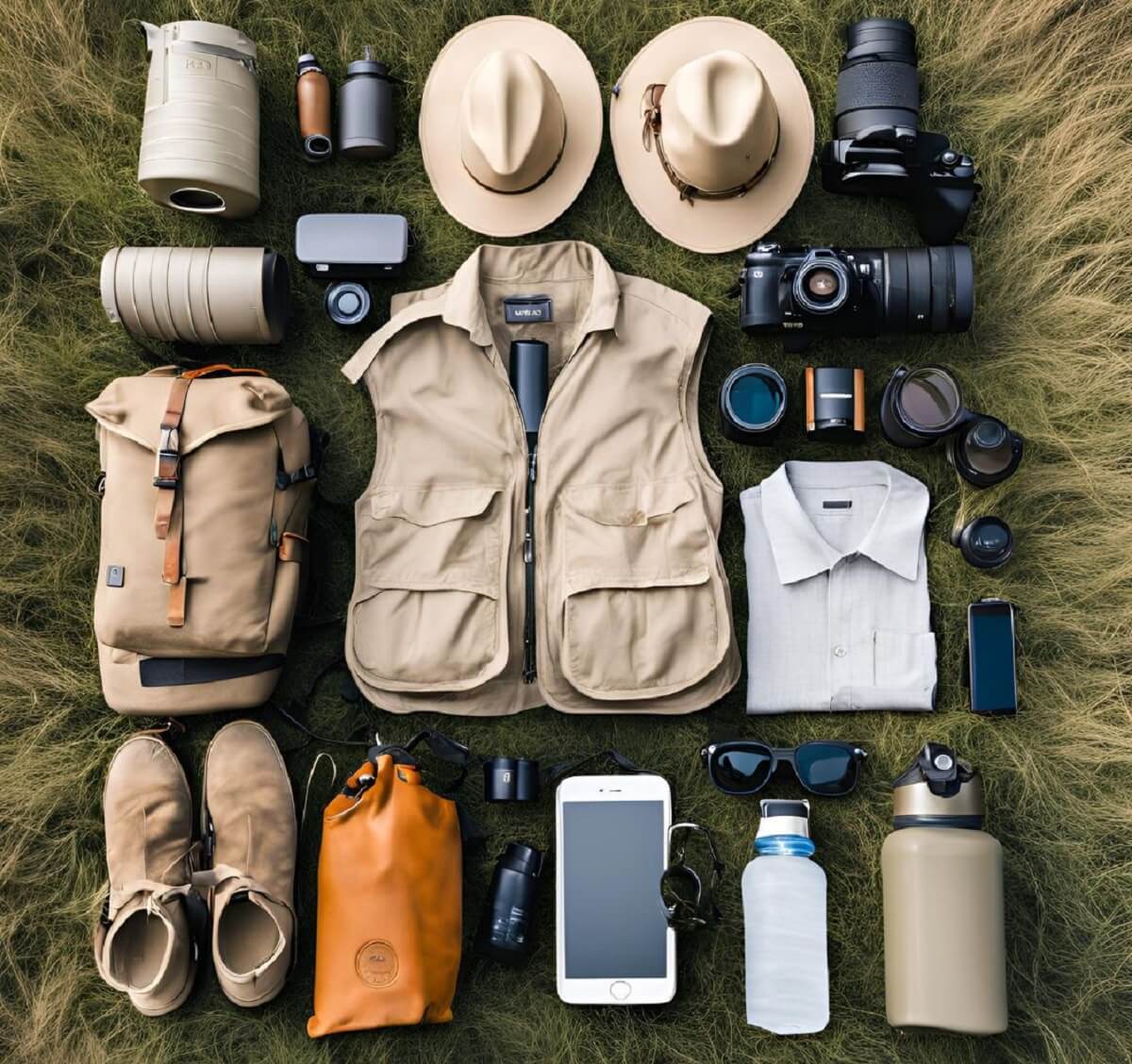
Choose lightweight, comfortable clothing in neutral colors such as beige, olive, khaki and brown.
Pack long trousers and long-sleeved shirts for protection from insects and the sun. A fleece or light jacket is important because early morning drives can feel cold.
Bring a wide-brimmed hat, sunglasses, sunscreen and insect repellent. Comfortable closed shoes are suitable for vehicle-based safaris.
Binoculars improve every game drive, particularly for birds and distant animals. Camera users should bring spare batteries, memory cards and lens-cleaning equipment.
A reusable water bottle helps reduce waste when safe refilling options are available.
Soft-sided luggage is essential for many bush flights. Confirm the airline’s baggage allowance before leaving home.
Kenya restricts plastic carrier bags, so use reusable or fabric alternatives.
Kenya Entry Requirements
Many foreign visitors need a Kenya Electronic Travel Authorization before departure. Requirements vary by nationality and eligibility category.
The official eTA portal lists a passport valid for at least six months with one blank page, a photograph, contact details, an arrival and departure itinerary, accommodation confirmation and a payment method among the common requirements. Official Kenya eTA guidance
Citizens of eligible East African Community countries may receive exemptions under current rules. Every traveler should check personal eligibility on the official government website.
Apply through the official portal and avoid waiting until the final day. The government advises allowing at least three working days, but some applications may take longer.
Entry and health requirements can change. Verify the latest information before traveling.
Health and Travel Insurance
Speak with a qualified travel-health professional before visiting Kenya. Advice depends on your medical history, itinerary and countries visited before arrival.
Malaria precautions may be recommended. Use insect repellent, wear long clothing in the evening and sleep beneath mosquito nets when provided.
Yellow fever certificate requirements vary according to travel history and nationality. Check current official rules.
Comprehensive travel insurance should cover medical treatment, emergency evacuation, cancellation and safari activities.
Keep essential medication in hand luggage and bring enough for the complete journey.
Responsible Safari Guidelines
Follow the guide’s instructions and remain inside the vehicle unless you are in an approved area.
Never ask the driver to chase animals, block their movement or approach too closely. Quiet, patient observation often produces better behavior and photographs.
Do not feed wildlife or remove plants, stones, feathers or other natural objects.
Avoid surrounding predators with too many vehicles. Ethical guides take turns and leave space for animals to move.
Use designated roads where off-road driving is prohibited. Habitat protection matters more than obtaining one close photograph.
Respect Maasai communities and ask before photographing people. Purchase locally made products when appropriate and choose tourism experiences that provide clear community benefits.
Common Maasai Mara Safari Mistakes
A frequent mistake involves staying for only one night. Much of the trip may be consumed by travel, leaving little time for wildlife viewing.
Another mistake is booking accommodation without checking its location. A property advertised as “near the Maasai Mara” may sit far from the most suitable entrance gate.
Some travelers expect a guaranteed migration crossing. Wildlife does not follow a schedule, and even excellent guides cannot control herd movements.
Choosing the lowest price without checking park fees, vehicle quality and inclusions can lead to unexpected costs.
Overpacking creates problems on bush flights. Soft luggage and careful weight management make transfers easier.
Finally, rushing between too many parks reduces the quality of the experience. A slower itinerary usually provides better wildlife encounters and less fatigue.
How to Choose the Best Safari Operator
Choose a company that provides a clear itinerary, named accommodation and a detailed list of inclusions and exclusions.
Ask about the vehicle type, guide experience, emergency support and payment conditions.
A professional operator should provide realistic road times and avoid guaranteeing wildlife sightings.
Check recent independent reviews while remembering that no company controls weather or animal movement.
The operator should also explain cancellation conditions, park-fee changes and how unavoidable itinerary adjustments will be handled.
Frequently Asked Questions
Is Maasai Mara the same as Masai Mara?
Both spellings appear in travel searches. “Maasai” is the preferred spelling for the people and the reserve, while “Masai Mara” remains widely used online.
What is the best month to visit?
August and September are popular for migration activity. However, January, February, June, November and December can provide excellent resident wildlife viewing with fewer visitors.
Can I see the Big Five?
The ecosystem supports lions, leopards, elephants, buffaloes and black rhinos. Lions, elephants and buffaloes are commonly seen, while leopards and rhinos can be more difficult to locate.
No operator can guarantee every species.
How many nights should I stay?
Three nights provide a good introduction. Four nights are better for migration viewing and photography. Two nights can work for travelers with limited time, particularly when flying from Nairobi.
Is the Maasai Mara suitable for children?
Yes, when the itinerary and camp match their ages. Private vehicles, family rooms and shorter game drives make the experience more comfortable.
Are balloon safaris safe?
Established balloon companies follow operational and weather procedures. Flights remain subject to weather and may be canceled when conditions are unsuitable.
Can I take a day trip from Nairobi?
A same-day road trip is not practical because of the distance. A flying day trip may be possible, but at least two or three nights provide much better value.
Is Wi-Fi available?
Many lodges and camps provide Wi-Fi in rooms or common areas. Connections may be slower than in cities because the properties operate in remote locations.
Do I need cash?
Carry some cash for tips, small purchases and local markets. Many lodges accept cards, but network interruptions can affect payments.
Is the Mara safe?
Professionally organized safaris are generally safe when visitors follow instructions. Wildlife camps may be unfenced, so guests must use escorts and never walk alone after dark.
Final Thoughts
The Maasai Mara deserves its reputation as one of Africa’s greatest wildlife destinations. Its value does not depend only on the Great Migration. Resident predators, elephants, giraffes, buffaloes, antelopes and hundreds of bird species make the ecosystem rewarding throughout the year.
A successful safari starts with realistic planning. Allow enough nights, choose accommodation based on location, understand the difference between the reserve and conservancies, and compare every package according to its complete inclusions.
Migration travelers should remain patient because river crossings cannot be scheduled. Families should choose private transportation and a relaxed pace. Photographers need space, good positioning and enough time in one ecosystem.
Most importantly, approach the Mara as a living wilderness rather than a wildlife checklist. The quiet moments—sunrise over the plains, elephants crossing a river or lions calling after dark—often become the strongest memories.
Plan Your Maasai Mara Safari with Universal Ventures Rwanda
Universal Ventures Rwanda organizes customized East African tours, including Maasai Mara wildlife safaris, Kenya and Rwanda combination packages, gorilla trekking, family holidays, honeymoons and private multi-country adventures.
Contact our travel specialists to customize your safari according to your travel dates, preferred accommodation, group size and budget.
Email: info@universalventuresrwanda.com
Call or WhatsApp: +250 781 441 853
Address: KK 15 Road, Kigali, Rwanda
Website: Universal Ventures Rwanda