Skip to content
The best Kenya Safari Packages 2026 offer more than a series of game drives. They connect travelers with different landscapes, wildlife habitats and communities. One itinerary may begin beneath Mount Kilimanjaro in Amboseli National Park, continue through the lakes of the Great Rift Valley and finish among the lions and wildebeest of the Masai Mara. Another may explore the rugged northern wilderness of Samburu before flying to a private conservancy in Laikipia.
Kenya is where the classic African safari was born. Its golden savannahs, dramatic escarpments, snow-capped mountain views and wildlife-rich reserves have inspired generations of travelers. In 2026, Kenya remains one of Africa’s most rewarding destinations for Big Five encounters, the Great Wildebeest Migration, cultural experiences, birdwatching and relaxing beach holidays.
Kenya can accommodate almost every travel style. Budget travelers can join scheduled group departures, families can reserve private vehicles, couples can stay in intimate tented camps, and luxury travelers can fly between exclusive conservancies. Safari and beach combinations make it possible to follow several days of wildlife viewing with time beside the Indian Ocean in Diani, Watamu, Malindi or Lamu.
However, choosing the right package requires careful planning. The number of nights, season, parks, vehicle type, accommodation category and travel method all affect the experience and final price. This complete guide explains how to compare Kenya safari tours, understand costs and select an itinerary that matches your interests.
Analysis of the Top 10 Competitors for Kenya Safari Packages 2026
A review of current search results shows that the leading pages include SafariBookings, TourRadar, G Adventures, Abercrombie & Kent, Friendly Planet, National Geographic Expeditions, Go Ahead Tours, Go2Africa, Tripadvisor and MasaiMara.travel.
These competitors rank strongly because they combine high website authority with extensive inventories, customer reviews, recognizable brands and detailed destination content.
SafariBookings performs well by allowing travelers to compare thousands of Kenya tours by duration, budget, accommodation level and operator rating. TourRadar follows a similar marketplace model and supports its packages with reviews, departure dates, discounts and clear summaries.
G Adventures emphasizes small-group travel, local experiences and guaranteed departures. Abercrombie & Kent, National Geographic Expeditions and Go2Africa focus heavily on premium experiences, expert guidance and inspirational storytelling. Friendly Planet and Go Ahead Tours clearly explain inclusions such as accommodation, meals, transport and guided activities.
Tripadvisor succeeds through a large volume of reviews and bookable experiences, while MasaiMara.travel provides destination-specific information about safari prices, migration periods, accommodation and sample itineraries.
Several content opportunities remain. Many high-ranking pages provide large package inventories but limited help with choosing between parks. Others promote attractive tours without clearly explaining realistic road times, differences between reserves and conservancies, seasonal trade-offs, vehicle standards or hidden costs.
This article addresses those gaps by combining package ideas with practical planning information, cost guidance, destination comparisons, seasonal advice and suggested itineraries for different types of travelers.
Why Choose Kenya for an African Safari in 2026?
Kenya’s greatest advantage is variety. Travelers can observe lions on the plains of the Masai Mara, elephants below Mount Kilimanjaro, rhinos in Ol Pejeta, rare northern species in Samburu and red-dust elephants in Tsavo. The country also offers mountains, freshwater lakes, tropical forests, desert landscapes and an extensive Indian Ocean coastline.
Wildlife viewing is reliable throughout the year. The Great Migration attracts international attention from approximately July to October, but resident animals remain in Kenya during every season. Lions, leopards, cheetahs, elephants, buffaloes, giraffes, hippos and many antelope species do not disappear when the migrating herds return south.
Kenya also has well-developed safari infrastructure. Nairobi is served by major international airlines, while a network of scheduled light-aircraft flights connects the capital with important wildlife areas. Travelers can choose between road safaris, fly-in safaris or combinations of both.
Accommodation ranges from simple camps to historic lodges and sophisticated tented suites. Even at the luxury level, many properties preserve a close connection with nature. Canvas walls, open decks and unfenced settings allow guests to hear the sounds of the bush at night.
Most importantly, Kenya Safari Packages 2026 can be tailored to specific interests. Photographers may request private vehicles and longer game drives. Families can choose child-friendly camps and a relaxed pace. Honeymooners may prefer small conservancy camps with private dining, while active travelers can add walking, cycling, horse riding or mountain trekking.
Best Destinations Included in Kenya Safari Packages 2026
Masai Mara National Reserve
The Masai Mara is Kenya’s most famous safari destination. Its open grasslands, riverine forests and seasonal waterways support an exceptional concentration of wildlife.
The reserve is particularly known for lions, cheetahs, elephants, buffaloes, giraffes, hippos and large antelope herds. Leopards are present but often require patient searching around wooded rivers and rocky areas.
Between roughly July and October, migrating wildebeest and zebras enter the wider Mara ecosystem from Tanzania’s Serengeti. The precise timing depends on rainfall, grass and river conditions rather than a fixed calendar. Kenya’s official tourism platform describes July to October as the most dramatic period of the migration, although no operator can guarantee a river crossing on a particular day. Magical Kenya
A three-night stay is a sensible minimum for most visitors. Four nights provide more flexibility for wildlife viewing, photography and exploring different sectors of the reserve. Short two-night tours are possible, but travelers should consider the road journey from Nairobi and the limited time available inside the ecosystem.
The Masai Mara can be visited by road or scheduled flight. Road travel is more affordable and reveals Kenya’s countryside, while flying saves time and reduces fatigue.
Mara Private Conservancies
The private and community conservancies surrounding the national reserve offer a different safari experience. Visitor numbers and vehicle density are generally more controlled, and camps may offer activities that are restricted inside the main reserve.
Depending on the property and conservancy rules, guests may participate in guided walks, night drives, bush meals or off-road wildlife viewing. Conservancy fees contribute to habitat protection and provide income to local landowners.
Travelers should check whether their camp includes access to the national reserve. Some packages remain mainly within the conservancy, while others combine conservancy activities with full-day drives in the reserve.
During migration season, a strategically located conservancy can offer quieter wildlife viewing away from crowded river areas. At other times of year, resident predators and plains game still make the wider Mara ecosystem rewarding.
Amboseli National Park
Amboseli is celebrated for its elephants and views of Mount Kilimanjaro. The mountain is across the border in Tanzania, but some of its most iconic views appear from the Kenyan plains.
The park contains wetlands, open grassland, acacia woodland and dry lakebeds. Underground water flowing from the mountain supports permanent swamps that attract elephants, buffaloes, hippos and numerous birds.
Clear views of Kilimanjaro are never guaranteed because clouds can cover the summit. Early mornings often provide the best opportunity before cloud builds around the mountain.
Amboseli works well as the first destination after Nairobi or as part of a southern circuit with Tsavo and the coast. A two-night stay is suitable for a classic visit, while photographers may prefer three nights.
Lake Nakuru National Park
Lake Nakuru National Park is one of the easiest places to include on a central Kenya circuit. The park is known for rhinos, Rothschild’s giraffes, buffaloes, zebras and woodland wildlife.
Flamingo numbers vary according to water levels, food availability and wider movement through the Rift Valley. Visitors should not expect the enormous flamingo concentrations shown in older photographs, although both greater and lesser flamingos may still occur.
The relatively compact park can produce rewarding game viewing in a short period. It is commonly combined with Lake Naivasha and the Masai Mara.
Lake Naivasha
Lake Naivasha offers a refreshing change from vehicle-based game drives. Boat excursions reveal hippos, waterbirds and lakeside scenery. Nearby Crescent Island provides guided walks among herbivores in an area without large resident predators.
Hell’s Gate National Park is also close to Naivasha. Its cliffs, geothermal landscapes and open roads make it one of the few Kenyan parks where cycling is a popular activity. Conditions and route access should always be checked locally.
Naivasha is an ideal overnight stop between Nairobi, Nakuru and the Masai Mara. It also appeals to families and active travelers who want more variety than continuous game drives.
Samburu National Reserve
Samburu provides a rugged contrast to the green lakes and rolling Mara grasslands. The Ewaso Nyiro River forms the center of this dry northern ecosystem, drawing wildlife to its wooded banks.
The region is associated with a group of northern species often called the Samburu Special Five: Grevy’s zebra, reticulated giraffe, gerenuk, Beisa oryx and Somali ostrich. Elephants, lions, leopards and African wild dogs may also be encountered.
Samburu can be reached by road, but including it in a fly-in itinerary reduces travel time. Most travelers should allow at least three nights to appreciate the landscape and wildlife.
Ol Pejeta Conservancy
Ol Pejeta Conservancy lies near Mount Kenya and is particularly important for rhino conservation. It supports black and white rhinos, as well as lions, elephants, buffaloes and other plains wildlife.
The conservancy appeals to travelers who want both traditional game drives and a stronger conservation focus. Depending on availability and the chosen package, additional activities may include guided walks, night drives and visits to conservation projects.
Ol Pejeta combines naturally with Samburu, the Aberdares, Mount Kenya or the Masai Mara. It is also a valuable addition for travelers who place rhino sightings high on their priority list.
Laikipia Plateau
Laikipia is a vast region of ranches and conservancies north of Nairobi. It has become a leader in community-based conservation and low-density tourism.
Unlike packages built entirely around national parks, Laikipia itineraries may include walking safaris, camel trekking, horse riding, mountain biking and night drives. Private conservancies can provide greater activity flexibility than many public reserves.
The region is especially suitable for returning safari travelers, active families and guests who want meaningful time outside a vehicle.
Tsavo East National Park
Tsavo East is known for immense landscapes, open plains, the Galana River and elephants colored red by the park’s iron-rich soil. Its scale creates a feeling of wilderness that differs from the more concentrated wildlife areas.
The park combines conveniently with Mombasa, Diani, Watamu and other coastal destinations. It can form part of a road circuit from Nairobi to the coast or a shorter safari beginning near the beach.
Wildlife may appear more dispersed than in the Masai Mara, but the landscape and sense of space make Tsavo East deeply rewarding.
Tsavo West National Park
Tsavo West has a more varied and dramatic landscape, with volcanic terrain, hills, woodland and natural springs. Mzima Springs is among its best-known attractions.
Combining Tsavo East and Tsavo West creates a balanced southern Kenya safari. Travelers can then continue to Amboseli or finish at the coast.
Nairobi National Park
Nairobi National Park allows visitors to experience a genuine wildlife reserve close to a major capital city. Rhinos, lions, giraffes, buffaloes and many antelope species live within sight of Nairobi’s skyline.
The park works well for travelers with limited time, long stopovers or an additional day before an international flight. It should not be viewed only as a substitute for a longer safari; it is a distinctive destination in its own right.
Meru National Park
Meru offers a quieter alternative to Kenya’s busiest reserves. Rivers, forests and open plains support elephants, lions, rhinos and diverse birdlife.
Because visitor numbers are lower, Meru appeals to travelers seeking solitude and a less commercial atmosphere. It works best in a customized itinerary with sufficient time rather than a rushed first safari.
The Kenyan Coast
Diani Beach is one of the country’s best-known coastal destinations, offering white sand, warm water and a wide choice of accommodation. Watamu combines beaches with marine activities and access to nearby cultural and natural attractions. Lamu offers Swahili heritage and a slower island atmosphere.
Safari and beach combinations are especially attractive to honeymooners, families and travelers who want rest after early starts and dusty drives.
Best Time to Book Kenya Safari Packages 2026
Kenya is a year-round destination, but every season creates different advantages.
January and February
The early months of the year are usually warm and relatively dry in many safari regions. Wildlife concentrates near dependable water sources, while clear conditions can support good photography.
This period is well suited to the Masai Mara, Amboseli, Samburu and Laikipia. It also works well for combining safari with a beach stay.
Demand can increase around New Year and during popular holiday periods, so early reservations remain important.
March to May
The long-rain period usually develops from March and extends through May, although weather patterns vary. April and May are often the wettest months.
Rain transforms the landscape into rich green scenery. It can reduce dust, create dramatic skies and produce excellent conditions for birding and photography. Visitor numbers may be lower, and some lodges offer attractive seasonal rates.
However, travelers must accept the possibility of muddy roads, afternoon storms and slower journeys. Some remote camps close temporarily during the rainiest weeks.
A green-season package should use reliable vehicles, realistic driving times and carefully selected accommodation.
June
June is an excellent transition month. Landscapes may remain green after the rains, while drier conditions gradually improve road access.
Tourist numbers are often lower than in July and August. This makes June attractive for travelers who want good wildlife viewing without the peak migration-season demand.
July to October
This is the most famous safari period in Kenya. The dry season generally creates dependable wildlife viewing, and migrating herds often occupy parts of the Masai Mara ecosystem.
Peak demand brings higher accommodation prices and busier wildlife sightings. Popular migration camps can sell out many months in advance.
Travelers should understand that the migration is a natural cycle rather than a scheduled event. Herd locations and river crossings change according to rainfall and grazing conditions.
If a river crossing is your main objective, allow at least four nights in the Mara and remain flexible. Guides cannot ethically force a crossing or predict the exact hour it will happen.
November and December
Short rains may arrive during November, refreshing the plains and improving the landscape’s color. Rain is often intermittent rather than continuous.
This period can offer good value between peak travel dates. Migratory birds increase Kenya’s already impressive bird diversity, while resident wildlife remains present.
Christmas and New Year bring renewed demand, particularly at family-friendly lodges and coastal resorts.
Kenya Safari Packages 2026 by Duration
3-Day Masai Mara Safari Package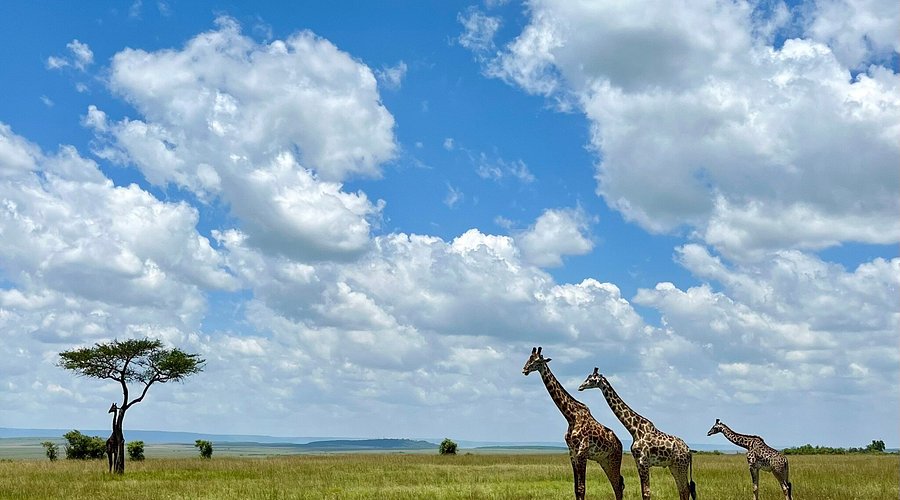
A three-day Masai Mara safari is suitable for travelers with limited time. It normally begins and ends in Nairobi.
Day one includes the road journey or flight to the Mara, followed by an afternoon game drive if arrival time allows. Day two provides the principal wildlife experience, often through a full-day drive with a picnic lunch or separate morning and afternoon drives. Day three includes a final activity before returning to Nairobi.
This package can use a budget camp, midrange lodge or luxury tented property. A fly-in option increases the usable safari time but costs more.
Although three days can be rewarding, it should be considered an introduction rather than a complete Kenya circuit.
4-Day Masai Mara Safari Package
Four days and three nights allow a more comfortable Mara experience. The additional time improves the chances of observing predators, exploring different habitats and responding to recent wildlife movements.
During migration season, three nights provide more flexibility to search for the herds without making the entire trip depend on a single game drive. Many destination specialists recommend at least three nights in the reserve for a relaxed experience. MasaiMara.travel
A four-day package can include a private vehicle, shared drives from camp or a combination of reserve and conservancy activities.
5-Day Amboseli and Masai Mara Safari
This itinerary combines two of Kenya’s most recognizable landscapes. Amboseli provides elephants and potential Kilimanjaro views, while the Mara offers big cats and rich plains wildlife.
A road-only schedule requires careful planning because the parks are far apart. Some itineraries return through Nairobi, and travel may consume a substantial part of the day. Flying one segment creates a more comfortable package.
A practical plan includes two nights in Amboseli and two nights in the Mara, with the remaining time used for transfers. Travelers who dislike long journeys should extend the trip to six or seven days.
6-Day Masai Mara, Lake Nakuru and Amboseli Safari
This popular circuit features three contrasting destinations. Lake Nakuru breaks the journey and adds rhino-viewing opportunities.
A typical route travels from Nairobi to Amboseli, continues to Lake Nakuru and finishes in the Masai Mara. The reverse direction also works.
Although six days are possible, some days involve considerable driving. Travelers should request a detailed schedule showing approximate departure and arrival times.
7-Day Classic Kenya Safari Package
Seven days allow a more balanced introduction to Kenya. A classic itinerary may combine Amboseli, Lake Naivasha, Lake Nakuru and the Masai Mara.
Day one begins with Nairobi to Amboseli. Day two is dedicated to morning and afternoon wildlife viewing below Kilimanjaro. Day three travels toward Naivasha, followed by a lake or leisure activity. Day four explores Naivasha or Nakuru. Days five and six provide game drives in the Masai Mara, and day seven returns to Nairobi.
This is one of the most practical Kenya Safari Packages 2026 for first-time visitors because it balances famous destinations, varied activities and manageable overall length.
8-Day Kenya Big Five Safari
An eight-day package can slow the pace or include a northern destination. One option combines Ol Pejeta, Lake Nakuru, Lake Naivasha and the Masai Mara.
Ol Pejeta strengthens opportunities to see rhinos, while the Mara provides excellent predator viewing. Naivasha introduces boat trips and walking opportunities.
Another eight-day itinerary may focus on Amboseli, Tsavo West and Tsavo East before continuing to the coast.
9-Day Kenya Safari and Beach Package
A nine-day safari and beach holiday may include two nights in Amboseli, three nights in the Masai Mara and three nights at Diani Beach, with one night or partial day required for connections.
Travelers can fly from the Mara to the coast, usually through Nairobi or using available scheduled routes. Road itineraries can instead cross Amboseli and Tsavo before reaching Mombasa.
The best structure depends on whether wildlife variety, relaxation or budget is the main priority.
10-Day Complete Kenya Safari Package
Ten days provide enough time for a meaningful combination of northern and southern ecosystems.
A strong route includes Samburu, Ol Pejeta, Lake Nakuru and the Masai Mara. Another option combines Amboseli, Naivasha, Nakuru, the Mara and Diani Beach.
With ten days, travelers should avoid adding too many one-night stops. Two or three nights in each important destination create a deeper experience and reduce constant packing.
12-Day Kenya Luxury Safari
A 12-day luxury itinerary can combine Nairobi, Amboseli, Laikipia, a Mara conservancy and the coast.
Light-aircraft flights reduce travel time, while small camps provide personalized guiding. Private vehicles, exclusive activities, bush meals, spa treatments and premium rooms may be added.
Luxury should not be measured only by expensive interiors. The quality of guiding, camp location, vehicle access, staff-to-guest ratio and wildlife experience often matter more than decorative features.
14-Day Kenya and Tanzania Safari
Two weeks allow travelers to connect the Masai Mara with Tanzania’s Serengeti, Ngorongoro Crater and other northern circuit destinations.
A common route crosses the land border near Isebania, although transfers can be lengthy and may require changing vehicles and guides. Flying between Kenya and Tanzania through scheduled regional connections can save time.
Travelers should confirm visa or entry authorization requirements for both countries, luggage restrictions and whether their international flights use open-jaw routing.
Recommended 7-Day Kenya Safari Itinerary
Day 1: Nairobi to Amboseli National Park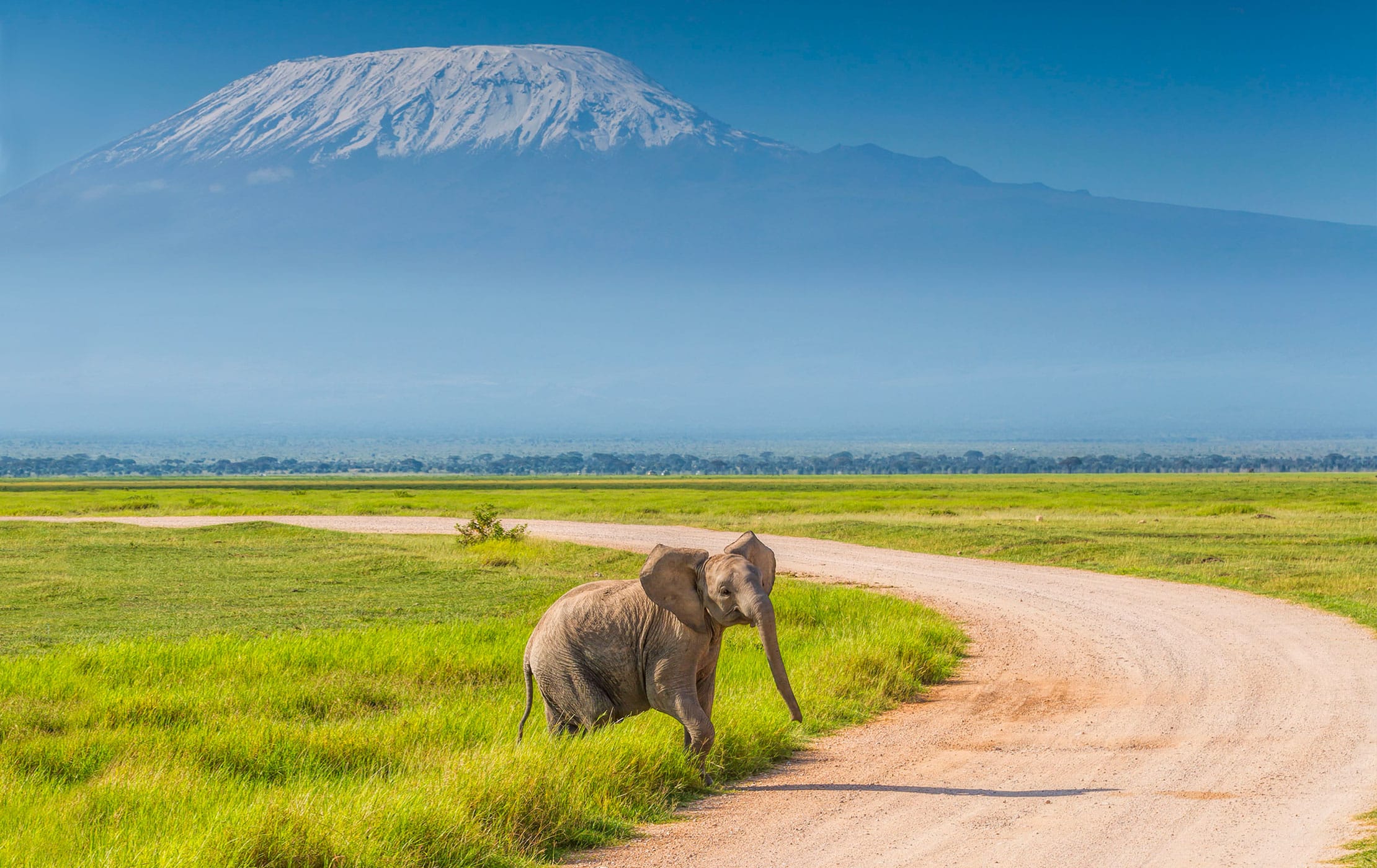
Meet your professional driver-guide in Nairobi and travel south toward Amboseli. Arrive at the lodge or tented camp for lunch, depending on road and departure conditions.
Later, take an afternoon game drive across the park’s plains and wetlands. Search for elephant families, giraffes, zebras, buffaloes and lions. If the sky is clear, enjoy views of Mount Kilimanjaro before returning for dinner and overnight accommodation.
Day 2: Full Day in Amboseli
Begin with an early-morning game drive when wildlife is active and temperatures are comfortable. Sunrise may create excellent photographic conditions around the mountain and wetlands.
Return for breakfast and enjoy time at the lodge during the warmest part of the day. In the afternoon, explore another section of the park before sunset.
Day 3: Amboseli to Lake Naivasha
After breakfast, leave Amboseli and travel through Nairobi or its outskirts toward the Great Rift Valley.
Stop at a viewpoint when conditions permit, then continue to Lake Naivasha. Depending on arrival time, take a boat excursion or relax beside the lake. Hippos, fish eagles, pelicans and other waterbirds may be observed.
Day 4: Lake Naivasha and Lake Nakuru
Start with an optional guided walk on Crescent Island or a visit to Hell’s Gate National Park. Continue to Lake Nakuru National Park for an afternoon game drive.
Search for rhinos, giraffes, buffaloes, zebras, waterbucks and leopards. Flamingo sightings depend on changing lake conditions.
Day 5: Lake Nakuru to Masai Mara
After breakfast, drive toward the Masai Mara. The journey passes through agricultural areas and local towns before reaching the open plains of the Mara ecosystem.
Enter the reserve or conservancy and enjoy wildlife viewing on the way to the camp. Settle in for dinner and listen to the sounds of the African night.
Day 6: Full-Day Masai Mara Safari
Depart early with a picnic breakfast or lunch, depending on the camp arrangement. Spend the day searching for lions, elephants, cheetahs, leopards, buffaloes, giraffes and plains game.
During migration season, the guide may follow recent information about herd locations. River crossings cannot be guaranteed and patience is essential.
Travelers may add a sunrise balloon safari at extra cost, subject to availability and weather.
Day 7: Masai Mara to Nairobi
Enjoy a final morning drive before returning to Nairobi by road or scheduled flight. Continue to a city hotel or Jomo Kenyatta International Airport according to the onward schedule.
An additional Nairobi night is recommended when the international departure time does not connect comfortably.
Kenya Safari Cost in 2026
The cost of a Kenya safari depends on season, duration, group size, accommodation, transportation and included activities. There is no single price that applies to every traveler.
As a broad planning guide, a group-joining budget safari may start around USD 180–350 per person per day. A private midrange safari commonly falls around USD 350–700 per person per day. Luxury packages may range from USD 700 to more than USD 1,500 per person per day.
These figures are indicative, not fixed quotations. Premium migration camps, private villas, charter flights and exclusive vehicles can raise the price considerably.
What Determines the Price?
Accommodation is one of the largest cost factors. Budget camps provide simple rooms or permanent tents with essential facilities. Midrange lodges offer greater comfort, private bathrooms and established dining services. Luxury properties may add large suites, private decks, pools, exceptional locations and highly personalized service.
Season also matters. July through October usually attracts the highest prices in the Masai Mara. Christmas, New Year and Easter may carry supplements. Green-season rates can be significantly lower.
Private safaris cost more for one or two travelers because vehicle and guide expenses are divided among fewer people. The per-person cost normally falls when four to six guests share one vehicle.
Flying saves time but increases the total. Scheduled bush flights may also impose strict baggage limits, often requiring soft-sided luggage. Always check the specific airline’s current allowance rather than relying on a general assumption.
Park and conservancy fees vary by destination and may change. Confirm that the quotation uses the correct 2026 rates and specifies whether fees are included.
What Is Usually Included?
A well-prepared package commonly includes airport transfers, safari transportation, professional driver-guide services, accommodation, meals during the safari, scheduled game drives, park entrance fees and bottled drinking water in the vehicle.
Fly-in packages may include scheduled flights and shared transfers between an airstrip and camp.
Every proposal should define inclusions clearly. Words such as “all-inclusive” do not always mean international flights, premium drinks, visas, optional activities or gratuities.
Common Exclusions
International airfare is usually excluded unless the package is sold as a flight-inclusive holiday. Travel insurance, electronic travel authorization fees, vaccinations, personal purchases, tips and medical expenses are normally separate.
Balloon safaris, private bush meals, spa treatments and cultural visits may also cost extra.
Laundry is sometimes included at luxury camps but excluded elsewhere. Certain properties cannot launder underwear for cultural reasons, although washing powder may be provided.
Budget Kenya Safari Packages
An affordable safari does not have to mean a poor wildlife experience. Budget packages lower costs by using group departures, simple accommodation and road transport.
The guide and vehicle remain critical. Ask whether the safari uses a proper 4×4 Land Cruiser, safari van or another vehicle. Confirm how many guests will share each row and whether everyone has a window seat.
Low advertised prices should be examined carefully. Some exclude park fees, use accommodation far from reserve gates or provide only limited game-drive time.
A fair comparison should consider the total price after mandatory fees, not the headline figure alone.
Traveling in June, November or the green season can produce better value. A private package may also become affordable when four to six travelers share costs.
Midrange Kenya Safari Packages
Midrange tours provide the best balance for many travelers. They usually include comfortable lodges or permanent tented camps, private bathrooms, full-board meals and professional guiding.
Location remains important. A beautiful lodge situated far from a park gate may require extra driving before each wildlife activity. A simpler camp inside or beside the wildlife area can deliver a better safari.
Private midrange packages work particularly well for couples, families and small groups. Guests can control departure times, photography stops and the general pace more easily than on a large group tour.
Luxury Kenya Safari Packages 2026
Luxury Kenya Safari Packages 2026 emphasize privacy, time efficiency and access to exceptional locations.
Guests may fly between parks, stay in small camps, use private vehicles and enjoy activities such as guided walks or night drives in conservancies. Some properties include drinks, laundry, bush meals and conservation experiences.
The most expensive room is not automatically the best choice. Travelers should evaluate the camp’s wildlife location, guiding reputation and access rules.
For migration travel, a well-positioned tented camp may be more valuable than an elaborate lodge that requires long daily drives to reach the herds.
Kenya Family Safari Packages
Kenya is an excellent family safari destination when the itinerary matches the children’s ages and interests.
Private vehicles provide flexibility for rest stops and shorter game drives. Camps with swimming pools, family tents and educational activities help children remain engaged.
Long driving days should be avoided where possible. A combination of Nairobi, Naivasha and the Masai Mara can work better than a rushed circuit covering five parks.
Parents should ask about minimum ages for walking safaris, balloon flights and other activities. Some unfenced camps may not accept very young children or may require families to book a private vehicle.
A good family guide transforms animal sightings into an interactive learning experience without overwhelming younger travelers.
Kenya Honeymoon Safari Packages
A Kenya honeymoon can combine romance, adventure and relaxation. Small tented camps, private dinners and scenic bush flights create a memorable journey without sacrificing the authenticity of the safari.
The Masai Mara is a natural centerpiece, but honeymooners should consider adding Laikipia, Samburu or Amboseli for greater variety. Ending at Diani, Watamu or Lamu provides time to rest beside the ocean.
Couples should inform their operator that the trip is a honeymoon. Lodges may offer special room arrangements, private meals or complimentary gestures, although these depend on the property.
Kenya Safari and Beach Packages
A bush-and-beach journey is one of Kenya’s greatest strengths. Wildlife reserves and the Indian Ocean can be combined within a single country, simplifying regional logistics.
A southern road circuit may travel from Nairobi through Amboseli, Tsavo West and Tsavo East before arriving at the coast. This avoids returning to Nairobi but includes several driving days.
Alternatively, guests can fly from the Masai Mara to the coast. This option is faster and works well for shorter holidays.
Diani provides a broad range of resorts and boutique hotels. Watamu is attractive for marine experiences and a quieter atmosphere. Lamu suits travelers interested in Swahili history, architecture and island life.
Sea and weather conditions vary seasonally. Travelers planning diving, snorkeling or deep-sea fishing should seek destination-specific advice for their dates.
Great Migration Safari Packages
Migration safaris require realistic expectations. The annual movement involves wildebeest, zebras and other herbivores circulating through the Serengeti–Mara ecosystem in response to water and grazing.
The Kenyan phase is commonly associated with July through October, but the herds do not follow a fixed appointment. Rain can shift their arrival, departure and concentration.
A good migration package includes at least three and preferably four nights in the Mara. It also uses experienced guides who exchange responsible information about wildlife movements.
Travelers should not judge success only by seeing a river crossing. The wider migration experience includes enormous herds, predator activity, calving cycles, territorial behavior and changing landscapes.
Crowding can occur at famous crossing points. Private conservancies offer a quieter base, but guests may need to enter the national reserve to reach certain migration areas.
Kenya Photographic Safari Packages
Photographers benefit from private vehicles, skilled guides and fewer passengers per row. A private vehicle makes it easier to wait for behavior, select the best angle and keep camera equipment accessible.
Request a vehicle with openable windows, a pop-up roof and charging facilities where possible. Beanbags are often more stable than tripods inside a safari vehicle.
Longer stays create better photographic opportunities than constantly changing parks. Three or four nights in one ecosystem allow the guide to understand your interests and revisit promising locations.
Early and late light is valuable, but midday can still produce action around water, shade or predator sightings. Conservancies may permit greater flexibility with drive times.
Dust protection, spare batteries and multiple memory cards are essential. Travelers using light aircraft must consider baggage restrictions when selecting equipment.
Birdwatching Safaris in Kenya
Kenya is one of Africa’s premier birding destinations. Its habitats range from coast and lowland savannah to highland forest, wetlands and semi-desert.
A specialist birding itinerary may include Nairobi National Park, the Rift Valley lakes, Kakamega Forest, Samburu, Arabuko Sokoke Forest and coastal wetlands.
General safari guides know many common species, but dedicated birders should request a specialist guide. The pace of a birding safari differs from a conventional Big Five tour.
November through April can be particularly rewarding because Palearctic migrants join resident species, although excellent birding is available year-round.
Walking, Cycling and Active Safaris
Not every Kenyan safari must be experienced from a vehicle. Private conservancies in Laikipia and around the Mara may offer guided bush walks. Hell’s Gate is known for cycling, while Mount Kenya provides multi-day trekking routes.
Horseback and camel safaris are available in selected areas. These activities range from gentle excursions to demanding multi-day journeys.
Walking near dangerous wildlife requires qualified guides and strict procedures. Travelers should disclose medical conditions and accurately describe their fitness or riding experience.
Active components work best when combined with conventional game drives rather than replacing them entirely.
Road Safari or Fly-In Safari?
Road safaris are generally more affordable and allow travelers to observe rural landscapes between parks. A private driver-guide remains with the group, creating continuity throughout the tour.
The disadvantage is travel time. Road conditions, traffic and weather can make journey estimates unpredictable. Long transfers may become tiring, particularly for children or travelers with limited mobility.
Fly-in safaris maximize time in wildlife areas. Small aircraft land at bush airstrips, where camp vehicles meet arriving guests. This approach works especially well for distant combinations such as Samburu and the Masai Mara.
Flights may involve several stops and strict luggage limits. Game drives are often shared unless a private vehicle is booked separately.
Many of the best Kenya Safari Packages 2026 use both methods: road travel for a logical central circuit and flights where driving would consume most of a day.
Private Safari or Group-Joining Safari?
A private safari reserves the vehicle and guide for one booking. Travelers control the pace, stop duration and daily schedule within park regulations.
This format is ideal for families, photographers, honeymooners and friends traveling together. It also makes it easier to accommodate dietary, mobility or special-interest requirements.
Group-joining safaris cost less because participants share transportation. They can be sociable and suitable for solo travelers, but compromise is necessary. One guest may want to photograph birds while another wants to search for lions.
Before reserving a group tour, confirm the maximum vehicle capacity, seating layout, language, age range and guaranteed departure policy.
How to Choose a Kenya Safari Lodge or Tented Camp
Start with location. Determine whether the property is inside a park, inside a conservancy, beside a gate or farther away. Each location affects fees, drive times and available activities.
Next, examine the game-drive arrangement. Some properties include shared drives, while road-safari guests use their operator’s vehicle. Conservancy camps may require guests to use resident guides and vehicles.
Ask whether the camp is fenced. Unfenced camps provide an immersive atmosphere, but guests must follow escort rules after dark.
Review the meal plan, room configuration, electricity schedule, charging access, Wi-Fi and hot-water system. Remote camps may use solar power and limit high-energy appliances.
For families, confirm child policies and whether rooms truly connect. “Family tent” may mean two separate units connected by a shared veranda rather than an internal door.
Responsible and Ethical Safari Travel
Responsible tourism protects wildlife habitat and respects communities.
Choose operators and camps that follow park rules, avoid crowding animals and employ trained local guides. Vehicles should not block wildlife, chase predators or pressure animals for photographs.
Cultural visits should be respectful and transparent. Guests should understand whether fees support individuals, community organizations or tourism businesses.
Avoid buying wildlife products. Reduce single-use plastic, carry a reusable water bottle where practical and follow Kenya’s rules concerning plastic bags.
Never ask a guide to leave authorized roads where off-road driving is prohibited. A responsible sighting is more valuable than a photograph obtained by damaging habitat.
Kenya Entry Requirements for 2026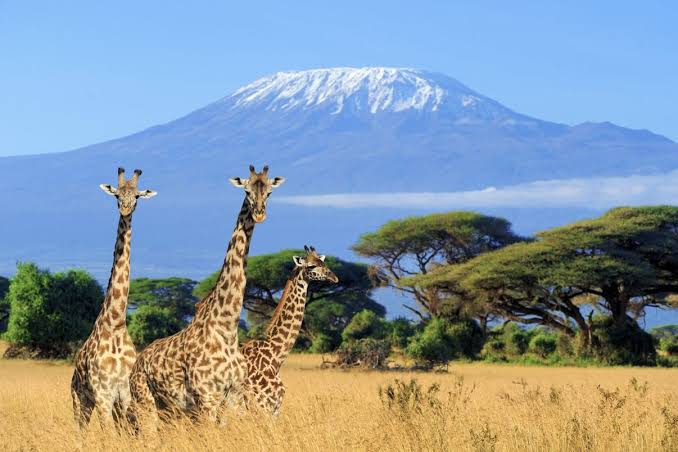
Travelers should verify entry rules before departure because requirements can change.
Kenya uses an Electronic Travel Authorization system for many international visitors. The official application website lists common requirements including a passport valid for at least six months, a blank passport page, a suitable photograph, contact details, travel itinerary, accommodation confirmation and a payment method. Certain travelers, including eligible East African Community citizens, may be exempt under current rules. Always use the official government platform and check eligibility for your nationality. Kenya eTA
Do not rely on unofficial visa agencies without verifying their legitimacy. Submit the application early enough to address possible questions or delays.
Passport, health and transit requirements may differ according to nationality and recent travel history.
Health and Travel Insurance
Consult a qualified travel-health professional before departure. Advice may depend on age, medical history, itinerary and countries visited before or after Kenya.
Malaria precautions may be recommended for many safari and coastal regions. Travelers should also carry insect repellent, wear appropriate clothing in the evening and use mosquito nets where provided.
Yellow fever certificate requirements depend on origin, transit history and current health regulations. Confirm the rules with official authorities and your airline.
Comprehensive insurance should cover medical treatment, evacuation, cancellation, baggage and the activities included in the itinerary. Remote evacuation can be expensive.
Carry essential medication in hand luggage and bring enough for the entire trip. A copy of the prescription can be useful.
What to Pack for a Kenya Safari
Pack lightweight, comfortable clothing in neutral colors. Bright colors are not always a serious problem inside a vehicle, but khaki, beige, olive and muted tones are practical and show dust less easily.
Bring a fleece or light jacket for cold morning drives, especially in the highlands. Long trousers and long sleeves provide protection from sun and insects.
Comfortable closed shoes are adequate for most vehicle-based safaris. Proper hiking footwear is necessary for trekking or extended walking.
A wide-brimmed hat, sunglasses, sunscreen, insect repellent and personal medication are essential. Binoculars significantly improve wildlife and bird viewing.
Use a soft-sided duffel when taking bush flights and verify the airline’s exact luggage policy. Pack camera equipment carefully and carry spare batteries.
Avoid packing prohibited plastic carrier bags. Reusable toiletry bags and fabric packing organizers are safer alternatives.
How Far in Advance Should You Book?
For July to October, reserve popular Mara camps nine to twelve months ahead when possible. Highly sought-after properties and family rooms may require even earlier planning.
Christmas, New Year and Easter also attract strong demand. Flights, family accommodation and beach resorts can fill quickly.
Other months may allow more flexibility, but early booking still improves the choice of lodges and guides.
A reputable operator should provide written payment and cancellation terms. Confirm whether quoted rates are guaranteed or subject to changes in government taxes, park fees or exchange rates.
Questions to Ask Before Booking Kenya Safari Packages 2026
Before making payment, ask for the exact accommodation names and room categories. Request approximate road times and determine whether game drives are private or shared.
Confirm the vehicle type, maximum passengers and guaranteed window seating. Ask whether park fees, conservancy fees, meals, drinking water, transfers and domestic flights are included.
Check the cancellation conditions, payment schedule and refund rules. Understand how unavoidable changes such as flight disruptions, road closures or lodge substitutions will be managed.
If migration viewing matters, ask where the camp is located within the wider ecosystem. No responsible operator should guarantee a specific river crossing.
These questions help travelers compare complete experiences rather than simply choosing the lowest quotation.
Combining Kenya with Rwanda Gorilla Trekking
Kenya combines exceptionally well with Rwanda. A traveler can experience classic savannah wildlife in the Masai Mara or Amboseli and then fly to Kigali for mountain gorilla trekking in Volcanoes National Park.
This combination creates two completely different wildlife encounters. Kenya provides expansive game drives and Big Five viewing, while Rwanda offers an intimate forest trek to meet habituated mountain gorillas.
A practical itinerary may include six or seven nights in Kenya followed by two or three nights in Rwanda. Regional flight schedules should be checked before confirming accommodation and trekking dates.
Rwanda gorilla permits are limited and should be secured early. The safari order can be adjusted according to permit availability, international flights and personal preferences.
Universal Ventures Rwanda can assist with tailor-made East African itineraries connecting Kenya’s wildlife destinations with Rwanda or Uganda gorilla trekking.
Frequently Asked Questions About Kenya Safari Packages 2026
Is Kenya a good safari destination in 2026?
Yes. Kenya offers outstanding wildlife, diverse landscapes, experienced guides and accommodation for different budgets. The country works well for first-time and repeat safari travelers.
How many days are enough for a Kenya safari?
Five to seven days are suitable for a classic safari covering two or three destinations. Eight to ten days provide a more relaxed pace. A 12- to 14-day holiday can combine several regions or include a beach stay.
What is the best safari park in Kenya?
The Masai Mara is the most famous for predators, plains wildlife and the seasonal migration. Amboseli is excellent for elephants and Kilimanjaro views. Samburu offers northern species, while Ol Pejeta is particularly important for rhino conservation.
The best choice depends on the traveler’s interests rather than one park being perfect for everyone.
When is the cheapest time to visit Kenya?
April, May and selected weeks in November often offer lower rates. Rain is more likely, and some camps may close temporarily, but wildlife viewing can remain rewarding.
Can I see the Big Five in Kenya?
Yes. Lions, leopards, elephants, buffaloes and rhinos live in Kenya. However, no individual sighting is guaranteed. Combining the Masai Mara with Lake Nakuru or Ol Pejeta can improve overall chances, especially for rhinos.
Are Kenya safaris safe for families?
Professionally organized safaris are generally suitable for families. Parents should select appropriate accommodation, avoid exhausting schedules and follow all guide instructions around wildlife.
Is the Masai Mara worth visiting outside migration season?
Absolutely. Resident predators and herbivores remain throughout the year. Outside peak migration months, visitors may enjoy quieter sightings and better accommodation value.
Should I choose a safari van or Land Cruiser?
A 4×4 Land Cruiser normally provides stronger performance on rough or muddy roads. Safari vans may cost less and can work on established routes in dry conditions. The choice should reflect season, route and budget.
Is a balloon safari included?
Usually not. Balloon safaris are optional and must be booked separately unless the proposal explicitly includes them. They operate subject to weather, location and availability.
Can Kenya be combined with Tanzania?
Yes. Kenya and Tanzania form one of Africa’s strongest multi-country safari combinations. Travelers can connect the Masai Mara with Serengeti and Ngorongoro by road and border transfer or by regional flights.
Can Kenya be combined with a gorilla safari?
Yes. Flights connect Nairobi with Kigali and Entebbe, making Kenya easy to combine with gorilla trekking in Rwanda or Uganda.
Final Thoughts on Kenya Safari Packages 2026
The best Kenya Safari Packages 2026 are not necessarily the longest or most expensive. They are the packages that use time intelligently, match the season and give travelers enough opportunity to understand each destination.
A first-time visitor may choose Amboseli, Lake Naivasha, Lake Nakuru and the Masai Mara. A returning traveler may prefer Samburu, Laikipia and a private Mara conservancy. Families may value private vehicles and short transfers, while honeymooners may combine intimate tented camps with the Indian Ocean coast.
Avoid itineraries overloaded with one-night stops. Consider the difference between road and air travel, examine every inclusion and choose accommodation for its location as well as its comfort.
Kenya rewards patience. A quiet hour beside a leopard, an elephant family crossing a wetland or sunrise over the Mara can become more memorable than rushing through a checklist of parks.
With thoughtful planning and an experienced regional operator, a Kenya safari in 2026 can deliver remarkable wildlife encounters, meaningful cultural connections and an authentic introduction to East Africa.
Plan Your Kenya Safari with Universal Ventures Rwanda
Universal Ventures Rwanda organizes customized East African safari experiences, including Kenya wildlife safaris, Rwanda gorilla trekking, Uganda gorilla tours and multi-country adventures.
Contact the travel team to customize your Kenya Safari Packages 2026 according to your dates, preferred parks, accommodation category, group size and budget.
Email: info@universalventuresrwanda.com
Call/WhatsApp: +250 781 441 853
Address: KK 15 Road, opposite IPRC Main Entrance, Kigali, Rwanda
Website: www.universalventuresrwanda.com