Skip to content
This comprehensive Uganda Safari Travel Checklist covers every major stage of preparation. It explains what to arrange when booking your tour, what to pack for gorilla trekking, which documents to carry, how to prepare for game drives and what to check before leaving home.
A Uganda safari introduces travelers to mountain gorillas, chimpanzees, tree-climbing lions, elephants, buffaloes, hippos, giraffes and some of Africa’s most remarkable birdlife. However, enjoying these experiences requires thoughtful preparation. International visitors must organize travel documents, permits, clothing, health precautions, insurance, money and suitable equipment before departure.
Uganda’s varied geography makes packing more complex than preparing for a simple beach holiday. A traveler may experience warm savannah temperatures, cool mountain mornings, sudden rainforest showers and dusty game-drive roads during the same itinerary. The correct equipment should therefore protect you from sun, rain, insects, vegetation and changing temperatures without making your luggage unnecessarily heavy.
The best approach is to prepare in stages. Begin with passports, visas, permits and flights. Next, arrange health consultations, travel insurance and payments. Finally, assemble clothing, trekking equipment, electronics and personal items.
Requirements can change, especially immigration and public-health regulations. Always verify official conditions close to departure through Uganda’s immigration and health authorities.
Why You Need a Uganda Safari Travel Checklist
A safari involves several reservations that depend on one another. International flights must align with airport transfers, accommodation and national park activities. Gorilla trekking permits must match the correct date and trekking sector. Your lodge near Bwindi should also correspond with the sector listed on your permit.
Missing one important detail can create significant complications. A passport with insufficient remaining validity may affect entry. Staying in the wrong Bwindi sector can require an impractical early-morning transfer. Arriving without proper hiking boots can make a wet gorilla trek uncomfortable and potentially unsafe.
An organized Uganda Safari Travel Checklist reduces these risks. It also helps travelers avoid overpacking. Many first-time visitors bring too many formal clothes but forget practical items such as gardening gloves, rain protection, binoculars or spare camera batteries.
Preparation becomes even more important when combining Uganda with Rwanda, Kenya or Tanzania. Cross-border safaris require confirmation of entry conditions for every country, not only the destination where the tour begins.
Uganda Safari Travel Checklist at a Glance
Before traveling, confirm that you have completed the following essential arrangements:
- A passport with sufficient validity and blank pages
- The correct Uganda visa or confirmation of visa exemption
- Yellow fever vaccination documentation where required
- International and regional flight tickets
- Travel insurance with medical evacuation coverage
- Confirmed safari itinerary and airport transfers
- Gorilla and chimpanzee trekking permits, if applicable
- Confirmed accommodation near the correct trekking sectors
- Emergency contact information
- Copies of important travel documents
- Suitable safari clothing and strong trekking footwear
- Rain protection, sunscreen and insect repellent
- Prescription medicines and a basic personal medical kit
- Cash, payment cards and a realistic tipping budget
- Camera equipment, binoculars and charging accessories
This quick list provides an overview. Each item needs closer attention because requirements differ according to nationality, itinerary, season and planned activities.
Passport Requirements for Uganda
Your passport is the first item to review. Uganda’s official tourist-visa guidance asks applicants to submit a copy of the passport’s biographical page and states that the passport should have at least six months of validity. Travelers may also need to provide a tour plan, itinerary, accommodation details and a recent passport photograph. Uganda Directorate of Citizenship and Immigration Control
Count the passport validity from your expected entry date and consider additional validity requirements for every country on a combined East African itinerary. Airlines may refuse boarding when documentation does not meet the destination’s rules.
Make sure your passport contains enough blank pages for entry and exit stamps. Keep it in excellent condition because heavily damaged travel documents may cause delays.
The name on your airline ticket should match the passport exactly. Check spelling, middle names and the order of your names immediately after booking flights.
Children must carry their own valid travel documents. Parents or guardians should also investigate consent documentation when a minor travels with only one parent, another relative, a school group or an appointed guardian.
Store your passport in a secure but accessible part of your hand luggage. Never place it inside checked baggage.
Uganda Tourist Visa Checklist
Visa rules depend on nationality. Some travelers need a tourist visa, while others may qualify for visa-free entry. Therefore, verify your nationality through Uganda’s official immigration channels before applying.
Visa-prone travelers should use Uganda’s official electronic application system. Uganda’s immigration authority states that travelers who require visas should apply online and receive an approval letter before traveling. Use the official government portal and avoid unofficial websites that charge unnecessary service fees. Official Uganda Electronic Visa Application System
The tourist-visa application may require:
- Passport biographical page
- Recent passport-size photograph
- Travel itinerary or tour plan
- Hotel booking or accommodation address
- Yellow fever vaccination certificate
- Return or onward flight information
- Additional documents requested during processing
Apply early enough to handle a request for further information. At the same time, avoid applying so early that the approval falls outside any stated validity period.
Download the approval letter and store it on your phone. In addition, carry a printed copy in your hand luggage. Airline staff may ask to see evidence that you meet Uganda’s entry conditions.
Never send visa payments to an unknown individual or informal account. Confirm that you are using an official immigration website before entering passport or payment information.
East African Tourist Visa for Combined Safaris
Travelers planning to visit Uganda, Rwanda and Kenya may consider the East African Tourist Visa if it matches their itinerary and nationality. Uganda’s immigration authority lists requirements including a passport with at least six months’ validity, a recent passport photograph, yellow fever documentation, a return ticket and a travel itinerary. The official listed fee is USD 100, although travelers should verify the price and conditions at the time of application. Uganda East African Tourist Visa information
Apply through the country you intend to enter first. Confirm that the visa suits your exact travel route before purchasing it.
The East African Tourist Visa does not automatically cover every East African country. For example, do not assume that it includes Tanzania, Burundi, South Sudan or the Democratic Republic of Congo.
Travelers should also confirm whether leaving the participating countries affects the visa’s validity. A route that enters a non-participating country before returning may require additional documentation.
Flight and Arrival Checklist
Most international visitors arrive through Entebbe International Airport. Entebbe lies outside central Kampala, so your accommodation and airport transfer should account for traffic and travel time.
Review your flight number, arrival date and arrival time carefully. Flights that land shortly after midnight often create confusion because the calendar date changes while the traveler still considers it the previous evening.
Send your complete flight details to the tour operator:
- Airline name
- Flight number
- Arrival date
- Scheduled arrival time
- Departure date and time
- Number of travelers
- Contact number available on arrival
If an airline changes the schedule, notify the tour operator immediately. Even a short delay can affect domestic flights, border transfers or the first safari activity.
Arrange airport pickup before departure. The driver should have your name, correct flight information and destination hotel. Save the company’s office number and driver’s telephone number when available.
Keep one change of clothes, essential medication, chargers and important documents in your hand luggage. If checked baggage arrives late, these items will help you manage the first day.
Travel Insurance for a Uganda Safari
Comprehensive travel insurance should form an essential part of every Uganda Safari Travel Checklist. A safari may involve remote locations, costly permits, long road transfers and physically demanding activities.
The policy should cover emergency medical treatment, hospitalization, evacuation, repatriation, trip cancellation, interruption, missed connections, delayed baggage and theft.
Confirm that the insurer covers gorilla trekking, chimpanzee tracking, guided hiking and any other adventure activities in your itinerary. Never assume that a general policy automatically includes every activity.
Medical evacuation deserves special attention. Many national parks lie several hours from a major hospital. A suitable policy should provide clear assistance in remote areas.
Read the cancellation terms carefully. Gorilla permits, chimpanzee permits, domestic flights and some safari lodges may have strict or non-refundable conditions.
Travelers with existing medical conditions should declare them honestly. Failure to provide accurate information may affect a future claim.
Save the insurer’s emergency number and policy reference on your phone. Carry a printed copy and share the details with a trusted family member.
Health Preparation Before Traveling to Uganda
Arrange a travel-health consultation several weeks before departure. A medical professional can provide personalized advice based on your age, health history, vaccination record, destinations and safari activities.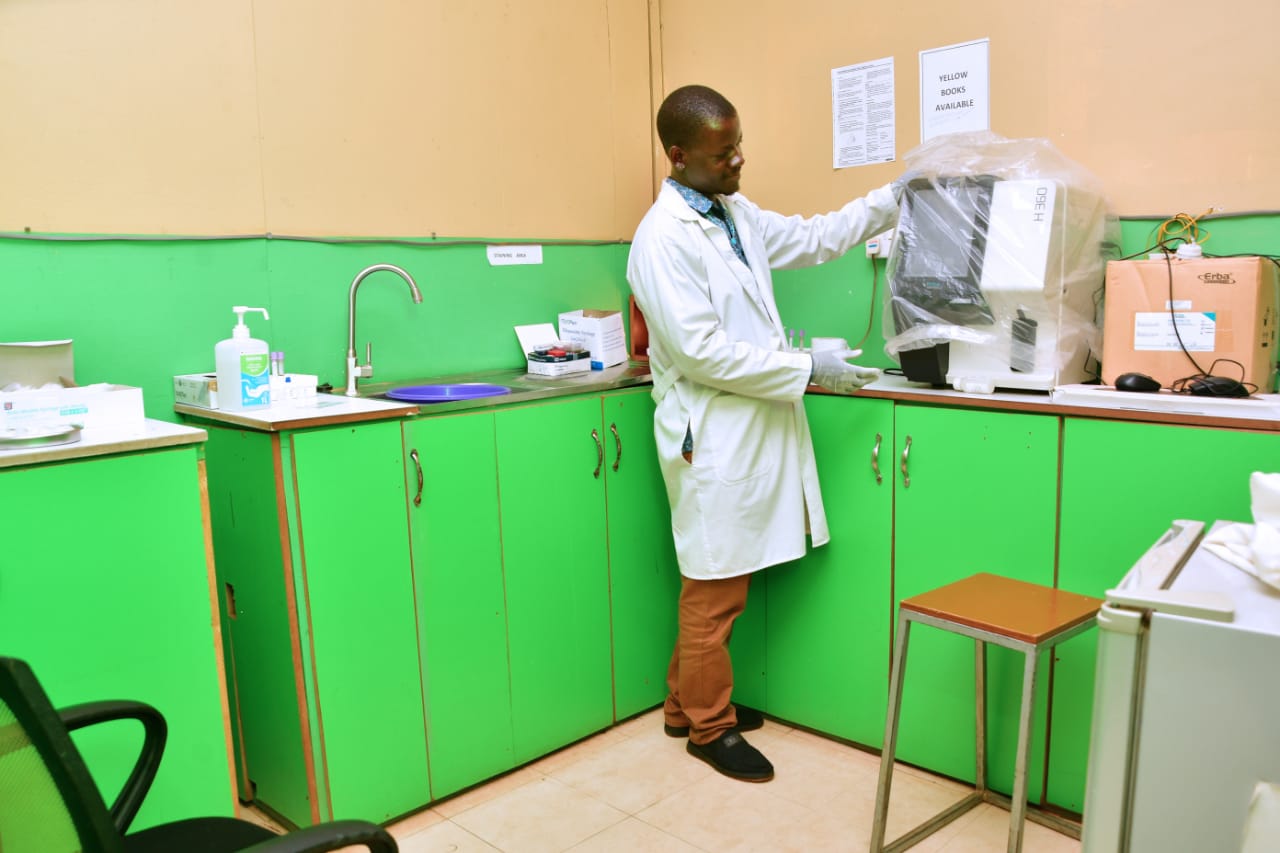
Do not rely exclusively on general internet advice. Health recommendations vary according to the traveler and may change when outbreaks or regulations develop.
Discuss routine vaccinations, yellow fever, malaria prevention and other destination-related risks with a qualified practitioner. Uganda’s Ministry of Health remains the appropriate national source for current public-health updates. Uganda Ministry of Health
Carry prescription medicine in its original labeled packaging. Bring enough for the entire trip, plus a small reserve in case of delays. Place critical medication in your hand luggage.
If you carry injectable medicine, controlled medication or specialized medical equipment, ask your doctor whether you need a supporting letter.
Guests joining gorilla or chimpanzee activities must protect the primates from human illness. Do not trek when suffering from a contagious respiratory or infectious condition. Inform your tour operator or ranger if you become unwell.
Yellow Fever Vaccination Certificate
Yellow fever documentation regularly appears within Uganda’s immigration and entry requirements. Travelers should confirm the current rule with official authorities and their airline before departure.
Carry the original International Certificate of Vaccination or Prophylaxis when applicable. A photo stored on your phone can serve as a backup, but it may not replace the original certificate at an official checkpoint.
Check that the name on the certificate matches your passport. Also confirm that the vaccination date meets the required timeline before arrival.
Travelers who cannot receive the vaccine for medical reasons should seek professional guidance about an exemption certificate and whether authorities will accept it.
Cross-border travelers must check the yellow fever conditions for every destination and transit point. A requirement may depend on the country from which you arrive, not only your nationality.
Malaria Prevention Checklist
Malaria occurs in Uganda, so travelers should discuss prevention with a travel-health professional. Advice may include prescription preventive medicine, mosquito avoidance or both.
Use an effective insect repellent on exposed skin. Wear long sleeves and trousers during evenings, and sleep beneath a properly fitted mosquito net where provided.
Air-conditioned or well-screened rooms can reduce exposure, although they do not eliminate the need for personal precautions.
Follow the prescribed schedule exactly if taking antimalarial medication. Some medicines begin before travel and continue after leaving the risk area.
Seek prompt medical attention if you develop fever during or after the journey. Inform the healthcare provider that you recently traveled in Uganda.
Personal Medical Kit
A small personal medical kit can help manage minor problems, particularly during long transfers or stays in remote parks.
Consider packing adhesive bandages, antiseptic wipes, blister treatment, oral rehydration salts, pain relief, antihistamines and any personal digestive remedies recommended by a health professional.
Trekkers may benefit from elastic support, foot-care supplies and medication for conditions they commonly experience.
Do not bring an oversized collection of unfamiliar medication. Your kit should reflect professional advice and your personal needs.
Store medicines away from heat and moisture. If any item requires refrigeration, coordinate with airlines, hotels and your safari operator before travel.
Gorilla Permit Checklist
Gorilla trekking in Uganda takes place in Bwindi Impenetrable National Park and Mgahinga Gorilla National Park. Bwindi has four main trekking sectors: Buhoma, Ruhija, Rushaga and Nkuringo. Uganda Wildlife Authority gorilla-tracking information
Permits have limited availability. Reserve them before confirming non-refundable flights and lodges whenever possible.
Provide the exact passport details requested by your safari operator. Incorrect names, numbers or nationality information can create complications.
Confirm the following details:
- Trekking date
- National park
- Bwindi sector, where applicable
- Permit holder’s name
- Passport number
- Nationality
- Permit payment status
- Accommodation near the correct briefing point
- Morning transfer arrangements
Keep a copy of your permit confirmation and payment documentation. Your operator may retain or collect the official permit according to the booking arrangement.
Uganda Wildlife Authority’s published tracking rules state that trekkers should carry their permits or payment receipts. The rules also set a minimum gorilla-tracking age of 15 and limit a standard visiting group to eight people per gorilla family. Uganda Wildlife Authority conservation tariff and tracking rules
Because official tariffs change periodically, verify the current permit price rather than relying on an old blog post.
Chimpanzee Permit Checklist
Chimpanzee tracking is available in Kibale National Park and other Ugandan forests. Kibale remains the country’s leading chimpanzee destination.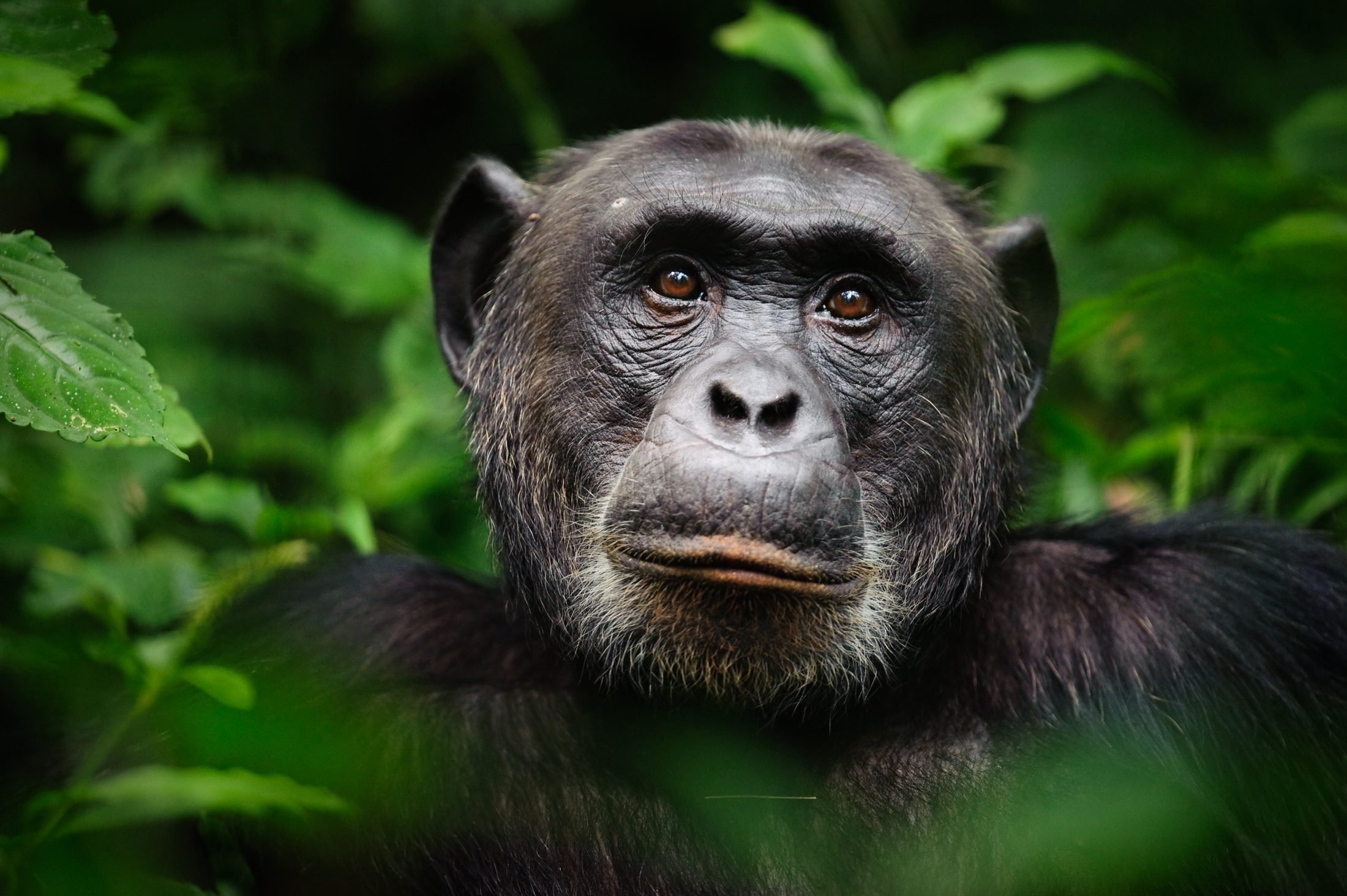
Secure the permit early, especially during popular travel periods. Check whether you booked standard chimpanzee tracking or a longer habituation experience because schedules and costs differ.
Confirm the starting point and reporting time. Guests should arrive before the briefing, not at the moment the forest walk begins.
Age requirements may differ from gorilla trekking rules and between activities. Uganda Wildlife Authority currently advises visitors to confirm eligibility and arrange the experience in advance. Kibale National Park
Wear strong footwear, long trousers and a lightweight long-sleeved shirt. Carry rain protection because tropical forest weather changes quickly.
Uganda Safari Packing List
Packing for Uganda requires balance. Bring enough protection for different environments without filling your luggage with items you will never use.
Choose lightweight clothing that dries quickly. Neutral shades such as khaki, olive, brown, beige and grey work well on game drives and forest walks.
Bright colors are not automatically forbidden, but muted clothing feels less distracting in natural environments. Avoid camouflage clothing because military-style dress may cause concern or face restrictions.
A practical clothing selection includes:
- Lightweight long trousers
- Long-sleeved shirts
- Short-sleeved shirts
- Warm fleece or light sweater
- Waterproof rain jacket
- Comfortable casual clothes for lodges
- Sleepwear
- Underwear and socks
- Sun hat
- Swimsuit, if your lodge has a pool
- Strong hiking boots
- Comfortable shoes or sandals for the lodge
Pack according to your itinerary length and access to laundry. Many lodges offer laundry services, although they may not wash underwear or delicate items.
Best Clothes for Uganda Game Drives
Early game drives can feel cool, particularly when traveling in an open-roof vehicle. Wear layers that you can remove as temperatures rise.
A lightweight shirt, fleece and wind-resistant jacket provide flexibility. Long trousers protect against sun, insects and dust.
Closed shoes are more practical than flip-flops during game drives and roadside stops. However, sandals feel comfortable around the lodge.
Dust affects light-colored clothing quickly. Avoid bringing only white shirts and trousers if your itinerary includes several savannah parks.
Wear a hat and apply sunscreen even when the morning feels cool. Strong equatorial sunlight can cause sunburn surprisingly fast.
What to Wear for Gorilla Trekking
Gorilla trekking requires more specialized clothing than a game drive. The terrain may include steep hills, muddy paths, vines, nettles and dense vegetation.
Wear broken-in waterproof hiking boots with strong ankle support and reliable grip. New boots can cause painful blisters, so test them before departure.
Long trousers protect the legs from vegetation. Many trekkers tuck their trousers into long socks or gaiters to reduce exposure to insects and debris.
A breathable long-sleeved shirt protects the arms. Add a lightweight waterproof jacket that fits inside your backpack.
Gardening gloves help when holding branches or supporting yourself on vegetation. Choose flexible gloves rather than heavy industrial ones.
Carry a warm layer because higher-altitude forest mornings can feel cool. The layer should be easy to remove once you begin climbing.
A hat may protect against light rain and sun during open sections, although thick forest limits direct sunlight.
Your final gorilla trekking clothing checklist should include:
- Waterproof hiking boots
- Long hiking trousers
- Long-sleeved shirt
- Long socks or gaiters
- Lightweight rain jacket
- Gardening gloves
- Warm fleece
- Small backpack
- Reusable water bottle
- Packed lunch
- Walking stick or trekking pole
- Camera without flash
- Permit documentation
Why a Porter Is Worth Hiring
Porters are available at many gorilla trekking starting points. Hiring one can improve the experience even for physically fit travelers.
A porter carries your backpack, water, camera equipment and packed lunch. They may also provide steady support on slippery or steep sections.
Porter employment brings direct tourism income to nearby communities. Some porters have personal or family histories connected to conservation and forest protection.
Hiring a porter should not be viewed as a sign of weakness. Saving energy allows you to enjoy the gorilla encounter instead of reaching the family exhausted.
Discuss the expected porter fee and gratuity with your guide before the trek.
Rain Gear for Uganda
Uganda can receive rain during any month, especially in forest and mountain regions. A “dry season” does not guarantee a completely dry journey.
Pack a breathable waterproof jacket with a hood. Heavy winter raincoats take too much luggage space and may become uncomfortable in warm conditions.
A lightweight rain cover protects your backpack. Waterproof bags or reusable zip pouches help safeguard passports, phones and camera equipment.
Avoid disposable plastic ponchos where possible. They tear easily, create waste and can become noisy around wildlife.
For camera equipment, carry a dedicated rain sleeve or dry bag. Sudden rain can arrive before you have time to return to the vehicle.
Footwear Checklist
Bring at least two useful pairs of shoes: sturdy trekking or walking footwear and comfortable lodge shoes.
Gorilla trekking boots should provide:
- Strong grip
- Ankle support
- Water resistance
- Comfortable fit
- Enough room for quality socks
Game-drive travelers who are not trekking can use lighter walking shoes, but closed footwear remains useful around camps.
Do not pack only formal shoes or open sandals. Likewise, avoid filling your luggage with several bulky pairs that serve the same purpose.
Dry wet boots gradually. Direct high heat can damage adhesives and waterproof materials.
Safari Daypack Essentials
A small daypack keeps important items available during game drives, boat cruises and trekking.
Pack drinking water, sunscreen, insect repellent, a hat, rain jacket, tissues, hand sanitizer, binoculars and camera equipment.
Add your passport or a copy when required, activity permit documentation, emergency contact details and a small amount of cash.
Do not place all valuables in one easily accessible outer pocket. Use inner compartments and keep the bag close in airports, towns and public areas.
During a gorilla trek, avoid carrying unnecessary weight. A porter can help with the backpack.
Camera and Photography Equipment
Uganda provides exceptional photography opportunities, from gorilla portraits to elephants beside the Nile and birds around the Kazinga Channel.
A camera with a versatile zoom lens works well for general safaris. A longer telephoto lens helps photograph birds and distant predators.
Rainforests often have low light. A camera with strong higher-ISO performance and a lens with a wide aperture can improve gorilla and chimpanzee photographs.
Bring spare batteries, memory cards, lens cloths and charging cables. Dust and humidity can affect equipment, so use protective storage.
Flash photography is not allowed during gorilla encounters. Learn how to adjust ISO, shutter speed and aperture before the trek.
A beanbag can support a long lens on a safari vehicle, but ask whether the vehicle design makes it useful. A large tripod may become inconvenient unless the itinerary specifically includes landscape or bird photography.
Back up photographs throughout the trip when possible. A portable drive, laptop or secure cloud service can protect valuable images.
Binoculars for a Uganda Safari
Binoculars significantly improve every safari. They help visitors see distant lions, identify birds and observe animal behavior without requesting that the vehicle approach too closely.
A compact model is easier to carry, while larger lenses may provide better performance in low light. Choose binoculars that feel comfortable and simple to focus.
Ideally, each couple should carry at least one pair. Dedicated birdwatchers may prefer individual binoculars so no one misses a brief sighting.
Store them in your daypack or around your neck during game drives. Binoculars packed inside a suitcase cannot help when an eagle or leopard appears unexpectedly.
Phone, Charging and Electricity Checklist
Bring your mobile phone, charger, portable power bank and suitable plug adapter.
Uganda commonly uses British-style three-pin electrical sockets. However, facilities and voltage stability can vary, especially in remote lodges.
Some camps use solar power and turn electricity off during parts of the day or night. Charge camera batteries whenever power becomes available.
A universal adapter with surge protection can help protect electronics. Avoid operating several high-powered devices through an unsuitable adapter.
Download important information before leaving areas with reliable internet. Maps, tickets, permits, insurance documents and emergency contacts should remain accessible offline.
Ask your mobile provider about international roaming costs. Alternatively, discuss local SIM or eSIM options after arrival.
Luggage for Road and Fly-In Safaris
A soft-sided duffel bag works better than a large rigid suitcase in many safari vehicles. Soft bags fit more easily into limited storage space.
Domestic aircraft may impose strict weight and bag-shape limits. Confirm the allowance with the airline before packing because it may differ from your international flight allowance.
Keep heavy or unnecessary formal clothing at home. Safari lodges generally accept practical casual dress.
Use packing cubes or lightweight organizers to separate clean clothes, trekking equipment and electronics.
Label every bag with your name and reliable contact information. Remove old airline tags before checking luggage.
Place valuables, documents, medication, camera equipment and one change of clothing in your hand luggage.
Money and Payment Checklist
Uganda uses the Ugandan shilling. US dollars may be accepted for certain tourism payments, but local currency remains useful for small purchases, tips and personal expenses.
Bring recent, clean US-dollar notes if your tour operator recommends cash payments. Torn, marked or older notes may face rejection or receive a poor exchange rate.
Notify your bank before traveling if required. Confirm international transaction fees and daily withdrawal limits.
Carry more than one payment method. A card can fail because of fraud controls, connectivity problems or machine errors.
Do not depend entirely on ATMs in remote destinations. Withdraw or exchange money in established towns before traveling deep into national parks.
Store cash in separate secure locations. Avoid displaying large amounts in public.
Ask your operator which expenses the safari price includes. A well-prepared traveler knows whether to budget for drinks, laundry, tips, optional activities and souvenirs.
Uganda Safari Tipping Guide
Tips recognize good service but should remain connected to your satisfaction and the operator’s recommendations.
You may wish to tip the driver-guide, lodge staff, trekking ranger, tracker and porter. Some lodges use a shared staff gratuity box.
Carry small denominations in suitable currency. Waiting until the final morning to find change can create inconvenience.
Request current guidance from your tour operator because appropriate amounts depend on group size, trip length and service type.
Never allow tipping pressure to damage the experience. A professional company should explain expectations clearly without demanding inappropriate payments.
Food, Water and Dietary Requirements
Most safari packages include meals according to the accommodation plan. Full-board arrangements usually cover breakfast, lunch and dinner, while drinks may follow separate conditions.
Tell the operator about allergies, religious restrictions, vegetarian preferences, vegan requirements or other dietary needs before arrival. Remote lodges need advance notice to obtain special ingredients.
Drink sealed, filtered or otherwise confirmed safe water. Your safari vehicle may provide bottled drinking water according to the package.
Carry a reusable bottle if the operator or lodge has safe refill stations. This approach can reduce plastic waste.
During gorilla and chimpanzee trekking, follow the ranger’s rules about when and where you may eat or drink. Food should never be consumed close to primates.
Safety Checklist for Game Drives and Lodges
Listen to your guide at all times. Wild animals can move unpredictably, even when they appear calm.
Never leave the safari vehicle without permission. Do not sit on the roof, extend your body dangerously outside the vehicle or pressure the driver to move too close to animals.
Keep voices low at sightings. Loud talking can disturb wildlife and reduce the experience for other visitors.
At unfenced lodges, animals may move through the grounds. Follow staff instructions about walking after dark. Use an escort when the lodge requires one.
Do not feed monkeys, baboons or other wildlife. Feeding changes natural behavior and may create dangerous conflict.
Close room windows or doors when advised. Baboons and monkeys can enter quickly when they see food.
Store valuables in a safe or locked luggage where available. Apply ordinary personal-security precautions in airports, towns and crowded places.
Road Travel Checklist
Road safaris reveal Uganda’s countryside, but transfer days can be long. Carry water, light snacks, tissues, hand sanitizer and any medication you may need during the journey.
Wear a seat belt whenever one is available. Ask the operator about the vehicle type, maintenance standards and emergency support before booking.
Plan realistic driving times. A distance that looks short on a map may take longer because of traffic, roadworks, mountain roads or weather.
Do not design an itinerary with exhausting transfers every day. Spending at least two nights in major destinations creates a more enjoyable safari.
Inform the guide if you experience motion sickness or need regular breaks. Mountain routes toward Bwindi can involve winding roads.
Self-Drive Uganda Safari Checklist
A self-drive safari requires more preparation than a professionally guided tour. Travelers must understand routes, road conditions, park regulations, fuel availability and border rules.
Confirm that the rental agreement allows entry into every planned destination. Cross-border travel usually requires written permission and additional documents.
Inspect the vehicle carefully before departure. Check tires, spare wheel, tools, brakes, lights, fluids and recovery equipment.
Download offline maps but do not rely exclusively on phone navigation. Carry emergency contacts and ask about roadside assistance.
Avoid driving after dark. Unfamiliar roads, limited lighting, pedestrians, livestock and unexpected hazards increase risk.
Follow national park speed limits and stay on authorized roads. Driving off-road damages habitats and may violate park regulations.
For remote areas such as Kidepo, seek current route advice and consider whether a guided journey offers better safety and wildlife interpretation.
Sustainable Safari Checklist
Responsible choices help protect Uganda’s wildlife and communities.
Carry reusable water bottles and bags where practical. Refuse unnecessary disposable plastic and never leave waste inside a protected area.
Follow designated trails during forest activities. Do not pick plants, collect feathers or remove natural objects.
Keep the required distance from primates and other animals. Uganda Wildlife Authority’s published gorilla rules specify a distance of ten meters and prohibit eating, drinking and smoking during the gorilla encounter. Uganda Wildlife Authority rules
Choose locally owned services and ethical community programs. Purchase crafts directly from recognized artisans when possible.
Ask permission before photographing people, especially children.
Conserve water and electricity at remote lodges. Many properties depend on solar energy, generators or limited water supplies.
Checklist for Traveling with Children
Families should confirm minimum ages for gorilla trekking, chimpanzee tracking and other activities before making payments.
Children who cannot join a trekking activity need supervised alternative arrangements. A parent, guardian or approved childcare provider must remain with them.
Pack familiar snacks, child-safe insect protection, sun hats, entertainment for long drives and any essential medication.
Reduce consecutive transfer days and select lodges with family rooms or connected accommodation.
Carry birth certificates, consent letters or guardianship documents when required for international travel.
Make sure insurance covers every family member and all planned activities.
Uganda Safari Checklist for Senior Travelers
Senior visitors can enjoy Uganda comfortably with the right itinerary. Choose slower routes, appropriate accommodation and realistic activity levels.
Discuss mobility requirements before booking. Some lodges have steep paths, many steps or rooms far from the main building.
Request information about vehicle access, bathroom arrangements, mattress comfort and emergency support.
For gorilla trekking, explain fitness concerns during the briefing. Rangers may consider group ability, although no company can guarantee a short or easy trek.
Hire a porter and use a walking stick. Begin gentle walking exercises before travel after consulting a healthcare professional.
Keep medications in hand luggage and carry written information about important medical conditions.
Solo Traveler Checklist
Share your final itinerary with a trusted person at home. Include lodge names, operator contacts and flight details.
Book through a verifiable safari company and confirm who will meet you at the airport.
Carry a working telephone and check in periodically with family or friends.
A private safari provides flexibility but costs more because one person covers vehicle and guide expenses. Scheduled group departures can reduce the price when available.
Avoid walking alone in unfamiliar places after dark. Follow local guidance from your driver-guide and hotel staff.
Uganda and Rwanda Cross-Border Checklist
Combined Uganda and Rwanda safaris are popular because Kigali provides convenient access to southwestern Uganda. However, border travel requires precise organization.
Check visa rules for both countries and confirm whether an East African Tourist Visa suits the route.
Carry your passport, visa approvals, yellow fever certificate, permit documents and accommodation details in your hand luggage.
Confirm the exact border crossing, operating conditions and transfer vehicle arrangements. Some companies change vehicles and guides at the border, while others hold authorization for cross-border services.
Allow enough time between a border transfer and an international flight. Immigration procedures, traffic and road conditions can cause delays.
Review gorilla permit locations carefully. A Rwanda permit applies to Volcanoes National Park, while a Uganda permit applies to Bwindi or Mgahinga. They are not interchangeable.
One Month Before Departure
Approximately one month before the safari, review the complete booking.
Confirm that all names match the passports. Check flights, airport transfers, accommodation, permits and special requests.
Pay any balance according to the agreed schedule. Request a receipt and updated confirmation.
Verify visa progress and health documentation. Print essential records and save digital copies.
Begin testing hiking boots and trekking clothing. Do not wait until arrival to discover that boots cause blisters.
Confirm luggage limits for domestic flights and regional connections.
Provide dietary, medical and mobility information to your safari operator.
One Week Before Departure
Check for airline schedule changes and reconfirm the airport transfer.
Review current immigration, health and destination advice through official sources.
Charge electronic devices and organize adapters, cables and power banks.
Exchange or arrange access to suitable travel money.
Pack prescription medicines in hand luggage and confirm that you have enough for the entire journey.
Download offline copies of the itinerary, insurance policy, permit confirmations, visa approval and emergency contacts.
Check the expected weather for the specific regions on your itinerary. Uganda’s parks can experience different conditions during the same week.
Final 24-Hour Uganda Safari Travel Checklist
Before leaving home, confirm that your hand luggage contains:
- Passport
- Visa or approval letter
- Yellow fever certificate
- Flight tickets
- Safari itinerary
- Travel insurance
- Permit confirmations
- Wallet and payment cards
- Essential medication
- Mobile phone and charger
- Camera and valuable electronics
- One change of clothes
- Tour operator’s emergency contacts
Check in for the flight, verify the departure terminal and arrive at the airport with sufficient time.
Send any last-minute flight changes to your airport-transfer contact.
Lock your main luggage and remove prohibited items from hand baggage.
Finally, rest. A well-prepared traveler can begin the safari calmly instead of worrying about forgotten documents or equipment.
Common Uganda Safari Packing Mistakes
Overpacking remains one of the most common mistakes. Travelers bring too many outfits, several heavy shoes and unnecessary formal clothing.
Another mistake is packing important medication inside checked luggage. Always keep essential medicine with you during the flight.
Some visitors buy new hiking boots immediately before departure. Unused boots may cause blisters during the gorilla trek.
Others forget rain protection because they travel during a dry month. Uganda’s forests can receive rain throughout the year.
Depending entirely on a mobile phone for documents creates another risk. Batteries fail, screens break and border connectivity can disappear. Carry printed backups.
Booking accommodation without checking the gorilla sector can create major logistical difficulties. Always match the lodge location with the permit.
Travelers also underestimate road times. A realistic itinerary creates space for rest and unexpected delays.
Frequently Asked Questions About the Uganda Safari Travel Checklist
What documents do I need for a Uganda safari?
You may need a valid passport, appropriate visa or proof of exemption, yellow fever documentation, return or onward ticket, accommodation information and safari itinerary. Requirements depend on nationality and current regulations.
How long should my passport remain valid?
Uganda’s tourist-visa guidance lists at least six months of passport validity. Check the exact requirement for your nationality and every destination included in your trip.
Can I get a Uganda visa on arrival?
Uganda’s immigration authority directs visa-prone travelers to apply online and obtain approval before travel. Confirm the current process through the official immigration portal before departure.
What should I wear on a Uganda safari?
Wear lightweight, neutral-colored clothing, comfortable closed shoes, a hat and layers for cool mornings. Bring a waterproof jacket throughout the year.
What should I wear for gorilla trekking?
Wear waterproof hiking boots, long trousers, long socks, a long-sleeved shirt, gardening gloves and a rain jacket. Carry water, lunch and camera equipment in a small backpack.
Can I wear shorts on safari?
Shorts may feel comfortable around a lodge, but long trousers provide better protection during game drives, forest walks and evening activities.
Do I need hiking boots for Uganda?
Hiking boots are strongly recommended for gorilla trekking and challenging forest walks. Comfortable closed walking shoes may be sufficient for a safari focused mainly on vehicles and boats.
Do I need binoculars?
Binoculars are not compulsory, but they greatly improve wildlife viewing and birdwatching.
Can I use US dollars in Uganda?
Tourism businesses may accept US dollars for certain payments, while Ugandan shillings remain useful for daily expenses. Bring clean, acceptable notes and confirm payment arrangements with your operator.
Do I need travel insurance?
Travel insurance is strongly recommended. Choose a policy that covers medical emergencies, evacuation, trip cancellation and every planned safari activity.
Is Uganda suitable for solo travelers?
Yes. Solo travelers can book private safaris or join scheduled departures. Use a reputable company and follow normal personal-safety precautions.
How early should I book gorilla permits?
Book as soon as your travel dates are confirmed, particularly for June through September and December through February.
Can children join gorilla trekking?
Uganda Wildlife Authority’s published gorilla rules set a minimum tracking age of 15 years. Confirm the rule before booking because activity regulations can change.
Is Uganda a year-round safari destination?
Yes. Safaris operate throughout the year, although dry periods often provide easier trekking and road conditions. Rain remains possible in every season.
Should I bring formal clothes?
Most safari lodges use relaxed casual dress. One smart-casual outfit is enough for city hotels or special dinners.
Complete Uganda Safari Travel Checklist Summary
Successful safari preparation begins with documentation. Check your passport, determine your visa status, prepare vaccination records and secure your permits.
Next, protect the financial investment through comprehensive travel insurance. Consult a health professional and organize medication well before departure.
Pack practical layers, rain protection, comfortable footwear and dedicated trekking clothes. Bring binoculars, charging equipment and camera protection without overloading your luggage.
Confirm the airport transfer, lodge locations and national park activities. Pay special attention to the trekking sector shown on a Bwindi gorilla permit.
Prepare both digital and printed copies of essential documents. Carry cash and cards, but keep them in separate secure locations.
Most importantly, approach Uganda’s wildlife with patience and respect. Follow ranger instructions, avoid disturbing animals and support responsible tourism.
Plan Your Uganda Safari with Universal Ventures Rwanda
Universal Ventures Rwanda organizes private Uganda wildlife safaris, gorilla trekking tours, chimpanzee tracking journeys and combined Rwanda–Uganda safari packages. Our team can assist with customized itineraries, private transportation, professional driver-guides, accommodation, airport transfers, cross-border logistics and permit coordination.
Universal Ventures Rwanda
Address: Kigali, Rwanda
Telephone/WhatsApp: +250 781 441 853
Email: info@universalventuresrwanda.com
Website: www.universalventuresrwanda.com