Skip to content
How Safe is Uganda for Tourists?
After exploring every aspect of travel safety, the answer to How Safe is Uganda for Tourists is clear. Uganda is a safe, welcoming, and rewarding destination for visitors who prepare properly, follow local guidance, and travel responsibly. Its world-famous national parks, experienced safari guides, friendly communities, and growing tourism infrastructure create an environment where travelers can confidently enjoy unforgettable adventures. While no destination is completely free of risk, Uganda’s tourism sector has developed strong safety standards that allow visitors to explore the country’s natural beauty with confidence.
Why Uganda Is a Safe Safari Destination
Uganda offers some of Africa’s most remarkable wildlife experiences in professionally managed national parks. Whether you are trekking mountain gorillas in Bwindi Impenetrable National Park, tracking chimpanzees in Kibale Forest National Park, enjoying a game drive in Queen Elizabeth National Park, or cruising along the Nile in Murchison Falls National Park, every activity follows established safety procedures led by experienced guides and Uganda Wildlife Authority rangers. Their expertise helps ensure that visitors enjoy unforgettable encounters while respecting wildlife and conservation regulations.
Smart Travel Habits Make All the Difference
A safe and enjoyable holiday begins with careful planning. Booking through a licensed safari operator, purchasing comprehensive travel insurance, following local advice, respecting wildlife regulations, and practicing common-sense safety habits significantly reduce travel risks. Staying aware of your surroundings, protecting personal belongings, and following your guide’s instructions allow you to relax and focus on the incredible experiences that Uganda has to offer.
Create Unforgettable Memories in the Pearl of Africa
Uganda is much more than a safari destination. It is a country of breathtaking landscapes, diverse wildlife, vibrant cultures, and warm hospitality. Visitors often leave with unforgettable memories of standing just a few meters from endangered mountain gorillas, watching elephants roam the savannah, tracking chimpanzees through ancient forests, meeting welcoming local communities, and discovering why Uganda is proudly known as the Pearl of Africa. These unique experiences continue to attract travelers from around the world year after year.
Plan Your Uganda Safari with Universal Ventures Rwanda
If you are ready to discover Uganda safely and confidently, Universal Ventures Rwanda is here to help. Our experienced team specializes in tailor-made Uganda safaris, gorilla trekking adventures, wildlife tours, cultural experiences, and cross-border itineraries across East Africa. From securing permits and arranging accommodation to providing professional driver-guides and personalized itineraries, we ensure every journey is comfortable, safe, and unforgettable.
With proper preparation and expert guidance, your adventure in Uganda can become one of the most rewarding travel experiences of your lifetime.
Why Uganda Is Considered One of East Africa’s Safest Safari Destinations
When comparing safari destinations across East Africa, Uganda consistently performs well because of its stable tourism infrastructure, experienced guides, and well-managed protected areas. Visitors often find that wildlife experiences feel less crowded than in some neighboring countries, allowing for more intimate encounters with nature while maintaining high safety standards.
Strong Wildlife Conservation and Park Management
Uganda’s protected areas are managed primarily by the Uganda Wildlife Authority, an organization responsible for wildlife conservation, visitor management, and park security. Rangers patrol national parks daily to protect endangered wildlife, monitor visitor activities, and ensure that tourism follows strict conservation regulations.
Whether you are trekking mountain gorillas or enjoying a game drive, professional guides provide detailed safety briefings before every activity. Visitors are expected to follow these instructions closely, helping create safe experiences for both people and wildlife.
Professional Safari Guides
Licensed safari guides receive extensive training in wildlife behavior, first aid, vehicle safety, customer care, and emergency procedures. Their knowledge allows visitors to enjoy Uganda’s wildlife while minimizing potential risks.
Professional guides also help travelers:
- Understand animal behavior
- Navigate unfamiliar roads
- Respect local customs
- Communicate with local communities
- Respond to unexpected situations
- Coordinate with park authorities
Choosing an experienced safari company significantly enhances both safety and overall travel quality.
Understanding Uganda’s Tourism Safety Record
One reason many travelers ask How Safe is Uganda for Tourists is because international headlines sometimes focus on isolated political or regional events without distinguishing between affected areas and popular tourism destinations. In reality, Uganda’s main safari circuits continue welcoming visitors throughout the year.
National parks are located far from most urban political activities and operate independently under dedicated conservation management. Tourism businesses remain in regular communication with government agencies, park authorities, and local communities to monitor conditions and adapt itineraries whenever necessary.
Many visitors are surprised by how relaxed, peaceful, and welcoming Uganda feels once they arrive. Safari itineraries typically involve traveling between protected areas, staying in secure lodges, and spending days immersed in nature rather than navigating crowded city environments.
Common Sense Makes Travel Even Safer
No destination can guarantee complete freedom from risk, but practicing simple travel habits greatly improves personal safety. Fortunately, these recommendations are straightforward and apply almost anywhere in the world.
Practical Safety Tips
While traveling in Uganda:
- Keep valuables out of sight.
- Carry only the cash you need each day.
- Use hotel safes whenever available.
- Avoid walking alone late at night in unfamiliar urban areas.
- Follow advice from your safari guide.
- Keep copies of important travel documents.
- Purchase comprehensive travel insurance.
- Respect wildlife safety regulations.
- Stay hydrated and protect yourself from the sun.
Following these basic precautions allows most travelers to enjoy Uganda comfortably and confidently.
Why Booking with a Licensed Tour Operator Matters
Perhaps the single best decision you can make when planning your safari is choosing a reputable tour operator. Licensed companies organize transportation, accommodation, permits, guides, and emergency planning, removing much of the uncertainty associated with independent travel.
Experienced safari operators understand:
- Current road conditions
- Weather forecasts
- Park regulations
- Wildlife behavior
- Local health facilities
- Border crossing procedures
- Emergency communication systems
This knowledge provides reassurance throughout your journey while allowing you to focus on the incredible experiences that Uganda offers.
What Makes Uganda Different from Other Safari Destinations?
Uganda combines adventure, wildlife, culture, and conservation in a way few countries can match. Instead of focusing solely on traditional game drives, visitors enjoy close encounters with mountain gorillas, forest chimpanzees, rare birds, volcanic landscapes, and vibrant local communities. These experiences are carefully managed to balance conservation with visitor enjoyment.
The country’s commitment to sustainable tourism has also strengthened safety standards across the industry. Many lodges operate eco-friendly practices, guides receive continuous training, and conservation fees directly support wildlife protection and community development. As tourism continues to grow, Uganda remains committed to improving visitor experiences while protecting its remarkable natural heritage.
Crime and Personal Safety: How Safe is Uganda for Tourists in Everyday Situations?
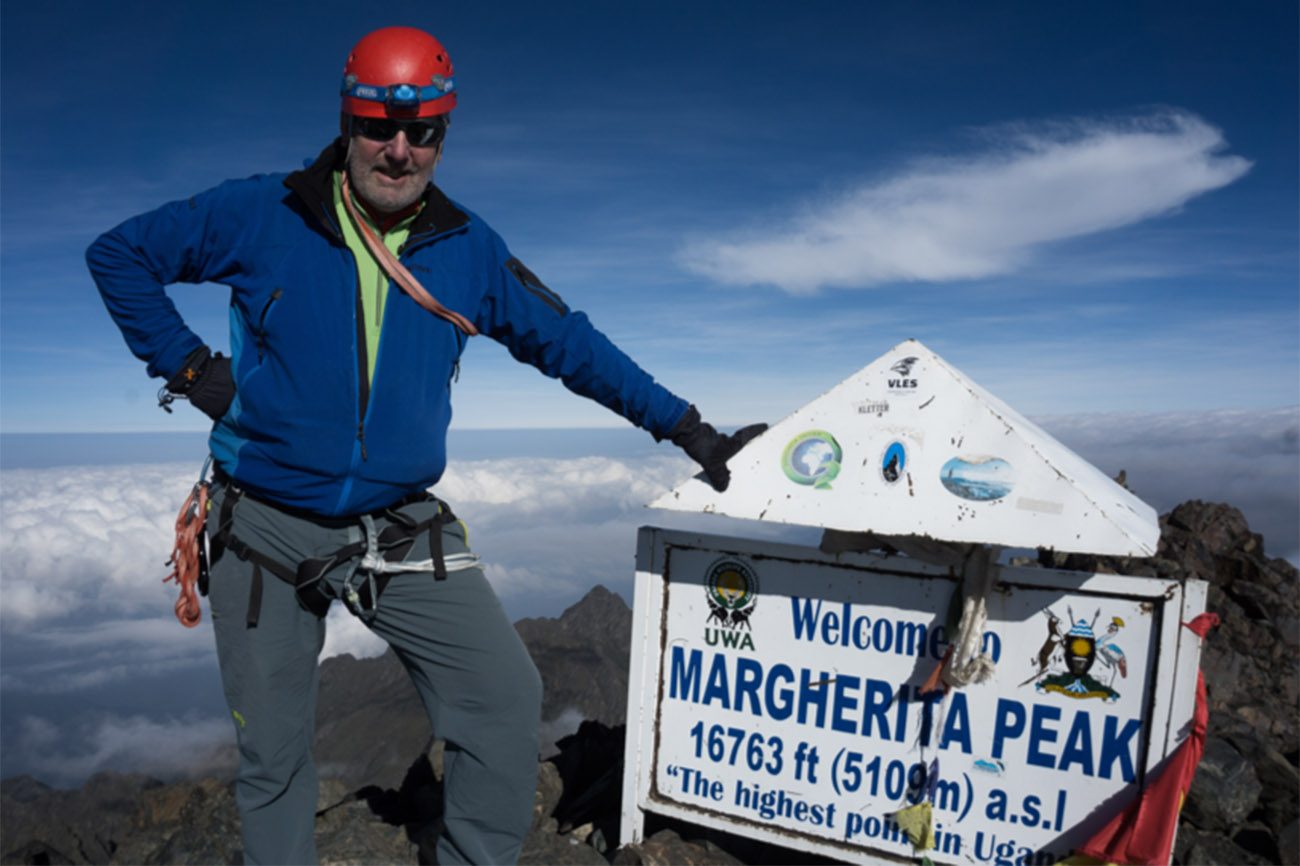
When travelers ask How Safe is Uganda for Tourists, they are often referring to crime and personal security. Fortunately, Uganda remains one of East Africa’s most welcoming destinations for international visitors, and the majority of tourists complete their holidays without experiencing any crime. Like many countries around the world, Uganda has occasional incidents of petty theft in busy urban areas, but serious crimes involving tourists are relatively uncommon, especially for visitors traveling on organized safaris. Most travelers spend the majority of their time in national parks, safari lodges, and guided excursions rather than crowded city centers, significantly reducing their exposure to potential risks.
Uganda’s tourism industry has grown steadily over the past two decades, and visitor safety has become a major priority. Hotels, shopping centers, airports, and many government buildings have visible security checks. Safari lodges often employ private security personnel, while professional tour companies maintain close communication with park authorities and local communities. Visitors who exercise normal travel awareness, avoid displaying expensive valuables, and follow local advice usually find Uganda to be a comfortable and enjoyable destination.
One important point to remember is that Uganda’s safari destinations differ greatly from busy urban environments. Parks such as Bwindi Impenetrable National Park, Kibale Forest National Park, Murchison Falls National Park, and Queen Elizabeth National Park are designed for tourism, conservation, and wildlife protection. Guests stay at secure lodges, travel with experienced guides, and participate in organized activities that follow strict safety procedures. This structured approach makes safari travel considerably safer than independent exploration of unfamiliar urban areas.
Petty Theft
Petty theft is the most common issue tourists may encounter, particularly in crowded locations such as local markets, bus terminals, or busy streets in larger cities. Pickpocketing, unattended bags, and mobile phone theft are opportunistic crimes rather than targeted attacks against tourists. Fortunately, these risks can be greatly reduced through simple precautions.
To minimize the chance of petty theft:
- Keep your passport in a secure place.
- Carry only the cash you need each day.
- Avoid displaying expensive jewelry or electronics.
- Use a cross-body bag with secure zippers.
- Store valuables in your hotel safe whenever possible.
- Remain alert in crowded public places.
- Avoid accepting help from unofficial strangers at transport terminals.
These practical habits significantly improve personal security throughout your trip.
Violent Crime
Violent crime involving tourists is uncommon in Uganda’s main tourism areas. Most safari visitors travel directly between airports, hotels, national parks, and organized activities with licensed guides. Professional tour operators carefully plan routes, accommodation, and transportation, allowing visitors to avoid unnecessary exposure to unfamiliar situations. Independent travelers should still exercise normal caution, particularly after dark in unfamiliar urban neighborhoods.
Health Safety in Uganda
Health preparation is another important factor when considering How Safe is Uganda for Tourists. Uganda offers excellent safari experiences throughout the year, but travelers should prepare for tropical conditions before departure. Consulting a travel clinic several weeks before your trip is strongly recommended, as healthcare professionals can advise on vaccinations, malaria prevention, and destination-specific recommendations based on your itinerary.
Many visitors are pleasantly surprised by the quality of healthcare available in Kampala and other major towns. However, national parks are located in remote areas where medical facilities are naturally more limited. This is why comprehensive travel insurance with emergency medical evacuation coverage is highly recommended for all international visitors.
Recommended Vaccinations
Vaccination requirements may vary depending on your country of origin and travel history, so always seek professional medical advice before departure. Common recommendations include protection against:
- Yellow Fever
- Hepatitis A
- Hepatitis B
- Typhoid
- Tetanus
- Routine childhood vaccinations
A Yellow Fever vaccination certificate is often required for entry into Uganda, particularly if you are arriving from or traveling through countries where Yellow Fever is present.
Malaria Prevention
Malaria exists in many parts of Uganda, making prevention an important part of travel planning. Fortunately, effective preventive measures greatly reduce the risk.
Travelers should:
- Take doctor-prescribed antimalarial medication.
- Apply insect repellent regularly.
- Wear long sleeves during evenings.
- Sleep under mosquito nets provided by lodges.
- Keep windows and doors closed when appropriate.
These precautions are simple yet highly effective for most visitors.
Food and Drinking Water Safety
Food safety standards at reputable safari lodges and established restaurants are generally very good. Meals are freshly prepared using quality ingredients, and bottled or filtered drinking water is widely available.
To reduce the likelihood of stomach illness:
- Drink bottled or purified water.
- Avoid untreated tap water.
- Eat freshly prepared meals.
- Wash or sanitize hands before eating.
- Peel fruit whenever possible.
Following these habits allows most travelers to enjoy Uganda’s excellent cuisine without difficulty.
Road Safety in Uganda
Transportation is another area travelers often consider when asking How Safe is Uganda for Tourists. Uganda’s road network has improved significantly over recent years, particularly on routes connecting major tourism destinations. Nevertheless, road conditions vary considerably depending on the region, weather, and season.
Main highways between Kampala and popular safari destinations are generally in good condition, although rural roads leading into national parks may be rough, particularly during the rainy season. This is one reason why organized safaris using well-maintained 4×4 vehicles are strongly recommended.
Why Professional Drivers Matter
Licensed safari drivers possess valuable local knowledge that greatly improves travel safety.
Professional drivers understand:
- Seasonal road conditions.
- Wildlife crossing areas.
- Safe overtaking practices.
- Local traffic regulations.
- Emergency procedures.
- Vehicle maintenance requirements.
Rather than navigating unfamiliar roads independently, visitors can relax while experienced drivers manage the journey.
Night Driving
Driving after dark outside major towns is generally discouraged. Reduced visibility, occasional livestock on roads, pedestrians without reflective clothing, and limited street lighting can increase driving risks. Most safari itineraries are designed to ensure transfers occur during daylight hours whenever possible.
Wildlife Safety During Your Safari
Uganda’s incredible wildlife attracts visitors from around the world, but it also requires responsible behavior. Every national park operates under strict regulations that protect both animals and visitors. Professional guides receive extensive training in wildlife behavior and ensure guests maintain appropriate distances during viewing activities.
Game Drive Safety
During wildlife drives, visitors should remain inside the safari vehicle unless instructed otherwise by their guide. Wild animals may appear calm but remain unpredictable. Guides understand animal behavior and position vehicles safely while providing excellent viewing opportunities.
Visitors should never:
- Feed wildlife.
- Attempt to approach animals on foot.
- Make loud noises.
- Throw objects.
- Leave designated viewing areas without permission.
Respecting these rules ensures safe wildlife encounters.
Gorilla Trekking Safety
Many travelers specifically wonder How Safe is Uganda for Tourists during gorilla trekking. Fortunately, gorilla trekking is one of the safest wildlife experiences available because every trek follows carefully controlled procedures.
Before entering the forest, visitors receive a comprehensive safety briefing from Uganda Wildlife Authority rangers. Small groups are assigned to experienced guides and armed ranger escorts who monitor both visitor safety and gorilla behavior throughout the trek.
Safety Rules During Gorilla Trekking
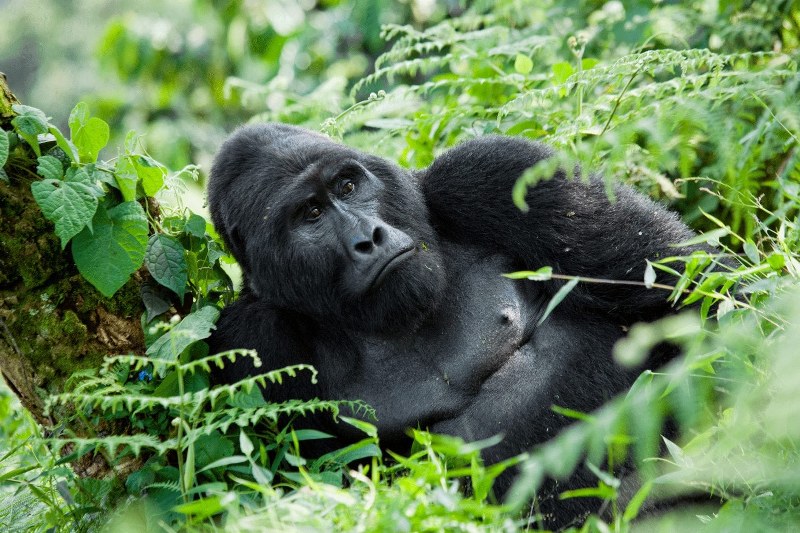
To protect both people and gorillas, visitors must:
- Maintain approximately seven meters from the gorillas whenever possible.
- Follow ranger instructions immediately.
- Speak quietly.
- Avoid sudden movements.
- Never touch the gorillas.
- Stay with your group.
- Inform guides if feeling unwell before the trek.
Mountain gorillas are naturally gentle animals, and aggressive encounters are extremely rare when visitors follow established guidelines.
Chimpanzee Tracking Safety
Chimpanzee tracking differs from gorilla trekking because chimpanzees move more quickly through the forest canopy. Nevertheless, safety procedures remain well organized.
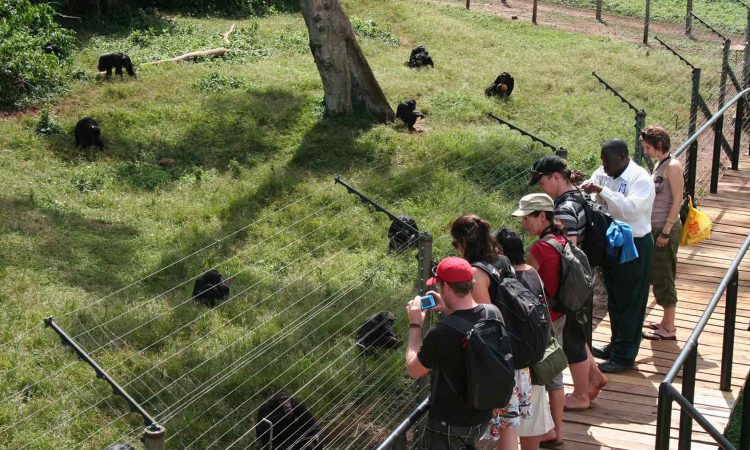
Professional trackers locate chimpanzee groups before visitors enter the forest, and experienced guides accompany every excursion. Guests should remain attentive, wear appropriate hiking clothing, and follow instructions throughout the activity.
How Safe is Uganda for Solo Travelers?
Uganda is becoming increasingly popular among solo travelers seeking authentic wildlife experiences. Many visitors travel alone to participate in gorilla trekking, birdwatching, photography tours, and cultural adventures.
Solo travelers often benefit from joining organized safaris because they receive:
- Professional local guidance.
- Reliable transportation.
- Secure accommodation.
- Assistance throughout the trip.
- Opportunities to meet fellow travelers.
Remaining aware of personal belongings and avoiding isolated urban areas after dark further improves safety for independent visitors.
How Safe is Uganda for Female Travelers?
Female travelers regularly visit Uganda, both independently and in groups. Most report positive experiences, particularly while participating in organized tours. Ugandans are generally respectful and welcoming toward international visitors.
Women traveling alone should follow the same practical precautions recommended anywhere in the world:
- Dress respectfully in rural communities.
- Avoid walking alone late at night.
- Use licensed transportation.
- Inform someone of travel plans.
- Stay in reputable accommodation.
- Trust personal instincts.
Organized safaris remain the easiest and safest way for solo female travelers to explore Uganda confidently.
Family Safety in Uganda
Uganda is an excellent destination for families seeking educational wildlife experiences. Many lodges welcome children and provide family-friendly facilities. Activities such as boat cruises, wildlife drives, cultural visits, and nature walks create unforgettable experiences for travelers of all ages.
Parents should ensure children follow guide instructions carefully, particularly around wildlife. Gorilla trekking itself has a minimum age requirement of 15 years, helping ensure both visitor safety and gorilla conservation.
Emergency Services and Communication
Uganda’s mobile phone coverage continues to improve, particularly around major towns and tourism routes. Many safari lodges provide Wi-Fi, although speeds may vary in remote locations.
Professional safari companies maintain communication systems that allow guides to contact park authorities, medical services, or lodge staff if assistance is required. Travelers should also keep emergency contact numbers, insurance details, and copies of important documents readily accessible throughout their journey.
Why Preparation Is the Best Safety Strategy
Ultimately, the answer to How Safe is Uganda for Tourists depends largely on preparation and responsible travel behavior. Visitors who research their destination, obtain comprehensive travel insurance, follow guidance from licensed safari operators, respect wildlife regulations, and practice common-sense safety habits consistently report rewarding and trouble-free experiences.
Uganda offers extraordinary wildlife encounters, welcoming communities, stunning landscapes, and unforgettable adventures. With thoughtful planning and the support of experienced professionals, travelers can explore the Pearl of Africa with confidence.
How Safe is Uganda for Tourists in National Parks?
One of the biggest reasons travelers visit Uganda is its extraordinary collection of national parks, which protect some of Africa’s most remarkable wildlife and landscapes. From the ancient rainforests of Bwindi Impenetrable National Park to the vast savannahs of Murchison Falls National Park, Uganda offers unforgettable safari experiences in professionally managed conservation areas. Many visitors naturally ask How Safe is Uganda for Tourists when visiting these protected areas. The reassuring answer is that Uganda’s national parks are among the safest places in the country for tourists because they operate under strict conservation regulations, experienced park management, and well-trained ranger teams.
The Uganda Wildlife Authority (UWA) manages all major national parks and wildlife reserves. Its responsibilities include protecting endangered species, maintaining visitor facilities, enforcing park regulations, monitoring wildlife movements, and ensuring the safety of guests. Rangers patrol protected areas every day, while tourism activities follow carefully planned schedules that minimize risks to both visitors and wildlife. Before each activity, guests receive detailed safety briefings explaining what to expect, how to behave around animals, and what procedures to follow throughout the excursion.
Unlike independent wilderness travel, most activities inside Uganda’s parks are guided. Whether you are joining a gorilla trek, chimpanzee tracking excursion, boat safari, or game drive, knowledgeable guides accompany visitors from beginning to end. Their understanding of wildlife behavior, terrain, and weather conditions significantly increases safety while allowing travelers to relax and enjoy the experience.
Safety in Bwindi Impenetrable National Park
Bwindi Impenetrable National Park is internationally famous for mountain gorilla trekking and receives thousands of visitors every year. Gorilla families visited by tourists are carefully habituated to human presence, making encounters calm and well managed. Every trekking group is led by experienced Uganda Wildlife Authority rangers who locate the gorillas before visitors arrive. Armed ranger escorts accompany each group, not because gorillas are dangerous, but to ensure overall visitor safety within the forest and to respond should any unexpected wildlife appear.
Before entering the forest, guides explain the trekking rules, including maintaining appropriate distances from gorillas, speaking quietly, avoiding sudden movements, and following ranger instructions at all times. These regulations protect both humans and gorillas while creating an extraordinary wildlife experience.
Safety in Queen Elizabeth National Park

Queen Elizabeth National Park is Uganda’s most visited savannah park and is well known for elephants, buffaloes, hippos, leopards, tree-climbing lions, and more than 600 bird species. Game drives take place in designated tourism areas using licensed safari vehicles driven by experienced guides. Visitors remain inside vehicles during wildlife viewing unless guides specifically indicate that it is safe to leave at designated locations.
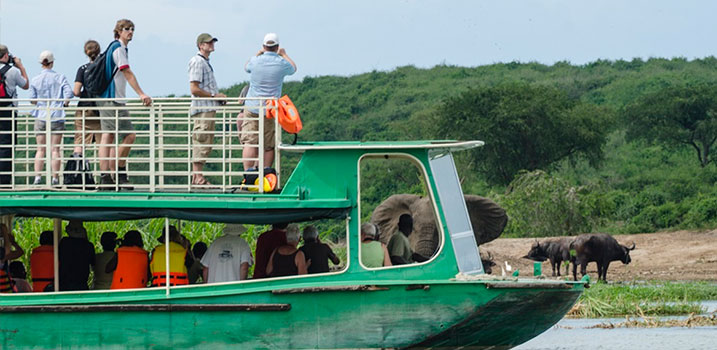
Boat cruises along the Kazinga Channel also operate under professional supervision. Boats are equipped with safety equipment, and trained captains navigate routes that provide excellent wildlife viewing while maintaining safe distances from hippos, crocodiles, and other animals.
Safety in Murchison Falls National Park
Murchison Falls National Park combines wildlife safaris with dramatic scenery along the Nile River. Visitors enjoy game drives, boat cruises, hiking to the top of Murchison Falls, and birdwatching excursions. Well-maintained tourism infrastructure, experienced guides, and clear safety procedures help make every activity secure. During hikes near the falls, visitors are advised to stay on marked trails because rocks may become slippery, particularly after rain.
How Safe is Uganda for Tourists During Border Crossings?
Many travelers combine Uganda with neighboring countries such as Rwanda, Kenya, or Tanzania. Cross-border itineraries have become increasingly popular because they allow visitors to experience multiple destinations within a single East African holiday.
The most commonly used border crossings include:
- Gatuna/Katuna (Uganda–Rwanda)
- Cyanika (Uganda–Rwanda)
- Malaba (Uganda–Kenya)
- Busia (Uganda–Kenya)
These border posts are regularly used by tourists, commercial transport, and local residents. Travelers participating in organized safaris usually experience smooth border procedures because tour operators prepare documentation in advance and assist throughout the crossing process.
Border Crossing Tips
For a smooth journey:
- Carry your passport at all times.
- Confirm visa requirements before departure.
- Keep Yellow Fever vaccination certificates accessible.
- Allow extra time during busy travel periods.
- Follow immigration officers’ instructions.
- Avoid carrying restricted items across borders.
The East Africa Tourist Visa is particularly convenient because it allows eligible travelers to visit Uganda, Rwanda, and Kenya using a single visa, making multi-country safaris much easier.
Money Safety in Uganda
Money management is another important aspect of answering How Safe is Uganda for Tourists. Uganda is generally a safe destination for handling cash and electronic payments, but sensible precautions remain important. Most hotels, safari lodges, restaurants, and tour operators accept major credit cards, although cash remains useful in smaller towns and rural areas.
Many safari travelers carry a combination of US Dollars and Ugandan Shillings. Clean US Dollar notes printed after 2013 are widely accepted for tourism services, while local currency is useful for smaller purchases such as souvenirs, snacks, or tips.
ATM Safety
ATMs are widely available in Kampala, Entebbe, Mbarara, Fort Portal, Kabale, and other major towns. However, they become less common near remote national parks.
For maximum security:
- Use ATMs located inside banks or shopping centers.
- Withdraw cash during daylight hours.
- Avoid accepting assistance from strangers.
- Shield your PIN while entering it.
- Inform your bank before international travel.
Most visitors experience no problems when following these simple precautions.
Credit Card Safety
Credit cards are increasingly accepted across Uganda’s tourism industry, particularly at mid-range and luxury lodges. Visa cards generally enjoy wider acceptance than some other international payment systems. Travelers should still carry some cash because small businesses and remote locations may not accept cards.
Common Tourist Scams and How to Avoid Them
Uganda experiences relatively few scams directed specifically at international tourists, but awareness helps visitors avoid unnecessary inconvenience.
Unofficial Tour Guides
Occasionally, individuals may offer guiding services without proper licensing. Visitors should always book through licensed safari companies or recognized tourism providers.
Overpriced Souvenirs
Prices at local craft markets may initially be higher than expected. Friendly bargaining is common and generally accepted. Negotiating respectfully often results in fair prices for both buyers and sellers.
Taxi Pricing
Using licensed taxis or arranging transfers through your hotel or safari operator is recommended. Ride-hailing services are also available in major urban areas, providing transparent pricing and additional convenience.
Food Safety in Uganda
Ugandan cuisine is fresh, flavorful, and diverse. Visitors can enjoy traditional dishes alongside international cuisine at safari lodges, restaurants, and hotels throughout the country.
Safe Dining Tips
To minimize stomach problems:
- Eat freshly prepared meals.
- Drink bottled or filtered water.
- Avoid raw food from unknown vendors.
- Wash hands regularly.
- Choose busy restaurants with good hygiene standards.
High-quality safari lodges maintain excellent food preparation standards, making food-related illness relatively uncommon among organized safari travelers.
Drinking Water Safety
Tap water in Uganda is treated in many urban areas, but international visitors are generally advised to drink bottled or filtered water throughout their stay. Most safari operators provide complimentary bottled drinking water during transfers and game drives.
Reusable water bottles with built-in purification systems also offer environmentally friendly alternatives that reduce plastic waste.
Internet, Mobile Networks, and Communication Safety
Uganda’s telecommunications infrastructure has improved significantly in recent years. Mobile coverage extends across much of the country, although signal strength naturally decreases inside some remote forests and mountainous regions.
Major providers include:
- MTN Uganda
- Airtel Uganda
Visitors planning extended stays may benefit from purchasing a local SIM card, which offers affordable mobile data for navigation, communication, and social media.
Staying Connected Safely
When using public Wi-Fi:
- Avoid accessing sensitive financial accounts.
- Use secure passwords.
- Enable two-factor authentication.
- Update your devices before departure.
These precautions help protect personal information throughout your trip.
Cultural Etiquette and Respectful Travel
Respecting local customs enhances both safety and overall travel enjoyment. Ugandans are generally friendly, polite, and welcoming, and visitors who demonstrate respect quickly build positive relationships with local communities.
Dress Modestly
Although safari clothing is perfectly acceptable in tourism areas, modest dress is appreciated when visiting villages, churches, schools, and local communities.
Ask Before Taking Photos
Many Ugandans are happy to be photographed, but asking permission first demonstrates courtesy and respect.
Greetings Matter
Taking time to greet people before beginning a conversation is considered polite and helps create positive interactions throughout your journey.
Why Travel Insurance Is Essential
No guide answering How Safe is Uganda for Tourists would be complete without discussing travel insurance. Although most visitors never need emergency assistance, comprehensive travel insurance provides valuable protection should unexpected situations arise.
A good travel insurance policy should cover:
- Emergency medical treatment.
- Medical evacuation.
- Trip cancellation.
- Trip interruption.
- Lost baggage.
- Delayed flights.
- Personal liability.
- Adventure activities, including gorilla trekking.
Before purchasing insurance, confirm that gorilla trekking and wildlife safaris are specifically included in the policy, as some insurers classify these as adventure activities.
Emergency Contacts Every Traveler Should Know
Before departing for Uganda, save important emergency contacts on your phone and carry printed copies inside your travel documents.
Useful contacts include:
- Your safari operator.
- Hotel or lodge reception.
- Travel insurance emergency hotline.
- Your country’s embassy or consulate.
- Uganda Police emergency services.
- Uganda Wildlife Authority emergency contacts where applicable.
Professional safari companies maintain their own emergency communication procedures, providing additional reassurance throughout your journey.
Responsible Tourism Helps Keep Uganda Safe
Tourism plays an essential role in supporting conservation, local employment, and community development throughout Uganda. By choosing licensed safari operators, respecting wildlife regulations, supporting local businesses, and following park rules, visitors actively contribute to maintaining Uganda as a safe and sustainable destination for future generations.
Responsible travelers help protect endangered mountain gorillas, support anti-poaching initiatives, improve community livelihoods, and encourage continued investment in tourism infrastructure. These positive contributions strengthen Uganda’s reputation as one of Africa’s leading wildlife destinations.
The Ultimate Safety Checklist: How Safe is Uganda for Tourists?
After exploring crime, health, transportation, wildlife, national parks, and cultural etiquette, you can see that the answer to How Safe is Uganda for Tourists depends largely on preparation and responsible travel. Uganda is a welcoming destination with a thriving tourism industry, professionally managed national parks, experienced safari guides, and friendly local communities. Like traveling anywhere in the world, taking sensible precautions allows you to enjoy your holiday with confidence while minimizing unnecessary risks.
Before boarding your flight, take time to review this complete travel safety checklist. Preparing thoroughly before departure will help ensure a smooth, comfortable, and memorable safari experience.
Before You Leave Home
Complete these preparations before traveling:
- Confirm that your passport is valid for at least six months.
- Check Uganda’s visa requirements.
- Purchase comprehensive travel insurance.
- Visit your doctor or travel clinic.
- Receive recommended vaccinations.
- Obtain a Yellow Fever vaccination certificate if required.
- Start malaria prevention medication if advised.
- Scan important documents and save digital copies.
- Share your itinerary with family or friends.
- Inform your bank about international travel.
- Download offline maps and travel documents.
- Pack prescription medications in your carry-on luggage.
Completing these simple steps significantly reduces stress while traveling and ensures you are prepared for unexpected situations.
During Your Safari
While exploring Uganda:
- Follow instructions from your safari guide.
- Respect wildlife viewing distances.
- Carry bottled or filtered drinking water.
- Keep valuables secure.
- Apply sunscreen regularly.
- Use insect repellent, especially during evenings.
- Wear appropriate clothing for each activity.
- Stay with your group during excursions.
- Carry emergency contact numbers.
- Respect local customs and traditions.
These habits quickly become routine and contribute to a safe, enjoyable holiday.
Seasonal Safety Advice
Uganda is a year-round destination, but weather conditions vary between seasons. Understanding these seasonal differences helps travelers prepare more effectively.
Dry Season Safety
The dry seasons, generally from June to September and December to February, offer excellent safari conditions. Roads are usually easier to navigate, wildlife gathers around water sources, and trekking trails become less muddy.
During the dry season:
- Stay hydrated.
- Protect yourself from strong sunshine.
- Wear lightweight clothing.
- Carry sunglasses and a hat.
- Expect dusty roads during game drives.
Although rainfall is less frequent, occasional showers still occur, particularly in mountainous rainforest regions.
Rainy Season Safety
The rainy seasons, usually from March to May and October to November, transform Uganda into a lush green paradise. Birdwatching becomes exceptional, photography conditions improve, and visitor numbers decrease.
During the wet season:
- Wear waterproof hiking boots.
- Carry a waterproof rain jacket.
- Use waterproof bags for electronics.
- Allow additional travel time.
- Follow guide advice on slippery trails.
Rain rarely prevents safari activities, but flexibility helps travelers enjoy changing conditions.
Safety Tips for First-Time Visitors
First-time travelers often ask How Safe is Uganda for Tourists because they have never visited East Africa before. Fortunately, Uganda is an excellent introduction to African safaris when visitors prepare appropriately.
Travel with a Reputable Safari Company
Booking through an experienced safari operator remains one of the best ways to maximize safety. Professional companies organize permits, accommodation, transportation, park activities, and emergency support while ensuring visitors receive accurate local advice.
Keep an Open Mind
Uganda offers authentic travel experiences that may differ from Western countries. Rural roads, slower travel times, and remote wilderness areas are part of the adventure. Flexibility and patience help visitors appreciate the country’s unique character.
Stay Informed
Before traveling, review official travel advice issued by your government and remain in contact with your safari company regarding itinerary updates. Professional operators continuously monitor local conditions and adjust travel plans whenever necessary.
Common Mistakes Tourists Should Avoid
Most travel problems can be prevented through good planning. Avoiding these common mistakes makes your safari more enjoyable.
Ignoring Medical Advice
Some travelers forget to visit a travel clinic before departure or delay obtaining recommended vaccinations. Early preparation helps avoid last-minute complications.
Underestimating the Sun
Uganda’s equatorial sun is much stronger than many visitors expect. Sunscreen, sunglasses, and hats are essential throughout the year.
Wearing Inappropriate Clothing
Bright colors, uncomfortable shoes, and heavy clothing reduce comfort during safari activities. Lightweight, neutral-colored outdoor clothing is generally the best choice.
Walking Alone at Night
While Uganda is generally welcoming, visitors should avoid walking alone in unfamiliar urban areas after dark. Use trusted transportation arranged through your hotel or safari operator whenever possible.
Forgetting Travel Insurance
Medical emergencies, flight delays, or lost baggage are uncommon but can occur anywhere. Comprehensive travel insurance provides valuable financial protection and peace of mind.
Frequently Asked Questions About How Safe is Uganda for Tourists
Is Uganda safe for first-time visitors?
Yes. Uganda is considered a safe destination for first-time visitors, particularly those traveling with licensed safari operators. Organized tours provide experienced guides, secure accommodation, reliable transportation, and professional support throughout the journey.
Is Kampala safe for tourists?
Kampala is generally safe for visitors who exercise normal urban travel precautions. Avoid displaying expensive valuables, remain aware of your surroundings, and use trusted transportation, especially after dark.
Is gorilla trekking safe?
Yes. Gorilla trekking is one of the safest wildlife experiences available. Uganda Wildlife Authority rangers accompany every trekking group, provide comprehensive safety briefings, and closely monitor gorilla behavior throughout the activity.
Can solo travelers safely visit Uganda?
Absolutely. Uganda welcomes many solo travelers every year. Joining organized safaris offers additional security while creating opportunities to meet fellow travelers from around the world.
Is Uganda safe for female travelers?
Yes. Many women travel independently throughout Uganda without difficulty. Choosing reputable accommodation, using licensed transportation, and following common-sense travel precautions help ensure a safe experience.
Is Uganda safe for families?
Uganda is an excellent destination for families interested in wildlife, culture, and nature. Many lodges offer family-friendly facilities, while activities such as game drives, boat cruises, and cultural visits appeal to travelers of all ages. Gorilla trekking has a minimum age requirement of 15 years.
Is it safe to drive yourself around Uganda?
Self-driving is possible, but most first-time visitors benefit from hiring a professional driver-guide. Local drivers understand road conditions, park regulations, and regional travel logistics, making the journey safer and more enjoyable.
Why Thousands of Travelers Choose Uganda Every Year
Uganda offers experiences that few destinations can match. Visitors enjoy close encounters with endangered mountain gorillas, exciting chimpanzee tracking adventures, spectacular wildlife safaris, breathtaking waterfalls, scenic lakes, vibrant cultural traditions, and some of Africa’s richest biodiversity.
The country’s tourism industry continues to improve each year through:
- Better road infrastructure.
- Modern safari lodges.
- Enhanced conservation programs.
- Professional guide training.
- Strong wildlife protection.
- Improved communication networks.
- Sustainable tourism initiatives.
These ongoing investments strengthen Uganda’s reputation as one of Africa’s leading safari destinations.
Why Choose Universal Ventures Rwanda for Your Uganda Safari?
Your safety begins long before your safari starts. Choosing an experienced safari company ensures every aspect of your journey is professionally organized from arrival to departure.
At Universal Ventures Rwanda, we specialize in tailor-made Uganda and East Africa safaris designed to provide exceptional experiences while maintaining the highest standards of safety, comfort, and customer service. Our experienced team works closely with trusted accommodation providers, licensed guides, and national park authorities to create seamless travel experiences for every guest.
Our Services Include
- Uganda Gorilla Trekking Safaris
- Chimpanzee Tracking Tours
- Big Five Wildlife Safaris
- Luxury Uganda Safaris
- Family Safari Holidays
- Honeymoon Packages
- Birdwatching Tours
- Cross-border Rwanda and Uganda Safaris
- Private Guided Tours
- Customized East Africa Itineraries
- Airport Transfers
- Hotel Reservations
- Gorilla Permit Arrangements
Every itinerary is carefully planned to ensure guests enjoy Uganda’s extraordinary wildlife and landscapes with complete peace of mind.
Contact Universal Ventures Rwanda
Website: https://universalventuresrwanda.com
Email: info@universalventuresrwanda.com
Phone / WhatsApp: +250 781441853