Skip to content
Planning a safari in Uganda is one of the most exciting steps toward experiencing Africa’s incredible wildlife, breathtaking landscapes, and unforgettable cultural encounters. Whether your itinerary includes trekking endangered mountain gorillas in Bwindi Impenetrable National Park, tracking chimpanzees in Kibale Forest National Park, enjoying game drives in Queen Elizabeth National Park, exploring Murchison Falls National Park, or relaxing beside Lake Bunyonyi, careful preparation can make your journey safer, more comfortable, and far more enjoyable. A carefully prepared Uganda Safari Packing List helps you organize everything you need before departure while avoiding unnecessary luggage. Uganda offers a wide variety of environments, from tropical rainforests and volcanic mountains to vast savannahs and freshwater lakes. Each destination presents different weather conditions and activities, making thoughtful packing essential. Instead of worrying about forgotten items during your holiday, a complete packing strategy allows you to focus entirely on wildlife encounters, scenic landscapes, and cultural experiences.
Understanding Uganda’s Climate Before You Pack
Uganda enjoys a pleasant equatorial climate throughout the year, yet temperatures vary considerably because of differences in altitude and geography. Visitors often experience cool mountain mornings during gorilla trekking, warm afternoons on wildlife game drives, and occasional tropical rain showers regardless of the season. The forests of Bwindi and Mgahinga remain humid and muddy for much of the year, while parks such as Queen Elizabeth and Murchison Falls are generally warmer and drier. Travelers visiting several parks on one itinerary should therefore prepare clothing suitable for multiple climates. An effective Uganda Safari Packing List should always include lightweight clothing for warm weather, insulating layers for cool evenings, and waterproof gear for unexpected rainfall.
Dry Season Packing Tips
The dry seasons, usually from June to September and from December to February, provide some of the best safari conditions in Uganda. Wildlife gathers around water sources, roads are easier to navigate, and trekking trails become less slippery. Even so, temperatures can still fluctuate throughout the day. Early morning game drives often begin in cool conditions before warming significantly by midday. During these months, lightweight long-sleeved shirts, breathable trousers, sun hats, sunglasses, and comfortable walking shoes are highly recommended.
Wet Season Packing Tips
Uganda’s rainy seasons, generally occurring from March to May and again from October to November, transform the country into a lush green paradise. Birdwatching reaches its peak, landscapes become spectacularly vibrant, and visitor numbers are generally lower. However, trekking trails become muddy, and sudden rain showers occur more frequently. Waterproof jackets, gaiters, quick-drying clothing, waterproof hiking boots, and dry bags become particularly valuable additions to any Uganda Safari Packing List during these months.
Different Safari Activities Require Different Packing Strategies
One of the biggest reasons travelers should prepare carefully is the diversity of safari experiences available throughout Uganda. Every activity has its own requirements, meaning there is no universal packing solution. Your itinerary should always determine the final contents of your suitcase.
Gorilla Trekking
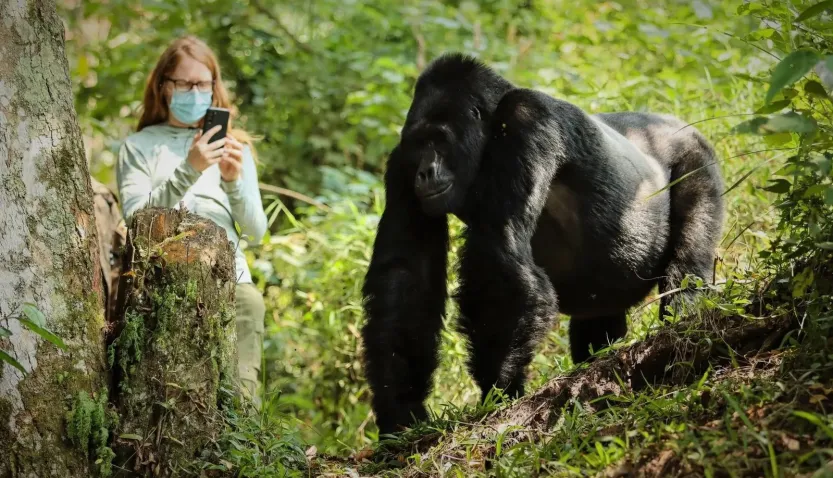
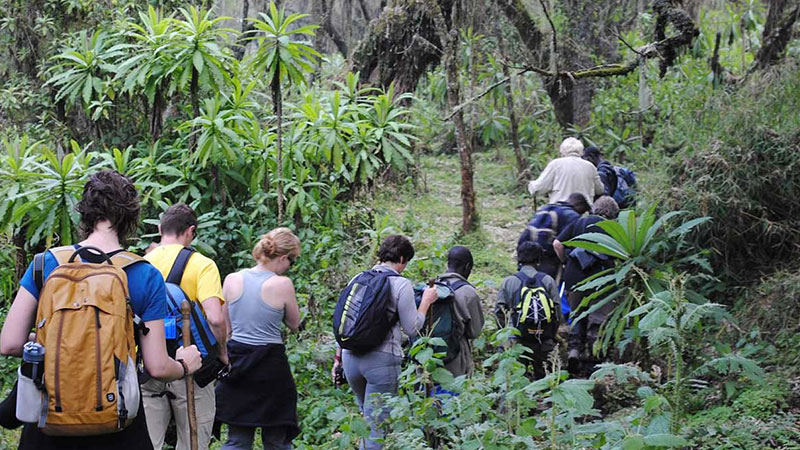
Mountain gorilla trekking is the highlight of many Ugandan safaris and requires practical outdoor clothing rather than expensive expedition equipment. Long trousers protect against stinging nettles, thorn bushes, and insects, while long-sleeved shirts reduce exposure to scratches and mosquitoes. Waterproof hiking boots provide grip on steep, muddy trails, and gardening gloves offer additional protection when holding onto vegetation. A lightweight waterproof jacket is essential because rainfall can occur at any time, even during the dry season.
Wildlife Game Drives
Traditional game drives require a completely different approach. Since visitors remain inside safari vehicles for much of the day, comfort becomes the priority. Neutral-colored clothing helps avoid attracting insects while blending naturally into the surrounding environment. Layering remains important because early morning departures can be cool before temperatures rise later in the day. Sun protection, including sunglasses, sunscreen, and a wide-brimmed hat, is equally important during extended hours in open safari vehicles.
Chimpanzee Tracking
Chimpanzee tracking involves walking through humid tropical forests where temperatures are warmer than in the gorilla habitat but moisture levels remain high. Breathable clothing, insect repellent, waterproof footwear, and a comfortable daypack are essential. Since chimpanzees move quickly through the forest canopy, lightweight clothing that allows easy movement significantly improves the trekking experience.
Choosing the Right Luggage for Your Uganda Safari Packing List
Selecting the correct luggage is almost as important as choosing what goes inside it. Most safari operators recommend medium-sized soft duffel bags instead of hard-shell suitcases. Soft bags fit easily into safari vehicles and domestic aircraft while remaining easier to carry over uneven ground. If your itinerary includes scheduled flights to remote national parks, luggage weight restrictions may apply, making compact packing even more important.
Duffel Bag vs Hard Suitcase
Soft duffel bags are flexible, lightweight, and easier to store inside safari vehicles. They also meet the luggage requirements of most domestic safari flights. Hard-shell suitcases, while offering better protection for fragile items, occupy more space and may become inconvenient during transfers between destinations.
Why You Need a Daypack
A small daypack is indispensable during any Uganda safari. It should comfortably carry your camera, binoculars, reusable water bottle, snacks, rain jacket, passport copy, sunscreen, insect repellent, and personal medications. Choosing a waterproof or water-resistant daypack provides extra protection for valuables during rainforest hikes or unexpected showers.
Pack Smart, Not Heavy
One of the most common mistakes first-time safari travelers make is bringing far more clothing than necessary. Fortunately, many safari lodges throughout Uganda offer laundry services, allowing visitors to wash clothing during longer trips. Instead of packing large quantities of outfits, prioritize high-quality, quick-drying garments that can be worn repeatedly. A well-planned Uganda Safari Packing List focuses on versatility rather than volume, helping travelers move comfortably between destinations without carrying unnecessary weight.
Sustainable Packing for Responsible Safari Travel
Responsible tourism begins long before arriving in Uganda. Packing reusable water bottles, biodegradable toiletries, rechargeable batteries, reusable shopping bags, and environmentally friendly sunscreen helps reduce waste in protected wildlife areas. Many safari lodges have embraced eco-friendly practices, and visitors can contribute by minimizing single-use plastics throughout their journey. Sustainable packing not only benefits Uganda’s remarkable ecosystems but also supports long-term wildlife conservation efforts that protect endangered species for future generations.
What You’ll Learn in This Complete Uganda Safari Packing List Guide
This comprehensive guide has been created by experienced safari specialists to help every traveler prepare confidently for Uganda’s extraordinary adventures. In the following sections, you’ll discover exactly which clothing, footwear, health supplies, electronics, photography equipment, travel documents, and personal items deserve space in your luggage. You’ll also learn what to leave at home, how to pack efficiently for different seasons, and how experienced safari guides prepare for every journey across Uganda’s spectacular national parks. By the end of this guide, your Uganda Safari Packing List will be complete, practical, and perfectly suited for an unforgettable African safari.
The Best Safari Clothing for Every Uganda Adventure
Choosing the right clothing is one of the most important parts of preparing your Uganda Safari Packing List. Uganda offers an incredible variety of landscapes, from dense tropical rainforests and volcanic mountains to open savannahs and peaceful lakes. Each environment presents different weather conditions and outdoor activities, so versatile clothing is essential. Instead of packing fashionable outfits for every day, experienced safari travelers focus on lightweight, breathable, quick-drying garments that provide comfort throughout long travel days. Neutral-colored clothing in shades of khaki, olive green, beige, brown, and grey is highly recommended because these colors blend naturally with the environment, attract fewer insects than bright colors, and are ideal for wildlife viewing and photography. Dark blue and black clothing should be limited, especially in certain regions of East Africa where they may attract tsetse flies. Bright colors are not prohibited, but they are generally less practical for safari activities because they can stand out against natural surroundings. Building your wardrobe around versatile outdoor clothing allows you to remain comfortable whether you are tracking mountain gorillas, exploring national parks, taking a boat cruise, or visiting local communities.
Why Layering Is Better Than Heavy Clothing
Uganda’s weather changes throughout the day, making layering the smartest approach for safari travel. Early mornings can feel surprisingly cool, particularly in high-altitude regions such as Bwindi Impenetrable National Park and Mgahinga Gorilla National Park. By midday, temperatures often become warm, especially during game drives in Queen Elizabeth National Park or Murchison Falls National Park. Evenings may cool down again after sunset. Instead of carrying bulky jackets, pack lightweight layers that can easily be added or removed as temperatures change. A moisture-wicking T-shirt, a long-sleeved safari shirt, a lightweight fleece, and a waterproof outer shell create a flexible combination suitable for almost every situation. This simple layering system keeps your luggage lighter while ensuring comfort throughout your safari.
Recommended Clothing Checklist
A practical Uganda Safari Packing List should include clothing that can be mixed and matched during the trip. For most travelers on a seven- to ten-day safari, the following items are usually sufficient:
- Four to six moisture-wicking T-shirts
- Three or four lightweight long-sleeved shirts
- Three pairs of safari trousers
- One or two pairs of comfortable shorts for lodge relaxation
- A lightweight fleece or warm sweater
- One waterproof rain jacket
- Comfortable sleepwear
- Undergarments and socks for each day or enough for laundry cycles
- A swimsuit for lodges with swimming pools
- A lightweight evening outfit for dinner at luxury lodges
Packing versatile clothing instead of excessive quantities helps save space while keeping your luggage organized throughout the journey.
Gorilla Trekking Clothing Essentials
Mountain gorilla trekking is undoubtedly the highlight of many visitors’ Ugandan adventure. Since trekking takes place in dense rainforest with uneven terrain, muddy trails, thick vegetation, and changing weather conditions, appropriate clothing becomes extremely important. The correct gear not only improves comfort but also provides protection against scratches, insects, and rain. Fortunately, specialized mountaineering equipment is unnecessary. Most visitors already own everything required for a successful trek.
Long Trousers Are Essential
Long hiking trousers are one of the most valuable items on any Uganda Safari Packing List. Gorilla trekking routes often pass through dense vegetation where thorn bushes, stinging nettles, vines, and insects are common. Durable trousers protect your legs while allowing comfortable movement over steep terrain. Lightweight synthetic fabrics that dry quickly after rain are preferable to heavy cotton materials, which remain wet for longer periods.
Long-Sleeved Shirts Provide Extra Protection
Although short-sleeved shirts may seem comfortable in warm weather, long sleeves offer significantly better protection during rainforest trekking. They reduce exposure to scratches from branches, insect bites, and direct sunlight while remaining breathable when made from technical outdoor fabrics. Shirts with roll-up sleeves provide additional flexibility depending on changing weather conditions.
Waterproof Jacket for Unexpected Rain
Rain can occur at almost any time in Uganda’s mountain forests, regardless of the season. A lightweight waterproof jacket should always remain inside your daypack during gorilla trekking. Modern breathable rain jackets protect against heavy showers without causing excessive heat buildup during uphill hiking. Investing in a quality rain jacket greatly improves overall comfort throughout the trek.
Choosing the Best Footwear for Uganda Safaris
Footwear often determines whether a safari feels comfortable or exhausting. Because Uganda offers multiple types of terrain, travelers should prioritize supportive shoes rather than fashionable footwear. Good shoes improve stability, reduce fatigue, and help prevent injuries during outdoor activities.
Waterproof Hiking Boots
Waterproof hiking boots remain one of the most important investments for your Uganda Safari Packing List. Gorilla trekking and chimpanzee tracking frequently involve muddy slopes, slippery tree roots, loose rocks, and uneven forest trails. Mid-height hiking boots with ankle support provide stability while protecting feet from moisture and debris. Boots should always be broken in before traveling to avoid painful blisters during the safari.
Comfortable Walking Shoes
Many safari activities, including city tours, cultural visits, and lodge walks, do not require heavy hiking boots. Comfortable walking shoes or lightweight trail shoes are excellent alternatives for these less demanding activities. They also provide a welcome change after several days of trekking.
Sandals for Relaxation
After returning from a long day of hiking or wildlife viewing, many travelers appreciate changing into lightweight sandals or comfortable slip-on shoes around the lodge. These shoes allow feet to recover while remaining practical for short walks between guest rooms and dining areas.
Accessories That Complete Your Uganda Safari Packing List
While clothing forms the foundation of your luggage, several small accessories significantly improve comfort throughout the journey. These lightweight items occupy very little space but often become some of the most frequently used pieces of equipment during a safari.
Wide-Brimmed Hat
A wide-brimmed safari hat provides valuable protection against the strong equatorial sun during game drives, boat safaris, and walking excursions. Unlike baseball caps, wide-brimmed hats also protect the ears and neck from prolonged sun exposure.
Sunglasses
High-quality sunglasses with UV protection reduce glare while improving visibility during long hours outdoors. Polarized lenses are especially useful for wildlife viewing near rivers and lakes where sunlight reflects off the water.
Buff or Neck Gaiter
A lightweight neck gaiter serves multiple purposes throughout a safari. It protects against dust during dry-season game drives, provides warmth during cool mornings, and shields the neck from sun exposure during extended outdoor activities.
Lightweight Gloves
Simple gardening gloves are surprisingly useful during gorilla trekking because they protect hands while gripping branches, vines, and vegetation along steep trails. Many experienced guides recommend bringing inexpensive work gloves rather than specialized hiking gloves.
Choosing the Right Daypack
Every safari traveler should carry a comfortable daypack regardless of the itinerary. During gorilla trekking, chimpanzee tracking, nature walks, boat cruises, and city tours, your daypack keeps essential items easily accessible without carrying unnecessary weight.
What Should Your Daypack Contain?
A well-organized daypack typically includes:
- Passport copy
- Travel insurance documents
- Reusable water bottle
- Rain jacket
- Camera
- Binoculars
- Sunscreen
- Insect repellent
- Snacks
- Power bank
- Personal medications
- Small first-aid supplies
Selecting a water-resistant backpack with padded shoulder straps greatly improves comfort during longer excursions.
Camera Equipment for Wildlife Photography
Uganda offers extraordinary photographic opportunities, from endangered mountain gorillas and playful chimpanzees to elephants, lions, giraffes, hippos, and hundreds of bird species. While professional photographers often travel with extensive equipment, casual travelers can capture remarkable memories using relatively simple gear.
Camera Body and Lenses
Mirrorless and DSLR cameras both perform exceptionally well on safari. Wildlife photographers generally prefer telephoto lenses between 200 mm and 400 mm for distant animals, while wider lenses work well for landscapes, lodges, waterfalls, and cultural experiences. Gorilla trekking often brings visitors close to the animals, making medium-range zoom lenses particularly useful.
Extra Batteries and Memory Cards
Charging opportunities may be limited during long game drives or remote lodge stays. Packing multiple batteries and high-capacity memory cards ensures that you never miss an unforgettable wildlife encounter because of depleted equipment.
Waterproof Camera Protection
Rain showers, river spray, and dusty roads make waterproof camera bags and protective covers valuable additions to any Uganda Safari Packing List. These inexpensive accessories help protect expensive photography equipment throughout the journey.
Don’t Forget Your Binoculars
Although many travelers focus primarily on cameras, binoculars often provide an even more rewarding safari experience. They allow visitors to observe birds, distant wildlife, and fascinating animal behavior that may not be visible to the naked eye. Compact binoculars are lightweight, easy to carry, and suitable for every safari destination in Uganda. Whether you are watching chimpanzees high in the forest canopy or scanning the savannah for elusive predators, quality binoculars greatly enhance wildlife viewing.
Preparing for the Next Stage of Your Uganda Safari Packing List
By selecting the right clothing, footwear, trekking equipment, accessories, and photography gear, you have already covered many of the essentials needed for a successful safari. However, packing does not end here. In the next section, we will explore health supplies, travel documents, medications, toiletries, electronic devices, camping equipment, family packing advice, luxury safari essentials, and practical travel tips that complete the ultimate Uganda Safari Packing List, ensuring you are fully prepared for every adventure Uganda has to offer.
Health Essentials Every Traveler Should Pack
A successful safari is not only about wearing the right clothes or carrying the best camera. Staying healthy throughout your journey is equally important. Uganda is one of Africa’s safest safari destinations for international visitors, but traveling through remote national parks, tropical forests, and rural areas means you should prepare for minor health issues before leaving home. A carefully organized Uganda Safari Packing List should always include personal medications, a small first-aid kit, and basic health supplies that allow you to enjoy every adventure without unnecessary interruptions. Most safari lodges have trained staff who can assist in emergencies, while major towns have pharmacies and hospitals. However, many national parks are several hours away from urban centers, making it much easier to carry your own essential supplies.
Many travelers only think about medications after arriving in Africa, but preparation should begin several weeks before departure. Schedule a consultation with your healthcare provider to discuss recommended vaccinations, malaria prevention, and any prescription medications you may require during your trip. Keep all prescription medicines in their original packaging, together with copies of your prescriptions. Always place important medications in your carry-on luggage rather than checked baggage to avoid problems if luggage is delayed.
Personal First-Aid Kit
Your safari first-aid kit does not need to be large, but it should include practical items for common travel situations. A compact medical pouch fits easily inside your daypack while providing peace of mind throughout the journey.
A recommended first-aid kit includes:
- Personal prescription medications
- Pain relievers
- Adhesive bandages
- Antiseptic wipes
- Blister treatment pads
- Motion sickness tablets
- Anti-diarrheal medication
- Oral rehydration salts
- Allergy medication
- Tweezers
- Small scissors
- Elastic bandage
- Digital thermometer
- Hand sanitizer
Fortunately, these items occupy very little luggage space while proving invaluable during long safaris.
Malaria Prevention
Uganda is located in a malaria-risk region, so preventive measures are strongly recommended. Speak with your doctor before departure regarding suitable antimalarial medication. In addition to medication, travelers should wear long sleeves during the evening, sleep under mosquito nets where provided, and apply insect repellent containing DEET or picaridin. Most quality safari lodges provide mosquito nets and regularly treat guest rooms, but carrying your own insect repellent remains an important part of every Uganda Safari Packing List.
Toiletries to Include in Your Uganda Safari Packing List
Packing toiletries may seem straightforward, yet many travelers either overpack or forget essential items. Since luggage space is valuable, choose travel-sized containers whenever possible. Many upscale safari lodges provide shampoo, conditioner, soap, and body lotion, but visitors staying in budget accommodations should bring their preferred products.
Essential Toiletries
Your toiletry bag should contain:
- Toothbrush and toothpaste
- Shampoo
- Conditioner
- Soap or body wash
- Deodorant
- Hairbrush or comb
- Moisturizer
- Lip balm
- Razor
- Nail clippers
- Sunscreen (SPF 30 or higher)
- Wet wipes
- Facial tissues
- Feminine hygiene products if required
Travel-sized bottles help reduce luggage weight while complying with airline regulations for carry-on baggage.
Why Sunscreen Is Essential
Uganda’s equatorial sun can be much stronger than many visitors expect, even on cloudy days. Long hours during game drives, boat cruises, and gorilla trekking expose travelers to significant ultraviolet radiation. Applying sunscreen several times each day helps prevent painful sunburn while protecting long-term skin health. A reef-safe sunscreen is recommended because it minimizes environmental impact.
Electronics for a Uganda Safari
Modern travelers rarely leave home without electronic devices, and safari holidays are no exception. Cameras, smartphones, drones where permitted, power banks, and charging accessories all require thoughtful organization before departure.
Smartphone Essentials
Your smartphone quickly becomes one of your most useful safari tools. Beyond photography, it serves as your navigation device, emergency communication tool, travel guide, translation assistant, weather forecast, and digital ticket holder. Before leaving home, download offline maps of Uganda, airline boarding passes, travel insurance information, and copies of hotel reservations.
Useful offline apps include:
- Google Maps offline areas
- Google Translate
- Currency converter
- Bird identification apps
- Wildlife guide applications
- Emergency contact lists
Downloading these resources before arrival reduces dependence on mobile internet coverage inside national parks.
Universal Power Adapter
Uganda primarily uses the British-style Type G electrical socket with a standard voltage of 240V. International visitors should pack a universal travel adapter compatible with these outlets. Fortunately, most safari lodges provide reliable electricity, although remote camps may operate generators during specific hours.
Power Banks
Long game drives often last eight to ten hours, making portable power banks extremely useful. Charging your phone, camera, GPS device, or action camera while traveling ensures you never miss an unforgettable wildlife encounter because of low battery life.
Camera Equipment Beyond the Basics
Uganda offers some of Africa’s finest wildlife photography opportunities. Every day presents new chances to photograph mountain gorillas, chimpanzees, lions, elephants, giraffes, hippos, crocodiles, rare birds, and spectacular landscapes.
Photography Accessories Worth Packing
Besides your camera body and lenses, consider bringing:
- Extra camera batteries
- Multiple memory cards
- Battery charger
- Lens cleaning cloth
- Rain cover
- Waterproof camera bag
- Portable hard drive
- Lightweight tripod (where practical)
Backing up your photographs regularly reduces the risk of losing valuable memories during extended safaris.
Travel Documents You Should Never Forget
Travel documents are arguably the most important part of your Uganda Safari Packing List. Without them, even the best-planned safari cannot begin. Before departure, organize all documents inside a waterproof travel wallet that remains easily accessible throughout your journey.
Essential Documents Checklist
Always carry:
- Valid passport
- Uganda visa or East Africa Tourist Visa if applicable
- Travel insurance certificate
- Flight tickets
- Safari confirmation vouchers
- Hotel reservations
- Emergency contact numbers
- Passport photocopies
- Digital copies stored securely online
- Yellow Fever Vaccination Certificate where required
Keeping both physical and digital copies provides additional security if documents are misplaced.
Travel Insurance
Comprehensive travel insurance is highly recommended for every Uganda safari. Policies should ideally include medical emergencies, emergency evacuation, trip cancellation, delayed baggage, personal liability, and coverage for adventure activities such as gorilla trekking. Although emergencies are uncommon, insurance provides valuable financial protection throughout your holiday.
Money and Payment Tips
Uganda’s official currency is the Ugandan Shilling (UGX), although many hotels, safari operators, and lodges accept US Dollars for tourism services. Carrying a combination of payment methods offers maximum flexibility.
Recommended Payment Methods
Bring:
- Clean US Dollar notes printed after 2013
- Debit card
- Credit card
- Small amount of Ugandan Shillings
- Emergency backup cash
ATMs are available in Kampala and larger towns, but access becomes limited near remote national parks. Inform your bank before traveling to avoid security blocks on international transactions.
Packing for Gorilla Trekking vs Wildlife Safaris
One of the most common questions travelers ask is whether they should pack differently for gorilla trekking and traditional game drives. The answer is yes. Although many items overlap, certain equipment becomes much more important depending on your planned activities.
Gorilla Trekking Priorities
For gorilla trekking, prioritize:
- Waterproof hiking boots
- Gardening gloves
- Long trousers
- Long-sleeved shirts
- Rain jacket
- Daypack
- Walking stick (often provided)
- Reusable water bottle
- High-energy snacks
Game Drive Priorities
For wildlife drives, prioritize:
- Lightweight clothing
- Camera equipment
- Binoculars
- Hat
- Sunglasses
- Sunscreen
- Light jacket for morning departures
- Neck gaiter
- Comfortable walking shoes
Planning according to your itinerary keeps luggage efficient while ensuring you remain prepared for every experience.
Family Uganda Safari Packing List
Families traveling with children require a few additional considerations. Younger travelers often need more frequent clothing changes, snacks, entertainment during transfers, and familiar comfort items.
Family Packing Checklist
Parents should consider bringing:
- Children’s medications
- Favorite snacks
- Reusable water bottles
- Small travel games
- Coloring books
- Wet wipes
- Extra clothing
- Lightweight blanket
- Baby supplies if required
- Sunscreen suitable for children
Preparing children properly allows the entire family to enjoy the safari with fewer interruptions.
Luxury Safari Packing Tips
Luxury safari lodges provide exceptional comfort, meaning visitors generally need fewer supplies than expected. High-end accommodations often include toiletries, laundry services, hairdryers, slippers, and complimentary drinking water. Nevertheless, elegant yet comfortable evening clothing can be useful for dinners, sundowners, and lodge gatherings.
Luxury travelers may also appreciate packing:
- Casual evening wear
- Lightweight scarf
- Travel pillow
- Noise-canceling headphones
- Premium camera equipment
- Compact binoculars
- Small notebook for wildlife observations
Sustainable Packing for Eco-Friendly Travel
Responsible tourism continues to grow throughout Uganda, with many safari operators and lodges investing heavily in conservation initiatives. Travelers can actively support these efforts through environmentally conscious packing decisions.
Simple eco-friendly choices include:
- Reusable water bottle
- Reusable coffee cup
- Rechargeable batteries
- Solar-powered charger
- Cloth shopping bag
- Reef-safe sunscreen
- Biodegradable toiletries
- Metal drinking straw
These small decisions help reduce plastic waste while protecting Uganda’s extraordinary wildlife habitats.
Common Packing Mistakes to Avoid
Even experienced travelers occasionally make packing mistakes that reduce comfort during their safari. Fortunately, these problems are easy to avoid with proper preparation.
Avoid these common mistakes:
- Packing too many clothes
- Bringing brand-new hiking boots
- Forgetting waterproof gear
- Ignoring luggage weight restrictions
- Carrying oversized hard-shell suitcases
- Leaving medications in checked baggage
- Packing excessive valuables
- Forgetting spare camera batteries
- Bringing unsuitable bright clothing
- Underestimating the strength of the equatorial sun
Learning from these common mistakes allows your Uganda Safari Packing List to remain practical, efficient, and perfectly suited for every stage of your African adventure.