Skip to content
Planning a Rwanda Safari Travel is exciting. The country offers mountain gorilla trekking, Big Five wildlife safaris, chimpanzee tracking, cultural experiences, and breathtaking landscapes. Every year, thousands of travelers visit Rwanda to explore its national parks and enjoy unforgettable adventures. However, before starting your journey, it is important to consider travel insurance.
A Rwanda Safari Travel Insurance Guide helps travelers understand why insurance is essential and what type of coverage is best for a safari holiday. While nobody expects travel disruptions or emergencies, unexpected situations can happen. Therefore, having the right insurance policy can provide peace of mind and financial protection throughout your trip.
Travel insurance protects travelers against medical emergencies, trip cancellations, flight delays, lost luggage, emergency evacuations, and other unforeseen events. Furthermore, some safari activities, including gorilla trekking, take place in remote areas where access to medical facilities may be limited. As a result, comprehensive travel insurance is highly recommended for all visitors.
This Rwanda Safari Travel Insurance Guide explains everything you need to know before purchasing a policy. It also helps you choose the right coverage for your travel style, activities, and budget.
Why Travel Insurance Is Important for a Rwanda Safari

Many travelers view insurance as an extra expense. However, it is actually one of the most important parts of safari planning.
Safaris involve multiple travel components. These may include international flights, domestic transfers, accommodations, permits, transportation, and guided activities. Therefore, even a small disruption can affect the entire itinerary.
Moreover, gorilla trekking and wildlife safaris often take place in remote areas. If a medical emergency occurs, evacuation services may be required. Consequently, travelers without insurance could face significant expenses.
Travel insurance provides financial protection while allowing travelers to focus on enjoying their safari experience.
Common Travel Risks
Several situations can affect a safari trip:
- Flight cancellations
- Flight delays
- Lost luggage
- Medical emergencies
- Trip interruptions
- Severe weather conditions
- Emergency evacuations
- Personal accidents
Although these situations are uncommon, they can happen. Therefore, insurance helps reduce potential financial losses.
Medical Coverage for Rwanda Safaris
Medical coverage is one of the most important parts of any travel insurance policy.
Emergency Medical Treatment
If you become ill or injured during your trip, travel insurance can cover medical expenses. This may include hospital visits, doctor consultations, medication, and emergency treatment.
Because medical costs can vary significantly, comprehensive coverage is recommended.
Emergency Medical Evacuation
Some safari activities take place in remote regions such as Volcanoes National Park, Nyungwe Forest National Park, and Akagera National Park.
In the event of a serious medical emergency, evacuation to a larger medical facility may be necessary. Therefore, emergency evacuation coverage is extremely important.
This type of coverage can save travelers thousands of dollars in unexpected costs.
Repatriation Coverage
Repatriation coverage helps transport travelers back to their home country if necessary due to a serious medical condition.
While such situations are rare, having this protection provides additional peace of mind.
Trip Cancellation and Trip Interruption Coverage
Safari holidays often require significant financial investment. Therefore, protecting your booking is important.
Trip Cancellation Protection
Trip cancellation coverage reimburses eligible non-refundable expenses if you must cancel your trip before departure.
Common reasons may include:
- Illness
- Injury
- Family emergencies
- Severe weather
- Other covered circumstances
This protection is particularly valuable for travelers who purchase gorilla permits and safari packages months in advance.
Trip Interruption Coverage
Trip interruption coverage applies if your journey is disrupted after departure.
For example, if a medical emergency forces you to return home early, the policy may help cover eligible expenses and unused travel arrangements.
Gorilla Trekking Insurance Considerations
Gorilla trekking is Rwanda’s most famous tourism activity. However, it involves hiking through mountainous terrain and forests.
Physical Demands of Gorilla Trekking
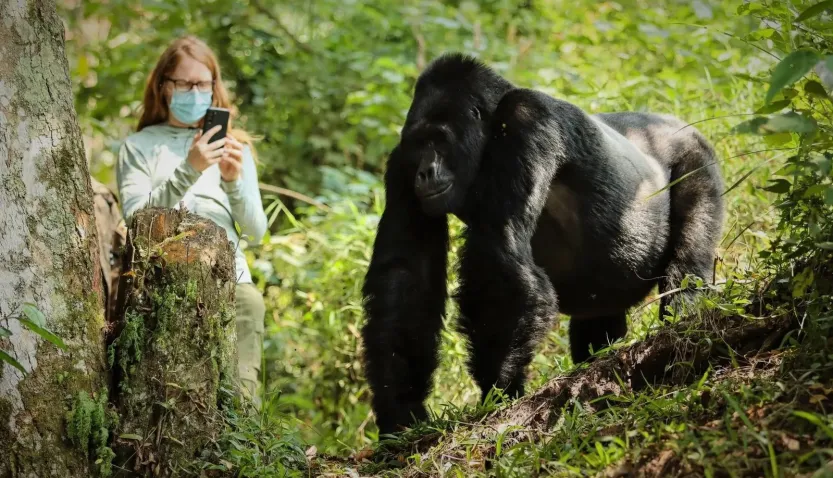
Treks can last several hours depending on the location of the gorilla family. Consequently, visitors should be prepared for uneven terrain, steep slopes, and changing weather conditions.
Although gorilla trekking is generally safe, minor injuries such as slips and falls can occur.
Therefore, travel insurance that covers adventure activities is highly recommended.
Gorilla Permit Protection
Gorilla permits represent a significant portion of safari costs.
Some travel insurance policies provide coverage for non-refundable permit expenses under specific circumstances. Therefore, travelers should carefully review policy details before purchasing insurance.
Coverage for Lost or Delayed Luggage
Lost or delayed luggage can be frustrating, especially during a safari holiday.
Baggage Protection
Travel insurance often covers lost, stolen, or damaged luggage.
This protection may include reimbursement for personal belongings such as clothing, cameras, electronics, and travel gear.
Delayed Luggage Benefits
If luggage is delayed during transit, insurance may cover essential purchases until belongings arrive.
This can be particularly helpful when traveling directly to safari destinations after arrival.
Flight Delay and Missed Connection Coverage
International travel sometimes involves delays.
Flight Delay Protection
Travel insurance can reimburse certain expenses caused by extended delays.
These expenses may include:
- Accommodation
- Meals
- Transportation
Coverage terms vary between providers, so travelers should review policy details carefully.
Missed Connections
Complex safari itineraries often involve multiple flights and transfers.
Missed connection coverage can help reduce the financial impact of travel disruptions.
Choosing the Right Travel Insurance Policy
Not all insurance policies offer the same level of protection.
Check Activity Coverage
Some policies exclude adventure activities. Therefore, travelers should confirm that gorilla trekking, hiking, and safari activities are covered.
Review Medical Limits
Higher medical coverage limits generally provide greater protection.
This is especially important for international travelers visiting remote destinations.
Understand Exclusions
Every policy contains exclusions. Therefore, travelers should read the terms and conditions carefully before purchasing coverage.
Compare Providers
Comparing multiple insurance providers helps travelers identify the best balance between coverage and cost.
Tips for Filing an Insurance Claim
Understanding the claims process can save time and frustration.
Keep Documentation
Retain important documents such as:
- Flight tickets
- Safari itineraries
- Medical reports
- Receipts
- Insurance policy details
Report Issues Promptly
Notify your insurance provider as soon as possible if a covered event occurs.
Early communication often speeds up the claims process.
Follow Provider Instructions
Each insurance company has specific requirements for filing claims.
Following these instructions carefully increases the likelihood of a smooth claim experience.
Travel Insurance for Families
Families should consider policies that cover all travelers under one plan.
Family travel insurance can simplify administration and may provide cost savings compared to purchasing separate policies.
Additionally, families should verify coverage for children and family-specific travel needs.
Travel Insurance for Luxury Safaris
Luxury safaris often involve higher financial commitments.
Therefore, travelers investing in premium accommodations, private transfers, and exclusive experiences should consider higher coverage limits.
Comprehensive policies provide greater protection for expensive travel arrangements.
Frequently Asked Questions
Is travel insurance mandatory for Rwanda?
Travel insurance requirements can vary. However, comprehensive travel insurance is strongly recommended for all safari travelers.
Does travel insurance cover gorilla trekking?
Many policies do. Nevertheless, travelers should verify adventure activity coverage before purchasing a policy.
How much does safari travel insurance cost?
Costs vary based on age, destination, trip duration, and coverage level.
When should I purchase travel insurance?
Travelers should ideally purchase insurance shortly after booking their safari.
This maximizes protection for trip cancellation benefits.
Does insurance cover emergency evacuation?
Many comprehensive policies include emergency evacuation coverage. However, coverage limits vary by provider.
Conclusion
A Rwanda Safari Travel Insurance Guide is an essential resource for anyone planning a safari holiday. Travel insurance protects against unexpected situations such as medical emergencies, trip cancellations, delayed luggage, and evacuation expenses. More importantly, it provides peace of mind throughout your journey.
Whether you are planning gorilla trekking in Volcanoes National Park, wildlife safaris in Akagera National Park, or chimpanzee tracking in Nyungwe Forest, comprehensive travel insurance helps ensure a safer and more secure experience.
By choosing the right policy, travelers can focus on enjoying Rwanda’s incredible wildlife, landscapes, and culture while knowing they are protected if unexpected situations arise.
Contact Universal Ventures Rwanda
Universal Ventures Rwanda specializes in gorilla trekking tours, wildlife safaris, transportation services, hotel bookings, and customized Rwanda travel experiences.
📍 Address: KK 15 Rd, Kigali, Rwanda
📞 Phone/WhatsApp: +250 781441853
📧 Email: info@universalventuresrwanda.com
🌍 Website: www.universalventuresrwanda.com