
The Tanzania Wildlife Safari Guide provides everything travelers need to know about exploring Africa’s remarkable wildlife destinations, choosing the best national parks, understanding seasonal animal movements, and planning an unforgettable safari in 2026 and 2027. Tanzania offers extraordinary opportunities to encounter lions, elephants, leopards, buffaloes, rhinoceroses, giraffes, zebras, cheetahs, and countless other species in their natural habitats. Furthermore, visitors can discover breathtaking landscapes stretching from the endless Serengeti plains to the volcanic highlands of Ngorongoro and the ancient baobab forests of Tarangire National Park.
A Tanzania safari offers far more than simply observing animals from a vehicle. Instead, it introduces travelers to complex ecosystems where predators, herbivores, birds, and smaller creatures interact naturally. Every game drive presents new discoveries because wildlife movements depend on rainfall, food availability, seasonal conditions, and animal behavior.
For example, one morning might begin with elephants approaching a waterhole, while another reveals lions resting near rocky outcrops. Meanwhile, giraffes may browse among acacia trees as zebras and wildebeest graze across the grasslands.
Beyond these memorable encounters, Tanzania offers opportunities to witness the Great Wildebeest Migration, photograph spectacular landscapes, explore remote wilderness areas, and experience authentic African hospitality.
However, choosing the right safari requires thoughtful preparation. Travel dates influence wildlife viewing conditions, accommodation availability, and seasonal prices. Likewise, the quality of your guide, safari vehicle, and itinerary can significantly affect the experience.
Whether you are planning your first African safari, a romantic honeymoon, a private family adventure, or a professional wildlife photography expedition, this comprehensive resource will help you explore Tanzania with confidence.
Why Tanzania Is One of Africa’s Best Wildlife Safari Destinations
Tanzania is internationally recognized for its extensive protected landscapes and remarkable wildlife diversity. Its national parks contain open grasslands, woodland savannahs, volcanic landscapes, seasonal wetlands, river systems, and mountain forests.
Consequently, travelers can experience several dramatically different ecosystems during one holiday.
Serengeti National Park offers outstanding predator viewing and the annual movement of enormous migratory herds. Ngorongoro Conservation Area features wildlife-rich landscapes beneath impressive volcanic walls. Meanwhile, Tarangire National Park is particularly famous for elephants and ancient baobab trees.
In southern Tanzania, Ruaha and Nyerere National Parks offer expansive wilderness and comparatively quieter safari experiences. Furthermore, western Tanzania provides opportunities for chimpanzee tracking in the forests surrounding Lake Tanganyika.
Together, these protected areas make Tanzania one of Africa’s most versatile safari destinations.
Tanzania Wildlife Safari Guide to Tanzania’s Unique Ecosystems
Tanzania’s wildlife diversity is closely connected to the country’s varied landscapes.
For example, open Serengeti grasslands provide suitable habitats for cheetahs and large grazing herds. In contrast, riverine forests offer important shelter for leopards, monkeys, birds, and other animals.
Similarly, Tarangire’s seasonal water systems influence the movement of elephants and buffaloes, particularly when the surrounding landscape becomes dry.
Wetlands and lakes support hippos, crocodiles, flamingos, pelicans, and numerous other species. Meanwhile, mountain forests provide habitats for primates and specialized birdlife.
As a result, visitors can observe not only different animals but also the environmental conditions that shape their behavior.
Understanding these ecosystems makes safari travel more rewarding because every wildlife encounter becomes part of a larger natural story.
Why Wildlife Enthusiasts Choose Tanzania
Wildlife enthusiasts are attracted to Tanzania because its national parks protect large landscapes where animals continue to move freely.
Unlike small wildlife enclosures, these ecosystems allow predators and prey to interact naturally. Therefore, animal encounters remain unpredictable and authentic.
Furthermore, Tanzania offers opportunities to observe different aspects of wildlife behavior, including migration, feeding, breeding, territorial activity, and social interactions.
A patient traveler might witness elephants communicating within a family group or lions interacting around a resting site. Similarly, birdwatchers can discover species adapted to wetlands, forests, grasslands, and rocky environments.
Although no safari can guarantee particular sightings, Tanzania’s diverse habitats create exceptional opportunities for meaningful wildlife experiences.
Tanzania Wildlife Safari Guide to the Best National Parks
Choosing the right national parks is essential when planning a Tanzania safari.
Although the country’s famous destinations share some wildlife species, each offers different scenery, habitats, and seasonal attractions.
For instance, Serengeti National Park is particularly attractive for predators and migration experiences. Meanwhile, Tarangire offers extraordinary elephant encounters, and Ngorongoro combines wildlife viewing with dramatic volcanic scenery.
Therefore, travelers should select destinations according to their interests rather than simply trying to visit every park.
A carefully planned itinerary should also consider travel distances, accommodation locations, and the number of days available.
Tanzania Wildlife Safari Guide to Serengeti National Park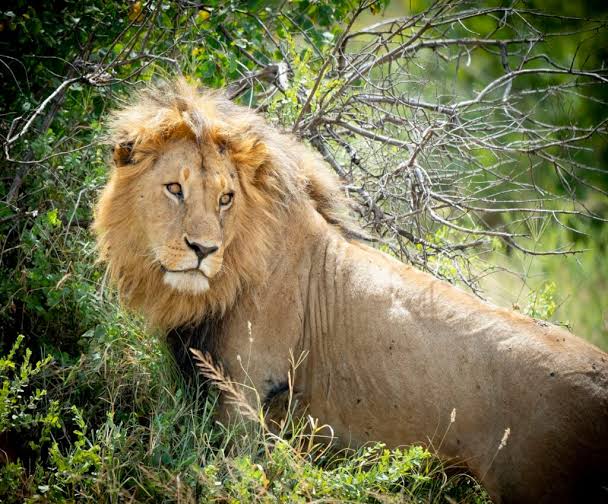
Serengeti National Park is Tanzania’s most internationally recognized wildlife destination.
Its immense landscapes feature open grasslands, rocky outcrops, seasonal wetlands, river systems, and patches of woodland.
These habitats support lions, leopards, cheetahs, elephants, buffaloes, giraffes, zebras, wildebeest, hyenas, and many other species.
Furthermore, the Serengeti forms a central part of the wider Serengeti-Mara ecosystem, where enormous migratory herds move according to seasonal rainfall and grazing conditions.
However, the park covers an extensive geographical area. Consequently, visitors should understand its different regions before selecting accommodation.
A well-positioned camp can significantly reduce driving time and improve wildlife observation opportunities.
Tanzania Wildlife Safari Guide to Central Serengeti
Central Serengeti, particularly the Seronera region, offers excellent wildlife viewing throughout much of the year.
The area contains a mixture of open grasslands, river valleys, and permanent water sources. Consequently, many animals remain present even when the main migratory herds move elsewhere.
Lions, giraffes, elephants, buffaloes, and antelopes are among the animals visitors may encounter.
Additionally, the region provides opportunities to observe leopards in suitable woodland and riverine habitats.
However, leopard sightings remain unpredictable because these animals are naturally secretive.
Central Serengeti is especially suitable for first-time safari travelers who want diverse wildlife encounters without relying entirely on seasonal migration movements.
For a more rewarding experience, consider spending at least two or three nights exploring different parts of the region.
Northern Serengeti: Wildlife Migration and Mara River Crossings
Northern Serengeti becomes particularly important during periods when wildebeest herds approach the Mara River.
The river provides one of the migration’s most dramatic natural settings. Large groups of wildebeest may gather along the banks while crocodiles occupy the water.
However, river crossings are unpredictable. Herds sometimes wait for hours or days before attempting to cross.
Furthermore, changing rainfall patterns can alter the timing and location of migration movements.
Therefore, visitors who particularly want to witness river crossings should consider spending several nights in an appropriately located camp.
Even when a crossing does not occur, northern Serengeti offers impressive landscapes and rewarding wildlife viewing.
Southern Serengeti: Calving Season and Predator Encounters
Southern Serengeti and the neighboring Ndutu area are especially attractive during the wildebeest calving season.
Seasonal rainfall encourages fresh grass growth, which attracts large migratory herds.
Consequently, substantial numbers of wildebeest calves are commonly born across the southern plains during the early months of the year.
Predators, including lions, cheetahs, and spotted hyenas, may follow the herds because young animals provide feeding opportunities.
For wildlife photographers, this season offers remarkable opportunities to observe maternal behavior, predator movements, and interactions among grazing animals.
Nevertheless, the location of the herds depends on natural environmental conditions.
Therefore, accommodation should be selected according to expected seasonal movements rather than fixed promises of wildlife sightings.
Western Serengeti: Rivers, Forests, and Wildlife Corridors
Western Serengeti features woodland habitats, river systems, and important seasonal migration routes.
The Grumeti River and surrounding landscapes become particularly relevant during certain stages of the wildebeest migration.
However, the timing of herd movements varies according to rainfall.
Meanwhile, resident wildlife continues to inhabit different parts of the region outside the main migration periods.
The western corridor offers opportunities to appreciate the Serengeti’s ecological diversity beyond its famous open plains.
Furthermore, travelers interested in less familiar habitats may appreciate the contrast between riverine vegetation and grassland environments.
A safari here should consider seasonal access, accommodation location, and available travel time.
Why Spending More Nights in Serengeti Improves Your Safari
Many travelers underestimate the size of Serengeti National Park.
Although a single game drive may produce memorable encounters, several days allow visitors to explore different wildlife habitats.
Furthermore, longer stays create opportunities to observe animal behavior rather than simply moving from one sighting to another.
For example, watching a lion pride over several hours may reveal interactions that are not apparent during a brief stop.
Similarly, photographers benefit from changing light conditions and additional opportunities to revisit suitable areas.
Therefore, spending three or four nights in the Serengeti can be especially worthwhile for travelers who prioritize wildlife observation.
Tanzania Wildlife Safari Guide to Ngorongoro Crater
Ngorongoro Crater is one of Africa’s most remarkable wildlife landscapes.
The enormous volcanic caldera contains grasslands, woodland, wetlands, freshwater springs, and lake habitats.
Because these ecosystems occur within a relatively concentrated area, visitors may encounter many animal species during one excursion.
The crater supports lions, elephants, buffaloes, zebras, wildebeest, hippos, and numerous bird species.
Furthermore, it is an important protected habitat for black rhinoceroses.
However, the presence of these animals does not mean every visitor will see them.
An experienced guide can help interpret wildlife behavior and identify suitable viewing locations while respecting park regulations.
Tanzania Wildlife Safari Guide to Big Five Viewing in Ngorongoro
The traditional Big Five consists of lions, leopards, elephants, buffaloes, and rhinoceroses.
Ngorongoro offers opportunities to encounter these species, although some are considerably more difficult to observe than others.
For example, lions and buffaloes are often more conspicuous, while black rhinoceroses may be seen only at a distance.
Leopards are particularly elusive because they often prefer sheltered environments.
Nevertheless, the crater’s varied habitats make it an attractive destination for travelers interested in seeing several iconic African mammals.
A successful game drive should emphasize the overall wildlife experience rather than treating the Big Five as a guaranteed checklist.
Best Time for Ngorongoro Crater Wildlife Viewing
Ngorongoro provides rewarding wildlife viewing throughout the year.
However, early morning game drives can offer comfortable conditions and attractive photography light.
Furthermore, starting early may help visitors enjoy selected areas before the busiest periods.
The crater floor includes different habitats, so wildlife viewing changes as the vehicle moves between grasslands, wetlands, and wooded sections.
Although some animals remain within the crater for extended periods, their daily positions are unpredictable.
Therefore, visitors should allow enough time to appreciate the entire landscape.
A well-planned excursion combines wildlife observation, photography, and an understanding of the crater’s geological history.
Where to Stay Around Ngorongoro Crater
Accommodation is available near the crater rim and in the surrounding highlands, including the Karatu area.
Crater-rim properties may provide beautiful views and convenient access to certain routes.
However, they can be expensive, particularly during popular travel seasons.
Meanwhile, Karatu offers a broader range of comfortable lodges and boutique accommodation.
Some properties feature gardens, swimming pools, restaurants, and scenic surroundings.
Therefore, travelers should compare accommodation quality alongside driving distances.
A well-located midrange lodge may provide better overall value than a more luxurious property with less convenient access.
Tanzania Wildlife Safari Guide to Tarangire National Park
Tarangire National Park is famous for magnificent elephant encounters and landscapes filled with ancient baobab trees.
The park contains woodland, open savannah, seasonal wetlands, and important river habitats.
The Tarangire River becomes especially significant during dry periods because animals depend increasingly on reliable water sources.
Consequently, elephants, buffaloes, zebras, and other wildlife may gather around the river.
Furthermore, Tarangire supports lions, leopards, giraffes, antelopes, and extensive birdlife.
The combination of wildlife and scenery makes the park particularly attractive for photographers.
Unlike the more open Serengeti plains, Tarangire offers many opportunities to observe animals among trees and varied vegetation.
Tanzania Wildlife Safari Guide to Tarangire Elephant Herds
Elephants are among Tarangire’s main attractions.
These intelligent mammals live in complex social groups, often consisting of related females and younger animals.
Older males may travel separately or associate temporarily with other elephants.
Visitors sometimes observe elephant families feeding, drinking, dust bathing, or interacting near water sources.
Furthermore, young elephants may display playful behavior while adults remain attentive to their surroundings.
However, elephants are powerful wild animals and should always be observed at appropriate distances.
A professional guide should avoid blocking their movement or creating stressful encounters.
Watching elephants patiently often reveals more interesting behavior than approaching too closely.
Why Baobab Trees Make Tarangire Special
Baobab trees give Tarangire one of Tanzania’s most recognizable landscapes.
Their massive trunks and distinctive branches create extraordinary silhouettes against the sky.
Furthermore, these trees provide ecological resources for wildlife.
Birds may use cavities for nesting, while elephants sometimes feed on bark or damage trunks when accessing moisture.
The trees also contribute to the park’s scenic appeal.
For example, elephants walking beneath large baobabs create memorable photographic compositions.
During sunrise and sunset, warm light can enhance the dramatic forms of these ancient trees.
Therefore, Tarangire appeals to travelers who appreciate both wildlife and landscape photography.
Best Months to Visit Tarangire National Park
The dry season is particularly attractive for classic Tarangire wildlife viewing.
As seasonal water sources diminish, animals often gather near the Tarangire River and other reliable water areas.
Consequently, elephant concentrations can become especially impressive.
However, the green season offers its own advantages.
Fresh vegetation produces colorful scenery, while birdwatching can be excellent.
Furthermore, some visitors appreciate traveling when the landscape appears greener and visitor demand is lower.
The best season therefore depends on whether your priority is concentrated large mammals, photography, or birdlife.
Tanzania Wildlife Safari Guide to Lake Manyara National Park
Lake Manyara National Park lies beneath the dramatic escarpment of the Great Rift Valley.
Its habitats include groundwater forests, wetlands, open grasslands, and an alkaline lake.
Consequently, the park provides a distinctly different experience from the open Serengeti plains.
Visitors may encounter elephants, baboons, giraffes, buffaloes, and numerous bird species.
Furthermore, Lake Manyara is associated with occasional sightings of tree-climbing lions.
However, these encounters should never be considered guaranteed.
The park is particularly appealing to travelers interested in landscape diversity, forest habitats, and birdwatching.
Wildlife Encounters in Lake Manyara’s Forests
Lake Manyara’s groundwater forests support a variety of animals.
Large baboon groups are among the most frequently observed primates.
Additionally, elephants and other mammals may move through sheltered woodland environments.
Because dense vegetation can reduce visibility, forest wildlife viewing differs from game drives across open plains.
Nevertheless, careful observation can reveal fascinating behavior.
For example, visitors may notice baboons grooming one another or searching for food.
The forest environment also provides opportunities to appreciate smaller animals and birds that might be overlooked elsewhere.
Birdwatching Around Lake Manyara
Lake Manyara is an important destination for bird enthusiasts.
Its wetlands and lake environments support waterbirds, including flamingos under suitable seasonal conditions.
Visitors may also observe pelicans, storks, herons, kingfishers, and numerous other species.
However, bird distributions change according to water levels and seasonal movements.
Therefore, travelers interested in birdwatching should allow enough time for observation.
Binoculars and a knowledgeable guide can significantly improve the experience.
Furthermore, the park’s varied habitats create opportunities to encounter both water-associated birds and species that prefer forests or open areas.
Are Lake Manyara’s Tree-Climbing Lions Easy to See?
Lake Manyara is known for lions that sometimes rest in trees.
However, sightings are unpredictable and should not be treated as a principal guarantee.
The behavior itself can be fascinating because lions are more commonly observed resting on the ground.
Nevertheless, several factors influence whether visitors encounter these animals.
Vegetation, weather, animal movements, and the chosen game-drive routes all affect visibility.
Therefore, travelers should appreciate the park’s broader attractions, including elephants, baboons, birdlife, and Rift Valley scenery.
Tanzania Wildlife Safari Guide to Nyerere National Park
Nyerere National Park is one of southern Tanzania’s most important wildlife destinations.
Its extensive landscapes include woodland, floodplains, river systems, lakes, and wetlands.
The Rufiji River creates especially important habitats for hippos, crocodiles, waterbirds, and other wildlife.
Furthermore, the park supports lions, elephants, buffaloes, leopards, and African wild dogs.
Compared with several northern circuit destinations, parts of Nyerere offer a quieter wilderness atmosphere.
Consequently, the park appeals to travelers seeking a more remote safari experience.
However, road access and accommodation arrangements depend on the location and season.
A carefully organized itinerary is therefore essential.
Tanzania Wildlife Safari Guide to Rufiji River Boat Safaris
Boat safaris provide a different perspective on wildlife.
Instead of observing animals from a vehicle, visitors can explore selected waterways accompanied by qualified guides.
Depending on the location, boat excursions may reveal hippos, crocodiles, birds, and animals approaching riverbanks.
Furthermore, the Rufiji River’s channels and surrounding vegetation create attractive photography opportunities.
However, all activities must follow applicable park regulations and safety procedures.
Wildlife near water can be unpredictable, especially around hippos and crocodiles.
Therefore, travelers should use authorized operators and follow professional instructions.
A boat safari complements traditional game drives by introducing a different aspect of the ecosystem.
African Wild Dogs in Southern Tanzania
African wild dogs are among Africa’s most fascinating carnivores.
They live in cooperative social groups and are known for coordinated hunting behavior.
Nyerere and surrounding southern ecosystems provide important habitats for this threatened species.
However, wild dogs travel across extensive territories, making sightings unpredictable.
A knowledgeable guide may identify suitable areas or recent signs of activity.
Nevertheless, visitors should approach the experience with patience.
Watching wild dogs interact within a pack can be especially rewarding for wildlife enthusiasts.
Tanzania Wildlife Safari Guide to Ruaha National Park
Ruaha National Park is known for rugged scenery, extensive wilderness, and varied wildlife habitats.
Its landscapes include rocky hills, baobab woodland, broad savannahs, and river systems.
The park supports lions, elephants, buffaloes, giraffes, leopards, and numerous antelope species.
Furthermore, Ruaha is attractive to birdwatchers and travelers interested in less commonly visited protected areas.
During dry periods, animals may gather near remaining water sources.
Consequently, wildlife viewing can be particularly rewarding along river systems.
However, the park’s large size means encounters remain unpredictable.
Tanzania Wildlife Safari Guide to Ruaha’s Predators
Ruaha supports several important predator species.
Lions are especially significant, while leopards, hyenas, and other carnivores inhabit suitable habitats.
For example, visitors may encounter lions resting beneath trees or moving through open areas during cooler periods.
However, witnessing a hunt is never guaranteed.
Predators spend considerable time resting, and their behavior depends on numerous environmental factors.
Therefore, a patient approach can produce more meaningful encounters.
Observing social interactions, communication, and movement patterns is often just as interesting as dramatic hunting scenes.
Exploring Ruaha During the Dry Season
The dry season is particularly important for wildlife viewing in Ruaha.
As seasonal water sources become less reliable, animals may gather around permanent pools and riverbeds.
Consequently, elephants, buffaloes, and antelopes can become easier to locate in certain habitats.
Predators may also concentrate near areas where prey animals are present.
However, animal movements remain dynamic.
Furthermore, vegetation and road conditions influence which areas can be explored.
An experienced guide should adapt game-drive plans according to current conditions.
Tanzania Wildlife Safari Guide to Katavi National Park
Katavi National Park offers an exceptional experience for travelers seeking remote wilderness.
Its landscape contains seasonal floodplains, lakes, woodland, and important water systems.
During dry periods, shrinking water sources attract wildlife into more concentrated areas.
Consequently, visitors may observe buffaloes, elephants, hippos, crocodiles, and predators.
However, Katavi is more difficult to access than Tanzania’s northern circuit parks.
Domestic flights and accommodation availability therefore require careful planning.
The park is especially suitable for travelers who appreciate solitude and longer wildlife observation sessions.
Why Experienced Safari Travelers Choose Katavi
Katavi appeals to visitors who prioritize wilderness atmosphere over famous tourist landmarks.
Its remote setting can create opportunities for quiet wildlife observation.
Furthermore, the park’s seasonal floodplains produce dramatic changes in animal distribution.
During suitable periods, substantial numbers of animals may gather near remaining water.
However, remote travel demands flexibility because weather and transport arrangements can affect schedules.
Therefore, visitors should allow enough time to enjoy the destination rather than planning an excessively short visit.
Tanzania Wildlife Safari Guide to Chimpanzee Tracking
Tanzania’s wildlife diversity extends beyond savannah mammals.
The country also offers opportunities to observe chimpanzees in natural forest habitats.
Mahale Mountains National Park and Gombe Stream National Park are located near Lake Tanganyika in western Tanzania.
These destinations provide a completely different atmosphere from traditional game-drive safaris.
Instead of exploring open grasslands in vehicles, visitors walk through forest environments with qualified guides.
However, chimpanzee tracking can involve physically demanding terrain.
Therefore, travelers should consider fitness, access arrangements, and available time.
Chimpanzee Encounters in Mahale Mountains
Mahale Mountains combines forested slopes with the beautiful scenery of Lake Tanganyika.
The park protects important chimpanzee habitats.
Visitors may join guided tracking activities to search for habituated chimpanzee communities.
Furthermore, the experience provides opportunities to observe communication, movement, grooming, and other natural behaviors.
However, the animals move freely and cannot be guaranteed at a specific location.
Travelers should prepare for varying walking conditions and follow ranger instructions.
Chimpanzee Tracking in Gombe Stream
Gombe Stream is internationally associated with chimpanzee research and conservation.
Its forested hills support chimpanzees and other species.
Guided trekking allows visitors to explore natural habitats while learning about primate behavior.
However, steep terrain and changing weather can influence trekking difficulty.
Therefore, suitable footwear and realistic physical expectations are important.
Visitors should also follow appropriate distance and hygiene precautions to reduce the risk of transmitting diseases to primates.
Tanzania Wildlife Safari Guide to the Big Five Animals
The Big Five consists of the African lion, leopard, elephant, buffalo, and rhinoceros.
Although the term originated in historical hunting traditions, it is now widely used in wildlife tourism.
Tanzania provides opportunities to encounter all five species.
However, their distribution and visibility differ considerably.
For example, elephants and buffaloes may be observed in herds, while leopards and rhinoceroses can be more difficult to locate.
Therefore, travelers should appreciate the broader wildlife experience rather than expecting every Big Five species during one safari.
African Lions: Social Predators of the Savannah
Lions are among Tanzania’s most recognizable animals.
Unlike many other cat species, they live in social groups known as prides.
These groups commonly include related females, their offspring, and associated adult males.
Lions spend considerable periods resting, particularly during warmer hours.
However, they may become more active when temperatures are cooler.
For example, visitors sometimes observe grooming, social interactions, territorial behavior, and movement between resting locations.
Furthermore, pride dynamics can reveal interesting relationships between individuals.
Leopards: Secretive Predators of Tanzania
Leopards are solitary and highly adaptable predators.
Their spotted coats provide effective camouflage among vegetation and shadows.
Furthermore, they are strong climbers and may rest or store prey in trees.
However, leopard sightings remain challenging because these animals often prefer sheltered habitats.
A knowledgeable guide can help identify suitable environments.
Nevertheless, patience is essential.
Observing a leopard naturally resting or moving through woodland can become one of the most memorable moments of a safari.
African Elephants: Intelligent Giants of the Wilderness
African elephants play an important ecological role in Tanzania’s protected areas.
Their feeding behavior influences vegetation, while their movements contribute to changes in habitats.
Elephants also display complex social relationships.
For example, family groups may remain together while calves learn from older animals.
Furthermore, elephants communicate through sounds, body language, and other signals.
Visitors may observe feeding, drinking, dust bathing, and protective behavior.
However, elephants require considerable space and should never be approached carelessly.
Responsible guides maintain safe distances and avoid obstructing their movement.
African Buffaloes: Powerful Herd Animals
African buffaloes are important members of Tanzania’s savannah ecosystems.
They commonly gather in groups that vary in size according to habitat and seasonal conditions.
Furthermore, buffaloes provide an important prey source for lions.
Their movements may be influenced by water and grazing availability.
However, buffaloes are powerful animals capable of behaving unpredictably when threatened.
Therefore, wildlife viewing should always take place from suitable distances.
Black Rhinoceroses: Rare and Important Wildlife
Black rhinoceroses are among Tanzania’s most significant conservation species.
Their populations have faced serious threats, including historical poaching.
Protected habitats such as Ngorongoro play important roles in conservation.
However, black rhinoceroses are relatively rare and may be difficult to observe.
Visitors should understand that sightings cannot be guaranteed.
Furthermore, responsible viewing practices are essential to avoid disturbing these vulnerable animals.
Tanzania Wildlife Safari Guide to Other Iconic Animals
Beyond the Big Five, Tanzania supports remarkable wildlife diversity.
Cheetahs, giraffes, wildebeest, zebras, hyenas, hippos, crocodiles, and numerous antelope species contribute to the richness of the ecosystem.
These animals demonstrate different feeding strategies, social behaviors, and survival adaptations.
Therefore, a rewarding safari involves observing ecological relationships rather than focusing exclusively on famous predators.
Cheetahs and Their Remarkable Hunting Adaptations
Cheetahs are known for extraordinary acceleration and speed.
Their slender bodies, long legs, and flexible spines are adapted for fast pursuits across relatively open habitats.
However, successful hunting depends on several factors, including prey behavior and terrain.
Cheetahs also spend time resting and observing their surroundings.
For photographers, their movements across grasslands provide memorable opportunities.
Nevertheless, visitors should never pressure guides to chase these animals.
Giraffes and Their Feeding Behavior
Giraffes are easily recognized by their height and distinctive coat patterns.
Their long necks allow them to reach vegetation that many other herbivores cannot access.
Consequently, they occupy an important feeding niche within savannah ecosystems.
Visitors may observe giraffes browsing, moving through woodland, or interacting socially.
Furthermore, giraffes can create beautiful photographic compositions against open landscapes.
Although they often appear calm, they are powerful animals and require respectful observation.
Wildebeest and Zebras: The Great Grazing Herds
Wildebeest and zebras are central to Tanzania’s famous migration system.
These herbivores move through different habitats in response to seasonal grazing opportunities.
Furthermore, their feeding behavior influences the structure of grassland vegetation.
Zebras and wildebeest often associate with one another, although their diets and grazing preferences differ.
For wildlife enthusiasts, observing enormous herds provides insight into the importance of large protected ecosystems.
Spotted Hyenas: Intelligent Social Carnivores
Spotted hyenas are often misunderstood because of their scavenging reputation.
However, they are also effective hunters.
They live in complex social groups and communicate through different sounds and behaviors.
Furthermore, they play important roles in savannah ecosystems.
Visitors may observe hyenas moving across grasslands, resting near den sites, or interacting with other predators.
Patient observation can reveal fascinating social behavior.
Hippos and Crocodiles Around Tanzania’s Waterways
Hippos and crocodiles inhabit suitable rivers, lakes, and wetlands.
Hippos often spend daylight hours in water and move onto land to feed.
Meanwhile, crocodiles may remain motionless for extended periods while waiting for opportunities to hunt.
Both species can be dangerous.
Therefore, visitors should never approach waterways without appropriate guidance.
Boat excursions and designated viewing areas can provide opportunities to observe them safely.
Tanzania Wildlife Safari Guide to the Great Wildebeest Migration
The Great Wildebeest Migration is one of Africa’s most extraordinary wildlife phenomena.
Large herds move through the Serengeti-Mara ecosystem in response to rainfall, grazing availability, and seasonal conditions.
However, migration is not one event that happens during a fixed month.
Instead, it is a continuous cycle involving different parts of the ecosystem.
Therefore, the best migration safari depends on the traveler’s preferred experience.
Some visitors want to observe the calving season, while others hope to witness river crossings.
January to March: Southern Serengeti Calving Season
During the early months of the year, substantial herds commonly occupy southern Serengeti and Ndutu.
Fresh grazing encourages animals to gather across suitable plains.
Consequently, many calves are born during the calving period.
Predators may follow the herds because young animals provide feeding opportunities.
For example, visitors may observe cheetahs scanning grasslands or lions moving near grazing animals.
However, the exact distribution depends on rainfall.
April and May: Seasonal Movements and Green Landscapes
During April and May, migration patterns respond to changing rainfall and grazing conditions.
Herds may move through central and western areas.
Meanwhile, the landscapes often become greener.
However, heavy rainfall can affect some roads and accommodation operations.
Therefore, visitors should confirm suitable routes before booking.
Although certain areas become more difficult to access, the green season can offer beautiful scenery and rewarding wildlife encounters.
June and July: Western Serengeti Migration Activity
During approximately June and July, migration activity may become important in western and northern Serengeti.
The Grumeti region can feature notable herd movements.
However, the precise timing varies each year.
Consequently, travelers should not treat seasonal migration calendars as guaranteed schedules.
A knowledgeable guide can explain current wildlife conditions and recommend suitable viewing areas.
July to October: Mara River Crossing Opportunities
Northern Serengeti is particularly famous for Mara River crossings.
Large groups of wildebeest may gather near riverbanks before attempting to cross.
However, the animals can change direction repeatedly.
Furthermore, crossings may occur unexpectedly.
Therefore, visitors interested in witnessing this spectacle should consider multiple nights in northern Serengeti.
Even without an actual crossing, the surrounding ecosystem offers rewarding wildlife experiences.
November and December: Returning Toward Southern Plains
As seasonal rainfall changes, migratory herds generally begin moving toward the southern parts of the ecosystem.
The route may vary according to grazing conditions.
Meanwhile, different groups can remain distributed across several regions.
Therefore, travelers should select accommodation based on expected wildlife movements and recent local information.
The migration remains an unpredictable natural process throughout the year.
Tanzania Wildlife Safari Guide to the Best Travel Seasons
Tanzania offers rewarding wildlife experiences during every season.
However, conditions vary across the country’s protected areas.
Dry periods can improve visibility in certain landscapes, while rainy periods create fresh vegetation and opportunities for birdwatching.
Therefore, choosing travel dates should involve more than identifying the country’s most popular months.
June to October: Classic Dry-Season Safaris
The dry season is among the most popular periods for Tanzania wildlife travel.
Vegetation becomes less dense in many regions.
Consequently, some animals are easier to observe.
Wildlife also gathers around reliable water sources in suitable habitats.
However, demand for accommodation can be high.
Therefore, travelers should reserve popular lodges and tented camps well in advance.
November to December: Short Rains and Green Landscapes
November and December often bring shorter seasonal rains.
The landscape becomes greener, while birdwatching opportunities may improve.
Furthermore, fresh vegetation creates attractive photography conditions.
However, animal movements can become more widely distributed.
Some accommodation rates may be favorable outside major holiday periods.
Nevertheless, December holiday demand can still produce high prices.
January to February: Calving Season and Wildlife Activity
January and February are particularly appealing for travelers interested in southern Serengeti.
The calving season creates opportunities to observe young wildebeest and predator behavior.
Furthermore, the scenery can be attractive after seasonal rains.
However, rainfall patterns influence the location of the herds.
Therefore, choosing appropriate accommodation remains essential.
March to May: Green-Season Wildlife Safaris
March through May includes periods of heavier rainfall in many parts of Tanzania.
Consequently, some roads become challenging and certain remote camps may close.
However, the landscapes can be extraordinarily green.
Furthermore, birdwatchers and photographers may appreciate the quieter atmosphere.
A carefully planned itinerary can still be rewarding.
Nevertheless, visitors should confirm seasonal accessibility before finalizing arrangements.
Tanzania Wildlife Safari Guide to Safari Prices
The cost of a Tanzania safari depends on several factors.
Accommodation quality, travel season, itinerary duration, group size, and transportation arrangements all influence the final price.
Furthermore, national park fees and conservation-related charges represent important expenses.
Consequently, two itineraries of the same duration may have very different prices.
The following figures are broad planning estimates rather than guaranteed package quotations.
Budget Tanzania Wildlife Safari Costs
Budget safaris commonly involve shared vehicles and camping or simple lodge accommodation.
A planning range of approximately USD 200–350 per person per day is useful for many organized budget safaris, although actual prices vary.
Packages may include meals, guiding, game drives, and accommodation.
However, travelers should confirm whether park fees and other charges are included.
Furthermore, shared accommodation and transport arrangements should be clearly explained.
Midrange Tanzania Wildlife Safari Costs
Midrange safaris provide a balance between comfort and affordability.
Travelers usually stay in lodges or permanent tented camps with private bathrooms and prepared meals.
Broad planning prices may range from approximately USD 350–650 per person per day.
However, private arrangements and peak-season travel can cost more.
Consequently, travelers should request personalized quotations based on group size and preferred accommodation.
Luxury Tanzania Wildlife Safari Costs
Luxury safari packages emphasize high-quality accommodation, personalized service, and carefully selected locations.
Prices can begin around USD 700 per person per day and rise well beyond USD 1,500 for exclusive arrangements.
Furthermore, domestic flights and private-use facilities increase costs.
However, luxury prices do not guarantee better wildlife sightings.
Therefore, the quality of the itinerary and guiding should remain important considerations.
What Influences Tanzania Safari Prices?
Accommodation often represents a substantial portion of the total safari cost.
Properties inside national parks may cost more than those outside protected areas.
Furthermore, private vehicles and professional guiding contribute to operating expenses.
Park fees, fuel, domestic flights, and special activities also influence pricing.
Consequently, a well-prepared quotation should explain all major inclusions.
Travelers should compare the actual experience rather than simply choosing the lowest advertised price.
Tanzania Wildlife Safari Guide to Safari Accommodation
Accommodation plays an important role in determining the comfort and atmosphere of a safari.
Tanzania offers public campsites, economy lodges, comfortable permanent tented camps, and exceptional luxury properties.
However, accommodation location is often just as important as facilities.
For example, staying closer to a wildlife viewing area may reduce daily driving time.
Therefore, travelers should consider both comfort and proximity to activities.
Budget Safari Camps
Budget campsites provide an affordable way to explore protected areas.
Facilities vary considerably.
Some campsites offer shared bathrooms and basic cooking areas.
Meanwhile, organized camping safaris may provide tents, meals, and support staff.
However, travelers should confirm exactly what equipment is included.
A properly arranged camping safari can provide a memorable wilderness experience.
Midrange Safari Lodges
Midrange lodges combine practical comfort with attractive surroundings.
Many properties provide private bathrooms, restaurants, lounges, and comfortable sleeping facilities.
Some also offer swimming pools and gardens.
However, accommodation standards differ.
Therefore, visitors should examine individual properties rather than relying only on the term midrange.
Luxury Tented Camps and Exclusive Lodges
Luxury properties emphasize personalized hospitality, comfortable accommodation, and distinctive locations.
Guests may enjoy spacious suites, private decks, refined dining, and scenic views.
Furthermore, some camps provide additional experiences or exclusive arrangements.
However, facilities differ between properties.
Consequently, accommodation should be selected according to personal expectations and the itinerary.
Mobile Migration Camps
Mobile camps operate in selected seasonal locations to provide access to anticipated migration areas.
They can be particularly attractive for wildlife photographers.
However, migration movements remain unpredictable.
Therefore, even a strategically positioned camp cannot guarantee that herds will be nearby.
Travelers should confirm the camp’s expected location and seasonal operating arrangements.
Tanzania Wildlife Safari Guide to Private and Group Tours
Private and group safaris provide different travel experiences.
A private safari offers a dedicated vehicle and guide, while a group tour shares arrangements among several travelers.
Both can be rewarding when operated professionally.
However, the best choice depends on budget, flexibility, and personal interests.
Private Tanzania Wildlife Safaris
Private safaris allow travelers to customize their itinerary and daily schedule.
For example, photographers may spend longer observing particular animals.
Families can adjust the pace according to children’s needs.
Furthermore, private arrangements provide additional personal space.
However, the cost per person may be higher for smaller groups.
Shared Tanzania Wildlife Safaris
Shared tours distribute transportation and guiding expenses among participants.
Consequently, they can provide better value for budget-conscious travelers.
Furthermore, group safaris offer opportunities to meet other visitors.
However, schedules are less flexible.
Travelers should confirm group size, vehicle seating, and accommodation arrangements before booking.
Tanzania Wildlife Safari Guide to Recommended Itineraries
Safari duration influences how much time travelers can spend exploring wildlife habitats.
Short itineraries should focus on destinations that can be reached comfortably.
Meanwhile, longer safaris allow deeper exploration and additional activities.
Therefore, the ideal itinerary should balance wildlife observation with realistic travel times.
Three-Day Tanzania Wildlife Safari
A three-day safari can introduce travelers to Tarangire and Ngorongoro.
The journey begins in Arusha before continuing to Tarangire for wildlife viewing.
Afterward, visitors travel toward the Ngorongoro highlands.
An early crater excursion provides opportunities to observe animals within the volcanic landscape.
Finally, the trip concludes with a return transfer.
This itinerary is particularly suitable for visitors with limited time.
Five-Day Serengeti and Ngorongoro Safari
A five-day safari offers opportunities to explore two of Tanzania’s most famous destinations.
Travelers begin in Arusha and continue toward the Serengeti.
Several game drives provide opportunities to observe predators and grazing animals.
Afterward, the itinerary proceeds toward Ngorongoro.
An early crater excursion introduces a different wildlife environment.
However, travel distances should be planned carefully.
Seven-Day Tanzania Wildlife Safari
A seven-day safari offers a balanced northern circuit experience.
The itinerary may begin with Tarangire before continuing toward Serengeti National Park.
Several nights in the Serengeti allow extended wildlife observation.
Afterward, travelers continue to Ngorongoro for a crater game drive.
Finally, the route returns toward Arusha.
This duration is particularly suitable for first-time visitors seeking varied wildlife experiences.
Ten-Day Tanzania Wildlife Safari
Ten days allow travelers to explore the northern circuit at a more relaxed pace.
Additional nights can be allocated to Serengeti, Tarangire, or other preferred destinations.
Furthermore, photography enthusiasts may appreciate extended game-drive opportunities.
Cultural experiences and leisure activities can also be included.
Consequently, a ten-day itinerary offers greater flexibility than shorter safaris.
Fourteen-Day Tanzania Safari and Zanzibar
A two-week journey combines wildlife exploration with beach relaxation.
The safari portion may include Serengeti, Ngorongoro, and Tarangire.
Afterward, travelers continue to Zanzibar through suitable flight connections.
The island offers beautiful beaches, historic Stone Town, and marine activities.
Furthermore, the combination is particularly appealing to honeymooners and families.
A carefully coordinated itinerary can provide a comfortable balance between adventure and relaxation.
Tanzania Wildlife Safari Guide to Photography
Tanzania offers outstanding wildlife photography opportunities.
The country’s diverse habitats provide attractive backgrounds, while animal behavior creates fascinating subjects.
However, successful photography requires patience and suitable equipment.
Furthermore, responsible viewing practices are essential.
Choosing Wildlife Photography Equipment
A suitable telephoto lens allows photographers to capture animals from a distance.
Meanwhile, wide-angle equipment is useful for landscapes and large herds.
Extra batteries, memory cards, and protective storage are important.
Because dusty conditions can affect equipment, suitable protection is advisable.
Best Time of Day for Wildlife Photography
Early morning and late afternoon often provide beautiful natural light.
The sun is lower, creating softer shadows and warmer tones.
However, animals remain active at different times.
Therefore, photographers should stay prepared throughout the game drive.
Patience often produces better images than rushing between sightings.
Photographing the Great Migration
The Great Migration offers opportunities to capture enormous herds and dramatic natural behavior.
Wide-angle images communicate the scale of the landscape.
Meanwhile, telephoto images reveal individual animals and their interactions.
However, river crossings are unpredictable.
Therefore, photographers should allow enough time and maintain realistic expectations.
Tanzania Wildlife Safari Guide to Entry Requirements
International visitors should review travel documentation before departure.
Visa requirements depend on nationality, passport type, and travel purpose.
Furthermore, health and insurance conditions may vary according to travel history.
Therefore, travelers should verify current requirements through official sources.
Tanzania Tourist Visa Requirements
Many international travelers require a tourist visa.
Tanzania offers an official electronic visa application system.
The ordinary tourist visa fee is USD 50 for applicable nationalities.
However, United States passport holders generally require a multiple-entry visa for tourism, with an official listed fee of USD 100.
Some nationalities qualify for visa-free entry.
Travelers should check their specific conditions through Tanzania Immigration Services.
Mandatory Tanzania Inbound Travel Insurance
From October 1, 2026, Tanzania introduced mandatory inbound travel insurance for applicable foreign visitors entering mainland Tanzania.
The National Insurance Corporation administers the mainland policy.
Meanwhile, the Zanzibar Insurance Corporation handles applicable Zanzibar entry arrangements.
The published standard premium is the Tanzanian shilling equivalent of USD 44 per visitor, with coverage lasting up to 92 days.
However, qualifying exemptions apply.
Travelers should therefore confirm the conditions relevant to their nationality, residency status, and entry route.
Health and Vaccination Preparation
Travelers should consult a qualified travel-health professional before departure.
Malaria prevention and recommended vaccinations depend on individual circumstances.
Furthermore, yellow fever certificate requirements may apply according to travel origin or transit history.
Travel insurance should also provide suitable emergency medical protection.
For remote safari destinations, medical evacuation coverage is particularly important.
Tanzania Wildlife Safari Guide to Responsible Tourism
Responsible tourism supports the long-term protection of wildlife and natural habitats.
Visitors contribute to conservation-related revenue through national park fees and tourism activities.
However, financial contributions alone are not enough.
Travelers should also respect wildlife, follow park regulations, and avoid disturbing animals.
Furthermore, choosing responsible operators can support conservation efforts and local employment.
Why Wildlife Conservation Matters
Healthy ecosystems depend on relationships between vegetation, water, herbivores, predators, and smaller species.
For example, grazing animals influence grassland conditions, while predators affect prey behavior.
Furthermore, large migration systems require connected habitats.
Consequently, conservation efforts must consider entire ecosystems rather than individual animals.
Supporting Communities Through Safari Tourism
Tourism can create employment opportunities for guides, drivers, hotel staff, and local businesses.
Furthermore, community tourism initiatives may provide additional income.
However, cultural experiences should respect local traditions and ensure fair participation.
Responsible travel contributes to both environmental protection and community well-being.
Tanzania Wildlife Safari Guide to Combining Tanzania With Rwanda
Tanzania’s savannah wildlife experiences complement Rwanda’s mountain gorilla trekking adventures.
While Tanzania offers lions, elephants, cheetahs, giraffes, and the Great Migration, Rwanda provides opportunities to encounter mountain gorillas in their natural forest habitats.
Consequently, combining the two destinations creates a particularly diverse African wildlife journey.
A traveler may begin with Serengeti and Ngorongoro before continuing to Kigali.
Afterward, the itinerary can include Volcanoes National Park, golden monkey tracking, and cultural experiences.
However, regional flights, accommodation, immigration requirements, and gorilla permits must be coordinated carefully.
Tanzania Safari and Rwanda Gorilla Trekking Itinerary
A combined journey can begin with several days exploring northern Tanzania.
After visiting Serengeti and Ngorongoro, travelers continue to Rwanda through suitable regional connections.
The Rwanda portion may include Kigali, Volcanoes National Park, and mountain gorilla trekking.
Furthermore, visitors can add Lake Kivu or cultural experiences according to available time.
However, gorilla trekking permits are limited and should be secured in advance.
Why Multi-Country Safari Planning Is Important
Combining several destinations introduces additional logistical considerations.
Flight schedules must align with accommodation and activity reservations.
Furthermore, each country may have separate immigration requirements.
Consequently, a coordinated itinerary helps reduce unnecessary transfers.
A regional safari planner can assist travelers in organizing practical routes and suitable accommodation.
Tanzania Wildlife Safari Guide: Frequently Asked Questions
What Is the Best National Park for Wildlife in Tanzania?
Serengeti National Park is one of Tanzania’s most famous wildlife destinations because of its extensive landscapes, predators, and migration-related experiences.
However, Ngorongoro, Tarangire, Ruaha, and Nyerere also offer remarkable wildlife encounters.
The best destination depends on your interests and travel dates.
Can I See the Big Five in Tanzania?
Yes. Tanzania supports all five species traditionally associated with the Big Five.
However, encounters are not guaranteed.
Rhinoceroses and leopards can be particularly difficult to observe.
What Is the Best Month for a Tanzania Wildlife Safari?
June through October is popular for dry-season wildlife viewing.
Meanwhile, January and February are especially attractive for southern Serengeti calving-season experiences.
Other months offer rewarding landscapes and birdwatching opportunities.
How Many Days Should I Spend in Tanzania?
Five to seven days provide a useful introduction to northern Tanzania.
However, eight to ten days allow a more relaxed pace.
Longer journeys can include additional destinations or Zanzibar.
How Much Does a Tanzania Wildlife Safari Cost?
Costs vary according to accommodation, group size, season, and transportation.
Budget safaris may cost a few hundred US dollars per person per day.
Meanwhile, private luxury arrangements can cost considerably more.
A detailed quotation is necessary for accurate pricing.
Can I Witness the Great Migration?
Yes. Migratory herds move through the Serengeti-Mara ecosystem throughout the year.
However, their locations change seasonally.
Therefore, travelers should select accommodation according to expected movements.
Are Mara River Crossings Guaranteed?
No. River crossings are unpredictable natural events.
Even during suitable months, travelers may not witness an actual crossing.
However, spending several nights in northern Serengeti can improve opportunities.
Is Tanzania Suitable for Family Safaris?
Yes. Tanzania offers family-friendly wildlife experiences.
However, children’s ages, driving times, and accommodation policies should influence itinerary planning.
Some activities have minimum age requirements.
Can I Book a Private Tanzania Safari?
Yes. Private safaris are available for individuals, couples, families, and groups.
They provide greater flexibility and personalized guiding.
However, smaller groups may pay more per person.
Is Tanzania Good for Wildlife Photography?
Yes. Tanzania offers exceptional photography opportunities.
The Serengeti, Ngorongoro, Tarangire, and other protected areas provide varied wildlife and landscapes.
However, patient observation and responsible guiding remain essential.
Can I Visit Tanzania During the Rainy Season?
Yes. Some destinations remain rewarding during wetter months.
However, road conditions and accommodation availability may be affected.
Therefore, travelers should confirm seasonal access before booking.
Can I Combine Tanzania With Rwanda Gorilla Trekking?
Yes. A combined itinerary offers opportunities to experience Tanzania’s savannah animals and Rwanda’s mountain gorillas.
However, flights, accommodation, permits, and immigration requirements should be coordinated in advance.
Final Tanzania Wildlife Safari Guide for 2026–2027
Tanzania offers some of Africa’s most extraordinary wildlife experiences.
From the endless Serengeti plains to Ngorongoro’s volcanic landscape and Tarangire’s elephant-filled woodlands, every destination provides memorable encounters.
Furthermore, southern and western Tanzania offer remarkable opportunities for travelers seeking remote wilderness and primate experiences.
However, a successful safari requires more than choosing famous destinations.
Travelers should understand seasonal wildlife movements, select realistic itineraries, and choose accommodation carefully.
Professional guiding and responsible observation also contribute significantly to the experience.
Most importantly, wildlife remains unpredictable.
Consequently, patience and flexibility allow visitors to appreciate the natural events that unfold during each journey.
Whether you are planning a luxury honeymoon, private family safari, photography adventure, or multi-country holiday, this Tanzania Wildlife Safari Guide provides the information needed to prepare for an unforgettable African experience.
Book Your Tanzania Wildlife Safari With Universal Ventures Rwanda
Universal Ventures Rwanda assists travelers with personalized East African safari planning, including Tanzania wildlife experiences and combined journeys featuring Rwanda gorilla trekking.
Whether you are interested in Serengeti wildlife safaris, Ngorongoro Crater excursions, Tarangire elephant encounters, comfortable midrange accommodation, luxury safari packages, or extended regional adventures, you can request a proposal based on your travel preferences.
Furthermore, our team can help coordinate suitable itineraries, accommodation choices, and transportation arrangements according to your preferred travel dates.
Contact us with your number of travelers, intended travel period, budget, and preferred wildlife experiences.
Contact Universal Ventures Rwanda
Company: Universal Ventures Rwanda
Office Address: KK 15 Road, Opposite IPRC Main Entrance, BGRD Building, Kigali, Rwanda
Email: info@universalventuresrwanda.com
Telephone / WhatsApp: +250 781 441 853
Website: https://universalventuresrwanda.com
Discover Tanzania’s remarkable wildlife and begin planning your next African safari with Universal Ventures Rwanda.

