 Skip to content

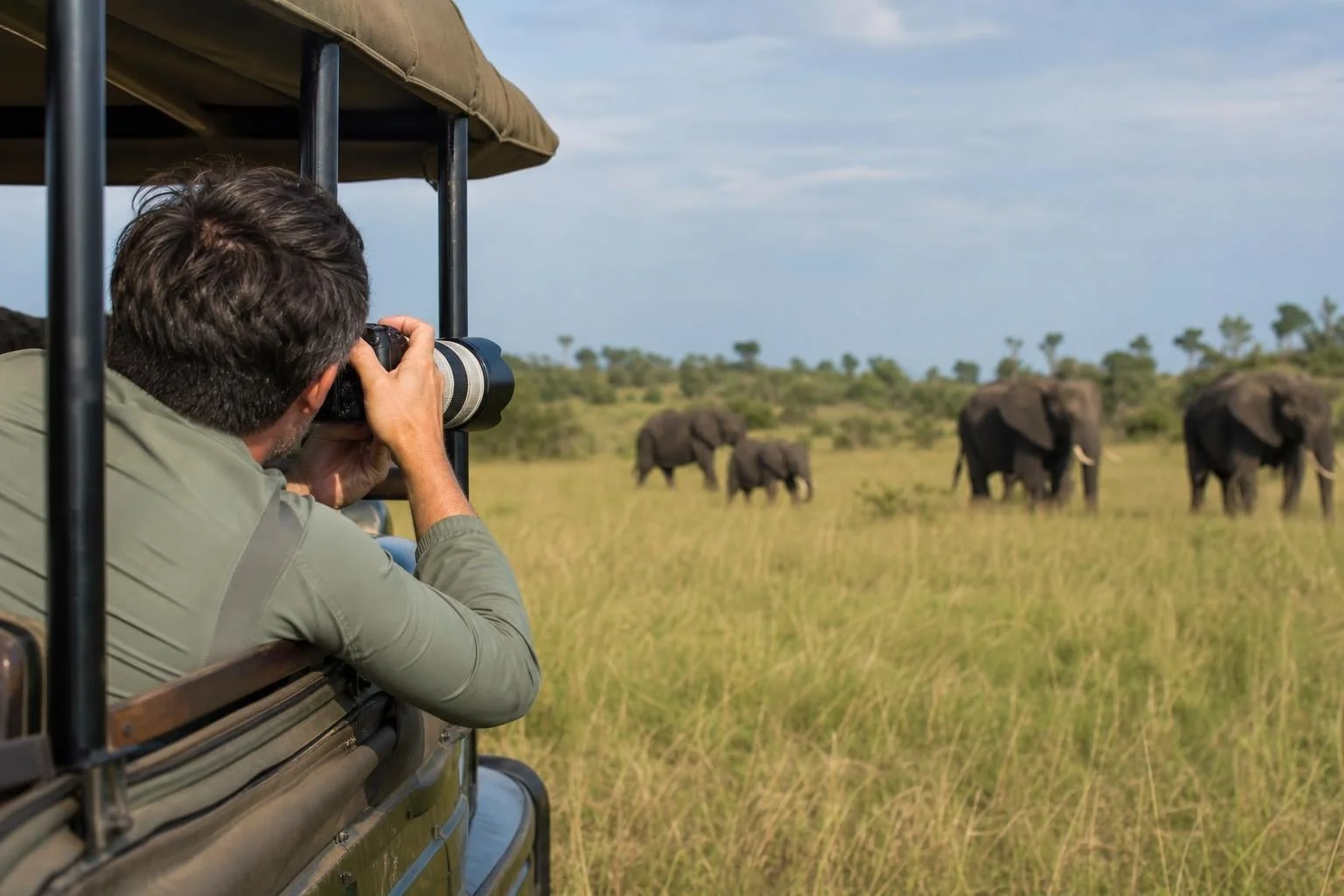
The Tanzania Safari Packing List is one of the most important resources for travellers preparing to explore Africa’s spectacular wildlife destinations. Whether you are planning an unforgettable adventure through Serengeti National Park, discovering the remarkable wildlife of Ngorongoro Crater, exploring Tarangire’s elephant-rich landscapes or combining a safari with Zanzibar’s tropical beaches, knowing what to pack can make your journey significantly more comfortable, enjoyable and memorable.
Tanzania is among Africa’s leading safari destinations, attracting visitors who dream of witnessing the Great Wildebeest Migration, photographing lions in their natural habitat, observing elephants beneath ancient baobab trees and discovering the incredible biodiversity of East Africa.
Tanzania Safari Packing List for Weather, Wildlife and Comfort
However, a safari holiday is different from an ordinary vacation. Wildlife viewing often begins before sunrise, when temperatures can be surprisingly cold. As the day progresses, the African sun becomes stronger, bringing warm conditions, dust and changing light.
Travellers may spend several hours inside safari vehicles, explore different national parks and stay in remote lodges where shopping opportunities are limited. Some itineraries also include light-aircraft transfers with strict luggage allowances.
Preparing the right clothing, footwear, camera equipment, medicines and travel documents is therefore essential.
A well-prepared Tanzania Safari Packing List should consider the duration of your journey, the destinations included, your accommodation category, seasonal weather and transportation arrangements.
Packing correctly does not mean bringing everything you own. In fact, travelling with fewer carefully selected items often provides greater comfort than carrying several oversized suitcases.
This comprehensive guide explains what to bring on a Tanzania safari in 2026 and 2027, including practical clothing recommendations, luggage restrictions, travel accessories, health essentials, photography equipment, seasonal packing advice and important items many first-time safari travellers forget.
Whether you are visiting Tanzania for five days, enjoying a ten-day wildlife expedition or combining mainland national parks with Zanzibar, this guide will help you prepare with confidence.
Why a Tanzania Safari Packing List Is Essential Before Travelling
A well-organised Tanzania Safari Packing List helps travellers prepare for environments that can change dramatically throughout a single day.
Tanzania’s safari destinations include open savannah plains, mountain highlands, tropical forests, seasonal wetlands and coastal environments.
Consequently, the clothing suitable for a sunny afternoon in Serengeti National Park may not provide enough warmth during an early morning at Ngorongoro Crater.
Similarly, travellers exploring the southern national parks may require additional protection against insects and heat.
Planning ahead helps prevent unnecessary purchases, uncomfortable game drives and luggage problems.
Tanzania Safari Packing List for Different Wildlife Environments
The northern safari circuit includes Serengeti National Park, Ngorongoro Conservation Area, Tarangire National Park and Lake Manyara National Park.
These destinations feature different elevations and landscapes.
The Serengeti is famous for its expansive grasslands, while Ngorongoro includes cooler highland environments.
Tarangire experiences warm conditions and seasonal concentrations of wildlife, particularly during the dry season.
Visitors may encounter dust, strong sunlight, cool mornings, occasional rainfall and changing temperatures.
Therefore, flexibility is more important than packing large quantities of clothing.
Tanzania Safari Packing List: Why Packing Light Matters
Safari holidays often involve moving between several lodges or camps.
Travellers may need to unpack and repack every two or three days.
Large suitcases create unnecessary inconvenience, particularly when travelling through remote areas.
Soft-sided luggage is generally easier to transport and arrange inside safari vehicles.
For itineraries involving smaller aircraft, baggage weight and size become even more important.
Packing light also creates room for useful equipment such as binoculars, cameras and personal essentials.
Tanzania Safari Packing List for Early Morning Game Drives
Many wildlife activities begin shortly before or around sunrise.
These hours often provide excellent opportunities to observe predators and other animals before the day’s heat intensifies.
However, temperatures can be cool, especially in elevated regions.
A fleece, lightweight jacket or warm layer can make early mornings considerably more comfortable.
Later, when the sun rises, travellers can remove extra layers.
This adaptability is one of the most important principles of safari clothing.
Complete Tanzania Safari Packing List for First-Time Travellers
The ideal Tanzania Safari Packing List should focus on practical essentials rather than unnecessary accessories.
For a typical seven-day wildlife safari, most travellers can manage comfortably with several lightweight shirts, two or three pairs of trousers, suitable footwear, a warm layer, rain protection and essential personal items.
Laundry services are available at many lodges and camps, although availability, turnaround times and charges differ.
This allows travellers to pack fewer clothes while maintaining comfort throughout the journey.
Tanzania Safari Packing List: Essential Safari Clothing
Lightweight shirts and comfortable trousers form the foundation of a practical safari wardrobe.
Choose breathable fabrics that allow air circulation during warm afternoons.
Long-sleeved clothing provides additional protection against sunlight and insects.
Neutral colours such as khaki, beige, olive green, tan and brown are popular choices.
A lightweight fleece or sweater is important for cool mornings, while a waterproof jacket provides protection during unexpected rain.
Tanzania Safari Packing List for Comfortable Footwear
Comfortable closed-toe shoes are ideal for most game drives.
They protect your feet from dust and provide support when walking around lodges or participating in authorised nature activities.
Lightweight hiking shoes are useful for walking safaris.
Sandals or comfortable slip-on shoes can be worn around the accommodation in appropriate areas.
For a standard vehicle-based safari, heavy mountaineering boots are generally unnecessary.
Tanzania Safari Packing List for Essential Travel Accessories
A wide-brimmed sunhat, sunglasses and sunscreen provide important protection during outdoor activities.
A reusable water bottle helps maintain hydration.
Binoculars improve wildlife viewing, particularly when animals remain far from the vehicle.
A lightweight daypack keeps your camera, personal documents, medications and other essentials organised.
Tanzania Safari Packing List for Important Travel Documents
Your passport, visa documentation where required, flight details, safari itinerary and insurance confirmation should be kept readily accessible.
Carry both digital and appropriate offline copies.
Travel documents should remain in your personal possession rather than being placed inside luggage that may be checked or temporarily stored.
Tanzania Safari Packing List: Best Clothing to Wear
Choosing suitable clothing is one of the most important aspects of safari preparation.
The objective is to remain comfortable during long game drives while protecting yourself against sunlight, insects, dust and changing temperatures.
A safari wardrobe should be practical, lightweight and easy to combine into different outfits.
Tanzania Safari Packing List for Lightweight Safari Shirts
Lightweight shirts made from breathable fabrics are ideal for Tanzania’s warm daytime conditions.
Cotton blends, linen blends and modern moisture-wicking materials can work well.
Long-sleeved shirts are particularly useful because they protect the arms from direct sunlight and insects.
For a seven-day safari, three to five shirts may be sufficient when laundry services are available.
Neutral colours make it easier to create a practical wardrobe without carrying unnecessary clothing.
Tanzania Safari Packing List for Comfortable Safari Trousers
Lightweight trousers are among the most useful items to pack.
They protect the legs from sunlight, insects and vegetation.
Choose flexible fabrics that allow comfortable movement when entering and leaving safari vehicles.
Convertible trousers can be practical because they provide the option of shorts during suitable conditions.
However, long trousers are usually more versatile for wildlife activities.
Two or three pairs are generally enough for a week when laundry is available.
Shorts for Warm Afternoons
Shorts can be comfortable during warm afternoons at lodges or camps.
They are particularly useful in lower-altitude areas.
However, long trousers provide better protection during dusty game drives and in areas with biting insects.
Consider shorts an optional addition rather than your main safari clothing.
Tanzania Safari Packing List: Warm Layers for Cool Mornings
Warm layers are essential, especially when visiting the Ngorongoro Highlands.
Early mornings can feel surprisingly cold.
A fleece jacket, lightweight insulated jacket or sweater can provide sufficient warmth for most ordinary game drives.
Travellers visiting during June, July or August may appreciate an additional warm layer.
Remember that the temperature can change significantly between sunrise and midday.
Tanzania Safari Packing List for Waterproof Jackets
A lightweight waterproof jacket is a valuable addition throughout the year.
Rainfall is more common during certain months, but unexpected showers can occur at other times.
Choose a jacket that folds easily into a daypack.
A breathable waterproof outer layer is preferable to a bulky winter coat for most safari itineraries.
Comfortable Evening Clothing
Safari lodge evenings are generally relaxed.
Most accommodation properties do not require formal clothing.
Comfortable trousers, a clean shirt, a light sweater and suitable footwear are often sufficient.
Some luxury lodges may have particular dining preferences, so confirm any dress expectations in advance.
Packing one smart-casual outfit is usually enough.
Best Colours to Include in Your Tanzania Safari Packing List
Colour selection is a frequently discussed part of safari preparation.
Natural shades are practical because they blend well with the environment, coordinate easily and generally conceal dust better than bright white clothing.
However, not every visitor needs a wardrobe consisting entirely of khaki.
Why Neutral Colours Are Recommended
Khaki, olive, beige, tan, brown and muted green are popular safari colours.
They are comfortable choices for wildlife viewing and photography.
These colours also make it easier to combine several outfits without carrying numerous garments.
For walking activities, guides may provide specific clothing advice based on the environment.
Should You Avoid White Clothing?
White clothing is not generally prohibited on safari.
However, it shows dust and dirt easily.
Tanzania’s dry-season roads can become dusty, particularly during long game drives.
A white shirt may quickly lose its clean appearance.
For this reason, beige and other natural shades are often more practical.
Are Black and Dark Blue Suitable?
Dark clothing can absorb more heat in direct sunlight.
Additionally, dark blue and black are often discouraged in areas where tsetse flies are common.
The presence of biting insects varies by destination and season.
Travellers can reduce potential discomfort by selecting lighter neutral colours and following local guide recommendations.
Bright Colours and Animal Prints
Bright colours are not automatically prohibited during ordinary vehicle-based game drives.
However, subdued clothing is generally more versatile for outdoor activities.
Military-style camouflage is best avoided because it can create problems or confusion in some destinations.
Animal-print fashion is unnecessary and provides no particular safari advantage.
Comfort should remain the priority.
Tanzania Safari Packing List for Shoes and Footwear
Footwear can influence your comfort throughout the journey.
Many travellers mistakenly assume that every safari requires heavy hiking boots.
In reality, the best shoes depend on the activities included.
Comfortable Shoes for Game Drives
Closed-toe walking shoes or trail runners are excellent for most traditional vehicle-based safaris.
They are lightweight, comfortable and suitable for walking around approved lodge areas.
Choose shoes with breathable materials and reliable grip.
Avoid footwear that is uncomfortable after several hours.
Hiking Boots for Walking Safaris
Guided walking safaris may involve uneven ground and natural trails.
In these circumstances, supportive hiking shoes or boots are beneficial.
The level of ankle support needed depends on the route and individual preference.
Travellers should confirm the expected walking conditions before departure.
Sandals for Safari Lodges
Comfortable sandals can be useful during relaxed afternoons.
They are convenient around suitable lodge areas and indoor spaces.
However, closed-toe footwear is generally safer for outdoor movement at bush camps.
Follow lodge instructions concerning footwear and movement after dark.
Why You Should Avoid Brand-New Shoes
New footwear can cause discomfort or blisters.
Wear your intended safari shoes before departure.
This allows you to confirm that they fit properly and remain comfortable.
For most travellers, familiar walking shoes are better than expensive new boots.
Tanzania Safari Packing List for Luggage and Bags
Choosing the correct luggage is especially important when an itinerary includes domestic flights or remote safari camps.
The best bag should be practical, durable and easy to handle.
Tanzania Safari Packing List: Why Soft-Sided Bags Work Best
Soft-sided duffel bags are generally more convenient for safari travel.
They can fit more easily into vehicle storage compartments and smaller aircraft luggage areas.
A medium-sized duffel with sturdy handles and reliable zippers is often sufficient.
A water-resistant exterior provides additional protection against dust and occasional rain.
However, travellers should not assume that every airline prohibits hard-sided suitcases.
Actual baggage rules depend on the carrier and aircraft.
Domestic Safari Flight Weight Restrictions
Light-aircraft baggage allowances vary between Tanzanian airlines.
Coastal Aviation publishes a total allowance of 15 kilograms per passenger, including cabin luggage.
Auric Air publishes a total allowance of 20 kilograms per passenger, also including personal items and camera equipment.
These differences are important.
Travellers should confirm the specific baggage policy for every flight rather than assuming one national limit applies to all carriers.
Aircraft size, route and operational conditions may also influence excess baggage arrangements.
Why Heavy Suitcases Can Cause Problems
Oversized luggage may not fit into the available storage space on smaller aircraft.
Excess weight can also create problems when aircraft operate under strict loading limitations.
Additional baggage may be refused or carried separately, depending on the airline’s policy and available capacity.
Travellers should weigh their luggage before departure.
Choosing a Safari Daypack
A small daypack is useful during game drives and transfers.
It should hold essential items without taking excessive space in the vehicle.
A capacity of approximately 15–25 litres is often practical for an ordinary safari day.
Choose a comfortable bag with accessible compartments.
Waterproof Protection for Luggage
Dust and rainfall can affect luggage during safari travel.
A water-resistant bag, internal fabric organisers or waterproof protective pouches can help protect clothing and electronics.
Avoid relying on disposable plastic carrier bags because Tanzania has restrictions on their importation and use.
Tanzania Safari Packing List for Serengeti National Park
Serengeti National Park is famous for its extensive plains, predators and the Great Wildebeest Migration.
Packing for the Serengeti requires preparation for long game drives, sunlight, dust and changing temperatures.
Clothing for Serengeti Game Drives
Lightweight trousers and breathable shirts are suitable for most daytime activities.
Warm layers are important for early mornings and evenings.
A sunhat and sunglasses help protect against direct sunlight.
During dry periods, dusty roads make a neck scarf or buff particularly useful.
Tanzania Safari Packing List for the Great Wildebeest Migration
The Great Wildebeest Migration attracts wildlife enthusiasts and photographers throughout the year.
The location of the herds changes seasonally.
Travellers visiting areas where migration activity is expected may spend extended periods observing wildlife.
Comfortable clothing, water, binoculars and suitable camera equipment are particularly valuable.
Bring spare memory cards and batteries if photography is a major priority.
Camera Equipment for Serengeti Wildlife
A camera with a telephoto lens is useful for photographing animals at a distance.
A zoom lens provides flexibility when wildlife moves closer or farther away.
However, visitors should not feel obligated to purchase professional photography equipment.
A good camera or modern smartphone can still capture memorable safari moments.
Binoculars are often more useful than an additional lens for visitors primarily interested in wildlife observation.
Tanzania Safari Packing List for Ngorongoro Crater
Ngorongoro Conservation Area is one of Tanzania’s most extraordinary natural destinations.
The Ngorongoro Highlands have cooler conditions than many lower-altitude safari areas.
Packing for the crater requires particular attention to morning temperatures.
Tanzania Safari Packing List: Warm Clothing for Ngorongoro
Early morning temperatures around the crater rim can be quite cold.
A fleece, insulated jacket or several light layers can improve comfort.
Visitors departing before sunrise may also appreciate a scarf or light gloves.
As the day progresses and the vehicle descends towards the crater floor, temperatures may become warmer.
Layering allows travellers to adapt easily.
Sun Protection on the Crater Floor
Although mornings may be cold, sunlight can become strong later in the day.
Carry sunscreen, sunglasses and a suitable hat.
A reusable water bottle is also useful.
Long hours inside the safari vehicle can increase exposure to sunlight through windows and the open roof.
Packing for Crater Photography
The Ngorongoro Crater offers spectacular landscapes and wildlife viewing.
A versatile camera lens can capture both panoramic scenery and distant animals.
Keep a lens-cleaning cloth available because dust may accumulate during game drives.
A protective camera bag helps safeguard equipment.
Tanzania Safari Packing List for Tarangire National Park
Tarangire National Park is famous for its elephants, impressive baobab trees and beautiful savannah landscapes.
During the dry season, wildlife often concentrates around available water sources.
Visitors should prepare for warm daytime conditions and potentially dusty roads.
Breathable Clothing for Warm Conditions
Lightweight shirts and trousers are particularly useful in Tarangire.
Neutral colours provide practical protection while remaining comfortable.
A wide-brimmed hat is valuable during midday stops and approved outdoor activities.
Insect Protection Around Tarangire
Biting insects can be present in some areas.
Long-sleeved clothing and suitable repellent can help reduce exposure.
Visitors should follow advice from their guides regarding local conditions.
Binoculars for Elephant and Bird Watching
Tarangire is an excellent destination for observing elephants and birdlife.
Binoculars help visitors appreciate animals at a distance.
An 8×42 pair is a popular general-purpose option because it balances magnification, brightness and ease of use.
A 10×42 pair offers greater magnification but may be harder to hold steady.
Tanzania Safari Packing List for Lake Manyara National Park
Lake Manyara National Park combines woodland, groundwater forest, lake environments and wildlife habitats.
The park is known for birdlife, scenic landscapes and diverse ecosystems.
Comfortable Clothing for Forest and Savannah Conditions
Lightweight long-sleeved clothing is practical because the environment can include both open and shaded areas.
Comfortable shoes remain essential.
Visitors should also carry rain protection when travelling during wetter months.
Birdwatching Equipment for Lake Manyara
Binoculars are particularly useful for observing birds.
A small field guide or offline wildlife identification resource can improve the experience.
Photographers may prefer a telephoto lens for distant birds.
However, equipment should remain manageable inside the safari vehicle.
Tanzania Safari Packing List for Southern Tanzania
Southern Tanzania offers remarkable wildlife destinations, including Nyerere National Park and Ruaha National Park.
These parks often provide a different atmosphere from the popular northern circuit.
Depending on the itinerary, visitors may enjoy game drives, authorised walking activities or boat excursions.
Clothing for Nyerere National Park
Nyerere can experience warm conditions and seasonal rainfall.
Lightweight clothing and reliable sun protection are important.
Long sleeves and trousers also provide protection against insects.
Visitors participating in boat activities may benefit from a waterproof pouch for electronics.
Packing for Ruaha National Park
Ruaha features landscapes ranging from woodland to open savannah.
Temperatures and conditions vary seasonally.
Dust protection, binoculars and a comfortable daypack are useful.
Travellers should also prepare for cooler mornings during some periods.
Preparing for Remote Safari Camps
Some southern safari itineraries involve remote accommodation.
Electricity, charging facilities and laundry arrangements can differ between camps.
Confirm these details before departure.
Spare camera batteries, a small torch and essential personal medications may be especially valuable.
Tanzania Safari Packing List by Season
Weather is one of the most important factors when deciding what to pack.
Although Tanzania is generally associated with warm African sunshine, conditions vary considerably according to altitude and time of year.
Tanzania Safari Packing List for June to October
June through October is broadly associated with the dry season in many popular safari regions.
Wildlife viewing is often excellent, particularly around water sources.
However, early mornings can be cool.
A warm fleece or lightweight insulated jacket is useful, especially around Ngorongoro and other highland destinations.
Dust may be more noticeable on roads.
Pack a neck scarf, sunglasses and a lens-cleaning cloth.
November and December: Short-Rains Packing
November and parts of December commonly experience short rains in northern Tanzania.
The landscape becomes greener, and occasional showers may occur.
A lightweight waterproof jacket is useful.
Quick-drying clothing is also practical.
Visitors should continue carrying sun protection because warm conditions are possible between showers.
January and February: Warm-Season Packing
January and February are often attractive months for northern Tanzania safaris.
The southern Serengeti and Ndutu region can provide opportunities to observe the wildebeest calving season, depending on wildlife movements.
Lightweight clothing and sun protection remain essential.
Cooler highland mornings still require an additional layer.
March to May: Long-Rains Packing
March, April and May are generally associated with heavier seasonal rainfall in several safari regions.
Roads and trails may become muddy.
Visitors should pack a reliable waterproof jacket, quick-drying clothing and suitable footwear.
A waterproof camera cover can be particularly valuable.
Some camps or routes may operate differently during this period, so travellers should confirm arrangements before departure.
Why Layers Are Better Than Heavy Clothing
Tanzania’s changing temperatures make flexible clothing particularly useful.
Instead of packing one bulky coat, combine lightweight layers.
For example, a breathable shirt, fleece and waterproof outer jacket can provide comfort across several conditions.
This approach also saves luggage space.
Tanzania Safari Packing List for Cameras and Photography Equipment
Photography is one of the most rewarding parts of an African safari.
However, wildlife photography requires preparation.
Dust, changing light and limited access to electricity can create challenges.
Domestic Safari Flight Weight Restrictions
A modern mirrorless or DSLR camera is useful for serious wildlife photography.
However, a compact camera or high-quality smartphone can also capture memorable scenes.
The best camera is one you can operate confidently.
Avoid spending the entire safari trying to learn unfamiliar settings.
Telephoto Lenses for Wildlife
Wildlife may remain far from the vehicle.
A telephoto lens provides opportunities to photograph distant subjects.
A zoom such as 100–400mm can be versatile on compatible camera systems.
However, lens choice depends on your camera, experience and budget.
For casual travellers, one versatile lens may be more practical than several heavy lenses.
Tanzania Safari Packing List: Camera Batteries and Memory Cards
Camera batteries may drain quickly during intensive photography.
Cold mornings and extended video recording can also increase power consumption.
Carry suitable spare batteries and memory cards.
Remember that airline rules generally require spare lithium batteries and power banks to be transported in cabin baggage rather than checked luggage.
Protecting Equipment from Dust
Dust is common during dry-season safaris.
Use a suitable camera bag and avoid changing lenses unnecessarily in dusty environments.
A soft cleaning brush and microfibre cloth can help maintain equipment.
Do not use rough clothing to clean delicate lens surfaces.
Binoculars for Wildlife Viewing
Binoculars are among the most valuable safari accessories.
They allow visitors to observe animals without relying on camera zoom.
An 8×42 or 10×42 pair is suitable for many safari activities.
If travelling as a couple, having one pair per person can improve the experience.
Why Drones Are Not Ordinary Safari Equipment
Drone use is restricted in Tanzania’s national parks.
Operating a drone generally requires special permissions from the relevant authorities.
Visitors should not assume that bringing a recreational drone gives them permission to fly it inside a protected area.
Unless you have arranged the appropriate authorisations, leave the drone at home.
Tanzania Safari Packing List for Health and Medical Essentials
Health preparation is an important part of planning a safari.
Many national parks are located far from major urban medical facilities.
Travellers should therefore carry necessary personal medications and obtain appropriate travel health guidance before departure.
Prescription Medications
Carry enough prescribed medication for your entire trip, plus a reasonable reserve for unexpected travel delays.
Keep medication in original labelled packaging where practical.
For controlled or specialised medicines, confirm the documentation required for international travel.
Important medication should remain in cabin baggage.
Tanzania Safari Packing List: Malaria Prevention Essentials
Malaria is a consideration in many parts of Tanzania.
Travellers should consult a qualified healthcare professional about appropriate preventive medication for their itinerary.
The choice of medication depends on medical history, destination and other factors.
Insect repellent, long clothing and suitable accommodation precautions also help reduce mosquito exposure.
Insect Repellent
A reliable insect repellent is useful, particularly around dawn, dusk and some shaded environments.
Products containing DEET or picaridin are commonly recommended for travellers.
Use them according to product instructions.
Additional precautions may be appropriate for children or travellers with sensitive skin.
Sunscreen and Lip Protection
Strong sunlight is common in Tanzania.
Broad-spectrum sunscreen with an appropriate SPF is important.
Reapply according to the product instructions, especially after sweating.
Lip balm with sun protection can prevent discomfort during extended outdoor activities.
Personal First-Aid Supplies
A small personal first-aid kit is helpful.
Useful items may include adhesive bandages, blister dressings, antiseptic wipes and any medications recommended by your healthcare professional.
Oral rehydration salts can also be useful during travel.
Avoid carrying unnecessary medical products without understanding their proper use.
Travel Vaccination Documents
Vaccination requirements depend on nationality, travel history and itinerary.
Yellow fever certificate requirements can apply when entering Tanzania from certain countries with yellow fever transmission risk.
Travellers arriving directly from destinations without that risk may face different requirements.
Confirm the latest official entry conditions before travelling.
Travel Insurance Documents
From October 1, 2026, Tanzania introduced mandatory inbound travel insurance for many foreign visitors, subject to exemptions.
The relevant provider depends on the traveller’s first point of entry: the National Insurance Corporation for mainland Tanzania or the Zanzibar Insurance Corporation for arrivals beginning in Zanzibar.
The standard adult premium was announced as US$44, with a maximum coverage period of 92 days.
An applicable exemption may apply to certain regional residents and other categories.
Travellers visiting both mainland Tanzania and Zanzibar generally do not need to purchase two separate mandatory inbound policies for the same qualifying journey.
Carry proof of the appropriate insurance arrangement, along with any additional comprehensive medical or evacuation insurance you choose to purchase.
Tanzania Safari Packing List for Travel Documents and Money
Organising travel documents before departure helps prevent unnecessary stress.
Some safari destinations involve domestic flights, park entries and accommodation transfers.
Important documents should remain readily accessible.
Passport and Visa Documentation
A valid passport is essential for international visitors.
Visa requirements depend on nationality and travel purpose.
Travellers should confirm their eligibility and obtain the appropriate authorisation.
Keep digital and offline copies of essential documentation.
Flight Confirmations and Safari Itineraries
Carry your international and domestic flight details.
Keep a copy of your safari itinerary, including hotel names and emergency contact information.
Offline copies are useful because internet access may be limited in remote areas.
Cash and Payment Cards
Credit cards are accepted at many major hotels and established tourism businesses.
However, cash remains useful for small purchases, gratuities and certain local expenses.
Carry a reasonable amount of Tanzanian shillings or other accepted currency according to your itinerary.
Do not rely on a single payment method.
Emergency Contact Information
Keep contact details for your safari operator, accommodation, insurance provider and relevant personal contacts.
A paper copy can be useful if your phone becomes unavailable.
Tanzania Safari Packing List for Electronics and Charging
Electronic devices can improve navigation, communication and photography during a safari.
However, remote camps may have different electricity arrangements from urban hotels.
Phone Chargers and Charging Cables
Pack a reliable phone charger and appropriate cables.
An extra cable can be helpful if your primary cable becomes damaged.
Where available, charging inside a safari vehicle may be convenient.
Confirm whether the vehicle provides USB ports or other charging facilities.
Power Banks
A suitable power bank can help keep devices charged during long game drives.
However, airline rules restrict how lithium batteries and power banks may be transported.
Power banks must remain in cabin baggage, and capacity limits or operator-specific restrictions may apply.
Check your airlines’ latest rules before travelling.
Universal Travel Adapters
Tanzania commonly uses Type G electrical sockets, and Type D sockets may also be encountered.
The standard electrical supply is approximately 230 volts at 50 hertz.
A compatible universal adapter can be useful.
Check whether your electrical devices support the local voltage.
Offline Maps and Travel Information
Internet access may be inconsistent in some remote safari areas.
Download important travel information before departure.
Offline accommodation details, flight confirmations and personal documents are useful backups.
Headlamps and Small Torches
A compact torch or headlamp can be helpful at camps.
Some lodges have designated walkways and limited outdoor lighting.
However, guests should never walk unaccompanied through wildlife areas where staff escort is required.
Always follow camp safety procedures.
Tanzania Safari Packing List for Family Safaris
Families travelling with children have additional packing considerations.
Children may be more sensitive to changing temperatures, long travel periods and unfamiliar environments.
Planning carefully can make the safari more enjoyable for everyone.
Children’s Safari Clothing
Pack comfortable, breathable clothing that allows movement.
Long sleeves and trousers provide protection from sun exposure and insects.
A warm layer is useful for early morning game drives.
Children should have properly fitting shoes.
Sun Protection for Children
Suitable sunscreen, hats and sunglasses are important.
Choose products appropriate to the child’s age and individual needs.
Encourage regular hydration during warm weather.
Snacks and Entertainment
Long transfers can be challenging for younger children.
Small books, games or offline entertainment can make the journey more comfortable.
Pack suitable snacks if dietary preferences require them.
However, food should never be offered to wild animals.
Essential Medicines for Children
Carry any prescribed medicines and age-appropriate products recommended by a healthcare professional.
Children may require particular health precautions depending on the destination.
Discuss malaria prevention and other travel health considerations before departure.
Safety and Comfort During Game Drives
Children must follow the guide’s safety instructions.
They should remain seated when required and avoid making sudden movements near wildlife.
Parents should confirm any activity age restrictions before booking.
Tanzania Safari Packing List for Senior Travellers
Senior travellers can enjoy exceptional safari experiences with thoughtful preparation.
The most important considerations include comfort, health requirements and individual mobility.
Comfortable Clothing and Footwear
Lightweight, breathable clothing is suitable for most game drives.
Comfortable shoes with reliable grip are important when moving around lodges and vehicles.
Travellers who experience cold more easily may benefit from additional warm layers.
Medication and Personal Health Equipment
Carry essential medication and relevant medical documentation.
Travellers using hearing aids, mobility equipment or other devices should pack necessary batteries and chargers.
Confirm electricity access and any required arrangements with your accommodation provider.
Comfort During Long Game Drives
A small cushion or lumbar support may be useful for visitors who experience discomfort while sitting for extended periods.
Ask your safari operator about expected driving times and opportunities for breaks.
Private itineraries may provide additional scheduling flexibility.
Accessibility Considerations
Not all safari vehicles and lodges offer the same accessibility arrangements.
Travellers with mobility requirements should discuss their needs before confirming accommodation or activities.
Written confirmation of suitable facilities is advisable.
Tanzania Safari Packing List for Women
Female travellers can prepare a comfortable safari wardrobe without carrying excessive clothing.
The most practical items are breathable, easy to combine and suitable for changing temperatures.
Comfortable Safari Outfits
Lightweight trousers, breathable shirts and comfortable walking shoes are useful.
Long-sleeved tops provide sun and insect protection.
Some travellers prefer loose-fitting clothing for extended game drives.
Choose items you already find comfortable rather than purchasing unfamiliar safari outfits.
Personal Care Essentials
Bring necessary personal hygiene products and any preferred items that may be difficult to find in remote camps.
Avoid carrying excessive quantities.
A compact toiletry bag helps keep items organised.
Evening and Lodge Clothing
Most safari camps have relaxed dress expectations.
A lightweight dress, comfortable trousers or smart-casual outfit may be suitable for dinner.
A scarf or shawl can also provide warmth during cooler evenings.
Zanzibar Clothing Considerations
If your safari continues to Zanzibar, add comfortable beach clothing.
However, modest dress is appropriate when visiting public areas, religious sites and local communities outside beach resorts.
Lightweight clothing that covers shoulders and knees can be useful for these visits.
Tanzania Safari Packing List for Men
Male travellers should also prioritise comfort, breathability and practical clothing combinations.
There is usually no need for a large wardrobe.
Practical Daytime Safari Clothing
Lightweight trousers, breathable shirts and comfortable walking shoes are suitable for most wildlife activities.
A fleece or light jacket provides warmth during cooler mornings.
Neutral colours are practical but do not need to dominate every item.
Evening Clothing for Safari Lodges
A clean shirt and comfortable trousers are generally appropriate for lodge dinners.
Formal suits or heavy dress shoes are unnecessary for most safari camps.
However, travellers staying at particular luxury properties should confirm any specific requirements.
Personal Grooming Essentials
Pack the grooming products you ordinarily need.
Remote safari camps may not stock every preferred brand.
A compact toiletry kit helps minimise luggage weight.
Tanzania Safari Packing List for Luxury Safari Travellers
Luxury safaris may include premium lodges, private vehicles and light-aircraft transfers.
Although accommodation standards are higher, luggage restrictions can remain important.
Clothing for Luxury Safari Lodges
Comfortable safari clothing is suitable during daytime wildlife activities.
For evenings, one or two smart-casual outfits are usually sufficient.
Most luxury safari experiences emphasis e relaxation rather than formal dressing.
Packing for Fly-In Luxury Safaris
Light-aircraft luggage limits may be stricter than those on international flights.
Confirm your exact allowance before departure.
A soft-sided bag is frequently the most convenient option.
Even luxury travellers should avoid unnecessary luggage.
Laundry Services at Luxury Camps
Many upscale safari lodges offer laundry services.
However, availability, cost and turnaround times vary.
Some services may exclude delicate garments or particular clothing items.
Confirm arrangements before relying on daily laundry.
Luxury Travel Accessories
A comfortable scarf, quality sunglasses, binoculars and reliable camera equipment can improve the experience.
However, expensive accessories should not replace practical essentials.
Comfort and functionality remain the priority.
Tanzania Safari Packing List for Budget Camping Safaris
Camping safaris require additional attention to personal comfort.
Some camping equipment may be provided by the operator, while other items must be brought by travellers.
Confirm What the Camping Operator Provides
Before departure, ask whether tents, mattresses, sleeping bags and cooking equipment are included.
Do not assume that all camping arrangements provide identical services.
A detailed equipment list helps avoid unnecessary purchases.
Sleeping Equipment and Warmth
Depending on destination and season, night temperatures can be cool.
A suitable sleeping bag may be important.
Visitors should confirm the expected nighttime conditions and the equipment supplied.
Headlamps and Personal Lighting
A headlamp is useful around camps.
It allows hands-free movement in permitted areas.
However, travellers should follow safety instructions and avoid walking alone in wildlife areas.
Toiletries and Personal Hygiene
Pack essential toiletries in compact containers.
A small towel may be useful where accommodation facilities are basic.
Biodegradable products are preferable where appropriate, but all waste must be disposed of according to camp regulations.
Tanzania Safari Packing List for Zanzibar Beach Extensions
Many travellers combine mainland Tanzania’s wildlife destinations with several relaxing days in Zanzibar.
The beach environment requires different clothing from a traditional safari.
Beach Clothing and Swimwear
Pack lightweight clothing, swimwear and comfortable sandals.
A beach cover-up or sarong is practical.
The coastal climate is often warm and humid.
Breathable fabrics are particularly useful.
Sun Protection for Zanzibar
The tropical sun can be intense.
Carry suitable sunscreen, sunglasses and a wide-brimmed hat.
Reapply sunscreen according to the product instructions.
For swimming and snorkelling, choose sun protection suitable for the activity and local environmental guidance.
Modest Clothing for Stone Town
Zanzibar has a rich cultural and religious heritage.
When visiting Stone Town and local communities, respectful clothing is appropriate.
Lightweight garments covering shoulders and knees can be useful.
Beachwear is best reserved for suitable beach and resort environments.
Snorkelling and Water Activities
If your itinerary includes snorkelling, diving or boat excursions, ask whether equipment is supplied.
A waterproof phone pouch may be useful.
However, visitors should not bring unnecessary heavy equipment when rental services are available.
Combining Safari and Beach Luggage
A safari-and-beach holiday requires a balanced wardrobe.
Pack lightweight safari clothing that can also be worn casually.
Add a small selection of beach-specific items.
This avoids carrying two completely separate wardrobes.
Tanzania Safari Packing List for Kilimanjaro Combinations
Some travellers combine wildlife safaris with a Mount Kilimanjaro expedition.
However, mountain climbing requires specialised equipment beyond the standard safari packing recommendations.
Why Kilimanjaro Requires Separate Equipment
Mount Kilimanjaro features high-altitude conditions and potentially extreme cold.
Climbers need suitable insulated clothing, waterproof equipment, sturdy boots and other technical items.
A lightweight safari wardrobe is not sufficient for the mountain.
Confirming Your Climbing Equipment
Climbing operators generally provide detailed equipment instructions.
Some items may be available for rent.
Travellers should review the requirements for their selected route, duration and season.
Separating Safari and Climbing Bags
If combining the two activities, consider organising equipment into separate bags.
Some hotels or operators may offer luggage storage, subject to availability.
This can reduce unnecessary baggage during the safari portion.
Tanzania Safari Packing List for Five-Day Safaris
A five-day safari generally requires a relatively small wardrobe.
Travellers can focus on practical essentials and avoid packing multiple outfits for every day.
Clothing for Five Days
Three or four breathable shirts, two pairs of comfortable trousers, sufficient underwear and socks, a fleece and a rain jacket may be suitable.
Add comfortable walking shoes and appropriate lodge footwear.
These quantities are illustrative and should be adjusted according to laundry availability.
Personal Essentials for Five Days
Carry your documents, personal medication, sunscreen, insect repellent and basic toiletries.
A compact daypack is useful for game drives.
Binoculars and a camera are valuable additions.
Avoid Overpacking Short Itineraries
A five-day safari does not require a large suitcase.
Choose clothing that can be mixed and matched.
Limiting unnecessary items makes transfers easier.
Tanzania Safari Packing List for Seven-Day Safaris
A seven-day safari provides time to explore several national parks.
Visitors may stay in multiple lodges and experience different temperatures.
Clothing for One Week
Four or five lightweight shirts, two or three pairs of trousers, a warm layer and a waterproof jacket generally provide a practical starting point.
Carry enough underwear and socks for the interval between laundry services.
One comfortable evening outfit is usually sufficient.
Equipment for Multiple National Parks
Binoculars, a camera, spare batteries and a reusable water bottle are useful across destinations.
A small torch can be valuable at remote camps.
A neck scarf provides protection against dust during long drives.
Packing for Changing Conditions
A week-long itinerary may include both the Serengeti plains and Ngorongoro Highlands.
Warm layers should therefore remain accessible even when daytime temperatures are high.
Tanzania Safari Packing List for Ten-Day Safaris
A ten-day safari may involve several national parks, different accommodation categories and domestic flights.
The most effective approach is to pack versatile items rather than additional outfits for every day.
Clothing for Ten Days
Five lightweight shirts, three pairs of trousers, a warm layer and a waterproof jacket may be sufficient when laundry is available.
Choose fabrics that dry relatively quickly.
Avoid carrying excessive heavy clothing.
Laundry Planning for Longer Trips
Confirm whether your lodges offer laundry and how long the service takes.
Some camps may require more time to return clothes.
Planning laundry during a two-night stay can reduce the number of garments required.
Camera Storage and Power
Longer safaris often produce large numbers of photographs.
Carry sufficient memory cards and appropriate charging equipment.
Back up important images where practical.
Do not rely entirely on internet access for cloud storage.
Keeping Luggage Organised
Packing cubes or fabric organisers can simplify repeated lodge transfers.
Separate clean clothing from used garments.
Keep personal documents and medication in an easily accessible bag.
What Not to Include in Your Tanzania Safari Packing List
Knowing what to leave behind is just as important as knowing what to bring.
Unnecessary items add weight and inconvenience.
Oversized Hard-Sided Suitcases
Large rigid suitcases can be difficult to transport on smaller safari aircraft.
Some airlines accept suitably sized hard-sided bags, but size and weight limits still apply.
Soft-sided luggage is usually more convenient.
Excessive Formal Clothing
Most safari lodges operate with relaxed dress expectations.
Heavy formalwear is rarely necessary.
One smart-casual outfit is generally sufficient unless your itinerary includes a special event.
Expensive Jewellery
Large quantities of valuable jewellery are unnecessary.
They add security concerns and provide little practical benefit during wildlife activities.
Leave nonessential valuables at home.
Too Many Shoes
Footwear can occupy significant luggage space.
For many travellers, one pair of comfortable walking shoes and one pair of sandals is enough.
Additional footwear should reflect specific activities rather than general uncertainty.
Unnecessary Electronic Devices
Multiple large devices increase baggage weight and charging requirements.
Carry only the equipment you expect to use.
A smartphone, camera and essential charging accessories are sufficient for many travellers.
Plastic Carrier Bags
Tanzania introduced restrictions on plastic carrier bags in 2019.
Visitors should avoid bringing prohibited disposable plastic carrier bags.
The official guidance distinguishes certain permitted packaging, including resealable toiletries bags retained for personal use, from prohibited carrier bags.
Reusable fabric bags and durable travel organisers are more practical alternatives.
Drones Without the Required Permits
Drone operations inside national parks require special permissions.
Travellers should not bring a drone with the expectation of freely using it over wildlife.
Unauthorised operation may create legal and conservation problems.
Common Tanzania Safari Packing List Mistakes
Many packing problems arise from misunderstanding the conditions of a safari.
Avoiding common mistakes helps travellers enjoy a more comfortable adventure.
Packing Only Summer Clothing
Tanzania is associated with warm weather, but highland mornings can be cold.
Travellers visiting Ngorongoro should always include a warm layer.
Ignoring Domestic Flight Restrictions
International baggage allowances may be much higher than those on safari flights.
Always follow the most restrictive flight allowance on your itinerary.
Forgetting Insect Protection
Insect repellent and long clothing are useful in many safari environments.
Pack suitable products before travelling.
Leaving Behind Sun Protection
Sunlight can be strong even during cooler mornings.
Sunscreen, sunglasses and hats are essential.
Bringing Uncomfortable Footwear
Unfamiliar shoes can cause blisters or discomfort.
Choose footwear you have already worn successfully.
Packing Too Many Clothing Options
Excess clothing creates unnecessary weight.
Choose items that coordinate easily and can be reused after laundry.
Forgetting Spare Camera Batteries
Photography can consume battery power quickly.
Carry suitable spares and check charging arrangements.
Not Preparing Offline Documents
Internet connectivity can be unreliable in remote areas.
Keep important booking details available offline.
Forgetting Insurance Confirmation
Travellers subject to Tanzania’s mandatory inbound insurance arrangements should carry appropriate evidence of coverage.
Confirm any applicable exemptions before departure.
Responsible Travel and Environmentally Friendly Safari Packing
Responsible packing supports Tanzania’s efforts to protect its national parks and wildlife habitats.
Simple choices can reduce waste and improve the sustainability of your journey.
Using Reusable Water Bottles
Reusable water bottles can reduce dependence on disposable containers.
However, always use drinking water provided or confirmed as safe by your accommodation or guide.
Reducing Unnecessary Packaging
Avoid bringing excessive disposable packaging.
Reusable toiletry containers and fabric packing organisers are practical alternatives.
Dispose of waste only in designated locations.
Respecting Wildlife and Park Regulations
Never feed or disturb wild animals.
Remain inside the safari vehicle unless your guide confirms that exiting is permitted.
Avoid loud noises and follow instructions.
Protecting Natural Habitats
Do not remove plants, animal products or natural materials from protected areas.
Respect conservation regulations.
Responsible tourism helps preserve the destinations that make Tanzania such a remarkable safari country.
How to Prepare Your Tanzania Safari Packing List Before Departure
A good Tanzania Safari Packing List becomes most useful when it is organised several weeks before travel.
Start by reviewing your complete itinerary.
Identify which national parks, accommodation properties and transport arrangements are included.
Next, check seasonal conditions.
Determine whether your safari involves domestic flights, guided walks, remote camps or a Zanzibar beach extension.
Review your existing wardrobe and avoid purchasing unnecessary new clothing.
Confirm travel documentation, insurance arrangements and health requirements.
Finally, test essential equipment.
Make sure cameras work properly, batteries charge and luggage complies with airline requirements.
This preparation can prevent avoidable difficulties after arrival.
Tanzania Safari Packing List: Your Two-Week Preparation Checklist
Review the latest weather expectations and confirm accommodation details.
Check that your passport, visa arrangements and insurance documentation are complete.
Confirm the baggage allowance for every flight.
Prepare essential medication and personal supplies.
One Week Before Your Safari
Organise clothing according to the activities included.
Charge devices and test camera equipment.
Download important travel documents.
Check your luggage weight.
The Day Before Departure
Place your passport, medication, essential electronics and other valuables in your cabin bag.
Confirm flight details and airport transfer arrangements.
Ensure power banks and spare lithium batteries are packed according to airline rules.
Review your luggage one final time.
Frequently Asked Questions About the Tanzania Safari Packing List
What Should I Pack for a Tanzania Safari?
A practical Tanzania Safari Packing List includes lightweight neutral-coloured clothing, comfortable walking shoes, warm layers, rain protection, sunscreen, insect repellent, binoculars, a camera and essential travel documents.
The final selection should reflect the season, destinations and length of your safari.
What Clothes Are Best for a Tanzania Safari?
Breathable shirts and lightweight trousers are ideal for most game drives.
Neutral colours are practical.
A fleece and waterproof jacket provide protection during cooler or wetter conditions.
How Many Outfits Do I Need for a Seven-Day Safari?
Four or five shirts and two or three pairs of trousers may be sufficient when laundry services are available.
Bring enough underwear and socks for your expected laundry interval.
The exact quantity depends on your preferences.
Do I Need Hiking Boots for a Tanzania Safari?
Heavy hiking boots are not essential for most vehicle-based safaris.
Comfortable closed-toe walking shoes are usually sufficient.
Guided walking safaris may require more supportive footwear.
Can I Wear Jeans on Safari?
Jeans are not generally prohibited.
However, they can feel heavy and uncomfortable in hot weather.
They also take longer to dry after becoming wet.
Lightweight trousers are usually more practical.
Can I Wear Shorts on Safari?
Yes, shorts can be comfortable during warm weather and around lodges.
However, long trousers offer better protection against sunlight, insects and vegetation.
What Colours Should I Avoid?
Neutral colours are generally practical.
Very bright white clothing shows dust easily.
Dark blue and black may be less comfortable in heat and are often discouraged in tsetse-fly areas.
Avoid military-style camouflage.
What Should I Pack for the Serengeti?
A Serengeti packing selection should include breathable clothing, warm morning layers, sun protection, binoculars and suitable photography equipment.
A scarf or buff can be useful during dusty game drives.
What Should I Pack for Ngorongoro Crater?
Ngorongoro requires particular attention to cooler morning conditions.
Bring a fleece, lightweight jacket and appropriate warm layers.
Sun protection remains important later in the day.
Do I Need a Rain Jacket?
Yes, a lightweight waterproof jacket is advisable.
Rainfall varies by season and destination, but unexpected showers can occur.
How Much Luggage Can I Bring on Safari Flights?
Allowances vary by airline.
For example, Coastal Aviation publishes a total allowance of 15 kilograms per person, while Auric Air publishes 20 kilograms.
Confirm your specific flight’s rules before departure.
Are Hard Suitcases Allowed?
Some airlines permit suitably sized hard-sided luggage.
However, soft-sided bags are often more practical for light aircraft and safari vehicles.
Check the relevant dimensions and weight restrictions.
Can I Take a Drone on Safari?
Drone operations are restricted in Tanzania’s national parks and require special permissions.
Do not assume recreational drone use is permitted.
Do I Need Binoculars?
Binoculars are highly recommended.
They improve wildlife observation, particularly when animals remain far from the vehicle.
What Camera Lens Is Best for Safari?
A telephoto zoom is useful for photographing distant animals.
However, the best lens depends on your camera and experience.
A versatile zoom is often sufficient for casual wildlife photography.
Should I Bring Cash?
Yes, carrying a reasonable amount of cash is useful for tips and small purchases.
Payment cards are also accepted at many established hotels and tourism businesses.
Do I Need Malaria Medication?
Malaria prevention should be discussed with a qualified healthcare professional before travel.
Recommendations depend on your itinerary and medical circumstances.
Is Travel Insurance Mandatory for Tanzania?
Tanzania introduced mandatory inbound travel insurance for many foreign visitors effective October 1, 2026.
Requirements, exemptions and insurance providers depend on the traveller’s entry route and status.
Visitors should confirm the applicable arrangements before departure.
Can I Bring Plastic Bags into Tanzania?
Plastic carrier bags are restricted in Tanzania.
Certain packaging exemptions exist, but travellers should avoid bringing prohibited disposable bags.
Reusable alternatives are preferable.
What Should I Pack for Zanzibar After Safari?
Bring lightweight beach clothing, swimwear, sandals and sun protection.
Also pack modest clothing for visiting public areas and cultural sites.
Do Luxury Safaris Require Formal Clothing?
Most luxury safari lodges have relaxed dress expectations.
Smart-casual clothing is generally suitable for evenings.
Confirm any property-specific requirements.
Do Safari Lodges Provide Laundry Services?
Many lodges offer laundry services, but availability and charges vary.
Some camps may have longer turnaround times.
Confirm arrangements before relying on them.
What Should Children Bring on Safari?
Children need comfortable clothing, suitable footwear, sun protection and personal essentials.
Parents should also consider snacks, entertainment and any recommended health supplies.
What Is the Most Important Item to Pack?
Your essential travel documents and necessary medication should receive priority.
For daily safari comfort, appropriate clothing, sun protection and binoculars are particularly valuable.
Should I Pack Differently in the Rainy Season?
Yes. Rainy-season travel benefits from quick-drying clothing, waterproof outerwear, suitable footwear and protective equipment bags.
Warm layers may still be necessary in highland destinations.
How Can I Avoid Overpacking?
Choose versatile clothing, confirm laundry facilities and follow your airline’s luggage requirements.
Pack according to planned activities rather than hypothetical situations.
Can I Use a Smartphone for Safari Photography?
Yes. Modern smartphones can capture attractive landscapes and nearby wildlife.
However, a camera with optical zoom is generally more effective for distant animals.
Is the Tanzania Safari Packing List Different for 2027?
The core packing principles remain useful for 2027, including lightweight clothing, warm layers and practical luggage.
However, airline rules, travel insurance regulations and entry requirements should be reconfirmed before departure.
Final Thoughts on the Tanzania Safari Packing List
A well-prepared Tanzania Safari Packing List can transform your African wildlife adventure into a more comfortable and rewarding experience.
From the endless plains of the Serengeti to the remarkable landscapes of Ngorongoro Crater, Tanzania offers incredible opportunities to discover wildlife in some of Africa’s most beautiful environments.
However, safari travel requires thoughtful preparation.
Early morning temperatures, warm afternoons, dusty roads, seasonal rainfall and luggage restrictions all influence what travellers should bring.
The most effective approach is to pack lightweight clothing, practical footwear, suitable protection against weather and insects, and only the equipment you genuinely need.
A warm layer can make sunrise game drives more comfortable.
Binoculars can reveal wildlife details that might otherwise be missed.
Reliable camera equipment can help preserve memorable encounters with elephants, lions, giraffes and countless other animals.
Most importantly, packing light allows you to move easily between destinations and focus on the adventure rather than your luggage.
Whether you are planning a short Tanzania wildlife safari, an extended luxury journey or a combination of national parks and Zanzibar beaches, the right preparation makes a significant difference.
Use this Tanzania Safari Packing List as a foundation, then adjust your belongings according to your travel dates, destinations and personal requirements.
With appropriate preparation, you can enjoy Tanzania’s extraordinary wildlife, spectacular scenery and rich cultural heritage with greater confidence.
Plan Your Tanzania Safari with Universal Ventures Rwanda
Are you preparing for a wildlife adventure in Tanzania or planning a multi-country safari across East Africa?
Universal Ventures Rwanda can assist with regional travel planning and enquiries about personalised safari experiences.
Whether your interests include Tanzania’s national parks, Rwanda’s mountain gorillas, Uganda’s primate destinations or a combination of several East African countries, our team can discuss your travel preferences and available arrangements.
We understand the importance of comfortable transportation, suitable accommodation, realistic itineraries and careful safari preparation.
Contact us with your preferred travel dates, number of travellers and destinations.
Universal Ventures Rwanda
Office Address: Kigali, Rwanda
Email: info@universalventuresrwanda.com
Phone / WhatsApp: +250 781 441 853


