

This comprehensive Tanzania Safari Cost Breakdown explains everything visitors should know about safari prices in 2026 and 2027. Whether you are planning an affordable camping adventure, a comfortable mid-range safari, a family wildlife holiday, or an exclusive luxury experience, understanding the different expenses will help you create a realistic travel budget.
Tanzania is one of Africa’s most remarkable wildlife destinations, offering vast savannah landscapes, extraordinary national parks, diverse wildlife, and unforgettable safari experiences. From the endless plains of Serengeti National Park to the spectacular Ngorongoro Crater, every destination provides opportunities to discover the beauty of the African wilderness. However, before booking their adventure, many travelers want to understand how much a Tanzania safari really costs.
A Tanzania safari generally costs approximately USD 200–350 per person per day for budget group trips, USD 400–750 for private mid-range experiences, and USD 850–1,600 or more for luxury safaris. Premium journeys featuring private aircraft, exclusive camps, and personalized services may exceed USD 2,000 per person per day.
These are indicative planning ranges rather than fixed quotations. Actual prices depend on accommodation availability, the number of travelers, destination choices, seasonal demand, transportation, and applicable conservation charges.
For example, a seven-day private mid-range safari covering Tarangire National Park, Serengeti National Park, and Ngorongoro Crater may cost approximately USD 2,800–5,250 per person sharing. Meanwhile, travelers joining scheduled camping tours can often enjoy similar wildlife destinations at a lower price.
At Universal Ventures Rwanda, we help travelers discover outstanding East African adventures through personalized itineraries, including Rwanda gorilla trekking, Uganda wildlife experiences, and regional safari combinations involving Tanzania.
Throughout this guide, you will discover how safari prices are calculated, which expenses have the greatest influence on your budget, and how to choose an itinerary that delivers excellent wildlife experiences without unnecessary spending.
Tanzania Safari Cost Breakdown: How Much Should You Budget?
The amount you should budget depends primarily on how you want to travel.
Some visitors prefer simple camping accommodation and shared transportation because their main interest is wildlife viewing. Others want comfortable lodges, private vehicles, and flexible schedules. Luxury travelers may prioritize exclusive properties, domestic flights, and individualized hospitality.
Although everyone may visit the same national parks, the total price can vary significantly.
For travelers planning a first African safari, the most useful approach is to select a realistic daily budget before choosing accommodation and destinations.
An affordable camping safari may require roughly USD 200–350 per person per day when the group shares expenses. Comfortable private mid-range safaris typically cost USD 400–750 per person per day for two travelers sharing. Luxury packages can begin around USD 850 per person per day and rise considerably during popular travel periods.
When comparing these figures, remember that international flights are generally excluded. Visa fees, mandatory travel insurance where applicable, gratuities, and personal purchases may also require separate budgeting.
Furthermore, the quotation should specify whether prices are calculated per traveler, per couple, or for the entire private group.
Understanding these differences prevents confusion when comparing packages advertised by different tour companies.
Tanzania Safari Cost Breakdown for Budget Travelers
Budget safaris provide an economical way to experience Tanzania’s extraordinary wildlife.
These tours commonly use public campsites, simple lodges, or basic tented accommodation. Instead of traveling alone in a private vehicle, guests may join scheduled group departures.
Sharing transportation helps distribute fuel, guiding, and vehicle operating expenses across several passengers.
A budget safari commonly costs USD 200–350 per person per day, although some itineraries may fall outside this range.
Travelers generally receive transportation, professional guiding, basic accommodation, meals, and applicable park fees when booking a genuinely inclusive package.
Camping facilities vary by location. Public campsites may offer shared bathrooms, basic showers, and designated areas for cooking and overnight stays.
Despite the simpler facilities, wildlife encounters can be exceptional.
Lions, elephants, giraffes, zebras, and buffaloes inhabit the same protected ecosystems regardless of a traveler’s accommodation category.
Consequently, choosing a budget safari does not automatically mean accepting inferior wildlife viewing.
The most important considerations are the reliability of the vehicle, the guide’s experience, the itinerary, and the operator’s safety standards.
Tanzania Safari Cost Breakdown for Mid-Range Safaris
Mid-range safaris combine comfortable accommodation with a personalized wildlife experience.
This category is especially attractive to couples, families, and first-time visitors who prefer greater convenience than camping provides.
A private mid-range Tanzania safari commonly costs USD 400–750 per person per day for two people sharing a vehicle and accommodation.
Travelers usually stay in established safari lodges or permanent tented camps with comfortable beds, private bathrooms, and full-board dining.
Many properties also provide pleasant lounges, outdoor seating, swimming pools, or attractive views of the surrounding landscape.
The main advantage is the balance between comfort and affordability.
Guests enjoy private facilities without necessarily paying for elaborate luxury services.
Additionally, a private safari vehicle offers flexibility. Your guide can adjust stops, game-drive routes, and photography opportunities according to your interests.
For most visitors seeking a comfortable African safari at a reasonable price, mid-range accommodation represents an excellent option.
Tanzania Safari Cost Breakdown for Luxury Travel
Luxury Tanzania safaris focus on exclusive accommodation, beautiful locations, personalized hospitality, and sophisticated travel arrangements.
Prices generally begin around USD 850 per person per day and may exceed USD 1,600 depending on the destination, season, and selected camp.
Luxury properties often feature spacious tented suites, elegant bathrooms, private terraces, excellent dining, and impressive wilderness views.
Some lodges provide specialized guiding, additional activities, premium beverages, or private safari vehicles.
However, not every luxury camp includes the same services.
A property advertising an inclusive accommodation package may still charge separately for park fees, premium activities, or airport transfers.
Travelers should therefore examine the entire package rather than relying only on the advertised room rate.
Luxury accommodation can be especially valuable when the property occupies a productive wildlife location.
Staying close to major game-viewing areas may reduce daily driving and allow more time to observe animals.
Nevertheless, expensive accommodation does not guarantee sightings of particular species.
An experienced guide and thoughtfully planned itinerary remain essential.
Tanzania Safari Cost Breakdown for Ultra-Luxury Experiences
Ultra-luxury safari experiences provide the highest level of privacy and personalization.
These journeys frequently involve exclusive-use villas, premium tented camps, dedicated guides, private vehicles, and charter aircraft.
Prices may exceed USD 1,700–2,500 per person per day, with certain arrangements costing considerably more.
The additional expense often reflects the exclusivity of the accommodation, the number of staff serving a small group, and the logistics involved in operating remote properties.
Some safari houses accommodate only one family or private party at a time.
Other exclusive properties offer individually designed meals, private activities, and personalized schedules.
This style of travel suits visitors who value privacy and flexibility more than strict budget limitations.
However, paying a higher price does not necessarily mean seeing more wildlife.
A rewarding safari depends on spending sufficient time in suitable habitats with knowledgeable professionals.
What Determines the Tanzania Safari Cost Breakdown?
Several interconnected factors influence the final price of a Tanzania safari.
Understanding them helps travelers evaluate quotations and decide which expenses contribute meaningfully to the experience.
The largest variables usually involve accommodation, transportation, park fees, group size, season, and itinerary duration.
Accommodation Category and Wildlife Location
Accommodation can represent a significant part of the total safari budget.
A public campsite costs considerably less than a luxury tented camp.
However, the location of the property is just as important as its comfort level.
Accommodation inside Serengeti National Park may involve concession charges and higher operating costs.
In exchange, guests may enjoy more convenient access to game-viewing areas.
A cheaper lodge outside the park can reduce nightly expenses but increase transfer time.
For example, spending several hours traveling between the hotel and the wildlife area may reduce the actual time available for photography.
Travelers should compare the total itinerary cost, including transportation and applicable fees, rather than focusing exclusively on accommodation prices.
Number of Travelers Sharing Transportation
Private safari vehicles involve substantial operating expenses.
The vehicle, driver-guide, fuel, maintenance, and other costs must be covered regardless of how many passengers travel.
When two guests share these expenses, the cost per person is relatively high.
A party of four may divide the same transport expenditure among more travelers.
Consequently, families and small groups can sometimes receive more competitive per-person prices.
However, comfort should never be sacrificed simply to reduce costs.
Every passenger should have suitable seating and an appropriate opportunity to observe wildlife.
Choosing the right vehicle capacity is therefore an important part of safari planning.
Travel Dates and Seasonal Demand
Accommodation providers frequently adjust prices according to demand.
The dry season attracts many visitors because wildlife often gathers around reliable water sources.
Certain periods also coincide with major wildebeest migration movements.
As demand increases, well-positioned camps may charge premium rates or introduce minimum-stay conditions.
During quieter periods, some lodges provide attractive seasonal offers.
However, reduced accommodation prices do not automatically mean lower conservation charges.
Government fees and hotel rates follow different pricing structures.
Travelers should therefore evaluate the total package when comparing seasons.
National Parks Included in the Itinerary
Every national park introduces its own transportation requirements, accommodation arrangements, and conservation charges.
Serengeti and Ngorongoro frequently represent major expenses on the Northern Safari Circuit.
Tarangire and Lake Manyara may be more economical for shorter itineraries because they are closer to Arusha.
Remote destinations in southern or western Tanzania can be costly for different reasons.
Domestic flights, limited accommodation, and specialized logistics may significantly increase the price.
Choosing the right combination of destinations helps travelers avoid unnecessary expenses while enjoying varied wildlife experiences.
Duration and Travel Pace
Longer safaris cost more overall because they require additional accommodation, meals, transport, and park fees.
However, the daily price may become more competitive when certain fixed expenses are spread across several days.
A short safari visiting multiple distant parks may involve a surprisingly high daily cost.
Meanwhile, a longer itinerary with several nights in each destination can reduce unnecessary transfers.
Travel pace also influences enjoyment.
Visitors who constantly move between lodges may spend more time packing and driving than observing wildlife.
A carefully balanced itinerary provides adequate time for game drives and relaxation.
Tanzania Safari Cost Breakdown of National Park Entrance Fees
National park fees are among the most important safari expenses.
These charges help support wildlife conservation, protected-area management, infrastructure, and tourism operations.
Tanzania National Parks, commonly known as TANAPA, manages several major destinations, including Serengeti, Tarangire, Lake Manyara, Ruaha, and Nyerere.
Ngorongoro Conservation Area operates under a separate conservation authority.
Travelers should understand that park entry, camping, concession fees, vehicle charges, and special activities may involve separate payments.
Fee verification note: The official TANAPA tariff page accessible for this guide displays the 2023/2024 financial-year schedule, which expired in June 2024. Accordingly, figures from that document are historical reference amounts, not verified 2026–2027 rates. Current charges, applicable taxes, and entry conditions should be confirmed directly before quoting clients.
Serengeti National Park Entrance Fees
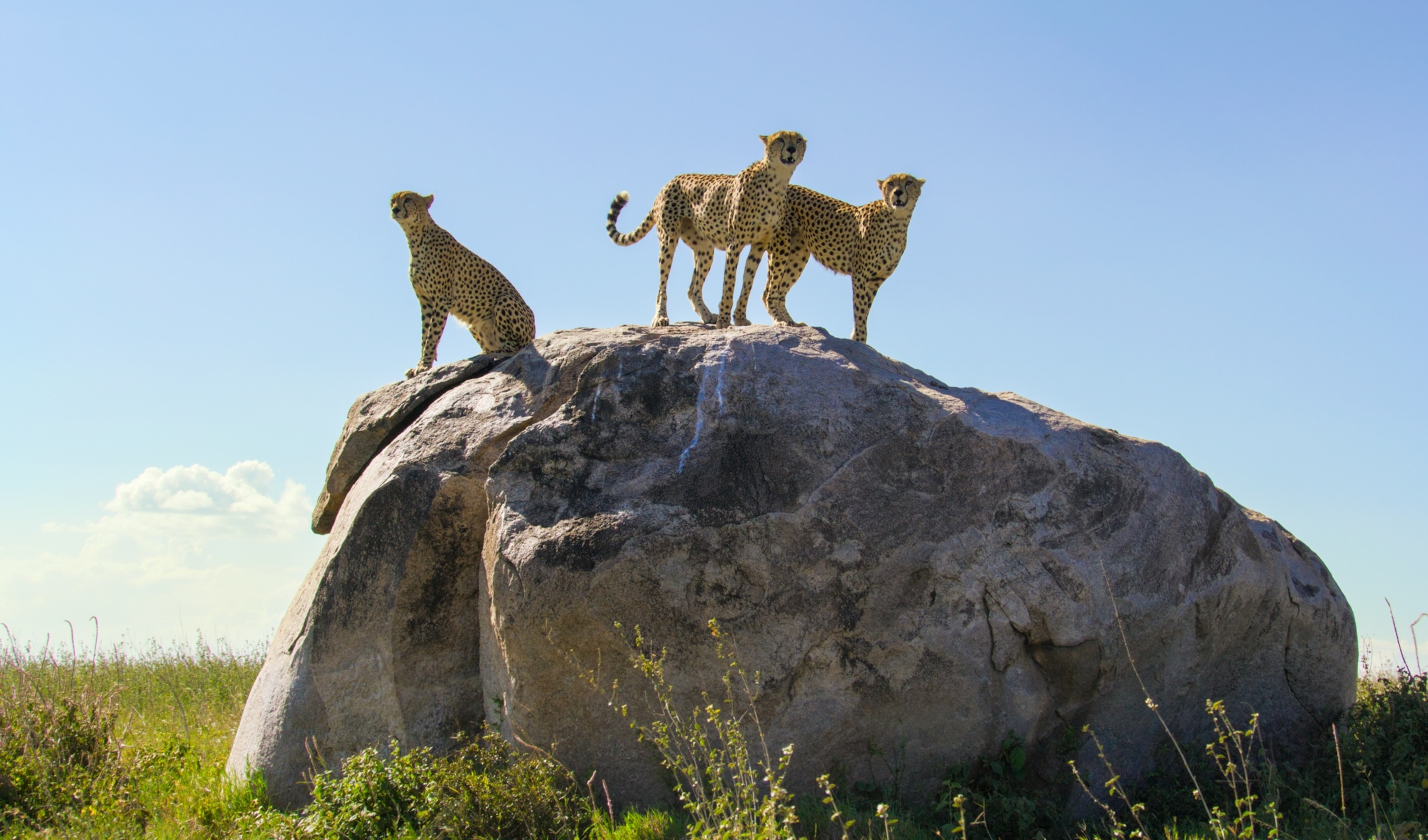
Serengeti National Park is internationally recognized for its impressive wildlife populations and the Great Wildebeest Migration.
Its open grasslands support lions, leopards, cheetahs, giraffes, elephants, buffaloes, and numerous other species.
The official historical TANAPA schedule lists USD 70 per non-East African adult during its higher-fee period before applicable VAT.
At 18% VAT, the reference amount equals approximately USD 82.60.
A lower-period historical amount of USD 60 before VAT equals approximately USD 70.80 after adding that tax.
These figures provide a useful illustration of how conservation charges affect safari budgets, but visitors should not assume they remain the payable rates in 2026 or 2027.
Additional charges may apply to safari vehicles and overnight accommodation within the park.
Staying several nights in Serengeti can therefore involve substantial conservation expenses.
Before confirming a booking, request a detailed explanation of how entry periods and overnight charges have been calculated.
Ngorongoro Conservation Area Fees
Ngorongoro is one of Tanzania’s most distinctive wildlife destinations.
The famous crater forms a vast volcanic landscape containing grasslands, wetlands, lakes, and woodland habitats.
Visitors may encounter elephants, buffaloes, lions, hippos, hyenas, and endangered black rhinos.
The conservation area uses a separate fee structure from TANAPA-managed national parks.
Historical visitor guides commonly cite an adult conservation-area entry charge around USD 70.80.
Another important expense is the crater service fee for vehicles descending to the crater floor.
A widely cited historical reference is approximately USD 295 per vehicle per descent.
Unlike an individual entrance charge, this vehicle fee is shared among the passengers.
For example, two guests using a private vehicle would divide that expense between them when calculating their respective costs.
A larger group sharing an appropriate vehicle would have a smaller per-person allocation.
However, other charges may still apply, and all amounts should be verified with the Ngorongoro Conservation Area Authority.
Tarangire National Park Entrance Fees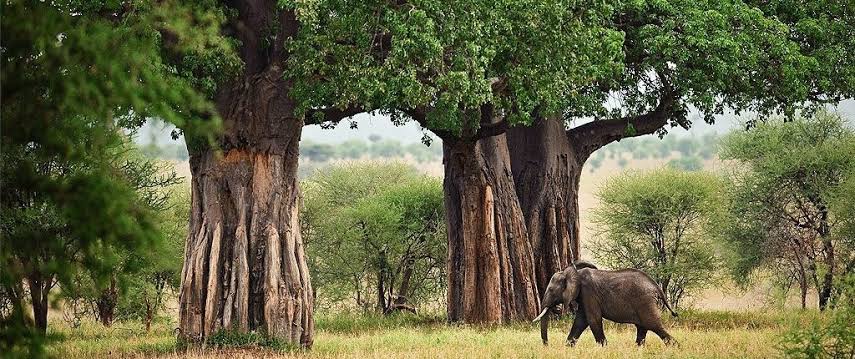
Tarangire National Park is famous for its elephant populations, impressive baobab trees, and beautiful seasonal landscapes.
The park offers excellent game-viewing opportunities, especially when animals concentrate near the Tarangire River.
Its location also makes it suitable for shorter safaris beginning in Arusha.
The historical TANAPA tariff lists USD 50 per non-East African adult before VAT during its higher-fee period.
Including 18% VAT produces approximately USD 59.
Travelers should treat this as a historical reference rather than a guaranteed current price.
Tarangire can be an economical addition to a Northern Circuit safari because of its relatively convenient location.
However, accommodation, guiding, vehicle entry, and transportation must still be considered.
Lake Manyara National Park Entrance Fees
Lake Manyara National Park offers diverse scenery, including groundwater forests, wetlands, and lakeside habitats.
The destination is particularly attractive for birdwatching, elephant sightings, and ecological diversity.
Tree-climbing lions are associated with the area, although seeing them is never guaranteed.
In the historical TANAPA fee schedule, Lake Manyara falls within the same broad non-East African adult conservation-fee category as Tarangire.
Its historical higher-period reference works out to approximately USD 59 including 18% VAT.
The actual amount payable for a future visit should be checked against the applicable tariff.
Although Lake Manyara can fit conveniently into a Northern Circuit itinerary, adding another park involves extra expenses.
Travelers with limited time should consider whether including it improves the overall safari experience.
Nyerere National Park Fees
Nyerere National Park is one of Tanzania’s largest protected wilderness destinations.
Its landscapes include river systems, woodland, wetlands, and open wildlife habitats.
The park supports elephants, buffaloes, predators, hippos, crocodiles, and numerous birds.
Nyerere can offer a different safari atmosphere from Serengeti.
Depending on the location and current activity regulations, visitors may enjoy conventional game drives and permitted boat-based excursions.
The historical TANAPA tariff places Nyerere in a higher non-East African adult entry-fee category.
However, the total safari cost also depends on transportation and accommodation.
Some itineraries use domestic flights, while others involve lengthy road transfers from Dar es Salaam.
Consequently, the cost of visiting Nyerere cannot be determined by entrance fees alone.
Ruaha National Park Fees
Ruaha National Park is known for rugged landscapes, dramatic river systems, elephants, predators, and diverse birdlife.
The park offers a wilderness experience that appeals to experienced safari travelers and wildlife photographers.
Its historical non-East African adult tariff falls into a different fee category from Serengeti.
Nevertheless, transportation to Ruaha can be relatively expensive.
Remote accommodation and domestic flights may represent substantial additional costs.
For visitors considering a southern Tanzania itinerary, the most useful approach is to compare complete packages rather than individual entrance fees.
The final price should account for flights or road transfers, park charges, accommodation, game drives, and any permitted special activities.
Tanzania Safari Cost Breakdown for Accommodation
Where you sleep has an important influence on your safari budget.
Tanzania offers a wide range of accommodation, from public campsites to elegant private lodges.
Each category provides a different balance between comfort, location, privacy, and price.
Public Campsites and Camping Equipment
Public camping is often the least expensive overnight option.
Travelers generally sleep in tents and use shared facilities.
Depending on the tour, a safari cook may accompany the group and prepare meals at designated camping areas.
Camping equipment can include tents, sleeping mattresses, chairs, cooking supplies, and other necessities.
Some operators provide everything within the package.
Others expect travelers to bring selected personal items, such as sleeping bags.
For this reason, equipment inclusions should be confirmed before booking.
Public campsites may also involve separate official overnight charges.
A camping package should clearly account for these fees.
Although facilities are simple, camping allows visitors to enjoy the atmosphere of the African wilderness without paying luxury accommodation prices.
Budget Safari Lodges
Budget lodges offer permanent accommodation at comparatively affordable prices.
Facilities may include private bathrooms, simple restaurants, and comfortable rooms.
Some properties are located outside major protected areas in towns such as Karatu, Arusha, and Mto wa Mbu.
These locations can reduce overnight costs, but driving distances should be considered.
A cheaper lodge situated far from the planned game-drive area may increase fuel expenses and reduce time with wildlife.
Travelers should therefore prioritize sensible accommodation locations.
Good budget lodges can provide comfortable rest between safari activities without excessive additional expenditure.
Mid-Range Tented Camps
Mid-range tented camps combine the atmosphere of traditional safari camping with the comfort of established accommodation.
Many feature ensuite bathrooms, comfortable beds, electricity during designated hours, and full-board dining.
Guests may enjoy relaxing evenings overlooking open grasslands or woodland.
Unlike basic campsites, these properties generally provide permanent guest facilities and a dedicated hospitality team.
Rates depend on location, season, services, and the type of room.
A centrally located Serengeti camp may cost more than a comparable lodge outside the park.
However, its proximity to wildlife areas may create additional value.
For travelers who want an authentic safari atmosphere without sacrificing basic comfort, mid-range tented camps are excellent choices.
Luxury Safari Lodges
Luxury lodges provide sophisticated accommodation and personalized hospitality.
Facilities may include spacious suites, outdoor decks, elegant lounges, swimming pools, wellness services, and refined dining.
Some properties also arrange private activities or specialist wildlife experiences.
Luxury accommodation is particularly popular during honeymoons and special celebrations.
However, travelers should not assume that the room rate includes all safari expenses.
Certain lodges quote accommodation separately from park fees, activities, and transportation.
Others offer comprehensive packages.
Before selecting a property, compare what is included rather than looking only at the nightly price.
Staying Inside or Outside National Parks
Accommodation location can be more important than the difference between two comfort categories.
Staying inside Serengeti may provide convenient access to early morning wildlife activity.
Guests can sometimes begin game drives without lengthy transfers from accommodation outside the park.
However, internal park accommodation frequently carries additional conservation-related expenses.
Properties outside park boundaries may offer lower room rates.
The disadvantage is potentially longer travel between the lodge and productive wildlife areas.
A well-designed itinerary should consider both options.
Travelers who want to maximize game-viewing time may find that paying slightly more for a convenient location provides better overall value.
Tanzania Safari Cost Breakdown for Transportation
Transportation represents a major operational expense on most Tanzanian safaris.
The country’s wildlife destinations are spread across large geographical areas, and road conditions vary.
Reliable vehicles, fuel, experienced drivers, and suitable route planning all contribute to the final package price.
Private 4×4 Safari Vehicle Expenses
Private vehicles offer convenience and flexibility.
A typical safari vehicle includes suitable passenger seating and a roof arrangement designed for wildlife observation.
The price covers more than simply hiring a car.
Vehicle maintenance, fuel, insurance, depreciation, driver-guide services, and other operational costs contribute to the daily expense.
Some routes involve many hours of driving between destinations.
For example, reaching central Serengeti from Arusha by road usually occupies a substantial part of a travel day.
Long journeys consume fuel and increase vehicle operating costs.
Private safaris are therefore generally more expensive per person than scheduled group departures.
However, they allow guests to organize activities according to their interests.
Shared Group Safari Transport
Group safaris reduce transportation expenses by allowing several travelers to share a vehicle and guide.
Scheduled departures commonly follow established routes and accommodation arrangements.
This approach can provide excellent value for solo travelers and couples.
However, participants have less control over daily schedules.
A group may include guests with different wildlife interests and photography preferences.
Before booking, ask how many passengers will share the vehicle and what viewing arrangements are provided.
A well-organized group safari should balance affordability with comfort.
Domestic Safari Flights
Domestic flights provide convenient access to certain wildlife destinations.
Scheduled light aircraft services connect selected airports and national park airstrips.
Fly-in safaris are particularly useful for travelers with limited time or those visiting remote camps.
A scheduled safari flight may cost several hundred dollars per passenger, depending on the route, season, and availability.
Private charters are often substantially more expensive.
However, flying can reduce long road transfers and provide more time for wildlife activities.
Baggage limits are important, especially for photographers carrying large cameras and equipment.
Travelers should review the flight conditions before finalizing the itinerary.
Professional Driver-Guide Costs
Experienced safari guides provide much more than transportation.
They understand wildlife behavior, local habitats, seasonal conditions, and protected-area regulations.
A knowledgeable guide may recognize animal tracks, interpret warning calls, or identify productive areas for observing predators.
Their contribution can significantly improve the overall experience.
Guide-related costs may include wages, meals, accommodation, and other operating expenses.
Some quotations incorporate these charges into the vehicle rate.
Others calculate them separately.
Travelers should confirm that professional guiding is included throughout the planned safari.
Tanzania Safari Cost Breakdown by Trip Duration
Safari duration influences accommodation expenses, conservation charges, fuel consumption, and transportation arrangements.
Shorter itineraries may cost less overall, but they can involve higher daily expenses because of concentrated vehicle and park charges.
Longer safaris allow travelers to explore wildlife destinations at a more relaxed pace.
Tanzania Safari Cost Breakdown for 2 Days
A two-day safari is suitable for travelers with limited time in northern Tanzania.
Popular combinations include Tarangire National Park and Ngorongoro Crater.
The first day may feature a Tarangire game drive followed by an overnight stay near Karatu.
On the second day, travelers visit Ngorongoro Crater before returning to Arusha.
Budget group packages may cost approximately USD 450–800 per person.
Private mid-range experiences may require USD 900–1,500 per person for two travelers.
The relatively high daily expense reflects transportation and conservation charges, particularly the Ngorongoro vehicle service fee.
A two-day safari can be memorable, but visitors should expect a relatively busy schedule.
Tanzania Safari Cost Breakdown for 3 Days
Three-day safaris offer more time for exploring northern Tanzania.
A suitable itinerary may include Tarangire, Lake Manyara, and Ngorongoro Crater.
Alternatively, travelers can visit two parks and allocate additional time to wildlife drives.
Budget group camping safaris may cost USD 650–1,200 per person.
Private mid-range arrangements may cost approximately USD 1,200–2,250 per traveler.
Some operators advertise three-day Serengeti road safaris.
However, reaching Serengeti takes considerable time, so visitors should examine the itinerary carefully.
A short trip focused on closer parks may provide more wildlife viewing and less time on the road.
Tanzania Safari Cost Breakdown for 4 Days
A four-day safari offers a useful introduction to the Northern Circuit.
Possible destinations include Tarangire, Serengeti, and Ngorongoro.
However, combining all three creates a relatively fast-paced journey.
Budget camping trips may cost approximately USD 800–1,600 per person.
Private mid-range itineraries commonly range from USD 1,600–3,000.
Luxury options can exceed these prices considerably.
Four days provide opportunities for rewarding wildlife encounters, but accommodation locations and travel distances are especially important.
Visitors should confirm how much time is actually spent on game drives.
Tanzania Safari Cost Breakdown for 5 Days
Five days is a popular choice for travelers who want a complete but manageable wildlife holiday.
A typical itinerary begins in Arusha, continues to Tarangire, explores Serengeti, and concludes with Ngorongoro Crater.
Budget packages may cost approximately USD 1,000–1,900 per person.
Private mid-range safaris commonly range from USD 2,000–3,750.
Luxury experiences may cost USD 4,250–8,000 or more.
The final price depends on accommodation locations, group size, and travel dates.
A five-day safari can provide an excellent introduction to Tanzania’s wildlife.
However, visitors interested in the Great Migration or extensive photography may benefit from additional nights.
Tanzania Safari Cost Breakdown for 6 Days
Six-day safaris allow travelers to enjoy a more balanced itinerary.
An additional night in Serengeti can create more opportunities to explore different habitats and observe wildlife behavior.
Budget group arrangements may cost approximately USD 1,200–2,300 per person.
Private mid-range trips may range from USD 2,400–4,500.
Luxury packages commonly cost more than USD 5,100 per traveler.
Instead of visiting additional parks, many travelers use the extra time to enjoy longer game drives.
This can improve the experience without introducing unnecessary transfers.
Tanzania Safari Cost Breakdown for 7 Days
Seven days provide an excellent amount of time for a Northern Circuit safari.
Travelers can explore Tarangire, Serengeti, and Ngorongoro while enjoying several nights in productive wildlife areas.
A budget group safari may cost USD 1,400–2,600 per person.
Private mid-range itineraries commonly range from USD 2,800–5,250.
Luxury packages may cost USD 5,950–11,200 or more.
The additional time allows travelers to enjoy different wildlife habitats without constantly changing accommodation.
For many first-time visitors, seven days provide a satisfying balance between adventure, comfort, and overall expenditure.
Tanzania Safari Cost Breakdown for 10 Days
A ten-day safari allows visitors to explore Tanzania in greater depth.
Northern Circuit itineraries may include Serengeti, Ngorongoro, Tarangire, and Lake Manyara.
Other travelers may prefer remote destinations such as Ruaha or Nyerere.
Budget group arrangements may cost approximately USD 2,000–3,600 per person.
Private mid-range safaris commonly range from USD 4,000–7,500.
Luxury experiences may exceed USD 8,500–16,000.
The extra time allows for relaxed game drives, specialized photography, and additional activities.
However, the route should remain practical.
An ambitious itinerary involving too many distant destinations may increase transportation costs unnecessarily.
Tanzania Safari Cost Breakdown for 14 Days
Two-week safaris provide opportunities for extended wildlife experiences or combined safari and beach holidays.
Travelers may spend a week exploring the Northern Circuit before continuing to Zanzibar.
Others may choose longer wildlife-focused journeys through multiple regions.
Budget arrangements may cost approximately USD 2,800–5,000 per person.
Private mid-range land-based safaris can require USD 5,600–10,500 or more.
Luxury itineraries may exceed USD 12,000–22,000.
These figures vary substantially depending on whether the itinerary includes domestic flights and how many nights are spent in expensive national park accommodation.
For visitors planning a once-in-a-lifetime holiday, fourteen days can provide a comprehensive East African experience.
Tanzania Safari Cost Breakdown: A Realistic 7-Day Budget Example
A sample itinerary provides a practical way to understand how the different expenses combine.
Consider two adults planning a seven-day private mid-range safari covering Tarangire National Park, Serengeti National Park, and Ngorongoro Crater.
The travelers want comfortable accommodation, full-board meals, a private 4×4 safari vehicle, and a professional English-speaking driver-guide.
Instead of choosing luxury lodges, they select well-located mid-range properties.
For illustration, assume that six nights of full-board accommodation cost USD 2,000 for the couple.
Private vehicle and guiding expenses for seven days are estimated at USD 2,380.
Park entry, conservation, overnight, and applicable vehicle charges are allocated an illustrative USD 1,900.
Additional drinking water, transfers, and small logistical expenses contribute USD 220.
Finally, booking coordination, other operating expenses, and a planning contingency amount to USD 750.
The resulting illustrative total is USD 7,250 for two travelers, or approximately USD 3,625 per person.
This is a hypothetical budget calculation, not a live supplier quotation or an official fee assessment.
Actual expenses may differ because of seasonal accommodation rates, updated government tariffs, route changes, and availability.
International flights, visas, personal spending, and certain optional activities would normally require separate budgeting.
The example demonstrates why a private safari includes more expenses than accommodation alone.
It also shows the importance of requesting a detailed quotation before confirming a booking.
How to Compare Two Safari Quotations
Imagine receiving two seven-day safari proposals.
One costs USD 3,200 per person, while another costs USD 4,100.
At first glance, the cheaper option appears more attractive.
However, the difference may reflect accommodation quality, the number of nights inside Serengeti, transportation arrangements, or excluded conservation charges.
The lower-priced tour might also involve shared transportation rather than a private vehicle.
Before deciding, compare the itinerary day by day.
Examine accommodation names, meal arrangements, park-entry calculations, vehicle capacity, and actual game-drive time.
A quotation providing excellent wildlife access and transparent inclusions may offer better value despite a higher initial price.
Tanzania Safari Cost Breakdown by Travel Season
Seasonal changes influence accommodation availability, wildlife distribution, and tourism demand.
Tanzania offers rewarding safaris throughout the year, but every season has distinct characteristics.
Understanding those differences helps visitors choose suitable dates and manage their budgets.
June to October: Dry Season Prices
The dry season is generally one of Tanzania’s most popular safari periods.
Vegetation becomes less dense in many wildlife areas, and animals often gather near reliable water sources.
Tarangire can be particularly rewarding during this period.
Meanwhile, parts of the Great Migration may reach northern Serengeti, attracting travelers hoping to observe river crossings.
Because demand increases, accommodation near popular wildlife areas may become more expensive.
Premium tented camps can book out well in advance.
Travelers planning to visit between July and September should therefore consider early reservations.
However, the dry season does not guarantee specific wildlife sightings.
Natural conditions remain unpredictable.
November to December: Shoulder Season Travel
November often marks the beginning of shorter rains in parts of northern Tanzania.
Fresh vegetation appears, and landscapes become greener.
Some properties offer more competitive rates outside peak holiday periods.
However, wildlife movements change as animals respond to new water and grazing opportunities.
December pricing requires special attention.
Early December may offer relatively attractive accommodation rates, whereas Christmas and New Year can bring premium prices.
Travelers should therefore compare specific dates rather than assume the entire month has the same cost.
January to February: Calving Season Prices
January and February are popular for travelers interested in the southern Serengeti ecosystem.
Large wildebeest herds may gather in the southern plains and Ndutu region.
During favorable conditions, calving activity attracts predators and creates excellent photographic opportunities.
Accommodation near these wildlife areas can be in high demand.
As a result, January and February are not necessarily cheap months for a migration-focused safari.
Travelers should select their accommodation according to seasonal wildlife patterns.
A conveniently located camp may be worth the additional expense.
March to May: Green Season Costs
The longer rainy season generally occurs between March and May in many parts of northern Tanzania.
Rainfall patterns vary, but some roads become more difficult to navigate.
Certain remote camps may close temporarily.
On the positive side, the landscape becomes lush, and accommodation providers sometimes offer attractive discounts.
Birdwatching and landscape photography can be particularly rewarding.
Visitors who are comfortable with occasional rain may enjoy quieter wildlife areas.
However, practical route planning is essential.
A lower accommodation rate is valuable only when the destination remains accessible and the experience meets the traveler’s expectations.
Tanzania Safari Cost Breakdown for the Great Migration
The Great Wildebeest Migration is one of Africa’s most celebrated natural events.
Large herds of wildebeest and zebras move across the Serengeti–Mara ecosystem in response to rainfall and grazing conditions.
Travelers often associate the migration with dramatic river crossings, but movement occurs throughout much of the year.
The location of the herds changes seasonally.
Consequently, migration-focused safari costs depend on where travelers need to stay and how they reach those areas.
Northern Serengeti Migration Safari Cost
Northern Serengeti attracts visitors hoping to witness wildebeest crossing the Mara River.
These crossings can be dramatic, but they are unpredictable.
No tour operator can guarantee that animals will cross a river on a particular day.
Accommodation near major migration routes is often expensive during peak demand.
Some camps also require minimum stays.
A private mid-range migration safari may cost approximately USD 500–900 per person per day during high-demand periods.
Luxury arrangements may exceed this range significantly.
Visitors should consider spending several nights in the region rather than relying on a single afternoon.
The extra time also provides opportunities to enjoy resident wildlife.
Southern Serengeti Calving Safari Prices
Southern Serengeti and Ndutu are popular during the wildebeest calving period.
The area offers opportunities to observe young animals, grazing herds, and predator interactions.
Seasonal tented camps may provide convenient access to important wildlife locations.
However, prices can rise during periods of high demand.
Travelers should understand that some popular Ndutu areas fall within the Ngorongoro Conservation Area.
This affects the conservation charges associated with a particular itinerary.
Careful route planning helps avoid confusion and unnecessary travel expenses.
Is a Great Migration Safari Worth the Extra Cost?
Migration-focused safaris can be exceptionally rewarding for travelers interested in animal behavior and wildlife photography.
However, paying more does not guarantee dramatic sightings.
Animal movements depend on rainfall, food availability, and other natural conditions.
A river crossing may happen unexpectedly, while visitors staying several nights may never observe one.
Fortunately, Serengeti offers excellent resident wildlife throughout the year.
Lions, leopards, cheetahs, elephants, giraffes, and other animals can provide memorable encounters even when the largest herds are elsewhere.
The best migration itinerary combines realistic expectations with sufficient time for general wildlife viewing.
Tanzania Safari Cost Breakdown for Different Travelers
Different travel styles require different budgets.
A couple celebrating a honeymoon may prioritize privacy and attractive accommodation. A family might need interconnecting rooms and flexible game drives. Meanwhile, a solo traveler may prefer a group departure to reduce transportation expenses.
Understanding these differences makes it easier to select a suitable safari package.
Tanzania Safari Cost Breakdown for Couples
Couples frequently choose private safaris because they offer flexibility and personalized experiences.
A private vehicle allows both travelers to follow their preferred schedule and spend longer observing wildlife.
Accommodation may include comfortable double rooms or romantic tented camps.
However, vehicle expenses are divided between only two people, increasing the per-person cost compared with larger groups.
A five-day private mid-range safari may cost approximately USD 2,000–3,750 per traveler.
A seven-day itinerary commonly ranges from USD 2,800–5,250 per person.
Couples seeking better value can select comfortable mid-range accommodation rather than premium luxury properties.
Choosing fewer destinations can also reduce unnecessary transfers.
Tanzania Safari Cost Breakdown for Families
Family safaris require careful attention to accommodation, transportation, and children’s needs.
Some lodges offer family rooms, interconnecting rooms, or discounted rates for younger guests.
However, child policies vary by property and conservation authority.
Families should confirm the applicable age categories before receiving a final quotation.
Private vehicles are often particularly convenient because daily activities can be adjusted according to the children’s comfort.
Long transfers may become tiring for younger travelers.
Consequently, a relaxed itinerary with fewer accommodation changes may provide better value than a rushed holiday.
Parents should also ask about lodge safety arrangements, meal flexibility, and minimum ages for particular activities.
Tanzania Safari Cost Breakdown for Solo Travelers
Solo travelers often pay more per person because they cannot share private accommodation and vehicle expenses with another guest.
Some lodges charge single-room supplements.
Private transportation can also be costly when one traveler covers the entire vehicle.
Joining a scheduled group safari is often an economical solution.
Group departures allow participants to share transportation, guiding, and certain operating expenses.
They also provide opportunities to meet fellow travelers.
However, solo guests should review departure guarantees, group size, and accommodation arrangements.
A lower price is valuable only when the itinerary provides reliable service and sufficient wildlife-viewing opportunities.
Tanzania Safari Cost Breakdown for Honeymooners
Tanzania offers romantic safari experiences for honeymoon couples.
Beautiful tented camps, spectacular landscapes, private game drives, and elegant dining can create a memorable holiday.
Some properties provide honeymoon benefits, depending on availability and booking conditions.
Luxury honeymoon packages generally cost more because of accommodation standards and personalized arrangements.
However, an unforgettable honeymoon does not require ultra-luxury accommodation.
A carefully selected mid-range camp can provide privacy, comfortable facilities, and an authentic wilderness atmosphere.
Many couples also add Zanzibar for several days of relaxation after their safari.
This combination allows travelers to experience both Tanzania’s wildlife and the Indian Ocean coast.
Tanzania Safari Prices for Senior Travelers
Senior travelers may appreciate comfortable accommodation, private transportation, and flexible schedules.
Although age alone does not determine travel ability, individual mobility requirements should be considered.
Some lodges involve uneven paths, steps, or considerable distances between rooms and dining facilities.
Travelers should explain relevant accessibility needs before confirming accommodation.
Private vehicles allow convenient rest stops and more flexible game-drive arrangements.
Fly-in safaris may reduce lengthy road transfers, although they increase the overall cost.
Choosing accommodation with suitable accessibility and comfortable facilities can be more valuable than selecting the cheapest available option.
Tanzania Safari Cost Breakdown for Optional Activities
Optional activities can make a Tanzania holiday even more memorable.
However, they introduce additional expenses that should be considered before confirming the itinerary.
Travelers should select activities according to their interests, physical abilities, and available budget.
Serengeti Hot Air Balloon Safari Cost

Hot air balloon safaris provide extraordinary aerial views of the Serengeti landscape.
Flights normally begin around sunrise, subject to weather and operating conditions.
Travelers may observe wildlife habitats from above before enjoying breakfast after landing.
For 2026, established Serengeti balloon providers have advertised shared flights around USD 599 per person.
One established operator has published a Serengeti balloon price of USD 660 per person beginning January 2027, while rates from other providers may differ.
Visitors should confirm the exact price for their dates.
Packages may include transfers, the balloon flight, breakfast, and applicable activity charges.
A balloon safari can be a wonderful addition, but it is not essential for an exceptional wildlife experience.
Guided Walking Safari Costs
Walking safaris provide opportunities to explore wildlife habitats on foot under professional supervision.
Depending on the destination, participants may learn about animal tracks, vegetation, insects, and smaller wildlife species.
These activities must take place where permitted by the relevant conservation authority.
Prices depend on location, duration, group size, and guiding arrangements.
Some luxury lodges include walking experiences.
Others charge separately.
Travelers should review the physical requirements and safety procedures before booking.
Walking safaris are particularly attractive for visitors who appreciate nature interpretation beyond conventional game drives.
Cultural Tourism Experiences
Tanzania’s cultural heritage adds depth to a wildlife holiday.
Visitors may explore local communities, markets, traditional crafts, and regional food experiences.
Areas around Arusha, Mto wa Mbu, and Karatu provide opportunities for responsibly organized cultural activities.
The cost depends on the type and duration of the experience.
Short guided visits may be relatively affordable, while private specialist experiences can cost more.
Responsible cultural tourism should respect local communities and contribute meaningful benefits to residents.
A thoughtfully selected cultural activity can enrich the safari without significantly increasing the total budget.
Specialized Wildlife Photography Safaris
Wildlife photography requires patience, flexibility, and appropriate guiding.
Photographers frequently prefer private safari vehicles because they can spend longer at individual sightings.
Dedicated arrangements may include specialist guides, additional equipment space, and carefully selected wildlife locations.
These services can increase the safari price.
However, photographers may achieve better value by spending more nights in productive wildlife areas rather than changing destinations frequently.
A well-positioned camp can be more useful than expensive accommodation far from the desired subjects.
Travelers should discuss their photographic priorities before confirming the itinerary.
Hidden Costs in Your Tanzania Safari Cost Breakdown
Safari quotations may appear comprehensive, but some expenses are not always included.
Understanding potential additional charges helps travelers prepare realistic budgets.
International Flights to Tanzania
International airfare is frequently excluded from safari package prices.
Travelers commonly arrive through Kilimanjaro International Airport or Julius Nyerere International Airport in Dar es Salaam.
Flight prices depend on departure country, airline, season, baggage requirements, and availability.
Before purchasing international tickets, confirm the recommended arrival and departure airports.
Choosing an inconvenient airport may create additional transportation expenses.
Visitors combining Tanzania with Rwanda, Uganda, Kenya, or Zanzibar should also budget for regional flights and connections.
Tanzania Tourist Visa Costs
Visa requirements depend on nationality.
The standard ordinary Tanzania visa fee is USD 50 for eligible applicants.
United States passport holders generally require the relevant multiple-entry visa for tourism, which costs USD 100.
Some nationalities qualify for exemptions, while others may face additional conditions.
Travelers should consult the official Tanzania Immigration Services website before departure.
Visa fees are usually paid separately unless a particular package explicitly includes assistance and related charges.
Mandatory Tanzania Travel Insurance in 2026–2027
Tanzania introduced mandatory inbound travel insurance for qualifying foreign visitors entering Mainland Tanzania from October 1, 2026.
The published standard premium is the Tanzanian shilling equivalent of USD 44, with coverage valid for up to 92 days.
Certain residents of East African Community and Southern African Development Community partner states are exempt under the Mainland Tanzania policy.
Visitors should confirm whether an exemption applies to their specific circumstances.
Travelers combining Mainland Tanzania with Zanzibar should also follow current insurance procedures.
Official guidance states that eligible visitors holding a valid and applicable mandatory inbound policy should not have to purchase duplicate mandatory coverage simply because the same journey includes both destinations.
The official Mainland Tanzania insurance website.
Mandatory inbound insurance should not automatically be treated as a replacement for comprehensive personal travel insurance.
Travelers should review coverage for medical treatment, evacuation, cancellation, and other relevant risks.
Driver-Guide and Lodge Staff Tips
Tipping is customary in many safari destinations, although it is discretionary.
Guests may wish to reward a guide who provides exceptional service.
Some travelers budget approximately USD 10–20 per person per safari day for private guiding, adjusting the amount according to group size and service quality.
Lodge staff may receive separate gratuities through a shared tipping system.
These are planning suggestions rather than mandatory charges.
Travelers should decide according to their own preferences and experience.
Drinks, Laundry, and Personal Purchases
Full-board accommodation generally includes breakfast, lunch, and dinner.
However, alcoholic beverages, premium drinks, laundry, and certain personal services may be excluded.
Luxury lodges sometimes include more comprehensive hospitality arrangements.
Travelers should therefore review the exact services included in their accommodation package.
Souvenirs, additional snacks, communication expenses, and personal shopping can also increase spending.
Although individually small, these expenses may become significant during a longer holiday.
Extra Conservation and Activity Charges
Some safari activities involve charges beyond standard park entrance fees.
Examples include crater service fees, camping charges, overnight concession fees, and certain guided activities.
A quotation that excludes these expenses may initially appear less expensive than an inclusive proposal.
However, the final cost can increase after the charges are added.
Travelers should request confirmation that all required conservation fees are accounted for.
This is particularly important for itineraries including several nights in Serengeti or a Ngorongoro Crater excursion.
How to Reduce Your Tanzania Safari Cost Breakdown
Planning a safari does not require choosing the most expensive accommodation or visiting every famous destination.
Thoughtful decisions can reduce costs while protecting the quality of the experience.
Choose the Right Travel Season
Accommodation prices often fluctuate with seasonal demand.
Traveling outside peak months may provide access to more competitive lodge rates.
However, the cheapest season is not necessarily the best period for every wildlife interest.
A visitor hoping to photograph northern Serengeti river crossings should prioritize suitable migration dates.
Meanwhile, travelers interested in general wildlife may find excellent opportunities during quieter periods.
Flexibility can create significant savings.
Travel with Friends or Family
Sharing a suitable private safari vehicle can reduce per-person expenses.
For example, four travelers sharing transport costs generally pay less individually than two travelers using the same vehicle.
The group still enjoys a private guide and flexible travel arrangements.
However, participants should agree on accommodation categories and daily activities before confirming the trip.
Compatible travel preferences help ensure that financial savings do not reduce enjoyment.
Spend More Nights in Fewer Destinations
Visiting too many parks can increase fuel expenses, conservation charges, and driving time.
A well-designed itinerary often focuses on fewer destinations and allows more time in each location.
For example, spending three nights in Serengeti may provide a better wildlife experience than visiting several distant parks in rapid succession.
Fewer accommodation changes also make the holiday more relaxing.
This approach can be especially useful for families and senior travelers.
Select Comfortable Mid-Range Lodges
Luxury accommodation is appealing, but it is not essential for outstanding wildlife encounters.
Well-selected mid-range lodges offer comfortable rooms, good meals, and attractive locations.
Choosing a camp close to productive wildlife areas may provide more value than selecting a luxury property requiring long transfers.
Travelers should prioritize guiding quality, location, and itinerary design.
These elements often influence the actual safari experience more than elaborate accommodation facilities.
Compare Complete Package Prices
A low advertised safari price may exclude important expenses.
Before paying, compare accommodation, meals, guiding, transportation, conservation fees, and optional activities.
Ask whether the vehicle is private or shared.
Confirm the number of game-drive hours and the actual accommodation names.
A transparent quotation may offer better value than a cheaper package with numerous exclusions.
Avoid Unnecessary Internal Flights
Domestic flights can make travel faster and more comfortable.
However, they may substantially increase the overall price.
For visitors with sufficient time, well-organized road safaris can offer excellent value.
Nevertheless, long transfers should not become exhausting.
In remote destinations, flying may remain the most practical choice.
The decision should balance cost, comfort, and time available.
Tanzania Safari Cost Breakdown for Safari and Zanzibar Holidays
Combining Tanzania’s national parks with Zanzibar creates a memorable wildlife and beach experience.
Travelers can spend several days exploring Serengeti, Ngorongoro, or Tarangire before relaxing beside the Indian Ocean.
Zanzibar offers accommodation ranging from modest guesthouses to premium beach resorts.
A ten-day mid-range safari and beach combination may cost approximately USD 3,000–6,500 per person, depending on the number of safari nights, accommodation, and flights.
Luxury versions can cost considerably more.
The allocation of nights matters.
A week in a premium Serengeti camp may cost more than a week in a comfortable Zanzibar resort.
Consequently, adding beach nights does not necessarily increase the average daily cost of the holiday.
Travelers should also account for domestic transportation and applicable Zanzibar travel requirements.
Tanzania Safari Cost Breakdown Compared with Kenya
Tanzania and Kenya are among Africa’s most celebrated safari destinations.
Tanzania offers Serengeti, Ngorongoro, Tarangire, and other remarkable protected areas.
Kenya is internationally recognized for Maasai Mara, Amboseli, Samburu, and several additional wildlife destinations.
The price of a safari in either country depends on accommodation, season, transportation, and conservation charges.
A Kenya safari is not automatically cheaper than a Tanzania safari.
Premium Maasai Mara accommodation during popular migration periods can be expensive.
Similarly, exclusive Serengeti camps may command substantial rates.
Travelers should compare actual itineraries rather than assume one destination provides better value.
The best choice depends on wildlife interests, available travel dates, and desired experiences.
Tanzania Safari Cost Breakdown Compared with Rwanda
Tanzania and Rwanda offer different but complementary African adventures.
Tanzania is particularly famous for savannah wildlife, the Great Migration, and extensive national parks.
Rwanda is internationally recognized for mountain gorilla trekking in Volcanoes National Park.
The standard Rwanda gorilla trekking permit costs USD 1,500 per international visitor, making permits a substantial component of a gorilla-focused holiday.
Rwanda also offers Big Five safaris in Akagera National Park and chimpanzee trekking in Nyungwe National Park.
Tanzania safari prices are calculated through a different combination of accommodation, transportation, and conservation charges.
Visitors interested in both savannah wildlife and endangered mountain gorillas may benefit from combining the destinations.
Although a multi-country holiday costs more overall, it provides remarkable wildlife diversity.
Combine Tanzania Safaris with Rwanda Gorilla Trekking
A Tanzania and Rwanda safari combination creates a comprehensive East African wildlife holiday.
Visitors may begin in Kigali before traveling to Volcanoes National Park for mountain gorilla trekking.
Afterward, they can continue to Tanzania to explore Serengeti, Ngorongoro Crater, and Tarangire.
Alternatively, the journey can begin in Tanzania and finish in Rwanda.
The most practical route depends on flight schedules and accommodation availability.
A combined itinerary should also account for gorilla permits, international or regional connections, and travel documents.
At Universal Ventures Rwanda, we can help travelers plan Rwanda-focused adventures and discuss suitable regional safari combinations.
The goal is to create a practical itinerary that connects complementary wildlife experiences without unnecessary backtracking.
Tanzania Safari Cost Breakdown: Frequently Asked Questions
How Much Does a Tanzania Safari Cost Per Person?
Budget group safaris commonly cost approximately USD 200–350 per person per day.
Private mid-range experiences may cost USD 400–750, while luxury journeys often begin around USD 850 per person per day.
Prices vary according to accommodation, transportation, season, and destinations.
Is Tanzania Expensive for a Safari?
Tanzania can be relatively expensive because of conservation charges, transport, accommodation, and guiding expenses.
However, budget camping and shared group safaris provide more affordable alternatives.
Careful itinerary planning helps travelers manage costs without sacrificing essential wildlife experiences.
How Much Does a Five-Day Tanzania Safari Cost?
A five-day budget group safari may cost approximately USD 1,000–1,900 per person.
Private mid-range arrangements commonly range from USD 2,000–3,750 per traveler.
Luxury experiences may exceed USD 4,250–8,000.
These are general planning estimates rather than confirmed quotations.
How Much Does a Seven-Day Tanzania Safari Cost?
A seven-day budget group safari may cost approximately USD 1,400–2,600 per person.
Private mid-range packages commonly range from USD 2,800–5,250.
Luxury safaris can cost USD 5,950–11,200 or more per traveler.
Accommodation selection and seasonal demand significantly influence the final price.
What Is the Cheapest Way to Visit Serengeti?
Joining a scheduled group camping safari is often among the most economical options.
Traveling during quieter periods and sharing transportation may provide further savings.
However, travelers should confirm that park fees, camping charges, and meals are included.
Are Tanzania National Park Fees Included in Safari Packages?
Many organized safari packages include applicable park and conservation charges.
However, not every operator uses the same quotation structure.
Travelers should confirm whether vehicle fees, overnight charges, and Ngorongoro Crater service fees are included.
Is a Private Tanzania Safari Worth the Extra Money?
A private safari offers flexibility, privacy, and personalized guiding.
It is particularly useful for couples, families, photographers, and travelers with individual requirements.
However, group safaris provide excellent value for visitors who prioritize affordability.
What Is the Best Month to Visit Tanzania?
The ideal month depends on wildlife interests.
June through October is popular for dry-season game viewing.
January and February attract visitors interested in calving-season activity in the southern Serengeti ecosystem.
Other months offer rewarding wildlife experiences and potentially more competitive accommodation prices.
When Is the Cheapest Time to Visit Tanzania?
Some quieter periods during the green season offer reduced accommodation rates.
However, rainfall may influence road conditions and accessibility.
Travelers should consider both weather and wildlife conditions before choosing dates.
Can I See the Big Five in Tanzania?
Tanzania supports the Big Five: lion, leopard, elephant, buffalo, and rhinoceros.
However, individual species are distributed differently across protected areas.
A carefully selected itinerary may improve viewing opportunities, but no specific sighting can be guaranteed.
Is the Great Migration Guaranteed?
No. Migration movements are influenced by rainfall, grazing conditions, and natural animal behavior.
Even during popular river-crossing months, dramatic sightings remain unpredictable.
Travelers should enjoy the wider Serengeti wildlife experience rather than depend on one event.
How Much Does a Luxury Tanzania Safari Cost?
Luxury safaris commonly begin around USD 850 per person per day.
Premium accommodation, private activities, domestic flights, and exclusive camps may increase the cost substantially.
Ultra-luxury travel can exceed USD 2,000 per person per day.
Are Tanzania Safaris Suitable for Children?
Yes. Many Tanzania safari itineraries can be adapted for families.
However, accommodation providers and conservation authorities may have specific child policies.
Parents should consider travel distances, lodge safety, and children’s comfort when selecting activities.
How Far in Advance Should I Book a Tanzania Safari?
Booking several months in advance generally provides a wider accommodation choice.
Popular migration periods and festive holidays may require planning six to twelve months ahead, particularly for premium camps.
Travelers with flexible dates may find suitable options closer to departure.
Can I Combine Tanzania with Rwanda and Uganda?
Yes. Multi-country safaris can combine Tanzania’s savannah wildlife with Rwanda or Uganda gorilla trekking and chimpanzee experiences.
The itinerary should account for flights, border requirements, activity permits, and accommodation availability.
Careful planning helps reduce unnecessary travel and improves the overall experience.
Is Tanzania Safari Camping Safe?
Camping can be a safe and rewarding safari experience when organized by responsible operators.
Travelers should follow professional guide instructions and campsite regulations.
Wildlife areas require appropriate precautions, especially after dark.
Reliable equipment and proper camp management remain essential.
Final Tanzania Safari Cost Breakdown: Is Tanzania Worth the Price?
A Tanzania safari is much more than a conventional holiday. It offers opportunities to experience wildlife in natural habitats, explore extraordinary landscapes, and learn about some of Africa’s most important ecosystems.
Understanding the Tanzania Safari Cost Breakdown helps travelers choose packages that match their expectations and budgets.
Budget safaris provide affordable access to wildlife destinations through shared transportation and basic accommodation.
Mid-range safaris combine comfort, good locations, and personalized guiding.
Luxury journeys offer exclusive accommodation, greater privacy, and premium hospitality.
However, the most expensive itinerary is not always the most rewarding.
A knowledgeable guide, reliable vehicle, suitable accommodation location, and enough time for wildlife observation are fundamental to a successful safari.
Travelers should also consider current conservation charges, insurance requirements, visas, flights, and optional activities before confirming their bookings.
Whether your dream involves photographing lions in Serengeti, exploring Ngorongoro Crater, admiring elephants in Tarangire, or relaxing on Zanzibar’s beaches, Tanzania offers remarkable experiences across different travel styles.
For visitors seeking an even more comprehensive African adventure, combining Tanzania with Rwanda gorilla trekking or Uganda wildlife experiences can create an unforgettable journey.
With thoughtful planning and clear pricing, your safari can provide excellent value and memories that last a lifetime.
Book Your East African Safari with Universal Ventures Rwanda
Universal Ventures Rwanda helps travelers discover outstanding destinations through personalized wildlife safaris, gorilla trekking experiences, cultural tours, and carefully planned East African itineraries.
Our travel experiences include Rwanda’s Volcanoes National Park, Akagera National Park, Nyungwe National Park, Lake Kivu, Kigali, and regional combinations involving Uganda and other East African destinations.
If you are interested in combining Tanzania’s famous wildlife destinations with Rwanda gorilla trekking, our team can discuss suitable travel arrangements and customized itinerary options.
Whether you prefer comfortable mid-range accommodation, private family adventures, romantic safari holidays, or luxury experiences, we aim to help you plan a rewarding journey with clear arrangements and professional assistance.
Contact us with your preferred travel dates, number of travelers, accommodation category, and desired destinations.
Universal Ventures Rwanda Contact Information
Company: Universal Ventures Rwanda
Office Address: KK 15 Road, Opposite IPRC Main Entrance, BGRD Building, Kigali, Rwanda
Email: info@universalventuresrwanda.com
Phone / WhatsApp: +250 781 441 853
Website: https://universalventuresrwanda.com/
Contact Page: https://universalventuresrwanda.com/contact-us/
Explore Tanzania, Rwanda, Uganda, and the wider East African region with Universal Ventures Rwanda. Let your next African adventure bring you closer to extraordinary wildlife, beautiful landscapes, and unforgettable travel experiences.

