 Skip to content

Tanzania Cultural Heritage Tours offer travelers an extraordinary opportunity to discover the country’s fascinating traditions, diverse ethnic communities, historical landmarks, and authentic African lifestyles. From meeting Maasai communities near the Ngorongoro highlands to learning about Hadza environmental knowledge around Lake Eyasi, exploring Chagga coffee plantations beneath Mount Kilimanjaro, and discovering Zanzibar’s remarkable Swahili heritage, Tanzania provides unforgettable cultural experiences beyond its world-famous wildlife destinations.
Although Tanzania attracts international visitors with its spectacular Serengeti safaris, Ngorongoro Crater, Mount Kilimanjaro, and tropical Indian Ocean beaches, its cultural attractions reveal an equally remarkable side of the country. More than 120 ethnic groups contribute to Tanzania’s diverse heritage through distinctive languages, artistic traditions, agricultural practices, music, cuisine, and community histories.
Furthermore, cultural tourism allows travelers to understand how local communities connect with the natural environment. Guided village walks, traditional cooking experiences, historical excursions, artisan workshops, and locally hosted activities introduce the people and stories behind Tanzania’s incredible landscapes.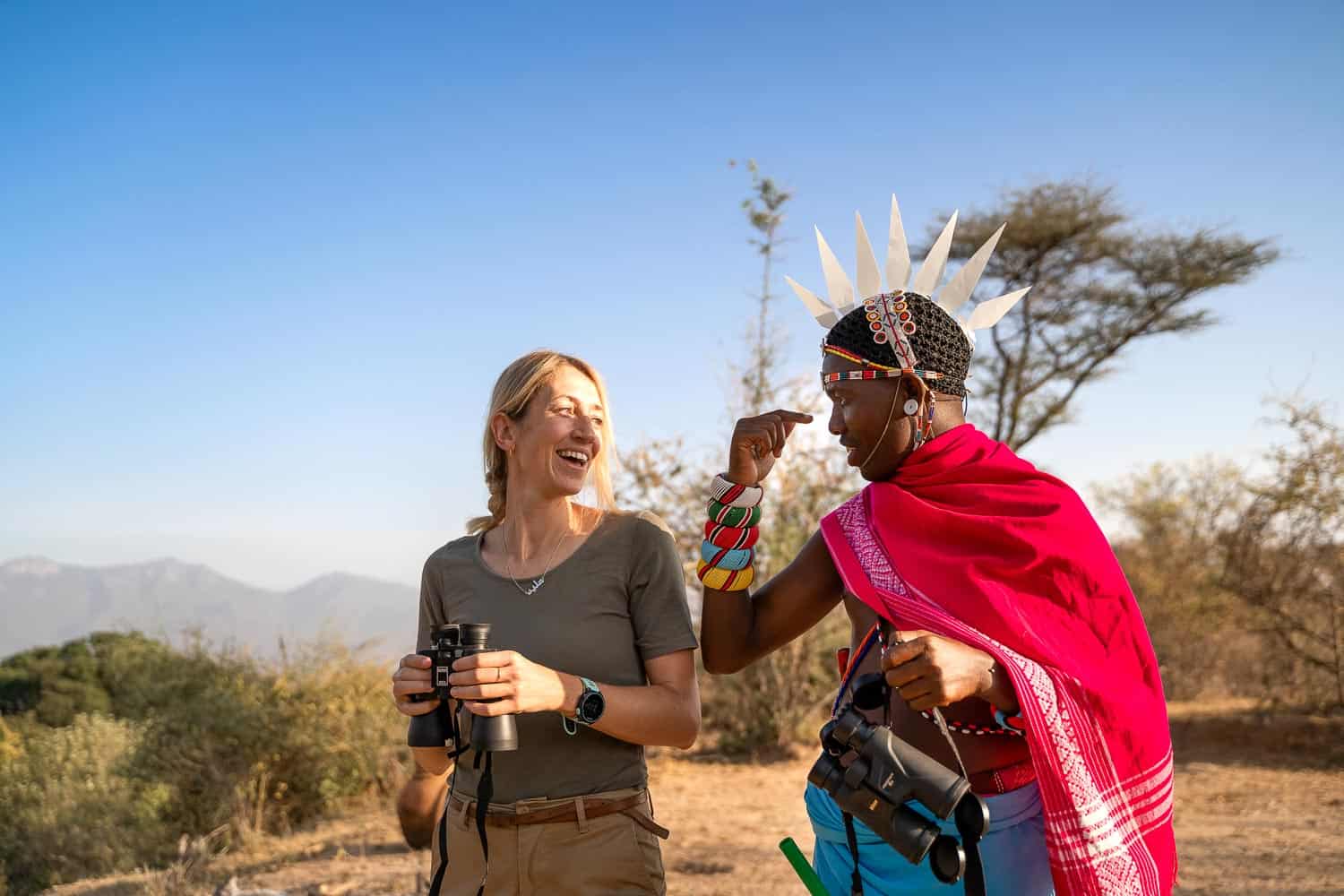
Whether you are planning a private cultural safari, luxury African holiday, family vacation, educational journey, or multi-country East African adventure, discovering Tanzania’s living heritage can make your travels more meaningful.
This comprehensive guide explores the best cultural destinations, traditional experiences, historical attractions, responsible travel practices, safari combinations, recommended itineraries, and practical planning advice.
With Universal Ventures Rwanda, travelers can arrange customized East African adventures combining Tanzania’s cultural treasures with exceptional wildlife safaris, comfortable accommodation, professional guiding, and carefully planned travel experiences.
Tanzania Cultural Heritage Tours: Discover the Country’s Extraordinary Diversity
Tanzania offers one of Africa’s most fascinating cultural landscapes because its communities maintain a remarkable variety of languages, customs, artistic traditions, and historical identities.
Across the country, different groups have developed livelihoods connected with farming, livestock keeping, fishing, trading, craftsmanship, and other economic activities. Consequently, cultural experiences vary considerably between northern Tanzania, the central highlands, southern regions, and the Indian Ocean coast.
The country’s national language, Kiswahili, provides an important connection between communities. However, many Tanzanians also speak languages associated with their families and regional identities.
Travelers visiting northern Tanzania may encounter Maasai pastoral heritage, Chagga agricultural traditions, and cultural experiences involving Hadza and Datoga communities. Meanwhile, Zanzibar introduces influences shaped by centuries of Indian Ocean trade and Swahili coastal history.
Southern Tanzania offers distinctive artistic traditions, historical settlements, and agricultural communities. Around Lake Victoria, visitors can discover regional heritage associated with fishing, farming, music, and other aspects of community life.
Together, these experiences reveal a country whose cultural identity extends far beyond the familiar images of wildlife and national parks.
Why Tanzania Cultural Heritage Tours Are Worth Experiencing
Cultural exploration helps travelers understand Tanzania through the perspectives of its people.
Rather than simply observing beautiful landscapes, visitors learn about the communities that live around them. A guided village experience may introduce agricultural methods, local food, household traditions, and the historical significance of particular locations.
For example, a coffee tour near Moshi reveals the labor involved in growing and preparing coffee. Similarly, a locally hosted Maasai experience can explain the importance of cattle, craftsmanship, and changing community livelihoods.
These activities also create opportunities for meaningful conversations.
As a result, visitors often return home with a deeper appreciation of Tanzania’s cultural diversity and contemporary society.
Understanding Tanzania’s Ethnic Communities and Languages
Tanzania’s cultural diversity reflects centuries of migration, social interaction, environmental adaptation, and historical development.
The Maasai have strong associations with livestock keeping in northern Tanzania. Around Kilimanjaro, Chagga communities have developed extensive agricultural traditions. Additionally, the Hadza are recognized for distinctive linguistic and environmental knowledge associated with the Lake Eyasi region.
Datoga heritage includes pastoral traditions and specialized craftsmanship, while Makonde artistic practices are particularly associated with southern Tanzania.
Coastal Swahili culture developed through interaction between African communities and maritime trading networks across the Indian Ocean.
Nevertheless, cultural identity should never be reduced to a single occupation or historical tradition. Communities evolve, and individuals participate in contemporary education, technology, tourism, agriculture, conservation, and business.
Understanding these changes is an important part of responsible travel.
Community-Based Tourism and Local Economic Development
Community-based tourism offers opportunities for residents to participate directly in the visitor economy.
Local guides, artisans, farmers, cooks, and small businesses can earn income through well-managed cultural experiences. In addition, tourism can support cultural education and encourage interest in preserving valuable traditions.
For travelers, these activities often create more personal experiences than conventional sightseeing.
A village tour becomes especially meaningful when local people explain their own history and daily routines. Similarly, buying handmade products directly from artisans supports the skills and effort involved in their creation.
However, positive outcomes depend on how operators organize visits and distribute benefits.
Responsible programs should involve community consent, transparent payments, respectful photography, and meaningful participation by local hosts.
Tanzania Cultural Heritage Tours with Maasai Communities
The Maasai are among East Africa’s most internationally recognized communities.
Their colorful clothing, pastoral heritage, beadwork, music, and cultural traditions attract visitors who want to learn about northern Tanzania.
Maasai communities live across parts of Tanzania and Kenya. In Tanzania, important cultural areas include Arusha, Monduli, Longido, and the wider Ngorongoro region.
Although cattle keeping remains an important part of Maasai heritage, community members also participate in numerous contemporary occupations.
Therefore, a quality cultural experience should explore both traditional knowledge and modern community life.
Visiting Maasai Villages Near Ngorongoro
The Ngorongoro highlands provide opportunities to experience Maasai cultural traditions alongside remarkable natural scenery.
Some community-hosted programs introduce visitors to traditional residential homesteads, local building methods, and family organization.
During a guided visit, hosts may explain livestock management, household activities, clothing, and selected cultural practices.
However, the program depends on the particular community and its preferences.
A knowledgeable local guide can also discuss how education, conservation policies, economic development, and changing land-use patterns influence modern Maasai life.
Rather than rushing through a brief performance, travelers should allow enough time for conversations and questions.
This approach creates a more rewarding cultural exchange.
Maasai Clothing, Beadwork and Traditional Craftsmanship
Colorful wrapped fabrics, commonly known as shukas, are closely associated with Maasai clothing.
Beaded jewelry is another important artistic expression. Necklaces, earrings, bracelets, and decorative pieces feature different designs and color combinations.
Many artisans develop their skills through experience and knowledge shared within families.
A beadwork demonstration allows visitors to observe how patterns are arranged and individual pieces are assembled.
Furthermore, purchasing authentic handmade products can support local livelihoods.
Travelers should ask artisans about the origin of their products and respect the time required to produce them.
Maasai Music, Dance and Storytelling
Music and dance play important roles in various Maasai social and cultural occasions.
Some organized programs include demonstrations of singing and traditional jumping dances.
These activities may appear entertaining to visitors, yet they also have cultural meanings that deserve explanation.
A knowledgeable host can describe the context behind particular performances and distinguish public demonstrations from private ceremonies.
Storytelling offers another important opportunity to understand community history.
Through stories, visitors may learn about relationships, historical experiences, and knowledge passed between generations.
Pastoral Traditions and the Importance of Cattle
Livestock keeping has historically supported Maasai livelihoods and social relationships.
Cattle can hold economic, cultural, and symbolic value within families and communities.
Pastoral knowledge includes understanding grazing conditions, water sources, animal health, and seasonal environmental changes.
Nevertheless, livestock-based livelihoods face challenges associated with changing land availability, conservation requirements, climate variability, and market conditions.
A meaningful cultural tour can explore how communities respond to these circumstances.
Consequently, visitors gain a more complete understanding of Maasai heritage than they would through clothing and performances alone.
Responsible Tanzania Cultural Heritage Tours in Maasai Villages
Ethical cultural tourism requires respect for community privacy and personal choices.
Before booking, travelers should ask whether participating residents receive fair compensation and help determine the activities offered.
Photography should take place only with permission.
Likewise, private ceremonies should not become tourist attractions without community approval.
A responsible visit encourages learning and genuine interaction without placing pressure on hosts.
Tanzania Cultural Heritage Tours Around Lake Eyasi
Lake Eyasi is one of northern Tanzania’s most interesting destinations for travelers seeking cultural experiences.
The region is associated with Hadza and Datoga communities, whose histories and traditions differ considerably.
Situated south of the Ngorongoro highlands, Lake Eyasi can be included in a cultural itinerary based around Karatu.
However, travel conditions and community schedules require careful planning.
Meeting Hadza Communities with Local Guides
The Hadza, also known as Hadzabe, are an Indigenous community associated with the Lake Eyasi region.
Some community members maintain hunting-and-gathering traditions and specialized knowledge of the surrounding environment.
A properly arranged cultural visit allows travelers to learn about these practices through local hosts and interpreters.
Depending on the community’s preferences, visitors may observe traditional tools, learn about useful plants, or hear explanations about local lifestyles.
Importantly, Hadza communities are contemporary societies with their own choices and priorities.
Travelers should not expect activities to follow a fixed performance schedule.
Instead, the purpose of the encounter should be respectful learning.
Hadzabe Hunting and Gathering Traditions
Traditional hunting and gathering require detailed knowledge of plants, animals, seasonal conditions, and the surrounding landscape.
Community members may demonstrate tracking techniques, tool preparation, or methods associated with identifying useful natural resources.
For example, local hosts may explain the practical importance of certain plants or demonstrate traditional fire-making.
However, actual hunting activities depend on community decisions and applicable conservation rules.
A responsible tour should never promise hunting demonstrations that conflict with local regulations or animal welfare considerations.
The most rewarding aspect is often understanding the environmental knowledge behind these practices.
The Hadzane Language and Cultural Identity
Hadzane is a distinctive language containing click consonants.
Its linguistic characteristics differ from those of many other Tanzanian languages.
Language plays an important role in preserving stories, environmental knowledge, and social relationships.
During a cultural experience, an interpreter may explain selected greetings, expressions, or traditional stories.
Consequently, visitors discover how language connects with cultural identity.
Respectful listening is particularly important because community members should decide what information they wish to share.
Discovering Datoga Blacksmithing Traditions
The Datoga are another important community associated with northern Tanzania.
Some Datoga groups are known for traditional metalworking skills.
During a workshop visit, travelers may observe artisans shaping metal into tools, decorative objects, or practical household items.
Traditional forging requires experience, patience, and knowledge of materials.
An artisan may explain how different tools are made and the purposes they serve.
In addition, visitors can learn about the economic importance of craftsmanship.
Buying directly from artisans, where appropriate, provides an opportunity to support local businesses.
Datoga Pastoral Heritage and Community Life
Livestock has historically played an important role in various Datoga communities.
A guided experience may introduce visitors to pastoral practices, household organization, and regional history.
However, modern Datoga livelihoods are diverse.
Some families participate in agriculture, commerce, education, and other occupations.
Local guides can explain how communities adapt to environmental and economic changes.
This perspective helps avoid the misleading assumption that traditional societies remain unchanged.
Combining Hadzabe and Datoga Cultural Experiences
A combined Lake Eyasi excursion can introduce travelers to two distinct cultural traditions.
Although the communities occupy the same wider region, their languages, histories, and livelihoods should not be treated as identical.
An early departure from Karatu is often advisable.
Travelers should allow sufficient time for interpretation, respectful interaction, and transport between locations.
As a result, the experience becomes educational rather than rushed.
Tanzania Cultural Heritage Tours Around Mount Kilimanjaro
Mount Kilimanjaro is celebrated for its spectacular summit, yet the communities living around its slopes offer equally rewarding cultural discoveries.
The Chagga people have strong historical connections to Kilimanjaro’s agricultural landscapes.
Coffee farming, banana cultivation, traditional food, local history, and mountain environments form important aspects of regional heritage.
Moshi provides a convenient starting point for these experiences.
Exploring Traditional Chagga Villages Near Moshi
The lower slopes of Kilimanjaro feature villages surrounded by cultivated farmland, streams, and green vegetation.
Locally guided walks introduce visitors to agricultural practices and rural livelihoods.
Depending on the program, travelers may visit coffee farms, banana plantations, and community enterprises.
Guides can explain how different crops contribute to family income and how the mountain environment influences farming.
Furthermore, these experiences reveal the relationship between tourism, agriculture, and everyday community life.
Materuni Village Cultural Experiences
Materuni is among the best-known cultural destinations near Moshi.
The village offers beautiful scenery, agricultural experiences, and access to impressive waterfalls.
Many visitors combine a coffee demonstration with a guided countryside walk.
The surrounding landscape is particularly attractive because of its green plantations and mountain vegetation.
However, walking paths may become muddy during rainy periods.
Comfortable shoes and suitable clothing help travelers enjoy the excursion.
Traditional Chagga Coffee-Making Experiences
Coffee tours are especially popular around Kilimanjaro.
Visitors can learn how farmers cultivate coffee plants, harvest ripe cherries, process beans, and prepare coffee.
Some experiences include traditional roasting and grinding demonstrations.
Local hosts may invite guests to participate in selected stages of the process.
Meanwhile, explanations about farming and trade reveal the economic importance of coffee production.
Freshly prepared coffee often provides a memorable conclusion.
Banana Farming and Traditional Chagga Cuisine
Banana cultivation contributes to the agricultural character of the Kilimanjaro region.
Different banana varieties serve different culinary purposes.
A cultural cooking experience may introduce visitors to locally prepared dishes involving bananas, vegetables, beans, and other ingredients.
Hosts can explain farming methods and regional food preferences.
Additionally, visitors may learn about the relationship between agriculture, family traditions, and local markets.
These activities are particularly enjoyable for travelers interested in food and rural lifestyles.
Chagga Historical Caves and Cultural Heritage
Selected locations around Kilimanjaro contain historical underground shelters associated with regional conflicts and community protection.
Guided visits can introduce travelers to the circumstances in which these places were used.
Local historians and guides provide important context.
Because underground areas may contain narrow passages and uneven surfaces, appropriate safety precautions are necessary.
Travelers should choose established heritage sites and follow local instructions.
Combining Kilimanjaro Hiking and Cultural Tourism
Visitors climbing Mount Kilimanjaro often spend additional time in Moshi.
A Chagga coffee experience provides an enjoyable activity before or after a mountain expedition.
However, climbers should avoid exhausting excursions immediately before the ascent.
After completing the trek, allow adequate recovery time.
A relaxed village visit can provide a rewarding conclusion to the Kilimanjaro experience.
Tanzania Cultural Heritage Tours in Arusha and Mount Meru
Arusha is the gateway to northern Tanzania’s most famous safari destinations.
Nevertheless, the city also offers fascinating cultural attractions.
Markets, historical landmarks, museums, artistic workshops, and surrounding agricultural communities introduce visitors to contemporary Tanzanian life.
Spending an additional day in Arusha can enrich the beginning of a wildlife safari.
Exploring Arusha City and Local Markets
A guided city tour introduces travelers to Arusha’s commercial and cultural character.
Local markets provide opportunities to discover regional produce, clothing, household goods, and small businesses.
Visitors can learn how the city developed into an important tourism and trading center.
A knowledgeable guide also helps explain everyday customs and appropriate market behavior.
Although photography can be appealing, permission should be requested before photographing individuals.
Arusha Cultural Heritage Centre
The Cultural Heritage Centre is a popular destination for travelers interested in African art.
Its galleries and commercial spaces display different artistic styles, including paintings, sculpture, jewelry, and decorative objects.
Visitors can explore creative influences from Tanzania and other African countries.
Furthermore, the center offers opportunities to purchase souvenirs.
Before buying expensive artworks, travelers should ask about their materials, origins, and makers.
Arusha Declaration Museum and National History
The Arusha Declaration Museum introduces visitors to an important period of Tanzanian political history.
The Arusha Declaration of 1967 is associated with Julius Nyerere’s vision of socialism and self-reliance.
Museum exhibitions help explain the country’s post-independence development.
Consequently, a museum visit provides useful context for understanding modern Tanzania.
Travelers interested in politics, history, and national identity may find the experience especially rewarding.
Meru Cultural Experiences and Agricultural Traditions
The slopes surrounding Mount Meru support agricultural communities with distinctive local traditions.
Coffee, bananas, vegetables, and other crops form part of the regional economy.
Village experiences may introduce visitors to farming practices, local cuisine, and community history.
The landscape also offers attractive opportunities for gentle walking.
As a result, cultural excursions around Mount Meru appeal to travelers who enjoy combining nature with educational activities.
Tanzania Cultural Heritage Tours in Mto wa Mbu
Mto wa Mbu is a lively town near Lake Manyara National Park.
Its diverse population, fertile agricultural landscape, markets, and workshops create an appealing cultural destination.
Many travelers pass through the town on their way to national parks. However, spending additional time here reveals a fascinating picture of local life.
Guided Mto wa Mbu Village Walks
A guided village walk introduces travelers to local neighborhoods, agriculture, and small businesses.
Depending on the program, visitors may explore banana plantations, workshops, and appropriate community areas.
Local guides explain how farming and commerce contribute to the town’s economy.
Additionally, visitors can learn about cultural diversity through conversations with participating hosts.
The experience provides a refreshing contrast to wildlife game drives.
Traditional Cooking Experiences Near Lake Manyara
Cooking classes offer a practical introduction to Tanzanian culture.
A local host may explain common ingredients and demonstrate traditional food preparation.
Some experiences begin with a market visit to purchase fresh produce.
Visitors can then learn how different dishes are prepared.
Sharing the finished meal creates opportunities for conversation.
Furthermore, culinary activities are suitable for families and travelers who prefer interactive experiences.
Banana Plantations and Agricultural Heritage
Banana cultivation is an important feature of the Mto wa Mbu landscape.
Guided agricultural walks can introduce visitors to different varieties and farming methods.
Local hosts may explain irrigation, soil conditions, and the role of agricultural markets.
These experiences reveal how environmental conditions influence livelihoods.
Consequently, travelers gain a broader understanding of the relationship between farming and regional development.
Traditional Art and Local Craft Workshops
Mto wa Mbu also offers opportunities to discover local craftsmanship.
Visitors may encounter painting, carving, or other artistic activities through established workshops.
Artisans can explain their tools, materials, and creative techniques.
Purchasing locally made objects supports artistic livelihoods.
However, travelers should ask about the origin of souvenirs rather than assuming every item was produced locally.
Tanzania Cultural Heritage Tours in Zanzibar and Stone Town
Zanzibar offers one of East Africa’s most fascinating cultural environments.
Its history reflects centuries of interaction between African communities and maritime trading networks across the Indian Ocean.
These connections influenced architecture, religion, language, cuisine, music, and local customs.
Although Zanzibar is famous for tropical beaches, cultural exploration reveals the deeper historical identity of the archipelago.
Stone Town Historical Walking Tours
Stone Town is the historic heart of Zanzibar City and a UNESCO World Heritage Site.
Its narrow streets, coral-stone buildings, carved wooden doors, and traditional courtyards reflect centuries of urban development.
A guided walk introduces visitors to important historical locations and architectural traditions.
Local guides explain how maritime trade, migration, religion, and political change influenced the town.
However, Stone Town remains a living community.
Visitors should respect residents’ privacy and avoid treating private spaces as unrestricted attractions.
Zanzibar Spice Farm Experiences
Zanzibar has a longstanding association with spice cultivation.
Cloves, cinnamon, cardamom, vanilla, pepper, and other crops contribute to the island’s agricultural heritage.
During a guided spice tour, visitors can learn how different plants grow and how farmers harvest their products.
Some programs include opportunities to smell or taste selected ingredients.
In addition, local guides may explain traditional culinary uses.
A spice tour combines education, agriculture, and sensory discovery.
Swahili Cuisine and Traditional Cooking Classes
Swahili cuisine reflects historical connections between East Africa and the wider Indian Ocean.
Rice, coconut, seafood, vegetables, and aromatic spices feature in many coastal meals.
A cooking class may introduce visitors to pilau, chapati, coconut-based dishes, and seasonal specialties.
Depending on the program, participants may visit a local market before preparing food.
Consequently, travelers discover the cultural history behind the ingredients.
Traditional Dhow Building and Maritime Heritage
Traditional wooden dhows played important roles in fishing, trade, and transportation along the East African coast.
Some cultural activities introduce visitors to maritime craftsmanship and boatbuilding techniques.
Local guides can explain how coastal communities developed strong connections with the ocean.
A dhow cruise can complement these experiences.
However, travelers seeking historical education should select activities that specifically include cultural interpretation.
Taarab Music and Zanzibar’s Artistic Identity
Taarab music has important historical associations with Zanzibar and the Swahili coast.
Its melodies and instrumentation reflect cultural exchanges that developed through Indian Ocean connections.
Visitors may attend suitable performances or explore cultural events featuring local musicians.
Meanwhile, contemporary music and artistic expression continue to influence Zanzibar’s creative identity.
These experiences demonstrate that the island’s culture includes both historical traditions and modern innovation.
Religious Traditions and Cultural Etiquette
Islam plays an important role in Zanzibar’s cultural and social life.
Mosques, religious customs, and daily prayer practices form part of the island’s identity.
Travelers should dress modestly when exploring conservative residential areas and religious surroundings.
Permission is essential before photographing worshippers or entering religious spaces.
During Ramadan, some daily routines and business hours may change.
Respectful behavior helps visitors appreciate Zanzibar’s cultural environment.
Tanzania Cultural Heritage Tours at Historical and Archaeological Sites
Tanzania contains several internationally significant heritage locations.
These attractions provide insight into early human evolution, ancient artistic expression, maritime trade, and the development of historical settlements.
For travelers interested in education and history, archaeological excursions offer a valuable addition to community-based tourism.
Olduvai Gorge and Early Human History
Olduvai Gorge is one of the world’s most important paleoanthropological locations.
Situated in the greater Ngorongoro region, the gorge has contributed significantly to understanding early human evolution.
Archaeological discoveries include fossils and stone tools associated with early human ancestors.
The Olduvai Gorge Museum introduces visitors to scientific research and the history of major discoveries.
Furthermore, the attraction combines naturally with northern Tanzania safari routes.
Laetoli Footprints and Ancient Human Evolution
The Laetoli area is associated with remarkable fossilized footprints dating back millions of years.
These discoveries provide important evidence about early upright walking.
Although the original footprint site is protected and ordinary visitor access should not be assumed, travelers can learn about its significance through appropriate museum interpretation.
A knowledgeable guide helps explain why these findings remain important to scientific research.
Kondoa Rock-Art Cultural Heritage Sites
The Kondoa region contains significant rock paintings preserved in shelters across central Tanzania.
These artworks represent evidence of human cultural expression over different historical periods.
Some paintings depict animals, human figures, and other subjects.
Guided visits provide historical context while helping protect the fragile sites.
Visitors should avoid touching rock paintings or disturbing archaeological materials.
Bagamoyo Historical and Coastal Attractions
Bagamoyo is a historically important coastal town north of Dar es Salaam.
Its heritage includes Indian Ocean commerce, caravan routes, colonial history, and the East African slave trade.
Visitors can explore historical buildings, monuments, and museums through locally guided tours.
The town also maintains an artistic identity.
A thoughtful historical excursion should address both cultural achievements and painful chapters of the past.
Kilwa Kisiwani and Songo Mnara Ruins
Kilwa Kisiwani and Songo Mnara preserve important evidence of medieval Swahili coastal settlements.
Their architectural remains reveal connections involving maritime trade, religion, commerce, and urban development.
UNESCO recognizes these ruins as a World Heritage property.
Visits require appropriate transport and access arrangements.
A specialist local guide can explain the importance of the settlements and their place in East African history.
Tanzania’s National Museums and Heritage Collections
Museums preserve valuable information about the country’s history, communities, archaeology, and artistic traditions.
Dar es Salaam’s Museum and House of Culture offers opportunities to explore several aspects of Tanzanian heritage.
Arusha also contains museums with important historical and educational collections.
Visiting a museum can prepare travelers for more meaningful community experiences.
In addition, museum exhibitions help connect regional traditions with broader national history.
Tanzania Cultural Heritage Tours in Southern Tanzania
Southern Tanzania offers cultural attractions that receive less attention than the northern safari circuit.
Its communities maintain distinctive artistic traditions, agricultural practices, and historical identities.
Travelers visiting Ruaha or Nyerere National Park may consider adding suitable cultural experiences along their routes.
Makonde Woodcarving Traditions
Makonde artistic traditions are particularly associated with southern Tanzania.
Woodcarving is among the most recognized forms of Makonde creative expression.
Artisans produce sculptures featuring imaginative figures, patterns, and symbolic themes.
A workshop visit can demonstrate how wood is selected, shaped, carved, and finished.
However, visitors should enquire about the origin of materials and avoid products made from protected timber.
Buying directly from reputable artists can help support local craftsmanship.
Hehe Historical Heritage Around Iringa
The Iringa region has important connections to Hehe history and resistance against German colonial expansion.
Guided historical excursions may introduce visitors to museums, monuments, and regional heritage.
Local historians can explain important events and their significance.
Consequently, cultural experiences around Iringa complement southern Tanzania’s natural attractions.
Southern Highlands Agricultural Communities
The Southern Highlands feature fertile agricultural landscapes, tea-growing areas, and diverse communities.
Visitors may explore local farming practices through established tourism programs.
Depending on availability, activities can include plantation visits, village walks, and agricultural demonstrations.
These experiences offer insight into rural livelihoods and regional economic development.
Tanzania Cultural Heritage Tours Around Lake Victoria
Lake Victoria supports important communities across Tanzania, Kenya, and Uganda.
In Tanzania, Mwanza serves as a major gateway to the region.
Fishing, agriculture, commerce, and traditional artistic practices contribute to local cultural identity.
Sukuma Traditions and Community Heritage
The Sukuma are among Tanzania’s largest ethnic communities.
Their heritage includes agricultural practices, livestock keeping, music, dance, and local craftsmanship.
Appropriately organized cultural activities can introduce visitors to these traditions.
Local guides help explain their historical and contemporary significance.
Fishing Communities and Lake Victoria Livelihoods
Fishing remains important to many communities around Lake Victoria.
Guided visits may introduce travelers to landing sites, fish markets, traditional boats, and local businesses.
However, these are working environments.
Visitors should avoid interrupting fishing activities and follow safety instructions.
A respectful visit reveals the economic and social importance of the lake.
Tanzania Cultural Heritage Tours and Traditional Cuisine
Food is one of the most accessible ways to discover Tanzania’s cultural diversity.
Traditional meals reflect local agriculture, family customs, historical influences, and regional ingredients.
Cooking activities also provide opportunities for visitors to participate directly in cultural experiences.
Ugali and Everyday Tanzanian Meals
Ugali is a widely consumed staple prepared from maize flour and water.
It commonly accompanies vegetables, beans, fish, meat, or other dishes.
A local cooking experience can introduce visitors to its preparation and cultural importance.
Moreover, travelers can learn about regional ingredients and household food preferences.
Swahili Pilau and Coastal Cooking
Pilau is a popular rice dish prepared with aromatic spices.
Coastal cooking frequently uses coconut, vegetables, seafood, and tropical ingredients.
These flavors reflect the history of trade and cultural interaction along the Indian Ocean.
A Swahili cooking class allows travelers to explore this connection through food preparation.
Nyama Choma and Social Dining Traditions
Nyama choma, or grilled meat, is popular in many parts of East Africa.
It is often enjoyed with vegetables and other accompaniments.
Sharing meals creates opportunities for social interaction.
Travelers with dietary restrictions should inform hosts before participating in cooking activities.
Coffee and Tea Plantation Experiences
Coffee and tea production contribute to Tanzania’s agricultural economy.
Farm visits introduce cultivation, harvesting, processing, and local marketing.
In addition, travelers may learn about the livelihoods connected with these crops.
Agricultural tourism can therefore provide both cultural education and scenic experiences.
Traditional Music, Dance and Cultural Festivals in Tanzania
Music and performance are important parts of Tanzania’s cultural identity.
Different communities maintain distinctive musical traditions, instruments, dances, and storytelling practices.
Contemporary musicians also combine local influences with international styles.
Traditional Tanzanian Music and Instruments
Traditional musical practices vary considerably between regions.
Drums, stringed instruments, singing, and rhythmic movement may feature in different cultural contexts.
A knowledgeable guide can explain the meaning of particular performances.
However, travelers should avoid assuming that every demonstration represents all Tanzanian communities.
Sauti za Busara and Zanzibar Music Festivals
Sauti za Busara is an important African music festival associated with Zanzibar.
The event brings together musicians representing diverse styles and cultural influences.
Travelers interested in live performances should confirm the dates and program of the relevant edition before booking.
A festival visit can add an exciting contemporary dimension to a cultural holiday.
Zanzibar International Film Festival
The Zanzibar International Film Festival has an established history of celebrating cinema and artistic expression.
Its programming can provide opportunities to discover African storytelling and contemporary creative work.
Because festival schedules vary, visitors should verify dates before arranging travel.
Religious Festivals and Community Celebrations
Tanzania observes religious and national celebrations throughout the year.
Some events are public, while others are intended primarily for community members.
Travelers should respect local customs and participate only where welcomed.
Appropriate clothing and photography etiquette are particularly important.
Tanzania Cultural Heritage Tours Combined with Wildlife Safaris
Wildlife and cultural tourism complement each other naturally.
A safari introduces visitors to Tanzania’s extraordinary ecosystems, while cultural experiences reveal how communities interact with surrounding landscapes.
Combining both activities creates a richer understanding of the country.
Serengeti Wildlife Safaris and Cultural Experiences
The Serengeti is internationally celebrated for wildlife viewing and the Great Migration.
Travelers can combine a Serengeti itinerary with community-hosted cultural experiences in the broader northern circuit.
Olduvai Gorge also provides an important educational stop in the Ngorongoro region.
However, cultural activities must follow applicable conservation and community access requirements.
Ngorongoro Crater and Maasai Heritage
The Ngorongoro region combines spectacular wildlife landscapes with cultural and archaeological significance.
Visitors may explore Olduvai Gorge and participate in properly arranged cultural experiences.
Local conservation rules and community rights require careful consideration.
Therefore, working with knowledgeable guides helps ensure appropriate arrangements.
Lake Manyara Safaris and Mto wa Mbu Village Tours
Lake Manyara lies close to Mto wa Mbu, making the region especially suitable for combined wildlife and cultural experiences.
Travelers can enjoy a game drive and spend time exploring village activities.
A guided market visit, agricultural experience, or cooking class provides a different perspective on the destination.
Tarangire Wildlife Safaris and Local Culture
Tarangire National Park is known for elephants, baobab landscapes, and varied wildlife.
Cultural attractions along the wider northern circuit can complement a Tarangire safari.
Arusha, Mto wa Mbu, and suitable community programs provide convenient options depending on the route.
Tanzania Cultural Heritage Tours with Zanzibar Beach Holidays
Combining a northern Tanzania safari with Zanzibar creates an appealing balance between adventure, culture, and relaxation.
Travelers can explore wildlife destinations before flying to the island.
In Zanzibar, Stone Town walks, spice tours, cooking experiences, and maritime heritage activities introduce another dimension of Tanzanian culture.
Meanwhile, the island’s beaches provide opportunities to relax.
Best Three-Day Tanzania Cultural Heritage Tours Itinerary
A three-day cultural journey suits visitors with limited time around Arusha and northern Tanzania.
The itinerary below emphasizes accessible destinations and meaningful local experiences.
Day 1: Arusha City and Cultural Attractions
Begin with a guided Arusha city tour.
Explore selected markets, museums, and art centers.
A local guide can introduce the city’s history, commercial importance, and cultural diversity.
Afterward, enjoy a relaxed evening at your hotel.
Day 2: Mto wa Mbu Cultural Experience
Travel toward Lake Manyara and visit Mto wa Mbu.
Explore agricultural areas, meet artisans where arrangements permit, and enjoy a local cooking experience.
The excursion introduces travelers to everyday life in northern Tanzania.
Overnight around Karatu or Lake Manyara.
Day 3: Maasai Cultural Visit and Return to Arusha
Visit a properly arranged Maasai cultural program in the wider northern region.
Learn about pastoral traditions, craftsmanship, and community life.
Afterward, return to Arusha or continue toward Ngorongoro.
Five-Day Tanzania Cultural Heritage Tours Itinerary
A five-day cultural holiday allows visitors to explore several distinct communities without crossing the entire country.
This route is especially suitable for travelers interested in northern Tanzania’s cultural diversity.
Day 1: Arrival and Arusha Cultural Introduction
Arrive in Arusha and transfer to your hotel.
Depending on arrival time, enjoy a short city orientation.
Day 2: Maasai Community Experience
Travel to a suitable Maasai-hosted cultural program near Arusha or Monduli.
Spend time learning about local heritage, community livelihoods, and craftsmanship.
Continue toward Karatu if the route permits.
Day 3: Mto wa Mbu Village and Traditional Cooking
Enjoy a guided village walk through Mto wa Mbu.
Discover agricultural practices, local markets, and regional cuisine.
Return to Karatu for the evening.
Day 4: Lake Eyasi Hadza and Datoga Experiences
Depart early for Lake Eyasi.
Join locally coordinated cultural activities involving participating Hadza and Datoga hosts.
Learn about environmental knowledge, craftsmanship, and regional traditions.
Return to Karatu.
Day 5: Ngorongoro Heritage and Departure
Explore an appropriate historical attraction in the Ngorongoro region, subject to opening hours and access rules.
Afterward, return toward Arusha.
Seven-Day Tanzania Cultural Heritage Tours and Wildlife Safari
A seven-day itinerary combines cultural discovery with Tanzania’s remarkable wildlife destinations.
This option is particularly attractive to first-time visitors seeking varied experiences.
Day 1: Arrival in Arusha
Meet your guide at the airport and transfer to your hotel.
Relax after your journey.
Day 2: Arusha City and Cultural Heritage
Explore markets, museums, and selected cultural attractions.
Learn about northern Tanzania’s history and contemporary society.
Day 3: Tarangire National Park
Travel to Tarangire for a wildlife safari.
Enjoy opportunities to observe elephants, giraffes, zebras, and other species.
Continue to your accommodation.
Day 4: Mto wa Mbu Cultural Experience
Visit Mto wa Mbu for a guided village walk and agricultural experience.
Enjoy local cuisine before continuing to Karatu.
Day 5: Lake Eyasi Cultural Excursion
Depart early for Lake Eyasi.
Meet participating Hadza and Datoga hosts through locally arranged activities.
Return to Karatu after the excursion.
Day 6: Ngorongoro Crater Safari
Explore Ngorongoro Crater on a full-day wildlife excursion.
Enjoy the area’s extraordinary scenery and wildlife.
Overnight according to your itinerary.
Day 7: Return to Arusha
Travel back to Arusha.
Depending on the schedule, stop at an appropriate craft center or local attraction.
Transfer to your departure point.
Ten-Day Tanzania Cultural Heritage Tours with Zanzibar
A ten-day holiday offers a wonderful combination of wildlife safaris, community experiences, historical attractions, and coastal relaxation.
Day 1: Arrival in Arusha
Arrive in northern Tanzania and meet your safari guide.
Transfer to your hotel for relaxation.
Day 2: Maasai Cultural Experience
Visit a community-hosted Maasai cultural program.
Learn about craftsmanship, pastoral heritage, and local life.
Day 3: Tarangire National Park
Explore Tarangire’s landscapes during a guided wildlife safari.
Enjoy opportunities to observe elephants and other wildlife.
Day 4: Mto wa Mbu Village Tour
Travel to Mto wa Mbu and enjoy a cultural excursion.
Discover farming practices, markets, and local food.
Day 5: Ngorongoro Crater Safari
Explore the crater’s spectacular wildlife habitat.
Continue to your accommodation afterward.
Day 6: Serengeti National Park
Travel to the Serengeti and enjoy wildlife viewing en route.
Overnight in a selected safari camp or lodge.
Day 7: Serengeti Safari
Spend another day exploring the Serengeti.
Your guide will help plan game drives according to wildlife activity and park conditions.
Day 8: Fly to Zanzibar
Take a suitable domestic flight to Zanzibar, subject to availability.
Enjoy a relaxed afternoon or visit Stone Town if the schedule permits.
Day 9: Zanzibar Cultural Experiences
Explore Stone Town with a local guide.
Continue with a spice farm or traditional cooking experience.
Afterward, relax at your accommodation.
Day 10: Zanzibar Departure
Enjoy a leisurely morning before your airport transfer.
This itinerary offers a balanced introduction to Tanzania’s wildlife, communities, historical heritage, and coastal landscapes.
Fourteen-Day Tanzania Cultural Heritage Tours and East African Discovery
Travelers with two weeks can explore Tanzania at a more comfortable pace.
Rather than rushing between destinations, this itinerary allows additional time for community encounters and wildlife exploration.
Days 1–2: Arusha and Mount Meru Cultural Experiences
Begin in Arusha with a city tour, historical attractions, and selected agricultural experiences around Mount Meru.
These activities provide an excellent introduction to northern Tanzania.
Days 3–4: Kilimanjaro and Chagga Heritage
Travel to Moshi and explore suitable Chagga cultural experiences.
Visit coffee-growing communities and enjoy an excursion around Materuni.
The combination introduces mountain agriculture, local history, and scenic landscapes.
Days 5–6: Tarangire and Mto wa Mbu
Continue toward Tarangire National Park for wildlife viewing.
Afterward, explore Mto wa Mbu’s village attractions.
A cooking experience or artisan workshop can provide a memorable introduction to local traditions.
Days 7–8: Lake Eyasi and Ngorongoro
Travel to the Lake Eyasi region for community-hosted activities.
Spend time learning about Hadza and Datoga cultural traditions.
Continue with a Ngorongoro safari or historical excursion, depending on your interests.
Days 9–10: Serengeti National Park
Explore the Serengeti through guided wildlife game drives.
These days provide opportunities to appreciate Tanzania’s remarkable natural environment.
Days 11–14: Zanzibar Heritage and Beach Relaxation
Fly to Zanzibar and explore Stone Town’s historical attractions.
Join a spice tour and discover Swahili culinary traditions.
Spend additional time enjoying the island’s beaches or suitable cultural activities.
Depart from Zanzibar at the conclusion of the holiday.
Best Time to Book Tanzania Cultural Heritage Tours
Cultural tourism is possible throughout the year.
However, rainfall, regional climate, agricultural cycles, and visitor demand influence travel conditions.
Choosing the appropriate season can improve comfort and accessibility.
Dry-Season Cultural Experiences
June through October generally offers favorable travel conditions across much of northern Tanzania.
Village walks and outdoor activities may be easier during drier weather.
Furthermore, this period combines well with popular wildlife safari itineraries.
Accommodation demand can be higher during peak tourism months.
Therefore, early booking is advisable.
Green-Season Cultural Experiences
Rainfall patterns differ between regions.
Northern Tanzania commonly experiences shorter rains around November and December and longer rains during March through May.
During wetter periods, agricultural landscapes become especially green.
Coffee farms, banana plantations, and countryside scenery can be particularly attractive.
Nevertheless, road conditions and walking paths may become challenging.
Flexible planning is important.
Zanzibar Cultural Tourism Seasons
Zanzibar offers cultural activities throughout much of the year.
Drier months are generally convenient for exploring Stone Town and spice farms.
However, temperatures and humidity can be high.
Morning or late-afternoon excursions often provide more comfortable conditions.
Festival schedules and religious observances may also influence travel plans.
Tanzania Cultural Heritage Tours Cost and Budget Planning
The cost of a cultural holiday depends on duration, transport, guide services, accommodation, and selected activities.
A short community excursion may cost considerably less than a private multi-day safari.
However, travelers should compare the services included rather than selecting the cheapest advertisement.
Affordable Cultural Experiences in Tanzania
Budget travelers can enjoy village walks, coffee demonstrations, museum visits, and traditional cooking activities.
Shared transportation may reduce costs where suitable group departures exist.
Nevertheless, responsible programs should still provide fair compensation to guides and participating communities.
A simple experience can be extremely rewarding when organized thoughtfully.
Midrange Tanzania Cultural Safari Packages
Midrange packages combine comfortable accommodation with professional guiding and selected cultural activities.
Travelers may stay in established hotels or safari lodges around Arusha, Moshi, Karatu, and Zanzibar.
Private transport provides additional flexibility.
This style of travel suits families, couples, and small groups seeking comfort without excessive luxury.
Luxury Tanzania Cultural Heritage Tours
Luxury cultural safaris emphasize personalized arrangements, comfortable accommodation, and specialized guiding.
Depending on availability, travelers may enjoy private workshops, exclusive transport, and carefully selected cultural activities.
However, luxury should never mean unrestricted access to private community traditions.
The quality of interaction matters more than exclusivity.
What Should Cultural Tour Packages Include?
A complete quotation should explain accommodation, meals, transportation, guiding, entrance fees, and cultural activities.
Travelers should also ask about conservation charges, additional excursions, gratuities, and personal expenses.
Written confirmation helps avoid misunderstandings.
Most importantly, the itinerary should clearly describe the experiences that can reasonably be provided.
Responsible Tanzania Cultural Heritage Tours and Sustainable Travel
Responsible cultural tourism recognizes the importance of local communities, heritage protection, and environmental conservation.
Travelers should approach cultural experiences with curiosity, humility, and respect.
A positive visit allows communities to share their knowledge without losing control over their own traditions.
Respecting Local Customs and Community Privacy
Visitors should follow local guidance about clothing, greetings, photography, and appropriate behavior.
Private homes and ceremonies require permission.
Likewise, residents should never feel obligated to participate in activities or conversations.
Respecting boundaries creates a more comfortable experience for everyone.
Photography During Cultural Experiences
Photography can preserve wonderful travel memories.
However, permission is essential before photographing people.
Travelers should be especially careful around children, religious spaces, private homes, and sensitive community activities.
Some programs establish photography arrangements in advance.
When someone declines a photograph, visitors should respect that decision.
Supporting Local Artisans and Community Businesses
Purchasing handmade crafts can support local livelihoods.
Artisan workshops also provide opportunities to understand the skill required to create traditional objects.
When possible, buy directly from makers.
Additionally, consider supporting locally operated restaurants and guide services.
These choices can help distribute tourism benefits.
Avoiding Exploitative Cultural Activities
Some tourism programs may prioritize performances or photographs over community dignity.
Travelers should avoid experiences that pressure hosts or misrepresent cultural traditions.
A responsible operator should explain how community participation and payment arrangements work.
Consequently, careful selection improves both the ethical quality and educational value of a tour.
Family-Friendly Tanzania Cultural Heritage Tours
Cultural travel offers excellent learning opportunities for families.
Children can discover unfamiliar foods, languages, artistic techniques, and traditions through interactive activities.
However, the itinerary should consider children’s ages, interests, and energy levels.
Educational Cultural Activities for Children
Coffee demonstrations, cooking classes, craft workshops, and museum visits can be especially engaging.
These activities encourage observation and participation.
A knowledgeable guide can adapt explanations to suit younger travelers.
As a result, cultural tourism can become a valuable educational experience.
Comfortable Family Cultural Safari Planning
Families should avoid overly long driving days.
Shorter excursions around Arusha, Moshi, Mto wa Mbu, and Zanzibar may be more suitable for younger children.
Comfortable accommodation and flexible schedules help maintain a relaxed atmosphere.
Parents should also prepare children to respect local customs and personal boundaries.
Tanzania Cultural Heritage Tours for Couples and Luxury Travelers
Couples often enjoy cultural activities that combine personal interaction with scenic destinations.
A private tour allows travelers to adjust the pace according to their preferences.
For example, a couple may explore a coffee-growing village beneath Kilimanjaro, enjoy a traditional cooking experience, or discover Zanzibar’s historic streets.
These activities also complement honeymoon safaris.
Romantic Cultural Experiences in Zanzibar
Zanzibar combines coastal heritage with attractive accommodation and tropical scenery.
Couples can enjoy guided Stone Town walks, cooking experiences, and suitable dhow excursions.
Afterward, a beach stay provides time for relaxation.
The combination of history, culture, and scenery makes Zanzibar appealing for romantic holidays.
Private Cultural Safaris in Northern Tanzania
Private cultural safaris offer flexibility over travel schedules and activities.
Travelers may combine community experiences with Serengeti and Ngorongoro wildlife viewing.
Professional guiding helps coordinate different destinations.
However, community visits should remain subject to host preferences and appropriate arrangements.
Preparing for Tanzania Cultural Heritage Tours
Practical preparation makes cultural travel more comfortable and enjoyable.
Visitors should consider clothing, transportation, accommodation, travel documents, and seasonal conditions.
What to Wear During Village Visits
Lightweight clothing is suitable for many excursions.
Closed walking shoes are useful for agricultural paths and village walks.
A hat and sun protection help during outdoor activities.
In conservative coastal settings, modest clothing is advisable.
During rainy periods, a light waterproof jacket can also be useful.
Transportation Between Cultural Destinations
Private transportation offers flexibility when visiting several locations.
Road conditions vary between major highways and rural tracks.
Travelers should request realistic driving times.
Additionally, long itineraries should include appropriate breaks and overnight stops.
Accommodation Near Cultural Attractions
Arusha and Moshi are convenient bases for northern cultural experiences.
Karatu provides access to Lake Eyasi and the Ngorongoro region.
Stone Town is suitable for exploring Zanzibar’s historical attractions.
Accommodation ranges from budget guesthouses to luxury safari lodges.
Choosing well-located properties can reduce unnecessary travel.
Tanzania Tourist Visa Requirements
Visa requirements depend on nationality and travel purpose.
Under Tanzania Immigration’s published guidance, the ordinary tourist visa costs USD 50 for eligible applicants.
US passport holders visiting for tourism generally require a multiple-entry visa costing USD 100.
Some nationalities qualify for exemptions, while others may face additional application requirements.
Travelers should confirm the latest regulations before departure.
Mandatory Tanzania Inbound Travel Insurance
Tanzania introduced mandatory inbound travel insurance for applicable foreign visitors entering the mainland on October 1, 2026.
The standard adult premium is USD 44, with coverage lasting up to 92 days.
Travelers entering through the mainland generally obtain the appropriate policy from the National Insurance Corporation.
Those entering through Zanzibar generally obtain the relevant policy from the Zanzibar Insurance Corporation.
A qualifying policy can cover an itinerary involving both mainland Tanzania and Zanzibar without duplicate payment.
However, exemptions and conditions vary, particularly for qualifying EAC and SADC travelers.
Visitors should verify their eligibility and retain the insurance certificate or QR code during travel.
Health and Safety During Cultural Tours
Travelers should seek appropriate medical advice before visiting Tanzania.
Preventive measures may include vaccinations, malaria precautions, and personal hygiene practices.
Carry safe drinking water and essential medication.
During outdoor activities, follow local guide instructions and remain aware of changing weather.
Choosing reputable operators contributes to safer and more comfortable travel.
How to Choose the Best Tanzania Cultural Tour Operator
A professional cultural tour operator should understand local destinations, community arrangements, transportation, and travel logistics.
The company should also provide accurate information about activities and realistic schedules.
Choosing carefully improves the overall experience.
Local Knowledge and Professional Guides
Community-based experiences benefit from knowledgeable local hosts.
A specialist guide can explain cultural practices accurately and provide helpful interpretation.
In addition, professional safari coordination simplifies transfers between different destinations.
Clear Itineraries and Transparent Pricing
A detailed proposal should explain the route, accommodation, activities, guiding services, and costs.
Travelers should understand what is included and what requires additional payment.
Cancellation conditions should also be confirmed before booking.
Transparent communication helps establish realistic expectations.
Ethical Tourism and Community Partnerships
Responsible operators should explain how community visits are arranged.
Local hosts should participate voluntarily and receive appropriate compensation.
Photography rules and cultural boundaries must also be respected.
These considerations are essential for meaningful tourism.
Frequently Asked Questions About Tanzania Cultural Heritage Tours
What Are the Best Tanzania Cultural Heritage Tours for First-Time Visitors?
Popular experiences include Maasai community visits, Hadza and Datoga cultural activities, Chagga coffee tours, Mto wa Mbu village walks, and Zanzibar heritage excursions.
The best selection depends on your interests and travel route.
How Many Days Should I Spend Exploring Tanzania’s Culture?
One day allows a short cultural excursion.
Three to five days provide opportunities to visit several northern destinations.
A longer itinerary can combine cultural attractions with wildlife safaris and Zanzibar.
Can I Combine Cultural Experiences with Serengeti Safaris?
Yes. Northern Tanzania’s cultural destinations can fit naturally into itineraries featuring Serengeti, Tarangire, Lake Manyara, and Ngorongoro.
Are Tanzania Cultural Tours Suitable for Families?
Many experiences are family-friendly.
Cooking classes, coffee demonstrations, museum visits, and gentle village walks are particularly suitable.
Where Can I Experience Maasai Culture?
Organized community-hosted experiences are available in parts of northern Tanzania, including the wider Arusha, Monduli, Longido, and Ngorongoro regions.
Where Can I Learn About Hadzabe Traditions?
The Lake Eyasi region is particularly associated with Hadza cultural experiences.
Local guiding and community coordination are essential.
Can I Visit Tanzania’s Historical Heritage Sites?
Yes. Important destinations include Stone Town, Kondoa Rock-Art Sites, Kilwa Kisiwani, Songo Mnara, Olduvai Gorge, and Bagamoyo.
Access requirements vary.
Are Cultural Tours Available Throughout the Year?
Most cultural destinations can be visited year-round.
However, weather, road conditions, and community schedules may affect individual activities.
Is Zanzibar a Good Cultural Destination?
Yes. Zanzibar offers outstanding opportunities to explore Swahili history, architecture, food, maritime heritage, and local traditions.
Can Solo Travelers Book Private Cultural Experiences?
Yes. Private arrangements are possible through suitable operators.
Costs may be higher when transport and guiding expenses are not shared.
What Makes a Cultural Tour Responsible?
Responsible cultural tourism involves community consent, fair compensation, respectful behavior, appropriate photography, and accurate cultural interpretation.
Do I Need a Private Vehicle for Cultural Tours?
Not always.
Short city experiences may use ordinary transport, while multi-day cultural safaris often benefit from a private vehicle.
Can Cultural Experiences Be Combined with Gorilla Trekking?
Yes. Travelers can create multi-country East African itineraries combining Tanzania cultural experiences with gorilla trekking in Rwanda or Uganda.
Such journeys require careful planning of borders, permits, and travel schedules.
Why Tanzania Cultural Heritage Tours Offer a Complete African Experience
Tanzania’s cultural richness makes it one of East Africa’s most rewarding travel destinations.
Wildlife safaris reveal extraordinary natural environments, while cultural activities introduce the people whose lives and histories connect with those landscapes.
From Maasai pastoral heritage to Hadza environmental knowledge, Chagga agricultural traditions, Datoga craftsmanship, and Zanzibar’s Swahili architecture, each destination offers a distinctive perspective.
Furthermore, historical attractions such as Olduvai Gorge and Stone Town help visitors understand Tanzania’s significance across different periods of human history.
A carefully designed cultural holiday can include traditional food, local markets, museum visits, artisan workshops, and community-guided experiences.
Combining these activities with wildlife adventures creates a balanced journey filled with discovery.
Whether you are planning your first African safari or returning to explore the region more deeply, Tanzania offers memorable opportunities to learn, connect, and experience a rich variety of traditions.
Book Tanzania Cultural Heritage Tours with Universal Ventures Rwanda
Tanzania Cultural Heritage Tours create unforgettable opportunities to discover authentic traditions, fascinating historical attractions, welcoming communities, and remarkable East African landscapes.
From visiting Maasai communities near Ngorongoro and exploring the cultural heritage of Lake Eyasi to discovering Chagga coffee traditions beneath Mount Kilimanjaro and wandering through Zanzibar’s historic streets, Tanzania offers experiences that extend far beyond conventional sightseeing.
At Universal Ventures Rwanda, we help travelers plan personalized East African holidays combining cultural exploration, wildlife safaris, historical attractions, comfortable accommodation, and professional guiding arrangements.
Our customized itineraries can include Tanzania’s most famous destinations, including Serengeti National Park, Ngorongoro Crater, Tarangire National Park, Lake Manyara, Mount Kilimanjaro, and Zanzibar.
Furthermore, travelers interested in wider East African adventures can combine Tanzania with Rwanda, Uganda, or Kenya.
Whether you are organizing a family vacation, private safari, honeymoon, luxury holiday, educational journey, or cultural adventure, we can assist with creating an itinerary tailored to your travel interests and preferred schedule.
Experience Tanzania through its history, traditions, people, and extraordinary natural landscapes.
Contact Universal Ventures Rwanda
Universal Ventures Rwanda – Tanzania Cultural Safaris and East African Tour Planning
Office Address: KK 15 Road, Opposite IPRC Main Entrance, BGRD Building, Kigali, Rwanda
Email: info@universalventuresrwanda.com
Phone / WhatsApp: +250 781 441 853
Website: universalventuresrwanda.com


