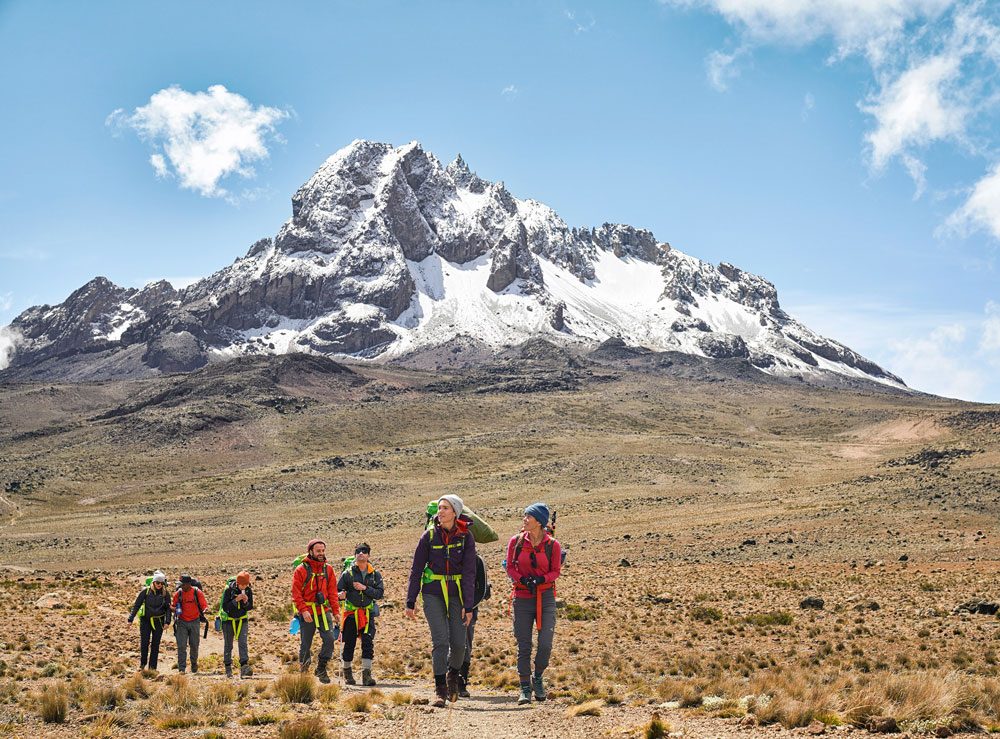

Kenya is one of Africa’s most extraordinary wildlife destinations, offering travelers the opportunity to explore vast savannahs, ancient forests, beautiful lakes, volcanic landscapes, and protected wilderness areas filled with remarkable animals. This Kenya Safari Wildlife Guide provides a comprehensive introduction to the country’s wildlife, the best safari destinations, seasonal animal movements, and everything visitors need to know before planning an unforgettable African adventure.
Discover Kenya’s Incredible Wildlife Safari Experiences
From the legendary plains of the Maasai Mara to the elephant-rich landscapes of Amboseli National Park, Kenya has earned an international reputation for exceptional wildlife viewing. The country is home to the famous African Big Five, spectacular predators, enormous herds of grazing animals, rare northern species, and an incredible diversity of birds.
One of Kenya’s greatest attractions is the annual Great Wildebeest Migration, when vast herds of wildebeest, zebras, and other grazing animals move through the greater Serengeti–Mara ecosystem in search of fresh grass and water. The movement creates remarkable wildlife encounters and attracts visitors from around the world.
However, Kenya offers much more than the Great Migration. Travelers can encounter elephants beneath the magnificent backdrop of Mount Kilimanjaro, search for endangered rhinoceroses in Lake Nakuru National Park, discover unique wildlife in Samburu, and explore the enormous wilderness landscapes of Tsavo.
Each national park and wildlife conservancy provides a different experience. Some destinations are particularly rewarding for predator sightings, while others are known for elephants, rare antelopes, birdwatching, or conservation activities.
Planning a successful Kenya wildlife safari therefore involves choosing the right destinations, understanding seasonal conditions, selecting comfortable accommodation, and allowing sufficient time to explore.
At Universal Ventures Rwanda, we help international travelers organize customized East African safari adventures, including Kenya wildlife extensions, Rwanda gorilla trekking, Uganda primate safaris, and carefully planned multi-country itineraries.
Whether you are visiting Kenya for the first time, planning a luxury African safari, traveling with family, or returning to discover more remote wilderness destinations, this guide will help you make informed travel decisions.
Why Kenya Is One of Africa’s Best Wildlife Safari Destinations
Kenya has played an important role in the development of modern African safari tourism. Its national parks and reserves have attracted naturalists, conservationists, photographers, and travelers for generations.
The country’s appeal comes from the remarkable combination of wildlife diversity, beautiful landscapes, established conservation areas, and well-developed tourism services.
Few destinations offer such a wide range of wildlife environments within one country.
In southern Kenya, Amboseli National Park provides open grasslands, seasonal wetlands, and unforgettable views of Mount Kilimanjaro. Farther west, the Maasai Mara supports large populations of predators and grazing animals across its rolling plains.
Northern Kenya introduces visitors to a completely different landscape. Samburu and the surrounding protected areas feature semi-arid habitats where species adapted to drier conditions survive.
Meanwhile, the Rift Valley contains lakes that attract flamingos, pelicans, storks, and many other bird species.
Kenya’s coastal and forested regions add further ecological variety.
This diversity allows travelers to design safaris around specific interests instead of visiting several destinations offering nearly identical experiences.
Another advantage is accessibility.
Nairobi serves as a major international aviation hub, with road connections and domestic flights linking the capital to numerous wildlife destinations.
Visitors can choose short wildlife excursions or longer journeys lasting several weeks.
Kenya also offers accommodation ranging from simple safari camps to exclusive luxury lodges.
Consequently, travelers with different budgets can find suitable experiences.
Most importantly, Kenya’s wildlife remains genuinely wild. Animal movements, hunting behavior, weather, and encounters cannot be controlled or guaranteed.
This unpredictability is part of what makes every safari special.
Kenya Safari Wildlife Guide to the Country’s Natural Ecosystems
Understanding Kenya’s ecosystems helps travelers appreciate why wildlife species are distributed across different parts of the country.
Although many visitors imagine endless golden grasslands, Kenya contains several distinct environments.
Each habitat provides food, shelter, water, and breeding opportunities for different animals.
Savannah Grasslands and Open Plains
Savannah ecosystems are among Kenya’s most recognizable landscapes.
They consist of open grasslands, scattered trees, shrubs, and seasonal water sources.
The Maasai Mara is a particularly famous example.
Its grasslands support large numbers of wildebeest, zebras, gazelles, topi, buffaloes, and other herbivores.
These animals attract predators such as lions, cheetahs, leopards, and spotted hyenas.
Open habitats often make wildlife easier to observe because animals can be seen across relatively long distances.
However, grass height changes seasonally, influencing visibility.
During wetter periods, tall vegetation may conceal smaller animals.
In drier conditions, grazing animals may gather near remaining water sources.
Understanding these seasonal changes helps guides decide where to search for wildlife.
Semi-Arid Northern Landscapes
Northern Kenya contains extensive drylands, acacia woodland, rocky hills, and seasonal rivers.
Samburu National Reserve and nearby protected areas offer excellent examples of this environment.
Wildlife living in these landscapes has adapted to limited water availability and changing vegetation.
Species such as reticulated giraffes, Grevy’s zebras, gerenuks, and beisa oryx are particularly associated with northern ecosystems.
These animals are less typical of the southern savannah parks.
For travelers interested in seeing unusual wildlife, adding northern Kenya to an itinerary can provide remarkable variety.
Rift Valley Lakes and Wetlands
Kenya’s Great Rift Valley contains freshwater lakes, alkaline lakes, wetlands, volcanic formations, and surrounding grasslands.
These habitats support large populations of birds and aquatic wildlife.
Lake Nakuru is famous for its birdlife and rhinoceros conservation.
Lake Naivasha provides opportunities to observe hippos, waterbirds, and wildlife in nearby habitats.
Other Rift Valley lakes support flamingos and specialized aquatic species, although bird concentrations vary with water conditions.
Wetlands are important because they provide breeding areas, feeding grounds, and seasonal refuges for wildlife.
Mountain Forests and Highland Habitats
Kenya’s highland regions support different plant and animal communities from the open savannah.
The Aberdare Mountains, Mount Kenya forests, and surrounding habitats include dense vegetation, cool temperatures, and rugged terrain.
Forest elephants, buffaloes, primates, and numerous bird species inhabit these landscapes.
Some rare animals, including the mountain bongo, are associated with Kenya’s forest ecosystems.
Dense vegetation can make wildlife sightings more difficult than in open grasslands.
However, the experience offers an opportunity to discover a different side of African nature.
Kenya Safari Wildlife Guide to the African Big Five
The African Big Five are among the most sought-after animals on a Kenya wildlife safari.
They include the lion, leopard, African elephant, African buffalo, and rhinoceros.
Historically, the term originated from the difficulty and danger associated with hunting these animals. Today, safari travelers use it to describe five iconic species they hope to observe and photograph.
Kenya provides opportunities to encounter all five, although their distribution differs between parks.
African Lions – The Kings of the Savannah
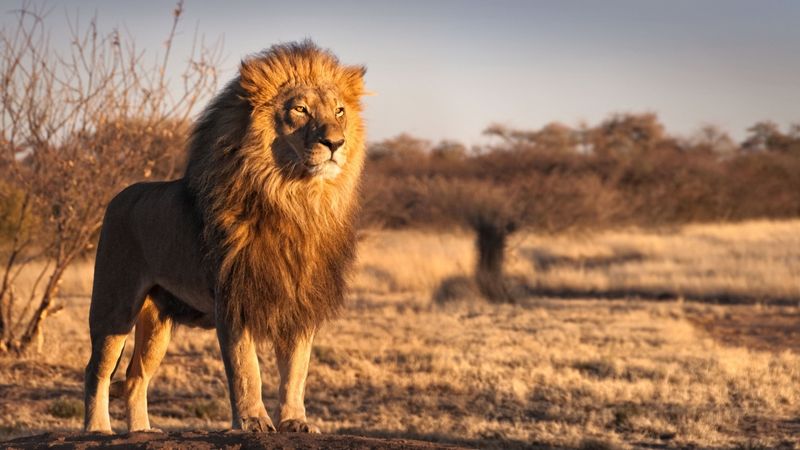
Lions are among Kenya’s most impressive predators.
These powerful social cats live in groups known as prides, which may include related females, their young, and one or more adult males.
The Maasai Mara is especially famous for lion sightings.
Its open grasslands support substantial populations of grazing animals, providing food for resident predators.
Visitors may observe lions resting beneath trees, watching herds, interacting with cubs, or moving through the grasslands.
Although lions can be active during the day, they often become more energetic during cooler mornings and evenings.
A professional guide may look for tracks, alarm calls, and the behavior of nearby herbivores when searching for lions.
However, successful sightings depend on natural animal movements.
Watching a lion pride in its natural habitat is a memorable experience, but visitors must maintain a respectful distance.
Leopards – Kenya’s Secretive Big Cats
Leopards are solitary predators known for their strength, adaptability, and exceptional camouflage.
Their spotted coats help them blend into woodland, rocky landscapes, and dense vegetation.
Unlike lions, leopards generally spend much of their time alone.
They may rest in trees or conceal themselves in thick vegetation during daylight.
The Maasai Mara, Samburu, and several other protected areas offer opportunities to encounter leopards.
However, sightings can be challenging because these cats are naturally secretive.
Experienced guides look for tracks, movement in trees, and alarm calls from monkeys or antelopes.
A leopard resting on a branch can provide an extraordinary photographic opportunity.
Nevertheless, visitors should avoid expecting a guaranteed encounter.
Finding these elusive animals often requires patience.
African Elephants – Giants of Kenya’s Wilderness
African elephants are among the most recognizable animals on safari.
These intelligent mammals live in complex social groups and play important ecological roles.
They influence vegetation, disperse seeds, and create pathways through natural habitats.
Amboseli National Park is particularly famous for its elephants.
Visitors may observe family groups moving across open plains with Mount Kilimanjaro in the background.
Tsavo also supports important elephant populations.
The elephants of Tsavo East are especially associated with the region’s red soil, which often coats their bodies after dust bathing.
Watching elephants interact can reveal fascinating social behavior.
Adults may protect calves, communicate through physical contact, or gather around water sources.
Because elephants are large and potentially dangerous, vehicles should maintain appropriate distances and avoid blocking their movements.
African Buffaloes – Powerful Savannah Herd Animals
African buffaloes are widespread in many Kenyan wildlife areas.
They are large, powerful grazing animals that frequently live in substantial herds.
Visitors may encounter buffaloes near rivers, grasslands, wetlands, and wooded habitats.
Their dark coats, curved horns, and imposing appearance make them easy to recognize.
Buffalo herds can attract predators, particularly lions.
However, adult buffaloes are capable of defending themselves aggressively.
Safari guides understand the importance of avoiding close approaches.
The Maasai Mara, Amboseli, Tsavo, and several other parks support buffalo populations.
Because these animals are relatively widespread, visitors often have good opportunities to encounter them.
Rhinoceroses – Kenya’s Conservation Success Stories
Kenya is home to both black and white rhinoceroses.
Despite their similar names, the two species differ in feeding behavior, body shape, and habitat preferences.
White rhinos are primarily grazers, while black rhinos browse leaves and shrubs.
Rhinoceroses have faced severe threats from poaching and habitat loss.
Consequently, conservation programs play an essential role in protecting remaining populations.
Lake Nakuru National Park is one of Kenya’s important rhinoceros sanctuaries.
Ol Pejeta Conservancy is another major destination for rhinoceros conservation.
Nairobi National Park also supports black rhinos.
Travelers interested in completing the Big Five may benefit from combining the Maasai Mara with a destination offering stronger opportunities to see rhinoceroses.
However, wildlife sightings remain unpredictable, even in protected sanctuaries.
Kenya Safari Wildlife Guide to Lions, Cheetahs and Leopards
Big cats are a major attraction for visitors interested in predator behavior and wildlife photography.
Kenya supports several impressive feline predators, each with different hunting strategies and habitat preferences.
The Maasai Mara is particularly famous for its population of large carnivores.
However, predators also inhabit Samburu, Tsavo, Laikipia, and other protected landscapes.
Cheetahs – The Fastest Land Mammals
Cheetahs are famous for their extraordinary speed.
Their slender bodies, long legs, flexible spines, and specialized claws allow them to accelerate rapidly when chasing prey.
Unlike leopards, cheetahs generally prefer open habitats where they can use their speed effectively.
The Maasai Mara provides particularly attractive conditions for observing these cats.
Cheetahs often hunt smaller antelopes, including gazelles.
Visitors may see them scanning the landscape from termite mounds or resting in grasslands.
Because cheetahs are vulnerable to disturbance during hunts, responsible safari guides avoid crowding them.
A successful cheetah encounter may involve several hours of quiet observation.
How Leopards Hunt and Survive
Leopards rely heavily on stealth.
Their spotted coats provide camouflage, helping them approach prey without being detected.
These predators are also excellent climbers.
They sometimes carry kills into trees, where food may be safer from competing scavengers.
Leopards eat a wide variety of prey, depending on the habitat.
Their adaptability allows them to survive in environments ranging from woodland to rocky hills.
During a safari, an experienced guide may search for leopards along riverine forests or areas with suitable cover.
Because encounters are unpredictable, patience often makes the difference between a brief sighting and a rewarding observation.
Understanding Lion Pride Behavior
Lions are unusual among large cats because they form social groups.
Female lions often cooperate in raising young and defending territories.
Adult males may protect access to the pride from rivals.
However, pride structures change as animals mature or territories shift.
Watching social interactions can be as interesting as witnessing hunting behavior.
A lioness grooming a cub, a young male practicing stalking, or several animals resting together can reveal important aspects of their lives.
Rather than focusing only on dramatic predator encounters, travelers should appreciate these quieter moments.
They often provide some of the most memorable wildlife experiences.
Discovering Kenya’s Grazing Animals and Antelope Species
The spectacular predator populations found in Kenya depend on healthy herbivore communities.
Large numbers of grazing animals shape the savannah ecosystem by influencing vegetation, nutrient movement, and predator behavior.
Wildebeest, zebras, gazelles, impalas, topi, elands, and hartebeests are among the animals visitors may encounter.
Each species occupies a particular ecological role.
Some prefer short grass, while others feed on taller vegetation or browse shrubs.
This diversity allows different herbivores to share the same landscape.
Wildebeest and Their Seasonal Movements
Wildebeest are central to the Great Migration.
These robust grazing animals move in large herds in response to seasonal rainfall and fresh grass.
Their movements connect ecosystems across northern Tanzania and southwestern Kenya.
Visitors may encounter dense groups moving across the plains or gathering near rivers.
The animals must contend with predators, changing weather, and competition for resources.
Although the river crossings receive enormous attention, the migration is much broader than a single dramatic event.
The animals spend the entire year moving through different parts of the ecosystem.
Plains Zebras and Their Social Groups
Plains zebras are among Kenya’s most recognizable animals.
Their distinctive black-and-white stripes make them particularly attractive subjects for photography.
Zebras live in social groups and often associate with other grazing animals.
They may move alongside wildebeest during seasonal migration.
However, zebra behavior includes much more than migration.
Visitors may observe grooming, social interactions, territorial behavior, and protective responses around young animals.
Zebras are widespread in several Kenyan parks, making them a familiar part of many game drives.
Gazelles, Impalas and Other Antelopes
Kenya supports numerous antelope species.
Thomson’s gazelles are particularly common in open grasslands.
Their small size and agility make them important prey for predators such as cheetahs.
Grant’s gazelles are generally larger and also inhabit open savannah environments.
Impalas are graceful animals known for their impressive jumping ability.
Elands, among the largest antelope species, may appear surprisingly delicate despite their substantial size.
Topi often stand on elevated ground, making them easy to recognize in the Maasai Mara.
Observing these animals helps visitors understand the food relationships that support Kenya’s predators.
Kenya Safari Wildlife Guide to the Samburu Special Five
Northern Kenya is famous for a distinctive group of animals commonly known as the Samburu Special Five.
These species are associated with the dryland habitats of Samburu and surrounding regions.
They provide a compelling reason to visit northern Kenya rather than focusing exclusively on the Maasai Mara.
Grevy’s Zebra
Grevy’s zebras differ noticeably from common plains zebras.
They have narrower stripes, large rounded ears, and a distinctive body shape.
They are also much rarer.
Northern Kenya provides important habitat for this endangered species.
Conservation efforts focus on protecting suitable grazing areas, maintaining access to water, and reducing threats to surviving populations.
Reticulated Giraffe
Reticulated giraffes are known for their attractive geometric coat patterns.
Their reddish-brown patches are separated by relatively narrow pale lines.
These giraffes are particularly associated with northern Kenya.
They feed on leaves and vegetation from trees and shrubs.
Their graceful movements and distinctive markings make them excellent photographic subjects.
Gerenuk
The gerenuk is an unusual antelope with a long neck and slender body.
It is sometimes called the giraffe gazelle.
One of its most distinctive behaviors is standing on its hind legs to reach leaves and shoots.
This feeding strategy allows it to access vegetation beyond the reach of many other antelopes.
Gerenuks are especially interesting to travelers who enjoy observing animal adaptations.
Beisa Oryx
Beisa oryx are adapted to relatively dry environments.
They have strong bodies, pale coats, dark facial markings, and long straight horns.
These animals can survive in landscapes where water availability changes seasonally.
Their appearance is particularly striking against the rocky and arid scenery of northern Kenya.
Somali Ostrich
The Somali ostrich is another distinctive northern species.
It differs in appearance from the more widespread common ostrich.
Adult males may display striking bluish skin coloration during breeding periods.
Samburu and nearby protected landscapes provide opportunities to encounter these impressive flightless birds.
Giraffes in Kenya – Where to See Different Species
Giraffes are among the most graceful and recognizable animals on an African safari.
Kenya supports different giraffe populations associated with distinct geographic regions.
The Maasai giraffe is found in parts of southern Kenya and is recognizable by its irregular coat pattern.
The reticulated giraffe is particularly associated with northern Kenya.
The Rothschild’s giraffe, usually treated as a form of northern giraffe, is the focus of important conservation initiatives.
Lake Nakuru and selected other protected areas provide opportunities to observe these giraffes.
Giraffes spend considerable time browsing vegetation from trees.
Their long necks allow them to reach leaves that many other herbivores cannot access.
Visitors may see giraffes walking slowly across grasslands, feeding among acacia trees, or interacting with other members of a group.
Young giraffes are especially interesting because they must learn to navigate their environment while avoiding predators.
Photographers often appreciate the opportunity to capture giraffes against Kenya’s dramatic landscapes.
Hyenas, Wild Dogs and Other Kenyan Predators
Although lions and cheetahs receive considerable attention, Kenya supports many other fascinating predators.
Spotted hyenas are particularly important members of savannah ecosystems.
Contrary to the common misconception that they only scavenge, spotted hyenas are capable and successful hunters.
They live in complex social groups known as clans.
Their interactions involve communication, social ranking, territorial behavior, and cooperation.
During a safari, visitors may encounter hyenas traveling across grasslands or resting near their dens.
African wild dogs are another remarkable predator, although they are much rarer and their distribution is more restricted.
These highly social carnivores live in packs and cooperate when hunting.
Suitable areas of northern Kenya and Laikipia offer opportunities to encounter them, but sightings are never assured.
Jackals, servals, caracals, and bat-eared foxes provide additional wildlife diversity.
Because some smaller carnivores are most active around dawn, dusk, or night, observation opportunities depend on the location and permitted safari activities.
Primates and Forest Wildlife in Kenya
Kenya’s wildlife is not limited to large savannah animals.
Forests and riverine habitats support several primate species.
Vervet monkeys and olive baboons are relatively familiar sights in many wildlife areas.
Visitors may encounter them near woodland, rivers, and forest edges.
Black-and-white colobus monkeys inhabit selected forest environments.
Their striking coats and movements through the canopy make them particularly attractive to wildlife enthusiasts.
Other primates occur in suitable forest habitats across the country.
However, Kenya is not generally the main destination for mountain gorilla or chimpanzee trekking.
Travelers interested in combining a classic Big Five safari with primate encounters often choose additional destinations such as Rwanda or Uganda.
This combination creates a broader East African wildlife experience.
Kenya Safari Wildlife Guide to Birds and Birdwatching
Kenya is an outstanding destination for bird enthusiasts.
The country’s different ecosystems support an exceptional variety of resident and migratory birds.
Visitors can encounter large raptors, colorful woodland species, waterbirds, grassland birds, and specialized dryland species.
Birdwatching adds another dimension to a safari because interesting sightings continue even when large mammals are temporarily difficult to find.
Flamingos and Rift Valley Lakes
Flamingos are among Kenya’s most famous birds.
Certain Rift Valley lakes provide suitable feeding conditions for these distinctive waterbirds.
However, flamingo numbers vary substantially depending on water levels, food availability, and lake chemistry.
Lake Nakuru was historically famous for enormous flamingo gatherings, but visitors should not assume that large concentrations will be present on every visit.
Lake Bogoria can also provide rewarding flamingo viewing under suitable conditions.
Travelers primarily interested in flamingos should seek recent local information before choosing a destination.
African Fish Eagles
African fish eagles are among the most recognizable birds around Kenyan lakes and rivers.
Their distinctive calls often form part of the soundscape of wetland environments.
These powerful birds may perch near water before swooping down to catch fish.
Lake Naivasha and other suitable freshwater habitats provide opportunities for observation.
Their dramatic appearance makes them popular photographic subjects.
Ostriches and Secretary Birds
Ostriches inhabit suitable open and dryland environments.
Their large bodies and powerful legs make them distinctive among savannah birds.
Secretary birds are another fascinating species.
These tall terrestrial raptors walk across grasslands searching for prey, including reptiles and small mammals.
Their unusual appearance and hunting behavior can make sightings especially memorable.
Eagles, Vultures and Other Raptors
Raptors play important roles in Kenya’s ecosystems.
Eagles hunt various animals, while vultures help remove carcasses from the landscape.
Vultures are especially important for ecological health, yet several species face serious conservation threats.
Travelers may encounter different vultures gathered near a carcass.
Rather than viewing such scenes only as dramatic wildlife moments, visitors can appreciate their importance to the natural recycling of nutrients.
Crocodiles, Hippos and Reptiles on Safari
Kenya’s rivers, lakes, and wetlands support several important aquatic and semi-aquatic animals.
Nile crocodiles are powerful reptiles that inhabit suitable freshwater environments.
They may be observed resting along riverbanks or partially submerged near the water’s edge.
During the Great Migration, crocodiles sometimes prey on animals crossing rivers.
However, these encounters are unpredictable and form only one part of the wider ecological system.
Hippopotamuses are another familiar sight in certain lakes and rivers.
Although they appear slow and peaceful while resting in water, hippos are powerful wild animals that can be dangerous when approached too closely.
Visitors should never walk between a hippo and the water or approach one without authorized guidance.
Kenya also supports many snakes, lizards, tortoises, and other reptiles.
Most are less conspicuous than large mammals but contribute significantly to ecosystem diversity.
Kenya Safari Wildlife Guide to the Maasai Mara National Reserve
The Maasai Mara is one of Africa’s most celebrated wildlife destinations.
Located in southwestern Kenya, the reserve forms part of the wider Serengeti–Mara ecosystem extending into northern Tanzania.
Its rolling plains, riverine forests, and open grasslands support an exceptional variety of wildlife.
The Maasai Mara is especially famous for lions, cheetahs, leopards, elephants, buffaloes, zebras, wildebeest, and numerous antelope species.
For many first-time safari visitors, it provides the classic African wildlife experience they have imagined.
Why the Maasai Mara Is Famous for Big Cats
The reserve provides extensive habitats for large predators.
Open grasslands make it possible to observe animals across substantial distances.
Abundant herbivore populations provide food for lions, cheetahs, and other carnivores.
Riverine vegetation also creates suitable cover for leopards.
Visitors who spend several days exploring different areas may enjoy a variety of predator encounters.
However, wildlife concentrations and sightings change according to season, weather, and animal movements.
No particular sighting should be treated as guaranteed.
The Importance of the Mara River
The Mara River is one of the ecosystem’s most significant natural features.
It provides water for wildlife and supports important riverine habitats.
During periods of migration, large herds may approach the river as they move between grazing areas.
Some crossings involve dramatic interactions between wildebeest, river currents, and crocodiles.
However, river crossings do not occur according to a fixed daily schedule.
Animals may gather for hours or longer before moving, and sometimes change direction without crossing.
Travelers should therefore avoid booking an itinerary based on the expectation of witnessing one specific crossing.
How Long Should You Stay in the Maasai Mara?
A stay of three or four nights provides a rewarding opportunity to explore different habitats.
Visitors with only one night may spend a disproportionate amount of time traveling.
Those staying longer can enjoy multiple morning and afternoon game drives without rushing.
During the migration season, additional nights can improve flexibility.
However, the ideal duration depends on your interests, budget, and overall safari route.
Amboseli National Park – Kenya’s Elephant Paradise
Amboseli National Park is one of Kenya’s most visually recognizable wildlife destinations.
The park lies in southern Kenya near the Tanzanian border, beneath the impressive presence of Mount Kilimanjaro.
Its open plains, seasonal wetlands, and dramatic mountain backdrop create exceptional scenery.
Amboseli is especially famous for elephants.
Elephant Families in Amboseli
Amboseli supports well-studied elephant populations.
Visitors may encounter family groups moving between feeding areas and water sources.
The animals often display complex social behavior.
Adults protect calves, communicate through physical contact, and maintain relationships within extended family structures.
Observing elephants over several game drives can reveal different aspects of their lives.
Photography enthusiasts particularly appreciate the opportunity to capture elephants with Kilimanjaro in the background.
However, clear views of the mountain depend on weather and cloud conditions.
Other Wildlife in Amboseli
Although elephants are the park’s principal attraction, Amboseli supports several other animals.
Visitors may encounter buffaloes, zebras, wildebeest, giraffes, hippos, and various antelope species.
Predators are also present, although sightings depend on their movements and local conditions.
Wetlands attract numerous bird species.
The contrast between dry grasslands and green swamps creates a distinctive wildlife landscape.
Amboseli combines particularly well with Tsavo or a broader southern Kenya safari.
Lake Nakuru National Park – Rhinos and Rift Valley Wildlife
Lake Nakuru National Park is one of Kenya’s most important destinations for rhinoceros conservation and birdwatching.
Located within the Great Rift Valley, the park combines a scenic lake with grasslands, woodland, and surrounding hills.
Its comparatively compact size can make wildlife viewing rewarding during shorter visits.
Rhino Conservation in Lake Nakuru
Lake Nakuru provides protected habitat for black and white rhinoceroses.
The park’s conservation programs have played an important role in supporting these threatened animals.
Visitors may encounter white rhinos grazing in open areas.
Black rhinos are often more difficult to observe because they are generally more secretive and frequently use thicker vegetation.
The opportunity to see rhinoceroses makes Lake Nakuru a useful addition to a Kenya Big Five itinerary.
Birdwatching and Scenic Views
The lake and surrounding habitats support a wide variety of birds.
Pelicans, storks, cormorants, flamingos, and numerous other species may be encountered, depending on conditions.
Visitors can also enjoy scenic viewpoints overlooking the lake and park.
Wildlife sightings may include buffaloes, giraffes, zebras, antelopes, and predators.
For travelers combining several parks, Lake Nakuru offers an attractive contrast to the larger savannah landscapes of the Maasai Mara.
Tsavo East National Park – Vast Wilderness and Red Elephants
Tsavo East is one of Kenya’s largest protected wilderness areas.
Its extensive landscapes create a feeling of openness and remoteness.
The park is particularly famous for elephants whose bodies often appear reddish after dust bathing in the local soil.
Wildlife Encounters in Tsavo East
Elephants are among the principal attractions.
Visitors may also encounter giraffes, zebras, buffaloes, antelopes, lions, and other wildlife.
However, the park’s immense size means animals can be widely dispersed.
Game drives may involve longer periods of searching than in smaller reserves.
This is part of Tsavo’s appeal for travelers who enjoy wilderness exploration.
The Galana River provides an important habitat for wildlife.
Its banks and surrounding vegetation attract animals seeking water and shade.
Scenic Landscapes and Safari Photography
Tsavo East’s red soil, open plains, and distinctive vegetation create dramatic photographic opportunities.
The landscapes are especially beautiful during early morning and late afternoon.
Travelers who value expansive wilderness may appreciate Tsavo’s atmosphere.
However, sufficient time should be allowed to explore.
Attempting to rush through the park may limit the experience.
Tsavo West National Park – Volcanic Landscapes and Wildlife
Tsavo West offers a different environment from Tsavo East.
Its landscapes include volcanic formations, wooded areas, rocky hills, and natural water sources.
The park is particularly appealing to travelers who enjoy scenery alongside wildlife observation.
Mzima Springs
Mzima Springs is one of Tsavo West’s best-known attractions.
Its clear waters support aquatic wildlife, including hippos and crocodiles.
The surrounding vegetation creates a scenic environment that contrasts with nearby dryland habitats.
Visitors should follow the designated access rules and guidance.
Wildlife and Wilderness Experiences
Tsavo West supports elephants, buffaloes, giraffes, predators, and numerous smaller animals.
However, vegetation can make wildlife more difficult to spot than in open grasslands.
The reward is a more varied landscape and a sense of exploration.
Combining Tsavo East and Tsavo West allows travelers to experience different parts of the wider Tsavo ecosystem.
Samburu National Reserve – Rare Northern Wildlife
Samburu National Reserve provides one of Kenya’s most distinctive safari experiences.
Located in the country’s north, it features dryland landscapes, rocky hills, acacia woodland, and riverine habitats.
The Ewaso Ng’iro River supports wildlife throughout changing seasons.
Why Samburu Is Different
Samburu is particularly attractive because of its northern wildlife species.
Grevy’s zebras, reticulated giraffes, gerenuks, beisa oryx, and Somali ostriches are among its famous attractions.
These animals differ from those most commonly encountered in southern Kenya.
Visitors may also see elephants, lions, leopards, and other wildlife.
The reserve’s landscape provides a beautiful setting for photography.
Best Safari Experiences in Samburu
Morning and afternoon game drives offer opportunities to explore the reserve.
Experienced guides search along riverbanks, open areas, and suitable woodland habitats.
Because temperatures can be high, animals may become less active during the middle of the day.
Samburu is particularly rewarding for travelers who have already visited the Maasai Mara and want to discover a different wildlife environment.
Ol Pejeta Conservancy – Rhinoceros Conservation and Wildlife
Ol Pejeta Conservancy, located in the Laikipia region, is an important conservation destination.
The conservancy is particularly recognized for its rhinoceros protection efforts.
Visitors can learn about wildlife conservation while enjoying safari activities.
Black and White Rhino Conservation
Ol Pejeta provides protected habitat for rhinoceroses.
The conservancy has also played an important role in efforts to protect the critically endangered northern white rhinoceros.
Its conservation work demonstrates the complex challenges involved in protecting threatened wildlife.
Travelers should follow official visitor procedures when booking specialized conservation experiences.
Wildlife Beyond Rhinos
Ol Pejeta also supports a variety of other wildlife.
Visitors may encounter elephants, buffaloes, giraffes, zebras, antelopes, and predators.
The surrounding Laikipia landscape offers additional safari opportunities.
For travelers interested in conservation-focused tourism, Ol Pejeta can be an excellent addition to a Kenya itinerary.
Nairobi National Park – A Safari Close to the Capital
Nairobi National Park offers one of Africa’s most unusual wildlife experiences.
The park lies close to central Nairobi, allowing visitors to observe wild animals with the city’s skyline in the distance.
Its accessibility makes it particularly attractive to travelers with limited time.
Wildlife in Nairobi National Park
Visitors may encounter lions, buffaloes, giraffes, zebras, antelopes, and rhinoceroses.
The park is particularly important for black rhino conservation.
However, elephants are not part of its normal resident large-mammal population.
Therefore, visitors hoping to see elephants should include another suitable destination.
Is Nairobi National Park Worth Visiting?
For travelers with only a day available, Nairobi National Park can provide a rewarding introduction to Kenya’s wildlife.
Early-morning game drives are particularly attractive because temperatures are cooler and many animals may be more active.
Although the park cannot replace a multi-day wilderness safari, it offers convenient access to wildlife close to the capital.
Meru National Park – A Quieter Kenyan Wildlife Safari
Meru National Park provides an attractive option for travelers seeking a less conventional safari route.
The park features varied habitats, rivers, open landscapes, and woodland.
Its wildlife includes elephants, buffaloes, predators, rhinoceroses within protected areas, and numerous bird species.
Meru is also associated with the conservation story of Elsa the lioness, made famous through the Born Free story.
The park offers opportunities to combine wildlife viewing with an appreciation of conservation history.
Because Meru receives a different visitor pattern from Kenya’s best-known safari destinations, it can appeal to travelers seeking a quieter environment.
However, the extent of the park means proper planning and sufficient time are important.
Laikipia – Private Conservancies and Conservation Tourism
Laikipia is a diverse region in central Kenya known for wildlife conservancies, ranches, and conservation initiatives.
Its habitats support a variety of mammals and birds.
Depending on the property and conservation area, travelers may enjoy game drives, guided nature walks, and specialized wildlife experiences.
Activities are subject to the rules of each conservancy.
Laikipia is particularly attractive to visitors interested in conservation, community partnerships, and less crowded safari experiences.
However, not all properties provide the same wildlife viewing opportunities.
Travelers should choose their accommodation according to the surrounding ecosystem and available activities.
Aberdare National Park – Forest Wildlife and Mountain Scenery
Aberdare National Park offers a different safari environment from Kenya’s savannah reserves.
Its mountain forests, moorlands, and waterfalls create beautiful scenery.
Visitors may encounter elephants, buffaloes, primates, and numerous bird species.
Some rare forest animals also inhabit the region.
However, dense vegetation can make wildlife sightings more challenging.
The park is particularly suitable for travelers interested in mountain landscapes, forest ecology, and wildlife beyond the traditional savannah experience.
Lake Naivasha – Hippos, Birds and Scenic Wildlife Experiences
Lake Naivasha is a freshwater lake in the Great Rift Valley.
It is particularly attractive to birdwatchers and visitors interested in lakeside scenery.
Boat excursions may provide opportunities to observe hippos and waterbirds from a suitable distance.
However, boat operators must follow safety procedures because hippos can be dangerous.
Nearby attractions include Hell’s Gate National Park and other scenic areas.
Lake Naivasha is often incorporated into itineraries traveling between Nairobi and the western safari regions.
Its relaxed atmosphere can provide a welcome contrast to intensive game-drive schedules.
Kenya Safari Wildlife Guide to the Great Wildebeest Migration
The Great Migration is one of the world’s most extraordinary wildlife movements.
It involves large numbers of wildebeest, zebras, and other grazing animals moving through the Serengeti–Mara ecosystem.
The animals respond primarily to rainfall patterns and changing grazing conditions.
Although the migration is often described as an annual event, it is actually a continuous ecological cycle.
Different stages occur throughout the year.
When Does the Great Migration Reach Kenya?
The Maasai Mara often receives substantial migratory herds between approximately July or August and October.
However, exact timing varies from year to year.
Rainfall conditions can influence when animals enter Kenya and how long they remain.
Visitors should therefore treat migration calendars as general planning guides rather than guarantees.
The Famous Mara River Crossings
River crossings are among the most dramatic moments of the migration.
Large groups may gather near the Mara River before attempting to cross.
The animals face strong currents, steep riverbanks, and potential predators.
However, a river crossing may happen suddenly or not at all during a particular game drive.
Sometimes herds approach the water and then retreat.
For travelers hoping to observe crossings, patience and flexibility are essential.
Wildlife Viewing Outside Migration Season
The Maasai Mara supports resident wildlife throughout the year.
Lions, elephants, buffaloes, giraffes, antelopes, and other animals do not disappear when the main migratory herds move elsewhere.
Therefore, visitors can enjoy rewarding wildlife experiences outside peak migration months.
Travelers who are more interested in big cats, landscapes, and general wildlife behavior may find alternative seasons equally appealing.
Best Time to Visit Kenya for Wildlife Safaris
The best time for a Kenya safari depends on what you want to experience.
Some visitors prioritize the Great Migration, while others prefer elephant photography, birdwatching, lower visitor numbers, or green landscapes.
Because Kenya contains different ecosystems, conditions vary between regions.
January and February – Warm Weather and Wildlife Viewing
January and February can provide attractive safari conditions in several Kenyan destinations.
Many areas experience relatively dry weather, although local conditions vary.
Shorter grass and animals gathering near water may make wildlife easier to observe in some habitats.
These months can be suitable for big-cat photography, general wildlife viewing, and multi-park safaris.
However, travelers should consider that northern and southern regions may experience different conditions.
March to May – Green Season Landscapes
March through May generally includes one of Kenya’s main rainy periods.
Rainfall can transform savannahs into lush green landscapes.
Birdlife can be particularly attractive, and many animals benefit from fresh vegetation.
However, some roads may become muddy or difficult.
Certain camps and access routes may operate differently during heavy rainfall.
Travelers who choose this season should work with experienced operators and remain flexible.
June to October – Popular Wildlife Safari Months
June through October is widely considered one of Kenya’s most popular safari periods.
Conditions are often relatively dry in many important wildlife destinations.
The Maasai Mara becomes particularly attractive when migratory herds are present.
This period can also provide excellent wildlife viewing in Amboseli, Samburu, and other protected areas.
However, accommodation demand may be high.
Travelers should reserve suitable lodges, camps, and safari vehicles early.
November and December – Changing Landscapes
November and December often bring seasonal rainfall to parts of Kenya.
The countryside becomes greener, and wildlife distribution may change.
These months can provide beautiful scenery and rewarding birdwatching.
However, rainfall patterns are increasingly variable.
Visitors should plan according to the destinations they intend to visit rather than relying entirely on national seasonal averages.
Morning Versus Afternoon Game Drives in Kenya
The timing of game drives can strongly influence wildlife viewing.
Early mornings are often particularly rewarding.
Temperatures are cooler, and many animals are active before the heat increases.
Predators may still be moving after nighttime hunting.
Herbivores may feed in open grasslands before resting later in the day.
Morning light can also provide beautiful photographic conditions.
Afternoon game drives offer different opportunities.
As temperatures begin to fall, some animals become more active again.
Late-afternoon light can create dramatic landscapes and attractive wildlife photographs.
However, the most suitable schedule depends on park regulations, animal behavior, and the location of the accommodation.
A combination of morning and afternoon drives usually provides greater variety than relying on only one daily outing.
Understanding Wildlife Behavior During Game Drives
A successful safari involves more than simply driving around until animals appear.
Experienced guides observe the environment and interpret subtle signs.
Animal tracks, alarm calls, feeding behavior, and changes in herd movement can reveal important information.
For example, antelopes staring repeatedly toward a particular area may have detected a predator.
Birds making alarm calls may indicate movement nearby.
Fresh tracks can provide clues about animals that recently passed through.
However, interpreting wildlife behavior requires experience.
Visitors should avoid pressuring guides to approach animals too closely or leave permitted tracks.
Sometimes the most rewarding encounters happen when travelers remain quietly in one location and allow wildlife to move naturally.
Patience can produce better experiences than constantly searching for the next dramatic sighting.
Kenya Safari Wildlife Guide to Different Safari Experiences
Kenya offers several ways to experience wildlife.
Traditional game drives remain the most popular, but visitors may also enjoy specialized activities where permitted.
Choosing the right experience depends on the destination, conservation regulations, and individual interests.
Traditional 4×4 Game Drives
A guided game drive involves traveling through a protected area in a suitable safari vehicle.
Professional guides help visitors identify animals and understand their behavior.
A 4×4 Land Cruiser is particularly popular because it provides ground clearance and suitable viewing arrangements.
Some safari vehicles have pop-up roofs, while others feature open sides.
The most appropriate vehicle depends on the park, weather, and planned activities.
Hot Air Balloon Safaris
Hot air balloon safaris are particularly associated with the Maasai Mara.
Flights typically depart early in the morning when weather conditions are suitable.
Passengers enjoy an aerial perspective of the landscape.
Wildlife may be visible from above, although specific sightings cannot be guaranteed.
Balloon activities require advance booking and depend on weather and aviation safety conditions.
They are generally offered as an additional experience rather than a replacement for conventional game drives.
Guided Walking Safaris
Walking safaris provide an opportunity to explore the natural environment at a slower pace.
Participants may learn about tracks, plants, insects, animal behavior, and ecological relationships.
However, walking activities are only permitted in designated locations and under appropriate supervision.
Visitors should never leave their safari vehicle inside a national park without authorization.
Some private conservancies offer professionally guided walking experiences under their own operating rules.
Night Game Drives
Night drives can reveal animals that are less active during daylight.
Nocturnal mammals, smaller predators, and other wildlife may become visible after sunset.
However, night driving is not permitted in every protected area.
Some private conservancies offer authorized night drives, while national park rules may prohibit them.
Travelers should confirm activities with their accommodation provider before booking.
Maasai Mara National Reserve Versus Private Conservancies
One important distinction in Kenya safari planning is the difference between a national reserve and a private or community conservancy.
The Maasai Mara National Reserve operates under its own visitor regulations and management arrangements.
Surrounding conservancies may use different conservation and tourism models.
These areas can provide additional habitat for wildlife while supporting local landowners and communities.
Wildlife Viewing in the National Reserve
The reserve offers extensive savannah habitats and opportunities to observe large wildlife populations.
It is particularly famous for the Great Migration and predator sightings.
However, popular areas may attract substantial numbers of safari vehicles during peak periods.
Visitors should choose operators that follow responsible wildlife viewing practices.
Wildlife Viewing in Conservancies
Some conservancies limit vehicle numbers and visitor access.
Depending on their regulations, they may offer activities not available in the national reserve, such as guided walking safaris or night drives.
However, these activities should not be assumed to be available everywhere.
Conservancies generally charge their own fees, which may be included in accommodation rates or billed separately.
Travelers should understand the specific rules and inclusions before confirming a booking.
Which Experience Is Better?
Neither option is automatically superior.
The national reserve is attractive for its iconic landscapes and broad safari appeal.
Conservancies may appeal to travelers seeking quieter experiences or particular guided activities.
A longer itinerary can combine both approaches.
The best arrangement depends on personal preferences, budget, and conservation priorities.
Kenya Wildlife Photography Guide
Kenya offers extraordinary opportunities for wildlife photography.
Its open grasslands, dramatic skies, mountain scenery, and varied habitats provide striking backgrounds.
However, successful photography requires preparation, patience, and respect for animals.
Choosing Suitable Camera Equipment
A camera with a telephoto lens can be useful for photographing wildlife from a safe distance.
The appropriate focal length depends on the subject and shooting conditions.
A wider lens can capture landscapes and animals within their natural environment.
Travelers should consider the weight of their equipment.
Large camera bags may become uncomfortable during long transfers or activities outside vehicles.
Binoculars can also improve the overall wildlife viewing experience.
Understanding Light on Safari
Early morning and late afternoon often provide attractive lighting conditions.
The sun is lower in the sky, creating softer light and warmer colors.
These conditions can be particularly suitable for photographing elephants, giraffes, lions, and savannah scenery.
However, excellent wildlife moments can happen at any time.
Photographers should remain flexible rather than focusing exclusively on ideal lighting.
Photographing Predator Behavior
Predator photography requires patience.
A lion resting in the shade may remain inactive for long periods.
A cheetah may watch prey for an extended time before deciding whether to hunt.
Visitors should avoid pressuring guides to move closer or disturb animals.
Responsible photography allows wildlife to behave naturally.
A memorable image should never come at the expense of animal welfare.
Photographing the Great Migration
Migration photography can be challenging because animal movements are unpredictable.
Large herds may create impressive landscape compositions.
River crossings can occur suddenly, but sometimes nothing happens for hours.
Photographers should prepare their equipment in advance and remain patient.
It is also important to avoid vehicle positioning that blocks migration routes.
What to Pack for a Kenya Wildlife Safari
Packing appropriately can improve comfort throughout the journey.
Kenya includes different climates, and temperatures vary according to altitude, season, and time of day.
Lightweight clothing in comfortable colors is generally suitable for daytime game drives.
Neutral shades may be practical because they show dust less prominently.
Early mornings can be cool, especially in highland areas.
A warm layer is therefore useful.
Sun protection is important throughout the year.
Travelers should carry sunglasses, sunscreen, and a suitable hat.
Comfortable walking shoes are helpful around lodges and during permitted activities.
A lightweight waterproof jacket may be useful during rainy periods.
Binoculars, camera equipment, spare batteries, and charging accessories can enhance the wildlife experience.
Visitors should also carry essential medication and personal documents.
Because luggage allowances can be restricted on small safari aircraft, travelers should confirm the requirements for domestic flights.
Packing efficiently helps make transfers between parks and camps more convenient.
Choosing Between Luxury, Midrange and Budget Kenya Safaris
Kenya offers safari accommodation across a wide range of price categories.
The ideal choice depends on comfort preferences, available budget, and the quality of the wildlife experience.
Luxury Kenya Wildlife Safaris
Luxury safaris emphasize comfortable accommodation, personalized service, and carefully organized travel arrangements.
High-end lodges and tented camps may provide spacious rooms, excellent dining, private guides, and beautiful surroundings.
Some properties are located within protected conservancies, while others operate near or inside national parks and reserves.
Luxury travelers may also choose domestic flights between destinations to reduce road travel time.
However, luxury accommodation does not guarantee better wildlife sightings.
Wildlife behavior remains natural and unpredictable.
The principal benefits are comfort, exclusivity, service, and convenience.
Midrange Kenya Safari Packages
Midrange safaris offer a balance between comfort and overall cost.
Travelers may stay in established safari lodges or comfortable tented camps.
Private game drives can still provide an excellent experience.
For many visitors, this category offers particularly attractive value.
A well-designed midrange safari can include knowledgeable guides, suitable vehicles, good accommodation, and sufficient time in wildlife areas.
Budget Kenya Wildlife Safaris
Budget safaris are suitable for travelers who prioritize wildlife viewing over luxury accommodation.
They may involve simpler lodges, camps, or shared transportation arrangements.
However, travelers should pay close attention to what is included.
Lower-priced packages may provide fewer game drives, more basic accommodation, or additional charges for park fees.
A budget safari should still prioritize safe vehicles, reliable guides, and proper park access.
How Much Does a Kenya Wildlife Safari Cost in 2026–2027?
The price of a Kenya safari depends on the destinations, duration, accommodation category, transportation style, and travel season.
There is no single price that accurately represents every safari.
A three-day Maasai Mara trip, for example, has a different cost structure from a ten-day luxury itinerary involving several parks and internal flights.
Accommodation Costs
Accommodation is often one of the largest expenses.
Luxury lodges and exclusive tented camps may charge substantially more than midrange or budget properties.
Rates can also vary between migration season, holiday periods, and quieter months.
Travelers should check whether quoted prices include meals, game drives, conservation fees, and transfers.
National Park and Conservancy Fees
Park fees form another important part of the safari budget.
Kenya Wildlife Service manages entry fees for many national parks.
The Maasai Mara National Reserve operates under a separate county-managed fee system, while private conservancies have their own arrangements.
As of October 2026, published standard nonresident adult entry rates include USD 90 for Amboseli and Lake Nakuru National Parks.
Nairobi National Park has a different fee category.
Maasai Mara entry charges also vary by season and visitor category.
Because fees can change, travelers should confirm the latest applicable rates before booking.
Transportation and Safari Vehicles
Transportation costs depend on whether travelers choose road safaris or internal flights.
Private 4×4 vehicles provide flexibility and continuous guide services.
However, long road journeys require additional time.
Fly-in safaris can reduce certain transfers but usually involve higher transport costs.
Travelers should compare the complete itinerary rather than evaluating transportation prices alone.
Additional Safari Activities
Optional experiences can increase the total price.
Hot air balloon safaris, specialized conservation visits, and certain privately guided activities may be charged separately.
Travelers should also budget for personal expenses and gratuities where appropriate.
A detailed written quotation helps avoid misunderstandings.
Road Safari Versus Fly-In Kenya Wildlife Safari
Choosing between road travel and domestic flights is an important itinerary decision.
A road safari allows travelers to observe Kenya’s changing landscapes and visit attractions along the route.
It may also provide flexibility when traveling between nearby destinations.
However, some national parks are separated by considerable distances.
Long road journeys can reduce the time available for wildlife viewing.
Fly-in safaris connect Nairobi with selected safari airstrips.
They can be particularly attractive for travelers with limited vacation time or those staying at remote luxury camps.
However, flights depend on schedules, weather, available routes, and luggage restrictions.
Some itineraries combine both methods.
For example, travelers may use road transport between nearby parks before taking a flight to a more distant reserve.
The best approach depends on the complete route and personal preferences.
Kenya Safari Wildlife Guide for First-Time Visitors
First-time safari travelers often wonder how many parks they should visit.
The most effective itinerary is not necessarily the one containing the greatest number of destinations.
Spending enough time in each wildlife area is usually more rewarding than rushing between parks.
A first-time visitor may begin with the Maasai Mara because it offers classic savannah landscapes and opportunities to see a wide range of animals.
Adding Lake Nakuru provides a different ecosystem and important rhinoceros conservation experiences.
Amboseli offers another distinctive environment, particularly for elephant enthusiasts.
However, combining all these destinations requires realistic travel planning.
Visitors should also consider the activities they value most.
Someone interested primarily in photography may prefer longer stays with fewer transfers.
A family with children may benefit from shorter driving days.
Luxury travelers may choose fly-in arrangements.
The ideal safari is one that balances wildlife opportunities with comfort and sufficient time to enjoy each destination.
Kenya Wildlife Safaris for Families with Children
Kenya can be an excellent destination for family wildlife holidays.
Children often enjoy seeing animals they recognize from books, films, and nature documentaries.
However, family itineraries should be designed carefully.
Long driving days can become tiring, especially for younger children.
Choosing accommodation with suitable facilities can improve the experience.
Some safari camps have age restrictions or special policies for children.
Walking safaris and certain other activities may also have minimum age requirements.
Parents should confirm these conditions before booking.
Private vehicles can be particularly convenient because families can travel at their own pace.
A knowledgeable guide can also turn game drives into educational experiences.
Children may enjoy learning about animal tracks, bird calls, feeding behavior, and conservation.
Senior Travelers and Comfortable Kenya Safaris
Senior travelers can enjoy Kenya’s wildlife through carefully planned itineraries.
Many safari activities take place from vehicles, reducing the need for extensive walking.
However, road conditions and long transfers should be considered.
A comfortable vehicle, suitable seating, and reasonable travel times can improve the experience.
Travelers with mobility concerns should discuss their needs before selecting accommodation.
Some camps feature uneven pathways, steps, or distant room locations.
Fly-in transfers may reduce lengthy journeys, although aircraft access and luggage requirements should be considered.
For travelers who prefer a relaxed pace, spending several nights in one destination is often more comfortable than changing camps frequently.
Kenya Safari Honeymoons and Romantic Wildlife Experiences
Kenya is a popular destination for honeymooners and couples.
Its scenic wilderness, luxury lodges, and beautiful sunsets create a memorable setting.
Couples may choose private game drives, exclusive accommodation, and selected special experiences.
Some properties offer private dining arrangements or activities designed for special occasions.
However, the wildlife experience remains the central attraction.
Watching elephants cross the plains or observing lions at sunrise can create lasting memories.
Travelers may also combine their safari with relaxation along Kenya’s coast.
This arrangement offers a contrast between wildlife adventure and beach experiences.
Kenya Safari Wildlife Guide for Solo Travelers
Solo travelers can explore Kenya through private or shared safari arrangements.
The most suitable option depends on budget and preferred travel style.
Private safaris provide flexibility but may cost more per person because transportation expenses are not shared.
Shared departures can reduce costs and offer opportunities to meet other travelers.
However, group itineraries follow fixed schedules.
Solo travelers should choose reputable operators and clarify accommodation arrangements, particularly whether single-room supplements apply.
For those interested in photography or specialized wildlife experiences, a private guide may provide greater flexibility.
Sample Five-Day Kenya Wildlife Safari Itinerary
A five-day safari can provide an excellent introduction to Kenya’s wildlife.
The itinerary can focus on the Maasai Mara and Lake Nakuru rather than attempting to cover too many destinations.
Day One – Nairobi to Lake Nakuru
The journey begins with pickup from Nairobi.
Travelers drive toward the Great Rift Valley and continue to Lake Nakuru.
Depending on arrival time, an afternoon game drive may provide opportunities to observe rhinoceroses, giraffes, buffaloes, and birds.
The evening is spent at a lodge or camp.
Day Two – Lake Nakuru to Maasai Mara
After breakfast, guests continue toward the Maasai Mara.
The journey passes through beautiful countryside.
Upon arrival, travelers check into their accommodation.
If time permits, an afternoon game drive introduces the reserve’s wildlife.
Day Three – Full-Day Maasai Mara Safari
The day is dedicated to exploring the Maasai Mara.
Game drives offer opportunities to observe lions, elephants, cheetahs, giraffes, zebras, and other wildlife.
The guide selects suitable areas according to animal movements and local conditions.
Lunch and rest arrangements depend on the itinerary.
Day Four – Explore More of the Maasai Mara
A second full day provides additional wildlife viewing opportunities.
Visitors may explore different habitats or focus on particular interests, such as predators or photography.
During migration periods, the guide may assess whether conditions are suitable for visiting river areas.
However, crossing sightings remain unpredictable.
Day Five – Return to Nairobi
After breakfast, travelers begin the return journey to Nairobi.
Depending on road conditions and the schedule, suitable stops may be arranged.
The safari concludes with a hotel or airport transfer.
Sample Seven-Day Kenya Big Five Safari
A seven-day itinerary offers more time to explore different wildlife habitats.
Travelers can combine Amboseli, Lake Nakuru, and the Maasai Mara.
The first two days may focus on Amboseli, where elephants and volcanic scenery provide outstanding wildlife opportunities.
Visitors then travel toward the Rift Valley.
Lake Nakuru offers opportunities to see rhinos and numerous birds.
The remaining days can be spent exploring the Maasai Mara.
Multiple game drives provide greater flexibility for predator viewing.
This itinerary combines several of Kenya’s most recognizable wildlife destinations.
However, the route should be adjusted according to road travel times, accommodation availability, and individual preferences.
Sample Ten-Day Kenya Wildlife Safari Adventure
A ten-day safari allows travelers to experience Kenya in greater depth.
One possible route combines Samburu, Ol Pejeta, Lake Nakuru, and the Maasai Mara.
The journey begins in Nairobi before traveling north toward Samburu.
Several game drives provide opportunities to observe rare northern species.
Afterward, visitors continue toward the Laikipia region and Ol Pejeta.
This section emphasizes conservation experiences and rhinoceros viewing.
The itinerary then continues toward Lake Nakuru.
The final days are spent in the Maasai Mara.
This route introduces travelers to several distinct ecosystems.
However, travel times can be substantial.
A carefully organized itinerary should include sufficient rest and avoid unnecessary rushing.
Sample Fourteen-Day Kenya and Rwanda Wildlife Safari
Travelers seeking a more comprehensive East African adventure can combine Kenya’s savannah wildlife with mountain gorilla trekking in Rwanda.
The journey may begin in Nairobi with a Kenya wildlife safari.
Guests can explore the Maasai Mara, Amboseli, and other selected destinations according to their interests.
After completing the Kenya portion, travelers continue to Kigali by an appropriate international flight.
The Rwanda experience may include Kigali, Volcanoes National Park, and mountain gorilla trekking.
Visitors can also enjoy golden monkey tracking or a conservation experience.
Combining these countries provides two very different wildlife encounters.
Kenya offers classic savannah safaris, while Rwanda provides opportunities to observe mountain gorillas in their natural forest habitat.
Travelers should plan international flights, visas or travel authorizations, and gorilla permits carefully.
A multi-country itinerary requires coordination but can provide an exceptionally rewarding African holiday.
Combining Kenya Wildlife Safaris with Uganda
Kenya and Uganda can also be combined into one East African itinerary.
Travelers may begin with a wildlife safari in Kenya before continuing to Uganda for primate experiences.
Uganda’s Bwindi Impenetrable National Park and Mgahinga Gorilla National Park offer mountain gorilla trekking.
Kibale National Park is well known for chimpanzee tracking.
Queen Elizabeth National Park and Murchison Falls National Park provide additional wildlife viewing opportunities.
However, travel times between these destinations can be considerable.
A well-designed itinerary should prioritize suitable routes and avoid excessive transfers.
Visitors must also confirm entry requirements for each country.
Kenya Wildlife Conservation and Responsible Tourism
Conservation is central to the long-term future of Kenya’s wildlife.
National parks, reserves, and conservancies protect habitats and support efforts to conserve threatened species.
However, wildlife conservation faces complex challenges.
Habitat loss, poaching, climate pressures, human-wildlife conflict, and changes in land use can affect animal populations.
Tourism can help generate resources for conservation when managed responsibly.
Supporting Local Communities
Communities living near wildlife areas play an important role in conservation.
In some regions, community conservancies create economic opportunities through tourism and land management partnerships.
Responsible travel can support employment, conservation education, and local businesses.
Travelers should choose operators that respect local communities and explain cultural experiences accurately.
Respecting Wildlife During Game Drives
Wild animals should never be approached too closely.
Visitors should follow guide instructions and avoid disturbing animals.
Feeding wildlife is prohibited in national parks.
Drivers must respect designated tracks and park regulations.
In Kenya Wildlife Service parks, visitors are generally required to remain inside vehicles except in designated areas.
Maintaining suitable distances protects both animals and travelers.
Choosing Ethical Safari Operators
Responsible safari companies prioritize animal welfare, professional guiding, and lawful park access.
Travelers should avoid operators who promise guaranteed sightings or encourage unsafe approaches.
A good guide understands that conservation comes before photography or entertainment.
Respectful wildlife viewing creates better long-term outcomes for protected ecosystems.
Kenya Safari Travel Requirements for International Visitors
International travelers should confirm their entry requirements well before departure.
Kenya operates an electronic travel authorization system for many foreign visitors.
However, exemptions apply to certain nationalities and eligible traveler categories.
Citizens of East African Community partner states, including Rwanda, benefit from relevant exemptions under current rules.
Other nationalities may also qualify for exemptions.
Travelers should verify their eligibility through Kenya’s official immigration website.
Passport validity and supporting documents must also meet current requirements.
Because immigration rules can change, travelers should avoid relying on outdated travel advice.
Health and Travel Preparation
Travelers should seek appropriate medical advice before visiting Kenya.
Recommendations vary according to health history, travel route, season, and planned activities.
Malaria prevention advice is particularly location-dependent.
Vaccination and entry requirements may also differ according to a traveler’s country of origin or transit history.
A qualified travel-health professional can provide personalized guidance.
Travel insurance is also recommended.
Visitors should check that their policy covers planned safari activities, medical treatment, and emergency evacuation where appropriate.
Common Mistakes When Planning a Kenya Wildlife Safari
One common mistake is trying to visit too many national parks within a short holiday.
Although Kenya has many attractive destinations, excessive driving can reduce the time available for wildlife viewing.
Another mistake is assuming that all animals are equally easy to observe in every park.
For example, Amboseli is especially attractive for elephants, while Lake Nakuru is an important rhinoceros destination.
Choosing parks according to specific wildlife interests generally produces a more satisfying itinerary.
Travelers also sometimes assume that the Great Migration follows an exact calendar.
In reality, animal movements depend on changing environmental conditions.
Another issue is comparing safari prices without checking inclusions.
Accommodation, park fees, transport, meals, and activities may be priced differently between operators.
Finally, visitors should avoid expecting guaranteed sightings.
Wildlife is unpredictable, and even the best guides cannot control animal movements.
Frequently Asked Questions About Kenya Safari Wildlife
What Animals Can You See on a Kenya Safari?
Visitors may encounter lions, elephants, leopards, cheetahs, buffaloes, rhinoceroses, giraffes, zebras, wildebeest, hippos, crocodiles, antelopes, and many bird species.
The exact animals depend on the destination, season, and natural wildlife movements.
Which National Park Has the Most Wildlife in Kenya?
The Maasai Mara is particularly famous for its large populations of grazing animals and predators.
However, different parks excel in different wildlife experiences.
Amboseli is especially attractive for elephants, while Lake Nakuru is important for rhinoceroses.
Where Is the Best Place to See Lions in Kenya?
The Maasai Mara is one of Kenya’s best-known destinations for lion sightings.
Lions also inhabit other protected areas, including Amboseli, Tsavo, and Samburu.
Where Can I See Elephants in Kenya?
Amboseli and Tsavo are particularly famous for elephants.
Elephants also occur in several other national parks and wildlife conservancies.
Where Can I See Rhinoceroses in Kenya?
Lake Nakuru National Park and Ol Pejeta Conservancy are important rhinoceros destinations.
Nairobi National Park also supports black rhinoceroses.
What Is the Best Time for the Great Migration in Kenya?
Large migratory herds often enter the Maasai Mara between July or August and October.
However, migration timing varies with rainfall and grazing conditions.
Can I See the Big Five in Kenya?
Yes. Kenya provides opportunities to see lions, leopards, elephants, buffaloes, and rhinoceroses.
However, combining more than one destination may improve your opportunities.
How Many Days Do I Need for a Kenya Wildlife Safari?
Five to seven days can provide a rewarding introduction.
Travelers seeking several different ecosystems may prefer ten days or longer.
The ideal duration depends on destinations, budget, and interests.
Is Kenya Good for Wildlife Photography?
Yes. Kenya offers remarkable photography opportunities because of its wildlife diversity, open landscapes, mountain scenery, and varied habitats.
Are Kenya Safaris Suitable for Families?
Yes. Many safari lodges and travel operators accommodate families.
However, age restrictions and activity requirements vary between properties.
Can I Enjoy a Kenya Safari Without Visiting the Maasai Mara?
Yes. Amboseli, Tsavo, Samburu, Ol Pejeta, Meru, and other destinations offer rewarding wildlife experiences.
The Maasai Mara is famous, but it is not Kenya’s only worthwhile safari destination.
What Is the Difference Between a National Park and a Conservancy?
National parks and reserves operate under specific government or local authority regulations.
Conservancies may use private or community-based management arrangements and have their own visitor rules and conservation fees.
Are Night Game Drives Allowed in Kenya?
Night drives are available in selected authorized areas, particularly certain conservancies.
They are not permitted in every national park or reserve.
Visitors must follow the rules of each destination.
Is It Safe to Visit Kenya for a Wildlife Safari?
Many visitors enjoy well-organized safaris in Kenya.
However, travelers should use reputable operators, follow current travel advice, and respect all wildlife safety regulations.
Can I Combine Kenya Safaris with Gorilla Trekking?
Yes. Kenya wildlife safaris can be combined with mountain gorilla trekking in Rwanda or Uganda.
A multi-country itinerary provides opportunities to experience both savannah wildlife and rainforest primates.
Final Thoughts: Why Kenya Is an Exceptional Wildlife Safari Destination
Kenya offers one of the world’s most remarkable combinations of wildlife, landscapes, and conservation experiences.
From the predator-rich plains of the Maasai Mara to the elephant-filled scenery of Amboseli, every destination provides a different perspective on Africa’s natural heritage.
Travelers can observe lions resting beneath acacia trees, elephants moving across open grasslands, giraffes browsing woodland vegetation, and enormous herds of wildebeest during seasonal migration.
Northern Kenya introduces visitors to rare dryland species, while the Rift Valley provides important habitats for rhinoceroses and birds.
However, the most rewarding safari is not necessarily the one with the longest animal checklist.
Great wildlife experiences also involve understanding animal behavior, appreciating different ecosystems, and supporting responsible conservation practices.
Careful planning helps travelers choose the right destinations and avoid unnecessary travel complications.
Whether you prefer a luxury safari, a comfortable midrange holiday, or a specialized wildlife photography adventure, Kenya offers exceptional opportunities.
This Kenya Safari Wildlife Guide provides the foundation for planning a journey that balances wildlife viewing, comfort, conservation, and memorable experiences.
For travelers interested in exploring more of East Africa, Kenya can also be combined with Rwanda gorilla trekking, Uganda chimpanzee tracking, and other regional attractions.
Plan Your Kenya Wildlife Safari with Universal Ventures Rwanda
Universal Ventures Rwanda helps travelers organize tailor-made East African wildlife adventures, including Kenya safari extensions, Rwanda gorilla trekking tours, Uganda primate experiences, and customized multi-country holidays.
Whether you want to experience the Great Migration in the Maasai Mara, photograph elephants in Amboseli, visit rhinoceros conservation areas, or combine Kenya’s wildlife with Rwanda’s mountain gorillas, our team can assist with planning a suitable itinerary.
We can help coordinate accommodation options, private transportation, experienced local guiding arrangements, wildlife activities, and regional travel logistics according to your preferred travel dates, group size, and budget.
Our safari planning approach focuses on realistic travel schedules, comfortable accommodation, and enough time to appreciate the destinations you visit.
Contact us to discuss your preferred wildlife experiences and request a personalized East African safari proposal.
Universal Ventures Rwanda
Office Address: KK 15 Road, Opposite IPRC Main Entrance, BGRD Building, Kigali, Rwanda
Phone / WhatsApp: +250 781 441 853
Email: info@universalventuresrwanda.com
Website: https://universalventuresrwanda.com
Safari Services: Kenya Wildlife Safari Planning, Kenya and Rwanda Combined Safaris, Maasai Mara Safari Extensions, African Big Five Safaris, Rwanda Gorilla Trekking, Uganda Primate Tours, Private East African Safari Transportation, Luxury Safaris, Midrange Wildlife Holidays, and Customized East African Adventures.