Skip to content

Kenya vs Uganda safari is one of the most useful comparisons for travelers planning a first or repeat journey to East Africa. Both countries offer extraordinary wildlife, beautiful landscapes and established safari routes, yet the experiences feel very different once you arrive. Kenya is famous for broad savannahs, large concentrations of plains game, big cats, the Maasai Mara and classic safari landscapes. Uganda combines traditional game drives with mountain gorilla trekking, chimpanzee tracking, tropical forests, river safaris, crater landscapes and greener, more varied scenery.
Neither destination is automatically better.
The stronger choice depends on what you imagine when you think about Africa.
If your dream safari involves lions walking through open grassland, cheetahs scanning the plains, huge herds of wildebeest and elephants beneath Mount Kilimanjaro, Kenya may fit that image more closely. If your priority is walking through rainforest to meet mountain gorillas, tracking chimpanzees, cruising the Nile and combining primates with savannah wildlife, Uganda may provide the more memorable journey.
A good Kenya vs Uganda safari comparison therefore needs to go beyond counting animals or comparing famous national parks. Travelers should consider wildlife style, scenery, road distances, physical activity, accommodation, photography, family suitability, safari costs, seasonal differences and the amount of time available.
This detailed guide compares the two destinations carefully so you can decide whether Kenya, Uganda or a combined itinerary best matches your travel goals.
Kenya vs Uganda Safari: The Short Answer
Kenya usually makes the stronger choice for travelers seeking the traditional image of an African safari.
The Maasai Mara, Amboseli, Samburu, Tsavo, Lake Nakuru and other wildlife areas provide classic game drives across open landscapes. Big cats are a major attraction, and the open terrain can make wildlife easier to observe and photograph.
Uganda creates a different type of safari.
Mountain gorillas and chimpanzees immediately separate it from Kenya. Tropical forests, highlands, lakes and rivers add variety, while Queen Elizabeth National Park, Murchison Falls National Park, Lake Mburo and Kidepo Valley provide traditional savannah game viewing.
For many first-time visitors, Kenya feels more immediately recognizable as a classic safari destination.
Adventure-oriented travelers, primate enthusiasts and visitors wanting several different ecosystems within one journey may find Uganda more rewarding.
The best answer is therefore not “Kenya” or “Uganda.”
It is the destination that matches your priorities.
The Biggest Difference Between Kenya and Uganda Safaris
The central difference is the way wildlife is experienced.
Kenya emphasizes visibility and scale.
Much of the country’s famous safari imagery comes from expansive grasslands where animals can often be seen across long distances. A guide may spot a cheetah on the plains, a pride of lions resting near a drainage line or elephants crossing beneath a wide African sky.
Uganda frequently feels more intimate.
A gorilla trek involves entering dense forest on foot. Chimpanzee tracking requires listening for calls and movement through vegetation. Boat safaris bring travelers close to riverbanks filled with hippos, crocodiles and birds.
Traditional game drives remain important in Uganda, but they are only one part of the overall experience.
That difference explains why Kenya vs Uganda safari should not be treated as a simple competition.
The countries specialize in different forms of wildlife travel.
Kenya for Classic African Safari Scenery
Kenya has helped define the global image of safari for generations.
Open savannah, lone acacia trees, huge skies and wildlife moving across expansive plains create the visual style many travelers associate with East Africa.
The Maasai Mara is the most obvious example.
Predators and grazing animals occupy a landscape where visibility can be excellent.
Amboseli creates another famous scene, particularly when elephants appear against Mount Kilimanjaro.
Samburu introduces more arid northern terrain, while Tsavo feels vast and rugged.
These differences allow travelers to build a Kenya itinerary around several contrasting safari regions without leaving the country.
For anyone whose priority is traditional game drives, Kenya remains exceptionally strong.
Uganda for Forests, Primates and Varied Landscapes
Uganda looks greener and more topographically varied on many safari routes.
Rainforest, crater lakes, savannah, mountains, wetlands and rivers can all form part of one itinerary.
Bwindi Impenetrable National Park provides one of the country’s defining experiences: mountain gorilla trekking.
Kibale National Park is famous for chimpanzee tracking.
Queen Elizabeth National Park combines savannah wildlife, crater landscapes and the Kazinga Channel.
Murchison Falls adds Nile scenery and traditional game drives.
Kidepo Valley introduces remote open landscapes far from the country’s forest regions.
This variety creates a safari that changes character repeatedly.
Travelers looking for more than game drives often respond strongly to Uganda.
Wildlife Viewing: Which Country Is Better?
For traditional open-country wildlife viewing, Kenya generally has the advantage.
The combination of large savannah areas, famous predator populations and open visibility creates excellent game-drive conditions.
Lions, elephants, buffalo, giraffes, zebras, antelope and other wildlife feature prominently in several major safari areas.
Uganda also provides strong game viewing, but the safari usually feels more mixed.
Queen Elizabeth, Murchison Falls, Kidepo Valley and Lake Mburo offer wildlife drives, while other days may involve forest trekking or boat excursions.
This creates an important distinction.
Choose Kenya when traditional wildlife viewing is the overwhelming priority.
Choose Uganda when you want a broader mixture of safari styles.
Big Five Safaris in Kenya and Uganda
Travelers frequently ask which country is better for the Big Five.
Kenya is generally simpler for travelers whose safari goal centers on classic Big Five viewing.
Different safari regions can provide opportunities for lion, leopard, elephant, buffalo and rhino as part of one broader itinerary.
Uganda requires a different approach.
Its main savannah parks provide strong wildlife experiences, but rhino viewing is generally associated with a separate sanctuary experience rather than simply appearing naturally on every major park route.
That does not make Uganda’s safari weaker.
It means the structure is different.
If checking the Big Five from a traditional game-drive vehicle is one of your main ambitions, Kenya usually fits more naturally.
If gorillas and chimpanzees matter more, Uganda’s advantages quickly outweigh that difference.
Kenya vs Uganda Safari for Big Cats
Kenya has a particularly strong reputation for big-cat viewing.
The Maasai Mara attracts travelers hoping to see lions, cheetahs and leopards.
Open terrain also helps photography and observation.
Samburu and other regions add further predator opportunities.
Uganda has lions and leopards as well, with Queen Elizabeth National Park especially well known among travelers exploring the western safari circuit.
Kidepo also offers predator experiences in a more remote environment.
Still, travelers whose dream trip revolves around cats moving across open plains will usually prefer Kenya.
That difference is particularly important for wildlife photographers.
Open-country predator sightings are simply easier to photograph than many animals encountered in dense vegetation.
Mountain Gorilla Trekking Gives Uganda a Major Advantage
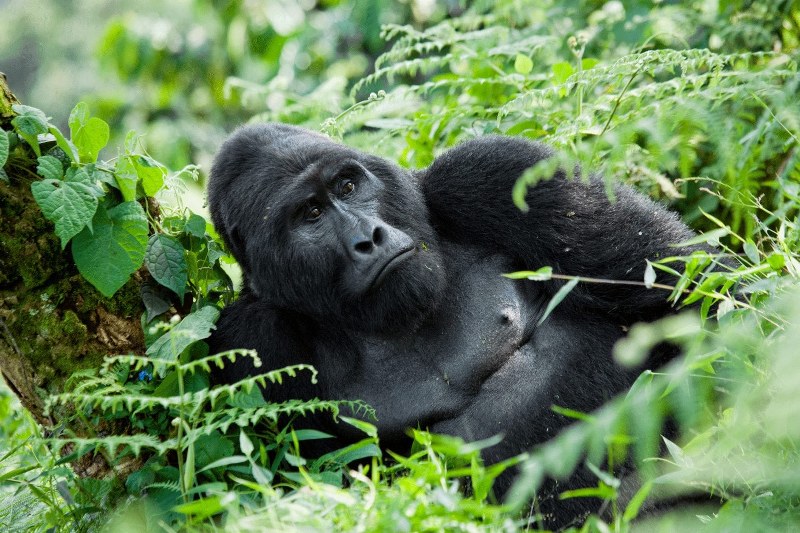
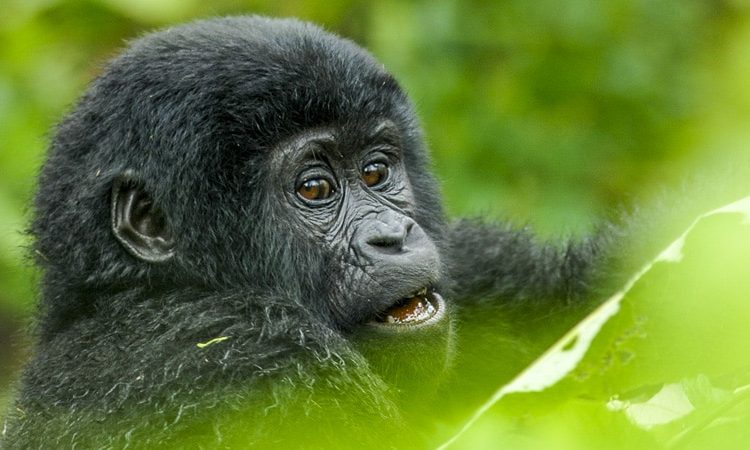
Kenya cannot offer mountain gorilla trekking.
Uganda can.
For some travelers, that fact decides the entire Kenya vs Uganda safari question.
Bwindi Impenetrable National Park and Mgahinga Gorilla National Park provide opportunities to trek through mountain forest in search of habituated gorilla families.
The journey is completely different from a vehicle-based safari.
Visitors walk.
Terrain may be steep or muddy.
Vegetation can be dense.
The trek can require patience and physical effort.
Once the gorillas are located, the experience becomes deeply intimate because travelers are observing wildlife within a forest environment rather than from a vehicle across open grassland.
Anyone who has mountain gorillas near the top of a wildlife wish list should seriously consider Uganda.
Current permit prices, availability and booking rules should always be confirmed before finalizing travel dates because permit-based activities can affect the entire itinerary.
Chimpanzee Tracking in Uganda
Gorillas are not Uganda’s only primate advantage.
Chimpanzee tracking provides another major wildlife experience.
Kibale National Park remains one of the best-known destinations for visitors who want to observe chimpanzees in their natural forest environment.
The experience contrasts strongly with both gorilla trekking and savannah safari drives.
Chimpanzees move actively.
Their calls can travel through the forest.
Visitors may walk beneath the canopy while guides interpret sounds, tracks and behavior.
A Uganda itinerary can therefore include chimpanzees, gorillas, elephants, lions, hippos and numerous other animals without repeating the same style of wildlife viewing every day.
Travelers who prioritize primates will almost always find Uganda stronger than Kenya.
The Great Migration Gives Kenya a Different Advantage
Kenya’s Maasai Mara forms part of one of Africa’s best-known wildlife movements.
Seasonal wildebeest and zebra movements through the greater Serengeti–Mara ecosystem attract travelers from around the world.
The sight of large herds spread across open country can be spectacular.
River crossings receive enormous attention, although travelers should remember that natural wildlife movements cannot be scheduled precisely.
Choosing the right general season increases the opportunity to experience migration activity, but no responsible safari company can guarantee a particular crossing on a specific morning.
Uganda does not offer an equivalent mass migration spectacle.
If the migration is one of the main reasons for traveling to Africa, Kenya is the obvious choice between these two countries.
Which Destination Has Better Elephant Viewing?
Both countries offer excellent elephant experiences.
Kenya’s Amboseli has become strongly associated with elephants.
Open landscapes and mountain views can create exceptional photographic conditions.
Tsavo also supports important elephant populations within a much larger wilderness landscape.
Uganda offers strong elephant viewing in parks such as Queen Elizabeth and Murchison Falls.
Boat trips can provide another perspective because elephants may appear near waterways.
The question is therefore not whether Uganda has elephants.
It does.
Kenya simply offers some particularly iconic elephant landscapes that many photographers and first-time visitors recognize immediately.
Boat Safaris: Uganda Has a Clear Strength
Uganda’s safari experience gains significant variety from water-based activities.
The Kazinga Channel in Queen Elizabeth National Park allows travelers to observe wildlife from the water.
Hippos, birds, crocodiles and mammals along the banks create a completely different experience from a vehicle safari.
Murchison Falls offers another important boat-safari environment along the Nile.
These experiences break up long sequences of game drives.
Kenya certainly has lakes, rivers and boating opportunities, but boat safaris do not play the same central role in the country’s classic wildlife circuits.
Travelers who love variety may therefore find Uganda particularly appealing.
Kenya vs Uganda Safari for Birdwatching
Both countries provide outstanding birding.
Kenya’s ecological variety supports an exceptional range of species across savannah, Rift Valley lakes, forests, mountains, dry northern regions and the coast.
A safari can combine large mammals with serious birdwatching very easily.
Uganda’s location and diverse habitats also make it a major birding destination.
Wetlands, tropical forests, savannah, lakes and Albertine Rift habitats give birders access to a broad range of species.
The famous shoebill creates a particularly strong attraction for many visitors.
Birders deciding between the two countries should think about the complete trip.
Kenya works beautifully when birding accompanies a classic safari.
Uganda may appeal more strongly to visitors who want forest birds, wetland specialties and primates in the same journey.
Scenery: Open Plains or Green Highlands?
Landscape preference can influence the decision more than travelers expect.
Kenya often feels expansive.
The horizon can stretch across the Mara.
Amboseli opens toward Kilimanjaro.
Northern regions introduce dry, dramatic scenery.
The Rift Valley adds lakes and escarpments.
Uganda tends to feel greener and more enclosed in many regions.
Forest roads, tea-growing areas, crater lakes and cultivated hills create a different atmosphere.
Savannah still appears in several parks, but the transition between landscapes feels pronounced.
Neither visual style is better.
Travelers drawn to enormous skies and open plains may prefer Kenya.
Those who enjoy lush scenery, mountains, forests and water may lean toward Uganda.
The Best National Parks in Kenya
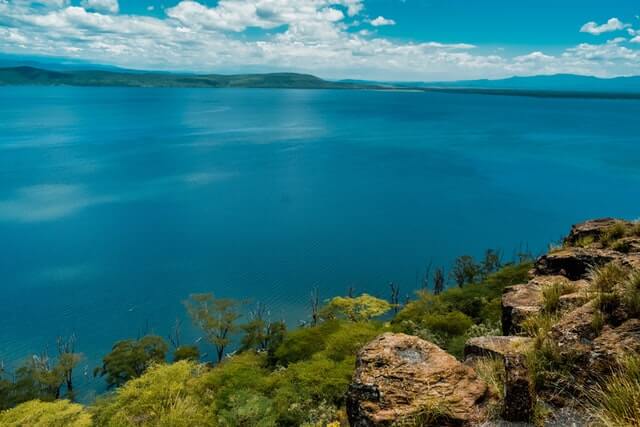
Kenya’s famous safari circuit offers several very different choices.
The Maasai Mara provides classic predator and plains-game experiences.
Amboseli combines elephant viewing with Kilimanjaro scenery.
Samburu attracts travelers interested in northern landscapes and wildlife.
Tsavo East and Tsavo West create an enormous safari region that can connect naturally with the coast.
Lake Nakuru adds Rift Valley scenery and rhino viewing opportunities.
Nairobi National Park gives visitors the unusual chance to experience wildlife beside a major capital city.
Kenya Wildlife Service currently highlights an extensive network of protected landscapes, including Amboseli, Lake Nakuru, Nairobi, Tsavo East, Tsavo West, Meru and many others.
That variety allows Kenya itineraries to be tailored around wildlife priorities rather than relying entirely on one destination.
The Best Safari Areas in Uganda
Uganda’s main safari regions differ significantly from one another.
Bwindi is dominated by mountain forest and gorilla trekking.
Kibale centers strongly on primate experiences.
Queen Elizabeth combines open wildlife areas with crater landscapes, the Kazinga Channel and access toward the Ishasha region.
Murchison Falls offers traditional game drives, Nile cruises and dramatic waterfall scenery.
Lake Mburo creates a useful southern safari stop.
Kidepo Valley provides a much more remote savannah experience.
Mgahinga adds gorillas, golden monkeys and volcanic scenery.
Rather than visiting several parks that offer similar experiences, a Uganda journey often feels like moving between completely different ecosystems.
That variety is one of Uganda’s strongest selling points.
Kenya vs Uganda Safari for First-Time Visitors
Kenya often makes the easier introduction to traditional safari.
Wildlife visibility can be excellent.
The safari industry is highly developed.
A broad selection of camps and lodges gives travelers many comfort levels.
Short internal flights can connect major safari areas.
For someone who has always imagined Africa as lions, giraffes, elephants and endless plains, Kenya can immediately deliver that familiar picture.
Uganda makes an equally strong first African journey for a different type of traveler.
Anyone particularly interested in primates, hiking or varied activities may find Uganda more exciting.
The trip can involve physical participation instead of observing everything from inside a vehicle.
Choosing between them comes down to the kind of first impression you want Africa to make.
Which Is Better for Repeat Safari Travelers?
Travelers who have already visited Tanzania, South Africa, Botswana or Kenya may find Uganda especially refreshing.
The combination of gorilla trekking, chimpanzees and river safaris changes the structure of the holiday.
Days feel less repetitive because the mode of exploration changes.
A repeat safari traveler who has already seen substantial savannah wildlife may therefore prioritize Uganda.
Kenya still offers enormous depth for repeat visitors.
Instead of returning only to the Mara, travelers can explore Laikipia, Samburu, Meru, Tsavo or private conservancies.
The best repeat trip often involves going deeper rather than simply repeating a first itinerary.
Kenya vs Uganda Safari for Families
Kenya generally offers an easier classic safari format for families with younger children.
Game drives allow wildlife viewing without demanding trekking.
Family-oriented lodges and camps can provide pools, larger rooms and shorter activity options.
Open landscapes may also help children spot animals more easily.
Uganda can work wonderfully for families, but age and activity restrictions matter.
Gorilla trekking, for example, is not designed for very young children.
Long road transfers between some destinations can also be tiring.
Families with teenagers who enjoy hiking, wildlife and active travel may love Uganda.
Families with younger children may find Kenya simpler to organize.
The right family safari should reflect the children’s ages rather than merely the adults’ wildlife wish list.
Honeymoon Safari: Kenya or Uganda?
Kenya has an exceptionally mature honeymoon safari market.
Private conservancies, elegant tented camps, scenic bush breakfasts and luxury lodges provide many options for couples.
Combining safari with Kenya’s coast can also create a natural wildlife-and-beach honeymoon.
Uganda offers a different romantic experience.
Forest lodges, crater scenery, gorilla trekking and more adventurous itineraries appeal to couples who value shared experiences over purely luxurious surroundings.
High-end accommodation exists in Uganda as well, especially around major primate regions.
A Kenya vs Uganda safari honeymoon decision therefore depends on style.
Choose Kenya for classic luxury safari imagery and easy beach combinations.
Choose Uganda for adventure, primates and intimate forest experiences.
Which Country Is Better for Wildlife Photography?
Kenya normally has the edge for classic wildlife photography.
Open plains make animals easier to isolate visually.
Big-cat opportunities can be excellent.
Dust, dramatic skies and evening light create iconic safari images.
Amboseli adds the possibility of photographing elephants against Kilimanjaro.
Uganda challenges photographers in a different way.
Forest photography requires higher sensitivity, faster reactions and experience dealing with lower light.
Gorillas and chimpanzees can create extraordinary portraits, but conditions may be less predictable.
Boat safaris also provide valuable low-angle perspectives.
Photographers primarily interested in predators and savannah scenes will likely prefer Kenya.
Those wanting primates and environmental diversity may favor Uganda.
Adventure Travel: Uganda Has a Strong Case
Uganda’s safari style often feels more active.
Gorilla trekking involves hiking.
Chimpanzee tracking requires forest walking.
Rwenzori adventures can add serious mountain experiences.
Boat activities and nature walks create additional variety.
Even road journeys can feel like part of the adventure because landscapes change so dramatically.
Kenya can certainly provide active experiences too, including hiking and walking safaris in appropriate areas.
Still, its famous safari circuit remains more strongly associated with vehicle-based wildlife viewing.
Travelers who become restless after several consecutive game drives may therefore find Uganda’s structure more engaging.
Comfort and Luxury Safari Options
Kenya has one of Africa’s most developed luxury safari industries.
Travelers can choose from classic tented camps, contemporary luxury lodges, private conservancies and fly-in safari properties.
Service standards at the upper end can be exceptionally polished.
Uganda’s luxury accommodation has improved substantially, particularly around gorilla trekking areas and major safari parks.
Even so, the overall choice remains smaller than Kenya’s.
This does not mean Uganda lacks luxury.
It means that luxury travelers have a broader range of styles and properties in Kenya.
Guests who prioritize the lodge almost as much as the wildlife may therefore find Kenya easier to customize.
Midrange Safaris in Kenya and Uganda
Most travelers do not need top-end luxury to enjoy either country.
Midrange lodges and tented camps can provide excellent locations, comfortable rooms and good meals.
Uganda often lends itself naturally to midrange touring because overland routes connect several destinations.
Travelers may spend more time moving between regions by road and use comfortable lodges along the circuit.
Kenya also has a strong midrange market, particularly around major parks.
The main consideration is location.
A cheaper lodge sitting far outside the wildlife area can reduce game-viewing time.
Always compare geography alongside room price.
Budget Safaris: Which Country Offers Better Value?
There is no universal winner.
Safari cost depends on season, vehicle, accommodation, park fees, activities and group size.
Kenya can become expensive in premium conservancies or during high-demand periods.
However, travelers have many accommodation categories and route options.
Uganda’s gorilla and chimpanzee experiences involve permit costs that add substantially to the trip budget.
On the other hand, travelers who skip premium luxury properties can still build strong midrange itineraries.
The best budget comparison is therefore based on what you actually want to do.
A Uganda trip with gorillas should not be compared directly with a Kenya trip that contains only standard game drives.
They are different products.
Why Gorilla Permits Change the Uganda Budget
Permit-based primate experiences create a distinctive cost structure.
The traveler pays not only for transport and accommodation but also for access to a limited wildlife experience.
Availability can shape travel dates.
Permit policies can also influence deposits and cancellation terms.
Because official fees and regulations can change, travelers should confirm current Uganda Wildlife Authority information or work with a licensed operator before building the rest of the itinerary.
The important planning lesson is simple.
If gorilla trekking matters, organize the permit before treating the safari dates as fully fixed.
Hotels and transport can often be adjusted more easily than a scarce trekking date.
Road Travel in Kenya
Kenya is a large country.
Road journeys between safari areas can take time.
A route that looks simple on a map may include traffic, rougher access roads or long sections between towns.
Many travelers therefore combine road transfers with domestic flights.
Flying saves time and can make a short safari feel much more relaxed.
Road travel still has advantages.
Travelers see more of the country between parks.
Private vehicles also make it easier to stop for scenery or local experiences.
The right balance depends on available days.
A ten-day itinerary can tolerate road travel differently from a five-day safari.
Road Travel in Uganda
Uganda also requires realistic transfer planning.
Western safari routes can connect logically, but individual driving days may still be substantial.
Entebbe or Kampala to Bwindi involves a very different journey from Nairobi to a nearby Kenya safari area.
Many well-planned Uganda itineraries therefore move progressively through several destinations rather than returning repeatedly to the capital.
A route might combine Lake Mburo, Bwindi, Queen Elizabeth and Kibale before continuing elsewhere.
Internal flights can reduce transfer time for travelers with larger budgets.
For road-based travelers, scenic landscapes help make the journey part of the experience.
Kenya vs Uganda Safari Logistics
Kenya generally offers more mature fly-in safari infrastructure.
Nairobi serves as a major international hub.
Domestic safari flights connect travelers with several important wildlife areas.
This makes it possible to build a high-end itinerary with relatively little road travel.
Uganda’s Entebbe International Airport provides the main international gateway.
Domestic flights serve selected tourism regions, but many itineraries remain road-based.
This contributes to Uganda’s more adventurous feel.
Travelers with limited vacation time may find Kenya easier.
Those who enjoy longer road journeys and landscape changes may prefer Uganda.
Which Country Is Easier for a Short Safari?
Kenya usually provides more options for a short classic wildlife trip.
Nairobi National Park sits close to the capital.
Short flights can also place visitors quickly into famous safari areas.
A four- or five-night trip can therefore deliver substantial wildlife viewing.
Uganda’s strongest experiences often reward more time.
Gorilla trekking alone requires travel to the southwest or another suitable access arrangement.
Adding chimpanzees and savannah wildlife expands the route further.
A short Uganda journey is certainly possible, but it may focus mainly on one major experience.
Travelers with a week or less should choose priorities carefully.
Which Country Is Better for a Two-Week Safari?
Two weeks changes the comparison.
Kenya travelers can combine the Mara with Amboseli, Samburu, Laikipia or the coast without rushing excessively.
Uganda travelers can create a complete primate-and-wildlife circuit.
Fourteen days could comfortably accommodate gorillas, chimpanzees, savannah game drives and boat safaris when the route is designed logically.
For this reason, Uganda becomes particularly competitive when travelers have more time.
Its strength lies in variety.
Kenya’s strength remains wildlife concentration and classic safari atmosphere.
At two weeks, the decision depends almost entirely on interests rather than logistics.
Best Time for a Kenya Safari
Kenya’s safari experience changes with the seasons.
Drier conditions often make wildlife easier to find around water sources and can improve road accessibility.
Migration-related travel has its own seasonal considerations.
Green periods can offer attractive photography, fewer visitors in selected areas and excellent birding.
Rather than assuming one month is universally best, travelers should decide what they want to see and how much crowding they are comfortable with.
Accommodation rates and availability can also vary considerably through the year.
Best Time for a Uganda Safari
Uganda can be visited throughout much of the year.
Forest trekking conditions vary with rainfall.
Drier periods may make some trails more comfortable, although tropical forest weather always contains an element of unpredictability.
Savannah parks also change seasonally.
Birding priorities may point travelers toward different months than gorilla trekking or general game viewing.
The most important point is that Uganda is not only a one-season destination.
Choose dates according to the complete itinerary rather than focusing on one activity in isolation.
Crowds and Safari Atmosphere
Popular Kenyan destinations can become busy during peak travel periods.
A major cat sighting in the Maasai Mara may attract several safari vehicles.
Private conservancies can offer a different atmosphere because visitor numbers and activities may be managed differently.
Uganda often feels less concentrated.
Gorilla trekking group sizes are controlled through permits, while traditional safari parks generally receive less global attention than the Mara.
This can create a quieter atmosphere.
Travelers who value exclusivity should not automatically choose Uganda, however.
The right Kenyan conservancy can also provide highly private wildlife experiences.
Cultural Experiences in Kenya
Kenya offers numerous opportunities for travelers interested in culture and community experiences.
Different regions have distinct traditions, languages and histories.
The Maasai are internationally recognized, but they represent only one part of the country’s cultural diversity.
Responsible cultural visits should avoid treating communities as performances.
Good operators work with locally managed experiences and explain how visitor spending benefits participants.
Cultural activities can add depth to a wildlife-heavy itinerary when travelers want to understand the country beyond its national parks.
Cultural Experiences in Uganda
Uganda is also culturally diverse.
Travelers move through regions with different languages, traditions and landscapes.
Community experiences around national parks can add context to conservation and local livelihoods.
The Batwa story around southwestern forest regions is particularly relevant to the history of land, forest access and conservation.
Cultural activities work best when handled sensitively.
Visitors should choose experiences that respect local dignity and provide meaningful benefits rather than staged interactions designed only for photographs.
Kenya vs Uganda Safari for Self-Drive Travelers
Kenya attracts many self-drive travelers because of its road network and established tourism routes.
A capable 4×4 opens possibilities for independent journeys through several safari regions.
National park conditions, navigation and long-distance driving still require preparation.
Uganda also works for self-drive travel.
The western circuit is particularly attractive because several important destinations can connect in sequence.
Road conditions vary in both countries.
Travelers should never assume that renting a 4×4 automatically makes every road easy.
Self-drive works best for visitors who genuinely enjoy road travel.
Anyone primarily interested in wildlife may gain more from a professional guide.
Guided Safari Advantages
A good guide changes the experience in both countries.
In Kenya, guides interpret predator behavior, track wildlife and understand seasonal movements.
In Uganda, guides add value not only during game drives but also around forest ecosystems and complex multi-activity routes.
Driver-guides also remove the burden of navigation.
Travelers can watch scenery instead of studying maps.
Families often appreciate this.
Photographers benefit from experienced vehicle positioning.
First-time African travelers may feel more relaxed with professional support.
Private guided safaris still provide substantial flexibility because the vehicle serves only your party.
Kenya vs Uganda Safari for Solo Travelers
Solo travel creates cost challenges because vehicle expenses are not divided among several guests.
Kenya may provide more scheduled departure options, allowing solo visitors to share certain safari costs.
A broad range of camps can also help travelers find properties with favorable single policies.
Uganda works extremely well for solo adventure travelers, particularly those interested in gorillas and chimpanzees.
Permit costs remain individual, but private transport can increase the total.
Joining a small group or designing a shorter focused itinerary can control expenses.
Social atmosphere matters too.
Many solo travelers enjoy the communal nature of safari camps and guided trekking experiences.
Accessibility and Physical Effort
Kenya’s traditional game drives require relatively little physical effort.
Travelers spend much of the safari seated in a vehicle.
This can make Kenya easier for older visitors, families or travelers with mobility limitations, although individual accommodations and vehicles still need to be checked carefully.
Uganda’s major primate experiences involve walking.
Gorilla trekking can be physically demanding depending on terrain and where the animals are located.
Chimpanzee tracking also requires forest movement.
Travelers with concerns about mobility should discuss them honestly with their safari operator before booking.
Uganda still offers game-drive itineraries for travelers who do not want difficult trekking.
Which Safari Is Better for Older Travelers?
Age itself should not decide the destination.
Fitness, interests and comfort needs matter more.
Older travelers who want traditional game drives may find Kenya particularly easy to enjoy.
Fly-in safaris can further reduce road time.
Uganda can also work beautifully for older visitors.
Those who wish to trek gorillas should discuss fitness and mobility requirements before travel.
Itineraries can include more rest days and carefully selected accommodation.
Porter support and other practical assistance can also improve certain trekking experiences where available.
Planning matters far more than age.
Food and Dining on Safari
Both countries provide a broad range of safari dining experiences.
Luxury properties may offer multi-course meals, bush breakfasts and private dinners.
Midrange lodges typically provide generous buffet or set-menu options.
Dietary requirements should be communicated before arrival.
Remote safari kitchens need advance notice for special ingredients.
Vegetarian and common dietary preferences are widely manageable with proper planning.
Travelers with strict medical or allergy-related requirements should explain details clearly rather than simply writing “special diet.”
Accommodation Style in Kenya
Kenya has an enormous range of safari accommodation.
Classic canvas camps create a traditional bush atmosphere.
Luxury lodges offer pools, spas and extensive facilities.
Private conservancies may provide small camps with strong guiding and low guest numbers.
Budget camps and hotels serve travelers prioritizing wildlife over luxury.
Location remains the most important factor.
A beautiful room is less useful if daily access to wildlife requires long transfers.
Travelers should evaluate both the property and where it sits within the safari ecosystem.
Accommodation Style in Uganda
Uganda’s lodges often emphasize landscape and location.
Forest properties near Bwindi may overlook hills or dense vegetation.
Queen Elizabeth accommodations can sit near savannah or crater scenery.
Murchison and Nile-region lodges provide a completely different environment.
Luxury options exist, although the range is not as extensive as Kenya’s.
Midrange travelers have many strong choices.
Because Uganda trips involve several contrasting destinations, accommodation style can change significantly during one safari.
That variety often becomes part of the experience.
Safari and Beach: Kenya Wins Clearly
Kenya has a major advantage for travelers who want wildlife followed by a beach holiday.
Its Indian Ocean coast includes famous destinations such as Diani, Watamu and the Mombasa region.
A safari can transition naturally toward the coast by road, rail or domestic flight.
Tsavo fits particularly well into this combination because of its location between Nairobi and coastal areas.
Uganda is landlocked.
It offers lakes and islands, but not an Indian Ocean beach experience.
Travelers dreaming of lions followed by white sand will therefore find Kenya the obvious choice.
Water and Lake Experiences in Uganda
Uganda compensates for the lack of ocean coastline with remarkable freshwater experiences.
The Nile dominates parts of the safari experience.
Lake Victoria forms a major geographical feature.
Crater lakes appear in western regions.
Lake Bunyonyi provides a scenic highland stop.
Boat safaris on the Kazinga Channel and Nile bring wildlife viewing onto the water.
These experiences give Uganda’s itineraries a strong sense of variety.
Travelers who prefer lakes, rivers and green landscapes may not miss the ocean at all.
Kenya vs Uganda Safari Costs: How to Compare Properly
Price comparisons often become misleading because travelers compare different experiences.
A Kenya safari quotation may include only game drives and accommodation.
A Uganda safari quotation may include gorilla trekking, chimpanzee tracking, boat activities and several parks.
Naturally, the totals will differ.
Instead of asking which country is cheaper, compare the cost of your preferred experience.
Look at accommodation category.
Count private transport days.
Consider domestic flights.
Review park and conservancy fees.
Add permit-based activities.
Then compare.
The cheaper destination on paper may not be the one that gives you the experiences you value most.
Entry Requirements and Travel Documents
Entry rules should always be checked against official government sources close to departure.
Kenya currently operates an Electronic Travel Authorisation system for many visitors, although exemptions apply. Kenya’s official immigration information states that citizens of East African Partner States including Uganda, Rwanda and Tanzania are exempt for specified stays.
Uganda’s immigration authority currently offers an online tourist visa system for visa-required travelers and publishes a list of visa-exempt nationalities.
Travelers combining Kenya, Uganda and Rwanda may also be eligible for the East African Tourist Visa depending on nationality and itinerary. Uganda’s immigration authority describes it as a joint tourism visa covering Uganda, Kenya and Rwanda, with the issuing country expected to be the first point of entry.
Because immigration policies can change, always verify rules again before departure.
Health Planning for Both Countries
Health advice depends on travel history, nationality, itinerary and personal medical circumstances.
Speak with an appropriate travel-health professional rather than relying solely on safari blogs.
Discuss vaccines, mosquito protection and personal medication well before departure.
Forest trekking adds another consideration.
Visitors should avoid primate trekking when suffering from transmissible illness because close genetic relationships make disease transmission a conservation concern.
Carry essential prescriptions in hand luggage.
Sun protection and hydration matter in both countries.
The correct preparation makes health concerns a background issue rather than something that interferes with the safari.
Kenya vs Uganda Safari With Rwanda Added
Travelers do not always need to choose only two countries.
Rwanda can fit naturally into an East African itinerary.
A Kenya safari can provide classic savannah wildlife before travelers fly to Kigali for gorilla trekking in Volcanoes National Park.
Uganda and Rwanda can also combine by road in the southwest.
For travelers with enough time, a Kenya–Uganda–Rwanda itinerary creates exceptional diversity.
The key is restraint.
Adding countries should not turn the trip into a collection of airports and border crossings.
Spend enough time in each region for the additional logistics to make sense.
Combining Kenya and Uganda in One Safari
For many travelers, combining the two countries provides the strongest answer to Kenya vs Uganda safari.
Kenya can deliver classic plains wildlife.
Uganda then adds gorillas, chimpanzees and river experiences.
Flying between Nairobi and Entebbe usually makes the international transition far more efficient than treating the whole trip as one enormous road journey.
A combined itinerary works particularly well for travelers with twelve days or more.
The exact balance should depend on priorities.
Wildlife photographers might spend longer in Kenya.
Primate enthusiasts may devote more nights to Uganda.
The advantage is that neither destination needs to compromise what it does best.
A 7-Day Kenya Safari Idea
A week in Kenya should remain focused.
Travelers might combine Nairobi with the Maasai Mara and one additional complementary region.
Another itinerary could center on Amboseli and Tsavo.
Trying to include the Mara, Amboseli, Samburu, Nakuru and the coast within seven days produces too much movement.
Two strong destinations usually provide better value.
Spend enough time to experience different game drives rather than simply arriving, sleeping and leaving.
A 7-Day Uganda Safari Idea
Seven days in Uganda requires clear priorities.
Travelers focused on primates could center the trip on Bwindi and Kibale, with another destination added only when routing makes sense.
Those wanting gorillas plus savannah might combine Bwindi with Queen Elizabeth National Park.
A seven-day Uganda trip should not attempt every famous park.
Road distances make that unrealistic.
The quality of the itinerary improves when each region receives enough time.
A 10-Day Kenya Safari Idea
Ten days opens several possibilities.
Travelers could combine Maasai Mara with the Rift Valley and Amboseli.
Another route might include northern Kenya and the Mara.
Photography-focused visitors may choose fewer destinations and remain longer.
Families may prefer rest time between longer transfers.
A ten-day safari also allows internal flights where useful without making the whole journey feel rushed.
A 10-Day Uganda Safari Idea
Ten days can produce an excellent western Uganda circuit.
Gorillas can anchor the trip.
Queen Elizabeth National Park provides game drives and boat experiences.
Kibale adds chimpanzees.
Lake Mburo can sometimes create a useful stop depending on the route.
The resulting safari includes several different wildlife styles rather than repetitive game drives.
That variety explains Uganda’s appeal to active travelers.
A 14-Day Kenya vs Uganda Safari Combination
Two weeks provides enough time to combine the strongest features of both countries.
A traveler might spend several nights in Kenya’s Maasai Mara and another region before flying to Uganda.
The Uganda section could then focus on gorillas, chimpanzees or both depending on available time.
Avoid dividing the days equally just for symmetry.
If the traveler cares most about classic wildlife, Kenya should receive more nights.
If gorillas and primates are the priority, devote more time to Uganda.
A balanced itinerary is based on interests, not mathematics.
Kenya vs Uganda Safari for a Three-Week East Africa Journey
Three weeks removes much of the pressure.
Kenya can include several ecosystems without rushing.
Uganda can offer a complete western circuit.
Rest days become possible.
Travelers can also consider Rwanda or the Kenyan coast.
Longer trips should still avoid unnecessary complexity.
More days do not mean every park must appear in the itinerary.
Use the additional time for depth.
Stay longer where wildlife is good.
Enjoy lodge afternoons.
Allow travel days to feel scenic rather than stressful.
Which Country Feels More Adventurous?
Uganda generally feels more adventurous because travelers switch between different modes of exploration.
One day may involve forest trekking.
Another might involve a boat safari.
The next could bring a long scenic drive or a game drive through savannah.
Kenya can be adventurous too, particularly on self-drive routes, walking safaris or remote northern itineraries.
Its mainstream safari circuit, however, is more polished and familiar.
Travelers who value unpredictability and physical participation may lean toward Uganda.
Those who want the archetypal safari experience may prefer Kenya.
Which Country Feels More Relaxed?
This depends more on itinerary design than nationality.
A badly planned Kenya trip with five parks in eight days will feel exhausting.
A carefully paced Uganda safari with several multi-night stays can feel wonderfully relaxed.
Travelers should therefore resist judging the destinations only by road distances.
Build rest into the itinerary.
Stay two or three nights in major regions.
Avoid early departures every single day.
The most relaxing safari is the one designed with enough breathing room.
Which Destination Has Better Guiding?
Both countries have excellent professional guides.
Quality varies between operators rather than simply between nationalities.
Kenyan guides often possess deep experience in open-plains wildlife and predator behavior.
Ugandan guides may combine savannah knowledge with strong primate and forest expertise.
A good guide should do more than identify animals.
Interpretation matters.
Communication matters.
Patience matters.
Before choosing an operator, consider how seriously it treats guide quality rather than assuming a beautiful lodge guarantees an excellent safari.
Which Destination Is Better for Conservation-Focused Travelers?
Both countries provide meaningful conservation experiences.
Kenya’s conservancy model plays an important role in several regions.
Community and private conservation areas can support habitat protection while generating local tourism income.
Uganda’s gorilla tourism model directly connects restricted wildlife access with conservation and communities around primate habitats.
Uganda Wildlife Authority has publicly documented revenue-sharing initiatives with communities surrounding Bwindi and Mgahinga, illustrating the connection between tourism revenue and local development.
Responsible operators in both countries can help travelers understand how tourism spending interacts with conservation.
Avoiding the Most Common Comparison Mistakes
The biggest mistake is assuming one country must win every category.
Kenya may be stronger for open-country predators.
Uganda clearly wins for mountain gorillas.
Kenya offers an easier safari-and-beach combination.
Uganda offers stronger primate diversity.
Neither fact means one destination provides more value for every traveler.
Another mistake is comparing prices without matching experiences.
A gorilla permit changes a Uganda budget substantially.
A premium Kenyan conservancy changes a Kenya budget substantially.
Compare like with like.
Finally, do not choose only from social-media photographs.
Think about how you actually enjoy traveling.
That is what determines which safari feels better.
Frequently Asked Questions About Kenya vs Uganda Safari
Is Kenya or Uganda better for safari?
Kenya is generally stronger for classic savannah game viewing, big cats, open landscapes and the traditional first-safari experience. Uganda is stronger for mountain gorillas, chimpanzees, forest experiences and varied activities. Neither is universally better.
Is Kenya better for the Big Five?
For travelers focused primarily on traditional Big Five viewing through classic game drives, Kenya usually provides the simpler safari structure.
Does Uganda have good game drives?
Yes. Queen Elizabeth, Murchison Falls, Kidepo Valley and Lake Mburo are among Uganda’s important savannah safari destinations.
Can I see gorillas in Kenya?
No. Mountain gorilla trekking is not a Kenyan safari activity. Uganda provides gorilla trekking in Bwindi and Mgahinga.
Is Uganda only about gorillas?
No. Uganda also offers chimpanzees, game drives, boat safaris, birding, mountains, lakes and other wildlife experiences.
Which country is better for lions?
Kenya has a particularly strong reputation for lion viewing, especially in open savannah ecosystems such as the Maasai Mara.
Which safari is better for photographers?
Kenya often suits traditional wildlife photographers because of open landscapes and predator visibility. Uganda provides exceptional primate and forest photography but may require more technically demanding conditions.
Which country is better for families?
Kenya can be easier for families with younger children because classic game drives require less physical effort. Uganda can be excellent for families with older children and teenagers interested in active wildlife experiences.
Which is better for a honeymoon?
Kenya suits couples seeking classic luxury camps and a safari-plus-beach combination. Uganda appeals to adventurous couples interested in gorillas, forests and varied landscapes.
Which country is cheaper?
It depends on the exact itinerary. Accommodation, season, transport, park fees and permit-based activities influence total cost significantly.
How long should I spend in Kenya?
A focused trip can work within a week, while ten days to two weeks gives travelers considerably more flexibility.
How long should I spend in Uganda?
A week can cover selected highlights, while ten days to two weeks works better for combining gorillas, chimpanzees and savannah wildlife.
Can I combine Kenya and Uganda?
Yes. Combining the two creates an excellent safari because the countries offer complementary experiences.
What is the easiest way to combine them?
Flying between Nairobi and Entebbe is generally the most efficient way to connect the two safari circuits.
Can I add Rwanda too?
Yes. Rwanda can work particularly well for gorilla trekking or as part of a broader East African itinerary.
Which has better luxury lodges?
Kenya has a larger and more mature range of luxury safari camps and lodges, although Uganda also offers excellent high-end properties.
Which is better for self-drive?
Both can work for experienced self-drive travelers. Kenya has extensive established routes, while Uganda’s western circuit can be very rewarding by road.
Which has better birdwatching?
Both are exceptional birding destinations. The stronger choice depends on habitat and species interests.
Which is better for first-time Africa travelers?
Kenya often provides the most immediately recognizable classic safari. Uganda can be equally rewarding for first-time visitors who prioritize primates and adventure.
What is the best overall choice?
Choose Kenya for classic safari spectacle. Choose Uganda for primates and diversity. Combine them if you want both and have enough time.
Final Verdict: Kenya Safari vs Uganda Safari
The Kenya vs Uganda safari decision becomes much easier once travelers stop asking which country is universally better.
Kenya and Uganda are not trying to deliver identical experiences.
Kenya excels at the safari many people imagine before their first trip to Africa.
Open plains.
Big cats.
Elephant herds.
Giraffes against huge horizons.
The Maasai Mara.
Amboseli.
Samburu.
Traditional game drives remain at the heart of the journey.
Uganda creates a broader adventure.
Mountain gorillas immediately change the character of the safari.
Chimpanzee tracking adds another forest experience.
Boat trips introduce wildlife from the water.
Game drives maintain the classic safari element.
Green landscapes and mountain regions create constant visual change.
For first-time travelers who want a traditional African wildlife safari, Kenya often has the edge.
For travelers who consider gorillas one of the world’s most important wildlife encounters, Uganda becomes difficult to beat.
Photographers focused on predators may prefer Kenya.
Primate photographers should choose Uganda.
Families with younger children may find Kenya easier.
Active couples and adventurous travelers may prefer Uganda.
Beach lovers should choose Kenya.
Birders can make a strong case for either country.
Travelers with enough days do not have to choose at all.
A carefully planned Kenya and Uganda safari can combine open savannah wildlife with intimate forest encounters, creating one of East Africa’s most varied wildlife journeys.
The secret is not adding destinations simply because they are famous.
Choose the experiences that matter.
Allow enough time.
Use logical routes.
Book important permits early.
Select accommodation for location as well as appearance.
Work with experienced guides.
Then allow the wildlife to shape the journey.
That approach produces a better safari than choosing a country simply because somebody online declared it the winner.
Plan a Kenya and Uganda Safari With Universal Ventures Rwanda
Universal Ventures Rwanda can help travelers plan customized East African journeys combining Kenya, Uganda and Rwanda.
A Kenya itinerary can focus on the Maasai Mara, Amboseli, Samburu, Tsavo or other wildlife regions before continuing to Uganda for mountain gorillas, chimpanzees and additional savannah experiences.
Travelers can also include Rwanda when a shorter gorilla extension, Volcanoes National Park, Akagera or other Rwanda experiences fit the journey.
Multi-country planning works best when flights, permits, accommodation and ground transportation are coordinated from the beginning.
Share your available travel dates, number of guests, preferred accommodation level and main wildlife interests so the route can be designed around the experiences that matter most.
Contact Universal Ventures Rwanda
Universal Ventures Rwanda
Phone / WhatsApp: +250 781 441 853
Email: info@universalventuresrwanda.com
Website: www.universalventuresrwanda.com
Address: KK 15 Road, Opposite IPRC Main Entrance, BGRD Building, Kigali, Rwanda
Contact Universal Ventures Rwanda for customized Kenya safaris, Uganda gorilla tours, Rwanda gorilla trekking, private East Africa safaris and multi-country Kenya–Uganda–Rwanda itineraries.