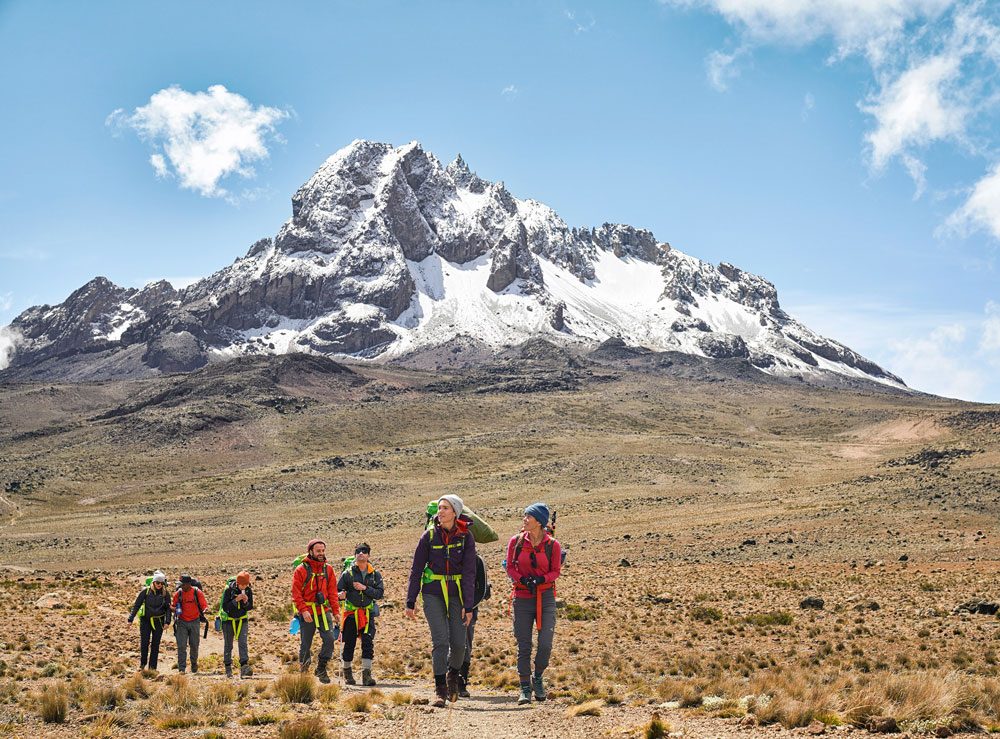
Whether you are planning your first African wildlife adventure or returning to explore more of East Africa, having a reliable Kenya Safari Travel Checklist makes your journey easier, safer, and more enjoyable.
A Kenya safari is one of the most rewarding travel experiences in Africa. Imagine watching elephants cross the golden plains of Amboseli, spotting lions resting beneath acacia trees in the Maasai Mara, or enjoying a sunrise game drive as the African wilderness comes alive. These unforgettable moments begin with thoughtful travel preparation.
Kenya offers extraordinary wildlife destinations, beautiful landscapes, welcoming communities, and excellent safari accommodation. From luxury tented camps overlooking the savannah to comfortable midrange lodges near national parks, travelers can choose an experience that matches their interests and budget.
However, preparing for a safari involves more than booking accommodation and purchasing airline tickets. International visitors must understand Kenya’s entry requirements, travel documents, health precautions, luggage restrictions, seasonal weather, park regulations, and suitable safari clothing.
A well-organized Kenya Safari Travel Checklist helps you avoid unnecessary expenses, forgotten essentials, and last-minute complications.
This comprehensive guide explains everything you should know before traveling to Kenya in 2026 or 2027. You will discover what to pack for a Kenya safari, how to prepare for game drives, which travel documents to carry, what to expect from different wildlife destinations, and how to enjoy a comfortable African safari.
At Universal Ventures Rwanda, we encourage travelers to prepare carefully for every East African adventure. Whether your journey focuses on Kenya or combines wildlife experiences across Kenya, Rwanda, Uganda, and Tanzania, good planning allows you to spend more time enjoying the destination.
Why Every Traveler Needs a Kenya Safari Travel Checklist
Traveling through Kenya differs from an ordinary city holiday. Safari itineraries often involve long drives through national parks, early morning departures, changing weather, remote accommodation, and encounters with wild animals in their natural habitats.
A traveler who packs only summer clothing might discover that early morning game drives in the Maasai Mara are surprisingly cold. Someone carrying a large hard-sided suitcase may face luggage restrictions when boarding a small safari aircraft.
Similarly, arriving without the correct travel authorization or required health documents can disrupt an otherwise carefully arranged holiday.
The purpose of a Kenya Safari Travel Checklist is to bring these important details together before departure.
Preparation starts with understanding the destinations included in your itinerary. Kenya has different climatic regions, and the items needed for a safari in Samburu may differ from those required for a visit to the Aberdare Mountains.
Your accommodation category also influences what you should bring. Luxury safari lodges generally provide more amenities, while remote bush camps may have limited electricity, restricted internet connectivity, and fewer opportunities to purchase forgotten supplies.
Good preparation does not mean carrying everything you own. In fact, experienced safari travelers usually pack fewer items than first-time visitors.
The goal is to travel light while carrying everything necessary for comfort, safety, and enjoyment.
Kenya Safari Travel Checklist Before Booking Your Trip
The preparation process begins before you reserve your flights or choose a safari package.
Kenya offers wildlife adventures throughout the year, but the ideal itinerary depends on your travel dates, interests, available time, and budget.
Some visitors dream of seeing the Great Wildebeest Migration in the Maasai Mara. Others want to photograph elephants beneath Mount Kilimanjaro, observe rare wildlife in northern Kenya, or combine game drives with a relaxing Indian Ocean beach holiday.
Understanding your priorities helps determine which national parks to visit and how long to spend in each destination.
Identify Your Main Safari Interests
Kenya is famous for the Big Five: lions, leopards, elephants, buffaloes, and rhinoceroses.
However, wildlife experiences extend far beyond these animals.
The Maasai Mara is particularly famous for its predators, sweeping grasslands, and seasonal wildebeest migration. Amboseli offers remarkable elephant viewing and dramatic views toward Mount Kilimanjaro.
Lake Nakuru is known for its important rhinoceros conservation efforts, birdlife, and beautiful lakeside landscapes. Samburu offers opportunities to observe distinctive northern wildlife species, including Grevy’s zebras and reticulated giraffes.
Travelers interested in cultural experiences may also enjoy learning about Maasai and Samburu traditions through respectful, community-supported visits.
Families might prefer shorter transfers and comfortable lodges, while photographers may choose longer stays in individual wildlife areas.
Your interests should guide the itinerary rather than simply selecting the package with the greatest number of destinations.
Choose the Right Length of Safari
A short Kenya safari can provide excellent wildlife experiences, particularly when travelers concentrate on one major national park.
Three days in the Maasai Mara can include several game drives and opportunities to observe lions, elephants, giraffes, zebras, and other animals.
A five-day safari allows greater flexibility and may combine the Maasai Mara with Lake Nakuru or Lake Naivasha.
Seven to ten days offer enough time to explore different landscapes without rushing constantly between destinations.
Travelers staying longer may combine the Maasai Mara, Amboseli, Samburu, and other wildlife areas before visiting Kenya’s coast.
When planning your Kenya Safari Travel Checklist, remember that transportation time affects how much of each day you can spend viewing wildlife.
A safari with fewer destinations and more time in each park can sometimes deliver a better experience than an itinerary involving constant travel.
Best Time to Visit Kenya for a Wildlife Safari
Kenya provides rewarding safari opportunities throughout the year. Nevertheless, seasonal rainfall, wildlife movements, vegetation, visitor numbers, and accommodation prices influence the overall experience.
Understanding Kenya’s weather patterns helps you select suitable travel dates and prepare the appropriate clothing.
Kenya Safari During the Dry Season
The main dry season generally runs from approximately June through October, although weather patterns vary between regions and years.
During this period, many grassland areas become drier, and animals often gather near dependable water sources.
Vegetation may become less dense, making some wildlife easier to observe.
The Maasai Mara also receives seasonal movements of wildebeest and zebras from the wider Serengeti-Mara ecosystem.
The Great Migration attracts wildlife enthusiasts from around the world, particularly during the months when large herds may enter Kenya.
River crossings can be dramatic, but they are natural events and cannot be scheduled or guaranteed.
June through October is also a popular travel period. Consequently, travelers may encounter higher accommodation prices and greater demand for safari vehicles, guides, and lodge rooms.
If you intend to travel during these months, book well in advance.
Kenya Safari During the Short Dry Season
January and February are often relatively dry in many popular safari areas.
These months can offer excellent opportunities for wildlife photography, comfortable travel, and clear views of the surrounding landscapes.
Amboseli may provide beautiful mountain scenery during clear mornings, although Kilimanjaro can disappear behind clouds at any time.
Northern destinations such as Samburu can become hot and dry.
Travelers visiting during this period should carry sun protection, lightweight clothing, and sufficient drinking water.
Kenya Safari During the Rainy Season
Kenya generally experiences longer rains around March to May and shorter rains around October or November to December.
These seasons are not identical across the country, and weather patterns can change significantly.
Rain transforms many landscapes into lush green environments. New vegetation supports herbivores, while birdwatchers may enjoy active resident birds and seasonal migratory species.
Photographers often appreciate the dramatic skies, fresh colors, and softer lighting associated with greener landscapes.
Some safari properties also offer attractive rates outside peak travel periods.
However, heavy rainfall can make certain roads muddy or difficult to use. Game drives may take longer, and some remote camps may close temporarily.
Rainy-season visitors should include a lightweight waterproof jacket, moisture-resistant luggage protection, and comfortable shoes that can tolerate muddy conditions.
Kenya Safari Travel Checklist for Passports and Entry Requirements
International travel documents deserve attention well before departure.
Entry policies can change, so travelers should verify the latest regulations through official government sources rather than relying entirely on older travel articles.
Passport Validity for Kenya
Most international travelers should ensure their passports remain valid for at least six months from their planned arrival date.
Your passport should also have sufficient blank pages for immigration formalities. Carrying at least two blank pages is a sensible precaution, although exact requirements should be checked for your nationality and travel route.
Inspect the passport carefully before booking international flights.
Damaged passports, incorrect names, or insufficient validity can create difficulties during check-in or immigration clearance.
Your airline reservation should match the name shown on your travel document.
If you hold more than one nationality, verify which passport you will use for travel authorization, airline check-in, and entry into Kenya.
Kenya Electronic Travel Authorization
Kenya uses an Electronic Travel Authorization system for many international visitors.
Travelers who require a Kenya eTA must receive approval before beginning their journey.
Applications are completed online through the official government platform at https://www.etakenya.go.ke/.
The process generally requires passport information, a recent photograph or selfie, travel details, contact information, and accommodation information.
Kenya’s immigration authorities advise submitting applications at least two weeks before travel when possible. Standard processing may be quicker, but additional checks can take longer.
Importantly, not every traveler requires an eTA.
Citizens of East African Community partner states, including Rwanda, Uganda, Tanzania, Burundi, South Sudan, and the Democratic Republic of Congo, are exempt under the relevant rules. Kenya also maintains additional nationality-based exemptions.
Visitors should check the current official exemption list rather than assuming all foreign passport holders need the same authorization.
Keep a digital and offline copy of your approval where applicable.
Mandatory Inbound Travel Health Insurance
Travel requirements changed in October 2026.
From 5 October 2026, most foreign visitors entering Kenya for less than twelve months must obtain the government-provided inbound travel health insurance, subject to specified exemptions.
For travelers who require an eTA, the insurance forms part of the applicable application process.
Visitors who already hold a valid authorization may need to arrange the required insurance separately through the official eCitizen insurance portal at https://insurance.ecitizen.go.ke/.
Citizens of East African Community partner states, Kenyan citizens, eligible residents, and certain transit passengers are among the exempt categories.
This government insurance requirement is distinct from the broader travel protection travelers may want for trip cancellation, lost baggage, specialized activities, or international medical evacuation.
Always confirm the latest requirements before departure, especially when traveling with children or entering Kenya more than once.
Essential Safari Booking Documents
Every traveler should maintain an organized travel folder containing confirmed reservations and important contact information.
Useful documents include airline tickets, hotel confirmations, safari booking references, insurance information, approved travel authorization where required, and details of any domestic flights.
It is also helpful to carry the name and telephone number of your safari operator and the address of your first accommodation.
Store electronic copies in a secure folder that can be accessed without internet connectivity.
Keeping a small printed document package provides additional reassurance if a phone runs out of battery or an application fails to load.
Kenya Safari Travel Checklist for Health and Vaccinations
Good health preparation is an important part of responsible international travel.
Kenya includes tropical and highland environments, and health recommendations depend on the regions you visit, your medical history, your age, and the countries included in your journey.
Arrange a travel health consultation approximately four to eight weeks before departure whenever possible.
Yellow Fever Vaccination Requirements
Kenya generally requires proof of yellow fever vaccination from travelers arriving from countries identified as having yellow fever transmission risk, subject to medical and age-related exemptions.
Requirements can also depend on previous travel and transit arrangements.
A yellow fever vaccination certificate should be carried when applicable.
For travelers receiving their first yellow fever vaccination, the certificate generally becomes valid ten days after vaccination.
Travelers combining Kenya with Uganda, Rwanda, or other African destinations should verify the requirements of every country on their route.
Do not assume that a vaccination requirement for one destination automatically applies in the same way to another.
Kenya’s Ministry of Health publishes information about incoming travelers at https://www.health.go.ke/.
Malaria Prevention During Your Kenya Safari
Malaria is present in parts of Kenya, including many wildlife destinations.
Risk varies according to altitude, location, season, and accommodation conditions.
Travelers should speak with a qualified healthcare professional about whether malaria prevention medication is appropriate for their itinerary.
Depending on medical circumstances, a clinician may recommend medication such as atovaquone-proguanil, doxycycline, or another suitable preventive treatment.
Medication choice should be individualized.
Avoiding mosquito bites remains important, whether or not preventive medication is prescribed.
Long sleeves, long trousers, effective insect repellent, screened accommodation, and appropriate mosquito nets can help reduce exposure.
Mosquito activity often increases around dusk and nighttime, although some disease-carrying insects bite during daylight hours.
Any fever during or after travel to a malaria-risk region requires prompt medical assessment. Tell the clinician where you have traveled.
Other Recommended Travel Vaccinations
Routine vaccinations should be reviewed before visiting Kenya.
Depending on your health history and itinerary, a travel clinician may recommend vaccinations against hepatitis A, hepatitis B, typhoid, rabies, or other diseases.
Recommendations differ between travelers and should never be treated as a universal requirement.
Visitors planning extended rural stays, animal-related activities, or remote adventures may require additional discussions about medical protection.
Children, pregnant travelers, and people with existing health conditions should receive individualized advice.
Medical facilities may be far from some safari camps, so preventive preparation can make a meaningful difference.
Personal Medical Supplies
A compact medical kit is a practical addition to your Kenya Safari Travel Checklist.
Bring all regular prescription medication in sufficient quantities for the entire trip, with a reasonable reserve in case of travel disruption.
Keep essential medication in your carry-on luggage rather than placing everything in checked baggage.
A useful personal kit may include adhesive bandages, antiseptic wipes, oral rehydration salts, insect-bite relief, prescribed allergy treatment, and any medications recommended by your healthcare professional.
Travelers who use glasses should consider bringing a spare pair.
Contact lens users may want additional lens solution and glasses because dust can irritate the eyes during game drives.
If you have a medical condition requiring special attention, inform your safari operator before arrival so that practical arrangements can be considered.
What Clothes to Pack for a Kenya Safari
Clothing is one of the most common concerns for first-time safari travelers.
Fortunately, Kenya does not require expensive designer safari outfits or specialized uniforms.
Comfortable, practical clothing is much more important than appearance.
Choose Comfortable Safari Colors
Neutral colors generally work best for wildlife adventures.
Khaki, beige, olive green, light brown, tan, and muted gray are practical choices.
These shades are suitable for dusty conditions and blend naturally with the surrounding landscape.
Bright white clothing quickly becomes dirty on dusty roads. Very dark clothing may feel hotter in direct sunlight, and dark blue or black can attract certain biting flies in some environments.
Camouflage clothing resembling military uniforms is best avoided.
Natural-looking colors also provide a classic safari style without drawing unnecessary attention.
However, travelers should not worry if they already own comfortable clothing in ordinary colors.
For vehicle-based safaris, weather protection and comfort matter more than purchasing an entirely new wardrobe.
Dress in Layers for Early Morning Game Drives
Kenya’s temperature can change considerably between early morning and afternoon.
A safari might begin before sunrise when the air feels cool, particularly in highland regions such as the Maasai Mara.
Several hours later, bright sunshine may make the same clothing feel too warm.
Layering allows travelers to adjust quickly.
A lightweight shirt can serve as the base layer, followed by a fleece or sweater during colder hours.
A light windproof jacket offers additional protection in open vehicles or during breezy conditions.
Once the temperature rises, outer layers can be removed and stored inside the safari vehicle.
A scarf or neck gaiter is also useful for protecting against wind and dust.
Ideal Clothing for a Seven-Day Kenya Safari
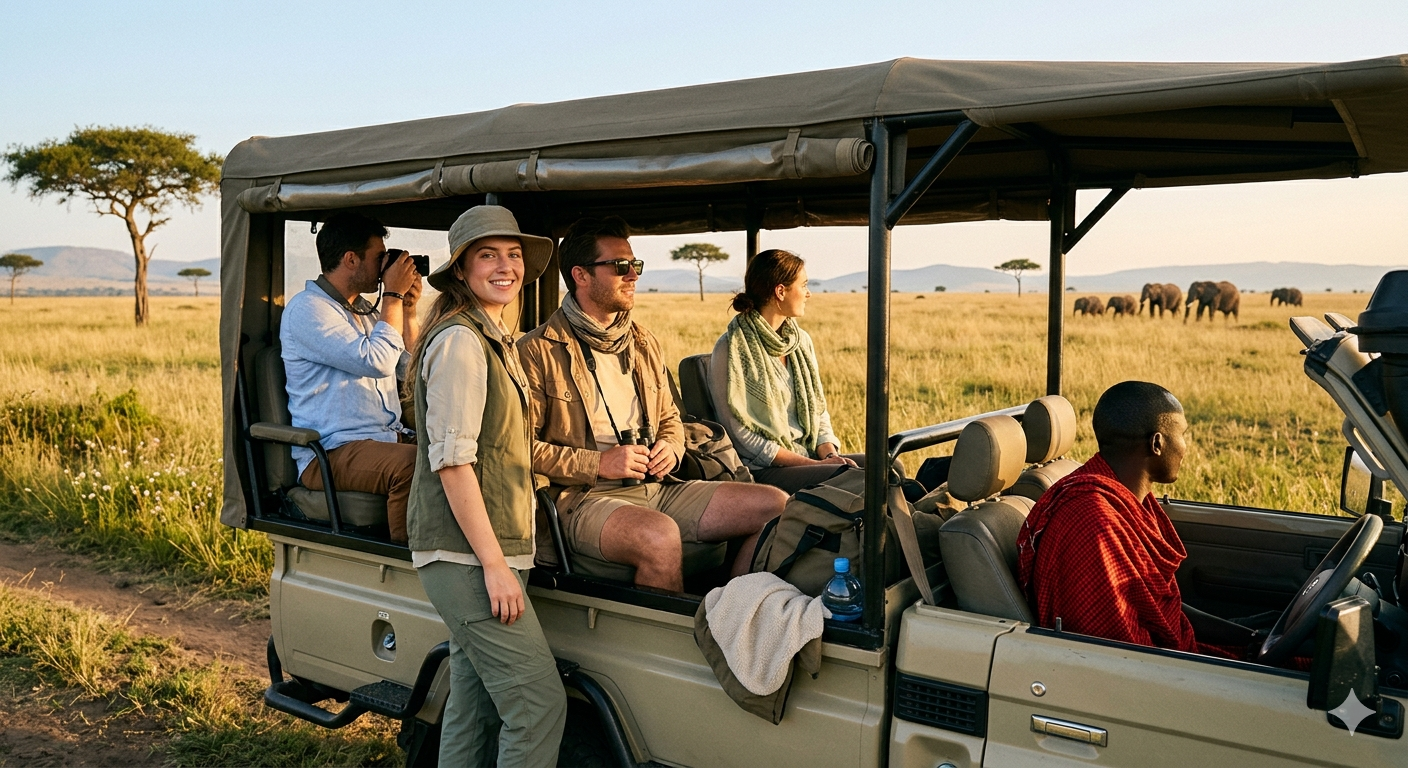
For a weeklong safari, most travelers can manage comfortably with four or five lightweight shirts, two or three pairs of long trousers, one pair of shorts, a warm layer, a light jacket, comfortable underwear, socks, and sleepwear.
Long-sleeved shirts offer useful protection against sunlight and insects.
Breathable fabrics are especially comfortable in warmer regions.
Quick-drying materials can be practical when washing clothing during the journey.
A swimsuit may be useful if your lodge has a swimming pool or your itinerary includes a coastal destination.
Travelers planning special lodge dinners may want one additional casual outfit.
Formal evening clothing is generally unnecessary for most safari camps, although individual properties may have their own recommendations.
Rather than packing a different outfit for every day, concentrate on versatile pieces that can be combined easily.
Best Shoes for Kenya Safari Travel
Many Kenyan wildlife safaris involve game drives rather than extensive walking.
Consequently, expensive mountain boots are not always necessary.
Comfortable closed walking shoes or trail shoes are suitable for most visitors.
Footwear should fit properly and be familiar before departure.
New shoes that have not been worn previously may cause discomfort during the trip.
Travelers participating in guided walking safaris, hiking, or visits to rocky areas may benefit from supportive hiking footwear.
A second lightweight pair of sandals or casual shoes is useful around accommodation areas.
For beach extensions, simple sandals and appropriate water footwear may be helpful.
Choose shoes based on the activities in your actual itinerary rather than assuming every African safari involves long-distance trekking.
Kenya Safari Travel Checklist for Luggage and Packing
Luggage requirements deserve attention because many Kenya safari itineraries involve several types of transportation.
Travelers may arrive on large international aircraft, continue by road, and then board smaller planes connecting remote national parks.
These different transport arrangements do not always have identical baggage allowances.
Soft-Sided Bags for Domestic Safari Flights
Small aircraft commonly used for bush transfers have limited luggage space.
Airkenya, for example, publishes a 15-kilogram allowance in soft bags, including hand luggage, for its services.
Other airlines and aircraft may apply different allowances, dimensions, or restrictions.
The correct approach is to confirm the specific baggage policy for every flight in your itinerary.
A soft-sided duffel bag is often more practical than a rigid suitcase because it can fit into smaller baggage compartments.
Some operators require passengers to make advance arrangements for excess luggage or unusually large equipment.
Photographers carrying heavy lenses and multiple camera bodies should discuss baggage requirements before booking.
You can review the current conditions on your airline’s official website.
Avoid Overpacking
Packing too much creates several problems.
Heavy bags are difficult to move between lodges, reduce space in safari vehicles, and may result in excess baggage charges.
A smaller, well-organized bag allows travelers to locate important items quickly.
Packing cubes can separate clean clothing from used items.
Reusable fabric bags are useful for organizing footwear and laundry.
Keep delicate equipment protected and place toiletries in leak-resistant containers.
If your safari includes several nights at comfortable lodges, ask whether laundry services are available.
Access to laundry may allow you to travel with fewer clothes.
Before leaving home, weigh your luggage using a reliable scale and compare the result with the most restrictive transport allowance on your itinerary.
Essential Safari Equipment to Bring to Kenya
Clothing and travel documents are important, but several small accessories can improve your wildlife experience considerably.
The most valuable equipment is usually the equipment you can use quickly and comfortably during a game drive.
Binoculars for Wildlife Viewing
Binoculars are among the most useful items on an African safari.
While lions or elephants may occasionally approach safari vehicles, many wildlife sightings occur at a considerable distance.
Binoculars help travelers observe animal behavior without disturbing the animals or asking guides to drive too close.
They are especially helpful for identifying birds, spotting leopards resting in trees, and observing distant wildlife herds.
A pair with approximately 8x or 10x magnification is suitable for many safari travelers.
The ideal choice also depends on weight, image stability, and personal preference.
Couples may find it helpful to carry separate binoculars rather than sharing one pair during exciting sightings.
A camera cannot always replace binoculars because dedicated viewing equipment makes it easier to watch wildlife continuously.
Camera Equipment for Kenya Safaris
Kenya offers outstanding wildlife photography opportunities.
The Maasai Mara’s expansive grasslands, Amboseli’s elephant herds, and Samburu’s unusual wildlife provide excellent subjects.
A digital camera with a telephoto lens is particularly useful for distant animals.
Photographers often choose lenses extending into the 300–400 mm range or beyond, although excellent images are also possible with shorter lenses and modern bridge cameras.
A smartphone is sufficient for many travelers, particularly for landscapes, lodge scenes, and wildlife encountered at reasonable distances.
Bring enough memory storage for several days of photography.
Spare batteries are useful because early morning and afternoon game drives can be lengthy.
Consider a protective camera bag, microfiber cleaning cloth, and suitable dust protection.
When photographing from an open vehicle, avoid placing equipment where it could fall or obstruct other guests.
Flash photography should be avoided when it may disturb animals, and park-specific photography rules must always be followed.
Power Banks and Charging Accessories
Electricity availability differs between lodges.
Some properties offer charging points inside guest rooms, while remote camps may operate on solar systems or generators with limited charging hours.
Kenya generally uses Type G electrical sockets with a standard supply of approximately 240 volts at 50 Hz.
Visitors from countries using different plug designs should bring an appropriate travel adapter.
Most modern phone and laptop chargers support multiple voltages, but check the label before connecting equipment.
A suitable power bank provides backup charging for mobile phones and smaller devices.
Airline regulations commonly require power banks and spare lithium batteries to travel in cabin baggage rather than checked luggage.
Always verify the applicable airline battery restrictions.
A Practical Safari Day Bag
A lightweight day bag helps organize everything needed during game drives.
Keep your camera, binoculars, sunglasses, sunscreen, personal medication, tissues, insect repellent, and a warm layer within easy reach.
A reusable water bottle is also useful.
Some safari vehicles provide drinking water, but this should be confirmed before departure.
Include a small cloth for wiping dust from personal items and a secure pouch for valuables.
Avoid carrying unnecessary weight during every game drive.
A well-organized day bag makes it easier to enjoy unexpected wildlife sightings without searching through multiple compartments.
Kenya Safari Travel Checklist for the Maasai Mara
The Maasai Mara National Reserve is one of Africa’s most celebrated wildlife destinations.
Its rolling grasslands, river systems, and rich wildlife populations create exceptional opportunities to observe predators, large herbivores, and seasonal migrations.
The region can be relatively cool during early morning and evening game drives.
Pack a fleece, lightweight windproof jacket, comfortable trousers, and closed shoes.
A hat and sunscreen remain important during daytime activities.
Wildlife photographers should carry appropriate telephoto equipment and sufficient batteries.
Dust protection can be valuable during dry months, while rain protection becomes more important during wetter periods.
Travelers visiting for the Great Migration should understand that large herds move according to rainfall and grazing conditions.
River crossings are not guaranteed, even during popular migration months.
Spending several nights in the Mara may improve your chances of experiencing varied wildlife behavior.
Accommodation location also matters. Camps inside the reserve, nearby conservancies, and areas outside protected boundaries may have different activity options, access arrangements, and entrance costs.
Discuss these details before confirming your reservation.
Preparing for a Safari in Amboseli National Park
Amboseli National Park is famous for elephant viewing and impressive scenery beneath Mount Kilimanjaro.
The landscape includes open plains, seasonal lakebeds, wetlands, and areas of dry vegetation.
During dry periods, dust can become a noticeable part of the safari experience.
A lightweight scarf, protective eyewear, and a camera cleaning kit can improve comfort.
Bright sunlight makes a wide-brimmed hat, sunglasses, and sunscreen especially useful.
The mountain is often more clearly visible during certain morning conditions, but visibility depends on the weather.
Photographers hoping for iconic elephant-and-mountain images should allow flexibility rather than expecting a perfect view during one short visit.
Amboseli can become warm during the day, although mornings may still feel cool.
Layered clothing remains the most practical option.
Visitors should also carry binoculars for observing birds and distant animals around the wetlands.
What to Pack for Samburu National Reserve
Samburu offers a different safari environment from Kenya’s southern grassland destinations.
The region features relatively dry landscapes, beautiful riverine habitats, rocky hills, and distinctive wildlife.
Temperatures can become high during the day.
Lightweight, breathable clothing is particularly useful.
Long sleeves help protect the skin against sunlight and insects.
A reliable hat, sunglasses, sunscreen, and reusable water bottle should remain close at hand.
Samburu is particularly rewarding for travelers interested in species such as Grevy’s zebra, reticulated giraffe, Beisa oryx, and gerenuk.
Binoculars make it easier to appreciate smaller animals and birds.
Because the landscape can be dusty, travelers should protect electronics and keep camera equipment clean.
Visitors combining Samburu with higher-altitude destinations should pack for both hot conditions and cooler mornings elsewhere.
Lake Nakuru and Lake Naivasha Safari Preparation
Lake Nakuru and Lake Naivasha provide beautiful alternatives to the traditional open grassland safari experience.
Lake Nakuru National Park is particularly important for rhinoceros conservation and diverse wildlife.
The lake’s bird populations vary with seasonal water conditions and ecological changes.
Flamingos may be present, but visitors should not assume enormous flocks will always be visible.
Lake Naivasha offers opportunities for boat excursions, birdwatching, and nature activities.
Pack binoculars, comfortable walking shoes, and suitable sun protection.
A lightweight rain jacket is useful during unsettled weather.
Boat excursions require particular attention to safety.
Always use reputable operators, wear a properly fitted life jacket, and follow instructions concerning hippos and other wildlife.
Do not approach wild animals at the water’s edge.
Travelers planning nature walks in nearby areas should confirm whether guides are required and what equipment is recommended.
Preparing for a Safari in Tsavo East and Tsavo West
Tsavo East and Tsavo West offer vast wilderness landscapes and impressive wildlife experiences.
Tsavo East is famous for its open terrain and red-colored soil, which can coat elephants and vehicles with distinctive dust.
Tsavo West features varied scenery, rocky landscapes, and important wildlife habitats.
Both parks can be warm, particularly in lower-altitude areas.
Lightweight safari clothing, sunscreen, insect protection, and sufficient drinking water are essential.
Driving distances inside the greater Tsavo ecosystem can be substantial.
Travelers should prepare for longer periods in safari vehicles and carry necessary personal supplies.
A camera with a suitable zoom lens helps capture wildlife without approaching animals too closely.
Those planning hiking or guided walking activities should request specific footwear and safety recommendations from their operator.
Nairobi and Kenya Coast Packing Considerations
Many Kenya safari itineraries begin or end in Nairobi.
The capital has a cooler highland climate than some lower-altitude safari destinations.
A sweater or jacket can be useful during cooler evenings.
Nairobi also offers restaurants, museums, shopping areas, and Nairobi National Park.
Travelers planning city activities may want comfortable casual clothing separate from their safari outfits.
If your itinerary includes Diani Beach, Watamu, Malindi, or another coastal destination, add lightweight beach clothing and appropriate swimwear.
Coastal Kenya is generally warmer and more humid than Nairobi.
Sun protection becomes especially important during beach activities.
Travelers should also consider practical clothing that respects local customs when visiting towns, villages, or religious sites.
A Kenya Safari Travel Checklist covering both wildlife parks and coastal destinations should account for these different environments without unnecessarily increasing luggage weight.
Money, Payments, and Safari Budget Planning
A well-planned Kenya safari requires a realistic understanding of travel expenses.
Your total budget depends on the season, accommodation category, itinerary length, transportation arrangements, park entrance fees, and optional activities.
Luxury safaris with private vehicles and exclusive lodges generally cost more than shared or midrange arrangements.
However, budget-friendly travel does not have to mean poor-quality wildlife experiences.
Choosing suitable accommodation, limiting unnecessary transfers, and traveling outside the busiest periods may help control costs.
Understanding Kenya Safari Inclusions
Before confirming a safari package, request a clear explanation of what the price includes.
Ask whether accommodation, meals, park entrance fees, airport transfers, private transportation, professional guiding services, and drinking water are included.
Some packages exclude alcoholic drinks, optional cultural visits, hot-air balloon flights, domestic flights, personal expenses, or gratuities.
Park fees can represent a substantial portion of safari expenses, especially during peak periods.
Fees may differ according to destination, visitor residency status, age, and season.
The Maasai Mara has its own fee arrangements, which differ from those of Kenya Wildlife Service national parks.
Avoid relying on old price lists.
Ask your operator to confirm the applicable official charges for your travel dates.
Cash and Credit Cards in Kenya
The Kenyan shilling is the country’s official currency.
Cards are accepted at many hotels, established restaurants, and major tourism businesses, although acceptance varies.
Small amounts of local currency are useful for minor purchases and transactions in places where electronic payment is unavailable.
ATMs are available in major towns, but access can be limited near remote national parks.
Carry money securely and avoid displaying large amounts of cash.
Kenya also has a widely used mobile money system, including M-Pesa, although availability and setup for international visitors may depend on local registration arrangements.
Inform your bank about international travel if necessary and verify any card restrictions before departure.
Tipping Safari Guides and Lodge Staff
Tipping is common within the safari industry, but it should remain voluntary unless a service charge or gratuity arrangement is explicitly included in your booking.
Travelers often tip driver-guides and lodge staff when they are satisfied with the service.
The amount depends on the itinerary, group size, level of service, and personal preference.
Some lodges provide guidance about customary gratuities.
Rather than carrying large amounts of cash, organize a sensible tipping budget before leaving home.
Always check whether staff gratuities are already included in your safari package.
Kenya Safari Travel Checklist for Transportation
Transportation plays a major role in the quality of a safari.
Kenya has an extensive network of highways, rural roads, national park tracks, and domestic aviation services.
The most appropriate travel method depends on distance, schedule, comfort expectations, and budget.
Choosing a Safari Vehicle
Many guided Kenya safaris use customized 4×4 Land Cruisers or safari vans.
A vehicle with a pop-up roof can provide good wildlife viewing and photography opportunities.
When booking a private safari, ask about vehicle condition, passenger seating, seat belts, luggage space, and whether every traveler will have suitable viewing access.
A good vehicle should be maintained properly and operated by an experienced professional driver-guide.
Air conditioning availability, charging points, and refrigeration may vary.
Travelers with mobility limitations should discuss vehicle access and seating arrangements before booking.
Comfort becomes particularly important during long travel days.
Road Transfers Between National Parks
Road transfers allow visitors to appreciate Kenya’s landscapes, villages, and rural scenery.
However, driving times can be longer than they appear on a map.
Traffic leaving Nairobi, road conditions, weather, and stops along the way can affect travel duration.
It is wise to avoid planning tightly timed activities immediately after long transfers.
Where possible, schedule important activities during times that provide enough flexibility for delays.
Traveling during daylight hours is generally preferable, particularly in unfamiliar rural areas.
Bring drinking water, snacks if needed, and personal medication for longer journeys.
Domestic Flights and Flying Safaris
Domestic flights can reduce travel time between Nairobi and remote wildlife destinations.
They are particularly attractive for travelers with limited vacation time or those who prefer to minimize long road journeys.
Many safari flights operate from Nairobi’s Wilson Airport rather than Jomo Kenyatta International Airport.
Allow sufficient time when transferring between airports.
Flight schedules may involve multiple airstrip stops and are subject to weather and operational conditions.
Confirm luggage allowances, check-in procedures, and airport transfer arrangements.
Travelers carrying specialized medical equipment or requiring assistance should advise the airline well in advance.
Self-Drive Safaris in Kenya
Self-drive safaris appeal to independent travelers who enjoy controlling their own schedule.
However, driving inside wildlife areas requires preparation.
Some park tracks become difficult during wet weather, and remote destinations may have limited mobile phone coverage.
A suitable vehicle, reliable navigation system, emergency contacts, and familiarity with road regulations are important.
Drivers should understand park opening and closing times, wildlife safety rules, fuel availability, and restrictions on off-road driving.
Travelers unfamiliar with local conditions may find that a professional safari guide significantly improves both safety and wildlife viewing.
A guided safari also allows guests to concentrate on photography and the surroundings rather than road navigation.
Wildlife Safety During a Kenya Safari
Kenya’s wildlife parks are natural environments where animals move freely.
Wildlife sightings can be exciting, but visitors must respect animal behavior and conservation rules.
Lions, elephants, buffaloes, hippos, crocodiles, and other animals can be dangerous when approached carelessly.
A professional guide understands how to maintain appropriate distances and recognize warning signs.
Follow Your Safari Guide’s Instructions
During game drives, remain inside the vehicle unless your guide identifies an authorized area where you may exit safely.
Do not lean excessively toward wildlife or attempt to attract animals for photographs.
Never feed wild animals.
Feeding changes natural behavior and can create serious risks for animals and people.
Avoid shouting or making sudden movements near wildlife.
Keep camera equipment secure, especially when photographing from an open vehicle.
Wild animals do not follow predictable schedules, so patience is essential.
Responsible wildlife viewing prioritizes animal welfare over obtaining a dramatic photograph.
Safety at Safari Lodges and Tented Camps
Some safari lodges and tented camps are located in unfenced wildlife areas.
Animals may move near accommodation, particularly after dark.
Follow the property’s instructions about walking between tents, restaurants, and common areas.
Where escort services are offered at night, use them.
Avoid leaving food outside rooms because it may attract wildlife.
Keep doors properly secured and supervise children carefully.
Do not walk through the bush independently unless the activity is authorized and supervised.
Remember that even a peaceful-looking animal can react unpredictably when frightened or surprised.
Personal Security and Travel Awareness
Kenya welcomes visitors to many established tourism destinations, but general travel precautions remain important.
Use reliable airport transfers and reputable transportation providers.
Protect your passport, money, and valuables.
Avoid walking alone through unfamiliar areas after dark.
In cities, maintain awareness of your surroundings, especially in crowded locations.
Do not photograph sensitive government or security installations without permission.
Travelers should review current official travel advisories before departure because security conditions differ by region.
Some governments advise against travel to specific parts of Kenya, particularly certain border areas.
The official UK travel advice is available at https://www.gov.uk/foreign-travel-advice/kenya.
A reliable safari operator should consider road conditions, regional restrictions, and practical safety requirements when preparing an itinerary.
Travel insurance should also provide suitable protection for the destinations and activities you intend to visit.
Sustainable and Responsible Kenya Safari Travel
Responsible tourism helps protect the wildlife and landscapes that attract visitors to Kenya.
National parks support biodiversity, conservation research, and tourism-related employment.
Travelers can contribute by respecting park regulations and choosing businesses that prioritize responsible practices.
Respect Kenya’s Plastic Restrictions
Kenya has introduced restrictions on plastic carrier bags, and single-use plastics are prohibited in national parks.
Travelers should avoid bringing unnecessary disposable plastic items into protected areas.
Reusable drinking bottles, durable shopping bags, and refillable containers are practical alternatives.
Dispose of waste responsibly and never leave litter in the bush.
Ask your lodge about its water refill facilities and waste reduction practices.
Protect Wildlife and Natural Habitats
Responsible safari behavior includes maintaining suitable distances from animals and respecting established roads.
Uncontrolled off-road driving can damage vegetation, disturb wildlife, and accelerate soil erosion.
Avoid encouraging guides to break park rules for closer photographs.
Do not purchase souvenirs made from protected wildlife products.
Drones require special consideration. Kenya regulates drone importation and operation, and visitors should not bring or fly a drone without obtaining the necessary approvals.
National parks and conservancies may impose additional restrictions.
Always obtain confirmation from the relevant authorities before planning aerial photography.
Support Local Communities
Community-based tourism can help distribute the economic benefits of wildlife conservation.
Visitors may choose locally owned accommodation, purchase authentic crafts, or participate in cultural experiences organized with local communities.
Respectful cultural tourism should value genuine interaction rather than treating people as photography subjects.
Ask permission before taking personal photographs.
Support activities that provide transparent benefits to participating communities.
A well-designed safari can combine outstanding wildlife viewing with meaningful cultural experiences.
Kenya Safari Travel Checklist for Families with Children
A family safari can become one of the most memorable experiences children share with their parents.
Watching elephants, giraffes, zebras, and lions in their natural habitats often inspires curiosity about wildlife and conservation.
However, family travel requires additional preparation.
Children may become tired during long game drives, particularly when activities begin early in the morning.
Choose an itinerary that balances wildlife viewing with rest periods.
A lodge with a swimming pool or family-friendly facilities can provide useful relaxation between activities.
Pack familiar snacks, appropriate clothing, sun protection, and any necessary children’s medication.
Confirm whether your accommodation provides family rooms, connecting rooms, or suitable bedding.
Some walking safaris and other specialized activities have minimum age restrictions.
Families should verify these policies before booking.
Younger children must understand the importance of remaining quiet near wildlife and following guide instructions.
Parents should also ensure that appropriate child restraints or suitable vehicle arrangements can be provided where required.
A private vehicle offers more flexibility for families who prefer customized game drive schedules.
Preparing for a Kenya Safari as a Senior Traveler
Kenya can be an excellent safari destination for older travelers.
Most traditional wildlife viewing takes place from vehicles, allowing visitors to observe animals without demanding physical activity.
The key is to select accommodation and transportation that match individual comfort and mobility requirements.
Travelers who prefer shorter road journeys may benefit from domestic flights.
A private safari vehicle allows greater flexibility for rest stops and game drive duration.
Before confirming accommodation, ask about stairs, room accessibility, distance to restaurants, and availability of assistance.
Travelers with medical conditions should obtain personalized advice before departure and confirm suitable insurance coverage.
Carry essential medication and medical information in accessible luggage.
A slower itinerary with more nights at fewer destinations often provides a more relaxed experience.
Senior travelers do not necessarily need to avoid adventurous safaris, but activities should match their abilities and preferences.
Kenya Safari Travel Checklist for Solo Travelers
Kenya appeals to solo travelers who want wildlife adventures, cultural experiences, and opportunities to meet other visitors.
A guided group safari can provide a social atmosphere and may reduce certain transportation costs.
Private safaris offer more flexibility but generally involve higher per-person costs because vehicle and guiding expenses are not shared.
Solo travelers should confirm whether accommodation prices include a single-room supplement.
For greater convenience, arrange airport transfers in advance and keep the contact details of your operator accessible.
Share your itinerary with someone you trust.
In remote destinations, follow lodge instructions and avoid independent night walks.
A good safari guide can also help solo travelers understand animal behavior, local customs, and practical travel arrangements.
Whether traveling alone or with a group, choosing reliable providers remains one of the most important decisions.
Photography Safaris in Kenya
Wildlife photography requires a slightly different approach from general sightseeing.
Photographers often benefit from spending additional time in one destination instead of visiting numerous parks quickly.
The Maasai Mara is particularly attractive for predator photography, while Amboseli offers dramatic landscape compositions.
Samburu provides opportunities to photograph distinctive species and beautiful arid scenery.
Prepare Your Equipment Before Departure
Check your camera equipment several weeks before traveling.
Clean lenses, inspect batteries, update necessary firmware, and verify memory card performance.
Practice using the camera’s autofocus and exposure settings before arriving in Kenya.
Wildlife encounters can develop rapidly, and unfamiliar controls may cause missed photographs.
A beanbag or other stable support can be useful inside a safari vehicle, depending on the vehicle design.
Keep spare batteries and memory cards accessible.
Back up photographs whenever practical.
Dust protection and careful equipment handling are especially important in dry environments.
Photograph Wildlife Responsibly
The best wildlife images often result from patience.
Rather than pursuing animals aggressively, allow them to continue their natural behavior.
Observe how wildlife interacts with its surroundings.
Early morning and late afternoon usually provide attractive light, but weather and animal activity can create excellent photographic opportunities at other times.
Avoid obstructing the view of fellow travelers.
Never pressure a guide to ignore park regulations for a photograph.
A responsible photographer aims to capture natural behavior without disturbing the animal.
Choosing the Best Kenya Safari Accommodation
Accommodation has a major influence on comfort, atmosphere, and overall cost.
Kenya offers options ranging from basic campsites to luxurious tented lodges and exclusive private camps.
Budget Safari Accommodation
Budget safari options may include simple lodges, permanent tented camps, and designated campsites.
Facilities vary considerably.
Some provide private bathrooms and comfortable beds, while others offer basic communal arrangements.
Travelers should understand exactly what is included before booking.
Ask about bedding, hot water, electricity, meals, and transport to park entrances.
A lower accommodation price does not always mean a lower total safari cost if additional transfers or fees are required.
Midrange Safari Lodges
Midrange accommodation often provides a practical balance between comfort and value.
Guests can usually expect comfortable rooms or permanent tents, meals, and established hospitality services.
However, standards differ between properties.
Location is particularly important.
A lodge far outside a park may involve longer daily transfers, while a strategically located camp can provide quicker access to wildlife viewing areas.
For travelers prioritizing wildlife experiences rather than luxury facilities, a well-positioned midrange lodge may represent an excellent choice.
Luxury Safari Camps
Luxury safari accommodation may offer spacious suites, premium dining, personalized service, beautiful views, and exceptional locations.
Some properties include private guiding arrangements, exclusive activities, and conservation-focused experiences.
Others charge separately for particular activities.
Travelers should evaluate the entire package rather than judging accommodation solely by appearance.
Consider the quality of the guiding, wildlife access, location, and included services.
The ideal lodge is the one that supports the type of safari you want to experience.
Kenya Safari Travel Checklist for a Three-Day Safari
A three-day Kenya safari is suitable for travelers with limited time.
The Maasai Mara is a popular option because of its strong wildlife appeal.
On the first day, travelers typically depart Nairobi and continue toward the reserve or surrounding accommodation.
Depending on the journey and arrival time, an afternoon game drive may be possible.
The second day can focus on extended wildlife viewing, with opportunities to search for lions, elephants, giraffes, buffaloes, antelopes, and other species.
A third day usually includes breakfast and the return journey, with wildlife activities depending on the final schedule.
For such a short itinerary, efficient preparation is essential.
Pack light, confirm transfers, and avoid unnecessary activities that create a rushed schedule.
Travelers should be realistic about driving times and the limitations of a brief safari.
Three days can provide a rewarding introduction, but it cannot guarantee every major wildlife sighting.
Five-Day Kenya Safari Planning Guide
Five days allow travelers to explore more than one destination or spend additional time in a major wildlife region.
A popular combination includes Lake Nakuru and the Maasai Mara.
Lake Nakuru may provide opportunities to observe rhinoceroses, buffaloes, giraffes, and diverse birdlife.
The Maasai Mara adds sweeping landscapes and opportunities to see large predators.
Another possibility is an Amboseli-focused itinerary combined with Nairobi and nearby attractions.
The ideal combination depends on road distances and personal interests.
Your Kenya Safari Travel Checklist should account for different environmental conditions.
A safari combining highland and lowland destinations may require both warm layers and lightweight clothing.
Five-day trips also benefit from careful luggage organization, particularly when travelers change accommodation more than once.
Allow enough time for game drives rather than spending most daylight hours transferring between parks.
Seven-Day Kenya Safari Travel Checklist and Itinerary
A seven-day safari offers a comfortable introduction to Kenya’s wildlife diversity.
One possible journey begins with arrival in Nairobi and an overnight stay.
Travelers can then continue to Amboseli for elephant viewing and scenery.
After several wildlife activities, the itinerary may proceed toward Lake Nakuru before ending with multiple nights in the Maasai Mara.
However, this route involves considerable driving, and the exact schedule should be designed carefully.
Some travelers may prefer spending additional nights in fewer destinations or using domestic flights.
Seven days also provide an opportunity to balance early morning game drives with rest periods.
When packing, plan for approximately one week of clothing, allowing for laundry where available.
Keep medication, electronic accessories, and essential documents readily accessible.
A week in Kenya can provide a satisfying range of wildlife experiences without requiring an excessively complicated itinerary.
Ten- to Fourteen-Day Kenya Safari Adventures
Travelers with ten to fourteen days can experience Kenya more extensively.
A longer itinerary might combine the Maasai Mara, Lake Nakuru, Samburu, Amboseli, and selected coastal destinations.
Alternatively, visitors may concentrate on fewer wildlife areas and spend several nights in each.
This approach can be especially rewarding for photographers and travelers seeking a slower pace.
Longer safaris create more flexibility when wildlife sightings depend on changing natural conditions.
They also offer opportunities to experience different accommodation styles.
For example, travelers may stay in a classic tented camp, a comfortable wildlife lodge, and a beach resort during the same holiday.
Laundry services become particularly valuable during longer trips.
Packing additional clothing for every day is rarely necessary.
An effective itinerary should balance variety, travel time, accommodation changes, and opportunities for genuine relaxation.
Combining Kenya with Tanzania, Rwanda, or Uganda
East Africa offers exceptional opportunities for multi-country safari adventures.
Kenya and Tanzania are often combined because the Maasai Mara and Serengeti form part of the same greater ecosystem.
Visitors can experience different landscapes and wildlife areas on both sides of the international border.
Rwanda provides the opportunity to add mountain gorilla trekking in Volcanoes National Park, golden monkey tracking, or wildlife game drives in Akagera National Park.
Uganda offers mountain gorilla trekking in Bwindi Impenetrable National Park, chimpanzee tracking in Kibale, and wildlife experiences in Queen Elizabeth National Park.
Preparing for Multiple Countries
Cross-border travel requires additional planning.
Every country has its own entry requirements, immigration arrangements, conservation fees, and health regulations.
A travel authorization issued for Kenya should not be assumed to grant entry into Tanzania, Rwanda, or Uganda.
Similarly, a permit to visit mountain gorillas is separate from immigration permission.
Transport routes should be selected to reduce unnecessary backtracking.
Travelers should also review luggage restrictions for every regional airline.
When packing for a combined wildlife and gorilla trekking adventure, remember that rainforest hiking conditions differ significantly from savannah game drives.
Waterproof hiking footwear, longer trousers, gloves, and rain protection may be useful for gorilla trekking.
A carefully designed East African itinerary can bring together Kenya’s big cats and elephants with remarkable primate encounters in neighboring countries.
Food, Water, and Dietary Requirements on Safari
Meals are an important part of the safari experience.
Many Kenyan safari lodges provide a combination of international cuisine and locally inspired dishes.
Depending on the accommodation package, meals may be offered as buffets, set menus, or individual selections.
Full-board arrangements usually cover breakfast, lunch, and dinner, although beverage inclusions vary.
Inform Your Operator About Dietary Needs
Travelers with food allergies, vegetarian preferences, vegan diets, gluten-related dietary restrictions, or other requirements should communicate these before arrival.
Remote camps may need advance notice to obtain suitable ingredients.
Do not assume that every lodge can accommodate specialized diets without preparation.
If a traveler has a severe food allergy, it is wise to communicate the details clearly and discuss emergency arrangements with a medical professional.
Drinking Water and Food Hygiene
Travelers should use drinking water supplied by reliable accommodations or other safe sources.
Avoid drinking untreated water from rivers, lakes, or uncertain sources.
Ask your lodge about its water purification or refill systems.
Regular hydration is important because game drives can involve long hours in warm and dry conditions.
Carry a reusable water bottle and drink consistently throughout the day.
Be mindful of food hygiene when purchasing meals from unfamiliar establishments.
A small supply of familiar snacks can also be useful during long transfers.
Communication, Internet, and Mobile Phone Preparation
Reliable communication makes international travel easier.
Before departure, confirm whether your mobile phone supports international roaming in Kenya.
Roaming charges can vary significantly, so checking your provider’s terms may prevent unexpected expenses.
Local SIM cards or eSIM services may offer alternatives for travelers who need regular connectivity.
Coverage is generally stronger in major towns and cities than in remote wildlife areas.
Some lodges provide Wi-Fi in rooms or communal spaces, although speed and reliability vary.
Download essential travel information before leaving areas with dependable connectivity.
Offline maps, hotel addresses, emergency contacts, and reservation documents can be particularly useful.
A safari is also an opportunity to reduce screen time and enjoy the natural surroundings.
However, maintaining an accessible communication plan remains important for travel coordination and emergencies.
Common Kenya Safari Packing Mistakes to Avoid
First-time safari travelers often make similar preparation mistakes.
One of the most common is bringing too much clothing.
Large suitcases may contain items that remain unused throughout the entire journey.
Another common mistake is packing only lightweight summer outfits.
Kenya is close to the equator, but highland safari mornings can be cold.
Visitors who forget warm layers may feel uncomfortable during early game drives.
Travelers also sometimes overlook domestic flight baggage restrictions.
A suitcase accepted on an international flight may exceed the limits of a smaller aircraft.
Failing to pack binoculars can reduce enjoyment of distant wildlife encounters.
Other avoidable mistakes include carrying insufficient medication, forgetting charging adapters, failing to back up important documents, and bringing unsuitable footwear.
Some travelers book extremely busy itineraries without considering transfer distances.
Others neglect to confirm whether park entrance fees and special activities are included in the package.
The best Kenya Safari Travel Checklist is one that considers the complete journey rather than focusing only on what goes inside a suitcase.
When Should You Start Preparing for Your Kenya Safari?
A comfortable safari begins with a realistic preparation schedule.
Travelers should not leave every important decision until the final week.
Three to Six Months Before Departure
Begin by selecting preferred travel dates and destinations.
Compare accommodation options and consider whether you want a private or shared safari.
Peak-season travelers should book early, especially when seeking particular camps or migration-season dates.
Confirm the itinerary, transportation arrangements, and payment conditions.
Review cancellation policies carefully.
This is also a good time to check passport validity and investigate international flights.
Travelers considering a multi-country safari should confirm the practical connections between destinations.
Four to Eight Weeks Before Departure
Arrange a travel health consultation.
Discuss vaccinations, malaria prevention, personal medication, and any relevant medical conditions.
Review current immigration requirements.
Check insurance coverage and confirm that planned activities are included.
Travelers requiring special mobility assistance or dietary arrangements should inform their operator.
Inspect luggage and safari equipment.
If you plan to purchase new footwear, begin wearing it before departure.
Two Weeks Before Departure
Confirm flight details, airport transfers, and accommodation reservations.
Apply for or finalize required entry authorizations within the relevant official application timelines.
Check the current government-provided inbound travel health insurance requirement and arrange coverage where applicable.
Review baggage restrictions for every domestic flight.
Download important documents and send copies of your itinerary to someone you trust.
Make sure your bank cards are suitable for international use.
The Final Forty-Eight Hours
Check airline notifications and current travel advisories.
Charge electronic devices and power banks.
Confirm the airport meeting location and your safari operator’s contact number.
Pack medication and essential documents in hand luggage.
Weigh your bags and remove unnecessary items.
Review the local weather forecast for the first part of your journey.
Allow sufficient time to reach the airport.
A calm final preparation process is a much better start to your African adventure than rushing through unresolved travel arrangements.
Complete Kenya Safari Travel Checklist Before Departure
Use this final checklist to review your preparations before leaving home.
-
Passport with sufficient validity and blank pages
-
Approved Kenya eTA, if required for your nationality
-
Required inbound travel health insurance and suitable additional travel insurance
-
Yellow fever certificate and other health documents, when applicable
-
Confirmed flights, safari itinerary, and accommodation bookings
-
Lightweight safari clothing, warm layers, and comfortable footwear
-
Sunscreen, insect repellent, toiletries, and personal medication
-
Binoculars, camera equipment, batteries, and memory cards
-
Phone, chargers, power bank, and suitable electrical adapter
-
Soft-sided luggage that meets applicable airline restrictions
-
Reusable water bottle and organized game-drive day bag
-
Suitable payment methods and emergency contact information
-
Offline copies of important documents and directions
-
Confirmation of park fees, transfers, and optional activities
-
Understanding of your accommodation’s safety and wildlife rules
A complete Kenya Safari Travel Checklist does not need to be complicated. The most important goal is to arrive with suitable documents, comfortable clothing, reliable equipment, and realistic expectations.
Frequently Asked Questions About Kenya Safari Travel
What Should I Pack for My First Kenya Safari?
First-time safari travelers should pack comfortable neutral-colored clothing, long trousers, lightweight shirts, warm layers, walking shoes, sunscreen, insect repellent, sunglasses, binoculars, and a camera.
Travel documents, appropriate health supplies, and insurance information are equally important.
If your itinerary includes domestic safari flights, check baggage restrictions before selecting luggage.
Most travelers do not need expensive specialized clothing.
A small collection of versatile outfits is generally more useful than a large wardrobe.
What Is the Most Important Item on a Kenya Safari Travel Checklist?
Your travel documents are the most essential items because missing mandatory entry requirements may prevent you from beginning the journey.
A valid passport, the applicable immigration authorization, and required health or insurance documentation should receive first priority.
For comfort during game drives, binoculars, suitable clothing, and sun protection are especially useful.
The most important practical preparation is confirming that every requirement matches your specific nationality and itinerary.
Do I Need a Visa to Travel to Kenya?
Many foreign visitors need an approved Kenya Electronic Travel Authorization rather than a traditional tourist visa.
However, exemptions apply to several nationalities, including citizens of East African Community partner states.
Requirements also depend on immigration status and other circumstances.
Check the official Kenyan immigration website before departure.
Do not rely solely on entry information supplied when you originally booked the trip.
Is Yellow Fever Vaccination Mandatory for Kenya?
Yellow fever vaccination requirements depend on the countries from which travelers arrive and their relevant travel history.
Kenya requires certificates from certain travelers arriving from yellow fever transmission-risk countries, subject to applicable exemptions.
Visitors should verify the requirements for their entire route.
A travel health professional can advise on vaccination suitability and timing.
Do I Need Malaria Medication for a Kenya Safari?
Malaria prevention recommendations depend on the destinations included in your safari.
Many Kenyan game parks are located in areas where malaria risk exists.
A qualified healthcare professional can recommend whether preventive medication is appropriate and help select a suitable option.
Insect bite prevention is important even when medication is prescribed.
Do not make malaria prevention decisions solely on the experiences of other travelers.
How Much Luggage Can I Take on a Kenya Safari?
The allowance depends on the airline and transport arrangements.
Some small safari aircraft operators limit luggage to approximately 15 kilograms per passenger, including hand luggage, and require soft-sided bags.
Other services may have different rules.
Always check your specific booking because the allowance on your international flight may be significantly higher.
If you carry heavy camera equipment, request guidance before departure.
What Colors Should I Wear on a Kenya Safari?
Neutral colors such as khaki, olive, beige, tan, and muted brown are practical choices.
They suit dusty conditions and blend naturally into safari environments.
Avoid clothing that resembles military uniforms.
Bright white clothing may become dirty quickly.
For most standard game drives, comfort and weather protection matter more than following a strict color scheme.
Can I Wear Shorts on a Kenya Safari?
Yes. Shorts can be comfortable during warm daytime activities, particularly around lodges or on suitable vehicle-based game drives.
However, long trousers offer better protection against sunlight, insects, dust, and vegetation.
They may also be more comfortable during cooler mornings.
Travelers should choose clothing appropriate to the specific activities and cultural settings included in their journey.
Do I Need Hiking Boots for a Kenya Safari?
Hiking boots are not essential for every Kenya safari.
Many wildlife experiences involve viewing animals from vehicles.
Comfortable closed shoes are sufficient for numerous standard safari itineraries.
Hiking boots become more useful for walking safaris, mountain activities, or challenging terrain.
Always confirm whether your itinerary includes guided hikes or other activities requiring specialized footwear.
Is Kenya Safe for First-Time Safari Travelers?
Many visitors enjoy successful and rewarding safaris in Kenya every year.
Nevertheless, travelers should take normal security precautions and follow wildlife safety rules.
Use reputable operators, avoid unnecessary nighttime travel, protect valuables, and review official travel advisories.
Security conditions vary between regions, and some areas are subject to government travel warnings.
A well-planned itinerary should take these differences into account.
What Is the Best Month for a Kenya Safari?
There is no single best month for every traveler.
July through October is popular for the Maasai Mara and the seasonal Great Migration.
January and February often provide relatively dry conditions in several wildlife regions.
Greener months may offer beautiful landscapes, birdwatching, and potentially lower accommodation demand.
Your ideal travel period depends on wildlife priorities, budget, weather preferences, and tolerance for crowds.
How Many Days Do I Need for a Kenya Safari?
Three days can provide an introduction to one major wildlife destination.
Five to seven days offer greater flexibility and opportunities to visit different habitats.
Ten to fourteen days allow a more extensive journey, possibly including the coast.
A good itinerary should prioritize time spent enjoying wildlife rather than maximizing the number of parks visited.
Can I Visit Kenya on a Budget?
Yes. Kenya offers different safari accommodation categories and transport arrangements.
Travelers can reduce expenses by selecting suitable midrange lodges, sharing transportation where appropriate, and considering quieter travel periods.
However, park entrance fees, professional guiding, fuel, and transportation remain important costs.
The cheapest advertised package is not always the best value.
Request a detailed quotation and understand the complete inclusions before paying.
Are Children Allowed on Kenya Safaris?
Children can participate in many Kenya safari experiences.
Family-friendly lodges and private vehicles make travel more convenient.
However, age restrictions may apply to certain walking safaris, specialized activities, or individual accommodations.
Parents should confirm these conditions before booking.
Young children also need suitable supervision, sun protection, comfortable travel schedules, and appropriate vehicle safety arrangements.
Can Senior Travelers Enjoy Kenya Safaris?
Yes. Traditional game drives generally require limited physical exertion.
Senior travelers may prefer private transportation, well-located accommodation, and itineraries with fewer lengthy road transfers.
Domestic flights can improve comfort where appropriate.
Discuss mobility requirements, medical conditions, and accommodation accessibility with the operator before confirming the trip.
Do Kenya Safari Lodges Have Wi-Fi?
Many established safari lodges provide Wi-Fi, particularly in communal areas.
However, connection quality varies, and remote camps may have limited service.
Travelers should not assume that high-speed internet will be available throughout the itinerary.
Download important documents and information before traveling to areas with unreliable connectivity.
If regular internet access is essential, confirm the arrangements with individual properties.
Are Safari Game Drives Guaranteed to Show the Big Five?
No. Wildlife encounters are unpredictable because animals move freely in their natural habitats.
The Maasai Mara and other Kenyan wildlife areas offer excellent opportunities to observe many species, but no ethical safari operator can guarantee sightings of every animal.
Different parks offer different wildlife strengths.
A knowledgeable guide, suitable travel season, and sufficient time in the destination can improve the overall wildlife viewing experience.
Should I Carry Cash on My Kenya Safari?
Carrying a modest amount of cash is useful for small purchases, tips, and occasional expenses.
Major hotels and established tourism businesses often accept electronic payments.
However, remote areas may have limited payment facilities.
Avoid traveling with unnecessarily large amounts of money.
Confirm what your safari package includes to estimate personal expenses accurately.
Can I Combine Kenya Safari and Rwanda Gorilla Trekking?
Yes. Kenya wildlife safaris and Rwanda gorilla trekking can form an outstanding East African itinerary.
Travelers can explore the Maasai Mara or Amboseli before continuing to Rwanda for mountain gorilla trekking in Volcanoes National Park.
Such combinations require careful planning around international flights, immigration requirements, gorilla permit availability, and accommodation.
A professional itinerary should minimize unnecessary travel and allow enough time for both experiences.
Can I Bring a Drone on a Kenya Safari?
Bringing and operating a drone in Kenya requires special attention to aviation regulations and official approvals.
National parks and conservancies may enforce additional restrictions.
Do not assume that a recreational drone may be imported or flown without permission.
Contact the relevant Kenyan aviation authorities before traveling and obtain any required authorization in advance.
Is a Private Safari Better Than a Group Safari?
Both arrangements offer advantages.
A private safari provides greater flexibility over daily schedules, photography stops, and personal interests.
It may be particularly suitable for couples, families, senior travelers, and photographers.
Group safaris can reduce certain costs and provide opportunities to meet fellow travelers.
The best choice depends on budget, comfort expectations, travel style, and the importance of flexibility.
Should I Book My Kenya Safari in Advance?
Advance booking is strongly recommended during popular travel periods.
Demand can be high during the main dry season, particularly for sought-after lodges in the Maasai Mara.
Early planning also provides more time to organize flights, travel documents, medical appointments, and insurance.
Travelers visiting outside peak periods may find greater flexibility, but availability still depends on the properties and destinations selected.
Final Thoughts: Prepare for an Unforgettable Kenya Safari
Kenya is one of Africa’s most remarkable wildlife destinations. Its open savannahs, dramatic mountains, varied ecosystems, and rich cultural heritage create unforgettable experiences for travelers of different ages and interests.
From watching lions in the Maasai Mara to observing elephant families beneath Mount Kilimanjaro, every wildlife encounter offers an opportunity to appreciate the natural world.
However, a rewarding safari begins long before the first game drive.
Travelers should understand entry regulations, select suitable accommodation, organize reliable transportation, prepare appropriate clothing, and take sensible health precautions.
Following this Kenya Safari Travel Checklist allows you to approach the journey with greater confidence.
Remember that packing light does not mean arriving unprepared. The goal is to bring practical essentials while leaving enough flexibility to enjoy changing weather, unexpected sightings, and the unique rhythm of safari travel.
Choose destinations based on your interests rather than simply following popular itineraries.
Allow enough time to appreciate each wildlife area.
Respect the animals, the environment, and the communities that make these experiences possible.
Whether you are planning a honeymoon safari, a family holiday, a solo wildlife adventure, or a multi-country East African journey, thoughtful preparation helps transform an ordinary vacation into an extraordinary experience.
With your Kenya Safari Travel Checklist completed, you can focus on what matters most: the landscapes, wildlife encounters, cultural connections, and memories that will stay with you long after returning home.
Plan Your East African Safari with Universal Ventures Rwanda
Are you considering a Kenya wildlife safari or an unforgettable journey combining Kenya with Rwanda, Uganda, or Tanzania?
Universal Ventures Rwanda welcomes inquiries from travelers interested in exploring East Africa’s exceptional wildlife destinations.
Whether your priorities include Kenya’s famous Big Five wildlife experiences, Rwanda mountain gorilla trekking, Uganda chimpanzee tracking, or a carefully planned regional safari, our team can discuss your travel preferences and help you explore suitable itinerary arrangements.
Share your preferred travel dates, number of travelers, accommodation expectations, and wildlife interests.
We look forward to helping you plan a memorable East African adventure.
Universal Ventures Rwanda – Contact Information
Company: Universal Ventures Rwanda
Address: KK 15 Road, Opposite IPRC Main Entrance, BGRD Building, Kigali, Rwanda
Email: info@universalventuresrwanda.com
Telephone / WhatsApp: +250 781 441 853
Website: https://universalventuresrwanda.com/
Contact page: https://universalventuresrwanda.com/contact-us/
Universal Ventures Rwanda – Explore East Africa, Discover Wildlife, and Create Unforgettable Safari Memories.