 Skip to content

That is why Kenya Safari Reviews have become an important part of safari planning.
Planning an African safari often begins with beautiful photographs. Lions appear beneath golden skies, elephants walk past Mount Kilimanjaro, and Land Cruisers cross the endless grasslands of the Maasai Mara. However, travelers who are preparing to spend thousands of dollars usually want something more useful than advertising images. They want to know what previous guests actually experienced.
Reviews can reveal whether a guide was knowledgeable, whether a vehicle was comfortable, whether a lodge lived up to its description and whether a carefully designed itinerary actually worked once the travelers arrived in Kenya. More importantly, thoughtful reviews expose details that ordinary tour descriptions rarely explain.
For example, two companies may advertise virtually identical seven-day Kenya safaris. Both itineraries might include the Maasai Mara, Lake Nakuru and Amboseli. Yet one trip may involve a highly experienced private guide, strategically located accommodation and sensible driving times. The second could use crowded vehicles, distant hotels and rushed transfers.
On paper, the programs look similar. On the ground, the experiences can be completely different.
Recent review data reinforces Kenya’s strong reputation as a safari destination. SafariBookings currently reports more than 1,700 Kenya reviews, with particularly strong traveler ratings for wildlife and scenery. Nevertheless, recent travelers also mention realities such as rough roads, long transfers and occasional crowding in popular areas. SafariBookings.com
A balanced guide should acknowledge both sides.
Kenya can deliver extraordinary wildlife encounters, but safari quality depends heavily on how the journey is planned. The destination provides the animals and landscapes; good operators, guides and itineraries turn those ingredients into a memorable holiday.
This guide explores what travelers consistently praise, what produces disappointing reviews and how you can use that information to plan a better Kenya safari.
Why Safari Reviews Matter Before You Book
A safari is very different from booking an ordinary hotel weekend.
Transport, guides, accommodation, park fees, meals and game drives are interconnected. If one important element is badly organized, it can affect several days of the trip.
For instance, a lodge located far from the wildlife area may appear affordable. Nevertheless, the savings become less attractive if guests spend an additional two hours driving every morning and evening.
Likewise, an inexpensive safari vehicle may reduce the package price. However, uncomfortable seating or overcrowding can become increasingly frustrating after several full days of game viewing.
Reviews help reveal these trade-offs.
They also show how a company behaves when something goes wrong. Rain may alter a route, airlines can change flight times, and a lodge occasionally encounters unexpected problems. Strong operators respond quickly and provide workable alternatives.
Consequently, the most useful reviews are not necessarily those describing perfect holidays. Sometimes a review explaining how a company solved an unexpected problem provides stronger evidence of professionalism.
Kenya Safari Reviews: What Travelers Praise Most
Wildlife remains the strongest recurring theme in current feedback. SafariBookings users rate Kenya particularly highly for wildlife and scenery, while recent reviews describe memorable encounters across the Maasai Mara, Amboseli, Nakuru and other destinations. SafariBookings.com
Yet excellent wildlife alone does not explain the strongest reviews.
Professional guiding appears repeatedly.
Travelers remember guides who identified animals, explained behavior and positioned vehicles patiently. They also appreciate guides who understood individual interests rather than treating every game drive identically.
Accommodation receives considerable attention as well. Guests value properties that are clean, welcoming and conveniently located for wildlife viewing.
Communication forms another major theme. Clear emails, accurate quotations and realistic travel advice build confidence long before guests arrive.
Finally, smooth organization matters. Travelers notice when airport transfers, lodge check-ins and game drives operate without confusion.
These factors are useful because they can be evaluated before booking.
Wildlife itself cannot be guaranteed. Professional organization can.
How to Read Safari Reviews Properly
A five-star average is useful, but it should never be the end of your research.
Start by reading detailed reviews rather than focusing only on the score.
Look for information about the guide, vehicle, accommodation and itinerary pace. Specific comments generally provide more insight than statements such as “amazing trip.”
Next, examine patterns.
One complaint about a late pickup may be an isolated mistake. Repeated reports of late guides, accommodation substitutions or poorly maintained vehicles deserve more attention.
Dates also matter. A company may have changed ownership, guides or management since reviews written five years ago. Therefore, recent feedback should receive additional weight.
Equally important, consider who wrote the review.
A budget group traveler and a luxury honeymoon guest are evaluating different products. Someone who loves six-hour game drives may also judge an itinerary differently from parents traveling with young children.
Reviews become much more valuable once you compare the traveler’s priorities with your own.
Kenya Safari Reviews and Guide Quality
The guide can influence a safari more than the room where you sleep.
Most guests spend several hours each day inside the safari vehicle. Consequently, the person driving and guiding becomes a central part of the holiday.
Strong guides understand wildlife behavior rather than simply identifying species. They notice tracks, alarm calls and subtle changes in animal movement.
Patience also matters.
A rushed driver may leave a quiet leopard sighting because another vehicle reports lions several kilometers away. An experienced guide may recognize that remaining where you are could produce a far more interesting encounter.
Furthermore, guides should respect wildlife.
Good safari guiding does not involve blocking animals, driving aggressively or competing with every other vehicle for the closest position.
When reviews repeatedly mention the same guide positively, pay attention. Detailed praise often indicates that the company has developed a strong guiding team rather than relying entirely on attractive accommodation.
Why the Safari Vehicle Matters
Vehicle quality receives less attention during early planning than lodge photographs, yet guests may spend more waking time inside the vehicle than inside their rooms.
Kenya safaris commonly use 4×4 Land Cruisers as well as safari vans on certain routes.
Both can work, depending on the itinerary and budget.
However, passenger numbers are crucial.
Six travelers inside a vehicle can have a very different experience from two guests enjoying a private Land Cruiser.
Window access matters particularly during wildlife photography.
Seat comfort becomes important on long transfers.
Roof configuration also influences game viewing because a proper pop-up roof allows passengers to observe and photograph wildlife more easily.
Before confirming a safari, ask what vehicle will be used and how many passengers it will normally carry.
Those two questions can prevent considerable disappointment.
Private Safari or Shared Group Tour?
A private safari provides control.
Guests can decide how long to remain at sightings, when to return to camp and which wildlife interests deserve the most attention.
That flexibility benefits photographers, families and couples in particular.
Shared tours offer another advantage: price.
Vehicle and guide costs are divided among several travelers, making famous destinations more accessible.
Furthermore, some guests genuinely enjoy meeting other travelers.
The trade-off is compromise.
One person may want to photograph birds while another wants to search for lions. Meal stops, departure times and game-drive duration must work for everyone.
Therefore, reviews should always be interpreted according to whether the safari was private or shared.
A complaint about limited flexibility on a low-cost group departure does not necessarily indicate poor service. It may simply reflect the structure of that product.
Kenya Safari Reviews for the Maasai Mara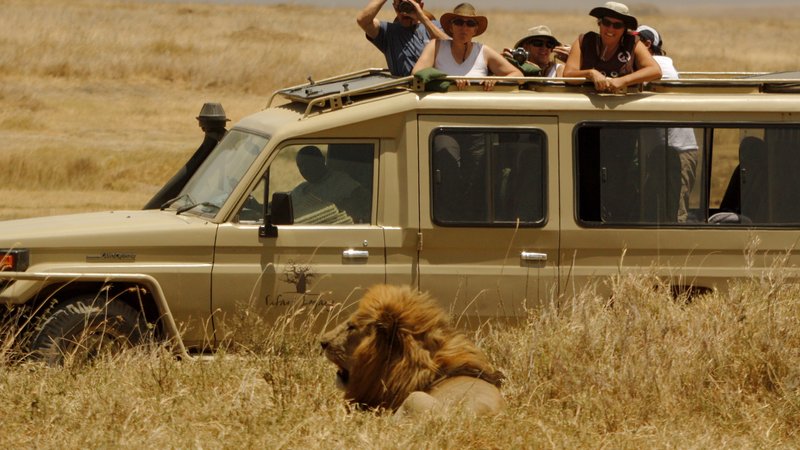
The Maasai Mara remains Kenya’s best-known safari destination, and current traveler feedback continues to emphasize its remarkable wildlife concentrations and classic savannah landscapes. SafariBookings currently carries hundreds of Mara-specific reviews, although recent guests also mention that heavily visited areas can become crowded during popular periods. SafariBookings.com
That combination explains why planning matters.
A good Mara safari is not simply about reaching the reserve.
Camp location, season, game-drive strategy and whether you stay in the main reserve or a surrounding conservancy can significantly alter the atmosphere.
The official Magical Kenya tourism platform promotes game drives, migration viewing, cultural experiences and other activities across the Mara region. Magical Kenya
For first-time visitors, the reserve often delivers precisely the broad grasslands and predator-rich wildlife they imagined.
However, travelers prioritizing solitude should research their accommodation location carefully.
Great Migration Expectations
Migration season creates enormous excitement.
Large wildebeest and zebra herds move through the broader Serengeti-Mara ecosystem in response to grazing and rainfall patterns.
Nevertheless, dramatic river crossings cannot be scheduled.
Animals may gather near a river and then turn away. A crossing may happen before guests arrive or several days later.
Consequently, companies promising a guaranteed crossing should be treated cautiously.
The better approach is to book the Mara because the wider ecosystem provides strong wildlife viewing, whether or not a dramatic crossing occurs during your visit.
This expectation produces more satisfying safaris.
A river crossing can then become an extraordinary bonus rather than the only measurement of success.
Reserve or Conservancy?
This choice deserves serious attention.
The main Maasai Mara National Reserve provides access to famous wildlife areas and seasonal migration action.
Private conservancies around the broader ecosystem can offer a different atmosphere, often with fewer vehicles and additional activities depending on the specific conservancy’s rules.
Recent Expert Africa reviews illustrate both sides: visitors praise excellent guiding and conservancy experiences, while some travelers report intense vehicle concentrations in parts of the main Mara during migration periods. Expert Africa
Neither choice is universally superior.
Wildlife goals, budget, accommodation preference and travel dates should determine the decision.
A carefully designed itinerary may even combine both environments.
Kenya Safari Reviews for Amboseli
Amboseli offers one of Kenya’s most recognizable wildlife settings.
Elephants are a major attraction, while the wider landscape is strongly associated with views toward Mount Kilimanjaro. Kenya Wildlife Service identifies several road access routes into the park and highlights Amboseli’s wildlife significance. KWS
Travelers often arrive hoping to photograph elephants with a perfectly clear snow-capped mountain behind them.
Sometimes that happens.
On other days, cloud hides the summit.
Therefore, Kilimanjaro visibility should never be treated as guaranteed.
Amboseli remains rewarding even when the mountain disappears because elephants, plains wildlife, wetlands and birdlife provide substantial game-viewing opportunities.
For photographers, two or more nights offer better chances to experience changing light and weather than a rushed one-night stop.
Elephants and the Amboseli Experience
Amboseli’s elephants are particularly famous.
KWS management information describes the ecosystem’s long-running elephant research and notes the importance of elephants to both the ecology and visitor experience. KWS
For guests, the attraction goes beyond simply ticking “elephant” from a wildlife list.
Family groups interact closely.
Young calves remain protected among adults.
Large bulls may move independently across open ground.
Observing these behaviors can become one of the most memorable parts of a Kenya safari.
Good guides maintain appropriate distances rather than pushing vehicles too close.
That restraint often produces better viewing because relaxed animals behave naturally.
Tsavo East: Wilderness on a Larger Scale
Tsavo East rewards travelers who value space.
Kenya Wildlife Service identifies it as Kenya’s largest national park, covering approximately 13,747 square kilometers. The landscape includes the Galana River, Yatta Plateau, semi-arid plains and the red-soil environment associated with Tsavo’s famous dust-covered elephants. KWS
Game viewing feels different from the Maasai Mara.
Animals can be more dispersed because the park is enormous.
Consequently, someone expecting a predator every few minutes may misunderstand Tsavo’s appeal.
The reward comes from scale.
An elephant herd crossing a vast red landscape can feel more powerful than seeing animals surrounded by numerous vehicles.
Birders also have plenty to enjoy; KWS reports more than 500 recorded bird species in Tsavo East. KWS
Understanding the Famous Red Elephants
Tsavo’s elephants are not a separate red-colored species.
Instead, their appearance comes from dust bathing in the region’s distinctive soil.
The result is extremely photogenic.
Early or late light can deepen those colors, while the enormous landscape gives photographers room to incorporate habitat into their images.
Therefore, Tsavo works particularly well for travelers who appreciate environmental photography rather than only close animal portraits.
Wildlife density may feel different from the Mara, but the sense of wilderness can be much stronger.
Reading destination reviews with this distinction in mind prevents unfair comparisons between ecosystems that offer fundamentally different experiences.
Exploring Tsavo West
Tsavo West adds greater variation in terrain.
The park covers about 9,065 square kilometers and forms part of the larger Tsavo Conservation Area together with Tsavo East and surrounding protected landscapes. KWS
Volcanic terrain, hills and springs create a more dramatic topography.
Consequently, wildlife can sometimes be harder to spot in denser areas than on open Mara grasslands.
Visitors who enjoy scenery, geology and varied habitats often appreciate Tsavo West considerably.
Because Tsavo East and West lie along the broader Nairobi-Mombasa corridor, they also combine naturally with coastal holidays.
Instead of returning north after a safari, travelers can continue toward the Indian Ocean.
This route makes particularly good sense for longer Kenya vacations.
Samburu and Northern Kenya
Samburu introduces travelers to a drier, more rugged version of Kenya.
The landscape differs noticeably from southern safari destinations.
Riverine vegetation around the Ewaso Nyiro contrasts with surrounding semi-arid country, creating an attractive wildlife corridor.
Several species associated strongly with northern Kenya add further interest, including Grevy’s zebra, reticulated giraffe and gerenuk.
Elephants are another major attraction.
Because the journey from Nairobi can be substantial, travel style matters.
Road travel allows visitors to watch the landscape change gradually, whereas flying saves time.
For a short itinerary, air transfers may be worthwhile.
With more days available, the overland journey can become part of the experience.
Lake Nakuru and the Rift Valley
Lake Nakuru National Park works well in itineraries connecting Nairobi and western Kenya.
According to Kenya Wildlife Service, the park supports approximately 450 bird species and serves as an important sanctuary for black and white rhinos. It lies roughly 156 kilometers northwest of Nairobi. KWS
Many travelers associate the lake with historic images of huge flamingo concentrations.
However, flamingo numbers change with ecological conditions.
Therefore, visitors should not book the park expecting one particular photograph.
Rhinos, birdlife, viewpoints, woodland and lake scenery provide broader reasons to visit.
Its relatively compact scale also produces a different safari rhythm from enormous reserves such as Tsavo.
Nairobi National Park
Nairobi National Park provides one of the world’s most unusual safari settings.
Kenya Wildlife Service places it only about 10 kilometers from Nairobi’s central business district, creating the famous contrast between wild animals and the city skyline. KWS also notes more than 400 bird species and significant rhino conservation. KWS
This accessibility makes the park valuable for short visits.
Travelers with one spare day before an international flight can still enjoy meaningful wildlife viewing.
Nevertheless, it should not always be treated as a substitute for a longer safari.
The experience is fundamentally different from spending several nights in the Mara, Samburu or Tsavo.
Used correctly, Nairobi National Park is an excellent beginning or ending to a Kenya itinerary.
Ol Pejeta and Laikipia Experiences
Central Kenya offers another style of safari.
Ol Pejeta and the broader Laikipia region appeal to travelers interested in conservation, rhinos, private conservancies and experiences beyond conventional game drives.
Compared with famous national reserves, some conservancy-based stays can feel more intimate.
Walking experiences, night activities or specialist conservation visits may also be available depending on the property and location.
That variety makes central Kenya particularly useful for repeat safari travelers.
Someone who has already visited the Maasai Mara may appreciate spending more time learning about conservation programs or exploring less familiar landscapes.
Accordingly, a second Kenya safari does not need to repeat the first.
Why Accommodation Location Matters
A beautiful lodge can still be inconvenient.
Suppose two properties cost similar amounts. One sits near the wildlife area, while another requires a lengthy transfer from the park gate.
The first may provide substantially more game-viewing time.
Therefore, examine location as carefully as bedroom photographs.
Inside-park accommodation can offer convenient access, although rates may be higher.
Properties in conservancies provide another option, often combining wildlife access with different activity rules.
Outside accommodation may deliver better prices but should be evaluated against transfer time.
This is one reason reviews mentioning “too much driving” deserve careful attention.
Sometimes the problem is not Kenya’s geography. It is poor accommodation positioning.
Lodge, Camp or Tented Camp?
Safari terminology can confuse first-time visitors.
A lodge usually consists of permanent buildings.
A tented camp uses canvas accommodation but can still be extremely comfortable.
Luxury tents may include large beds, private bathrooms, furniture, electricity and spacious verandas.
Therefore, “tent” does not automatically mean basic camping.
Canvas does create a closer connection to the surroundings, however.
Guests hear birds, insects and sometimes larger animals more clearly than inside a conventional room.
Some visitors find that atmosphere magical.
Others sleep better behind solid walls.
Review descriptions rather than assuming one style is inherently superior.
Safari Food and Dining
Food becomes surprisingly important on multi-day safaris.
Many lodge packages include full board, meaning breakfast, lunch and dinner are provided.
During full-day drives, guests may receive packed lunches or enjoy arranged picnic stops.
Quality varies between properties.
Luxury camps often place considerable emphasis on presentation, while good midrange lodges may provide simpler buffets.
Travelers with dietary requirements should communicate them well before arrival.
Vegetarian, vegan, gluten-free and other common needs can often be accommodated when kitchens receive advance notice.
A strong safari planner should communicate those details to every relevant property instead of expecting the guest to explain requirements repeatedly after arrival.
Itinerary Pace Can Make or Break the Trip
Adding more national parks does not automatically produce a better safari.
Every accommodation change requires packing.
Every destination transfer consumes hours.
Consequently, an itinerary with too many one-night stops can become exhausting even when each individual location is excellent.
Recent Kenya reviews specifically mention long, rough transfers as one of the less comfortable aspects of otherwise rewarding safaris. SafariBookings.com
Two-night stays create a much healthier rhythm.
Three nights can be even better in major wildlife areas.
Guests enjoy at least one full day without packing luggage, while multiple game drives provide more chances to observe different animal behavior.
The goal should be quality of experience rather than quantity of park names.
Road Safari or Fly-In Safari?
Driving gives travelers a broader view of Kenya.
The landscape changes gradually, towns and rural communities become part of the journey, and the same guide may stay with guests across several destinations.
Road safaris can also provide better value, particularly for families or small private groups.
Flying saves time.
Small aircraft connect Nairobi with several safari regions, allowing guests to replace long transfers with relatively short flights.
This approach works particularly well when destinations are widely separated or the total holiday is short.
However, baggage allowances can be restrictive.
Photographers carrying substantial equipment should confirm limits before booking.
Neither format is universally better. The right choice depends on time, budget and tolerance for long road journeys.
Kenya Safari Reviews and Safari Costs
Safari pricing varies because the underlying products vary.
A shared budget trip using simple accommodation cannot fairly be compared with a private luxury fly-in safari.
The largest cost drivers normally include accommodation category, number of travelers, park fees, vehicle arrangements, travel season and internal transport.
Private safaris become better value per person as group size increases because the cost of the vehicle and guide is shared.
For two travelers, however, a private Land Cruiser represents a significant portion of the package.
Luxury camps can also change the budget dramatically.
Therefore, request detailed inclusions rather than comparing only final totals.
A lower quotation may simply exclude expenses included elsewhere.
Budget Safaris: What to Expect
Budget safaris allow more travelers to experience Kenya.
Shared vehicles, simple tented camps and accommodations outside prime wildlife zones can substantially reduce costs.
Those compromises are reasonable when clearly explained.
Problems arise when travelers expect luxury service at budget prices.
Before booking, confirm the number of guests sharing the vehicle.
Ask whether rooms have private bathrooms.
Check how far the accommodation sits from park entrances.
Also determine whether all park fees are included.
A transparent budget safari can deliver excellent wildlife experiences.
The important point is knowing where costs have been reduced.
Midrange Safari Value
Midrange travel often provides an excellent balance between comfort and price.
Rooms generally include private bathrooms, meals are provided, and properties can still offer attractive locations.
A well-planned midrange safari may also invest more money where it matters most: private transportation, experienced guiding and sufficient nights in each park.
That combination can outperform a superficially luxurious package with poor routing.
For many travelers, this category delivers the strongest value.
Rather than paying for elaborate room design, guests spend their budget on wildlife access and comfortable logistics.
Luxury Safari Expectations
Luxury should involve more than expensive furnishings.
Exceptional guiding, privacy, excellent location, polished hospitality and thoughtful logistics should all be part of the experience.
High-end camps may offer fewer tents, highly personalized meals and exceptional settings.
Some also provide private vehicles or specialist activities.
At this price level, guests reasonably expect strong attention to detail.
Consequently, luxury reviews often focus on service consistency rather than simply whether the room looked impressive.
A beautiful suite cannot compensate for poor game-drive planning.
Seasonal Travel and Expectations
Kenya can be visited throughout much of the year, but conditions change.
Dryer periods can concentrate wildlife around water and make many roads easier to navigate.
Greener seasons transform landscapes and often create excellent photographic conditions.
Migration-focused travelers typically concentrate on periods when large herds are expected in the Mara ecosystem.
However, nature does not follow an exact calendar.
Rainfall affects movement.
Therefore, choosing travel dates should begin with your priorities rather than a generic statement about the “best month.”
A birder, photographer and honeymoon couple may each prefer different seasons.
Green-Season Safaris
Green-season travel is often underestimated.
Rain creates dramatic skies and fresh vegetation.
Photographs can become more colorful than during dusty dry periods.
Visitor numbers may also be lower in some locations.
Furthermore, seasonal pricing can make higher-category properties more accessible.
The trade-off is flexibility.
Heavy rain can affect road conditions or change a planned game-drive route.
Travelers who accept occasional schedule adjustments may receive excellent value and a very beautiful version of Kenya.
Peak-Season Safaris
Peak periods bring strong demand.
Popular camps can fill months in advance, and prices usually rise accordingly.
The Maasai Mara can become especially busy during migration-focused periods.
Recent firsthand reviews confirm that certain high-profile Mara sightings may attract very large numbers of vehicles. Expert Africa
Nevertheless, busy season remains popular for good reasons.
Wildlife viewing can be extraordinary, and travelers specifically interested in migration activity may decide that the trade-off is worthwhile.
Booking early creates more choice of camp and guide.
Kenya Safari Reviews for Families
Family safaris work best when the itinerary respects children’s limits.
Very young travelers may enjoy animals enormously but struggle with six-hour game drives.
Private vehicles solve much of this problem because the family can return to camp when needed.
Swimming pools can also be valuable during afternoon breaks.
Accommodation layout matters as well.
Parents may prefer family rooms or interconnected units instead of separate tents positioned far apart.
Furthermore, certain activities have age restrictions.
Therefore, provide children’s ages at the first planning stage rather than after accommodation has already been booked.
Honeymoons and Couples’ Safaris
Kenya is a strong honeymoon destination because wildlife experiences can be combined with romantic camps and Indian Ocean beaches.
Privacy should be prioritized.
A private vehicle allows couples to determine their own pace, while smaller tented camps can feel more intimate than large hotels.
Special dinners and sundowners may be arranged at selected properties.
Nevertheless, honeymooners should not automatically choose the most expensive itinerary.
A beautifully located midrange camp with excellent guiding can feel far more special than a lavish resort positioned poorly for game viewing.
Experience should drive the choice.
Accessibility and Older Travelers
Safari can work very well for older guests, but comfort needs should be discussed openly.
High steps into safari vehicles, uneven pathways and long game drives may present difficulties for some travelers.
Certain tented camps are spread across large areas, while others provide easier room access.
If mobility is limited, request accommodation close to common facilities.
Flying between distant destinations can also reduce physical fatigue.
Moreover, private safaris allow guests to shorten game drives when necessary.
Good planners adapt the itinerary rather than assuming every traveler has identical mobility.
Photography Safaris
Serious photographers need more than abundant wildlife.
Vehicle positioning, passenger numbers and guide patience become critical.
A private Land Cruiser is usually preferable because each photographer can use multiple seating positions without competing for window space.
Longer stays are equally valuable.
Returning to the same ecosystem over several days increases the chance of experiencing different light and animal behavior.
Charging equipment should also be considered.
Remote camps often provide electricity, but availability can vary.
Finally, domestic flight baggage allowances may affect travelers carrying large lenses.
These details should be resolved before arrival.
Birding Safaris
Kenya is exceptionally rich in birdlife.
Kenya Wildlife Service reports around 450 bird species in Lake Nakuru National Park, more than 500 in Tsavo East and more than 400 in Nairobi National Park. KWS
However, specialist birding requires specialist guiding.
A general safari guide may identify many common birds very well yet struggle with difficult species.
Therefore, dedicated birders should request a guide with strong ornithological knowledge.
This illustrates why generic reviews need context.
A guide described as outstanding by a Big Five-focused traveler may not necessarily be the ideal guide for someone carrying a 600-species target list.
Cultural Experiences
Cultural tourism can deepen a Kenya safari when visits are handled respectfully.
Maasai communities are particularly associated with safari regions, although Kenya contains far greater cultural diversity than one ethnic group.
Before arranging a village experience, ask how the visit is organized.
Visitors should understand whether fees benefit the community and whether photography is welcome.
Respectful interaction is more valuable than treating culture as another item to photograph quickly between game drives.
A good itinerary creates enough time for conversation and learning.
Ethical Wildlife Viewing
A responsible safari respects the animals first.
Kenya Wildlife Service rules for its national parks include staying on established roads, observing speed limits, avoiding feeding wildlife and maintaining appropriate viewing behavior. KWS
Travelers also share responsibility.
Do not pressure guides to approach animals too closely.
Avoid encouraging off-road behavior where it is prohibited.
At crowded sightings, patience matters.
Ethical guiding can sometimes mean accepting a less dramatic photograph.
In return, wildlife experiences remain sustainable for future visitors.
Conservation and Safari Tourism
Protected areas require funding, professional management and local support.
Tourism contributes through park fees, employment and spending in safari regions.
However, responsible tourism should extend beyond paying entrance fees.
Travelers can favor operators that respect conservation regulations, employ local staff fairly and support credible community partnerships.
Accommodation can also influence impact.
Some conservancy models link wildlife protection with local landowner benefits.
As a result, where travelers choose to stay can contribute to broader conservation systems.
Kenya Safari Reviews: Booking Red Flags
Review patterns can expose warning signs before money changes hands.
Repeated complaints about accommodation substitutions deserve attention.
So do reports of vehicles that constantly break down.
Another concern is unclear pricing.
If a quotation does not state whether park fees, meals and transfers are included, request clarification.
Extremely aggressive payment pressure is also unnecessary.
Professional operators understand that international travelers need time to verify large transactions.
Finally, unexpected changes in bank information should always be independently confirmed.
Good companies welcome reasonable verification rather than discouraging it.
How to Verify a Safari Company
Start with independent reviews.
Then compare the company’s website, email domain, payment information and business identity.
Look for consistency.
A long operating history can provide reassurance, although newer companies should not automatically be rejected.
Instead, they may require additional verification.
Communicate directly with the operator before transferring substantial money.
Ask detailed itinerary questions.
The quality of the answers can reveal whether the person understands safari logistics or simply copies generic information.
Most importantly, receive important promises in writing.
Reviewing the Safari Proposal
Read every day of the itinerary carefully.
Travel times should look believable.
Accommodation names should be specified rather than hidden behind vague phrases.
Meal arrangements must also be clear.
If a day includes six hours of driving followed by an afternoon game drive, consider whether that schedule is genuinely comfortable.
Similarly, question itineraries containing repeated one-night stays.
A proposal should be judged as a complete flow rather than a collection of attractive attractions.
A Good Five-Day Safari Structure
Five days requires focus.
One option is to concentrate on the Maasai Mara and one Rift Valley destination.
Another possibility is a southern circuit involving Amboseli and part of Tsavo.
Trying to include Mara, Amboseli, Samburu and Tsavo in five days would create excessive travel.
A short itinerary becomes stronger when fewer locations are explored properly.
Two or three nights in the main wildlife destination provide more value than rapidly collecting park entrance stamps.
A Seven-Day Kenya Safari
Seven days opens more possibilities.
A Rift Valley destination can lead naturally toward the Maasai Mara.
Alternatively, Amboseli and the Tsavo ecosystem create a coherent southern route.
Domestic flights can also connect destinations that would otherwise involve lengthy drives.
Even with a week available, however, resist overloading the schedule.
Three strong destinations usually create a better experience than five rushed ones.
A Ten-Day Wildlife Journey
Ten days gives travelers enough time to appreciate different ecosystems.
An itinerary might combine Amboseli, a Rift Valley destination and the Maasai Mara.
Another route can include Samburu, central Kenya and the Mara.
The additional time allows two- and three-night stays rather than constant packing.
Consequently, guests experience more early mornings, evenings and changing wildlife behavior within each ecosystem.
This is often when safari begins feeling immersive rather than merely observational.
Safari and Beach Combination
Kenya’s Indian Ocean coastline creates an excellent ending after days of early game drives.
Tsavo works particularly well geographically because travelers can continue toward the coast rather than returning to Nairobi.
Other itineraries use domestic flights from safari areas.
Beach time changes the rhythm completely.
Instead of waking before sunrise, guests can rest, swim and enjoy coastal food and culture.
Honeymooners and families often appreciate this contrast.
However, allow enough total time. Adding a beach simply for two rushed nights may introduce more transfers than relaxation.
Kenya, Rwanda and Uganda Combinations
East Africa allows travelers to combine classic savannah wildlife with primate trekking.
Kenya delivers open-country game viewing.
Rwanda and Uganda add mountain gorillas, chimpanzees and very different highland landscapes.
A thoughtfully designed multi-country journey can therefore avoid repetition.
For example, guests might experience the Maasai Mara before flying to Kigali and continuing toward Volcanoes National Park.
Another option combines Kenya with Uganda’s gorilla and chimpanzee regions.
Flights often make more sense than attempting every international transfer by road.
Route efficiency becomes especially important once more than one country is involved.
Frequently Asked Questions About Kenya Safari Reviews
Are Kenya safaris generally well reviewed?
Yes. Major current review platforms show strong traveler satisfaction. SafariBookings currently records more than 1,700 reviews of Kenya, with particularly high user ratings for wildlife and scenery. Travelstride also reports strong ratings across guiding, activities, accommodation and transportation. SafariBookings.com
However, positive overall scores do not mean every itinerary is equally good.
Guide quality, accommodation and route design remain crucial.
Are online safari reviews trustworthy?
Many are useful, but no single review platform should be treated as perfect.
Read across several sources.
Detailed reports containing guide names, lodge descriptions and route information generally offer more value than one-line praise.
Furthermore, prioritize recent reviews when assessing current service.
A company that performed brilliantly six years ago may have changed staff or management since then.
What matters most in a Kenya safari review?
Guide quality deserves special attention.
After that, look at vehicle comfort, communication, accommodation location and itinerary pace.
Wildlife comments are useful but cannot always distinguish operator quality because no company controls animal movement.
Reviews describing how the safari was organized reveal much more.
Is the Maasai Mara worth visiting?
For many travelers, absolutely.
The Mara remains one of Africa’s most recognized wildlife areas and receives strong current visitor feedback. SafariBookings.com
However, busy periods can produce vehicle concentrations around famous sightings.
Visitors concerned about crowding should discuss season, camp location and conservancy options with their safari planner.
How many nights should I spend in the Mara?
Two nights provide an introduction.
Three or four create a much better wildlife rhythm for many guests.
Photographers and migration-focused travelers may want longer.
The correct duration also depends on how many additional destinations are included in the safari.
Is Amboseli worth adding?
Amboseli can be particularly rewarding for elephant lovers and photographers.
Its wider ecosystem is strongly associated with long-term elephant research, and its Kilimanjaro backdrop is iconic. KWS
Nevertheless, mountain visibility depends on weather.
Visit for the ecosystem, not solely for one photograph.
Is Tsavo suitable for first-time safari travelers?
Yes, especially when travelers appreciate wilderness and expansive scenery.
Tsavo East is exceptionally large and famous for its red-soil landscapes and elephants. KWS
However, animals can be more dispersed than in smaller wildlife areas.
Guests expecting Mara-style concentrations should understand that difference.
Should I book a private safari?
Private safaris offer maximum flexibility.
They work particularly well for couples, photographers, families and travelers with specific interests.
Shared safaris cost less but require compromise.
Neither format is automatically wrong; your budget and desired flexibility should determine the decision.
Is a Land Cruiser better than a safari van?
For rough park tracks and specialist wildlife trips, many travelers prefer a 4×4 Land Cruiser.
Safari vans can still work well on established routes and offer good value.
Passenger density and vehicle condition often matter as much as the model itself.
How much should a Kenya safari cost?
There is no meaningful single figure.
Prices depend on travel season, accommodation level, group size, route, park fees, vehicle type and flights.
Always compare detailed inclusions rather than headline totals.
Are Kenya safari roads uncomfortable?
Some can be.
Recent travelers mention rough and dusty sections as part of otherwise positive Kenya experiences. SafariBookings.com
A sensible itinerary limits excessively long transfers, while flying can reduce road fatigue on selected routes.
When is the best time to visit Kenya?
That depends on your priorities.
Migration-focused travel, birdwatching, green landscapes, lower visitor numbers and photography can all favor different periods.
Rather than chasing one universal “best month,” select dates based on the parks and experiences you value most.
Is Kenya good for a honeymoon?
Yes.
Private wildlife safaris, intimate tented camps and coastal extensions provide strong honeymoon combinations.
The best itineraries balance early safari mornings with enough time to relax.
Is Kenya suitable for children?
Absolutely, when the safari is paced appropriately.
Private vehicles, family accommodation and shorter game drives can significantly improve the experience for younger travelers.
Children’s ages should be disclosed early because certain activities may have age requirements.
Can Kenya be combined with gorilla trekking?
Yes.
Kenya combines naturally with Rwanda or Uganda for travelers wanting both savannah wildlife and mountain gorillas.
Because international road distances can be substantial, regional flights often improve route efficiency.
Final Verdict: What Makes a Great Kenya Safari?
The strongest Kenya Safari Reviews reveal a consistent lesson: safari quality depends on much more than seeing animals.
Wildlife provides the excitement, but planning shapes the experience.
A knowledgeable guide interprets what guests see.
A comfortable vehicle makes long days easier.
A strategically located lodge provides more time in the wildlife area.
A sensible itinerary reduces exhausting transfers.
Meanwhile, clear communication ensures travelers understand what they are buying before they arrive.
Kenya provides an extraordinary range of safari environments. The Maasai Mara delivers classic savannah wildlife, while Amboseli is closely associated with elephants and dramatic mountain scenery. Tsavo offers enormous wilderness, Lake Nakuru combines birdlife and rhino conservation, and northern Kenya introduces yet another landscape.
No single itinerary suits everybody.
Therefore, the purpose of reading reviews should not be to identify a universal “best safari.” Instead, use reviews to discover which safari style matches your own expectations.
A photographer should prioritize vehicle space and guiding.
Families should emphasize flexibility.
Honeymooners may care more about privacy and atmosphere.
Budget travelers should look closely at inclusions and vehicle occupancy.
Luxury guests should expect excellent logistics as well as beautiful rooms.
When those priorities align with the right operator and itinerary, Kenya can deliver exactly the kind of journey that creates the enthusiastic reviews future travelers will read.
Plan a Kenya Safari With Universal Ventures Rwanda
Universal Ventures Rwanda can assist travelers planning customized East African journeys that include Kenya, Rwanda and Uganda.
A Kenya safari can focus on destinations such as the Maasai Mara, Amboseli, Tsavo, Lake Nakuru, Samburu and other wildlife regions. Alternatively, Kenya can form the first stage of a broader East African itinerary before travelers continue to Rwanda or Uganda for mountain gorilla trekking and primate experiences.
Routes can be developed according to travel dates, accommodation preferences, available budget, desired safari style and number of guests.
Universal Ventures Rwanda — Kigali, Rwanda.
Email: info@universalventuresrwanda.com
Telephone / WhatsApp: +250 781 441 853
Website: universalventuresrwanda.com


