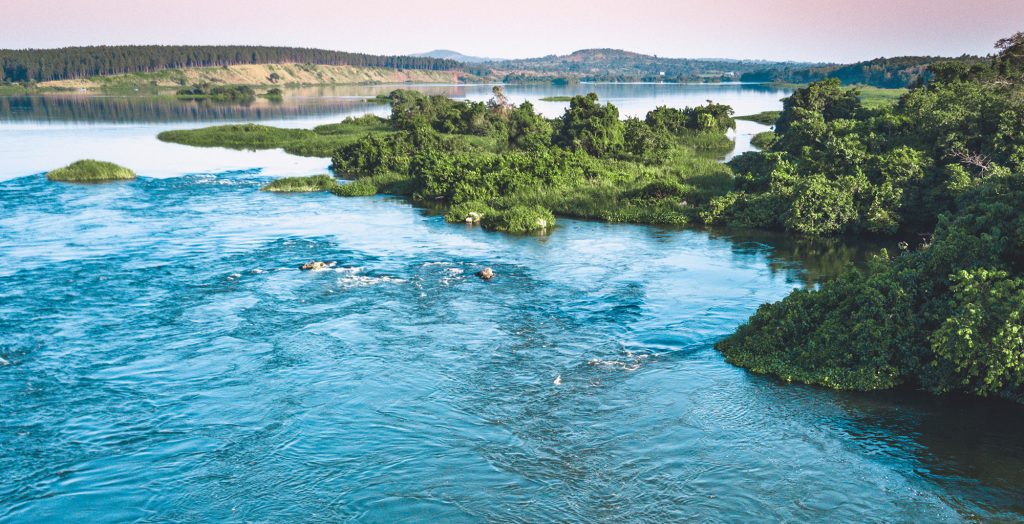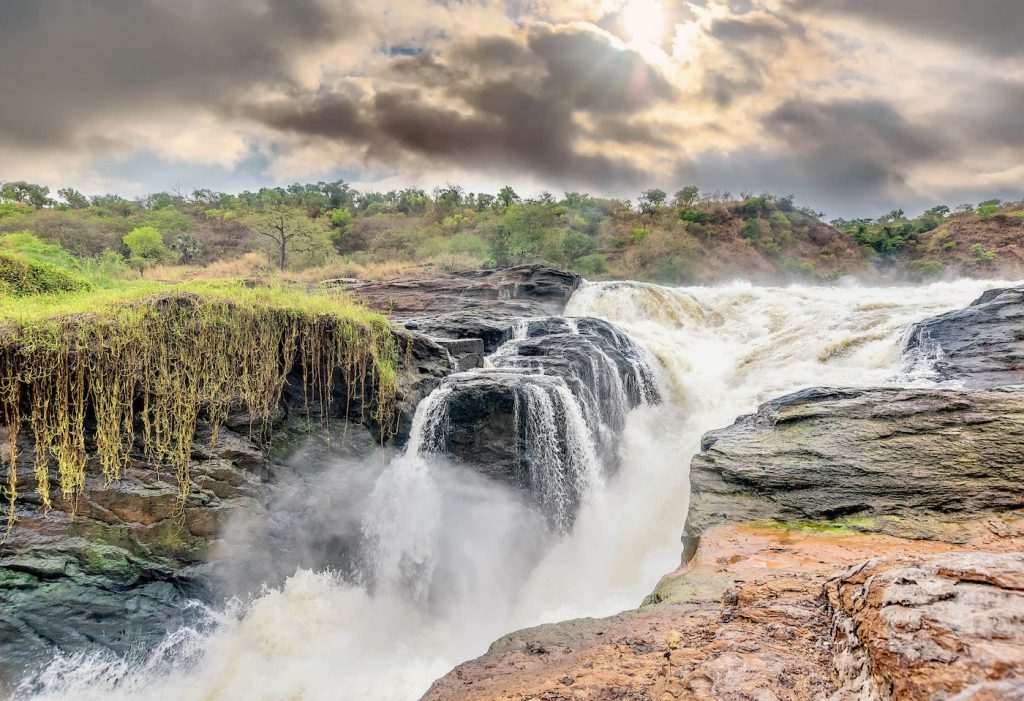
Kenya Safari Group Tours offer one of the most practical, social, and cost-effective ways to experience the wildlife landscapes of East Africa. Instead of paying for an entire safari vehicle and guide as a solo traveler or couple, guests can travel with other safari enthusiasts, share selected transport and guiding costs, and explore Kenya’s celebrated national parks together.
For many travelers, a Kenya safari begins with a dream of watching lions cross the open plains of the Masai Mara, elephants moving beneath Mount Kilimanjaro in Amboseli, rhinos grazing around Lake Nakuru, or giraffes walking through the dry landscapes of northern Kenya. A well-designed group safari brings these experiences together while keeping the journey organized and financially manageable.
Kenya has an unusually strong variety of wildlife destinations. The country combines vast savannahs, Rift Valley lakes, forests, semi-arid northern reserves, mountain scenery, conservation areas, cultural experiences, and an Indian Ocean coastline. That diversity makes it possible to design anything from a short three-day Masai Mara safari to a two-week journey combining wildlife viewing with Diani Beach.
Group travel adds another dimension. Travelers who arrive as strangers can share wildlife sightings, photography moments, meals, long-distance road journeys, and stories from different parts of the world. For solo travelers in particular, this social element can make a group safari more appealing than traveling alone.
However, not every group safari is identical.
The quality of the experience depends heavily on the number of passengers in the safari vehicle, the route, lodge locations, amount of time allocated to each park, guide quality, accommodation standard, game-drive schedule, and clarity about what is included.
This guide explains those details so that travelers considering Kenya Safari Group Tours can make better decisions before booking.
What Are Kenya Safari Group Tours?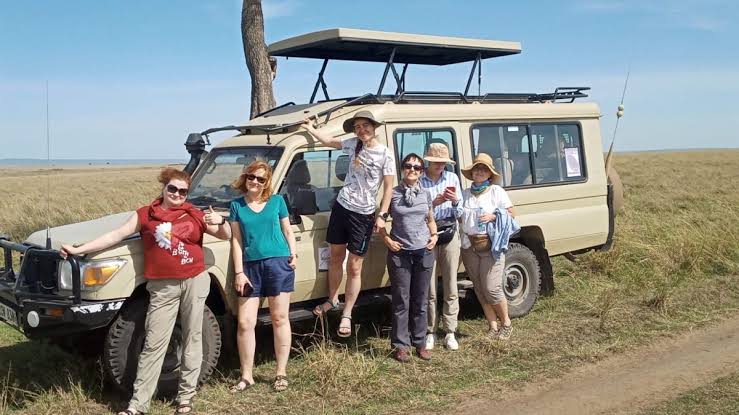
A Kenya group safari is a wildlife trip in which several travelers share some or all elements of the journey. Usually, participants share a safari vehicle, professional driver-guide, fuel, and certain logistical expenses.
Accommodation remains individual according to the room arrangement booked. Couples normally share a double or twin room, while solo travelers can choose a single room or sometimes share with another traveler when suitable arrangements are available.
There are two important forms of group travel.
A group-joining safari allows individual travelers, couples, or friends to reserve seats on a scheduled departure. They may not know the other travelers before the safari begins.
A private group safari is different. Friends, family members, photographers, students, colleagues, clubs, or associations travel together as one pre-arranged group. The safari remains exclusive to that group even though costs are shared among its members.
Both formats can deliver excellent value, but they suit different travelers.
Group joining is especially useful for solo travelers and couples who want to reduce costs. Private group travel offers greater control over departure times, accommodation, game-drive priorities, and the pace of the itinerary.
Understanding this difference before booking prevents many disappointments.
Why Kenya Is Excellent for Group Safari Travel
Kenya’s tourism infrastructure makes it particularly suitable for small-group wildlife tours.
Nairobi is a major regional aviation hub and provides convenient access to the country’s safari circuit. Many popular routes begin and end in Nairobi, simplifying airport transfers and pre-safari accommodation.
From the capital, travelers can reach the Masai Mara, Amboseli, Lake Naivasha, Lake Nakuru, Samburu, Ol Pejeta, Tsavo, and other important wildlife areas by road or a combination of road and domestic flights.
Another advantage is the diversity of experiences available within a single country.
A traveler could spend one morning photographing elephants in Amboseli, another observing rhinos at Lake Nakuru, another boating on Lake Naivasha, and several days searching for lions, cheetahs, leopards, elephants, buffaloes, and migrating herbivores in the Masai Mara.
Longer itineraries introduce even greater variety.
Northern Kenya offers different scenery and wildlife from the southern safari circuit. The Samburu ecosystem is particularly attractive to travelers interested in species associated with the drier northern landscapes, while Ol Pejeta provides another important conservation-focused experience.
Kenya also works exceptionally well for travelers who want a safari followed by relaxation on the coast. Diani Beach, Watamu, and the wider Kenyan coast can turn a wildlife holiday into a complete bush-and-beach journey.
That flexibility is one reason Kenya Safari Group Tours remain popular with first-time visitors to Africa.
Kenya Group Joining Safari or Private Group Safari?
Choosing between a group-joining departure and a private group safari is one of the first decisions travelers should make.
A group-joining safari usually follows a predetermined itinerary. Departure dates, national parks, accommodations, meal arrangements, and daily schedules are largely fixed. This makes the safari easier to organize and usually keeps costs down.
The trade-off is flexibility.
If six or seven travelers share the vehicle, decisions about when to stop, how long to remain at a wildlife sighting, when to return to the lodge, and whether to adjust the day’s schedule affect everyone.
A private group safari offers greater freedom. If a family of six books an exclusive Land Cruiser, the group can normally discuss photography priorities, meal preferences, departure times, children’s needs, and special interests directly with the guide.
For travelers already arriving as a group of four, five, six, or more people, a private group safari can sometimes offer surprisingly good value because the fixed vehicle costs are distributed among several participants.
Therefore, travelers should not automatically assume that a joining safari is always the cheapest or best option.
Ask for both possibilities and compare what is actually included.
Small Group Kenya Safaris
The phrase “small group safari” appears frequently when travelers search online, but companies do not always define it in the same way.
For wildlife viewing, vehicle occupancy matters enormously.
A safari vehicle may technically accommodate several passengers, but maximizing every seat does not necessarily create the best experience. Travelers carry cameras, backpacks, water bottles, jackets, binoculars, and other personal items. Everyone also wants a reasonable viewing position when wildlife appears.
For this reason, small-group trips are often more comfortable than heavily occupied vehicles.
A group of six travelers in an appropriately configured 4×4 normally offers a good balance between cost sharing and personal space. Slightly larger groups can still work well when vehicle configuration and luggage arrangements are properly managed.
Travelers interested in photography should pay particularly close attention to this issue.
Photographers often need space to move between windows, stabilize lenses, change equipment, and react quickly to wildlife movement. A vehicle packed to maximum capacity can become frustrating even if the safari price initially appears attractive.
When comparing Kenya Safari Group Tours, therefore, ask how many passengers normally travel in each vehicle rather than looking only at the overall group size.
Best Places for Kenya Safari Group Tours
Kenya contains many protected wildlife areas, but several destinations appear repeatedly in classic group itineraries because they combine reliable wildlife viewing with practical road connections.
Masai Mara National Reserve
For many visitors, the Masai Mara is the centerpiece of a Kenya safari.
Its open grasslands, river systems, abundant herbivores, and strong predator populations create the classic East African safari landscape travelers have imagined before arriving.
Lions, elephants, buffaloes, giraffes, zebras, wildebeest, cheetahs, hyenas, and many antelope species can be encountered across the ecosystem. Leopards are present as well, although sightings depend on location, timing, luck, and guide experience.
The Mara becomes internationally famous during the wider Great Migration cycle, particularly when large herds move through the ecosystem and river-crossing activity becomes possible.
Yet the reserve should not be considered only a migration destination.
Resident wildlife makes the Mara rewarding through much of the year, and traveling outside the busiest periods can mean fewer safari vehicles and a different landscape.
Group safaris generally need at least two nights in the Mara to make the long road journey from Nairobi worthwhile. Three nights are better for travelers who want substantial game-viewing time.
A rushed one-night stay often creates more driving than wildlife viewing.
Amboseli National Park
Amboseli offers one of Africa’s most recognizable safari settings.
The region is famous for elephants and for views toward Mount Kilimanjaro when weather conditions cooperate. Open plains, wetlands, dusty landscapes, and wildlife moving through the ecosystem create excellent photographic opportunities.
Amboseli combines well with Nairobi, Tsavo, or the classic route linking the park with Lake Naivasha, Lake Nakuru, and the Masai Mara.
Spending two nights usually gives a group more flexibility than a one-night visit.
Mountain visibility cannot be guaranteed because clouds may cover Kilimanjaro. Travelers who stay longer have more opportunities to experience changing light and weather conditions.
Morning game drives are particularly rewarding for photography, while wetlands attract an impressive variety of wildlife and birds.
Lake Nakuru National Park
Lake Nakuru adds a completely different landscape to a Kenya safari.
The park combines lake scenery, woodland, grassland, escarpment views, and wildlife habitat within a relatively compact area.
Rhino sightings are one of the major reasons many safari planners include Nakuru in group circuits. The park also supports buffaloes, giraffes, zebras, baboons, antelope species, and a wide range of birdlife.
Historically, Lake Nakuru became strongly associated with flamingos. Bird numbers and distribution can vary because ecological and water conditions change, so travelers should avoid selecting the park solely on the assumption of enormous flamingo concentrations.
Its strongest role in a group itinerary is providing ecological variety and a useful geographical connection between the Mara and other Rift Valley destinations.
Lake Naivasha
Lake Naivasha changes the rhythm of a road safari.
After several days spent sitting in a 4×4 searching for wildlife, travelers often appreciate an activity that feels different. Boat excursions can provide opportunities to observe hippos and waterbirds while enjoying the lake environment.
Depending on the itinerary, the Naivasha area can also be combined with additional activities nearby.
This makes the destination particularly useful in seven- to ten-day Kenya itineraries, where variety becomes increasingly important.
For groups, Naivasha is also a convenient place to slow the schedule before another substantial transfer.
Samburu National Reserve
Samburu provides a striking contrast to the greener southern safari circuit.
Its dry landscapes, riverine habitat, rugged scenery, and northern wildlife species create a distinctly different safari atmosphere.
Travelers who already know the Masai Mara or who want greater wildlife diversity should seriously consider including Samburu.
Because of its location, Samburu requires additional travel time. It fits better into longer itineraries than short first-time safaris.
A well-planned northern circuit might combine Samburu with Ol Pejeta before continuing south toward the Rift Valley and Masai Mara.
Ol Pejeta Conservancy
Ol Pejeta is particularly valuable for travelers interested in wildlife conservation as well as traditional game viewing.
The conservancy can fit naturally into routes connecting Nairobi with central or northern Kenya.
Adding Ol Pejeta gives a group safari a different educational and conservation dimension instead of simply adding another conventional game-drive destination.
It can also help break longer overland journeys.
Tsavo East and Tsavo West
Tsavo creates another major safari region, particularly for travelers combining wildlife with the Kenyan coast.
The vast landscapes feel different from the Masai Mara, and the parks are particularly useful when the itinerary continues toward Mombasa, Diani, or other coastal destinations.
Instead of returning all the way to Nairobi after a wildlife circuit, a carefully designed route can progress toward the coast.
This geographic logic is important.
A good itinerary should not simply collect famous park names. It should minimize unnecessary backtracking and protect valuable safari time.
Choosing the Best Kenya Group Safari Route
Many first-time travelers make the mistake of trying to visit too many national parks.
Kenya looks manageable on a map, but road travel takes time. Wildlife areas are not located beside one another, and road conditions, traffic, rest stops, park entry procedures, and group logistics all influence actual transfer times.
A five-day itinerary covering the Masai Mara, Lake Nakuru, Lake Naivasha, and Amboseli may look impressive on paper. In reality, travelers can spend a significant portion of those five days checking out, loading luggage, driving, checking into another lodge, and repeating the process.
Depth is usually more rewarding than collecting destinations.
A three-night stay provides only two complete days between arrival and departure. A two-night stay provides just one complete day.
Keep that simple calculation in mind while evaluating safari itineraries.
3-Day Masai Mara Group Safari
A three-day Masai Mara safari is one of the classic short Kenya group tours.
Day one normally begins with departure from Nairobi, followed by the road journey toward the Mara and an afternoon or evening wildlife drive if arrival time allows.
Day two provides the main wildlife experience. Depending on the operating plan, travelers may enjoy morning and afternoon game drives or spend much of the day inside the reserve with a picnic lunch.
Day three generally includes breakfast and sometimes a final wildlife experience before the return journey to Nairobi.
This itinerary works well for travelers with limited time.
However, the transfer occupies significant portions of both the first and final days. Anyone who can add another night will usually gain substantially more wildlife time.
4- to 5-Day Kenya Group Safari
Four or five days allow travelers to combine the Masai Mara with another destination.
Lake Nakuru is a common addition because it introduces rhino habitat and a different landscape.
Another possibility is combining the Mara with Lake Naivasha.
Travelers should be careful when trying to squeeze the Mara, Nakuru, Naivasha, and Amboseli into only five days. It can be done, but the resulting safari becomes transfer-heavy.
A stronger five-day itinerary may focus on only two major areas and provide better game-viewing depth.
Safari quality is measured by memorable wildlife experiences, not the number of lodge check-ins completed.
6-Day Kenya Safari Group Tours
Six days create far more possibilities.
A carefully organized itinerary can combine three key regions while still allowing meaningful wildlife viewing.
For example, travelers may spend several nights in the Masai Mara before continuing through the Rift Valley.
Another possibility combines Amboseli, Lake Naivasha, and the Mara.
The right choice depends on wildlife priorities.
Travelers primarily interested in predators may want extra time in the Mara. Those interested in elephants and landscape photography might prioritize Amboseli. Birders may want additional time around lakes and wetlands.
The central principle is simple: protect at least one complete wildlife day in the destinations that matter most.
7-Day Classic Kenya Group Safari
A seven-day safari is often the point where the trip begins to feel balanced.
A classic itinerary might combine the Masai Mara, Lake Nakuru or Lake Naivasha, and Amboseli.
Seven days allow travelers to experience different ecosystems while still enjoying substantial wildlife viewing.
The journey might begin in Nairobi before heading toward the Mara for several nights. Afterward, the group can move through the Rift Valley and continue toward Amboseli before returning to Nairobi.
There are many variations.
Some travelers prefer both Nakuru and Naivasha. Others remove one lake destination and add another night to the Mara or Amboseli.
The second option often creates a more relaxed safari.
An Ideal 8-Day Kenya Group Safari Itinerary
For travelers seeking a classic first-time experience, eight days provides an excellent balance.
On the first morning, the group departs Nairobi for the Masai Mara. The drive itself introduces travelers to Kenya’s changing landscapes. After arriving, checking in, and having time to settle, an evening game drive may be possible depending on road conditions and arrival time.
The second day is dedicated to the Mara. An early departure allows the group to experience wildlife activity in the cooler morning hours. The landscape changes constantly as the guide searches for predators, elephant herds, plains game, giraffes, and other wildlife.
The third day provides another complete Mara experience. This extra day matters. Wildlife viewing is unpredictable, and no two game drives are identical. One morning may produce lions, another elephants, and another an unexpectedly memorable cheetah sighting.
On day four, the group travels toward Lake Nakuru. Depending on timing, an afternoon wildlife drive may be possible.
Day five begins with additional wildlife viewing around Nakuru before continuing to Lake Naivasha. The afternoon can introduce a different activity, such as a boat excursion, giving travelers a break from full-day vehicle travel.
On day six, the safari continues toward Amboseli.
Day seven becomes the main Amboseli wildlife day. Early and late game drives provide opportunities to search for elephants, predators, birds, and classic landscapes.
Day eight returns toward Nairobi, where the itinerary can end at a city hotel or the airport depending on flight schedules.
This route is not the only solution, but its pacing is considerably stronger than trying to squeeze the same destinations into five or six days.
10-Day Kenya Safari for Groups
Ten days allow a safari itinerary to breathe.
Travelers can spend three nights in the Masai Mara, enjoy one or two Rift Valley stops, and still have adequate time in Amboseli.
Alternatively, the extra days can be used to introduce Ol Pejeta or another region.
Longer itineraries also allow more relaxed mornings, occasional lodge downtime, and fewer situations where guests arrive at one lodge only to repack the following morning.
This becomes especially important for older travelers, families, photographers, and groups carrying significant luggage.
When designing a ten-day safari, resist the temptation to add a destination simply because an extra day exists.
Adding nights to excellent wildlife areas may create more value than adding another long transfer.
12- to 14-Day Kenya Safari
A two-week trip opens the door to a much broader Kenya experience.
The itinerary could combine Samburu, Ol Pejeta, the Rift Valley, Masai Mara, Amboseli, and perhaps Tsavo or the coast.
Domestic flights can also become valuable at this stage.
Flying certain sectors costs more than driving, but it can save enough time to transform the quality of the overall holiday.
For example, after an extensive wildlife circuit, guests may prefer flying toward the coast rather than spending another long day on the road.
Longer Kenya Safari Group Tours are particularly suitable for travelers visiting East Africa only once and wanting a comprehensive experience.
Best Time for Kenya Safari Group Tours
Kenya is a year-round safari destination, but conditions change through the seasons.
Travelers should choose their dates according to priorities rather than assuming there is one universally perfect month.
Dryer periods generally make wildlife viewing easier in many areas because vegetation becomes thinner and animals concentrate around dependable water sources.
These periods are also popular, which means higher demand for safari accommodation and vehicles.
Greener months transform the landscape.
Rain can produce beautiful scenery, dramatic skies, fewer visitors in some locations, and excellent photographic conditions. Newborn animals and strong birding can add another dimension.
Road conditions can become more challenging during wetter periods, and rain may occasionally influence game-drive schedules.
For travelers prioritizing the Great Migration, timing becomes more specific.
Kenya Safari and the Great Migration
The Great Migration is a continuous ecological movement involving enormous numbers of wildebeest and other grazing animals moving through the wider Serengeti-Mara ecosystem.
Travel marketing sometimes creates the impression that migration sightings follow an exact calendar. Nature does not work that way.
Rainfall, grazing conditions, river levels, and herd movements influence what visitors actually see.
During the period when large herds are present in the Mara ecosystem, travelers may experience spectacular concentrations of wildlife. River crossings are possible when conditions align, but no responsible safari operator should guarantee that a particular group will witness one.
Crossings can happen unexpectedly, and animals may gather near a river for hours before changing direction.
A group that wants migration-focused wildlife viewing should therefore spend enough time in the Mara rather than attempting a rushed visit.
Three or four nights provide considerably more opportunity than one or two.
Kenya Safari Group Tour Prices
The cost of a Kenya group safari varies considerably.
Several factors influence the final per-person price: travel season, number of participants, safari vehicle type, accommodation category, room arrangement, parks visited, number of nights, park charges, domestic flights, optional activities, and whether the safari is shared or private.
Group travel reduces costs primarily because transportation and guiding expenses are distributed across several passengers.
The accommodation cost per traveler does not automatically fall simply because the group becomes larger. Lodges still charge for rooms and meals according to their own pricing structures.
That distinction matters when comparing quotes.
Two safari companies may advertise apparently similar prices while including very different accommodation standards, park entries, vehicle types, game-drive durations, or meal plans.
Always compare the entire package rather than the headline number.
Budget Kenya Group Safaris
Budget safari packages are designed for travelers who care more about wildlife experiences than luxury accommodation.
Accommodation may consist of simple tented camps, guesthouses, or practical safari lodges.
A budget safari can still deliver outstanding wildlife viewing because lions, elephants, and giraffes do not behave differently according to the price of your hotel.
However, low-cost packages should still meet essential standards.
The vehicle must be properly maintained. The guide should be experienced. Accommodation should be clean and safe. The itinerary should clearly identify inclusions and exclusions.
A suspiciously cheap safari deserves careful investigation.
Saving money is worthwhile. Sacrificing basic reliability is not.
Midrange Kenya Safari Group Tours
Midrange safaris offer the strongest balance for many international travelers.
Lodges and tented camps tend to provide comfortable private rooms or tents, ensuite bathrooms, quality meals, attractive locations, and dependable service without reaching the prices associated with high-end luxury properties.
For a safari lasting one or two weeks, this comfort can make a substantial difference.
Travelers wake early, spend long hours driving, experience dust and changing temperatures, and sometimes move between several properties.
Returning to a comfortable lodge, enjoying a good meal, and sleeping well prepares guests for the next wildlife day.
For this reason, midrange packages are particularly attractive for couples, mature travelers, families, and first-time safari visitors.
Luxury Group Safaris in Kenya
Group travel does not have to mean budget travel.
Friends or families can organize an exclusive luxury group safari with premium lodges, private vehicles, fly-in sectors, high-quality dining, and specially designed activities.
Luxury becomes particularly valuable when lodge location improves access to wildlife areas.
The cheapest lodge outside a reserve can sometimes require additional driving every morning and afternoon. A more expensive camp in a strategically valuable location may provide significantly more wildlife time.
This is why safari accommodation should be evaluated by both comfort and geography.
A beautiful lodge in the wrong location can weaken an otherwise excellent itinerary.
Safari Vehicles: One of the Most Important Decisions
Travelers frequently spend more time choosing hotels than considering their safari vehicle.
That is a mistake.
During a Kenya road safari, the vehicle becomes your viewing platform, photography station, transportation, and temporary home for many hours each day.
Purpose-built 4×4 safari Land Cruisers are popular because they provide strong off-road capability and raised viewing opportunities. Pop-up roofs allow guests to stand safely when conditions permit and improve wildlife visibility.
Some budget tours operate safari vans, which can provide good value on certain routes.
What matters most is that travelers know what they are booking.
Ask whether the safari uses a 4×4 Land Cruiser or safari van, how many passengers occupy the vehicle, whether everyone receives a suitable viewing position, whether charging points are available, and how luggage will be stored.
These details directly influence comfort.
Why Group Size Matters
Imagine seven travelers trying to photograph a leopard positioned on one side of the vehicle.
Everyone suddenly wants the same window.
That illustrates why group size matters.
A smaller number of travelers normally means easier movement inside the vehicle, quicker boarding, fewer disagreements about stops, and better communication with the guide.
Larger groups can still work well when they are divided between multiple vehicles.
For private families, corporate groups, clubs, or groups of friends, this is often the best arrangement.
Instead of placing everyone into one oversized vehicle, the group travels as a convoy using several properly configured safari vehicles.
Guests can sometimes rotate between vehicles during the safari, which creates different social combinations.
Safari Guides Can Define the Experience
A highly skilled guide does much more than drive.
Good guides interpret animal behavior, identify birds, read tracks, understand habitat, anticipate wildlife movements, communicate with other guides, explain local culture, and position the vehicle responsibly for photography.
They also manage people.
A group may contain an enthusiastic photographer, a first-time safari traveler, an elderly guest, a teenager, and someone primarily interested in birds.
Balancing those interests requires experience.
The best guides recognize when to remain quietly at a sighting instead of rushing toward the next animal.
They understand that observing a pride of lions interacting for thirty minutes can be more memorable than racing across the reserve simply to complete a checklist.
When comparing Kenya safari packages, guide quality deserves as much attention as hotel quality.
Kenya Group Safaris for Solo Travelers
Solo travelers are among the biggest beneficiaries of group-joining safaris.
Booking a fully private safari alone can be expensive because the traveler carries the entire cost of the vehicle and guide.
Joining other guests distributes those costs.
There is also a social benefit.
Meals, game drives, and transfers naturally create opportunities to meet people. Many travelers who begin a safari alone finish with new friendships.
Before booking, solo travelers should check the single-room policy.
Some packages advertise a low per-person sharing price but require an additional single supplement.
Others may offer roommate matching under certain conditions.
Neither approach is necessarily better, but the policy should be clear before payment.
Kenya Safari Group Tours for Couples
Couples frequently choose group safaris because they want the financial advantages of shared transportation without sacrificing comfortable accommodation.
The couple shares a private room while joining other travelers for game drives.
This works particularly well when the group is small.
Couples planning a honeymoon or anniversary may prefer a private safari because greater flexibility and privacy can justify the additional cost.
Another strategy is combining both formats.
Travelers might use a group safari for the major wildlife circuit, then add a private beach stay or private extension afterward.
Kenya Family Group Safaris
Kenya is an excellent family safari destination when the itinerary is designed around children’s ages and interests.
The biggest mistake is creating a schedule suitable for adults and simply adding children.
Young travelers may struggle with extremely long game drives or repeated early departures.
Families benefit from lodges with swimming pools, family rooms, flexible meal arrangements, and activities that change the daily rhythm.
Lake Naivasha or another activity-focused stop can provide a welcome break between traditional wildlife drives.
Older children and teenagers often enjoy wildlife identification, photography competitions, cultural interaction, and tracking how many species they see.
Families should also check age restrictions for particular activities and accommodation policies before confirming the safari.
Group Safaris for Friends
Traveling with friends creates one of the most enjoyable safari formats.
A vehicle shared only among people who already know each other can become a major part of the experience.
Music during transfers, shared photography, sundowner conversations, lodge dinners, and memorable wildlife sightings turn the journey into something larger than a normal holiday.
The main challenge is decision-making.
One traveler may want budget accommodation while another wants luxury. Someone may want 5:30 a.m. game drives every morning, while another prefers sleeping late.
Resolve these differences before booking.
Agree on accommodation level, budget range, safari duration, room arrangements, and the balance between wildlife activities and relaxation.
Corporate and Incentive Groups
Kenya can also accommodate corporate groups, incentive trips, conferences, associations, charities, student groups, and specialist organizations.
Larger groups require considerably more logistical planning.
Airport transfers, rooming lists, luggage handling, dietary requirements, vehicle allocation, communication procedures, and emergency contacts should all be organized in advance.
The itinerary must also acknowledge that twenty travelers move more slowly than two.
Breakfast, hotel checkout, comfort stops, park entry, and room allocation take longer.
A professional operator should build those realities into the schedule instead of pretending a large group can follow the same timing as a couple traveling privately.
Photography Safaris for Groups
Kenya is a world-class wildlife photography destination.
The Masai Mara provides dramatic predator opportunities and expansive plains. Amboseli is famous for elephants and landscape compositions. Samburu offers distinctive northern scenery and species, while Rift Valley locations introduce birds, lakes, and different habitats.
Photographers should choose group trips carefully.
Vehicle space matters more than almost anything else.
A safari marketed specifically for photography should normally allow enough room for equipment and flexible shooting positions.
Photographers may also want longer periods at each sighting.
A casual visitor may be satisfied after five minutes with a lion. A photographer may wait thirty minutes for the animal to stand, move into better light, interact with cubs, or cross an open area.
That difference can create tension on ordinary group departures.
Serious photographers may therefore prefer specialized groups or private vehicles.
Accommodation on Kenya Safari Group Tours
Kenya’s safari accommodation ranges from simple camps to some of Africa’s most sophisticated luxury properties.
Budget camps generally prioritize practicality and affordability.
Midrange lodges offer greater comfort and are suitable for most travelers.
Luxury camps emphasize location, privacy, design, food, personalized service, and often a smaller number of rooms.
However, accommodation category does not tell the entire story.
Location can be equally important.
A lodge close to a park gate may reduce morning transfer time. A camp deeper within a wildlife area may provide a stronger feeling of immersion.
Travelers should also check whether advertised accommodation is guaranteed or listed as “or similar.”
That phrase is common in group tours because fixed-departure operators need alternatives when a property fills.
Ask what standard and location the substitute property will have.
Food During a Kenya Safari
Most safari itineraries use meal plans that simplify travel logistics.
Full-board arrangements commonly include breakfast, lunch, and dinner while staying at safari lodges or camps.
On full-day game drives, the lodge may prepare a packed lunch so guests do not need to return during prime wildlife hours.
Dietary needs should be communicated early.
Vegetarian diets are generally straightforward for established safari properties, while vegan, gluten-free, allergy-related, religious, or medically necessary dietary requirements should be clearly documented before arrival.
Groups should not wait until check-in to reveal important food restrictions.
Advance communication gives hotels and camps time to prepare.
Road Travel in Kenya
Road journeys are part of the safari experience.
Travelers see towns, farms, markets, highlands, escarpments, villages, and changing landscapes that would disappear beneath them on a flight.
At the same time, road travel can be tiring.
Distances that look short on a map may take several hours. Traffic around Nairobi, road conditions, construction, weather, rest stops, and group size all affect journey time.
An experienced safari planner creates realistic schedules.
Avoid booking an international flight too close to the planned road arrival in Nairobi.
Traffic delays happen.
A responsible itinerary provides sufficient buffer rather than relying on a perfect transfer.
Flying Safaris in Kenya
Domestic flights can significantly reduce travel time.
Small aircraft connect Nairobi with several safari regions, including airstrips serving the Masai Mara and other major destinations.
Fly-in safaris are especially attractive for luxury travelers, short holidays, older visitors, or guests who simply dislike long road transfers.
The disadvantage is cost.
Baggage allowances may also be more restrictive than international airline allowances.
Groups considering domestic flights should confirm luggage rules early, especially photographers carrying substantial equipment.
Combining road and air travel often provides the strongest solution.
For example, travelers can enjoy an overland journey through several parks, then fly from the final safari region toward another destination.
A Kenya Safari from Nairobi
Nairobi is the natural starting point for most group safari circuits.
International travelers may arrive the evening before departure, spend a night in Nairobi, and begin the safari after breakfast.
This is safer than scheduling a long road transfer immediately after a tightly timed international arrival.
Flight delays, immigration procedures, baggage collection, and fatigue can all disrupt the first day.
An overnight Nairobi stay creates breathing room.
The city also offers activities for travelers who want additional time before or after their main safari.
Nairobi National Park is particularly unusual because substantial wildlife habitat exists close to a major African capital.
The Masai Mara and Nairobi Road Journey
Travelers should understand that the road to the Masai Mara is part of the day’s program.
It is not simply a short airport-style transfer.
Groups normally make stops along the journey, and changing road surfaces can affect comfort.
This is another reason why a three-day Mara safari feels much shorter than three full safari days.
Day one is primarily a transfer with wildlife viewing later if timing allows. Day three includes the return journey.
When comparing a cheap three-day safari with a four-day package, consider how many complete wildlife days each actually provides.
The extra night often produces a disproportionately better experience.
Lake Naivasha and Hell’s Gate Combinations
Travelers wanting an active break may consider combining the Naivasha region with additional nearby experiences.
This creates a contrast with traditional vehicle-based safari days.
The value lies in variety.
After several long game drives, walking, cycling where appropriate and permitted, or spending time on the water can make the itinerary feel refreshed.
Group itineraries benefit from this change of pace, particularly when traveling for more than a week.
Not every day must involve searching for the Big Five.
East Africa becomes more rewarding when travelers appreciate landscapes, birds, people, lakes, geology, food, and local life alongside large mammals.
Kenya Big Five Safari
Many first-time visitors hope to see the Big Five: lion, leopard, elephant, buffalo, and rhinoceros.
Kenya provides strong opportunities, particularly when several wildlife regions are combined.
However, wildlife is never guaranteed.
A safari is not a zoo, and animals move freely.
The correct mindset is curiosity rather than checklist pressure.
Sometimes the most memorable encounter will not involve a Big Five species.
Watching cheetahs hunt, elephants interact with calves, giraffes move across a sunset skyline, hyenas communicate around a den, or thousands of herbivores cross open plains can become the defining memory of the trip.
An experienced guide helps guests understand these moments rather than focusing exclusively on famous animals.
Cultural Experiences During Kenya Group Tours
Kenya’s cultural diversity deserves thoughtful attention.
Many safari itineraries offer opportunities to visit Maasai communities or engage with other local cultural experiences.
These visits should be approached respectfully.
Travelers should choose experiences that are transparent, locally beneficial, and based on genuine exchange rather than treating people as attractions.
Ask the safari operator how the community participates and benefits.
Responsible travel recognizes that wildlife conservation and local livelihoods are closely connected.
Communities living near protected areas play an important role in the future of those ecosystems.
Responsible Safari Travel
A good safari leaves more than photographs behind.
Tourism revenue can support employment, conservation, accommodation businesses, guides, drivers, craft producers, farmers, community enterprises, and national park systems.
Travelers can contribute by choosing responsible operators, respecting wildlife rules, avoiding litter, following guide instructions, and supporting reputable community initiatives.
Vehicles should maintain appropriate distance from animals whenever possible and avoid creating unnecessary pressure around wildlife sightings.
Guests should never encourage a guide to break park regulations simply to obtain a photograph.
The best wildlife photograph is not worth disturbing an animal or damaging habitat.
Kenya Safari Packing
Packing for a Kenya safari should focus on comfort, practicality, and layering.
Neutral lightweight clothing works well for most wildlife days. Early mornings can feel surprisingly cool, particularly when traveling in an open or raised safari vehicle, while afternoons may become warm.
A light jacket therefore earns its place in the luggage.
Comfortable closed shoes, sun protection, binoculars, insect repellent, reusable water equipment where appropriate, camera equipment, personal medication, travel documents, and charging accessories are all useful.
Avoid overpacking.
Safari vehicles have finite luggage space, particularly on group departures.
Soft-sided bags are often easier to store than large rigid suitcases.
Travelers taking domestic light-aircraft flights must pay particular attention to baggage restrictions.
Cameras and Binoculars
You do not need professional camera equipment to enjoy a safari.
Modern smartphones can produce excellent landscape and close-range photographs.
However, animals are often some distance from the vehicle, which makes optical zoom useful.
A camera with a telephoto lens can dramatically expand photographic possibilities.
Binoculars are equally valuable.
They allow travelers to appreciate birds, distant predators, animals across rivers, and details that are impossible to see with the naked eye.
Ask whether binoculars are available in the vehicle, but serious wildlife enthusiasts may prefer carrying their own pair.
Internet and Electricity on Safari
Connectivity has improved across East Africa, but travelers should not expect city-level internet everywhere.
Many lodges provide Wi-Fi in rooms or communal areas, although speed may vary.
Remote camps sometimes rely on solar power or generator systems.
Charging arrangements also differ.
Photographers carrying several batteries should arrive prepared.
A portable power bank can be useful during transfers, while spare batteries reduce dependence on constant charging.
Group travelers should remember that multiple passengers may want access to vehicle charging points simultaneously.
Health and Travel Preparation
International travelers should discuss health preparation with an appropriate medical professional before traveling.
Individual requirements depend on itinerary, personal health history, countries visited before and after Kenya, and current travel regulations.
Travel insurance is strongly recommended.
A comprehensive policy should be reviewed carefully to understand medical treatment, evacuation, trip interruption, baggage, and cancellation coverage.
Visitors should also check current official entry requirements before departure because immigration policies can change.
Do not rely on an old travel blog for entry regulations.
Use official information close to your travel date.
Safety on Kenya Safari Group Tours
Established safari destinations receive large numbers of international visitors, but normal travel precautions remain important.
Follow your guide’s instructions around wildlife.
Never leave a safari vehicle in an unauthorized area.
Do not walk around unfenced camps after dark without asking staff about local procedures.
Wild animals may move through safari properties.
In cities, use normal precautions with valuables, phones, cash, and personal documents.
A professional safari operator should provide clear pickup arrangements so travelers know exactly who will meet them.
Group Safari Etiquette
A successful group safari requires basic cooperation.
Wildlife viewing becomes difficult when passengers speak loudly during sensitive sightings, constantly block other travelers’ views, or repeatedly delay departures.
Everyone should receive a fair opportunity to photograph wildlife.
Move when practical so different passengers can use the best viewing position.
Respect agreed departure times.
A ten-minute delay by one guest becomes a delay for the entire vehicle.
Discuss temperature, windows, music during transfers, photography priorities, and comfort stops politely.
Most group travel problems are minor and easily solved through communication.
Common Mistakes When Booking Kenya Group Safaris
One of the biggest mistakes is selecting a trip purely because it has the lowest advertised price.
Another is choosing the itinerary containing the greatest number of parks.
Travelers also frequently overlook vehicle occupancy, lodge location, single-room supplements, park charges, optional activities, and transfer times.
Some assume that “three-day safari” means three full days of game viewing.
Others assume every package uses a 4×4 Land Cruiser.
Neither assumption is safe.
Read the itinerary carefully and ask specific questions before paying.
The quality of information provided before booking often reveals the professionalism of the operator.
What Should Be Included?
Safari inclusions differ from one operator to another.
A properly written quotation should clearly state accommodation, meal arrangements, safari transportation, guiding, airport transfers where applicable, park-related charges when included, bottled drinking water if provided, and scheduled activities.
Exclusions should be equally clear.
International flights, visas or entry authorizations, travel insurance, gratuities, personal expenses, alcoholic drinks, optional balloon safaris, and certain cultural experiences may be separate depending on the package.
Ambiguity is the problem, not the existence of exclusions.
Travelers simply need to know the full expected cost before confirming.
Hot-Air Balloon Safari in the Masai Mara
A balloon safari can become one of the most memorable optional experiences in Kenya.
Flights generally take place around sunrise when atmospheric conditions permit.
From above, travelers gain a completely different understanding of the Mara’s scale, river systems, wildlife trails, and open plains.
Ballooning adds significant cost and should be booked in advance during popular periods.
Weather and operational considerations influence flights, so plans should retain some flexibility.
Group travelers should decide whether everyone wants the experience because those who remain at the lodge will need a separate morning arrangement.
Kenya Safari and Beach Holidays
After waking before sunrise for several consecutive game drives, the Indian Ocean can feel especially rewarding.
Kenya is well suited to bush-and-beach travel.
Diani is one of the best-known coastal choices and can be combined with Nairobi or safari destinations using domestic transport.
Watamu and other coastal areas provide alternatives depending on route and travel style.
A beach extension works especially well after the safari rather than before it.
Starting with wildlife creates excitement and early mornings; ending beside the ocean allows travelers to slow down before flying home.
Groups should decide whether the beach portion remains shared or becomes independent.
Friends may continue together, while travelers on a public group departure may separate once the wildlife circuit ends.
Combining Kenya and Tanzania
Kenya and Tanzania create one of Africa’s great safari combinations.
The Masai Mara ecosystem continues across the international border into Tanzania’s Serengeti ecosystem.
Travelers with enough time can experience both countries, adding destinations such as the Serengeti, Ngorongoro region, Tarangire, or other northern Tanzania areas.
Cross-border itineraries require more logistical planning than a single-country safari.
Vehicle regulations, border procedures, accommodation, route design, and entry requirements must be coordinated properly.
Do not simply add another country because it looks nearby on a map.
A well-designed Kenya-Tanzania safari normally needs enough days to justify the transition.
Combining Kenya and Rwanda
Travelers seeking a dramatically different wildlife experience can combine Kenya’s savannahs with Rwanda’s mountain landscapes and primate experiences.
After a Kenya safari, guests can fly toward Kigali and continue to Volcanoes National Park for mountain gorilla trekking or golden monkey tracking.
This creates a compelling contrast.
In Kenya, most wildlife viewing takes place from a safari vehicle across open ecosystems.
In Rwanda’s gorilla country, travelers enter forested mountain habitat on foot and experience primates at close range under regulated trekking procedures.
The two experiences complement each other extremely well.
Universal Ventures Rwanda can organize these wider East African safari combinations, allowing travelers to connect Kenya with Rwanda according to available time and interests.
Combining Kenya and Uganda
Uganda provides another excellent extension for travelers interested in primates.
A longer East Africa itinerary may combine Kenya’s Masai Mara and other savannah parks with gorilla trekking in Bwindi or Mgahinga and chimpanzee tracking in destinations such as Kibale.
This requires more time than a straightforward Kenya safari but creates substantial ecological variety.
Groups considering multiple East African countries should focus on route efficiency.
Unnecessary backtracking wastes valuable holiday time.
Regional flights can sometimes improve the itinerary considerably.
How Far in Advance Should You Book?
Popular safari periods reward early planning.
Accommodation availability becomes more competitive during migration months, holiday periods, and other peak travel windows.
Groups face an additional challenge because they need several rooms simultaneously.
A lodge may still show one available room online while lacking the four or six rooms required for a group.
The same principle applies to specialized accommodation categories such as family rooms or single rooms.
Booking early provides more choice.
Last-minute travel remains possible, particularly outside peak periods, but travelers should expect greater flexibility regarding lodges.
Fixed Departure or Tailor-Made Safari?
Fixed departures offer simplicity.
Travel dates and itineraries are already established, allowing travelers to select a trip that matches their schedule.
Tailor-made group safaris offer more control.
Travelers can decide how many nights to spend in each location, which accommodation category to use, whether to include a balloon flight, whether to add the beach, and whether to continue into another East African country.
For a solo traveler, fixed departure often makes sense.
For six friends traveling together, customization becomes much more attractive.
The larger the private group, the easier it becomes to distribute vehicle and guide costs while retaining flexibility.
How to Compare Kenya Safari Quotations
Never compare safari prices without comparing inclusions.
One quote might appear several hundred dollars cheaper because park-related charges or an important activity are excluded.
Another may use different accommodation.
One operator might provide a 4×4 safari Land Cruiser while another prices a van.
Room categories can also differ.
Check each itinerary day by day.
Look at the exact accommodation, meal basis, vehicle type, group size, transfers, game-drive plan, park entry arrangements, water, optional activities, and payment conditions.
Only then can two prices be compared fairly.
Why the Cheapest Kenya Safari Is Not Always the Best Value
Price matters, but safari value is more complex.
Imagine one safari costing slightly less but placing guests far from the park entrance. Every morning, the group spends additional time reaching the wildlife area.
Another package costs somewhat more but uses better-located accommodation, allowing earlier game viewing and later returns.
The second safari may provide several additional hours of meaningful wildlife time.
Likewise, a cheaper vehicle filled to maximum capacity may deliver inferior photographic opportunities compared with a slightly more expensive small-group vehicle.
The correct question is therefore not simply, “Which safari is cheapest?”
Ask, “What experience am I receiving for the total price?”
Why Longer Stays Often Produce Better Wildlife Experiences
Wildlife does not perform according to an itinerary.
A leopard can disappear before the vehicle arrives.
Lions may sleep for most of an afternoon.
Clouds may hide Kilimanjaro during your first Amboseli morning.
Heavy rain may temporarily change road conditions.
Adding time increases opportunity.
A second full day in the Masai Mara could produce completely different sightings from the first.
An additional Amboseli morning may reveal the mountain after clouds covered it previously.
This is one reason experienced planners often recommend removing a rushed destination and adding the night somewhere else.
Kenya Safari Group Tours for First-Time Visitors
First-time visitors generally benefit from a classic route.
Masai Mara should normally receive strong consideration because of its overall wildlife richness.
Adding Amboseli introduces completely different scenery and an elephant-focused experience.
Lake Nakuru contributes rhinos and ecological variety.
Lake Naivasha changes the pace with lake activities.
That combination gives travelers a broad introduction to Kenya without requiring an excessively complicated route.
Seven to ten days works particularly well.
Travelers with less time can prioritize the Mara rather than trying to experience the entire country in four days.
Kenya Group Safaris for Repeat Visitors
Repeat travelers can move beyond the classic circuit.
Samburu, Ol Pejeta, conservancies around the Mara ecosystem, Tsavo, and other less conventional combinations become increasingly interesting.
Repeat visitors may also focus on specific interests.
A photographer might spend five or six nights in one ecosystem instead of changing hotels repeatedly.
A birder may select habitats according to target species.
A family returning to Kenya may combine a shorter wildlife trip with the coast.
The best second safari should not automatically repeat the first.
Safari Conservancies and National Reserves
Kenya’s wildlife tourism includes national parks, national reserves, and private or community conservancy models.
The visitor experience varies between them.
Some conservancies can offer lower vehicle density, different accommodation styles, and activities not normally available in the same way within major public reserves.
Rules differ according to location.
Travelers should ask what activities are permitted rather than assuming all wildlife areas operate identically.
For group safaris, conservancies can provide a more intimate atmosphere when budget allows.
Is Kenya Good for Birdwatching?
Kenya is excellent for birders.
Wetlands, forests, open savannahs, lakes, highlands, semi-arid northern habitats, and coastal ecosystems produce extraordinary diversity.
Even travelers who arrive with little interest in birds often change their minds after seeing colorful bee-eaters, rollers, kingfishers, raptors, storks, hornbills, and other species.
A specialist birding group should make that priority clear before travel.
Traditional safari guides have strong general wildlife knowledge, but serious birders may benefit from specialist guiding.
Birding also requires a different game-drive rhythm.
The group may stop frequently for species that ordinary wildlife tours would pass.
Is Kenya Suitable for Senior Travelers?
Yes, provided the itinerary is sensibly designed.
The main considerations are road duration, vehicle access, accommodation layout, medical requirements, walking expectations, and the number of hotel changes.
Senior travelers often benefit from longer stays at fewer lodges.
A three-night stay is usually more comfortable than moving every morning.
Fly-in options can reduce demanding road sectors.
Travelers with mobility concerns should discuss them before booking so appropriate rooms and vehicles can be requested.
Safari travel should be adapted to the guest, not the other way around.
What Happens on a Typical Safari Day?
Many wildlife days begin early.
The hours around sunrise often provide pleasant temperatures, attractive light, and active wildlife.
After several hours, guests may return to the lodge for breakfast or continue depending on the day’s plan.
Midday often becomes quieter.
Travelers can eat lunch, rest, charge equipment, swim where facilities exist, or review photographs.
An afternoon game drive begins later as temperatures fall.
On other days, particularly in the Masai Mara, the group may remain in the reserve for much of the day with a picnic lunch.
There is no single correct schedule.
Good guides adapt to wildlife conditions, park rules, guest interests, and lodge location.
Will Everyone Get a Window Seat?
Never assume this.
Ask before booking.
Vehicle configurations vary between companies.
For photographers, this question is essential.
Even with a pop-up roof, side windows remain important for lower-angle photography and certain sightings.
Some small-group operators intentionally limit passenger numbers to improve viewing.
Others fill every available seat to keep prices low.
Both are legitimate business models as long as the arrangement is clearly disclosed.
Can Children Join Kenya Safari Group Tours?
Children can participate in many Kenya safaris, but individual lodges and activities may impose age policies.
Families should verify these before confirming.
Very young children may find long game drives difficult.
Private family safaris usually offer more flexibility than general joining tours because parents can control rest stops, game-drive duration, and daily timing.
For families joining other travelers, parents should consider whether the shared schedule matches their children’s needs.
Can Solo Travelers Join Without Paying for a Whole Vehicle?
Yes. This is one of the main advantages of a group-joining safari.
The traveler reserves an individual place while sharing transportation and guiding with others.
Accommodation pricing still depends on room arrangements.
A single supplement may apply when occupying a room alone.
Ask for the total single-traveler price rather than comparing the advertised twin-sharing rate.
Are Kenya Safari Group Tours Good for Honeymoons?
They can be, although priorities matter.
Couples who are highly social and want to control costs may enjoy a small group.
Couples seeking privacy, flexible game drives, special dinners, and romantic accommodation may prefer a private safari.
A hybrid trip can work beautifully: private or small-group safari followed by a private coastal stay.
There is no rule that the entire holiday must use the same travel style.
How Many Days Are Best for a Kenya Safari?
For a first visit, approximately seven to ten days creates a strong balance between variety and depth.
Three or four days can work when time is limited, especially if the focus remains on one main ecosystem.
Twelve days or more allows travelers to add northern Kenya, the coast, or another East African country.
The best safari length depends on budget and priorities.
More destinations do not automatically create a better trip.
Masai Mara or Amboseli: Which Is Better?
Neither is universally better.
The Masai Mara offers exceptional classic savannah wildlife viewing and strong predator opportunities.
Amboseli offers famous elephant viewing and remarkable landscape photography when Kilimanjaro is visible.
They complement one another.
Travelers who can include both receive greater ecological variety.
If forced to choose only one for a first short safari, many visitors prioritize the Mara because of the breadth of the wildlife experience.
Lake Nakuru or Lake Naivasha?
These destinations serve different purposes.
Lake Nakuru is primarily included as a wildlife park experience, with rhinos being a particularly important attraction.
Lake Naivasha introduces a lake-based environment and activities that can provide a break from traditional game driving.
An itinerary focused heavily on game viewing may favor Nakuru.
A group wanting activity variety may prefer Naivasha.
Travelers with enough time can include both without rushing.
Should You Add Samburu?
Add Samburu when time permits and when wildlife diversity matters more than keeping the itinerary short.
Northern Kenya feels noticeably different from the classic southern circuit.
That contrast makes Samburu valuable.
However, placing it into a short itinerary creates unnecessary pressure.
A traveler with five days should probably focus elsewhere.
A traveler with ten or twelve days has far more room to incorporate it effectively.
Should You Book a Balloon Safari?
Book it if the experience appeals to you and the additional cost fits your budget.
Seeing the savannah from the air offers a perspective that cannot be replicated from a vehicle.
However, it is optional rather than essential.
A traveler who would rather spend the money on another night in the Mara may receive more overall wildlife time by choosing the extra night.
Safari priorities are personal.
Can Kenya Safaris Be Combined With Gorilla Trekking?
Yes.
This is one of the most rewarding East Africa combinations.
Travelers can experience Kenya’s lions, elephants, rhinos, cheetahs, giraffes, and plains wildlife before flying to Rwanda or Uganda for mountain gorilla trekking.
Allow sufficient days.
Trying to combine countries too quickly creates airport transfers rather than meaningful experiences.
A carefully paced regional itinerary is considerably more rewarding.
Why Book Kenya Safari Group Tours With Universal Ventures Rwanda?
Universal Ventures Rwanda organizes tailor-made travel across East Africa and can assist travelers seeking both Kenya-only journeys and wider regional combinations.
Our approach begins with the traveler rather than a rigid safari template.
Some guests want an affordable shared safari. Others are six friends who would benefit from their own private vehicle. Families may require additional space and carefully selected accommodation. Photographers may prioritize vehicle occupancy and extra nights in major wildlife areas. Couples may want a wildlife safari followed by time on the Indian Ocean coast.
Those differences matter.
We can help structure a safari around the Masai Mara, Amboseli, Rift Valley destinations and other Kenyan wildlife regions while also arranging extensions into Rwanda, Uganda, or Tanzania when required.
Instead of placing as many destinations as possible into the itinerary, the priority should be creating logical routing, sufficient wildlife time, comfortable accommodation, experienced guiding, and transparent inclusions.
A successful African safari should feel exciting rather than exhausting.
Planning Your Kenya Group Safari
Start by deciding how many days you genuinely have available.
Next, identify the experiences that matter most.
If seeing big cats is your priority, give the Masai Mara enough time.
If elephants and landscape photography are important, consider Amboseli.
If you want rhinos, include an appropriate destination such as Lake Nakuru or another suitable conservation area.
If you want variety beyond game drives, Lake Naivasha can change the pace.
If northern species and less familiar scenery appeal to you, allow enough time for Samburu.
Then decide the travel format.
Solo travelers and couples may benefit from a scheduled group departure.
Existing groups of four, five, six, or more travelers should compare private-group pricing because the difference may be smaller than expected.
Finally, select the accommodation level.
Budget, midrange, and luxury safaris can all produce extraordinary wildlife experiences when the route and guide are right.
Final Thoughts on Kenya Safari Group Tours
Kenya Safari Group Tours combine some of Africa’s most celebrated wildlife destinations with the affordability and social character of shared travel.
The best journeys are not necessarily the itineraries with the greatest number of national parks or the lowest advertised price.
They are the trips that create enough time to experience wildlife properly.
A lion sighting becomes meaningful when the guide can stop long enough to observe behavior. Amboseli becomes more rewarding when the itinerary provides another morning in case Kilimanjaro is hidden by clouds. The Masai Mara becomes far more powerful when travelers have complete wildlife days rather than racing back toward Nairobi after a single night.
Choose the right group size, understand the vehicle arrangement, check the accommodation location, compare inclusions carefully, and give major wildlife destinations enough time.
Whether you are a solo traveler hoping to join like-minded adventurers, a couple looking for an affordable safari, a family planning a meaningful holiday, or a group of friends organizing an East African adventure, Kenya offers enough variety to create an itinerary that fits.
A short safari can focus completely on the Masai Mara.
A week can combine several classic parks.
Ten days can provide a relaxed and diverse journey.
Two weeks can introduce northern Kenya, the coast, or another East African country.
That flexibility is what makes Kenya exceptional.
When well planned, Kenya Safari Group Tours are not simply a cheaper alternative to private travel. They are a distinct way of experiencing Africa—sharing the excitement of the first lion sighting, waiting together beside a herd of elephants, watching the plains change color at sunset, and returning home with a collection of memories created with people who experienced the journey beside you.
Contact Universal Ventures Rwanda
For Kenya Safari Group Tours, small group Kenya safaris, private group safaris, Masai Mara tours, Kenya wildlife holidays, Kenya–Rwanda combinations, Kenya–Uganda safaris, or tailor-made East Africa safari packages, contact Universal Ventures Rwanda.
Universal Ventures Rwanda
Phone / WhatsApp: +250 781 441 853
Email: info@universalventuresrwanda.com
Website: universalventuresrwanda.com
Office: KK 15 Road, Opposite IPRC Main Entrance, BGRD Building, Kigali, Rwanda Universal Ventures Rwanda