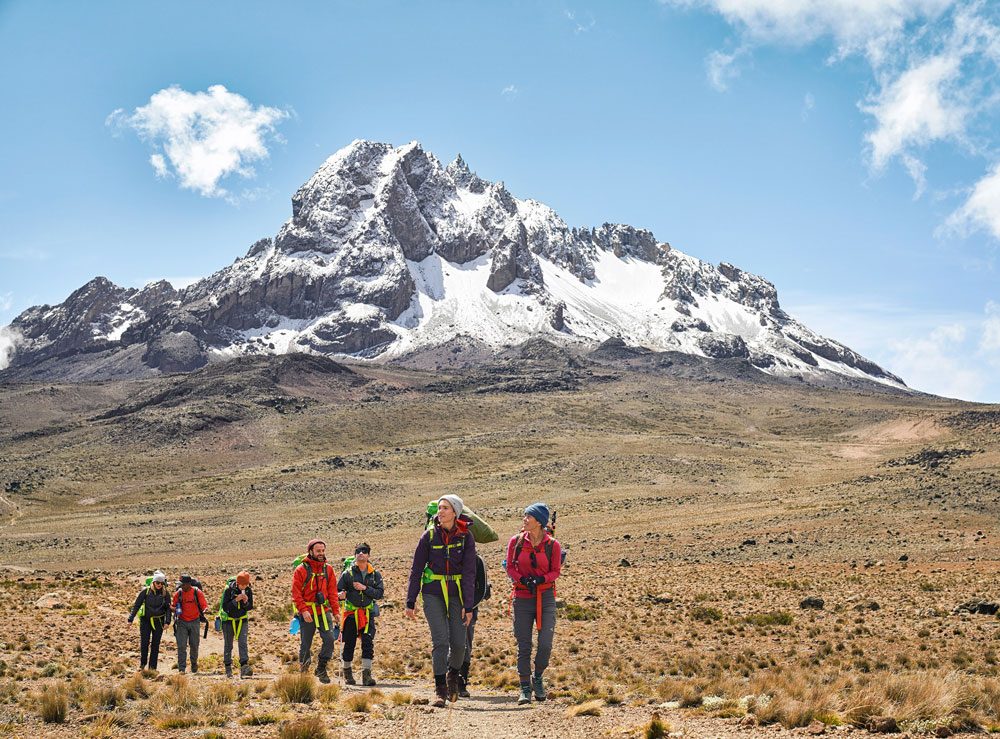

A Kenya Safari from Nairobi offers one of the most exciting ways to discover Africa’s extraordinary wildlife, beautiful landscapes, and rich cultural heritage. From the open grasslands of the Masai Mara to the elephant-filled plains of Amboseli National Park, Kenya delivers unforgettable safari experiences for first-time visitors and experienced travelers alike.
Nairobi provides an excellent starting point for exploring Kenya’s famous national parks and wildlife reserves. The capital connects international visitors with destinations known for lions, elephants, leopards, rhinos, giraffes, zebras, and countless bird species. Moreover, travelers can choose from affordable day trips, private luxury safaris, family adventures, and extended wildlife holidays.
A well-planned Kenya safari combines thrilling game drives with comfortable accommodation, professional guides, and carefully selected destinations. However, choosing the right route matters because Kenya’s wildlife areas cover a large geographical region.
Some parks lie within easy reach of Nairobi. Others require longer road transfers or domestic flights. Consequently, understanding travel distances, safari costs, seasonal conditions, and accommodation options helps visitors enjoy their holidays without unnecessary complications.
This comprehensive guide explores the best Kenya safari packages from Nairobi, including Masai Mara safaris, Amboseli wildlife tours, Lake Nakuru adventures, luxury fly-in experiences, and affordable group safaris.
You will also discover practical safari itineraries, estimated travel budgets, wildlife viewing opportunities, and expert planning advice.
Whether you want a three-day Masai Mara safari or a ten-day journey across several national parks, this guide will help you create a memorable Kenyan adventure.
Why Choose a Kenya Safari from Nairobi?
Nairobi is one of Africa’s most convenient gateways to wildlife adventures. The city combines international flight connections with access to famous safari destinations, making it an ideal starting point for travelers exploring East Africa.
Jomo Kenyatta International Airport welcomes visitors from major international destinations. Meanwhile, Wilson Airport provides scheduled and charter flights to several safari regions.
As a result, travelers can arrive in Nairobi and continue toward national parks without complicated international transfers.
Another advantage involves the variety of safari experiences available. Visitors with limited time can explore Nairobi National Park, while travelers staying longer can discover the Masai Mara, Amboseli, Lake Nakuru, Samburu, and other protected areas.
Additionally, Nairobi offers hotels across different price categories. Visitors can spend a night recovering from their flight before beginning an early morning safari.
For travelers interested in culture, the city also provides museums, restaurants, markets, and wildlife education centers.
Most importantly, beginning a safari in Nairobi allows visitors to build a flexible itinerary around their available days, budget, and preferred experiences.
Nairobi as the Gateway to Kenya’s National Parks
Kenya’s safari geography makes Nairobi especially useful for planning different wildlife circuits.
The Masai Mara lies southwest of the capital, while Lake Nakuru and Lake Naivasha sit within the Great Rift Valley. Amboseli is southeast of Nairobi, close to the Tanzanian border.
Samburu National Reserve lies farther north, where dry landscapes and distinctive wildlife create a different safari atmosphere.
Tsavo East and Tsavo West extend across southeastern Kenya toward the coast.
These destinations provide contrasting landscapes and wildlife experiences. Therefore, visitors can combine several parks to enjoy more diversity during a single holiday.
However, travelers should avoid adding too many destinations to a short itinerary. Excessive driving reduces valuable wildlife viewing time.
A well-designed Kenya safari from Nairobi balances comfortable transfers with meaningful time inside the national parks.
Best Destinations for a Kenya Safari from Nairobi
Kenya contains numerous national parks, private wildlife conservancies, and protected reserves. Each destination offers something different, from big-cat encounters to peaceful lake scenery.
Choosing the right parks depends on your priorities.
Wildlife enthusiasts often prefer the Masai Mara, while elephant lovers appreciate Amboseli. Travelers interested in rhinos and birdwatching frequently choose Lake Nakuru.
Meanwhile, photographers may enjoy Samburu’s dramatic landscapes or the striking scenery of Tsavo.
The following destinations are among the strongest options for a memorable safari departing from Nairobi.
Masai Mara Safari from Nairobi: Kenya’s Iconic Wildlife Experience
The Masai Mara National Reserve ranks among Africa’s most celebrated wildlife destinations. Its rolling grasslands, scattered acacia trees, and remarkable animal populations create the classic safari scenery many travelers imagine.
Located southwest of Nairobi, the reserve forms part of the greater Mara–Serengeti ecosystem.
The Masai Mara supports lions, cheetahs, leopards, elephants, buffaloes, giraffes, zebras, wildebeest, and several antelope species.
Its open landscapes also provide excellent opportunities for wildlife photography.
A Masai Mara safari from Nairobi generally takes approximately five to seven hours by road, depending on traffic, the selected entrance gate, road conditions, and lodge location.
Alternatively, travelers can fly from Wilson Airport to one of the region’s airstrips, often within approximately 45 to 60 minutes of flying time.
For most first-time visitors, at least two nights in the Masai Mara are recommended.
This schedule provides an arrival-day game drive, one complete safari day, and a possible morning activity before departure.
Nevertheless, three or four nights offer a more relaxed experience, especially for photographers and travelers interested in the Great Migration.
Wildlife Encounters in the Masai Mara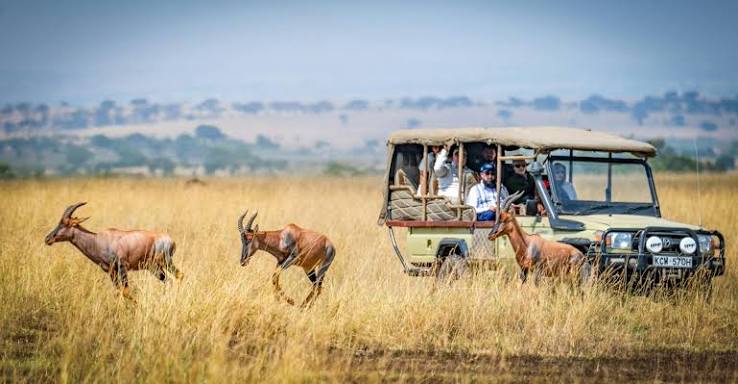
The Masai Mara is particularly famous for its large predators.
Lions frequently move across the plains, sometimes resting in groups beneath acacia trees or searching for prey among grazing animals.
Cheetahs prefer open spaces where they can use their remarkable speed during hunting.
Leopards are more difficult to find because they often hide among trees, riverine vegetation, and dense bushes.
Experienced safari guides understand animal behavior and use tracks, alarm calls, and knowledge of wildlife territories to locate animals responsibly.
However, wildlife sightings remain unpredictable. No reputable safari company can guarantee that visitors will encounter every species.
Beyond predators, the Mara’s enormous diversity makes every game drive rewarding.
Giraffes browse among trees, elephants move through valleys, and buffaloes gather near water.
Hippos and crocodiles occupy rivers, while colorful birds add another dimension to the landscape.
Because the ecosystem remains active throughout the year, the Masai Mara offers rewarding wildlife viewing beyond the migration season.
The Great Wildebeest Migration in the Masai Mara
The Great Wildebeest Migration is one of the world’s most remarkable natural wildlife movements.
Huge herds of wildebeest, accompanied by zebras and other grazing animals, travel through the Serengeti–Mara ecosystem following seasonal rainfall and fresh grass.
The migration often brings large herds into Kenya’s Masai Mara between approximately July and October.
However, rainfall patterns influence their movements, meaning arrival and departure dates can vary.
One of the most dramatic experiences involves watching animals cross the Mara River.
Wildebeest gather near the banks, sometimes waiting for hours before attempting to cross dangerous waters inhabited by crocodiles.
The event attracts wildlife photographers and safari enthusiasts from around the world.
Nevertheless, river crossings cannot be guaranteed on a particular day.
Travelers specifically interested in migration photography should consider spending several nights in the region to improve their chances.
Furthermore, selecting a lodge close to the desired wildlife viewing area may reduce driving time during early morning game drives.
Best Accommodation in the Masai Mara
The Masai Mara offers accommodation ranging from simple tented camps to exceptional luxury safari lodges.
Budget travelers can choose established camps outside the main reserve, although location and entrance fees should influence the decision.
Mid-range lodges provide comfortable rooms, private bathrooms, meals, and convenient access to wildlife areas.
Luxury tented camps offer spacious suites, attentive service, fine dining, and immersive surroundings.
Some properties sit within the national reserve, while others operate in neighboring conservancies.
This distinction is important because different locations may have separate conservation fees, access rules, and permitted activities.
For example, selected private conservancies may allow professionally guided walking safaris or night game drives, subject to their regulations.
Visitors should confirm exactly which activities their accommodation package includes.
Amboseli Safari from Nairobi: Elephants and Mount Kilimanjaro
Amboseli National Park is another outstanding destination for a Kenya safari from Nairobi.
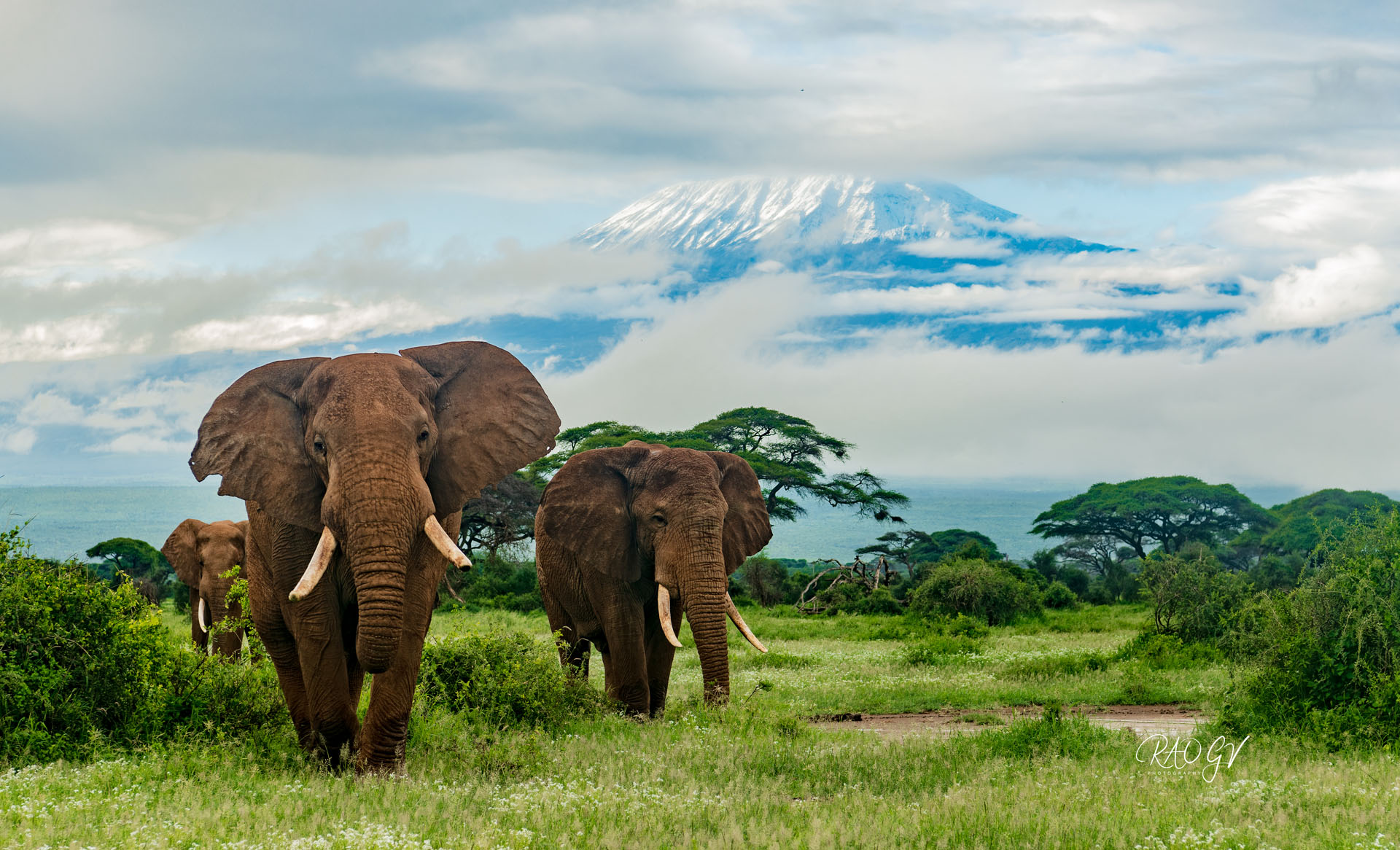
Situated in southern Kenya near the Tanzanian border, Amboseli is internationally recognized for its elephant populations and views of Mount Kilimanjaro.
The snow-capped mountain rises across the border in Tanzania, creating one of Africa’s most recognizable safari landscapes.
On clear mornings, visitors may photograph elephants walking across open plains with Kilimanjaro standing in the background.
However, clouds sometimes obscure the mountain. Early mornings often provide better viewing conditions, although clear skies are never guaranteed.
Traveling from Nairobi to Amboseli usually requires approximately four to five hours by road, depending on the route and traffic.
A two-day safari allows visitors to experience the park, but three days provide more opportunities for relaxed wildlife viewing.
What Makes Amboseli National Park Special?
Amboseli combines seasonal wetlands, dry grasslands, woodland habitats, and open plains.
Its elephants are particularly impressive. Some individuals have enormous tusks, while family groups move together across the landscape.
The park also supports buffaloes, lions, cheetahs, giraffes, zebras, wildebeest, hyenas, and several bird species.
Observation Hill offers an excellent viewpoint across parts of the park’s wetlands and surrounding scenery.
Visitors can appreciate the contrast between dry land and the water-rich areas that attract wildlife.
Amboseli also offers opportunities to learn about the wider region’s Maasai cultural heritage.
Responsible cultural visits should involve local communities directly and provide fair benefits to the participants.
Best Time for an Amboseli Safari
Amboseli offers wildlife viewing throughout the year.
During drier months, animals often gather near permanent water sources, making them easier to locate.
The vegetation may also become less dense, improving visibility.
Meanwhile, rainy periods transform the landscape into greener scenery with dramatic skies.
Photographers sometimes prefer these conditions because the scenery provides stronger colors and beautiful natural backgrounds.
However, heavy rainfall may affect driving conditions on some tracks.
For the best experience, travelers should combine favorable seasonal expectations with a flexible wildlife viewing schedule.
Nairobi National Park Safari: Wildlife Near the Capital
Nairobi National Park offers a remarkable opportunity to experience wild animals close to a major African city.
Established in 1946, the park is Kenya’s oldest national park.
Its grasslands and woodland habitats lie just outside central Nairobi, allowing visitors to experience a wildlife safari without traveling far from the capital.
Lions, black rhinos, buffaloes, giraffes, zebras, hyenas, and various antelope species inhabit the park.
Interestingly, elephants are not part of the park’s resident wildlife population.
This makes Nairobi National Park different from larger reserves such as the Masai Mara or Amboseli.
Nevertheless, the possibility of photographing wildlife against Nairobi’s distant skyline creates an unusual and memorable experience.
Half-Day Nairobi National Park Safari
A half-day safari is particularly suitable for visitors with limited time.
Travelers usually begin early in the morning when temperatures are cooler and wildlife may be more active.
A professional driver-guide collects guests from their Nairobi hotel and transfers them to the park.
Once inside, the safari vehicle follows designated roads while the guide searches for animals.
Morning light creates attractive photography conditions, and visitors may encounter grazing herbivores or predators resting near bushes.
Depending on the itinerary, the game drive may last several hours.
Afterward, travelers can return to their hotels or continue exploring Nairobi.
This experience suits business travelers, visitors on short stopovers, and families who want a convenient introduction to African wildlife.
However, it should not be confused with a multi-day wilderness safari, which offers a different level of immersion.
Combining Nairobi National Park with City Attractions
Travelers can combine a morning game drive with selected educational and cultural attractions.
The Giraffe Centre provides opportunities to learn about giraffe conservation.
The Sheldrick Wildlife Trust also operates a well-known elephant orphan rescue and rehabilitation program. Public visits are subject to advance booking and current visitor arrangements.
Meanwhile, the Karen Blixen Museum offers insights into Kenya’s colonial-era history.
Combining these attractions creates an interesting Nairobi day tour.
However, opening hours, reservations, and travel times must be checked carefully.
A realistic itinerary avoids scheduling too many activities in one day.
Lake Nakuru Safari from Nairobi: Rhinos, Birds and Scenic Landscapes
Lake Nakuru National Park is one of Kenya’s most rewarding wildlife destinations.
Located in the Great Rift Valley, the park combines scenic lake views with woodland habitats, open grasslands, and wildlife-rich landscapes.
Visitors traveling from Nairobi generally need around three to four hours to reach the area, depending on traffic.
Lake Nakuru is particularly important for rhino conservation.
Both black and white rhinos inhabit the park, offering visitors a valuable opportunity to observe these endangered animals in a protected environment.
Although rhinos can also be seen elsewhere in Kenya, Lake Nakuru remains an excellent destination for travelers hoping to include them in their safari.
Birdwatching at Lake Nakuru National Park
Lake Nakuru has long been associated with flamingos and other waterbirds.
However, flamingo numbers change according to lake conditions, food availability, water levels, and seasonal movements.
Visitors should therefore avoid expecting enormous flamingo gatherings on every trip.
Besides flamingos, the park supports pelicans, herons, egrets, fish eagles, and numerous other bird species.
Birdwatchers can explore different habitats during game drives and observe birds around water sources and woodland areas.
The park also supports lions, leopards, buffaloes, zebras, waterbucks, and other mammals.
Scenic viewpoints provide attractive opportunities to photograph the surrounding landscape.
Lake Nakuru works especially well as part of a four- or five-day safari combining the Great Rift Valley with the Masai Mara.
Lake Naivasha Safari from Nairobi: Boat Trips and Nature Adventures

Lake Naivasha offers a different experience from Kenya’s traditional game-drive destinations.
Located within the Great Rift Valley, the freshwater lake attracts birdlife and supports important wetland habitats.
Its peaceful setting makes it popular with travelers interested in nature, relaxation, and outdoor activities.
A Lake Naivasha excursion from Nairobi generally involves approximately two to three hours of road travel, although traffic can extend the journey.
Many visitors choose a guided boat safari across the lake.
During the experience, travelers may observe hippos, waterbirds, and beautiful lakeside scenery.
African fish eagles are among the birds commonly associated with the area.
However, boat trips must follow appropriate safety procedures and maintain a respectful distance from wildlife, especially hippos.
Crescent Island and Walking Experiences
Crescent Island is a popular nature destination near Lake Naivasha.
Depending on access arrangements, visitors can explore the area with a guide and enjoy views of grazing wildlife.
The setting provides a different perspective from a traditional safari vehicle.
Walking experiences encourage travelers to appreciate smaller details, including vegetation, tracks, birds, and landscape features.
However, visitors should use authorized guides and follow local safety advice.
Wild animals remain unpredictable even in areas known for guided walking activities.
Hell’s Gate National Park
Hell’s Gate National Park is another popular destination near Lake Naivasha.
Its dramatic cliffs, volcanic formations, open landscapes, and geothermal features create memorable scenery.
Unlike most Kenyan national parks, Hell’s Gate offers designated opportunities for cycling, hiking, and other outdoor activities.
The park is particularly appealing to active travelers who want an experience beyond vehicle-based wildlife viewing.
Nevertheless, certain areas may require professional guidance or have temporary access restrictions.
Visitors should confirm current arrangements before planning hikes or gorge excursions.
For travelers spending several days in Kenya, Naivasha provides a pleasant change of pace between longer safari drives.
Tsavo East and Tsavo West: Kenya’s Vast Wilderness
Tsavo East and Tsavo West are among Kenya’s most impressive wilderness destinations.
Together, they form a large protected landscape in southeastern Kenya.
Their location makes them especially attractive for travelers planning a safari between Nairobi and Kenya’s coast.
However, the two parks offer distinct environments.
Tsavo East is associated with broad open landscapes, red-colored soil, and impressive wildlife encounters.
Its elephants often appear reddish because they cover themselves in the region’s distinctive dust.
The park also supports lions, giraffes, buffaloes, zebras, and several antelope species.
Tsavo West offers more varied terrain, including volcanic hills, rocky landscapes, woodland habitats, and scenic viewpoints.
Wildlife and Landscapes in Tsavo West
Tsavo West National Park is known for Mzima Springs, where clear water flows through a beautiful natural setting.
The springs attract wildlife and create an interesting contrast with the surrounding dry landscapes.
Other features include volcanic formations and scenic wilderness areas.
Game drives provide opportunities to search for elephants, buffaloes, giraffes, lions, and other animals.
However, denser vegetation in some parts of Tsavo West can make wildlife harder to spot than in open grassland parks.
For this reason, travelers should appreciate the park’s natural scenery alongside its wildlife.
Combining Amboseli and Tsavo
A safari combining Amboseli and Tsavo West offers an interesting southern Kenya circuit.
Travelers can begin in Nairobi, explore Amboseli’s elephant-rich plains, continue to Tsavo West, and return to Nairobi or travel toward the coast.
With additional time, Tsavo East can also be included.
This route works especially well for travelers interested in combining wildlife adventures with a beach holiday in Mombasa, Diani, or Watamu.
However, road distances should be assessed carefully before confirming the itinerary.
Samburu Safari from Nairobi: Discover Northern Kenya
Samburu National Reserve offers a fascinating contrast to Kenya’s southern grasslands.
Located in northern Kenya, the reserve features dry landscapes, riverine vegetation, rugged hills, and distinctive wildlife.
Travelers commonly reach the region through a road journey of approximately five to seven hours, depending on conditions.
Alternatively, domestic flights can reduce transfer time.
Samburu is especially famous for wildlife species associated with Kenya’s northern ecosystems.
These include Grevy’s zebra, reticulated giraffe, Beisa oryx, gerenuk, and Somali ostrich.
Visitors sometimes refer to these animals as the Samburu Special Five.
Unlike the traditional Big Five, this group highlights species that make northern Kenya distinctive.
Why Include Samburu in a Kenya Safari?
Samburu provides valuable ecological diversity.
The Ewaso Ng’iro River supports vegetation that attracts animals during different seasons.
Elephants often move near river habitats, while predators search for opportunities across the surrounding landscape.
Birdwatchers can also enjoy the region’s varied birdlife.
Furthermore, Samburu offers opportunities for culturally respectful experiences with local communities.
A three-day visit provides a rewarding introduction, although longer stays are ideal for travelers seeking a more relaxed experience.
Because Samburu lies farther from Nairobi than some popular southern destinations, it generally works best within a longer itinerary.
Ol Pejeta Conservancy: Rhinos and Responsible Wildlife Tourism
Ol Pejeta Conservancy, located in Laikipia, is another excellent addition to a Kenya safari.
The conservancy combines wildlife viewing with important conservation initiatives.
Visitors can observe various savannah animals while learning about efforts to protect threatened species.
Ol Pejeta is particularly associated with rhino conservation, including the protection of northern white rhinos and other endangered wildlife.
Its conservation work attracts visitors interested in understanding the challenges of wildlife protection.
What to Experience at Ol Pejeta
Game drives provide opportunities to observe rhinos, elephants, buffaloes, predators, and other species.
Some conservation-focused activities may also be available, depending on visitor arrangements and advance reservations.
However, not every activity is included in standard entrance fees.
Travelers should confirm additional charges, operating schedules, and age restrictions where applicable.
Ol Pejeta can be combined with Lake Nakuru, Samburu, or other northern Kenya destinations.
This creates an itinerary that balances wildlife photography with education and conservation.
Types of Kenya Safari from Nairobi Packages
Safari travelers have different expectations.
Some visitors want an affordable wildlife experience, while others prefer private vehicles, luxury accommodation, or specialist photography guides.
Fortunately, Kenya offers a wide range of safari styles.
Choosing the right package begins with understanding what is included and how the trip operates.
Budget Kenya Safari from Nairobi
A budget Kenya safari provides access to outstanding wildlife destinations without requiring luxury accommodation.
These packages often use shared safari vehicles, simple tented camps, or affordable lodges.
Travelers may share transport with other guests following a similar itinerary.
As a result, vehicle and guiding expenses are distributed across the group.
Budget safaris frequently visit the Masai Mara, Amboseli, Lake Nakuru, and other popular destinations.
However, lower prices do not always mean better value.
Some inexpensive packages exclude park fees, offer limited game-drive time, or use accommodation located far from reserve entrances.
Therefore, visitors should examine the entire itinerary before booking.
A responsible safari operator will clearly explain inclusions, accommodation standards, group size, and additional charges.
Budget travelers should prioritize reliable transport, professional guides, safe accommodation, and meaningful wildlife viewing over simply choosing the lowest advertised rate.
Mid-Range Kenya Safari Packages
Mid-range safaris offer an attractive balance between comfort and affordability.
These packages typically use established lodges or permanent tented camps with private bathrooms and comfortable bedding.
Meals are often included during overnight stays in wildlife destinations.
Depending on the package, visitors may travel in a private safari vehicle or join a small group.
Mid-range accommodation can provide beautiful surroundings without the higher costs associated with premium luxury properties.
For many first-time visitors, this category offers excellent overall value.
Travelers enjoy comfortable evenings after game drives while keeping more of their holiday budget available for additional activities.
However, location remains important.
A well-positioned mid-range lodge can provide a better overall experience than an expensive property requiring lengthy transfers to wildlife viewing areas.
Luxury Kenya Safari from Nairobi
Luxury Kenya safaris combine exceptional wildlife experiences with premium accommodation and personalized service.
Travelers may stay in exclusive tented suites, boutique lodges, or private conservancy properties.
Many luxury camps provide spacious rooms, elegant dining areas, beautiful views, and attentive hospitality.
Some packages include private safari vehicles and dedicated guides.
Fly-in arrangements are also common, allowing guests to reduce road transfers.
Luxury safaris appeal to honeymooners, couples, photographers, and travelers who value comfort and privacy.
Nevertheless, luxury is not only about expensive accommodation.
The quality of guiding, lodge location, wildlife access, and overall itinerary design often determine the real value of the experience.
A carefully planned safari should balance comfort with enough time to explore the surrounding wilderness.
Private Kenya Safari from Nairobi
Private safaris provide greater flexibility than shared group departures.
Guests travel with their own safari vehicle and dedicated guide, allowing the itinerary to reflect their interests.
For example, wildlife photographers may spend longer observing a lion pride or waiting for favorable lighting.
Families can adjust their schedule according to children’s energy levels.
Couples may choose more relaxed game drives with additional time at scenic viewpoints.
A private safari also allows travelers to select accommodation according to their preferred standards.
Although private tours can cost more for solo travelers, couples and small groups may find the additional flexibility worthwhile.
Furthermore, the cost per person often becomes more competitive when several guests share one vehicle.
Group Joining Kenya Safari Packages
Group joining safaris are particularly popular with budget-conscious travelers.
These tours bring together guests who want to visit similar wildlife destinations on scheduled departure dates.
Participants share transport, guiding services, and sometimes accommodation arrangements.
This approach reduces costs while creating opportunities to meet other travelers.
However, group tours follow a common itinerary.
Individual guests usually have less freedom to change game-drive timings or activities.
Travelers should confirm the maximum number of passengers per vehicle before booking.
Adequate seating, visibility, luggage space, and comfort matter considerably during long drives.
Small groups often create a more enjoyable experience than overcrowded vehicles.
Kenya Fly-In Safari from Nairobi
A fly-in safari allows travelers to reach distant wildlife destinations quickly.
Flights generally depart from Wilson Airport and land at designated safari airstrips.
The Masai Mara is one of the most popular destinations for domestic safari flights.
Flying helps visitors reduce time spent on long road transfers.
For travelers with limited vacation days, this can create more opportunities for game drives.
Luxury lodges frequently arrange airstrip transfers using their own safari vehicles.
However, flight schedules, luggage restrictions, airstrip locations, and connecting transfers must be considered.
Some flights make intermediate stops, while certain routes require connections.
Therefore, visitors should not assume that every destination has a direct flight.
Despite the higher transport cost, flying can be worthwhile for travelers prioritizing comfort and efficient use of time.
Best Kenya Safari from Nairobi Itineraries
Choosing the right safari duration is essential.
A successful itinerary provides enough time for wildlife viewing without creating an exhausting schedule.
Although travelers can visit several destinations in a short period, spending meaningful time in fewer parks often produces better results.
The following sample itineraries demonstrate how Kenya safari packages can be organized around different travel durations.
All schedules remain flexible and depend on accommodation location, road conditions, wildlife activity, and travel preferences.
1-Day Kenya Safari from Nairobi
A one-day safari is ideal for travelers who have limited time in Kenya.
Nairobi National Park provides the most practical option.
The day begins with an early morning hotel pickup followed by a transfer to the national park.
Once inside, guests enjoy a game drive in search of lions, rhinos, buffaloes, giraffes, zebras, and other wildlife.
The professional guide explains the park’s ecosystem and conservation importance.
After several hours, travelers return to Nairobi.
Depending on the schedule, the afternoon can include a visit to another attraction or time to relax.
Although a day trip cannot replace a longer wilderness safari, it provides an excellent wildlife introduction.
An Amboseli day trip is also possible for travelers comfortable with extensive driving. However, the long return journey makes it less relaxed than an overnight visit.
2-Day Amboseli Safari from Nairobi
A two-day Amboseli safari is suitable for travelers looking for elephants and beautiful scenery.
On the first morning, guests depart Nairobi and drive toward Amboseli National Park.
The journey passes through changing landscapes before reaching the park region.
After lunch and check-in, visitors enjoy an afternoon game drive.
Elephants, buffaloes, zebras, giraffes, and other wildlife may appear across the open plains.
The evening provides time to relax at the lodge.
On the second day, an early morning game drive offers another opportunity to observe wildlife and photograph Mount Kilimanjaro when weather conditions allow.
After breakfast or lunch, depending on the itinerary, guests return to Nairobi.
This package works well for short holidays, although an additional night would create a more relaxed experience.
3-Day Masai Mara Safari from Nairobi
A three-day Masai Mara safari is one of Kenya’s most popular short wildlife holidays.
On the first day, travelers leave Nairobi early and head southwest toward the Great Rift Valley.
The route usually continues through Narok before reaching the Mara region.
After lunch and lodge check-in, guests enjoy an afternoon game drive where time and entry arrangements permit.
The following day focuses on wildlife exploration.
Visitors can spend the morning searching for predators, elephants, giraffes, and grazing herds.
Depending on the lodge location and guiding plan, the day may include a picnic lunch or a return to camp between activities.
An experienced guide selects wildlife viewing routes according to animal movements and conditions.
The final morning may allow a shorter game drive before departure, subject to park access rules and travel timing.
Guests then drive back to Nairobi.
This itinerary provides a memorable first safari experience without requiring a full week.
4-Day Masai Mara and Lake Nakuru Safari
A four-day safari combining Lake Nakuru and the Masai Mara introduces visitors to two contrasting ecosystems.
The journey begins with a drive from Nairobi toward Lake Nakuru.
After arriving, guests explore the national park, searching for rhinos, buffaloes, giraffes, and birdlife.
The next morning can begin with additional wildlife viewing before continuing toward the Masai Mara.
Upon arrival, travelers settle into their accommodation.
The third day offers extended wildlife viewing in the Mara.
Visitors explore open grasslands, river habitats, and other areas known for large mammals.
Lions, cheetahs, elephants, and other species may be encountered during the day.
On the fourth day, guests return to Nairobi.
This combination is especially attractive for first-time safari travelers because Lake Nakuru improves the opportunity to see rhinos while the Masai Mara provides exceptional big-cat habitat.
5-Day Kenya Safari from Nairobi
A five-day Kenya safari offers a balanced introduction to Kenya’s wildlife destinations.
One practical route combines Lake Naivasha, Lake Nakuru, and the Masai Mara.
The first day begins with a drive from Nairobi toward Lake Naivasha.
Visitors may enjoy a boat excursion or another nature activity before spending the night near the lake.
On the second day, the journey continues to Lake Nakuru National Park.
A game drive provides opportunities to observe rhinos, buffaloes, birdlife, and scenic landscapes.
The third day leads toward the Masai Mara, where guests settle into their accommodation and may enjoy an afternoon safari.
Day four focuses on game drives across the reserve.
Travelers have additional time to explore different wildlife habitats and observe animals throughout the day.
On the fifth day, guests travel back to Nairobi.
This itinerary combines freshwater scenery, rhino conservation, and classic savannah wildlife.
For travelers who prefer fewer accommodation changes, a five-day safari can instead concentrate on Lake Nakuru and the Masai Mara.
7-Day Kenya Safari from Nairobi
A seven-day Kenya safari creates opportunities to explore several famous national parks.
One classic itinerary combines Amboseli, Lake Nakuru, and the Masai Mara.
The adventure begins with a road transfer from Nairobi to Amboseli.
After arrival, guests enjoy their first game drive among elephant-rich plains.
The second day provides more time in Amboseli, including morning and afternoon wildlife viewing.
On day three, travelers leave Amboseli and continue toward the Great Rift Valley.
This can be a long transfer day, so the itinerary should include realistic breaks and avoid overpromising afternoon activities.
Depending on the selected route, guests may overnight near Lake Naivasha or Lake Nakuru.
The following day includes wildlife viewing at Lake Nakuru before continuing toward the Masai Mara.
Days five and six focus on exploring the Mara’s wildlife-rich landscapes.
Travelers enjoy opportunities to observe predators, grazing animals, and river habitats.
An optional hot-air balloon safari can be arranged on one of these mornings.
The final day involves returning to Nairobi.
This itinerary provides considerable wildlife diversity, although travelers who dislike long transfers may prefer a route with fewer destinations or selected domestic flights.
10-Day Luxury Kenya Safari from Nairobi
A ten-day Kenya safari allows travelers to explore several ecosystems at a comfortable pace.
One rewarding route begins in Nairobi before continuing to Amboseli for two nights.
Guests enjoy elephant encounters, scenic landscapes, and opportunities to photograph Mount Kilimanjaro.
Afterward, the itinerary can continue toward the Great Rift Valley.
Lake Naivasha provides a peaceful overnight stop with optional boat activities.
A visit to Lake Nakuru adds rhinos and birdwatching opportunities.
The journey then continues toward the Masai Mara.
Spending three or four nights in the Mara creates more time for wildlife photography and relaxed game drives.
Visitors may divide their stay between the national reserve and a nearby conservancy, depending on their interests and budget.
The safari can conclude with a domestic flight or road transfer back to Nairobi.
This extended itinerary suits couples, families, wildlife enthusiasts, and travelers celebrating special occasions.
12-Day Kenya Safari and Beach Holiday
A twelve-day safari and beach holiday combines wildlife adventures with relaxation along Kenya’s Indian Ocean coast.
Travelers can begin in Nairobi and explore Amboseli for two nights.
The route then continues to Tsavo West and Tsavo East, allowing visitors to discover different landscapes and wildlife habitats.
Alternatively, guests can focus on the Masai Mara before transferring toward the coast by air.
After completing the wildlife portion, the holiday continues to Diani Beach, Watamu, or another coastal destination.
Kenya’s coastline offers beautiful beaches, warm weather, water activities, and comfortable resorts.
Visitors can relax after early morning game drives and long safari journeys.
However, coastal weather, marine conditions, and transport connections vary throughout the year.
A realistic itinerary should allow enough time for both the safari and beach experiences.
Kenya Safari from Nairobi Prices in 2026
The cost of a Kenya safari from Nairobi depends on several factors.
The main considerations include travel duration, accommodation category, number of travelers, selected parks, transport arrangements, and seasonal demand.
Park entrance fees also influence the final price.
For example, a private safari for two travelers usually costs more per person than a group joining tour because vehicle and guiding expenses are shared by fewer guests.
Likewise, luxury fly-in safaris cost more than standard road packages.
Peak-season accommodation may be significantly more expensive than comparable stays during quieter periods.
Consequently, travelers should compare complete package quotations rather than advertised starting prices alone.
Budget Kenya Safari Costs
As a broad planning estimate, budget safari arrangements may cost approximately USD 150 to USD 300 per person per day when costs are shared.
However, actual rates can fall outside this range.
Short group tours, discounted departures, high-season park fees, and accommodation standards all affect pricing.
Budget packages commonly involve shared transport and modest accommodation.
Some operators advertise very low rates but charge separately for reserve entrance fees and optional activities.
Therefore, travelers should request a complete written quotation before making payment.
Mid-Range Kenya Safari Costs
Mid-range safari arrangements may cost approximately USD 300 to USD 600 per person per day.
These are broad estimates rather than fixed prices.
The package may include comfortable lodge accommodation, scheduled game drives, meals, and private or shared safari transportation.
Costs rise when travelers select premium park locations, private vehicles, or high-season accommodation.
For couples and small groups, mid-range safaris often provide a strong balance between affordability and comfort.
Luxury Kenya Safari Costs
Luxury safaris may cost USD 700 to USD 1,500 or more per person per day.
Exclusive conservancy stays, premium properties, private guides, and domestic flights can increase the total significantly.
Some high-end lodges offer comprehensive packages that include accommodation, meals, and selected activities.
However, additional park fees, conservancy charges, premium drinks, and special excursions may still apply.
Travelers should confirm inclusions carefully to avoid misunderstandings.
What Is Usually Included in a Kenya Safari Package?
Many Kenya safari packages include airport or hotel pickup, accommodation, transport, professional guiding, scheduled game drives, and meals during overnight park stays.
Some also include national park entrance fees, drinking water, and applicable government taxes.
However, inclusion policies vary between operators.
International flights, travel insurance, visas or electronic travel authorizations, gratuities, personal shopping, alcoholic drinks, and optional excursions are frequently excluded.
Balloon safaris and some cultural experiences usually require additional payment.
Before confirming a reservation, request a detailed explanation of the services included in the quoted price.
Understanding Kenya National Park Entrance Fees
Kenya’s park entrance fees vary by destination and visitor category.
Under the Kenya Wildlife Service fee schedule published for 2025 and displayed on its park pages, the listed non-resident adult charges include USD 80 for Nairobi National Park, USD 90 for Amboseli, USD 90 for Lake Nakuru, and USD 80 for Tsavo West.
The Masai Mara follows a separate county-managed fee structure.
For 2026, published Masai Mara non-resident adult entrance fees are USD 100 per day from January through June and USD 200 per day from July through December.
Different charges apply to eligible residents, citizens, and children.
Vehicle fees, special activities, and conservancy charges may also apply.
Because regulations and tariffs can change, travelers should confirm current fees and ticket validity with the relevant park authority before payment.
Official Kenya Wildlife Service information is available
Best Time to Book a Kenya Safari from Nairobi
Kenya offers wildlife experiences throughout the year.
However, weather conditions, vegetation, animal movements, and visitor numbers change between seasons.
The best travel period depends on whether you prefer dry-season wildlife viewing, green landscapes, migration activity, or lower accommodation rates.
Understanding these differences helps travelers select suitable dates.
June to October: Popular Dry-Season Safaris
The period from approximately June to October is one of Kenya’s most popular safari seasons.
Rainfall is often lower in many safari regions, although local conditions vary.
As grass becomes shorter in some areas, visitors may find wildlife easier to observe.
Animals also tend to concentrate around reliable water sources during dry periods.
The Masai Mara attracts particular attention because migrating wildebeest may enter the ecosystem during these months.
Consequently, accommodation demand often increases.
Visitors planning high-season safaris should reserve their preferred lodges well in advance.
However, popular wildlife locations can become busy, especially during peak migration periods.
Travelers seeking quieter experiences may consider private conservancies or alternative parks.
January to March: Wildlife Viewing and Photography
January through March can be an excellent period for Kenya safaris.
Many regions experience relatively dry conditions during parts of this period, although seasonal weather is not identical throughout the country.
Open landscapes and clear skies may provide attractive photography opportunities.
Amboseli is especially popular with travelers hoping to photograph elephants and Mount Kilimanjaro.
The Masai Mara also remains rewarding because resident wildlife populations stay active throughout the year.
Furthermore, certain destinations may experience fewer visitors than during the busiest migration months.
This period can suit travelers who want strong wildlife experiences without making the Great Migration their central priority.
April to May: Green-Season Safari Experiences
April and May are commonly associated with Kenya’s longer rainy season.
During this period, vegetation becomes greener, and landscapes can look particularly beautiful.
Birdwatching and landscape photography may be rewarding.
Some lodges offer attractive seasonal rates, although others temporarily close or reduce operations.
Road conditions can become challenging in areas affected by heavy rainfall.
Consequently, travel plans should include realistic driving allowances and suitable safari vehicles.
Visitors considering a green-season trip should choose destinations and accommodation carefully.
Despite potential weather challenges, this period can offer quieter surroundings and attractive scenery.
November and December: Short-Rain Season Travel
November and December often bring shorter seasonal rains to parts of Kenya.
However, rainfall patterns vary, and changing climatic conditions can affect traditional seasonal expectations.
Wildlife viewing remains possible, particularly in established national parks.
The landscape may become greener, while rain showers can create dramatic skies for photography.
December also brings increased holiday travel during the festive season.
Therefore, visitors should reserve popular accommodation early when traveling around Christmas and New Year.
Road Safari vs Fly-In Safari from Nairobi
Choosing between road transport and domestic flights can significantly influence a safari experience.
Road safaris are often more economical and allow travelers to observe changing landscapes along the journey.
A drive toward the Great Rift Valley may include beautiful viewpoints and interesting rural scenery.
However, long transfers can be tiring.
The Masai Mara commonly requires five to seven hours or more by road, depending on the destination within the ecosystem.
Amboseli generally involves around four to five hours of driving.
Lake Nakuru is closer, although traffic may affect the schedule.
Domestic flights reduce travel time, particularly on routes between Nairobi and distant safari regions.
A fly-in package can therefore be attractive for travelers with limited vacation days.
Nevertheless, air travel introduces additional considerations, including baggage restrictions, airport transfers, weather-related disruptions, and flight schedules.
For some travelers, a combination of road and air transport provides the best balance.
For example, visitors can drive through the Great Rift Valley toward Lake Nakuru and then explore the Masai Mara before flying back to Nairobi.
The ideal option depends on budget, comfort expectations, and available time.
Choosing the Best Safari Vehicle in Kenya
The safari vehicle plays an important role in comfort and wildlife viewing.
Kenya safari operators commonly use customized 4×4 Land Cruisers or safari vans, depending on the package.
A well-maintained 4×4 vehicle is particularly valuable on rough tracks and during challenging weather conditions.
Many safari vehicles feature pop-up roofs, allowing passengers to stand safely during designated wildlife viewing stops.
Large windows also improve visibility.
However, travelers should not assume that every vehicle provides the same level of comfort.
Before booking, confirm the vehicle type, seating capacity, luggage arrangements, and whether every guest will have access to a suitable viewing position.
Air conditioning, charging ports, and onboard amenities may vary.
Private vehicles provide more flexibility, while shared safari transport can reduce costs.
Most importantly, reliable maintenance and professional driving standards should take priority over appearance alone.
How to Choose the Best Safari Lodge in Kenya
Accommodation influences much more than where travelers sleep.
The lodge location can determine how early a safari begins, how long guests spend driving, and which wildlife areas are easily accessible.
A property close to a reserve entrance may reduce transfer time.
However, travelers should also consider the entrance gate used, road quality, and the specific game-drive area.
Accommodation inside protected areas or conservancies may offer convenient wildlife access, although fees and operating rules can differ.
Budget Safari Camps
Budget camps provide simple accommodation for travelers prioritizing wildlife experiences.
Facilities vary, but established camps may offer comfortable beds, basic private bathrooms, and prepared meals.
Some camps operate outside national park boundaries.
Although these properties can offer excellent value, travelers should verify driving distances and additional park fees.
Mid-Range Safari Lodges
Mid-range lodges typically provide comfortable rooms, restaurants, attractive surroundings, and convenient access to safari areas.
Many properties offer swimming pools, outdoor seating areas, and views of surrounding landscapes.
For families and couples, these facilities can make the experience more relaxing after long game drives.
However, specific amenities should always be confirmed before booking.
Luxury Tented Camps
Luxury tented camps combine the atmosphere of the African wilderness with premium comfort.
Some offer spacious suites, private decks, elegant dining, and personalized service.
Guests may hear wildlife outside their accommodation or observe animals moving through nearby landscapes.
Nevertheless, safari camps operate in natural environments.
Visitors must follow staff instructions, especially when moving around after dark.
Choosing accommodation should involve comfort, location, conservation standards, and suitability for the traveler’s itinerary.
Big Five Wildlife Safari in Kenya
The Big Five remains one of the most recognizable expressions in African safari tourism.
The term refers to the lion, leopard, elephant, African buffalo, and rhinoceros.
Although these animals attract considerable attention, Kenya’s wildlife experiences extend far beyond them.
A well-rounded safari also offers opportunities to observe cheetahs, giraffes, zebras, hippos, crocodiles, antelopes, monkeys, and hundreds of bird species.
Different parks offer different viewing opportunities.
The Masai Mara is particularly strong for predators, elephants, and grazing animals.
Lake Nakuru and Ol Pejeta provide valuable opportunities to observe rhinos.
Amboseli is especially famous for elephants.
Nairobi National Park supports lions, rhinos, buffaloes, and leopards, but not resident elephants.
Therefore, combining selected destinations can improve the variety of wildlife encountered.
However, no safari itinerary can guarantee sightings of all five species.
Weather, wildlife movements, vegetation, and chance all influence what visitors see.
The best guides focus on creating meaningful wildlife experiences rather than promising specific encounters.
Hot-Air Balloon Safari in the Masai Mara
A hot-air balloon safari offers a memorable perspective on the Masai Mara landscape.
Flights usually take place early in the morning when atmospheric conditions are suitable.
Travelers are collected from their accommodation before sunrise and transferred to the launch area.
After a safety briefing, guests board the balloon basket.
As the balloon rises, the plains, winding rivers, and scattered trees appear beneath them.
Depending on location and conditions, wildlife may be visible across the landscape.
The experience provides beautiful photography opportunities.
Some operators also include a special breakfast after landing.
However, balloon operations depend on weather and aviation safety decisions.
Flights may be delayed or canceled when conditions are unsuitable.
The activity also involves an additional cost and should be reserved in advance during busy travel periods.
Travelers with medical concerns, mobility limitations, or young children should check operator restrictions before booking.
Cultural Experiences During a Kenya Safari
Kenya’s cultural diversity adds considerable depth to a wildlife holiday.
Travelers can learn about traditional livelihoods, local communities, art, food, and conservation partnerships.
Maasai cultural experiences are among the most commonly offered activities near the Masai Mara and Amboseli.
Visits may introduce guests to aspects of community life, traditional architecture, storytelling, and cultural practices.
However, cultural tourism should be respectful and community-led.
Visitors should understand that local communities are living, evolving societies rather than tourist displays.
A meaningful experience involves genuine interaction, consent for photography, fair compensation, and opportunities for community members to share their perspectives.
Other Kenyan regions offer different cultural traditions and experiences.
Samburu communities, for example, have distinct cultural histories connected to northern Kenya.
By incorporating responsible cultural activities, travelers can gain a richer understanding of the country beyond its wildlife.
Kenya Safari from Nairobi for Families
Kenya is an attractive destination for family safari holidays.
Children can learn about wildlife, ecosystems, conservation, and different cultures through experiences that are difficult to reproduce in classrooms.
However, family safaris require thoughtful planning.
Long transfer days may become tiring for younger travelers.
For this reason, families should consider spending multiple nights at selected destinations rather than moving between lodges every day.
A private safari vehicle can provide valuable flexibility.
Parents may adjust game-drive durations, schedule rest periods, or return to accommodation when needed.
Family-friendly lodges sometimes offer swimming pools, larger rooms, and activities designed for younger visitors.
Nevertheless, age restrictions may apply to walking safaris, balloon flights, and other specialist experiences.
Parents should also discuss malaria prevention, vaccinations, and general travel health with a qualified medical professional before departure.
With an appropriate itinerary, a Kenya family safari can become both an educational and memorable holiday.
Romantic Kenya Safari from Nairobi for Couples
Kenya offers wonderful settings for couples seeking a romantic wildlife holiday.
Beautiful landscapes, intimate safari lodges, and exceptional wildlife experiences create opportunities for memorable moments together.
Honeymooners may prefer private game drives, luxury tented accommodation, and peaceful evenings overlooking the wilderness.
The Masai Mara is especially popular because of its beautiful landscapes and varied wildlife.
Amboseli also offers striking views of Mount Kilimanjaro, while Lake Naivasha provides a more peaceful lakeside atmosphere.
Couples can combine several destinations to create a personalized itinerary.
A romantic safari might begin with two nights in Amboseli before continuing to the Masai Mara for several days.
Afterward, guests can travel to Kenya’s coast for relaxation.
However, an expensive honeymoon package is not automatically better.
Privacy, accommodation quality, convenient logistics, and personal preferences matter more than the label attached to a holiday.
Kenya Safari Photography Tips
Wildlife photography is one of the most rewarding aspects of a Kenya safari.
The country’s landscapes provide opportunities to photograph animals, dramatic skies, and beautiful scenery.
Early morning and late afternoon often offer attractive natural lighting.
During these periods, softer light may improve image quality and reveal interesting textures across the landscape.
However, wildlife behavior should determine where and when a vehicle stops.
Professional guides understand appropriate viewing distances and park regulations.
Visitors should avoid encouraging guides to approach animals too closely or drive away from designated tracks.
A camera with a suitable telephoto lens can help capture wildlife from a respectful distance.
Binoculars are also useful for observing animals that remain far away.
For travelers using smartphones, stable positioning and careful composition can improve photographs considerably.
Above all, patience matters.
Some of the most memorable images emerge when travelers spend time observing natural animal behavior rather than moving rapidly between sightings.
Responsible and Sustainable Kenya Safari Tourism
Responsible tourism is essential to protecting Kenya’s wildlife heritage.
National parks and conservancies support conservation, local employment, tourism development, and environmental education.
However, tourism must be managed carefully to reduce negative impacts.
Visitors can contribute by choosing reputable operators that respect wildlife viewing regulations.
Safari vehicles should remain on authorized roads and maintain safe distances from animals.
Feeding wildlife should never be encouraged.
Excessive noise can disturb animals and reduce the quality of encounters for other visitors.
Travelers should also avoid littering and unnecessary plastic waste.
Accommodation providers that employ local people, conserve resources, and support conservation initiatives can create additional positive impacts.
Community-based tourism experiences should provide fair benefits to participating residents.
Ultimately, responsible safari travel helps preserve the ecosystems that make Kenya such an extraordinary destination.
How to Prepare for a Kenya Safari from Nairobi
Good preparation improves comfort and reduces avoidable problems.
Travelers should begin by confirming their travel dates, available budget, and preferred safari destinations.
Next, they should review their passport validity and entry requirements.
Accommodation and safari transport should be booked early when traveling during popular periods.
Packing should focus on comfortable clothing suitable for changing temperatures.
Lightweight trousers, breathable shirts, a warm layer for cooler mornings, and comfortable footwear are generally useful.
Neutral colors often work well for wildlife activities.
A wide-brimmed hat, sunglasses, sunscreen, and insect repellent also provide practical protection.
Travelers interested in photography should bring appropriate equipment, spare batteries, and charging accessories.
A small personal day bag helps keep essential items accessible during game drives.
Most importantly, visitors should understand the itinerary before departure.
Knowing transfer durations, meal arrangements, accommodation locations, and included activities makes the overall experience smoother.
Kenya Electronic Travel Authorization and Entry Requirements
Travelers visiting Kenya should check the country’s current entry requirements before departure.
Kenya operates an Electronic Travel Authorization system for many international visitors.
However, certain nationalities and traveler categories qualify for exemptions.
For example, citizens of East African Community partner states, including Rwanda and Uganda, are among the categories covered by Kenya’s published exemption rules.
Other visitors may need an approved eTA before traveling.
The standard eTA application fee is listed at USD 30, excluding applicable processing charges.
Applicants normally require a valid passport, travel information, accommodation details, and other supporting information.
Processing times can vary, so travelers should not leave applications until the last moment.
Official information and applications are available through Kenya’s Electronic Travel Authorization website.
Entry regulations can change, so travelers should always verify the latest requirements for their nationality and itinerary.
Health and Safety During a Kenya Safari
Kenya safari travel involves visiting natural environments where appropriate health precautions are important.
Travelers should consult a qualified travel health professional before departure.
Medical advice may include routine vaccinations, destination-specific immunizations, malaria prevention, and guidance for individual health conditions.
Malaria risk varies by geographical location.
Many safari destinations require careful consideration of mosquito-bite prevention and, where medically appropriate, preventive medication.
Travelers should not assume that malaria precautions are unnecessary simply because they are spending most of their holiday inside a safari vehicle or lodge.
The CDC Kenya travel health guidance provides general destination information, although individual medical advice remains essential.
Travel insurance should cover medical treatment and emergency evacuation where appropriate.
During game drives, visitors must follow their guide’s safety instructions.
Wild animals can behave unpredictably, and travelers should never approach them independently.
Guests should also avoid walking around unfenced safari camps at night without staff guidance.
Responsible preparation supports a safer and more comfortable holiday.
Combining a Kenya Safari with Tanzania
Travelers with additional vacation time can combine Kenya with Tanzania for an extended East African wildlife adventure.
The Masai Mara and Tanzania’s Serengeti form part of a connected wildlife ecosystem.
However, crossing between the countries requires suitable transport arrangements and official border procedures.
A combined Kenya and Tanzania safari may include the Masai Mara, Serengeti National Park, and Ngorongoro Crater.
Each destination offers distinctive scenery and wildlife viewing opportunities.
The Serengeti is famous for its extensive plains and migration activity.
Ngorongoro Crater provides dramatic landscapes and a concentrated wildlife viewing area within the larger conservation area.
A combined itinerary generally requires more time than a standard Kenya safari.
Travelers should allow for international border formalities, transport connections, and realistic driving distances.
Domestic or regional flights can help reduce lengthy transfers.
For visitors seeking a comprehensive East African safari, combining the two countries creates an exceptional variety of experiences.
Combining Kenya Safari with Rwanda Gorilla Trekking
A Kenya safari can also be combined with mountain gorilla trekking in Rwanda.
This combination appeals to travelers who want to experience both classic African savannah wildlife and the remarkable mountain gorillas of Central Africa.
Kenya offers opportunities to observe lions, elephants, giraffes, zebras, and other savannah species.
Rwanda’s Volcanoes National Park provides guided mountain gorilla trekking experiences within beautiful volcanic forest landscapes.
A combined journey can begin with several days in the Masai Mara or Amboseli.
Travelers then take an appropriate regional flight connection to Kigali.
From Kigali, the itinerary continues toward Volcanoes National Park.
A gorilla trekking experience involves hiking with park guides and rangers to locate a habituated gorilla family.
The activity requires an official trekking permit, and availability is limited.
Rwanda’s standard international gorilla trekking permit is USD 1,500 per person, subject to any applicable eligibility-based rates or future changes.
Because permits are limited, advance reservations are particularly important.
A combined Kenya and Rwanda itinerary should provide sufficient time for international transfers and avoid scheduling strenuous activities immediately after exhausting travel days.
For travelers interested in both wildlife photography and primate conservation, this combination creates a remarkably diverse African holiday.
Why Book a Kenya Safari with a Professional Tour Operator?
Choosing a professional safari operator can simplify the entire planning process.
Safari logistics involve more than reserving accommodation.
An operator must coordinate transport, park access, guiding arrangements, travel schedules, accommodation reservations, and sometimes regional flights.
A carefully prepared itinerary also considers realistic road distances.
Without this planning, travelers may spend excessive time moving between destinations.
Professional guidance helps visitors select parks suited to their interests.
For example, photographers may want longer stays in the Masai Mara, while families may prefer shorter driving distances and comfortable lodges.
Travelers interested in rhinos may benefit from including Lake Nakuru or Ol Pejeta.
Furthermore, a professional operator can explain seasonal differences and suggest suitable accommodation categories.
Before booking, guests should ask about payment procedures, cancellation policies, park fees, and emergency support.
Transparent communication is an important part of a successful safari experience.
How to Choose the Right Kenya Safari Package
The best Kenya safari package is not necessarily the longest or most expensive.
Instead, it is the itinerary that matches your interests, comfort expectations, and available travel time.
Begin by considering the wildlife experiences that matter most.
Travelers hoping to observe big cats may prioritize the Masai Mara.
Those interested in elephants and iconic landscapes may prefer Amboseli.
Visitors who want rhinos and birdlife should consider Lake Nakuru.
Next, decide how many hours you are comfortable spending on the road.
A short safari should concentrate on one or two destinations.
Longer itineraries can include additional national parks, provided the route remains practical.
Accommodation also deserves careful attention.
A comfortable lodge in a convenient location may create a better experience than a more luxurious property requiring long daily transfers.
Finally, evaluate the complete package price and inclusions.
Clear details about transport, game drives, accommodation, park fees, and optional activities make it easier to compare offers accurately.
How to Save Money on a Kenya Safari from Nairobi
Kenya safari holidays can accommodate different budgets when planned carefully.
One effective way to reduce costs involves traveling during quieter periods.
Accommodation rates may be more attractive outside peak tourism months, although some seasonal conditions can affect travel.
Another strategy is sharing transport costs with family members or friends.
Private safari vehicles become more economical per person when several guests travel together.
Group joining tours also offer lower-cost alternatives.
Choosing mid-range accommodation instead of premium luxury lodges can produce meaningful savings without sacrificing the main wildlife experience.
Additionally, travelers should avoid unnecessarily complicated itineraries.
Visiting too many distant parks increases fuel expenses, transport costs, and travel time.
A carefully selected two-park safari may provide better value than a rushed journey covering four destinations.
However, saving money should never come at the expense of safe transportation, responsible guiding, or reliable accommodation.
The goal is to maximize the quality of the experience rather than simply minimize the advertised price.
Common Mistakes to Avoid When Booking a Kenya Safari
One of the most common mistakes involves underestimating road transfer times.
Kenya’s national parks can be separated by considerable distances.
Although some itineraries appear attractive on paper, frequent long drives can reduce time spent observing wildlife.
Another mistake is assuming that all advertised safari prices include park entrance fees.
Some quotations exclude important charges.
Travelers should therefore request written confirmation of all inclusions.
Choosing accommodation solely based on photographs can also cause disappointment.
The lodge location, facilities, recent maintenance, and distance from wildlife areas are equally important.
Visitors sometimes expect guaranteed sightings of famous animals.
However, wildlife remains unpredictable.
A successful safari involves appreciating natural encounters rather than treating them as scheduled attractions.
Finally, travelers should avoid booking popular high-season accommodation too late.
Early reservations provide a better chance of securing preferred lodges and travel arrangements.
Frequently Asked Questions About Kenya Safari from Nairobi
Is Nairobi a Good Starting Point for a Kenya Safari?
Yes. Nairobi is one of the best starting points for Kenya wildlife safaris because it offers international flight connections, accommodation options, and access to major safari destinations.
Travelers can explore Nairobi National Park on a short visit or continue toward the Masai Mara, Amboseli, Lake Nakuru, Samburu, and other wildlife areas.
How Many Days Do You Need for a Kenya Safari from Nairobi?
Three days provide a practical introduction to the Masai Mara, while five to seven days allow travelers to combine different wildlife destinations.
Visitors interested in a more relaxed and comprehensive safari should consider seven to ten days or longer.
The ideal duration depends on budget, preferred destinations, and travel style.
What Is the Best National Park to Visit from Nairobi?
The Masai Mara is an excellent choice for travelers interested in big cats and classic savannah wildlife.
Amboseli is particularly attractive for elephants and Mount Kilimanjaro scenery.
Lake Nakuru provides valuable rhino and birdwatching opportunities, while Nairobi National Park is ideal for short trips.
Can You Visit the Masai Mara in One Day from Nairobi?
A same-day road excursion is generally not recommended because the journey is long.
Travelers may spend much of the day driving rather than enjoying wildlife viewing.
A minimum of two nights provides a better experience for most visitors.
A fly-in day excursion may be possible through selected arrangements, but feasibility depends on flight schedules and available game-drive time.
How Much Does a Kenya Safari from Nairobi Cost?
Prices vary widely according to travel duration, season, accommodation standards, group size, and transport.
Budget arrangements may start around USD 150 to USD 300 per person per day, while mid-range safaris may cost approximately USD 300 to USD 600.
Luxury packages can exceed USD 700 to USD 1,500 per person per day.
These estimates are not fixed quotations.
What Is the Best Month for a Kenya Safari?
Kenya offers rewarding wildlife experiences throughout the year.
July through October is especially popular for Masai Mara migration-related travel.
January through March can also offer favorable wildlife viewing and photography opportunities.
The ideal month depends on the destinations and experiences you prefer.
Can You See the Big Five on a Kenya Safari?
Kenya supports all five species traditionally included in the Big Five.
However, not every national park contains all five, and sightings cannot be guaranteed.
Combining destinations such as the Masai Mara and Lake Nakuru can improve the variety of wildlife encountered.
Is a Kenya Safari Safe for Families?
A Kenya safari can be a suitable family holiday when organized with professional guides, reliable transportation, and appropriate accommodation.
Parents should consider children’s ages, activity restrictions, medical preparation, and comfortable driving distances.
Private safaris often provide additional flexibility for family groups.
Should I Choose a Private or Group Kenya Safari?
Private safaris provide flexibility, personalized guiding, and control over the daily schedule.
Group joining tours reduce costs by sharing transport and guiding expenses.
The better choice depends on your budget, interests, group size, and preference for privacy.
Is the Masai Mara Better Than Amboseli?
Both destinations offer outstanding wildlife experiences.
The Masai Mara is especially famous for big cats, open plains, and migration activity.
Amboseli is particularly well known for elephants and views of Mount Kilimanjaro.
Travelers with sufficient time can combine both parks.
Are Kenya Safari Park Fees Included in Tour Packages?
Some safari packages include park entrance fees, while others list them separately.
Travelers should request a detailed quotation showing accommodation, transport, guiding, meals, park fees, and optional activities.
This helps avoid unexpected expenses.
Can You Fly from Nairobi to the Masai Mara?
Yes. Scheduled safari flights operate between Nairobi’s Wilson Airport and selected airstrips in the Masai Mara region.
Flying can reduce transfer time, although schedules, intermediate stops, baggage limits, and onward lodge transfers must be confirmed.
Can I Combine a Kenya Safari with Rwanda Gorilla Trekking?
Yes. A combined Kenya and Rwanda itinerary offers classic savannah wildlife viewing alongside mountain gorilla trekking.
Travelers can explore the Masai Mara or Amboseli before continuing to Kigali and Volcanoes National Park.
Advance gorilla permit reservations and suitable regional flight arrangements are essential.
What Should I Pack for a Kenya Safari?
Comfortable lightweight clothing, a warm layer, suitable footwear, sunscreen, insect repellent, sunglasses, and a hat are useful.
Travelers may also bring binoculars, camera equipment, spare batteries, and personal medical supplies.
Packing requirements should reflect the season, destinations, and accommodation standards.
Is Kenya Good for a First-Time African Safari?
Yes. Kenya offers a wide range of wildlife destinations, experienced safari guides, established accommodation, and varied travel options.
The Masai Mara, Amboseli, and Lake Nakuru provide excellent opportunities for first-time travelers to experience different African ecosystems.
However, a realistic itinerary is essential for an enjoyable trip.
Final Thoughts: Planning the Perfect Kenya Safari from Nairobi
A Kenya safari from Nairobi offers an extraordinary opportunity to discover Africa’s wildlife, landscapes, and cultural diversity.
From the wildlife-rich plains of the Masai Mara to the spectacular elephant herds of Amboseli, every destination provides a different experience.
Lake Nakuru introduces travelers to important rhino habitats, while Lake Naivasha creates opportunities for relaxing boat excursions and outdoor adventures.
Nairobi National Park provides a convenient introduction to wildlife close to the capital.
Meanwhile, longer safaris can include Samburu, Tsavo, Ol Pejeta, and additional destinations.
The secret to a rewarding safari is thoughtful planning.
Travelers should select realistic itineraries, choose suitable accommodation, understand entrance fees, and prioritize professional guiding.
Whether you prefer a budget group safari, a private wildlife adventure, or a luxury fly-in holiday, Kenya offers remarkable opportunities throughout the year.
For an even more diverse African experience, you can combine Kenya’s savannah safaris with mountain gorilla trekking in Rwanda or wildlife adventures in neighboring East African countries.
With the right itinerary and a reliable travel partner, your Kenya safari can become an unforgettable journey through some of Africa’s most inspiring natural landscapes.
Book Your Kenya Safari with Universal Ventures Rwanda
Universal Ventures Rwanda helps travelers plan personalized East African safari holidays, including wildlife experiences, accommodation arrangements, safari transport, and regional travel itineraries.
Our team can help you explore Kenya safari options from Nairobi and combine your wildlife holiday with experiences in Rwanda and Uganda.
Whether you are planning a private Kenya safari, a family wildlife adventure, or a multi-country East African holiday, contact us to discuss a travel program suited to your interests, travel dates, and budget.
Contact Universal Ventures Rwanda
Address: KK 15 Road, Kigali, Rwanda
Phone / WhatsApp: +250 781 441 853
Email: info@universalventuresrwanda.com
Website: https://universalventuresrwanda.com
Contact Universal Ventures Rwanda today to start planning your Kenya safari from Nairobi and discover the beauty of East Africa.