Skip to content

A solo safari in Kenya offers one of Africa’s most rewarding wildlife adventures. Whether you are traveling independently for the first time, exploring Africa as a solo female traveler, planning a photography safari, or searching for an affordable group safari, Kenya offers experiences that suit different interests and budgets.
Imagine waking up to the sound of birds calling across the African savannah, watching elephants move through golden grasslands, and enjoying a spectacular sunrise over the Masai Mara. You have no fixed expectations from a travel companion, no conflicting schedules, and complete freedom to enjoy the experience at your own pace.
Kenya is famous for its extraordinary wildlife, diverse national parks, welcoming hospitality, and spectacular landscapes. From the Great Wildebeest Migration in the Masai Mara to the magnificent elephant herds of Amboseli National Park, every destination offers something different.
Many travelers believe an African safari requires a partner, a large group, or an expensive private tour. However, organized safari experiences make wildlife exploration accessible to independent travelers. You can join a scheduled departure, share a safari vehicle with other visitors, or arrange a private guided journey.
At Universal Ventures Rwanda, we help travelers plan customized East African safari experiences, including Kenya wildlife adventures and combined Kenya, Rwanda, and Uganda itineraries.
This complete guide explains everything you should know about planning a Kenya safari alone. Discover the best destinations, safari prices, accommodation options, safety considerations, travel seasons, sample itineraries, and practical booking advice.
Why Choose a Solo Safari in Kenya?
Traveling alone creates a different kind of adventure. You gain the freedom to decide where to go, how long to stay, and which wildlife experiences deserve the most attention.
Kenya is particularly suitable for independent safari travelers because its established tourism industry offers guided tours, scheduled group departures, domestic flights, professional safari drivers, and accommodation across different price categories.
Rather than managing every detail yourself, you can arrange an organized itinerary that includes transport, national park visits, accommodation, meals, and wildlife activities.
A solo safari in Kenya also offers an opportunity to meet people from different countries. Shared game drives create natural conversations, while evenings around the campfire often bring travelers together through stories of the day’s wildlife encounters.
For visitors who prefer privacy, private safaris offer the opportunity to travel with a dedicated guide and enjoy greater control over daily activities.
The ideal safari depends on your personality, travel preferences, available time, and budget.
Freedom to Explore Kenya at Your Own Pace
One of the biggest advantages of solo travel is flexibility.
You can spend longer photographing a pride of lions, request extra time observing elephants, or choose accommodation that suits your personal comfort level.
On a private safari, your driver-guide can adapt the daily schedule to your interests within park regulations and operational limits.
Wildlife photographers may prefer longer stops at sightings, while birdwatchers might focus on wetlands and forest habitats.
Travelers who enjoy cultural experiences can include community visits, local markets, or guided walks where permitted.
A shared safari offers less flexibility than a private tour, but it still allows you to enjoy Kenya without arranging every activity independently.
Meeting Other Travelers Without Losing Independence
Solo travel does not necessarily mean spending the entire journey alone.
Many Kenya safari tours bring together individual travelers, couples, friends, and small groups.
During game drives, guests share the excitement of discovering wildlife. Conversations often develop naturally when someone spots a cheetah resting in the grass or a herd of elephants crossing the road.
Shared meals provide additional opportunities to interact.
Nevertheless, you can maintain personal space by booking your own room or tent.
The best group safaris balance shared experiences with enough freedom to relax independently.
Discovering Confidence Through Independent Travel
Planning a safari alone can feel intimidating, particularly when visiting Africa for the first time.
However, organized travel reduces many logistical challenges.
A professional driver-guide can manage park entrances, navigation, daily transfers, and communication with accommodation providers.
As the journey progresses, travelers often become more comfortable exploring unfamiliar environments and making independent decisions.
A successful solo safari can encourage further travel across East Africa, including Uganda gorilla trekking, Rwanda wildlife tours, or additional Kenya national parks.
Is Kenya Good for Solo Safari Travelers?
Kenya is an excellent option for many independent travelers because it combines major wildlife destinations with established travel services.
Nairobi serves as the country’s principal international arrival point and a convenient starting location for organized safari itineraries.
Popular safari routes connect the capital with the Masai Mara, Lake Nakuru, Lake Naivasha, Amboseli, Samburu, and other wildlife destinations.
Different travel arrangements serve different visitors.
Budget travelers frequently choose group-joining safaris, while those seeking greater flexibility may prefer private tours.
Travelers with limited time can visit Nairobi National Park or arrange short journeys to nearby wildlife destinations.
Visitors planning longer holidays can explore multiple ecosystems over seven to twelve days.
A solo safari in Kenya is especially appealing to wildlife enthusiasts, photographers, nature lovers, retirees, and travelers interested in cultural experiences.
The most important decision is choosing an itinerary that matches your interests without creating unnecessary travel fatigue.
Best Types of Kenya Safari for Solo Travelers
Not every independent traveler wants the same experience.
Some visitors enjoy sharing a safari vehicle and meeting new people. Others prefer quiet mornings, personalized wildlife photography, and private accommodation.
Understanding the main safari styles will help you choose the right arrangement.
Private Solo Safari in Kenya
A private safari provides a dedicated vehicle and professional driver-guide.
You can customize the itinerary, choose accommodation, and prioritize particular wildlife destinations.
This arrangement is especially suitable for photographers, experienced safari travelers, visitors seeking comfort, and individuals who prefer privacy.
For example, a private Masai Mara safari may include two full days of game viewing with additional time devoted to big cats or wildlife photography.
The guide can adjust the route according to wildlife movements, weather conditions, and park regulations.
Private travel also makes it easier to accommodate specific dietary requirements, mobility considerations, or preferred departure times.
The main disadvantage is cost.
Vehicle hire, fuel, guiding services, and some accommodation expenses are not divided between several guests.
Consequently, private solo safaris generally cost more per person than equivalent shared tours.
Kenya Group-Joining Safaris for Solo Travelers
A group-joining safari is often the most affordable way to explore Kenya alone.
Instead of booking an entire safari vehicle, you reserve one place on a scheduled tour.
You share transportation, guiding services, and certain operational expenses with other travelers.
Many group safaris depart from Nairobi and visit destinations such as the Masai Mara, Lake Nakuru, and Lake Naivasha.
Depending on the operator, accommodation may involve private rooms, shared twin rooms, or organized camping.
Group size varies significantly.
A small safari group may travel in one vehicle, while larger organized departures operate several vehicles.
Before booking, confirm the actual number of passengers per safari vehicle rather than relying only on the advertised total group size.
For the best wildlife experience, every traveler should have reasonable access to a window or viewing position.
Group safaris are particularly attractive to first-time visitors who want company without arranging a trip with friends or family.
Luxury Kenya Safari for Solo Travelers
Luxury safaris provide an elevated level of comfort, personalized service, and access to distinctive accommodation.
Travelers can stay in elegant tented camps, exclusive wilderness lodges, and private conservancies.
Premium safari experiences may include spacious accommodation, exceptional dining, guided bush walks where permitted, and personalized wildlife activities.
Some luxury properties also offer scheduled flights from Nairobi, reducing long road transfers.
Private conservancies around the Masai Mara and Laikipia are particularly appealing to travelers seeking quieter wildlife experiences.
Luxury accommodation may come with higher single-occupancy charges.
However, certain properties offer special solo rates or seasonal promotions.
A carefully planned luxury solo safari can balance privacy, excellent guiding, conservation experiences, and meaningful contact with fellow guests.
Budget Camping Safaris in Kenya
Camping safaris appeal to adventurous travelers who prefer spending money on wildlife experiences rather than elaborate accommodation.
Some organized tours use established tented camps with beds and private bathrooms.
Others provide traditional camping arrangements with shared facilities.
The difference matters.
An inexpensive safari should not automatically mean poor safety, unreliable transport, or inadequate equipment.
Before booking, ask whether tents are permanent or mobile, whether bedding is included, and what bathroom facilities are available.
You should also confirm the campsite’s location.
Accommodation outside a national reserve may be more affordable, but additional driving time can reduce the hours available for wildlife viewing.
Kenya Safaris for Mature Solo Travelers
Kenya welcomes travelers of different ages, including visitors in their sixties, seventies, and beyond.
Many safari activities involve wildlife viewing from a comfortable vehicle rather than strenuous hiking.
However, road journeys can be long and uneven, particularly when traveling between parks.
Mature travelers may prefer private transfers, shorter driving days, comfortable lodges, and accommodation with convenient access to dining areas.
Fly-in safaris can reduce travel fatigue, although they increase the overall cost.
It is also helpful to request a vehicle with comfortable seating and to discuss any mobility requirements before confirming the itinerary.
A thoughtfully paced safari allows travelers to enjoy Kenya’s wildlife without unnecessary physical demands.
Is a Solo Safari in Kenya Safe?
Safety is one of the most important considerations for travelers visiting Kenya independently.
Many people enjoy organized safaris without serious incidents, but no destination or travel arrangement can guarantee complete safety.
Kenya has established tourism infrastructure and professional safari operators. Nevertheless, visitors should remain aware of crime, road safety, regional security risks, and wildlife hazards.
Government travel advisories identify specific areas of Kenya where additional precautions or travel restrictions are recommended.
Before departure, review current guidance from your government’s foreign affairs department.
A well-organized safari can reduce several travel risks by providing confirmed accommodation, professional transport, established park routes, and local assistance.
Safety Tips for Solo Female Safari Travelers
Kenya can be a rewarding destination for women traveling independently.
The most important factors are reliable arrangements, clear communication, and appropriate personal precautions.
Choose a safari operator with verifiable contact details, transparent booking conditions, and experience organizing trips for individual travelers.
Arrange airport transfers before arrival, particularly if your flight lands late in the evening.
Avoid walking alone through unfamiliar or isolated areas after dark.
Use reputable accommodation and confirm transport arrangements directly with your hotel or safari company.
When booking a group safari, ask about the expected passenger mix, accommodation arrangements, and whether a private room is available.
Female travelers may also request information about female guides or tour leaders, although availability varies by operator.
Traveling independently should never require ignoring personal boundaries. A professional operator should respect your preferences and respond clearly to safety concerns.
Nairobi Safety for Independent Travelers
Nairobi is an important gateway to Kenya’s safari destinations.
The city offers international hotels, restaurants, museums, shopping centers, and convenient access to Nairobi National Park.
However, visitors should exercise sensible precautions when moving around the capital.
Arrange airport collection with a trusted driver or use established transport services.
Keep valuables discreet and avoid displaying expensive cameras, jewelry, or large amounts of cash in crowded areas.
Choose accommodation with reliable security and convenient access to your planned activities.
If you arrive after a long international flight, spending one night in Nairobi before beginning a safari can make the journey more comfortable.
For independent sightseeing, guided city tours or organized transfers may be preferable to navigating unfamiliar areas alone.
Monitor local news and avoid demonstrations or political gatherings.
Wildlife Safety During Game Drives
Wild animals must always be treated with respect.
Lions, elephants, buffaloes, rhinos, and other large mammals can behave unpredictably.
Follow your guide’s instructions and remain inside the safari vehicle unless you are at an authorized stopping point.
Avoid feeding wildlife, making unnecessary noise, or approaching animals for photographs.
Never ask your guide to drive dangerously close to a predator or block an animal’s movement.
During walking safaris, follow the instructions of qualified guides and armed rangers where required.
Wildlife encounters are most rewarding when animals behave naturally.
Kenya Wildlife Service emphasizes staying on established roads, maintaining safe distances, and respecting wildlife habitats.
These principles protect both visitors and the animals they have traveled to see.
Safety at Safari Lodges and Tented Camps
Safari camps often operate in landscapes where animals move freely.
Some lodges have fences, while others use open wilderness designs.
After dark, certain camps require guests to request an escort when walking between their accommodation and communal areas.
Always follow these procedures.
Do not leave food outside your room or tent, and avoid approaching animals that wander near camp.
Keep doors or tent closures secured according to lodge instructions.
Before booking, ask whether the property provides overnight security, emergency communication facilities, and assistance for guests with mobility concerns.
Well-managed camps explain their safety procedures during check-in.
Emergency Planning and Travel Insurance
Every solo traveler should have an emergency plan.
Share your itinerary with a trusted person and provide the contact details of your safari operator.
Keep digital and offline copies of your passport, travel insurance, flight reservations, and emergency contacts.
Your travel insurance should cover medical treatment, evacuation, cancellations, and activities included in your itinerary.
Medical evacuation coverage is particularly important because wildlife destinations may be far from advanced medical facilities.
Ask your operator how emergencies are handled and whether vehicles have reliable communication equipment.
Remember that travel insurance conditions vary considerably.
Always confirm that your policy covers the destinations and activities you intend to visit.
How Much Does a Solo Safari in Kenya Cost?
Safari prices vary according to travel season, accommodation standards, itinerary length, transport arrangements, and the number of people sharing a vehicle.
A solo safari in Kenya can be affordable when you join a scheduled group departure, but a private safari for one person normally costs considerably more.
The most useful approach is to compare complete quotations rather than advertised daily prices alone.
Budget Kenya Solo Safari Prices
Budget group-joining safaris commonly use shared safari vehicles and modest camps or lodges.
As an illustrative planning range, allow approximately USD 250–450 per person per safari day for many international-visitor group packages.
Actual rates can fall outside this range, especially during peak migration season or when park fees are excluded.
A three-day Masai Mara group safari might cost roughly USD 900–1,500, depending on accommodation, departure dates, and inclusions.
Travelers choosing basic accommodation during less expensive periods may find lower quotations.
However, unusually cheap offers deserve careful examination.
A meaningful comparison must include park fees, meals, transportation, accommodation, and game drives.
Midrange Safari Prices for Solo Travelers
Midrange safaris offer greater comfort while remaining more affordable than high-end luxury travel.
Accommodation typically includes established safari lodges or comfortable tented camps with private bathrooms.
For general planning, shared midrange experiences may cost approximately USD 350–700 per person per day.
A private safari may be significantly more expensive.
Vehicle quality, lodging location, park entry costs, and the number of game drives all affect the total.
A well-designed midrange itinerary can provide outstanding wildlife viewing without requiring premium luxury accommodation.
Many travelers find this category offers a strong balance between comfort and value.
Private Solo Safari Costs
Private safaris involve a dedicated vehicle and guide.
For a private midrange journey, a broad planning allowance of USD 600–1,200 or more per day may be reasonable, depending on the route and services.
Premium lodges, domestic flights, and peak-season bookings can push costs higher.
The price difference becomes especially noticeable on short safaris because fixed transport costs are spread across fewer days.
For example, a vehicle and driver may cost nearly the same whether one traveler or several travelers occupy the vehicle.
Private travel remains worthwhile for visitors who value flexibility, photography opportunities, or personalized experiences.
Luxury Kenya Safari Prices
Luxury solo safaris can range from approximately USD 900 to more than USD 2,500 per person per day, particularly at exclusive camps during high-demand periods.
These are indicative planning figures, not published package prices from Universal Ventures Rwanda.
Luxury rates may include accommodation, meals, game drives, conservancy fees, and selected activities.
However, domestic flights, premium drinks, spa treatments, or private vehicle arrangements may cost extra.
Always request a written breakdown.
A high nightly accommodation rate does not necessarily mean all safari services are included.
Understanding the Single Supplement
A single supplement is an additional accommodation charge applied when one traveler occupies a room normally priced for two people sharing.
For example, a lodge may advertise USD 200 per person sharing a double room.
That does not necessarily mean a solo traveler can book the entire room for USD 200.
The property may charge a separate single rate.
Single supplements differ between camps and travel seasons. Some lodges offer reduced single rates during quieter months.
Other properties waive the supplement for a limited number of rooms on selected departures.
Before booking, ask whether the quoted price includes private accommodation and whether you will share with another traveler.
A group safari does not automatically eliminate single-room charges.
How to Save Money on a Solo Safari in Kenya
The easiest way to reduce safari costs is to share transport.
A group-joining safari spreads vehicle, fuel, and guiding expenses across several passengers.
Traveling outside the busiest migration months may also reduce accommodation costs.
Choose a route that avoids unnecessary transfers between distant destinations.
For example, combining the Masai Mara with Lake Nakuru and Lake Naivasha often creates a practical road itinerary.
Spending several nights in one destination can offer better wildlife experiences than changing accommodation every day.
Booking early may improve your choice of affordable rooms and shared departures.
Finally, compare what each package includes.
A slightly more expensive safari with all relevant park fees included may offer better value than a cheaper quotation with substantial extras.
Kenya National Park Entry Fees for 2026
Park fees form an important part of the total safari budget.
Under the Kenya Wildlife Service fee schedule displayed in October 2026, the adult non-resident entrance charges include:
Amboseli National Park: USD 90.
Lake Nakuru National Park: USD 90.
Nairobi National Park: USD 80.
Tsavo East and Tsavo West National Parks: USD 80 each.
The Masai Mara National Reserve operates under a different management structure.
Published 2026 Masai Mara adult non-resident rates are USD 100 during January–June and USD 200 during July–December, subject to the applicable entry and ticket-validity conditions.
The Masai Mara is managed separately from the Kenya Wildlife Service national parks, so payment systems and park rules may differ.
Fees can change. Verify charges before booking, especially when arranging future travel.
Official park information is available through Kenya Wildlife Service.
Best Destinations for a Solo Safari in Kenya
Kenya’s national parks and wildlife conservancies offer different landscapes, animal populations, and safari styles.
Choosing suitable destinations will make your trip more rewarding.
Some parks work particularly well for short group tours, while others suit longer private journeys.
Masai Mara National Reserve – Best for First-Time Solo Travelers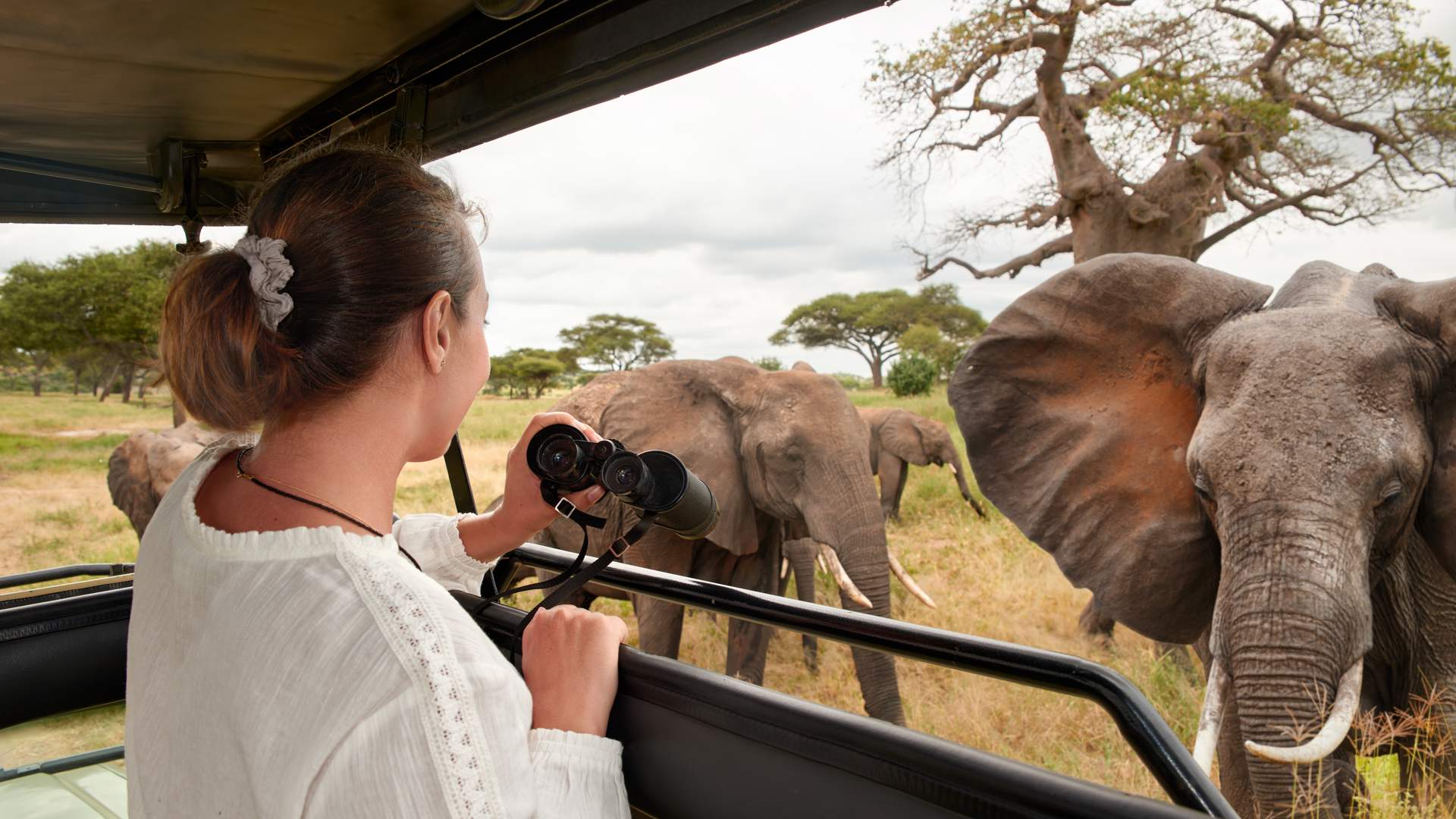
The Masai Mara is Kenya’s most famous wildlife destination.
Its open grasslands, large predator populations, and seasonal wildlife migration attract travelers from around the world.
Visitors may encounter lions, elephants, buffaloes, giraffes, zebras, wildebeest, cheetahs, hyenas, and many other species.
Leopards are also present, although sightings are never guaranteed.
The reserve offers spectacular photography opportunities throughout the year.
A Masai Mara solo safari is particularly convenient because many organized departures start in Nairobi.
Budget camps, comfortable lodges, and luxury tented camps provide accommodation across different price levels.
A three-day trip offers an introduction, while three or four nights allow more time for wildlife exploration.
For photographers, additional days increase opportunities to observe animal behavior under changing light conditions.
The surrounding conservancies also provide alternatives for travelers seeking quieter safari environments.
Why solo travelers love the Masai Mara: Outstanding wildlife diversity, established guiding services, organized group departures, and accommodation choices.
Amboseli National Park – Elephants and Mount Kilimanjaro
Amboseli is famous for its large elephant herds and views of Mount Kilimanjaro across the Tanzanian border.
The park’s open landscapes make it an excellent destination for wildlife photography.
Elephants often move across broad plains, creating dramatic scenes against the mountain.
Visitors may also encounter buffaloes, zebras, giraffes, lions, hyenas, and numerous bird species.
The mountain’s summit is not always visible because of clouds, so early morning conditions can be particularly rewarding.
Amboseli is suitable for solo travelers who appreciate slower game drives and landscape photography.
Two nights generally provide a useful introduction.
For longer journeys, Amboseli can be combined with Tsavo or other Kenyan wildlife areas.
Travelers should consider the driving distance from Nairobi when designing their itinerary.
A relaxed schedule is preferable to spending most of a short holiday on the road.
Lake Nakuru National Park – Rhinos and Rift Valley Wildlife
Lake Nakuru National Park is one of Kenya’s notable rhino-viewing destinations.
The protected landscape includes grassland, woodland, rocky viewpoints, and the lake itself.
Visitors may see both black and white rhinos, buffaloes, zebras, giraffes, waterbirds, and occasionally predators.
Flamingos can occur at Lake Nakuru, but their numbers and locations change with water conditions and food availability.
The surrounding Rift Valley landscape adds variety to the safari experience.
Lake Nakuru works well as an overnight stop between Nairobi and the Masai Mara.
It is especially attractive for travelers who want to explore more than one ecosystem during a short itinerary.
Accommodation is available both within the park area and in nearby Nakuru.
Lake Naivasha – Relaxation and Boat Safaris
Lake Naivasha offers a different experience from Kenya’s traditional national park game drives.
The freshwater lake is known for its birdlife, hippopotamuses, and attractive surrounding landscapes.
Guided boat excursions provide opportunities to observe waterbirds and hippos from an appropriate distance.
The surrounding area includes accommodation, restaurants, and access to additional outdoor activities.
Nearby Hell’s Gate National Park is known for its dramatic scenery and cycling opportunities in designated areas.
Activities should be arranged with qualified local providers and follow current park rules.
Lake Naivasha is particularly suitable for solo travelers who want a relaxed overnight break between wildlife destinations.
It also provides variety during longer safaris.
Samburu National Reserve – Unique Northern Kenya Wildlife
Samburu National Reserve offers a distinctive northern Kenya safari experience.
The landscape features dry-country vegetation, riverine habitats, and beautiful open scenery.
Wildlife enthusiasts visit Samburu to look for species associated with northern Kenya.
These include Grevy’s zebra, reticulated giraffe, Beisa oryx, gerenuk, and Somali ostrich.
Elephants and predators also inhabit the region.
The Ewaso Ng’iro River attracts wildlife and creates an important ecological corridor.
Samburu is ideal for travelers seeking a quieter atmosphere and wildlife experiences different from those in the Masai Mara.
Because of the distance from Nairobi, it is usually best included in a longer itinerary.
A minimum of two nights allows time to explore the reserve without rushing.
Ol Pejeta Conservancy – Rhino Conservation Experiences
Ol Pejeta Conservancy lies in Kenya’s Laikipia region and is internationally recognized for its rhino conservation work.
The conservancy protects black rhinos and supports broader wildlife conservation initiatives.
Visitors can enjoy guided game drives and learn about conservation efforts.
Ol Pejeta is also associated with the conservation of the northern white rhino.
Wildlife viewing may include elephants, buffaloes, lions, and other species.
The conservancy’s educational experiences appeal to travelers who want to understand the relationship between tourism and conservation.
For solo travelers interested in responsible wildlife experiences, Ol Pejeta can be a valuable addition to a Kenya safari itinerary.
Laikipia Conservancies – Private Wilderness Experiences
Laikipia is a broad wildlife region in central Kenya with a variety of conservancies, ranches, and lodges.
Different properties offer different styles of wildlife tourism.
Some focus on traditional game drives, while others provide guided walks, horseback experiences, or specialized conservation activities where permitted.
The region is especially appealing to travelers who appreciate quieter landscapes and personalized service.
Accommodation ranges from comfortable wilderness camps to exclusive luxury lodges.
Because the conservancies operate under different management arrangements, prices and included activities vary.
Laikipia can be combined with Ol Pejeta or other northern Kenya destinations.
Tsavo East and Tsavo West National Parks
Tsavo East and Tsavo West form two major wildlife destinations in southeastern Kenya.
Tsavo East is known for expansive landscapes and elephants whose reddish appearance comes from the area’s soils.
Tsavo West offers varied terrain, volcanic landscapes, and attractive scenery.
Together, the parks provide excellent opportunities to explore a different side of Kenya.
They are particularly suitable for travelers combining wildlife safaris with holidays in Mombasa or Diani Beach.
A guided safari can connect the coast with one or both parks.
Travelers should allow enough time for transfers and actual game viewing.
Nairobi National Park – Wildlife Near the Capital
Nairobi National Park offers a remarkably convenient wildlife experience close to Kenya’s capital.
Visitors can enjoy game drives without undertaking a lengthy journey to distant national parks.
The park supports rhinos, buffaloes, giraffes, zebras, lions, and many other animals.
It is particularly useful for visitors with limited time in Nairobi.
A guided morning game drive can fit into a short city stay, subject to flight schedules and park operating hours.
However, Nairobi National Park does not provide the same scale of wilderness experience as the Masai Mara or Tsavo.
For travelers with only one free day, it remains an appealing option.
Diani Beach – Relaxation After Your Solo Safari
After several days of early morning game drives, Kenya’s Indian Ocean coast provides an opportunity to relax.
Diani Beach is known for its white sand, warm coastal atmosphere, and range of accommodation.
Visitors can enjoy beach walks, approved marine activities, restaurants, and relaxation.
A beach extension offers a pleasant contrast to the wildlife landscapes of the interior.
Solo travelers may prefer hotels that provide organized excursions, airport transfers, and secure facilities.
A few days at the coast can make a longer Kenya holiday feel more balanced.
Best Time for a Solo Safari in Kenya
Kenya offers wildlife viewing throughout the year.
However, weather, accommodation rates, visitor numbers, and migration movements vary by season.
The best time depends on what you want to experience.
June to October – Popular Dry-Season Safaris
June to October is a popular period for wildlife safaris in Kenya.
Dry conditions can make animals easier to observe as vegetation becomes less dense and wildlife gathers around available water sources.
The Masai Mara attracts particular interest during the seasonal movement of wildebeest and zebras through the greater Serengeti-Mara ecosystem.
However, migration timing is influenced by rainfall and grazing conditions.
The busiest months generally bring stronger demand for accommodation and safari vehicles.
For solo travelers, early booking is important if you want a particular camp or scheduled group departure.
January to March – Wildlife Viewing and Warm Conditions
January through March can provide enjoyable safari conditions in many Kenyan destinations.
These months are often associated with relatively dry weather in several safari regions.
Wildlife viewing remains rewarding, even though the main migration herds are generally not concentrated in the Masai Mara.
This period can suit travelers interested in elephants, predators, photography, and relaxed game drives.
Accommodation availability may also be more flexible outside major holiday periods.
However, weather patterns differ by destination and can change from year to year.
April to May – Green-Season Safari Opportunities
April and May are traditionally associated with Kenya’s long rains.
Rainfall creates lush landscapes and can bring excellent conditions for certain types of photography and birdwatching.
Some lodges offer attractive seasonal rates.
Nevertheless, heavy rainfall can affect road conditions, game-drive access, and planned activities.
Certain camps may close temporarily.
Travelers considering this period should choose experienced operators and remain flexible.
Green-season safaris can offer excellent experiences, but they are not automatically suitable for every destination or traveler.
November to December – Short Rains and Changing Landscapes
November often brings shorter seasonal rains to several parts of Kenya.
Wildlife remains present, and the landscape can become greener.
Some travelers appreciate this period because popular safari areas may feel less crowded outside festive holiday dates.
Rainfall does not necessarily mean continuous wet weather.
However, conditions are unpredictable.
December travel can become expensive around Christmas and New Year, so accommodation should be reserved early.
When Can Solo Travelers See the Great Migration?
The Great Wildebeest Migration is a continuous seasonal movement through the Serengeti-Mara ecosystem.
Wildebeest, zebras, and other grazing animals move in response to rainfall and fresh grass.
The Masai Mara is commonly associated with migration viewing from approximately July to October.
However, the exact arrival and departure of herds vary.
River crossings are unpredictable natural events.
No responsible safari operator can guarantee a crossing on a particular date.
Travelers should treat migration sightings as a possibility rather than a scheduled performance.
Allowing several nights in the Masai Mara improves your opportunities to explore different wildlife areas.
Best Kenya Solo Safari Itineraries
The ideal itinerary depends on your available time, travel budget, and preferred wildlife experiences.
Short tours provide an introduction, while longer safaris offer greater geographical variety.
The following sample itineraries can be adapted for private trips or used as a guide when comparing scheduled group departures.
3-Day Masai Mara Solo Safari from Nairobi
Day 1: Nairobi to Masai Mara
Depart Nairobi in the morning and travel toward the Masai Mara.
The drive crosses scenic sections of the Great Rift Valley and continues through rural landscapes.
Depending on departure time and road conditions, arrive at your camp or lodge for lunch or later in the afternoon.
If time and park-entry arrangements allow, enjoy an introductory game drive.
Return to your accommodation for dinner and overnight.
Day 2: Full-Day Masai Mara Wildlife Safari
Spend the day exploring the reserve with a professional safari guide.
Look for lions, elephants, buffaloes, giraffes, zebras, and other wildlife.
Enjoy a picnic lunch in an authorized area or return to camp according to your arrangements.
Your guide will plan the route around wildlife activity and park regulations.
Day 3: Return to Nairobi
Enjoy breakfast and begin the return journey to Nairobi.
Some itineraries may include a short morning game drive, depending on accommodation location, departure time, and additional park-fee requirements.
This itinerary is suitable for travelers seeking an introduction to Kenya’s wildlife.
5-Day Kenya Safari for Solo Travelers
Day 1: Arrival in Nairobi
Arrive at Jomo Kenyatta International Airport and transfer to your hotel.
Depending on arrival time, relax or arrange a short guided activity.
An overnight stay provides time to recover before beginning the safari.
Day 2: Nairobi to Lake Nakuru
Travel toward the Great Rift Valley and continue to Lake Nakuru National Park.
Enjoy an afternoon game drive focused on rhinos, buffaloes, giraffes, and other wildlife.
Stay overnight in or near Nakuru.
Day 3: Lake Nakuru to Masai Mara
Depart after breakfast and travel to the Masai Mara.
Arrive at your accommodation and enjoy an afternoon safari if timing allows.
Day 4: Full-Day Masai Mara Game Drive
Spend the day exploring the reserve.
Your guide will look for predators, large herbivores, and other wildlife.
Enjoy a picnic lunch or a lodge-based break, depending on the itinerary.
Day 5: Return to Nairobi
After breakfast, depart for Nairobi.
The journey concludes with a hotel drop-off or onward airport transfer if the flight schedule permits.
This five-day route works well for visitors who want to experience two wildlife destinations without an excessively long itinerary.
7-Day Solo Safari in Kenya – Classic Wildlife Adventure
A seven-day itinerary offers a more relaxed safari experience and allows time for multiple destinations.
Day 1: Nairobi Arrival
Meet your representative at the airport and transfer to your hotel.
Relax after your international flight and receive your safari briefing.
Day 2: Nairobi to Amboseli
Travel to Amboseli National Park.
Enjoy wildlife viewing and the possibility of seeing elephants with Mount Kilimanjaro in the background.
Overnight near the park.
Day 3: Amboseli Game Drives
Enjoy morning and afternoon game drives.
Observe elephants, zebras, buffaloes, and other wildlife.
Spend time appreciating Amboseli’s unique landscape.
Day 4: Amboseli to Lake Naivasha
Travel toward Lake Naivasha.
This is a substantial road-transfer day, so departure timing and rest stops should be planned carefully.
Arrive and relax at your lodge.
Day 5: Lake Naivasha to Masai Mara
Enjoy an optional morning activity at Lake Naivasha before continuing to the Masai Mara.
Arrive at your lodge or camp for dinner and overnight.
Day 6: Full-Day Masai Mara Safari
Explore the Masai Mara with your safari guide.
Look for big cats, elephants, giraffes, and grazing herds.
Spend the day enjoying wildlife photography and the reserve’s sweeping landscapes.
Day 7: Return to Nairobi
Travel back to Nairobi for your onward arrangements.
For a more comfortable itinerary, consider extending this route by one additional night to reduce transfer pressure.
10-Day Kenya Safari – Wildlife, Culture and Relaxation
A ten-day safari provides enough time to explore multiple ecosystems without rushing every activity.
Day 1: Arrival in Nairobi
Transfer to your hotel and relax.
Day 2: Nairobi to Samburu
Travel north toward Samburu National Reserve.
Enjoy scenic landscapes and settle into your accommodation.
Day 3: Samburu Wildlife Safari
Spend the day exploring northern Kenya wildlife habitats.
Search for reticulated giraffes, Grevy’s zebras, elephants, and other animals.
Day 4: Samburu to Ol Pejeta
Travel to Ol Pejeta Conservancy.
Enjoy an afternoon wildlife activity depending on arrival time.
Day 5: Ol Pejeta Conservation Experience
Explore the conservancy and learn about rhino protection and conservation efforts.
Day 6: Ol Pejeta to Lake Nakuru
Travel south toward Lake Nakuru.
Enjoy wildlife viewing if time permits.
Day 7: Lake Nakuru to Masai Mara
Continue to the Masai Mara and settle into your safari camp.
Day 8: Masai Mara Full-Day Safari
Spend the day looking for predators, elephants, and other wildlife.
Day 9: Additional Masai Mara Wildlife Experience
Enjoy another full day of game drives.
Additional time in the reserve offers opportunities for wildlife sightings missed during the previous day.
Day 10: Return to Nairobi
Depart after breakfast and travel back to Nairobi.
This itinerary offers excellent variety for solo travelers interested in wildlife, conservation, landscapes, and photography.
12-Day Kenya and Rwanda Solo Safari Experience
Travelers visiting East Africa for a longer holiday can combine Kenya’s savannah wildlife with Rwanda’s mountain gorillas.
A possible itinerary includes Nairobi, the Masai Mara, Lake Naivasha, Kigali, Volcanoes National Park, and Akagera National Park.
The Kenya section focuses on classic game drives, large mammals, and open savannah landscapes.
Rwanda introduces different ecosystems, including volcanic mountains and tropical forests.
Gorilla trekking in Volcanoes National Park is a major highlight.
Visitors should arrange permits in advance, and gorilla trekking is subject to age, health, and park regulations.
A Rwanda gorilla trekking permit currently costs USD 1,500 per international visitor.
Cross-border flights, permit availability, and accommodation should be considered when designing the final route.
Universal Ventures Rwanda can assist travelers interested in combining several East African destinations into one itinerary.
Where to Stay on a Solo Safari in Kenya
Accommodation has a significant influence on safari comfort, overall cost, and the quality of daily wildlife experiences.
Kenya offers everything from simple tented camps to exclusive luxury lodges.
For solo travelers, location and room arrangements can matter as much as the property’s facilities.
Budget Safari Camps
Budget camps often provide comfortable basic accommodation near national park entrances.
Facilities may include permanent tents, beds, mosquito nets, private or shared bathrooms, and communal dining areas.
These properties are popular with group safari operators.
Staying outside the reserve can reduce accommodation costs, although additional driving time may affect the safari schedule.
Always request photographs and a clear description of the accommodation included in your quotation.
Confirm whether electricity, hot water, and charging facilities are available.
Budget accommodation should still meet reasonable cleanliness, security, and safety standards.
Midrange Safari Lodges
Midrange lodges provide a comfortable balance between price and facilities.
Many offer private bathrooms, comfortable beds, restaurants, lounges, and attractive locations.
Examples of established properties in Kenya include Sentrim Amboseli, Mara Leisure Camp, and selected Sarova safari properties.
Availability, standards, and current rates should always be checked for your travel dates.
For solo travelers, midrange lodges can offer greater privacy than group camping arrangements.
Some properties also have communal dining areas where guests can interact naturally.
Luxury Tented Safari Camps
Luxury tented camps combine wilderness settings with premium accommodation.
Despite the term “tented,” many feature permanent structures, private bathrooms, comfortable beds, and spacious interiors.
Properties in private conservancies may offer a more intimate experience with fewer guests.
Luxury camps often focus strongly on guiding quality, dining, and personalized service.
Solo travelers should ask about single-room rates and whether communal dining or private dining is available.
It is also useful to confirm whether game drives are shared with other lodge guests.
How to Choose Solo-Friendly Safari Accommodation
The best accommodation for a solo traveler is not necessarily the most expensive.
Consider the property’s location, security procedures, room arrangements, dining atmosphere, and available activities.
If you enjoy meeting people, choose a lodge with comfortable communal spaces.
If privacy is important, ask about independent rooms and quiet accommodation areas.
Confirm the distance from the park entrance, especially when staying outside a reserve.
For fly-in safaris, check whether the lodge provides airstrip transfers.
A clear understanding of these details will make the safari more comfortable.
Transportation Options for a Solo Safari in Kenya
Transportation affects both the cost and overall experience of your journey.
The main options include organized road safaris, private vehicles, and domestic flights.
Shared Safari Vehicles
Shared safari vehicles are commonly used for organized group departures.
Depending on the tour category, operators may provide safari minibuses or four-wheel-drive Land Cruisers.
Vehicles often feature pop-up roofs designed for wildlife viewing.
Before booking, confirm the number of passengers, luggage arrangements, and available viewing positions.
A lower-priced safari can become uncomfortable if too many passengers share a small vehicle.
For longer itineraries, seat comfort and vehicle maintenance are especially important.
Private 4×4 Land Cruiser Safaris
A private four-wheel-drive vehicle offers greater flexibility.
Travelers can adjust photography stops and spend longer observing particular animals when conditions allow.
A Land Cruiser can be particularly suitable for remote routes and uneven park roads.
Nevertheless, the vehicle should be properly maintained and equipped with functioning seat belts and essential safety equipment.
Ask whether the quotation includes fuel, driver-guide expenses, park vehicle fees, and transfers.
Private transport usually costs more, but it can significantly improve comfort for travelers who prefer personalized arrangements.
Domestic Flights and Fly-In Safaris
Domestic flights provide an alternative to lengthy road transfers.
Scheduled flights connect Nairobi with several safari regions, including the Masai Mara and other major destinations.
Fly-in travel can save time and reduce fatigue.
However, flights may operate from different airports, including Wilson Airport for many domestic safari services.
Travelers should allow sufficient time between international and domestic flights.
Light-aircraft services often impose strict luggage restrictions.
Soft-sided bags are usually preferable, but exact weight and size limits depend on the airline.
Self-Drive Versus Guided Safari
Self-driving may appeal to confident travelers who enjoy independent road trips.
However, navigating unfamiliar national parks requires preparation.
Road conditions, seasonal weather, vehicle recovery, park regulations, and wildlife safety all deserve consideration.
A guided safari removes much of this responsibility.
Professional guides understand wildlife habitats, park routes, and appropriate viewing practices.
For first-time solo safari visitors, a guided tour is generally the more practical option.
Experienced independent travelers may consider self-driving after carefully evaluating their route, vehicle, insurance, and emergency arrangements.
Best Activities for Solo Travelers in Kenya
Wildlife game drives are the main attraction, but Kenya offers many additional experiences.
Combining different activities creates a more varied holiday.
Morning and Afternoon Game Drives
Early morning game drives are popular because temperatures are cooler and many animals are active.
Afternoon drives provide opportunities to observe changing wildlife behavior and beautiful evening light.
The exact schedule depends on park operating hours and accommodation arrangements.
Visitors should allow time between drives to rest, eat, and enjoy the lodge.
A well-balanced safari does not require spending every available hour inside a vehicle.
Wildlife Photography Safaris
Kenya is a remarkable destination for wildlife photographers.
The Masai Mara offers open landscapes, big cats, and seasonal migration activity.
Amboseli provides opportunities to photograph elephants against dramatic scenery.
Samburu introduces distinctive wildlife and northern Kenya landscapes.
Photographers benefit from a guide who understands positioning, lighting conditions, and animal behavior.
Private vehicles offer greater flexibility, but dedicated photography group departures can also work well.
Always photograph wildlife responsibly and avoid pressuring guides to approach animals too closely.
Hot Air Balloon Safaris
Hot air balloon flights are among Kenya’s most memorable optional safari activities.
The Masai Mara is particularly associated with balloon experiences over its grassland landscapes.
Flights usually take place early in the morning, depending on weather conditions.
Travelers can enjoy elevated views of the scenery and possibly wildlife below.
Balloon safaris are generally expensive additions and should be reserved in advance during busy periods.
Confirm the total price, transfer arrangements, applicable fees, and cancellation conditions.
Cultural Experiences and Community Visits
Kenya’s cultural diversity adds depth to a wildlife holiday.
Visitors may have opportunities to learn about Maasai, Samburu, and other communities through organized experiences.
Responsible cultural tourism should respect community choices, customs, and privacy.
Choose activities that are genuinely community-led or provide fair benefits to local participants.
Ask permission before photographing people.
Cultural encounters are more meaningful when they involve respectful communication rather than staged interactions.
Birdwatching Safaris in Kenya
Kenya offers outstanding birdwatching opportunities across different ecosystems.
Lake Naivasha attracts many waterbirds.
Lake Nakuru supports wetland species and birds associated with surrounding habitats.
Samburu offers northern dry-country birdlife, while forested and highland destinations provide additional variety.
Birdwatching safaris often benefit from slower game drives and specialized guides.
A pair of binoculars is essential.
Travelers with particular bird species in mind should discuss their interests before finalizing an itinerary.
Walking Safaris and Nature Experiences
Guided walking experiences provide a different perspective on Kenya’s landscapes.
Instead of focusing entirely on large mammals, visitors can learn about tracks, vegetation, insects, and smaller wildlife.
Walking safaris are permitted only in designated areas and under applicable regulations.
Some conservancies and private properties offer professionally guided walks.
Solo travelers should not enter wildlife habitats on foot without appropriate authorization and qualified supervision.
Planning Your First Solo Safari in Kenya
Good planning improves comfort, reduces unnecessary costs, and helps travelers avoid common booking mistakes.
Start with your preferred destinations and available travel dates.
Then choose a safari style that matches your budget.
How to Book a Solo Safari in Kenya
Begin by identifying the wildlife experiences you consider most important.
If your main priority is big cats and classic savannah scenery, the Masai Mara may be the best starting point.
If you love elephants and landscape photography, consider Amboseli.
Travelers interested in rhino conservation may wish to include Lake Nakuru or Ol Pejeta.
After choosing destinations, decide whether you prefer a private or group safari.
Request a detailed written itinerary showing travel dates, accommodation, included activities, park fees, and transportation arrangements.
Ask whether the quoted price assumes two people sharing a room.
Review the payment schedule, cancellation conditions, and refund policy before paying a deposit.
A reliable safari quotation should clearly explain what is included and excluded.
Questions to Ask Before Paying for a Kenya Safari
A professional safari operator should be willing to explain important trip details.
Ask how many people will share the safari vehicle, which accommodation properties are included, and whether you will have a private room.
Confirm the type of vehicle and how many game drives are scheduled.
Check whether park entrance charges are included and whether any additional conservation fees apply.
You should also ask about emergency assistance, guide arrangements, and the procedure if accommodation becomes unavailable.
Avoid making large payments without receiving clear written booking terms.
Kenya Entry Requirements and eTA
Kenya operates an Electronic Travel Authorization system for many international visitors.
Travelers who require an eTA should obtain approval before beginning their journey.
However, several categories of visitors are exempt, including citizens of certain countries and eligible East African Community partner states.
Requirements depend on nationality, travel documents, and immigration status.
The official application process generally requires passport information, travel details, accommodation information, and other supporting documents.
Use the official Kenya eTA website rather than relying on unofficial third-party application sites.
Check your eligibility and current requirements before departure.
Entry policies can change, and final admission decisions remain with immigration authorities.
Health Preparations for a Kenya Safari
Consult a qualified travel health professional before visiting Kenya.
Recommended preparations depend on your medical history, destinations, travel duration, and previous vaccinations.
Malaria is an important consideration in many Kenyan wildlife regions.
The CDC recommends prescription malaria prevention for travelers visiting certain parts of Kenya, including many game-park areas below 2,500 meters.
A healthcare professional can advise which preventive medication is appropriate for you.
Yellow fever vaccination requirements may also apply depending on your route and countries visited before entering Kenya.
Carry sufficient personal medication and keep essential prescriptions in your hand luggage.
For current recommendations, consult the CDC Kenya travel health guidance.
What to Pack for a Solo Safari in Kenya
Packing should focus on practicality, comfort, and protection against changing weather conditions.
Neutral-colored clothing is suitable for most safari activities.
Lightweight shirts and trousers help protect against sunshine and insects.
A warm fleece or jacket is useful during cool early morning game drives, particularly in highland areas.
Comfortable closed shoes are appropriate for travel days and most lodge activities.
Bring sunscreen, sunglasses, a hat, insect repellent, and reusable water storage.
Binoculars improve wildlife viewing, especially for birds and distant animals.
A camera with a suitable zoom lens is useful but not essential.
Carry spare batteries, charging cables, and appropriate electrical adapters.
If traveling on light aircraft, confirm luggage restrictions before packing.
Internet, Communication and Mobile Connectivity
Mobile connectivity is useful when traveling independently.
Kenya has established mobile telecommunications networks, although coverage may be limited in remote wildlife areas.
Travelers can consider a suitable local SIM card or international eSIM, depending on device compatibility and availability.
Before leaving Nairobi, save important contact numbers and download offline copies of your travel documents.
Do not depend entirely on mobile internet for navigation or emergency communication in remote parks.
Your safari operator should have an appropriate communication plan.
Money, Payments and Tipping
Kenya uses the Kenyan shilling.
Hotels and safari operators may also quote certain travel services in US dollars.
Credit cards are accepted at many established hotels and tourism businesses, although payment availability varies.
Local mobile payment services are widely used.
Carry a reasonable amount of local currency for small purchases and incidental expenses.
Tipping is customary in many safari settings, but it should reflect your satisfaction and the services provided.
Ask your operator whether gratuities are included.
Avoid assuming that all quoted safari costs cover tips, drinks, laundry, or optional activities.
Solo Safari in Kenya for Wildlife Photographers
Kenya is particularly rewarding for travelers who want to focus on photography.
Traveling alone removes the pressure of balancing different interests.
You can spend extended periods observing animal behavior and working with changing light conditions.
Private safaris are often ideal because they offer greater control over vehicle positioning.
Nevertheless, a small photography-focused group can provide excellent value.
For serious photography, prioritize the quality of your guide and the number of passengers in the vehicle.
A less expensive vehicle with obstructed viewing positions may reduce the quality of your experience.
Choose an itinerary that allows several nights in your preferred wildlife destination.
Moving between too many parks can result in more photographs of roads than animals.
Sustainable and Responsible Solo Safaris in Kenya
Responsible tourism helps protect wildlife and supports communities living near conservation areas.
A safari is not simply a sightseeing experience.
Visitor spending can contribute to protected-area management, conservation employment, and community livelihoods.
Choose operators who respect national park regulations and wildlife viewing distances.
Avoid activities that involve feeding wild animals, disturbing predators, or encouraging unsafe interactions.
Support accommodation providers that demonstrate credible conservation practices.
When participating in cultural activities, respect community ownership and local traditions.
Reduce unnecessary waste and follow rules concerning plastic products in protected areas.
Never pressure your guide to ignore wildlife regulations for a photograph.
Responsible safari experiences should prioritize the long-term protection of the landscapes and animals visitors come to admire.
Common Mistakes Solo Safari Travelers Should Avoid
One frequent mistake is choosing a safari based only on the advertised price.
The cheapest package may exclude important costs or provide accommodation far from the intended wildlife areas.
Another mistake is attempting to visit too many parks within a limited number of days.
Long transfers can reduce the time available for game drives and relaxation.
Travelers also sometimes assume that group departures guarantee a private room or that every shared tour has a confirmed departure.
These details should be checked before payment.
Booking accommodation without understanding park access arrangements can create additional expenses.
Similarly, failing to account for seasonal park fees may lead to unexpected costs.
A carefully prepared itinerary is more valuable than a long list of destinations that cannot be explored comfortably.
Kenya Safari for Solo Travelers – Frequently Asked Questions
Can I Go on a Safari in Kenya Alone?
Yes. Kenya offers private guided safaris and group-joining tours suitable for solo travelers.
You do not need a partner or travel companion to enjoy wildlife experiences.
The best arrangement depends on your budget, preferred accommodation, and desire for privacy or social interaction.
Is a Solo Safari in Kenya Expensive?
A private solo safari generally costs more per person because vehicle and guiding expenses are not shared.
Group-joining safaris can substantially reduce costs.
Travel season, accommodation level, itinerary length, and park fees also influence the final price.
Are Group Safaris Good for Solo Travelers?
Group safaris are often an excellent choice for independent visitors.
They provide shared transportation, professional guiding, and opportunities to meet other travelers.
However, confirm the group size, accommodation arrangements, and vehicle capacity before booking.
Is Kenya Safe for Solo Female Travelers?
Many women travel independently in Kenya, including on organized safaris.
However, visitors should follow current government travel advice and take appropriate precautions.
Prearranged transfers, reputable guides, secure accommodation, and reliable emergency contacts are important.
What Is the Best National Park for a First Solo Safari?
The Masai Mara is a strong choice because of its wildlife diversity and established safari tourism infrastructure.
It also offers many group departure options.
Amboseli, Lake Nakuru, and Ol Pejeta are excellent alternatives or additions.
How Many Days Do I Need for a Kenya Safari?
Three days can provide a short introduction to the Masai Mara.
Five to seven days allow time for additional destinations.
For a more relaxed multi-park experience, seven to ten days is often preferable.
Can I See the Big Five on a Solo Safari in Kenya?
Kenya is home to the Big Five: lion, leopard, elephant, buffalo, and rhino.
However, these animals are not equally common in every park.
A multi-destination itinerary can improve opportunities to see different species, but sightings are never guaranteed.
Can I Join a Safari Group Without Knowing Anyone?
Yes. Many safari operators accept bookings from individual travelers.
A group-joining tour allows you to reserve a place without organizing your own travel companions.
Confirm whether the departure is guaranteed and whether a private room is available.
Do Solo Travelers Pay a Single Supplement?
Some accommodation providers charge more when one person occupies a room normally intended for two guests.
Other camps offer reduced single rates or room-sharing arrangements.
Ask for the exact single-occupancy price before booking.
What Is the Cheapest Way to Explore the Masai Mara Alone?
Joining a reputable scheduled safari from Nairobi is generally more affordable than hiring an entire private vehicle.
Traveling outside peak periods and choosing modest accommodation can also help control costs.
Is a Private Safari Better Than a Group Safari?
Neither option is automatically better.
Private safaris offer flexibility, privacy, and customized activities.
Group safaris generally provide lower per-person costs and more social interaction.
Choose according to your travel style.
Can I Book a Luxury Safari as a Solo Traveler?
Yes. Luxury lodges and tented camps welcome independent guests.
Some provide special single-occupancy offers, although availability varies.
Private guiding and exclusive transport may involve additional charges.
Do I Need a Guide for a Kenya Safari?
Although some parks allow appropriately equipped independent visitors, guided safaris are generally recommended for first-time travelers.
A professional guide can help with navigation, wildlife interpretation, park procedures, and local logistics.
What Should I Wear on a Kenya Safari?
Comfortable neutral clothing is practical.
Bring lightweight layers, a warm jacket for early mornings, sun protection, and suitable footwear.
Choose clothing appropriate for both cool morning drives and warmer afternoons.
Can I Visit Kenya and Rwanda on One Safari?
Yes. Kenya and Rwanda can be combined through suitable flight connections and a carefully planned itinerary.
A combined trip can include Masai Mara wildlife safaris, Kigali, Volcanoes National Park, gorilla trekking, and Akagera National Park.
Travelers should arrange flights and any required permits in advance.
Can I Combine a Kenya Safari With Uganda Gorilla Trekking?
Yes. Kenya wildlife safaris can be combined with Uganda gorilla trekking in Bwindi Impenetrable National Park or Mgahinga Gorilla National Park.
An organized itinerary should account for international transfers, permit availability, accommodation, and adequate travel time.
Is the Great Migration Guaranteed During My Visit?
No. Wildebeest movements and river crossings depend on natural conditions.
Although July to October is a popular period for migration viewing in the Masai Mara, the exact location and timing of herds cannot be guaranteed.
Are Kenya Safaris Suitable for Senior Solo Travelers?
Yes. Many safari activities involve vehicle-based wildlife viewing.
However, comfort depends on the itinerary, road conditions, accommodation, and individual mobility needs.
Private tours and fly-in options can help reduce travel fatigue.
Is Travel Insurance Necessary for a Solo Safari?
Comprehensive travel insurance is strongly recommended.
Look for appropriate medical coverage, emergency evacuation, cancellation protection, and cover for your planned activities.
Also verify any insurance requirements that apply to entry into Kenya at the time of travel.
When Should I Book My Kenya Safari?
Early booking is particularly important for peak migration months, popular luxury camps, and scheduled group departures with limited availability.
Travelers with flexible dates may find more accommodation choices during quieter periods.
Why Book Your East African Solo Safari With Universal Ventures Rwanda?
Planning a safari independently should not mean handling every arrangement without professional assistance.
Universal Ventures Rwanda specializes in personalized travel experiences across Rwanda and other East African destinations.
Our safari planning services can help travelers design journeys that combine wildlife, cultural attractions, comfortable accommodation, and appropriate transportation.
For visitors interested in Kenya, we can assist with planning Kenya safari experiences and coordinating suitable East African travel extensions.
Travelers can request itineraries designed around their available time, preferred accommodation category, wildlife interests, and overall budget.
Those interested in combined journeys can explore opportunities to connect Kenya’s savannah landscapes with Rwanda gorilla trekking, Akagera wildlife safaris, or Uganda primate experiences.
We understand that solo travelers may prioritize reliable arrangements, personal comfort, and clear communication.
A good safari should provide not only memorable wildlife encounters but also transparent planning and confidence throughout the journey.
Final Thoughts – Is a Solo Safari in Kenya Worth It?
A solo safari in Kenya is an exceptional opportunity to experience Africa’s natural beauty on your own terms.
From the wide grasslands of the Masai Mara to the elephant-filled landscapes of Amboseli, Kenya offers remarkable wildlife encounters and diverse safari experiences.
Traveling alone does not mean sacrificing comfort, safety planning, or the opportunity to meet other people.
With the right itinerary, you can enjoy shared game drives, personalized private safaris, or luxurious wilderness accommodation.
The most successful safari is not necessarily the most expensive or the longest.
It is the journey that matches your interests, provides enough time to appreciate each destination, and allows you to explore with confidence.
Whether you are planning your first African safari or returning for another wildlife adventure, Kenya offers rewarding experiences throughout the year.
Start planning your Kenya safari for solo travelers today and discover an unforgettable East African adventure.
Contact Universal Ventures Rwanda – Plan Your Solo Safari
Would you like a customized solo safari itinerary, an affordable group safari option, or a combined Kenya and Rwanda wildlife experience?
Contact Universal Ventures Rwanda for travel planning assistance and a personalized safari proposal.
Universal Ventures Rwanda
Address: KK 15 Road, Kicukiro, Kigali, Rwanda
Telephone / WhatsApp: +250 781 441 853
Email: info@universalventuresrwanda.com
Website: https://universalventuresrwanda.com/
Our safari experiences include: Kenya wildlife safaris, Rwanda gorilla trekking, Uganda gorilla safaris, Akagera Big Five safaris, chimpanzee trekking, cultural tours, and customized East African holiday itineraries.
Explore East Africa independently, travel with confidence, and create wildlife memories that last a lifetime.