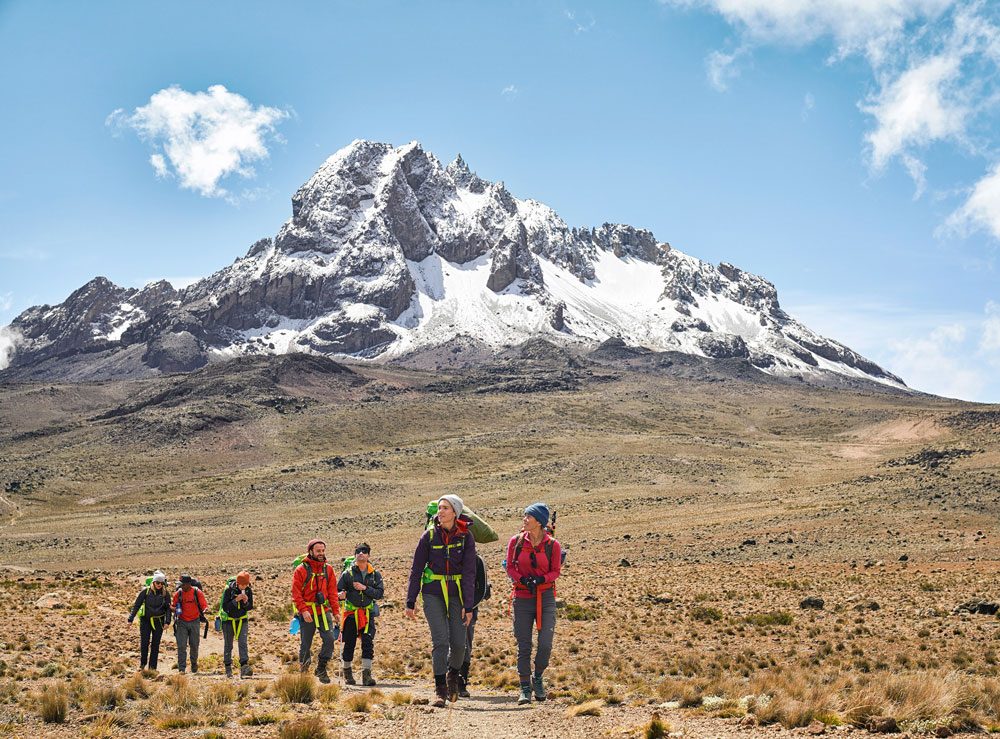
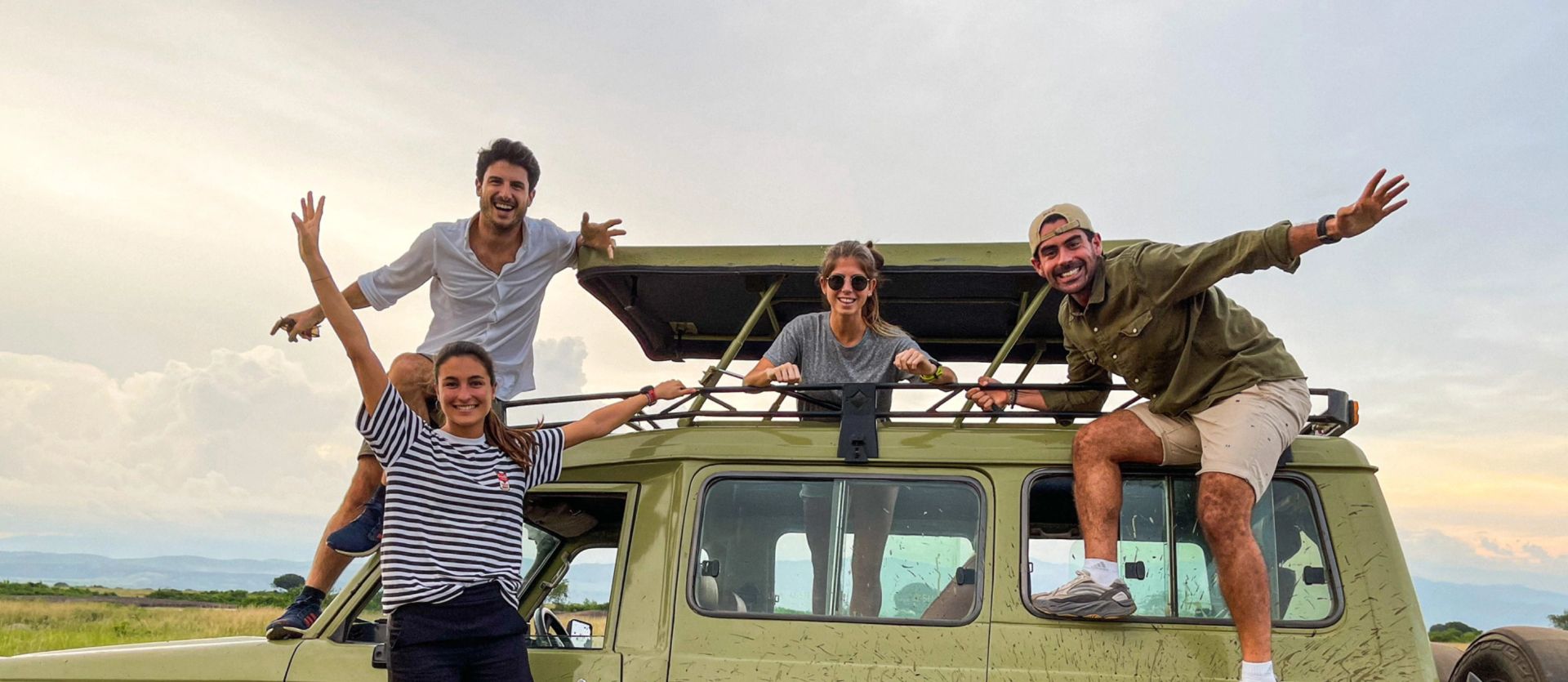
This comprehensive Kenya Safari Experience Guide provides everything you need to plan an unforgettable African safari holiday. Whether you are visiting Kenya for the first time, organizing a family wildlife adventure, planning a romantic luxury safari, or hoping to photograph the Great Wildebeest Migration, the country offers outstanding opportunities throughout the year.
Kenya is one of Africa’s most remarkable wildlife destinations, offering breathtaking landscapes, extraordinary animal encounters, fascinating cultural experiences, and some of the continent’s finest safari lodges. From the endless golden plains of the Masai Mara to the elephant-filled landscapes of Amboseli National Park, a Kenya safari introduces travelers to the beauty and diversity of East Africa.
Kenya safari tours attract travelers from around the world because they combine exceptional wildlife viewing with comfortable accommodation, professional guides, and a variety of adventure activities. Visitors can track the Big Five, enjoy sunrise game drives, experience hot air balloon safaris, learn about Maasai culture, explore scenic lakes, and relax along the beautiful Indian Ocean coastline.
A successful safari is about much more than simply seeing animals. The experience begins with choosing the right national parks, understanding seasonal wildlife movements, selecting suitable accommodation, and allowing enough time to appreciate every destination.
At Universal Ventures Rwanda, we understand the importance of carefully planned East African travel experiences. Our goal is to help travelers discover extraordinary wildlife, beautiful landscapes, and meaningful cultural encounters through personalized safari itineraries.
Throughout this guide, you will learn how to choose Kenya’s best safari destinations, compare different types of accommodation, understand safari costs, plan your travel dates, and discover exciting opportunities to combine Kenya with Rwanda, Uganda, and Tanzania.
Why This Kenya Safari Experience Guide Is Essential for First-Time Travelers
Planning your first Kenya safari holiday can feel overwhelming because the country offers so many national parks, private conservancies, wildlife attractions, and accommodation options.
Some travelers dream of seeing lions and cheetahs hunting across open grasslands. Others want to observe elephant families beneath Mount Kilimanjaro, search for endangered rhinoceroses, or spend peaceful mornings photographing birds beside beautiful Rift Valley lakes.
Each experience requires a slightly different itinerary.
Understanding these differences helps you choose destinations that match your expectations rather than simply following a standard tour package.
Understanding the Meaning of an African Safari
The word safari comes from Swahili and means journey. Today, it is commonly associated with wildlife tourism, particularly guided travel through Africa’s national parks and conservation areas.
A modern Kenya safari can include vehicle-based game drives, guided nature walks, photography excursions, birdwatching, cultural visits, conservation experiences, and luxury wilderness accommodation.
Some travelers choose traditional road safaris with private driver-guides. Others prefer fly-in safaris that connect remote camps by light aircraft.
Both styles can deliver memorable wildlife experiences when organized professionally.
The purpose of a safari should be to experience nature respectfully while supporting the conservation of animals and their habitats.
What Makes Kenya Different From Other Safari Countries?
Kenya offers an exceptional combination of wildlife density, scenic diversity, tourism infrastructure, and regional accessibility.
The Masai Mara is famous for predators and the Great Migration. Amboseli provides outstanding elephant encounters, while Samburu introduces visitors to unusual northern wildlife species.
Laikipia’s private conservancies are recognized for conservation initiatives, and Kenya’s Rift Valley lakes offer beautiful landscapes and rewarding birdwatching.
Few destinations combine such varied safari environments with the possibility of ending a wildlife holiday beside tropical beaches.
For international travelers, Nairobi provides an important regional aviation hub with connections to numerous African and international destinations.
This makes Kenya particularly attractive for multi-country East African safaris.
Who Should Choose a Kenya Safari Holiday?
Kenya appeals to many different types of travelers.
First-time visitors appreciate the country’s established tourism infrastructure and famous wildlife reserves. Couples can enjoy romantic camps and intimate wilderness experiences, while families benefit from educational wildlife encounters and flexible itineraries.
Professional photographers often prioritize the Masai Mara, Amboseli, and selected conservancies because of their wildlife and landscape photography opportunities.
Adventure enthusiasts can explore mountain regions, discover northern Kenya, and participate in approved walking safaris.
Travelers interested in conservation can visit destinations such as Ol Pejeta Conservancy, where wildlife protection and tourism are closely connected.
Regardless of your interests, choosing the appropriate route and travel season is the foundation of a rewarding safari.
Kenya Safari Experience Guide to the Best National Parks and Reserves
Kenya’s protected wildlife areas contain some of Africa’s most beautiful and ecologically important landscapes.
Selecting suitable destinations requires understanding the different animal species, habitats, activities, and travel logistics associated with each region.
A complete Kenya safari itinerary should combine complementary experiences while avoiding unnecessarily long transfers.
Masai Mara National Reserve – Kenya’s Most Famous Wildlife Destination
The Masai Mara National Reserve is widely regarded as one of Africa’s finest safari destinations.
Located in southwestern Kenya, this remarkable reserve forms part of the greater Serengeti-Mara ecosystem, which extends into neighboring Tanzania.
Its rolling grasslands, winding rivers, acacia trees, and open horizons create the classic safari scenery that attracts travelers from around the world.
The Masai Mara supports an extraordinary variety of wildlife, including lions, elephants, buffaloes, giraffes, zebras, wildebeest, cheetahs, leopards, hyenas, and numerous antelope species.
Large predators are among the reserve’s greatest attractions.
A morning game drive may reveal lions resting beside a rocky outcrop, cheetahs scanning the open plains, or spotted hyenas moving through the grasslands.
The reserve is particularly celebrated for the Great Wildebeest Migration, when huge numbers of grazing animals move between the Serengeti and Masai Mara according to seasonal rainfall and available pasture.
Although migration viewing is an important attraction, the Masai Mara offers rewarding wildlife experiences throughout the year.
Resident animals remain in the ecosystem outside the main migration season, making the reserve worthwhile even when large migrant herds are elsewhere.
A well-planned Masai Mara safari normally includes at least two or three nights. Additional time allows visitors to explore different wildlife areas, enjoy varied game drives, and experience the landscape without rushing.
Accommodation ranges from comfortable tented camps to some of Africa’s most exclusive luxury safari properties.
The surrounding conservancies can provide additional opportunities for specialized wildlife activities, depending on local regulations and accommodation arrangements.
For a first-time Kenya safari, the Masai Mara is one of the most appealing destinations to include.
Amboseli National Park – Elephants and Mount Kilimanjaro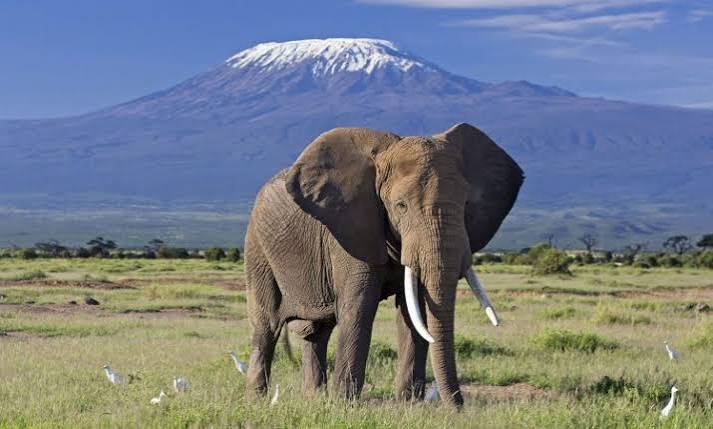
Amboseli National Park is internationally famous for its magnificent elephants and spectacular views of Mount Kilimanjaro.
Situated in southern Kenya near the Tanzanian border, Amboseli features open grasslands, seasonal lakebeds, wetlands, and acacia woodland.
These varied habitats support elephants, zebras, buffaloes, wildebeest, giraffes, lions, hyenas, and numerous bird species.
One of the park’s most memorable experiences is watching elephant families move across the plains with the snow-capped summit of Mount Kilimanjaro visible in the distance.
Although the mountain itself is located in Tanzania, some of its most recognizable wildlife photographs are taken from the Kenyan side of the border.
Elephants are the main attraction, and Amboseli’s long-established research programs have helped improve understanding of elephant behavior, social relationships, and conservation.
Visitors may observe mothers protecting calves, young elephants playing, and large bulls traveling between feeding areas.
Patience often produces the most rewarding encounters.
Rather than moving constantly in search of different animals, a knowledgeable guide may recommend spending time watching one elephant family.
This approach allows travelers to understand the animals’ behavior and appreciate their complex social structures.
Early mornings can be particularly beautiful because temperatures are cooler, wildlife may be active, and the mountain is sometimes visible before clouds develop.
Amboseli is an excellent destination for a two- or three-night safari.
Its location also makes it suitable for combinations with Tsavo National Parks, Nairobi, or selected destinations in northern Tanzania.
Travelers interested in elephant photography should seriously consider Amboseli when planning their Kenya wildlife safari.
Samburu National Reserve – Rare Wildlife and Northern Kenya Landscapes
Samburu National Reserve offers a distinctive safari experience that differs considerably from the grasslands of southern Kenya.
Located in the country’s semi-arid north, the reserve contains rocky hills, acacia woodland, dry plains, and beautiful riverine habitats along the Ewaso Ng’iro River.
These environments support animals adapted to relatively dry conditions.
Samburu is particularly famous for five unusual species commonly known as the Samburu Special Five.
They are Grevy’s zebra, reticulated giraffe, gerenuk, beisa oryx, and Somali ostrich.
Grevy’s zebras have distinctive narrow stripes and prominent ears, while reticulated giraffes display striking geometric coat patterns.
Gerenuks are especially interesting because they can stand upright on their hind legs while browsing vegetation.
These animals make Samburu attractive to wildlife enthusiasts who want to see species rarely encountered in Kenya’s southern parks.
Elephants, lions, leopards, cheetahs, crocodiles, and numerous birds are also found within the wider reserve ecosystem.
The landscape itself creates a different atmosphere, with dry riverbeds, distant mountains, and dramatic northern scenery.
Visitors may also arrange responsible cultural experiences with Samburu communities to learn about local traditions, pastoral livelihoods, and relationships with the surrounding environment.
A stay of two or three nights usually provides a good introduction.
For travelers designing a longer Kenya safari itinerary, Samburu combines well with Ol Pejeta Conservancy and other Laikipia wildlife areas.
Lake Nakuru National Park – Rhino Safaris and Rift Valley Beauty
Lake Nakuru National Park is one of the best-known wildlife destinations in Kenya’s Great Rift Valley.
The park surrounds a scenic alkaline lake and includes wooded areas, open grassland, rocky viewpoints, and important wildlife habitats.
Lake Nakuru has historically been associated with large flamingo gatherings, although the number and distribution of flamingos vary significantly according to water levels, food availability, and changing environmental conditions.
Travelers should therefore understand that enormous flamingo flocks cannot be guaranteed.
Beyond birdwatching, the park is particularly important for rhinoceros conservation.
Both black and white rhinos occur in protected habitats, giving visitors valuable opportunities to observe these remarkable animals.
Buffaloes, waterbucks, giraffes, zebras, baboons, and several predators also inhabit the park.
Scenic viewpoints provide attractive opportunities to appreciate the lake and surrounding landscape.
Lake Nakuru can be conveniently included in several popular road safari routes.
Travelers heading toward the Masai Mara may choose an overnight stop here, depending on the direction of travel and the overall itinerary.
Spending one night allows time for a meaningful game drive rather than only a brief visit.
For visitors hoping to see rhinoceroses during their African safari holiday, Lake Nakuru is a valuable destination to consider.
Ol Pejeta Conservancy – Wildlife Protection and Endangered Rhinos
Ol Pejeta Conservancy is one of Kenya’s most important wildlife conservation destinations.
Located in the Laikipia region, the conservancy combines high-quality safari tourism with significant conservation programs.
It is particularly recognized for protecting black and southern white rhinos and for its involvement in efforts to preserve the northern white rhino.
The world’s last two surviving northern white rhinos, Najin and Fatu, are females living under intensive protection.
Their situation demonstrates both the seriousness of wildlife conservation challenges and the importance of long-term scientific efforts.
A visit to Ol Pejeta offers more than traditional animal viewing.
Travelers can gain insight into the work required to protect endangered wildlife, support conservation programs, and maintain suitable habitats.
The conservancy also supports elephants, lions, buffaloes, giraffes, zebras, and other animals.
Specialized educational activities may be available by advance arrangement.
Ol Pejeta also contains a sanctuary for rescued chimpanzees. Visitors should understand that this is a managed sanctuary experience rather than wild chimpanzee trekking.
Travelers who specifically want to track chimpanzees in natural rainforest habitats can consider combining Kenya with Uganda’s Kibale National Park or Rwanda’s Nyungwe National Park.
A two-night stay at Ol Pejeta can combine conservation learning with rewarding game drives.
The conservancy works especially well as part of a northern Kenya safari that includes Samburu or the Mount Kenya region.
Lake Naivasha – Boat Safaris and Peaceful Natural Scenery
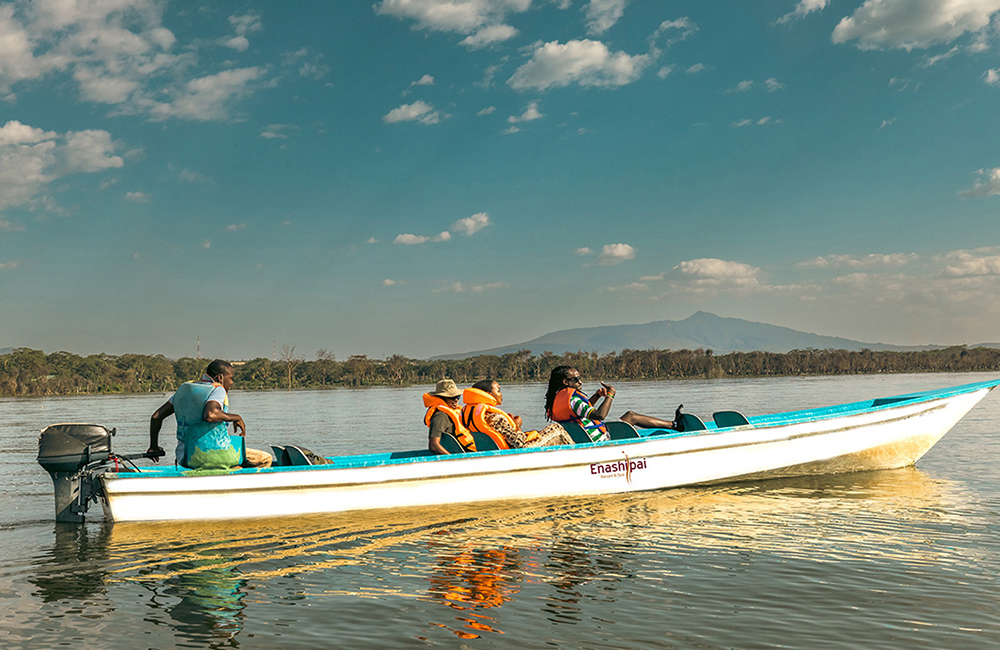
Lake Naivasha introduces a different dimension to a Kenya safari holiday.
Situated in the Great Rift Valley, this freshwater lake is known for attractive scenery, abundant birdlife, and water-based excursions.
Guided boat trips provide opportunities to observe hippos from a safe distance and see fish eagles, herons, cormorants, kingfishers, and other waterbirds.
The atmosphere contrasts with traditional savannah game drives.
Instead of scanning grasslands for predators, travelers can enjoy calm waters, distant hills, and the sounds of birds along the shoreline.
Lake Naivasha is also conveniently positioned for visits to nearby attractions.
Hell’s Gate National Park is particularly famous for its cliffs, volcanic formations, and opportunities for cycling or guided walking in designated areas.
All outdoor activities should follow park regulations and current safety guidance.
Naivasha is especially attractive for couples, families, and travelers who want to introduce variety into an extended safari.
An overnight stay may also provide a comfortable break between longer road journeys.
The lake’s scenery creates beautiful photographic opportunities, particularly during early morning and late afternoon.
Tsavo East National Park – Red Elephants and Endless Wilderness
Tsavo East National Park is one of Kenya’s most impressive wilderness destinations.
Its vast landscapes include dry grasslands, scrubland, river systems, and extensive open terrain.
The park is especially famous for elephants that often appear reddish after covering themselves with the region’s distinctive soil.
These animals create striking photographic scenes against the park’s warm-colored landscape.
Tsavo East also supports lions, buffaloes, giraffes, zebras, antelope, and many bird species.
The Galana River is an important geographical feature, while the wider wilderness provides opportunities for scenic wildlife exploration.
Game viewing can be influenced by seasonal vegetation, water availability, and the location of animal populations.
Because the park is extensive, accommodation location matters considerably.
A camp situated far from the planned wildlife-viewing routes may add unnecessary driving time.
Tsavo East is particularly attractive for travelers combining a safari with Kenya’s Indian Ocean coast.
Its position along the broader Nairobi–Mombasa corridor makes it a practical destination for certain safari and beach itineraries.
Visitors seeking beautiful scenery, elephants, and a sense of open wilderness will find Tsavo East rewarding.
Tsavo West National Park – Volcanic Landscapes and Scenic Adventures
Tsavo West National Park offers a different environment from neighboring Tsavo East.
Rocky hills, volcanic features, wooded landscapes, and water sources create a more varied terrain.
Mzima Springs is among the park’s most famous attractions, while lava formations and scenic viewpoints contribute to its distinctive character.
Wildlife includes elephants, buffaloes, giraffes, predators, and numerous bird species.
Some animals can be more challenging to observe because of dense vegetation and rugged terrain.
However, the landscape itself is an important part of the experience.
Photographers may enjoy the contrast between volcanic geology, green vegetation, and wildlife habitats.
Tsavo West can be combined with Tsavo East or Amboseli, depending on the travel route.
An experienced safari planner can help determine whether a southern Kenya circuit should include one or both Tsavo parks.
The ideal arrangement depends on the available number of days and the specific experiences travelers want.
Nairobi National Park – Wildlife Encounters Near the City
Nairobi National Park provides an unusual opportunity to observe wild animals close to a major African capital.
The park is located near Nairobi and supports lions, buffaloes, giraffes, zebras, rhinos, antelope, and diverse birdlife.
Its distinctive setting allows visitors to photograph wildlife with elements of the city’s skyline in the background.
For travelers with limited time, Nairobi National Park can be a valuable introduction to Kenya’s wildlife.
A morning game drive may fit into a longer Nairobi stay or form part of a carefully planned arrival itinerary.
Despite its proximity to the city, visitors should allow enough time for traffic, park entry procedures, and wildlife viewing.
The park also offers opportunities to learn about the challenge of protecting natural habitats near expanding urban environments.
A visit is particularly suitable for travelers arriving in Kenya before continuing to other safari destinations.
Meru National Park – Discovering a Quieter Kenya Safari Destination
Meru National Park offers an appealing alternative for visitors who prefer less conventional safari routes.
Its varied habitats include grasslands, river systems, woodland, and areas of bush.
The park supports elephants, buffaloes, giraffes, lions, antelope, birds, and protected rhinoceros populations.
Meru is closely associated with the story of Elsa the lioness, made famous through the book and film Born Free.
Compared with Kenya’s most visited safari destinations, Meru can offer a quieter atmosphere.
The relative sense of remoteness appeals to photographers and experienced safari travelers who appreciate wilderness exploration.
However, wildlife viewing may require more patience because animals can be spread across different habitats.
Meru works well for travelers with sufficient time to explore beyond the familiar southern safari circuit.
Aberdare National Park and Mount Kenya – Forest Wildlife and Highland Adventure
The Aberdare highlands reveal another side of Kenya’s natural diversity.
Instead of broad savannah plains, visitors encounter mountain forests, waterfalls, moorland, and cooler high-altitude environments.
Wildlife includes elephants, buffaloes, forest antelope, birds, and other species adapted to these habitats.
Animals can be difficult to observe in dense vegetation, so the experience differs from traditional open-country game drives.
Nearby Mount Kenya offers opportunities for hiking, landscape photography, and mountain adventures.
As Africa’s second-highest mountain, Mount Kenya is a major attraction for travelers interested in outdoor exploration.
A highland extension can add variety to a longer Kenya safari holiday.
Visitors who enjoy cooler climates, forest landscapes, and scenic activities may find the region particularly rewarding.
Kenya Safari Experience Guide to the Big Five Wildlife
Seeing the Big Five is one of the most popular goals of an African safari.
The group includes lions, leopards, elephants, rhinoceroses, and African buffaloes.
Although the expression originated in historical hunting terminology, modern safari tourism emphasizes wildlife observation, conservation, and responsible photography.
Kenya provides opportunities to encounter all five species, although they are distributed unevenly across different protected areas.
Lions – Africa’s Most Recognizable Predators
Lions are among the most sought-after animals on Kenya safari tours.
The Masai Mara is particularly famous for lion sightings because its open grasslands support prey populations and provide excellent opportunities for observing predator behavior.
Travelers may encounter prides resting in the shade, adults interacting with cubs, or lions moving through the grasslands.
Hunting behavior can be fascinating to observe, but actual hunts are unpredictable.
A professional guide understands how to position a vehicle without interfering with the animals.
Leopards – Elusive Masters of Camouflage
Leopards are solitary predators known for their secretive behavior.
They inhabit several Kenyan wildlife areas, including the Masai Mara, Laikipia, and suitable wooded habitats elsewhere.
A leopard may rest in a tree, move through dense vegetation, or remain almost invisible among shadows and branches.
Finding one requires experience, patience, and careful observation.
Even a brief sighting can become one of the highlights of a safari.
Elephants – Intelligent and Social Giants
Elephants are among Kenya’s most memorable wildlife attractions.
Amboseli, Tsavo, the Masai Mara, and several northern conservancies support important elephant populations.
Their social behavior offers remarkable opportunities for observation.
Family groups communicate through sounds, touch, posture, and movement.
Watching young elephants interact with adults can reveal the complexity of their relationships.
Responsible viewing requires sufficient distance and the freedom for elephants to move naturally.
Rhinoceroses – Symbols of Conservation
Rhinoceroses are among Africa’s most threatened large mammals.
Kenya has established important protected areas to conserve black and white rhino populations.
Ol Pejeta, Lake Nakuru, and Nairobi National Park are among the destinations where visitors may encounter these animals.
Black rhinos are generally browsers, while white rhinos are mainly grazers.
Their different feeding habits influence the environments in which they are found.
A rhino sighting is not only exciting but also a reminder of the importance of wildlife protection.
African Buffaloes – Powerful Savannah Herd Animals
African buffaloes inhabit many of Kenya’s wildlife destinations.
They may gather in large herds or move in smaller groups through grasslands and woodland.
Buffaloes are strong, unpredictable animals that deserve considerable respect.
Guides maintain appropriate distances and avoid creating unnecessary disturbance.
Although they are sometimes overlooked in favor of big cats, observing large buffalo herds is a memorable safari experience.
Beyond the Big Five – Kenya’s Other Remarkable Wildlife
A rewarding Kenya safari should never focus exclusively on five species.
Cheetahs, spotted hyenas, giraffes, wildebeest, zebras, hippos, crocodiles, jackals, warthogs, and numerous antelope species contribute to the richness of Kenya’s ecosystems.
Smaller animals and birds can be equally fascinating.
A secretary bird walking through the grasslands, a mongoose family crossing a track, or a giraffe carefully approaching a waterhole can create unforgettable moments.
Some of the best wildlife encounters happen when visitors slow down and appreciate the entire natural environment.
Kenya Safari Experience Guide to the Great Wildebeest Migration
The Great Wildebeest Migration is one of Africa’s most celebrated natural phenomena.
Every year, enormous herds of wildebeest, zebras, and other grazing animals move through the wider Serengeti-Mara ecosystem.
Their movements are influenced by rainfall, pasture availability, and changing environmental conditions.
The migration is not a single event that occurs on a fixed date. Instead, it is an ongoing ecological cycle involving animals moving across vast landscapes throughout the year.
When Does the Great Migration Reach Kenya?
The main migrating herds frequently enter Kenya’s Masai Mara between approximately July and October.
However, timing changes from year to year.
Rainfall in Kenya and Tanzania can influence when animals move north, how long they remain in particular areas, and when they return south.
Travelers planning a migration-focused safari should allow flexibility.
Booking several nights in the Masai Mara provides more opportunities to observe herd movements than relying on a single game drive.
Experiencing the Famous Mara River Crossings
Mara River crossings are among the most dramatic wildlife events travelers hope to witness.
Large herds may gather near riverbanks before entering the water.
Crocodiles, strong currents, steep banks, and predators can make these crossings dangerous for the animals.
Sometimes the herds wait for hours or leave without crossing.
On other occasions, large groups enter the river with little warning.
Because wildlife behavior cannot be scheduled, no responsible operator should guarantee a particular crossing.
Experienced guides can use recent animal movements and local knowledge to improve the chances of meaningful migration encounters.
Why Patience Matters During Migration Safaris
Travelers sometimes imagine that migration viewing involves constant action.
In reality, some of the most interesting moments occur while waiting quietly.
Animals may gather, hesitate, change direction, or interact before deciding whether to move.
A patient guide can explain these behaviors and help visitors appreciate the wider ecological significance of the migration.
Photographers often benefit from staying in one position rather than repeatedly moving between crowded viewing points.
Respectful vehicle positioning also helps reduce pressure on wildlife.
Is the Masai Mara Worth Visiting Outside Migration Season?
The Masai Mara remains an outstanding wildlife destination throughout the year.
Resident lions, leopards, elephants, buffaloes, giraffes, cheetahs, and numerous other species continue to inhabit the ecosystem.
Different seasons provide different photographic conditions.
Green grasslands, dramatic skies, and quieter viewing areas may appeal to travelers who prefer a less crowded experience.
A Kenya safari should therefore be planned around overall wildlife interests rather than treating the migration as the only attraction.
Kenya Safari Experience Guide: Best Time to Visit Kenya
Choosing the best time for a Kenya safari depends on the specific destinations, wildlife interests, preferred weather, and travel budget.
Kenya experiences seasonal rainfall patterns that influence animal movements, vegetation, road conditions, and visitor numbers.
Although the country offers year-round safari opportunities, different months provide different advantages.
January and February – Excellent Conditions for Wildlife Viewing
January and February are often attractive months for Kenya safari holidays.
Many wildlife regions experience relatively dry weather, although conditions vary between locations.
Reduced vegetation in some areas can make animals easier to observe.
Amboseli may provide excellent elephant viewing and beautiful mountain photography when skies are clear.
The Masai Mara also offers opportunities to see resident predators and grazing wildlife.
Travelers who prefer warm weather and rewarding game drives often consider this period.
Accommodation demand varies, so advance reservations remain important.
March to May – Kenya’s Green Safari Season
The long-rains season commonly affects parts of March, April, and May.
Rainfall transforms many landscapes into lush green environments, creating beautiful conditions for nature photography.
Migratory birds and breeding activity can make selected areas particularly interesting for birdwatchers.
The atmosphere may also be quieter than during the busiest safari months.
However, heavy rainfall can affect road conditions and increase transfer times.
Some smaller camps temporarily close during particularly wet periods.
Travelers should confirm access, accommodation operations, and activity availability before booking.
For flexible visitors interested in scenery and potentially lower seasonal rates, the green season can offer rewarding experiences.
June – Beautiful Landscapes and Increasing Wildlife Activity
June marks a transition toward drier conditions in many regions.
Grasslands may remain green after seasonal rainfall, while some roads become more accessible.
The month can be attractive for travelers who want good wildlife viewing without the full intensity of peak-season visitor numbers.
Migration movements begin to influence planning in the wider Serengeti-Mara ecosystem, although the exact distribution of herds remains variable.
Amboseli, Samburu, Laikipia, and the Masai Mara all provide different experiences during this period.
July to September – Popular Great Migration Safari Months
July, August, and September are among the most popular months for wildlife safaris in Kenya.
Drier conditions often make animal viewing easier in several national parks.
Large migration herds may be present in the Masai Mara, drawing photographers and wildlife enthusiasts from around the world.
The period is also associated with higher accommodation demand, particularly in well-known camps and conservancies.
Visitors should book early when requesting specific luxury properties or special room arrangements.
Popular wildlife sightings can attract multiple vehicles, making experienced guiding and responsible park behavior especially important.
October – Wildlife Viewing and Seasonal Transition
October can still offer excellent safari experiences.
Migration herds may remain in parts of the Masai Mara, depending on rainfall patterns and grazing conditions.
Other wildlife destinations continue to support resident animals.
As seasonal conditions change, skies and vegetation may begin to look different.
Travelers interested in a balance between wildlife viewing and scenic photography may find October appealing.
The exact experience depends on the region and weather during the travel period.
November and December – Short Rains and Scenic Beauty
November and parts of December often experience shorter seasonal rains.
These showers can refresh grasslands and create attractive photographic scenery.
Wildlife remains present, although animal movements and visibility may change as vegetation grows.
Birdwatching opportunities can be rewarding, particularly in suitable wetland habitats.
Late December may become busy because of international holiday travel.
Early reservations are advisable for travelers planning Christmas or New Year safaris.
Choosing the Right Season for Your Safari Priorities
The most suitable travel period depends on what you want to experience.
For migration opportunities, the Masai Mara is generally most attractive during the months when large herds commonly enter Kenya.
For elephant photography, Amboseli can be rewarding in several seasons, especially during clear mornings.
Birdwatchers may enjoy periods with active migratory species, while landscape photographers might appreciate dramatic green-season conditions.
Travelers interested in reducing costs can investigate shoulder-season departures.
Rather than choosing dates based only on general recommendations, match the season to the parks and activities in your itinerary.
Kenya Safari Experience Guide to the Best Safari Activities
A Kenya safari offers far more than traditional vehicle-based wildlife viewing.
Visitors can experience the wilderness from different perspectives through guided activities that introduce them to the country’s animals, landscapes, and cultures.
Availability depends on the protected area, accommodation, regulations, and weather.
Morning Game Drives in Kenya
Morning game drives are among the most rewarding safari activities.
They often begin near sunrise, when temperatures are cooler and beautiful light spreads across the landscape.
Many animals are active during the early hours.
Predators may still be moving after nighttime activity, while grazing species begin feeding across the plains.
A professional guide uses tracks, animal calls, local knowledge, and observation to locate wildlife.
Morning drives also provide excellent photography opportunities because the lower angle of the sun creates warm tones and soft shadows.
Afternoon and Sunset Game Drives
Afternoon game drives introduce a different atmosphere.
As temperatures begin to fall, animals may move toward water sources or become more active after resting.
The changing light creates attractive conditions for photographing wildlife against golden grasslands.
Some protected areas have strict closing times that limit activities after sunset.
Travelers should confirm whether their planned game drive takes place inside a national park, reserve, or conservancy.
Responsible operators follow all applicable viewing regulations.
Hot Air Balloon Safaris Over the Masai Mara
A hot air balloon safari is one of Kenya’s most iconic optional activities.
Flights generally operate around sunrise, subject to suitable weather conditions.
Floating above the grasslands allows visitors to appreciate the scale of the landscape and observe the patterns of rivers, vegetation, and moving wildlife.
The experience offers a different perspective from ground-level game drives.
Some balloon excursions include a special breakfast after landing, depending on the provider.
Because balloon flights are weather-dependent and places are limited, advance arrangements are advisable.
Travelers should use properly licensed operators with appropriate safety procedures.
Guided Walking Safaris in Kenya
Walking safaris offer an opportunity to explore nature at a slower pace.
Instead of concentrating only on large animals, participants learn about tracks, plants, insects, birds, and smaller ecological details.
The experience can deepen appreciation of how different species interact with their environment.
Authorized walking activities are available in certain private conservancies and designated wildlife areas.
They should always be led by qualified personnel with appropriate safety arrangements.
Walking freely in national parks where the activity is prohibited is unsafe and may violate park regulations.
Night Game Drives in Private Conservancies
Night drives allow travelers to discover a different side of the African wilderness.
Some private conservancies permit guided nighttime wildlife viewing under specific rules.
Animals that are difficult to observe during daylight may become more active after dark.
Nocturnal predators, smaller mammals, and unusual nighttime behaviors can provide fascinating encounters.
However, night drives are not universally permitted across Kenya’s parks and reserves.
The activity should only be included when the destination and operator are authorized to offer it.
Birdwatching Safaris Across Kenya
Kenya is an exceptional birdwatching destination because of its ecological diversity.
Freshwater lakes, forests, wetlands, dry northern landscapes, and savannah grasslands support a wide variety of species.
Lake Naivasha provides opportunities to observe fish eagles, kingfishers, herons, and other waterbirds.
Samburu is attractive for birds associated with arid environments, while the Masai Mara supports many raptors and grassland species.
Specialist guides can identify bird calls and explain feeding, nesting, and migration behavior.
Even travelers who do not consider themselves dedicated birdwatchers may discover how much birds contribute to the safari experience.
Cultural Experiences With Kenyan Communities
Kenya’s cultural heritage adds depth to a wildlife holiday.
Responsible visits with Maasai, Samburu, and other communities can introduce travelers to local traditions, contemporary livelihoods, crafts, food, and environmental knowledge.
These experiences should be organized through reputable community initiatives that respect local residents.
Travelers should seek meaningful interaction rather than staged activities that present communities as tourist exhibits.
Where possible, choose experiences that provide clear financial benefits to local participants.
Cultural tourism is most rewarding when it encourages mutual respect and genuine understanding.
Luxury Kenya Safari Experience Guide: Accommodation and Exclusive Travel
Luxury Kenya safaris combine wildlife encounters with high standards of comfort, privacy, and personalized service.
However, the best luxury experience is not defined solely by expensive rooms or elaborate facilities.
Thoughtful itinerary design, excellent guiding, beautiful accommodation locations, and sufficient time to relax all contribute to a memorable journey.
Luxury Tented Camps in the Masai Mara
The Masai Mara offers some of Africa’s most attractive luxury tented camps.
These properties often combine spacious canvas suites with elegant furnishings, comfortable beds, private bathrooms, and views across the surrounding landscape.
Some camps provide private decks, personalized dining, plunge pools, or exclusive wildlife activities.
Guests can enjoy the atmosphere of the wilderness while benefiting from attentive hospitality.
Many properties emphasize smaller guest numbers and carefully planned activities.
Choosing a camp should begin with its location and wildlife access rather than appearance alone.
Private Conservancy Accommodation
Conservancies surrounding the Masai Mara and in Laikipia offer distinctive safari settings.
Some limit accommodation density or manage visitor numbers to support wildlife conservation and more exclusive viewing conditions.
Depending on the conservancy, guests may participate in guided walking safaris, night drives, or other authorized activities.
Conservancy fees and access arrangements vary, so travelers should confirm exactly what is included.
For visitors who prioritize privacy and specialized wildlife experiences, a conservancy stay can be an excellent option.
Luxury Fly-In Safaris
Fly-in safaris reduce the need for long road transfers between distant wildlife areas.
Small aircraft operate to selected airstrips, where guests are usually met by their accommodation providers.
This style of travel is particularly appealing when combining the Masai Mara with northern Kenya or other remote regions.
Domestic flights increase the overall cost but can save significant travel time.
Luggage limits may be strict, especially for small aircraft.
Careful planning ensures that flight schedules, accommodation dates, and onward transfers work together.
Romantic Kenya Safari Honeymoons
Kenya is a beautiful destination for couples celebrating honeymoons, anniversaries, or special occasions.
Luxury camps, scenic landscapes, carefully organized dining experiences, and private game drives create a romantic atmosphere.
Couples can spend several nights exploring the Masai Mara before continuing to Kenya’s Indian Ocean coast.
Diani Beach and other coastal destinations provide opportunities for relaxation after early safari mornings.
A successful honeymoon itinerary should include free time rather than filling every day with activities.
Comfort, privacy, and a balanced pace often make the experience more memorable than an excessively complicated route.
Kenya Safari Experience Guide: Costs, Packages and Budget Planning
Understanding Kenya safari costs is essential for planning a realistic travel budget.
Prices vary significantly according to accommodation, season, transportation, park entrance fees, number of travelers, and included activities.
An advertised daily rate should never be evaluated without considering what the package actually provides.
How Much Does a Kenya Safari Cost in 2026?
For initial planning, budget group safaris may cost approximately USD 150–300 per person per day.
Private mid-range safari packages often fall around USD 350–700 per person per day, while luxury safaris can begin around USD 800 and rise considerably above USD 2,000 per person per day at exclusive properties.
These figures are broad market estimates rather than fixed quotations.
The actual cost depends on dates, room-sharing arrangements, the number of guests, park fees, lodge selections, and transport.
Luxury camps during peak migration season may cost substantially more than similar-category accommodation during quieter months.
A reliable quotation should specify the full itinerary and its inclusions.
What Is Included in a Kenya Safari Package?
A professionally organized Kenya safari package may include accommodation, selected meals, park fees, ground transportation, game drives, guiding, and airport transfers.
Some itineraries also include domestic flights, conservancy charges, cultural activities, or refreshments.
Other expenses may be excluded.
International flights, travel insurance, gratuities, alcoholic beverages, optional balloon safaris, and personal purchases are common examples.
Travelers should request written confirmation of all inclusions and exclusions before paying a deposit.
Clear information helps prevent misunderstandings and unexpected costs.
National Park and Conservancy Entrance Fees
Entrance fees are an important part of Kenya safari pricing.
Kenya Wildlife Service manages many national parks, including Amboseli, Tsavo East, Tsavo West, and Lake Nakuru.
The Masai Mara National Reserve is administered through a different authority and fee arrangement.
Conservancies may also have separate access or conservation charges.
Rates can change, and visitor categories may depend on nationality or residency.
For current information about Kenya Wildlife Service parks, consult the official website at https://kws.go.ke/.
Masai Mara reserve fees should be confirmed through the relevant reserve authority when preparing a quotation.
Safari operators should explain whether each required fee has already been included.
Budget Kenya Safari Packages
Budget safaris can provide excellent wildlife viewing for travelers who are comfortable with simpler accommodation and shared activities.
Some tours use shared safari vehicles and fixed departure schedules.
Others provide basic camping or economical lodge arrangements.
The main advantage is lower cost.
However, travelers should examine vehicle capacity, accommodation location, driving schedules, and included park fees.
A very cheap package may become less attractive if it involves long transfers, limited wildlife-viewing time, or substantial additional charges.
Mid-Range Kenya Safari Tours
Mid-range safaris are often a practical choice for couples, families, and small groups.
They combine comfortable accommodation with reliable transportation and professional guiding.
A private 4×4 safari vehicle provides flexibility for wildlife viewing and photography.
Many mid-range lodges and tented camps offer attractive locations, good food, comfortable rooms, and welcoming service.
The most important consideration is finding the right balance between comfort, itinerary quality, and cost.
How to Save Money Without Reducing Safari Quality
Traveling during selected shoulder-season periods can reduce accommodation costs.
Choosing geographically convenient parks can also help minimize unnecessary transportation expenses.
Spending several nights in one destination often provides better value than frequently moving between distant areas.
Travelers should compare complete packages rather than daily prices alone.
A slightly more expensive lodge with convenient wildlife access may ultimately provide a better experience than cheaper accommodation requiring long transfers.
Working with a knowledgeable safari planner can help identify these differences.
Kenya Safari Experience Guide: Choosing the Right Accommodation
Accommodation contributes significantly to the atmosphere of an African safari.
Kenya offers a wide range of options, from simple camping facilities to sophisticated wilderness retreats.
Each category appeals to different travelers.
Traditional Safari Lodges
Safari lodges generally provide permanent buildings, private rooms, restaurants, communal facilities, and sometimes swimming pools.
They may be particularly suitable for families and larger groups.
Many offer convenient access to established wildlife-viewing areas.
However, the distance from park gates and major game-drive routes should always be considered.
Comfortable Tented Camps
Tented camps are among the most distinctive forms of African safari accommodation.
Modern tents may feature comfortable beds, private bathrooms, electricity, and attractive outdoor seating areas.
Their design allows visitors to feel close to nature while enjoying practical comforts.
The level of service varies widely between budget, mid-range, and luxury properties.
Eco-Lodges and Conservation-Focused Camps
Some safari accommodations incorporate renewable energy, water-saving systems, waste management, and community employment initiatives.
Conservation-focused properties may also support local wildlife programs or participate in community conservancy partnerships.
Travelers interested in responsible tourism should ask accommodation providers about their actual environmental practices.
A meaningful sustainability commitment should extend beyond promotional language.
Why Lodge Location Matters
The location of your accommodation affects daily travel times, game-drive schedules, and the overall safari experience.
A camp within convenient reach of preferred wildlife areas may provide more time for viewing animals.
Properties located farther away may require additional driving before each game drive.
Accommodation outside a reserve can sometimes offer competitive prices, but gate access and travel distances should be evaluated.
Selecting the right location is often as important as selecting the right accommodation category.
Kenya Safari Experience Guide: Transport and Travel Logistics
Moving efficiently between Kenya’s wildlife destinations is essential for a comfortable safari.
The country offers several transportation options, including private safari vehicles, domestic flights, and scheduled transfers.
The best choice depends on the route, budget, and available time.
Road Safaris From Nairobi
Nairobi is a major starting point for Kenya safari tours.
A private road safari allows travelers to observe changing landscapes and stop at selected attractions along the journey.
Specially adapted 4×4 Land Cruisers are widely used for private wildlife safaris.
Many feature elevated or pop-up roofs that improve visibility during game drives.
Safari vans are also used for certain tours.
Vehicle selection should account for passenger numbers, luggage, road conditions, and photography requirements.
Domestic Flights Between Safari Destinations
Domestic flights offer an alternative to extended road journeys.
Selected routes connect Nairobi with airstrips serving popular wildlife areas.
The exact schedule depends on the destination, airline, and travel season.
Some connections may require passengers to return through Nairobi.
Travelers should confirm baggage allowances before booking because light aircraft frequently have strict restrictions.
Fly-in safaris are especially attractive for visitors with limited time or those seeking greater comfort.
How to Avoid Excessive Driving
A well-designed safari route should account for realistic transfer times.
Kenya’s parks are spread across a large geographical area, and direct road connections are not always as straightforward as they appear on a map.
Combining nearby destinations helps reduce unnecessary travel.
For example, Lake Nakuru and Lake Naivasha can complement a Masai Mara road safari, while Samburu and Ol Pejeta work well together in a northern circuit.
Amboseli and the Tsavo parks can form part of a separate southern route.
Travelers visiting distant regions may benefit from using domestic flights rather than trying to include everything in one continuous road journey.
Kenya Safari Experience Guide: Recommended Safari Itineraries
A successful itinerary balances wildlife viewing, accommodation, transportation, and relaxation.
Rather than visiting as many parks as possible, travelers should focus on meaningful experiences in carefully selected destinations.
The following sample itineraries illustrate different ways to explore Kenya.
Actual departure times and activities must be confirmed according to the travel dates, accommodation, flights, and road conditions.
3-Day Masai Mara Safari – Perfect for a Short Wildlife Adventure
Day 1 – Nairobi to Masai Mara
Begin your journey from Nairobi and travel through the beautiful Kenyan countryside toward the Masai Mara.
Depending on the route and departure time, the journey may include scenic stops around the Great Rift Valley.
Arrive at your safari camp or lodge and enjoy lunch or refreshments according to the accommodation schedule.
An afternoon game drive may be possible if arrival time and park arrangements permit.
The first wildlife encounters introduce travelers to the reserve’s open grasslands and remarkable biodiversity.
Return to your accommodation for dinner and overnight.
Day 2 – Full-Day Masai Mara Wildlife Safari
Wake up early and prepare for a memorable day exploring the Masai Mara.
Your driver-guide will search for lions, elephants, giraffes, buffaloes, cheetahs, zebras, and other wildlife.
Depending on your interests, the day can involve an extended game drive with a picnic lunch or separate morning and afternoon drives.
Wildlife photography, birdwatching, and observing animal behavior create variety throughout the experience.
During the migration season, the guide may explore areas where large herds have recently been reported.
Return to the lodge after the day’s activities.
Day 3 – Return to Nairobi
Enjoy breakfast before beginning the journey back to Nairobi.
A morning wildlife activity may be possible if included in the schedule and compatible with departure arrangements.
Arrive in Nairobi for your hotel or airport transfer.
This short itinerary provides a rewarding introduction, although additional nights are recommended for travelers who want a more relaxed wildlife experience.
5-Day Kenya Safari – Masai Mara and Lake Nakuru
Day 1 – Arrival in Nairobi
Arrive at Jomo Kenyatta International Airport and meet your professional driver-guide.
Transfer to your hotel for check-in and relaxation.
Depending on your flight schedule, enjoy a short Nairobi city experience or simply recover from international travel.
Day 2 – Nairobi to Lake Nakuru National Park
Travel toward Lake Nakuru through Kenya’s scenic Rift Valley region.
After arriving at the park, enjoy a game drive focused on rhinos, buffaloes, giraffes, birds, and other wildlife.
The park’s lake and surrounding landscapes create attractive photographic opportunities.
Spend the night at your selected accommodation.
Day 3 – Lake Nakuru to Masai Mara
After breakfast, continue toward the Masai Mara.
The drive introduces travelers to different landscapes and rural scenery.
Arrive at your safari camp and settle in.
An afternoon wildlife drive may be arranged if travel time and park entry allow.
Day 4 – Masai Mara Wildlife Safari
Spend the day exploring the Masai Mara’s grasslands.
Look for lions, elephants, cheetahs, leopards, giraffes, and grazing antelope.
An experienced guide can adapt the game-drive route according to recent wildlife movements and your interests.
Enjoy another night surrounded by the atmosphere of the African wilderness.
Day 5 – Return to Nairobi
After breakfast, begin the journey to Nairobi.
Complete your safari with a hotel or airport transfer.
This itinerary is a good option for first-time visitors interested in big cats and rhino conservation.
7-Day Classic Kenya Safari – Masai Mara, Lake Naivasha and Lake Nakuru
Day 1 – Arrival in Nairobi
Arrive in Kenya and transfer to your Nairobi hotel.
Take time to relax before the beginning of your wildlife adventure.
Day 2 – Nairobi to Lake Naivasha
Travel toward Lake Naivasha and enjoy the beautiful Rift Valley scenery.
A guided boat excursion may provide opportunities to see hippos and waterbirds.
Spend the afternoon relaxing at your accommodation.
Day 3 – Lake Naivasha to Lake Nakuru
Continue to Lake Nakuru National Park for a wildlife safari.
Search for rhinos, buffaloes, giraffes, and birds around the lake and surrounding habitats.
Overnight at a comfortable safari lodge.
Day 4 – Lake Nakuru to Masai Mara
Travel toward the Masai Mara and arrive at your selected camp.
Enjoy an afternoon game drive if timing permits.
Day 5 – Full-Day Masai Mara Safari
Explore the reserve’s grasslands and river systems.
Focus on wildlife viewing, photography, and observing animal behavior.
Day 6 – Additional Masai Mara Exploration
Enjoy another day of game drives, allowing time to investigate different areas of the ecosystem.
Optional experiences may be arranged according to availability and local regulations.
Day 7 – Return to Nairobi
After breakfast, travel back to Nairobi for your onward journey.
This seven-day itinerary avoids combining extremely distant parks and provides a comfortable introduction to Kenya’s wildlife and Rift Valley scenery.
10-Day Kenya Safari – Samburu, Ol Pejeta and Masai Mara
A ten-day itinerary allows travelers to experience northern Kenya’s rare wildlife alongside the famous grasslands of the Masai Mara.
Day 1 – Nairobi Arrival
Arrive in Nairobi and transfer to your accommodation.
Day 2 – Nairobi to Ol Pejeta Conservancy
Travel toward Laikipia and settle into your selected camp or lodge.
Enjoy an afternoon game drive if time allows.
Day 3 – Ol Pejeta Conservation Experience
Spend the day exploring Ol Pejeta’s wildlife habitats and learning about rhino conservation.
Selected educational activities can be arranged according to availability.
Day 4 – Ol Pejeta to Samburu
Continue toward Samburu National Reserve.
Enjoy the changing scenery as the landscape becomes increasingly dry and rugged.
Day 5 – Full-Day Samburu Safari
Explore the reserve in search of Grevy’s zebras, reticulated giraffes, gerenuks, elephants, predators, and other wildlife.
Day 6 – Additional Samburu Exploration
Enjoy further game viewing and, if arranged responsibly, a cultural experience with a local community.
Day 7 – Travel Toward the Masai Mara
Use a suitable flight connection or carefully planned transfer route, potentially through Nairobi, to reach the Masai Mara.
The exact arrangement should be selected according to available schedules.
Day 8 – Masai Mara Wildlife Viewing
Spend the day exploring the reserve and observing its resident wildlife.
Day 9 – Full-Day Masai Mara Safari
Enjoy another day dedicated to predators, grazing animals, landscapes, and photography.
Day 10 – Return to Nairobi
Conclude the safari with an appropriate flight or road transfer to Nairobi.
This combination is especially rewarding for travelers interested in unusual wildlife species, conservation, and classic African savannah experiences.
12-Day Kenya Safari and Beach Holiday
A twelve-day safari and beach itinerary provides an attractive balance between wildlife adventure and relaxation.
Day 1 – Arrival in Nairobi
Meet your representative and transfer to your hotel.
Days 2–4 – Masai Mara Wildlife Safari
Travel or fly to the Masai Mara for three nights.
Enjoy several game drives, beautiful landscapes, and opportunities to observe the region’s famous wildlife.
Optional balloon or conservancy activities can be arranged where available.
Days 5–6 – Amboseli National Park
Continue to Amboseli using suitable flight or road connections.
Spend two nights observing elephants and enjoying views of Mount Kilimanjaro when weather conditions permit.
Days 7–11 – Kenya Coast
Travel toward the Indian Ocean coast through an appropriate flight or road arrangement.
Spend five nights relaxing at a beach resort in Diani or another selected coastal destination.
Optional excursions can include marine activities, cultural visits, and exploration of nearby attractions.
Day 12 – Departure
Transfer to the appropriate airport for your onward flight.
This itinerary is particularly suitable for honeymooners, couples, and travelers who want a complete Kenya holiday.
Kenya Safari Experience Guide for Families, Couples and Solo Travelers
Different types of travelers require different safari arrangements.
Understanding personal preferences and practical needs helps create a holiday that feels comfortable and enjoyable.
Family Safaris With Children
Kenya offers excellent opportunities for educational family travel.
Watching elephants, giraffes, zebras, and lions in natural habitats can inspire lifelong interest in wildlife and conservation.
However, families should choose accommodation carefully because some camps have minimum-age policies.
A private safari vehicle can provide greater flexibility for shorter game drives, breaks, and children’s interests.
Parents should ensure that children follow wildlife safety rules and remain under appropriate supervision.
Romantic Safaris for Couples
Couples may prefer intimate camps, private wildlife activities, and a slower travel pace.
The Masai Mara is especially attractive for romantic holidays because of its beautiful scenery and range of luxury accommodation.
Combining a safari with a coastal retreat can provide an ideal balance between adventure and relaxation.
Special arrangements should be confirmed with the accommodation provider before arrival.
Solo Kenya Safari Travelers
Solo travelers can enjoy Kenya through private or shared safari arrangements.
Group tours may help reduce costs and provide opportunities to meet other travelers.
Private safaris offer more personalized guiding but can be more expensive when transportation and accommodation costs are not shared.
Choosing reputable operators and clearly understanding accommodation supplements is particularly important.
Safari Experiences for Senior Travelers
Older travelers may prefer carefully paced itineraries with fewer accommodation changes and comfortable transportation.
Fly-in safaris can reduce long road journeys, while well-positioned lodges may improve convenience.
Guests with mobility limitations should confirm room access, vehicle entry arrangements, walking distances, and the availability of assistance.
The best safari itinerary accommodates individual needs rather than expecting every traveler to follow the same schedule.
Kenya Safari Experience Guide for Wildlife Photographers
Kenya is an outstanding photography destination.
Its dramatic landscapes, changing light, abundant wildlife, and diverse ecosystems provide opportunities for beginners and experienced photographers alike.
Best Wildlife Photography Destinations
The Masai Mara is particularly attractive for photographing big cats, grazing herds, and wide savannah landscapes.
Amboseli offers famous elephant scenes with Mount Kilimanjaro in the background.
Samburu introduces distinctive northern species, while Lake Nakuru and the Rift Valley provide opportunities for rhino and bird photography.
Choosing several complementary destinations helps create a varied collection of images.
Best Light for Wildlife Photography
Early morning and late afternoon often provide beautiful natural light.
Sunrise can create warm tones and soft shadows, while evening light may produce dramatic silhouettes.
Overcast conditions are also useful because diffused light reduces harsh contrast.
Photographers should remain flexible and respond to actual conditions rather than expecting every day to deliver identical lighting.
Recommended Photography Equipment
A camera with a telephoto lens is useful for photographing animals from responsible distances.
Zoom lenses covering approximately 100–400mm can be versatile for many safari situations.
A shorter lens helps capture landscapes, accommodation, and environmental portraits.
Spare batteries, memory cards, cleaning equipment, and protective bags are practical accessories.
Smartphones can also produce excellent photographs, especially for scenic views and subjects that are naturally close to the vehicle.
Responsible Photography Practices
Wildlife welfare should always take priority over obtaining a particular image.
Photographers should avoid pressuring guides to approach animals too closely or enter prohibited areas.
Animals must never be disturbed, baited, or deliberately provoked for photographs.
Drone use in protected wildlife areas is generally restricted and requires appropriate authorization.
Respectful photography supports safer wildlife viewing and long-term conservation.
Responsible Kenya Safari Experiences and Sustainable Tourism
Wildlife tourism can contribute to conservation, local employment, and community development when managed responsibly.
However, poor tourism practices may disturb animals, damage habitats, or create limited benefits for surrounding communities.
Choosing responsible operators is therefore an important part of planning a safari.
Protecting Wildlife and Natural Habitats
Visitors should follow park regulations, maintain appropriate viewing distances, and avoid disturbing animal behavior.
Safari vehicles must respect speed limits and restrictions on off-road driving.
Feeding wildlife is prohibited because it can change natural behavior and create dangerous situations.
Careful waste management also helps protect habitats.
Every visitor has a role in reducing unnecessary environmental pressure.
Supporting Community Conservation
Community conservancies can create economic incentives for protecting wildlife habitats.
Tourism employment, conservation partnerships, and community-managed experiences may support local livelihoods.
Travelers should look for operators and lodges that demonstrate meaningful relationships with neighboring communities.
Responsible cultural tourism respects people’s dignity and encourages fair compensation for participating residents.
Choosing Environmentally Responsible Lodges
Some safari lodges use solar power, water conservation systems, responsible waste management, and locally sourced products.
These measures can reduce the environmental impact of tourism.
Visitors can ask accommodation providers about their conservation and community programs.
Meaningful sustainability commitments are more valuable than general claims about being environmentally friendly.
Practical Travel Advice From This Kenya Safari Experience Guide
Careful preparation improves comfort, safety, and overall enjoyment.
Before departure, travelers should review entry requirements, health recommendations, insurance coverage, and the practical arrangements for their safari.
Kenya Entry Requirements and Electronic Travel Authorization
Kenya operates an electronic travel authorization system for many international visitors.
However, exemptions apply to certain nationality and immigration categories.
Citizens of East African Community partner states, including Rwanda, Uganda, Tanzania, Burundi, South Sudan, and the Democratic Republic of Congo, are exempt under applicable arrangements.
Other exemptions may also apply.
Travelers should verify their eligibility and requirements through the official Kenya eTA website at https://etakenya.go.ke/.
Passport validity and other immigration rules must also be checked before departure.
Health Preparations Before Traveling
Health recommendations vary according to the traveler’s medical history and destinations.
Some parts of Kenya carry malaria risk, and preventive medication may be recommended.
Yellow fever vaccination advice and certificate requirements depend on travel circumstances and entry history.
Consulting a qualified travel-health professional before departure is the safest approach.
Travelers should also carry essential personal medications and any required prescriptions.
Travel Insurance for Kenya Safaris
Comprehensive travel insurance is strongly recommended.
Suitable coverage should account for medical treatment, emergency evacuation, trip interruption, and other relevant risks.
Travelers participating in specialist activities should confirm whether their policies provide appropriate protection.
Insurance arrangements are especially important when visiting remote wildlife destinations.
What to Pack for a Kenya Safari
Comfortable clothing is essential for game drives and outdoor activities.
Lightweight shirts and trousers in neutral colors are practical for most wildlife excursions.
A warm jacket or fleece may be needed during early mornings and cooler evenings.
Comfortable walking shoes, a hat, sunglasses, sunscreen, and insect repellent are useful.
A small day bag provides space for water, binoculars, cameras, and personal items.
Waterproof clothing may be necessary during rainy periods.
Travelers using domestic safari flights should check luggage restrictions before packing.
Safari Safety and Wildlife Etiquette
Wild animals must always be treated with caution and respect.
Visitors should remain inside safari vehicles unless a guide confirms that stopping or exiting is permitted.
Approaching, feeding, or provoking animals is unsafe.
At wilderness camps, staff may provide escorts after dark because wildlife can move through surrounding areas.
These procedures are normal aspects of responsible safari travel.
Following professional instructions helps protect guests, guides, and animals.
Kenya Safari Experience Guide: Combining Kenya With Rwanda and Uganda
An extended East African safari can combine Kenya’s savannah wildlife with mountain gorillas, chimpanzees, and other remarkable experiences in neighboring countries.
This approach is particularly attractive for international travelers who want to make the most of a single journey to Africa.
Kenya Safari and Rwanda Gorilla Trekking
A Kenya and Rwanda safari combines two very different wildlife experiences.
In Kenya, travelers can enjoy the Masai Mara’s grasslands, Amboseli’s elephants, and opportunities to observe the Big Five.
Rwanda introduces a contrasting environment of volcanic mountains, tropical forests, and mountain gorilla trekking.
After exploring Kenya, visitors can travel to Kigali and continue toward Volcanoes National Park.
Gorilla trekking takes place under the supervision of experienced park guides and trackers.
The experience includes walking through mountain forest to locate a habituated gorilla family.
Visitors must obtain the appropriate permit and meet the applicable health and age requirements.
Rwanda’s standard gorilla trekking permit costs USD 1,500 per person, subject to the policies and any applicable discounts in effect at the time of booking.
Combining a Kenya wildlife safari with Rwanda gorilla trekking creates an extraordinary contrast between open savannah and mountain rainforest.
Kenya Safari and Uganda Gorilla Trekking
Uganda is another excellent destination for travelers seeking mountain gorilla encounters.
Bwindi Impenetrable National Park and Mgahinga Gorilla National Park are the country’s principal gorilla trekking destinations.
Uganda also offers exceptional chimpanzee trekking opportunities in Kibale National Park.
For traditional savannah wildlife viewing, visitors can explore Queen Elizabeth National Park, Murchison Falls National Park, and Lake Mburo National Park.
A combined Kenya and Uganda safari offers a particularly diverse collection of wildlife environments.
Travelers can move from Kenya’s grasslands to Uganda’s forests, wetlands, lakes, and national parks.
Careful planning is important because regional transfers can involve significant distances.
Kenya and Tanzania Wildlife Safaris
Kenya and Tanzania share one of Africa’s most important wildlife landscapes.
The Masai Mara and Serengeti form part of the greater migration ecosystem, while Tanzania also offers Ngorongoro, Tarangire, Lake Manyara, and other famous safari destinations.
A combined Kenya and Tanzania safari can provide outstanding opportunities for photographing wildlife across different environments.
International border procedures, road transfers, and flight arrangements must be considered carefully.
The most efficient itinerary depends on travel dates and the locations selected.
Planning a Multi-Country East Africa Safari
A combined East African holiday is best organized around the experiences that matter most.
Travelers interested mainly in big cats and savannah wildlife may prioritize Kenya and Tanzania.
Those hoping to see mountain gorillas can combine Kenya with Rwanda or Uganda.
Visitors with two or three weeks may include several destinations, provided the itinerary remains comfortable and realistic.
The most memorable journeys usually allow sufficient time in each location rather than attempting to visit too many attractions.
Common Kenya Safari Planning Mistakes to Avoid
Even experienced travelers can make mistakes when arranging a safari.
Understanding the most common problems helps create a more satisfying holiday.
Booking Too Many Parks in a Short Period
Trying to visit numerous national parks within a few days can result in excessive driving and limited wildlife-viewing time.
A focused itinerary with multiple nights in selected destinations is often more rewarding.
Choosing Accommodation Only by Price
An inexpensive lodge may be located far from important game-drive areas.
Additional transfers can reduce time available for wildlife viewing.
Accommodation quality should be evaluated alongside location, guiding, and itinerary convenience.
Expecting Guaranteed Wildlife Sightings
Wildlife movements are unpredictable.
Even the most experienced guide cannot promise that particular animals will be visible on a specific day.
Patience, realistic expectations, and flexible scheduling improve the experience.
Ignoring Seasonal Wildlife Patterns
The Great Migration, vegetation conditions, and wildlife concentrations vary throughout the year.
Choosing travel dates without considering seasonal differences can lead to disappointment.
Visitors should match their expectations to the destinations and season.
Booking Without Confirming Inclusions
Some safari packages exclude park fees, conservation charges, domestic flights, tips, or optional activities.
Travelers should request a detailed written quotation before making payment.
Clear booking terms are essential for a well-organized holiday.
Frequently Asked Questions About Kenya Safari Experiences
Is Kenya a Good Destination for a First African Safari?
Yes. Kenya is one of Africa’s most established wildlife tourism destinations.
Its famous national parks, experienced guides, accommodation options, and transportation infrastructure make it particularly suitable for first-time visitors.
The Masai Mara and Amboseli are popular starting points because they provide recognizable savannah landscapes and excellent wildlife opportunities.
How Many Days Do You Need for a Kenya Safari?
Three days can provide a short introduction to the Masai Mara.
Five to seven days allow travelers to explore two or three carefully selected destinations.
Eight to twelve days provide more flexibility for varied ecosystems, comfortable transfers, and additional activities.
Travelers combining Kenya with neighboring countries should consider longer itineraries.
What Is the Best Month to Visit Kenya for Wildlife?
The ideal month depends on your wildlife priorities.
July through October is particularly popular for Masai Mara migration opportunities.
January and February can also provide rewarding game viewing in several parks.
Green-season travel may offer beautiful scenery, birdwatching, and quieter experiences.
Can You See the Big Five in Kenya?
Yes. Kenya supports lions, leopards, elephants, rhinoceroses, and African buffaloes.
However, not every park offers equally strong opportunities to see all five species.
Combining the Masai Mara with a suitable rhino sanctuary can improve wildlife diversity.
Is the Masai Mara Worth Visiting Outside Migration Season?
Yes. The Masai Mara supports resident wildlife throughout the year.
Lions, elephants, buffaloes, giraffes, cheetahs, and numerous other species remain present outside the main migration months.
Different seasons offer different scenery and wildlife-viewing conditions.
How Much Does a Private Kenya Safari Cost?
Private safari prices vary according to season, accommodation, park fees, transport, and the number of travelers.
Mid-range private packages often cost several hundred US dollars per person per day, while luxury options can be considerably more expensive.
A detailed quotation is necessary for an accurate estimate.
Are Kenya Safari Holidays Safe?
Organized safaris can be enjoyed safely when travelers use reputable operators, suitable vehicles, experienced guides, and appropriate accommodation.
Guests should follow wildlife safety rules and review official travel advisories before departure.
Travel insurance and suitable medical preparation are strongly recommended.
Can Families With Young Children Visit Kenya?
Yes. Many Kenya safari lodges welcome families.
However, age restrictions vary between accommodation providers and specialized activities.
A private safari with flexible game drives and family-friendly lodging is often the most comfortable option.
Is a Luxury Kenya Safari Worth the Price?
Luxury safari packages can offer exceptional accommodation, personalized guiding, private conservancy access, and comfortable transportation.
However, excellent wildlife experiences are also possible through well-planned mid-range safaris.
The best choice depends on comfort preferences, budget, and desired activities.
Can I Combine Kenya Safari Tours With Gorilla Trekking?
Yes. Kenya wildlife safaris can be combined with mountain gorilla trekking in Rwanda or Uganda.
Visitors can enjoy game drives in Kenya before flying to Kigali or Entebbe and continuing to the appropriate national park.
Gorilla permits should be arranged in advance.
Do I Need a Visa to Visit Kenya?
Kenya operates an electronic travel authorization system with exemptions for certain travelers.
The applicable requirements depend on citizenship and immigration status.
Visitors should verify the latest rules through the official Kenya immigration website before departure.
What Is the Difference Between a National Park and a Private Conservancy?
National parks and reserves are managed under specific public or regional conservation arrangements.
Private and community conservancies operate through different land-management and access systems.
Certain conservancies offer specialized activities such as night drives or walking safaris where authorized.
Rules, fees, and wildlife experiences vary between destinations.
Which Kenya Safari Park Is Best for Elephants?
Amboseli National Park is particularly famous for elephant encounters and views of Mount Kilimanjaro.
Tsavo East and Tsavo West also support important elephant populations.
The best choice depends on the type of landscape and wider safari itinerary you prefer.
Is Kenya Better Than Tanzania for a Safari?
Both countries offer outstanding African wildlife experiences.
Kenya is famous for the Masai Mara, Amboseli, Samburu, and conservancy safaris.
Tanzania is known for the Serengeti, Ngorongoro Conservation Area, Tarangire, and other wildlife destinations.
Neither country is universally better.
Travelers should choose based on wildlife interests, travel dates, available time, and budget.
Can You Combine a Kenya Safari With a Beach Holiday?
Yes. Kenya offers excellent safari and beach holiday combinations.
Visitors can explore the Masai Mara, Amboseli, or Tsavo before continuing to Diani Beach, Watamu, Malindi, or Lamu.
This combination provides a balance between exciting wildlife activities and relaxing coastal experiences.
Final Thoughts From Our Kenya Safari Experience Guide
Kenya remains one of Africa’s most remarkable wildlife destinations because of its beautiful landscapes, extraordinary biodiversity, and wide range of safari experiences.
The Masai Mara introduces visitors to classic savannah wildlife and the Great Migration. Amboseli offers beautiful elephant encounters beneath Mount Kilimanjaro, while Samburu reveals the distinctive animals and rugged scenery of northern Kenya.
Ol Pejeta Conservancy highlights the importance of conservation, Lake Nakuru provides opportunities to observe rhinos, and the Tsavo parks introduce travelers to expansive wilderness landscapes.
Beyond wildlife viewing, Kenya offers cultural experiences, scenic lakes, luxury safari camps, exciting photography opportunities, and beautiful coastal destinations.
The secret to a memorable safari is careful planning.
Choose destinations according to your interests, allow enough time for game drives, select suitable accommodation, and travel with experienced professionals who respect wildlife and local communities.
Whether you prefer a luxury fly-in safari, a private family holiday, a photographic adventure, or an affordable wildlife tour, Kenya provides opportunities for unforgettable experiences.
This Kenya Safari Experience Guide is designed to help you make informed decisions and build an African journey that reflects your travel expectations.
With the right planning, every morning in the wilderness becomes an opportunity to discover something extraordinary.
Plan Your Kenya Safari Experience With Universal Ventures Rwanda
Universal Ventures Rwanda helps travelers organize personalized East African safaris across Rwanda, Uganda, Kenya, and Tanzania.
Whether you are interested in a classic Masai Mara safari, a luxury Kenya wildlife holiday, Big Five adventures, or a combined Kenya and Rwanda gorilla trekking experience, our team can assist with itinerary planning, accommodation recommendations, transportation, and safari arrangements.
Our approach recognizes that every traveler has different interests, schedules, and accommodation preferences.
Some guests want to photograph lions and elephants. Others prefer a slower holiday focused on comfortable lodges, cultural encounters, and beautiful scenery.
For travelers with additional time, we can help explore opportunities to combine Kenya’s famous savannah destinations with Rwanda’s mountain gorillas, Uganda’s chimpanzees, or Tanzania’s national parks.
Contact our team with your preferred travel dates, number of travelers, desired accommodation category, and the experiences you would most like to enjoy.
We will be happy to discuss a personalized itinerary suited to your travel plans.
Universal Ventures Rwanda
Office Address: KK 15 Road, Opposite IPRC Main Entrance, BGRD Building, Kicukiro, Kigali, Rwanda
Telephone / WhatsApp: +250 781 441 853
Email: info@universalventuresrwanda.com
Website: https://universalventuresrwanda.com/
Discover extraordinary wildlife, explore beautiful landscapes, and begin planning your next African safari adventure with Universal Ventures Rwanda.