Skip to content

Kenya National Parks Guide is your complete resource for discovering the best wildlife destinations, spectacular landscapes, exciting safari activities, and unforgettable adventures in Kenya. From the golden savannahs of the Maasai Mara to the elephant-filled plains of Amboseli, Kenya offers extraordinary experiences for nature lovers, photographers, families, and adventure travelers.
Kenya ranks among Africa’s most rewarding safari destinations. Its protected landscapes support elephants, lions, leopards, buffaloes, rhinoceroses, giraffes, zebras, cheetahs, and countless bird species. Moreover, the country offers incredible geographical diversity. Travelers can explore tropical forests, mountain ecosystems, volcanic landscapes, freshwater lakes, dry wilderness, and beautiful Indian Ocean coral reefs.
A Kenya safari is more than a traditional game drive. Visitors can watch predators hunting across open plains, observe elephants moving beneath Mount Kilimanjaro, explore conservation areas, discover local cultures, and enjoy peaceful evenings surrounded by nature.
However, choosing the right destination requires careful planning. Each protected area offers different wildlife, scenery, accommodation, and travel conditions. Some parks are ideal for first-time safari travelers, while others reward visitors seeking remote wilderness or specialized nature experiences.
This comprehensive guide introduces Kenya’s most important national parks and wildlife reserves. It also explains when to travel, where to stay, how much to budget, and how to organize an enjoyable journey.
Whether you are planning a short Kenya wildlife safari or an extended East African holiday, understanding the country’s protected areas will help you create an extraordinary travel experience.
Kenya National Parks Guide: Understanding the Country’s Wildlife Destinations
Kenya’s extensive network of protected areas plays an important role in wildlife conservation and international tourism. These landscapes protect valuable habitats while creating opportunities for travelers to experience Africa’s natural heritage.
National parks, national reserves, marine protected areas, and private conservancies serve different conservation and tourism purposes. Although travelers frequently group them under the term Kenya national parks, understanding their differences makes safari planning easier.
Many national parks fall under the management of the Kenya Wildlife Service. Meanwhile, certain national reserves operate under county authorities or other designated management structures. Private and community conservancies often work alongside protected areas to support wildlife corridors and surrounding communities.
These different conservation models help protect ecosystems that extend beyond official park boundaries.
National Parks Versus National Reserves in Kenya
National parks generally operate under formal wildlife protection regulations. Visitors must follow established routes, respect designated viewing areas, and observe conservation rules.
National reserves also protect wildlife and natural landscapes. However, their governance and permitted activities may differ depending on local regulations.
For example, the famous Maasai Mara is officially the Maasai Mara National Reserve, not a national park. Similarly, Samburu is a national reserve.
This distinction matters because entry charges, operating rules, and permitted safari activities may vary.
Private conservancies introduce another important option. Some offer guided walking safaris, limited vehicle numbers, community-based tourism, and additional activities that are unavailable within neighboring public protected areas.
Consequently, travelers should compare the complete safari experience rather than selecting destinations based only on their official classification.
Why Kenya Is a Leading African Safari Destination
Kenya combines remarkable wildlife diversity with developed tourism infrastructure. Nairobi provides international flight connections, while domestic air services connect travelers with several major safari regions.
The country’s location also creates excellent opportunities for multi-destination holidays. Visitors can experience wildlife safaris, mountain adventures, cultural encounters, and Indian Ocean beach relaxation during the same journey.
Furthermore, Kenya offers accommodation across several price categories. Budget camps, comfortable safari lodges, boutique properties, and exclusive luxury tented camps serve different travel preferences.
Professional guides add considerable value. Their understanding of animal behavior, seasonal movement, vegetation, and local geography helps guests discover wildlife that might otherwise remain hidden.
Another advantage is the availability of different safari styles. Travelers can choose private vehicle safaris, scheduled group departures, fly-in holidays, photographic adventures, family trips, and specialized birdwatching experiences.
The result is a destination that welcomes both first-time visitors and experienced African safari enthusiasts.
Best National Parks in Kenya for Wildlife Safaris
Kenya’s most rewarding parks offer distinctive combinations of wildlife, landscape, and accessibility. While some destinations are internationally famous, others remain relatively quiet.
The following sections explore the major places worth considering when designing a Kenya safari itinerary.
1. Maasai Mara National Reserve – Kenya’s Most Famous Safari Destination
The Maasai Mara National Reserve is one of Africa’s most celebrated wildlife destinations. Located in southwestern Kenya, it forms part of the greater Mara-Serengeti ecosystem shared with northern Tanzania.
Its sweeping grasslands, scattered acacia trees, winding rivers, and abundant wildlife create the classic African safari landscape.
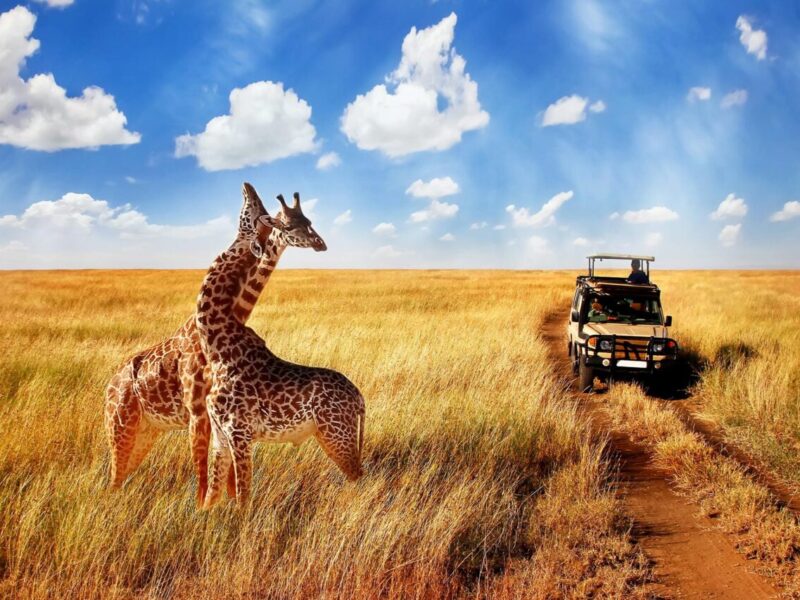
The reserve is particularly famous for its lions, leopards, cheetahs, elephants, and buffaloes. Visitors can also encounter giraffes, zebras, wildebeest, antelopes, hippos, crocodiles, hyenas, and numerous bird species.
Wildlife viewing remains rewarding throughout the year because many animals live permanently within the ecosystem.
Nevertheless, the Great Wildebeest Migration attracts exceptional international attention.
Every year, large numbers of wildebeest and zebras move through the Serengeti-Mara ecosystem in search of fresh grazing. Their movements depend on seasonal rainfall and available grass.
During suitable conditions, migrating herds enter the Maasai Mara, creating impressive opportunities for wildlife photography and predator observation.
Experiencing the Great Migration
The migration commonly reaches the Kenyan Mara between July and October, although actual timing varies from year to year.
One of the most dramatic experiences involves animals crossing the Mara River. Crocodiles may wait in the water while wildebeest gather along the banks.
However, crossings cannot be scheduled or guaranteed. Herds sometimes wait for hours or change direction without entering the river.
Therefore, travelers interested in migration photography should allow several days rather than expecting one particular event during a short game drive.
A knowledgeable guide can help identify areas where herds are gathering while respecting wildlife-viewing regulations.
Wildlife Viewing Throughout the Year
Outside migration season, the Maasai Mara remains an excellent safari destination.
Resident lions hunt across the grasslands, cheetahs scan open plains, and leopards rest in trees or move through riverine vegetation.
Early morning drives often provide productive viewing conditions because many predators remain active before daytime temperatures increase.
Afternoon safaris offer beautiful light and different animal behavior. Meanwhile, authorized balloon safaris provide an aerial perspective of the landscape.
A typical Maasai Mara stay lasts two to four nights. However, serious wildlife photographers may prefer additional time.
Travelers seeking more privacy can consider appropriate conservancies around the reserve, where accommodation options and permitted activities may differ.
For many visitors, the Maasai Mara is the strongest starting point for an unforgettable Kenya wildlife safari.
2. Amboseli National Park – Elephants Beneath Mount Kilimanjaro
Amboseli National Park lies in southern Kenya near the Tanzanian border. The destination is internationally recognized for its large elephant herds and spectacular views of Mount Kilimanjaro.
Although Kilimanjaro stands inside Tanzania, its towering summit provides one of the most recognizable photographic backgrounds in Kenyan tourism.
Amboseli’s landscape includes open grasslands, seasonal lakebeds, acacia woodland, wetlands, and permanent swamps.
These habitats support elephants, buffaloes, zebras, wildebeest, giraffes, lions, hyenas, and many antelope species.
The contrast between dry plains and green wetlands creates excellent opportunities to observe wildlife moving between different feeding areas.
Why Amboseli Is Famous for Elephants
Amboseli is particularly rewarding for elephant enthusiasts.
Visitors frequently encounter family groups crossing dusty plains, feeding near wetlands, or moving toward water sources.
Some mature elephants carry impressive tusks, making the destination attractive to wildlife photographers.
Because the landscape is relatively open, observers can often watch interactions between adults, calves, and family groups without dense vegetation blocking the view.
Elephants may gather around swamps during dry conditions, where permanent moisture supports vegetation.
Visitors should always remain at a safe distance and allow elephants to determine their own movements.
Best Photography Opportunities
Early mornings often provide clearer views of Kilimanjaro before clouds gather around the summit.
The surrounding plains create dramatic compositions when elephants move across the foreground.
Observation Hill offers panoramic views of Amboseli’s wetlands and surrounding landscapes.
Birdwatchers also appreciate the park’s varied habitats, particularly its waterbirds and birds of prey.
Amboseli works especially well as part of a southern Kenya safari that includes Tsavo West or Tsavo East.
Two nights provide a useful introduction, while three nights allow more relaxed game viewing.
For travelers seeking memorable elephant encounters, Amboseli deserves a prominent place in any Kenya National Parks Guide.
3. Tsavo East National Park – Red Elephants and Expansive Wilderness
Tsavo East National Park offers one of Kenya’s most impressive wilderness experiences.
Its enormous landscapes extend across dry savannah, thorny vegetation, seasonal grassland, and river environments.
Unlike smaller parks, Tsavo East allows visitors to experience the scale and openness of East Africa’s protected landscapes.
The park is famous for its red elephants, which acquire their distinctive appearance by covering themselves in reddish soil and dust.
These animals create striking scenes as they move across the dry plains.
Other wildlife includes lions, buffaloes, giraffes, zebras, antelopes, and numerous bird species.
The Galana River provides an important natural feature. Its water supports wildlife and contrasts with the surrounding semi-arid terrain.
Major Attractions in Tsavo East
Mudanda Rock is a significant landmark. Its elevated setting and surrounding water features make it a rewarding location for scenery and wildlife observation.
Lugard’s Falls offers another distinctive landscape along the Galana River, where water flows through eroded rock formations.
Aruba Dam can attract animals during suitable conditions.
Meanwhile, the Yatta Plateau represents an extraordinary geological feature associated with ancient volcanic activity.
Tsavo East is particularly appealing to visitors who enjoy exploring broad landscapes without concentrating entirely on high-density wildlife sightings.
Because animals are distributed across a vast area, wildlife encounters require patience.
However, the experience can feel especially rewarding when elephants or predators appear against distant horizons.
Combining Tsavo East With Kenya’s Coast
The park’s location makes it a convenient safari destination for travelers visiting Mombasa, Diani, or other coastal areas.
Visitors can combine a beach holiday with a short wildlife safari or extend their journey into neighboring Tsavo West.
A two- or three-night stay provides time for multiple game drives and scenic exploration.
For travelers looking beyond the busiest safari circuits, Tsavo East offers wilderness, remarkable landscapes, and rewarding wildlife photography.
4. Tsavo West National Park – Volcanic Landscapes and Scenic Safaris
Tsavo West National Park offers a different experience from neighboring Tsavo East.
Its terrain includes volcanic hills, rocky ridges, bushland, lava formations, springs, and scenic valleys.
These varied habitats create beautiful surroundings for visitors interested in both wildlife and natural history.
Elephants, buffaloes, giraffes, zebras, leopards, and other species inhabit the park.
However, vegetation can make animals more difficult to observe than in open grassland ecosystems.
Consequently, Tsavo West is especially attractive to travelers who appreciate scenery alongside traditional game viewing.
Mzima Springs and Other Natural Attractions
Mzima Springs ranks among the park’s best-known destinations.
Clear groundwater emerges into pools surrounded by vegetation, supporting fish, hippos, and other wildlife.
Visitors can explore designated areas with appropriate guidance and observe the relationship between water and the surrounding dry ecosystem.
The Shetani Lava Flow provides a contrasting experience. Its dark volcanic formations reveal the region’s geological history.
Ngulia Rhino Sanctuary represents an important conservation initiative associated with endangered rhinoceroses, although visitor access and actual sightings depend on current management arrangements.
Lake Jipe, near the Tanzanian border, offers additional scenic interest.
The park also provides beautiful views toward the Chyulu Hills and surrounding mountains.
Who Should Visit Tsavo West?
Tsavo West suits travelers who enjoy dramatic landscapes, peaceful safari lodges, and varied natural attractions.
It combines particularly well with Amboseli because visitors can experience elephants beneath Kilimanjaro before continuing into volcanic wilderness.
Photographers often appreciate the park’s changing scenery and attractive viewpoints.
A stay of two nights allows time for key attractions and wildlife drives. Longer visits suit guests seeking a slower pace.
5. Lake Nakuru National Park – Rhinos, Flamingos and Rift Valley Beauty
Lake Nakuru National Park is located in Kenya’s Great Rift Valley near Nakuru city.
It protects a scenic landscape of alkaline lake waters, grasslands, woodland, rocky viewpoints, and surrounding hills.
The park has a strong international reputation for birdwatching and rhinoceros conservation.
Both black and white rhinoceroses inhabit the protected area, making it an important destination for travelers hoping to observe these endangered animals.
Lake Nakuru also supports buffaloes, zebras, giraffes, antelopes, and predators.
Its relatively compact size makes wildlife viewing convenient compared with some of Kenya’s larger wilderness parks.
Flamingos at Lake Nakuru
Lake Nakuru has historically been associated with spectacular flamingo gatherings.
However, flamingo numbers change according to water conditions, food availability, and ecological factors.
Visitors should not assume that the lake will always display the enormous pink flocks shown in older travel photographs.
Other waterbirds remain important attractions, including pelicans, herons, egrets, and fish eagles.
The diversity of surrounding habitats provides opportunities to observe both aquatic and terrestrial species.
Rhinoceros Conservation
Lake Nakuru’s rhino conservation program is among its most important contributions to Kenya’s wildlife protection efforts.
The park provides protected habitat for black and white rhinoceroses.
Because the two species differ in feeding behavior and appearance, observing both can become an educational safari experience.
Nevertheless, sightings depend on animal movements, vegetation, and available viewing routes.
Travelers should never approach rhinos on foot without authorized professional supervision.
Planning a Lake Nakuru Visit
Lake Nakuru works well as a stop between Nairobi and other western safari destinations.
A full-day game drive may be sufficient for visitors with limited time, although an overnight stay provides a more relaxed experience.
The park can also be combined with Lake Naivasha, Hell’s Gate, or the Maasai Mara.
Its balance of wildlife, birdlife, and accessible scenery makes it particularly suitable for first-time safari travelers.
6. Nairobi National Park – Wildlife Near Kenya’s Capital
Nairobi National Park offers an exceptional opportunity to experience wild animals close to a major African city.
Its proximity to central Nairobi makes it convenient for visitors with limited time or travelers beginning a longer safari.
The park contains open grasslands, scattered trees, rocky valleys, and riverine environments.
Lions, buffaloes, giraffes, zebras, antelopes, and rhinoceroses live within its protected landscape.
One of the park’s most remarkable features is the contrast between wildlife and Nairobi’s skyline.
Photographers can sometimes capture animals in natural grassland with city buildings visible in the background.
What Animals Can Visitors See?
Nairobi National Park is a particularly important destination for rhinoceros conservation and viewing.
Predators such as lions may also be encountered, while giraffes and grazing herbivores move through different habitats.
However, visitors should understand that the park does not contain a resident wild elephant population.
Therefore, it is not the ideal destination for travelers specifically hoping to see all five members of the Big Five.
Morning game drives can be productive because wildlife is often more active during cooler hours.
Depending on travel arrangements, guests may explore the park during a half-day excursion or spend longer discovering its different sections.
Is Nairobi National Park Worth Visiting?
Absolutely, particularly for travelers spending time in the capital.
It allows visitors to experience African wildlife without committing to a long road transfer.
Business travelers, families, and guests arriving before an extended safari may find it especially convenient.
However, it should complement rather than automatically replace larger wilderness destinations.
A short visit offers excellent value when expectations match the park’s unique urban setting.
7. Samburu National Reserve – Rare Wildlife of Northern Kenya
Samburu National Reserve lies in Kenya’s northern safari region.
Its dry landscapes, scattered vegetation, rugged scenery, and river habitats create a distinctive contrast with the greener southern parks.
The Ewaso Ng’iro River provides an important water source for wildlife.
Visitors may observe elephants moving through riverine vegetation, giraffes browsing among trees, and predators hunting across the surrounding landscape.
Samburu is especially famous for several wildlife species associated with northern Kenya.
These are frequently called the Samburu Special Five.
They include Grevy’s zebra, reticulated giraffe, gerenuk, Beisa oryx, and Somali ostrich.
Their presence makes the destination particularly attractive to experienced safari travelers seeking animals that are less commonly encountered farther south.
What Makes Samburu Different?
The reserve’s ecology reflects the drier environments of northern Kenya.
Wildlife has adapted to seasonal water availability, sparse vegetation, and changing environmental conditions.
Gerenuks are especially fascinating because they can stand on their hind legs to reach leaves.
Grevy’s zebras display narrower stripes and a different appearance from the plains zebras seen in many southern parks.
Reticulated giraffes are recognizable by their bold coat patterns.
Visitors may also encounter lions, leopards, and elephants, although wildlife sightings always depend on local conditions.
Cultural Experiences Around Samburu
The surrounding region is home to Samburu communities with deep cultural connections to the landscape.
Thoughtfully arranged cultural visits can introduce travelers to local heritage, pastoral traditions, and community conservation initiatives.
Responsible tourism should prioritize experiences organized with community consent and fair economic participation.
Two or three nights offer a suitable introduction to Samburu.
Travelers seeking a more extensive northern safari can explore neighboring conservation areas and reserves.
8. Meru National Park – Quiet Wilderness and Conservation Heritage
Meru National Park is one of Kenya’s most rewarding destinations for travelers who appreciate remote landscapes and a quieter safari atmosphere.
The park features grassland, woodland, rivers, and varied habitats that support a wide range of wildlife.
Elephants, buffaloes, lions, giraffes, and numerous antelope species inhabit the broader ecosystem.
Its river networks create attractive scenery and support important wildlife habitats.
Compared with Kenya’s more frequently visited destinations, Meru can offer a strong sense of solitude.
This makes it appealing to couples, photographers, and repeat safari travelers.
The Born Free Connection
Meru is closely associated with the story of Elsa the lioness and conservationists George and Joy Adamson.
Their experiences helped bring international attention to wildlife conservation through the story Born Free.
The park’s conservation heritage remains an important part of its identity.
Today, Meru offers opportunities to explore the landscapes associated with this history while discovering its modern wildlife protection efforts.
A designated rhino sanctuary contributes to conservation, although visitors should not expect guaranteed sightings.
Why Choose Meru?
Meru works well for guests who prefer longer game drives through varied scenery rather than concentrating on heavily visited wildlife hotspots.
Its landscape changes throughout the park, creating opportunities for birdwatching and nature photography.
Travelers should plan sufficient time because the park is large and wildlife can be dispersed.
A two- or three-night stay is a useful starting point.
Choosing accommodation within convenient reach of intended safari areas helps reduce unnecessary driving.
9. Aberdare National Park – Forests, Waterfalls and Mountain Wildlife
Aberdare National Park presents a completely different side of Kenya’s natural beauty.
Located in the central highlands, it protects mountainous terrain, forests, moorland, waterfalls, and deep valleys.
Cooler temperatures and frequent mist create an atmosphere unlike the warm savannah landscapes associated with traditional African safaris.
The park provides habitat for elephants, buffaloes, forest antelopes, monkeys, and other species adapted to highland environments.
Dense vegetation makes wildlife viewing unpredictable, but the scenery compensates with exceptional natural beauty.
Waterfalls and Scenic Highlands
The Aberdare Range contains some of Kenya’s most beautiful highland landscapes.
Visitors can explore designated viewpoints overlooking valleys, waterfalls, and forested slopes.
The park is also known for the historical association between Treetops Lodge and Queen Elizabeth II’s accession to the British throne in 1952.
This unusual combination of wildlife, royal history, and mountain scenery gives Aberdare a distinctive character.
Ideal Visitors and Activities
Aberdare is especially attractive to birdwatchers, hikers, landscape photographers, and travelers seeking cooler environments.
Appropriate clothing is important because temperatures can drop considerably, particularly at higher elevations.
Rainfall may affect trails and road conditions.
Visitors should confirm vehicle suitability and current access arrangements before exploring remote sections.
A one- or two-night stay can complement a safari itinerary that includes central Kenya’s other destinations.
10. Mount Kenya National Park – Alpine Adventure and Mountain Scenery
Mount Kenya National Park protects one of Africa’s most remarkable mountain ecosystems.
Mount Kenya is the country’s highest mountain and Africa’s second-highest mountain after Kilimanjaro.
Its landscapes include montane forest, bamboo, moorland, alpine vegetation, rocky peaks, and dramatic valleys.
Travelers come here for trekking, scenery, birdwatching, and mountain adventure rather than conventional Big Five game drives.
The mountain’s changing vegetation creates fascinating experiences as hikers ascend through different ecological zones.
Hiking Mount Kenya
Several established routes provide access to different sections of the mountain.
Popular trekking approaches include routes associated with Sirimon, Naro Moru, and Chogoria.
Point Lenana is a well-known trekking objective for appropriately prepared hikers, while reaching the higher technical summits requires mountaineering expertise.
Altitude makes preparation essential.
Even physically fit travelers may experience altitude-related illness. Therefore, appropriate acclimatization, experienced guides, and realistic schedules are important.
Trekkers should never underestimate rapidly changing mountain weather.
Why Mount Kenya Deserves More Attention
Mount Kenya offers a rewarding alternative for travelers who want active adventures alongside wildlife safaris.
The mountain’s unusual vegetation, highland scenery, and expansive views appeal to nature enthusiasts.
Its surrounding landscapes also provide opportunities to explore central Kenya.
A dedicated trek requires several days, while lower-altitude nature activities may fit into a shorter itinerary.
For adventurous visitors, Mount Kenya adds an entirely different dimension to an East African holiday.
Kenya National Parks Guide to Adventure and Lesser-Known Destinations
Beyond Kenya’s famous safari destinations, several parks protect volcanic landscapes, wetlands, remote valleys, and unusual wildlife habitats.
These places may not deliver the same concentration of large animals as the Maasai Mara. However, they often provide a more specialized experience.
Travelers with additional time can discover extraordinary landscapes that receive comparatively little international attention.
11. Hell’s Gate National Park – Cycling and Outdoor Adventure
Hell’s Gate National Park is located near Lake Naivasha in the Great Rift Valley.
The park is particularly popular for outdoor activities because designated areas offer opportunities for cycling, walking, and hiking, subject to current safety regulations.
Towering cliffs, volcanic formations, and dramatic rock scenery give Hell’s Gate a distinctive appearance.
Wildlife may include zebras, giraffes, buffaloes, antelopes, and numerous bird species.
Unlike conventional game-drive destinations, Hell’s Gate emphasizes active exploration.
However, visitors must follow official guidance because dangerous wildlife may still be present.
Some gorge areas can become hazardous during rainfall or flash-flood conditions. Access therefore depends on current park restrictions.
A visit often combines well with nearby Lake Naivasha, where authorized boat excursions provide opportunities to observe birds and aquatic wildlife.
Hell’s Gate is an excellent addition for travelers who want movement and outdoor adventure between traditional safari days.
12. Mount Longonot National Park – Hiking a Volcanic Crater
Mount Longonot National Park protects a striking volcanic landscape near Lake Naivasha.
Its central feature is Mount Longonot, a volcano with a large crater and rugged surrounding ridges.
Visitors can hike toward the crater rim and enjoy panoramic views across the Rift Valley.
The experience is especially rewarding for travelers who enjoy physical challenges and landscape photography.
However, the climb can be demanding because sections of the trail are steep and exposed.
The crater-rim circuit adds considerable distance and effort.
Travelers should carry sufficient drinking water, wear suitable footwear, and begin early enough to avoid excessive heat.
Weather conditions may change unexpectedly, making local advice important.
Although wildlife inhabits the surrounding environment, Mount Longonot is better known for hiking than conventional game viewing.
It works well as a day excursion from the Naivasha area.
13. Chyulu Hills National Park – Green Hills and Volcanic Scenery
Chyulu Hills National Park protects rolling volcanic landscapes between the Amboseli and Tsavo regions.
The area is known for green hills, lava formations, and beautiful views during clear weather.
Its scenery creates a peaceful contrast with the open grasslands of neighboring wildlife parks.
Travelers interested in hiking, geology, landscape photography, and remote environments may find Chyulu Hills particularly appealing.
The hills also play an important ecological role in the wider region.
Their volcanic terrain influences groundwater movement and contributes to surrounding ecosystems.
Although wildlife occurs across the landscape, visitors should not expect consistently dense animal concentrations.
Access to some areas requires careful planning and appropriate arrangements.
Chyulu Hills is therefore best suited to visitors who prioritize natural scenery and a quieter experience.
14. Ruma National Park – Rare Antelopes in Western Kenya
Ruma National Park lies in western Kenya near the Lake Victoria region.
Its rolling grasslands, valleys, and surrounding hills create an appealing environment for travelers interested in lesser-known wildlife destinations.
The park is particularly significant because it protects Kenya’s remaining population of endangered roan antelope.
Other wildlife includes giraffes, antelopes, and diverse bird species.
Ruma’s distinctive landscape provides opportunities for quiet game drives and nature observation.
Visitors traveling through western Kenya may find it a worthwhile addition to a regional itinerary.
However, reaching Ruma requires more planning than visiting parks near Nairobi.
Accommodation and road arrangements should be confirmed before departure.
For wildlife enthusiasts interested in conservation beyond the Big Five, Ruma offers a meaningful experience.
15. Saiwa Swamp National Park – A Sanctuary for Sitatunga
Saiwa Swamp National Park is a small protected wetland near Kitale in western Kenya.
Rather than broad savannah game drives, it offers forest trails, wetland scenery, and opportunities to observe unusual species.
The park protects habitat for the semi-aquatic sitatunga antelope.
This elusive animal has adapted to living in wetland environments and can be difficult to observe.
Saiwa also supports monkeys, birds, and varied plant life.
Visitors can explore designated walking routes and boardwalk areas while enjoying a quieter nature experience.
The park’s intimate scale makes it particularly suitable for visitors interested in wetlands, ecology, and birdwatching.
It is not a substitute for a traditional lion-and-elephant safari.
Nevertheless, it adds valuable diversity to a journey through western Kenya.
16. Sibiloi National Park – Fossils and Lake Turkana
Sibiloi National Park occupies a remote region near the eastern shores of Lake Turkana.
The park is internationally important for its archaeological and paleontological heritage.
The Koobi Fora area has produced discoveries that contribute to scientific understanding of human evolution.
Consequently, Sibiloi combines natural history, ancient landscapes, and cultural significance.
Its dry environment creates dramatic scenery unlike the greener safari regions of southern Kenya.
Travelers may encounter desert-adapted wildlife, although conventional game viewing is not the destination’s primary attraction.
The surrounding Lake Turkana landscape adds extraordinary geographical interest.
Reaching Sibiloi can be challenging because of its remote location and road conditions.
Travelers should arrange reliable transport, fuel, supplies, accommodation, and knowledgeable local support.
This destination is best suited to experienced adventure travelers with sufficient time.
17. Marsabit National Park – Forested Mountains in Northern Kenya
Marsabit National Park protects an unusual mountain environment rising above northern Kenya’s dry landscapes.
Forests, volcanic terrain, and crater lakes create habitats that contrast strongly with the surrounding semi-arid region.
The park supports elephants, buffaloes, birds, and other wildlife.
Its forested landscapes offer a distinctive atmosphere, especially during misty mornings.
Travelers interested in remote nature experiences and northern Kenyan geography may find Marsabit rewarding.
However, wildlife can be difficult to observe within dense vegetation.
Access also requires attention to road conditions, travel distances, and local guidance.
Marsabit is best incorporated into a carefully organized northern Kenya expedition rather than a rushed conventional safari.
18. Other Protected Areas Worth Discovering
Kenya’s conservation network includes additional destinations such as Mount Elgon National Park, Ndere Island National Park, Ol Donyo Sabuk National Park, Central Island National Park, South Island National Park, and Kora National Park.
Each protects particular landscapes and ecosystems.
Mount Elgon appeals to visitors interested in mountain scenery and hiking.
Ndere Island offers a peaceful Lake Victoria environment, while Central Island introduces travelers to the extraordinary volcanic geography of Lake Turkana.
South Island is another remote destination within the Turkana region.
Ol Donyo Sabuk offers hiking opportunities within reach of Nairobi.
Kora National Park contributes to the conservation landscape associated with eastern Kenya’s wilderness and wildlife heritage.
These destinations are particularly interesting for repeat visitors who want to explore beyond Kenya’s established safari circuit.
However, accessibility, operating conditions, and accommodation vary considerably.
Research and advance planning are therefore essential.
Kenya’s Best Marine National Parks
Kenya’s protected areas extend beyond land-based wildlife destinations.
Along the Indian Ocean coast, marine national parks and reserves conserve coral reefs, seagrass habitats, fish populations, and other coastal ecosystems.
These environments offer an excellent contrast to inland safari destinations.
After several days exploring savannah landscapes, travelers can discover underwater wildlife, white-sand beaches, and tropical coastal scenery.
Watamu Marine National Park – Coral Reefs and Sea Turtles
Watamu Marine National Park lies along Kenya’s beautiful northern coast.
Its protected marine environment includes coral reefs, lagoons, and diverse fish habitats.
Snorkeling and diving excursions allow visitors to discover colorful underwater landscapes.
Sea turtles inhabit the wider marine ecosystem, although encounters depend on conditions and chance.
Watamu also offers access to coastal attractions and the surrounding marine reserve.
Mida Creek is an important nearby environment for mangrove ecosystems and birdlife.
Visitors can combine marine excursions with nature activities and relaxation.
Responsible boat operators should respect protected zones, avoid disturbing wildlife, and prevent damage to coral reefs.
Watamu is particularly appealing to families, couples, and travelers who enjoy snorkeling.
It also works well as a beach extension after a longer Kenya safari.
Kisite-Mpunguti Marine National Park – Snorkeling Near Shimoni
Kisite-Mpunguti is located on Kenya’s southern coast near Shimoni.
The protected marine environment includes coral reefs, islands, and waters inhabited by diverse marine species.
Visitors often travel by boat to designated snorkeling areas.
Depending on conditions, they may observe reef fish, coral formations, and dolphins.
However, dolphin sightings are never guaranteed.
Wildlife encounters must prioritize animal welfare. Boats should avoid chasing dolphins or encouraging behavior that causes stress.
The area is particularly attractive to travelers staying near Diani or other southern coastal destinations.
A carefully arranged day excursion can add an unforgettable marine experience to a beach holiday.
Malindi and Mombasa Marine Protected Areas
Malindi Marine National Park and the marine protected areas around Mombasa provide additional opportunities to explore Kenya’s coastal biodiversity.
Their underwater ecosystems support coral communities and numerous tropical fish species.
Visitors can enjoy guided snorkeling, diving, and boat activities where permitted.
Conditions vary with weather, tides, underwater visibility, and seasonal ocean movement.
Therefore, marine activities should be arranged through qualified operators who understand local conditions.
A professional guide can also explain coral conservation and the ecological importance of protected coastal habitats.
Combining marine and inland wildlife experiences demonstrates the remarkable diversity of Kenya’s natural environment.
Wildlife Conservancies and Reserves Beyond the National Parks
Some of Kenya’s most rewarding safari experiences take place outside national park boundaries.
Private and community conservancies protect important habitats while providing tourism income and supporting local conservation efforts.
They may also offer activities that differ from those permitted inside public parks.
Ol Pejeta Conservancy
Ol Pejeta Conservancy, located in central Kenya, is internationally recognized for wildlife conservation.
It supports important rhinoceros protection programs and offers opportunities to discover a range of African wildlife.
Visitors can combine guided wildlife drives with conservation-focused experiences.
The conservancy has particular significance for northern white rhino conservation.
However, access to specialized activities and conservation facilities requires advance arrangements.
Ol Pejeta appeals to travelers interested in wildlife protection as well as traditional safari encounters.
Lewa Wildlife Conservancy
Lewa Wildlife Conservancy is another important conservation destination in northern Kenya.
Its landscapes support rhinoceroses, Grevy’s zebras, elephants, and other wildlife.
The conservancy is particularly well suited to travelers seeking a carefully managed safari environment with an emphasis on conservation.
Accommodation options tend toward higher-end safari experiences.
However, the broader value comes from the relationship between wildlife protection, local communities, and responsible tourism.
Maasai Mara Conservancies
Several conservancies border the Maasai Mara National Reserve.
These areas may offer lower vehicle densities, specialized guided activities, and accommodations designed around smaller guest numbers.
Their operating arrangements vary, so visitors should not assume that every conservancy offers identical experiences.
Some work closely with Maasai landowners and community organizations.
Selecting an appropriate conservancy can enhance privacy while supporting local conservation partnerships.
For visitors planning luxury Kenya safaris, conservancies deserve careful consideration alongside the national reserve itself.
Best Time to Visit Kenya National Parks
The best time to visit Kenya depends on wildlife interests, preferred weather, available budget, and the destinations included in the itinerary.
Kenya offers wildlife viewing throughout the year.
However, rainfall affects vegetation, road conditions, animal movements, and photographic opportunities.
Understanding seasonal differences helps travelers choose suitable dates without assuming that only one season provides a worthwhile safari.
June to October – Popular Dry-Season Safaris
The main dry-season period is generally one of Kenya’s most popular safari seasons.
Vegetation often becomes less dense, and wildlife may gather near available water sources.
These conditions can make animals easier to locate in some ecosystems.
The Maasai Mara also becomes particularly popular because migrating wildebeest may enter the reserve during this period.
July, August, and September often attract substantial demand for safari accommodation.
Consequently, early reservations are advisable for popular lodges and tented camps.
Travelers should also remember that famous wildlife sightings may attract several vehicles.
Choosing responsible guides and allowing sufficient time can improve the experience.
Dry-season conditions vary by location and year, so local circumstances remain important.
January to February – Warm Weather and Wildlife Photography
January and February often provide enjoyable safari conditions across several Kenyan destinations.
Many regions experience relatively dry weather, although local variation remains possible.
Open landscapes and favorable light can make this period attractive to photographers.
Amboseli is particularly rewarding when visibility allows clear views of Mount Kilimanjaro.
The Maasai Mara remains productive for resident wildlife, including predators and grazing animals.
Travelers seeking an alternative to peak migration months may appreciate this period.
However, accommodation demand can still be significant around holidays and popular travel dates.
March to May – Green Landscapes and Seasonal Rainfall
The long-rains period typically falls between March and May, although weather patterns differ across Kenya.
Rain can transform landscapes into lush green environments.
Fresh vegetation attracts grazing animals, while dramatic clouds create interesting photographic conditions.
Some destinations experience reduced visitor numbers during wetter months.
Accommodation operators may occasionally offer promotional rates, although availability and discounts depend on individual properties.
However, rainfall can create muddy tracks, increase travel times, and complicate access to remote areas.
Travelers should choose suitable vehicles and avoid overly ambitious itineraries.
A flexible program is especially valuable during periods of heavy rainfall.
November to December – Short Rains and Changing Conditions
Short rains often occur during parts of November and December.
However, rainfall patterns are increasingly variable, and individual regions may experience different conditions.
These months can provide attractive green landscapes and productive birdwatching.
Resident wildlife remains present throughout many major safari areas.
Early December may offer opportunities to travel before the busiest festive holiday period.
Nevertheless, Christmas and New Year accommodation can become expensive and heavily booked.
Travelers should confirm exact availability and costs before making final arrangements.
The Great Migration: When and Where to See It
The Great Wildebeest Migration is one of Africa’s most famous natural events.
Large numbers of wildebeest, accompanied by zebras and other herbivores, move through the Serengeti-Mara ecosystem.
Their movements are driven mainly by rainfall, grazing conditions, and seasonal ecological changes.
The migration does not operate according to fixed calendar dates.
Instead, animals move continuously through different parts of the ecosystem.
During suitable periods, significant herds reach the Maasai Mara in Kenya.
However, the timing and duration of their presence vary.
Understanding Mara River Crossings
The Mara River crossings attract exceptional attention because they can involve dramatic interactions between migrating herbivores and crocodiles.
Nevertheless, observing a crossing requires patience and luck.
Herds may approach a riverbank, gather in large groups, and then retreat.
Sometimes animals cross quickly. On other occasions, visitors may spend several hours waiting without seeing a crossing.
Professional guides should not pressure animals or disregard vehicle restrictions to obtain a closer view.
An ethical safari prioritizes natural behavior over dramatic photographs.
Planning a Migration-Focused Safari
Travelers who consider migration viewing their main priority should ideally allow several nights in the Maasai Mara.
This provides opportunities to explore different areas and respond to changing wildlife movements.
A minimum of three nights is often useful, while four or more nights can improve flexibility.
However, spending extra time never guarantees a river crossing.
Visitors should also appreciate resident wildlife rather than judging the entire safari by one unpredictable event.
Lions, cheetahs, leopards, elephants, and other animals can provide extraordinary experiences regardless of migration conditions.
Kenya National Parks Guide to Safari Costs and Entrance Fees
Understanding safari costs is essential when organizing a realistic travel budget.
The total price depends on travel season, number of visitors, accommodation category, transportation, park entrance charges, and included activities.
Luxury fly-in safaris generally cost more than shared road-based itineraries.
However, a private road safari can also become expensive when traveling alone because vehicle and guide costs are not shared.
Kenya National Park Entry Fees in 2026
Kenya Wildlife Service introduced revised conservation fees effective October 1, 2025.
Under the published schedule, non-resident adult entrance fees for several popular destinations include:
Amboseli National Park costs USD 90, while Lake Nakuru National Park also costs USD 90.
Nairobi National Park costs USD 80.
Tsavo East and Tsavo West National Parks each have a listed non-resident adult fee of USD 80.
Meru and Aberdare National Parks each have a listed fee of USD 70.
Hell’s Gate and Mount Longonot National Parks each have a listed fee of USD 50.
Certain marine protected areas, including Watamu and Kisite-Mpunguti, have listed non-resident adult entry fees of USD 25.
These are reference rates from the published conservation fee schedule, not a guaranteed final quotation. Vehicle charges, special activities, camping fees, applicable packages, and other expenses may be charged separately.
Citizen, resident, African citizen, and non-resident categories can have different prices.
Furthermore, the Maasai Mara National Reserve has separate management and its own fee arrangements.
Before traveling, visitors should confirm current charges through the Kenya Wildlife Service and the relevant reserve authority.
Budget Kenya Safari Costs
Budget safaris focus on economical accommodation and efficient transportation.
Travelers may stay in simple tented camps, guesthouses, or modest safari lodges.
Joining a scheduled group safari can reduce the cost of transportation and guiding.
However, budget travelers should confirm whether park fees, meals, drinking water, airport transfers, and accommodation taxes are included.
A lower advertised price may not represent the complete holiday cost.
Long transfers and limited game-drive time can also reduce the overall experience.
A well-designed budget safari should prioritize meaningful wildlife encounters rather than visiting too many destinations.
Midrange Kenya Safari Costs
Midrange safaris offer a balance between comfort and affordability.
Travelers generally stay in established safari lodges or comfortable tented camps.
Accommodation may include private bathrooms, dining facilities, scenic surroundings, and convenient park access.
Private vehicles are often available, particularly for couples, families, or small groups.
Midrange safaris are especially suitable for travelers who want professional guiding and comfortable accommodation without the expense of exclusive luxury properties.
Choosing the correct lodge location is particularly important.
A reasonably priced property close to productive wildlife areas can provide better overall value than a more expensive lodge requiring lengthy daily transfers.
Luxury Kenya Safari Costs
Luxury safaris emphasize comfort, personalized service, and often exclusive locations.
High-end tented camps and lodges may offer spacious suites, private decks, exceptional dining, and carefully arranged wildlife activities.
Some properties operate within conservancies where visitor numbers are more controlled.
Fly-in arrangements can reduce long road journeys, allowing guests to spend more time relaxing and exploring.
However, luxury prices vary considerably.
Travel season, room category, conservation fees, internal flights, and special activities all influence the total.
Guests should request a detailed quotation that explains inclusions and exclusions.
Additional Expenses to Consider
Safari budgets should also account for personal expenses.
These may include international flights, travel insurance, selected beverages, tips, visas or travel authorizations, laundry, additional activities, and personal purchases.
Special experiences such as balloon safaris often require separate payment.
Similarly, private photographic guides or exclusive vehicles may increase costs.
A transparent safari quotation helps travelers compare packages fairly and avoid unexpected charges.
Choosing Accommodation in Kenya’s Safari Parks
Accommodation plays an important role in shaping the overall safari experience.
Kenya offers everything from simple campsites to sophisticated luxury lodges.
However, the best option is not necessarily the property with the highest room rate.
Location, service, comfort, and access to wildlife-viewing areas often matter more.
Safari Lodges
Safari lodges usually provide permanent accommodation structures with established facilities.
Rooms may include private bathrooms, electricity, comfortable beds, and views of surrounding landscapes.
Many lodges offer restaurants, lounges, gardens, or swimming pools.
This accommodation style is particularly attractive to families and travelers seeking predictable comfort.
However, facilities differ considerably between properties.
Visitors should confirm room arrangements, meal plans, and distances from park entrances.
Tented Safari Camps
Tented camps range from basic camping facilities to luxurious permanent structures.
A high-quality tented camp may include a comfortable bedroom, private bathroom, outdoor seating area, and personalized service.
The appeal comes from feeling connected to the surrounding natural environment.
At night, guests may hear wildlife moving in nearby habitats.
Camp staff provide guidance on safe movement around the property.
Travelers should never leave designated accommodation areas without permission when dangerous wildlife may be present.
Private Conservancy Accommodation
Some conservancy properties emphasize small guest numbers and privacy.
They may offer specialized guiding, walking activities, or additional experiences permitted under local rules.
These arrangements can provide excellent opportunities for travelers interested in photography or slower-paced nature exploration.
However, guests should understand whether their accommodation includes access to neighboring national parks or reserves.
Extra entry fees and transfers may apply.
How to Choose the Right Lodge
Start by considering the purpose of the visit.
Travelers interested primarily in wildlife photography should prioritize proximity to productive game-viewing areas.
Families may value spacious rooms, swimming pools, and flexible meal arrangements.
Couples could prefer smaller camps offering privacy and scenic surroundings.
Older travelers may appreciate properties with accessible rooms and limited walking requirements.
Finally, check the cancellation policy, payment schedule, and booking conditions before confirming accommodation.
How to Get to Kenya National Parks
Most international safari travelers begin their journey in Nairobi.
Jomo Kenyatta International Airport provides access to major international routes, while Wilson Airport serves various domestic and safari flights.
Depending on the itinerary, guests may also begin their holiday in Mombasa or another Kenyan city.
Traveling by Road
Road safaris remain popular because they allow travelers to experience changing scenery between destinations.
A private safari vehicle also provides flexibility during game drives.
Four-wheel-drive vehicles are generally preferable for routes involving rough tracks or unpredictable conditions.
However, actual road requirements vary by destination and season.
Travelers should allow realistic transfer times and avoid arranging too many long journeys on consecutive days.
Domestic Safari Flights
Domestic flights can make longer itineraries more comfortable.
Light aircraft connect selected safari airstrips with major travel hubs.
Fly-in safaris can be especially useful for travelers visiting remote destinations or those with limited time.
However, baggage restrictions may be stricter than on international airlines.
Schedules and airstrip availability should be confirmed before booking.
Combining Road and Air Transport
A combination of road transfers and internal flights often creates an efficient itinerary.
Travelers might drive between nearby destinations while flying longer distances.
The best arrangement depends on budget, available routes, and the overall direction of travel.
Good planning reduces unnecessary backtracking and provides more time for wildlife experiences.
Best Kenya National Parks for Different Travelers
Not every visitor approaches a safari with the same expectations.
Some people want to photograph lions, while others prefer birdwatching, mountain hiking, or quiet landscapes.
Choosing destinations according to personal interests creates a more rewarding experience.
Best Parks for First-Time Safari Travelers
The Maasai Mara, Amboseli, Lake Nakuru, and Nairobi National Park provide excellent introductions to wildlife tourism.
Together, they represent different safari environments.
The Maasai Mara is particularly attractive for predators and open savannah landscapes.
Amboseli specializes in elephant viewing and scenery.
Lake Nakuru offers rhinoceros conservation and birdwatching opportunities.
Nairobi National Park provides convenient wildlife viewing near the capital.
First-time visitors should generally avoid including too many destinations in one short itinerary.
A carefully selected combination of two or three places often produces a better holiday.
Best Parks for Big Five Safaris
The Big Five refers to lions, leopards, elephants, buffaloes, and rhinoceroses.
These animals attract considerable interest among safari travelers.
However, not every park contains all five species.
For example, Nairobi National Park does not have a resident wild elephant population.
The Maasai Mara ecosystem supports the Big Five, although rhino encounters can be particularly difficult.
Lake Nakuru offers important opportunities to see rhinoceroses.
Amboseli is highly rewarding for elephants.
Combining different ecosystems improves the variety of wildlife encounters, but no operator can guarantee sightings of free-ranging animals.
Best Parks for Wildlife Photography
The Maasai Mara provides open landscapes and opportunities to photograph predators.
Amboseli offers exceptional elephant compositions when Mount Kilimanjaro is visible.
Tsavo East is attractive for red elephants and broad wilderness scenes.
Lake Nakuru rewards visitors interested in rhinoceroses, birdlife, and landscape photography.
Samburu offers opportunities to photograph distinctive northern species.
Photographers should consider staying several nights in one destination rather than rushing between many parks.
A private vehicle can also provide greater flexibility when waiting for natural animal behavior.
Best Destinations for Birdwatching
Kenya is internationally recognized for its rich bird diversity.
Different ecosystems support birds adapted to wetlands, forests, grasslands, coastlines, and mountains.
Lake Nakuru is an important birdwatching destination because of its aquatic habitats.
Amboseli’s swamps attract waterbirds and other species.
Samburu offers opportunities to observe birds associated with dry northern habitats.
The Aberdare forests support highland species, while marine protected areas provide coastal wildlife experiences.
Specialist birdwatchers may also consider Kakamega Forest National Reserve and other protected environments outside the main safari circuit.
A knowledgeable bird guide can greatly improve identification and observation opportunities.
Best Parks for Adventure Travelers
Mount Kenya offers demanding mountain trekking.
Hell’s Gate provides designated cycling and walking opportunities.
Mount Longonot attracts hikers interested in volcanic scenery.
The Chyulu Hills appeal to landscape enthusiasts and nature explorers.
More remote destinations, including Sibiloi, reward travelers seeking unusual wilderness experiences.
Adventure travelers should assess their fitness, available time, weather conditions, and equipment before selecting activities.
Professional support is particularly important for high-altitude trekking and remote expeditions.
Suggested Kenya Safari Itineraries
A good itinerary balances travel distances, wildlife opportunities, accommodation, and relaxation.
The following sample routes illustrate how different destinations can be combined.
Actual schedules should be adjusted according to arrival times, road conditions, accommodation, and seasonal circumstances.
Three-Day Maasai Mara Safari
A three-day Maasai Mara safari is suitable for travelers with limited time.
The first day typically begins with a road transfer from Nairobi to the reserve or surrounding accommodation.
Depending on arrival time, guests may enjoy an afternoon game drive.
The second day provides the main wildlife experience.
An early departure allows visitors to explore the savannah while many animals remain active.
A full-day game drive can offer opportunities to search for lions, elephants, giraffes, cheetahs, and other wildlife.
The third day includes breakfast and the return journey to Nairobi.
Although short, the itinerary introduces travelers to one of Africa’s best-known safari ecosystems.
However, guests interested in migration crossings should consider extending their stay.
Five-Day Amboseli and Tsavo Safari
A five-day southern Kenya itinerary can combine Amboseli with one or both sections of Tsavo.
Travelers begin with Amboseli, where elephant viewing and Kilimanjaro scenery provide memorable experiences.
Early morning game drives create opportunities to observe animals around wetland areas.
The journey then continues toward Tsavo West, where volcanic landscapes and Mzima Springs introduce a different environment.
Depending on available time, guests may also explore Tsavo East.
This itinerary is especially attractive to travelers interested in landscapes, elephants, and varied wildlife habitats.
It can also be designed to finish near Kenya’s coast.
A realistic program should account for travel times between parks and individual lodge locations.
Seven-Day Maasai Mara, Lake Nakuru and Amboseli Safari
A seven-day itinerary offers an excellent introduction to Kenya’s famous wildlife destinations.
Travelers begin in Nairobi before continuing toward the Maasai Mara.
Two or three nights allow time for several game drives across the reserve.
The route then travels toward Lake Nakuru for rhinoceros viewing, birdwatching, and scenic exploration.
The journey continues to Amboseli, where elephants and Mount Kilimanjaro provide a beautiful conclusion.
Guests can return to Nairobi after their final safari activities.
Although rewarding, this itinerary involves substantial driving.
Travelers who prefer slower holidays may choose to remove one destination or extend the journey.
Ten-Day Kenya Wildlife and Culture Safari
A ten-day itinerary allows visitors to explore several ecosystems without rushing every experience.
One possible route combines Nairobi, central Kenya, Samburu, Lake Nakuru, and the Maasai Mara.
Travelers can begin with a Nairobi orientation before continuing toward northern landscapes.
Samburu provides opportunities to discover distinctive wildlife species and learn about local conservation initiatives.
Central Kenya can introduce rhino conservation experiences through suitable protected areas.
Lake Nakuru adds birdwatching and additional wildlife viewing.
The final days in the Maasai Mara focus on classic savannah safaris and predator observation.
The itinerary can include responsibly organized cultural experiences when guests are interested.
Accommodation should be selected to minimize unnecessary transfers.
Fourteen-Day Kenya Safari and Beach Holiday
A two-week Kenya holiday provides opportunities to combine wildlife and relaxation.
Visitors may begin with the Maasai Mara before continuing to Lake Nakuru and Amboseli.
Depending on the selected route, Tsavo West or Tsavo East can provide additional wilderness experiences.
The safari can then finish along Kenya’s Indian Ocean coastline.
Diani, Watamu, and other coastal destinations offer different accommodation styles and marine activities.
Guests can enjoy snorkeling, beach walks, cultural exploration, or simply relax after several days of wildlife viewing.
This combination is particularly popular with couples, families, and honeymoon travelers.
The most effective itinerary avoids excessive transfers and allocates sufficient time to both the safari and coastal portions.
Family Safaris in Kenya National Parks
Kenya offers rewarding opportunities for families to discover wildlife and learn about conservation.
However, successful family safari planning requires attention to age, accommodation, travel distances, and daily schedules.
Young children may enjoy animal sightings but struggle with very long game drives.
Therefore, flexible activities and comfortable accommodation are essential.
Choosing Family-Friendly Destinations
Nairobi National Park provides convenient access for shorter wildlife experiences.
Lake Nakuru offers a relatively compact protected environment where several habitats can be explored within a manageable area.
Amboseli appeals to families interested in elephants.
The Maasai Mara offers excellent wildlife diversity, although journey length should be considered.
Selecting fewer destinations and allowing additional relaxation time generally improves a family holiday.
Accommodation and Safety
Families should confirm minimum age requirements before booking lodges and activities.
Some properties offer family rooms or interconnected accommodation.
Others may restrict young children from certain wildlife activities.
Walking safaris, balloon flights, and specialized excursions can have additional requirements.
Parents should explain basic safety rules before entering wildlife areas.
Children must remain under supervision, particularly in unfenced camps where animals may move nearby.
A private safari vehicle often provides valuable flexibility for family groups.
Wildlife Photography Tips for Kenya Safaris
Kenya’s landscapes create outstanding opportunities for wildlife photography.
However, successful photographs depend on patience, light, composition, and respect for animals.
Early morning and late afternoon usually provide softer light than the middle of the day.
These periods can also coincide with increased animal activity.
A good guide understands how to position the vehicle without interfering with wildlife behavior.
Choosing the Right Equipment
A camera with a suitable telephoto lens is useful for photographing animals from a safe distance.
Binoculars also help visitors observe behavior before preparing a photograph.
Travelers should carry protective equipment for dust and changing weather conditions.
Extra batteries and memory cards are valuable during long game drives.
However, expensive equipment is not essential for enjoying a safari.
Modern mobile phones can capture beautiful landscapes and environmental photographs.
Photographing Animals Responsibly
Avoid using flash near sensitive wildlife.
Do not encourage guides to approach animals too closely.
Never obstruct an animal’s movement or surround wildlife with vehicles.
Instead, allow natural behavior to develop.
Some of the most memorable photographs come from quiet observation rather than aggressive positioning.
Respect for wildlife should always take priority over obtaining a particular image.
Cultural Experiences Around Kenya’s Safari Destinations
Kenya’s cultural diversity adds considerable depth to a safari holiday.
Different communities maintain traditions, languages, and livelihoods shaped by the surrounding environment.
In regions around the Maasai Mara, Maasai communities have longstanding relationships with the savannah ecosystem.
Northern Kenya is home to Samburu communities and other groups with distinctive cultural heritage.
Visitors can learn about traditional livelihoods, local crafts, community conservation, and contemporary life.
However, cultural tourism should involve meaningful participation rather than treating people as attractions.
Travelers should seek experiences organized with local consent and fair compensation.
Photographs should only be taken with permission.
Buying locally produced crafts and supporting community-led initiatives can help distribute tourism benefits more fairly.
A good safari operator can explain how a cultural experience supports the people involved.
Practical Travel Tips for Kenya National Parks
Successful safari planning includes more than selecting wildlife destinations.
Travelers should also prepare for transportation, entry requirements, health considerations, weather, and park regulations.
Understanding these practical details can prevent avoidable difficulties.
Kenya Entry Requirements
Kenya operates an electronic travel authorization system for travelers who require authorization before arrival.
Eligibility and exemptions depend on nationality and current immigration rules.
Visitors should check requirements through the official Kenya eTA website.
Travel documents should meet the applicable passport validity requirements.
Travelers should avoid relying on outdated visa information published on unofficial websites.
Those combining Kenya with other East African countries must also check separate entry and border-crossing requirements.
Health and Travel Insurance
Travelers should obtain suitable travel health advice before departure.
Vaccination recommendations, malaria prevention, and other medical considerations depend on the itinerary and individual circumstances.
A qualified travel health professional can provide personalized recommendations.
Yellow fever certificate requirements may depend on where a traveler is arriving from and their transit history.
Comprehensive travel insurance is strongly recommended.
A suitable policy should cover relevant medical expenses, emergency evacuation, trip interruptions, and planned activities.
Travelers undertaking mountain trekking should confirm that their insurance covers the intended altitude and activities.
What to Pack for a Kenya Safari
Lightweight clothing in neutral colors works well for most game drives.
Comfortable trousers, breathable shirts, and a warm layer are useful.
Early mornings can feel cool, particularly at higher elevations.
A light jacket may therefore be necessary even during generally warm periods.
Comfortable walking shoes, sunscreen, sunglasses, a hat, and insect repellent are important items.
Binoculars and a camera add value to wildlife observation.
Visitors should also bring essential medications and sufficient drinking water.
Travelers heading to Mount Kenya or other mountain destinations require more specialized clothing and equipment.
Currency and Payments
The Kenyan shilling is Kenya’s official currency.
Some tourism services quote prices in US dollars, particularly when serving international visitors.
However, payment methods and exchange arrangements differ between providers.
Travelers should confirm accepted currencies and payment options before departure.
Bank cards are widely accepted at many established properties, but remote areas may have limited payment facilities.
Carrying an appropriate amount of local currency can be useful for small purchases and personal expenses.
Mobile Connectivity and Electricity
Mobile coverage is generally available in major towns and along many main transport routes.
However, remote parks may have unreliable signals.
Visitors should not assume that mobile internet will work throughout every game drive.
Many safari lodges provide charging facilities, although power availability can vary.
A portable power bank is useful for long travel days.
Travelers using camera equipment should confirm charging arrangements in advance.
Responsible Tourism and Wildlife Conservation
Wildlife tourism plays an important role in supporting protected areas, conservation employment, and local economic activity.
However, tourism must be managed responsibly to protect natural habitats.
Visitors can contribute by choosing ethical operators, respecting wildlife regulations, and supporting conservation initiatives.
Respecting Wildlife
Animals should always be observed from an appropriate distance.
Visitors must remain inside vehicles unless guides or park authorities confirm that leaving the vehicle is permitted.
Feeding wildlife is prohibited in protected areas because it changes natural behavior and can create dangerous situations.
Excessive noise should also be avoided.
Animals need space to move, feed, rest, and interact naturally.
A responsible safari emphasizes observation rather than interference.
Protecting Natural Habitats
Visitors should avoid littering and unnecessary disturbance.
Single-use plastic restrictions apply in Kenya’s national parks.
Travelers should carry reusable water containers where appropriate and follow local waste-management guidance.
Off-road driving is prohibited in many protected areas because vehicles can damage vegetation and sensitive habitats.
Visitors should remain on authorized routes unless a specific activity is officially permitted.
Marine travelers should avoid touching coral or disturbing underwater wildlife.
Supporting Local Communities
Tourism can provide employment and income for communities living around protected areas.
Local guides, hospitality workers, craftspeople, and conservation organizations all contribute to the visitor experience.
Choosing operators that employ local professionals and maintain responsible business practices helps strengthen these benefits.
Community-based conservancies can also connect wildlife protection with sustainable local livelihoods.
Travelers should ask meaningful questions about conservation contributions and community partnerships.
Combining Kenya Safaris With Rwanda and Uganda Gorilla Trekking
East Africa offers extraordinary opportunities for multi-country wildlife holidays.
Travelers can combine Kenya’s open savannah safaris with mountain gorilla trekking in Rwanda or Uganda.
This combination provides a fascinating contrast between different wildlife habitats.
In Kenya, visitors explore grasslands and observe elephants, lions, cheetahs, giraffes, and other savannah species.
In Rwanda and Uganda, mountain gorilla trekking takes place in protected forest environments.
These experiences complement each other exceptionally well.
Kenya Safari and Rwanda Gorilla Trekking
A combined Kenya and Rwanda safari can begin with wildlife exploration in the Maasai Mara or Amboseli.
Travelers then continue to Kigali, Rwanda’s capital, using suitable regional flight connections.
Volcanoes National Park offers the opportunity to track endangered mountain gorillas with authorized guides and park rangers.
Golden monkey trekking provides another memorable primate experience.
Visitors can also discover Kigali, Lake Kivu, Akagera National Park, and Nyungwe Forest.
An itinerary can be designed according to available time, accommodation preferences, and wildlife interests.
Kenya Safari and Uganda Gorilla Trekking
Uganda offers another excellent addition to a Kenya safari.
Bwindi Impenetrable National Park is internationally known for mountain gorilla trekking.
Travelers may also explore Queen Elizabeth National Park, Kibale National Park, and other protected areas.
Kibale is particularly famous for chimpanzee tracking.
A combined journey allows guests to experience savannah wildlife, tropical forests, and remarkable primate encounters.
However, the itinerary should account for international flights, road transfers, permits, and border requirements.
Planning a Multi-Country East African Safari
Travelers should begin by identifying their main priorities.
Those most interested in the Great Migration may choose Kenya travel dates around anticipated movement into the Maasai Mara.
Visitors who prioritize gorilla trekking should secure suitable permits and accommodation well in advance.
Flight schedules and road connections also influence the most practical route.
An experienced regional safari operator can coordinate the different components into one journey.
Universal Ventures Rwanda can assist travelers interested in combining Kenya wildlife experiences with Rwanda and Uganda safari destinations.
Frequently Asked Questions About Kenya National Parks
What Is the Best National Park in Kenya?
The answer depends on your travel interests.
The Maasai Mara National Reserve is widely considered one of Kenya’s leading destinations for classic wildlife safaris.
Amboseli is especially famous for elephants and views of Mount Kilimanjaro.
Lake Nakuru is valuable for rhinoceros viewing and birdwatching.
Tsavo East and Tsavo West provide extensive wilderness landscapes.
First-time travelers often find the Maasai Mara particularly rewarding because of its wildlife diversity and open scenery.
How Many National Parks Are There in Kenya?
Kenya is commonly described as having 23 terrestrial national parks, alongside marine national parks, national reserves, and other protected areas.
However, classifications and administrative listings should be checked against current official records.
Kenya Wildlife Service maintains an official directory of protected destinations.
Visitors should distinguish between national parks, national reserves, sanctuaries, and private conservancies rather than treating every protected area as the same category.
Which Kenyan Park Is Best for Seeing Lions?
The Maasai Mara is one of Kenya’s best-known destinations for lion viewing.
Its open grasslands provide suitable habitat and opportunities to observe predator behavior.
Lions also inhabit Amboseli, Tsavo, Nairobi National Park, and several other protected areas.
However, sightings depend on wildlife movement and local conditions.
A knowledgeable guide improves the chances of finding animals without guaranteeing encounters.
Where Can I See Elephants in Kenya?
Amboseli is particularly famous for large elephant herds and opportunities to photograph them beneath Mount Kilimanjaro.
Tsavo East offers another distinctive experience because its elephants often appear reddish from the local soil.
Elephants also inhabit the Maasai Mara, Tsavo West, Samburu, and other protected landscapes.
For travelers whose main priority is elephant photography, Amboseli is often an excellent choice.
Which Kenyan Park Is Best for Seeing Rhinos?
Lake Nakuru National Park is an important destination for rhinoceros conservation and wildlife viewing.
Nairobi National Park also provides opportunities to observe rhinoceroses.
Ol Pejeta Conservancy is internationally recognized for rhino conservation.
Black and white rhinoceroses differ in appearance, habitat preferences, and feeding behavior.
Observing either species requires patience and responsible wildlife-viewing practices.
What Is the Best Month for a Kenya Safari?
July to October is a popular period because of generally favorable dry-season conditions and the possibility of migration activity in the Maasai Mara.
January and February can also provide excellent wildlife viewing.
However, Kenya remains a year-round safari destination.
The ideal month depends on the selected parks, wildlife interests, budget, and preferred weather.
Is Kenya Good for First-Time Safari Travelers?
Yes. Kenya offers excellent opportunities for first-time safari visitors.
Its established tourism infrastructure includes professional guides, accommodation options, domestic flights, and well-known wildlife destinations.
The Maasai Mara, Amboseli, Lake Nakuru, and Nairobi National Park provide accessible introductions to different ecosystems.
Travelers should select a realistic itinerary that balances wildlife experiences with comfortable transportation.
How Many Days Do I Need for a Kenya Safari?
Three days can provide an introduction to one major destination such as the Maasai Mara.
Five to seven days allow visitors to explore several wildlife environments.
Ten days or longer provide greater flexibility for relaxed travel and additional destinations.
A two-week itinerary can combine wildlife safaris with beach relaxation.
The best duration depends on budget, available time, and the desired pace.
Are Kenya National Parks Safe to Visit?
Kenya’s established safari destinations are regularly visited by international travelers.
However, wildlife environments require appropriate precautions.
Visitors should follow park regulations and professional guide instructions.
Never approach wild animals on foot without authorization.
Road safety, weather conditions, medical preparedness, and regional travel advice should also be considered.
Travelers should consult current official travel advisories before departure.
Can I Visit Kenya National Parks Without a Tour Operator?
Some Kenyan national parks permit self-drive visits.
However, visitors need to understand park regulations, access routes, vehicle requirements, and payment procedures.
Remote destinations can be challenging for inexperienced travelers.
A professional guide provides valuable knowledge about wildlife behavior and local conditions.
For first-time visitors, guided safaris can make the experience more efficient and enjoyable.
Is the Maasai Mara a National Park?
No. Its official designation is the Maasai Mara National Reserve.
Although travelers frequently include it when discussing Kenya’s national parks, its management arrangements differ from those of Kenya Wildlife Service national parks.
This distinction affects matters such as entrance fees and applicable regulations.
Visitors should confirm current policies with the reserve’s relevant management authority.
Can I Combine Kenya National Parks With a Beach Holiday?
Yes. Kenya is particularly well suited to safari-and-beach combinations.
Travelers can explore wildlife destinations before continuing to coastal locations such as Diani, Watamu, or Mombasa.
Tsavo East and Tsavo West are useful destinations for itineraries connecting inland wildlife experiences with the coast.
Marine protected areas also provide opportunities for snorkeling and other ocean activities.
What Should I Wear on a Kenya Safari?
Comfortable clothing in neutral colors is generally suitable.
Lightweight shirts and trousers work well during warm daytime conditions.
A warmer layer is useful for early morning drives and highland destinations.
Comfortable shoes, a hat, sunglasses, and sunscreen are recommended.
Travelers should also prepare for seasonal rainfall and dust.
Is a Kenya Safari Suitable for Honeymoon Couples?
Kenya is an excellent honeymoon destination because it combines wildlife, beautiful landscapes, luxury accommodation, and romantic coastal experiences.
Couples can choose private game drives, exclusive tented camps, and comfortable safari lodges.
The Maasai Mara and Amboseli are particularly popular destinations.
A beach extension provides additional relaxation after wildlife activities.
The ideal itinerary should emphasize privacy, comfortable travel, and sufficient time together.
Can I Combine Kenya Safaris With Gorilla Trekking?
Yes. Kenya safaris combine especially well with gorilla trekking in Rwanda and Uganda.
Visitors can experience classic Big Five wildlife safaris before traveling to Volcanoes National Park or Bwindi Impenetrable National Park.
Because gorilla permits are limited and subject to strict regulations, advance arrangements are important.
A carefully planned itinerary can also include chimpanzee trekking, cultural experiences, and additional wildlife destinations.
Final Thoughts: Discover the Best of Kenya’s National Parks
Kenya offers one of Africa’s most diverse collections of protected natural landscapes.
Its national parks and wildlife reserves provide opportunities to discover remarkable animals, breathtaking scenery, and important conservation initiatives.
The Maasai Mara attracts visitors with its rich wildlife populations and seasonal migration movements.
Amboseli offers unforgettable elephant encounters beneath Mount Kilimanjaro.
Tsavo East and Tsavo West showcase expansive wilderness and volcanic scenery.
Lake Nakuru provides opportunities for rhinoceros viewing and birdwatching.
Meanwhile, Mount Kenya, Hell’s Gate, Samburu, Meru, and lesser-known protected areas introduce travelers to different natural environments.
Kenya’s marine national parks extend these experiences beneath the Indian Ocean, completing a remarkable picture of the country’s biodiversity.
Ultimately, the best safari depends on your individual interests.
Some travelers prefer luxury accommodation and private wildlife viewing. Others enjoy adventurous journeys, photography, hiking, or peaceful nature experiences.
A carefully arranged itinerary provides time to appreciate the landscapes rather than simply moving between destinations.
By selecting appropriate parks, comfortable accommodation, and knowledgeable guides, visitors can enjoy extraordinary encounters while supporting responsible tourism.
Use this Kenya National Parks Guide to begin planning a journey that combines wildlife, adventure, conservation, and memorable East African experiences.
Plan Your Kenya, Rwanda and Uganda Safari With Universal Ventures Rwanda
Discover East Africa through a carefully planned wildlife holiday with Universal Ventures Rwanda.
Our team can assist travelers interested in Rwanda gorilla trekking, Uganda wildlife adventures, and multi-country safari itineraries that include Kenya’s remarkable national parks and reserves.
Whether you are planning a private wildlife safari, luxury honeymoon, family adventure, or extended East African holiday, contact us to discuss your preferred destinations, travel dates, accommodation, and budget.
Universal Ventures Rwanda – Contact Information
Company: Universal Ventures Rwanda
Address: KK 15 Road, Opposite IPRC Main Entrance, BGRD Building, Kigali, Rwanda
Email: info@universalventuresrwanda.com
Telephone / WhatsApp: +250 781 441 853
Website: https://universalventuresrwanda.com/
Contact Page: https://universalventuresrwanda.com/contact-us/
Start planning your next African wildlife adventure with Universal Ventures Rwanda and discover the beauty of Kenya, Rwanda, and Uganda through responsible, professionally arranged safari experiences.