 Skip to content


Choosing the Best Tanzania Safari Season is essential for planning an unforgettable African wildlife adventure. Tanzania offers extraordinary national parks, breathtaking landscapes, and some of the world’s most impressive wildlife encounters.
From the endless plains of Serengeti National Park to the wildlife-rich Ngorongoro Crater, travelers can experience lions, elephants, leopards, giraffes, and the spectacular Great Wildebeest Migration. However, the ideal travel period depends on your preferred activities, weather expectations, and budget.
Understanding Tanzania’s changing seasons helps visitors enjoy better wildlife sightings, comfortable game drives, and memorable safari experiences throughout the year.
Discover the Best Tanzania Safari Season for Wildlife Viewing
The most popular time for a Tanzania wildlife safari is between June and October, when the country experiences its principal dry season. During these months, animals gather around rivers and permanent water sources, making wildlife easier to observe.
Meanwhile, January and February offer remarkable opportunities to witness the wildebeest calving season in the southern Serengeti and Ndutu region. Thousands of newborn animals attract predators, creating exciting encounters for wildlife enthusiasts and photographers.
Alternatively, travelers seeking quieter national parks and more affordable accommodation may prefer selected green-season months. Although rainfall can affect certain activities, the lush landscapes and excellent birdwatching opportunities create memorable experiences.
Whether you are planning a luxury Serengeti safari, a family wildlife holiday, a romantic honeymoon, or a Tanzania adventure combined with Rwanda gorilla trekking, choosing suitable travel dates will help you make the most of your journey.
This comprehensive guide explores Tanzania safari weather by month, Great Migration timing, national park recommendations, accommodation costs, and practical travel advice.
Best Tanzania Safari Season: When Is the Ideal Time to Visit?
Tanzania is a year-round safari destination, but different months offer different wildlife experiences.
For travelers planning their first African safari, June through October provides the most dependable combination of comfortable weather, wildlife visibility, and accessibility.
During the dry season, many animals travel toward rivers, waterholes, and other reliable water sources. Consequently, safari guides can often locate large concentrations of wildlife without covering excessive distances.
The Serengeti becomes particularly attractive as migrating wildebeest move through the western and northern regions. In addition, Tarangire National Park offers impressive elephant encounters, while Ruaha and Nyerere become increasingly productive for wildlife viewing.
July, August, and September are especially popular among international travelers. These months also overlap with the period when the famous Mara River crossings may occur in northern Serengeti.
Nevertheless, travelers should recognize that wildebeest movements follow rainfall and grazing conditions rather than a fixed calendar. No safari company can guarantee a river crossing on a particular date.
January and February provide another excellent travel window. These months are particularly appealing for observing newborn wildebeest, predator activity, and beautiful green landscapes.
Visitors seeking lower prices and fewer tourists may prefer November, late May, or selected dates in March.
The Best Tanzania Safari Season therefore depends on your personal interests. Wildlife photography, the Great Migration, luxury accommodation, birdwatching, family holidays, and budget travel each benefit from different seasonal conditions.
Rather than choosing travel dates based on popularity alone, successful safari planning begins by identifying the wildlife encounters and destinations that matter most to you.
Understanding Tanzania Safari Weather and Climate
Tanzania’s climate varies according to geography, altitude, and seasonal rainfall.
Although the country lies close to the equator, it does not experience identical temperatures or rainfall throughout its different regions.
The northern highlands around Ngorongoro can feel surprisingly cold, particularly during early morning game drives. By contrast, the lower elevations of Tarangire, Nyerere, and coastal Tanzania often experience warmer conditions.
Serengeti National Park covers an extensive landscape where local weather patterns can differ between northern, central, western, and southern areas.
Consequently, travelers should avoid assuming that weather conditions in one part of Tanzania represent the entire country.
Best Tanzania Safari Season During the Dry Months
The main dry season generally runs from June through October across much of Tanzania.
Rainfall becomes less frequent, grasses gradually dry out, and many trees lose some of their foliage. As a result, wildlife becomes easier to observe across open landscapes.
This seasonal transformation is especially important in parks where animal movements depend on access to permanent water.
Tarangire National Park provides a particularly good example. During the wet season, many animals disperse beyond the main river system. Once dry conditions develop, wildlife increasingly returns toward dependable water sources.
Similarly, elephants, buffaloes, antelopes, and predators become concentrated in certain areas of Ruaha and Nyerere.
The dry months also offer improved access to many remote safari destinations.
However, travelers should prepare for dust, cooler mornings, and increased visitor numbers.
Northern Tanzania’s higher elevations can become cold after sunset, while daytime temperatures generally remain comfortable for game drives.
Although the dry season provides excellent conditions, popular migration camps and luxury lodges may require reservations well in advance.
Tanzania’s Short Rainy Season: November and December
The short rains usually arrive between October and December in northern Tanzania, although their exact timing varies.
Rain often falls in temporary afternoon showers rather than continuous downpours.
The landscape responds quickly. Previously dry grasslands become greener, seasonal waterholes refill, and birds become increasingly active.
Fresh vegetation also encourages grazing animals to spread into areas that were less productive during the dry season.
For photographers, this period creates an attractive combination of dramatic clouds, green scenery, and changing light.
November can be particularly appealing for travelers seeking a quieter Tanzania safari experience.
December remains rewarding, but accommodation demand increases significantly around Christmas and New Year.
While occasional rain may interrupt outdoor activities, many northern safari destinations remain accessible throughout the short rainy season.
Tanzania’s Long Rainy Season: March to May
The long rainy season generally develops during March and continues into May across much of northern Tanzania.
April is often among the wettest months.
Heavy rainfall can affect road conditions, especially on remote tracks and unpaved routes.
Some safari camps temporarily close, particularly in southern and western Tanzania.
However, the rainy season also creates a remarkable transformation.
Grasslands become intensely green, seasonal flowers appear, and rivers carry additional water. Moreover, reduced visitor numbers can make certain parks feel exceptionally peaceful.
Wildlife remains present, but it may become more difficult to locate because animals spread across wider areas.
Travelers choosing this period should prioritize flexible itineraries, established accommodation, and experienced safari guides.
For those comfortable with occasional disruptions, the rainy season can offer memorable experiences and attractive accommodation rates.
Why Tanzania’s Northern and Southern Parks Have Different Seasons
Northern Tanzania generally experiences two recognizable rainy periods, separated by relatively drier intervals.
However, southern and western regions often follow a broader wet-season pattern extending approximately from November into April or May.
This difference matters when planning visits to Ruaha, Katavi, Nyerere, Mahale Mountains, and other remote destinations.
Although the northern safari circuit remains accessible during much of the year, some southern and western camps operate seasonally.
Therefore, travelers planning a multi-park safari should evaluate the climate and accessibility of each destination separately.
Best Tanzania Safari Season Month by Month
Understanding Tanzania safari weather by month allows travelers to select dates that match their interests and budget.
Every month offers something different, from calving season and predator encounters to spectacular migration movements and outstanding birdwatching.
January: Wonderful Wildlife Encounters and Green Serengeti Plains
January is an excellent month for exploring northern Tanzania.
Much of the southern Serengeti ecosystem becomes beautifully green following seasonal rainfall.
Large wildebeest herds often gather around the Ndutu region and southern short-grass plains as the calving period approaches or begins.
These fertile grasslands provide suitable grazing conditions for pregnant wildebeest.
As a result, wildlife enthusiasts can observe impressive concentrations of animals across expansive landscapes.
Predators also become increasingly active around the herds.
Cheetahs frequently hunt on open plains, while lions and spotted hyenas take advantage of opportunities created by vulnerable animals.
January is especially attractive for photographers who want to capture beautiful scenery, animal behavior, and the atmosphere of the green season.
The weather is generally warm, with periods of sunshine and occasional showers.
Elsewhere, Ngorongoro Crater provides rewarding wildlife experiences throughout the month.
Central Serengeti also supports resident lions, leopards, giraffes, elephants, and various antelope species.
For travelers seeking the Best Tanzania Safari Season for early calving activity and predator encounters, January is an excellent option.
However, visitors should choose accommodation near the appropriate southern plains rather than assuming the migration will be concentrated in central or northern Serengeti.
February: Peak Wildebeest Calving and Exceptional Predator Activity
February ranks among the most exciting months for a Serengeti safari.
The famous wildebeest calving season typically reaches its peak around this period.
Enormous numbers of wildebeest give birth across the southern Serengeti and Ndutu plains during a relatively concentrated period.
The abundance of newborn animals attracts predators, creating fascinating opportunities to observe natural hunting behavior.
Cheetahs are particularly associated with the open grassland environment.
Their speed and hunting strategies become visible when suitable conditions allow.
Lions, hyenas, and jackals also follow the herds, while vultures and other scavengers contribute to the wider ecological cycle.
For wildlife photographers, February can be especially rewarding because the green plains create attractive backgrounds.
Visitors may witness newborn wildebeest attempting to stand, mothers protecting their calves, and predators moving through the grasslands.
Although these encounters can be dramatic, they remain entirely natural and unpredictable.
Ngorongoro Crater offers an excellent additional destination because its resident wildlife remains present throughout the year.
Travelers should consider spending several nights near the calving grounds rather than attempting to observe the migration during a brief excursion.
February is particularly suitable for experienced safari enthusiasts, photographers, and visitors interested in wildlife behavior.
March: Beautiful Landscapes and a Changing Safari Environment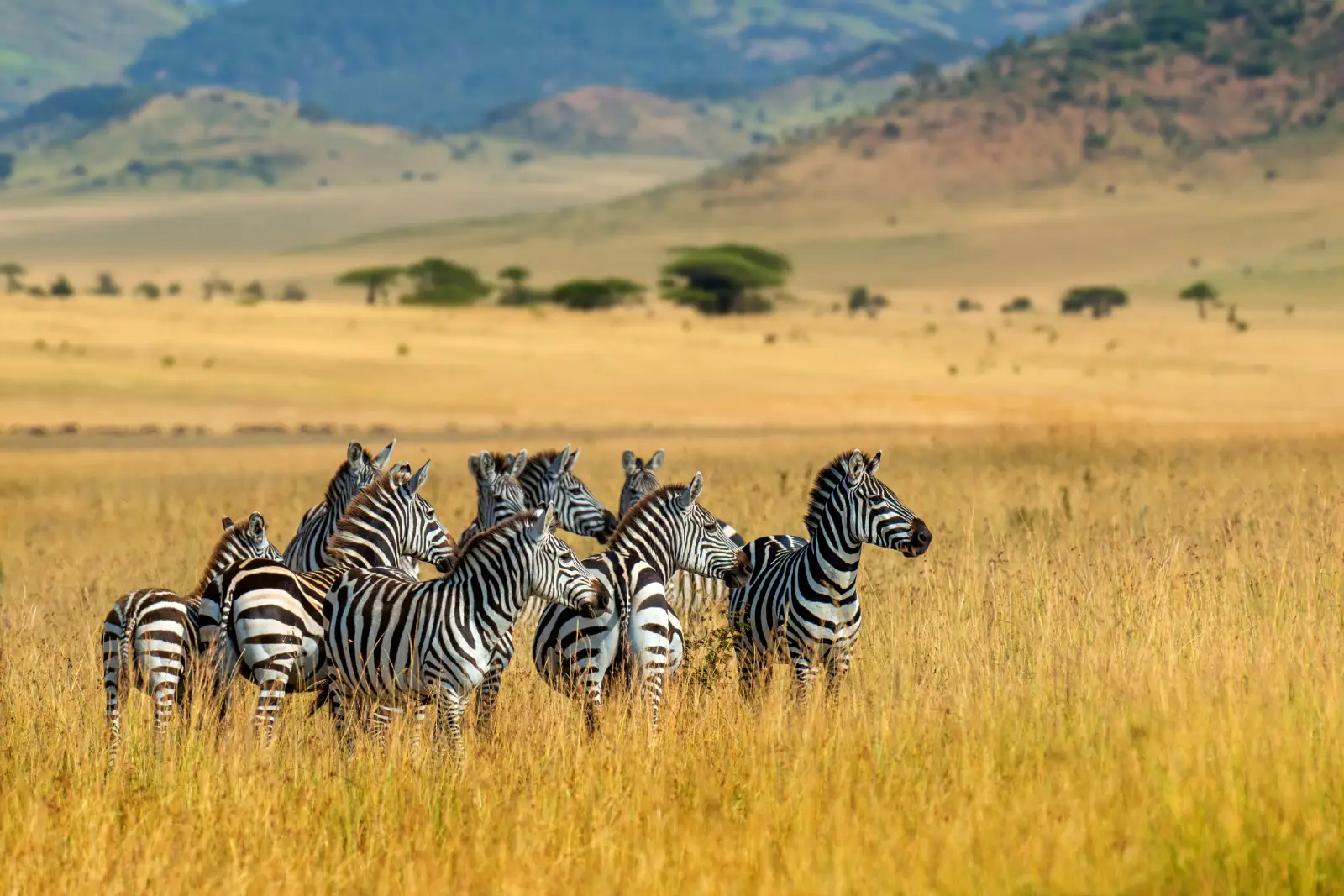
March is a transitional month in northern Tanzania.
Early March can still provide excellent opportunities to observe wildebeest and predators in the southern Serengeti ecosystem.
However, as seasonal conditions change, some herds gradually begin moving away from the calving grounds.
Rainfall generally increases toward the later part of the month.
Grasslands become increasingly green, and temporary water sources appear across the landscape.
These changes can influence where animals choose to graze.
For photographers, March offers attractive scenery, dramatic skies, and relatively quiet safari experiences.
Fewer visitors may also create a more relaxed atmosphere around wildlife sightings.
Nevertheless, road conditions can deteriorate following heavy rainfall.
Travelers should therefore avoid tightly scheduled itineraries that depend on long daily transfers.
A private safari provides greater flexibility because the driver-guide can adjust activities according to actual weather and road conditions.
March works particularly well for guests who appreciate beautiful landscapes, wildlife photography, and the freedom to explore without peak-season crowds.
April: Quiet Parks, Green Landscapes, and Lower Accommodation Rates
April is generally one of Tanzania’s rainiest months.
Frequent rainfall can make game drives more challenging, particularly in remote areas with muddy tracks.
Vegetation becomes denser, and animals have access to more widespread water sources.
Consequently, traditional dry-season wildlife concentrations become less predictable.
However, April offers important advantages for certain travelers.
National parks are often quieter, and some accommodation providers offer lower seasonal rates.
The scenery can be extraordinarily beautiful.
Fresh grasslands, flowering plants, dark clouds, and dramatic sunsets create excellent opportunities for landscape photography.
Birdlife can also be rewarding, particularly in wetlands and woodland habitats.
Visitors considering April should select parks that remain accessible and confirm accommodation operations before finalizing their safari.
Ngorongoro Crater and established areas of central Serengeti can still provide worthwhile wildlife experiences.
Nevertheless, travelers should remain prepared for changes in daily activities.
April is most suitable for flexible visitors who prioritize scenery, solitude, and potential savings over predictable weather.
For a first-time safari with limited travel days, the dry season may provide a more straightforward experience.
May: Improving Weather and Excellent Green-Season Value
May brings a gradual transition toward drier weather in many northern safari areas.
Early May may remain wet, while conditions often improve later in the month.
The landscape retains its rich green appearance, creating beautiful scenery across Serengeti, Ngorongoro, and surrounding regions.
Wildebeest herds may move through central and western Serengeti during the wider period, although their exact movements depend on rainfall.
Wildlife viewing becomes increasingly rewarding as roads begin drying and vegetation gradually changes.
May can offer an attractive balance between safari quality and accommodation value.
Visitor numbers are generally lower than during the busiest summer months.
In addition, selected lodges may continue offering seasonal promotions before dry-season demand increases.
However, travelers should confirm whether their preferred camps operate throughout May.
Southern and western destinations may still experience access limitations.
Late May is often especially interesting for visitors seeking a quieter safari before the popular June-to-October season.
With careful planning, this transitional month can provide an excellent opportunity to explore Tanzania at a more relaxed pace.
June: The Beginning of the Main Tanzania Safari Season
June marks the beginning of the principal dry-season safari period.
Rainfall generally declines, and wildlife becomes easier to locate as the landscape gradually dries.
Temperatures can feel pleasantly cool, especially during early morning game drives.
The Great Migration often moves through western or central-western Serengeti during this broader period.
Large herds of wildebeest and zebra may travel across open plains toward new grazing areas.
Some groups approach the Grumeti River system, creating opportunities to observe dramatic wildlife activity.
However, migration movements are influenced by rainfall, and precise locations vary between years.
Tarangire National Park also becomes increasingly attractive as elephants and other animals move toward permanent water sources.
Ngorongoro Crater remains rewarding for classic game drives.
Meanwhile, the southern safari circuit begins entering one of its strongest wildlife-viewing periods.
For many visitors, June provides an excellent balance between favorable weather and slightly lower demand than the busiest months.
Travelers should pack warm layers because mornings and evenings can be surprisingly cold.
July: Excellent Wildlife Viewing and Northern Serengeti Migration
July is one of the most popular months for safari holidays in Tanzania.
The dry season becomes more established, and animal viewing is generally excellent.
In the Serengeti, migrating wildebeest often move into northern regions as they follow grazing opportunities.
Depending on seasonal conditions, some herds may approach the Mara River.
River crossings can begin during this wider period, although they do not happen according to a predictable schedule.
Large numbers of wildebeest may remain near riverbanks before eventually crossing or moving elsewhere.
Away from the migration, central Serengeti continues offering excellent opportunities to observe lions, leopards, elephants, and other resident wildlife.
Tarangire becomes increasingly productive for elephant sightings.
Ruaha and Nyerere also offer excellent safari opportunities as the dry season progresses.
July is particularly convenient for families traveling during school holidays.
However, popular accommodation fills quickly, and prices are usually higher than during the green season.
Travelers hoping to witness migration river crossings should carefully select accommodation in northern Serengeti and allow enough time for wildlife observation.
August: Prime Great Migration and Classic African Safari Conditions
August is among the strongest overall months for Tanzania wildlife safaris.
Dry conditions dominate many safari regions, improving visibility and concentrating animals around dependable water sources.
In northern Serengeti, migrating wildebeest may gather near the Mara River.
August often provides particularly promising opportunities to witness dramatic river crossings.
However, even during peak migration season, crossings cannot be guaranteed.
The animals may change direction, remain on one side of the river, or cross at a different location.
For this reason, experienced guides and carefully selected camps are essential.
Away from the migration, Tarangire offers exceptional opportunities for observing elephants and other large mammals.
Ngorongoro Crater provides additional Big Five viewing opportunities, including the possibility of seeing endangered black rhinos.
The dry season also favors visits to Ruaha, Katavi, and Nyerere.
August combines excellent wildlife conditions with high accommodation demand.
Luxury lodges and migration camps should therefore be booked well in advance.
For travelers seeking classic safari landscapes, reliable game viewing, and potential river-crossing experiences, August is an outstanding month.
September: Exceptional Wildlife Concentrations and Comfortable Game Drives
September remains one of Tanzania’s most rewarding safari months.
Vegetation becomes increasingly sparse, making wildlife easier to observe in many landscapes.
Animals gather near rivers and permanent water sources, particularly in Tarangire, Ruaha, and Nyerere.
The northern Serengeti may continue hosting substantial wildebeest herds.
Mara River crossings remain possible, although their occurrence depends on natural animal movements.
Predator encounters can be excellent because lions, leopards, cheetahs, and hyenas take advantage of concentrations of prey.
September also provides favorable conditions for wildlife photography.
Clearer skies, open scenery, and comfortable daytime temperatures make extended game drives enjoyable.
Some areas become slightly quieter after the busiest August holiday period.
Nevertheless, popular migration camps may remain fully booked.
For travelers considering the Best Tanzania Safari Season for wildlife visibility, migration opportunities, and attractive weather, September deserves serious consideration.
A safari combining Serengeti, Ngorongoro, and Tarangire can provide an outstanding range of experiences.
October: Late Dry-Season Wildlife and Impressive Elephant Sightings
October marks the later stages of Tanzania’s principal dry season.
In several national parks, available water becomes increasingly limited.
As a result, animals often concentrate around permanent rivers and remaining pools.
Tarangire can be particularly spectacular during this period.
Large elephant herds may gather around the river, accompanied by buffaloes, giraffes, zebras, and other wildlife.
Ruaha also offers excellent opportunities for observing animals around important water sources.
The northern Serengeti may still host migrating wildebeest, although some herds begin moving in response to changing rainfall conditions.
October can therefore provide migration experiences, but it is less predictable than the core August and September period for certain northern river crossings.
Daytime temperatures may become warmer as the season progresses.
Nevertheless, October often remains excellent for wildlife observation.
Visitor demand may begin easing toward the end of the month, creating opportunities for travelers seeking good conditions without the height of the holiday crowds.
November: Short Rains, Excellent Birdwatching, and Quieter Safaris
November brings a noticeable change to northern Tanzania.
Short rains often begin refreshing the landscape after several dry months.
Grasslands gradually become greener, and temporary water sources appear.
This seasonal change encourages some animals to spread into broader grazing areas.
The Great Migration may begin moving southward through the Serengeti ecosystem, depending on rainfall patterns.
However, herd movements can vary considerably.
November is especially attractive for birdwatching.
Migratory species begin arriving, while resident birds take advantage of fresh vegetation and increased food availability.
Photographers may enjoy colorful scenery, dramatic clouds, and interesting wildlife behavior.
Another advantage is reduced visitor demand compared with peak dry-season months.
Some lodges offer more attractive rates, although prices vary according to property and location.
Occasional showers can affect road conditions, but many northern safari routes remain accessible.
November is suitable for travelers who value peaceful landscapes, beautiful scenery, and flexible wildlife experiences.
December: Festive Safaris, Green Plains, and Returning Migration Herds
December offers an attractive combination of wildlife viewing, green scenery, and festive travel opportunities.
Short rains often create fresh grazing conditions across northern Tanzania.
Migrating wildebeest may continue moving toward southern Serengeti and the Ndutu region.
However, their exact distribution depends on the timing and location of rainfall.
Central Serengeti remains productive for resident wildlife, while Ngorongoro Crater continues offering rewarding game drives.
Birdwatching can be particularly enjoyable because migratory species are present in many habitats.
December also attracts families and couples traveling during Christmas and New Year holidays.
Consequently, accommodation prices often increase during the festive period.
Popular lodges may fill months ahead, especially those offering luxury accommodation and family-friendly facilities.
Early December can be quieter than the holiday period later in the month.
Travelers should distinguish between these different demand patterns when planning their budget.
For visitors combining a Tanzania safari with Zanzibar, December can also provide an attractive holiday experience, although coastal rainfall and humidity remain possible.
Best Tanzania Safari Season for the Great Wildebeest Migration
The Great Wildebeest Migration is one of Africa’s most extraordinary natural phenomena.
Huge numbers of wildebeest, together with zebras and other grazing animals, move through the Serengeti–Mara ecosystem in response to changing rainfall, grass availability, and breeding requirements.
Unlike a seasonal festival or scheduled event, the migration continues throughout the year.
Its location changes as the herds search for suitable grazing conditions.
Understanding this natural cycle is essential for travelers who want to witness particular migration experiences.
December to March: Southern Serengeti and Ndutu Calving Grounds
During the early part of the year, migrating wildebeest usually concentrate across the southern Serengeti ecosystem and nearby Ndutu plains.
These short-grass landscapes provide favorable conditions for calving.
The main calving period often occurs between late January and February, although activity can extend beyond these dates.
Thousands of young wildebeest enter an environment where predators are constantly searching for opportunities.
Consequently, visitors may observe lions, cheetahs, hyenas, and jackals interacting with the large herds.
The calving season offers more than dramatic hunting scenes.
Travelers can also witness maternal behavior, herd movements, and the remarkable speed with which newborn animals begin walking.
This is one of the most rewarding periods for wildlife photography.
However, visitors should select accommodation close to the southern plains rather than staying far away from the main calving areas.
April to May: Migration Movement Through Central Serengeti
As conditions change, wildebeest begin moving away from their southern calving grounds.
Large herds may travel through central Serengeti and toward western regions.
The exact movement depends on where rainfall produces suitable grazing.
During this period, travelers may encounter impressive columns of wildebeest crossing the plains.
Predators often remain active around the moving herds.
However, rainfall can make certain tracks difficult to navigate.
The landscape becomes particularly beautiful as grasses and seasonal vegetation flourish.
Photographers who appreciate dramatic skies may find this stage of the migration especially rewarding.
Although famous river crossings are not the main attraction during these months, observing large-scale herd movement offers its own extraordinary experience.
May to July: Western Corridor and Grumeti River
The western Serengeti corridor becomes important as parts of the migration move northwest.
The Grumeti River and surrounding landscapes create distinctive wildlife habitats.
Large wildebeest herds may gather in the area during the broader May-to-July period.
Some groups encounter river crossings, although the timing and nature of these events vary.
Crocodiles inhabit the river system, while predators follow migrating prey across surrounding grasslands.
Unlike the widely photographed Mara River crossings, the Grumeti region offers a different wildlife experience.
Travelers may enjoy expansive scenery, riverine woodland, and opportunities to observe moving herds.
June is often particularly interesting for western Serengeti safaris.
However, accommodations should be selected according to seasonal migration patterns rather than assumptions about herd locations.
July to October: Northern Serengeti and Mara River Crossings
The northern Serengeti becomes especially attractive as migrating herds approach the Mara River.
This region is famous for dramatic river crossings involving large numbers of wildebeest.
Some crossings are relatively orderly, while others involve intense movement through difficult currents.
Crocodiles add another element of danger.
Nevertheless, the most important fact for safari planning is that crossings remain unpredictable.
A herd may gather at the river for hours or even longer without entering the water.
In other situations, animals cross suddenly with little warning.
August and September are often particularly favorable months, although crossings may occur outside this narrower window.
Travelers should consider spending at least three or four nights in the northern Serengeti when river crossings are a primary objective.
Additional time improves the opportunity to follow herd movements without rushing.
November to December: Return Toward Southern Grasslands
As seasonal rainfall returns, many wildebeest begin moving toward southern grazing areas.
The direction and timing depend on available fresh grass.
Some herds may remain in northern or central regions longer than expected, while others move south relatively quickly.
This variability explains why migration locations cannot be guaranteed months in advance.
The returning herds can create impressive wildlife scenes against fresh green landscapes.
Photographers may particularly appreciate the changing weather and reduced vehicle numbers.
Although this period does not normally provide the strongest opportunities for northern river crossings, it remains a rewarding stage of the migration cycle.
The Great Migration is best understood as a continuous ecological process rather than a single event.
Best Tanzania Safari Season for Serengeti National Park
Serengeti National Park is the centerpiece of many Tanzania safari holidays.
Its vast plains, resident predators, rivers, woodlands, and migrating herbivores create exceptional opportunities for wildlife observation.
However, the Serengeti covers an enormous area.
Choosing the correct region is often more important than simply choosing the correct month.
Central Serengeti: Wildlife Viewing Throughout the Year
Central Serengeti, particularly the Seronera region, offers rewarding game drives during every season.
Resident lion prides, leopards, elephants, giraffes, buffaloes, and other mammals occupy the area.
Unlike migrating wildebeest, many of these animals remain within established territories.
As a result, central Serengeti provides dependable safari opportunities even when the main migration herds are elsewhere.
Dry-season visibility is often excellent, while the green season creates beautiful scenery.
However, popular wildlife locations can attract considerable numbers of vehicles.
Travelers who value privacy may prefer smaller camps positioned away from the busiest routes.
Southern Serengeti: Calving and Predator Encounters
Southern Serengeti is particularly rewarding between approximately December and March.
The main attraction is the wildebeest calving season.
January and February usually offer especially strong opportunities to observe newborn animals and associated predator activity.
The open grasslands provide excellent visibility.
However, herd concentrations change with rainfall.
Selecting accommodation in the appropriate southern ecosystem is essential for maximizing wildlife-viewing opportunities.
Western Serengeti: Migration and River Landscapes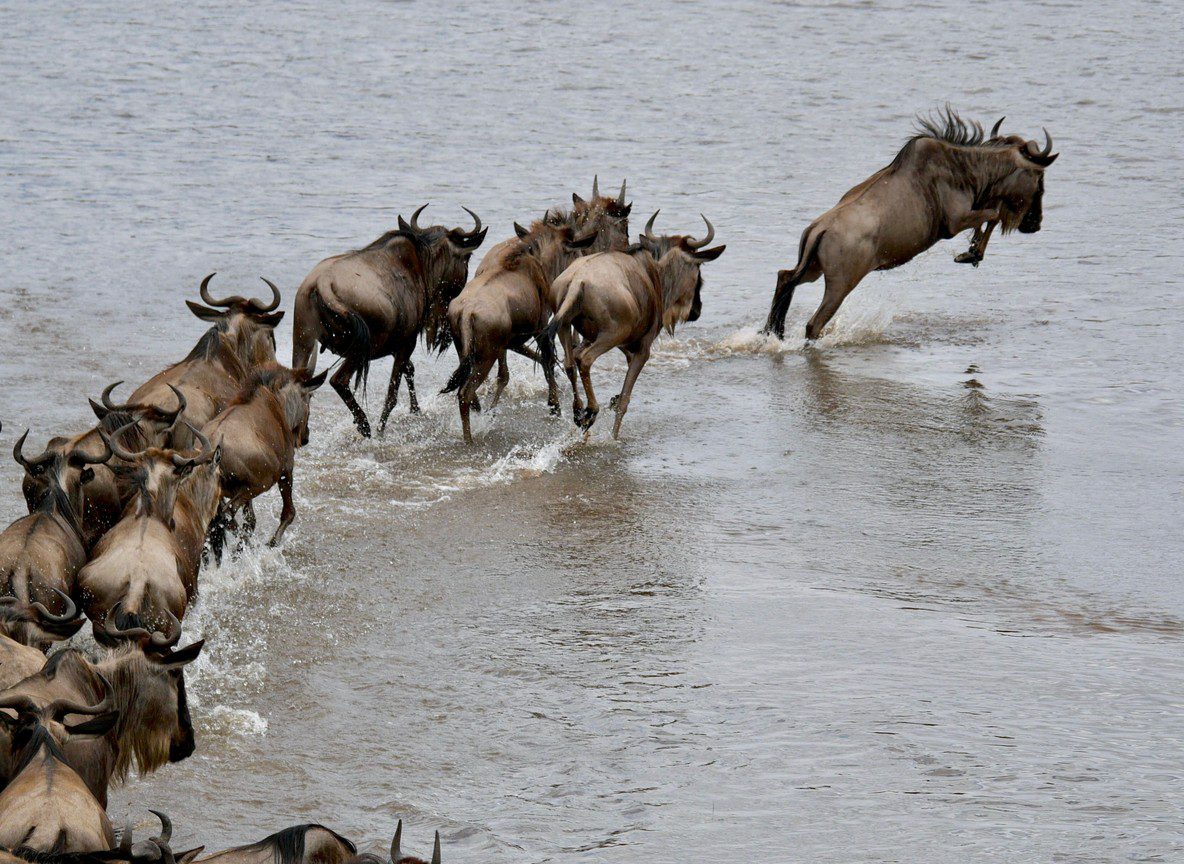
Western Serengeti becomes especially attractive during the broader May-to-July migration period.
The landscape includes grasslands, woodland, and river systems.
Visitors may observe large moving herds, predators, and diverse wildlife habitats.
The area offers a different atmosphere from the central plains.
For travelers interested in a more varied Serengeti experience, combining central and western regions can be particularly rewarding.
Northern Serengeti: Migration River Crossings
Northern Serengeti is the preferred region for travelers seeking Mara River crossing opportunities.
July through October represents the broader seasonal window.
August and September are often particularly promising.
Nevertheless, river crossings cannot be guaranteed, and some days may pass without significant movement.
Travelers should choose experienced guides and allow sufficient time in the region.
Best Tanzania Safari Season for Ngorongoro Crater
Ngorongoro Crater is one of Tanzania’s most remarkable wildlife destinations.
Its enclosed volcanic landscape supports an impressive concentration of animals, including lions, buffaloes, elephants, hippos, hyenas, and endangered black rhinos.
The crater remains rewarding throughout the year because many animals live within or regularly use the wider ecosystem.
Unlike the Great Migration, wildlife viewing here does not depend primarily on a single seasonal movement.
The dry months from June to October generally offer favorable driving conditions and excellent visibility.
However, January and February can also be outstanding.
During the rainy season, the crater becomes beautifully green, with dramatic mist and cloud formations around the highland rim.
Although wet weather can affect visibility and road conditions, wildlife remains present.
Early morning game drives are particularly attractive because animals can be active before the heat of the day.
Visitors should prepare for cold temperatures around the crater rim.
Accommodation options range from comfortable lodges in the surrounding highlands to luxury properties overlooking the conservation landscape.
Ngorongoro is an excellent destination for travelers with limited time because a well-planned visit can provide many different wildlife encounters within a relatively compact area.
Best Tanzania Safari Season for Tarangire National Park
Tarangire National Park is one of Tanzania’s finest destinations for elephant viewing.
The park is characterized by ancient baobab trees, beautiful savannah landscapes, and the important Tarangire River.
During the dry season, wildlife increasingly depends on permanent water sources.
Consequently, June through October is generally the strongest period for game viewing.
August, September, and October can be especially impressive as elephants and other herbivores concentrate around the river.
Visitors may encounter buffaloes, giraffes, zebras, wildebeest, antelopes, and numerous bird species.
Lions and other predators take advantage of the available prey.
However, Tarangire also offers rewarding experiences during greener months.
Seasonal rainfall transforms the scenery, and birdwatching can be excellent.
Wildlife may become less concentrated as animals disperse into surrounding habitats.
For photographers, the combination of elephants and enormous baobab trees creates some of Tanzania’s most recognizable safari landscapes.
A two-night stay allows visitors to explore more comfortably than a brief afternoon excursion.
Best Tanzania Safari Season for Lake Manyara National Park
Lake Manyara National Park offers a distinctive combination of forest, woodland, lake, and open habitats.
The park is known for elephants, giraffes, buffaloes, monkeys, hippos, and diverse birdlife.
Tree-climbing lions are sometimes observed, although sightings are never guaranteed.
June through October generally offers favorable wildlife-viewing conditions.
Nevertheless, green-season visits can be particularly attractive for birdwatchers and landscape photographers.
Lake levels and rainfall influence the distribution of waterbirds, including flamingos.
Therefore, the abundance of particular species changes throughout the year.
Lake Manyara is especially suitable for travelers exploring the northern safari circuit.
Its location makes it convenient to combine with Tarangire, Ngorongoro, and Serengeti.
Visitors should consider the park for its overall ecological diversity rather than focusing exclusively on a single famous animal.
Best Tanzania Safari Season for Ruaha National Park
Ruaha National Park offers one of Tanzania’s most rewarding wilderness safari experiences.
Located in southern Tanzania, the park is known for impressive predator populations, elephants, buffaloes, antelopes, and extensive wild landscapes.
The dry season from June to October generally offers the best wildlife-viewing opportunities.
As temporary water sources disappear, animals gather around the Great Ruaha River and remaining pools.
These concentrations attract lions, leopards, and other predators.
September and October can be especially productive for observing large mammals.
However, temperatures may become warmer toward the end of the dry season.
During the rainy months, the park becomes greener and wildlife disperses across wider areas.
Some accommodation providers may suspend operations during the wettest periods.
Ruaha appeals particularly to travelers who have already explored the northern circuit and want a quieter, more remote experience.
A well-planned itinerary can combine Ruaha with Nyerere National Park or other southern destinations.
Best Tanzania Safari Season for Nyerere National Park
Nyerere National Park offers a beautiful combination of river landscapes, woodlands, lakes, and open wilderness.
Its most distinctive feature is the Rufiji River system.
Unlike conventional safaris focused entirely on vehicles, Nyerere provides opportunities for boat-based wildlife experiences where permitted and available.
Travelers may observe hippos, crocodiles, waterbirds, elephants, buffaloes, giraffes, and predators.
The dry season from June through October is generally the most favorable period for wildlife viewing.
As water becomes less widely available, animals gather near reliable rivers and wetlands.
Boat safaris provide particularly memorable opportunities to observe river ecosystems.
However, conditions during the rainy season can affect road access and the operations of some camps.
For travelers seeking fewer crowds and varied safari activities, Nyerere is an attractive alternative to the busiest northern destinations.
It also combines well with Zanzibar and coastal Tanzania.
Best Tanzania Safari Season for Katavi National Park
Katavi National Park is one of Tanzania’s most remote wildlife destinations.
Its floodplains, seasonal wetlands, and expansive landscapes create a remarkable wilderness experience.
The dry season, particularly July through October, is generally the best period for exploring the park.
As seasonal water sources shrink, animals gather around remaining pools and wetlands.
Large buffalo herds, elephants, hippos, and predators may be observed.
The concentration of hippos in shrinking pools can be especially striking late in the dry season.
However, Katavi requires more careful logistical planning than the popular northern circuit.
Access often involves domestic flights or lengthy overland journeys.
Accommodation choices are limited, and some camps operate only during selected months.
For experienced safari travelers seeking remote landscapes and fewer visitors, Katavi offers an outstanding adventure.
Best Tanzania Safari Season for Chimpanzee Tracking
Tanzania also offers remarkable primate experiences.
Mahale Mountains National Park and Gombe National Park are known for their wild chimpanzee populations.
Unlike a conventional safari, chimpanzee tracking requires guided walks through forested environments.
The dry season from approximately June through October often provides more manageable trail conditions.
Reduced rainfall can make hiking easier, especially on steep or muddy paths.
However, chimpanzee movements are unpredictable, and tracking difficulty varies.
During wetter months, forests become lush, but slippery trails can make hiking more demanding.
These destinations are remote, so accommodation and transport require advance planning.
Travelers interested in combining savannah wildlife with primate tracking should consider allocating additional days.
Alternatively, a Tanzania safari can be combined with gorilla trekking in Rwanda or Uganda for a broader East African wildlife adventure.
Best Tanzania Safari Season for the African Big Five
The African Big Five consist of the lion, leopard, elephant, buffalo, and rhinoceros.
Tanzania provides opportunities to observe these animals in their natural habitats.
However, some species are much more difficult to encounter than others.
Serengeti National Park offers excellent opportunities to observe lions, leopards, elephants, and buffaloes.
Rhinoceros sightings are less common.
Ngorongoro Crater provides one of the better opportunities in northern Tanzania to observe endangered black rhinos.
Nevertheless, sightings remain unpredictable.
The dry season generally improves wildlife visibility because grass becomes shorter and animals gather near reliable water.
June through October is therefore an excellent period for travelers prioritizing traditional Big Five game drives.
However, January and February can provide exceptional predator encounters.
A strong itinerary combines different ecosystems rather than relying on a single park.
Travelers should also approach wildlife viewing with realistic expectations.
No responsible safari company should promise guaranteed sightings of particular wild animals.
Best Tanzania Safari Season for Wildlife Photography
Tanzania is a dream destination for wildlife photographers.
Its diverse landscapes provide opportunities to photograph predators, elephants, migrating herds, colorful birds, and dramatic scenery.
However, the best month depends on the photographic subjects you wish to capture.
August through October often provides excellent wildlife visibility because vegetation becomes less dense.
Animals may concentrate around water sources, creating attractive opportunities for observing behavior.
January and February are especially rewarding for photographing newborn wildebeest and predators across green southern Serengeti plains.
Meanwhile, November and March may provide beautiful dramatic skies.
The green season often produces richer landscape colors than the later dry months.
For serious photographers, time in the field is particularly important.
Spending several nights in one productive area allows repeated opportunities to observe animals under different lighting conditions.
Early mornings and late afternoons usually provide attractive natural light.
A private safari vehicle can offer additional flexibility when choosing photography locations.
However, vehicles must remain within park regulations and avoid disturbing animals.
Good photography depends on patience, responsible guiding, and respect for wildlife.
Best Tanzania Safari Season for Birdwatching
Tanzania offers extraordinary birdwatching opportunities across savannahs, forests, wetlands, lakes, and coastal habitats.
Although birds can be observed throughout the year, November through April is often particularly rewarding.
During this period, migratory species arrive from other regions.
Seasonal rainfall also supports breeding activity among many resident birds.
Some species develop brighter breeding plumage, making them particularly attractive to photographers.
Lake Manyara offers a variety of woodland and wetland habitats.
Tarangire is excellent for savannah birds, while Serengeti supports raptors, ground birds, and numerous grassland species.
Ngorongoro’s different elevations provide additional birdwatching opportunities.
Southern parks such as Nyerere and Ruaha also offer remarkable diversity.
Dedicated birdwatchers should consider hiring a specialist guide who understands local habitats and identification techniques.
For a rewarding experience, spend sufficient time in different environments rather than trying to visit too many locations in a short period.
Best Tanzania Safari Season for Family Holidays
Tanzania offers an educational and memorable safari experience for families.
Children can observe wild animals, learn about conservation, and discover the importance of healthy ecosystems.
However, family safari planning requires particular attention to travel distances, accommodation facilities, and daily schedules.
June through October is generally suitable because weather conditions are often favorable for game drives.
July and August are especially popular with families traveling during school holidays.
However, accommodation prices and demand can be high.
December provides another convenient holiday period, although festive-season bookings require early arrangements.
Families traveling with younger children should choose private safari vehicles whenever possible.
This allows game drives to be adjusted according to children’s interests and energy levels.
Comfortable lodges, swimming pools where available, and manageable transfer times can significantly improve the experience.
Some walking safaris, balloon flights, and other specialist activities have age restrictions.
These should be confirmed before booking.
For most families, a safari lasting six to eight days offers a good balance between wildlife adventures and relaxation.
Best Tanzania Safari Season for Honeymoon Couples
A Tanzania honeymoon combines romance, spectacular scenery, and extraordinary wildlife encounters.
Couples can enjoy luxury tented camps, private game drives, beautiful sunsets, and memorable dining experiences.
June through October is ideal for guests seeking dependable weather and classic wildlife viewing.
January and February provide excellent alternatives, especially for couples interested in calving season and predator encounters.
A romantic safari often works particularly well when combined with a Zanzibar beach holiday.
After several days exploring national parks, couples can relax beside the Indian Ocean.
However, luxury accommodation in famous migration regions can become expensive during peak months.
Choosing quieter camps or traveling during shoulder-season dates may provide a more exclusive experience.
A well-designed honeymoon should include sufficient time at each lodge.
Frequent transfers can reduce opportunities to relax and enjoy the surroundings.
For couples seeking privacy, personalized service, and unforgettable wildlife experiences, Tanzania is among Africa’s most attractive honeymoon destinations.
Best Tanzania Safari Season for Budget Travelers
The cost of a Tanzania safari changes according to the travel season, accommodation category, transport arrangements, and selected national parks.
July through September is generally among the most expensive periods because wildlife demand and international travel coincide.
Premium camps near the Great Migration may charge significantly higher rates.
Christmas and New Year can also attract festive-season supplements.
By contrast, April, May, and selected November dates may offer better accommodation value.
However, lower prices do not always mean the overall safari becomes dramatically cheaper.
Park fees, vehicle costs, guiding, and transportation remain important components of the package.
Travelers seeking affordability should consider the total cost rather than focusing only on lodge discounts.
Joining a small-group safari can reduce vehicle expenses when suitable departures are available.
Choosing comfortable midrange lodges instead of luxury camps can also produce substantial savings.
Another useful approach involves visiting fewer parks while spending sufficient time in each destination.
This reduces unnecessary transfers and creates a more relaxed journey.
The most affordable safari is not always the shortest.
A carefully structured itinerary can deliver better wildlife experiences without paying for excessive driving or unnecessary accommodation changes.
How Tanzania Safari Prices Change by Season
Tanzania safari costs vary widely depending on travel style.
A camping safari may be considerably less expensive than a luxury fly-in safari.
Private journeys also differ from shared group departures because transport and guiding costs are divided among fewer people.
During peak dry-season months, popular lodges often charge their highest rates.
Luxury migration camps may be particularly expensive when located near expected herd movements.
Shoulder-season dates can provide attractive value, although prices depend on the property.
Green-season promotions may reduce accommodation costs, but travelers must consider the possibility of weather-related disruptions.
For budget planning, it is important to understand what a quotation includes.
A safari proposal should clearly explain accommodation, meals, park entrance fees, private or shared transport, guiding, and any internal flights.
International flights, visas, travel insurance, gratuities, and personal purchases are often excluded unless specifically stated.
Additional activities such as hot-air balloon safaris may also carry separate charges.
A professionally prepared quotation should identify these costs before the traveler confirms the booking.
Because park fees and accommodation rates may change, current quotations should always be requested for the intended travel dates.
Best Tanzania Safari Season for Luxury Safaris
Luxury safari travelers often prioritize privacy, exclusive accommodation, personalized guiding, and carefully selected wildlife locations.
Tanzania provides numerous luxury options, from beautifully designed tented camps to premium lodges overlooking spectacular landscapes.
The dry season is particularly popular because it offers reliable wildlife viewing.
However, luxury camps near the migration can experience high demand between July and September.
Guests should therefore reserve preferred accommodation well in advance.
January and February are excellent for luxury safaris focused on the southern Serengeti calving season.
Meanwhile, selected shoulder-season dates can provide more relaxed lodge availability.
Luxury does not necessarily mean staying in the most expensive accommodation.
Location, guiding quality, privacy, and safari design often make a greater difference.
A well-positioned camp near important wildlife areas can reduce unnecessary driving and create more rewarding game drives.
For travelers seeking a particularly exclusive experience, combining two or three carefully selected properties may be better than visiting numerous lodges.
Best Time to Combine Tanzania Safari and Zanzibar
Combining a Tanzania safari with Zanzibar is one of East Africa’s most popular holiday experiences.
The contrast between wildlife-filled savannahs and tropical Indian Ocean beaches creates an attractive balance between adventure and relaxation.
June through October is generally an excellent period for this combination.
Safari conditions are favorable across much of Tanzania, while Zanzibar typically experiences relatively dry weather.
January and February are also attractive for beach holidays, although temperatures and humidity can be high.
April and May usually bring heavier rainfall to Zanzibar.
As a result, beach conditions may be less predictable, and some accommodation providers offer seasonal discounts.
December remains popular for festive holidays, but occasional showers are possible.
When arranging a combined safari and beach itinerary, travelers should consider flight connections and the number of nights available.
A six- or seven-day northern Tanzania safari followed by three or four nights in Zanzibar provides a comfortable introduction.
However, shorter combinations are possible when domestic flights are used efficiently.
Choosing the Best Zanzibar Beach Area
Zanzibar offers different coastal experiences.
Nungwi and Kendwa are popular for beaches, resorts, and swimming opportunities.
Paje and Jambiani attract travelers interested in coastal scenery, water sports, and a more relaxed atmosphere.
Stone Town provides an opportunity to explore Zanzibar’s history, architecture, and cultural heritage.
Tidal conditions differ between coastal areas, so the best location depends on the activities travelers want to enjoy.
A beach stay should therefore be selected with the same care as the safari accommodation.
Best Time to Combine Tanzania Safari with Rwanda Gorilla Trekking
Tanzania and Rwanda create an outstanding combination for travelers seeking both classic savannah wildlife and mountain gorilla encounters.
A Tanzania safari allows visitors to explore Serengeti, Ngorongoro, and Tarangire.
Rwanda offers a very different experience in the forested mountains of Volcanoes National Park.
Here, visitors can trek with experienced park guides to observe endangered mountain gorillas in their natural habitat.
The drier periods, particularly June through September and parts of December through February, are generally preferred for gorilla trekking because trails may be less muddy.
However, gorilla trekking operates throughout the year, subject to park conditions and availability.
The most convenient combined itinerary often begins or ends in Kigali, depending on international and regional flight arrangements.
Travelers can explore Rwanda’s Volcanoes National Park before continuing to Tanzania for wildlife safaris.
Alternatively, guests may complete their Serengeti and Ngorongoro safari before flying to Rwanda.
Why Combine Tanzania and Rwanda?
The two countries offer complementary experiences.
Tanzania is famous for vast plains, large predators, elephant herds, and the Great Wildebeest Migration.
Rwanda is internationally recognized for mountain gorilla trekking, golden monkey tracking, beautiful highland scenery, and Akagera National Park.
Combining these destinations creates an opportunity to experience different African ecosystems during one journey.
However, travelers should allow enough days to avoid rushed transfers.
A practical combined itinerary may last between ten and fourteen days, depending on selected activities.
Travel arrangements should also account for flight schedules, gorilla permit availability, and accommodation preferences.
Universal Ventures Rwanda can assist travelers with planning Rwanda-based safari experiences and coordinating broader East African holiday arrangements.
Best Tanzania Safari Season for Short Safari Packages
Travelers with limited vacation time can still enjoy rewarding wildlife experiences in Tanzania.
However, itinerary planning becomes especially important when only a few days are available.
A short safari should focus on accessible parks rather than attempting to cover enormous distances.
Three-Day Tanzania Safari
A three-day safari can introduce travelers to Tanzania’s northern wildlife destinations.
One practical approach involves Tarangire National Park and Ngorongoro Crater.
Guests may enjoy elephant encounters, beautiful landscapes, and opportunities to observe iconic African wildlife.
However, a three-day itinerary does not allow sufficient time for an extensive Serengeti exploration unless flights and travel logistics are carefully arranged.
Visitors should focus on quality game drives rather than maximizing the number of parks.
Five-Day Tanzania Safari
Five days allow a more varied safari experience.
A typical northern route may combine Tarangire, Serengeti, and Ngorongoro.
However, travel distances remain significant, particularly when visiting Serengeti by road.
An itinerary should therefore allocate enough time for meaningful game drives.
During January and February, the southern Serengeti may deserve particular attention.
From July through September, travelers interested in the northern migration should consider a longer itinerary because reaching the appropriate areas requires additional travel time.
Seven-Day Tanzania Safari
Seven days provide a more comfortable introduction to Tanzania.
Travelers can spend several nights in Serengeti while also exploring Ngorongoro and Tarangire.
This duration allows more flexibility for wildlife encounters.
It also reduces the pressure to change accommodation every night.
For families and first-time visitors, seven days is often an attractive option.
Ten-Day Tanzania Safari
A ten-day safari allows travelers to explore Tanzania at a more relaxed pace.
Additional nights in Serengeti improve opportunities to observe predators and seasonal wildlife movements.
Guests may also include Lake Manyara or specialized photographic experiences.
Alternatively, part of the journey can be devoted to Zanzibar or another regional destination.
Longer itineraries are particularly useful for visitors interested in the Great Migration because animals do not follow a fixed schedule.
How to Plan a Tanzania Safari Around the Migration
Planning a migration safari requires more detailed consideration than booking a conventional wildlife holiday.
The Serengeti ecosystem covers an enormous area.
Different regions become important at different stages of the migration cycle.
For January and February departures, accommodation near the southern Serengeti and Ndutu region is often most suitable.
During May and June, western Serengeti may provide attractive opportunities.
For August and September, northern Serengeti becomes especially important.
However, these patterns represent typical seasonal movements rather than guarantees.
Travelers should choose camps that provide convenient access to the wildlife areas they hope to explore.
Why Spending More Nights Matters
A brief stay may provide excellent wildlife sightings, but migration events can be unpredictable.
A river crossing may occur shortly before visitors arrive or several hours after they leave.
Spending additional nights improves the opportunity to explore different locations and respond to changing herd movements.
It also allows travelers to enjoy resident wildlife when the migration is less active.
A well-designed safari balances the desire to witness famous events with appreciation for the entire ecosystem.
The Importance of Experienced Safari Guides
An experienced guide contributes significantly to a successful Tanzania safari.
Knowledge of animal behavior, seasonal movements, park regulations, and local conditions helps improve the overall experience.
A good guide also understands that wildlife observation requires patience.
Rather than rushing between sightings, travelers benefit from learning about ecosystems and animal interactions.
Responsible guiding should always respect wildlife and protected-area regulations.
This approach creates safer and more meaningful safari encounters.
Tanzania Safari Accommodation: Choosing the Right Lodge
Accommodation influences both comfort and wildlife-viewing opportunities.
Tanzania offers a broad selection of hotels, safari lodges, permanent tented camps, and seasonal migration camps.
Budget-friendly accommodations may provide simple facilities while still allowing enjoyable game drives.
Midrange lodges often offer private bathrooms, comfortable rooms, and convenient access to major attractions.
Luxury properties provide additional services, attractive locations, and more exclusive experiences.
However, the most expensive property is not automatically the best choice for every traveler.
Location is particularly important in Serengeti.
A lodge far from the expected migration herds may require lengthy daily drives.
Similarly, accommodation near Ngorongoro Crater should be selected with access routes and travel times in mind.
Families may prioritize larger rooms, swimming pools, and flexible dining arrangements.
Photographers may prefer small camps with fewer guests and early game-drive departures.
Couples may value privacy, scenery, and personalized service.
Choosing accommodation according to the safari’s purpose improves both comfort and overall value.
What to Pack for Different Tanzania Safari Seasons
Packing for Tanzania requires preparation for changing temperatures and outdoor conditions.
During the dry season, lightweight clothing is suitable for many daytime activities.
However, early mornings can be cold, especially in open vehicles and the Ngorongoro highlands.
A warm jacket, long trousers, and layered clothing are therefore useful.
Neutral-colored clothing is generally practical for game drives.
Comfortable closed shoes help protect feet during travel and approved walking activities.
A wide-brimmed hat, sunglasses, sunscreen, and reusable water bottle are also useful.
For rainy-season safaris, lightweight waterproof clothing becomes particularly important.
Travelers should protect cameras, documents, and electronics from moisture.
Binoculars are valuable throughout the year because many wildlife encounters occur at a distance.
Photographers should consider extra batteries, suitable lenses, and adequate memory storage.
Packing light is especially important when domestic flights impose luggage restrictions.
Before departure, travelers should confirm baggage allowances and any equipment requirements with their safari operator.
Health and Safety Considerations for Tanzania Safaris
Travelers should prepare for Tanzania safaris by reviewing appropriate health guidance before departure.
Malaria risk exists in many parts of Tanzania, although risk varies by destination, altitude, and season.
Visitors should consult a qualified travel-health professional about malaria prevention and other recommended precautions.
Mosquito protection remains important throughout the year.
Insect repellent, suitable clothing, and accommodation with appropriate mosquito protection can help reduce exposure.
Travelers should also carry personal medication and obtain comprehensive travel insurance.
During game drives, guests must follow the instructions of their safari guide.
Wild animals should never be approached, fed, or disturbed.
Leaving a safari vehicle should occur only where permitted and under appropriate supervision.
Visitors should also respect regulations concerning photography, drones, and protected wildlife areas.
A responsible safari operator will explain these requirements before activities begin.
Good preparation helps travelers enjoy wildlife experiences safely and respectfully.
Why the Green Season Deserves More Attention
Many travelers automatically associate an African safari with dry grasslands and cloudless skies.
However, Tanzania’s green season offers a very different kind of beauty.
Rain transforms the plains into vibrant landscapes.
Fresh vegetation supports grazing animals, insects, and birds.
Photographers may capture dramatic cloud formations, colorful backgrounds, and beautiful reflections.
Visitor numbers can also decline outside major holiday periods.
This creates opportunities to enjoy quieter safari roads and more peaceful accommodation.
However, green-season travel requires realistic expectations.
Heavy rain can affect roads and activities, especially in remote parks.
Some lodges close temporarily.
Wildlife may also spread over larger areas, making sightings less concentrated.
For experienced travelers, the benefits can outweigh these challenges.
The green season is especially rewarding for those interested in birdwatching, landscape photography, and the changing rhythms of nature.
Why the Dry Season Remains Tanzania’s Most Popular Safari Period
The dry season continues to attract large numbers of travelers for several practical reasons.
Wildlife visibility is generally better because vegetation becomes less dense.
Animals gather around dependable water sources, making game drives productive.
Rainfall is less likely to interrupt daily activities.
Road access also tends to improve in many regions.
Furthermore, several famous safari events coincide with the dry months.
These include the northern stages of the Great Wildebeest Migration and significant wildlife concentrations in Tarangire and Ruaha.
Nevertheless, demand creates challenges.
Popular lodges charge higher rates, and certain wildlife-viewing areas can become crowded.
Travelers may also encounter dust and colder early mornings.
Therefore, choosing the dry season does not eliminate the need for careful planning.
Selecting the right parks, accommodation, and route remains essential.
Common Mistakes When Choosing Tanzania Safari Travel Dates
One common mistake is assuming that the Great Migration occurs only between July and September.
In reality, the migration continues throughout the year.
Different months simply offer different stages of the cycle.
Another mistake involves choosing Serengeti accommodation without considering where the herds are expected to be.
A beautiful lodge in central Serengeti may not provide convenient access to northern river crossings.
Travelers also sometimes underestimate the distances between national parks.
A route that appears straightforward on a map may involve several hours of driving.
Attempting to visit too many destinations can reduce time available for game drives.
Budget planning presents another challenge.
The cheapest advertised safari package may exclude important services or provide limited time inside national parks.
Travelers should compare complete itineraries rather than prices alone.
Finally, some visitors expect guaranteed sightings of specific animals.
Wildlife moves freely, and nature remains unpredictable.
A successful safari should provide opportunities to appreciate the wider ecosystem rather than focusing entirely on one anticipated sighting.
Frequently Asked Questions About the Best Tanzania Safari Season
What Is the Best Tanzania Safari Season for First-Time Visitors?
June through October is generally the strongest choice for first-time visitors.
During these months, rainfall is relatively low across many safari regions, vegetation becomes less dense, and wildlife often gathers near permanent water.
August and September are particularly attractive for travelers interested in classic wildlife viewing and potential northern Serengeti migration crossings.
However, January and February are also excellent for visitors prioritizing the wildebeest calving season.
Which Month Is Best for a Serengeti Safari?
The best month depends on the wildlife experience you want.
January and February are excellent for calving and predator encounters in southern Serengeti.
June and July often provide impressive migration movement through western and northern regions.
August and September are particularly attractive for potential Mara River crossings.
Central Serengeti remains rewarding throughout the year because of its resident wildlife.
When Is the Great Migration in Tanzania?
The Great Migration is a year-round movement through the Serengeti–Mara ecosystem.
Wildebeest generally gather on the southern plains during the early part of the year.
They often move toward western and northern regions as the seasons change.
The famous Mara River crossing period typically falls within the broader July-to-October window.
However, herd movements vary according to rainfall and grazing conditions.
What Is the Cheapest Month for a Tanzania Safari?
April and May often provide some of the lowest accommodation rates because these months coincide with the long rainy season.
Selected November dates may also offer attractive value.
However, actual prices depend on lodges, park fees, transport arrangements, and travel dates.
Travelers should compare complete safari quotations rather than judging affordability from accommodation prices alone.
Is Tanzania Worth Visiting During the Rainy Season?
Yes. Tanzania can still be rewarding during the rainy season.
Visitors may enjoy green landscapes, excellent birdwatching, fewer tourists, and attractive accommodation rates.
However, heavy rain can affect roads, travel arrangements, and wildlife visibility.
A flexible itinerary is therefore important.
Northern Tanzania is generally easier to explore during wetter periods than some remote southern and western destinations.
What Is the Best Time to See Lions in Tanzania?
Lions can be observed throughout the year in several Tanzanian national parks.
Serengeti and Ngorongoro are particularly well known for lion sightings.
The dry season often improves visibility, while January and February can provide fascinating predator activity around wildebeest calving grounds.
However, sightings depend on animal behavior and local conditions.
No particular month guarantees lion encounters.
When Is the Best Time to See Elephants in Tarangire?
June through October is generally the strongest period for elephant viewing in Tarangire.
As the dry season progresses, elephants increasingly gather around the Tarangire River and remaining water sources.
August, September, and October can be particularly impressive.
Nevertheless, elephants are present in the wider ecosystem outside these months, and seasonal rainfall influences their movements.
Can I Visit Ngorongoro Crater Throughout the Year?
Yes. Ngorongoro Crater offers wildlife-viewing opportunities throughout the year.
Resident animals make it rewarding during both dry and wet seasons.
June through October generally provides favorable road conditions, while greener months offer attractive scenery.
However, mist, rain, and changing weather may affect visibility around the crater rim.
Is August or September Better for Tanzania Safari?
Both months are excellent.
August is particularly popular for northern Serengeti migration opportunities and classic dry-season wildlife viewing.
September offers similarly favorable conditions and may feel slightly quieter in selected locations.
The better choice depends on accommodation availability, budget, and the safari regions you want to explore.
Neither month guarantees a river crossing.
Is December a Good Month for Tanzania Safari?
December can be an excellent month for a Tanzania holiday.
The landscapes often become greener, migratory birds are present, and wildebeest may begin returning toward southern Serengeti.
However, rainfall remains possible.
Christmas and New Year also create high demand for popular lodges.
Early reservations are therefore recommended for festive-season travel.
How Many Days Are Enough for Tanzania Safari?
Five days can provide a rewarding introduction to the northern safari circuit.
However, seven to ten days usually offer a more comfortable experience.
Additional time allows travelers to explore Serengeti, Ngorongoro, and Tarangire without rushing.
For migration-focused safaris, longer stays can improve opportunities to observe changing herd movements.
Should I Visit Tanzania or Rwanda for My First African Safari?
Both destinations offer remarkable experiences.
Tanzania is especially suitable for travelers interested in vast savannah landscapes, the Great Migration, large predators, and classic game drives.
Rwanda is ideal for mountain gorilla trekking, beautiful highland scenery, and a combination of wildlife and cultural experiences.
Travelers with sufficient time can combine both countries for a more varied East African safari.
Can I Combine a Tanzania Safari with Gorilla Trekking?
Yes. Tanzania safaris can be combined with mountain gorilla trekking in Rwanda or Uganda.
This combination allows travelers to experience both savannah wildlife and endangered primates.
However, gorilla permits, regional flights, accommodation, and border requirements should be arranged carefully.
A longer itinerary generally provides a more comfortable experience.
How Early Should I Book a Tanzania Safari?
For peak dry-season travel, booking six to twelve months in advance is sensible, particularly when seeking popular luxury lodges or migration camps.
Family holidays and festive-season travel may also require early reservations.
Shoulder-season dates can provide greater flexibility.
However, early planning remains beneficial because it allows more accommodation choices and better coordination of transport.
Is the Best Tanzania Safari Season the Same for Every National Park?
No. Different national parks respond differently to seasonal rainfall.
Serengeti and Ngorongoro provide rewarding wildlife viewing throughout much of the year.
Tarangire, Ruaha, Katavi, and Nyerere generally become particularly productive during the dry months.
Primate destinations such as Mahale and Gombe also require consideration of trekking conditions and accessibility.
Therefore, the ideal travel month depends on the specific destinations included in your itinerary.
Final Thoughts: Choosing the Best Tanzania Safari Season for Your Journey
Finding the Best Tanzania Safari Season means matching your travel dates with the wildlife experiences, weather conditions, and accommodation preferences that matter most to you.
For classic wildlife viewing, June through October remains the strongest overall period.
During these months, visitors can enjoy favorable weather, impressive wildlife concentrations, and excellent opportunities to explore Tanzania’s famous national parks.
July through September is particularly attractive for travelers interested in northern Serengeti migration activity.
However, January and February should not be overlooked.
The wildebeest calving season offers remarkable opportunities to observe newborn animals, predator behavior, and beautiful green landscapes.
Travelers seeking quieter experiences may prefer November, late May, or selected dates during the green season.
Although rainfall creates some challenges, these months provide their own wildlife and photographic rewards.
Ultimately, a successful Tanzania safari depends on more than choosing a popular travel month.
The correct national parks, knowledgeable guides, comfortable accommodation, realistic travel distances, and sufficient time for wildlife observation all contribute to an unforgettable experience.
For travelers interested in exploring more of East Africa, combining Tanzania with Rwanda’s mountain gorilla trekking adventures creates an especially rewarding journey.
With thoughtful planning and realistic expectations, Tanzania offers extraordinary African safari experiences throughout the year.
Plan Your Tanzania and East Africa Safari with Universal Ventures Rwanda
Discover the beauty of East Africa through carefully planned wildlife adventures, mountain gorilla trekking experiences, cultural encounters, and personalized safari arrangements.
Universal Ventures Rwanda helps travelers explore Rwanda and plan broader East African journeys suited to their interests, travel dates, and accommodation preferences.
Whether you are interested in combining a Tanzania wildlife safari with Rwanda gorilla trekking, exploring Akagera National Park, or organizing a multi-country African holiday, our team can assist with itinerary planning and travel coordination.
Contact us to discuss your preferred travel dates, number of guests, accommodation category, and the experiences you would like to include.
Universal Ventures Rwanda
Address: KK 15 Road, Opposite IPRC Main Entrance, BGRD Building, Kigali, Rwanda
Email: info@universalventuresrwanda.com
Telephone / WhatsApp: +250 781 441 853
Website: https://universalventuresrwanda.com
Explore East Africa with Universal Ventures Rwanda – Your Gateway to Extraordinary African Safari Experiences.


